City, University of London Institutional Repository
Citation
:
Raleigh, Linda (2013). Developmental coordination disorder: a contextualised
perspective. (Unpublished Doctoral thesis, City University London)
This is the unspecified version of the paper.
This version of the publication may differ from the final published
version.
Permanent repository link: http://openaccess.city.ac.uk/2517/
Link to published version
:
Copyright and reuse:
City Research Online aims to make research
outputs of City, University of London available to a wider audience.
Copyright and Moral Rights remain with the author(s) and/or copyright
holders. URLs from City Research Online may be freely distributed and
linked to.
1
Developmental Coordination Disorder: A Contextualised
Perspective
Linda Raleigh
Submitted in the fulfilment of the requirements for the degree of:
Doctor of Psychology
Department of Psychology
City University, London
2
Table of Contents
Page
Acknowledgments
9Declaration
10SECTION A – PREFACE
11SECTION B - CRITICAL LITERATURE REVIEW
14Developmental Coordination Disorder –
Is there a role for Counselling Psychology to contribute?
Introduction and Rationale 15
Definition and Criteria 16
Comorbidity and Co-occurrence 17
Aetiology and Models 18
Approaches and Interventions 19
Literature Review - Psychosocial Implications of DCD 22
Summary 31
Conclusions 32
Implications for Research and Practice 32
References 34
Appendix 1 - Reflexivity 45
SECTION C – RESEARCH
47Self Reported Developmental Coordination Disorder – Young adults’ experience of
Developmental Coordination Disorder in their daily lives as a student - an
Interpretative Phenomenological Analysis
Abstract
48Introduction
493
Developmental Coordination Disorder
50 DCD status for young adults 50
DCD Co-Occurrence - Other Developmental Disorders 51
DCD Psychosocial Issues – Child to Adult 51
Transition to Young Adulthood
52 Transition to Young Adulthood - Theoretical Influences 53 Transition to Young Adulthood and Disability 54 Transition to Young Adulthood and psychological health 55
Identity
58 Theoretical Background 58
Student Identity 60
Student Identity and Disability 63
Counselling Psychology and Disability
65Transition to young adulthood as a student with DCD –
66positioning the current study
Methodology
69
Research Aims 69
Research Topic and Question 69
Rational for adopting a Qualitative Approach 69
Rationale for Interpretative Phenomenological Analysis (IPA) 70
IPA Overview and Philosophy 71
IPA and Counselling Psychology 73
Epistemological Position 73
Personal Reflexivity 75
Epistemological Reflexivity 77
Quality and Validity 77
Methodological Design and Procedures
80Sampling 80
Recruitment 81
Inclusion Criteria 82
Participant Summary 83
4
Interviews 84
Interview Schedule 85
Interview Process 87
Transcripts 88
Ethics 89
Analytic Strategy 91
Methodological and Procedural Reflexivity 93
Analysis
Overview
96DCD and Transition
98 Moving On 98
Change in Framework 99
Academic vs. Social 102
DCD in Functional Context
103 Interference 103
Organisation and Planning 104
Control and Attention 106
Motor-Perceptual 107
DCD in Social Context
108 Interpersonal 108
Cultural Narratives 111
My Community 112
DCD in Psychological Context
113 Overwhelm 113
Worry 116
Social Anxiety 117
Comparing 118
Resignation and Acceptance 119
Explaining 120
Humour 121
Overcoming 122
Concealing 124
DCD and Support
126 Formal Support 126
Personal Support 127
5
Discovery 130
Me and DCD 132
Summary
135Discussion and Synthesis
136
DCD – Theory, Research and Lived Experience
137DCD Transition and Daily Living
137 Moving On – Separation, Identity and Independence 137 ‘Lost in transition’ – Functional vs. Structural 139
Academic vs. Social 143
DCD in Social Context
143 Existing DCD Lexicon, Interpersonal Relationships and Cultural Narratives 144
My Community 144
DCD and Young Adult – Dynamic Self
148 Discovery 149
Me and DCD 149
Formal vs. Personal Support
151Conclusion
152Evaluation and Methodological Reflexivity
152Implications for Research and Practice
154 Counselling Psychology 154
Limitations and Future research 156
Personal Reflexivity
157References
159Appendices
1 Proposed Quality Criteria and Reflexive Extracts 192 2 Letter to Student Disability Service/Counselling Service 199
3 Letter to the Dyspraxia Foundation 200
4 Poster and Flyer 201
5 Telephone Interview Schedule 202
6 Information for Participants 203
7 Consent Form 205
6
9 Demographic Form 211
10 Interview Schedule 214
11 Debrief for Participants 216
12 E-mail from Transcription Service 218
13 City University Ethics Release Form 219
14 Reflexive Diary extracts in Analytic process 224
15 Edited Pen Portrait of Sandra1 226
16 Extract of Transcript – Sandra 227
17 Emergent Theme Chronological list – Sandra 231 18 Diagrams of organising clusters – Sandra 235 19 Emergent Theme and sub-theme quotes for Transition – Sandra 237 20 Summary table of theme, sub theme and quote line numbers – Sandra 241
21 Extract of Narrative - Sandra 243
22 Master Table of Themes – reconciliation 246
23 Master Table of Themes – brief descriptive summary 247 24 Master Table of Themes – with quote line numbers across cases 248 25 Master Theme, Theme, sub theme illustrative quotes across cases 254
26 Convergence graphic 255
27 Divergence graphic 256
SECTION D – ADVANCED CLIENT STUDY
259General Anxiety Disorder and Social Phobia in the context of Developmental
Coordination Disorder: A CBT Approach
Part A – Introduction and Start of Therapy
260Rationale 260
Theoretical Consideration 260
Context of Work and the Referral 263
Assessment and Initial Formulation 264
Contract and Therapeutic Aims 267
Part B – The Development of Therapy
2671 All names and certain biographical /personal identifying details have been changed throughout in order to
7
Phase 1- Therapeutic approach, plan and patterns 267 Phase 1 - Difficulties in the work and supervision 269 Phase 1 – Brief summary of client progress and outcome 270 Phase 2 - Changes in the formulation and therapeutic plan 270
Phase 2 – Content, Intervention and Process 271
Phase 2 - Difficulties in the work and supervision 273 Phase 2 – Brief summary of client progress and outcome 274
Part C – The Conclusion of therapy and review
274Endings and Follow Up 274
Evaluation of the work 275
Learning from the case – theory, practice and the self 275
Part D – References and Appendices
278References 278
Appendix 1 – Formulation 1 (My Situation) 286
Appendix 2 – Mind Map of GAD Interventions 287
Appendix 3 – Summary of Sessions 288
8
Tables and Illustrations
Tables and Illustrations
Page
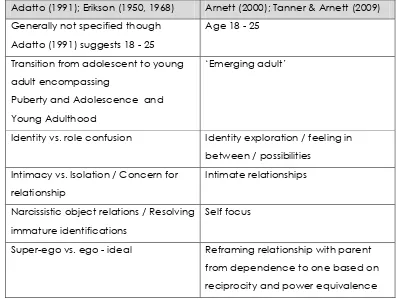
Table 1 – Comparison of Theorists in Transition to Adulthood 53
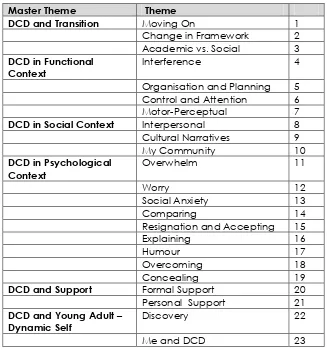
Table 2 – Master Theme Table and Theme outline 96
Diagram 1 - Master Themes and Themes 97
9
Acknowledgements
I have been lucky enough to have Dr Susan Strauss as my research supervisor and I would like to thank Susan for all her help and for being kind, thoughtful, constructive and encouraging to me throughout the research process.
I would also like to thank the staff and my classmates on the course at City University for making the last three years a stimulating and friendly time in my life.
I also wish to thank the IPA Group at Glasgow Caledonian University, led by Professor Paul Flowers and Kirsty Darwent, for including me in their research community and for their personal support, discussions and feedback which sustained, motivated and kept me grounded throughout the research project.
My family knows what this research project means to me and my husband has been the solid foundation for me to take on this task. I want to thank him and my children and family for their unstinting love and support throughout the last three years.
Finally, I wish to say a special thank you and dedicate this study to all the young people who took part, who by sharing their experiences made this research project possible. Theirs was a brave and unselfish act and they all took part with the aim of helping others. I am truly grateful.
10
Declaration of Powers of Discretion
11
SECTION A
12
PREFACE
The preface will introduce to the components of the Doctoral Thesis portfolio. The thematic pattern in this work is quite clear as each part of the thesis is about Developmental
Coordination Disorder (DCD) in different contexts. The work is presented in a specific order to try to tell a story about DCD and so it may help the reader to follow the pattern in the
portfolio as the thesis follows the journey of DCD from childhood to young adulthood. The first part of the thesis is a Critical Literature Review covering the psycho-social impact of DCD in children. The second part of the thesis is the research project which seeks to find out about the lived experience of DCD in the transition to young adulthood at university or college. The final part of the thesis is about DCD in the therapeutic context and is the client study of a young woman who has been assessed as having DCD. Linked to each piece of work has been my development as a Trainee Counselling Psychologist in a specific context and its contribution to the Counselling Psychologist I hope to become.
Section B: The Critical Literature Review
The critical literature review focuses on the psychosocial aspect of DCD, however first the topic of DCD is introduced. The background of DCD in terms of definition, diagnosis, theoretical influences and intervention are all addressed while major debates in the
literature, are surfaced. It is clear from the balance of the research literature that while the psycho-social component of DCD is recognised, interventions are focused predominantly on motor skills development. Of the literature that does exist on the psychosocial aspect of DCD, key studies are reviewed and implications for Counselling Psychology highlighted. At the time that I first completed this piece of work I also had a placement in a school which very much brought home to me the level of anxiety that some very young children experience. In this placement I developed child centred and psychodynamic skills in working with children and together with this piece of work developed an appreciation for the importance of the developmental perspective in psychological distress which has also influenced my work with adults.
Section C: The research project
13
research literature that it is often the parents or teachers who are asked to comment on young people with DCD, rarely the young person themselves. The defining feature of DCD is a difficulty in control of bodily movement so it seemed natural to use a phenomenological methodology to engage with the ‘body-self’ and therefore Interpretative Phenomenological Analysis (IPA) was chosen. Eight young adult students were interviewed using semi-structured interviews to explore their lifeworld at university or college. From the analysis of the data, the resulting thematic structure is discussed in relation to major topics such as transition to
adulthood and the development of identity. This project also has significance for my
transition to becoming a Counselling Psychologist because I would like to continue to do this type of research post-qualification and to work with this client group. During the research project I have therefore been attending professional development events on DCD and have begun making contacts with others involved in this area.
Section D: The Client Study
The portfolio is therefore viewing DCD in different contexts and having reviewed the literature academically in children and explored the lived experience of DCD contextually in young adults, the client study turns to the acute intra-personal world of a young woman with DCD. The client study follows the progress of therapy with this young woman with anxiety and depression using Cognitive Behaviour Therapy (CBT) which has been my chosen specialist therapeutic model. However, the discovery of DCD challenged me to work in a flexible and inclusive way and to bring a range of skills and adapt my CBT practice to meet this young woman’s needs. In this context I also came up against structural barriers in working
holistically to support this young woman but my research knowledge on DCD prompted me to persevere in being resourceful and my developmental perspective helped me build a warm and reparative relationship with her.
As each piece of work is about DCD, there is some overlap of the DCD literature but it has been kept to a minimum. The completion of this portfolio also follows my development as a Trainee Counselling Psychologist and demonstrates how the strands of my development from different contexts have become integrated in the therapist I have become. However, in this process, I have also discovered my community agenda and my desire to facilitate change in support of young people with specific learning needs. Completion of the portfolio has
14
SECTION B
Developmental Coordination Disorder – is there a role for
Counselling Psychology to contribute?
15
CRITICAL LITERATURE REVIEW
Developmental Coordination Disorder in children and adolescents – Is there a role
for Counselling Psychology to contribute?
INTRODUCTION AND RATIONALE
Developmental Coordination Disorder2 (DCD) presents as a motor skills deficit in children and
affects around 6 % of school age children (APA, 2000), representing approximately a third of children in receipt of occupational therapy in the UK (Dunford & Richards, 2003). DCD often only becomes apparent when the demands of the environment challenge the child’s abilities, for example, when the child starts school, and affects a child’s ability to perform daily tasks such as play, self care and academic work (Cermak, Gubbay, & Larkin, 2002). The prevailing paradigm of DCD is predominantly that of a motor skills deficit (Wilson, 2005) but DCD is, however, a complex condition and often co-occurs with other learning,
developmental and psychosocial problems (Dewey, Kaplan, Crawford, & Wilson, 2002; Schoemaker & Kalverboer, 1994). Current interventions for DCD focus on motor skills training with minimal attention paid to integrating psychosocial interventions (Wilson, 2005), arguably limiting the overall effectiveness of support for children.
2Developmental Coordination Disorder (DSM-IV-TR, American Psychiatric Association
(APA), 2000).
A. Performance in daily activities that require motor coordination is substantially below that expected given the person’s chronological age and measured intelligence. This may be manifested by marked delays in achieving motor milestones (e.g., walking, crawling, sitting) dropping things, “clumsiness,” poor performance in sports, or poor handwriting.
B. The disturbance in Criterion A significantly interferes with academic achievement or activities of daily living.
C. The disturbance is not due to a general medical condition (e.g., cerebral palsy, hemiplegia or muscular dystrophy) and does not meet the criteria for a Pervasive Developmental Disorder.
16
DCD is an extensive subject which this review cannot adequately cover, rather, the intention is to identify some limitations in the prevailing paradigm and highlight the psychosocial area of the literature. A review of a few key selected papers on the psychosocial impact of DCD in children is presented with conclusions on how counselling psychology could effectively support children with DCD.
DCD DEFINTION AND CRITERIA
The current DSM-IV-TR (APA, 2000) definition of DCD leaves room for interpretation as Geuze, Jongmans, Schoemaker, and Smits-Engelsman (2001) concluded in an extensive review of clinical and research criteria in DCD in children. The terminology Developmental
Coordination Disorder (DCD) was first agreed at the 1994 Consensus Meeting in London, Ontario (Polatajko, Fox, & Missiuna, 1995). A related definition is that of ‘Specific
developmental disorder of motor function’ (SDDMF) in the ICD – 10 (World Health
Organization (WHO), 1992) though the ICD-10 classification is rarely used (Geuze et al., 2001) () and this report will therefore focus on the DSM-IV-TR (APA, 2000) criteria for DCD.
Geuze et al. (2001) found that a range of terminology was used alongside DCD (26%), including clumsiness (41%), developmental sensorimotor dysfunction (26%), developmental dyspraxia (6%) and minor neurological dysfunction (MND) (10%). In their recommendations to improve consistency in research and practice Geuze et al. (2001) made the following suggestions: First, they propose that the qualitative criteria of DCD be clearly described as is provided for Attention Deficit Hyperactivity Disorder (ADHD) (APA, 2000). Second, they advocated the use of a standardised motor test based on age appropriate norms, e.g., the Movement ABC Test (previously TOMI) (Henderson & Sugden, 1992) with a cut off point of the fifth percentile for research studies and fifteenth percentile in treatment settings. Third, they suggest that it is reasonable to accept inclusion at a mainstream primary school and satisfactory school performance as evidence of normal intelligence (Criterion D, APA, 2000) without the need for an IQ test.
The Leeds Consensus Statement (Sugden, 2006; Sugden, Kirby, & Dunford, 2008) has also refined the definition and diagnosis of DCD including: 1) acceptance of the detrimental impact of DCD on daily living though not full theoretical or empirical support for the impact on academic performance, 2) that while DCD can improve with development and
17
Kaplan, 2001), 4) that a norm referenced motor skills test with a cut-off at the 5th percentile to
support diagnosis of DCD is appropriate in research and practice, and 6) that a child with an IQ below 70 should not be given a diagnosis of DCD.
While Geuze et al. (2001) and the Leeds Consensus Statement (Sugden, 2006) clarify the criteria for DCD, it seems that DCD can be difficult to differentiate from other developmental disorders.
DCD – COMORBIDITY AND CO-OCCURRENCE
While Geuze et al. (2001) and the Leeds Statement (Sugden, 2006) recognise that DCD has comorbidity with ADHD, Dyslexia, and developmental language disorder, Gilger and Kaplan (2001) go even further and argue for a broad based individual neuropsychological
classification of Atypical Brain Disorder (ABD). They argue that comorbidity of DCD with other disorders such as ADHD and language disorders is more common than not and that within each child there is variability of learning difficulties. Gilger and Kaplan (2001) therefore suggest that assessments and treatment plans should include a comprehensive evaluation of a child’s neuropsychological strengths and weaknesses.
In support of Gilger and Kaplan’s (2001) conceptualisation of ABD, Kaplan, Crawford, Mantell, Kooistra, and Dewey (2006) suggest that comorbidity as a terminology is misleading and prefer the term ‘co-occurrence’. Based on their investigations of school age children they found an overlap of DCD and ADHD, and DCD with ADHD and Reading Disorder (RD); with decreasing of levels attention and increased reading problems in groups defined as ‘non-DCD’, ‘suspect DCD’ and ‘DCD’.
Kadesjo and Gillberg (1999b) also identify the relationship of DCD with ADHD or Deficits in Attention, Motor Control and Perception or ‘DAMP’ (Rasmussen & Gillberg, 2000), and highlight long term psychological and behavioural problems in these children including depression, conduct disorder and autistic type behaviour. In Kadesjo and Gillberg’s (1999b) study, 47% of those children assigned as ADHD (DSM-III-TR, APA, 1987) also met the criteria for DCD. Both these groups had significantly increased problems of school adjustment, reading comprehension and Asperger symptoms than the ADHD or DCD only groups. ‘Pure’ ADHD was shown to be the exception, occurring in only 13% of the clinical sample.
18
(1995) did not find this level of occurrence. Green, Baird, Henderson, Huber, and Henderson (2002) also concluded that motor impairment in AS and DCD could not be differentially diagnosed and that children with overlapping motor problems and AS have an elevated risk of attention and reading problems.
Kirby and Davies (2006) also highlight another overlapping condition, Joint Hypermobility Syndrome (JHS), originally described by Kirk, Ansell, and Bywaters (1967) which potentially identifies children, particularly girls, with DCD. Girls with JHS tend to outnumber boys while DCD is more readily identified in boys (Adib, Davies Grahame, Woo, & Murray, 2005; Missiuna, 1994) with girls motor skills needing to be worse before being identified (Revie & Larkin, 1993).
DCD – AETIOLOGY AND MODELS
Issues of comorbidity or co-occurrence with other developmental disorders underpin a major area of debate in developmental disorders generally which are reflected in key theoretical approaches to DCD.
Msall (2000) highlights the pre-natal and genetic influence in developmental disorders, particularly in boys, while Vaivre-Douret and colleagues (2011) quote a diverse range of biological and environmental factors implicated in the aetiology of DCD including premature birth, oxygen deprivation at birth, neurological damage in the cerebellum or basal ganglia (Lundy-Ekman, Ivry, Keele, & Woollacott, 1991) and parietal dysfunction (Lesny, 1980). Other potential factors include foetal drug and alcohol effects (Henderson & Barnett, 1998) and socio-economic class (Hadders-Algra & Lindahl, 1999). However, no definitive explanation has yet been found and, as in other developmental disorders, DCD is most likely to result from a combination of factors (Pennington, 2006).
Morton (2004) outlines a generic causal modelling system for specific developmental disorders which would enable modelling DCD as a specific disorder reflecting the current stance in the Leeds Statement (Sugden, 2006). In contrast, Pennington (2006) outlines a multiple deficit model of developmental disorders which accommodates comorbidity arguing that complex behavioural disorders, such as dyslexia, ADHD and autism, have common interacting biological or environmental causal risk factors which change the normal development of cognition resulting in the range of symptoms that are observed in the co-occurrence of these disorders (Willcutt, et al., 2002).
19
considering the longitudinal psycho-social impact of DCD. Morton, in light of this alternative goal, proposes Rutter’s (1989) psychosocial pathways approach which represents trends over time through ‘chains of circumstance’ to identify risk factors that correlate with future outcomes (Kraemer et al., 1997).
DCD - APPROACHES AND INTERVENTIONS
DCD has a significant impact on the ability of children to feed, dress and play in their daily lives. Academically, DCD has an impact on writing, drawing, cutting, playing musical
instruments and physical education. Physical mastery is seen as helping children with DCD to cope with these daily tasks so considerable attention has been paid to motor skills
development. Wilson (2005) in his evaluative review of interventions in DCD encapsulates five current approaches: 1) Normative Skills Approach, 2) General Abilities Approach, 3) Neurodevelopmental Theory (medical model), 4) Dynamical Systems, and 5) Cognitive Neuroscience. A deficit of Wilson’s (2005) taxonomy is that few references are made to psychosocial interventions though he acknowledges the social and emotional problems associated with DCD in children. An overview of Wilson’s (2005) taxonomy is provided with evaluative comments.
Normative Skills Approach
The Normative Skills Approach to DCD is based on maturational theories (Piaget, 1952) with motor proficiency progressing along developmental milestones. Assessments are the most common in use, e.g., M-ABC (Henderson & Sugden, 1992) but a limitation of the assessments, are that they use norm referenced groups between age four – twelve/fourteen with no specific motor tests for the under fours and older adolescents, and no comprehensive assessment across all motor skill types. Counselling Psychologists should be aware of the Motor Competence Checklist (MCC) for teachers (Gentile, 2000) which identifies behaviour problems and has good psychometrics (Schoemaker & Smits-Engelsman, 2003) and the emergence of the ‘cognitive approach’ which integrates the child’s personally generated motor and self regulation goals, e.g., the Cognitive Orientation to Daily Occupational Performance (CO-OP; Missiuna, Mandich, Polatjko, Malloy, & Miller, 2001).
20
(2012) argue that teachers often lack the psychological skills to support children with social and emotional behavioural difficulties (SEBD) and have particular concerns with specific learning difficulties including DCD. As Counselling Psychologists, there is an opportunity to build understanding and challenge some of the positioning of these children within a psychopathologising narrative (Graham, 2008) and take account of the embedded nature of the child in educational and other systems.
General Abilities Approach (Sensory Integration Theory)
In Sensory Integration Theory (SI), difficulties in perceptual-motor behaviour are thought to indicate an underlying problem in organising sensorimotor input which disrupts the
organisation and planning of motor actions. Sensory Integration Training (SIT) (Ayres, 1989) is thought to develop a proprioceptive schema, or sense of the body in space, to assist in the cortical integration of sensory data but evidence is contradictory about its effectiveness (Smits-Engelsman et al., 2012).
However, higher level cognitive functions, including the organization of visual and muscular memory as Ayres (2005) suggested, may be implicated in DCD, ADHD and Dyslexia as Jeffries and Everatt (2004) report in their study on the role of Working Memory (WM) and Central Executive functions (CE) (Baddeley, 1996). Jeffries and Everatt (2004) found evidence that Phonological Loop (PL) working memory deficits are implicated in dyslexia and Visio Spatial Sketch Pad (VSSP) working memory deficits are implicated in dyspraxia (DCD) but they found all of the children with learning difficulties had deficits in the CE with no particular pattern discerned. This study demonstrates the complexity of DCD and the need for broad based cognitive assessments that takes account of individual differences.
Neurodevelopmental Theory (Medical Model)
This approach is based on neurodevelopmental norms and abnormal motor development with ‘hard signs’ assessed by medical examination, e.g., muscular dystrophy. Wilson (2005) emphasises the lack of empirical data underpinning this approach though neuroimaging processes can now substantiate hard neurological symptoms. In the past, ‘soft signs’ were used to differentiate children with motor difficulties without a medical condition as having Minimal Brain Damage (MBD), a term mainly discontinued.
21
Dynamical Systems TheoryThe Dynamical Systems approach assumes that motor development is based on interacting systems between the child, the task and the real world. Interventions are child and task specific with observational assessment made by trained physical education professionals against proficiency norms, e.g., over arm throwing (Gallehue & Ozman, 2002).
Training is task specific, e.g., Unigym (Revie & Larkin, 1993) utilising the child’s self talk, but Smits-Engelsman et al. (2013) comment that children with superior language skills improve more. Although simple tasks can be learned quite quickly, e.g., hopping, it seems that practice does not make perfect (Fitts, 1954) on complex tasks as some tasks, e.g., hockey shooting, are difficult to train (Marchiori, Wall, & Bedingfield, 1987). It is also unclear that verbal guidance and labelling strategies assist motor coordination. In a multiple case study investigation, Myahara, Leeder, Francis, and Inghelbrecht (2008) found no effect using a verbal labelling strategy on sequential movements in a study in which children consistently failed to improve in motor skills which is potentially unhelpful to the child’s perception of self-worth (Harter, 1978). Careful consideration should therefore be given to research design and follow up of children with DCD.
Cognitive Neuroscience Approach
The Cognitive Neuroscience Approach is a process oriented approach to improve motor functionality through new techniques in neuro imagery. Children with DCD seem to have a deficit in imagining themselves doing a particular motor activity, e.g., a mental hand rotation (Wilson, Maruff, Ives, & Currie, 2001). However, using ‘action replay’ imaginal interventions of role models Wilson, Thomas, and Maruff (2002) were able to demonstrate some training effects ascribed to modifications in the parietal lobe in mapping and transmitting motor movements to the pre-motor cortex (Wolbers, Weiller, & Buchel, 2003).
A number of key points are made by Sugden et al. (2008) in relation to effective interventions in DCD in children. These authors acknowledge that most interventions focus on motor skills development and recommend that attention should also be paid to academic, daily living and task oriented approaches. The key points they advocate for helpful intervention in DCD are modelled by the national and local strategy of Forsyth, McIver, Howden, Owen, and Shepherd (2008) including: 1) the child and the child’s family should be the focus of support and both child and parent views should be taken into account, 2) researchers, practitioners and educators should work collaboratively to develop resources and support the transfer of knowledge to non-specialists, 3) interventions be function and task focused wherever
22
et al., 2012) 4) wherever possible interventions take place in everyday settings with imaginative approaches to encourage participation (Magalhaes, Cardoso, & Missiuna, 2011), 5) interventions are generalizable can be transferred to a variety of everyday contexts, and 6) that emotional and social resilience be developed for the longer term benefit of children with DCD.
The taxonomy of models and interventions of DCD offered by Wilson (2005) typically focuses on motor skills deficits and treatments with little discussion or evidence of the psychosocial impact. To complement Wilson’s (2005) review and the recognition of Sugden et al. (2008) that the social and emotional aspect of DCD is a key issue, a review of studies on the social and emotional impact of DCD on the healthy psychological development of children is presented.
LITERATURE REVIEW - PSYCHOSOCIAL IMPLICATIONS OF DCD
While physical mastery is seen as important to the child’s psychological and social well being (Cermak et al., 2002) as proficiency in motor skills is often culturally important there is
increasing recognition that ‘real life’ research should reflect not only impairment but
contextual and environmental limitations (Magalhaes et al., 2011). However, Magalhaes et al. (2011) demonstrate that most of the research papers on DCD reflect the dominant paradigm of quantitative psychology. This trend is repeated the psychosocial literature on DCD in children so that most of the representative papers outlined are quantitative studies.
Schoemaker and Kalverboer (1994)
In an original study of its time, Schoemaker and Kalverboer (1994) investigated the social and emotional problems of ‘clumsy’ children in comparison to their non clumsy peers with
younger children than had previously been investigated (6 – 8 year olds). Eighteen children (15 boys and 3 girls) were assigned as clumsy and compared to a control group matched on age and sex with no clumsiness. Motor skills were assessed by a school doctor and tested on the Henderson revision of the Test of Motor Impairment (TOMI) (Stott, Moyes, & Henderson, 1984) at a 5% cut off. Psychosocial attributes measured included state and trait anxiety using the State-Trait Anxiety Inventory for children (STAIC) (Spielberger, Edwards, Lushene,
Montuori, and Platzek, 1973) and the child’s view of their physical competence and social acceptance using the Pictorial Scale for Perceived Competence for Young Children (PCSAS) (Harter & Pike, 1983). Additionally teachers and parents were asked to complete the
23
Droppleman, & Kalverboer, 1965) providing information on introversion/extraversion; positive task orientation/negative task orientation and socially negative behaviour.
The results indicated that clumsy children were judged by parents and teachers to be more introverted, insecure and isolated than their peers with more socially negative behaviour (like to tease, rigid, hostile). These young children reported lower self esteem and fewer friends than controls with heightened anxiety in motor performance and concerns in how others perceived them. No relationships were found between the seriousness of motor problems and social and emotional effects. Schoemaker and Kalverboer (1994) emphasised that all clumsy children had one or more social or emotional problems regardless of how bad their motor skills were.
Although this landmark study did obtain views from the children and identified that very young children experience the psychological impact of clumsiness, the sample was small with few girls which limits generalization. Social behaviour particularly overactivity and distractability could be explained by the children also having co-occurring ADHD, and rigidity and hostility may alternatively be explained by elements of autism (Gumley, 2005). The presence of state and trait anxiety in the clumsy children was a key result but some school environments (Ames, 1984) may make the situation more anxiety provoking than others, e.g., competitive environment vs. a cooperative or individualistic environment but no contextualising information about the prevailing school culture is provided. A claim of the study was that the clumsy children were more introverted and withdrew from social situations but perhaps the children were tired as children with motor problems use considerable effort to manage their bodies (Ayres, 2005).
24
Skinner and Piek (2001)In a study designed to investigate perceptions of self-worth, social support and anxiety of children and adolescents with DCD based on Harter’s (1978) model of self-worth, Skinner and Piek (2001) attempted to replicate Schoemaker and Kalverboer’s earlier findings on anxiety and extend the study to include adolescents. Skinner and Piek (2001) hypothesised that as DCD’s motor and psychosocial effects persist into adolescence (Losse, Henderson, Elliman, Hall, Knight, & Jongmans, 1991), that continuing lack of mastery and increasing self
awareness in adolescence would mean a worsening picture of psychosocial outcomes for adolescents.
218 pupils from primary and high schools in two age groups of aged 8-10 years and 12-14 years were selected. 58 children with DCD were compared to 58 children without DCD in the younger age group and 51 adolescents with DCD were compared to 51 adolescents without DCD. There were 40 girls and 18 boys in both the DCD and non DCD groups in the younger group and 29 boys and 22 girls in the both the adolescent groups. Participants completed the M-ABC test of motor skills (Henderson & Sugden, 1992) and the Weschler IQ test (WISC-III; Weschler 1992). Unusually in this study there were more girls than boys which is against the trend (Adib et al., 2005). Participants in both DCD and control groups
completed the STAI (Spielberger, 1983) to measure state and trait anxiety and the self-perception profile (Harter, 1985a; Harter, 1985b) to assess a range of self-self-perceptions including scholastic competence, athletic competence, physical appearance, social acceptance and global self-worth. Both groups of children and adolescents completed the social support scale for children and adolescents (Harter & Robinson, 1988) to measure source (parents, teachers and classmates) and type of social support (approval, instrumental and emotional).
The study concluded that children and adolescents with DCD had lower self-perceptions of athletic competence. Younger children with DCD had lower perceived academic
competence and adolescents in the DCD group had lower perceptions of social acceptance than controls. Both DCD groups had lower perceptions of physical
appearance than their peers without DCD and both groups reported higher levels of anxiety in line with the Schoemaker and Kalverboer (1994) study. Global self-worth was found to be lower in the adolescent group than in the younger group and in both DCD groups self-worth was lower than in the control groups. DCD participants in both the younger and the
25
It is difficult to find many flaws in this study except that the motor ability criteria for selection to the DCD group were less rigorous than may be expected in a research project, i.e., 15th
percentile (Geuze et al., 2001) and the sample was biased towards girls, restricting generalization. The procedure was perhaps more taxing on children with DCD as the assessment sessions were lengthy (>40 minutes) and children with DCD tire quickly (Ayres, 2005). As DCD can co-occur with ADHD (Dewey et al., 2002; Kaplan et al., 2006) problems of inattentiveness may have had an impact here and it is recommended that children with DCD be given longer to complete tests (Johnstone & Garcia, 1994).
Given these limitations the study lends weight to the argument that children with DCD experience higher levels of anxiety (Schoemaker & Kalverboer, 1994) than their peers, that their cognitive perceptions of competence and self-worth are poorer than their peers (Harter, 1978) and that they think they have less social support (Harter, 1978), though the evidence is not conclusive as other researchers have not found differences in global self-worth in children with DCD (Cantell, Smith, & Ahonen, 1994). The study also reinforces the evidence that DCD persists physically and emotionally into adolescence (Losse et al., 1991).
Dewey, Kaplan, Crawford and Wilson (2002)
This study by Dewey and her colleagues investigated the relationship between the severity of motor skills deficits and attention, learning and psychosocial adjustment as no previous studies had addressed this issue though Kadjesko and Gillberg (1999) had found that children with DCD had more problems in attention deficit, Asperger’s syndrome and school
performance than non DCD children. In line with Kadjesko and Gillberg (1999), Dewey et al. (2002) hypothesised that children with DCD (severe) and suspect DCD (moderate) would differ from non DCD children on difficulties in attention, reading and psychosocial adjustment but there would be no difference between DCD and suspect DCD. This discussion focuses on the psychosocial findings of the study.
Particpants were selected from a large sample (430 children) from public and private schools and categorised as DCD, suspect DCD and non DCD by: 1) excluding children with general medical problems, 2) by a battery of motor skills assessments including BOTMP (Bruininks, 1978) or M-ABC (Henderson & Sugden, 1992), and 3) completion of Development
26
was measured with the parent form of the Child Behaviour Checklist (CBCL) (Achenbach, 1991) with acceptable reliability.
Group differences were analysed and showed that the children in the DCD and suspect DCD groups both scored significantly higher than the control group on all Internalizing Problems (Withdrawn, Somatic complaints, Anxious/Depressed) while on Externalizing
Problems significant differences were found between both DCD groups (DCD/suspect DCD) and the non DCD group on the subscale for Aggressive Behaviour and a trend toward significance on the Delinquent Behaviour subscale. As expected and in line with Kadesjo & Gillberg (1999) there was no difference between the DCD and suspect DCD levels on psychosocial adjustment, which confirms the findings of Schoemaker and Kalverboer (1994), that at all levels of seriousness, DCD presents a risk for psychosocial problems.
In this study with a large sample and strict inclusion criteria using a parental questionnaire with good psychometric properties, the findings seem acceptable. Parents can be used to elicit concerns predictive of developmental difficulties at a level that can detect 70 – 80% of disability problems (Glascoe, 2000) but this still leaves some room for some children to be missed. In this case the parental sample was predominantly white middle class and well educated (Dewey et al., 2002) so that it may be difficult to generalize the findings of this report to other socioeconomic groups though Glascoe (2000) suggests that parents are able to raise predictive developmental concerns irrespective of their socioeconomic status or education. It is worth noting that for children with DCD, somatic complaints such as dizziness, tiredness and nausea may be explained by vestibular problems (Ayres, 2005) and general aches and pains may be associated with co-occurring JHS (Kirby & Davies, 2006) and should be acknowleged in the research design.
Kanioglou, Tsorbatzoudis and Barkoukis (2005)
Kanioglou and colleagues (2005) examined two areas of socialization behaviour in the classroom in children with DCD, namely social status and deviant behaviour (hyperactivity, inattention, and tension-anxiety and conduct problems). A sample of 154 children (82 boys and 72 girls) of average age 10.9 years old were tested on motor skills using the M-ABC (Henderson & Sugden, 1992). Ten children were categorised with serious DCD (< 5th
percentile) and 16 with moderate DCD (6th – 15th percentile) and the rest of the children as
27
Teacher Questionnaire (Conners, 1985) indicating hyperactivity (fidgeting), inattentive-passive (easily distracted), conduct problems (disturbing other children) and tension-anxiety (overly anxious to please).
A high percentage of children with either severe or moderate DCD were in the ‘rejected group’ though some children with moderate DCD were represented in the popular group. Children with moderate DCD had significantly lower assessments on social acceptance and social preference and significantly higher scores on social rejection than their non DCD peers. On the range of deviant behaviours, there were significant differences between both the moderate and severe DCD groups and children in the non DCD category with children in the severe DCD category having the least favourable outcomes. The authors comment that the deviant behaviours may reflect the co-occurrence of a hyperactivity disorder (Dewey et al., 2002; Kaplan et al., 2006) rather than intentionally poor behaviour. Based on the results of the Conner’s Teacher questionnaire, children categorised as severe DCD experienced the highest levels of anxiety.
While the groups were drawn from a non clinical sample, the DCD groups were small so it is difficult to generalize the results. The results follow the pattern of higher anxiety levels and social acceptance problems in children with DCD in line with Schoemaker and Kalverboer (1994) and Skinner and Piek (2001). Caution is required on the use of teachers’ perceptions of children as accurate, as teachers seem predisposed to noticing disruptive behaviour particularly in boys, ignoring withdrawn behaviour and noticing motor skills problems less in girls (Rivard, Missiuna, Hanna, & Wishart, 2007). Ethically this study raises some questions as the methodology seems to have encouraged pejorative labelling of young children by their peers. Crabtree and Rutland (2001) highlight that adolescents with learning difficulties use strategies based on social comparison to maintain their self-esteem (Crocker & Major, 1989) and when their differences were highlighted in comparison to those without a learning difficulty their self-esteem dropped. Careful consideration should therefore be given to inclusive practice in research with children with DCD.
Dunford, Missiuna, Street and Sibert (2005)
28
goals is important to collaboration and motivation in therapeutic interventions (Harter, 1978) in which parents and teachers may play a part (Sugden & Chambers, 2003).
In this study 35 children aged 5 – 10 years old, referred for coordination difficulties, were assessed for inclusion in line with DSM-IV-TR (APA, 2000) criteria. Participants with a general medical condition (Criterion C, DSM-IV-TR, APA 2000) and children with cognitive ability test information of <85 were excluded (WISC: Weschler, 1992). Children were categorised as either ‘definite DCD’ – < 5th percentile and borderline if in the 6th to 15th percentile (M-ABC,
Henderson & Sugden, 1992). The children meeting the criteria for DCD completed the Perceived Efficacy and Goal Setting System (PEGS) (Missiuna, Pollock, and Law, 2006) to report their perceived level of competence on a range of daily activities in school, self care and leisure based on whether 24 picture cards are ‘a lot’ like or ‘a little’ like themselves on a four point scale. Parents and teachers completed a questionnaire designed by
occupational therapists and physiotherapists.
This innovative study on young children’s self-perceptions suggests that the children were predominantly concerned with leisure activities and self care goals in contrast to parents’ and teachers’ concerns about academic abilities. The teachers seemed to have a particular concern about writing and given the difficulty children with DCD have in handwriting (Ayres, 2005), teachers’ expectations may need to be addressed and alternative resources offered, e.g., a computer (Johnstone & Garcia, 1994). The children were aware of the impact of DCD on their daily lives and were able to set personal goals on improvements outwith those described in the PEGS (Missiuna et al., 2006).
Unfortunately, the limitations of the design of this study make it difficult to draw firm conclusions. First, the children were selected from a clinical population with no controls. Statistical significance of results was not reported and generalization cannot be made. No data on the reliability and validity of the parent and teacher questionnaire was provided. A significant issue in the procedure of the children completing the PEGS was that the parents were in the room and the parents could disagree afterwards with the child’s perception to the therapist. Young children tend to rely on external sources of their competence (Harter, 1978) and in this design it is possible that the children were influenced by their parents’ expectations.
29
Sinitsky (2010) outlines that, as Counselling Psychologists, our emphasis on the individual child’s subjective values and on the contextual and systemic setting can help the child create their story, few Counselling Psychologists may have had the opportunity to work with children due to the limitations of our training and the requirement to work within our level of competence (BPS, 2009; HPC, 2008).
Rasmsussen and Gillberg (2000)
This study is the latest in a series of influential longitudinal studies (Gillberg & Gillberg 1983, 1988; Hellgren, Gillberg & Gillberg, 1994a;) in which the neuropsychiatric status of a cohort of 6 and 7 year olds with ADHD, DCD or DAMP (ADHD plus DCD) have been followed by Rasmussen, Gillberg and colleagues to provide a controlled developmental study of the outcome problems of these children. In the present investigation 101 of the original 6 year olds now aged 22 years old were categorised in index groups as follows: ADHD + DCD = 39, ADHD = 11, DCD = 5 and a COMP - control group = 46. In the index groups there were 42 males and 13 females. All participants had been checked at age six for learning disability and had been screened using a pre-school teacher questionnaire (PSQ) (Gillberg, 1982) and had diagnostic examinations by psychiatrists, physiotherapists, neurologists and psychologists to determine diagnoses of ADHD +DCD, ADHD and DCD only. At age six the children were also tested on IQ (WISC-R) and the Southern California Sensory Integration Test (SCSIT) (Ayres, 1972). In this follow up study individuals had undergone a similar assessment process which included a blind neuropsychiatric interview (DSM-III-R, APA 1987), a modified version of the Asperger Syndrome Diagnostic Interview (ASDI) (Ehlers & Gillberg, 1983) and the current ADHD Symptoms Interview (CASI). Outcome measures assessed were: permanent sick pension, conviction of a criminal offence, diagnosis of a DSM-III-R alcohol or substance abuse disorder (excluding depressive disorders), DSM-III-R Personality Disorder, or autism spectrum disorder (ASD).
30
to 9% of the control group. Also, 19% of the index group had a criminal record and none of the control group had.
There is a danger in a longitudinal study that cohort effects are present in that the findings are particular to this group and therefore problematic to generalize, however, the index group was originally drawn from a large general population sample with a rigorous selection process. Another issue is that the groups have small numbers, particularly the DCD group and females are under-represented so that again it is difficult to generalize the results for these groups. This study does at least distinguish among the effects of the permutations of ADHD and DCD and highlights the need for longitudinal research into DCD.
Pratt and Hill (2011)
This study aimed to investigate the level and type of anxiety in children with and without DCD. Pratt and Hill (2011) were also interested in the divergence in the anxiety profiles of children with DCD and the factors which increased risk or developed resilience in this group of children. In particular they hypothesised that panic anxiety, social phobia and fear of physical injury would be the most common types of anxiety in the children with DCD.
Participants in the study were 27 parents (25 mothers and 2 fathers) of children of average age 10 years old with DCD, and 35 parents (34 mothers and 1 father) of typically developing children of similar age. The children in the DCD group included 20 males and 7 females while the typically developing group included 18 males and 17 females. Children in the DCD group had a clinical diagnosis of DCD which had included an M-ABC2 score below the 5th
percentile for motor skills (Henderson & Sugden, 2007). Parents also completed the DCD-Q (Wilson, Kaplan, Crawford, Campbell & Dewey, 2000) to ensure that no participants in the typically developing group had undetected motor skill problems. The parents of both groups completed the Spence Children’s Anxiety Scale parent checklist (SCAS-P; Spence, 1998) to measure overall anxiety and the following types of anxiety: panic/agoraphobia; generalised anxiety disorder; social phobia; separation anxiety disorder; obsessive compulsive disorder and physical injury fears. This checklist has excellent validity and reliability.
31
reported to show social phobia. The authors conclude further research is required on
whether co-morbid panic anxiety and social phobia are indicative of self-image differences in children with DCD and while they suggest that mental health interventions may alleviate the anxiety they do not provide specific interventions.
While this study has taken an important step in differentiating types of anxiety in children with DCD, the main drawback to the study was that it was based only on parents’ self reports without any perspective from the children to balance parental bias. This is a particular concern as the children were of an age to provide competent feedback about themselves. While Carr (2009) suggests that the best evidence for an anxiety reduction intervention in children is the Coping Cat cognitive behaviour therapy (CBT) programme (Kendall, Hudson, Choudhury, Webb, & Pimentahl, 2005), the authors allude to self-image issues underlying the childrens’ problems. However, Counselling Psychologists, with a range of therapeutic approaches at our disposal across person-centred, CBT and psychodynamic paradigms (Riha, 2010) may be able to utilise an integrated approach such as the Sequentially Planned Integrative Counselling for Children model (SPICC) (Geldard & Geldard, 2008) with children. This integrative therapeutic model incorporates client centred therapy which builds a
relationship with the child and enables them to tell their story, utilising play and narrative to help a child express strong emotions before working with negative beliefs and behaviours in a cognitive behavioural phase.
SUMMARY
From the selective appraisal of the literature it can be illustrated that DCD is a complex developmental condition with pervasive motor, psychological and social effects. Social, affective and cognitive factors appear at a young age including anxiety, negative
appraisals of self-worth and perceived social rejection. Children with DCD are attributed by teachers and parents as being more introverted, hyperactive, disruptive, and aggressive and are said to report more somatic problems than their peers. The long term outcome for
children with DCD is potentially disadvantaged with negative health, educational, alcohol addiction and criminal implications. This rather negative picture should be tempered by the fact that the studies reviewed have in many cases been based on small and gender biased samples though the replication of findings internationally using a range of research
methodologies tends to suggest that there is a basis for concluding that DCD is a significant developmental problem with negative psychological consequences which needs to be addressed more comprehensively. Most of the literature reviewed used quantitative
32
more qualitative studies including phenomenological approaches that describe the lived experience of DCD (Smith, Flowers, & Larkin, 2009) (please see Appendix 1 for a reflexive account).
CONCLUSIONS
The lack of an integrated theoretical framework to explain DCD and the predominance of motor skills interventions means that while part of the problem is being addressed further support is needed in the psychological impact of DCD. While mastery in the physical domain is seen as improving self-perceptions of competence with emotional benefits to the child (Harter, 1978), it is the contention here that children with DCD need to be supported from a complementary psychological perspective as the evidence reviewed suggests that complex motor skills problems often persist even with training (Marchiori et al., 1987; Mayahara et al., 2008; Wilson 2005), that DCD often co-exists with other developmental, emotional and social problems and there is a need to mitigate longer term poor outcomes (NICE, 2008). Children with DCD need help to develop more positive perceptions of self-worth, to reduce their anxiety and improve their social skills broadly by addressing all of the child’s neurocognitive strengths and weaknesses (Gilger & Kaplan 2001; Johnstone & Garcia, 1994; Levine 2003). This could be achieved through comprehensive assessment of the child’s abilities and treatments that meets the needs and goals of children by involving them (Dunford et al., 2005). Counselling Psychology methodologies may help children access feelings, give meaning to their experience and help them reframe their negative beliefs (Geldard & Geldard, 2008).
IMPLICATIONS FOR RESEARCH AND PRACTICE
Further research is needed on teachers’ perceptions and expectations of children with DCD perhaps in conjunction with investigation of classroom culture (Ames, 1984) to establish the environmental factors in social inclusion for children with DCD. A qualitative approach such as Interpretative Phenomenological Analysis (IPA) (Smith et al., 2009) may provide rich data in this research area. In addition Counselling Psychologists could support teacher training by providing education on the psycho-social impact of DCD and collaborate with teachers to create inclusive learning environments.
33
strategies. Case study material or qualitative methodologies as described may be a first step in highlighting this information.
Counselling Psychologists must ethically ensure that any research strategy or intervention that they are involved with does not pejoratively label a child, set a child up to consistently fail without appropriate debriefing and acknowledge that children with DCD, who look physically healthy, may experience physical and emotional distress in research and treatment settings.
Counselling Psychology potentially has a valuable role to play in the research and
34
REFERENCESAchenbach, T.M. (1991). Manual for the child behaviour checklist/4-18 and 1991 profile. Burlington: University of Vermont.
Adib, N., Davies, K., Grahame, R., Woo, P., & Murray, K.J. (2005). Joint hypermobility syndrome in childhood. A not so benign multisystem disorder? Rheumatology, 44
(744-750).
Ames, C. (1984). Competitive, cooperative and individualistic goal structures: A motivational analysis. In R.E. Ames & C. Ames (Eds.), Research on motivation in education. Vol 1:
Student motivation (pp. 177-207). New York: Academic Press.
APA (1987). Diagnostic and statistical manual of mental disorders. (3rd ed.). Washington, DC: American Psychiatric Association.
APA (2000). Diagnostic and statistical manual of mental disorders. (4th ed.). Washington, DC:
American Psychiatric Association.
Armstrong, D., & Hallett, F. (2012). Private knowledge, public face: Conceptions of children with SEBD by teachers in the UK – a case study. Educational & Child Psychology, 29(4), 77-87.
Ayres, A.J. (1971). The challenge of the brain. Perceptual Motor Conference. Sparks Nugget Conventions Center, Sparks, Nevada August 26-28.
Ayres, A.J. (1989). Sensory integration and praxis tests. Los Angeles: Western Psychological Services.
Ayres, A.J. (2005). Sensory integration and the child: Understanding hidden sensory
challenges. Los Angeles: Western Psychological Services.
Baddeley, A.D. (1996). Working Memory. Oxford: Oxford University Press.
British Psychological Society. (2004). Guidelines for minimum standards of ethical approval in
35
British Psychological Society. (2006). The British Psychological Society position paper (October, 2006) Autistic Spectrum Disorders: Guidance for chartered psychologists working with
children and young people. Leicester: BPS.
British Psychological Society. (2009). Code of ethics and conduct: Guidance published by
the ethics committee of the British Psychological Society. Leicester: BPS.
Bruininks, R.H. (1978). Bruininks-Osteretski test of motor proficiency. Circle Pines, MN: American Guidance Service.
Cantell, M.H., Smyth, M.M., & Ahonen, T.P. (1994). Clumsiness in adolescence: Educational, motor, and social outcomes of motor delay detected at 5 years. Adapted Physical Activity Quarterly, 11, 115-129.
Carr, A. (2009). What works with children, adolescents and adults?: A review of research and
effectiveness of psychotherapy. New York: Routledge.
Cermak, S.A., Gubbay, S.S., & Larkin, D. (2002). What is Developmental Coordination Disorder? In Cermak, S.A. & Larkin, D. (Eds.), Developmental Coordination Disorder
(pp. 2-22). New York: Delmar.
Cole, J.F., Dodge, K.A., & Coppertelli, H. (1982). Dimensions and types of social status: a cross-age perspective. Developmental Psychology, 18, 557-570.
Conners, C.K. (1985). Teacher questionnaire. Psychopharmacology Bulletin, 21, 823-828.
Crabtree, J., & Rutland, A. (2001). Self-evaluation and social comparison amongst adolescents with learning difficulties. Journal of Community & Applied Social
Psychology, 11, 347-359.
Crocker, J., & Major, B. (1989). Social stigma and self esteem: The self protective strategies of stigma. Psychological Review, 96, 608-630.
Dewey, D., Kaplan, B.J., Crawford, S.G., & Wilson, B.N. (2002). Developmental coordination disorder: Associated problems in attention, learning and psychosocial adjustment.
36
Donaldson, M. (1978). Children’s Minds. London: Croom Helm Ltd.
Dunford, C., Missiuna C., Street E., & Sibert, J. (2005). Children’s perceptions of the impact of Developmental coordination disorder. British Journal of Occupational Therapy, 68(5), 202-214.
Dunford, C., & Richards, S. (2003). ‘Doubly Disadvantaged’: Report of a survey on waiting lists and waiting times for occupational therapy services for children with developmental
coordination disorder. London : College of Occupational Therapists.
Ehlers, S., Gillberg, C., & Wing, L. (1999). A screening questionnaire for Asperger syndrome and other high-functioning autism spectrum disorders in school age children. Journal
of Autism and Developmental Disorders, 29(2), 129-141.
Fitts, P.M. (1954). The informed capacity of the human motor system in controlling the amplitude of movements. Journal of Experimental Psychology, 47, 381-391.
Forsyth, K., MacIver, D., Howden, S., Owen, C., & Shepherd, C. (2008). Developmental Coordination Disorder: A synthesis of evidence to underpin an allied health professions’ framework. International Journal of Disability, Development and
Education, 55(2), 153-172.
Gallehue, D.L., & Ozmun, J.C. (2002). Understanding motor development: Infants, children,
adolescents and adults (5th ed.). Boston: McGraw-Hill.
Geldard, K., & Geldard, D. (2008). Counselling children: A practical introduction. (3rd Ed.).
London: Sage.
Gentile, A.M. (2000). Skill Acquisition: Action, movement and neuromotor processes. In J.H. Carr & R.B. Shepherd (Eds.), Movement Science: Foundations for Physical Therapy (2nd ed., pp. 111-187). Rockville: Aspen.
37
Gillberg, I.C., & Gillberg, C. (1983). Three-year follow-up at age 10 of children with minor neurological disorders. I: Behavioural problems. Developmental Medicine and Child
Neurology, 25, 438-449.
Gillberg, I.C., & Gillberg, C. (1988). Children with deficits in attention, motor control and perception (DAMP): need for specialist treatment. Acta Paediatrica Scandinavica, 77, 450-451.
Gillberg, I.C., Gillberg, C., & Groth, J. (1989). Children with preschool minor neurodevelopmental disorders V: Neurodevelopmental profiles at age 13.
Developmental Medicine and Child Neurology, 31, 14-24.
Gilger, J.W., & Kaplan, B.J. (2001). Atypical Brain Development: a conceptual framework for understanding developmental learning disabilities. Developmental
Neuropsychology, 20(2), 465-481.
Glascoe, F.P. (2000). Evidence based approach to developmental and behavioural surveillance using parents’ concerns. Child: Care, Health and Development, 26(2). 137-149.
Graham, J.J. (2008). From ABCs to ADHD: The role of schooling in the construction of behaviour disorder and production of disorderly objects. International Journal of
Inclusive Education, 12(1), 7-33.
Green, D., Baird G., Barnett, A.L., Henderson, L., Huber J., & Henderson S.E. (2002). The severity and nature of motor impairment in Asperger’s syndrome: a comparison with specific developmental disorder of motor function. Journal of Child Psychology and Psychiatry, 43(5), 655-668.
Gubbay, S.S. (1975a). The clumsy child. Saunders: Philadelphia.
Gumley, D. (2005). Behaviour and social functioning in children with developmental
coordination disorder. Unpublished doctoral thesis, City University, London, United
Kingdom.
Hadders-Algra, M., & Lindahl, E. (1999). Quality of general movements in infancy is related to neurological dysfunction, ADHD and aggressive behaviour. Developmental
38
Hakim, A.J., & Grahame, R. (2003). A simple questionnaire to detect hypermobility: an adjunct to the assessment of patients with diffuse musculoskeletal pain. International
Journal of Clinical Practice, 57, 163-166.
Harter, S. (1978). Effectance motivation reconsidered: Toward a developmental model.
Human Development, 21, 34-64.
Harter, S. (1985a). Manual for self-perceptions profile for children: Revision of the perceived
competence scale for children. Denver: University of Denver.
Harter, S. (1985b). Manual for self-perceptions profile for adolescents. Denver: University of Denver.
Harter, S., & Pike, R. (1983). The Pictorial Scale of Perceived Competence and Social
Acceptance for Young Children. Denver, CO: University of Denver.
Harter, S., & Robinson, N. (1988). The social support scale for older children and adolescents
(Revised): Approval, emotional and instrumental support. Denver: University of
Denver.
Health Professions Council. (2009). Standards of proficiency: Practitioner psychologists. London: HPC.
Hellgren, L., Gillberg, C., & Gillberg, I.C. (1994a). Children with deficits in attention, motor control and perception (DAMP) almost grown up: The contribution of various background factors to outcome at the age of 16 years. European Child and
Adolescent Psychiatry, 3, 1-15.
Henderson, S.E., & Sugden, D.A. (1992). Movement assessment battery for children. Sidcup: The Psychological Corporation.
39
Jeffries, S., & Everatt, J. (2004). Working memory: Its role in dyslexia and other specific learning diificulties. Dyslexia, 10, 196-214.
Johnstone, B., & Garcia, L. (1994). Neuropsychological evaluation and academic
implications for developmental coordination disorder: a case study. Developmental
Neuropsychology, 10(4), 369-375.
Kadesjo, B., & Gillberg, C. (1999b). Developmental coordination disorder in Swedish 7-year-old children. Journal of the American Academy of Child & Adolescent Psychiatry,38, 820-828.
Kanioglou, K., Tsorbatzoudis, H., & Barkoukis, V. (2005). Socialization and behavioural problems of elementary school pupils with developmental coordination disorder.
Perceptual and Motor Skills, 101, 163-173.
Kaplan, B., Crawford, S., Cantell, M., Kooistra, L., & Dewey (2006). Comorbidity,
co-occurrence. continuum: what’s in a name? Child: Care Health and Development, 32(6), 723-731.
Kendall, P., Hudson, J., Choudhury, M., Webb, A., & Pimental, S. (2005). Cognitive behavioural treatment for childhoodanxiety disorders. In H.E. Hibbs & P. Jensen (Eds.), Psychosocial treatments for child and adolescent disorders: Empirically based strategies for clinical
practice (2nd ed., pp. 47-74). Washington: American Psychological Association.
Kirby, A., & Davies, R. (2006). Developmental coordination disorder and joint hypermobility syndrome – overlapping disorders? Implications for research and clinical practice.
Child: Care Health and Development,32(5), 513-519.
Kirk J.A., Ansell, B.M., & Bywaters, E.G.L. (1967). The hypermobility syndrome: musculoskeletal complaints associated with generalized joint hypermobility. Annals of the
Rheumatic Diseases, 26, 419.
Kraemer, H.C., Kazdin, A.E., Offord, D.R., Kessler, R.C., Jensen, P.S., & Kupfer, D.J. (1997). Coming to terms with the terms of risk. Archives of General Psychiatry, 54, 337-343.