City, University of London Institutional Repository
Citation
:
Fernandez-Luna, J. M., Huete, J. F., MacFarlane, A. and Efthimiadis, E. N. (2009). Teaching and learning in information retrieval. Information Retrieval, 12(2), pp. 201-226. doi: 10.1007/s10791-009-9089-9This is the unspecified version of the paper.
This version of the publication may differ from the final published
version.
Permanent repository link:
http://openaccess.city.ac.uk/1721/Link to published version
:
http://dx.doi.org/10.1007/s10791-009-9089-9Copyright and reuse:
City Research Online aims to make research
outputs of City, University of London available to a wider audience.
Copyright and Moral Rights remain with the author(s) and/or copyright
holders. URLs from City Research Online may be freely distributed and
linked to.
City Research Online: http://openaccess.city.ac.uk/ [email protected]
Teaching and Learning in Information Retrieval
Juan M. Fernández-Luna1, Juan F. Huete1, Andrew MacFarlane2, Efthimis N.
Efthimiadis3
1
Departamento de Ciencias de la Computación e Inteligencia Artificial. E.T.S.I. Informática y de Telecomunicación, Universidad de Granada, 18071, Spain
{jmfluna, jhg}@decsai.ugr.es
2
Department of Information Science. School of Informatics. City University of
London, United Kingdom.
3
The Information School. University of Washington. Seattle, WA, United States.
Abstract
A literature review of pedagogical methods for teaching and learning information retrieval is presented.
From the analysis of the literature a taxonomy was built and it is used to structure the paper.
Information Retrieval (IR) is presented from different points of view: technical levels, educational
goals, teaching and learning methods, assessment and curricula. The review is organized around two
levels of abstraction which form a taxonomy that deals with the different aspects of pedagogy as
applied to information retrieval. The first level looks at the technical level of delivering information
retrieval concepts, and at the educational goals as articulated by the two main subject domains where
IR is delivered: computer science (CS) and library and information science (LIS). The second level
focuses on pedagogical issues, such as teaching and learning methods, delivery modes (classroom,
online or e-learning), use of IR systems for teaching, assessment and feedback, and curricula design.
The survey, and its bibliography, provides an overview of the pedagogical research carried out in the
field of IR. It also provides a guide for educators on approaches that can be applied to improving the
student learning experiences.
Keywords teaching, learning, educational assessment, information retrieval,
1 Introduction
Computer-based Information Retrieval (IR) has been around for at least 40 years, and
its origins can be traced back to the late 1940’s if not earlier. The discipline has been
transformed since the explosion of the Internet and the Web. Search has entered
popular culture and it is now a hot topic discussed in mass media, with widespread
interest in the subject shown by the public at large. Many academic papers are
published each year showing advances in the field, and significant funds are invested
in research and development projects in which ideas and technology are successfully
transferred to industry and business. This has a direct effect on people’s lives, as they
use IR tools either consciously or unconsciously for a very wide range of tasks, such
as work, pleasure, etc.
Users of IR fall into two major categories that are non-mutually exclusive:
those who develop and evaluate IR systems and services and those who consume
them. The former are researchers and developers in disciplines such as computing and
information sciences, while the latter are everyday users of the technology. Both of
these groups have educational needs. Computer science students require knowledge of
fundamental issues in IR so they can implement the technology and further extend
knowledge in the area by developing new theories and models, an example being
postgraduate students. IR can also be used to reinforce the knowledge acquired in
other subjects including programming, algorithms and data structures, and user
interface design. Library and information science students require knowledge of
advanced search techniques, resolving information needs and evaluation
methodologies, etc. Other students just use IR systems to resolve their own
information needs, e.g., search for information to write an essay. When looking at the
subject from the educational point of view, it is clear that 'IR forms an ideal subject
for exploring creative teaching, learning and assessment methods' (Jones, 2007).
The objective of this review is to provide an overview of the literature in the
area of pedagogy and information retrieval – it is by no means exhaustive as much of
the pedagogical literature can be applied to the subject of IR. The material presented
here can be used in a number of ways. One obvious use is to give the reader an idea of
in designing and organizing courses and thus improve student learning experience.
Lecturers can therefore use the research presented here to gain knowledge of best
practices of other colleagues, experiences or methodologies which they can use to
improve their own teaching. The review can also be used by people who have a
pedagogical research interest in teaching and learning, and need an overview of work
already carried out. We outline experiences of people who reported a problem in
teaching IR, thought about this problem and how to solve it, and found an appropriate
solution. IR researchers should also find this paper useful. Although they may not be
concerned directly with teaching and learning, they should be aware that output of
their research could be presented in IR courses, disseminating methodologies,
techniques, models, open problems, etc., which they have devised.
A taxonomy was developed and used in organizing this paper. The taxonomy
which reflects on the main aspects of teaching and learning IR is shown in Figure 1.
Level 1
[A] Technical Levels (non-technical to highly technical)
[B] Educational Goals:
[b1] Library and information Science
[b2] Computer Science
Level 2
[1] Teaching and Learning methods:
[1a] classroom
[1b] e-learning (distance learning)
[1c] use of IR systems for teaching
[2] Assessment and feedback
[3] Curricula
Figure 1: Organization of the review on Teaching & Learning IR
same problems – namely pedagogy and IR. Level 1 focuses on the subject itself, and
the different fields in which IR can be applied. The two main areas are Library and
Information Science and Computer Science. The relationship between these two areas
is not a dichotomous one and we relate the continuous nature of the technical level in
IR to different aspects of the field (see section 2). Each area has its own particular
education goals given the requisite technical level, which is the subject of section 3.
Level 2 of the taxonomy focuses on the pedagogical aspect in IR, that is how methods
from the world of education can be applied to the subject, in terms of teaching and
learning methods (section 4), assessment and feedback (section 5) and finally
curricula design (section 6). There are overlaps in the taxonomy, but it does give us a
good overall structure to present our work. The review follows the structure outlined
by the taxonomy and discusses the work at each level and subdivision. This is
followed by a brief citation survey of the literature used in the review, and the
conclusions.
2 Technical levels (non-technical to highly technical)
Before discussing educational goals, it would be useful to outline the technical level
of the proposed education, in order to establish precisely what is to be achieved. This
can range very widely indeed, with non technical subjects such as user needs for
information being studied in LIS, while highly technical subjects such as compression
for inverted lists being covered in CS courses, e.g. Cacheda et al (2008), who utilize
the programming skills of Master students to produce a web search engine. A
definition of IR is useful in this context – the indexing of objects (text, images, video
etc) for retrieval by a user. LIS students are more interested in indexing/classifying
the objects using meta-data/thesauri, while CS students write the software to
undertake the indexing.
The technical level is in our view not dichotomous, but is a continuum from
non-technical to technical. It is possible that some technical issues are covered in LIS
courses, e.g. the syntax of search systems such as Dialog. Johnson (2008) who teaches
LIS students argues that knowledge of technical issues in search “helps students to
understand the challenge of search in modern information environments”. It is also
possible for some user issues to be covered on more technical courses e.g.
systems. Ruthven et al (2008) describe an assessment approach for designing for users
using a holistic viewpoint including UI’s. Figure 2 illustrates this technical continuum
with some examples of where disciplines may lie above the line and subjects that
might be taught in any of the disciplines below the line.
The placement of subjects and examples on this continuum is very subjective
and open to interpretation (not an unknown problem in IR!), but it does give a flavour
of the technical needs of particular subjects. We do not infer that a discipline on one
end of the scale would never be taught a particular subject, but there is less likelihood
that it would happen e.g. Thornley (2008) describes a method of teaching IR as a
philosophical problem aimed largely at LIS students, which could be of use to those
studying CS. Education from both main areas can be used to inform each other and, as
this review will show, there has always been some cross fertilization of ideas in IR
education between LIS and CS to the benefit of all students. Teaching in other
subjects including those detailed in Figure 2 can also benefit from the interaction.
3 Educational Goals
Information Retrieval has a long history in the Library and Information Sciences
disciplines. Mooers (1951) introduced the term Information Retrieval for the first time
in the context of Library documentation - this seminal paper provides a set of
common objectives in LIS programs. Using these objectives the students can develop
HCI
Mid-Technical
Information
Seeking
Compression
Algorithms
User needs
LIS CS
Psychology
Computational
linguistics
Technical General
linguistics MIS
Non-technical
Evaluation
Management
UI Design UI
Implementation
Social networking
Social
Computing Question/Answering
different knowledge and skills such as formulating questions based on a user’s
information need, identifying potential sources of information, developing successful
search strategies or evaluating the results of a search. However as technology
developed, a need for education in computer science (CS) was required in order to
support these activities and a new set of objectives for that field focusing on more
technical issues was set (Atchison et al, 1968). Students in LIS and CS can benefit
from these stated objectives, although at different ends of the technical scale (see
section 2 above). We focus on the more technical issues in section 3.1 and move on to
goals in LIS in section 3.2.
3.1 Computer science (CS)
IR is not a core part of the curricula in CS (see section 6) and as a
consequence it is difficult to find courses in a CS degree devoted exclusively to this
subject - although they are beginning to appear more frequently in many masters or
doctoral programs. When looking at IR education in CS the focus is less on searching
for information and more on the technical and implementation aspects, i.e. how
information is stored in computer systems, retrieval models, efficiency issues,
evaluation methods, and, of course, how to develop implicit techniques to facilitate
search that are transparent to end users.
In order to tackle the educational goals, we need to define what might be
expected in the IR field from a CS graduate. In general, we might expect that
computer scientists devise new approaches for searching, develop the products and
design complex, high-performance networks to cope with immense quantities of data
(IEEE and ACM, 2001). Therefore, a solid foundation in technical skills from both
engineering and informatics areas are needed. Obviously, these broad competences
cannot be covered by means of a unique IR course in the CS curricula, but they might
be acquired through the whole degree instead. For example, IR can be used as an
application field in a data structures course illustrating the advantages of using
different data structured to store an index or, in the case of a network (web) based
course, a project application using a web crawler. Our emphasis here is on the
educational goals of an IR based course at the undergraduate level. We note that the
particular goals in master's level could well vary significantly between different
attention and each research unit has its own particular expertise.
The learning objectives of the elective unit “Information storage and retrieval
(IM11)” from the Information Management (IM) area (ACM and IEEE, 2001), are:
1) Explain basic information storage and retrieval concepts.
2) Describe what issues are specific to efficient information retrieval.
3) Give applications of alternative search strategies and explain why the
particular search strategy is appropriate for the application.
4) Perform Internet-based research.
5) Design and implement a small to medium size information storage and
retrieval system.
Important criticisms can be made of these learning objectives – for example
‘perform Internet-based research’ is somewhat ambiguous and need not refer to IR per
se. The lack of discussion about an important issue – evaluation – is particularly
problematic. However, this is a generally agreed standard, and it is therefore useful to
extract educational goals from in the specialized teaching and learning literature in
order to establish a match of educational goals between the two. We focus on the
questions by presenting educational goals found in the literature, given the known
limitations of the IM11 objectives.
The goal of understanding fundamental aspects of IR is presented by several
authors. Henrich & Morgenroth (2007) show basic concepts of IR in a first course;
Efthimiadis & Hendry (2005) and Hendry & Efthimiadis (2008) support knowledge
acquisition of basic technical concepts for search engines as an important kind of
literacy and also to improve the students’ conceptual model of how search engines
work. In (Jones, 2007; Zhu & Tang, 2006; Argamon et al, 2005; Brusilovsky, 2002),
the pedagogical objective is to give an overview of IR together with its components
and an understanding of the interaction between these components. The objective of
this educational goal is to inform the design of curricula (see section on curricula for
more details). In other work, issues such as learning advanced techniques of IR are
found as goals (Henrich & Morgenroth, 2007; Herrera-Viedma et al, 2007; de Campos
et al, 2007; Goharian et al, 2004b).
learners’ practical capability to search and understand the heuristic nature of IR
techniques (Airo et al, 2007; Halttunen, 2007; Halttunen and Järvelin, 2005). Another
educational goal is to improve the search skills of the students (Halttunen, 2003;
Brajnik et al, 2003; Fourie & van Brakel, 1995). Jacobson & Ignacio (1997) in
addition to improving search skills, set pedagogical goal of learning to retrieve
information using a variety of systems, include their main features and how these can
be applied to particular tasks.
Brandt and Uden (2003) offer a compromise between the two objectives stated
directly above, as they teach basic issues in IR to give students’ background in the
area, in order to further their knowledge of search skills.
With respect to IR systems in more advanced courses, the main objective
expressed is to acquire skills to develop new IR methods using software modules
already developed (Calado et al, 2007;de Campos et al, 2007; Jinguji et al, 2006, and
Chau et al, 2003). The goal of understanding of the whole IR process is also pursued
by the lecturers. Taking this idea a step further, another goal is to train the students' to
think about relevant issues when analyzing problems and offer viable solutions using
IR tools (Hendry, 2007; Marshall et al, 2006; Meng, 2003).
We have identified three main educational goals in the literature (we match each
to the learning objective number from CS Curricula stated above):
A. Knowledge on IR foundations (1 and 2)
B. Training in search strategies (3).
C. Knowledge on Information retrieval systems: processes and components (4
and 5).
The educational goals stated here correspond to the goals described in the Computer
Science Curricula.
An IR course should therefore teach the main elements of the IR discipline to
impart a general idea of the area; strategies for searching (given an information need,
how to express modify and update a query depending on the results, analysis of the
search engine output, use of different tools to help the formulation of the query, etc.);
and topics related to the development of IRSs (an understanding of the different
models, evaluation modules, etc.).
In order to understand the potential impact of IR education, we analyzed a
selection of job announcements in the field of IR concerned with computing, obtained
from several mailing lists such as SIG-IRList, IR, Doceng, UM, UAI. From this
analysis we have found the following requirements in most of the adverts:
• Strong knowledge of the Information Retrieval (IR) field (A).
• Deep familiarity and hands-on experience in IR techniques (B).
• Ability to conduct experiments involving massive data sources (C).
• Understand those features relevant to Search Engine Optimization (C).
Most of these requirements can be placed in at least one of the three educational
goals that we have extracted from the literature or the five learning objectives from
the CS Curricula (we place them in our identified education goals). This provides
some evidence that instructors and IR course designers are attempting to fulfil the
needs of the industry in the field of IR, as the educational goals we identify are
included in most job requirements. The lack of explicit reference to evaluation here
should be noted.
3.2 Library and information science (LIS)
As stated above, information retrieval has a long history in the field of LIS. The main
reason for this is that the skills required to do information retrieval, i.e., searching, are
core to the function of a search intermediary or reference librarian (Ingwersen, 1992).
A search intermediary’s role is to understand the information needs of a user from a
given domain (e.g. law, medicine), match it to a relevant resource and write a query to
be submitted to that source to resolve the users' information need. Skills required
including management aspects of information provision – what information should be
provided, what tools are to be utilized, how are they evaluated, what access
mechanism are used etc. This role of information professionals has evolved since the
nineties and now it also involves teaching search skills to end users. The educational
goal in LIS modules is therefore to provide the skills to the student that will allow
them to serve in these multifaceted roles.
educational goals this area. For example the Charted Institute of Library and
Information Professionals (CILIP) in their core schema for the body of professional
knowledge (CILIP, 2004), specify that an understanding of the information need and
user behaviour is required between the user/client and the information itself. The UK
Quality Assurance Agency for Higher Education (QAA) lists a number of specific
requisite skills and qualities in their subject benchmark for Bachelors degree with
honours that are clearly relevant to the search intermediary role (QAA, 2000):
• “2.6 The ability to identify, analyse and evaluate the information needs of
different groups and make informed decisions to satisfy them. Students should
be aware of methods of obtaining feedback from users”,
• “2.10 Information retrieval skills in the user of primary and secondary sources
irrespective of medium”,
• “2.11 The ability to create and use finding aids or retrieval tools and a
knowledge and understanding of the techniques and standards for their
creation”.
Bodies therefore define the required skills at different levels of abstraction from
very abstract (CILIP, 2004) to more specific (QAA, 2000). This requisite knowledge
must be delivered in some form (whatever the abstraction, although more abstract
implies more flexibility) through modules delivered on LIS courses.
Bates et al (2005), survey LIS curricula in Europe and identify three aspects areas
of information seeking and retrieval (IS&R) which inform the educational goals of
programmes on that continent. This gives us some idea of how educational goals set
by professional and accrediting organisations are implemented in practice. Consider
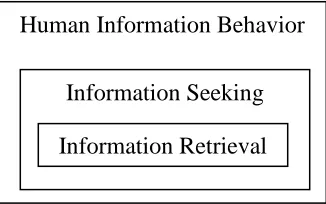
[image:11.595.214.377.613.715.2]the following diagram in Figure 3:
Figure 3: Aspects of Information Seeking & Retrieval (IS&R)
Human Information Behavior
Information Seeking
This is Wilson’s nested model (Wilson, 1999), and it was used to specify the
relationship between the three aspects of IS&R. Each aspect informs the other and
according to the evidence provided by Bates et al (2005) “neither of the two inner
layers can be understood without some appreciation of the layer outside them”.
Definitions of each of the layers in terms of educational goals are as follows (outmost
layer first):
• Human Information Behaviour (HIB): an understanding is required of how
users create, interact and use information from various sources and
communication channels,
• Information Seeking: the process in HIB of looking for information to fulfil an
information need,
• Information Retrieval: use of information retrieval systems in information seeking, understanding the underlying technologies and evaluating the results
of searches applied on those technologies.
Typical skills specified in each of the areas are as follows (this is not exhaustive;
please refer to Bates et al (2005) for a fuller list):
• Human Information Behaviour: understanding of people, sources and places,
patterns of behaviour, information needs
• Information Seeking: understanding of information seeking in context (e.g.
professional, personal), strategies and tactics for IS, relevance and satisfaction,
• Information Retrieval: understanding of search models (best match, exact
match), the role of metadata and controlled vocabularies in retrieval,
evaluation of systems and services.
Some of these skills clear match the skills specified in the QAA subject benchmark
above, apart from some aspects of HIB. These are undoubtly covered in other aspects
of the benchmark however. It should be noted that not all skills specified in modules
surveyed in Europe necessary come from either professional or accrediting bodies,
but it is noteworthy that there are no contradictions in what is delivered to students
and what is specified by outside bodies, and there is general agreement on what is
needed to be an LIS professional on the continent. Outside Europe, there is evidence
apply more generally to other domains as well (Nicholson, 2005) – the skills referred
to in this paper would also be covered by the three themes found in the European
survey.
4 Teaching and Learning methods
What are different techniques and methods used in the teaching of IR? The methods
usually share common educational goals with methodological approaches used in
other disciplines, but also have features that make IR when broken down in to its
component parts a very challenging subject to be taught.
We cover the three main areas of teaching: (a) methodological approaches for
the classroom, where we wish to show some examples of how to teach IR from a
pedagogical perspective; (b) e-learning, in order to present some distance learning
experiences with IR; and (c) IRS systems and tools used in teaching and learning IR.
We try to give a general vision of the two perspectives involved in this field: teaching
and learning, i.e. the delivery and the students’ learning outcomes. A significant
finding is that most of the authors who published their research in the IR education
field, present their delivery methods in detail (teaching), but do not tackle the learning
outcomes for the students (learning). This key point should be taken into account in
further research as teaching and learning are complementary aspects.
4.1 Methodological Approaches in the Classroom
When preparing our teaching material for a course we make a number of assumptions
about the level at which we pitch the material to be taught. These assumptions are
based on our teaching experience, the level at which the course is aimed at, our goals
and expectations, and what we think the students know about the subject. Before
commencing delivery, one of the first steps that an instructor should take is to perhaps
acquire knowledge about the students in the class and their context. This helps the
instructors assess the students’ knowledge of searching, what are their mental models
of the entire search process, and what difficulties that they might face. With this
information, new methodological approaches can be defined in order to improve
Some studies have been conducted using this framework. One example is
Kuhlthau (1988) who in a major study identified the stages of information problem
resolution and then subsequently proposed a model of users’ steps within the problem
resolution process: initiation, topic selection, pre-focus exploration, focus
formulation, information collection, and search closure. This idea is also utilised by
Leide et al (2007) to present a study of task based searching, the end goal being
writing essays. In contrast, work by McGregor (1994) showed that students are
“focused on a final product rather than a process”.
These ideas were taken further by Kuhlthau (1997) in order to assist students
with the search process. Five strategies were developed for coaching students in
search: collaborating (to work with other students), continuing (refinement of the
information need), conversing (to talk about what they already know about the
problem and what they might be interested in finding out), charting (organizing ideas
graphically), and composing (writing all the information gathered).
Related to this idea but from a point of view of the instructor, Cohen (2001)
presents ten tips to help teaching web searching. The proposal relies on the fact that it
is better to help understand the information need, analyse queries and provide
direction to corresponding information sources (different search engines, directories,
and deep Web) than to exhaustively show the operation of different search engines. In
a later paper, Cohen (2007) defends the usefulness of this query-based approach, but
shows, using a study of different teaching resources how it is rarely applied. The
outcome of this study from a point of view of student learning outcomes it is that they
must learn to understand the information need in detail if they are to take advantage of
the search tools. Lazonder (2003) also presents ten simple tips, but to guide lecturers
in the process of designing Web search instruction - the main learning output for
students is to improve Web searching skills. Vine (2001) describes methods to
develop lesson plans for a course on searching in several steps, giving advice about
best practice. In this research, planning is the main skills to acquire for the students
using the following steps: a) study and analyse the information need; b) choose the
source of information (for example, library websites, CD-ROM databases, Web
directories, the whole Web; c) select the most appropriate search engine; and d) use it
competently.
education and training in terms of searching in the literature. Dimattia (2007) charts
the difference in philosophy between these two concepts: “Education focuses on the
underlying fundamentals with specific systems as examples. Training focuses on the
specific systems and their features”. An alternative view is “theory-based” and
“practice-based”: the idea of teaching the underlying theoretical concepts vs. teaching
how to use a specific system without understanding the inner workings of it. The
argument being that if students understand the underlying principles they can more
easily transfer their skills to another system. A clear example of the first approach is
found in the context of web-accessible databases: EBSCOhost Academic Elite,
FirstSearch EBSCO Master File, Lexis-Nexis Academic Universe, JSTOR and Project
Muse (Bernard & Hollingsworth, 1999). The starting point for this research was that
different web-accessible databases were available with very diverse interfaces and
underlying search engines. Should an instructor teach all features of every system, or
extract “universal concepts” and teach only those which allow the student to work
competently with all systems? The second of these options was preferred. In way the
student acquires abstract knowledge of search engine features, knowing the general
features of these systems, and thus being able to apply these features to a particular
search engine in a given retrieval session.
Strategies are the key concept: students must have a wide range of strategies to
tackle the problem of searching, a skill in which they often have little experience in.
This is the motivation for the work of Bhavnani et al (2001) who develop “a
framework of effective and general strategies to use complex systems”. In order to
reach this final objective they identify a taxonomy of IR tasks, as well as taxonomy of
general IR strategies, to design a descriptive model of expert performance and a
prescriptive model of effective performance. Using this information, they were able to
develop a methodology for helping students learn to search: 1) learn the existence of
specific strategies to execute frequent tasks; 2) learn when to use a particular strategy;
3) know how to execute a strategy; 4) learn to use the strategies across applications.
The learning outcome here is being able to understand these strategies and when to
apply the most appropriate method on a search engine.
Halttunen (2003) asserts that: “The main goal of instruction is to develop
learners’ practical capability to perform successfully any search task occurring in the
that students’ must have acquired good search skills once IR instruction has finished.
Lazarinis (2007) in a more specific context also concludes that teachers have to
provide a set of strategies (abilities and knowledge) for the students, allowing them to
use of search systems effectively. The author presents an approach based on the
Instructional System Design methodology, to design a course for students whose
mother tongue is Greek. But as this difficulty is specific to non-native English
speakers, the students should be able to recognise the main problems of search
engines when different languages are used and how to overcome these problems to
search effectively in their given language.
An example of a method to teach search strategies is presented in Walker and
Engel (2006). Students are asked to carry out a first research exercise (given a
question, they have to provide a short paragraph describing the answers) with some
feedback from the instructor. The answers are collected and processed, allowing the
instructors to produce a presentation, that analyses the search strategies used and
show new ones based on examples. This two step process is repeated twice. The
results showed an increasing use of sophisticated search strategies, which lead to
better quality of answers. However, some students are not always willing to be taught
search (e.g. teenagers who have a very high level of technological literacy), as in
(Block, 2001), so instructors must rethink the explicit teaching and learning strategies
and use implicit methods. An example is the development of web sites which are
entry points for the concepts and resources to be delivered, so the student is unaware
what they are doing while they are acquiring knowledge.
Jones (2007) and this volume noted how the students' interest increases when
the lecturer poses questions instead of providing facts. Assessment therefore plays a
very important role in the development of a course, but framed in well designed
elements given this viewpoint. The author asserts that it is important to show the
objectives of each these elements, and how the assessments could help to achieve
understanding of them. In his teaching approach, Jones tries to encourage the students
to think critically about the topics contained in each element, rewarding the most
creative solutions.
In Halttunen (2003) and Halttunen (2007), the implementation of two
pedagogical approaches, scaffolding and anchored instruction, to the field of IR is
with teachers and tools for search, so they can develop new skills. The latter tries to
create “macrocontexts”, i.e. semantically rich environments that integrate concepts in
the curricula and set real problems to solve. The author proposes an implementation
of the scaffolding technique based on the QPA system (Halttunen, 2002; Friman et al,
2005), which gives feedback about the performance of queries allowing the student to
learn about formulating queries and improve their knowledge of this task. The
application used in the anchored instruction method was search tasks in the context of
journalism using newspaper text and image databases. The conclusion of the
evaluation was that both techniques could be very useful for IR instruction. Olivier &
Olivier (1997) showed that providing context is very important in order to improve
the quality of the search, and consequently the results.
As important as it is for a non-specialized student to know how to perform a
search strategy, a CS or LIS student needs to know how search engines work. In order
to design appropriate teaching and learning methods, an instructor must think about
“conceptual approaches, metaphors, representations, and misconceptions” when
applying IR tools. Efthimiadis & Hendry (2005) and Hendry & Efthimiadis (2008)
elicited this information by getting the students to sketch a diagram showing how they
thought a search engine works. The authors concluded that this is a good strategy that
improves the students' conceptual model and technical knowledge of search systems.
The tools presented in this research are very useful when designing methods to teach
technically focused IR. Analogously, Halttunen (2003b) investigated students'
conceptions of IR know-how exhaustively, and provided some hints to design
(constructive) learning environments for IR. This is based on learning outcomes set to
focus the student on how to formulate a good query and know and use a wide variety
of search techniques, whilst being centred on problem solving and analysis of
information sources. Brandt and Uden (Brandt, 1997; Brandt & Uden, 2003)
concluded in their studies that it is important for the students’ to have very “strong
mental models” for IR. Otherwise the students (particularly novices) are not likely to
be successful at information gathering.
Tomaiulo (1998) argues that, while understanding the students' mental models
is important in order to adapt the instruction according to the findings of a study, there
is very little time to perform any study during a course. In this paper, some clues on
educational method is focused on the students work on a computer, rather than
lectures and presentations.
The research done by MacFarlane (2007) and this volume focus on the
underlying mathematics for IR rather than search strategies. Maths is an important
skill for IR students (both CS and LIS), the approach for delivering the subject may
enhance learning, particularly when a transmitting model of teaching is used (e.g. the
standard lecture format). The author presents some ideas from his personal experience
that could improve the knowledge of maths for IR using a transaction model of
teaching (creating a two way feedback loop between the instructor and student).
In summary, we suggest that most of the methodological approaches found in
the literature are based on the idea that it is better to offer ideas and methodologies for
searching rather than starting with the search tools themselves. Instructors usually
deliver generic ideas for the IR field, e.g. search strategies and search engine general
features, and ask the students to apply them to specific contexts, problems or tools.
But the application of these ideas is not done directly. Students should be able to
analyse the situations, extract information and useful resources, and apply them
appropriately. If this method is successful, then the objectives of the teaching and
learning process will be achieved, both in terms of delivery and learning outcomes.
4.2 E-learning and IR instruction
Distance learning using online methods is also a common technique used in the
instruction of IR, in its different facets. However we suggest that the development
courses using e-Learning techniques shares common elements and basic e-Learning
methodologies from other educational fields (not just computing and information
science). We found a large number of papers focused on e-Learning in IR in the
distance learning literature, but only present some representative examples of
different approaches in order to give an idea of general applications of the technology.
Henrich & Morgenroth (2007) present a wide range of distance learning
courses on IR, at different levels of education. These successful courses are based on
the Moodle platform as well as on DocBook standard for documentation. These have
all the typical elements of such a learning style: e-Learning material in different
formats (mainly, HTML, PDF and MS PowerPoint presentations), communication
interactive elements into the technology (e.g. Java applets) with which the student can
evaluate and learn methods and algorithms.
In Sacchanand & Jaroenpuntaruk (2006) a “web-based self-training package
for information retrieval using the distance education approach” is introduced. The
package has been designed and developed using a standard methodology in the field
of distance learning. It is composed of three main parts: information about the project,
study modules (10 instructional multimedia modules on IR, self-assessments through
pre and post-test) and references and further readings. Delivery modes such as online
and offline delivery are provided via the Web and CD-ROM. The package gives a
high priority to the development of self-directed information literacy skills among the
students.
The GetSmart project (Marshall et al, 2003; Marshall et al, 2006) is “aimed at
enhancing digital library support for learning processes”. The main feature of this
project is to integrate three different but complementary elements into one tool:
• knowledge construction,
• digital library, and
• course management (class administration)
This is to support the information search process. The elaboration of concept maps by
students is a key concept in GetSmart and the research demonstrates that the students
understanding of material is improved. The project supports three learning activities:
individual study of course materials, acquisition of related and additional information
and the preparation of group presentations.
A very exhaustive analysis of Computer Assisted Instruction (CAI), applied to
search strategies is presented in (Fourie, 2001), explaining the needs for a CAI-based
tutorial on IR. The steps in the design and implementation are discussed, pedagogical
considerations, and students’ experiences examined. This is a significant contribution
to a formal development of learning systems, which considers a wide range of factors.
4.3 The use of Information Retrieval systems for teaching purposes
The Information Retrieval Systems (IRS) based instruction is carried out using two
technical students, such as CS and specialized LIS students, the IRS’s are an essential
component in showing how search engines work internally, with all the details
necessary for each discipline. However, for students in other disciplines search is a
tool which is used to support learning. We discuss here some of the approaches found
in the literature, in these two different areas – specialised and non-specialised.
Starting from the second (non-specialised) perspective, where the IRSs are
tools used for learning, commercial systems such as Dialog and Factiva are in
widespread use. A number of authors present the advantages of using the Dialog
system for teaching search fundamentals (Tenopir, 2001; Raban, 2003; Drabenstott,
2004; DiMattia, 2007). Raban (2003) relates six reasons why she finds Dialog useful
for teaching search. The central point of the argument is the use of a command
language for interacting with the text databases. Tenopir (2001) argues that this
method improves knowledge of Boolean search as it isolates the students from the
graphical interfaces thereby giving the student an understanding of how an underlying
search engine works. The students’ gain a better overall view of search techniques as
the commands that they use with this online searching application are available in
other types of search systems albeit in different more simplified forms.
Halttunen & Sormunen (2000), Sormunen & Pennane (2004) and Friman et al
(2005) present an alternative using a computer-supported learning environment to
teach searching strategies called IR Game (it is also known as Query Performance
Analyser (QPA)). This is a system in which common test collections can be used to
teach the evaluation and performance of queries. The research suggests that students
who complete instruction with the tool improved their “practical capability to perform
successfully any search task appearing in the professional work situation”. With the
learning tool, they perform searches against a test collection and are given specific
feedback on the quality of their searches. More specifically, well-defined search tasks
are designed for each database. Students’ then provide relevance judgements to the
system. The user with given a search task formulates a query, to which the system
responds by providing evaluation measures and visual information about the
performance of the query. This approach helps students to develop specialized skills
in searching. The authors assert that the students found the feedback from the
performance of the query, the ability to re-formulate it, and evaluate the impact on the
the student to extensively work on the query formulation and improve their abilities
for this task. Visualization is also the main topic of the work by Brusilovski (2002).
The author claims that this technique is very useful in IR, and exemplifies its use by
means of a system to teach the Boolean model of IR by using graphical examples.
Brajnik et al (2003) presents FIRE, a collaborative coaching approach for
strategic help, i.e. the system provides suggestions to the user on how to formulate a
query. The experiments presented showed users lack “an overall strategic view of a
search”. It is useful therefore to present students with strategic elements for their
search as well as tools that they could use to improve search results.
Focussing in the first (specialised) perspective, the use of complete IRS’s in
order to teach the IR process, some tools used in the classroom. One example is the
IR Toolbox (Efthimiadis & Freier, 2007), “an experiential teaching tool for learning
about information retrieval systems”. The student can learn the whole IR process
(document analysis, indexing, searching and evaluation), without having to program,
at different levels of complexity, and the tool contains individual and group exercises.
A second example is IR Base (Calado et al, 2007). This is an object oriented-designed
toolkit the aim of which is “integration of components, documentation and services,
focused on the rapid development of prototypes for research and teaching”. In this
research, students are presented with a wide range of existing classes that show how
models could be implemented. The knowledge gained is useful for implementing IR
models and for performing experiments with standard test collections. An earlier
effort and similar tool was an object oriented IR platform, produced with the aim of
providing core functionality to develop new models and algorithms (Wade &
Braeckevelt, 1994). The learning outcomes in these two last examples are to be able
to build a search engine using a set of classes using basic functions, and to develop
new modules to include new requirements (for example, new retrieval methods,
indexing techniques, etc).
Another alternative and very useful approach is to use medium or large scale
projects (in the sense of the building of a software application) in the course. This is
usually done at the end, when all the required concepts have been delivered or
alternatively during the course when the lecturer is introducing the key elements of
the syllabus. One of the main advantages from this pedagogical point of view of
following an assessment approach, the students deal with a specific problem on each
occasion in the context of the subject, although each element is usually tackled
separately. In the project approach, students’ must deal with all the problems together
and approach the different parts of the project as a whole. This means that they must
integrate different methodologies and technologies, giving them a different point of
view. Real-world scenarios can be presented in these projects. Group projects promote
cooperative learning; improve problem-solving abilities and increase knowledge and
interpersonal skills, as well as written and oral skills (Chau et al, 2003). This research
demonstrates that the students “acquire experience in a variety of aspects, including
new technologies, system integration, database administration, and project
management” including IR. These kinds of skills are essential in commercial working
environments. The authors present their “Build Your Search Engine in 90 Days”
method, in which students are asked to build such a system in a semester, with some
basic IR building blocks, using requirements specified by the instructors,.
Similar projects to Chau et al’s work can be found in Meng (2003) and Hendry
(2007). The students are asked to design and build a search engine to browse and
search resources. As the projects are framed in a wider context, in the field of Digital
Libraries, they have a previous modelling and representation task giving them a
complete view of a near real project.
Other more generic toolkits from IR research are also used in teaching e.g.
Lemur, Lucene, and Terrier (http://www.lemurproject.org/, http://lucene.apache.org/
and http://ir.dcs.gla.ac.uk/terrier/, respectively). These systems provide the
functionality needed for both the practical and general purpose part of many IR
courses (in assessments, projects, or used as examples in class).
Other approaches teach specific IR models by using the underlying IRS’s that
implement them e.g. Garnata (de Campos et al, 2007). This system implements the
CID model for structured documents (Context-based Influence Diagram model), used
to teach doctoral students probabilistic retrieval. The students learn the models based
on Bayesian networks and Influence Diagrams, and study the different modules that
Garnata provides, as well as the functions for dealing with flat documents that XML
retrieval offers. The students can also implement new models supported by the
general modules that support XML indexing and management. A further example is a
Retrieval Systems based on weighted queries (Herrera-Viedma et al, 2007). This
system is not a toolkit, but a Web-based application where the students can formulate
weighted queries and the execution of queries are displayed graphically. In addition,
the system contains a module that allows test collections to be defined. The authors
demonstrate that understanding of Fuzzy IRSs is improved using the tool. Finally, in
(Jinguji et al, 2006), a system is presented which focused on teaching Question
Answering to students undertaking a masters program.
In summary, the development of IRSs from scratch or based on existing
technology is a widely used method to teach IR. It helps students to understand the
whole process of IR (e.g. elements and interaction) but also it promotes early research
in the field.
5 Assessment and feedback
Once a course on any subject has been designed and it is being implemented, it is
necessary to test if learning outcomes have been achieved by the students. However
any kind of experience using a new teaching method must best, e.g. must assess its
impact on students, in order to assess its impact on the desired learning object – its
success. The results of these tests can be used by the educator, in order to make the
necessary changes which will improve the students learning experience. The
perspective of students' assessment that we want to give here is not just focused on
grading their work. Jones (2007) and this volume discusses assessments from this
latter perspective and suggests what an assessment of this nature should have.
We present here some examples of assessments in both the course and
teaching techniques level as the form a valuable body of prior experience which are
useful for instructors of IR. We have found few examples related to the evaluation of
the learning outcomes in the relevant literature (Haltunnen & Järvelin, 2005), and
some work outside of the IR field (Whittington & Nankivell, 2006; McFarlane, 2001)
which are from a Computer Graphics Technology Program and ITC respectively.
A first example at course level is presented in Goharian et al (2004). The authors describe the experience of including a course on IR in their undergraduate
computer science curricula. Several exams are set during the course covering the
of it. These tests were designed to assess how much the students thought they knew of
the course topics at the beginning, and how much knowledge they thought they have
acquired at the end. This research is a good example of using survey techniques to
assess the usefulness of assessments.
Zhu & Tang (2006) propose a module-based IR curricular model, based on
the design of an array of IR modules, that aims facilitate their adoption and
integration. Having designed some courses on IR based on these modules, they
assessed their quality by means of objective and subjective assessments. The former is
applied before and after taking the corresponding courses, and asks students to
indicate their knowledge of IR topics and usage of IR tools. The latter is a set of
assignments, projects and tests, in order to measure the students' objective
performance. Using the result of these assessments, instructors can gauge what the
students says they have learned, and the compare it to what they actually have
learned.
Sacchanand & Jaroenpuntaruk (2005) describe a web-based self-training
package for IR. There exist two types of assessments in this research: the first is
evaluation of the learning progress by means of self-assessment from pre and post
tests and exercises at the end of each module; the second is the evaluation of the
self-training system itself. Before starting the course a first assessment was carried out by
targeted users in a pilot study, to refine and improve the package. Henrich and
Morgenroth (2007) report the assessments used were related to evaluate the features
of the platform, in the context of an e-learning course.
Hendry (2007) describes 'History Places', a team project-based teaching
strategy with the aim of implementing a working system in the context of digital
libraries. The different editions of the course are assessed by means of a 'short
reflexive statement' on what the students learned. The students were also asked about
what they thought could be modified, added or removed from ‘History Places’. Both
sources of information gave valuable information about the experience, what evidence
could be used to improve the project. In addition assessments where used to select the
team components, depending on student programming skills and other skills directly
transferable to the project. Chau et al (2003) and Meng (2003) also performed an
informal evaluation to evaluate the project-based courses. The former in a course used
projects based on Web search; the latter as an appropriate way of acquiring the
theoretical aspects of IR.
There are some important examples of specific teaching experiences reported
in the literature. One approach used to help students to formulate better queries is IR
Game (later QPA) reported in (Halttunen & Sormunen, 2000; Sormunen et al, 2002;
Friman et al, 2005). The aim of this 'computer-supported learning environment' is to
'demonstrate the performance of queries in different types of search situations'
(Halttunen & Sormunen, 2000). It is based on traditional test collections (documents,
queries and relevance judgments). Tasks are created around the existing queries, and
students are asked to formulate queries on a selected task. The user can observe the
performance of her/his queries with respect to the relevance judgments associated to
the tasks using a graphical tool. With an exhaustive user evaluation, the authors
investigated the learning process and systems functions. The methodology they used
to gather data were observation of the instructional design of the lectures supporting
system use, observation by recordings the tutored exercises sessions, and finally,
stories describing the students' learning experiences. The analysis of the results gave
clues about how the learning process was supported by this tool, identifying features
enhancing or inhibiting learning, among other important findings.
Examples of studies centred on the evaluation of learning outcomes using a
tool as the basis for instruction can be found in Halttunen & Järvelin (2005) and
Halttunen (2003; 2007). This research is focused on the comparison of traditional and
experimental IR learning environments in the context of an introductory subject to IR.
The set of assessment tools used included short essays, questionnaires and search
logs. Short essays were used at the beginning of the course in conjunction with
questionnaires at the end to collect evidence of students IR conception and provide
data on learning styles. Search logs of exercises done in tutorials were also analysed
to provide more evidence.
A unique way of approaching assessment is presented by Efthimiadis and
Hendry (2005) and Hendry & Efthimiadis (2007). The assessment tool was getting the
students to draw sketches of how they thought search engines work, the underlying
idea being to assess the student knowledge on IR concepts. A reference model of basic
In summary, the assessment of a course or methodology through students'
learning outcomes is of vital importance to improve their learning experience. It is
fruitful to assess students’ knowledge of the subject both before and after the learning
process, in order to determine its effectiveness. In addition, more objective
assessments can be performed, mostly with the aim of comparing the learner's
impression of the process with his or her state of knowledge. In the context of a
course, intermediate assessments can be carried out in critical moments of the
learning process. This may lead to revision of the course schedule, emphasizing
problematic concepts before delivering more material. The nature of the assessment is
very varied and depends on the type of information that needs to be obtained.
6 Curricula
There is a significant amount of discussion in the literature about information retrieval
curricula, for the main disciplines of concern, library & information science and
computer science. The themes in curricula have two focus points: what is to be
studied (delivery) and what knowledge/skills the student will have when they have
completed the required study (outcomes). Using these focus points we examine the
general influence from pedagogy on IR curricula, the issue of interdisciplinarity, the
role of professional and accrediting bodies in the development of IR curricula and the
development of the subject in both main disciplines.
Firstly what are curricula? Bell & Schauder (2002) refer to the etymology of
the term, which “in ancient Greek usage referred to an obstacle course through and
over which athletes passed”. The purpose of curricula today is therefore to provide a
course composed of “learning experiences and materials (obstacles) provided by
educators”. These must clearly be driven by the required educational goals of the
particular discipline (see section 3 above). A key question is how is the curricula
developed by providing learning objects, which provide the required obstacles? There
are many methods proposed for this, and some are mentioned here. Action research
has been used for development of curricula (Nicholson, 2005; Riding et al, 1995) in
order to develop deep learning in the subject together with transferable skills. Sharda
(2007) gives an overview of problem and story centred curricula. The development of
these techniques is welcome, particularly as many traditional practices are more
worth mentioning is using either digital library (Gupta et al, 2002) or information
retrieval tools to assist the development of curricula.
One particular issue is the extent to which the LIS and CS disciplines share
ideas for curricula, to or to put it another way, how interdisciplinary is information
retrieval? There are conflicting views on this issue. Rennie (1986) suggest that CS is
“computer based researches” whereas LIS is the “mechanisation of library routines
using computers” which influences the particular world view, e.g., CS curricula would
refer to automatic indexing, whereas LIS would refer to manual indexing via thesauri.
Poulter & Brunt (2007) would agree with this view in that the curricula focus in LIS
is core skills for librarians, whereas CS looks for understanding of methods for
ranking such as tf/idf. There are tensions between these approaches which come about
because of the effect of new technologies which cause disintermediation, but which
require more IS&R in curricula as a result. Salton (1969) argued that information
science concepts in CS are useful – the focus was very much on processing at this
stage (Atchison et al, 1968). More recently Croft (2003) in a keynote speech noted
that IR has a very strong relationship with LIS, but the CS field is more dynamic and
fast moving, which suggests that CS curricula would have to change more often.
Saracevic & Dalbello (2001) use an interesting analogy, e.g. Venus vs. Mars – in the
same planetary system but moving in different orbits. Their basic argument is that
“educational needs differ significantly from education for LIS proper and CS proper”
which infers less interdisciplinarity and more specialisation. An alternative view is put
forward by Spink & Cool (1999) who argue that the “demand of digital librarians”
…”may warrant restructuring of LIS and CS curricula” in order to provide
development opportunities in both ‘technical and user aspects’ – perhaps ‘moons’
moving around the same planet. Coleman (2002) makes a very strong argument for
interdisciplinarity in digital libraries. Further work includes Yang et al (2006) which
takes the CS view (IEEE & ACM, 2001), but does include LIS elements e.g. search
and evaluation, relevance in context of digital libraries as an important part of DL
education, and Riesthuis (2002) who describes an interdisciplinary approach in an LIS
department, but with a focus on CS and LIS issues.
Professional and accrediting bodies for CS and LIS have significant input in
what goes into curricula, particularly for tertiary education (a very good example is
which this is done with respect to IR varies between organisations. The Charted
Institute of Library and Information Professionals (CILIP) in the UK, specifies a body
of professional knowledge that all Library and Information Scientists must have to be
a member of that organisation. The emphasis is very much on what the student can do
after study (learning outcomes). This includes knowledge organisation, information
needs, service provision and IR as part of an overall target of student information
literacy. More specialist knowledge is tackled by Nicholson (2005), who gives a
survey of syllabus for medical library searchers (Medical Library Association –
U.S.A.). In contrast the ACM (U.S.A) has more of an emphasis on delivery (what is to
be taught). The ACM attempted a complete map of CS curricula (Atchison et al,
1968), which would make very little sense now given the way the discipline has
evolved. Interestingly it included LIS elements of IR such as indexing and
classification, but is very system orientated – there is no reference to users. Fox
(1996) in a series of workshops attempted to define a set of subjects for CS and IR in
the context of ACM SIGIR. More recently in (IEEE & ACM, 2001), the emphasis has
changed to practical search skills, with more of a focus in HCI for IR in such fields as
Multimedia. Both undergraduate curricula for Information Systems (ACM & AITP,
1997; ACM et al, 2002) have very little reference to IR. ACM & AITP (1997) refers
only to ‘External DB retrieval’ which could be a reference to online databases, whilst
ACM et al (2002) refers only to search strategies in the context of retrieval for
personal productivity. The British Computer Society (BCS) of the UK does not
explicitly reference IR in its documentation. However the BCS does require group
work, which fits in with Chau et al’s (2003) work. Other types of organisations are
also involved. The UK Quality Assurance Agency for Higher Education (QAA) has a
number of subject benchmarks including ones for both CS and LIS. The CS
benchmark specifies a set of generic computing skills to design and build IR systems
together with transferable skills (doing search) and a set of specific topics for IR. The
LIS benchmark has more of a focus on IR, with subjects such as searching and
analysing information needs having a high profile (these are listed in more detail in
section 3.2). CILIP and the QAA have collaborated in order to produce the LIS
benchmark, whereas there is no direct evidence of the BCS’s involvement in the CS
benchmark. This provides some evidence (for the UK at least) of far more interest by
Instructors also develop their own curricula from a variety of other sources
other than professional bodies. Research Universities in the US require that
instructors integrate research in to their teaching. This is done by requiring research
based readings, asking students to do research-based term projects, etc. Turning first
to the CS field there are a number of examples of this source from the literature. Croft
(2003) mentions that it was not uncommon for many early CS departments to have
facility working on IR and that this had an impact on subject recommendations for IR
on CS courses. Goharian et al (2004) focuses on teaching developing efficient
programs for retrieval and relevance feedback, using underlying index structures and
models for search. Zhu et al (2006) lists a wide number of subjects obtained from
research in the field, taking general IR concepts and adapting them to different
requirements. Goharian et al (2004) note the distinction between Bachelors and
Masters education, the latter requirement more mathematical maturity in the context
of IR. Wing (2000) outlines ways of weaving formal methods into the CS
undergraduate curricula e.g. induction, specification and verification etc, which are
useful for understanding IR models and theory. Sharda (2007) puts forward a general
point about what should be taught in CS undergraduate courses – with respect to the
rather traditional and outdated idea of the ‘program as an island’ which they assert is
not relevant today. This point is significant in our context, as it is clear that IR
modules need to impart the understanding of interaction with users – clearly ‘no
program is an island’, the field either innovates or dies. Chau et al (2003) suggests
that the industry requirements for CS skills (design and technical) can be embodied in
a search engine group project, and that such projects are a good way to integrate these
required computing skills (which may fulfil requirements of accrediting bodies as
well – see above). Pomerantz et al (2007) note that there are many fewer CS programs
with a Digital Library focus than LIS (Pomerantz et al, 2006). In general the focus in
the CS literature appears to be mostly on delivery.
It comes as no surprise therefore that when we consider curricula in LIS
sources; there is a much greater emphasis on IR in this field. The evidence for this is
rather strong (see section 3.2 on LIS educational goals). Bates et al (2005) surveyed
information seeking and retrieval (IS&R) using a forum as part of a bigger survey of
LIS curricula in Europe (Kakberg & Lørring, 2005). The study has many themes, but