City, University of London Institutional Repository
Citation
:
Borek, A. J., Smith, J. R., Greaves, C. J., Gillison, F., Tarrant, M., Morgan-Trimmer, S., McCabe, R. ORCID: 0000-0003-2041-7383 and Abraham, C. (2019).Developing and applying a framework to understand mechanisms of action in group-based, behaviour change interventions: the MAGI mixed-methods study. Efficacy and Mechanism Evaluation, 6(3), pp. 1-162. doi: 10.3310/eme06030
This is the published version of the paper.
This version of the publication may differ from the final published
version.
Permanent repository link: http://openaccess.city.ac.uk/id/eprint/22737/
Link to published version
:
http://dx.doi.org/10.3310/eme06030Copyright and reuse:
City Research Online aims to make research
outputs of City, University of London available to a wider audience.
Copyright and Moral Rights remain with the author(s) and/or copyright
holders. URLs from City Research Online may be freely distributed and
linked to.
VOLUME 6 ISSUE 3 JUnE 2019 ISSn 2050-4365
Developing and applying a framework to understand
mechanisms of action in group-based, behaviour
change interventions: the MAGI mixed-methods study
Aleksandra J Borek, Jane R Smith, Colin J Greaves, Fiona Gillison,
to understand mechanisms of action
in group-based, behaviour change
interventions: the MAGI mixed-methods
study
Aleksandra J Borek,
1,2
Jane R Smith,
1
*
Colin J Greaves,
1,3
Fiona Gillison,
4
Mark Tarrant,
1
Sarah Morgan-Trimmer,
1
Rose McCabe
1,5
and Charles Abraham
1,6
*
1
Institute of Health Research, University of Exeter Medical School, University of
Exeter, Exeter, UK
2
Nuffield Department of Primary Care Health Sciences, University of Oxford,
Oxford, UK
3
School of Sport, Exercise and Rehabilitation Sciences, University of Birmingham,
Birmingham, UK
4
Department for Health, University of Bath, Bath, UK
5
School of Health Sciences, City, University of London, London, UK
6
School of Psychological Sciences, University of Melbourne, Melbourne, VIC,
Australia
*Corresponding authors
Declared competing interests of authors:none
Disclaimer:This report contains transcripts from group session recordings obtained in the course of the research and contains language that may offend some readers.
Published June 2019
DOI: 10.3310/eme06030
This report should be referenced as follows:
ISSN 2050-4365 (Print)
ISSN 2050-4373 (Online)
This journal is a member of and subscribes to the principles of the Committee on Publication Ethics (COPE) (www.publicationethics.org/).
Editorial contact: [email protected]
The full EME archive is freely available to view online at www.journalslibrary.nihr.ac.uk/eme. Print-on-demand copies can be purchased from the report pages of the NIHR Journals Library website: www.journalslibrary.nihr.ac.uk
Criteria for inclusion in theEfficacy and Mechanism Evaluationjournal
Reports are published inEfficacy and Mechanism Evaluation(EME) if (1) they have resulted from work for the EME programme, and (2) they are of a sufficiently high scientific quality as assessed by the reviewers and editors.
EME programme
The Efficacy and Mechanism Evaluation (EME) programme was set up in 2008 as part of the National Institute for Health Research (NIHR) and the Medical Research Council (MRC) coordinated strategy for clinical trials. The EME programme is broadly aimed at supporting‘science driven’studies with an expectation of substantial health gain and aims to support excellent clinical science with an ultimate view to improving health or patient care.
Its remit includes evaluations of new treatments, including therapeutics (small molecule and biologic), psychological interventions, public health, diagnostics and medical devices. Treatments or interventions intended to prevent disease are also included.
The EME programme supports laboratory based or similar studies that are embedded within the main study if relevant to the remit of the EME programme. Studies that use validated surrogate markers as indicators of health outcome are also considered.
For more information about the EME programme please visit the website: http://www.nets.nihr.ac.uk/programmes/eme
This report
The research reported in this issue of the journal was funded by the EME programme as project number 14/202/03. The contractual start date was in January 2016. The final report began editorial review in October 2017 and was accepted for publication in June 2018. The authors have been wholly responsible for all data collection, analysis and interpretation, and for writing up their work. The EME editors and production house have tried to ensure the accuracy of the authors’report and would like to thank the reviewers for their constructive comments on the final report document. However, they do not accept liability for damages or losses arising from material published in this report.
This report presents independent research. The views and opinions expressed by authors in this publication are those of the authors and do not necessarily reflect those of the NHS, the NIHR, the MRC, NETSCC, the EME programme or the Department of Health and Social Care. If there are verbatim quotations included in this publication the views and opinions expressed by the interviewees are those of the interviewees and do not necessarily reflect those of the authors, those of the NHS, the NIHR, NETSCC, the EME programme or the Department of Health and Social Care.
© Queen’s Printer and Controller of HMSO 2019. This work was produced by Boreket al.under the terms of a commissioning contract issued by the Secretary of State for Health and Social Care. This issue may be freely reproduced for the purposes of private research and study and extracts (or indeed, the full report) may be included in professional journals provided that suitable acknowledgement is made and the reproduction is not associated with any form of advertising. Applications for commercial reproduction should be addressed to: NIHR Journals Library, National Institute for Health Research, Evaluation, Trials and Studies Coordinating Centre, Alpha House, University of Southampton Science Park, Southampton SO16 7NS, UK.
NIHR Journals Library Editor-in-Chief
Professor Ken Stein Professor of Public Health, University of Exeter Medical School, UK
NIHR Journals Library Editors
Professor John Powell Chair of HTA and EME Editorial Board and Editor-in-Chief of HTA and EME journals. Consultant Clinical Adviser, National Institute for Health and Care Excellence (NICE), UK, and Honorary Professor, University of Manchester, and Senior Clinical Researcher and Associate Professor, Nuffield Department of Primary Care Health Sciences, University of Oxford, UK
Professor Andrée Le May Chair of NIHR Journals Library Editorial Group (HS&DR, PGfAR, PHR journals) and Editor-in-Chief of HS&DR, PGfAR, PHR journals
Professor Matthias Beck Professor of Management, Cork University Business School, Department of Management and Marketing, University College Cork, Ireland
Dr Tessa Crilly Director, Crystal Blue Consulting Ltd, UK
Dr Eugenia Cronin Senior Scientific Advisor, Wessex Institute, UK
Dr Peter Davidson Consultant Advisor, Wessex Institute, University of Southampton, UK
Ms Tara Lamont Director, NIHR Dissemination Centre, UK
Dr Catriona McDaid Senior Research Fellow, York Trials Unit, Department of Health Sciences, University of York, UK
Professor William McGuire Professor of Child Health, Hull York Medical School, University of York, UK
Professor Geoffrey Meads Professor of Wellbeing Research, University of Winchester, UK
Professor John Norrie Chair in Medical Statistics, University of Edinburgh, UK
Professor James Raftery Professor of Health Technology Assessment, Wessex Institute, Faculty of Medicine, University of Southampton, UK
Dr Rob Riemsma Reviews Manager, Kleijnen Systematic Reviews Ltd, UK
Professor Helen Roberts Professor of Child Health Research, UCL Great Ormond Street Institute of Child Health, UK
Professor Jonathan Ross Professor of Sexual Health and HIV, University Hospital Birmingham, UK
Professor Helen Snooks Professor of Health Services Research, Institute of Life Science, College of Medicine, Swansea University, UK
Professor Ken Stein Professor of Public Health, University of Exeter Medical School, UK
Professor Jim Thornton Professor of Obstetrics and Gynaecology, Faculty of Medicine and Health Sciences, University of Nottingham, UK
Professor Martin Underwood Warwick Clinical Trials Unit, Warwick Medical School, University of Warwick, UK
Please visit the website for a list of editors: www.journalslibrary.nihr.ac.uk/about/editors
Editorial contact: [email protected]
Abstract
Developing and applying a framework to understand
mechanisms of action in group-based, behaviour change
interventions: the MAGI mixed-methods study
Aleksandra J Borek,
1,2Jane R Smith,
1* Colin J Greaves,
1,3Fiona Gillison,
4Mark Tarrant,
1Sarah Morgan-Trimmer,
1Rose McCabe
1,5and Charles Abraham
1,6*
1Institute of Health Research, University of Exeter Medical School, University of Exeter, Exeter, UK 2Nuffield Department of Primary Care Health Sciences, University of Oxford, Oxford, UK
3School of Sport, Exercise and Rehabilitation Sciences, University of Birmingham, Birmingham, UK 4Department for Health, University of Bath, Bath, UK
5School of Health Sciences, City, University of London, London, UK
6School of Psychological Sciences, University of Melbourne, Melbourne, VIC, Australia
*Corresponding authors [email protected]@exeter.ac.uk
Background:Theories and meta-analyses have elucidated individual-level mechanisms of action in behaviour change interventions. Although group-based interventions are commonly used to support health-related behaviour change, such interventions rarely consider theory and research (e.g. from social psychology) on how group-level mechanisms can also influence personal change.
Objectives:The aim was to enhance understanding of mechanisms of action in group-based behaviour change interventions. The objectives were to (1) develop a potentially generalisable framework of change processes in groups, (2) test the framework by analysing group session recordings to identify examples illustrating group processes and facilitation techniques and (3) explore links between group-level mechanisms and outcomes.
Data sources:In this mixed-methods study, the research team reviewed literature, conducted consultations and analysed secondary data (i.e. delivery materials and 46 audio-recordings of group sessions) from three group-based weight loss interventions targeting diet and physical activity:‘Living Well Taking Control’ (LWTC),‘Skills for weight loss Maintenance’and‘Waste the Waist’. Quantitative LWTC programme data on participant characteristics, attendance and outcomes (primarily weight loss) were also used.
Methods:Objectives were addressed in three stages. In stage 1, a framework of change processes in groups was developed by reviewing literature on groups (including theories, taxonomies of types of change techniques, qualitative studies and measures of group processes), analysing transcripts of 10 diverse group sessions and consulting with four group participants, four facilitators and 31 researchers. In stage 2, the framework was applied in analysing 28 further group sessions. In stage 3, group-level descriptive analyses of available quantitative data from 67 groups and in-depth qualitative analyses of two groups for which comprehensive quantitative and qualitative data were available were conducted to illustrate mixed-methods approaches for exploring links between group processes and outcomes.
was developed, refined and applied to identify examples of framework components in group sessions, confirming the content validity of the framework for weight loss interventions. Stage 3 demonstrated considerable variability in group characteristics and outcomes and illustrated how the framework could be applied in integrating group-level qualitative and quantitative data to generate and test hypotheses about links between group mechanisms and outcomes (e.g. to identify features of more or less successful groups).
Limitations:The framework and examples were primarily derived from research on weight loss interventions, and may require adaptations/additions to ensure applicability to other types of groups. The mixed-methods analyses were limited by the availability and quality of the secondary data.
Conclusions:This study identified, defined, categorised into a framework and provided examples of group-level mechanisms that may influence behaviour change.
Future work:The framework and mixed-methods approaches developed provide a resource for designers, facilitators and evaluators to underpin future research on, and delivery of, group-based interventions.
Funding:This project was funded by the Efficacy and Mechanism Evaluation programme, a Medical Research Council and National Institute for Health Research partnership.
ABSTRACT
NIHR Journals Library www.journalslibrary.nihr.ac.uk
Contents
List of tables xi
List of figures xiii
List of boxes xv
List of supplementary material xvii
List of abbreviations xix
Plain English summary xxi
Scientific summary xxiii
Chapter 1Introduction 1
Background 1
Study aims and objectives 5
Study outline 5
Sources of data: three group-based interventions 6
Living Well Taking Control programme in the Community-based Prevention of
Diabetes trial 8
Skills for weight loss Maintenance study 9
Waste the Waist study 9
Key terms 9
Chapter 2Development of the Mechanisms of Action in Group-based
Interventions framework (stage 1) 11
Background and rationale 11
Methods 11
Reviews of relevant literature 12
Analysis of qualitative data 13
Consultations with experts 14
Developing and revising the framework 14
Results 15
Findings from relevant literature 15
Findings from analysis of qualitative data 18
Findings from consultations with experts 18
Mechanisms of Action in Group-based Interventions framework 18
1. Group intervention design 23
2. Facilitation techniques 23
3. Group dynamic and development processes 24
4. Interpersonal change processes 25
5. Intrapersonal change processes and targets 26
Discussion 27
Strengths and limitations 28
Implications for designing, delivering and evaluating group-based behaviour
change interventions 29
Conclusions 30
Chapter 3Change processes and facilitation techniques in group-based
behaviour change interventions: a qualitative analysis based on the Mechanisms
of Action in Group-based Interventions framework 31
Introduction 31
Research aims 31
Methods 32
Data sources and sampling 32
Developing a coding schema 32
Applying the coding schema and identifying examples 33
Results 34
Coding schema for the Mechanisms of Action in Group-based Interventions framework 34
Examples of Mechanisms of Action in Group-based Interventions framework
processes and facilitation techniques 34
Discussion 48
Strengths and limitations 49
Implications 50
Conclusions 50
Chapter 4Assessing and analysing relationships between mechanisms of action
and outcomes in group interventions (stage 3) 51
Introduction 51
Aims 52
Methods 52
Planned methods 52
Availability of qualitative data and revised sampling 53
Availability and linkage of quantitative data 53
Final sample 54
Quantitative data and analysis 55
Qualitative coding and analysis 55
Integration of qualitative and quantitative data 55
Results 56
Overview 56
Quantitative analyses of data from the Living Well Taking Control programme 56
Qualitative analyses of group processes in two Living Well Taking Control
programme groups 66
Integration of qualitative and quantitative data 74
Discussion 83
Strengths and limitations 84
Implications and recommendations for research 84
Conclusions 87
Chapter 5Discussion, implications and conclusions 89
Summary of findings 89
Strengths 91
Limitations and further considerations 92
CONTENTS
NIHR Journals Library www.journalslibrary.nihr.ac.uk
Implications 94
Implications for designers of group-based interventions 94
Implications for group participants 94
Implications for group facilitators and trainers 95
Recommendations for research 95
Conclusions 97
Acknowledgements 99
References 103
Appendix 1Details of group session recordings used in the Mechanisms of Action
in Group-based Interventions study 115
Appendix 2Evolution of the Mechanisms of Action in Group-based
Interventions framework 117
Appendix 3Details of the review of qualitative studies 129
Appendix 4Details of expert consultations 135
Appendix 5Measures of group processes 141
Appendix 6Initial coding categories developed from manuals and transcripts 145
Appendix 7Sources of the Mechanisms of Action in Group-based Interventions
framework categories 149
Appendix 8Trialled methods for exploring communication patterns 153
Appendix 9Group identity measure (used in the Living Well Taking Control/
Community-based Prevention of Diabetes trials) 155
Appendix 10Full table summarising coding of Mechanisms of Action in
List of tables
TABLE 1 Details of the three interventions and data used in the MAGI study 7
TABLE 2 Definitions of the key terms used in the study 9
TABLE 3 Definitions of key concepts used in the MAGI framework 15
TABLE 4 Examples of group-specific and group-sensitive change techniques 17
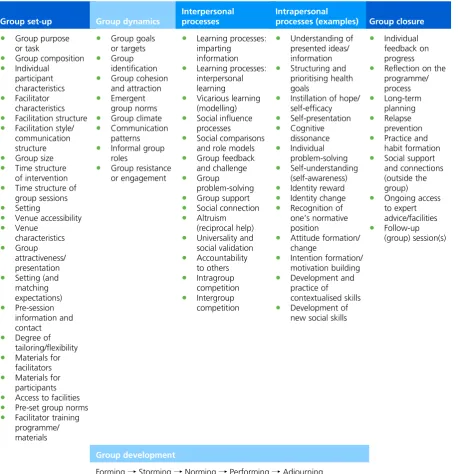
TABLE 5 The MAGI framework 22
TABLE 6 Techniques for starting and closing groups/sessions 24
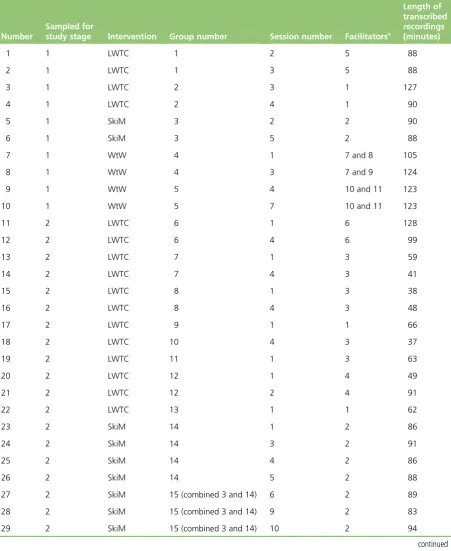
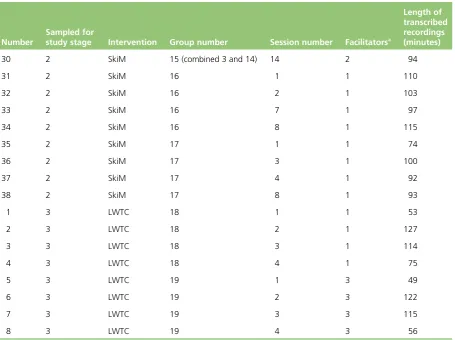
TABLE 7 Sampled recordings across the three interventions and sessions 32
TABLE 8 Sampled recordings across different group facilitators 33
TABLE 9 Summary of techniques to start the group/session 36
TABLE 10 Summary of generic facilitation techniques 37
TABLE 11 Summary of techniques to end the session/group 39
TABLE 12 Summary of techniques to facilitate group dynamics 39
TABLE 13 Summary of techniques to facilitate interpersonal change processes 42
TABLE 14 Summary of techniques to facilitate intrapersonal change processes 47
TABLE 15 Details of quantitative data available for groups with complete
recordings of all sessions selected for transcription 54
TABLE 16 Baseline characteristics of groups (maximum,n=67) and participants
(maximum,n=431) in the LWTC programme 57
TABLE 17 Participants’attendance at and perceptions of groups in the
LWTC programme 59
TABLE 18 Motivations and outcomes at follow-up for LWTC participants and groups 60
TABLE 19 Illustrative summary of group-level baseline characteristics for three
LWTC groups 62
TABLE 20 Illustrative summary of group-level attendance and outcomes for
three LWTC groups 64
TABLE 21 Example of a table summarising coding of MAGI framework elements 70
TABLE 23 Comparison of triangulation of qualitative and quantitative data 75
TABLE 24 Example matrix table bringing together quantitative and qualitative
data on group characteristics, outcomes and processes 81
TABLE 25 Details of all session recordings used in the study 115
TABLE 26 Key change processes in groups identified in Borek and Abraham 117
TABLE 27 MAGI framework, version 2 (September 2016) 119
TABLE 28 MAGI framework, version 3 (October 2016) 122
TABLE 29 MAGI framework, version 4 (November 2016, following consultations
with study team members) 123
TABLE 30 MAGI framework, version 5 (July 2017, revised framework following
development of the coding schema) 125
TABLE 31 MAGI framework, version 6 (August 2017,‘near-final’version that was sent to researchers for feedback and discussed with group facilitators) 126
TABLE 32 Summary of the themes initially identified in qualitative studies 133
TABLE 33 MAGI framework categories and subcategories matched with sources 150
TABLE 34 Proportions of interaction of group facilitators, female and male
participants 153
TABLE 35 Questionnaires used to assess participants’perceptions of the group in
the LWTC programme 155
TABLE 36 Summary of the coding of MAGI framework elements in two groups
analysed in stage 3 157
LIST OF TABLES
NIHR Journals Library www.journalslibrary.nihr.ac.uk
List of figures
FIGURE 1 Logic model of components influencing behaviour change and outcomes
in group interventions 2
FIGURE 2 Outline of the key stages of the MAGI study 6
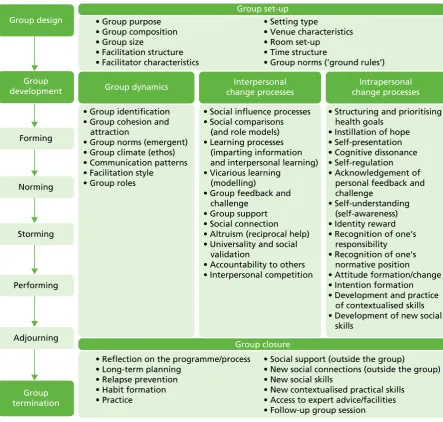
FIGURE 3 Main MAGI framework categories and relationships between them 19
FIGURE 4 Agency and processes in group-based interventions 21
FIGURE 5 Number of groups of different sizes (as indicated by available records,
which may be different from the actual group sizes) in the LWTC programme 56
FIGURE 6 Example of a group session transcript coded in Microsoft Word document 67
FIGURE 7 Example of a group session transcript coded in NVivo 68
FIGURE 8 Initial conceptual model developed in Borek and Abraham 117
FIGURE 9 MAGI framework, version 1 (June 2016) 118
FIGURE 10 Diagram version 1 (September 2016) 120
FIGURE 11 Diagram version 2 (October 2016, following consultations with study
team members, including RM) 120
FIGURE 12 Diagram version 3 (October 2016, following consultations with study
team members, including FG) 120
FIGURE 13 Diagram version 4 (October 2016, following consultations with study
team members, including MT) 121
FIGURE 14 Diagram version 5 (October 2016, following consultations with study
team members, including CA) 121
FIGURE 15 Diagram version 6 (November 2016, following consultations with
study team members, including CG and CA) 122
FIGURE 16 Diagram version 7 (May 2017; diagram revised following development of the coding schema, double-coding of transcripts and refinements to the coding
schema and the framework) 124
FIGURE 17 Diagram version 8 (July 2017, continued discussions with study team
members) 124
FIGURE 18 Diagram version 9 (September 2017, final version of the diagram as
perFigure 3) 127
List of boxes
List of supplementary material
Report Supplementary Material 1 Mechanisms of Action in Group-based Interventions (MAGI) framework with definitions
Report Supplementary Material 2 Mechanisms of Action in Group-based Interventions (MAGI) coding schema
Supplementary material can be found on the NIHR Journals Library report project page (www.journalslibrary.nihr.ac.uk/programmes/eme/1420203/#/documentation).
List of abbreviations
BCTTv1 Behaviour Change Technique Taxonomy v1
BMI body mass index
ComPoD Community-based Prevention of Diabetes
GB-BCI group-based behaviour change intervention
LWTC Living Well Taking Control
MAGI Mechanisms of Action in Group-based Interventions
MRC Medical Research Council
OxFAB Oxford Food and Activity Behaviours
SkiM Skills for weight loss Maintenance
SMART specific, measurable, achievable, relevant and time-bound
Plain English summary
Why is this important?
Group-based programmes are commonly used to support people in making healthy lifestyle changes (e.g. diet, physical activity, weight loss) to prevent growing health problems, such as obesity and type 2 diabetes mellitus. It is known that groups can have powerful influences on individuals, but little is understood about how and why groups work. This study aimed to increase understanding about how group programmes work, so that they can better support people in improving their health.
What did we do?
There were three stages to this study. In stage 1, research and theories about groups were reviewed. Materials (e.g. instructions for group leaders) and 10 audio-recordings of group sessions from three group-based weight loss programmes were then analysed. Group participants, group leaders and researchers were asked about how they thought groups worked. The information gathered was combined into a structured
‘Mechanisms of Action in Group-based Interventions’(MAGI) framework. This identified, categorised and defined important group features and processes occurring in groups that explain how groups can support people to make lifestyle changes. The framework was summarised in a diagram and a table. In stage 2, instructions were developed on how researchers can use this MAGI framework to analyse what happens in groups. These instructions were used to look for real examples of group features and processes in a further 28 recordings of group sessions, and what group leaders do to help the groups run smoothly was described. In stage 3, data from selected groups in one of the weight loss programmes were used to suggest questions and develop methods for future research on group-based programmes.
Key messages
Scientific summary
Background
Groups are commonly used to deliver health-related behaviour change interventions, often because they are perceived as a time-effective and cost-effective mode of delivery. So far, understanding of the mechanisms of action in these interventions (i.e. how they work to bring about changes) has been mainly based on individual-level change theories and meta-analyses that have explored relationships of change techniques with outcomes. However, it is still unclear how group-based behaviour change interventions (GB-BCIs) (as opposed to individual-level interventions) work. In particular, little is understood about how individual-level change processes and techniques operate in a group context, and what other change processes and techniques more specific to groups influence participants’psychological change, behaviour and intervention outcomes.
There is extensive research and a variety of theories, particularly in social psychology, on how group processes influence personal change. However, this body of literature is largely disconnected from behaviour change research and is not commonly considered in the context of health-related behaviour change interventions. Identifying and characterising group-level change processes and techniques and providing a detailed analysis of what happens in groups will enhance understanding of the mechanisms of action in GB-BCIs.
Objectives
The overall aim of this study was to identify and describe mechanisms of action in GB-BCIs, building on the current understanding of individual-level change processes. To address this, the study had three specific objectives:
1. Develop a generalisable framework of mechanisms of action in GB-BCIs by identifying, defining and categorising potentially important group design features, group processes, facilitation techniques and contextual factors in groups.
2. Test and refine the framework, using a coding schema derived from it, as a tool for identifying these group features, processes and facilitation techniques in the recordings of sessions from three GB-BCIs (focused on diet, physical activity and weight loss), and provide examples to illustrate framework elements. 3. Develop mixed-methods approaches based on the framework to explore why some groups may be
more or less successful than others, and illustrate their use with available qualitative and quantitative data from a GB-BCI.
Methods
In this mixed-methods (primarily qualitative) study, we reviewed literature, conducted consultations and used secondary data from three GB-BCIs targeting weight loss through changes in diet and physical activity: (1) the‘Living Well Taking Control’(LWTC) programme evaluated in the Community-based Prevention of Diabetes (ComPoD) trial, (2) the‘Skills for weight loss Maintenance’(SkiM) intervention and (3) the‘Waste the Waist’intervention. We accessed intervention manuals, sampled and transcribed a total of 46 audio-recordings of group sessions from the three interventions, observed eight sessions in the LWTC programme and analysed quantitative data on group and participant characteristics, attendance and outcomes (primarily weight loss) from the LWTC programme.
The research was conducted in three stages, in line with the objectives. In stage 1, relevant literature on groups and group processes was identified. Searches were conducted for theories of group dynamics and change in groups using pre-identified key texts and key words, such as‘group dynamics’, in the PubMed and PsycINFO databases. Based on the expertise of the study team, commonly used taxonomies of change techniques were identified. We searched for qualitative studies (published between 2000 and June 2016) of participants’experiences of group-based weight loss interventions using a detailed search strategy in the EMBASE, MEDLINE, PsycINFO, PsycARTICLES and Social Policy and Practice databases. Measures for assessing group processes were found from reviews of such measures identified via prior searches and personal contacts. Initially, 10 recordings of group sessions from the three GB-BCIs were selected and transcribed (sampled to ensure diversity between interventions, groups, session numbers and facilitators), and inductively coded. Furthermore, eight sessions in the LWTC programme were observed to provide additional insights into groups not captured in audio-recordings. Synthesising information gleaned from these sources, an initial framework of group features, processes and techniques was developed, which was refined in an iterative manner throughout the study. Feedback was also sought and incorporated on the evolving framework from group participants from the LWTC programme, facilitators from the LWTC and SkiM interventions, and internal and external researchers and practitioners with expertise and experience in GB-BCIs.
In stage 2, the aim was to apply the framework to coding group session transcripts. To do so, the framework categories and their definitions were adapted into more practical coding instructions. Instructions were drafted on how to identify the framework categories in the transcripts and then this coding schema was tested and revised. Finally, the coding schema was used to code 28 further transcripts of group session recordings from the same three interventions (also sampled to ensure diversity). Six transcripts were double-coded independently to test and improve coding instructions. In coding the transcripts, we sought to identify examples of features, processes and techniques included in the framework, and practical facilitation techniques used by facilitators.
In stage 3, group-level descriptive analyses of available quantitative data were conducted on group participant characteristics, attendance and outcomes from the LWTC programme. These explored variability within and between groups in characteristics that might link to group processes, including participants’sociodemographic, socioeconomic and clinical characteristics, their perceptions of the importance of, and confidence in, making lifestyle changes, and weight loss outcomes. Data from a questionnaire assessing participants’perceptions of aspects of the group (e.g. group support) were also summarised. To illustrate how the Mechanisms of Action in Group-based Interventions (MAGI) framework can be used to conduct in-depth qualitative analyses of group sessions, two groups with different facilitators were selected for analysis for which full recordings of all group sessions and sufficient, matched quantitative data were available, and detailed summaries of observations about these groups were produced. Finally, using the example of the two groups, quantitative and
qualitative findings were integrated using the techniques of triangulation,‘following a thread’and a matrix table to highlight further research questions and illustrate potential mixed-methods approaches for
exploring links between group features, processes and outcomes in future research.
SCIENTIFIC SUMMARY
NIHR Journals Library www.journalslibrary.nihr.ac.uk
Results
In stage 1, building on an existing conceptual model summarising a vast body of theoretical literature on change processes in groups, concepts were extracted from six relevant taxonomies of change techniques, 27 qualitative studies of participants’experiences of weight loss groups and three reviews of measures of group processes. These concepts were used along with session observations, coding of intervention manuals and transcripts from the three weight loss programmes, and consultations with four group
participants, four group facilitators and 31 researchers and practitioners, to inform the iterative development of a MAGI framework. This had six overarching categories: (1) group intervention design features, comprising eight subcategories (e.g. facilitator selection and training, intervention content); (2) facilitation techniques, comprising six subcategories (e.g. techniques to start the group/session, techniques to facilitate group dynamics); (3) group dynamic and development processes, comprising nine subcategories (e.g. group goals, group climate); (4) interpersonal change processes, comprising 14 subcategories (e.g. social support, social validation); (5) selected intrapersonal change processes and individual-level targets influenced by groups, comprising 22 common subcategories (e.g. developing understanding, setting goals); and (6) contextual factors, comprising facilitator characteristics, participant characteristics and other contextual influences. Each of these categories comprised specific elements and some (e.g. intervention design features) had more detailed features that explain how GB-BCIs work to facilitate behaviour change and health outcomes. All elements were defined, and hypothesised relationships and influences between them based on literature and consultations were captured in a detailed definitions table. A summary table of the six categories and 62 subcategories was also developed, along with a diagram representing key mechanisms of action and relationships between the main framework categories and intervention outcomes.
In stage 2, a coding schema was developed that included detailed instructions on how to apply the framework to coding and analyses of group sessions, which was used successfully by several researchers (including one from outside the study team). Using this to code more transcripts, practical examples were identified that illustrated many of the group processes included in the framework operating in group sessions. For example, the most commonly coded interpersonal change processes included participants
‘sharing experiences’, exchanging information to promote‘social learning’and having‘social influence’ on each other by positive talk about their lifestyle changes or health behaviours. Examples were also identified of facilitation techniques used in group sessions that instigated and facilitated the framework processes. For example, we identified frequent instances of facilitators encouraging participation, asking questions, checking understanding, and reframing and reinforcing messages. Based on this, the framework developed in stage 1 was further refined and its content validity in the context of group-based weight loss interventions targeting diet and physical activity was demonstrated.
complete assessment of some elements of the MAGI framework and could be used to explore links between framework components and outcomes. Although the secondary data were too limited to formally examine such links and to draw any conclusions as originally planned, we were able to suggest research questions and approaches for exploring these links in future research.
Conclusions
This study enhances understanding of mechanisms of action in GB-BCIs, particularly interventions targeting diet, physical activity and weight loss. The proposed MAGI framework identifies, categorises and defines group features, change processes (e.g. group dynamics, interpersonal and intrapersonal change processes) and contextual influences, which can influence each other and facilitate or impede engagement, behaviour change and other intervention outcomes. The study provides evidence of these processes and examples of techniques used to facilitate them in‘real-life’GB-BCIs focused on diet, physical activity and weight loss, validating the framework in this context. Research questions and methods for further exploring potential relationships between group processes and outcomes are also proposed and illustrated. Thus, the framework and illustrated methods provide a comprehensive resource for designers, facilitators and evaluators of GB-BCIs, and the implications of this research for these audiences have been identified, as well as group participants, commissioners and policy-makers. This research also highlights the true complexity of GB-BCIs and the need for further, sophisticated research to explore this by synthesising and developing evidence on which group features, processes and facilitation techniques are most important in influencing the effectiveness of GB-BCIs in different contexts. This study implies a series of recommendations for research:
1. Specification of minimum data sets for group-based interventions to facilitate future research and capitalise on opportunities for secondary analyses, to include a group identifier, facilitator identifier, information on presence of a supporter in the group (when relevant), attendance or absence at individual group sessions, and, ideally, one or more open questions on the experience of the group, when this can be incorporated.
2. Conduct of systematic reviews to appraise evidence related to the framework concepts and synthesise qualitative studies to examine the robustness and comprehensiveness of the framework across different GB-BCIs, thereby leading to extensions and refinements.
3. Mapping available quantitative measures of group dynamics and processes to the framework to aid selection for use in future research and identify areas for further development.
4. Further developing qualitative methods for coding and analysing group sessions, including methods to assess and improve the reliability of coding, and extend it to video-recordings and observations. 5. Further developing mixed methods, and other research approaches, for exploring group mechanisms
in order to facilitate more detailed and sophisticated analyses of mechanisms of action in GB-BCIs. 6. Exploring group mechanisms through process evaluations using the framework, coding schema and
suggestions for quantitative, qualitative and mixed-methods approaches to build evidence on what group features, facilitation techniques and group processes are important, when and for whom in GB-BCIs.
7. Undertaking further quantitative group-level analyses using our own, and other secondary, data sets to address specific research questions about mechanisms of action in these interventions and applying appropriate statistical techniques for undertaking such analyses.
8. Adapting/extending the framework to other groups and populations (e.g. targeting smoking, alcohol use or management of chronic illness; involving children, families and adults of different ages; and including virtual/online groups).
9. Exploring the impact of facilitators’characteristics and skills/competencies on outcomes and assessing who should facilitate which groups and with what training to optimise outcomes.
10. Developing and evaluating facilitator training toolkits to help facilitators identify and competently employ specific techniques to optimise participant engagement, group dynamics and interpersonal processes in GB-BCIs, and evaluate these in trials.
SCIENTIFIC SUMMARY
NIHR Journals Library www.journalslibrary.nihr.ac.uk
Funding
Chapter 1
Introduction
Background
Optimising the effectiveness of health-related behaviour change interventions is contingent on understanding the mechanisms by which such interventions can bring about change and developing techniques to alter processes underpinning this change. Recent work on behaviour change has led to the identification, classification and integration of > 80 behaviour change theories1,2and > 90 categories
of behaviour change techniques.3,4Some techniques are frequently employed in behaviour change
interventions and can be reliably identified from descriptions of interventions.5Evidence indicating
which theorised mechanisms and which types of techniques might improve intervention effectiveness when targeting particular behaviours is accumulating.6–8For example, self-regulatory behaviour change
techniques, such as goal-setting and self-monitoring, have been found to be associated with increased effectiveness in interventions targeting diet and physical activity.6,8However, the majority of the theorised
mechanisms and technique types studied to date focus on individual-level, intrapersonal change, with little or no consideration of social, interpersonal or group-based processes and factors that shape health-related behaviour patterns. Furthermore, these mechanisms and techniques are often assumed to work similarly in interventions regardless of their delivery mode or setting (e.g. when self-delivered, delivered one to one, through group sessions, online or over the telephone).
For decades, small groups have been used to facilitate personal change in health-care, community, commercial and work settings. Theories explaining, and research into, how such groups work have developed over many years and across multiple disciplines. Research has demonstrated that groups are not just an intervention delivery mode (that allow delivery of an intervention simultaneously to many people) but, additionally, provide‘active ingredients’in facilitating personal change. For example, as early as 1905, Joseph Pratt highlighted the importance of group identification (or group‘spirit’), social support and shared hope in psychotherapy groups for tuberculosis patients.9In addition to psychotherapy,10groups
have also been used to promote personal change in human relations training (also called sensitivity training or‘T’groups)11,12and self-help and support programmes.13More recently, many health promotion and
health-related behaviour change programmes have been delivered in groups. For example, interventions supporting self-management of chronic conditions,14–16including type 2 diabetes mellitus17and cancer,18
are commonly delivered in groups. Groups have also been used in preventative contexts to promote breastfeeding,19walking and physical activity,20,21smoking cessation22and weight loss.23,24
There is increasing evidence from systematic reviews that group-based interventions are effective for supporting change in a number of behavioural targets.17,22,23Indeed, particularly for weight loss, group
interventions appear to be more effective than similar interventions delivered individually.24Group-based
interventions therefore provide a time-effective and potentially cost-effective way to address important health challenges, including those related to growing rates of overweight and obesity that are contributing to the increasing burden of chronic conditions.
Group-based interventions show wide variation in their design and delivery. Perhaps because of this, there is still limited understanding of, and evidence on, which mechanisms lead to personal change in group interventions, how short- and long-term behaviour change is best facilitated in groups and what design features, change processes or delivery methods optimise the effectiveness of group interventions. Identifying important design features, change processes occurring in groups and techniques that can be used to facilitate changes is, therefore, a first step towards improving the effectiveness of group-based interventions. Group-based delivery provides an ideal opportunity for use of change techniques involving interpersonal interaction, such as‘providing opportunities for social comparison’or‘prompting
settings, such as‘engage group support’or‘communicate group member identities’.25It is unclear,
however, how pre-categorised change techniques and processes operate in groups and how they are influenced by group characteristics, context and facilitation, and which currently undefined, group-specific techniques and processes may support personal change in groups. Therefore, the lack of clarity about what works and how is even more acute in group-based than individual behaviour change interventions.
Understanding change processes in groups is crucial to the design and evaluation of group-based health interventions. Medical Research Council (MRC) guidance26,27on developing complex health interventions
highlights key questions that intervention designers need to ask, including about what the intervention aims to achieve and change, and how. Considering groups only as a delivery mode limits their potential to contribute to the theoretical underpinnings, often represented in a logic model explaining the mechanisms by which the intervention works. MRC process evaluation guidance28,29further emphasises that, in order
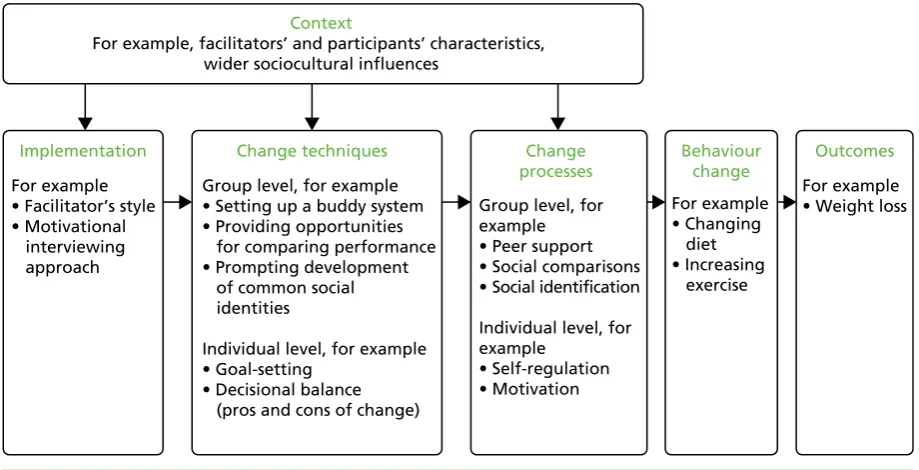
to understand how complex interventions work, it is important to describe and assess (1) how they are delivered and implemented (fidelity and quality of implementation), (2) their mechanisms of action (causal processes generating change) and (3) whether or not, and how, they may work differently across settings and contexts (contextual influences). As shown inFigure 1, all three of these domains have implications for delivering health interventions in groups.
First, it is important to document and investigate how interventions are implemented in groups, including the amount (‘dose’) and pattern of group contact, training of facilitators, resources used, fidelity of delivery and if, or what, adaptations in delivery are made when the same group-based intervention is replicated in different contexts. It may also be important to explore differences between groups in relation to facilitator delivery style and participant engagement and interaction. Second, investigating change processes in groups is important in understanding mechanisms by which they have an impact on psychological and behaviour change, including potentially unexpected or adverse processes and consequences. Third, group interventions may be affected by contextual factors, including the wider sociocultural environment (e.g. social norms and values), organisational context (e.g. climate, setting or type of organisation) or individual characteristics and circumstances that participants and facilitators bring to groups (e.g. gender, available external support and social networks). These group-related moderators of intervention effects are often
Context
For example, facilitators’ and participants’ characteristics, wider sociocultural influences
Implementation
For example • Facilitator’s style • Motivational interviewing approach
Change processes
Group level, for example • Peer support • Social comparisons • Social identification Individual level, for example • Self-regulation • Motivation Behaviour change For example • Changing diet • Increasing exercise Outcomes For example • Weight loss
Change techniques
Group level, for example • Setting up a buddy system • Providing opportunities for comparing performance • Prompting development of common social identities
Individual level, for example • Goal-setting
[image:33.595.78.538.478.713.2]• Decisional balance (pros and cons of change)
FIGURE 1 Logic model of components influencing behaviour change and outcomes in group interventions. Note: the figure draws on logic model framework presented in MRC process evaluation guidance28,29showing generic
processes that may occur in group-based interventions that are broadly organised into the key commonly included process evaluation elements of context, implementation, mechanisms of action (i.e. how interventions produce change in participants) and outcomes.28,29
INTRODUCTION
NIHR Journals Library www.journalslibrary.nihr.ac.uk
omitted in studies that focus on mechanisms or mediators of intervention effects in isolation, such as studies in which change techniques are considered separately from aspects of implementation and context.30
The lack of understanding about how behaviour change interventions work, particularly when delivered in groups, is further compounded by reliance on systematic reviews and meta-analyses to explore quantitative relationships between intervention features and outcomes across previous studies.6,8,31Despite the
importance of synthesising data across multiple studies, this type of research assumes that descriptions of interventions, which are often brief in journal articles or design protocols, are complete and accurate reflections of what was delivered in practice. A critical limitation of this approach is that it cannot account for differences in fidelity (i.e. the extent to which the intervention was delivered in line with the protocol) or style of delivery. This review of group-based weight loss interventions has shown that details of fidelity assessment in group session delivery, the methods used to facilitate groups, group processes observed and change techniques employed are rarely reported.23A review of group studies in nursing journals showed
that information on the conduct of groups and attempts to account for group-level effects in analyses were largely absent.32This makes it impossible to identify the‘active ingredients’and change mechanisms in
group interventions from study reports included in systematic reviews. It also makes it difficult to accurately replicate effective group-based interventions.
In addition, meta-analytic data are only as good as the categories used to group and differentiate between the included interventions. Consequently, if the categories are too inclusive (i.e. they count interventions as having similar features when they are, in reality, different), then the results can be misleading. This has been referred to as the‘apples and oranges’problem. Abraham33illustrated how this problem may affect
interpretation of meta-analytic studies in which the authors sought to identify techniques designed to alter psychological processes in behaviour change interventions. Consider, for example, a category of change techniques such as‘encouraging social support’. This refers to a variety of facilitation techniques designed to prompt change in interpersonal relationships between the target person and some other person(s). Yet we know that there are many different types of social support that can be provided by many different people and evidence shows that these have quite different psychological effects on the receiver.34Similarly,
meta-analytic studies may generate misleading findings if they do not include categories of techniques that are critical to real-world change. For example, a review of 72 evaluations of interventions designed to alter eating behaviour identified 19 categories of techniques employed to modify or manage impulsive processes associated with unhealthy eating behaviour, many of which had not been used in previous meta-analyses of healthy eating interventions.35There is, therefore, a need for research to enrich understanding and enhance
specificity of how similarities and differences between behaviour change interventions are conceptualised.
This need is especially evident in relation to group-based health-related behaviour change interventions, for which research is needed to identify what processes underpin personal change in such groups and which techniques, or groups of techniques, can be employed to modify those processes. Such research can draw on an extensive literature from social psychology, education and organisational studies on how groups in general work and how they influence individuals. Unfortunately, however, this literature has been largely ignored in designing and evaluating group-based health interventions.36In particular, social psychological
literature on group dynamics from which more specialist fields evolved (e.g. work-related teams and educational groups) describes how both intrapersonal and interpersonal processes operate in groups.37–39
A review of this literature40has identified a number of theories describing change processes in groups,
such as social comparisons,41social learning,42social identity43and social facilitation44theories, that could
be used to enhance our understanding of how groups influence individuals and how group context and facilitation can enhance or inhibit change in health interventions. Moreover, the‘social cure’approach to health applies social identity theory to conceptualise links between group membership and improved health.45,46Qualitative studies with group participants and facilitators also highlight the importance of the
and lifestyle changes.47–49Effective facilitation of groups to promote these group-level processes can be
challenging, particularly for lay leaders,50and it requires specific competencies. For example, 23 facilitator
competencies, such as‘encourage group discussions’or‘encourage mutual support’, have been identified as being required to deliver group-based smoking cessation interventions.51However, there is little
evidence on which (and how) skills and competencies are employed in practice, which might lead to inadequate training of group facilitators.
The importance of employing systematic approaches to designing and evaluating group-based health interventions has been stressed previously.36This provided an important first step by identifying some of
the key factors in group interventions related to group leaders, participants, community and environment. However, it does not show how these factors are related to change techniques and mechanisms of change. Borek and Abraham40present a conceptual model linking our understanding of group processes and
personal change to change mechanisms in group interventions. The work reported in this study extends that model and seeks to identify change techniques that may optimise the effectiveness of group interventions.
In contrast to many of the recent approaches to behaviour change, we began with an assumption–based on wider research on groups–that change processes can be influenced by, or even unique to, group delivery. Therefore, the promotion of individual change in groups may be critically different from that in individual behaviour change interventions because the former activate distinct interpersonal change processes. More generally, different delivery modes (e.g. internet based vs. face to face) may prompt different change processes and so affect effectiveness even when intervention content appears similar.
Groups provide opportunities for enhancing individual change processes and instigating social change processes, but may also impede some change processes or have adverse or unintended negative consequences. For example, groups may enhance individual problem-solving by providing opportunities to share and draw from others’ideas, access peer support and identify with people in a similar situation. However, lack of time and/or tailoring to individual needs in a group might impede individual goal-setting and review, negative group dynamics might impede engagement and/or attendance, and poorer performance compared with other group members might lead to decreases in self-efficacy. Moreover, group facilitators’ characteristics and skills may improve effectiveness for one group but decrease effectiveness for another, depending on relationships between the facilitators and group members.52Techniques to alter normative
beliefs may promote behaviour change among young people but reduce intervention effectiveness for older recipients.53Group climate and group cohesion may increase attendance and self-efficacy (in exercise
classes).54The use of humour may help engage middle-aged men in a weight loss intervention55but have an
opposite effect among young women in a sexual health intervention.56Furthermore, many health-related
behaviour patterns are influenced by sociocultural contexts (e.g. social norms) and are social practices enacted in social contexts (e.g. eating with others, eating out) with attached meanings, norms and values. Groups can, therefore, help change behaviour patterns that are both individual and social. For example, they can help change individual perceptions of social norms, identify solutions to common barriers encountered in social contexts, change meanings and values attached to social practices, or provide opportunities to practise relevant social skills, such as communication skills. Consequently, sophisticated models of group operation including specification of change mechanisms, group composition, facilitator characteristics and techniques employed by facilitators to promote personal change, as well as other influences of group implementation and context, are needed to optimise group-based interventions.
In summary, although group interventions are effective and commonly used in health-care and public health contexts, their mechanisms of action, representing how and why they work, have not been systematically explored. It is therefore not clear how groups operate and group processes function to engender or impede personal change, and what factors related to implementation and context influence mechanisms of change and intervention outcomes. Most current thinking about mechanisms that underpin behaviour change is based on individual-level theories. Moreover, meta-analyses of intervention components associated with effectiveness are mainly based on descriptions of interventions, which, particularly for group interventions, are limited by a lack of comprehensive reporting and inadequate
INTRODUCTION
NIHR Journals Library www.journalslibrary.nihr.ac.uk
categorisation of the real-world differences between interventions. Distinctions between group implementation, facilitation, change processes, change techniques and contextual factors are rarely
clarified in a way consistent with the MRC framework for process evaluation,28,29and there is little evidence
on how these components are manifested in practice. The most modifiable elements of group-based interventions are the change techniques that facilitators use and their style of delivery. We do not, however, have a conceptual framework for systematically investigating what processes and techniques operate, and are effective, in group interventions, or for identifying facilitators’delivery techniques and styles, and their influences on these processes. This is problematic for the construction of logic models in intervention development, the design of process evaluations and the training of facilitators in intervention delivery. Only with a better understanding of the change mechanisms in group interventions, and guidance on how important processes can be activated and facilitated, will we be able to guide development and delivery of interventions to optimise effectiveness. Starting with the MRC process evaluation guidance28,29
and existing literature on groups, this study is a step towards addressing these gaps in the research.
Study aims and objectives
This Mechanisms of Action in Group-based Interventions (MAGI) study aimed to develop a better
understanding of mechanisms of action in group-based health-related behaviour change interventions by identifying, describing and synthesising possible processes of change in groups. It also aimed to develop and illustrate methods for exploring the influence of change processes in group-based behaviour change interventions (GB-BCIs). We focused on the example of group-based weight loss interventions targeting diet and physical activity. Our hypothesis was that behaviour change interventions delivered in groups involve change techniques and change processes that are specific to the group setting, and that may be influenced by implementation and contextual factors. The successful initiation and facilitation of these change techniques and processes would lead to increased engagement with the intervention and more effectively promote behaviour change (e.g. diet and physical activity), thereby improving intervention outcomes (e.g. weight loss). Overall, the project aimed to increase understanding in order to guide the future design, delivery and evaluation of GB-BCIs.
In order to achieve this aim, the study had three more specific objectives. These were to:
1. develop a generalisable framework of mechanisms of action in GB-BCIs by identifying, defining and categorising potentially important group design features, group processes, facilitation techniques and contextual factors in groups
2. test and refine the framework, using a coding schema derived from it, as a tool for identifying these group features, processes and facilitation techniques in the recordings of sessions from three GB-BCIs (focused on diet, physical activity and weight loss), and to provide examples to illustrate framework elements 3. develop mixed-methods approaches based on the framework to explore why some groups may be
more or less successful than others, and to illustrate their use with available qualitative and quantitative data from a GB-BCI.
Study outline
Sources of data: three group-based interventions
The MAGI study builds on three studies of GB-BCIs: the ongoing (at the time of conducting this study) Community-based Prevention of Diabetes (ComPoD) trial (Jane Rebecca Smith, University of Exeter Medical School, September 2017, personal communication) that evaluated the Living Well Taking Control (LWTC) programme and the Skills for weight loss Maintenance (SkiM) study (Colin Greaves, University of Exeter Medical School, September 2017, personal communication), and the completed Waste the Waist (WtW) study.57–59All three were primarily delivered in South West England and targeted adults who were overweight
[average body mass index (BMI) in the obese range]. The ComPoD and WtW studies targeted other risk factors for chronic disease, and recruited samples that were older but otherwise broadly representative of local populations in terms of their gender mix and low numbers of participants from non-white British backgrounds. The interventions all targeted lifestyle changes, such as improving diet and increasing physical activity,
in order to achieve or maintain a healthy weight and prevent obesity-related diseases (i.e. type 2 diabetes, cardiovascular diseases). The interventions were delivered in small groups (up to 12 participants) by facilitators with backgrounds in health promotion, and in accordance with intervention delivery manuals. In this study, we used secondary data that were already available or able to be collected as part of the ongoing studies, including intervention delivery manuals, audio-recordings of group sessions and outcome data. In particular,
1. Reviews of relevant literature:
a. Theoretical literature on group processes b. Six taxonomies of change techniques
d. Three reviews of measures of group processes 2. Analysis of qualitative data:
e. Intervention manuals (one from each intervention – LWTC, SkiM and WtW) f. Transcripts of group sessions (10 transcripts sampled for diversity: four from LWTC, four from WtW and two from SkiM)
g. Group session observations (eight sessions from three LWTC groups) 3. Expert consultations/feedback:
h. Consultations with 31 researchers/practitioners i. Consultations with four group facilitators j. Consultations with four group participants
1. Collating, linking and sampling quantitative and qualitative LWTC data on groups 2. Descriptive analyses of available group-level quantitative data, summarising data on three selected groups in detail to consider alongside qualitative analyses
3. Qualitative analyses of group session transcripts [on selected examples of two groups of four sessions (i.e. eight transcripts) from LWTC]
4. Illustrating methods for integrating quantitative and qualitative data 1. Developing and refining coding schema
2. Double coding of transcripts 3. Refining the framework
4. Coding a further 28 transcripts of group sessions (sampled for diversity: 12 from LWTC and 16 from SkiM – in addition to the 10 transcripts from stage 1) 5. Identifying examples of framework processes
6. Identifying examples of facilitation strategies
Stage 1: developing a framework of change processes in groups
27 qualitative studies on participants’ experiences of weight loss groups
c.
Stage 2: testing and refining the framework, identifying examples
[image:37.595.116.517.70.483.2]Stage 3: developing methods for analysing group processes
FIGURE 2 Outline of the key stages of the MAGI study. LWTC, Living Well Taking Control; SkiM, Skills for weight loss Maintenance; WtW, Waste the Waist.
INTRODUCTION
NIHR Journals Library www.journalslibrary.nihr.ac.uk
we used audio-recordings made as part of the process evaluations and quality assurance in the three studies (ComPoD:≈80 sessions, SkiM:≈88 sessions, and WtW:≈36 sessions). The three studies had received research ethics committee approvals (ComPoD: 14/NW/1113, SkiM: 5/SW/0126, WtW: 10/H0206/74) with participants giving consent for audio-recording the sessions for use in research. In the following sections, we describe each study, andTable 1summarises the key details of the interventions and data used from each study.
TABLE 1 Details of the three interventions and data used in the MAGI study
Study details
Intervention
LWTC/ComPoD SkiM WtW
Intervention details
Aim Improve diet, increase physical activity and improve well-being to promote weight loss and prevention/management of type 2 diabetes in those at risk/newly diagnosed
Address weight loss maintenance issues in obese adults accessing weight management services
Promote healthy eating, physical activity and weight loss for people with high cardiovascular risk in primary care
Setting, venue Community venues in and around Exeter and Birmingham
Community venues in Devon Community venues in Bath and North East Somerset
Provider Westbank Community Health and Care, westbank.org.uk (Exeter); Health Exchange, healthexchange.org.uk (Birmingham)
Westbank Community Health and Care, and the Healthy Lifestyles service of Torbay and South Devon NHS Foundation Trust
Local, community-based facilitators recruited for the research study
Contact time Four weekly 1- to 2-hour group sessions plus five follow-up support contacts at 2, 3, 6, 9 and 12 months (varying in delivery format across time points/sites) and access to≥5 hours of classes/ activities (e.g. exercise classes, walking groups, cooking classes)
14 fortnightly 1.5-hour sessions
Four weekly 2-hour sessions plus five 1.5-hour follow-up sessions, up to 1 year
Main content Information and addressing common misconceptions around type 2 diabetes, clinical risk factors (e.g. HbA1c
levels) and lifestyle changes
Address weight loss maintenance issues based on principles including the personal assessment and management of sources of
‘tension’caused by making lifestyle changes and
managing internal and external influences on this tension
Promotion of healthy eating, physical activity and weight loss, plus motivation, social support, self-regulation and understanding of the behaviour change process
Participants’materials Participant handbook, self-monitoring diaries
Participant handbook, self-monitoring diaries, automated telephone text reminder service
Participant handbook, self-monitoring diaries
Group composition and allocation of participants
Up to 12 participants (partners could attend), allocated to groups based on location/time
Up to 15 participants 8–12 participants (partners could attend), allocated to groups based on location
Number and professional background of facilitators
One facilitator per group with nutrition or physical activity background
One facilitator with weight loss management background and
Two co-facilitators per group, with nutrition, physical activity, fitness or health promotion background One assistant per group with
visiting experts (dietitian, fitness trainer) in some sessions