Project CAPE: Effect of a Simulation-based Educational Intervention on Provider Comfort
By Sophie Shaikh
A Master’s Paper submitted to the faculty of the University of North Carolina at Chapel Hill
in partial fulfillment of the requirements for the degree of Master of Public Health in
the Public Health Leadership Program
Chapel Hill 2012
Advisor:
Date
Second Reader:
Abstract
Background: The challenges of maintaining preparedness for pediatric emergency resuscitations are amplified in small rural hospitals where providers have little opportunity to practice their skills. Educational interventions including patient simulations can be used to allow the practice of skills, and their use has been shown to improve both provider comfort and patient outcomes. Objective: This study analyses the results from a 1-year pilot project of Project CAPE, an educational intervention incorporating simulated pediatric resuscitation scenarios and
TeamSTEPPS training. We aimed to determine whether participation in Project CAPE improves the comfort level of ED medical providers with certain key skills during pediatric emergencies. Methods: Five small rural critical access hospitals took part, receiving TeamSTEPPS training and participating in regular simulated pediatric resuscitation scenarios. The scenarios were “scored” using a standardized checklist. ED staff completed an iterative survey at several points throughout the year, with the first, baseline survey completed before the first intervention. The survey was designed to assess their comfort level with various life-saving pediatric procedures, and a focus group completed an additional debrief survey at the completion of the pilot project. Results: Baseline data suggest provider experience with key procedures is low, and their comfort performing these procedures is also low. Forty out of 42 different comfort measures increased over baseline after a year of Project CAPE. Several of these changes were statistically
Acknowledgements
Thank you to Drs. Katznelson and Mills for letting me be a part of such a wonderful
project, and to Dr. Mills for kindly agreeing to be my second reader. Thanks also to Dr. C. Scott
Forsythe, whose help and patience made my introduction to this project so much smoother. And
finally, thank you to Dr. Tolleson-Rinehart, whose direction and enthusiasm has been an
Table of Contents
Abstract……….………ii
Acknowledgements………...……iii
Table of Contents……….……….…………iv
List of Tables…………..………..….………….v
Introduction……….………..….1
Discussion of Mandatory PALS Training for Emergency Department Staff as a Method of Improving Outcomes in Pediatric Emergency Care………..……….4
Materials and Methods………..………...…….…………13
Results…………..……….………19
Discussion……….……….………23
Conclusion………...…………27
References………...28
Tables………….……….………..…31
Appendix 1: Systematic Review- Use of TeamSTEPPS in the Literature..……….…38
Appendix 2: Project CAPE Iterative Survey……..……….……….………….…54
Appendix 3: Project CAPE Debrief Survey………...……..……….…………63
List of Tables
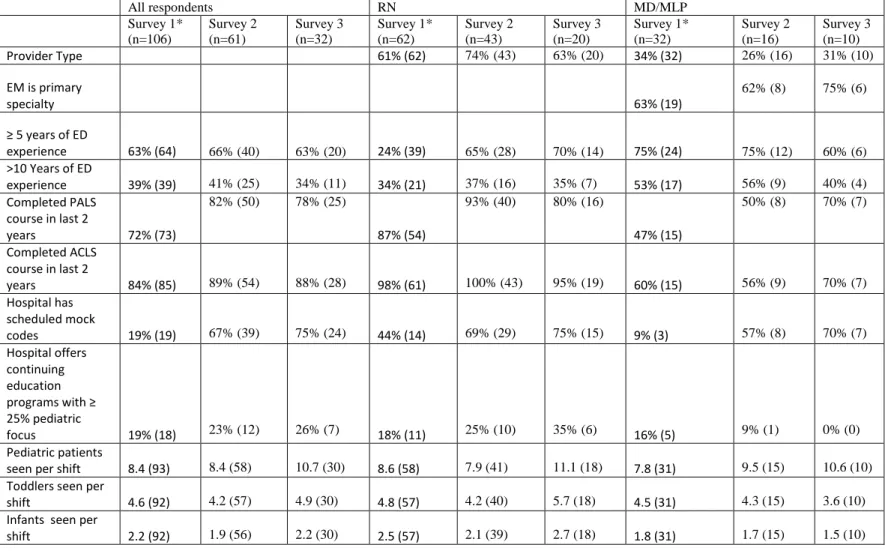
Table 1 Participant Characteristics in Total Sample and by Provider Type …………...……...31
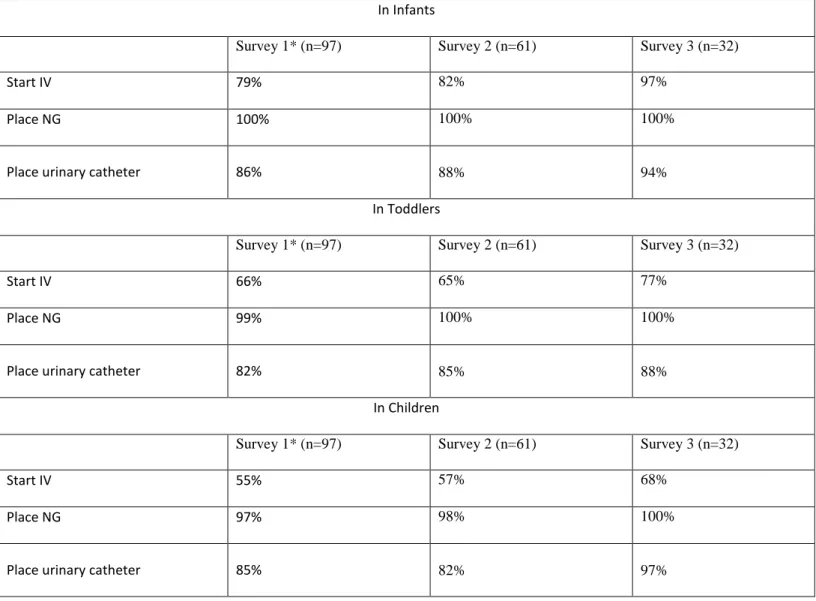
Table 2 Experience Among All Providers With Three Procedures, by Age Group of Patient..32
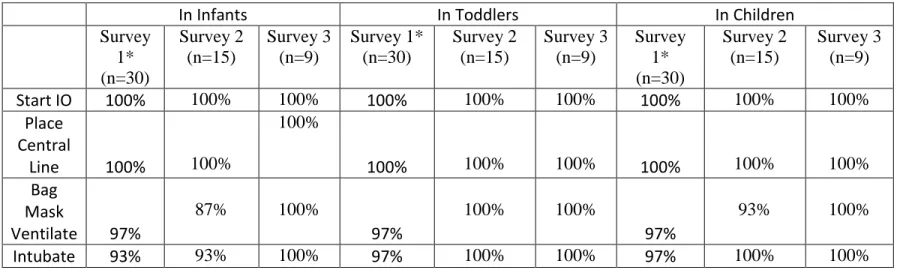
Table 3 Experience Among MDs & MLPs with Four Procedures, by Age Group of Patient…33
Table 4 Comfort Among Providers with Six Procedures for Children ………..…34
Table 5 Comfort Among Providers with Six Procedures for Infants ………...……35
Table 6: Providers’ Views on Mock Code Training……….………….…..36
Introduction
In rural emergency departments (EDs), pediatric-specific training is far less common than
is training for adult emergency techniques1. Although many hospitals report that at least 75% of
their emergency department staff has current Pediatric Advanced Life Support (PALS)
certification1, there is evidence that performance of skills deteriorates after as a little as 1 year
since training.2 Gass and Curry have suggested that practice of the skills and the receiving of
feedback increases knowledge retention.3 However, situations requiring emergency resuscitation
of pediatric patients in EDs of small rural critical access hospitals do not occur commonly and
thus there are fewer opportunities to practice these skills during real events than is true in larger,
more urban hospitals. Studies have shown that educational interventions have the ability to
improve performances in pediatric emergency simulated scenarios.4
An additional variable gaining more attention in the emergency care of pediatric patients
is the role of teamwork and communication.5 Training of teams using both simulations of critical
incidents and generic teamwork skills have been used in medicine, with improvements in
outcomes.6 One such example of team training is TeamSTEPPS, which is the U.S. government’s
response to the mounting data that links teamwork and patient safety. It is a teamwork system
for health care professionals developed by the Department of Defense's Patient Safety Program
in collaboration with the Agency for Healthcare Research and Quality with the goals of
providing higher quality, safer patient care.7 I provide a systematic review of the medical
literature examining the use of TeamSTEPPS in health care settings in Appendix 1.
Project CAPE (Critical Access for Pediatric Emergencies) is an educational program
of Pediatric Emergency Medicine. One of its many goals is to improve the ability of critical
access hospitals to care for critically ill and injured children. The program has been piloted in 5
critical access hospitals in North Carolina over the past year. At the beginning of the project, the
5 hospitals participated in an intensive 2-day workshop at UNC where provider representatives
from each hospital took part in didactic sessions on pediatric assessment and stabilization as well
as TeamSTEPPS Train-the-Trainer training. Each hospital was then given a high-fidelity
pediatric mannequin and committed itself to performing mock pediatric resuscitation scenarios at
various intervals throughout the following year.
Investigators devised several tools to assess the effect of the Project CAPE at the pilot
hospitals. On 3 occasions the ED staff at each of the 5 sites completed surveys that were
anonymous but yet were able to track a given individual’s answers across surveys. Each
resuscitation scenario included completion of a checklist. Additionally, a short survey was
completed by members of a small focus group at the completion of Project CAPE. The surveys
are available in Appendices 2 through 4.
The hypothesis I set out to study in the analysis that follows is that participation in
Project CAPE improves the comfort level of ED medical providers during pediatric emergencies.
This study is grounded in a policy context by considering a policy change that could be made to
improve patient outcomes during pediatric emergencies, and I include a discussion of the policy
implications of the results gained from my analysis of Project CAPE.
My participation in Project CAPE begins partway through the one year pilot project.
Previous work on Project CAPE has been performed by C. Scott Forsythe and is detailed in his
2011 Masters Paper submitted to the University of North Carolina at Chapel Hill in partial
Leadership Program. I use several elements designed by Forsythe, such as the iterative survey, in
my work on Project CAPE. I will clearly identify which work was performed by Forsythe and
Discussion of Mandatory PALS Training for Emergency Department Staff as a Method of
Improving Outcomes in Pediatric Emergency Care
Critical Access Hospitals (CAHs) receive government funding in exchange for meeting
several specific criteria, one of which is operating 24 hour emergency departments (EDs).
Although many of these hospitals do not admit pediatric patients, they are expected to be
competent in the treatment of all patients that come to the emergency department, and this
frequently includes children. However, many of these CAHs do not have a pediatrician on staff
within the ED, or even available on call, and research has brought into question how prepared
small hospitals and rural hospitals are to cope with pediatric emergencies. Pediatric Advanced
Life Support (PALS) was designed to ensure “providers have the special training required to deal
with injuries in children and infants who require critical care”8 and may offer a way of improving
the level of provider competence with pediatric emergencies. This essay discusses the
implications of introducing mandatory PALS training for providers staffing EDs.
Background:
The Hospital Survey and Construction Act of 1946, more commonly called the
Hill-Burton Act after its congressional sponsors, granted federal money for the construction of
hospitals and health care centers in underserved areas.9 One condition of receiving the federal
grants was that the new facilities were required to permit access to all their services to all
residents of their territories, with the goal of this provision being to improve access to health
care.10 Almost 7000 hospitals have been created under this act, many of them in small, rural
than 35 miles from the next nearest hospital, had fewer than 25 inpatient beds, plus operated a
24-7 ED.11 The government strategy behind the creation of CAHs was, again, to ensure access to
health care, including emergency services, for residents of rural communities,12 and many
hundreds of the hospitals created under the Hill-Burton legislation have been awarded CAH
status.13
The Emergency Medical Treatment and Active Labor Act (EMTALA), passed in 1986,
made it federal law that any person who seeks emergency care at an ED be examined, treated or
stabilized within the capability of the hospital’s emergency department.14
The aim of this
legislation was to prevent inferior treatment and “patient dumping” of patients who weren’t able
to pay for their care15, but the language also prevents refusal of treatment of patients based on
age. A 1993 Institute of Medicine (IOM) report on the state of emergency medical services for
children stressed that services need to be prepared to care “for all children: regardless of age”16,
page 3
. An important consequence of the IOM report was that it highlighted many shortcomings in
the emergency care of children. Despite several advances in the emergency care and resuscitation
of adults, outcomes for children were still dismal. The report spawned several studies into the
ability of emergency departments to appropriately respond to pediatric emergencies.
A survey of emergency departments in 2003 showed that only 5.5% of hospitals had all
recommended pediatric emergency supplies, less than a quarter used pediatric emergency
medicine attendings, and only 9% had a pediatrician in the ED at all times.17 Rural hospitals,
including many of the CAHS, have an even worse track record on pediatric emergency care than
do urban ones. In rural emergency departments, pediatric-specific training is far less common
emergency medicine physicians is lower than in urban hospitals.18 In addition, rural hospitals
tend to perform worse on pediatric equipment checklists.18 These deficiencies in the provision of
good quality care during pediatric emergencies surely undermine the intent of the legislative
efforts to improve access to care in rural communities. Having access to care is worth little if the
quality of that care is poor.
Pediatric Advanced Life Support certification was created in 1989 as a joint program of
the American Heart Association and the American Academy of Pediatrics.19 It was designed for
providers practicing in the areas of either emergency care or pediatrics and was created to correct
large deficits in knowledge and skills in the areas of pediatric cardiopulmonary resuscitation and
pediatric trauma life support measures.19 The PALS training course is evidence-based and
frequently updated to reflect new research. Studies have shown that using PALS guidelines
improves child outcomes in both mortality and functional morbidity.20,21 Although many
pediatric training programs have embraced PALS and require certification of their graduates,
there are no universal requirements that providers caring for children ever become certified, or
maintain certification, in PALS.22 A 2010 study of 65 rural EDs found that less than 80% of
hospitals required all of their ED physicians and mid-level providers to be current in PALS, and
only 62% had all of their ED nurses current with their certification.18 Clearly, adoption of PALS
is not universal or complete despite the good reputation and credibility of the course among
providers and despite the evidence that use of PALS guidelines can improve outcomes. This
leads to a policy question: in order to improve the outcomes of children receiving emergency
care, should emergency department providers be mandated to obtain and maintain PALS
Barriers to PALS Training
Examining the feasibility of implementing mandatory PALS training requires identifying
current barriers, either perceived or actual, to obtaining PALS certification. In 2003,
investigators conducted a survey of 339 providers in the State of Alabama in order to define such
barriers.22 Not surprisingly, the most frequent barrier cited was time, with 53% of respondents
reporting that this was the primary reason they did not have current PALS certification. The
PALS training is an intensive two-day course, and recertification is required every 2 years.
Smaller facilities may not be able to afford to reimburse staff for this time off and also may find
it difficult to find staff to cover the shifts missed by a provider. Additionally, only limited
locations offer PALS training (for example, there are 13 in the entire State of New Jersey in
200023), and many providers may have to add travel time to the time requirement for
certification. Indeed, location of available training courses was the second biggest barrier quoted.
As the study in Alabama was mainly of providers in urban facilities, it may be expected that
location will be even more of an issue for the staff of rural hospitals such as CAHs, as the
training tends to be offered only in larger urban areas with academic centers.24
The third most frequently identified barrier was cost. The course generally costs around
$200, but location issues could increase this cost if travel and lodging considerations are
included. If PALS is not required by employers, they may not reimburse the staff for the cost of
the course, or it may come out of a facility’s communal fund for all staff training at the expense
of some other training opportunity. Although $200 may not be a prohibitive cost to some
The investigators of the Alabama study pointed out that even if all these three barriers
were removed, a portion of providers would still choose not to take PALS. A study in 2000
found that the vast majority of PALS training course participants were non-physicians23, which
could reflect differing employer requirements for its physicians and other staff, but this could
also reflect attitude differences between MDs and other providers. Other reasons cited for not
taking PALS included not wanting to take courses with nurses and not wanting to take a course
that was not taught by emergency medicine physicians; this suggests an underlying culture of
resistance to additional training and perhaps a touch of arrogance. Indeed, it has been suggested
that some physicians would resist any efforts to make PALS training mandatory because they
believe that once they have completed residency they are fully competent and should not have to
re-prove this fact by jumping through the hoops of repeated certification.25 This belief may be
fueled by attitudes similar to those contributing to the resistance of physicians to embrace the
concept of coaching, as described by Atul Gawande in a recent New Yorker article.26
Of all of the barriers to PALS discussed here, the resistant attitude of some providers is
the one that would likely to be most easily overcome by making PALS training mandatory - if
PALS is required, the attitudes of providers will have little opportunity to influence whether they
receive training, although aversive attitudes may continue to influence openness to the training
they must receive. The implementation of mandatory certification will also do little to resolve the
issues of the time requirement or cost associated with the training. Required training may create
a bigger market for it, with additional locations that may start to offer PALS certification. During
the early stages of an implementation of required certification the available training centers may
Would Mandatory PALS Training Improve Outcomes?
If our ultimate goal is to improve the outcomes of children receiving emergency care, we
should consider carefully whether and how mandatory PALS training would achieve this goal.
Although there is evidence that using PALS guidelines leads to improved patient outcomes,20,21 I
was unable to find any evidence that suggests PALS trained pediatric emergency care providers
perform better or have better patient outcomes than do non-PALS trained providers. A 1998
study looking at the ability of PALS-trained residents to perform certain resuscitation skills on a
mannequin showed overall poor performance and prolonged time to skill completion.27 Evidence
also exists that poor quality cardiopulmonary resuscitation is still a problem despite PALS
training.28,29 Emergency medicine experts call the skills taught within PALS basic and
insufficient.30 A study by Mancini and Kaye suggests that performance of skills learned during
such courses begins to deteriorate after only one year,2 and, as previously mentioned, the current
requirement for recertification is every two years. Hence, the current contents of PALS and the
recertification period may not be adequate to substantially improve provider skills.
Rather than directly elevating provider performance, perhaps the completion of
mandatory PALS training would improve patient outcomes in another way. As the use of PALS
guidelines is associated with improved outcomes, it is feasible that PALS training could improve
outcomes by raising awareness about the existence of these guidelines or by improved familiarity
with them. Additionally, as the documented lack of all recommended items on pediatric
emergency checklists at many facilities is a barrier to high quality pediatric emergency care,18
mandatory PALS training could improve awareness of the items on the checklist. However,
report that at least 75% of their ED staff are,1 and so there should be a large base of people
within most EDs who are already aware of the guidelines and checklist items. It is hence unclear
whether there would be an incremental benefit in the area of awareness by implementing
mandatory PALS training.
Would Mandatory PALS Training Worsen Outcomes?
Mandatory PALS training for all ED staff may be interpreted as sufficient for providing
pediatric emergency care. As emphasized at a recent summit of leading emergency medicine
organizations, courses such as PALS “…alone are not sufficient to ensure that quality emergency
care is delivered by individuals who complete them.”30, page 212
Emergency care providers may
feel overly confident in their skills if they have just completed PALS training, and may delay
seeking the help of more senior providers in emergency situations. Additionally, it would be
important to ensure that employers understood that PALS is purely a minimum requirement, in
order to prevent hospitals hiring only ED staff who are PALS certified but have no experience
and who may perform poorly under the stress of a real pediatric emergency.
Emergency medicine physicians have discussed the danger of “ …“merit-badge
medicine” courses”31, p465
creating such an illusion of competency that the distinction between
basic PALS training and more rigorous training such as board certification in emergency
medicine is lost. Some are concerned that this lower standard of competence would supersede
higher ones, both in terms of what providers strive to achieve and in what employers are willing
to accept. Although these concerns are usually voiced by board-certified emergency medicine
consider their claim that mandatory PALS training may in fact lead to lower standards of training
and patient care, and hence to worse patient outcomes.
Finally, we must consider whether mandatory PALS training for ED staff would affect
the participation in pediatric codes of other hospital staff who are not PALS trained. If non-ED
staff felt that pediatric codes were now the responsibility of only PALS-trained ED providers, or
that they were not competent enough to participate because they personally had not received
PALS training, it could affect the willingness of these staff to provide help in situations such as if
a child arrests in the MRI scanner away from the emergency department. This could create a
delay in life-saving emergency care and also potentially contribute to worse patient outcomes.
An Alternative Solution
One of the problems with mandatory PALS training discussed above is the waning of the
performance of skills relatively soon after the training. Gass and Curry have suggested that
practice of the skills and receiving feedback increases knowledge retention3. However, situations
requiring emergency resuscitation of pediatric patients in EDs of small rural critical access
hospitals do not occur commonly and thus there are fewer opportunities to practice these skills
during real events than in larger, more urban hospitals. An increasingly popular tool that can
overcome this problem is simulation.
Studies have shown that simulation is effective for the teaching and retention of
emergency care skills, including pediatric skills.32 It has been shown to produce good skill
retention after periods of up to three years, and, unlike PALS, is beginning to accumulate
opportunity to improve teamwork and communication skills- elements that are gaining
increasing attention in pediatric emergency care.5 With the goal of improving outcomes in
pediatric emergency care, an alternative to introducing mandatory PALS training could be to
implement mandatory simulation-based pediatric mock codes of some kind for ED staff.
Conclusion
PALS certification, although designed specifically with the aim of improving provider
competence in pediatric emergency situations, seems to fall short of the mark both in terms of
improved provider performance and proven advances in patient outcomes. Providers confront
several barriers to obtaining PALS certification and there are also potential disadvantages to
mandating PALS certification for all ED staff. I feel that implementing a policy of mandatory
PALS training at this point in time would place a burden on hospitals and staff that would not be
justified based on the lack of evidence that it would lead to improved patient outcomes.
An alternative to mandating PALS training is to mandate the use of training simulations
for all ED staff. Although there are likely several issues similar to those raised for mandatory
PALS training, including cost, time, and access to simulators and educational instruction,
simulation has shown promising results that translate all the way out to improved patient
outcomes. Future research agendas should include investigations of the effects of different types
of simulations and frequency of scenarios, among other questions, but simulation is a promising
Measuring Comfort: Materials and Methods
Study Participants and Funding: Five critical access hospitals in North Carolina agreed to take
part in Project CAPE. These hospitals are representative of small rural hospitals in NC, and their
EDs vary in ways that are likely representative of others in NC, including differing reliance on
mid-level providers to staff their EDs. All ED staff at the five hospitals were invited to
participate in the longitudinal panel survey and resuscitation scenarios.
Funding for Project CAPE is provided by both the North Carolina Office of Rural Health
and Community Care and the Cannon Foundation. The project received IRB waivers from both
the University of North Carolina and Duke University.
Intervention: The 5 hospitals participated in a 2-step intensive educational intervention. The
first step involved sending from each of the 5 hospitals to UNC for a 2-day workshop. The
workshop included didactic sessions on pediatric assessment and stabilization, and mock
pediatric resuscitation scenarios using UNC’s simulation center. The scenarios focused on
crucial cognitive and procedural skills and teamwork. Participants at the workshop also received
TeamSTEPPS Train-the-Trainer training, with the goal that they would disseminate
TeamSTEPPS to the other ED staff at their respective institutions.34
The second step of the intervention was the performance of mock pediatric resuscitation
scenarios on site in the EDs. Each hospital was given and oriented to a pediatric ALS capable
high-fidelity mannequin and performed specified mock resuscitation scenarios from a handbook
at set intervals throughout the following year. The EDs ran the scenarios monthly for the first 3
months, and then quarterly after that. The specific scenarios were chosen either because they
included conditions that were common causes of pediatric emergencies or because they
were conducted in the natural setting of providers’ own EDs and staff were given no prior
warning that the simulations would be occurring on a given day. Typically, an overhead
announcement of a pediatric code would be made, and staff would not be aware it was a mock
code until they arrived in the examination department. The mock codes were conducted in a
fashion as close to a real code as possible, with ED staff encouraged to obtain access, draw up
real medications in the appropriate concentrations and perform other scenario specific
procedures (intubation, CPR, etc.) on the mannequin. We aimed to have the ED staff practice the
skills they would need in a real code, such as assessing vital signs, locating required equipment
(glucometer, Broselow tape, etc.) and perform dosage calculations based on weight estimations..
A pre-designated mock code organizer from each ED was responsible for setting up the
mannequin for each scenario, conveying patient history and describing the condition of the
patient, and “scoring” the scenario using a standardized checklist.
Surveys and Evaluation. A longitudinal panel survey was administered to all Project
CAPE participants at 3 different points in time. This survey was designed by C. Scott Forsythe
with the guidance of the investigative team; he maintained and administered the first and second
iterations of the survey using Qualtrics survey software (Qualtrics Labs Inc., Provo, UT). I was
responsible for administering and maintaining the third iteration of the survey. The Qualtrics
survey link was emailed to the point person at each hospital, who then distributed the survey to
all their ED staff. Each survey is identifiable down to the level of the hospital, but the individual
responders are anonymous. However, we included three open-ended questions that allowed us to
“What was the make and model of your first car? (e.g. "Honda Civic")”, and “What is your
mother's middle name?” A complete copy of this survey is provided in Appendix 2.
The initial wave of the survey (Survey 1) was completed before the intervention was
started in order to capture providers’ baseline background information such as training and
experience. This same survey (Survey 2) was then administered after 6 months of Project CAPE
and then in a third wave (Survey 3) at the completion of the pilot project, a full year after the
initial survey. The initial survey assessed provider comfort with various emergency pediatric
skills and provided a baseline so that changes in this comfort level could be followed over time.
Providers’ comfort levels were assessed by asking providers to rate their comfort with various
emergency skills on a scale of 0 to 100, where 0 is “not at all comfortable” and 100 is
“completely comfortable”. The comfort questions were asked for several age groups of pediatric
patients – infants, children, and adolescents – to determine whether comfort was associated with
the inherently different challenges of treating patients at different levels of physical
development.
We assembled a focus group of 1-2 representatives from each of the 5 hospitals at the end
of the Project CAPE pilot project. The representatives were brought to UNC for a half-day to
give us feedback on Project CAPE. As part of this debrief session, I administered a short
anonymous paper survey which I designed to extend the exploration of the concept of provider
comfort as well as to allow a final format in which participants could give us anonymous
feedback on the project. The survey included several questions about changes in comfort levels
with answers provided on a 7-point Likert scale where 1 was “more comfortable”, 4 was “about
the same” and 7 was “less comfortable.” Respondents were also asked to rate several different
comfort, and whether Project CAPE had helped them improve in these areas. A copy of this
Debrief Survey is provided in Appendix 3.
Finally, during each pediatric resuscitation scenario, the mock code organizer at each
hospital was responsible for completing a standardized checklist based on the actions of the ED
staff during the mock code. This checklist, designed by other members of the Project CAPE
team, documents whether certain key steps were performed and the time at which they occurred.
Additionally, it documents whether 5 key elements of TeamSTEPPS (call outs, check backs,
mutual support, two challenge rule and debriefing) were used during the scenario. A copy of this
checklist (hereafter referred to as “Checklist”) is provided in Appendix 4. Responses of
Checklists were compiled and maintained in REDCap, a database management tool devised at
the University of Vanderbilt and used by the North Carolina TraCS Institute, UNC’s CTSA. An
additional survey of ED staff members taken immediately after the resuscitation scenario as well
as a form that was completed during a debriefing session conducted after each scenario are parts
of the evaluation process of Project CAPE, but these will not be discussed further in this paper.
Statistical Analysis: First, I present the results of the longitudinal panel survey: Summary
statistics of baseline participant characteristics performed on aggregate data from survey 1 of the
iterative survey were performed by C. Scott Forsythe using Stata version 10 (StataCorp, College
Station, TX), and this work is acknowledged in table legends where elements of this analysis are
included. All other analysis in this paper was performed by myself using Stata version 12
(StataCorp, College Station, TX).
I stratified certain responses based on patient age and provider type. As in the earlier
analysis, I grouped MDs and mid-level providers (MLPs) -- physician assistants and nurse
rural hospitals (where MLPs often staff the ED instead of MDs). I analyzed basic characteristics
for each survey using means and standard deviations for continuous variables and frequencies
and percents for categorical variables. For analysis of Survey 2 results, only surveys from
respondents who had completed both Survey 1 and Survey 2 were included, and likewise, for
analysis of Survey 3 of the panel survey, surveys from respondents who had not completed all
three waves of the survey were excluded.
I matched respondents’ surveys at Times 1, 2 and 3 by manually assessing answers to the
3 open ended questions. I considered responses on any given survey to have come from the same
individual if 2 of the 3 answers matched and the third was ambiguous but not contradictory. For
example, if the answer given to the “What was the make and model of your first car? (e.g.
"Honda Civic")” question was “Pontiac” for one wave of the survey and “Grand Am” for
another, these were not considered contradictory answers and, if the answers to the other 2
questions were the same, the responses were considered to have been given by the same
individual. Changes in pairs of individuals’ responses over time were analyzed using paired
t-tests for continuous variables. Changes in frequencies and percents of categorical variables over
time were analyzed using Pearson’s Chi-squared test. A p value of <0.05 was considered
significant for all statistical tests.
Debrief Survey: I calculated means and population standard deviations for the questions
answered on a Likert scale. The question where respondents were asked to assign percents to
different elements based on how much they contributed to their overall sense of comfort was
analyzed by ranking the elements based on how many of the respondents gave each element the
highest percentage (or joint highest percentage if two or more elements were tied). I analyzed
that contained each theme. Because the N of cases for the Debriefing survey is so small (N=8),
Results
Longitudinal panel survey results. We received 125 completed surveys for Survey 1, of
which 19 were excluded from analysis as they had been completed after the Project CAPE
intervention had begun. Of these 106 individuals that completed Survey 1, 61 individuals also
answered Survey 2 (58%) and 32 individuals answered all 3 surveys (30%).
Table 1 shows participant characteristics for each of the 3 surveys. More RNs completed
the surveys than did MDs/MLPs, with the percentage of MD/MLPs varying between 26% and
34% depending on the survey. While most RNs had completed both ACLS and PALS training in
the last 2 years, this was less common in MD/MLPs, where the percents varied from 40% to
70%. Survey 1 responses showed that the pediatric content of continuing education programs
offered by the 5 pilot hospitals was low, and that, prior to Project CAPE, the number of providers
reporting regularly scheduled mock codes was low, although RNs reported it more frequently
(44%) than did MD/MLPs (9%).
Providers had low levels of experience in all of the key emergency procedures we asked
about in all pediatric age groups, with the vast majority of providers reporting that they had
performed the procedures less than 5 times in the last year (Tables 2 and 3). The experience did
not improve over the course of the year of the pilot program, as reported in Surveys 2 and 3, so
any change in comfort levels is not likely due to increased experience on real patients.
Tables 4 and 5 show providers’ comfort levels, measured on a 100 point scale where 0 is
“not at all comfortable” and 100 is “completely comfortable.” Baseline data appears from Survey
1 results, and changes in those comfort scores over the course of Project CAPE are given in the
Survey 2 and 3 columns. Each type of provider was more comfortable at baseline with older
scores were generally low (mean comfort score of 69.0 for the procedures in children, mean of
58.9 for the procedures in infants). The tasks with which providers felt most comfortable-
assessing the patient and recognizing abnormal vitals- are most likely the tasks with which they
have the most real-world experience.
Tables 4 and 5 show improvements in almost all of the comfort scores over time, and
several of these improvements are statistically significant, even with such small Ns. The size of
the change varies, but several are large, with increases of more than 10% above the original
reported comfort score. Although 5 out of the 14 different comfort scores reported did show
slight declines in comfort at some point for the MD/MLP group, these negative changes are not
statistically significant. Additionally, 3 of these decreases were at the 6 month point and the
comfort scores actually improved from baseline at the 12 month survey.
Table 6 documents providers’ views on mock codes and pediatric training. Baseline data
show that almost all providers already had opinions that mock codes would be useful in
improving skill and comfort, and Project CAPE did little to alter these opinions. Almost three
quarters of providers also felt that the current focus on pediatrics in the continuing education
offered at their hospital was inadequate, and these views did not change either. Large statistically
significant decreases in the number of providers that reported their hospital had no regularly
scheduled codes were seen during Project CAPE, perhaps indicating that Project CAPE had
made them think more about the training environment. Throughout Project CAPE, providers
Debrief Survey. The focus group participants (n=8) thought that their assessment of their
competence before Project CAPE was a good representation of how competent they actually
were (answered 3,4, or 5 on a 7-point Likert scale), with the exception of one participant who felt
less competent than he or she had thought before (mean=4.6, sd=1.1). The answers to how their
comfort level changes immediately after the first mock code were more varied, with 3 of the 8
respondents feeling more comfortable and 4 out of 8 feeling less comfortable (mean=4.4,
sd=1.5). As to change in their comfort levels with pediatric codes now that Project CAPE has
ended, all 8 respondents answered either 1 or 2 on the 7-point Likert scale, clearly showing that
Project CAPE has made them more comfortable with pediatric codes (mean=1.9, sd= 0.3).
Additionally, when asked how Project CAPE had affected their comfort level treating pediatric
patients in general, not just pediatric codes, all 8 respondents indicated that they were more
comfortable than before Project CAPE (mean=2.0, sd=0.7). These results are all consistent with
the increases in comfort scores seen with the iterative survey.
When asked to assign percents to 4 different variables to show how much they felt each
variable contributed to their overall sense of comfort with procedures performed during a
pediatric emergency, the variable that received the most number of highest percentages was “My
skill with procedures”, with “My confidence that I can do the procedure safely” ranking second.
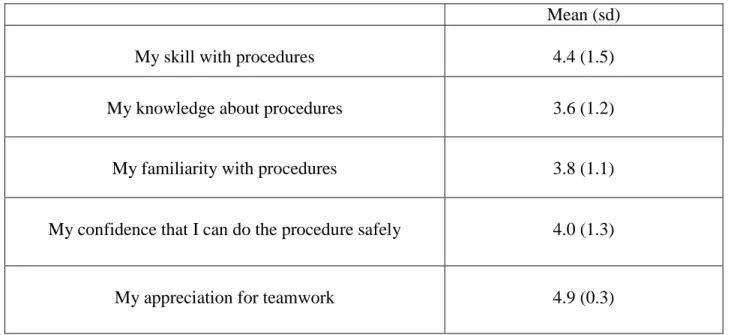
Table 7 shows the results of the answers to the question “How, if at all, did Project CAPE help
you improve in each of these areas?”, where answers were given on a scale of 0 (Project CAPE
had no effect) to 5 (Project CAPE was very effective). Results suggest Project CAPE is most
effective at improving appreciation for teamwork and skill with procedures, but is effective at
Seven out of the 8 respondents offered comments on the Debrief Survey, and all of the
comments were exceptionally positive about Project CAPE. No negative comments were made
at all, even though the participants had been assured that the surveys were anonymous. 6 of the 7
comments were substantive and had content that could be analyzed further. While the members
of the focus group are not necessarily representative of all the Project CAPE participants as they
may have been more interested and invested in the project than others, the comments they
provided offer several insights.
Three of the 6 mentioned improvements in teamwork or improvements due to
TeamSTEPPS specifically. Indeed, TeamSTEPPS seemed to be the aspect of Project CAPE that
caused the most interest. During the debrief session, some members of the focus group even
expressed interest in expanding TeamSTEPPS training to the entire staff of the hospital, because
they were convinced of its usefulness.
Four of the 6 comments noted that the respondent felt that ED staff/ED as a whole had
benefited from participation in Project CAPE, suggesting that Project CAPE works not only on
an individual level to improve comfort levels, but also at the level of the ED to improve ED
functioning as a whole. Additionally, 4 of the 6 comments also stated that Project CAPE would
Discussion
The data generated by Project CAPE suggest that, at baseline, providers in small rural
critical access hospitals have low experience with many of the key procedures needed during
pediatric emergencies and do not feel comfortable performing these tasks. Providers are even
less comfortable treating infants than they are children. These conclusions were drawn by C.
Scott Forsythe in his analysis of the Survey 1 data, and I am in complete agreement. Twenty-six
percent of pediatric emergency department visits occur in rural or remote facilities such as
these,35 highlighting the importance an educational intervention such as Project CAPE could
have by increasing provider comfort and competence, and improving quality of care.
The use of high-fidelity simulations to improve clinical competency in emergency
medicine is becoming more commonplace.36 Other educational interventions incorporating
high-fidelity simulations have shown improvements in provider comfort and performance of tasks,
specifically including the area of pediatric codes.37,4 Mock pediatric codes using simulators have
also been shown to translate to improved patient outcomes.33 Although Project CAPE did not
assess changes in patient outcomes as a result of the intervention, the improvements in comfort
would, one hopes, lead to improvements in patient outcomes here too.
Almost all of the comfort scores showed improvement from baseline at 6 months and 12
months into Project CAPE. Many of these increases are statistically significant, especially where
sample sizes were larger. Importantly, the column means, which can be interpreted as an overall
comfort level, have increased in all cases at both 6 months and 12 months, for treatment of both
infants and children. In many cases, these increases are more than 10% of the original baseline
comfort scores reported, suggesting that these improvements are large enough to be substantively
Many of the increases in comfort score seen at Survey 2 (6 months into Project CAPE)
seem to be sustained at the end of Project CAPE 12 months after the program was started
(Survey 3 data). Some comfort scores improved even more from Time 2 to Time 3. And, even if
they did not improve, they remained above baseline comfort levels. Indeed, of the 14 different
comfort scores reported for the three different strata of providers (All providers, RNs, and
MD/MLPs), all but 2 comfort scores (40 out of 42) showed improvements over baseline at the
end of the Project CAPE pilot year.
Concerns have been raised in the past that providers have limited ability accurately to
self-assess, including in their confidence in performing clinical procedures.38 However, the
debrief survey results give confidence in the validity of using self-rated comfort scores here, as
the focus group members felt that the comfort score ratings they gave were in fact a good
representation of their comfort. We had wondered whether providers would be overly confident
in their skills or knowledge before they were tested with the mock codes, but this does not seem
to be the case. Additionally, because the changes in comfort level are measured for an individual
against his or her own previous answers, it is less important how a provider’s own
self-assessment would compare to that of an external assessor. Comfort and confidence levels have
been used by others as a mechanism of assessing an educational intervention,37,39 and, based on
the answers given on the debrief survey, comfort seems to encompass all the elements on which
Project CAPE had an effect, and hence is an excellent measure for assessing the effect of Project
CAPE.
The debrief survey was also helpful in investigating a possible cause for the increase in
comfort scores by further exploring which of the elements that contribute to an individual’s
that is most important to an individual’s comfort level, and the debrief survey suggests that this
is one of the elements that Project CAPE was most effective at improving. As shown in Tables 2
and 3, increased experience performing these procedures on real patients is not accountable for
these results. However, because Project CAPE contains multiple educational components, it is
difficult to determine which elements were responsible for the results.
Another limitation of this project is the design. As an uncontrolled Before-After study, no
non-intervention comparison group was included. This observational design makes it difficult to
determine whether the results are truly due to the intervention or due to other variables beyond
our control, such as policy changes or a change in hospital management (which did occur in one
of the 5 pilot hospitals during the project). We also did not assess secular trends prior to the
project- it is possible that comfort scores were trending up prior even to Project CAPE, although
we have no reason to expect that this would occur. Additionally, our data show that the number
of providers reporting that they had regularly scheduled mock codes at their hospitals increased
during Project CAPE. We assumed that providers were considering the mock codes of Project
CAPE in this light, but we did not specifically elicit whether other mock codes were being
performed also. If other mock codes, besides those of Project CAPE, had been implemented
during the project, some of the results may be attributable to those, rather than to Project CAPE.
This project was not set up to assess patient outcomes, only the intermediate outcomes of
increased provider capability. The rarity of pediatric emergencies requiring resuscitation would
make such patient outcomes data difficult to gather. We also did not assess any unintended
consequences of Project CAPE, such as whether the time commitment required to run the
scenarios kept staff from adequately performing other duties. We made no assessment of whether
We also do not have any follow-up period to assess how long the effects of Project CAPE are
sustained after it is stopped. Additional limitations include the small sample size, especially for
the MD/MLP group, and the fact that the 5 critical access hospitals that volunteered for Project
CAPE may not be representative of all other small rural critical access hospitals in North
Carolina in terms of their interest in and commitment to quality improvement.
The results of this pilot project are very encouraging. The evidence supports the
hypothesis that participation in Project CAPE improves the comfort level of ED medical
providers during pediatric emergencies. Furthermore, the data imply that Project CAPE may also
improve comfort when caring for pediatric patients in general and may also improve elements of
the care of adults too, suggesting that Project CAPE may have potential to be wider reaching
than just affecting the care received by pediatric emergency patients.
The problems of maintaining preparedness for pediatric emergencies are well
documented. Small rural critical access hospitals are not only subject to the waning of skills soon
after receiving training, but due to the rarity of pediatric emergencies, staff receive little
opportunity to actively practice these skills. The results of this pilot project suggest that Project
CAPE is an educational intervention that offers a means to practice skills and improve provider
comfort. It also introduces TeamSTEPPS into the ED, offering the benefits of improved
teamwork and communication. Based on these results, Project CAPE should be expanded to
provide further evidence of its ability to achieve its goals of improving the quality of pediatric
Conclusion
The results of this study suggest that Project CAPE is an educational intervention that can
be used within small rural EDs to improve provider comfort and increase preparedness for
pediatric emergencies. These positive results have a policy implication. There is an expectation
that all EDs be prepared to manage pediatric emergencies, however rare, to a certain standard of
competence. As evidence is mounting as to the ability of training simulations such as Project
CAPE to improve provider comfort to perform life-saving skills during pediatric emergencies,
and ultimately improve patient outcomes, support should be given to recommendations of their
implementation within EDs. The nature of this support- whether use should be encouraged by
professional organizations such as the American Academy of Pediatrics, or supported by
government funding, or even made compulsory by a government mandate- is a difficult policy
References
1. Casey MM, Wholey D, Moscovice IS. Rural Emergency Department staffing and participation in emergency certification and training programs. The Journal of rural health : official journal of the American Rural Health Association and the National Rural Health Care Association. Summer 2008;24(3):253-262.
2. Mancini ME, Kaye W. The effect of time since training on house officers' retention of cardiopulmonary resuscitation skills. The American journal of emergency medicine. Jan 1985;3(1):31-32.
3. Gass DA, Curry L. Physicians' and nurses' retention of knowledge and skill after training in
cardiopulmonary resuscitation. Canadian Medical Association journal. Mar 1 1983;128(5):550-551.
4. Hunt EA, Heine M, Hohenhaus SM, Luo X, Frush KS. Simulated pediatric trauma team management: assessment of an educational intervention. Pediatric emergency care. Nov 2007;23(11):796-804.
5. Eppich WJ, Brannen M, Hunt EA. Team training: implications for emergency and critical care pediatrics.
Current opinion in pediatrics. Jun 2008;20(3):255-260.
6. Baker DP GS, Beaubien JM, et al. Medical teamwork and patient safety: the evidence-based relationship.
Rockville, MD: Agency for Healthcare Research and Quality;2005.
7. About TeamSTEPPS. http://teamstepps.ahrq.gov/about-2cl_3.htm. Accessed October 20, 2011.
8. Educate.Simplify. Pediatric Advanced Life Support (PALS). 2011;
http://educatesimplify.com/content/pediatric-advance-life-support-pals. Accessed March 29, 2012.
9. Thomas KK. Hill-Burton Act. Encyclopedia of Alabama 2008;
http://encyclopediaofalabama.org/face/Article.jsp?id=h-1439. Accessed March 28, 2012.
10. Department of Health and Human Services. Office for the Civil Right's Oversight of the Hill-Burton Project. 1992; http://oig.hhs.gov/oei/reports/oei-05-90-00261.pdf.
11. American Heart Association . CAH Legislative History. http://www.aha.org/advocacy-issues/cah/history.shtml. Accessed March 28, 2012.
12. Washington State Department of Health. What is a Critical Access Hospital?
http://www.doh.wa.gov/hsqa/ocrh/cah/cah399.html. Accessed March 28, 2012.
13. Critical Access Hospital Replacement Process: The Manual, U.S. Department of Health and Human Services (2010), Health Resources and Services Administration, Office of Rural Health Policy, Rockville, MD 20857.
14. 42 USC 1395dd.
15. Hyman DA. Patient dumping and EMTALA: past imperfect/future shock. Health matrix (Cleveland, Ohio : 1991). Winter 1998;8(1):29-56.
16. Institute of Medicine. Emergency Medical Services for Children: The National Academies Press; 1993.
17. Middleton KR, Burt CW. Availability of pediatric services and equipment in emergency departments: United States, 2002-03. Advance data. Feb 28 2006(367):1-16.
18. Freeman VA, Randolph RK, Poley S, Friedman S, Slifkin RT. Pediatric Care in Rural Hospital Emergency Departments- Final Report No. 97. Chapel Hill, NC: NC Rural Health Research and Policy Analysis Center;2010.
19. Thompson BM, Rice T, Jaffe J, Aprahamian C, Horwitz L, Torphy D. "PALS for life!" A required trauma-oriented pediatric advanced life support course for pediatric and emergency medicine housestaff. Annals of emergency medicine. Nov 1984;13(11):1044-1047.
20. Carcillo JA, Kuch BA, Han YY, et al. Mortality and functional morbidity after use of PALS/APLS by community physicians. Pediatrics. Aug 2009;124(2):500-508.
21. Han YY, Carcillo JA, Dragotta MA, et al. Early reversal of pediatric-neonatal septic shock by community physicians is associated with improved outcome. Pediatrics. Oct 2003;112(4):793-799.
22. Sorrentino A, Monroe KW, King WD. Barriers to pediatric advanced life support training in the state of Alabama. Pediatric emergency care. Dec 2003;19(6):408-411.
23. van Amerongen R, Klig S, Cunningham F, Jr., Sylvester L, Silber S. Pediatric advanced life support training of pediatricians in New Jersey: cause for concern? Pediatric emergency care. Feb 2000;16(1):13-17.
24. Goldman RD, Ho K, Peterson R, Kissoon N. Bridging the knowledge-resuscitation gap for children: Still a long way to go. Paediatrics & child health. Jul 2007;12(6):485-489.
25. Frush K. Personal Communication to Author. March 23, 2012.2012.
27. White JR, Shugerman R, Brownlee C, Quan L. Performance of advanced resuscitation skills by pediatric housestaff. Archives of pediatrics & adolescent medicine. Dec 1998;152(12):1232-1235.
28. Arshid M, Lo TY, Reynolds F. Quality of cardio-pulmonary resuscitation (CPR) during paediatric resuscitation training: time to stop the blind leading the blind. Resuscitation. May 2009;80(5):558-560.
29. Topjian AA, Berg RA, Nadkarni VM. Pediatric cardiopulmonary resuscitation: advances in science, techniques, and outcomes. Pediatrics. Nov 2008;122(5):1086-1098.
30. Schneider SM, Gardner AF, Weiss LD, et al. The future of emergency medicine. Academic emergency medicine : official journal of the Society for Academic Emergency Medicine. Sep 2010;17(9):998-1003.
31. Roberge RJ, Cohen JS. Advanced life support courses for board-certified emergency physicians: lowering the standard of care? The Journal of emergency medicine. Nov 2003;25(4):465-470.
32. Seethala RR, Esposito EC, Abella BS. Approaches to improving cardiac arrest resuscitation performance.
Current opinion in critical care. Jun 2010;16(3):196-202.
33. Andreatta P, Saxton E, Thompson M, Annich G. Simulation-based mock codes significantly correlate with improved pediatric patient cardiopulmonary arrest survival rates. Pediatric critical care medicine : a journal of the Society of Critical Care Medicine and the World Federation of Pediatric Intensive and Critical Care Societies. Jan 2011;12(1):33-38.
34. Armour Forse R, Bramble JD, McQuillan R. Team training can improve operating room performance.
Surgery. Oct 2011;150(4):771-778.
35. Gausche-Hill M, Schmitz C, Lewis RJ. Pediatric preparedness of US emergency departments: a 2003 survey. Pediatrics. Dec 2007;120(6):1229-1237.
36. Ten Eyck RP. Simulation in emergency medicine training. Pediatric emergency care. Apr 2011;27(4):333-341; quiz 342-334.
37. Toback SL, Fiedor M, Kilpela B, Reis EC. Impact of a pediatric primary care office-based mock code program on physician and staff confidence to perform life-saving skills. Pediatric emergency care. Jun 2006;22(6):415-422.
38. Davis DA, Mazmanian PE, Fordis M, Van Harrison R, Thorpe KE, Perrier L. Accuracy of physician self-assessment compared with observed measures of competence: a systematic review. JAMA : the journal of the American Medical Association. Sep 6 2006;296(9):1094-1102.
39. Cappelle C, Paul RI. Educating residents: the effects of a mock code program. Resuscitation. Apr 1996;31(2):107-111.
40. The Joint Commission. Sentinel Event Data Root Causes by Event Type 2004-Third Quarter 2011. 2011;
http://www.jointcommission.org/assets/1/18/Root_Causes_Event_Type_2004-3Q2011.pdf. Accessed February 2, 2012.
41. Clark PR. Teamwork: building healthier workplaces and providing safer patient care. Critical care nursing quarterly. Jul-Sep 2009;32(3):221-231.
42. Risser DT, Rice MM, Salisbury ML, Simon R, Jay GD, Berns SD. The potential for improved teamwork to reduce medical errors in the emergency department. The MedTeams Research Consortium. Annals of emergency medicine. Sep 1999;34(3):373-383.
43. Rabinowitz M, Johnson LE, Mazzapica D, O'Leary J. Storytelling effectively translates TeamSTEPPS skills into practice. Journal of continuing education in nursing. Nov 2010;41(11):486-487.
44. Baker DP, Amodeo AM, Krokos KJ, Slonim A, Herrera H. Assessing teamwork attitudes in healthcare: development of the TeamSTEPPS teamwork attitudes questionnaire. Quality & safety in health care. Dec 2010;19(6):e49.
45. Deering S, Rosen MA, Salas E, King HB. Building team and technical competency for obstetric emergencies: the mobile obstetric emergencies simulator (MOES) system. Simulation in healthcare : journal of the Society for Simulation in Healthcare. Fall 2009;4(3):166-173.
46. Robertson B, Kaplan B, Atallah H, Higgins M, Lewitt MJ, Ander DS. The use of simulation and a modified TeamSTEPPS curriculum for medical and nursing student team training. Simulation in healthcare : journal of the Society for Simulation in Healthcare. Dec 2010;5(6):332-337.
47. Deering S, Rosen MA, Ludi V, et al. On the front lines of patient safety: implementation and evaluation of team training in Iraq. Joint Commission journal on quality and patient safety / Joint Commission
Resources. Aug 2011;37(8):350-356.
49. Forse RA, Bramble JD, McQuillan R. Team training can improve operating room performance. Surgery.
Oct 2011;150(4):771-778.
50. Capella J, Smith S, Philp A, et al. Teamwork training improves the clinical care of trauma patients. Journal of surgical education. Nov-Dec 2010;67(6):439-443.
51. Mayer CM, Cluff L, Lin WT, et al. Evaluating efforts to optimize TeamSTEPPS implementation in surgical and pediatric intensive care units. Joint Commission journal on quality and patient safety / Joint
Commission Resources. Aug 2011;37(8):365-374.
52. Riley W, Davis S, Miller K, Hansen H, Sainfort F, Sweet R. Didactic and simulation nontechnical skills team training to improve perinatal patient outcomes in a community hospital. Joint Commission journal on quality and patient safety / Joint Commission Resources. Aug 2011;37(8):357-364.
Tables
Table 1 Participant Characteristics in Total Sample and by Provider Type: (% (n) or mean (sd)) * Survey 1 data were analyzed by C. Scott Forsythe
All respondents RN MD/MLP
Survey 1* (n=106) Survey 2 (n=61) Survey 3 (n=32) Survey 1* (n=62) Survey 2 (n=43) Survey 3 (n=20) Survey 1* (n=32) Survey 2 (n=16) Survey 3 (n=10) Provider Type 61% (62) 74% (43) 63% (20) 34% (32) 26% (16) 31% (10)
EM is primary
specialty 63% (19)
62% (8) 75% (6)
≥ 5 years of ED
experience 63% (64) 66% (40) 63% (20) 24% (39) 65% (28) 70% (14) 75% (24) 75% (12) 60% (6) >10 Years of ED
experience 39% (39) 41% (25) 34% (11) 34% (21) 37% (16) 35% (7) 53% (17) 56% (9) 40% (4) Completed PALS
course in last 2
years 72% (73)
82% (50) 78% (25)
87% (54)
93% (40) 80% (16)
47% (15)
50% (8) 70% (7)
Completed ACLS course in last 2
years 84% (85) 89% (54) 88% (28) 98% (61) 100% (43) 95% (19) 60% (15) 56% (9) 70% (7) Hospital has
scheduled mock
codes 19% (19) 67% (39) 75% (24) 44% (14) 69% (29) 75% (15) 9% (3) 57% (8) 70% (7) Hospital offers
continuing education programs with ≥ 25% pediatric
focus 19% (18) 23% (12) 26% (7) 18% (11) 25% (10) 35% (6) 16% (5) 9% (1) 0% (0) Pediatric patients
seen per shift 8.4 (93) 8.4 (58) 10.7 (30) 8.6 (58) 7.9 (41) 11.1 (18) 7.8 (31) 9.5 (15) 10.6 (10) Toddlers seen per
shift 4.6 (92) 4.2 (57) 4.9 (30) 4.8 (57) 4.2 (40) 5.7 (18) 4.5 (31) 4.3 (15) 3.6 (10) Infants seen per
Table 2 Experience Among All Providers With Three Procedures, by Age Group of Patient: % of providers reporting 0-5 procedures
over last year
* Survey 1 data were analyzed by C. Scott Forsythe
In Infants
Survey 1* (n=97) Survey 2 (n=61) Survey 3 (n=32)
Start IV 79% 82% 97%
Place NG 100% 100% 100%
Place urinary catheter 86% 88% 94%
In Toddlers
Survey 1* (n=97) Survey 2 (n=61) Survey 3 (n=32)
Start IV 66% 65% 77%
Place NG 99% 100% 100%
Place urinary catheter 82% 85% 88%
In Children
Survey 1* (n=97) Survey 2 (n=61) Survey 3 (n=32)
Start IV 55% 57% 68%
Place NG 97% 98% 100%
Table 3 Experience Among MDs & MLPs with Four Procedures, by Age Group of Patient: % of MD/MLPs reporting 0-5 procedures over last year
* Survey 1 data were analyzed by C. Scott Forsythe
In Infants In Toddlers In Children
Survey 1* (n=30) Survey 2 (n=15) Survey 3 (n=9) Survey 1* (n=30) Survey 2 (n=15) Survey 3 (n=9) Survey 1* (n=30) Survey 2 (n=15) Survey 3 (n=9)
Start IO 100% 100% 100% 100% 100% 100% 100% 100% 100%
Place Central
Line 100% 100%
100%
100% 100% 100% 100% 100% 100%
Bag Mask
Ventilate 97%
87% 100%
97%
100% 100%
97%
93% 100%
Table 4 Comfort Among Providers with Six Procedures for Children: Mean comfort score on a 0-100 point scale
All Providers RN MD/MLP
Survey 1 Mean
(sd)
Survey 2 – change from survey 1 Survey 3- change from survey 1 Survey 1 Mean (sd)
Survey 2 – change from survey 1 Survey 3- change from survey 1 Survey 1 Mean (sd)
Survey 2 – change from survey 1 Survey 3- change from survey 1 Assessing Patient 81.1 (21.4)
+4.4* +3.7 78.0
(23.5)
+6.2* +4.9 89.0
(12.2)
-0.1 +3.5
Drawing Blood
65.0 (33.2)
+8.1* +9.5* 73.0
(30.6)
+4.2 +2.7 43.5
(33.3)
+19.7* +22.6
Placing an IV
64.2 (33.5)
+6.8 * +7.8 75.4
(27.9)
+3.8 +1.9 34.1
(31.1)
+15.6* +20.8
Placing an NG
52.9 (33.6)
+9.9* +7.7 53.0
(33.5)
+9.6* +8.1 56.3
(34.4)
+11.3 +7.8
Placing a Urinary Catheter
66.7 (32.1)
+4.9 +5.8 69.5
(32.8)
+7.6* +10.2 56.4
(29.8)
-2.1 -1.3
Recognizing Abnormal
Vitals
83.7 (19.6)
+2.1 +4.8 82.4
(19.9)
+1.8 +4.6 87.0
(19.9)
+2.2 +4.2
Column Mean
69.0 (24.6)
+6.0* +6.5* 71.9
(25.6)
+5.5* +5.4 61.0
(22.1)
+7.8 +9.6
Table 5 Comfort Among Providers with Six Procedures for Infants: Mean (sd) comfort score on a 0-100 point scale
All Providers RN MD/MLP
Survey 1 Mean (sd) Survey 2 – change from survey 1 Survey 3- change from survey 1 Survey 1 Mean (sd) Survey 2 – change from survey 1 Survey 3- change from survey 1 Survey 1 Mean (sd) Survey 2 – change from survey 1 Survey 3- change from survey 1 Assessing Patient 71.9 (28.9)
+5.7* +5.1 68.5
(31.4)
+8.1* +5.9 81.7
(19.0)
-0.9 +7.1
Drawing Blood
54.8 (35.6)
+8.0* +8.1 62.6
(34.8)
+5.4* +0.5 34.9
(32.7)
+16.8* +26.1
Placing an IV
50.6 (37.1)
+9.4* +8.5 60.7
(35.9)
+8.6* +2.1 27.7
(30.2)
+9.9 +19.1
Placing an NG
43.9 (35.6)
+8.5* +1.9 41.4
(36.4)
+10.5* +4.4 55.1
(32.4)
+3.1 -4.2
Placing a Urinary Catheter
55.1 (34.7)
+7.8* +8.6 56.1
(36.6)
+10.1* +10.3 54.4
(31.2)
-3.0 +0.5
Recognizing Abnormal
Vitals
77.1 (26.8)
+3.5 +9.8* 75.3
(28.6)
+2.3 +9.4 80.6
(23.1)
+6.1 +10.8
Column Mean
58.9 (27.4)
+7.1* +7.0 60.8
(29.6)
+7.5* +5.4 55.7
(22.2)
+5.3 +9.9
Table 6 Providers’ Views on Mock Code Training: % agreeing with statement, or mean
Survey 1 Change, 2 - 1 Change, 3-1
How helpful are mock codes? Very Useful
At least somewhat useful Somewhat useless or less
30.5 % +13.6 +22.6*
83.1 % -6.8 +4.4
5.1 % +8.5* +4.3
Pediatric mock codes would
improve skill 98.4 % -8.4* +1.6
Pediatric mock codes would
improve comfort 96.7 % -6.7* -2.9
Pediatric focus hospital's CE
program is inadequate 72.9 % +2.6 -9.9
Hospital has no regularly
scheduled mock codes 83.6 % -50.8* -58.6*
Expected benefit from further pediatric training (Mean- scale
of 0-100)
88.8 +0.3 -1.0
Table 7: Mean and standard deviation of responses to “How, if at all, did Project CAPE help you improve in each of these areas?” where responses were given on a scale of 0 (Project CAPE had no effect) to 5 (Project CAPE was very effective).
Mean (sd)
My skill with procedures 4.4 (1.5)
My knowledge about procedures 3.6 (1.2)
My familiarity with procedures 3.8 (1.1)
My confidence that I can do the procedure safely 4.0 (1.3)
Appendix 1: Systematic Review- Use of TeamSTEPPS in the Literature
Introduction
Teamwork and communication have been found to be critical factors in patient care, and
failures in these areas have been shown to be a root cause of a large proportion of sentinel
events.40 As a response to the increasing data linking teamwork and clinical performance, the
U.S. Department of Defense’s Patient Safety Program and the Agency for Healthcare Research
and Quality developed TeamSTEPPS- an evidence-based teamwork system specifically designed
for health care professionals. TeamSTEPPS (Team Strategies and Tools to Enhance Performance
and Patient Safety) is grounded by 20 years of teamwork research performed in several high-risk
industries such as aviation, health care and nuclear power. TeamSTEPPS was publically released
in 2006 with an extensive set of freely available tools and teaching aids, and has a strength in
that it can be adapted for use in any healthcare setting.41
The primary goal of Project CAPE is to enhance the ability of North Carolina critical
access hospitals to care for critically ill and injured children. As the 5 critical access hospitals
included in the pilot study do not admit children, any such critically ill and injured children are
only treated in the emergency rooms of these small rural hospitals. Hence, the interventions of
Project CAPE have been focused on the emergency room staff. The emergency room is a setting
where teamwork skills can be critical in preventing errors and maximizing patient outcomes. One
study found that in 43% of reviewed cases where malpractice claims were filed against a hospital
for care received in the emergency room, improved teamwork could have averted or mitigated
the adverse event.42 In light of this and other evidence that enhanced teamwork can improve