THE ASSOCIATION OF RACIAL RESIDENTIAL SEGREGATION ON PHYSICAL ACTIVITY AND DIET AMONG OLDER AFRICAN AMERICAN CHURCH MEMBERS
IN THE URBAN SOUTH: A MIXED METHODS STUDY
Janelle M. Armstrong-Brown
A dissertation submitted to the faculty of the University of North Carolina at Chapel Hill in partial fulfillment of the requirements for the degree of Doctor of Philosophy in the
Department of Health Behavior and Health Education in the Gillings School of Global Public Health.
Chapel Hill 2012
Approved by: Eugenia Eng
Wizdom Powell Hammond Catherine Zimmer
© 2012
ABSTRACT
JANELLE M. ARMSTRONG-BROWN: The association of racial residential segregation on physical activity and diet among older African American church members in the urban
South: A mixed methods study (Under the direction of Eugenia Eng, DrPH)
Background: Physical inactivity and poor diet are two factors contributing to disproportionate disease rates among older African Americans. Previous research indicates that older African Americans are more likely to live in racially segregated neighborhoods and that racial residential segregation is associated with limited opportunities for physical activity and availability of healthy food. Using the concept of therapeutic landscapes, the objective of this study was to examine the relationship between racial residential segregation, physical activity and fruit and vegetable intake among older African American church members living in urban areas of the Southeastern, US.
Methods: In this mixed methods study, 472 participants from three counties in NC completed a baseline survey for a cancer screening and physical activity intervention. Participant addresses were geocoded and linked to census data. Racial residential
bivariate and mediational relationships among variables. Qualitative in-depth interviews were conducted with 12 participants from racially segregated areas in order to understand the perception of the neighborhood environment on physical activity and diet and to further explain findings from the quantitative analyses.
Results: Participants living in predominantly African American census tracts had more minutes of physical activity, but were less likely to meet physical activity
recommendations. Census tracts with greater proportions of African American residents were found to have more convenience stores. No significant association was found between racial residential segregation and fruit and vegetable intake. In the qualitative interviews,
participants discussed neighborhood features that facilitated physical activity and
characteristics of places where they purchased food. Participants were able to be physically active in their neighborhoods, but had limited food options in their local supermarkets and traveled outside of their neighborhoods to find quality food at a reasonable price.
Dedicated to the memory of Ricardo Atkinson and Dr. Marci K. Campbell.
ACKNOWLEDGEMENTS
I would first like to thank God for giving me the strength, support, and perseverance to complete this dissertation. I have seen firsthand that through God all things are possible. This dissertation was made possible by the support, advice, and assistance of many people. The continual guidance from my advisor and committee chair, Dr. Eugenia Eng surpassed the expectations laid out for a dissertation committee chairperson. From the moment that I set foot on UNC’s campus Dr. Eng has encouraged me and provided me with various opportunities to excel as a researcher. Your time, commitment, feedback, mothering nature and genuine spirit helped me to get through this doctoral program. From you, I have learned the characteristics of an excellent mentor. I hope that I can carry on your legacy as I
continue on in my career.
The support from my committee members has helped shape me into a promising researcher. Thank you to Dr. Wizdom Powell Hammond who challenged me to think more deeply theoretically. You have given me a great appreciation for the importance and necessity of theory as an underpinning to my research. Your words of ‘wizdom’ gave me encouragement to ‘push through’ when I felt I was backed ‘against the wall’. I have been inspired by your dedication and passion to your career, your ability to balance your
professional and personal life, your artistic talents, and your resilient spirit. I feel blessed that our paths crossed. Dr. Malcolm Cutchin, thank you for your valuable feedback and
your easygoing nature helped in making the generation of my methods a pleasurable
experience. Dr. Marci Campbell, although you were not able to see me through to the end of my dissertation, you played a crucial role throughout this dissertation process. I am so blessed to have been a part of your research team. I was moved by your bravery during your last months. From you, I’ve learned that every day can be the best day of your life. You will be missed. I would especially like to thank Dr. Catherine Zimmer, who came in at the last minute to serve on my dissertation committee. You have been a rock for me during the analysis of my dissertation. Your welcoming smile and kind words made me feel that there was no regression analysis that I could not perform. I look forward to our continued
friendship in the future. To my mentors, Dr. Carmen Samuel-Hodge and Dr. Lori Carter-Edwards, you have shown me the true meaning of sisterhood and collaboration, and mentorship. Thank you for taking time out to listen to my concerns and offer effective solutions. Dr. Samuel-Hodge our weekly meetings were a time for checking in both
professionally and personally. It meant so much to me that you devoted time to cultivate my passion for research and that you helped me to see the light at the end of the tunnel.
spirit, and genuine concern for me and my well-being. You have taught me that no one can stop you from achieving your dreams. For all my friends that assisted me with edits, food, constructive feedback, calming words, hugs, and words of encouragement-Afabwaje Jatau, Chandra Caldwell, Stephanie Baker, Cherice Vanderhall, Charissa Lawrence-Smith, Dr. Charles Anamelechi, Loneke Blackman, Sanjay Mitchell, Candice Alick, La-Shell Johnson, Monica Hadley, and Monique Terry. I will always look back at this time fondly because it has been through this process that I have truly learned the meaning of friendship. To all my friends and family members, professors, Sorors, and church family who have supported me in one way or the other during this journey even if your name is not listed-I am truly grateful for all that you have done for me during this process
To my mom and dad, thank you for your continued support, love, and
Table of Contents
LIST OF TABLES ... xiv
LIST OF FIGURES ... xvi
CHAPTER ONE ... 1
INTRODUCTION ... 1
Problem Statement... 1
Significance ... 4
Dissertation Structure ... 5
CHAPTER TWO ... 6
LITERATURE REVIEW ... 6
Disproportionate Burden of Disease among older African Americans ... 6
Heart Disease ... 6
Cancer ... 7
Obesity ... 9
Physical Activity and Diet among Older African Americans ... 10
Physical Activity ... 10
Diet ... 12
Neighborhood Effects on Physical Activity and Diet ... 13
Understanding the African American Experience-Social/Contextual Factors ... 16
What is Racial Residential Segregation? ... 19
Why is Contemporary Racial Residential Segregation a Health Matter for
Older African Americans? ... 21
What is the association between Racial Residential Segregation and Health? ... 23
The Black Church/Religiosity ... 25
Summary... 26
CHAPTER THREE ... 28
THEORETICAL FRAMEWORK, CONCEPTUAL MODEL,& SPECIFIC AIMS ... 28
Theoretical Framework ... 28
Place Stratification Model ... 28
Therapeutic Landscapes ... 29
Black Church as a Therapeutic Landscape ... 33
Conceptual Model ... 35
Study Research Aims, Questions, and Hypotheses ... 37
Research Aim 1 ... 38
Research Aim 2 ... 39
CHAPTER FOUR ... 40
RESEARCH DESIGN AND METHODS ... 40
Quantitative Methods ... 40
Recruitment and Enrollment ... 42
Data Collection ... 43
Measures ... 47
Data Structure ... 55
Analysis Plan ... 56
Study Design ... 61
Sample Recruitment ... 62
Data Collection ... 62
Observation ... 62
Interviews ... 63
Validity ... 63
Data Management ... 64
Reflexivity ... 65
CHAPTER FIVE ... 67
EXPLORING THE RELATIONSHIP BETWEEN RACIAL RESIDENTIAL SEGREGATION AND PHYSICAL ACTIVITY AMONG OLDER AFRICAN AMERICAN CHURCH MEMBERS: A MIXED METHODS APPROACH ... 67
Introduction ... 67
Methods ... 72
Quantitative ... 72
Parent Study Sample and Baseline Data Collection... 73
Measures... 74
Analyses ... 77
Results ... 78
Qualitative ... 86
Analysis ... 88
Discussion... 95
Conclusions ... 101
USING A MIXED METHODS APPROACH TO EXAMINE THE ASSOCIATION OF RACIAL RESIDENTIAL SEGREGATION AND FRUIT AND VEGETABLE
CONSUMPTION AMONG OLDER AFRICAN AMERICAN CHURCH MEMBERS .... 103
Introduction ... 103
Methods ... 110
Quantitative ... 110
Parent Study Sample and Baseline Data Collection... 110
Measures... 112
Analyses ... 114
Results ... 115
Qualitative ... 127
Recruitment ... 128
Data Collection ... 128
Analysis ... 129
Results ... 131
Discussion... 136
Conclusion ... 140
CHAPTER SEVEN ... 142
SYNTHESIS ... 142
Racial Residential Segregation, Physical Activity, and Fruit and Vegetable Consumption: What is the Connection? ... 142
Racial Residential Segregation as a Therapeutic Landscape? ... 146
Church as a Therapeutic Landscape? ... 148
Limitations ... 150
Implications for Future Research and Conclusions ... 152
APPENDIX A ... 154
APPENDIX B ... 158
APPENDIX C ... 166
APPENDIX D ... 167
APPENDIX E ... 168
APPENDIX F... 172
APPENDIX G ... 176
APPENDIX H ... 178
LIST OF TABLES
Table 4. 1 Racial Composition of Study Area ... 41
Table 4. 2 Median Income of Study Area ... 41
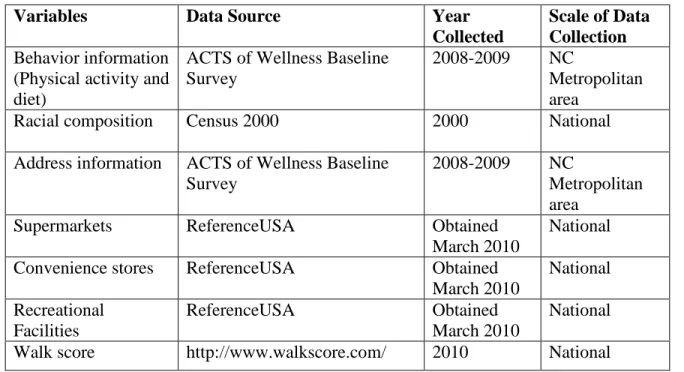
Table 4. 3 Study Variables and Data Sources ... 43
Table 4. 4 Walk Score Categories... 52
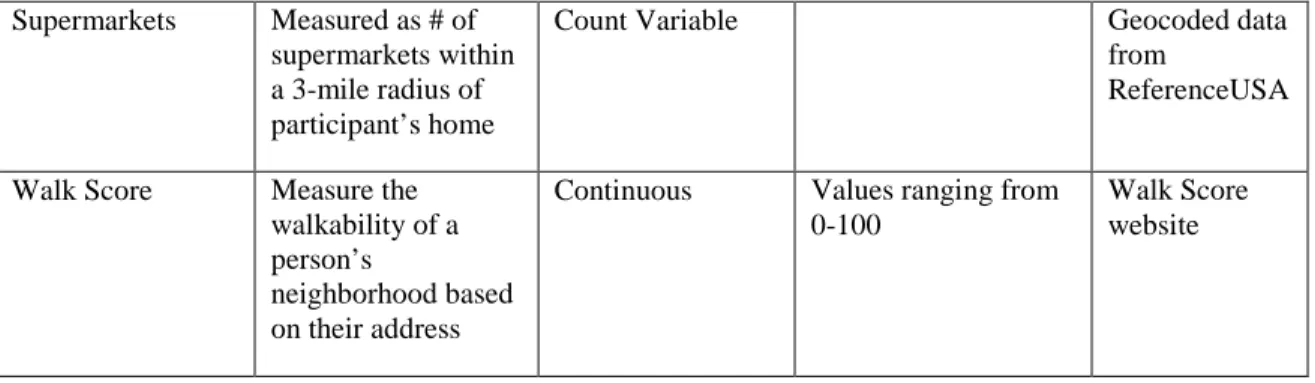
Table 4. 5 Independent, Dependent, and Mediator Variables ... 53
Table 4. 6 Control Variables ... 54
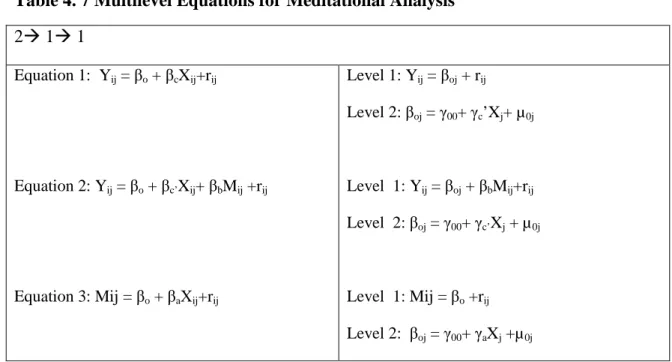
Table 4. 7 Multilevel Equations for meditational analysis ... 60
Table 5. 1 Characteristics of Participants ... 79
Table 5. 2 Direct Effect of Physical Activity Resources on Neighborhood Proportion of African American Residents... 81
Table 5. 3 Adjusted multilevel regression models of physical activity ... 83
Table 5. 4 Adjusted multilevel regression models of walking... 85
Table 5. 5 Characteristics of interview Participants (N=12)... 90
Table 6. 1 Sample Characteristics ... 117
Table 6. 2 Mediation Path a- Regression of Food Stores on Proportion of African American residing in a participant’s neighborhood... 120
Table 6. 3 Mediation Paths b and c- Regression of Fruit and Vegetable Consumption on Proportion of African Americans residing in a participant’s neighborhood and Food stores ... 122
Table 6. 4 Regression of Food stores on Proportion of African Americans residing in a neighborhood by Obesity Status ... 124
LIST OF FIGURES
Figure 3. 1 Model of Place effects on health ... 32
Figure 3. 2 Conceptual Model of Therapeutic Landscapes for Health Promotion ... 37
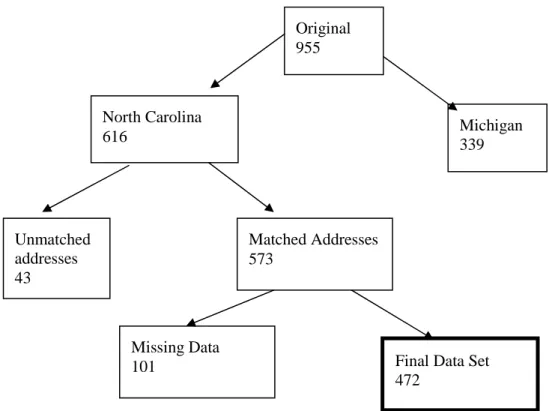
Figure 4. 1 Consort Table ... 47
Figure 4. 2 Multilevel Mediation Model... 59
Figure 5. 1 Photos of Participants’ Neighborhood walking environment ... 93
CHAPTER ONE
INTRODUCTION
Problem Statement
The older population in the United States (U.S.) is projected to increase from 10% to 20% by 2050 (Vincent, Velkoff, & US Census Bureau, 2010). With this rapid growth, chronic diseases like cancer, heart disease, and obesity will continue to be a major public health problem in the U.S.(Velkoff, He, Sengupta, & DeBarros, 2005). Older African Americans suffer disproportionately from these chronic diseases and have the highest mortality and incidence rates of these diseases compared to other racial and ethnic
groups(Velkoff et al., 2005). Furthermore, African Americans are twice as likely to be obese and die from cancer and heart disease as compared to their White counterparts (American Cancer Society, 2010; Michimi, 2010; Siegel, Ward, Brawley, & Jemal, 2011). Studies have shown that physical activity and diet may help to reduce the risk of developing these chronic diseases (Cromwell & Adams, 2006; Jemal, Siegel, Xu, & Ward, 2010; Taylor, Poston, Jones, & Kraft, 2006; Wilcox, Castro, King, Housemann, & Brownson, 2007). However, older African Americans are less likely than their White counterparts to meet the
and proper diet are essential for enhancing the quality of life among this population of older adults (Saelens & Papadopoulos, 2008).
Many physical activity and dietary change interventions have been implemented through the Black church to address chronic illness. Research has demonstrated that the Black church plays a vital role in the lives of most African American adults in the Southern US and can serve as a powerful channel for health promotion efforts (Ammerman et al., 2002; Campbell et al., 2000; DeHaven, Hunter, Wilder, Walton, & Berry, 2004; Eng, Hatch, & Callan, 1985). Interventions that use the church as a conduit for reaching the African American community capitalize on the established social networks found in the Black
church. Health promotion efforts in the church may benefit from greater focus on the various factors that influence health behaviors and health outcomes. The Socio-ecological Model (SEM) recognizes that behavior is multifaceted and is influenced by multiple levels, including the individual, interpersonal/social interactions, organizational policies and
resources, community and geographic resources, structures and systems (or institutional), and public policies (Campbell et al., 2007; Robinson, 2008). Most church interventions have focused primarily within the lower levels of the SEM, targeting individuals and their social groups (Campbell et al., 2007; Campbell et al., 1999; Wilcox et al., 2007; Young & Stewart, 2006). Although changes in diet and physical activity have been documented in the
members may offer insight on how to incorporate upper levels of the SEM into future church interventions.
Researchers have begun to more closely examine the influence that social structures play in the manifestation of certain health behaviors. These structures include
institutionalized systems that impact access to resources, especially in the residential setting (Miles, Panton, Jang, & Haymes, 2008). Examining the residential setting and its structural components is especially relevant for older African Americans as the social and residential context have more meaning to this population. Older adults have a greater desire to remain in a familiar setting as they age than persons in other age groups (Cutchin, 2003).
Determining the neighborhood characteristics that enhance or inhibit church members’ health-promoting behaviors can inform the design of relevant church-based health
interventions for older African Americans to reduce the disproportionate burden of chronic disease.
individual’s health. Hence, therapeutic landscapes as manifested in place of residence are particularly relevant for older African Americans because their neighborhood can offer a sense of identity and control. Consequently, the residential neighborhood can be vital in facilitating the conditions necessary for a healthy lifestyle among older African Americans.
Guided by the concept of therapeutic landscapes, the goal of this study was to determine how and why the residential neighborhoods of older African American church members, residing in 3 urban areas of North Carolina, influenced their lifestyle behaviors. Specifically, the two research aims were to:
1) Identify the pathways through which diet and physical activity behaviors among older African American church members are associated with their neighborhood’s residential segregation; and
2) Explore with older African American church members the meaning of the physical, social, and political features of the neighborhoods; and how this may facilitate or inhibit their physical activity and dietary intake.
Significance
consider the concept of therapeutic landscapes by addressing the environmental factors, such as residential segregation and place stratification.
Dissertation Structure
The next chapter, Chapter Two, includes a literature review on the chronic diseases associated with physical activity and diet and how these are manifested in older African Americans. It will also provide a description of ecological determinants influencing these behaviors, with an emphasis on how racial residential segregation translates into
CHAPTER TWO
LITERATURE REVIEW
Overview
Certain assumptions are made when discussing aging African Americans and the public health issues related to this population. This chapter offers a review of the literature guided by this study’s aims and presents the research hypotheses. The literature review will address the following specific topics:
a) the disproportionate disease burden experienced by older African Americans; b) the link from diet and physical activity to disease burden among older African
Americans;
c) how neighborhood factors influence diet and physical activity;
d) description of racial residential segregation and its association with health; e) and the historical role of church in influencing the behavior of its congregation. Finally, the chapter will conclude by illustrating how the different topics are connected to answer the questions that form the basis for this study.
Disproportionate Burden of Disease among older African Americans
Heart Disease
Americans, who are 1.3 times more likely to die from heart disease as compared to their White counterparts (Kuzawa & Sweet, 2009; Michimi, 2010). In his article on CVD in
African Americans, Ferdinand (2008) asserted that CVD will continue to be a major cause of death and disability due to the aging of the population, high prevalence of
hypertension, the increasing rates of obesity, and increase in physical inactivity.
A 23% increase in physical activity from 1980-2000 was attributed to the delay or prevention of approximately 5% of CVD deaths in the U.S. (Lloyd-Jones et al., 2009). It has been reported that accounting for other CVD risk factors (smoking, diabetes, alcohol intake, etc.) physical inactivity contributes to approximately 12% of cardiovascular disease
worldwide (Lloyd-Jones et al., 2009). Links have also been made between diet and heart disease. Decreasing dietary fat intake has been shown to lower one’s risk for heart disease. Recommendations from doctors stress the importance of maintaining a healthy diet and being physically active.
Cancer
approximately 10,000 people were predicted to die from these cancers in 2011 (Siegel et al., 2011).
Research has shown that there are variations in cancer incidence rates with respect to age, gender, race, geographical location and access to health care (Siegel et al., 2011). Within this variation, the cancer incidence rate in the African American population is significantly disproportionate (Jemal et al., 2010). Among all ethnic minorities, African Americans are the most likely to die from cancer (American Cancer Society, 2007). As compared to white men, African American men have a 14% higher cancer incidence rate and a 34% higher cancer mortality rate (Jemal et al., 2010). Among African American women, there is a 7% lower cancer incidence rate, but a 17% higher mortality rate than in white women (Jemal et al., 2010). Cancer is a burden to the people living with the disease and also to the economy in medical care costs (Jemal et al., 2010). According to the National
Institutes of Health, health care costs related to cancer were estimated at $93.2 billion in 2008 (American Cancer Society, 2009).
Lifestyle changes have been cited as crucial in preventing cancer incidence and mortality (Fisher et al., 2011; Gotay, 2005). Researchers estimated that approximately one-third of cancer deaths in 2009 were attributed to poor diet and physical inactivity. A diet rich in fruits and vegetables has been shown to have a protective effect for some forms of cancer including mouth, pharynx, larynx, esophageal, and stomach cancers; while a moderate protective effect has been found for colon, pancreas, bladder, and lung cancers (Gotay, 2005; U.S. Department of Agriculture and U.S. Department of Health and Human Services,
December 2010). Guidelines outlined by the American Cancer Society, recommend
intake of red meat (Gotay, 2005). Physical activity has also been linked to colorectal cancer, although researchers have not been able to clearly disentangle physical activity from obesity (Gotay, 2005). Researchers have demonstrated that physical activity has a moderate
protective effect against colon cancer (Gotay, 2005). Understanding possible avenues for cancer prevention and intervention as it relates to diet and physical activity could prove to be crucial in curbing cancer incidence in the older African American population.
Obesity
The World Health Organization (WHO) describes obesity as a disease characterized by excess body fat resulting in impaired health (World Health Organization, 2000). Obesity is measured using the Body Mass Index (BMI), which is the ratio of weight in kilograms divided by the square of height in meters (Ogden, Carroll, McDowell, & Flegal, 2007).
According to the Centers for Disease Control and Prevention, an adult (aged 20 and older) with a BMI of 25 is considered to be overweight, while someone with a BMI equal to or greater than 30 is considered to be obese (Freedman, 2011). Obesity is of great concern because it contributes to many health consequences including hypertension, type 2 diabetes, heart disease, stroke, and some cancers (Goran, Ball, & Cruz, 2003; Wang & Kumanyika, 2007; Wyatt, Winters, & Dubbert, 2006) .
counterparts (Freedman, 2011). When looking at different categories of family income, African Americans tended to have higher rates of obesity in comparison to Whites and Mexican Americans in the same income bracket (Freedman, 2011). Obesity rates were higher at 23.9% in less populated metropolitan areas (population less than 1 million) as compared to 20% in more populated metropolitan areas (population of 1 million or greater) (Wang & Beydoun, 2007). Obesity has been linked to breast, endometrial, kidney, and esophageal cancers, and colon cancer (Gotay, 2005). Lack of physical activity and poor diet are the major contributing factors to obesity. Interventions that focus on improving nutrition and diet hold promising results for reducing obesity (Howard et al., 2006).
Physical Activity and Diet among Older African Americans
Previous research has confirmed that physical activity and dietary intake are important components in reducing one’s disease risk (Fisher et al., 2011). Studies have shown that consumption of fruits and vegetables lowered one’s risk for developing chronic diseases such as type 2 diabetes, some forms of cancer, obesity and heart disease (American Cancer
Society, 2010; Fisher et al., 2011; Joshipura et al., 2001). Regular physical activity has been shown to reduce the risk of heart disease, stroke, colon cancer, diabetes, and hypertension (Taylor, Baranowski, & Young, 1998).The following sections provide a brief overview of the patterns of physical activity and diet in older adults and African Americans.
Physical Activity
Department of Agriculture and U.S. Department of Health and Human Services, December 2010; US Department of Health and Human Services (USDHHS), 2008). Despite the reported benefits of physical activity, many older adults do not meet the recommended guidelines. Furthermore, activity participation decreases with advanced age. Only an estimated 27% of older adults are physically active for at least 150 minutes per week and approximately 25% walk on a consistent basis (Gallagher et al., 2010). Although these estimates did not adjust for functional ability, they examined self-reported health and found that those reporting poor health had lower levels of physical activity. The numbers are more daunting among older African Americans with only 14% of those over 65 indicating that they participate in regular moderate physical activity as compared to 23% of older white adults (Gallagher et al., 2010).
impacted by their neighborhood environment due to their diminished mobility, impaired hearing and vision, and cognitive functioning (Gallagher et al., 2010).
In 2005, an estimated 57.9% of North Carolinians did not meet the recommendations for physical activity (Division of Public Health N. C. Department of Health and Human Services State Center for Health Statistics, 2006). Although the rates of no leisure time activity declined in older adults from 2001-2005, the 2005 estimates showed that those, age 55 years and over, had the highest rates of no leisure time activity out of any age group (Division of Public Health N. C. Department of Health and Human Services State Center for Health Statistics, 2006). This age group was also the least likely to meet the recommended guidelines for physical activity. Sixty-six percent of African Americans did not meet the recommended guidelines for physical activity as compared to 54.4% of Whites (Division of Public Health N. C. Department of Health and Human Services State Center for Health Statistics, 2006). Regular physical activity has been shown to reduce the risk of heart disease, stroke, colon cancer, diabetes, and hypertension (Taylor et al., 1998). Added benefits of physical activity included controlling weight, building healthy bones, muscles, and joints, reducing falls among older adults, and alleviating the pain of arthritis.
Diet
of Agriculture and U.S. Department of Health and Human Services, December 2010). The 2010 dietary guidelines from the USDA (2010) build on previous guidelines and state that adults should increase their consumption of fruits and vegetables; eat a variety of vegetables especially dark green, red, and orange vegetables; and increase intake of whole grains. According to the 2005 Behavioral Risk Factor Surveillance Survey (BRFSS), 77% of North Carolina residents reported consuming less than 5 or more fruits and vegetables per day (Division of Public Health N. C. Department of Health and Human Services State Center for Health Statistics, 2006). Among African Americans, this rate was over 82%.
In recognizing the influence of environmental factors on dietary behaviors, for the first time the USDA also included in its guideline an emphasis on the need for all Americans to have access to nutritious food and also focusing on environmental strategies to facilitate individual behavior change (U.S. Department of Agriculture and U.S. Department of Health and Human Services, December 2010). These guiding principles are based on research that shows that food access is associated with dietary consumption.
Disparities in physical activity and dietary intake have prompted researchers to expand their study beyond individual level factors. They now seek to explore external barriers that inhibit African Americans from meeting recommended dietary and physical activity guidelines among African Americans. The following section will present a review of the exploration of this contextual factor.
Neighborhood Effects on Physical Activity and Diet
level factors reported to be pertinent to older adults consisted of aesthetics, sidewalk conditions, lighting, traffic, perception of neighborhood crime, and presence of desired destinations within walking distance (Gallagher et al., 2010). Neighborhood factors that have been found to be associated with increased levels of physical activity are proximity to parks, trails, access to facilities, presence of sidewalks, degree of neighborhood maintenance and cleanliness (Boehmer, Hoehner, Deshpande, Ramirez, & Brownson, 2007). Other environmental factors reported to influence lack of physical activity include heavy traffic, poorly lit streets, unleashed dogs, and high crime rates (Richter, Wilcox, Greaney,
Henderson, & Ainsworth, 2002; Wilcox et al. 2000). Given these findings, it is evident that neighborhood characteristics influence physical activity and dietary intake among older African Americans. The following exploratory qualitative studies have examined the possible mechanisms or pathways through which neighborhood factors may influence residents’ health behaviors.
(Gallagher et al., 2010). Gallagher’s study revealed the importance of neighborhood factors in promoting physical activity in older African Americans.
Another study conducted by Gordon-Larsen et al. (2006) found that recreational facilities were limited in low SES neighborhoods and minority neighborhoods (Gordon-Larsen, Nelson, Page, & Popkin, 2006). Limited access to recreational facilities was associated with low levels of physical activity and higher rates of overweight.
Among African Americans, factors found to influence fruit and vegetable consumption included household income, college education (Beydoun & Wang, 2007; Devine, Wolfe, Frongillo, & Bisogni, 1999; Morland, Wing, Diez Roux, & Poole, 2002) living in higher income neighborhoods, access to fresh fruits and vegetables(Morland et al., 2002; Schulz & Northridge, 2004), access to supermarkets (Jilcott, Laraia, Evenson,
Lowenstein, & Ammerman, 2007; Rose & Richards, 2007; Zenk et al., 2005) and abundance of fast food restaurants (Jilcott et al., 2007). The presence of convenience stores has been shown to be negatively associated with a healthy diet (Pearce, Hiscock, Blakely, & Witten, 2008). Pearce and colleagues found that individuals living in neighborhoods with the highest access to convenience stores had lower odds of eating the recommended vegetable intake as compared to individuals living in neighborhoods with the lowest access to convenience stores (Pearce et al., 2008).
black areas reported higher intake of fruits and vegetables than those living in predominantly White areas. It was also determined that fruit and vegetable consumption increased as the miles traveled to a grocery store increased(Morland & Filomena, 2008). The authors demonstrated that the limited availability of fruits and vegetables forced seniors to travel outside of their neighborhood to find these products. From these studies it is apparent that an opportunity to learn more about environmental factors influencing food choices is in order.
Understanding the African American Experience-Social/Contextual Factors
The unique experience of African Americans is unlike that of any other racial, ethnic, or cultural group in the United States. The history of African Americans in the United States began with slavery. With the Emancipation Proclamation, African Americans were promised a taste of freedom, but no rights. As they began to gain more freedoms, around 1876 they were faced with Jim Crow laws that established de jure racial segregation in public facilities, a law that instituted a policy of “separate but equal” for African Americans and lasted for over 80 years. However, this law was anything but equal. When there were
accommodations for African Americans, these separate facilities, such as hospitals, schools, churches, restrooms, prisons, and cemeteries tended to be older, run-down, and inferior to that of Whites. This policy of “separate but equal” exposed African Americans to
substandard services, education, and treatment which led to social and economic
In their model of social determinants of health and environmental health promotion, Schulz and Northridge recognize the role of historical conditions in fostering health
disparities (Schulz & Northridge, 2004). The aforementioned historical conditions of African Americans laid the foundation for the manifestation of unequal access to health care, employment, and education. Social contextual factors have been recognized as playing a significant role in determining one’s health status (Schulz & Northridge, 2004). Social contextual factors refer to the economic development and maintenance of a community, community capacity, civic engagement and political participation, quality of education in the community, public policies, and enforcement of policies (Schulz & Northridge, 2004). Sorenson et al. define social contextual factors best in the following quote.
..social class may be defined as a social relationship premised on people’s structural location within the economy. Thus, social class determines one’s prospects in life; access to social, educational, and economic resources; and exposures to life stressors. These patterns reflect larger structural forces that shape the texture of people’s day-to-day realities, which we refer to in this article as social context, including an array of social and material resources that ultimately have profound effects on health. (Sorensen et al., 2003)
They further stated that race/ethnicity also shapes the way in which these
residential context through power, economics, and policies, as seen in the presence of racial residential segregation (Freeman, 2002).
Opportunities to live a healthy lifestyle can be hindered by unequal access to health promoting resources in racially segregated neighborhoods, markedly in predominantly African American neighborhoods. Neighborhood characteristics are integral in the health behaviors and overall health of older African Americans. Neighborhood factors such as walkability and availability of supermarkets predicts the rate of physical activity and dietary intake in this group (Glass, Rasmussen, & Schwartz, 2006; Saelens & Papadopoulos, 2008). The ability to participate in health promoting activities is restricted by the availability of options and resources in one’s place of residence. Research has shown that residences that have a majority of African Americans tended to have a prevalence of fast food restaurants, while predominantly White areas were more populated with supermarkets (Lewis et al., 2005; Morland et al., 2002; Sloane et al., 2003). Studies have shown that fruit and vegetable consumption was associated with living in higher income neighborhoods, access to fresh fruits and vegetables (Morland et al., 2002; Schulz & Northridge, 2004), access to
Incorporating the residential context of the environment in intervention strategies is one way to address physical inactivity and poor dietary intake in this population.
What is Racial Residential Segregation?
Researchers have found that the racial composition of a residential area is related to health outcomes among its residents (Chang, Hillier, & Mehta, 2009; Ruel & Robert, 2009; White & Borrell, 2006). The physical separation of the races in a residential context is defined as racial residential segregation (Acevedo-Garcia, Lochner, Osypuk, & Subramanian, 2003; Williams, Neighbors, & Jackson, 2003). This is a form of institutionalized
discrimination, which refers to discriminatory policies, or practices of organizations that result in differential access to resources and societal opportunities (Karlsen & Nazroo, 2002; Krieger, 2000). Based on the 2000 Census, over 74 Metropolitan Statistical Areas were highly segregated. Various forms of racial residential segregation were reported, including dissimilarity or unevenness, isolation, clustering, concentration, and centralization (Massey & Denton, 1989; Massey & Denton, 1993). Dissimilarity is the distribution of African American and White residents across a neighborhood in an urban area (Massey & Denton, 1989). Isolation is defined as the average probability of interaction between African
dimensions is referred to as hypersegregation(Massey & Denton, 1989; Massey & Denton, 1993).
History of Racial Residential Segregation in the US and the South
Racial residential segregation in the US can be traced back to the beginning of the 20th century, when the war years and the Great Depression caused large numbers of African Americans searching for jobs to move from the rural south to more urban areas (Massey & Denton, 1993). As African Americans found housing in urban neighborhoods, racial tension escalated and White residents began moving to suburban areas; resulting in inner-city
neighborhoods with concentrations of African American residents (Massey & Denton, 1993; Massey, Gross, & Shibuya, 1994). This emergence of predominantly African American neighborhoods gave rise to the finance and banking industry’s practice of “redlining.” Redlining restricted loan approvals for housing in areas considered high risk, i.e.,
neighborhoods that could potentially become predominantly African American (Massey & Denton, 1993). As a result, financial investments flowed to White suburban neighborhoods; bypassing urban African American neighborhoods which then led to the decline in property values or foreclosures that would force African Americans to vacate their homes and move into crowded public housing projects (Bond Huie, 2000; Massey & Denton, 1993). The real estate industry further perpetuated this racial divide through covenants, which were
The residential patterns in the South vary slightly from those in the North and Midwest. After slavery, many African Americans formed communities on the outskirts of towns and also clustered within towns (Parnell, Joyner, Christman, & Marsh, 2004). This is in contrast to the North and Midwest, where African Americans tended to be concentrated in entire towns/cities (Massey & Denton, 1993; Parnell et al., 2004). These migration patterns formed the foundation for the residential patterns that exist today. Due to the variation in residential patterns, different measures may need to be used in order to detect residential segregation in these regions. In research studies, neighborhood is usually approximated using the census tract, which measures population density (Mason, Messer, Laraia, & Mendola, 2009; Zenk et al., 2005). The south tends to have large census tracts, but fewer of them, as compared to the heavily populated North with more census tracts. As such, a measurement of segregation, such as the dissimilarity index at the census tract level does not account for the clustering effect taking place in smaller sections of the census tract in the South (Mason et al., 2009). Racial composition of the census tract may be a more valid proxy of residential segregation in the South(Mason, Messer, Laraia, & Mendola, 2009b)
Why is Contemporary Racial Residential Segregation a Health Matter for Older African Americans?
Although there are a greater number of poor White people, more poor White people are residentially located next to non-poor people, while African Americans are concentrated in high-poverty neighborhoods (Williams & Collins, 2001). One lasting effect of racial segregation, therefore, is the concentration of poverty in today’s African American
are offered in their neighborhoods (Williams & Collins, 2001). Racial residential
segregation continues to restrict access to quality education and employment opportunities, which directly impact socioeconomic status. The unequal distribution of goods and services influences health by limiting access to the resources needed for health maintenance (Jemal et al., 2007).
Zenk and colleagues (2005) examined the association of neighborhood racial
composition and poverty to the accessibility of supermarkets in Detroit, MI, one of the most racially segregated cities in the United States. They specifically wanted to determine: (1) whether the distance of supermarkets from African American neighborhoods was farther than the distance for White neighborhoods, regardless of neighborhood economic conditions; and (2) if racial disparities in access to supermarkets occurred only in high-poverty
neighborhoods (Zenk et al., 2005). The study utilized 869 neighborhoods within
metropolitan Detroit. Utilizing data from the 2000 Census, population density was defined as the total population per square mile. The census also provided the data source for racial composition, which was measured as the percentage of non-Hispanic African American residents in an area. Neighborhood poverty was also examined and was measured as the percentage of residents below the poverty line. The study defined supermarkets as
supercenters and full-line grocery stores affiliated with a national or regional grocery chain. Supermarkets were identified by using the following sources: a 2001 list from the Michigan Department of Agriculture; 2001-2002 paper telephone directories, online telephone
directories, and company websites. This yielded a sample of 160 supermarkets within a 15 mile radius of Detroit. These supermarkets were than geocoded using ArcView.
the distance to the nearest supermarket for a resident located in the middle of the
neighborhood. The Manhattan block distance is defined as the distance between two points measured along axes at right angles. The study found that the nearest supermarket was significantly closer to neighborhoods with a low proportion of African Americans and neighborhoods with low poverty levels, while neighborhoods with a high proportion of African Americans and high levels of poverty had supermarkets located at a farther distance. In the most impoverished areas, supermarkets were located closer to areas that had a low proportion of African Americans as compared to the impoverished areas that had a high proportion of African Americans, with distance increasing up to 1.15 miles with higher levels of African American residents. This study did not determine if decreased access to
supermarkets translated into poorer dietary behaviors among African Americans. The authors recommended that future studies should examine if accessibility to supermarkets predicts purchasing and dietary behaviors of residents living in these neighborhoods (Zenk et al., 2005). This factor was examined in the current study. Zenk’s study took place in an urban Northern state. Few studies have examined the manifestation of racial residential segregation on health in the urban Southeastern United States.
What is the association between Racial Residential Segregation and Health? As mentioned previously, studies have documented associations between the
availability of neighborhood resources and racially segregated neighborhoods (Kwate, 2008; Zenk et al., 2005). One study done by Lopez, examined the link between residential
living in the same metropolitan area. Individuals living in the highest levels of racial residential segregation were 3 times more likely to be physically inactive as compared to individuals living in the lowest level of racial segregation. Using the dissimilarity index, neighborhood level factors accounted for 16.5% of the variance in physical inactivity while 83.7% was attributed to individual level factors (Lopez & Hynes, 2006). The investigators concluded that physical activity was decreased among individuals who lived in racially segregated neighborhoods.
Another study by Chang (2006) looked at the impact of segregation on weight status. It was hypothesized that a greater degree of metropolitan area segregation would be
associated with higher weight status among African Americans. Using the isolation index, Chang (2006) measured segregation by examining the degree to which minority group members came into contact chiefly with other minority group members, indexing the
percentage of neighborhood co-residents who also were members of minority groups(Chang, 2006). The isolation index ranges from 0 to 1 (1 signifies maximal isolation), and is
calculated as the average fraction of African American residents in each census tract, weighted by the proportion of African Americans in each tract (Chang, 2006). The analysis was done on data from the Behavioral Risk Factor Surveillance Survey (BRFSS), which yielded a final study sample size of 44,210. The sample came from 130 metropolitan statistical areas (MSAs). The dependent variables included a measure of BMI and a
smaller geographic level, but also investigate the pathways between segregation and health, such as health behaviors and neighborhood characteristics. These factors were incorporated in the current study.
Grafova et al. (2008), examined the influence of neighborhood environment on the weight status of adults 55 years and older. They assessed the neighborhood environment using scales to represent the economic, built, and social environment. These characteristics were assessed at the census tract level and included things such as percent poverty,
unemployment rate, level of street connectivity, number of food stores and restaurants, crime rates and residential segregation (Grafova, Freedman, Kumar, & Rogowski, 2008). They found that living in an economically disadvantaged area was associated with increased odds of being overweight or obese. High levels of street connectivity were associated with
reduced overweight and obesity for women, while high immigrant areas were associated with obesity for men (Grafova et al., 2008). The impact of racial segregation was reduced when the authors controlled for individual factors. These findings suggest that neighborhood factors may play a significant role in obesity among older adults. Based on this, it was necessary to investigate the mechanism by which these factors impacted weight. A limitation of Grafova et al.’s study was the omission of a physical activity and diet measure, which could have helped to explain a causal pathway between neighborhood environment and obesity.
The Black Church/Religiosity
African American communities (Giger, Appel, Davidhizar, & Davis, 2008). The Black church plays a vital role in the lives of many African American adults in the southern US, and has served and continues to serve as a powerful channel for health promotion efforts (Ammerman et al., 2002; Campbell et al., 2007; Eng et al., 1985; Giger et al., 2008). Over the past 20 years, numerous health promotion and disease prevention research programs have been conducted through Black churches focused on health behaviors, such as cancer
screening, and have used a variety of strategies including educational sessions, awareness and screening programs, and lay health advisors. Churches serve many social, organizational, and religious functions and offer unique opportunities for promoting healthy behaviors among African Americans. This study used African American church members as the sample to identify potential avenues for intervention development that focused on fusing the Black church with the neighborhood to promote healthy behaviors within this population.
Summary
As illustrated in the literature review, older African Americans bear a
disproportionate burden of disease as compared to other populations of older adults. The potential to alleviate this disease burden may be influenced by behavior change in this population, specifically dietary intake and physical activity. Based on previous research, evidence has demonstrated that environmental factors are linked to diet and physical activity. As mentioned previously, racial residential segregation is an environmental factor that
CHAPTER THREE
THEORETICAL FRAMEWORK, CONCEPTUAL MODEL, & SPECIFIC AIMS
Overview
Several concepts and theoretical models informed this dissertation research. This section begins with an overview of the place stratification model, which provides a perspective on the development and persistence of residential segregation. This is then followed by the concept of therapeutic landscapes which examines the healing and health promoting effects a person’s place of residence may have on that person’s overall health.
Theoretical Framework Place Stratification Model
The place stratification model is one of the theoretical models used to explain patterns of racial residential segregation. This model posits that residential patterns are based on a hierarchy and are shaped by prejudice and discrimination. There is a hierarchy of places, classified by their desirability and the quality of life afforded to their residents (Freeman, 2002). Characteristics of desirable places include, but are not limited to, access to good schools and local services, proximity to jobs, and protection from crime (Freeman, 2002). By living in these desirable places, people who hold the power in the society maintain this power by distancing themselves spatially and socially from their minority counterparts (Alba & Logan, 1993; Freeman, 2002; Friedman, Singer, Price, & Cheung, 2005; Iceland &
segregation patterns between African Americans and Whites because it reflects more of the historical context that exists between the two groups. For other minority groups such as Hispanics or Asians, increases in income translate into higher quality neighborhoods and housing (Iceland & Wilkes, 2006). However, even with socioeconomic gains, African Americans tend to live in less advantaged areas than their white counterparts (Williams & Collins, 2001). The evidence of this theory is seen in the zoning ordinances and bank lending practices that prevented African Americans from moving into predominantly white neighborhoods. It is further supported by “white flight”, a term used to describe the migration of whites out of neighborhoods as more African Americans move in. Studies have shown that even after controlling for socioeconomic status this spatial distance still occurs (Farley & Frey, 1994). A study by South and Crowder (1998) examining migration patterns of African Americans and whites, demonstrated that within a six-year period Whites were less likely to move to racially-mixed or predominantly African American areas (South & Crowder, 1998). The place stratification model informed the conceptual model for the current study because it supports the pathway between racial residential segregation and neighborhood resources, such that more resources would be available in predominantly White neighborhoods as compared to African American neighborhoods.
Therapeutic Landscapes
elements of the environment that are man-made, for example, buildings, streets, and
sidewalks. Other ways that landscape has been used is in the description of political, social, cultural, and economic processes that manifest themselves in the environment. This can be seen in wealthy neighborhoods whose residents have the political power to dictate where certain businesses can operate. Areas that represent ethnic enclaves, such as Chinatown or Little Italy, are some examples of cultural landscapes. The impact of economic processes is apparent in everyday life as businesses open and close, new housing developments are
created, while other homes are going into foreclosure. Social processes that have affected the landscape are evident in the recent movement to a healthier lifestyle in the United States, such as the promotion of organic and homegrown products, and municipal policies that ban smoking in public places and Trans fats in food products. It has been noted that the different types of landscapes overlap with one another and their combined features can exert damaging or therapeutic effects on human health (Gesler & Kearns, 2002).
The concept of therapeutic landscapes first appeared in the health geography literature. Gesler described therapeutic landscapes as places that are associated with
treatment or healing (Braubach, 2007; Gesler, 1992). This concept has been used to examine the role of the physical, social, and symbolic environment on the mental health and well-being of an individual as it relates to place. The main components of therapeutic landscapes include the physical and built environment, social interactions, and the symbolism and meaning that an individual attaches to these components (Braubach, 2007). “Places not only provide an identity and satisfy a human need for roots, but are also locations of social
that therapeutic landscapes could also be used to describe facets of the environment that are not only healing, but health promoting (Braubach, 2007; Williams, 2007).
The concept of therapeutic landscapes draws on humanistic and structuralist theories. In humanistic theory, these landscapes are seen as being constructed by the ways in which people attach meaning to them. Whereas, structuralist theory conceptualizes the political, economic, cultural, and social processes that help shape places. These theories can be useful in explaining the ways by which a certain place can be healing and/or health promoting. In Geographies of Health: Therapeutic Landscapes, Braubach argued that there are five characteristics of urban neighborhoods that may indirectly or directly impact health. These characteristics are as follows: 1) physical characteristics of the environment shared by all residents; 2) healthy environments that include the conditions and functionality of home, work, school, or recreational settings; 3) services provided to support the daily life of
Input Filter Function Output
Braubach presented findings from a study that examined the impact of the 5
characteristics of urban settings on the health status of residents in eight European nations. Data were collected by the following means: face-to-face interview questionnaire on satisfaction with residential neighborhood conditions by the households; individual self-administered health questionnaire; and inspection check list to rate the quality of residential neighborhood conditions. Outlined below are the neighborhood conditions that were rated:
• Greenery, public spaces, and play areas (vegetation along streets; recreational areas for children; places to sit and relax)
• Noise exposure (traffic noise; surrounding area noise)
• Public safety (assessment of residential area safety at night, perception of safety in the home)
• Upkeep and maintenance (graffiti; amount of litter)
• Transportation issues (connection to city center).
The study found that those reporting a higher level of satisfaction with their
neighborhood were more likely to live in places with lots of open space, good transportation, limited noise, high safety, and areas that were well-maintained. This relationship held true for residents reporting high self-rated health, with the strongest association being high safety
Individual
Assessment/Perception and Value Systems
Physical and Psychosocial environments
Physical and Mental Health Status/ Well-Being
and low surrounding area noise. From these findings, Braubach proposed his conceptual framework to explain the mechanisms by which aspects of neighborhoods impact the health of residents (Braubach, 2007; Williams, 2007).
The concept of therapeutic landscapes has also been used to describe places that are associated with healing, such as spas, beaches, winter retreats, or specialty health care facilities. These are places that people may feel provide some type of physical, mental or spiritual healing (Braubach, 2007; Williams, 2007). For many people, healing occurs in their place of worship. This is especially true for African Americans. It has been stated that the Black church became an institutional center of the Civil Rights Movement through the
provision of leadership, economic resources, and a support network for the African American community (Wortham, 2009). It has also been cited as a source of social reform through its effective leadership, community based ministries and social activism (Wortham, 2009).The following section will briefly describe how the Black church can be seen as a therapeutic landscape.
Black Church as a Therapeutic Landscape
In the history and lives of African Americans, the Black church can be viewed as a therapeutic landscape. McRae et al. (1999) noted that the Black church offers a system-centered approach to address the mental health needs of African American populations. The church is not simply a building used for religious expression; the church represents people coming together for worship and service and provides a sense of belonging, and material and psychological support (McRae et al., 1999;McRae, Carey, & Anderson-Scott, 1998;
other factors (McRae et al., 1998). Black churches are sustained through the development and maintenance of traditions and group norms, and by adapting to their environment(McRae et al., 1998; Thompson & McRae, 2001). In a study, Griffith et al (1984) found that certain aspects of the church service, including testimony, dancing, and speaking in tongues, provided members with a sense of relief and an emotionally ecstatic feeling. McRae and colleagues assert “Black churches provide an array of emotional and learning experiences and embody therapeutic factors that enhance group cohesion and promote empowerment and social change” (McRae et al., 1998). The therapeutic functions of the Black church are further cited in McRae, Thompson, and Cooper, where they highlighted Gilkes illustration of the Black church as a group process (McRae et al., 1999; Thompson & McRae, 2001). Gilkes hypothesizes that this group process is manifested through the following religious practices in the Black church:
…including a tradition of giving voice to the suffering (through music and emotional expression), identifying persecutors (within the family and the larger society), providing a safe haven for "acting out" (primarily through dancing, possession, shouting, and crying), and validating the Black experience, especially that of racism in the dominant culture. (McRae et al., 1999)
rejuvenation from attending church services, which was essential for them in persevering through personal struggles. The church instilled in them a desire to take action to address issues in Black communities. These and other elements of the Black church serve as a buffer to the stresses of urban life (Griffith et al., 1984).
The perspective of the Black church as a therapeutic landscape sheds light on why it has been used as a conduit for health intervention in the African American community. Although the proposed study is unable to fully look at the extent to which the Black church plays a role in the lives of the study participants, it will examine how best neighborhoods can be used to enhance the therapeutic effects of the church. Also through qualitative interviews, the current study intended to explore ways in which the church functions in the lives of its members.
Conceptual Model
The study used the aforementioned models and concepts to examine the impact of neighborhoods on health behaviors and the health status of African American church members. This study focused on the neighborhood characteristic of racial residential segregation because it is an environmental condition shaped by social, historical, and political processes fraught with racism and discrimination, as laid out in the place stratification model. As such, residents in these neighborhoods may ascribe different meaning to their residential experience than those living in predominantly White or
their physical and psychosocial landscape. It does not, however, clearly outline a specific pathway that links health promoting landscapes to an overall sense of well-being.
Nonetheless, the concept of therapeutic landscapes was the best fit for the proposed study’s conceptual model.
The conceptual model (Figure 3.2) illustrates the relationship between racial
residential segregation and dietary intake and physical activity. The model hypothesizes that the relationship between independent and dependent variables is partially mediated by changes in neighborhood resources/characteristics. On the left side of the model, racial residential segregation is depicted as the independent variable. The mechanism that is hypothesized to link racial residential segregation to physical activity and diet is place
stratification. The filter function of therapeutic landscapes is represented in the model with a dotted line because this is reflected in the qualitative data conducted with the participants. A person’s perception of their neighborhood will influence the type of behaviors that they participate in. The filter function in effect acts as a mediator, mediates the relationship between access to resources and health behaviors as interpreted by the person. To achieve research aim 1, I conducted a cross-sectional study using baseline data from the ACTS study, geocoded data, census data, and business data. I intended to look at the mediating effects of place stratification as operationalized by supermarkets, convenience stores, fast food
Place Stratification Model
Figure 3. 2 Conceptual Model of Therapeutic Landscapes for Health Promotion
Study Research Aims, Questions, and Hypotheses
Informed by the concept of therapeutic landscapes, the goal the current study was to determine how and why residential neighborhoods of older African American church members, residing in three urban areas of North Carolina, influenced their lifestyle
behaviors. This was accomplished using mixed methods, quantitative and qualitative. The quantitative methods used a cross-sectional design to identify the pathways through which diet and physical activity behaviors among older African American church members were associated with their neighborhood’s racial residential segregation. Drawing from the filter function of therapeutic landscapes, qualitative methods were used to explore with older African American church members the meaning of the physical, social, and political features
Individual
Assessment/perception and value systems
Physical and psychosocial environments
Physical and mental health status/ well-being
Racial Residential Segregation
Recreational Facilities Walk Score Supermarkets
Fast Food Restaurants Convenience Stores
Physical Activity
Fruit and Vegetable Intake
a b
of the neighborhoods of their church and where they live in facilitating or inhibiting their physical activity and dietary intake. The qualitative interviews were also used to help explain findings of the quantitative analyses. The following sections will outline the aims and methods.
Research Aim 1
To examine the pathways between racial residential segregation, and diet and physical activity among older African American church members
Specific Aim 1: To look at the relationship between residential segregation, place
stratification and diet.
Research Question 1a: Is the degree of racial residential segregation in a church member’s
census tract related to the place stratification (as measured by the number of supermarkets), which in turn is related to the diet of African American church members?
Hypothesis 1a: Church members living in census tracts with a lower proportion of African
American residents will have more supermarkets within 3 miles of their address and have good dietary intake
Research Question 1b: Is the degree of racial residential segregation in a church member’s
census tract related to the place stratification (as measured by the number of convenience stores), which in turn is related to the diet of African American church members?
Hypothesis 1b: Church members living in census tracts with a lower proportion of African
Specific Aim 2: To look at the relationship between residential segregation, place
stratification and physical activity.
Research Question 2: Is the degree of racial residential segregation in a church member’s
census tract related to the place stratification (as measured by number of recreational facilities), which in turn is related to the physical activity of older African American church members?
Hypothesis 2-Church members in census tracts with a lower proportion of African American
residents will have more recreational facilities within 1 mile of their address and in turn have more minutes of physical activity.
Specific Aim 3: To look at the relationship between residential segregation and walking.
Research Question 3: Is the degree of racial residential segregation in a church member’s
census tract related to place stratification, which in turn is related to walking of older African American church members?
Hypothesis 3-Church members living in census tracts with a lower proportion of African
American residents will have higher walk scores and in turn more minutes of walking.
Research Aim 2
CHAPTER FOUR
RESEARCH DESIGN AND METHODS
The current study used a mixed methods design. As described in Chapter 2, most studies that have investigated these variables have been either quantitative or qualitative. The need to understand how participants interpreted the quantitative data necessitated “a voice,” which is usually missing in purely quantitative studies. On the other hand, a purely qualitative study does not quantify outcomes. This being the case, a study utilizing both methodologies was ideal for the current study. The following sections describe the 1) study setting, 2) data sources, 3) study sample, 4) construction and operationalization of study variables, and 5) methods used for the analysis.
Quantitative Methods
The study was conducted using secondary data collected through face-to-face interviews with older African American church members participating in the ACTS of Wellness study and primary data created through geocoded addresses, census data, and business information. In order to accomplish specific aim 1, a cross-sectional study design was utilized. The research questions for research aims 1-3 were answered using secondary data to identify associations between racial residential segregation, neighborhood resources, and health behaviors. Study Setting
Table 4.1 Racial Composition of Study Areas
County Total Population
% African American
% White Metropolitan Area Durham,
NC
267,587 38 46.4 Durham
Wake, NC
900,993 20.7 66.3 Raleigh Guilford,
NC
488,406 32.5 57 Greensboro
NC rates adjusted for the 2010 census. Source: U.S. Census Bureau: State and County QuickFacts.
Table 4.2Median Income of Study Areas
Durham Greensboro Raleigh North Carolina Median
household income in 2006-2010
49, 894 42, 260 63,770 45,570
Median household income of Whites
65, 561 56,744 74,666 51,638
Median Household income of Blacks
36,631 32,329 41,415 31,977
2010 Census Data American Fact Finder
Overview of Parent Study
Sample
The data used for this dissertation research came from Action through Churches in Time to Save lives(ACTS) of Wellness project, a CDC-funded church-based intervention designed to increase colorectal cancer screening and physical activity (PI: Marci Campbell, PhD). The study design for the intervention test was a two-group randomized trial with the church as the unit of randomization.
Eligibility and Criteria
roster; c) had at least 100 members that were 50 and over ; and d) agreed to be randomized to intervention or control arm. Church members were eligible to participate in the ACTS of Wellness study if they: a) were aged 50 and over; b) English-speaking; and c) gave consent to participate in the study.
Recruitment and Enrollment
In North Carolina, the project coordinator was responsible for recruiting churches. The project coordinator called and met with pastors of potential churches. In some instances, the coordinator met with members of the church to explain the project in detail. Recruitment of churches began in May 2007. Church members were invited to participate in the study from January 2008 to August 2009. Recruited churches were excluded from the study if they were unable to obtain at least 30 church members. This yielded a total of 18 churches drawn from two urban areas of the U.S. (12 from Raleigh-Durham North Carolina and 6 from MI). This study focused on the churches from North Carolina. Churches were randomly selected to be in the intervention and control groups. The intervention group received tailored newsletters and motivational interviewing on colorectal cancer and physical activity, while control group received the Body and Soul Program, which had 4 pillars that incorporated pastoral influence, peer counseling, church activities, and changes in church environment related to healthy eating.