Geschke Center
Master's Projects and Capstones Theses, Dissertations, Capstones and Projects
Fall 12-14-2018
Would You Do Cognitive Trainings Again: A View
from Participants with First Episode of
Schizophrenia
Mehgan Sierra
Follow this and additional works at:https://repository.usfca.edu/capstone
Part of theSocial and Behavioral Sciences Commons
This Project/Capstone is brought to you for free and open access by the Theses, Dissertations, Capstones and Projects at USF Scholarship: a digital repository @ Gleeson Library | Geschke Center. It has been accepted for inclusion in Master's Projects and Capstones by an authorized administrator of USF Scholarship: a digital repository @ Gleeson Library | Geschke Center. For more information, please [email protected].
Recommended Citation
Sierra, Mehgan, "Would You Do Cognitive Trainings Again: A View from Participants with First Episode of Schizophrenia" (2018).
Master's Projects and Capstones. 923.
Would You Do Cognitive Trainings Again:
A View from Participants with First Episode of Schizophrenia
Mehgan G. Sierra
A Capstone Project submitted in partial fulfillment of the requirement for the degree of
Master of Science and Behavioral Health and Master of Public Health
University of San Francisco
San Francisco, California
Abstract
Purpose: The purpose of this project is to identify if individuals with first episode of
schizophrenia would utilize computerized cognitive trainings after the study. Using this
information, we can identify better ways to support individuals with first episode of
schizophrenia in utilizing cost-effective interventions to improve cognition such as attention,
memory, and problem solving among ages 18-35 individuals.
Methods: One-hour semi-structured interviews were conducted with twelve participants in
community-based programs who completed cognitive trainings in the Prodromal Assessment
Research and Treatment (PART) lab at UCSF. Fifteen participants who completed their
post-testing or dropped out of the study were given the chance to interview. Out of twelve participants
who interviewed, ten interviews were incorporated in this preliminary analysis. Interviews were
recorded, transcribed and thematically analyzed.
Results: Findings showed that seven of ten participants (70%) who received computerized
cognitive trainings would not do the trainings in the future if it were offered again. Six
participants (60%) stated that they would engage in the cognitive trainings if the training was
paid, more interesting and accessible. Themes that emerged included: monetary incentive,
appeal, accessibility and time necessary for training.
Conclusions: The goal of cognitive trainings was to preserve cognition among individuals
experiencing their first episode of schizophrenia. Cognitive trainings need to be accessible and
engaging to motivate individuals with schizophrenia to remediate cognition.
Executive Summary
People recently diagnosed with schizophrenia or other psychosis related illness have a
hard time understanding their diagnosis. Due to stigma and societal perceptions of schizophrenia
and psychosis, people with these diagnoses have a difficult time processing their diagnosis and
describe it to be all or nothing. Prior to and during psychosis and schizophrenia, people begin to
experience a worsening of their cognitions (i.e. attention, memory, and problem solving). This
project focused on identifying barriers and facilitators from the participants’ perspectives of
receiving computerized cognitive interventions in first episodes of schizophrenia or other related
psychotic illness. Using this information, we can identify better ways to support individuals with
psychosis in accessing cost-effective interventions to improve cognitions among ages 18-35 year
old individuals with first episode of schizophrenia.
One-hour semi-structured interviews were conducted with ten out of fifteen participants
in community-based programs who completed the post-assessment in the Prodromal Assessment
Research and Treatment (PART) lab at UCSF. Participants who completed their post-testing or
dropped out of the study were given the chance to interview. Findings showed that seven of the
ten participants who received computerized cognitive trainings would not do the trainings in the
future if they were offered again. Six participants stated that they would engage in the cognitive
trainings if the training was paid, more interesting and accessible. In addition, three out of ten
participants stated they would do the cognitive trainings if they were getting paid. Themes that
emerged included: monetary incentive, appeal, accessibility and time.
This study suggests that interviewing participants who receive cognitive trainings will
provide much needed information to improve accessibility and functionality of these
promote quality of life and complete everyday tasks. When cognitions worsen, this may lessen
the ability of patients to complete tasks at school or work, remember to call loved ones and
maintain connections, and manage money responsibly. It’s important to include cognitive
remediation trainings in the individual’s treatment plan and goals when receiving services from a
mental health provider or outside the clinical setting. Cognitive trainings would be most
beneficial among individuals in their prodromal stages (better known as clinically high risk) and
in the early onset of their diagnosis. These trainings should be accessible and a cost-effective
intervention to this population. Computerized cognitive trainings should be aesthetically pleasing
and engaging, functional and reinforce progress. Due to the small sample size, further research
on the effects of targeted cognitive training is needed to make stronger inferences on its effects
on the quality of life among individuals living with schizophrenia and other psychosis related
illness.
Literature Review
Introduction
There are many misperceptions and stigmas around psychosis and schizophrenia due to
its historical and social contexts. Many people, including clinicians, cannot fully understand the
complexity of experiences for people with these illnesses. People understand that psychosis
symptoms are often seen in patients with schizophrenia, schizoaffective disorder, bipolar
disorder, and depression. However, current research lacks evidence of the root causes of
psychosis but does show strong evidence of the biological and physiological factors of
schizophrenia and psychotic disorders. The National Alliance of Mental Illness (2017) defines
psychosis as disruptions to a person’s thoughts and perceptions resulting in difficulty in
including: seeing, hearing, and believing things that are not real, or having strange and persistent
thoughts; and most people describe psychosis to be frightening and confusing (NAMI, 2017).
There are many risk factors among individuals who experience schizophrenia and other
psychosis related illness. Estimates show that approximately 100,000 young people experience
some form of psychosis each year, and as many as three in 100 people will have an episode at in
their lifetime (NAMI, 2017). People with psychosis experience a continuum of human
experiences that alters their day to day lives. Furthermore, untreated psychosis may lead to
outcomes such as homelessness, reliance on government programs, substance use and other
illnesses and there are high costs for mental health services for this population. According to
Sheidow (2004), inpatient care such as hospital stays for children and adolescents average $700
to $1000 per day. The average number of days a patient stays for schizophrenia is about ten to
eleven days which calculates to a total of $7,000 to $11,000 for a single visit in the hospital
(Sheidow, 2004). These costs rise as youth become adults and do not get the treatment needed to
receive support.
Clinically High Risk
People who are in the clinically high risk, or prodromal, are in the stage between the
appearance of initial symptoms and the full development of the illness, and these individuals
have an increased risk of schizophrenia (Cannon, T. D., et al., 2003). These individuals are at
risk of poor premorbid functioning, severe positive symptoms (i.e., elevated unusual thought
content, increased suspiciousness), increased anhedonia, poor cognition (i.e., impaired verbal
learning, decision-making, memory), a decline in social and role functioning, substance abuse
history, and family history of psychosis (Mayo, 2017). But despite the reliability of assessment
Stuart and Loewy, 2012). The tools focus on the attenuated positive symptoms of psychosis. It’s
important to consider clinically high-risk individuals to better understand the potential transition
of early onset schizophrenia.
Early Onset of Schizophrenia
It is customary that there is a perception of schizophrenia as a disorder with high rates of
chronicity and deterioration (Clemmensen, L., Vernal, D. L., & Steinhausen, H., 2012). One
definition that is clear about early onset schizophrenia is the manifestation of the diagnosis
before ages eighteen, but symptoms are observed generally from mid to late twenties (Mayo,
2017). In alignment, the National Institute of Mental Health (2008), launched a Recovery After
an Initial Schizophrenia Episode, RAISE, to begin examining assessment, implementation and
evaluation in clinics to support these populations. These efforts are one of many ways to support
and improve the lives of people experiencing the first stages of schizophrenia.
Neurological Aspects
There is evidence that there are interruptions in the early brain development of
schizophrenia. We must take into consideration the effects on these interruptions to better
understand the effects of schizophrenia and how they manifest in the day to day lives of people
living with this illness. Research has revealed some commonalities about the role of genetics and
biological factors in schizophrenia. For instance, the reduction in gray matter volume in certain
areas of the brain-cortical and subcortical regions including the hippocampus among individuals
with schizophrenia (Cannon, T. D., et al., 2003). From birth onward, there are delays and deficits
in neuro-cognitive functioning in motor, language and social cognitions among children who
later develop schizophrenia (Cannon, T. D., et al., 2003). There is evidence in early stages of
general maturation, deterioration of the hippocampus, and changes in the dorsolateral prefrontal
cortex (Cannon, T. D., et al., 2003). Many of these functions affect individuals' cognitions and
how they retain information, make sense of the world, and respond to problems.
Developmental Aspect
As schizophrenia becomes recognizable in the later stages of adolescence to early
adulthood, how can advocates for people living with schizophrenia understand their illness and
stage of development? Based on Erikson’s stages of development (2016), this population is
experiencing learning identity versus identity diffusion in ages thirteen to twenty, and learning
intimacy versus isolation, in the young adult years. It is critical to understand that people with
schizophrenia are isolated and experiencing identity diffusion. Participants experience isolation
as part of their negative symptoms of withdrawal and social cognitions.
PANSS Assessment
The role of assessment is a critical tool to better understand the array of experiences that
someone with schizophrenia encounters. The Positive and Negative Syndrome Scale (PANSS) is
widely used and considered the gold standard of assessments to use in clinical trials of
schizophrenia (Positive and negative syndrome scale (PANSS) in geriatric schizophrenic
inpatients, 1991). The PANSS takes time and has several complex features which requires
thorough training of test administrators. The PANSS contains three domains that must be used
correctly to ensure validity and reliability: items, descriptions, and anchors. The item describes
the construct under evaluation and contains the description and anchors. The description is a
detailed basis of ratings, including observations during the interview, patient verbal report and
information obtained from caregivers about behaviors and symptoms. The anchors rate the level
schizophrenic inpatients, 1991). The PANSS looks at positive symptoms (delusions, conceptual
disorganization, hallucinatory behavior, excitement, grandiosity, suspiciousness/persecution and
hostility) and negative symptoms (blunted affect, emotional withdrawal, poor rapport,
passive/apathetic social withdrawal, difficulty in abstract thinking, lack of spontaneity and flow
of conversation, stereotype thinking, somatic concern, anxiety guilty feelings tension,
mannerisms and posturing, depression, reduction of motor activity, uncooperativeness, unusual
thought content, disorientation, poor attention, lack of judgment and insight, disturbance of
volition, poor impulse control, preoccupation, and active social avoidance) (Positive and
negative syndrome scale (PANSS) in geriatric schizophrenic inpatients, 1991).
Role of Computerized Interventions and Cognition
In the field of psychiatry, cognitive remediation therapy for schizophrenia is a growing
intervention approach designed to alleviate large effects of schizophrenia on cognitive outcomes.
These trainings are focused to improve attention, memory, executive functioning, social
cognitions or metacognition. Previous research indicated concerns in identifying the appropriate
cognitive targets (Wykes et al., 2011). In addition, there is evidence that drills and practice had
great effect on cognition in comparison to strategy-based approaches and vice versa (Wykes et
al., 2011). To determine the best treatment strategy, the characteristics of the target population
need to be considered. Identifiable characteristics that have been considered in previous research
include: age and baseline symptoms as barriers (Wykes et al., 2011). Age is a potential
moderator in much of the current research with older populations. Targeted cognitive trainings
using computerized tests could be an innovative strategy to market and increase accessibility to
younger populations. Cognitive trainings should not necessarily replace existing evidence-based
information on the effects of mobile apps as an intervention (Mayo, 2017). However, utilizing
phone app or web-based approaches that provide statistically significant results may be the most
accessible and cost-effective approach for this population.
Areas of Future Research
The literature shows innovative interventions to support people living with schizophrenia
by including cognitive brain trainings to preserve their cognitions. Although there are reliable
and valid assessment tools and evidence-based treatments, interventions to support the symptoms
of schizophrenia are rare. The way we process information, remember and problem solve are
vital functions to in completing our daily tasks and support our quality of life. In addition, the
overall goal for providers supporting this group is to collect and share information on ways to
improve the lives of people experiencing psychosis and reduce the long-term impacts, therefore
it’s important to use a patient-centered approach to understand what helped and what hindered
adherence to the intervention. There are many factors to take into account to better understand
the diagnosis of schizophrenia. There is a strong need to help this population due to the risk
factors, overwhelming impairments of cognitions, and ongoing challenges of day to day tasks.
Agency Profile
Mission
University of California San Francisco, UCSF, is known for their research, teaching and
patient care. This leading university is dedicated to advancing health worldwide in biomedical
research, education and patient care. UCSF provide services that impact on both a national and
global level by providing innovated patient-centered care for vulnerable populations, training the
next generation of health professionals, supporting education with the younger populations in
Values
UCSF values lie under the Principles of Community and the Code of Ethics. In 2016,
Chancellor San Hawgood announced the PRIDE values: professionalism, respect, integrity,
diversity, and excellence.
History
The University of California San Francisco has a long history of prominent leaders and
pivotal moments in its timeline to become the institution that is now. In the mid 1850s, a South
Carolina surgeon Hugh Toland founded a private medical school in San Francisco and then set
up a surgical practice in San Francisco. Through the years, UCSF continued to grow. When the
1906 earthquake hit, outdoor hospitals were set up in Golden Gate Park as people took shelter
and sought treatment. In the early 1900s, the Hooper Foundation for Medical Research selected
Parnassus as the site for its work. Hooper was the first medical research foundation in the US to
incorporated into a university. In 1949, Parnassus campus was the designated UC Medical
Center in San Francisco. In the 60s, the campus was known as “Cal’s Medical center” and as the
UC system moved towards decentralization the school gained more autonomy. In the 70s, the
campus finally got its name as UCSF and reached the top ranks of US institutions in health
sciences. Programs and schools within the institute began to expand and open. UCSF patient care
specialists at pioneered innovative research, procedures, and treatments. In the 1980s and 1990s,
UCSF was one of the largest recipients of funding from the NIH that impacted research and
modernizing science. UCSF continued to expand through various locations including expanding
in Mission Bay. At this point, UCSF became one of the country’s leading centers for transplant
surgery, training surgeons, and basic and clinical research in surgery. Mission Bay campus is
Funding
In 2015-2016 fiscal year, UCSF gains about 60 percent of its revenue comes from clinical
services and about 22 percent come from grants and contracts. the last 18 percent of the revenue
comes from other clinical and educational activities, state funds, investment income, private
gifts, student tuition and fees, state and federal financing appropriations and patient income.
UCSF received a combined revenue of $5.9 billion.
Services
Overall UCSF provides many types of services for research, education and patient care.
UCSF has 4 professional schools in dentistry, medicine, nursing, and pharmacy. In addition,
UCSF has 19 Ph.D. programs and 11 master’s programs. USF has 3 main clinical sites:
Parnassus, Mount Zion, and Mission Bay. In addition, there are primary care and specialty
clinics throughout San Francisco and Northern California.
Department of Psychiatry and PART lab
UCSF Department of Psychiatry, a world leader in research, is among the nation’s
influential resources in the fields of adolescent, adult and geriatric mental health. Psychiatrists,
psychologists, and neuroscientists explore psychological, biological and social processes as it
affiliates with cause, diagnosis, and treatment of mental health disorders. Within UCSF
Department of Psychiatry, the Prodrome Assessment Research and Treatment (PART) is a
program that uses clinical neuroscience tools to better understand mental health problems and
effective treatments. PART examines participants who have recently developed psychosis or are
at risk of developing psychosis. The PART lab also utilizes cognitive trainings to see
improvements in memory, attention, concentration, organization, and planning. Last, the
and magnetite imaging scan (MRI). PART lab recruits participants from community-based
intervention clinics that serve this population with early psychosis at many different sites.
Methods
Overview
To obtain an in-depth analysis on the process and results of the Community-Based
Cognitive Training in Early Schizophrenia (COTES), research staff developed a qualitative study
to assess the barriers and strengths to implementing cognitive trainings in a more accessible and
remote approach for participants. The COTES study is a double-blinded randomized controlled
trial examining 195 young participants receiving specialized services, between the ages of 16-35,
with first episodes of schizophrenia. Participants were recruited from community-based clinics
who focus on early psychosis from San Francisco, Alameda, San Mateo and Monterey counties.
Participants were given iPads to complete the trainings. The qualitative study included a total of
15 participants from ages 18-35 who completed at least some of their cognitive trainings in the
COTES study. We included participants who dropped out, completed 30 hours of training, or
completed 10 weeks. Semi-structured interview guides were created by PART lab research staff
for participants. The questions were designed and carefully edited based on the PART lab team
and PREP staff feedback. These questions were also molded to fit the needs of the participants.
Incentives were provided for the completion of the interviews in the form of a $40 payment. The
interviews began in mid-July 2018 and continued through August. The interviews were coded
and analyzed as the interviews took place. IRB reviewed and approved the qualitative study
obtained from UCSF.
The data collected was based on 10 participants who answered the following questions:
thoughts? and 2) If the training was offered would you do it again? Why or why not? These
questions were added at the end of the interview guide.
Demographic Type Variables
Age (continuous, age 18-35). Participant’s age was gathered to meet the inclusionary criteria.
Age was collected from the COTES records.
Gender (dichotomous, male/female). Participants gender was collected to stratify and reduce
confounding bias based on gender.
Dependent or Primary Outcome Variables
Purpose of the training: open-ended question. Follow-up question: did the purpose of this
training improve attention, memory, and help organize thoughts.
Motivation to participate in cognitive trainings in the future: open-ended question. To understand
if participants will do the trainings in the future outside the research setting.
Research Design and Methods
Participants ages 18-35 with schizophrenia, schizophreniform, schizoaffective disorder
and/or specified schizophrenia spectrum and other psychotic disorders who have had their first
psychotic episode with the past 2 years and receiving community-based services for at least one
month and met the inclusion criteria for the COTES study. Participants were recruited based on
their completion of their post-assessment and completed trainings or dropped out. Exclusionary
criteria for the COTES study included participants who had neurological disorders, major head
injury or intellectual disability diagnosis at some point in their lives. For the qualitative
component, participants must have met the COTES criteria, completed the baseline
appointments, and some cognitive trainings (less than 30 hours of cognitive computerized
90 minutes. Participants needed to mark “yes” to being tape recorded to complete the interview.
Transcriptions and coding were done by staff and volunteers in the PART lab. To reduce
interview bias interviewers were different staff than those providing the assessments. In addition,
this group is a transient population where attrition bias will increase to skew results.
Study population
This report included ten of the fifteen participants from ages 18-35 who have been
diagnosed with schizophrenia, schizophreniform, schizoaffective disorder and/or specified
schizophrenia spectrum and other psychotic disorders as defined by the DSM-V and met the
COTES main study eligibility criteria. This particular study focused on participants who spoke
English proficiently, completed their post assessments, and some cognitive trainings.
Sampling and recruitment
The qualitative study was based on participants meeting the COTES participant criteria
and who participated in the community-based clinic in one San Francisco, Alameda, San Mateo,
and Monterey counties Brochures and handouts were provided for the clinicians to provide for
the COTES participants on additional information and the opportunity to be interviewed for the
study. The study was not advertised beyond participants in the COTES study. Clinicians from
the community-based clinics communicated to a PART staff point person, Research Assistant or
Program Manager, on the participant’s interest. PART staff then contacted the participant to
schedule a time and place to meet for the interview based on interviewee’s needs. PART staff
also communicated with clinicians and followed the same protocol.
The recruitment phase showed strengths in following up with current participants and
asking their current feelings of the assessments and trainings to gather their thoughts on the
provide these resources on early cognitive interventions to this population. The sample did not
represent the entire population of the participants in the COTES study due to the timing of the
study, attrition rates and changes in clinicians.
Data collection procedures
This study collected responses from the open-ended questions asked by trained PART
staff which included an array of questions to examine their current status (friends, family,
housing, substance use, and hospitalization), feelings about the trainings, what worked and what
did not, and access and barriers. The two open-ended questions were incorporated into the
semi-structured interview. Interviews were conducted in a place with minimal interruptions and at a
convenient location: UCSF, in the community-based clinic, home or in the community.
Interviews were audio recorded. This information was processed and transcribed after the
interviews. Participants answered 10-15 open-ended main questions. Participants responded to
the questions and were asked follow-up questions to explain more in depth.
Research ethics and informed consent
Informed consent forms were distributed to all participants. Audio recording were stored
in an encrypted device, secure and password protected. Transcriptions and consent forms were
locked in a secure location in the PART lab at UCSF following HIPAA and privacy procedures.
This study did not access medical records or information from their referred programs.
Participants had an option to opt out of the study at any given time.
Data management and procedures
The original data was archived and stored in the UCSF secure drive, and transcriptions
were de-identified to protect participant’s identity. Computers and laptops were password
their names. Data was recoded and analyzed. In this study, themes and patterns were described
into categories. The data was coded and assessed by its importance. With these data, participants
were analyzed for their willingness to do the cognitive trainings in the future.
Data Analysis
Analyses were conducted using excel to help classify, sort and arrange responses,
examine relationships in the interviews, and combined analysis. Groups were evaluated by their
responses on their experiences in the study. The objective was to find additional information that
the COTES study could not capture, based on its study design, related to current thoughts and
feelings about the computerized cognitive trainings. In the design phase, the inclusionary criteria
on age, by examining adults, and current cognitive state was restricted upon baseline. In the
analysis phase, gender was stratified as a potential confounding variable. The chosen themes
emerged based on the participants responses: monetary incentive, appeal, accessibility and time.
Main findings informed PART lab on best approaches to help participants engage in cognitive
trainings outside of a research lab.
Description of the Sample
Overall, the mean participant age was 23.9 years. Participants were predominantly male.
The demographics of the participants were five African Americans, three Caucasians, one Asian
and one unknown. Almost all participants (n=9) were actively in receiving services at one of the
community-based clinics at the time of the interviewing.
Table 1. Demographics (overall n=10)
Description Number of participants Percent
Female 4 40.0
Male 6 60.0
age (18-26) 7 70.0
age (27-35) 3 30.0
Caucasian 3 30.0
Asian 1 10.0
Hispanic 0 0.0
Unknown 1 10.0
12 years of education or less 4 40.0
13 years of education 6 60.0
10 hours of training 4 40.0
11x20 hours of training 1 10.0
21x29 hours of training 0 0.0
30 hours of training 5 50.0
Participants Reported Changes in Memory, Attention and Organization
Participants who engaged in the cognitive trainings reported that they found the training
made an impact, helped complete the games better, helped with visualization, organization and
better memory. Five out of eight reported the training affected at least one of these domains:
memory, attention and organization of thoughts.
Participants Reported Desires to Complete Trainings in the Future
Theme 1: Monetary incentive
The first theme that emerged in the interviews was monetary incentive. Three of our
participants informed us that they would not do the trainings if they were not getting paid. The
COTES study paid participants based on completion of the trainings. The program manager was
able to track how many hours a week participants engaged in the training. Participants were
getting paid $10 per hour, in addition to completing assessments at baseline, post-testing and
six-month follow-up. In addition, participants talked about the reasons why they participated in the
study and some stated the financial incentive was a motivating factor. This paper only captured
three out of ten participants stating that they would participate in the future. Findings show that
there is poor adherence to antipsychotic drugs among patients with psychotic disorders, which
corresponds with increase rates of readmissions to hospitals and costly treatments (Priebe. S.,
psychotic disorders. In addition, previous research suggests that financial incentives could be
effective to influence the health behavior of individuals with severe mental illnesses (Priebe. S.,
2013). Financial incentives could be part of treatment to increase confidence and value as a
member to society and to gain income within the population.
Theme 2: Accessible
The next theme demonstrated was accessibility. Several participants communicated that
if computerized cognitive trainings were an app to download on a phone or computer, they were
more likely to use them in the future. Participants were given an iPad to complete these cognitive
trainings, but participants still considered accessibility a barrier. One participant stated that he
would prefer to buy the app at the online store so that he wouldn’t need to talk to others. This
population faces challenges in social interactions and cognitions, indicating the importance of
different solutions to better support this population in accessing treatment. This training is
accessible on an app and on the website, so the issue was mainly the study design.
Theme 3: Appeal
Participants stated that they might complete these trainings if they were more entertaining
or updated. One participant expressed that the game should be more urban and in style. He
continued to comment that the trainings were not games but more like brain trainings, and he
wouldn’t do them in the future. Further, he added that the games should be more modern, stylish
and relatable to the city life. Some participants had difficulties with the software as well and
most stated that it needed better graphics. It’s important to understand the effects of gaming with
this population, as people with schizophrenia find it challenging to sustain attention and engage
in treatment. Overall, handheld devices such as phones and tablets can access patient tailored
(Majeed-Ariss et al., 2015). One article reported that U.S. adolescents spend an average of 8.5 hours per
day interacting with their device and their daily media exposure time is 11.5 hours Giedd, J. N.,
2012). As this generation gets older these statistics will increase and its important to incorporate
technology as it is accessible and entertaining to this population.
Theme 4: Time
Lastly, time was another important theme in this study. Participants felt that the time to
complete the cognitive trainings was long and repetitive. One participant said that doing 30
minutes in iPad training was painful and that it would be ideal to cut the time in half. We must
consider how we can engage with this population for enough time to achieve cognitive
improvements. More research is needed on the combination of length and repetition to optimize
effects yet maintain engagement. Participants stated that they would do the trainings again if the
trainings were shorter and less boring. This is something to be considered when partnering with a
software company that could enhance these trainings to be more enjoyable.
Discussion
This intent of this project was to provide narrow glimpse of the complete qualitative
study and on the participants’ perspective on the computerized targeted cognitive training. After
reviewing the current data collection using semi-structured interviews, it is appropriate to say
that there should be more research in cognitive interventions for people who are clinically high
risk, early onset of schizophrenia and first episode of schizophrenia. We must consider
participant feedback to improve the next stages of implementation of these practices.
Results showed that seven of the ten participants who received computerized cognitive
participants stated that they would engage in the cognitive trainings if the training was paid,
more interesting and accessible.
Current results show that only three out of ten participants stated that they would do the
training again. Many participants described their experiences to be positive and that they noticed
a change in their attention, memory, and thought organization, Themes that emerged in
participants interviews included monetary incentive, appeal, accessibility and time. The most
prominent theme was that participants noted that they would not do the trainings again unless
they got paid. Participants stated that the trainings should be more accessible and entertaining.
These findings add to the research on the cognitive deficits among participants with their
first episode of psychosis. The semi-structured interview provided valuable information from the
participants’ experiences and allowed participants to express their thoughts in a fluid and
experiential way. By providing a qualitative analysis with follow up, participants felt that they
had a voice and showed patient-centered practices. The responses illustrated the challenges in
engaging in treatment. Individuals with schizophrenia present negative symptoms such as
emotional withdrawal, lack of flow of conversation, depression, poor attention, lack of
judgement and insight and uncooperativeness. These symptoms may have resulted in lack of
expression or sustained attention in interviews. The findings in this study provided insight on the
barriers participants faced in engaging in computerized cognitive trainings.
Limitations
There were several limitations to the current findings including the timing of the
qualitative study, characteristics of the sample, and procedures. The quantitative study was the
primary focus on participant recruitment and attrition which delayed the start of the qualitative
represent the end result of the qualitative data collection. This is a preliminary analysis that only
focused on ten participants out of fifteen. The content that was analyzed was based off of two
questions in the interview. The interviews overall were resource intensive.
Second, the qualitative study does not represent the overall population of participants
with psychosis. There is also a limitation due to cultural and language barriers. Participants had
to speak English to be part of the study. The COTES study excluded non-English individuals.
Originally, we wanted to get the feedback of all participants from ages 16 to 35, caregivers and
providers. Unfortunately, the timeline did not allow that and instead only received feedback from
participants from ages 18 to 35. The study consented only adults and excluded young persons
under 18 years of age from the study due to the difficulty in obtaining this sample and gaining
parental consent. In addition, the recruitment only focused on participants who completed
post-testing or dropped out at this time. When focusing on recruitment, participants felt motivated to
complete this part of the training due to its $40 incentive which may have influenced results.
Participants may also have been already better at managing their symptoms to want to participate
and partake in the interview. Participants may have been more likely to attend the qualitative
study because they viewed COTES trainings to have a positive impact. Mental health is still a
stigma and participants may feel uncomfortable stating their honest thoughts about the trainings.
Although the semi-structured interview provided an in-depth observation, there may be
risk of construing responses by probing outside of the guided questions. Questions appeared long
and intensive which may be harder to follow due to cognitive delays. Participants may have
experienced fatigue due to probing questions and overall length of the interview.
Programs that focus on providing mental health services for clients with early onset
schizophrenia or who are clinically high risk would benefit from using remote cognitive trainings
delivered in “app” form. Formative assessment is needed to receive feedback on how the
software can accommodate patient’s needs. Software should be updated and piloted with groups.
The participation of the piloted groups should also be a monetary incentive. Surveys, focus
groups and interviews should be considered in gathering summative assessment to see if
participants continue to use it. The games should include neuro-psych assessments in the
software so that its accessible for the general population. Cognitive trainings should be more like
games: interactive, engaging, reinforcing, and accessible.
The next recommendation is to provide trainings across different agencies on the current
implications and research on the impacts of cognitive deficits on clients with schizophrenia.
Trainings must include assessments, interventions, the effects of early intervention and support
clients by taking a needs assessment. Clinicians and case managers in programs, such as the
Felton Institute and agencies who work with participants with psychosis, should provide
cost-effective resources in cognitive exercises for their clients. Feedback on ways to improve
cognitive trainings to be a more enjoyable and accessible experience should be continually
reviewed. This method would not only improve cognitions but also be a part of treatment to
better serve clients outside the clinician’s office. These home-based remote interventions would
be cost effective, accessible and innovative to reach populations that are harder to reach due to
their psychosis symptoms. We also know that cognitive trainings improve executive functioning,
attention and memory among everyone including people with schizophrenia. Normalizing these
levels to share this intervention with participants who need additional support in cognitive
functioning such as schizophrenia, Alzheimer’s, or other cognitive disorders.
Future Research Recommendations
Although the findings support the development and use of evaluations in cognitive
trainings, there is room for additional research at all levels. In the last few decades, cognitive
trainings have been researched in ways to improve functioning among people with
schizophrenia. There needs to be future research of the effects and adherence of cognitive
trainings with video gaming and app-based interventions with this population. I’m also interested
to see if technological gaming companies are willing to partner with research programs.
Another suggestion is to identify best practices in cognitive training by continuing to
utilize participant feedback to improve user experience. Additional research will need to be in
place to identify using monetary incentives as part of treatment with this group to build
self-efficacy and resilience among this population.
This project only focused on participants, but it will be interesting to get feedback from
mental health professionals that support the treatment goals of clients with schizophrenia.
Clinicians voices should be encompassed in this research to encompass cognitive trainings
within the client’s treatment goals and plans.
Conclusion
By exploring possible interventions to support people experiencing first episode of
schizophrenia, we can explore how we can include computerized cognitive trainings as part of
the treatment programming for this population. We need to understand schizophrenia in its early
stages, so we can provide the earliest interventions before cognitions worsen. Participants will
especially important in performing well in a job, school or even relationships. Targeting
cognitive trainings should incorporate feedback from the participants to develop efficient and
References
Cannon, T. D., Erp, T. G., Bearden, C. E., Loewy, R., Thompson, P., Toga, A. W., . . . Tsuang, M. T. (2003). Early and Late Neurodevelopmental Influences in the Prodrome to
Schizophrenia: Contributions of Genes, Environment, and Their Interactions.
Schizophrenia Bulletin,29(4), 653-669. doi:10.1093/oxfordjournals.schbul.a007037
Clemmensen, L., Vernal, D. L., & Steinhausen, H. -. (2012). A systematic review of the long-term outcome of early onset schizophrenia. BMC Psychiatry, 12 doi:10.1186/1471-244X-12-150
Erikson's Stages of Development. (2016, September 30). Retrieved from https://www.learning-theories.com/eriksons-stages-of-development.html
Giedd, J. N. (2012). The Digital Revolution and Adolescent Brain Evolution. The Journal of
Adolescent Health : Official Publication of the Society for Adolescent Medicine, 51(2),
101–105. http://doi.org/10.1016/j.jadohealth.2012.06.002
Gibson, P. (2018, February 25). Schizophrenia and Psychotic Disorders. Lecture presented in City College of San Francisco, San Francisco.
Lambert, M., Schöttle, D., Sengutta, M., Ruppelt, F., Rohenkohl, A., Luedecke, D., . . . Karow, A. (2018). Early detection and integrated care for adolescents and young adults with severe psychotic disorders: Rationales and design of the integrated care in early psychosis study (ACCESS III). Early Intervention in Psychiatry, 12(1), 96-106. 10.1111/eip.12361
Loewy, R., Fisher, M., Schlosser, D. A., Biagianti, B., Stuart, B., Mathalon, D. H., &
Vinogradov, S. (2016). Intensive Auditory Cognitive Training Improves Verbal Memory in Adolescents and Young Adults at Clinical High Risk for Psychosis. Schizophrenia Bulletin, 42(Suppl 1). doi:10.1093/schbul/sbw009
Mayo, D., Corey, S., Kelly, L. H., Yohannes, S., Youngquist, A. L., Stuart, B. K., . . . Loewy, R. L. (2017). The Role of Trauma and Stressful Life Events among Individuals at Clinical High Risk for Psychosis: A Review. Frontiers in Psychiatry, 8.
doi:10.3389/fpsyt.2017.00055
Majeed-Ariss, R., Baildam, E., Campbell, M., Chieng, A., Fallon, D., Hall, A., … Swallow, V. (2015). Apps and Adolescents: A Systematic Review of Adolescents’ Use of Mobile Phone and Tablet Apps That Support Personal Management of Their Chronic or Long-Term Physical Conditions. Journal of Medical Internet Research, 17(12), e287.
http://doi.org/10.2196/jmir.5043
NAMI. (2017). Early Psychosis and Psychosis. Retrieved September 18, 2017, from
Ostefjells, T., Lystad, J. U., Berg, A. O., Hagen, R., Loewy, R., Sandvik, L., . . . Rossberg, J. I. (2017). Metacognitive beliefs mediate the effect of emotional abuse on depressive and psychotic symptoms in severe mental disorders. Psychological Medicine, 47(13), 2323-2333. doi:10.1017/s0033291717000848
Positive and negative syndrome scale (PANSS) in geriatric schizophrenic inpatients. (1991).
Biological Psychiatry,29(9), 76. doi:10.1016/0006-3223(91)91039-t
Sheidow, A. J., Bradford, W. D., Henggeler, S. W., Rowland, M. D., Halliday-Boykins, C., Schoenwald, S. K., & Ward, D. M. (2004). Treatment costs for youths receiving multisystemic therapy or hospitalization after a psychiatric crisis. Psychiatric Services, 55(5), 548-554. doi:10.1176/appi.ps.55.5.548
Appendix A: Interview Tool
Qualitative Questions for Semi-Structured Exit Interview
Introduction: Thank for you agreeing to be interviewed for this study. The aim of the
interview is to understand your experiences of completing the training; the good parts, the bad
parts, what you think worked well, and what you think didn’t. There are no “right” or “wrong
answers. We hope that we can try and learn from your experiences, in order to make it better for
people in the future.
You were doing the cognitive training from___________ (start date) to (end date)
___________.
1. So, to start: Can you tell me briefly, how have things been going for you over the past
year? (help participant to specify before, during, and after training)
a. School/work: Are you currently enrolled in school? Are you currently working?
1. If in school/working: When did you start school/work?
a. How did your school/work relate to training? (i.e., did work/school impact your ability to
train?)
b. Family: How did your family relate to training?
i.Friends: Have you been hanging out with friends/were they involved with training?
1. Housing: Have you had any changes in housing?
i.How did ___________ (place you received services) relate to training?
ii.Hospitalizations: Did you spend time in the hospital at any point while you were training?
iii.If yes, how did your time in the hospital relate to training?
iv.Substances: Did you drink alcohol or use any substances during the time you were training?
---
a. What was it like for you participating in this study?
(i) Follow-up Questions:
a. What was the easiest part of the training?
b. What was the hardest part of the training?
c. Were there any parts you liked about completing the training?
d. Were there any parts that you didn’t like about it?
e. Was there anything about taking part in the study that stressed you out
or worried you?
---
b. Is there anything that got in the way with training?
ii. Is there anything else that made it easier to train?
---
c. How would you describe to others the purpose of this training?
*[if unclear, don’t know, or incorrect]*
“The purpose of the training is to help you improve your attention, memory, and ability
to organize your thoughts”
b. Do you feel you have challenges with your attention, memory and the way you organize your
thoughts? If so, do you think that this training has affected this in any way?
i. Has the training had any other impact for you? Positive or Negative?
---
d. Why did you decide to join this study?
a. Is this still a concern of yours?
b. In what way, if any, did you think that this training would help?
c. Did it have the effect you expected?
d. When did you notice a change (if any)?
---
e. Was there anything about the training that ended up being different than what you
thought it would be?
(i) Follow-Up Questions:
a. Was this a pleasant or unpleasant surprise?
b. Did the training take up much more time than you thought it would? [link to
preliminary questions where pertinent]
---
f. Was there anyone who helped you complete the training?
(i) Follow-Up Questions:
a. Was there anything they did that you found particularly helpful?
b. Was there anything they did that was not helpful?
c. Is there any additional help you would have liked to have had?
d. Were there specific strategies that helped you remember to complete the training?
---
g. Was there anything else that helped you to remember to complete the trainings?
IF YES: Why?
IF NO: Was it your choice to not have someone help you?
h. When you were doing the training, was there anything that helped you stick it out when it
felt tough?
---
i. Some people who receive services at (Felton Early Psychosis Program (Formerly PREP))
have experiences such as hearing voices or unusual thoughts. Did you have experiences like
this during the time you were training?
IF YES: Which ones? Did these symptoms make it harder to complete the training?
Other experiences that people sometimes have include trouble getting motivated to
do things, difficulty in keeping attention, depression and anxiety. Did you experience these
during the time you were training?
IF YES: Which ones? Did these symptoms make it harder to complete the training?
IF NOT: Did you ever find it difficult to get motivated to do things, keep attention, or
experience depression or anxiety?
IF YES: Did you experience any of those during the training? Did this/these make it
harder to complete the training?
---
j. Do you know what diagnosis you have been given at Felton Early Psychosis Program
(Formerly PREP)?
ii. Do you agree with this diagnosis?
1. Did agreeing/not agreeing with this diagnosis impact your decision to enroll in this study?
---
k. Are you currently taking medication?
a) Were there any periods during the training when either this was changed, or you
stopped taking medication? IF YES: Did this make it easier or harder to complete the training?
---
l. Do you think it would be helpful if you received feedback about your performance during
the training? In what way? Do you think it would be unhelpful if you received feedback? In
what way?
(i) Follow-up Questions:
a. How would it make you feel if the feedback showed there was no change, or
b. How would it make you feel if the feedback showed that you were getting worse?
---
m. Were there periods of time during the training when you decided that you didn’t want to
go to Felton Early Psychosis Program (Formerly PREP)?
iii. How did not wanting to go to Felton Early Psychosis Program (Formerly PREP) affect your
training?
1. How was it being part of the study at the same time as receiving services at Felton Early
Psychosis Program (Formerly PREP)?
---
n. How was it being part of the study at the same time as receiving services at Felton Early
Psychosis Program (Formerly PREP)?
(i)Follow-up Questions:
a) Would you prefer your Felton Early Psychosis Program (Formerly PREP) team was
(b) Would you prefer your Felton Early Psychosis Program (Formerly PREP)? team was
less involved in helping you with the training?
IF YES: If so, who are they? (their role at Felton Early Psychosis Program (Formerly
PREP)) How would you like to have them support you?
---
o. If Felton Early Psychosis Program (Formerly PREP)? offered the training as part of
regular services and not a research study, who would you like to have support you through
it?
(i)Follow-up Questions:
a. Who are they? (their role at Felton Early Psychosis Program (Formerly PREP))
b. How would you like to have them support you?
---
p. Is there anything we could change about the training that you think would make it better?
---
q. Do you think the training has affected your attention, memory, or the way you organize
your thoughts?
IF YES: How so?
---
r. If the training were available in the future, would you do it again?
IF YES: Why?
IF NO: Why not?
---
Appendix B: Tables
Table 1. Capturing themes of changes in attention, memory and organization
Participan t
Do you think the training has affected your attention, memory or the way you organize your thoughts? If yes, how?
1 Affected my attention? Yes, because like I said I was more focus after I got half
way through my hours so like yeah I think 5 hours, 5 hours in and 5 weeks in. I think it helped me. It was like on a certain day after I got done. Like I went to sleep for a second and got up and I was like oh yea I forgot to do this. I forgot what it was but i did it
2 No. No I never really did (issues in these areas). I think if I did, I would be motivated to do it. But I think because I don’t really feel like that there is a problem so I’m not really inspired to do brain training.
3 It had impacts. Better. Basically I was able to identify things more activity to actually go upon. (inaudible sound) Ow. That you upon participate in what to wear. {subject symptomatic and speaking to himself: I need to talk to you bits. What the hell is wrong would ask for years. I’m not schizophrenic you dumb fat bitches your situation got me into}. That you upon participate in what to wear. Yes. I notice concrete differences like that. Just separating out with my clothing and sorting them out. Occasionally finding keys and Occasionally finding small objects. So (inaudible) Yes (Interview asked: found day to day activities a bit better)
4 No
5 No. I think it just helped me do the games better.
6 Yeah. All of them (Interviewer: in which areas). It helped me visualize things
more. Like the exercise where you have to visualize the shapes where it’s flipped or reversed. Um. And yea. Um. Well I had to pay a lot of attention to the games even when I wasn’t that interested in them. So um it’s like practice to hold my attention span for longer. Like I had to keep my attention on it or else I, like, wouldn’t. otherwise I would just lose it. You can’t really lose the game but it kinda like slows down so then it takes longer to complete it. And you are really spending more time on it.
7 It helped me be more organized
8 Uh yeah. (noticed) Better at memory. (improved and gotten easier) Storing
memories.
9 N/A
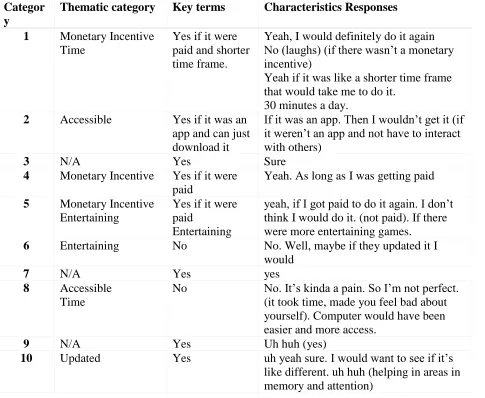
Table 3. Capturing Themes on Sustainability of Treatment
Participants report using this cognitive training app in the future
Categor y
Thematic category Key terms Characteristics Responses
1 Monetary Incentive
Time
Yes if it were paid and shorter time frame.
Yeah, I would definitely do it again No (laughs) (if there wasn’t a monetary incentive)
Yeah if it was like a shorter time frame that would take me to do it.
30 minutes a day.
2 Accessible Yes if it was an
app and can just download it
If it was an app. Then I wouldn’t get it (if it weren’t an app and not have to interact with others)
3 N/A Yes Sure
4 Monetary Incentive Yes if it were
paid
Yeah. As long as I was getting paid
5 Monetary Incentive
Entertaining
Yes if it were paid
Entertaining
yeah, if I got paid to do it again. I don’t think I would do it. (not paid). If there were more entertaining games.
6 Entertaining No No. Well, maybe if they updated it I
would
7 N/A Yes yes
8 Accessible
Time
No No. It’s kinda a pain. So I’m not perfect.
(it took time, made you feel bad about yourself). Computer would have been easier and more access.
9 N/A Yes Uh huh (yes)
10 Updated Yes uh yeah sure. I would want to see if it’s