University of South Carolina
Scholar Commons
Theses and Dissertations
2016
Quality Over Quantity: Positive Interactions
During Family Meals In Food-Insecure
Households Compensate For The Negative
Impacts Of Household Chaos On Child
Emotional Well-Being, But Not Diet Quality
Tiara Nicόl Rosemond
University of South Carolina
Follow this and additional works at:https://scholarcommons.sc.edu/etd Part of thePublic Health Education and Promotion Commons
This Open Access Dissertation is brought to you by Scholar Commons. It has been accepted for inclusion in Theses and Dissertations by an authorized administrator of Scholar Commons. For more information, please [email protected].
Recommended Citation
Q
UALITY OVERQ
UANTITY:
P
OSITIVEI
NTERACTIONSD
URINGF
AMILYM
EALS INF
OOD-I
NSECUREH
OUSEHOLDSC
OMPENSATE FOR THEN
EGATIVEI
MPACTS OFH
OUSEHOLDC
HAOS ONC
HILDE
MOTIONALW
ELL-
BEING,
BUT NOTD
IETQ
UALITYby
Tiara Nicόl Rosemond
Bachelor of Science
University of South Carolina, 2008
Master of Public Health University of South Carolina, 2010
Submitted in Partial Fulfillment of the Requirements
For the Degree of Doctor of Philosophy in
Health Promotion, Education, and Behavior
The Norman J. Arnold School of Public Health
University of South Carolina
2016
Accepted by:
Christine E. Blake, Major Professor
Edward A. Frongillo, Committee Member
Cheri J. Shapiro, Committee Member
Michael P. Burke, Committee Member
DEDICATION
I dedicate this research to my family. Thank you all for loving me so much and
for being my inspiration to pursue this degree. Mommy, thank you so much for your
example of faith, strength, dedication, and perseverance. I could not have completed this
journey without you. I love you and will miss you. I cannot wait to see you again in
Heaven! To Jake, I love you dearly and wish that you could be here to celebrate with me.
To my grandparents, thank you for your prayers, love, and support. Granny, I miss you so
much and thank you for always encouraging me, no matter how difficult the path grew.
To my Christ Center Family, I am forever indebted to you all. You have shown
me so much love and support since I arrived in Columbia. Thank you for praying for me,
encouraging me, and for believing in me. To Pastor Scott and Sis. Carolyn Smith, thank
you for loving me and always being there. Thank you for seeing my potential and
investing in me. To Sarah, Adriana, Briana, the Forseth Family, and the Kelly Family, I
love you all so much. Thank you for taking me in as one of your own. I appreciate you all
so much and am very blessed to have you in my life. To Pastor Venson and Sis. Barbara
Stocks, thank you for taking a risk and believing in me. You were an integral part of my
foundation, and I am grateful that the Lord sent me to you two.
Last, but not least, to Sydney Sauber, my favorite teacher and now a dear friend.
You believed in this little girl long ago, nurturing her dreams no matter how wild they
ACKNOWLEDGEMENTS
First, and foremost, thank You, Lord Jesus. The past four years have been the
most difficult I have ever faced. But, in these difficult times, I have learned that it is in
You that I live, move, and have my being. Thank You for never leaving my comfortless
and for helping me to realize that I can do all things through You, for You are my
strength.
To Dr. Christine Blake, words fail to describe my gratitude for all you have done
and all you mean to me. I appreciate you taking me under your wing and believing in me,
even though I always doubted myself. Thank you for pushing me to grow in ways I never
could have imagined. To Dr. Edward Frongillo, thank you for the many opportunities you
have given me, for always having my best interest in mind, and for helping me
immensely during my time at USC. Dr. Cheri Shapiro, thank you for serving on my
committee. I appreciate your insights and guidance throughout this process. Dr. Michael
Burke, thank you for being a part of this process as well. Thank you for challenging me
to dig deeper and grow as a researcher. I would also like to acknowledge Dr. Sonya
Jones, thank you for allowing me to work with the Midlands Family Study data.
Thank you to my dear friends, Charis, Chiwo, Deeonna, Shaun, Jessica, and Ligia. I am
ABSTRACT
Family meals are important family activities that have many positive nutritional and
emotional benefits for children. Positive family meal experiences may provide
opportunities for children to strengthen emotional bonds, leading to a sense of security
and, fostering improved children’s self-regulation of healthier food intake and emotional
well-being. Unfortunately, children in food insecure households experience higher
amounts of chaos, lower diet quality, and worry about having enough to eat compared to
children in food-secure households, all of which may affect both family meal frequency
and interpersonal quality. Yet, the relationships between food insecurity, household
chaos, and family meal frequency and interpersonal quality are not well understood.
Thus, there were two aims for this dissertation study. First, to better understand
relationships between household chaos and the regularity and quality of mealtime
interactions for food insecure households. Second, to examine the associations between
household chaos, the family meal experience (construction, frequency, and mealtime
interactions), and child diet quality and perceptions of food insecurity for children living
in food insecure households. The first study aim was accomplished by conducting
semi-structured interviews about daily activities and family meals with 20 ethnically diverse
parent-child (9-15 y) dyads living in food-insecure households in South Carolina.
Interviews were recorded and transcribed verbatim. Data were analyzed using a grounded
data analysis software. The qualitative study results were used to refine the research
questions and analysis for the second study aim. For the second aim, data from the
Midlands Family Study and the Family Mealtime Study that contained surveys from 132
ethnically diverse caregiver-child (8-15 y) dyads living in food insecure households in
South Carolina were used. The data also included a 24-hour recall from the children. Data
were analyzed using a multiple mediator model, testing the family meal experience as
mediators between household chaos and child outcomes, using STATA 13. Study one
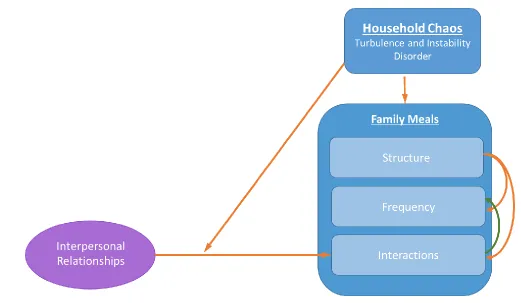
revealed that household chaos negatively impacts the construction and frequency of
family meals, along with the mealtime interactions. Household chaos also indirectly
impacted mealtime interactions through the strength of the interpersonal relationships.
Families with poorer interpersonal relationships allowed chaos to negatively affect their
mealtime interactions, whereas those with stronger interpersonal relationships sought
meaningful interactions despite the chaos. In the second study, household chaos was
significantly associated with child diet quality, even with the addition of the mediators.
For child worry about food, the family meal experience did significantly mediate this
relationship, with high quality mealtime interactions reducing child worry about food.
However, television usage during meals was significantly associated with increased child
worry about food. Understanding family meal experiences of children in food-insecure
households highlights the importance of interpersonal relationships and regular positive
mealtime interactions that may strengthen emotional connections in families to improve
child health outcomes. The findings of this study also highlight the need for helping
TABLE OF CONTENTS
DEDICATION ... iii
ACKNOWLEDGEMENTS ... iv
ABSTRACT ...v
LIST OF TABLES ... ix
LIST OF FIGURES ...x
CHAPTER 1:INTRODUCTION ...1
CHAPTER 2:BACKGROUND AND SIGNIFICANCE ...10
CHAPTER 3:RESEARCH DESIGN AND METHODS ...31
CHAPTER 4: RESULTS ...55
4.1 Understanding how chaos impacts family meal structure, frequency, and interactions in food-insecure households ...55
4.2 Chaos and Family Meals in Food Insecure Households: Understanding how the mealtime environment can affect child diet quality and perceptions of food insecurity ...91
CHAPTER 5:SUMMARY,IMPLICATIONS, AND RECOMMENDATIONS ...126
REFERENCES ...142
APPENDIX A–CAREGIVER CONSENT FORM FOR INTERVIEWS ...159
APPENDIX B–ASSENT FORM FOR INTERVIEWS ...161
APPENDIX C–CAREGIVER INTERVIEW GUIDE ...165
APPENDIX E–CAREGIVER DEMOGRAPHIC QUESTIONNAIRE ...174
APPENDIX F–CHILD FOOD SECURITY ASSESSMENT ...176
LIST OF TABLES
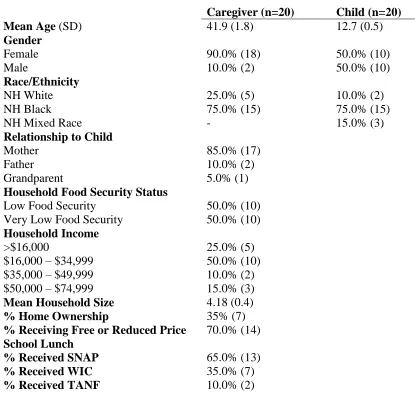
Table 4.1 Participant demographics (n=40) for Manuscript 1 ...88
Table 4.2 Household characteristics stratified by level of
household food security (n=20). ...89
Table 4.3 Participant demographics (n=132) for Manuscript 2 ...118
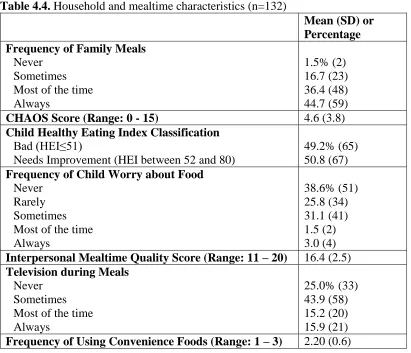
Table 4.4 Household and mealtime characteristics (n=132) ...119
Table 4.5 Bivariate results for child Healthy Eating Index score
and the independent, mediating, and control variables. ...120
Table 4.6 Bivariate results for child worry about food and
the independent, mediating, and control variables ...121
Table 4.7 Final logistic regression results for household chaos
to child diet or child worry about food ...122
Table 4.8 Summary of direct, indirect, and total effects
LIST OF FIGURES
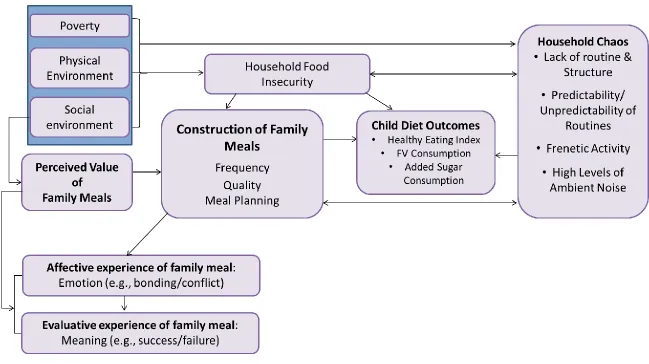
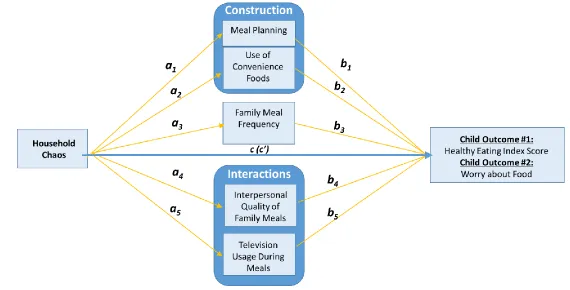
Figure 2.1 Original conceptual framework describing
relationships between food insecurity, household
chaos, family meals, and child outcomes ...30
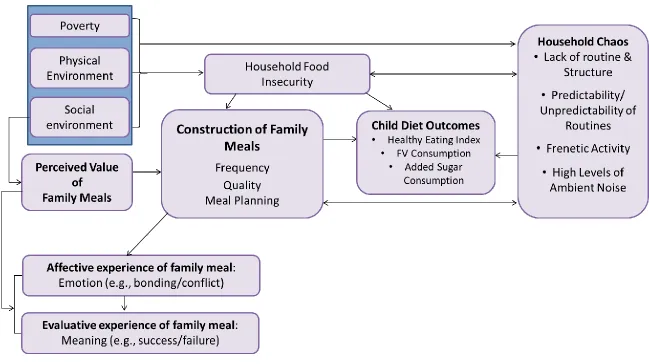
Figure 3.1 Original conceptual framework describing
relationships between food insecurity, household
chaos, family meals, and child outcomes ...52
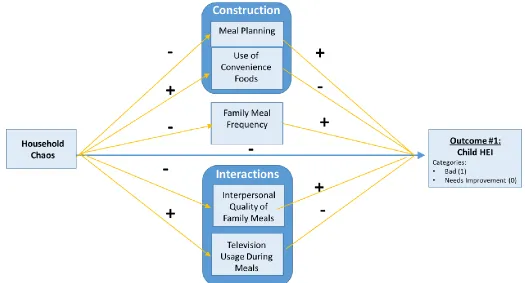
Figure 3.2 Analytical models with hypothesized relationships
for chaos to child diet quality...53
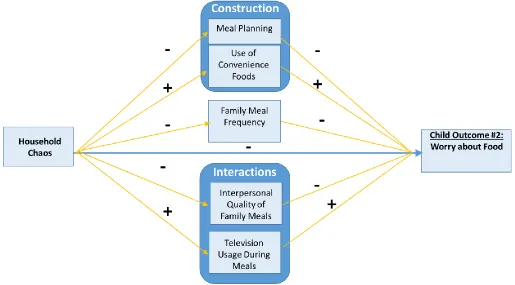
Figure 3.3 Analytical models with hypothesized relationships
for chaos to child worry about food ...54
Figure 3.4 Analytical models showing mediation pathways for
Specific Aim #2 ...55
Figure 4.1 Conceptual framework detailing the relationships between household chaos and family meals
(Developed from participant responses) ...90
Figure 4.2 Mediation analysis results for chaos to child diet quality ...124
Figure 4.3 Mediation analysis results for chaos to child worry
about food ...125
Figure 5.1 Revised conceptual framework based on Specific
CHAPTER
1
INTRODUCTION
Family meals are important opportunities to promote children’s health and
well-being. The family meal is associated with an improved physical and social development
for children.1–7 Children in families with regular family meals consume more fruits and
vegetables, less sugar-sweetened beverages, and have a lower BMI than their peers who
do not participate in regular family meals.8–12 There is also evidence that these
nutrition-related outcomes may persist into adulthood.10,13,14 Additionally, family meals often serve
multiple purposes besides being a mechanism for eating, including emotional bonding
and allowing for communication about chores, happenings and schedules or other
family-related routines.15
Because family meals are important for child health and well-being, increasing
understanding of factors that impact the frequency and quality of family meals and the
impact this may have on child outcomes is imperative. The frequency and quality of
family meals can differ among households for many reasons, including the experience of
household food insecurity.16 Food insecurity refers to disruptions in the quality and
quantity of the household food supply due to lack of financial or other resources. In 2014,
19.2% of U.S. households with children experienced food insecurity at some time in the
previous 12-months, with a much higher prevalence for African-American households
food-insecure and minority households is often lower than that of food-secure and
non-Hispanic white households,13,18 but it is unclear how food insecurity influences the
frequency and interpersonal quality of family meals.8
When examining how household food insecurity impacts family meals and
ultimately child outcomes, it is important to understand how food insecurity is
experienced among different members of the household. Prior research has revealed that
food insecurity is not experienced uniformly across all family members within a
household, and that children are aware of their family’s food insecurity, even if parents
try to conceal their stuggles.19,20 Many measures of food security are conducted at the
household level and do not account for child perceptions or experiences, but children are
often aware of their family’s food insecurity. Children’s awareness of food insecurity
spans across three domains: cognitive, emotional, and physical.20 Cognitive awareness of
food security includes knowledge of changes in food quality and/or quantity and
understanding the causes of food insecurity (e.g., a parent not working).20–22 Emotional
awareness includes feelings like worry, sadness, anger when experiencing changes in
food quality and quantity.20,21 Feelings of hunger, pain, weakness, and fatigue are all
ways children might physically be aware of food insecurity.20–22
A number of factors can impact family meals in food-insecure households.
Specifically, household chaos, defined as homes exhibiting “unpredictable, non-routine,
inconsistent, and non-contingent physical and social surroundings”23 may disrupt family
dimensions, turbulence or instability (e.g., changes in households or caregivers or
predictability of routines) and disorder (e.g., high levels of ambient noise, clutter, lack of
structure and routine, excessive crowding, or changes in the household size and
composition).24,25 Chaos in food-insecure households can come from multiple
environmental influences, such as lack of routine and high unpredictability deriving from
parent work schedules or reliance on public transportation.26,27 Although chaos is
common in many home environments, with families pressed for time due to multiple
work, school, and life demands, low-income households are more likely to face chaotic
living conditions that can affect child development in multiple ways, including negative
behavior and socioemotional adjustment.23,28–30 Chaos in food-insecure households can
come from multiple environmental influences, such as lack of routine and high
unpredictability deriving from parent work schedules, experiencing food shortages, and
altered routines for both parents and children, including children assuming adult
responsibilities (e.g., caring for siblings) or activities to acquire and manage food
resources.26,27,31 Chaos can inhibit healthy emotional and psychological development
among children, with greater household chaos leading to a reduced ability of children to
self-regulate their emotions and behavior along with other developmental problems.32,33
Household chaos may also affect the frequency of these meals, and other aspects of
organizing the family meal, such as parents using lower quality convenience foods as a
way to cope with the demands of work, school, and family life.34,35
While eating together as a family has been shown to be beneficial for children, the
The quality of these mealtime interactions may be a factor in how family meals improve
child health.36,37 Family meals provide children with structure, routine, and an
opportunity for emotional connections.36–38 Positive mealtime interactions are associated
with healthy child BMI, and positive parent-child interactions may buffer the negative
impacts of poverty on child emotional well-being.37,39,40 Positive family meal experiences
may provide opportunities for children to strengthen emotional bonds, leading to family
unity, connectedness, and a greater sense of security, all of which foster improved
self-regulation of healthier food intake in children and emotional stability.6,7,37,40,41 For
families experiencing higher levels of household chaos, these mealtime interactions are
often more negative and coupled with reduced parental warmth and
responsiveness.15,33,42,43
Experiencing food insecurity may disrupt family functioning by increasing
household chaos, leading to reduced family meals and possibly affecting interpersonal
dynamics during these mealtimes. Furthermore, it is unclear if the nutritional and
emotional benefits of family meals hold true for children in food-insecure households. A
better understanding of relationships between food insecurity, household chaos, family
meals, and child outcomes is important to develop approaches for use in conjunction with
food assistance to help families achieve long-term food security and healthy family
functioning for the promotion of optimal outcomes in children. The purpose of this
study is therefore to understand how food-insecure caregivers and their children
value, construct, and experience family meals and how household chaos is associated
Using a mixed-methods study design, the study purpose was accomplished through the
following specific aims:
Specific Aim 1: To qualitatively investigate how family meals are valued, constructed,
and experienced (e.g., affective and evaluative) by caregivers and their children living in
food-insecure households and the role of household chaos in shaping these constructions
and experiences.
The research questions guiding the study were:
1. What importance or value do caregivers and their children living in food-insecure
households place on family meals?
2. How are family meals constructed from the perspective of caregivers and their
children living in food-insecure households?
a. How frequently do caregivers and their children living in food-insecure
households report having family meals?
b. How do caregivers and their children living in food-insecure households describe
the quality of their family meals (e.g., how much time physically spent together,
communication, parenting strategies, types of food)?
3. How does household chaos (e.g., lack of structure, disruptions to routine, ambient
noise, frenetic activity) influence the construction of family meals from the
perspective of caregivers and their children living in food-insecure households?
4. How do caregivers and their children living in food-insecure households describe
their experiences with family meals?
b. How do they evaluate their family meal experiences (e.g., success/failure)?
5. How do caregivers’ perceptions of family meals compare with their children’s
perceptions?
Specific Aim 1 Methods
In order to answer the proposed research questions, twenty caregivers and a focal
-child were interviewed separately about their experiences with family meals, household
chaos, and food insecurity. The children in the study were between the ages of nine and
fifteen. All participants were food-insecure. The caregiver interviews took approximately
one hour long, and the child interviews were about 30 minutes long. Using a Grounded
Theory approach44, the data were analyzed using open, axial, and selective coding in
NVivo 10 qualitative data analysis software. STATA 1345 was used to calculate
descriptive statistics of responses provided on the demographics questionnaire. Results
from this study were used to refine the specific aim and research questions for study two.
The analytic models were also refined to include insights from the results of this study.
The manuscript describing study results is located in chapter four, section one.
Specific Aim 2: To examine relationships between household chaos, the family meal
experience, and child outcomes of diet quality (healthy eating index) and worry about
food. The family meal experience was conceptualized as: Construction (meal planning
and use of convenience foods), frequency, and interactions (including television usage
Research questions:
1. How is household chaos associated with the family meal experience (construction,
frequency, and interactions), diet quality, and worry about food for children living in
food-insecure households?
Hypothesis 1.1. For food-insecure households with high levels of household chaos, we
hypothesize that:
a. Caregivers will report less meal planning.
b.Caregivers will report using convenience foods more often.
c. Caregivers will report fewer family meals.
d.Caregivers will report lower quality interactions during family meals.
e. Caregivers will report higher frequency of television watching during
family meals.
f. Child diet quality will be lower.
g.Children will report more worry about food.
2. How does the association between household chaos, the family meal experience
(construction, frequency, and interactions), affect child diet quality among children in
food-insecure households?
Hypothesis 2.2. We hypothesize that the family meal experience will mediate the
relationship between household chaos and child diet quality and child worry about food.
Figures 3.2, 3.3, and 3.4. describe the hypothesized relationships between independent
Specific Aim 2 Methods
The second aim was accomplished using existing data from the Midlands Family
Study46 and the Family Mealtime Study47. The dataset contained items about family meal
frequency, the interpersonal quality of family meals, household chaos, and caregiver use
of convenience foods. There were also child measures of diet quality and worry about
food. The children in this study were between the ages of eight and fifteen and all
respondents lived in food-insecure households. Complete data was available for a total
sample of 132 caregiver-child dyads. The data were analyzed as a multiple mediator
model using the binary mediation macros in Stata 13.45 The first outcome of interest was
the association between household chaos and child diet quality, with the construction of
family meals (meal planning and caregiver use of convenience foods), family meal
frequency, and mealtime interactions (interpersonal quality of family meals and
television usage during meals) modeled as the mediators. The second outcome of interest
was the association between household chaos and child worry about food, with the above
mediators as well. The manuscript describing study results is located in chapter four,
section two.
Preview
The next chapter (chapter 2) includes a review of the literature on food insecurity,
chaos, family meals, and child health and identifies important gaps in this literature. The
third chapter, “Research Design and Methods” details the methodology used to achieve
the study aims. The fourth chapter contains the study results in two manuscripts. The
manuscript for specific aim #2 was prepared for submission to Pediatrics. The fifth, and
final chapter, summarizes the study results and presents a discussion about the research
CHAPTER 2
BACKGROUND AND SIGNIFICANCE
Family Meals – Frequency and Quality
Eating together as a family has many positive benefits for children, such as
improved emotional well-being, reduced depressive symptoms, and improved nutrition.6,7
By eating together, families can bond, developing family unity, connectedness, and
stability.48 The family meal is an important influence on child diet quality and other
developmental outcomes, with regular family meals being associated with an improved
physical and social development for the children in the family.1–5 Higher frequency of
family meals has also been linked improved diet quality through mechanisms such as
reduced snacking behaviors and reduced disordered eating behaviors, and is also
associated with healthier weight among children and adolescents.13,14,49,50 There is
evidence indicating that these positive outcomes may persist into adulthood.10,13,14
Additionally, family activities, such as family meals, often serve multiple
purposes. Family meals support the opportunity for bonding as a family and allow for
communication about chores, family member schedules or other family-related
routines.15,43 Consequences of not having regular family meals include increased
ability to self-regulate energy intake, which has been linked to increased body fat and
excess weight gain.7,51
It has been posited that family meals work through two mechanism to improve
child development: organizational structures and emotional connections.36–38 The
organization involved in planning a family meal can encompass meal planning,
assignment of roles, behavior and attendance expectations, and the regularity of the
routine itself.52,53 Most research on the benefits of family meals have focused on the
benefits of frequent family meals,52,54,55 with little focus on the contextual factor that may
explain why this family activity is so important. However, having a routine is not
sufficient enough to make this time together beneficial, there also need to be positive
emotional connections made during the meal.56–58 Strong emotional connections,
particularly during mealtimes, can build a supportive environment for self-regulation of
behavior and emotions while increasing a sense of security for children. These
connections have also been associated with lower obesity risk for children and
adolescents.36,59,60
The quality of family meal interactions can be determined across three domains:
communication, amount of control over eating behaviors exerted by the parent, and
amount of activity level and distractions during the meal.43 Clear and direct
communication has been associated with positive child health outcomes. Positive
communication experiences during the family meal can be related to the meal itself,
other’s ideas and feelings.43,61 Also the forms of communication, positive or negative, can
directly impact both the family meal experience and child health, with negative forms of
communication possibly leading to tension and arguments during the meal.39,43,62
Another aspect of family meal quality is the amount of activity or distraction
evident during the family meal itself. Distractions can be due to a parent frequently
leaving the table to retrieve items from the kitchen, behavioral problems, talking on the
telephone, watching television or using other electronics during the meal.43,63 These
behaviors can influence the amount and types of communication experienced during the
meal, and can reduced connectedness during this shared family activity.
Eating in front of electronic devices leads to reduced monitoring of actual food
intake which may lead to increased consumption of food.7,64 Also, distracted eating
during meals is associated with an increase in consumption of low nutrient, calorically
dense foods and reduced consumption of vegetables during meal times.63 Additionally,
eating with distractions such as television or sporting events can lead to orosensory
signals of satiety from being ignored and actual satiety being delayed, leading to
increased caloric consumption.51,64
The reported frequency of family meals in food-insecure households is often
lower than that of food-secure households, but is the mechanisms underlying these
family meals in food-insecure households is that these families are also vulnerable to
high levels of household chaos that disrupt family routines, including family meals.
Food Insecurity in the United States
Experiencing food insecurity can lead to several negative health outcomes for
children and their caregivers. Many households in the United States struggle with having
enough food to eat, an experience termed, “food insecurity”. Food insecurity is defined
as, “limited or uncertain availability of nutritionally adequate and safe foods or limited or
uncertain ability to acquire food in socially acceptable ways”.65 Food insecurity can be
dynamic, with families’ food security status shifting over time. The United States
Department of Agriculture’s U.S. Household Food Security Scale (U.S. HFSS) measures
household food insecurity that arises from lack of financial resources to purchase food.66
The U.S. HFSS classifies food insecurity into two categories: Low food-security and very
low food-security.66 Low food-security households (LFS) typically have problems with
food access, but rarely experience reduced food consumption among its members. Very
low food-security households (VLFS) experience not only food access issues, but also
disruption in eating patterns and reduced food intake among its members.
Household food insecurity affects many Americans, yet often goes unnoticed
because those affected may not present with traditional symptoms of malnourishment. In
2014, 14.0% of U.S. households experienced food insecurity at some point in the year.66
Compared to the national rate, the prevalence of food insecurity was higher for:
male-headed households (21.7%), households headed by non-Hispanic Blacks (26.1%),
and Hispanics (22.4%). Food-insecurity is also strongly associated with income, with
low-income households experiencing higher rates of food insecurity. In about 9% of U.S.
households, some level of food insecurity was reported for both children and adults.
High rates of food insecurity in a country that produces more than ample quantities of
food to feed it citizens is unacceptable. Reducing food insecurity has been set as a
national priority and is a part of the Healthy People 2020 objectives.67 The goal is to
reduce household food insecurity to 6% and very low food security among children to
0.2% from 2008 baseline levels of 14.6% and 1.3%, respectively.
Measuring Food Insecurity
In the U.S., household food security status is measured using different scales and
tools.68 The United States Department of Agriculture (USDA) uses an 18-item household
food security module to assess food security across multiple dimensions of food
deprivation.69 The dimensions included: psychological consequences of food insecurity;
reductions in quality, variability, and desirability; and frequency of reductions in food
intake for adults or children. The questions are framed to assess food security over the
past twelve months and are asked of one adult in the household. The questions are
divided into three sections, with a set of questions for the household, the adults in the
household, and the children in the household. Some of the questions follow a yes/no
response format, with a follow-up question to clarify the frequency of events (e.g.
“almost every month”, “some months but not every month”, “only 1 or 2 months”). Most
Responses of “yes,” “often true,” “sometimes true,” “almost every month,” and “some
months but not every month” are coded as affirmative. These affirmative responses are
summed to create a raw score. For households with children, a raw score of three
indicates food insecurity and a score of six indicates very low food security (also known
as child hunger). To reduce respondent burden and to accommodate surveys that do not
have adequate space, the National Center for Health Statistics recommended reducing the
scale to six items.69 The revised scale does not include a separate set of questions to
measure food insecurity among children, and has been criticized for failure to detect
severe forms of food insecurity. 68
The 18-item scale has been criticized for overestimating child hunger among
households with dependents under age five, and for underestimating child hunger among
households with children between six and seventeen.70 Nord and Bickel71 proposed the
Children’s Food Security Scale (CFSS) to overcome this problem. The CFSS consists of
the eight child referenced items from the USDA scale. The questions are targeted towards
parents and caregivers without any questions for the children to answer.
At times, some researchers may use a limited set of questions to assess food
security. When a limited set of questions are used and participants affirm problems with
having enough to eat, they are categorized as “food insufficient”.72 The use of one
question to assess problems with having enough to eat has been used in several studies,73–
75 and the use of one item has also proved to be a valid way of determining if a family
Having measures of child food security status that are only answered by adults in
the household may provide misleading data because the measures assume that children
experience the same problems and challenges with food insecurity.70 Furthermore, these
measures have only developed and pilot tested with adults and the final measures revised
for the lower literacy of children. Parent responses to questions about child food security
may not reflect the actual experiences of the child. Prior research has revealed that food
insecurity is not experienced uniformly across all family members within a household,
and that children are aware of their family’s food insecurity.19,20 Parents may report that
their child does not experience hunger or worry about food but the child may actually
have these experiences. Many measures of food security are conducted at the household
level and do not account for child perceptions or experiences. Children are aware of their
family’s food insecurity, with this awareness spanning across three domains: cognitive,
emotional, and physical.20 Cognitive awareness of food security includes knowledge of
changes in food quality and/or quantity and understanding the causes of food insecurity
(e.g., a parent not working).20–22 Emotional awareness includes feelings like worry,
sadness, anger when experiencing changes in food quality and quantity.20,21 Feelings of
hunger, pain, weakness, and fatigue are all ways children might physically be aware of
food insecurity.20–22 Sometimes in response to food insecurity, children may employ
strategies to extend the household’s resources (e.g., saving food, eating at another house,
There have been some attempts to measure food insecurity among children. One
measure, the Child Food Security Survey Module (CFSSM) was developed from the
Household Food Security Survey module by Connell and colleagues.21 This module was
developed for use in children ages twelve to seventeen. By creating a child assessment
based on questions that were designed for adults, the developers assume that children
experiences of food insecurity are the same as adults. To alleviate this problem, Fram and
colleagues19 developed an assessment with nine questions across two domains (awareness
and responsibility) and six subdomains. The subdomains were cognitive, emotional,
physical, participation, initiation, generation, and were established based on prior
interviews with children at risk for food insecurity.20 The assessment questions were
cognitively tested and tested for accuracy. Children reported their food insecurity with
high accuracy in four of the six domains (cognitive, emotional, physical, and initiation).
Food Insecurity and Child Health
The prevalence of food insecurity among households is of concern because
children raised in food-insecure household face a myriad of disadvantages and negative
outcomes throughout childhood. There is even evidence to suggest that these negative
outcomes can begin in infancy and early childhood, with children in food-insecure homes
experiencing poorer health status, more chronic illnesses, and hospitalizations.77–80
Children in food-insecure households also experience more frequent headaches,
stomachaches, and colds.73 Living in food-insecure household has also been linked to
In addition to the negative physical health outcomes associated with growing up
in a food-insecure household, children in these households also face challenges with
cognitive and socioemotional development, along with academic achievement. Children
who grow up in impoverished and food-insecure households are more likely to
experience internalizing (e.g., anxiety, fear, feelings of worthlessness) and externalizing
(e.g., cheating, lying, arguing, or bullying) problems when compared to children in food
secure households.78,84 Children in food-insecure homes often face more stressful,
traumatic, and negative life events than their food secure counterparts.78,85 It is the
accumulation and increased exposures of these negative life experiences that hinder
socioemotional development, and increase the odds of children experiencing depression
and anxiety.78,85,86 This accumulation of stress can also impact parent-child interactions,
reduce parental responsiveness to a child’s emotional needs and reduce instrumental
support for a child’s cognitive developmental needs.40,87–89
As for cognitive development and academic achievement, children in
food-insecure households tend to fare worse than their food secure counterparts, even when
accounting for income, parental education, and the home environment.79,82,90–93 Food
insecurity is also associated with iron-deficiency, which in turn leads to attention and
memory problems, impaired motor development, and low energy levels.73,94–97Children
growing up in food-insecure households generally fare worse on standardized tests,82 are
more likely to be in special education classes, and have a higher likelihood of repeating a
grade.98,99 Also, children in food-insecure households are more likely to miss school,
along with peers.79,90,100 Low-income mothers are also less likely to set high and
appropriate developmental goals for their children and engage their children in
competency building activities, resulting in poorer self-regulation and less academic and
psychosocial competence.101
There appears to be a reciprocal relationship between physical health,
socioemotional health, and cognitive development.74 Experiencing food insecurity is a
stressor in itself, and the additional stressor that accompany it can lead to poorer physical
health, both in the short- and long-term, even when accounting for upward social
mobility.40 In addition to the physiological effects of stress on the body, chronic stress
(and the actual stressors) can also lead to adverse coping mechanisms and behaviors that
negatively impact health.102,103 Poorer physical health has also been linked to
socioemotional problems as well.104,105Academic achievement is affected by one’s ability
to regulate emotions and focus attention,106 with children experiencing depression and
difficulty controlling their emotions more likely to suffer academically.107–110 Poor school
performance has also been linked to the frequency and severity of socioemotional
problems.111
Child Health: Diet Quality
Another component of child health that is affected by household income and food
security status is child diet quality.7 Diet quality refers to the nutritional quality and
variety of foods a person consumes.112 Diet quality measures allow for eating patterns to
and long-term physical health consequences, such as weight regulation and chronic
disease risk.113 One way diet quality is measured is by using an assessment tool known as
the Healthy Eating Index (HEI).114 Originally developed in 1995, this index takes into
account all foods a person consumes, and scores them according to healthfulness based
on the United States Department of Agriculture’s Food Guide Pyramid. The index was
also updated and tested for validity in 2005 (HEI-2005)115,116 and 2010 (HEI-2010)117.
The HEI-2010 has been updated to reflect the 2010 Dietary Guidelines for Americans. To
calculate HEI, foods are divided into twelve categories (originally ten categories), with
each category receiving a score. These scores are then summed, and can range from zero
to 100, with zero being the worse and 100 being the best possible score. HEI scores can
be classified into three categories: good (score of 81 to 100), needs improvement (score
of 52 to 81), and bad (score of 51 or below).
When examining the diet quality of children in the United States, most do not
meet the recommended guidelines for fruit and vegetable intake and exceed the
recommendations for added sugar intake.118–120 Current fruit and vegetable
recommendations for children range from one to two cups of fruit and one to three cups.
However, an analysis of child diet from 2003 to 2010 using data from National Health
and Nutrition Examination revealed that while fruit consumption increased, 60% of
children did not meet the fruit recommendations and 93% did not meet the vegetable
recommendations.121 In this sample, the average intake of fruit was 0.62 cup equivalents
per 1,000 kilocalories and 0.53 cup equivalents per 1,000 kilocalories for vegetables.
consumption of added sugar has increased over many years.122 Sources of excess sugar
included soft drinks and juices, and higher consumption of these foods is associated with
consumption of micronutrient-poor foods. There are also inverse associations between
excess sugar sweetened beverages and dairy consumption among children under age
five.123 Excess sugar consumption is not only related to current diet quality, but is also
associated with childhood obesity.124,125 This may be in part be due to the fact that
consumption of these drinks is not as satisfying as actual food with similar energy
density. 126 Since these drinks do not satisfy like other foods, children are more likely to
consume more food to satisfy their hunger, and in turn, consumer a higher amount of
calories.3
Although parents may try to shield their children from nutritional deficits, these
disparate nutritional outcomes among children in food-insecure households still
persist.127,128 Low-income children have lower HEI scores than higher income children
for many reasons, including higher consumption of more energy-dense, nutrient-poor
(EDNP) foods along with fewer fruits and vegetables.128–134 Food-insecure children also
consume more fast food, more dietary fat, fewer family meals and breakfasts than their
food secure counterparts.13,18
Household Chaos
Household chaos, defined as homes exhibiting “unpredictable, non-routine,
inconsistent, and non-contingent physical and social surroundings,”23 is conceptualized
caregivers or predictability of routines) and disorder (e.g., high levels of ambient noise,
clutter, lack of structure and routine, excessive crowding, or changes in the household
size and composition).24,25 In order to cultivate sustained, healthy development, children
need structured, predictable, and constant interactions with persons, tools (e.g., written
language or methods for memorization135), and symbols (e.g. language or diagrams135) in
the immediate environment.32,136,137 The frenetic activity, lack of structure, ambient noise,
and predictability of routines in homes with chaos can interfere with these meaningful
interactions. Chaos in food-insecure households can come from multiple environmental
influences, such as lack of routine and high unpredictability deriving from parent work
schedules or reliance on public transportation.26,27 Additionally, low-income and minority
families, who have higher rates of food insecurity, are also more likely to reside in more
crowded, noisy, and suboptimal living conditions leading to unpredictable events and
high levels of distractions.138,139
The study of chaos as an environmental contributor to child development stems
from work by Brofenbrenner and Crouter that aimed to understand multi-level and
multidimensional aspects of a child’s environment.140 With this environmental approach
to studying child development came a focus on the physical microenvironment, or the
settings in which caregiver-child interactions occur.141–145 When these environments are
wrought with noise, crowding, and traffic (people coming and going in the home), the
development and sustainability of proximal processes necessary for proper bonding and
growth are often shortened or interrupted. The intensity of these proximal processes may
caregivers having to contend with high amounts of chaos. These environmental factors
can also affect parent behaviors, such as reducing warmth and responsiveness, increasing
caregiver fatigue, and harsher parent-child interactions.42,144,146 Household chaos is likely
to lead to negative child outcomes through multiple pathways, some of which are
described below.
Measuring Chaos
Early measurement of household chaos in the physical micro-environment
typically occurs through resource intensive multiple direct observations by researchers. In
order to provide a lower-cost but still accurate measure of chaos in homes, Matheny,
Thoben, and Wilson created a measure entitled, the ‘Chaos, Hubbub, and Order,
Scale’.147 The measure was development to augment direct observations of certain
aspects of the home environment in the Louisville Twin Study.
The CHAOS measure focuses on noise and confusion within the home
environment and its questions were developed in a two-phase process. The first phase
involved extracting content from narratives about chaotic households that were written by
an experienced staff member. Other potential items were developed by querying staff
members about features of chaotic homes. These two processes yielded 30 items. In the
second phase, items were removed if they seemed to reflect negatively on participants’
physical home condition, quality of possessions, and sanitation. The items were then
reworded to include common vernacular terms and to be applicable to all households
to fifteen yes/no statements for parents to answer. Seven of the fifteen items are reversed
coded, and all items are summed to give households a score. Example statements include,
“Our home is a real zoo” and “We almost always seemed to be rushed.” The measure
had satisfactory internal consistency (α=0.79) and test-retest reliability (α=0.74) among
parents of infants and toddlers.146 The measure was also psychometrically tested by
Dumas et al.33 and had satisfactory internal consistency with mothers of preschoolers
(α=0.83) and caregivers of elementary-aged, minority students (α=0.81). Over time, the
measure has been adapted to a shortened to a six-item version with Likert scale
responses.42,148–152
How Chaos Impacts Family Functioning
Household chaos can inhibit healthy psychological development among children,
with greater household chaos being associated to a reduced ability of children to
self-regulate their behavior and other developmental problems.32 The mechanisms linking
household chaos to child development likely involve reactions to stress and demands that
cause parents to become less responsive to the needs of their children and increase
tensions within the home.65,87,153 Family meals are associated with healthy child
development, so frequency of these events is often used as a marker of family functioning
and a venue through which to deliver positive parenting or child feeding interventions.
The reported frequency of family meals in food-insecure households is often lower than
that of food-secure households,18 but it is unclear how household chaos might influence
family meal frequency. It is likely that typical family events, like family meals are
Household chaos is thought to impact family functioning in three ways: (1)
Construction of family time; (2) frequency and disruption of family activities; and (3) the
meaning created out of disruptions or irregular activities.15 Within a family there may be
varying schedules or demands that can impact the frequency and quality of time spent
together. Household chaos can also affect the frequency of family activities or create
adverse conditions for families to accomplish their shared activities. As a way to cope
with lack of routine deriving from parent work schedules, children may take upon more
responsibilities in the home, including meal preparation, resulting in more use of low
nutrient, high calorie, quick prep and convenience foods.26,27 Chaos may also affect other
aspects of organizing the family meal, such as parents using convenience foods as a way
to cope with the demands of work, school, and family life.34,35 Use of convenience foods
may also impact child diet quality.34,35 High levels of ambient noise, such as a television
playing during meals has been associated with a decrease in diet quality.63 When
scheduled family activities are interrupted or their frequency reduced due to chaos,
feelings of powerlessness and lack of control result.15,154All of these responses to
household chaos are likely to have negative impacts on the frequency of family meals,
which may exacerbate the impacts of household chaos on healthy child development.
Contributors to Family Meal Construction – Food Choice Coping Strategies
One component of the family meal experience that can be influenced by both
chaos and food security status is how caregivers cope with their work and family
demands when trying to provide meals for the family.155 These food choice coping
agency and behavioral contexts for those choices. The four overarching food choice
coping strategies are: meal planning, speeding up meals, individualized meals, or missing
meals.34,35 Meal planning involves planning meals around work and family schedules.
The amount of meal planning can vary by household, with some caregivers thoroughly
planning meals while others choosing to address dinner when the time arises.156 Speeding
up meals includes the use of quick preparation, boxed, or convenience foods. Using
convenience foods are ways caregivers can reduce the amount of time needed for
preparing meals, but can be more expensive.157 Individualizing meals involves use of fast
food restaurants, cooking multiple food items to cater to multiple people (e.g. short-order
cooking), and distracted eating away from the family table. Missing meals reflects the
frequency of missing family meals due to work or other schedule conflicts. Food-insecure
families might use these coping strategies more frequently to manage chaotic schedules
or deal with food shortages.158–160 Meal planning has been associated with an overall
healthy diet, whereas the other three coping strategies involve increased frequency in
behaviors that are associated with poor diet quality, including reduced consumption of
fruits and vegetables and increased percentages of kilocalories from fat.34,35 Meal
planning and speeding up meals strategies are of particular interest because they have the
potential to influence the frequency and nutritional quality of shared family meals.
Conceptual Framework
How families construct and experience family meals can influence the social,
physical, and emotional benefits parents and children derive from their participation in
household chaos, and perceptions of the value of family meals might impact the
construction of family meals that are characterized across three dimensions: frequency,
quality of interpersonal communication (including distractions such as television), and
meal planning. It is hypothesized that these factors, both directly and through the
construction of family meals would impact child diet outcome. The model also depicts
how these factors ultimately shape the affective (e.g., emotional) and evaluative (e.g.,
success/failure) experiences of parents and their children. This conceptual framework
was developed after a review of the literature and guided the development of research
questions and data collection instruments.
Starting at the left, the model begins with poverty, the physical and social
environment; these factors influence both household food security status and chaos.
These factors are included because families experiencing poverty often live in
environments with less access to affordable, nutritious foods.138,139 These environments
often can contribute to increased experiences of chaos due to residential crowding,
neighborhood noise, and crime for residents of urban areas.26,27,138,139
Next, household chaos was conceptualized as four interrelated constructs: frenetic
activity, predictability/unpredictability of routines, lack of routine and structure, and high
level of ambient noise.24,25 Household chaos was modeled as having a bi-directional
association with both food insecurity and the construction of family meals. This means
that household chaos is both influenced by and influences food insecurity and the
construction of family meals by affecting the frequency of family activities and the
preparation of foods for the meals (e.g., use of meal planning), and chaos may also affect
interactions during the meal.15,32,43,59 this combination of effects have the potential to
reduce child diet quality.
Next, experiencing food insecurity has the potential to disrupt daily activities and
the home environment, such as when family members are hungry and fatigued and unable
to complete usual tasks.31,161 Experiencing food insecurity also has the potential to
negatively impact child diet quality directly and through family meals. Food shortages
may reduce the frequency of family meals.
Lastly, the perceived value of family meals may influence how frequent family
meals occur. There is evidence to suggest that parents and children who value family
meals are more likely to have them.48,54 Also, perceived value may impact a person’s
evaluation of the time spent with family, especially when the values and expectations are
rooted in previous experiences.
While there are links between household chaos and food insecurity and the
construction of family meals, little is known about how food-insecure families experience
shared meals and if the benefits of regular family meals are similar to those of food
secure families. Additionally, little is known about how household chaos influences the
interpersonal quality of family meals, child diet, and emotional responses to food
chaos, and family meals are important to develop approaches for use in conjunction with
food assistance to help families achieve long-term food security and healthy family
functioning for the promotion of optimal outcomes in children.
The purpose of this study is to understand how food-insecure caregivers and
their children value, construct, and experience family meals and how household
chaos is associated with the family meal experience and child diet quality. The study
addressed the following specific aims:
Specific Aim 1: To qualitatively investigate how family meals are valued, constructed,
and experienced (e.g., affective and evaluative) by caregivers and their children living in
food-insecure households and the role of household chaos in shaping these constructions
and experiences.
Specific Aim 2: To examine relationships between household chaos, the family meal
experience, and child outcomes of diet quality (healthy eating index) and worry about
food. The family meal experience was conceptualized as: Construction (meal planning
and use of convenience foods), frequency, and interactions (including television usage
during meals).
The next chapter will detail the research design and methods used to accomplish
30
CHAPTER
3
RESEARCH DESIGN AND METHODS
This research utilized a sequential exploratory mixed methods design162,163 to
better understand how food-insecure caregivers and their children value, construct, and
experience family meals, and how relationships between family meals and household
chaos influence children. In this sequential exploratory design, a qualitative study was
conducted first, followed by a quantitative study. The development of the quantitative
study's research questions and analysis was guided by the qualitative study. The
quantitative study was also used to further explain or confirm the results from the
qualitative study. In this study, in-depth qualitative interviews about the family meal
experience were conducted with 20 caregiver-child dyads. Results from the analysis of
qualitative data were used to guide the quantitative analysis of secondary data to examine
relationships between household chaos, family meals, and child dietary intake and worry
about food. A detailed description of the qualitative and quantitative methods is found
below.
Study 1: Understanding the family meal experience and household chaos
The purpose of this study was to examine how families value, construct, and
experience family meals, along with the social, physical, and emotional benefits
understand these experiences the Principal Investigator (PI) conducted interviews with 20
caregivers and their children separately. The rationale for interviewing caregiver and
child dyads was to provide a comprehensive view of the family meal experience for
food-insecure households from both a caregiver and child perspective. The data collection
occurred between March and May of 2015 in Lexington and Richland Counties of South
Carolina. The Institutional Review Board of the University of South Carolina approved
the research protocol before data collection occurred.
The development of the research questions and data collection instruments was
guided by a review of the literature and conceptual framework (Figure 3.1). The
conceptual framework (Figure 3.1) depicts how poverty, household food insecurity,
household chaos, and perceptions of the value of family meals might impact family meal
frequency, and interpersonal. The model also depicts how these factors ultimately shape
the affective (e.g., emotional) and evaluative (e.g., success/failure) experiences of
caregivers and their children and the quality of child dietary intake.
The specific aim and research questions for study one are:
Specific Aim: To investigate how family meals are valued, constructed, and experienced
(e.g., affective and evaluative) by caregivers and their children living in food-insecure
households and the role of household chaos in shaping these constructions and
experiences.
1. What importance or value do caregivers and their children living in food-insecure
households place on family meals?
2. How are family meals constructed from the perspective of caregivers and their
children living in food-insecure households?
a. How frequently do caregivers and their children living in food-insecure
households report having family meals?
b. How do caregivers and their children living in food-insecure households describe
the quality of their family meals (e.g., how much time physically spent together,
communication, parenting strategies, types of food)?
3. How does household chaos (e.g., lack of structure, disruptions to routine, ambient
noise, frenetic activity) influence the construction of family meals from the
perspective of caregivers and their children living in food-insecure households?
4. How do caregivers and their children living in food-insecure households describe
their experiences with family meals?
a. What is their affective experience (e.g., emotional) of family meals?
b. How do they evaluate their family meal experiences (e.g., success/failure)?
5. How do caregivers’ perceptions of family meals compare with their children’s
perceptions?
The interviews conducted were a part of a larger study led by Dr. Edward
Frongillo and funded by the US Department of Agriculture’s (USDA) Research
Innovation and Development Grants in Economics (RIDGE) program, and entitled,
in rural South Carolina and Oregon.” The purpose of the RIDGE study was to better
understand the altered daily activities and shame faced by food-insecure children. The
RIDGE study involved 20 qualitative in-depth interviews with children between the ages
of 9 and 15 in the greater Columbia, South Carolina metropolitan area. The research
detailed in this dissertation includes data from the RIDGE study along with data from the
interviews of each child participant’s parent or caregiver.
Recruitment Procedures and Eligibility Criteria
The PI recruited children and caregivers at settings such as public schools,
afterschool programs, churches, community centers, household and child nutrition
programs, classified advertisements and social media using flyers, e-mail announcements,
and in-person recruitment. Those recruited via e-mail or flyer contacted the PI and were
screened for eligibility over the phone before their interviews were scheduled.
Participants recruited in-person at food pantries were screened on-site before their
interviews were scheduled. Maximum variation sampling was used to obtain a sample of
eligible caregivers and their children who varied in race, educational attainment, income,
caregiver marital status, household composition (e.g. immediate family members in one
household or multiple generations in one household), and urban residence. Demographics
of participants are provided in Table 4.1.
Eligibility criteria for the study was:
2. The family must reside in the greater Columbia, South Carolina Metropolitan
Area;
3. The caregiver must be at least 18 year of age; and
4. The household must be food-insecure based on caregiver responses to the
USDA’s 18-item household food security screening tool.164
Data Collection Procedures
After confirming eligibility, an interview date and time was scheduled. The PI
aimed to schedule both the caregiver and the child interviews on the same day, but some
interviews were scheduled on separate days if needed. Most participants were scheduled
within a week of their screening date. The PI made a reminder call or sent an e-mail,
based on participant preference, 24-48 hours before the scheduled interview.
Prior to the start of the interview, the PI provided an overview of the purpose of
the study and what was required for participation to the caregiver and child before
obtaining consent and assent. This was done to ensure that each participant understood
his or her role and rights as a study participant. Each child participant signed an assent
form and each caregiver participant signed a consent form and the child assent form. At
the start of the child participant’s interview, the child answered a brief, six item food
security screener19. The interviews were held in a location most convenient for the
participants, usually a public library or in the participants’ home. Caregiver and child
interviews were conducted separately, with caregivers given the option to stay during the
the caregiver participants completed a brief demographics questionnaire (Appendix E).
Caregivers received $20 cash incentive for their time and children received a $15 gift
card for their time.
Instruments
The PI along with her dissertation committee, and the RIDGE study team
developed semi-structured interview guides to elicit caregiver and child experiences with
food insecurity, family meals, and household chaos. The caregiver and child interview
guides (Appendices C and D) were similar with the same key questions asked of both
participants in order to allow for comparison between family members. The caregiver and
child interview guides differed in terms of literacy level and some content; the caregiver
interview guides contained questions about work and other caregiver-related
responsibilities. The interview questions were guided by the conceptual framework
(Figure 3.1), with the questions pertaining to household chaos developed based the
literature on household chaos.23,25 The questions about household chaos were aimed at
understanding the structure and routines of the household, the predictability of these
routines, frenetic activity, and ambient noise..23,25 The interview guide was organized in
the following manner:
Household information (household size, and any changes in the number of
children in the household)
Description of a typical day (descriptions of work/school schedules, how
activities are organized, household routines, amount of noise in the home, and any
Participant’s conceptualization of a family meal, frequency, and description of the
family meal (including meal preparation, mealtime interactions, and any
distractions to the family meal)
Participant’s perceived value, importance, and evaluation of the family meal
experience
Participant’s experiences with food insecurity and how it affects daily activities
and routines
For a full list of interview questions, please see Appendices C and D .
The sociodemographic questionnaire (Appendix E) was administered to the
caregiver at the end of the interview and included questions on caregiver gender, age,
race and ethnicity, highest level of education, home ownership status, zip code, total
household income. Participants were also asked whether or not the family has ever
participated federal and state financial assistance programs (e.g. electricity bill assistance
or Temporary Assistance for Needy Families) and if the child receives free or reduced
price school meals through the National School Lunch Program (a federal needs-based
assistance program). Child age and gender were asked as a part of the eligibility
screening questionnaire.
Data Analysis
All participants were assigned a unique identifier for use in the study. The
interviews were transcribed verbatim using a professional service and verified by the PI.