i
DETERMINANTS OF TRAINEES SATISFACTION WITH THE QUALITY OF EDUCATION IN PRE-PRIMARY SCHOOL TEACHER TRAINING COLLEGES
IN KIAMBU COUNTY, KENYA
NJIRU JOY IGOKI E55/OL/26395/2011
A RESEARCH THESIS SUBMITTED IN PARTIAL FULFILLMENT OF THE REQUIREMENTS FOR THE DEGREE OF MASTER OF EDUCATION (EARLY
CHILDHOOD EDUCATION) OF KENYATTA UNIVERSITY
ii
DECLARATION
I confirm that this research thesis is my original work and has not been presented in any
other university. The thesis has been completed by referenced works duly acknowledged.
Where text, data or tables have been borrowed from other works including the internet, the
sources are specifically accredited through referencing in accordance with anti-plagiarism
regulations.
Signature : ……… Date : ……….. Njiru Joy Igoki
E55/OL/26395/2011
We confirm that this thesis has been submitted for examination with our approval as
University Supervisors
Signature: ……… Date: ……….. Dr. Nyakwara Begi
Department of Early Childhood Studies
Kenyatta University.
Signature: ………. Date: ……… Dr. Teresa Mwoma
Department of Early Childhood Studies
iii
DEDICATION
I dedicate this work to the Almighty God for His guidance and provision of good health
throughout this study. Special dedication to my loving mum and dad for their perseverance,
iv
ACKNOWLEDGEMENT
I am grateful to my two supervisors Dr. Nyakwara Begi and Dr. Teresa Mwoma for taking
me through the research process, right from the proposal presentation and defense, analysis
of the data, up to the end of this research thesis. Their constructive criticism throughout the
rigorous analysis stage made this work to be what it is.
Among the many people who assisted me typeset and print this work, I recognize Eunice
Achero, for her determination and punctuality in her computer expertise, which saw this
thesis completed in good time. In addition, I recognize the hardworking Jeff Kanyumba for
effortlessly editing and proofreading the work.
My sincere appreciation goes to my mother and father for their moral and financial support
and my friends who in one way or another gave me a hand during the study. I also recognize
Kenyatta University for offering me this chance to pursue a Master of Education in Early
childhood Education. Finally, I feel much indebted to the many experts in the special
v
ABBREVIATIONS AND ACRONYMS ACF : Administration for Children and Families
CCDF : Child Care and Development Fund
DHHS : Department of Health and Human Services DICECE : District Center for Early Childhood Education DQAF : Data Quality Assessment Framework
ECDE : Early Childhood Development and Education ECEC : Early Childhood Education Care
EPPE : Effective Preschool and Primary Education
EPPSE : Effective Preschool, Primary and Secondary Education KHA : Kindergarten Headmistress Association
MWAS : Ministry for Women and Social Action
vi
TABLE OF CONTENTS
DECLARATION... ii
DEDICATION... iii
ACKNOWLEDGEMENT ... iv
ABBREVIATIONS AND ACRONYMS ...v
TABLE OF CONTENTS ... vi
LIST OF TABLES ... ix
LIST OF FIGURES ...x
ABSTRACT ... xi
CHAPTER ONE:INTRODUCTION AND CONTEXT OF THE STUDY ...1
1.1 Introduction ... 1
1.2 Background of the Study ... 1
1.3 Statement of the Problem ... 5
1.4 Purpose of the Study ... 6
1.5 Objectives of the Study ... 6
1.5.1 General Objective ... 6
1.5.2 Specific Objectives ... 6
1.6 Research Hypothesis ... 7
1.7 Significance of the Study ... 7
1.8 Limitation and Delimitation of the Study ... 8
1.8.1 Limitation of the Study ... 8
1.8.2 Delimitations of the Study ... 9
1.9 Assumptions of the Study ... 9
1.10 Theoretical and Conceptual Framework ... 9
1.10.1 Expectancy-Disconfirmation Theory of Customer Satisfaction ... 10
1.10.2 Conceptual Framework ... 12
1.11 Operational Definition of Terms ... 9
CHAPTER TWO:REVIEW OF RELATED LITERATURE ...14
2.1 Introduction ... 15
vii
2.3 Physical Facilities and Trainees’ Satisfaction with Quality of Training in ECDE
Colleges ... 18
2.4 ICT Use in Instruction and Trainee’ Satisfaction with Quality of Education in ECDE Colleges ... 20
2.5 Availability of Instructional Materials and Trainees Satisfaction with the Quality of Training in ECDE Colleges... 23
2.6 Methods of Instruction and Trainees’ Satisfaction with the Quality of Training in ECDE Colleges ... 25
2.7 Summary of the Literature Reviewed ... 27
CHAPTER THREE: RESEARCH DESIGN AND METHODOLOGY ...28
3.1 Introduction ... 28
3.2 Research Design ... 28
3.3 Study Variables ... 29
3.3.1 Independent Variables ... 29
3.3.2 Dependent variable ... 30
3.4 Study Locale ... 30
3.5 Target Population ... 31
3.6 Sampling Techniques and Sample Size ... 31
3.6.1 Sampling Techniques ... 31
3.6.2 Sample Size ... 32
3.7 Research Instruments ... 33
3.7.1Questionnaire for Teacher Trainees ... 34
3.7.2 Interview Guide for Trainers ... 34
3.7.3 Observation Schedule ... 35
3.8 Piloting ... 35
3.8.1 Validity of the Study ... 36
3.8.2 Reliability of the Study ... 36
3.9 Data Collection Techniques ... 37
3.10 Data Analysis ... 38
viii
CHAPTER FOUR:DATA ANALYSIS, INTERPRETATION AND
DISCUSSIONS ...41
4.1 Introduction ... 41
4.2 General and Demographic Information of the Respondents ... 42
4.3 Teacher Trainees’ Satisfaction with Quality of Education in Colleges Offering ECE Courses ... 45
4.4 Physical Facilities and Trainees Satisfaction with Quality of Education... 49
4.5 ICT Use in Teaching and Trainees Satisfaction with Quality of Education in ECDE colleges ... 55
4.6 Instructional Materials and Trainees’ Satisfaction with Quality of Education ... 60
4.7 Methods of Instruction and Trainees Satisfaction with Quality of Education ... 65
CHAPTER FIVE:SUMMARY, CONCLUSIONS AND RECOMMENDATIONS ..70
5.1 Introduction ... 70
5.2 Summary of the Study Findings ... 70
5.3 Conclusion ... 72
5.4 Recommendations ... 73
5.4.1 Policy Recommendations to the Government of Kenya ... 73
5.4.2 Policy Recommendations to Key Stakeholders ... 74
5.4.3 Recommendations for Further Research ... 74
REFERENCES ...76
APPENDICES ...89
APPENDIX I: INFORMED CONSENT ... 89
APPENDIX II: QUESTIONNAIRE FOR TRAINEES ... 91
APPENDIX III: INTERVIEW SCHEDULE FOR TRAINERS ... 94
APPENDIX IV: OBSERVATION SCHEDULE ... 95
APPENDIX V: LIST OF COLLEGES IN THIKA WEST... 97
APPENDIX VI: RESEARCH AUTHORIZATION (NACOSTI) ... 98
APPENDIX VII: RESEARCH AUTHORIZATION (KENYATTA UNIVERSITY) . 99 APPENDIX VIII: RESEARCH PERMIT (NACOSTI)... 100
ix
LIST OF TABLES
Table 3.1 Sampling Frame ... 32
Table 3.2 Distribution of Respondents by Class Size ... 33
Table 4.1 Distribution of Respondents by Class Size ... 42
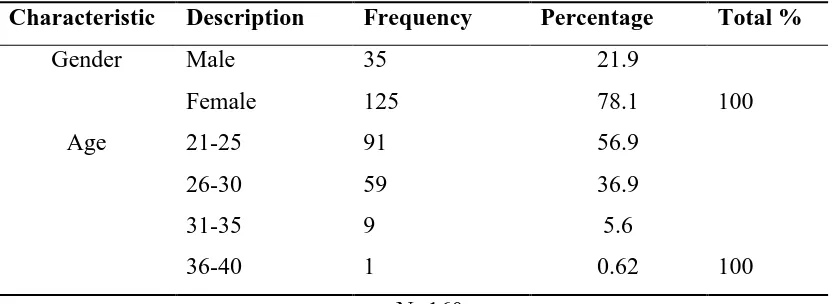
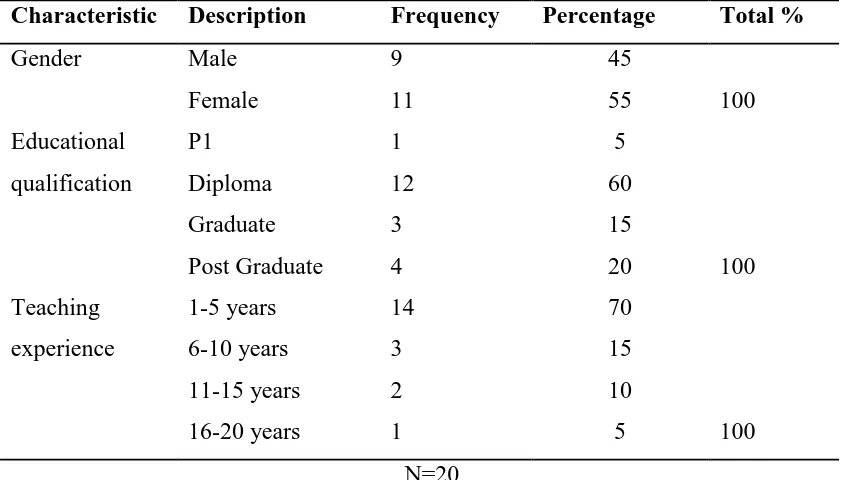
Table 4.2 Trainees Demographic Characteristics ... 43
Table 4.3 Trainers Demographic Characteristics ... 44
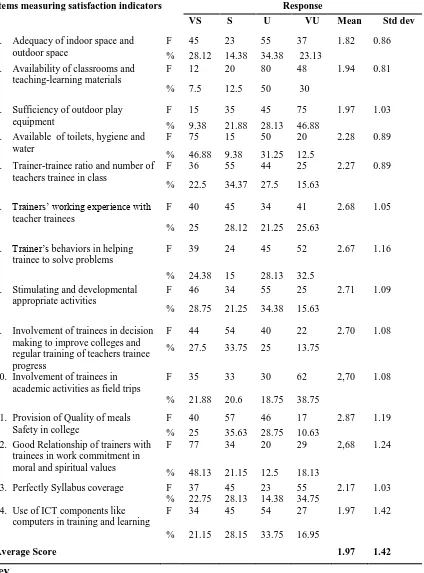
Table 4.4 Trainee Satisfaction with Quality of Training in ECDE Colleges ... 46
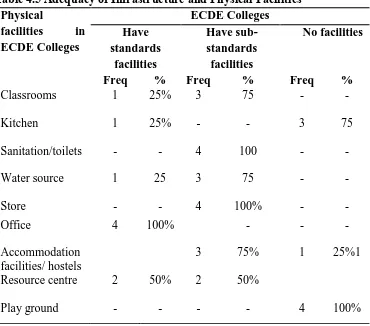
Table 4.5 Adequacy of Infrastructure and Physical Facilities ... 49
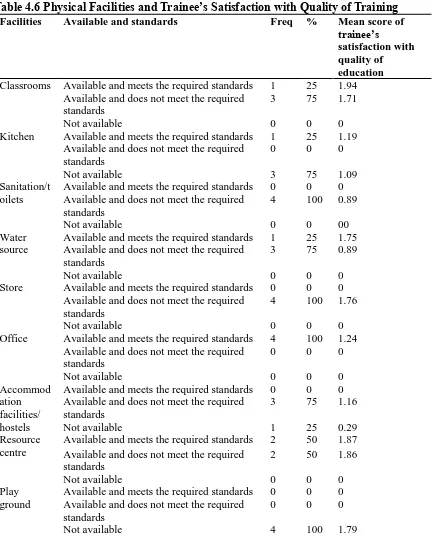
Table 4.6 Physical Facilities and Trainee’s Satisfaction with Quality of Training ... 52
Table 4.7 Relationship between Availability of Physical Facilities and Trainee’s Satisfactions ... 53
Table 4.8 Availability of ICT Facilities ... 56
Table 4.9 ICT Facilities and Trainee’s Satisfaction with Quality of Training ... 57
Table 4.10 Relationship between the use of ICT and Trainees’ Satisfaction with Quality of Education ... 58
Table 4.11 Availability of Instructional Materials ... 61
Table 4.12 Availability of Physical Facilities and Trainee’s Satisfaction with Quality of Training ... 62
Table 4.13 Relationship between Availability of physical and trainee’s satisfactions with Quality of Training ... 63
Table 4.14 Instructional Methods and Frequency of use as reported by Trainers ... 65
Table 4.15 Use of Instructional Methods and Trainees’ Satisfaction with Quality of Training ... 67
x
LIST OF FIGURES
xi ABSTRACT
1
CHAPTER ONE
INTRODUCTION AND CONTEXT OF THE STUDY 1.1 Introduction
This chapter presents background of the study, statement of the problem, purpose of the
study, objectives, research questions, and significance of the study, delimitations and
limitations, assumptions of the study, conceptual framework, theoretical framework and
operational definition of terms.
1.2 Background of the Study
Globally, provision of quality early childhood education training remains elusive
especially in low income countries where in some countries there is the government support
while in others, there is little or no support from the government. High quality training
provides a core component of national investment to secure the wellbeing and education
of children and secure positive future for them and for the country (Beck-Chisholm, 2005).
Currently every institution for teacher training ECDEs attempts to attract vast students by
formulating unique vision and missions aiming at improving the quality of education (Tam,
2001 as cited in Alireza, 2011). Studies in Europe show that school practice for
teacher-trainees in Early Childhood Education has prioritized the interrelationship between the
trainers and trainees and self-development in order to establish high quality of education
in the ECDE colleges (Farge, Virieux & Doury, 2000).
A report by the National Education Policy (1998-2010) advocates that quality of education
2
furniture, learning materials, reference books and materials, physical facilities and finance
which are necessary for effective teaching/learning process. In some European countries,
the ECDE sector is fully supported by the state. The United Kingdom spends considerable
amount of money towards young children and ECDE sector. The level of public
expenditure for the implementation of ECDE programs is higher (Ermisch, 2008). This is
geared to improving the quality of education in ECDE training colleges and hence to the
future of young school-going children. As well as it enhances their social development and
the overall social cohesion by mitigating the undesirable effects of family upbringings
(Harris & Goodall, 2006).
In the UK, training of ECDE teachers today has been dominated by a project which has
conjoined programs for trainees both in primary and secondary education. This is dictated
by the proper training of the care givers, provision of the facilities that enhance training,
use of communication technology and the learning materials and methods for the ECDE
Colleges (Sylva, Melhuish, Sammons, Siraj-Blatchford & Taggart, 2010). However, the
studies were done in England with different socio-cultural and economic conditions.
In Africa, the aggregate provision of a quality education for all is the’ main governments
strategies for reduction of poverty and development in most countries. In South Africa, Du
Plessis and Conley (2007) note that ECDE colleges are facing various challenges ranging
3
Quality training is any program geared to teach an individual how to have an inquisitive,
curious and critical mind that familiarize them with means of detecting, preventing and
eliminating, mediocrity and non-quality. This allows the person to be equipped with the
right skills and expertise to impart knowledge and educate young children (Australian
National Training Authority, 2001). Hassan (2007) posits that quality training in ECDE
requires well trained, qualified and committed staff. However, this is only established in
trainees if they are satisfied with quality of training (Mishra, 2009). This study therefore
strived to establish the satisfaction of the teacher trainees with quality of training they
receive in early childhood colleges with regards to provision of teaching materials, safe
environment, physical facilities and good health.
In Kenya, studies have indicated that education system is permeated with reforms and
innovations introduced by the government in 2003 to revamp the education sector.
According to Wawire (2006) healthy growth and development among children is
determined by education and hence effective training at ECDE colleges should be a
priority. Therefore trainees are considered significant in successful implementation of
programmes at the ECDE training centres by equipping trainees with valid knowledge and
skills (Shiundu & Omulando, 2002). Hence, teachers must be provided with a welcoming
environment and their wellbeing must be given first priority especially during the training
stage in order for them to be eligible to impart knowledge to young ones in future
(Scardamalia & Bereiter, 2003). The focus of this study was to assess the quality of training
provided to teacher trainees in ECDE colleges.
Today, education is managed based on the County government following devolution.
4
in the Basic Education Act, 2013 and the Sessional paper No. 14 of 2012 with respect to
management of institutions offering training, coordinated assessment, examination and
certification to assure standards, quality and relevance (Ministry of Education, 2012).
Githuthwa (2011) investigated the problems faced in the development of early childhood
education in Kiambu County and found that there was a problem of lack of adequate
physical facilities and instructional materials, lack of standardized teaching methods, insufficient funds, inadequate skilled personnel, parents’ negligence and nutrition and
health at the ECDE training colleges. Despite the availability and presence of a
substantially body of research showing the link between good quality ECDE and positive
child outcomes, the situation on the ground shows that a lot more could be done to improve
quality. Studies and reports of quality reveals that ECDE colleges can do better and this
cuts across both developed and developing nations.
Quality is clearly an ongoing challenge in the provision of quality training in ECDE
colleges. In spite of these recognized and documented benefits accruing from good quality
ECDE, indications are that many children are receiving early education in settings that are
of low or questionable quality. Early childhood Development Centres of low or poor
quality has been documented by various studies such as Mwaura (2009), Kangara (2010),
Wambua (2010), Ndani (2008), Makatiani (2008), Koech (2006), Muthoni (2006) and Aila
(2000). Some of the challenges facing early childhood education were found to be early
dropout, low academic achievement and juvenile delinquency. Studies have also been
conducted in other teacher training institutions (Begi; 2007; Mwololo, 2009). However,
these studies only focused on the use of instructional media. They did not shed light of the
5
courses. It against this background that this study sought to assess teacher trainees’
satisfaction with the quality of training in Colleges offering early childhood development
and education programmes in Thika West Sub County.
1.3 Statement of the Problem
There are various challenges facing implementation of Early Childhood Education despite
its growth. This is with regards to training and trainees’ welfare and their satisfaction.
Environment in ECDE training centres is greatly responsible for determining the welfare
of trainees and educational outcome. Following the high demand, many early childhood
education centres and colleges have mushroomed to meliorate the shortage of ECDE
practitioners by offering training courses that seek to equip men and women with the skills
and knowledge to impart and nurture young children. There was need to ascertain whether
provision of such facilities as ICT, instructional materials and instructional methods
influence trainees’ satisfaction with the quality of education in ECDE colleges.
Further, the studies conducted in Kenya related to the quality of training in ECDE training
institutions majorly dealt on trainee’s experiences (Ndani, 2008; Wambua, 20100). Other
studies linked between quality training and positive child outcomes but did not focus on association between trainee’s satisfaction and quality of training (Githuthwa, 2011; Begi,
2007). From these studies, it is clear that no study focused on pre-primary school teacher
training colleges and the level of satisfaction of teacher trainees. It was against this that the
current study sought to investigate the trainees’ satisfaction with quality of training in
6 1.4 Purpose of the Study
The purpose of this study was to assess teacher trainees’ satisfaction with the quality of
training in Colleges offering early childhood development and education programmes in
Thika West Sub County. The study was also to determine the factors influencing the trainees’ level of satisfaction.
1.5 Objectives of the Study 1.5.1 General Objective
The general objective was to investigate the trainees’ satisfaction with quality of training
in colleges offering ECE courses in Thika West Sub-County.
1.5.2 Specific Objectives
The study was guided by the following objectives:
i. To establish the level of teacher trainees satisfaction with quality of education in
colleges offering ECE courses
ii. To determine the relationship between availability of physical facilities and teacher
trainees satisfaction with quality of education in ECDE colleges.
iii. To find out the relationship between use of ICT in instruction and teacher trainees
satisfaction with quality of education in ECDE colleges.
iv. To determine the relationship between availability of instructional materials and
teacher trainees satisfaction with the quality of education in ECDE colleges.
v. To establish the relationship between methods of instruction and teacher trainees
7 1.6 Research Hypothesis
Ha1: There is a relationship between availability of physical facilities and trainee’s satisfaction with quality of education in ECDE Colleges.
Ha2: There is a relationship between use of ICT in teaching and trainee’s satisfaction with quality of education in ECDE Colleges.
Ha3: There is a relationship between availability of instructional materials and trainee’s satisfaction with quality of education in ECDE Colleges.
Ha4: There is a relationship between methods of instruction and trainee’s satisfaction with quality of education in ECDE Colleges.
1.7 Significance of the Study
The findings of the study may be useful to the key stakeholders in establishing approaches
towards improving the wellbeing of the trainees in ECDE colleges. This would help to
enhance the satisfaction level of the trainees. The key stakeholders in the education sector
would therefore have a clear understanding of the factors that really motivate and satisfy
teacher trainees if quality of education is to be improved in the ECDE colleges. The
findings of the study may also be useful in strengthening aspects of ECDE training programs and adjust to them in an attempt of enhancing trainees’ satisfaction.
Through the study, it behooves the Sub-County Quality and Assurance Officers to apply
8
provided to them and therefore improve the quality of education in the ECDE colleges and
other centres for pre-school learners.
Policy architects and Directorate of Quality Assurance and Standards (DQAS) in the
Ministry of Education might find the findings of the study necessary to harmonize
pre-primary education service standard guidelines to integrate trainees’ persuasions on quality
training standards that should be maintained and improved in ECDE colleges. The findings
may also benefit the academicians as reference and a basis for further studies in Early
Childhood Development and Education.
1.8 Limitation and Delimitation of the Study
This sub-section sought to highlight the limitations and delimitations of this study with regard to trainees’ satisfaction with quality of education in ECDE colleges.
1.8.1 Limitation of the Study
In carrying out the study, the researcher anticipated a number of limitations. First, Thika
West sub-county is a vast area consisting of ECDE colleges which are miles apart. The
distances, accessibility and other logistics constrained the study. However, this challenge
was addressed by making use of motorbike as a mean of transport in order to access all the
sampled ECDE colleges on time. Some College managers were not easy to find and
DICECE program officers were very busy due to tight schedule with several delegated
duties and responsibilities. To address these challenges, the researcher booked appointment
9 1.8.2 Delimitations of the Study
The study was conducted in Thika West Sub County. It involved teacher trainers, trainees,
college directors and managers as well as DICECE program officers. The focus was on trainees’ satisfaction because they formed the core of enhancing early childhood
development and education thus, setting a strong foundation for holistic growth and
development of pre-primary school learners in the country. Owing to high competition in
the education sector and the emerging trends in the ECDE, proper training for those
involved in the day-to-day nurturing of young children is significant. Additionally, several
studies regarding ECDE and related topics have exhaustively been conducted in several
aspects but they have not touched on satisfaction of ECDE teacher trainees, thus they are
necessary for this study. Lastly, due to the selection of one Sub-County for purposes of the
study, the study findings will not be generalized to the entire Kenyan population.
1.9 Assumptions of the Study
The following were the assumptions of the study
All ECDE teacher trainees, trainers, college administrators as well as program officers
were honest with their responses during the study. Sampled ECDE colleges had different
learning environment that determined trainees’ satisfaction.
1.10 Theoretical and Conceptual Framework
This study was guided by one theory: The Expectancy-Disconfirmation Theory of
10
1.10.1 Expectancy-Disconfirmation Theory of Customer Satisfaction
This study was anchored on the Expectancy-Disconfirmation Theory developed in 1977
by Richard Oliver. The theory states that a client’s satisfaction in inclusively
comprehended by intercalating the preliminary expectations and the actual quality of the acquired service to form the client’s current feeling. The theory argues that satisfaction is
related to the size and direction of the disconfirmation experience that occurs as a result of
comparing service performance against expectation (Anderson, 1973).
Mattila and O’Neill (2003) argue that satisfaction is related to the size and direction of the
disconfirmation experience that occurs as a result of comparing service performance
against expectations. Basically, satisfaction is the result of direct experiences with products
or services, and it occurs by comparing perceptions against expectations. Satisfaction is
described as a judgment that a product or service feature, or the product or service itself,
provided (or is providing) a pleasurable level of consumption-related fulfilment, including
levels of under or over fulfilment
Based on the context of the study, the teacher trainees’ expectation is intercalated with
perceived services provided to them in the colleges leading to personally feeling which can
be connected to enrolment rate, retention or satisfaction. In another perspective, if the
services provided in colleges fall short of what trainees previously expected, which can
also be known as negative disconfirmation, the teacher trainees are likely be dissatisfied
with the quality of education.
In relation to the present study, trainees’ satisfaction with the quality of training in colleges
11
experiences in colleges. For instance, when trainees had negative experiences with the
college training, then the trainees did not derive satisfaction (negative disconfirmation).
Lastly, when their experiences lied between positive and negative, then they were regarded
as somewhat satisfied.
The Expectancy-Disconfirmation Theory of Customer Satisfaction was applicable to the current study since it lays a foundation on trainees’ satisfaction by integrating availability
of physical facilities, use of ICT, adequacy of teaching/learning materials, utilization of
instructional methods to meet the trainees’ expectation based on what conform to the
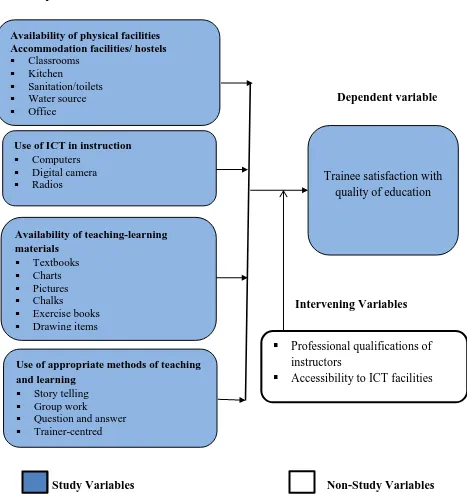
quality of training. The conceptual framework captures the variables of the study including
the independent-availability of physical facilities, use of ICT, and availability of
teaching/learning materials and appropriate methods of teaching and learning, which influence the dependent variable trainees’ satisfaction with quality of early childhood
12 1.10.2 Conceptual Framework
Independent Variables
Dependent variable
Intervening Variables
Key
Study Variables Non-Study Variables
Figure 1.1 Factors Influencing Quality of Training in ECDE Colleges Source: Researcher (2015)
Availability of physical facilities Accommodation facilities/ hostels
Classrooms Kitchen
Sanitation/toilets Water source Office
Use of ICT in instruction
Computers Digital camera
Radios Trainee satisfaction with
quality of education
Availability of teaching-learning materials
Textbooks Charts Pictures Chalks
Exercise books Drawing items
Use of appropriate methods of teaching and learning
Story telling Group work
Question and answer Trainer-centred
Professional qualifications of instructors
13
The conceptual framework illustrates the interrelationship between variables of the study
and how quality of training in early childhood education provided in a college influences trainees’ perception about the ECDE Colleges. The independent variables- availability of
physical facilities, use of ICT, availability of teaching-learning materials and use of appropriate methods for teaching and learning influence trainees’ satisfaction with quality
of education.
When trainees are satisfied with the quality of early childhood education training provided
to them, they tend to involve themselves in school activities leading to improved quality
education. Trainees attach great prominence to particular quality training indicators such
as availability of physical facilities, teaching-learning materials, and the use of ICT, teacher
14 1.11 Operational Definition of Terms
ICT facilities-Refers to materials such as computers, printers, photocopiers among other materials which help to boost learning in ECDE colleges through information and
communication technology.
Instructional materials- Refers to teaching resources such as books, chalks textbooks, charts, pictures, chalks, exercise books and drawing items that help
in effecting the quality education to the teacher trainees in ECDE colleges.
Methods of instruction - precise designs and of passing information and teaching used by the trainers in ECDE colleges.
Physical facility – refers to amenities in school which assist to facilitate in maintain the retention of trainees in colleges which include; buildings, hostels, classrooms,
laboratories, dormitories and toilets.
15
CHAPTER TWO
REVIEW OF RELATED LITERATURE
2.1 Introduction
This chapter presents the reviewed literature concerning trainees’ satisfaction with the
quality of early childhood development and education. The chapter is organized into five
thematic areas that include; the level of trainee satisfaction, availability of physical
facilities, use of ICT, availability of teaching and learning materials and appropriate
methods of teaching and learning on trainee satisfaction with quality of education in ECDE
colleges.
2.2 Trainees Satisfaction with Quality of Training in ECDE Colleges
Evaluation of trainees’ satisfaction with the quality of education provided to them in the
ECDE training centres is an essential component of educational quality improvement.
Miller and Silvernail (2004) noted that it was important to evaluate trainee satisfaction in
order to provide valid data on solution towards adjusting the challenges related to
satisfaction with quality of training. Nevertheless, conceptualization and measurements
still vary in the process. Various scholars have presumed that equating customers’ satisfaction with trainees’ satisfaction in an institution set up gives the same product (Omar,
Nazri, Ab & Omar, 2009; Flanagan, 2008).
Various factors influence the affinity to carry out studies on satisfaction. In Bologna, a
study by AUA (2005) investigated the relationship between satisfaction and various
16
staff, quality of support materials and psychological support. It was found that these
services provided the sense of perceiving the satisfaction level as a sign of success of
trainers in both Universities and Colleges (Gougless et al., 2006). However, the situation
in pre-primary teacher training colleges is not clear since it was not focused.
Silva (2006) revealed in his study that most ECDE training centres evaluated the level of
satisfaction among trainees by requesting them to rate the performance of their respective
colleges based on experience, qualification, commitment of trainees, effective and
adequacy of physical facilities and learning materials. This is the angle that the present
study adopted to explore the level of trainees’ satisfaction with the quality of training they
get from the ECDE colleges in Thika West Sub-County with the indicators being based on
were physical facilities, teaching-learning materials, trainer-trainee ratio, trainer quality
and learning outcome.
Availability of teaching/learning materials was found to influence the selection of ECDE
colleges among teacher-trainees in Kenya (Oketch, Ngware, Mutisya, Kassahun, Abuya,
& Musyoka, 2012). Similarly, other studies conducted in Bondo Sub-County, revealed that
most pre-primary schools lacked appropriate teaching-learning materials for curriculum
delivery. This is premised on limited studies that have been done in the district to analyze
the level of satisfaction (Abagi, 2009). Such study findings may be used to rally their
support in supporting their ECDE colleges and schools to acquire adequate and appropriate
teaching-learning materials for effective learning to be realized. This was the focus of the
current study as it sought to fill the void by looking at the impact of training on trainees’
17
Regarding enrollment, the Ministry of Education (2007) study reports that the student
teacher ratio was as high as 31:1 in most early childhood development and education
schools across the country. The quality of trainers present has a lot of impact on trainees’
views about the quality of education offered to them. Despite the above emphasis placed
on the quality of pre-primary school teachers, Thika West Sub County has been one of the
regions in Kenya with low trained teacher levels (Thika West DICECE, 2011). These facts
were in concomitant with the study by Abagi (2009) which indicated that most ECDE
schools suffered from shortage of trained teachers. Therefore, there was need to conduct
this study to uncover the reasons for the shortage of trained ECDE teachers yet there were
colleges strewn all over.
In Kenya, a study done by Oketch et al. (2012) to explore pupils’ school mobility in Urban
Kenya showed that availability of teaching-learning materials in schools influenced the
decisions of most parents to transfer their children from public to private primary schools.
Ngure (2014) also conducted a study on utilization of instructional media for quality
training in pre-school teacher training Colleges in Nairobi County. The findings showed
that variety of instructional media were available and used in teaching by the college tutor
and that private college tutors utilized instructional media more than public college tutors.
However, little is known on whether the same resources are available in ECDE training
colleges in Kiambu County. This study therefore sought to investigate the trainees’
satisfaction with quality of training in colleges offering ECE courses in Thika West
Sub-County basing on four dimensions; availability of physical facilities, use of ICT in
18
The situation of early childhood education in Kenya showed the expectation bestowed on
ECDE schools to introduce children to basic numeracy and literacy skills (Republic of
Kenya, 2008). This therefore means that the ECDE trainees must be equipped with the
right skills and knowledge to make sure that children benefit from. Lastly, an individual’s
learning outcome greatly influence their views on education quality as they are more
predisposed to be in schools with high average test scores. It was thus, imperative to
conduct this study to assess the overall level of trainee satisfaction in ECDE colleges.
2.3 Physical Facilities and Trainees’ Satisfaction with Quality of Training in ECDE Colleges
First and foremost, the availability of physical facilities in a learning institution influences trainees’ satisfaction. In terms of education, it has been noted that significant investment
in ECDE results into greater social cohesion, better academic performance of students, and
increased capacity of children to adopt new technologies (Jaramillo & Mingat, 2006).
Failure by any nation to invest in ECDE leads to continued human wastage in the form of failed development, grade repetition and stunted growth of children (Ng’asike, 2012).
A study in Pakistan by Arbab and Arbab (2013) on the teacher’s perception on training
revealed that more than 50% of trainees were satisfied with the teaching activities as
organized by trainers. However, a significant proportion of 40% of the trainees perceived
the quality of education was low since most colleges did not have enough furniture, reading
19
In Kenya, although the government is involved in provision of ECDE, the establishment
of ECDE colleges is mostly left to the communities. Communities establish and provide
physical facilities such as land, building materials and equipment and manage the ECD
center. They also provide furniture and labor. The type and adequacy of the physical
facilities therefore largely depend on the economic ability of the community. The facilities
range from permanent classrooms in private kindergartens in urban areas to wattle and mud classrooms or even ‘under tree’ arrangement in some rural areas (Republic of Kenya,
2006).
A study done by Oketch et al (2012) established how learners derived satisfaction from the
quality of school buildings. It was found that availability of quality school buildings and
physical facilities greatly influenced the movement of learners from public to private
institutions. However, the study solely focused on primary schools in Nairobi other than
ECDE colleges and centres. In addition, the study was fixated on the issue of factors influencing learners’ choice other than the satisfaction level on services provided in those
training centres.
In the same breadth, a study conducted by Plan International (2004) in Bondo District,
indicated that the physical facilities in most early childhood development and education
centers were in dire conditions and decrepit with most children learning under trees and
sitting on stones. Abagi (2009) corroborated these revelations through the study he
conducted which disclosed that most pre-primary schools in operated without necessary
physical facilities like classrooms, water sources, playground and toilets. However, apart
20
satisfaction with availability and appropriateness of physical facilities in their pre-primary
schools and colleges. It is against this backdrop that the present study determined the influence of physical facilities on trainees’ satisfaction with the quality of training in ECDE
colleges.
2.4 ICT Use in Instruction and Trainee’ Satisfaction with Quality of Education in ECDE Colleges
Today most countries in the world have totally incorporated the use of Information and
Communication Technology (ICT) in all training programmes (Blatchford &
Siraj-Blatchford, 2005). According to Campbell and Scotellaro (2009) education and training
has taken a new direction which basically improves the quality of education following the
rapid development of technology all over the world. This new form attempts to transform
the educational process and role of the instructor who is now opted to instill new skills and
ability with regards to temporary issues rather than traditional ways. This is what the
current study sought to achieve by establishing the influence of ICT use on training in
ECDE colleges in Thika West Sub County.
The importance of application of ICT to support the training of early childhood
development and education in ECDE Colleges and colleges cannot be gainsaid. Proponents
of ICT application in ECDE Colleges, such as Hatzigianni and Margetts (2012); Bolstad
(2004) highlight the positive effects of ICT in early childhood development that entail
offering challenging activities that responds to the trainees curiosity and development of
21
which is opted to stimulate cognitive development, creativity and social interactions among
trainees (Teuwens, 2011). The study however, mainly focuses on trainees grip with the use
of ICT in the day to day learning in colleges.
There is a shared acknowledgement that specific subjects such as communication and
language, as well as knowledge and comprehending the world can be beneficiaries of
instructional and scholastic application of ICT. Begi (2014) posits that ICT not only plays
an essential role in affective, personal, social, and aesthetic development of the trainee but also the child’s physical and motor development that exposes a more dynamic, integrated
and multidimensional vision of the academic implications of the use of ICT related
resources in an early childhood development and education milieu in a given country.
Nevertheless, this has to be done in ECDE colleges in Kenya to help realize the Vision
2030 pillar of education for all. As such, this study endeavored to unearth the influence of
ICT use in training teacher trainees in ECDE colleges in Thika West Sub County.
Since ICT integration in early childhood education is a slow and complex process that is
influenced by many issues (Inan & Lowther 2010), it is useful to explore which elements
are important in understanding ICT use in pre-schools. Universal experience has revealed
that teachers play a key role in utilizing the educational potential of ICT. Studies have
established that many educational reform initiatives have failed precisely because they did
not influence the beliefs or the practices of the teachers (Kalas, 2010). This study therefore,
sought to establish trainees’ views with regard to ICT use in colleges as part of the reform
22
According to Begi (2014) the success of computer use in the classroom hinges on the teachers’ attitudes to embrace and uptake of the computer. The ICT system in another way
has modified the attitude of most instructors in training institutions (Wood, Specht,
Willoughby & Mueller, 2008; Inan & Lowther, 2010). According to Teuwens (2011) the
grade in which a teacher teaches is possibly an important factor in explaining ICT use in
early childhood education. As such, experiences with technology should be challenging,
but also attainable for most children of a certain age. Teachers are responsible for
examining which forms of use are appropriate for a certain age and a certain child (Bolstad,
2004).
Sang, Valcke, van-Braak and Tondeur (2010) point out that the capability of integrating
ICT in training in ECDE colleges tend to improve quality with respect to validity and pace.
Vanderlinde and van Braak (2010) term ICT professional development as an important
strategy that fosters ICT integration. However, this is majorly based on selection and
availability of training which can foster positive attitudes among teachers towards ICT
(Begi, 2014).
In Kenya the use of ICT in early childhood education is lacking as there are no
infrastructural development to support the introduction and subsequent integration of ICT
in schools. Most schools including early childhood education centers lack the capacity to
install computer-based laboratories to facilitate the application of ICT in teaching (Ng’asike, 2012). The government initiative to ensure every household has electricity
under the auspices of rural electrification programme of 2003, did not achieve much as
23
the process of laying proper foundations for the uptake and integration of ICT in teaching
and learning curriculum (Government of Kenya, 2003). Based on the fact that there is not
much research available regarding ICT use in training of practitioners in the particular
context of early childhood education, this study sought to examine the influence of ICT in
teaching and learning of trainees in colleges offering early childhood development and
education programmes.
2.5 Availability of Instructional Materials and Trainees Satisfaction with the Quality of Training in ECDE Colleges
The availability and adequacy of appropriate teaching-learning materials in a school influences trainees’ satisfaction with the quality of education they get (Barrow & Leu,
2006). A study conducted by Silva (2006) to find out the peoples’ perspectives on the
quality of child care among culturally diverse group of parents in Australia disclosed that
over 90% rated the availability of materials as a very significant component of a quality
education environment. Nevertheless, the specific study was conducted in Australia that is
uniquely different from the challenges encountered by the early childhood development
and education trainees in Kenya.
Government involvement in the training of ECDE teachers started in 1985 when the
Ministry of Education started a two-year in-service programme for untrained pre-primary
teachers (RoK, 2006). At the time, the majority of the teacher trainees were primary school
leavers. Currently, ECDE teachers are trained at certificate and diploma levels through
in-service programmes offered in Sub-County Centres for Early Childhood Education also
known as (DICECE) and in privately owned institutions. However, dire situations coupled
24
very little to show for instructional materials as most ECDE Colleges make to do with
improvised materials (MoE, 2009).
National Center for Early Childhood (NACECE) which holds the responsibility of
curriculum development has given guidelines for ECDE containing sufficient information
for the precise pedagogy such as child centered interaction and emphasis on holistic
development which should be used in the country (UNESCO, 2005). In the same breadth,
NACECE undertakes the training of trainers who in turn train the ECDE teachers at the
DICECE colleges across the country. Other training programmes are managed by different
organizations like Kindergarten Headmistress Association (KHA) and the Child Developer
among others (Aduda, 2005).
The problem crops in the implementation of the guidelines since the ECDE teachers have
to provide for the materials required where in some instances; teachers are compelled to
use standard one textbook. Only in some private ECDE Colleges are materials availed
(MoE, 2008). Teachers have also diverted their focus and revert to teaching the alphabet
and numbers due to pressure from the parents (Githuthwa, 2011; Ng’asike, 2012).
A World Bank project (1996/97-2001/02) used a regular two year course and a new five
week short course in providing in-service training programme (UNESCO, 2005). During
the duration of this project the ratio of trained teacher to pupil improved from 89:1 to
41:1(UNESCO, 2005). However this project lasted for only five years. With increasing
numbers of children enrolling in ECD centers and the low pay for ECD teachers leading to
25
the nature of training within the colleges seems to fall behind the required standards of
equipping the teachers with the requisite skills and learning materials to transmit
knowledge to the young children in ECDE Colleges. As such, this study attempted to evaluate the influence of teaching and learning materials on the trainees’ satisfaction with
quality of education in ECDE colleges in Thika West Sub-County.
2.6 Methods of Instruction and Trainees’ Satisfaction with the Quality of Training in ECDE Colleges
Early childhood teacher candidates need to know how to have the right teaching methods
and techniques to know the laws relating to the rights of children, and to know how to meet
the instructional needs of a diverse population of children (Morgan, 2010). Obidike (2012)
stated that early childhood regular education teachers are the core of successful growth
because they are the parents' and children's first school experiences and set the foundation
for later school success. Therefore, comments indicating the early childhood teacher lack
of knowledge about the right methods, and a conflict between recited and actual beliefs of
the teacher towards dispensing with their duties are a point to ponder and research (Piaget,
2001).
Teacher-trainee satisfaction in studies about the universities is often described as the fulfillment of students’ expectations with the various implementations and products served
to them by the universities or colleges (Le & Agnev, 2007). The research by Dougless,
Dougless & Barnes (2006, cited in Alireza, 2011) shows that there is a direct/positive and
good level of correlation between independent variables such as trainee satisfaction and
26
outside of the classroom; the presence of non-teaching activities for students and the
opportunity to attend these. Some of the satisfaction research with teacher trainees at college was done in order to determine prospective students’ choice of university/faculty
(evaluate administrative policies for keeping the students in the institution (Le & Agney,
2007) and determine ranking among institutions (LoBasso, 2005). Part of this research was
also done in order to evaluate the quality of service offered at universities (Moro-Egido &
Panadés, 2008).
Teacher candidates need to feel comfortable and able to exhibit the techniques acquired in
training to impact on all children who are part of their class. One teacher’s proficiency
listed by the Texas Education Agency (1994) was equity in excellence for all learners. If
teachers are to be successful in helping all children reach their individual full potential,
they need to take the first step in acceptance by examining their beliefs, knowledge, and
the methods they use in class.
The teacher trainee or candidate should therefore stand for nothing but the best during their
time in ECDE colleges and centres and must demand equal treatment from the trainers who
prepare them for the tough job ahead. Unfortunately, in Kenya, not much is worth writing
home about because the trainees are not given the right tools and methods to enable offer
services that are beyond reproach in their endeavors to develop the young children (Ng’asike, 2012). It is therefore against this backdrop that this present study examined the
methods of teaching and learning in ECDE colleges to establish whether they influence
27 2.7 Summary of the Literature Reviewed
Studies reviewed have shown that access to early childhood education is on the upward
trajectory globally, as the quality of training in education remains poor in most of the ECDE
colleges and schools with low income and developing countries affected the most. The level of trainees’ satisfaction with the quality of training education therefore remained the
fundamental concern to the study as it was revealed to be subjective and contextual from place to place and has a bearing on their effective’ involvement in early childhood school
activities as improving children’s retention, participation and achievement in school .
The literary sources reviewed further revealed that although conceptualization of trainees’
satisfaction with the quality of early childhood education is diverse, empirical proof
established contested results which vary from setting to setting and the perceptions of the
players involved. The study sought to fill this gap by conducting a local study in a
developing country, particularly in Thika Sub-County West, Kenya.
In Kenya, the studies conducted on the general satisfaction of teacher trainees were based
in primary teacher training colleges but not in pre-primary school teacher colleges. The
mandate of this study was to fill this gap by focusing on pre-primary school teacher colleges setting. In addition, agreement has emerged that since trainees’ satisfaction is
equated to customer satisfaction, it should be measured by assessing the level of their
contentment with the quality of education services offered in their respective ECDE
colleges based on quality indicators such as physical facilities, teaching-learning materials,
teacher-student ratio, trainer quality, safety and security in colleges, as well as ICT
28
CHAPTER THREE
RESEARCH DESIGN AND METHODOLOGY 3.1 Introduction
This chapter presents the methodology that was employed in this study. The key aspects
addressed in this chapter include research design and locale, research variables, target
population, sampling technique and sample size. The chapter also focuses on the
instruments used for data collection, pilot study, validity and reliability of the research
instruments. The methods of data analysis, logistical and ethical considerations are also
described in this chapter.
3.2 Research Design
For the purpose of this study, descriptive survey design was used. This design was used
because it enabled the researcher to describe the situation as it was in the natural setting.
This research design also portrayed the characteristics of a population fully and attempted
to describe behaviours and characteristics of the trainees with respect to their level of
satisfaction with the quality of training in the colleges. According to Orodho (2009)
descriptive survey designs assist in collecting, summarizing and interpreting it for
clarification. Descriptive survey design was more efficient and economical method of
gathering data since it has the potential to provide a lot of information obtained from a
29 3.3 Study Variables
The variables for the study included both the independent and the dependent variables. The
variables were in regard to trainees’ satisfaction with quality of education in ECDE
colleges.
3.3.1 Independent Variables
The independent variables of this study were factors influencing trainees’ satisfaction with
the quality of early childhood development and education provided by the colleges. The
factors assessed include: Availability of physical facilities; use of ICT in instruction;
availability of instructional materials; and methods of instruction.
a) Availability of physical facilities: It was determined by the availability of structural indicators such as classrooms, kitchen, toilets, water sources, stores, offices,
accommodation facilities, resource centres and playgrounds.
b) Use of ICT in instruction: It was determined by assessing the frequency at which the teacher trainers used ICT during teaching process. The ICT components were
computers, cameras and radios.
c) Availability of instructional materials: It was measured by indicating the available instructional materials like textbooks, pictures, and charts and their frequency of use
d) Methods of instruction: It was measured by evaluating the frequency at which such instructional methods such as storytelling, group work, question and answer, and
30 3.3.2 Dependent variable
The dependent variable was trainees’ satisfaction with the quality of training in early
childhood development and education. Using 20 items as satisfaction indicators, a Likert
scale was designed showing the level of satisfaction; 4 points were awarded to very
satisfied, 3 points to satisfied, 2 points to unsatisfied and 1 point to very unsatisfied.
3.4 Study Locale
The study was carried out in Thika West Sub County, Kenya. The Sub County is situated
in Kiambu County and borders Nairobi County to the North-East, Muranga County to the
North, Machakos County to the East, Nakuru County to the West and Nyandarua County
towards northwestern direction (See map in Appendix IX). The main economic activities
in the Sub County are small scale fishing, farming and Food processing, manufacturing,
mining, textile, motor vehicle assembly, wholesale and retail traders (Southern Africa
Regional Poverty Network, 2010).
There has been a lamentation that enrolment and completion trend has not been consistent
among teachers enrolling in ECDE Colleges training in Thika West Sub-County hence the
appropriateness of the location for the study (Kiambu County Data Facts, 2017). Thika
West Sub-County was chosen among the thirteen Sub-Counties due to the fact that it lies
within a congested area with polluting industries despite the existence of ECDE colleges
established in closed environment. Its proximity to urban centres provides a fodder for
many mushrooming private colleges within residential areas without due consideration to
many aspects of education standards thereby compromising the quality of training. In
31
disparities in the social and economic profiles. The varied economic profile determined
availability of physical facilities, teaching materials and instructional media. This dynamic
enabled collection of adequate qualitative and quantitative data in Thika West in particular
as representative of the study population to help achieve acceptable generalization.
3.5 Target Population
The study targeted a total of 424 trainees and 40 instructors from 6 colleges in Thika West
Sub-County. Instructors involved tutors who taught both diploma and certificate classes in
these colleges. These tutors were selected because the researcher sought to find out the
instructional methods often used during training. Trainees were selected because it was
important to directly obtain data pertaining satisfaction from trainees themselves.
3.6 Sampling Techniques and Sample Size 3.6.1 Sampling Techniques
Only private ECDE colleges formed the strata of the study since public ECDE colleges
were not established in Thika West Sub-County (See Appendix V showing the list of
Colleges). Simple random sampling was used to select 4 ECDE colleges representing
66.7% of the total ECDE colleges. Selecting 4 ECDE colleges was ideal for the study
because it was in accordance with Sandelowski (1995) that at least 50% sample is ideal for
a study in which the size of the study strata is small. Simple random sampling technique
was also used to select 53 trainees from each of the sampled ECDE colleges leading to a
total of 212 trainees which represents 50% of the targeted trainees. Similarly, simple
random sampling technique was used to select 5 instructors from each of the 4 sampled
32
instructors. The use of simple random method was appropriate because it gives each
subject equal opportunity to participate in the study and thus minimizes bias (Kombo,
2006).
3.6.2 Sample Size
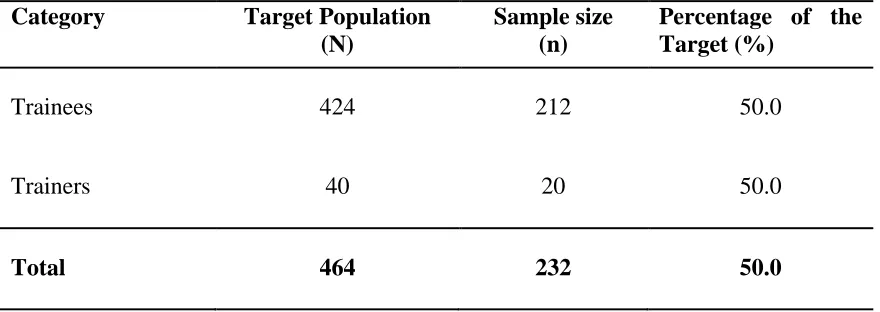
The sample size for the study was 120 respondents (100 trainees and 20 instructors) from
4 ECDE sampled colleges. The sampling frame is presented in Table 3.1.
Table 3.1 Sampling Frame
Category Target Population (N)
Sample size (n)
Percentage of the Target (%)
Trainees 424 212 50.0
Trainers 40 20 50.0
Total 464 232 50.0
Source: Researcher (2015)
3.6.3 Distribution of Respondents by Class Size
The infrastructure in terms of facilities such as classrooms determines the number of
students per classroom. The study therefore sought to establish the class size in the centres
33
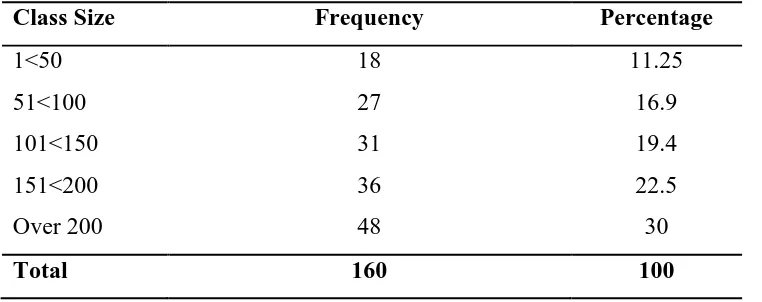
Table 3.2 Distribution of Respondents by Class Size
Class Size Frequency Percentage
1<50 18 11.25
51<100 27 16.9
101<150 31 19.4
151<200 36 22.5
Over 200 48 30
Total 160 100
Findings in Table 3.2 show that 48(30%) of the respondents reported that a class was made
up of over 200 students. However, only 18(11.25%) reported that one class was made of a
maximum of 50 students. This implies that the ratio of trainees to trainers was high and
thus learning tasks was difficult. This concept coincides with the findings of Silver (2006)
who noted that adequate qualified teachers and adequate physical facilities like classrooms were the major indicators of ECDE College’s performance. The facilities are useful in
evaluating the level of trainee’s satisfaction with the quality of early childhood education
training.
3.7 Research Instruments
The research instruments applied for the study included questionnaires, interview schedule
and observation schedules. The use of three different types of research instruments helped
in verification of results from each category. According to Mugenda and Mugenda (2009),
the use of interviews amid the questionnaires assist in verification of data. Also, carrying
out an observation before interviews give the research useful insight on information that
34 3.7.1 Questionnaire for Teacher Trainees
A questionnaire was used to collect data on the level of trainees’ satisfaction with the
quality of training in early childhood education colleges provided to them. This was based
on the Likert-scale questions among others. It was the most ideal since the researcher could
collect all the completed responses within a short time by administering the questionnaires
to a bigger number of respondents. The questionnaire was divided into sub-sections. The
first section collected data related to background information of the respondents. The
second section gathered information related to availability of such physical facilities as
classrooms, kitchen, toilets, water sources, stores, offices, accommodation facilities,
resource centres and playgrounds. Section C dealt with the frequency on the use of ICT in
instruction. Section D collected data related to availability of instructional materials such
as textbooks, pictures, and charts and their frequency of use. Finally, section E collected
information related to methods of instruction and the frequency at which such instructional
methods were used by the trainees (See Appendix II). The questionnaire was used because
they were easier to administer and economical in terms of time and money (Cohen, Manion
& Morrison, 2000).
3.7.2 Interview Guide for Trainers
An interview guide was designed for trainers which consisted of open-ended items which
sought to answer questions related to trainees’ levels of satisfaction, instructional materials
available in the institution, frequency in use of ICT facilities in teaching and learning,
instructional methods used during training and opinion based on measures of enhancing
quality of training in the ECDE colleges (See Appendix III). The use of interview guides
35
as well as supplementary information about the respondents’ personal characteristics and
environment which was of great value in interpreting results. The use of interview schedule
was an oral administration of pre-coded questions that involved a face-to-face interaction
to provide a quick, cheap and easy qualitative data (Kodhari, 2008).
3.7.3 Observation Schedule
This form of data collection instrument was used to collect data from In-service ECDE
colleges on; instructional methods in the classrooms, status of training premises,
instructional curriculum and resources used (See Appendix IV). It was suitable for the
study because it allowed for the collection of data from the primary source without any
influence and tampering of the information. According to Kothari (2004), when accurately
conducted, observations enable the researcher to collect information without complications
of the past behavior, future intentions or attitudes.
3.8 Piloting
Before the actual study, the questionnaire and the interview schedule were piloted in two
ECDE colleges (both private) in Thika West Sub-County which were not included in the
final study. Random sampling was used to select a total of 4 trainers and 6 trainees from
the two colleges. The purpose of piloting was to discover any weaknesses in the
instruments, like unclear questions cited by the respondents which were corrected by
deleting or adding items prior to the main study to maintain clarity of the items and elicit
comments from respondents during the actual study. Piloting also ensured the clarity and
36 3.8.1 Validity of the Study
Content validity was verified to determine the extent to which questionnaire and interview
schedules really measured the objectives of this study. Expert-judgement technique was
used to check the content validity of the research tools. Both questionnaire and interview
schedules were given two experts in the area under study and each item was examined in
terms of its relevance to the variables and the objectives of the study. The feedback was
used to make necessary adjustments to the items to ensure they solicited the required
information.
3.8.2 Reliability of the Study
Test-retest method was used to measure the internal consistency of both questionnaire and
interview schedule. Test-retest reliability was appropriate because it indicates the
repeatability of test scores with the passage of time. This estimate also reflects the stability
of the characteristic measured by the test (Hunter & Brewer, 2003). Questionnaires were
administered twice to the sampled trainees within a period gap of two weeks.
Simultaneously, interview schedules were administered twice to the sampled trainers
within the same period. The scores were recorded for each instrument and the paired
rankings were then computed using the Spearman rank order correlation coefficient. The
use of Spearman's correlation was used because it determines the strength and direction of
the monotonic relationship between two variables rather than the strength and direction of
the linear relationship between your two variables (Davood & Mohsen, 2001). Correlation
coefficients of 0.78 and 0.76 for questionnaire and interview schedule respectively were
37
as Orodho (2003) recommends that a correlation coefficient of 0.75 or more is required for
an instrument to be reliable.
3.9 Data Collection Techniques
The researcher visited the sampled colleges and sought the authority to conduct research
from the college administrators on a later date. Data was collected in the following three
stages. The data was collected through both open and closed ended questionnaire, interview
and verbally this was to get first-hand information.
Administration of Questionnaires to Trainees
Upon seeking permission from the relevant authorities, the researcher administered the
questionnaires to the teacher trainees through a drop-and-pick-later technique. Completed
questionnaires were collected on the same day.
Administration of Observation Guides
Information to confirm availability of physical facilities, teaching/learning materials and
ICT facilities was gathered through observation schedules. The researcher scheduled
another day for carrying out trainees observations. With the assistance of one instructor,
training pedagogies, instructional curriculum and status of training premises were
observed. This exercise took approximately 30 minutes. Data from observation were used
to verify the truth of statements made by trainees in questionnaires. The information also
alerted the researcher based on the status of training premises before the interview was