Copyright by Perri F. Segura
A Doctoral Thesis Presented to the Faculty of the College of Education
University of Houston
In Partial Fulfillment of the Requirements for the Degree
Doctor of Education in Professional Leadership
by
Perri F. Segura
A Doctoral Thesis for the Degree Doctor of Education
by Perri F. Segura
May, 2011 Approved by Dissertation Committee:
________________________________ Dr. Cheryl J. Craig, Chairperson ________________________________ Dr. Steven Busch, Committee Member ________________________________ Dr. Allen R. Warner, Committee Member ________________________________ Dr. Nora Hutto, Committee Member
_____________________________________ Dr. Robert K. Wimpelberg, Dean College of Education
iv
Acknowledgements
I wish to thank all those who helped me to complete my Doctorate of Education for without the support of family members, friends, teachers, mentors, co-workers, and colleagues, I could not have completed this study. First I would like to thank my family, both near and far, who provided me love and support throughout this process. Brandon and Janel, I am thankful for your patience, support and encouragement and hope that someday I can return the favor as you pursue degrees of your own. For my parents, James and Karen, who have always believed in me and are continual sources of love, support and inspiration. For Doug, Kelly, Bret, Jamie and Jennifer for always believing. And most importantly, my husband Javier. This work would not have happened without his love, support, patience, understanding and encouragement!
I want to thank my wonderful committee members, Dr. Allen Warner, Dr. Steven Busch, and Dr. Nora Hutto for their continual teaching, support, and guidance. I‘m grateful to Dr. Hutto for her many years of mentorship, constant care, friendship, support and for being an amazing role model. I am especially thankful for my advisor, Dr. Cheryl Craig. Her endless support, encouragement, and guidance enabled me to not only pursue research in an area of education about which I am passionate, but also to gain an amazing wealth of knowledge and skills. Her thoughtful feedback, direction, and
continual words of encouragement were a constant source of motivation and my gratitude is immense. And many thanks to my friend and doctoral colleague, Paige, for her
v
USING INQUIRY TO TEACH AND LEARN SCIENCE: A NARRATIVE INQUIRY
An Abstract
of A Doctoral Thesis Presented to the Faculty of the College of Education
University of Houston
In Partial Fulfillment of the Requirements of the Degree
Doctor of Education in Professional Leadership
by
Perri F. Segura
vi
Segura, Perri F. " Using Inquiry to Teach and Learn Science: A Narrative Inquiry" Unpublished Doctor of Education Doctoral Thesis, University of Houston, May, 2011.
ABSTRACT
The focus of this inquiry was to further the understanding of what happens to science teachers‘ beliefs about inquiry-based science instruction, as well as their ability to conduct inquiry-based lessons, as they are systematically immersed in professional development designed to model teaching science as inquiry. Additionally, barriers that prevent science teachers‘ abilities to teach science as inquiry were explored. Study participants were rural school science teachers who were part of a Texas Teacher Quality Grant and who completed a 45-hour graduate course and 60 hours of professional
development over 8 months. As part of the grant activities, the teachers participated as learners in authentic, inquiry-based science activities which focused on physics
principles; explored inquiry as a pedagogical approach to teaching science; and developed inquiry-based lesson plans to teach in their classrooms.
The narrative inquiry research method, a collaborative approach involving mutual storytelling and restorying as the research proceeds (Connelly & Clandinin, 1990) was utilized. Two teacher participants‘ stories were expressed through journaling, interviews, conversations, and the researcher‘s observations. The research stories generated from the experiences of the three teachers will inform how science instruction in the
vii
concerning how and what teachers learn through inquiry-based teacher professional development.
viii
Table of Contents
List of Figures ... xii
CHAPTER ONE: SETTING THE SCENE ...1
Introduction ...1
Purpose of the Study ...12
CHAPTER TWO: AREVIEW OF THE LITERATURE ...14
Introduction ...14
Need for the Study ...16
Educational Barriers...20
Poverty ...20
Resource allocation ...22
Teacher quality...23
Importance of Teachers...24
Subject Matter Knowledge ...24
Pedagogical Knowledge...26
Teaching Science as Inquiry ...28
Definition of Inquiry ...28
ix
Teacher‘s Professional Development ...35
CHAPTER THREE: METHODOLOGY ...41
Introduction ...41
Narrative Inquiry ...43
Context of Inquiry (Setting) ...44
Participants ...49
My Role as Researcher and Participant ...52
Procedures and Tools – Data Collection ...53
Interviews ...55
Individual Journals ...56
Participant Observations and Field Notes ...57
Documents ...58
Data Analysis ...59
Summary ...61
CHAPTER FOUR: TEACHERS’CONSTRUCTIONS OF INQUIRY...62
Introduction ...62
Inquiry Modeled in the Summer Institute ...62
x
The Case of Linda ...64
Demographic Information ...64
Initial Beliefs ...67
Transitioning Beliefs ...69
Transitioning into Practice ...75
The Case of Janet ...81
Demographic Information ...81
Initial Beliefs ...83
The Summer Course ...85
Transitioning into Practice ...90
Conclusion ...94
CHAPTER FIVE: DISCUSSION ...95
Introduction ...95
Remembering the Inquiry Program ...96
Impact of the Course - Comparing Stories ...97
Barriers ...100
Resources ...100
xi
Enhancing the Experience ...103
Assess Learning ...104 Shift Lessons ...105 Build Communities ...106 Next Steps ...107 Concluding Thoughts ...110 References ...111
APPENDIX A:INQUIRY-BASED INSTRUCTION SURVEY ...122
APPENDIX B:CONSENT TO PARTICIPATE FORM ...125
xii List of Figures
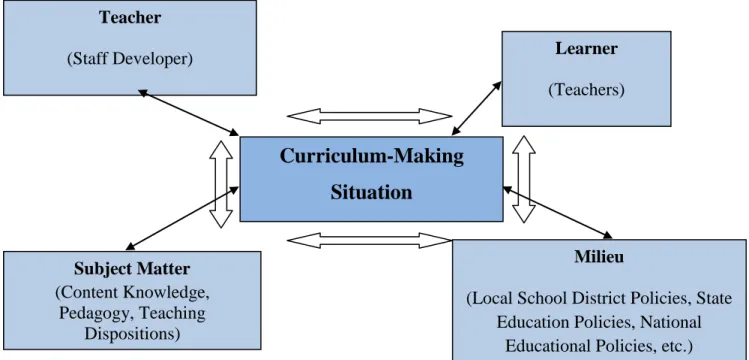
Figure 1. Schwab‘s Curriculum Commonplaces Craig (in press). ...38
Figure 2. Changes in the Commonplaces of Curriculum Configuration. ...39
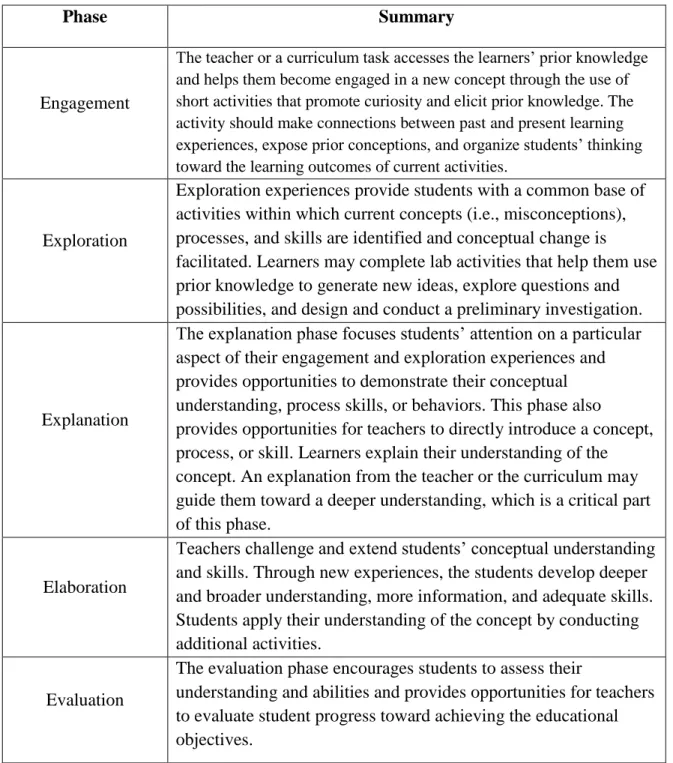
Figure 3. Summary of the BSCS 5E Instructional Model. ...47
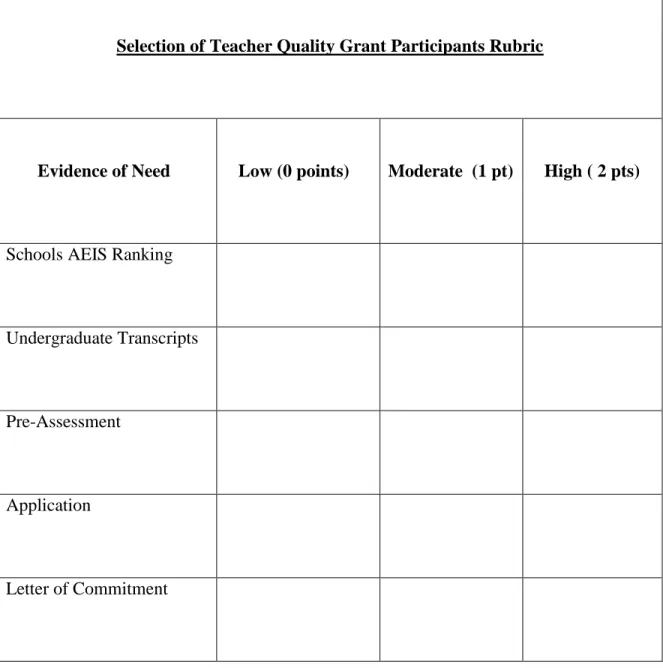
Figure 4. Selection of Participants Rubric. ...51
Figure 5. Sources of Data to Analyze. ...54
Figure 6. Triangulation of Data. ...54
Figure 7: Linda‘s School Demographics. ...67
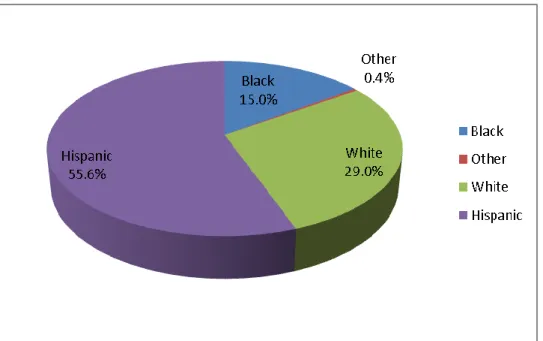
Figure 8: Janet‘s School‘s Ethnic Representation. ...83
Figure 9. Janet‘s Concept Map Describing Inquiry. ...88
Chapter One: Setting the Scene
Introduction
As a former public school science teacher and a current science teacher educator, I have experienced the satisfaction of watching students, from early elementary school through in-service educators, enthusiastically engaged in scientific endeavors. As students confront intriguing challenges and puzzle their way through problems, I have experienced an incredible source of professional enjoyment. Observing students immersed in scientific phenomenon where curiosities are engaged and questions materialize is an exhilarating experience. Watching students formulate pathways to answer their questions through experimentation and data collection and finally drawing conclusions and communicating those conclusions effectively leaves no doubt in my mind that these students truly are doing science. My experiences have led me to the discovery that when students are engaged in scientific inquiry, where they are working to construct their own understandings and have opportunities to use their learning in new and novel ways in real life situations, they experience tremendous satisfaction and pride in learning science.
Yet during my educational career, I have not always known how to orchestrate successful scientific inquiry with students in my classrooms. I did my undergraduate teacher preparation program at a small university in the late 1980‘s. As I was immersed in my traditional teacher preparation program, I believed I was receiving excellent instruction and preparation to teach. My teacher preparation courses included a teaching methods course where my most poignant memories are of learning how to operate a ditto
machine for copies and utilizing audio visual equipment which consisted of a Ducane film-strip projector and a slide projector for pictures. Upon completion of my university course work, but prior to graduation, I completed a full semester of student teaching. Part of the semester I practiced teaching science in a high school biology classroom. My student teaching mentor teacher taught me how to lecture from the text book and
encouraged me to write copious notes on the chalk board for discussion purposes. I never questioned this approach to instruction as it was in direct alignment with my own public school experience; I felt I was being prepared exceptionally well although I was fully aware that many students in my class clearly did not comprehend the material being taught. It was at this point that the idea came to me that in order to make science accessible to all students more would be required beyond simple lecturing and note taking.
Upon graduation from college I took my first teaching job in a middle school in an average-size suburban school district in south Texas. It was here that I first heard the word inquiry as it related to science instruction. My science department chair informed me, within the first few weeks of school, that inquiry was the most effective way to teach science and that I should use this approach when writing my lessons and delivering instruction. As a new and novice teacher, I was extremely anxious to do an exemplary job. I believed I could, and deeply desired to, make a significant impact on the students in my charge. I must say I was perplexed to learn that there was a best way to teach science and that it was through a strategy of which I had never heard. I wondered how it was possible that I had just completed my undergraduate training, including student teaching, and had never been engaged in learning science or teaching science as inquiry.
As I tried to reconcile this within, I concluded that teaching science as inquiry must be the approach Texas educators used and because I was not native to the state this explained why I had not encountered this particular instructional approach. However, having been told by my esteemed mentor and department chair, that teaching science as inquiry was the most effective way to teach science, I found myself deeply intrigued and interested to learn how to teach utilizing this highly effective instructional strategy. My quest for understanding inquiry as an instructional approach to teaching science had begun, and it was here that I started to grapple with intensive educational issues including how teachers science content knowledge, pedagogical knowledge, and knowledge about students impacts student achievement.
I spent the next several years working to understand science as inquiry and to implement my early understandings of teaching through this approach. I experienced many issues frequently associated with novice teachers including problematic classroom management, pressure to cover endless essential objectives and continued confusion in my understanding of inquiry-based science. My early conception of teaching science as inquiry equated to the belief that students were immersed in inquiry if they were
conducting cookbook laboratory activities utilizing the tools of science. The science activities I used were very structured telling the students what questions to answer, what materials to use, and how to go about solving the question or problem. Many of these activities included the charts or tables for students to record their observations,
measurements or data. These activities followed a very linear approach, and well they should, as I was entrenched in my belief that I must teach my students to utilize the scientific method; the same method that I was taught in my own college science courses.
Joseph Schwab (1962) referred to this approach to teaching science as a ―rhetoric of conclusions" or as a finished product. As time passed and I continued to teach utilizing this hands-on approach, I became exceptionally confused and frustrated because my students, although seemingly enjoying science, were not mastering the content as evidenced by their inability to apply their freshly acquired knowledge in new ways. So, my quest continued to become the exceptional science teacher that I truly desired to be. Surprisingly, as I sought to become instructionally more effective, my supervisors began to promote me to leadership positions within the school. After two years of teaching I was asked to become a team-leader of my interdisciplinary team, and as a result I began to mentor new teachers in the science department. I accepted these positions with determination to make a positive impact on student achievement. In an effort to continue my own growth I sought out and attended professional development as frequently as I could, including attending after school and weekend classes and summer workshops. I found the term inquiry to be very much in vogue in science education circles. Surely this was a result of inquiry being placed as the central tenet in science education by the National Science Education Standards in 1996. Many professional development sessions I attended touted the word inquiry in its description. At this same time, I had ever more opportunities to interact with more seasoned science educators and found a seed of doubt planted in my brain by some of them. These teachers were quick to share that inquiry was simply the latest ―fad‖ in science education. This left me deeply concerned and I was almost convinced that perhaps it was true. In my brief tenure as an educator I had seen several initiatives come and go quickly. I did not want to spend time
seeking how to be more effective with students only to have this approach thrown to the side as some new approach became popular.
In an effort to make a decision to continue to develop my understanding of science as inquiry or abandon my efforts looking for a new instructional approach, I sought advice from several mentors that I respected. One mentor, a former teacher of mine, suggested I read some of John Dewey‘s work. Having learned precious little of John Dewey in my undergraduate preparation, I sought out his work at the university library. My passion was renewed as I learned that John Dewey was an educational reformer of the early 1900‘s who stressed to American educators the importance of discovery learning and inquiry. Dewey (1938) proposed that learning does not start and intelligence is not engaged until the learner is confronted with a problematic situation. I immediately embraced this approach and knew that if teaching science as inquiry had been a topic of educational discussion in the late 1800‘s this indeed was not just the latest fad in science education.
For the next six years, I enthusiastically continued to teach my students science. I branched out from the course assigned text book and looked for resource books and lab manuals to support the activities in my classroom. In reflecting over Dewey‘s work I knew I needed to provide my students with real-life, problem-based experiences. With renewed vigor, I increased the amount of lab activities I provided to my students. If students learned through encountering problems then I was going to provide them with many problems to puzzle through. What I had no recollection of at this time was the fact that the structure of these developed labs were counter-productive to getting my students engaged as problem solvers.
In my ninth year of teaching I was promoted to the position of science specialist in a large suburban school district in which I had transferred only three years earlier. My campus principal had been in my classroom on numerous occasions in the years prior to my promotion, and I had received many positive comments and accolades about the work I was doing with my students. I had become a frequent presenter of professional
development for my campus, the district and the regional area. I was proud of the work I was doing; indeed I was working hard. But at the same time I felt a significant source of despair. The continually lingering and deeply rooted belief, which was instilled at my core, learned, in part, through reading Richard Feynman‘s (1997) work which expressed that the operational definition for learning was the ability of students to utilize the
knowledge gained from their experiences in new and novel ways, was blatantly missing. When I forced myself to look with a critical lens at what my students were able to do, I knew that many were not effectively able to utilize their knowledge in new ways. The wrestling of this conflict was a form of anguish that kept me up at night. It nagged at me, taunted me, and perplexed me! It almost prevented me from accepting the promotion to science specialist. Although I was thrilled most of my students seemingly enjoyed what we were doing in science, I wanted, indeed needed, more for and from them.
After much personal conflict, but with sincere desire to work toward improving science opportunities for all children, I moved into the role of science specialist. It became my responsibility to work with all of the secondary science teachers (over 150 middle and high school teachers) in the district; coaching them to become better teachers so they could positively impact student achievement. What a charge! I quickly found myself very busy working with many science educators in their classrooms with their
students. I was simply overwhelmed by the massive amounts of teachers‘ utilizing direct instruction, power point notes and textbook generated lectures as their primary
instructional strategies. As research informs us, too often science teaching emphasizes recall of factual content with little focus on knowledge generation (McComas, Clough, & Almazroa, 1998).
During my first several years of working as the secondary science specialist, I focused my attention on those teachers who were most willing to embrace trying something new in their classroom. Through my years of teaching I had acquired many instructional resources and was quick to share laboratory exercises with my colleagues. This approach to teaching was embraced by many and I took pride in knowing that I was helping
teachers provide science experiences for their students. Still, I was committed to improving my knowledge and skills as a science educator, determined to improve my craft, never wavering from the belief that I could, just as all good teachers could, help improve students‘ scientific literacy.
Through all the years up to this point in my career it is important to note that I continued to attend many in-services and professional development sessions. I was a diligent attendee of our state annual science conference, the Conference for the Advancement of Science Teaching (CAST). Additionally I attended professional development sessions which emphasized utilizing technology in the science classroom, workshops where I was exposed to lesson plan ideas as well as short courses that
emphasized working with diverse learners. I recall becoming slightly disillusioned when attending professional development because, over time, it seemed that much was the same. Many times professional developers were sharing activities that they did in their
classrooms or displaying student projects, and while I was grateful to learn from others, I also realized that there was frequently nothing new and innovative in their instructional approaches. Finally, I stumbled into a professional development experience that
transformed my understanding of teaching science as inquiry. For the first time ever, my understanding of how to teach science as inquiry was engaged. Through attendance at a professional development facilitated by the Exploratorium in San Francisco called the Inquiry Institute, I truly learned what scientific inquiry was and how to orchestrate it in a classroom. Over the course of a week, I engaged in carefully planned investigations that were specifically designed to address the particular needs and developmental levels of teachers. Here I experienced learning where I was left with a deeper understanding of science content and learned how teaching science as inquiry was facilitated. It was through this experience that I came face to face with my understanding that adults, like children, learn best in constructivist environments where learning and understanding are developed from within. Human beings are natural inquirers and inquiry is at the heart of all learning. Teachers need opportunities to explore, question, and debate, in order to integrate new ideas into their repertoires and their classroom practices. My learning was most effective as I experienced high levels of cognitive dissonance between my existing beliefs and those I confronted through innovative teaching and learning opportunities. Through well-structured opportunities to work toward resolving dissonance, revision of thinking and beliefs was obtained.
After attending the Exploratorium‘s professional development, I returned to the district with a renewed sense of excitement – anxious to get to work with teachers raising their awareness of how to teach science as inquiry. As I visited teachers in their classrooms, I
started to engage teachers in conversations sharing with them my recent learning experience. Some teachers showed excitement as I shared with them some of the
strategies I had learned, but most, I perceived, were not impacted by my story. Quickly it became very evident that I needed to provide these teachers the same opportunity I had been given – an experience to learn for themselves the powerful features of teaching and learning science as inquiry.
For the next couple of years I worked through the school district providing professional development to teachers. Over time I noticed a few teachers I observed utilizing very constructivist, student-centered approaches. These teachers were using an inquiry-based approach and consequently I observed students taking active control of their learning. In these environments students were enthusiastically generating questions, developing procedures, collecting data and drawing evidence-based conclusions. These teachers were teaching students in ways that allowed students to make sense of complex science concepts and to apply their understandings to new situations. This should not be surprising as research informs us that teachers are critical to enhancing learning in schools. Good teaching is critical to students‘ understanding and mastery of ideas (Michaels, Shouse & Schweingruber, 2008).
Further into my career, I became involved in the preparation and development of preservice science and mathematics teachers in the teachHOUSTON program at a large urban university‘s teacher education program. At this time, I experienced a new
challenge of teaching inquiry-based science to preservice teachers. As I worked with preservice science teachers, attempting to implement their understanding of inquiry-based science, I struggled to find ways to change their belief structures about the characteristics
of effective science education and help them to overcome their pre-existing beliefs. My interactions with preservice science teachers and the development of their conceptions of inquiry encouraged me to pursue inquiry as a focus for my own research.
As my knowledge and understanding of teaching science as inquiry evolved I found myself once again confronted with the question of the effectiveness of teaching science as inquiry. This conflict arose as I was preparing to undertake an educational visit to three cities in China: Beijing, Xi‘an and Shanghai. From years of studying educational data, I knew that many countries were experiencing educational achievements in math and science that far surpassed the children in the US. I was immensely excited at the opportunity to get an international perspective on science education. As I pondered and prepared for the wonderful opportunity provided in making this trip to China I found myself keenly curious about China‘s educational system. For many years I had heard and seen reference to the exceptional quality of the Chinese educational system. My personal experiences with my own students of Chinese heritage had taught me that education is valued in their society and that children, from a very young age, are often times
exceptional students. I‘ve often wondered why. I wondered if their system of education was replicable. As my trip approached, I wondered what I would learn about the way China educates their children. My personal philosophy of science education was very centered in constructivism. An ideal learning environment, I had come to believe, was one in which students were personally involved with their learning, having the freedom and encouragement to take risks in their quest for understanding. Would Chinese educators also value this philosophy? I wondered if I would see it in practice and thus have even more evidence of the effectiveness of a constructivist approach to teaching and
learning. I firmly believed that students, when exposed to problem finding and solving activities, become passionate in their learning experiences and gain deep understanding. Through active engagement students learn to make connections with information and are able to apply it in productive means. As I pondered my trip to China I wondered if I would see learning happening in classrooms that exemplified this philosophy. If not, what then was I to make of my learning philosophy? Was it not accurate or complete? Did it only work in certain conditions? Would I find myself confronted with a
philosophy that did not hold up? If Chinese students are exemplary and these are not common practices in their classrooms, what then? I was most fearful of this – fearful to confront a reality that may unravel a career of working toward developing teachers and preservice teachers understandings of inquiry-based science education. I wondered what the famous constructivists, John Dewey, Jean Piaget, and Joseph Schwab would say about education if they had studied the current Chinese educational system. Again, drawing on my experiences, my Chinese-American students have typically been the most resistant to learn independently. They have been the students that crave structure, order, direction. They are the students who will spend hours in silent study, reading, and practicing rote formulas and recitation of vocabulary. They are masterful at assessment which requires extensive memorization and recollection of vocabulary. However, when asked to be innovative, to construct their own pathway through solving a problem, I have often been met with dogged exasperation, pleas for guidelines, and occasionally tears of frustration. Yet, it must be said that these children often times excel in many school activities and competitions. They are often the high place winners in science and mathematics fairs, spelling bees, robotics competitions and the like. I found myself
questioning whether exceptional students must first have a very strong foundation in the basics (perhaps learned through vocabulary development and memorization of formulas) before they can be ―let loose‖ to be independent learners engaged in activities that require application of knowledge.
I firmly believe that education reform efforts in the United States cannot succeed without work toward assisting educators to become more effective in their approaches to teaching children. Serving in my roles as a teacher, science specialist, and later as a science supervisor, I observed that many teachers lacked familiarity with and were unable to effectively deliver inquiry-based instruction in their classrooms. ―Inquiry-based
teaching is simply an abstract idea to teachers who never encountered this type of teaching during their own K-16 education and did not learn to teach in this fashion in their education training‖ (Kazempour, 2009).
Purpose of the Study
To assist the building of a research literature that may begin to help bridge the theory-practice gap in inquiry-based science education reform, Keys and Bryan (2001) suggest a research agenda that places "teacher knowledge, actions, and meanings for inquiry-based science at the center of the reform process" (p. 632). In an effort to further understand how teachers come to understand and implement inquiry based science instruction, I decided to undertake research that would allow me to begin to understand what could happen to science teachers' understandings of inquiry when systematically exposed to learning science content through an inquiry approach followed by reflection on their planning and teaching of inquiry-based lessons within their classrooms.
My goal is to inquire into and make meaning of science teachers‘ attitudes and
abilities regarding teaching science as inquiry and to document how attitudes and abilities change when teachers are taught science content through an inquiry-based approach. As a narrative inquirer, I will bring to light the changes in attitudes and abilities teachers‘ experience when exposed to professional development which aims to situate teachers as learners of both science content and pedagogy. Further, I hope to illuminate barriers which potentially prevent teachers from implementing the particular pedagogical approach in study in their classrooms with their students.
Chapter Two: A Review of the Literature
This inquiry uses the principles and structures of narrative inquiry in order to further the understanding of what happens to science teachers‘ beliefs about, as well as their ability to conduct, inquiry-based science instruction as they are systematically immersed in professional development designed to model teaching science as inquiry. Furthermore, what science teachers identify as influencing their perspectives and abilities to teach science as inquiry will be explored. In theory, as teachers examine their initial beliefs and abilities about teaching science as inquiry and then reconcile them through professional learning, practice, and reflection, a change in beliefs and abilities will be effected. In an attempt to explore these issues, this review of literature will overview research that reflects the current state of education in the United States developing the need for exploring the potential impact of teaching science as inquiry. Educational barriers including poverty, resources and teachers‘ knowledge will be explored as they are relevant variables that have the potential to influence teachers‘ instructional abilities. Additionally, the definition and historical development of inquiry will be studied in order to understand the theoretical foundation of this instructional approach. Finally, teacher professional development will be reviewed including research regarding the teacher as curriculum maker.
Introduction
A large body of compelling evidence indicates that educational endeavors in the United States are moderately behind that of some Western European and Asian nations in teaching students the knowledge and skills necessary to compete in the 21st century. The
shortcomings of education have been documented in the National Science Academies, Rising above the Gathering Storm (2007), which warned of an approaching shortage of scientists, engineers, and technical employees at least partly caused by inadequate K-12 science education; A Nation at Risk, a report by the National Commission on Excellence in education (1983), and in An Imperiled Generation: Saving Urban Schools (Carnegie Foundation, 1988). With American prosperity dependent on innovation, these reports point out that the United States long-standing scientific leadership, as well as the nation‘s economic future, is at risk. Additionally, in February 1998, the United States Department of Education issued the discouraging results of American high school seniors in the Third International Mathematics and Science Study (TIMSS), a worldwide competition among all nations. U.S. twelfth graders performed well below the international average and among the lowest of the 21 TIMSS countries on the assessment of science and
mathematics knowledge. These reports reveal that U.S. students are not achieving at the international standards demanded by current labor markets. Poor performance in science is particularly disappointing for a country that aims to continue to be a world economic leader (TIMSS, 1998).
The Nation‘s report card, the National Assessment of Educational Progress (NAEP) gives the best estimate of schoolchildren‘s learning skills. Assessments conducted by the NAEP in reading, math, science, history and geography provide scores that offer
perspectives into what is happening in American schoolrooms. The NAEP (2005) test in the science domain claimed that ―high school students displayed frightening ignorance in a nation whose future, in peace and war, depends heavily on science and technology‖ (p 18).
Many results of international assessments, as outlined earlier, depict the United States as standing still while more focused nations move rapidly ahead. In 2006, on the most recent international assessment conducted by the Program in International Student Assessment (PISA), the United States ranked 21st of 30 countries in science and 25th of 30 in mathematics – showing a drop in both raw scores and rankings from three years earlier (Darling-Hammond, 2010). The PISA assessments results are particularly discouraging because the assessments require more advanced analysis than most U.S. tests, going beyond testing specific facts and asking students to apply what they know to new problems. Unfortunately, U.S. students fall furthest behind on PISA tasks that require complex problem solving (Darling-Hammond, 2010).
Need for the Study
Because traditional education is failing to prepare many of our students for work and higher education, educational leaders must address the myriad of issues that affect our large urban districts who are responsible for the education of so many students, many from poverty. Major educational hurdles must be overcome if we are ever to be successful in building a system of high-achieving and equitable schools that provides every child the opportunity to learn. Comparative research around education and instruction is urgent as other nations, including China, are transforming their school systems to meet these new demands.
The New Commission on the Skills of the American Workforce (2007) summarizes the reasons why it is absolutely crucial for the United States to address educational improvement for all our youth:
The best employers the world over will be looking for the most competent, most creative, and most innovative people on the face of the earth and will be willing to pay them top dollar for their
services… Beyond [strong skills in English, mathematics,
technology and science], candidates will have to be comfortable with ideas and abstractions, good at both analysis and synthesis, creative and innovative, self-disciplined and well organized, able to learn very quickly and work well as a member of a team and have the flexibility to adapt quickly to frequent changes in the labor market as the shifts in the economy become ever faster and more dramatic. If we continue on our current course, and the number of nations outpacing us in the education race continues to grow at its current rate, the American standard of living will steadily fall relative to those nations, rich and poor, that are doing a better job. The core problem is that our education and training systems were built for another era, an era in which most workers needed only a rudimentary education. (p. 1)
In this report, important rationale can be found which illuminate the reasons why the U.S. needs to be internationally competitive, particularly where communication (English) and the STEM (science, technology, engineering, and mathematics) are concerned.
As can be seen, science education plays a critical role in U.S. competitiveness and America‘s future economic prosperity. The most recent employment projections by the
U.S. Department of Labor (2006) show that of the 20 fastest growing occupations projected for 2014, 15 of them require significant science or mathematics preparation. America‘s global competitiveness will increasingly depend on its ability to better educate young people in the sciences.
Education reform efforts in the U.S. cannot succeed without assisting educators in becoming more effective in their approaches to teaching children. We must continue to develop ways to better instruct our children, particularly in science and mathematics, because our students need a significantly different preparation for work in a global economy and life in modern society. Reform efforts must aim to nurture students to develop critical thinking and problem solving skills so that our students are capable of meeting the challenges of the 21st century.
The solution to the problem of ensuring academic success for all students will determine the prosperity or demise of our nation. People have been trying to understand learning for over 2000 years. Learning theorists have conducted debates on how people learn that began at least as far back as the Greek philosophers, Socrates, Plato and Aristotle. The debates that have occurred through the ages are still engaged in today. The purposes of education and how to encourage learning are frequently discussed in educational arenas. Research on teaching is a significant resource to teachers; it helps both validate good practice and suggests directions for improvement.
International comparisons may help us understand effective instructional practices. Many nations around the world are transforming their school systems to support the more complex knowledge and skills needed today. The Chinese educational system is in a state of instructional reformation. In 2001, the Chinese Ministry of Education proposed a
new instructional focus designed to change the overemphasis from rote memorization and mechanical drill to promoting instead students‘ active participation in analyzing and solving problems. As disclosed in a lecture (June, 2010) given by the Ministry of Education representative at Beijing University, China found their instructional model lacking in developing students' creativity and analytical abilities, and are currently
implementing reforms designed to make their education systems more child-centered and thus constructivist in nature. In a summer 2010 visit to three cities in China, many references were made by Chinese educators depicting a call for more child-centered pedagogy, which hunkers back to America‘s John Dewey, his philosophy of education, and his groundbreaking trips to China.
Finland is another example of a nation who has implemented educational reform initiatives into their schools. Darling-Hammond (2010) states:
Finland dismantled the rigid tracking system that had allocated differential access to knowledge to its young people and eliminated the state-mandated testing system that was used for this purpose, replacing them with highly trained teachers and curriculum and assessments focused on problem solving, creativity,
independent learning, and student reflection. The changes implemented have propelled student achievement to the top of the international rankings and closed what was once a large, intractable achievement gap. (p. 5)
As Darling Hammond has suggested, Finland‘s strong example appears to be a productive plotline that the US should consider following.
Singapore, China and Finland have all undertaken educational reform initiatives which provide insights into effective practice. Global comparisons of educational reform efforts
offer perspectives that might be utilized in the United States, particularly as related to science education. Today, science teaching emphasizes recall of factual content with little focus on knowledge generation (McComas, Clough, & Almazroa, 1998). In many K-12 science classrooms, science is treated as a large body of knowledge that students must possess in order to pass a standardized test. While the tests vary from state to state, much classroom time is often devoted to test preparation, and the rote memorization of science facts.
Educational Barriers
Poverty
Linda Darling-Hammond in her book, The Flat World and Education, How America’s Commitment to Equity will Determine Our Future, shines a spot light on equity issues in education. She poignantly details staggering statistics that depict the extent to which the United States faces a national crisis because students in other nations, including China, are outperforming our students in mathematics and science achievement. Her statistics point to the fact that the U.S. will be unable to meet the scientific and technical needs of our country unless a national commitment to improve schools, teachers, educational leaders and teacher preparation programs is undertaken. Darling-Hammond (2010) carefully reveals the extent of the achievement gap in this country and posits that the country‘s educational destiny will become more tightly connected to the academic status and achievement of students of color. Nationwide only 71 percent of students graduate from high school and worse, only about half of black and Latino students graduate.
Poverty is a social crisis that is dividing the United States in two. The ever-growing achievement gap between the ―haves‖ and the ―have-nots‖ is the major driving force behind much educational legislation, with the latest being the No Child Left Behind Act (NCLB). Allington (2002) notes that American schools have never found it as easy or inexpensive to effectively educate children from impoverished homes when compared to children from more affluent means. Interestingly enough, he further posits the relative ease and convenience of politicians and lobbyists to place the blame and responsibility squarely upon the shoulders of the public school system as the culprit (Allington, 2002). Haycock (2001) states another angle of blame, which seems to center firmly on the children themselves and their families. From concerns of their families being too poor with the lack of basic necessities such as food and shelter to little or no parental
involvement and the lack of educational emphasis in the homes, the responsibility, again, seems to rest solely on one source – the child (Goldberg, 2001; Haycock, 2001). Poverty is the responsibility of all and educators may hold the keys to freedom from illiteracy and continued impoverishment. The ―avoidable injustice‖ of not providing all children, regardless of race or socioeconomic status, with a proper education must be eradicated (Goldberg, 2001).
Researchers (Coleman et. al. 1966) have long sought to understand and explain the vast racial and ethnic disparities in achievement that have always existed in the United States. Although numerous investigations have been undertaken, no consensus exists concerning the primary cause of these disparities. Blaming and finger-pointing alone is not the answer. Haycock (2001) states ―raising the achievement of low-income children
requires ameliorating the social and economic conditions of their lives, not just reforming schools‖ (p. 43).
In addition to being taught by less expert teachers than their white counterparts, students of color face stark differences in course and curricular programs (Darling-Hammond, 2010). Many times it will only be through education that those from poverty will have an opportunity to move out of the intergenerational cycles of poverty (Lewis, 1996). However, Haycock (2001) and Coutinho, Oswald, and Best (2003) posit that often poor and minority students face underestimation of their potential within the system and are placed in lower-level courses, with a curriculum and a set of expectations so low-level that they literally bore the students and do not foster the low-level of expectation that is needed to succeed.
The types of skills that students need to be successful in the 21st century include: critical thinking and problem solving; agility and adaptability; initiative and
entrepreneurialism; effective oral and written communication; accessing and analyzing information; curiosity and imagination. The type of curriculum that supports these qualities has typically been rationed to the most advantaged students in the United States (Darling-Hammond, 2010).
Resource allocation
A study conducted by Ferguson (1991), found a strong relationship between students‘ economic status and the level of resources provided for their classroom experiences. Darling-Hammond (2010) states that 80 percent of the teachers in schools with a middle or upper socioeconomic status (SES) received all or most of the materials or resources
they requested whereas only 41 percent of teachers at schools with the largest
concentrations of low SES students received all or most of the instructional materials they requested.
Darling-Hammond (2010) references Singapore as a shining example of an urban city that has focused attention on allocating resources for their students of poverty. 80 percent of families from Singapore live in public housing; however its 4th and 8th grade students scored first in the world in both math and science on the 2003 TIMSS
assessment. Children in Singapore attend schools throughout the city where students work (including papers, projects, awards and art) is displayed; libraries and classrooms are well stocked; instructional technology is plentiful; and teachers are well trained and supported. This scenario stands in stark contrast to many dilapidated schools in the U.S, some of which can be found in the vicinity of Greater Houston.
Teacher quality
In the United States, teachers are the most inequitably distributed school resource (Darling-Hammond, 2010). Allington (2002); Halford (1996); Haycock (2001); Jerald (2002); and Haycock & Chenoweth (2005) posit that high-poverty schools are more likely to have critical, core knowledge taught by teachers who are without even a minor in the subjects they teach, and the students who most depend on their teachers for subject matter learning are assigned teachers with the weakest academic foundations. Many times it comes down to a funding issue where the ―highest-poverty schools typically employ the least experienced, least credentialed, and therefore the least expensive and least expert teachers‖ (Darling-Hammond, 2010).
Importance of Teachers
Subject Matter Knowledge
Around the world, there is a growing recognition that expert teachers and leaders are the key resource for improving student learning. Many Asian teachers come closer to practicing the principles of ―informed teaching‖ than their American counterparts; Asian teachers are largely well-informed, well-prepared and are able to guide their students through material; structure and purpose are built into lessons deliberately (Dimmock & Walker, 2005). This literature supports the supposition that Asian teachers have
command of their subject matter and have sound pedagogical approaches to teaching. Many researchers of student achievement take teachers subject matter competence into consideration. Subject matter knowledge is a variable that needs to be considered as student achievement is explored. Research on the links between teacher inputs and student outputs began in the U.S. nearly 35 years ago with the publication of the Equality of Educational Opportunity Study of 1966, also known as the Coleman Report (Coleman et al., 1966). This study related teacher inputs to student outputs and found the link between the two was weak. In response to the Coleman Report, many studies have been conducted relating teacher inputs to student outputs.
There are studies that confirm a positive significant relationship between student achievement and teachers‘ measured ability. A major study conducted by Wenglinsky (2000) examined nearly 15,000 NAEP (National Assessment of Educational Progress) 1996 scores of grade eight students‘ performance on math and science. He found that
students whose teachers majored or minored in the subject they were teaching
outperformed their peers by about 40 percent of a grade level in both math and science. Without knowledge of the structures of a discipline, teachers may misrepresent both the content and the nature of the discipline itself. Teachers‘ knowledge of the content to be taught influences how and what they teach. This lack of content knowledge by teachers may affect the level of classroom discourse and student achievement (Carlsen, 1988).
A large-scale study done by Goldhaber (1999) tried to assess the effect of teachers‘ subject matter knowledge on student achievement by examining differences in students for teachers with different academic majors. In general, this study found that in classes where teachers have an academic major in the subject area in which students are being tested, the tested students have higher adjusted achievement gains.
Another study (Strauss & Sawyer, 1986) found that North Carolina‘s teachers‘ average scores on the National Teacher Examinations (a licensing test which measures subject matter and teaching knowledge) had a strong influence on average school district test performance. Taking into account per-capital income, student race, district capital assets, student plans to attend college, and pupil/student ratios, teachers‘ test scores had a strikingly large effect on students‘ failure rates on the state competency examinations: a one percent increase in teacher quality (as measured by NTE scores) was associated with a three to five percent decline in percentage of students failing the exam
(Darling-Hammond, 2010).
Pedagogical Knowledge
Pedagogical knowledge means understanding the methods and strategies of teaching. Specific methods or strategies that have been proven to work in a content area such as science are referred to as pedagogical content knowledge. Good pedagogical knowledge is the ability to teach well.
Asian teachers generally spend more time working together and helping each other design lessons than their American counterparts. In contrast U.S. teachers often lack the time and incentive to engage in collaborative practice (Dimmock & Walker, 2005). This lack of collaborative practice leaves U.S teachers in isolation while Chinese teachers have time to work together to plan lessons more carefully, to discuss appropriate, high-quality teaching techniques and develop plans to address common student
misconceptions. Inquiry about practice is pervasive in Asian nations, made possible by the extensive time that teachers have to work with colleagues on developing lessons, participating in research and study groups, observing one another‘s classrooms, and engaging in seminars and visits to other schools (Darling-Hammond, 2010).
Knowledge about science teaching rests on an understanding of the misconceptions students typically hold about natural phenomenon as well as a scaffolding of ideas and guidance of student inquiry (Ingersoll, 1999). These understandings are then joined to knowledge about teaching materials and resources that enable theoretical knowledge to come alive in purposeful, content-rich, teaching and learning (Darling-Hammond, 1999). According to Darling-Hammond (1999), an effective teacher is one who molds and
adjusts his or her teaching to fit the demands of each student, topic, instructional method and teaching goal. Given the multidisciplinary, simultaneity and immediacy of
classroom events, it is not surprising that teachers, like those in China, who have the opportunity to plan collaboratively, are able to adapt instruction to students‘ needs and infuse more creative approaches into their lessons thus producing positive student learning outcomes.
A study conducted by Perkes (1967-68) found that teachers‘ coursework credits in science were not significantly related to student learning, but coursework in science education was significantly related to students‘ achievement on tasks requiring problem solving and applications of science knowledge. Teachers with greater training in science teaching were more likely to use laboratory techniques and discussions and to emphasize conceptual applications of ideas, while those with less education training placed more emphasis on memorization. Globally, many nations require graduate-level preparation for teaching, often times at government expense, which includes at least a full year of training in a school connected to a university. These programs often include extensive coursework in content-specific pedagogy and a thesis researching an educational problem in the schools (Darling-Hammond, 2010).
Another study that positively linked pedagogical knowledge with student achievement was done by Ferguson and Womack (1993). They conducted a study of more than 200 graduates of a single teacher education program. They examined the influences on 13 dimensions of teaching performance of education and subject matter coursework, NTE subject matter test scores, and GPA in the student‘s major. They found that the amount of education coursework completed by teachers explained more than 16.5 percent of the variance in teacher performance than did measures of content knowledge (NTE scores and GPA in the major), which explained less than four percent.
A similar study was completed by Guton and Farokhi (1987). They compared influences of different kinds of knowledge on teacher performance for more than 270 teachers. They found consistent strong, positive relationships between teacher education coursework performance and teacher performance in the classroom as measured through a standardized observation instrument, while relationships between classroom
performance and subject matter test scores were positive but insignificant and relationships between classroom performance and basic skill scores were almost nonexistent.
Teaching Science as Inquiry
Definition of Inquiry
Inquiry as the central strategy for teaching science is the cornerstone of current science education reform (American Association for the Advancement of Science [AAAS], 1989; Crawford, 2007; National Research Council [NRC], 1996, 2000). However, there is still disagreement between educational professionals about what the enactment of inquiry should look like and accomplish in instructional settings (Anderson, 2002, Crawford, 2007, Windschitl, 2003).
Inquiry is truly different from traditional science teaching practices. In Inquiry and the National Science Education Standards (NRC 2000), inquiry is defined by the following five essential features: engaging scientific questions, priority to evidence, explanations from evidence, evaluation of explanations, and communicate and justify explanations. The focus in an inquiry classroom is on what learners are doing, not on what the teacher is doing. Learners should be doing the intellectual work of making
sense of the data and creating scientific explanations. Through inquiry, students learn to think (Luft, 2010). This view of learning is part of the movement in science education known as constructivism. When learning is recognized as a constructivist activity, it provides a rationale for allowing students to construct their knowledge.
Historical Support of Teaching Science as Inquiry
John Dewey is considered one of the 20th century‘s most influential educational theorists and philosophers and a robust advocate for student-centered, inquiry-based education. Dewey articulates that the problems to be studied in schools were created from the everyday needs, interests, and most importantly, experiences of the students (Dewey, 1902). Dewey‘s ideas about education were closely tied to the natural world and he firmly felt that learning was an active process, including solving problems that interested students. He believed that problems posed to pupils too often involve the interest of the teacher rather than the students. From Dewey we understand that learning must have personal meaning for the student because his world is a world with personal interests, rather than a realm of facts and laws (Dewey, 1902). Dewey believed that thinking arises when a person confronts a given problem and that each learner needs to make use of knowledge for it to be meaningful and retained. Furthermore, Dewey posited that learning occurs when the mind actively engages in a struggle to find appropriate solutions to problems by drawing on prior knowledge and experiences, formulating a strategy to solve the problem, and finally, weighing the consequences of action.
Joseph Schwab also had deeply rooted convictions about teaching science in a constructivist manner. Schwab (1961) observed that until about 1900, science was regarded as a ―matter only of seeking the facts of nature and reporting what one saw‖ (p. 7). In the early 1920‘s scientific discoveries in physics led to a revolution of the goals, structures, and processes of science. Scientists were faced with the fact that some of the oldest and least questioned ideas of the physical world could no longer be viewed as absolute truths. This was a critical junction in science where scientists began to treat scientific ideas as ―principles of enquiry – conceptual structures – which could be revised when necessary.‖ In Schwab‘s view, science was no longer a process for revealing stable truths about the world, but instead it reflected a flexible process of inquiry.
Joseph Schwab (1961) firmly believed that teachers and educators are ―being asked to fulfill an urgent national need, to act as executors of public policy‖ (p. 3). Schwab powerfully protested the teaching of science as a presentation of already known facts, which he called a ‗‗rhetoric of conclusions‖ in which the current, temporary scientific knowledge is taught as exact and irrevocable truths. Schwab believed that a school curriculum should more accurately represent the scientific endeavor as engaged in by practicing scientists, including active questioning and investigation.
Teaching science as inquiry places the emphasis upon the student doing the learning and constructing their understandings. It encourages what John Dewey and Joseph Schwab stressed – learning occurs through doing and becoming actively involved in an experience. The student becomes the inquirer and is no longer required to be a passive observer but rather an active participant in the quest for knowledge (Sund &Towbridge, 1967). Dewey (1902), in discussing the importance of seeking to uncover the student‘s
perceptions and interests wrote: ―Selected, utilized, emphasized, [activities of interest to students] may mark a turning point for good in the child‘s whole career; neglected, an opportunity goes, never to be recalled‖ (p. 14).
Joseph Schwab (1961) characterized inquiry as either ―stable‖ or ―fluid.‖ Stable inquiry involved using current understandings to ―fill a … blank space in a growing body of knowledge‖ (p. 15). He considered stable enquiry as the case when one constructs a structure of scientific knowledge, rather than questioning its plan. In contrast, the task of fluid enquiry is to study the failure of stable enquiries in order to discover what was lacking in the principles that guided them. Fluid enquiry involves the creation of new concepts and ideas that revolutionize science.
Dewey posited that the needs of the child and the demands of the curriculum are mediated by teachers (Dewey, 1902). The teacher‘s role is one of organizing and creating situations which will set the stage requiring a student to act out the role of a scientist. It is for this reason that curriculum development must assign a considerable amount of time to laboratory and field experiences. In teaching by inquiry the teacher‘s role is not to act as a reservoir of stored knowledge rather he/she facilitates the learning process by developing powerful experiential situations that engage students in the learning process. In an inquiry classroom a teacher seldom gives answers to questions but asks a series of questions which help the students to discover for themselves (Sund &Towbridge, 1967).
Dewey recognized that schools, particularly elementary and secondary schools often were repressive institutions that did not promote exploration and growth. Dewey believed that schools should teach students how to be problem-solvers by helping students learn
how to think rather than simply learning rote lessons about miscellaneous pieces of information. Dewey emphasizes that science is a way of thinking. He believed that too much emphasis was given to the accumulation of information and not enough to science as a method of thinking and an attitude of the mind.
Today, science teaching emphasizes what Dewey denounced: recall of factual content with little focus on knowledge generation (McComas, Clough, & Almazroa, 1998). In most K-12 science classrooms, science is treated as a large body of knowledge that students must possess in order to pass a standardized test. In many classrooms today time is often devoted to test preparation, and rote memorization of science facts.
Schwab articulated the means necessary to bring about an enquiring curriculum in schools. The following list identifies his characteristics of an enquiring curriculum: 1. To help education model the modern practice of science more accurately,
place students in the science laboratory immediately. In this way, students could ask questions and begin the process of collecting evidence and constructing explanations.
2. An enquiring classroom is developed where teachers model an enquiry approach and students are instructed on how to learn for themselves.
3. In an enquiring curriculum the teacher utilizes scientific papers as part of the curriculum materials. This allows for students to understand scientific processes as well as view rich and significant problems.
4. Scientific papers should be translated so reading comprehension is not impeded and students are able to convey the nature of the enquiries and the content of their conclusions.
5. Use of narrative enquiry allowing students to adopt a position of a scientist. 6. Invitations to students to conduct enquires must be provided.
Although the vast majority of K-12 students will be in science classrooms that do not embrace Schwab‘s characteristics of an enquiry curriculum and stress fact over action, process, or critical thinking, there has been a movement away from regurgitation of facts. Organizations such as American Association for the Advancement of Science (AAAS), the National Research Council (NRC), and the National Science Teachers Association (NSTA) have put forth statements and documents emphasizing the importance of scientific literacy. Inquiry-based science is a central component to the National Science Education Standards and is the cornerstone of current science education reform
(American Association for the Advancement of Science [AAAS], 1989; Crawford, 2007; National Research Council [NRC], 1996). Additionally the National Research Council reinforces Dewey‘s position that science education must reflect the work that scientist do as they state that:
Scientific inquiry refers to the diverse ways in which scientists study the natural world and propose explanations based on the evidence derived from their work. Inquiry also refers to the activities of students in which they develop knowledge and understanding of scientific ideas, as well as an understanding of how
scientists study the natural world. (p. 23)
Despite the influential work of John Dewey and Joseph Schwab, few science teachers invite their students to conduct inquiry explorations in the classroom. Welch et al. (1981) determined several reasons for the lack of utilization of teaching science through inquiry.
Among the reasons teachers did not conduct scientific inquiry were (a) confusion about the meaning of inquiry, (b) an allegiance to teaching facts, (c) teachers‘ feeling
inadequately prepared for inquiry-based instruction, (d) inquiry being viewed as difficult to manage, (e) the belief that inquiry instruction only works well with high ability
students, and (f) the belief that the purpose of a course is preparing students for the next level of study.
Matson and Parsons (1998) discussed the issue of students‘ experiences in
undergraduate science courses. They pointed out that in their experience many teachers are not prepared to teach science through inquiry methods because they learned science in classrooms that were dominated by teacher-centered activities rather than student-centered activities. Most undergraduate preservice science teachers are exposed to confirmatory lab experiences that are similar to those found in high schools instead of open inquiry (Windschitl, 2002). Thus, an important aspect of training science teachers is to provide them with a strong science content background in conjunction with developing a deep understanding of scientific inquiry through opportunities to conduct scientific inquiries in the classroom. By developing both content and inquiry-based pedagogy, preservice teachers will be more prepared to teach science in a way that promotes science literacy by using teaching methods that encourage conceptually oriented,
hands-on/minds-on, problem solving, and critical thinking activities (Matson & Parsons, 1998). In applying Dewey‘s philosophy to today‘s science classrooms, DeBoer (1991) says:
Dewey believed all instruction should be organized in such a way that it takes account of what the student knows. Prior student experience is restructured in the mind through a process of interacting with the teacher and other students.
Learning always involves present understanding as a starting point. Insistence on relevance of subject matter to enhance meaningful learning has been part of science education discussions since the late nineteenth century and continues to be a large part of good science teaching today. (p. 223)
Currently, inquiry-based science is a central component to the National Science Education Standards and is the cornerstone of current science education reform
(American Association for the Advancement of Science [AAAS], 1989; Crawford, 2007; National Research Council [NRC], 1996, 2000). The standards and reform movement reflects Schwab‘s and Dewey‘s contribution to science education as they convey that scientific inquiry places students‘ questions at the center of experimental design. Schwab would concur that in this learning environment, students are invited to get personally involved in constructing their scientific understandings.
Teacher’s Professional Development
Around the world, there is growing recognition that expert teachers and leaders are the key resource for improving student learning and the highest achieving nations make substantial investments in teacher quality (Darling-Hammond, 2010). Research indicates that there is a strong relationship between high-quality professional development (PD) and the kinds of teaching practices that are advocated by instructional reform in science education (Supovitz & Turner, 2000). However, Lowery (1998) discovered that many educators do not see the need to change from a sit-and-get type of instruction to practices that help students comprehend science by constructing meaning for themselves through investigation, collaboration and the use of prior knowledge. Research conducted by
Levitt (2002) supports the fact that many teachers believe that teaching science is primarily accomplished through the dissemination of factual information.
Reform focused only on adding new teaching resources or materials and randomly over viewing the latest instructional fad can result in little or no transfer to effective improvement in practice (Cohen & Hill, 1998). According to Thompson and Zeuli (1999), effective professional development for teacher learning and understanding is to engage teachers in strategies that produce transformative learning – learning that promotes ―changes in deeply held beliefs, knowledge, and habits of practice‖ (p. 342). Research on changing teachers beliefs indicate that change often comes only after teachers use a new practice and see the benefit to their students (Ball & Cohen, 1999). Inquiry-based PD programs influence in-service teachers as they are immersed in authentic inquiry-based experiences (Loucks-Horsley, Hewson, Love, & Stiles, 1998). The National Science Education Standards (NRC, 1996) describe standards for effective PD programs for science teachers. These standards are:
Professional Development Standard A: Professional development for teachers of science requires learning essential science content through the perspectives and methods of inquiry. (p. 59)
Professional Development Standard B: Professional development for teachers of science requires integrating knowledge of science, learning, pedagogy, and students; it also requires applying that knowledge to science teaching. (p. 62)