Scholarship@Western
Scholarship@Western
Electronic Thesis and Dissertation Repository
12-16-2015 12:00 AM
Semantic Integration in Adults with Nonverbal Learning
Semantic Integration in Adults with Nonverbal Learning
Disabilities and Autism Spectrum Disorder: Influence of Word
Disabilities and Autism Spectrum Disorder: Influence of Word
Knowledge and Gestalt Perception
Knowledge and Gestalt Perception
Margot E. Stothers
The University of Western Ontario
Supervisor
Janis Oram Cardy, PhD
The University of Western Ontario
Graduate Program in Health and Rehabilitation Sciences
A thesis submitted in partial fulfillment of the requirements for the degree in Doctor of Philosophy
© Margot E. Stothers 2015
Follow this and additional works at: https://ir.lib.uwo.ca/etd
Part of the Communication Sciences and Disorders Commons, and the Psychological Phenomena and Processes Commons
Recommended Citation Recommended Citation
Stothers, Margot E., "Semantic Integration in Adults with Nonverbal Learning Disabilities and Autism Spectrum Disorder: Influence of Word Knowledge and Gestalt Perception" (2015). Electronic Thesis and Dissertation Repository. 3435.
https://ir.lib.uwo.ca/etd/3435
This Dissertation/Thesis is brought to you for free and open access by Scholarship@Western. It has been accepted for inclusion in Electronic Thesis and Dissertation Repository by an authorized administrator of
Semantic Integration in Adults with Disorders of Social Perception:
Influence of Word Knowledge and Gestalt Perception
(Thesis format: Monograph)
by
Margot Elizabeth Stothers
Graduate Program in Health and Rehabilitation Sciences
A thesis submitted in partial fulfillment of the requirements for the degree of
Doctor of Philosophy in Health and Rehabilitation Sciences
The School of Graduate and Postdoctoral Studies
The University of Western Ontario
London, Ontario, Canada
ii
Abstract
Language in individuals with nonverbal learning disabilities (NLD) and autism spectrum
disorder (ASD) has been described as semantically empty and impoverished, despite
apparently average word knowledge. Here, inter-related studies explored semantic
representations in adults with these disorders of social perception. Studies highlighted
semantic integration, a form of gestalt perception in which new concepts are developed by
connecting familiar terms in novel ways. Semantic integration was compared to vocabulary
breadth, and to nonverbal gestalt perception, comparing clinical groups to each other and to
adults without a diagnosis. Because weaknesses in gestalt perception have been seen in NLD
and ASD, it was expected that the clinical groups would show difficulty with semantic
integration compared to controls, but that vocabulary would not differ between groups.
Chapter 2 presents results from two surveys administered to investigate autism symptoms in
adults with NLD, ASD, or no diagnosis. Results corroborated social perception impairments
in both clinical groups, and adults with NLD had survey scores above thresholds for potential
ASD. Chapter 3 found no differences between groups in breadth of vocabulary, as
hypothesized. The NLD group had lower scores for tests of semantic integration and gestalt
perception than controls. The ASD group, however, had equal or better scores than the other
groups for semantic integration, an unexpected result potentially related to formulaic
language. In Chapter 4, adults with NLD provided fewer meanings for polysemous words
than controls, and scores for this measure were predicted by nonverbal perceptual reasoning.
Results supported clinical observations that individuals with NLD are less likely to form
links between unlike but familiar words, and suggested a specific cognitive underpinning for
this difficulty.
Overall, there was little to no difference between clinical groups for either quantitative or
observational data concerning vocabulary breadth, but quantitative differences were seen for
underlying cognitive measures. Outcomes suggested different cognitive paths by which
these adults arrive at similar destinations in regard to their linguistic strengths and
iii
Keywords
iv
Co-Authorship Statement
Portions of this dissertation, not including Chapter 4, were quoted fully or adapted in part
from Stothers and Oram Cardy (2016), a co-written book chapter. The chapter was written
by the Candidate (MES), and comments, edits, and minor revisions were made by her
Supervisor.
Stothers, M. E., & Oram Cardy, J. (2016). Nonverbal learning disabilities and Asperger
syndrome in young adults: Vocabulary, gestalts, and social perception. In B.
Rissman (Ed.), Medical and Educational Perspectives on Nonverbal Learning
v
Acknowledgments
There are many people who have helped me over the years that this project took. Thanks go first to my supervisor, Janis Oram Cardy, who believed in me from the start, and continued to do so no matter what challenges arose. Thanks also to JB Orange, Lisa Archibald, Andrew Johnson, Daniel Ansari, and Taslim Moosa for guidance, helpful comments, and always for listening. Without the assistance of Steve Beaulac and Steven Lee, computer questions would have remained unanswered.
Thank you to Rachael Smyth and Elaine Kwok, for help with data collection and participant recruitment, and for their patience. Olivia, Eddie, Jessie, Udani, Heather, and many other people helped in this way, and I am grateful for hours of assistance from lab coordinators, research assistants, and work study students. Staff at the University’s Student Development Centre staff also helped with participant recruitment, particularly Susan Davies and Denise Dunleavey. Thanks to many former colleagues at Services for Students with Disabilities, and in Learning Skills Services. Our discussions about what it means to help, and how to best go about that, will always be appreciated. The Autism Research Training program staff,
mentors, and fellow students shared ideas, interpretations, and good food and drink.
A sincere thank you and an almond milk misto to the staff and regulars at the Locomotive Espresso for your friendship, advice, and unending encouragement.
I am indebted to the friends and family who completed some of the measures as pilot participants, most particularly my sister, Marta Louise Stothers, whose insights into social differences were invaluable. Her passion for the topic and her belief in me were also a source of inspiration. Thanks to Heather, Mark, Elyse, Erin, Christina, Kevin, and Kelley for their perceptive contributions.
This work is dedicated to the students with whom I worked for many years, who shared their frustrations and triumphs openly and willingly, who expressed their gratitude for help, and who tried to explain exactly what their experiences were like in ways that I would
understand. Some of these students also participated in this research, giving of their time again. I will always be grateful to each and every participant. Thank you for your time, your company, your insights, and the effort you put into this project.
Thanks to Debra Hicks for what she taught me about endurance, and for providing motivation after her own battle ended.
vi
Table of Contents
Abstract ... ii
Co-Authorship Statement... iv
Acknowledgments... v
List of Tables ... x
List of Figures ... xi
List of Appendices ... xii
Preface... xiii
Chapter 1 ... 1
1 Introduction: Potential Connections Between Social Functioning and Semantic Integration ... 1
1.1 History, Definition, and Diagnosis of NLD ... 2
1.2 Asperger Syndrome and the Diagnosis of Autism Spectrum Disorder ... 5
1.3 Convergence between NLD and Asperger Syndrome ... 8
1.4 Clinical Background ... 10
1.5 Semantic Integration ... 12
Chapter 2 ... 19
2 Social Impairment in NLD and ASD: Quantitative but not Qualitative Differences .. 19
2.1 Research Questions and Hypotheses ... 23
2.2 Method ... 24
2.2.1 Participants ... 24
2.2.2 Materials and Procedure ... 25
2.2.3 Analyses ... 26
2.3 Results ... 27
2.4 Discussion ... 31
vii
3 Contributing Factors to Semantic Integration: Vocabulary and Gestalt Perception .... 40
3.1 Experiment 1: Vocabulary and Verbal Reasoning in NLD and ASD ... 41
3.1.1 Research Question and Hypothesis ... 46
3.1.2 Method ... 46
3.1.2.1 Participants ... 46
3.1.2.2 Materials and Procedure ... 48
3.1.2.3 Analyses ... 49
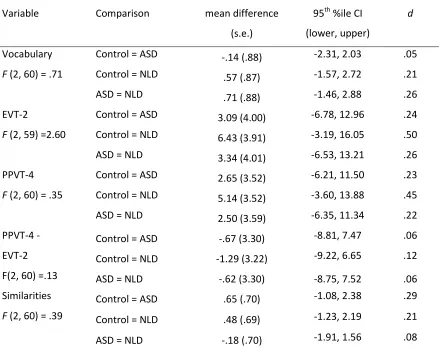
3.1.3 Results ... 50
3.1.3.1 Quantitative Results ... 53
3.1.3.2 Observations ... 54
3.1.4 Discussion ... 59
3.2 Experiment 2: Visual-Spatial Ability, Gestalt Perception, and Semantic Integration ... 61
3.2.1 Research Question and Hypothesis ... 64
3.2.2 Method ... 65
3.2.2.1 Materials ... 65
3.2.2.1.1 Gestalt Perception ... 65
3.2.2.1.2 Comparison Tests... 66
3.2.3 Analyses ... 67
3.2.4 Results ... 68
3.2.4.1 Quantitative Results ... 68
3.2.4.2 Observations ... 71
3.3 Discussion ... 72
3.4 Summary of Experiments 1 and 2 ... 79
viii
4.1 Research Questions and Hypotheses ... 85
4.2 Method ... 86
4.2.1 Participants ... 86
4.2.2 Materials ... 87
4.2.2.1 Homographs ... 88
4.2.2.2 Estimation ... 88
4.2.3 Analyses ... 89
4.3 Results ... 91
4.3.1 Question 1: Group Differences in Depth of Semantic Representations ... 91
4.3.1.1 Collocations ... 95
4.3.1.2 Word-Stress ... 96
4.3.2 Question 2: Statistical Contributions to Vocabulary and Homographs Scores ... 96
4.4 Discussion ... 98
4.4.1 Vocabulary Breadth, Vocabulary Depth, and Gestalt Perception ... 98
4.4.2 Semantic Depth, Collocations, and Word-Stress ... 102
4.4.2.1 Collocations ... 102
4.4.2.2 Word-stress ... 104
4.4.3 Semantic Depth and Estimation ... 105
4.4.4 Theoretical Support ... 108
4.4.4.1 Embodied Semantics ... 108
4.4.4.2 Bilateral Activation, Integration, and Selection model (BAIS) 111 4.4.5 Conclusion ... 114
Chapter 5 ... 116
ix
5.2 Breadth and Character of Vocabulary: No Differences ... 120
5.3 Gestalt Perception and Semantic Integration: NLD more than ASD ... 122
5.4 Collocation Without Representation ... 126
5.5 Implications... 130
5.5.1 Are NLD and ASD the Same Disorder? ... 130
5.5.2 Measurement of Word Knowledge ... 131
5.6 Relevance ... 134
5.7 Novelty ... 135
5.8 Future Research ... 137
5.9 Limitations ... 138
5.10Conclusion ... 139
References ... 141
x
List of Tables
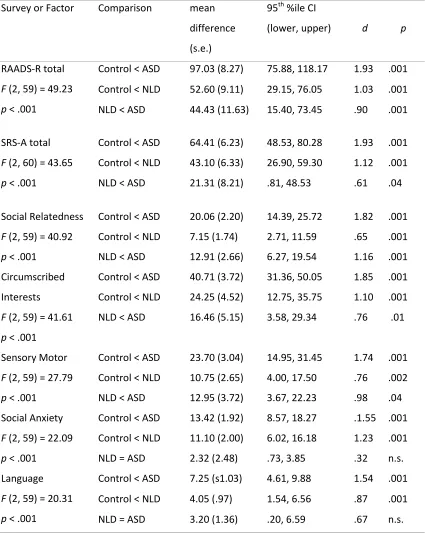
Table 2-1: Descriptive statistics for surveys and individual RAADS-R subscales by group . 28
Table 2-2: Analyses of variance for RAADS-R, SRS-A, and RAADS-R factor scores ... 29
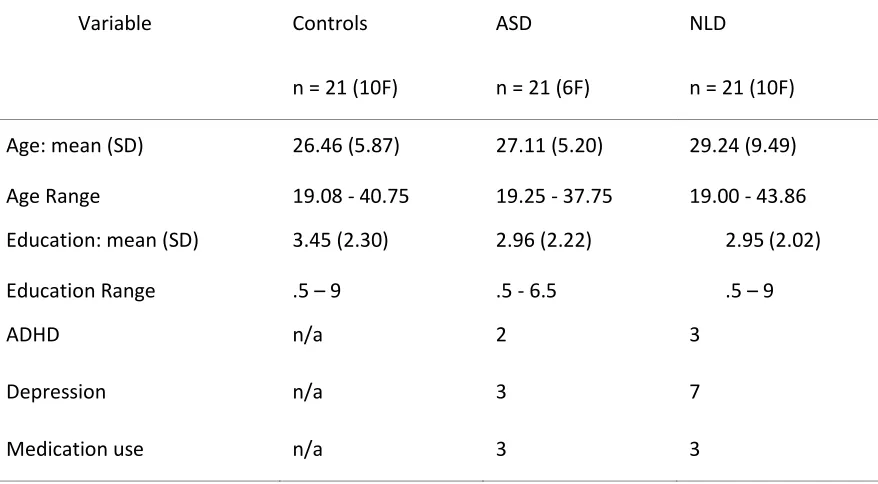
Table 3-1: Participant characteristics for experiments 1 and 2 ... 48
Table 3-2: Descriptive statistics for dependent variables in Experiments 1 and 2 ... 51
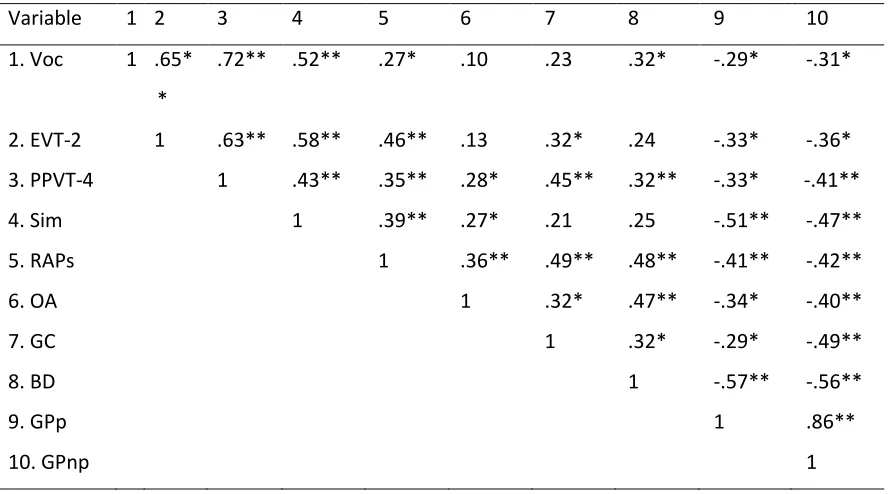
Table 3-3: Correlations for dependent and predictor variables in Experiments 1 and 2 ... 53
Table 3-4: Comparisons of mean scores by group for dependent and predictor variables ... 55
Table 3-5: Group mean comparisons for dependent and predictor variables ... 68
Table 3-6: Goodness of fit statistics for object assembly regression analysis ... 71
Table 4-1: Dependent and predictor variable group mean comparisons and descriptive statistics by group ... 92
Table 4-2: Goodness of fit statistics for regression analyses ... 97
xi
List of Figures
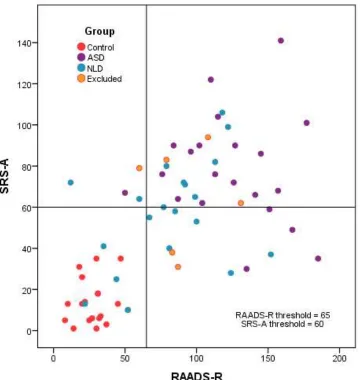
Figure 2-1. Raw scores for RAADS-R in comparison to SRS-A for all participant ... 30
Figure 4-1: Contrasting linear relationships for gestalt closure and word definition measures
xii
List of Appendices
Appendix A: Remote associate problems………..…………..………..169
Appendix B: Estimation items and responses by group .………..170
xiii
Preface
To write or even speak English is not a science but an art. There are no reliable words.
Chapter 1
1
Introduction: Potential Connections Between Social
Functioning and Semantic Integration
This dissertation examines mental representations of word meanings and their integration
in adults who have nonverbal learning disabilities (NLD) and autism spectrum disorder
(ASD). The rationale for this work is that neither linguistic strengths nor weaknesses are
well understood in either group, especially in adults. Possible explanations for a lack of
research are explored, and data is presented that both quantifies and describes word
knowledge and its use in a sample of adults with these disorders. A second motivation
for these studies is to explore intersections between NLD and ASD as they present in
verbal, educated adults.
The first section of this introductory chapter provides brief histories of NLD and of ASD,
and outlines controversies surrounding their identification and diagnosis. The
Introduction also includes observations arising from my clinical experience working with
adults who have these disorders, and summarizes research that points to social, cognitive,
and linguistic similarities in NLD and ASD. Three studies are presented in subsequent
chapters. Study 1, Social Impairment in NLD and ASD, compares scores for social
reciprocity on two autism screening surveys in adults with NLD or ASD, and volunteers
without a diagnosis of disability. The survey research is presented first, in order to
demonstrate that the adults with either diagnosis in the present sample do indeed
demonstrate greater social impairment than is apparent in controls. The survey results
reinforce issues surrounding diagnoses, and motivate the inclusion of observations and
descriptions for each of the subsequent studies.
The remainder of the research focuses on semantic integration. Study 2 examines
whether or to what degree adults with NLD and ASD resemble each other in their word
knowledge, and then addresses potential similarities between groups in gestalt perception
and semantic integration. Experiment 1, Vocabulary and Verbal Reasoning in NLD and
ASD, analyzes receptive and expressive vocabulary to rule out the possibility that
support the hypothesis that word knowledge is not statistically different in NLD or ASD
in comparison with control participants. The data also provide a descriptive backdrop
against which to evaluate subsequent results. Experiment 2, Visual-Spatial Ability,
Gestalt Perception, and Semantic Integration, investigates a potential contribution of
nonverbal gestalt perception to semantic integration. Findings suggest that adults with
NLD, in particular, demonstrate difficulty with semantic integration and reduced depth in
their semantic representations. Study 3, Depth of Semantic Representations in NLD,
addresses how well the hypothesis most commonly presented for such difficulties
accounts for differences between NLD and control participants. Results support an effect
of perceptual organization on semantic representations, in which weak gestalt perception
is related to fewer and less rich mental representations for polysemous words.
The final chapter summarizes the results, considers interpretations, and outlines
implications suggested by support for most of the hypotheses. The degree to which
diagnoses of NLD and ASD are related to each other is also considered in light of the
findings for each of the studies presented. Statistical differences in semantic integration
but not vocabulary breadth differentiate participants with a community diagnosis of NLD
from those with a diagnosis of ASD; qualitative differences distinguish participants with
either of these clinical disorders from adults who do not have developmental disabilities.
Observations made during data collection for linguistic and nonverbal tasks also provide
little difference between adults diagnosed as having NLD and ASD, whereas quantitative
differences between clinical groups appear for most but not all cognitive tasks. These
outcomes suggest different cognitive, and potentially developmental, paths by which
these adults arrive at similar destinations in regard to their language strengths and
weaknesses.
1.1
History, Definition, and Diagnosis of NLD
The term learning disabilities dates to the early 1960s (Danforth, 2011; Mather & Morris
2011),when itwas used by Samuel Kirk to describe disordered or delayed development
of a range of academic skills in children. These skills were primarily reading, but also
(Kirk & Bateman, 1962). Johnson and Myklebust (1967) were the first to use the term
nonverbal learning disabilities (NLD), or learning problems that occurred at the
perceptual level of experience. Myklebust (1975) further described the characteristics of
NLD as self-imperception, including a lack of recognition of parts of one’s own body and
the spatial relationships between them; social imperception and facial agnosia, or an
impairment in recognizing faces; difficulties understanding visual and spatial concepts
such as size, height, weight, laterality and direction; perceptual speed and motor deficits;
and problems with academic and life skills such as learning to print, or to dress oneself.
Thus, the emphasis of this early work on NLD was on social and perceptual deficits over
academic ones.
Academic achievement in NLD is not necessarily impaired in the first years of school, a
point made by Rourke (2000) in exploring reasons for a general lack of research into the
disorder. Using achievement tests to assign participants to groups, Rourke and his
colleagues instead foregrounded psychosocial outcomes in their studies. They explored
whether a predisposition to mental illnesses was part of a larger NLD syndrome
originating in lateralized, or left versus right hemisphere, cortical differences (Rourke,
1989; 1995; 2000; see also Palombo & Feigon, 1986; Palombo, 2006). A related
approach investigates functional consequences of the hypothesis that neuropsychological
weaknesses in NLD are similar to those seen in individuals with known right hemisphere
damage (Gross-Tsur, Shalev, Manor, & Amir, 1995; Humphries, Oram Cardy, Worling,
& Peets, 2004; Worling, Humphries, & Tannock, 1999). In the same tradition, the work
of Cornoldi, Mammarella, and their colleagues examines visual-spatial cognition in
children with NLD (e.g., Mammarella et al., 2006; Mammarella, Giofré, Ferrara, &
Cornoldi, 2013; Venneri, Cornoldi & Garuti, 2003), as well as delineating inclusion and
exclusion criteria for clinical and research purposes (Cornoldi, Venneri, Marconato,
Molin, & Montinari, 2003; Mammarella & Cornoldi, 2014).
Finally, a separate stream of research investigates the white matter hypothesis (Rourke,
1989; 1995) in medical syndromes characterized by disturbances to tissue in the central
nervous system that is comprised mostly of myelin. Myelin is a fatty, white substance
volume of white matter is greater in the right hemisphere than the left, damage or
disruption of white matter is proposed to underpin right hemisphere-biased cognitive
impairments, such as visual-spatial reasoning and emotion regulation. This hypothesis of
NLD (Rourke, 1989; 1995) has generated case studies of individuals with white matter
damage who demonstrate features of NLD (Bonner, Hardy, Willard, & Gururangan,
2009; McCann et al., 2008; Ris et al., 2007; Rissman, 2011; Steele et al., 2005).
Research reviewed in the present work did not in general include this approach.
Participants with NLD diagnoses who also had known neurological conditions such as
epilepsy or a history of brain tumour were excluded from the studies here, precluding any
definitive conclusions about possible right hemisphere differences based on information
that would have been available for only some of the participants.
NLD has not been included in any iteration of the Diagnostic and Statistical Manual of
Mental Disorders (DSM), published by the American Psychiatric Association (APA) to
guide practitioners in the diagnosis of mental illnesses and developmental disorders. This
exclusion has resulted in part from a mismatch between diagnostic and research
definitions (Ris & Nortz, 2008). In the DSM, the symptoms of learning disabilities are
academic skill weaknesses rather than cognitive processes or neuropsychological
impairments that underlie them. In reading disability, or dyslexia, research concerning
underlying impairments has converged with the academic weakness described by the
label. This has not been the case, however, with NLD. As will be explored below, there
is no single academic skill that is impaired in NLD.
One consequence of NLD’s exclusion from the DSM is that it is difficult to estimate its
prevalence. Some estimates place prevalence at 29% of the total population with learning
disabilities, which itself may be as high as 15% of school age children (Dugbartey, 2000).
A more commonly cited estimate is 5% to 10% of those who seek services or
accommodation for learning disorders (Davis & Broitman, 2011). A second consequence
is that research concentrates on differentiating NLD from other disorders such as
dyslexia, attention-deficit/hyperactivity disorder (ADHD), mood and anxiety disorders,
and forms of autism (Antshel & Khan, 2008; Davis & Broitman, 2011; Fine,
heterogeneity in NLD. Subtyping is recommended (Mammarella et al., 2006; Ris &
Nortz, 2008), and subtypes have been proposed (Davis & Broitman, 2011; Forrest, 2004;
Grodzinsky, Forbes, & Holmes Bernstein, 2010; Mamen, 2007; Palombo, 2006;
Semrud-Clikeman & Glass, 2008), but as yet, subtyping studies have not been undertaken.
In the fifth edition of the DSM (DSM-5, APA, 2013), disorders of reading, mathematics,
and written expression have been combined in a single Specific Learning Disorder
diagnosis, one of seven types of Neurodevelopmental Disorder. Specifiers, or statements
that further describe features of the diagnosis, reflect the original educational
classifications. For this reason, it seems unlikely that the revision will alter patterns of
diagnosis. Practitioners have used clinical experience, case studies, and research findings
to diagnose NLD (Fine et al., 2013; Gregg, Coleman, Davis, Lindstrom, & Hartwig,
2006; Grodzinsky et al., 2010; Mamen, 2007; Palombo, 2006; Solodow et al., 2006;
Yalof, 2006), and will continue to do so. In adults, particularly, the diagnosis of learning
disabilities has become increasingly controversial because of the impact of a designation
on accommodation for high-stakes examinations, alterations to course and program
requirements, and financial or other types of support in post-secondary education and
employment (Gregg et al., 2006; Harrison & Holmes, 2012; Siegel, 1999). From this
perspective, it is unfortunate that the vast majority of research in NLD has been
conducted with children, a situation that has begun to change only recently (Casey,
2012). The present work concentrates on adding to the sparse clinical and empirical
information concerning adults with NLD and with autism spectrum disorder (ASD),
introduced next.
1.2
Asperger Syndrome and the Diagnosis of Autism
Spectrum Disorder
The research reported here was motivated by apparent similarities between NLD and
Asperger syndrome, warranting the following discussion of changes in diagnostic
terminology. Asperger syndrome was formerly defined as a subtype of Pervasive
Developmental Disorder in the fourth edition of the DSM (APA, 1994). Written in 1943
and published in 1944, Hans Asperger’s thesis (1944, translated in Frith, 1991) described
Asperger syndrome Almost contemporaneously, Kanner published eleven case studies of
an emotional disorder that he called early infantile autism (Hippler & Klicpera, 2003).
The disorders they described were notably similar, characterized by social isolation;
repetitive and obsessive behaviours; inflexibility; intolerance of change; egocentricity;
lack of empathy; impaired ability to communicate nonverbally; hypersensitivity to sound,
touch, and other sensations; and the observation that these features occurred more
frequently in males than in females (Wing, 1981). Both accounts commented on
language differences, in particular the lack of social communication inherent in their
patients’ speech, but with dissimilar emphasis. Although both noted echolalia and
pronoun reversals, Asperger’s cases featured children with sophisticated or professor-like
volubility and monologic and pedantic speech, who were described as “articulate yet
strangely ineloquent” (Frith, 1991, p. 12). The children Kanner described more
frequently had outright mutism, very limited vocabularies, or produced utterances that
appeared to be nonsense or at least unrelated to the context (Frith, 1991; Wing, 1981).
This difference led to the acquisition of language and its use before 36 months as being
the criterion that separated autism from Asperger syndrome when these disorders were
included in the DSM IV (Bennett et al., 2008).
Frith (2004) credits Wing (1981) with introducing Asperger’s work to the
English-speaking research community by publishing a series of cases of children and young
adults who were seen in her own practice, and comparing them to those described by
Asperger. Wing believed that Asperger overestimated originality, creativity, and overall
intellectual capability in his patients, particularly as these qualities were expressed in
language. For Wing,
careful observation over a long period of time discloses that the content of speech is impoverished and much of it is copied inappropriately from other people or books. The language used gives the impression of being learned by rote. The meanings of long and obscure words may be known, but not those of words used every day. (p.117)
The present work builds on Asperger’s and Wing’s observations to examine the quality,
expression, and understanding of semantic representations in ASD, and in adults with
Like NLD, Asperger syndrome has gone through diagnostic and definitional changes.
The disorder was not included in the fifth edition of the DSM, as the committee
reviewing its status concluded that there were insufficient data in the literature to support
the separation of Asperger syndrome from other Pervasive Developmental Disorders
(Swedo et al., 2012). In the past, a diagnosis of autism or Asperger syndrome was based
on a triad of symptoms originally proposed by Wing and Gould, including qualitative
impairments in both social interaction and social communication, and the presence of
restricted, repetitive behaviors, interests, and activities (Wing & Gould, 1979; Wing,
Gould, & Gillberg, 2011). The distinction between autism and Asperger syndrome rested
on whether, and when, language was acquired (Bennett et al., 2008; Young & Rodi,
2014). In the DSM-5, most of the Pervasive Developmental Disorders, including
Asperger syndrome, have been combined in the single ASD condition. Communication
impairments were removed as an independent symptom cluster from the new ASD
diagnosis, with some of the cluster’s criteria being merged into the two remaining
domains of (a) deficits in social communication and social interaction and (b) restricted,
repetitive behaviors (APA, 2013). Linguistic abilities were coded under a specifier (With
or without accompanying language impairment) rather than considered as one of the
diagnostic criteria.
As in the case of NLD, a lack of consensus concerning diagnostic terminology and
symptoms complicates any attempt to estimate prevalence. The incidence of ASD in
general has increased, with current estimates of approximately 1% of the population
(Anagostou et al., 2014; Davidovitch et al., 2013; Fombonne, 2009; Kim et al., 2014). It
is still unclear, however, whether there has been a true rise in the incidence of ASD, an
increase in diagnoses as a consequence of increased awareness of the disorder, or both.
Despite these nosological difficulties, there are consistent reports that ASD occurs in
males more frequently than females, and that incidence is higher in families in which
ASD has already been identified (Fombonne, 2009; Zwaigenbaum et al., 2007). That is,
some conclusions have been reached even as debate about the ongoing use of Asperger
syndrome as a label continues (Chiang, Tsai, Cheung, Brown, & Li, 2014; Swedo et al.,
In a recent publication, researchers referred to Asperger syndrome as a type of ASD
rather than a clinical diagnosis (Anagostou et al., 2014), a solution that accommodated
the change in DSM terminology without losing the wealth of detail associated with the
term. This practice was applied in the present research to both NLD and ASD, in which a
descriptive approach focusses on cognitive and linguistic characteristics of a sample who
have been diagnosed with some form of either disorder. Some of the present sample
were diagnosed as having high-functioning autism or pervasive developmental disorder
not otherwise specified (PDD-NOS), and others with Asperger syndrome. For this
reason, and to follow current terminology, ASD was used to describe the sample.
Similarly, some participants with the features of NLD described in the next section were
diagnosed as having dyseidetic dyslexia, disorders of perceptual reasoning, and atypical
learning disability. NLD was used, as it is the most common description of this type of
learning disability (Dugbartey, 2000; Mammarella & Cornoldi, 2014). The names for the
groups reflected a lumping versus splitting decision (Gillberg, 2010; Tsai & Ghaziuddin,
2014) that did not allow definitive conclusions about nosology to be drawn, but avoided
categorizing participants by diagnoses that were made at different times, under differing
definitions and/or guidelines, by practitioners of differing education and qualifications
who practise in a variety of regions. All of these differences may affect diagnosis as
much as actual variations in individuals being assessed (Hendriksen et al., 2007; Lord et
al., 2012; Stein, Klin, & Miller, 2004; Yalof, 2006). The decision also necessitated the
inclusion of descriptions and observations, as seen throughout.
1.3
Convergence between NLD and Asperger Syndrome
ASD and NLD share more than disagreement about how best to identify them. Clinical
accounts of individuals with these disorders show overlap in characteristic features.
Wing’s (1998) list of markers of Asperger syndrome adapted from Asperger’s original
paper and Myklebust’s (1975) descriptions of individuals with NLD both include socially
odd behaviour and difficulty interpreting social feedback, verbose and pedantic speech,
unusual intonation, good spoken grammar and large vocabularies, atypical insight,
clumsiness, tactlessness, emotional immaturity, insistence on routines and adherence to
references to a potential overlap between NLD and ASD before Klin and his colleagues
undertook a detailed comparison (Klin, Volkmar, Cichetti, Sparrow, & Rourke, 1995). In
introducing an influential NLD study by Weintraub and Mesulam (1983), Denckla (1983)
discussed the similarity of the sample to the socially disabled children in her practice, and
to children with Asperger syndrome. Similarly, a footnote in the first chapter of Frith’s
edited book Autism and Asperger Syndrome (1991) that extended Wing’s earlier
introduction of Asperger syndrome to English-speaking researchers and clinicians, noted:
A number of neuropsychological investigations, recently reviewed by Semrud-Clikeman and Hynd (1990), have all identified a pattern of impairments in children which is suggestive of right hemisphere involvement. These
impairments prominently include social ineptness, and the group so identified may well belong to the autistic spectrum. (p.13)
The paper to which Frith referred is Right hemispheric dysfunction in nonverbal learning
disabilities: Social, academic, and adaptive functioning in adults and children, an early
review by an investigator whose research efforts are now focussed on exploring the
relationships between NLD, ASD, and attention-deficit / hyperactivity disorder (ADHD).
As noted, a convergence of specific features in individuals with NLD and Asperger
syndrome was later documented by researchers with expertise in both disorders (Klin et
al., 1995; see also Ellis & Gunter, 1999, for a review). In that effort, as in many that
followed, references to the similarity of NLD and Asperger syndrome were subsumed by
a debate concerning potential differences between individuals with high-functioning
autism and Asperger syndrome (e.g., Barnhill, Hagiwara, Smith Myles, & Simpson,
2000; Ghaziuddin & Mountain-Kimchi, 2004; Gunter, Ghaziuddin, & Ellis, 2002). More
recently, studies have directly compared NLD and high-functioning autism (Williams,
Goldstein, Kojkowski, & Minshew, 2008), particularly Asperger syndrome (e.g., Ryburn,
Anderson, & Wales, 2009; Semrud-Clikeman, Walkowiak, Wilkinson, & Christopher,
2010a; Semrud-Clikeman, Walkowiak, Wilkinson, & Minne, 2010b; Semrud-Clikeman,
Fine, & Bledsoe, 2014).
Empirical work, case studies, and reviews have come to a range of conclusions about the
relationship between Asperger syndrome and NLD. According to some, they are
separate, but co-occur frequently (Klin, in Stein et al., 2004); to others, they are
profile as delineated by Rourke (1989) did not adequately represent the cognitive
variability seen in their participants with Asperger syndrome (Nydén et al., 2010). Using
a scale that quantified psychiatric symptoms, the authors reported greater consistency in
social than in cognitive impairment between NLD and ASD. In contrast,other
researchers (Semrud-Clikeman et al., 2010a) have used a social criterion, “lack of
spontaneous seeking to share enjoyment, interests, or achievements with others” (p. 586)
to differentiate children with a diagnosis of NLD from those with ASD. Other criteria to
classify participants as having ASD but not NLD included circumscribed interests,
insistence on sameness, and repetitive behaviours.On that basis, visual-spatial and
visual-motor impairments occurred more frequently in children with NLD than in those
with Asperger syndrome. A broader range of cognitive and neuropsychological measures
than was used by Nydén et al., including fluid reasoning, distinguished the clinical groups
as defined in this way from controls, but not from each other. Palombo (2006) has
classified NLD and ASD as different disorders, reasoning that neuropsychological
similarities such as those described by Semrud-Clikeman have not translated into
equivalently severe social impairments.
Finally, adults with either disorder also struggle with the use of language in social
settings, or pragmatics. The possibility that atypical use of language might be due in part
to differences in underlying semantic representations, and the ways in which they are
formed, has not been a topic of study. The present work investigated semantic
representations as separately from pragmatics as is possible in adults with social
impairments. Particular attention was paid to semantic integration because it
encompassed oral language and aspects of cognition that may be atypical in both clinical
groups. The setting in which hypotheses about semantic integration were formed is
described first.
1.4
Clinical Background
The origins of this project lie in my clinical experience as a disabilities counsellor,
working with adult university students, most of whom had been diagnosed as having
time until they accounted for almost all of my ongoing appointments; this was in spite of
estimates that dyslexia, or disordered reading, makes up approximately 90% of all
learning disability diagnoses (Davis & Broitman, 2011). Individuals with dyslexia have a
fundamental difficulty in creating mental representations of phoneme to grapheme links
(Vellutino, Fletcher, Snowling & Scanlon, 2004), or the relationship between the smallest
units of sound and the ways in which they are represented in letters (Scarborough &
Brady, 2002). Imprecise representations and difficulties with manipulating them in
phonological working memory have been shown in behavioral and brain imaging
research to underlie the outward manifestations of dyslexia, including poor word
decoding, spelling errors, and slow reading (Re, Tressoldi, Cornoldi, & Lucangeli, 2011;
Swanson, 2012; Temple, 2002; Vellutino et al., 2004; Welcome & Joanisse, 2014). In
contrast, phonological processing and auditory working memory have been described as
areas of strength in NLD. In line with their good ability to segment words into their
constituent sounds, children with NLD tend to read well in the elementary grades.
Relying on a facility with sounding out words in combination with good long-term
memory for language, children with NLD may amass large vocabularies. They have been
described as being more likely to read for pleasure at an early age, and to read books
without illustrations sooner than their peers (Foss, 1991; Rourke, Del Dotto, & Rourke,
1990; Rourke & Tsatsanis, 1996). In conversation, children with NLD may express their
thoughts using language more typical of adults, with unexpected insights and detail for
their age (Yalof, 2006). Parents, teachers, and other adults in these children’s lives may
characterize them as precocious, developing high expectations for their academic success
and overall adaptability (Foss, 1991; Mamen, 2007; Palombo, 2006; Ris & Nortz, 2008).
At university and college, however, academic barriers for students with NLD with whom
I worked began with the frustration of finding that the linguistic strengths on which they
depended in secondary school were no longer reliable. They reported difficulties
understanding course readings, finding main ideas during lectures and in texts,
interpreting examination questions, and following assignment instructions.
Psychoeducational assessment reports indicated that their academic strengths persisted in
working with verbal material, so they found their difficulties with reading comprehension
about seeing things differently, in their words. They reported that other students and
faculty members would be impressed by the originality of their contributions, but that
their own perception was that they were missing points that others considered to be
entirely apparent.
There was an increase over time in the number of adults who had a diagnosis of Asperger
syndrome who registered with the disability services office. These students reported
similar academic difficulties as did the students with NLD. They had difficulty
interpreting assignment instructions, prioritizing information in seminars, and writing
within page limits. Being thorough was a strategy that had supported their academic
performance in the past, but that did not work well in any of these situations. Some
students did not accept their instructors’ feedback that being more concise would assist
readers in understanding their arguments. Few of the students with Asperger syndrome
with whom I worked had undergone a thorough and detailed psychoeducational
assessment, so it was not possible to compare scores on cognitive and neuropsychological
tests with academic achievement. The most effective reading, writing, and examination
strategies for students with Asperger syndrome, however, were similar or identical to
those for NLD.
1.5
Semantic Integration
Many of these students found that multiple choice format examinations were particularly
difficult. Students reported that their examination marks were higher on short answer or
essay format tests than for the same material assessed by multiple choice questions. Most
had at least average reading speed; consistent with this, the students did not report
running out of time to complete this type of examination. Instead, they struggled to
understand what was being asked. We were fortunate that some professors gave us
access to completed multiple choice examinations, as in this context the sources of
difficulties began to appear. On review, it became apparent that students struggled
particularly with novel terms consisting of two previously known words. For example,
Marxist feminism was interpreted as Russian feminism, rather than a form of feminism
being equivalent to theatre, rather than a form of art in which the artist’s body is the
medium. Material culture was interpreted to mean a materialistic society, rather than the
study of information about a culture that can be drawn from the relationship between
people and the things they own. In each of these concepts, the words that constitute them
already have well-understood meanings that are only partially related to the new concept
to be learned.
The process of developing new concepts by connecting old terms in new ways is referred
to as semantic integration, or combinatorial semantics (Braeutigam, Swithenby & Bailey,
2008; Jung-Beeman, 2005; Koester, Holle, & Gunter, 2009; Price, Bonner, Peelle, &
Grossman, 2015). Combining separate semantic representations may result in a mutual
emphasis of meaning, as in snowstorm. In other forms such as idioms, metaphors,
jargon, and slang expressions, entirely new concepts emerge. Examples include hot dog
or rainbow, or more pertinent to an adult sample, speakeasy or robocall. The latter
examples are idioms, a form defined by opaqueness, or the fact that they cannot be
interpreted by understanding their component parts. Idioms have been described as
inactive metaphors, or non-literal terms that are nonetheless understood because they are
over-learned and may be used without an appreciation of their origins (Kasparian, 2013,
cf. Gibbs, 1992). The critical feature that idioms and metaphors share is that they may
not be understood in an additive way – air miles does not refer to a measurement of
distance in space – but instead require the formation of an entirely new mental
representation, and a broadening of the old representations as they intersect with the new
concept. These examples demonstrate that the opacity of the products of semantic
integration may vary by degree. A club where alcohol is sold illegally cannot be drawn
from speak or easy, at least in the present time; when the term was coined, it may have
been more clear that one spoke quietly about and in such clubs to avoid detection.
Current familiarity with mechanized and electronic technologies, however, make it
possible to draw the concept of robocall from its root words independently of its use in
context.
At the time, there was no empirical research specific to NLD to suggest that semantic
gestalt had, however, been examined in both NLD and in ASD. Gestalt perception is a
relational process in which meaningful wholes are constructed from stimulus fragments,
and constituent parts differ qualitatively from the larger whole (Bölte, Holtmann,
Poustka, Scheurich, & Schmidt, 2007; Kimchi, 1992). Perceptual integration deficits
have been documented in NLD and in developmental disorders of the right hemisphere1
(Denckla, 1983; Gross-Tsur et al., 1995; Rourke, 1989; Semrud-Clikeman & Hynd, 1990;
Weintraub & Mesulam, 1983). In ASD, Frith had proposed the weak central coherence
(WCC) theory, an account of processing strengths as well as weaknesses (1989). In
WCC, a universal drive for coherence, or the effort to combine a variety of perceptual
stimuli in a range of contexts into meaningful wholes, has been said to be less
pronounced. Individuals with ASD have been found not to extract patterns and gists
without instruction, although they are able to do so with appropriate cues (Happé & Frith,
2006; Hadad & Ziv, 2014). This tendency to overlook the gestalt in favour of its parts
has been contrasted with advantages in cognitive tasks such as extracting small shapes
from pictures of ordinary objects or arranging blocks into patterns, or tasks that require
so-called local processes (e.g., Caron, Mottron, Berthiaume, & Dawson, 2006; Mottron et
al., 2006; Shah & Frith, 1983; Muth et al., 2014, for a review). Although much of the
WCC research has referred to the organization of nonverbal percepts (Van der Hallen,
Evers, Brewaeys, Van den Noortgate, & Wagemans, 2015, for a review), theoretical
accounts of gestalt processing do not distinguish between visual and linguistic formats.
Instead, the essential cognitive process in creating meaning is constructive, or integrative,
regardless of the modality in which the input to be combined is encountered (Booth et al.,
2002; Coulson, 2006). This view aligns well with an embodied view of cognition
(Barsalou, 2008; Gibbs, 2013; Glenberg, 1997; Wilson, 2002) that will be discussed in
the study of semantic depth, in Chapter 4.
1
WCC specifically includes a failure to perceive gestalts (Happé & Booth, 2008).
However, in discussion its proponents often use gestalt and global interchangeably
(Brosnan, Scott, Fox, & Pye, 2004; e.g., Fitch, Fein, & Eigsti, 2015; Jarrold & Russell,
1997; Jolliffe & Baron-Cohen, 1997, 2001; Van der Hallen et al., 2015). In the present
work, a distinction is made between global and gestalt, following Kimchi (1992). A
gestalt is a novel, emergent product of integration, where individual parts are unlike the
larger whole. In contrast, a global array may be produced additively, and single parts
may stand for the whole. Distinguishing between global and gestalt was inspired in part
by student experiences. Students with whom I worked felt that they did not have trouble
discerning patterns (cf. Mamen, 2007), and some reported that they had no difficulty
switching their perspective from details to the overall message (cf. Happé & Booth,
2008). Instead, students reported that they struggled to combine linguistic information
that seemed to be unrelated into a new concept or message. Without explicit
interpretations of the intended meaning, they felt that their comprehension was
incomplete (see Stothers & Oram Cardy, 2016, for examples).
Isolating gestalt from global here also circumvented a debate over the relationship
between local and global processing. Critics of WCC have pointed out that superior local
processing does not always predict impaired global processing in ASD (Mottron,
Dawson, Soulières, Hubert, & Burack, 2006; Van der Hallen et al., 2015), and Happé
and colleagues themselves have argued that a local versus global dichotomy is
misguided. Addressing mixed findings for WCC, Happé and Booth (2008) reported a
series of developmental studies in which typical children were able to recall story gists
independent of the amount of local details that they could recall; that is, global and local
processing were separable (see also Milne & Szczerbinski, 2009 in adults; Van der
Hallen et al., 2015, for a review). The present study examined semantic integration,
rather than contrasting semantic representation measures that might have been
hypothesized to separate global and local cognitive processes in their construction.
The purpose of examining semantic integration was to explore a possible relation
between the students’ difficulties with some forms of structural language and their
more of the demands that semantic integration makes, as illustrated next by metaphor
comprehension. Understanding metaphors requires the merging of previously separate
mental representations of word meaning. Interpreting a metaphor like iron curtain
requires that listeners possess semantic representations that are deep enough to allow
similarities between words to emerge (Norbury, 2005a). Iron is a hard, heavy, inflexible,
metal. Curtains are canonically none of these things, but iron and curtains share
opaqueness. Impenetrability, the key feature of the metaphor as it is used politically,
emerges from this similarity. Combining opposing physical qualities into one concept
provides the novelty inherent in a first encounter with the term. This activity, along with
suppressing familiar but irrelevant features of either concept, is also a source of more
effortful processing than retrieving two separate, well known, lexical entries (Forgács et
al., 2012; Forgács, Lukács, & Pléh, 2014; Mashal, Faust, Hendler, & Jung-Beeman,
2008; Price et al., 2015).
Thus, possible sources of difficulty for adult students with NLD and ASD included
differences in (a) quantity of semantic representations, or breadth of word knowledge, (b)
access to word meanings, (c) richness or depth of semantic representations, (d) flexibility
of mental representations, and (e) auditory working memory. The last possibility seemed
unlikely. Students with NLD tended to have at least average working memory, as
documented in their assessment reports. They had already put effort into learning the
terms, they were able to refer to them on the page, and they were able to read them aloud
if necessary, all points that argue against working memory deficits. The other options
were suggestive of processing differences that were investigated here, and have not been
studied systematically in adults with either of these disorders.
Some research has examined semantic integration in disorders of social functioning,
although separately from questions concerning the underlying quality and flexibility of
semantic representations. A group of studies investigated homograph reading in ASD
(Hala, Pexman, & Glenwright, 2007; Lopez & Leekam, 2003; Snowling & Frith, 1986),
where pronunciation of a word depends on the integration of its meaning with the
surrounding context. Only one study of this type included adult participants. Jolliffe and
tear, for which separate meanings depend on vowel pronunciation – tear as in rip, or as
in crying. Adult participants with Asperger syndrome had difficulty choosing and
integrating the semantic representation that was appropriate to the sentence context, as
compared with control participants who had equivalent reading speed, verbal IQ, and
verbal memory.
A set of semantic priming studies using electroencephalography (EEG) data also found
semantic integration differences in adults with ASD. One of these studies (Strandburg et
al., 1993), examined neural correlates of the ability to recognize idioms. The autism
group appeared to be less sensitive than controls to the demand for integration, as if the
idiom condition alone provided an opportunity to bypass a need for semantic integration.
In the authors’ interpretation, the ASD participants appeared to respond to idioms as
single lexical entries, instead of separate words that needed to be combined to apprehend
their meaning. A study using sentences rather than word pairs had similar findings (Ring,
Sharma, Wheelwright, & Barrett, 2007), in which conditions intended to evoke an
increased demand for semantic integration failed to do so in the participants with
Asperger syndrome. The clinical group appeared not to distinguish between congruent
and incongruent sentence endings, suggesting that they were not integrating the meanings
of words in the same manner as the controls.
In a final example, Gold, Faust, and Goldstein (2010) recorded EEG responses to a
metaphor identification task. Adults with and without Asperger syndrome read Literal
(cement mixer) and Unrelated (violin tiger) word pairs, as well as pairs that created
Conventional (false smile) or Novel (fragile pride) metaphors. The task was to choose
whether the stimuli formed meaningful expressions. A more pronounced effect for the
marker of semantic integration was seen for the Asperger syndrome group in comparison
with the Control group for Novel as compared to Unrelated pairs; the opposite result was
found for the controls. The authors interpreted the difference as indicating that
participants with Asperger syndrome expended more effort to integrate the Novel pairs
than they did in attempting to integrate the Unrelated pairs. The Control group responses,
in contrast, were interpreted as being less effortful, on the assumption that they more
EEG studies of semantic integration in NLD were not found. The only behavioural study
of semantic integration in NLD appeared to be my Master’s thesis (Stothers, 2005). As
in Jolliffe and Baron-Cohen (1999), between-group differences for semantic integration
were seen in the absence of a corresponding difference for expressive vocabulary.
Figures of speech like still waters and faint praise had to be interpreted after a sentence
or brief paragraph illustrating the use of the metaphor – for example, “A blues singer
sings about love: the sky is crying.” Unpublished data indicated that the Control group
had significantly higher scores for the metaphor task than either participants with NLD or
participants who had both visual-spatial and phonological impairments. A group with
dyslexia, however, whose scores indicated phonological impairments and average or
better visual-spatial skills, did not differ from controls on metaphor interpretation. The
groups with visual-spatial weaknesses had significantly lower scores for a nonverbal test
of gestalt perception, described in Stothers and Klein (2010). Results supported the
hypothesis that nonverbal gestalt perception was more critical to forming linguistic
connections between unlike concepts than was vocabulary. A similar possibility was
examined here, applied to oral language rather than reading comprehension.
In summary, a clinically observed difficulty with semantic integration in adults with NLD
and ASD, and its potential origins, were examined. Study 1, Social Imperception in NLD
and ASD (Chapter 2), explored social imperception and pragmatic weaknesses in both
clinical groups, as compared to adults without developmental disorders. Breadth of
vocabulary was examined in the second study, Vocabulary and Gestalt Perception:
Contributions to Semantic Integration (Chapter 3), to test the null hypothesis that word
knowledge does not differ in these groups in comparison with each other or with controls.
In the absence of vocabulary differences, a second, linked experiment explored the
possibility that difficulty with semantic integration is related to weaknesses in nonverbal
gestalt perception. The possibility of more shallow and inflexible semantic
representations was addressed with adults with NLD in the third study, Depth of Semantic
Chapter 2
2
Social Impairment in NLD and ASD: Quantitative but
not Qualitative Differences
The first study examined social impairment, in particular disordered social perception,
common to NLD and ASD (Petti, Voelker, Shore, & Hayman-Abello, 2003;
Semrud-Clikeman et al., 2010b). Social imperception was identified by Myklebust (1975) as a
fundamental difficulty in NLD. Myklebust used the term to mean the integration of self-
knowledge with one’s social context, including the behaviour of others (Johnson &
Myklebust, 1967; Myklebust, 1975). Recent evidence supports this characterization in
children with NLD (Semrud-Clikeman et al., 2010b), and in children with Asperger
syndrome, the type of ASD most represented in the present work. The latter authors have
argued that behavioural differences seen in Asperger syndrome may be understood as
stemming in part from an underlying difficulty in perceiving social intentions. Social
imperception in turn leads to poor social judgment and subsequent avoidance of social
interactions (Semrud-Clikeman et al., 2010b). This form of social impairment, as it
relates to the development of semantic representations (see Chapter 5), is the focus in the
present work. Adults who have ASD themselves have described social impairments in a
similar way; that is, as foremost an underlying difficulty understanding social reasoning.
This difficulty was notable in a sample of adults with ASD from whose writing a set of
common, residual symptoms were drawn (Chamak, Bonniau, Jaunay, & Cohen, 2008):
social impairment, withdrawal, difficulties in grasping emotions and understanding implicit rules and social conventions, as well as problems with generalization and poor adaptation to change... [their] personal accounts illustrate the strong association between perception, sense-making, and communication, p. 274-276
Consequently, in the present work, social impairment refers to difficulty with social
perception, judgment, and interactions. This approach emphasizes both the appearance of
social impairment in adults without language impairment and with good intellectual
ability, as well as the overlap between ASD and NLD.
Returning to the link between social perception and communication, one of the defining
generally defined in the same way as is pragmatics, or the “appropriate social use of
language” (Volden & Phillips, 2010, p. 204). The most recent version of the DSM also
describes social communication as the use of verbal and non-verbal forms of
communication to maintain social reciprocity (APA, 2013).2 Norbury (2014) has made a
distinction between social communication and pragmatics, defining the former as a
general term for the use of language in any social setting, and the latter as inferencing, or
constructing meaning, by the integration of language with prior knowledge and
experience. This last view accentuates a demand for integration and the role of structural
language in pragmatics, consistent with the focus here. These definitions of social
communication and pragmatics include paralinguistics, or nonverbal communication, and
the ability to adapt language and behaviour to changes in the social environment (Paul,
Miles Orlovski, Chuba Marcinko, & Volkmar, 2009). From the work of Kanner and
Asperger to more recent reconceptualizations of core impairments (Chamak et al., 2008;
Mandy & Skuse, 2008; Ronald & Hoekstra, 2011; Valla & Belmonte, 2013), difficulties
with these abilities have been emphasized in ASD.
Each of these features has been documented in NLD as well. Shared examples have
included problems with turn-taking and topic maintenance in conversations; prosody, or
features such as pitch, speed, and rhythm of speech; adapting one’s presentation style
according to the audience; awareness of a listener’s verbal and nonverbal responses; and
eye contact, physical proximity, and other forms of nonverbal communication (Asperger,
1949, translated by Frith, 1991; Eigsti, Schuh, Mencl, Schultz, & Paul, 2012; Gross-Tsur
et al., 1995; Klin et al., 1995; Landa, 2000; Paul et al., 2009; Rourke & Tsatsanis, 1996;
Rutter, 1978; Ryburn et al., 2009; Semrud-Clikeman & Glass, 2008; Volden, 2004).
The extent of this list raises the question of whether common pragmatic weaknesses tell
the entire story of overlap in social skill differences in NLD and ASD, or whether other
2
Social and communication impairments were separate domains in the definitions of autism and Asperger syndrome DSM IV (APA 1994), but these were combined in DSM-5 (APA, 2013). A new, separate diagnosis of Social (Pragmatic) Communication Disorder in the current edition equates social
social difficulties are involved in both disorders. In a study of children with NLD, one
half to three quarters of the sample showed the flat or monotonous speech that is a typical
paralinguistic difficulty in ASD (Gross-Tsur et al., 1995), but these children were also
described as more generally “socially inept, withdrawn, and isolated” (p. 83). In another
study that compared children with ASD and NLD directly (Semrud-Clikeman et al.,
2010b), there were no statistically significant differences between groups for either the
Withdrawal or Social Skills subscales on a normative behaviour rating scale completed
by parents. Thus, social difficulties in the NLD group extended beyond pragmatics, a
finding consistent with Rourke’s conclusions that children with NLD tend to experience
social withdrawal, and are more likely to develop internalized psychopathologies such as
depression and anxiety (Rourke, 1988; Rourke & Fuerst, 1991; Rourke & Harnadek,
1994; see also Little, 1993; Myklebust, 1975; Palombo, 2006; cf. Forrest, 2004).
Rourke conceptualized impaired social communication as a developmental consequence
of primary, secondary, and tertiary neuropsychological deficits in NLD (1989; 1995).
Correlational support for a connection between poor visual-spatial reasoning and the
interpretation of social cues has been seen in children, but a causal link has not been
established (Galway & Metsala, 2011). Investigations of social cognition in children
with NLD (Hendrikson et al., 2007; Petti, Voelker, Shore, & Hayman-Abello, 2003; see
Little, 1993, for a review of earlier research) have not been carried out in adults. Case
studies (Gregg & Jackson, 1989; Palombo, 1993; Wren & Eichorn, 2000), have suggested
that adults with NLD continue to experience fundamental misunderstandings in their
social interactions, but potential sources of miscommunication have not been
investigated. It is also unknown how severe these difficulties might be, as compared with
adults on the autism spectrum, or with adults who do not have learning disabilities.
Notably, Johnson and Myklebust (1967) elaborated on their discussion of social
imperception by contrasting the behaviour of children with NLD with that of children
with autism:
Consistent with a differentiation of odd from severely abnormal or bizarre behaviour, one
approach to separating NLD and ASD drawn from clinical experience
(Semrud-Clikeman, 2007) has been to use the absence (NLD) or presence (ASD) of restricted
interests, repetitive and stereotyped behaviours, and sensory sensitivities
(Semrud-Clikeman et al., 2010a, 2010b; Semrud-(Semrud-Clikeman & Glass, 2008). There has been debate
about how and even whether these features of ASD are related to social communication
impairments (Happé & Ronald, 2008; Mandy & Skuse, 2008; Valla & Belmonte, 2013),
or whether they are separable aspects of the disorder that coincide in some but not all
individuals. The debate has been complicated by the fact that ASD cannot be diagnosed
without the presence of both sets of features (Posserud, Breivik, Gillberg, & Lundervold,
2013), simply expressed as a divide between social and non-social symptoms (Happé &
Ronald, 2008; Valla & Belmonte, 2013). As well, non-social symptoms have been
documented in other developmental disabilities, including intellectual disabilities;
psychiatric conditions such as obsessive compulsive disorder, anorexia, and anxiety
(Amaral, Mills Schumann, & Wu Nordahl, 2008; APA, 2013; Dawson, 2008; Leekam,
Prior, & Uljarevic, 2011; Wing & Gould, 1979; Zucker et al., 2007); in ADHD (Ritvo et
al., 2010; Semrud-Clikeman et al., 2010a, 2010b); and in children with visual
impairments (Malloy & Rowe, 2011).
The separation of social and non-social ASD symptoms, described as fractionation (e.g.,
Brunsdon & Happé, 2014), has been seen in survey research with large samples of the
general population. A survey of 7 to 9 year old twins, of whom approximately 2.5%
were known to have ASD (Ronald et al., 2006a; Ronald, Happé, Price, Baron-Cohen, &
Plomin, 2006b), found that Wing and Gould’s original triad of impairments were
divisible genetically and phenotypically within individuals, with environmental
influences reduced to the degree provided by twin studies. Social behaviour, separate
from communication, was least correlated with rigid, repetitive behaviour; 59% of the
sample who did demonstrate social impairment did so in isolation from other symptoms
(Ronald et al., 2006b). Another survey study (Posserud et al., 2013) that involved the
general population rather than a purely ASD sample also found a small correlation, r =
.29, between social and non-social characteristics. The authors argued that a larger
supported the existence of ASD without the presence of repetitive behaviours and
restricted interests.
Reflecting findings like these, a clinical diagnosis of Social (Pragmatic) Communication
Disorder, or impaired social communication without accompanying non-social
symptoms, was added to the DSM-5 (APA, 2013). The introduction codified a disabling
condition characterized by pragmatic impairments that is nonetheless not ASD, a
conclusion presented by language researchers as a semantic-pragmatic disorder (Boucher,
1998), or pragmatic language impairment (PLI; Conti-Ramsden & Botting, 1999), for
many years (Bishop & Norbury, 2002; see Volden, 2004, for relationship to NLD;
Whitehouse, Watt, Line, & Bishop, 2009, for adult outcomes). According to Volden
(2004), NLD may be well-described by PLI, with the same relationship between the two
disorders that may exist between PLI and ASD, namely, that children with NLD have
features associated with PLI, but PLI does not necessarily imply NLD. Thus, it seemed
that characterizing NLD as a social disorder without the non-social symptoms seen in
ASD, the approach taken by Semrud-Clikeman and colleagues (Semrud-Clikeman,
2010a; 2010b; 2014), might also separate adults with a community diagnosis of ASD
from those with one of NLD in the present sample.
In summary, it is uncertain whether social skill impairments in NLD and ASD are the
same, either in kind or degree. More specifically, it is not clear whether social
differences in NLD are related only to difficulties with pragmatics, whether they extend
further to broad social difficulties, and whether they include symptoms of ASD such as
restricted interests, repetitive behaviours, and sensory sensitivities (DSM-5, 2013;
Gillberg & Gillberg, 1989; Frith, 2004; Wing & Gould, 1979), that in their expression
may also affect social relationships (Leekam et al., 2011, for a review).
2.1
Research Questions and Hypotheses
Two surveys designed to screen for ASD in adults, described below, were given to all
participants. Both surveys focussed on social relatedness and encompassed a variety of
repetitive behaviours, and sensory sensitivities. The surveys were used to answer two
questions about the relationship between ASD and NLD:
1. Are social impairments in NLD similar either in kind or in degree to those in
ASD?
2. Do estimates of either or both of pragmatic difficulties and circumscribed interests
distinguish adults with NLD from those with ASD?
The hypotheses were that adults with NLD would have significantly higher scores than
control participants for both surveys, but that these scores would not surpass thresholds
indicating potential ASD. Patterns of response by subscale, specifically, Language
(including pragmatics) and Circumscribed Interests (non-social symptoms of ASD), were
expected to differentiate between all three groups, with the NLD group showing higher
scores than the Control group and equivalent scores to the ASD group for the Language
subscale, and the ASD group having higher scores than either the Control or NLD groups
for Circumscribed Interests. Assignment to clinical groups was not altered according to
scores obtained for either of these surveys. The purpose of survey administration was to
further investigate the relationships between NLD and ASD as they were diagnosed in
the current sample. There are currently no survey tools for NLD, at least in adults (cf.
Cornoldi et al., 2003).
2.2
Method
2.2.1
Participants
Participants were recruited via word of mouth, and through disability services offices at a
community college and a university. Local advocacy services for individuals with ASD
and with learning disabilities also referred participants. A small number of potential
participants was recruited using the local section of a national website that offers free
classified advertisements. These procedures were approved by the University’s Health
Sciences Research Ethics Board. There were more participants in this preliminary study
than the group that will be described fully in the next chapter, as survey scores were used