HUMAN PAPILLOMAVIRUS TYPE COMPETITION AND THE ASSOCIATIONS BETWEEN HPV TYPES AND FUTURE HPV ACQUISITION IN MEN
Anne Fortino Rositch
A dissertation submitted to the faculty of the University of North Carolina at Chapel Hill in partial fulfillment of the requirements for the degree of Doctor of Philosophy in the
Department of Epidemiology
Chapel Hill 2011
Approved by:
Jennifer S. Smith
Charles Poole
Michael Hudgens
Steven Meshnick
ii © 2011
iii ABSTRACT
Anne F. Rositch
Human papillomavirus type competition and the associations between HPV types and future HPV acquisition in men
(Under the direction of Jennifer S. Smith)
Infection with human papillomavirus (HPV) is the primary cause of cervical cancer
and other anogenital cancers. Multiple HPV infections have been detected in up to 70% of
HPV infected men, yet there are no data on the association between HPV types in men,
which may impact the type-specific efficacy of HPV vaccination through HPV type
competition and replacement.
In a cohort of uncircumcised, human immunodeficiency virus (HIV)-seronegative
men aged 17–28 years from Kisumu, Kenya, we assessed the associations between HPV
types at baseline (N=2,702) using semi-Bayesian multivariate logistic regression. In a
prospective analysis (N=1,064) we used parametric survival models to compare rates of
acquisition of HPV infections among men infected and uninfected with vaccine-relevant
types HPV-16, 18, 31, 45, 6, and 11 at baseline.
Half of all men were HPV positive at baseline, of whom 57% had multiple HPV
infections. In the cross-sectional analysis, HPV types 31, 39, 56, 58, and 59 were positively
associated with both vaccine types HPV-16 and 18 (two-sided p-value <0.05); no negative
associations between individual HPV types were observed.
Over 2,462 person-years of follow-up, 2,233 incident HPV infections were detected.
iv
high-risk (HR) HPV acquisition compared to men without each HPV type at baseline.
Relative rates of acquisition of individual HR-HPV types varied by baseline HPV type;
however, we did not observe a clear pattern of HPV acquisition by degree of phylogenetic
relatedness to the baseline infection.
Except for HPV-39 acquisition among men with HPV-6 (aHR: 0.1 (0.0, 0.8)), there
was no evidence of negative associations between HPV types or reduced HPV acquisition
among men with baseline infections that indicate a strong potential for HPV type
competition. To better understand the potential for changes in the HPV type distribution
following HPV vaccination, future studies that monitor HPV type distributions in pre- and
v
Without a doubt, this document is written because of one man. For his unrelenting and
selfless support, and his most beautiful spirit, I will always be amazed and lucky and grateful.
vi
ACKOWLEDGEMETS
My love for science started in Cell Biology at Boston University and became a viable
career option when I started working for the late Dr. Mary Erskine. I owe so much to Mary,
who taught me two very important things: to be graceful and to do good science. I will
always be grateful to Mary for introducing me to Dr. Eva Polston. Eva believed in me in
ways that I needed and didn’t even know back then. She always taught me, supported me,
and wanted the best for me.
I entered graduate school wanting to study human papillomavirus, which is how I met
Dr. Jennifer Smith. Jennifer is an expert in HPV epidemiology and I have learned so much
from her throughout the last five years. I would like to thank Jennifer for always listening,
sharing her experiences, and fostering my love for international research.
As long as I have worked with Jennifer, I have also worked with Dr. Charlie Poole. I
regard Charlie as a true Professor--he is an amazing methodologist, teacher, and story teller.
I would like to thank Charlie for his advice, humor, and support through all stages of my
education and research at UNC.
I would like to thank Dr. Michael Hudgens for all of his help and expertise. Dr.
Hudgens was a wonderful person to work with—I always looked forward to our meetings,
even though they usually meant more work and new methods. I would also like to thank Dr.
vii
career goals. Finally, I would like to thank Dr. Steve Meshnick for his advice on new
dissertation options and post-doctoral positions, and for supporting me through the training
grant.
Many individuals and organizations have supported me and my research over the last
five years. One of the best and most important years of my graduate education was made
possible through the support of the NIH Fogarty International Center’s International Clinical
Research Scholars (FICRS) Program and the mentorship of Dr. Carey Farquhar from the
University of Washington. I am also grateful for the financial support from the UNC
CFAR-Lineberger Development Award, the UNC Graduate School’s Tuition Incentive award, the
Department of Epidemiology Rebecca James Baker Memorial Scholarship, and the NIH
pre-doctoral training grant in infectious disease epidemiology (grant T32 AI070114, P.I. Steve
Meshnick). This research was directly supported by the National Cancer Institute, National
Institutes of Health (grant R01 CA114773-04, P.I. Jennifer S. Smith), the National Institute
of Allergy and Infectious Diseases, National Institutes of Health (grant AI50440), and the
Canadian Institutes of Health Research (grant HCT 44180).
I have always been so impressed with my EPI peers and appreciate all of their
friendship and collaboration, especially Danielle Backes, from whom I learned so much and
enjoyed working with; and Ashley Mayo, Petra Sander, Emily O’Brien, who always
understood and who always provided comic relief--they are great friends and great
epidemiologists.
My family: I could not have remained happy and committed without their
viii
them is far beyond this document. Nonetheless, I owe it to them: My husband whom I love
more, Damian Rositch; my parents who mean everything to me, John and Kathy Fortino; my
big brother and best friends, Steve and Audra Fortino; my grandparents, my pseudo-parents,
Dick and Esther Gray; my aunt who has always visited me everywhere, Jan and Jerry Allen;
my in-laws, the Rositch family; my lifelong friend, Emily Olson and sister, Emily Hosler;
and last but far from least, the one who was right by my side through it all, literally, Isabelle
ix
TABLE OF COTETS
LIST OF TABLES ... XI
LIST OF FIGURES... XIII
LIST OF ABBREVIATIONS ... XIV
CHAPTERS
I: INTRODUCTION ... 1
Human papillomavirus infection ... 2
Penile HPV infection ... 3
Multiple HPV infections and type competition ... 4
Molecular studies of multiple HPV infections ... 5
Literature review ... 6
Conclusions ... 12
II: SPECIFIC AIMS ... 13
III: METHODS ... 16
Parent study: randomized control trial of male circumcision to reduce HIV ... 17
Nested cohort study: natural history of HPV infections in men ... 19
Data analysis methods ... 21
x
Abstract ... 42
Introduction ... 43
Methods ... 44
Results ... 49
Discussion ... 57
V: TYPE-SPECIFIC ASSOCIATIONS BETWEEN PREVALENT HPV INFECTIONS AND FUTUREACQUISITION OF HIGH-RISK HPV TYPES IN MEN ... 61
Abstract ... 62
Introduction ... 63
Methods ... 64
Results ... 68
Discussion ... 80
VI: DISCUSSION ... 85
Summary of findings ... 87
Study strengths and limitations ... 89
Interpretation and public health significance ... 90
Future research ... 91
APPENDICES... 93
LIST OF TABLES
TABLE 1.1. SUMMARY OF CROSS-SECTIONAL STUDIES ON THE NUMBER OF HPV INFECTIONS AND ASSOCIATIONS BETWEEN HPV TYPES ... 8
TABLE 1.2. SUMMARY OF PROSPECTIVE STUDIES ON THE
ASSOCIATIONS BETWEEN HPV TYPES AND SUBSEQUENT ACQUISITION ... 10
TABLE 3.1. COVARIATES CONSIDERED IN UNIVARIATE AND MULTIVARIATE MODELS AS POTENTIAL CORRELATES OF
MULTIPLE HPV INFECTIONS ... 27
TABLE 3.2. INDEX AND REFERENT GROUPS FOR THE ANALYSIS OF HPV ACQUISITION ... 32
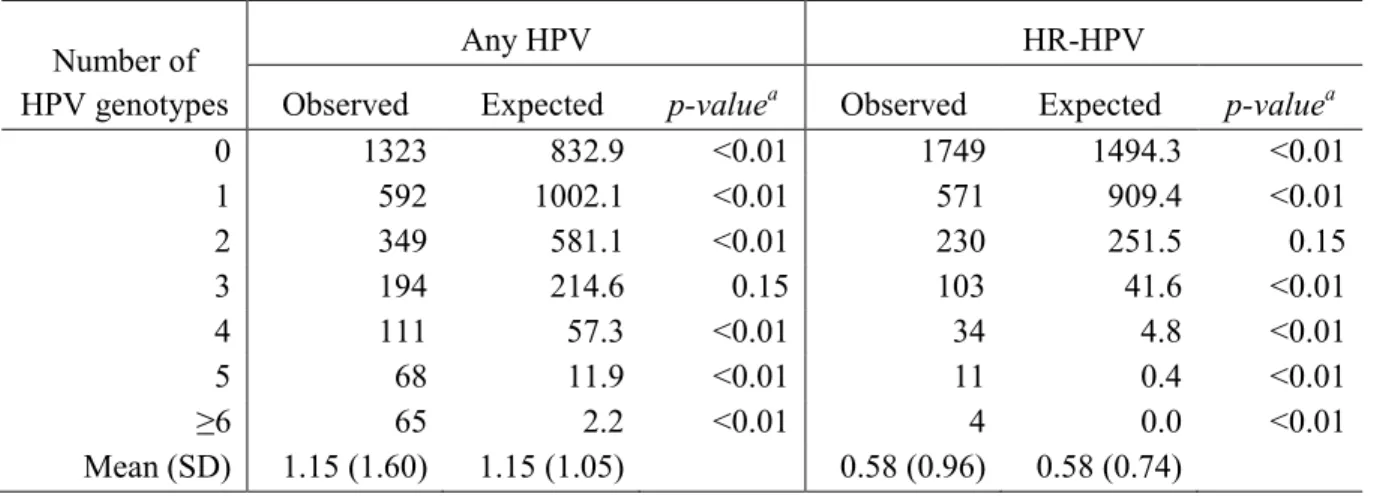
TABLE 4.1. COMPARISON OF THE OBSERVED AND EXPECTED
NUMBER OF HUMAN PAPILLOMAVIRUS (HPV) TYPES DETECTED ... 51
TABLE 4.2. CORRELATES MULTIPLE HPV INFECTIONS AMONG 1,379 MEN WITH HPV INFECTION AT BASELINE ... 52
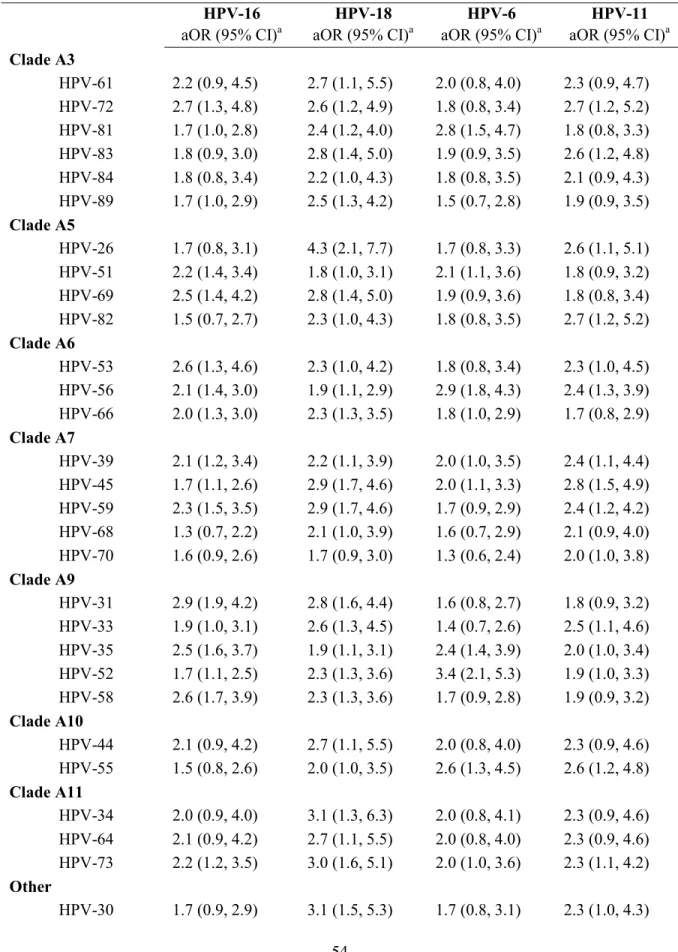
TABLE 4.3. ESTIMATED ODDS RATIOS BETWEEN THE FOUR VACCINE-PREVENTABLE HPV TYPES AND ALL OTHER NON-VACCINE HPV TYPES AMONG ALL MEN ... 54
TABLE 4.4. ESTIMATED ODDS RATIOS BETWEEN THE FOUR VACCINE-PREVENTABLE HPV TYPES AND ALL OTHER NON-VACCINE HPV TYPES AMONG MEN WITH AT LEAST ONE HPV INFECTION ... 56
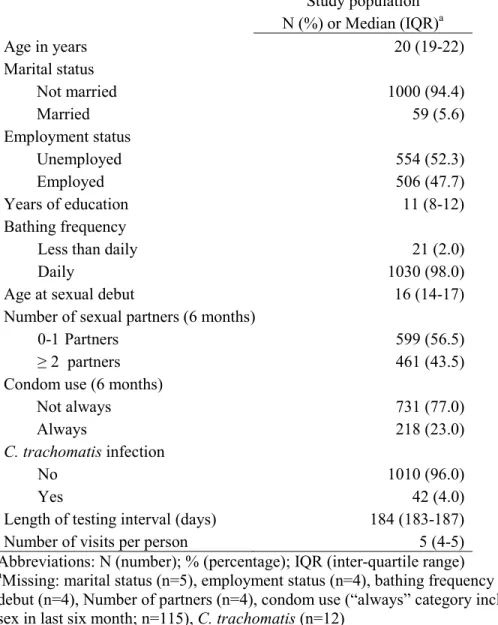
TABLE 5.1. BASELINE CHARACTERISTICS OF THE UNCIRCUMCISED, HIV-NEGATIVE MALE STUDY POPULATION (N=1,064) ... 69
TABLE 5.2. PREVALENCE OF HPV INFECTION IN 1,064 UNCIRCUMCISED
MALES OVER 24 MONTHS OF FOLLOW-UP ... 71
TABLE 5.3. ASSOCIATIONS BETWEEN TYPE-SPECIFIC HPV
INFECTIONS AT BASELINE AND FUTURE ACQUISITION OF OTHER HPV AND HR-HPV TYPES OVER 24 MONTHS OF FOLLOW-UP ... 72
TABLE 5.4. ASSOCIATIONS BETWEEN TYPE-SPECIFIC HPV INFECTIONS AT BASELINE AND FUTURE ACQUISITION OF
INDIVIDUAL HR-HPV TYPES ... 78
TABLE 5.5. THE ASSOCIATIONS BETWEEN GROUPED HPV-16, 18, 6 AND 11 INFECTIONS AT BASELINE AND ACQUISITION OF
xii
APPDENDIX TABLE 1. DISTRIBUTION OF HPV GENOTYPES AMONG MEN WITH HPV INFECTION AT BASELINE (N=1,379) ... 95
APPENDIX TABLE 2. PARAMETRIC SURVIVAL MODELS WITH AND WITHOUT FRAILTY TERM AND COVARIATES... 97
APPENDIX TABLE 3. SENSITIVITY ANALYSIS RESULTS FOR ANY-HPV ACQUISITION COMPARING METHODS USED TO CODE MISSING DATA FOR TIME TO EVENT ANALYSIS ... 98
APPENDIX TABLE 4. SENSITIVITY ANALYSIS COMPARING MAXIMUM LIKELIHOOD LOGISTIC REGRESSION TO SEMI-BAYESIAN LOGISTIC REGRESSION WITH VARYING ESTIMATES OF PRECISION FOR THE PRIOR PROBABILITIES ... 99
APPENDIX TABLE 5. ESTIMATED ODDS RATIOS BETWEEN THE VACCINE-PREVENTABLE HPV TYPES 16 AND 18 AND ALL OTHER HPV TYPES INCLUDING HPV-6 AND 11 ... 103
LIST OF FIGURES
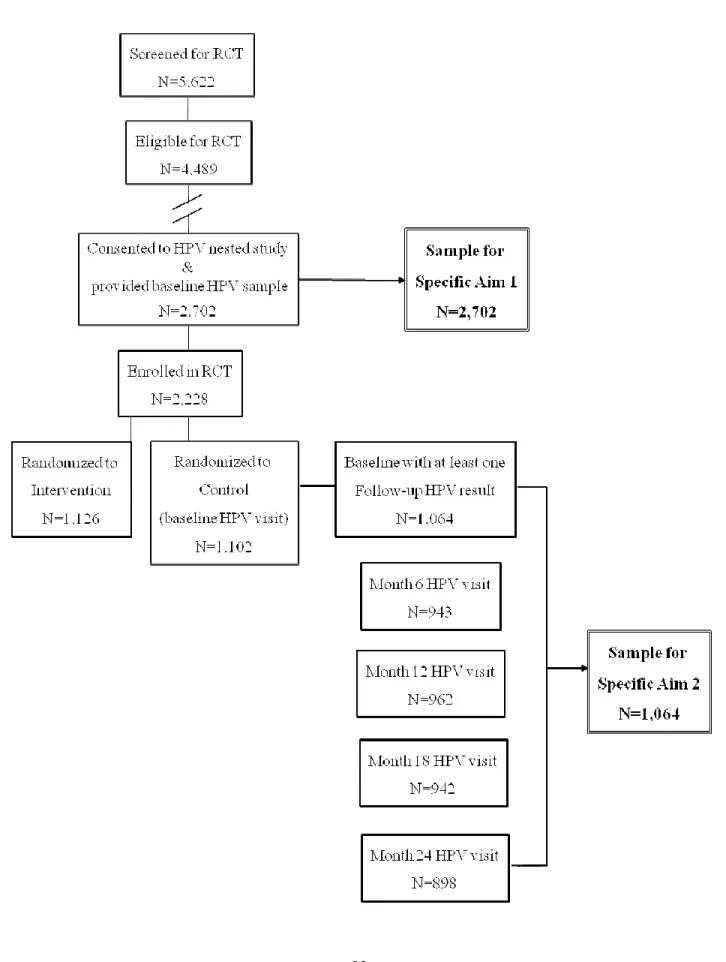
FIGURE 3.1. STUDY DESIGN AND SAMPLE POPULATION FOR DISSERTATION AIMS ... 23
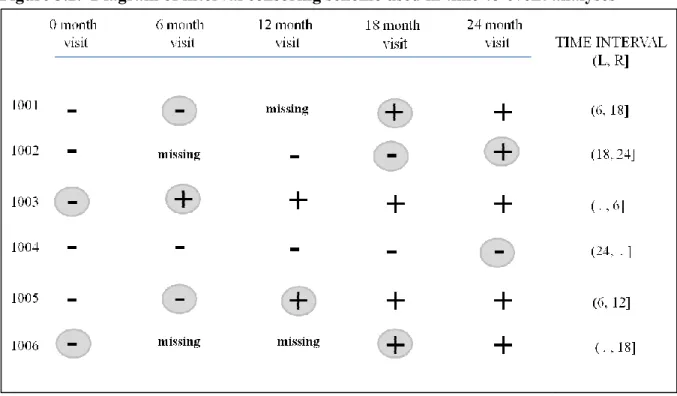
FIGURE 3.2. DIAGRAM OF INTERVAL CENSORING SCHEME USED IN TIME-TO-EVENT ANALYSES ... 34
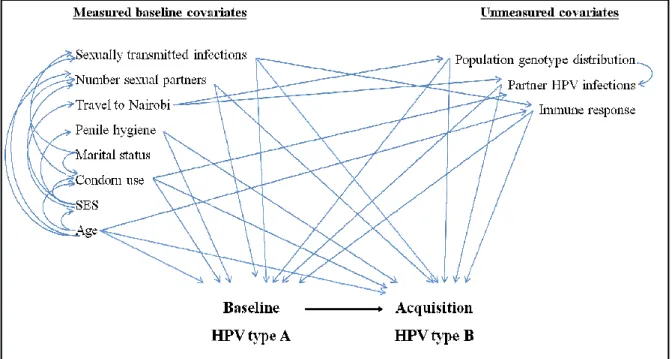
FIGURE 3.4. DIRECTED ACYCLIC GRAPH OF THE
ASSOCIATIONS BETWEEN BASELINE HPV TYPES AND TIME TO ACQUISITION OF OTHER HPV TYPES ... 36
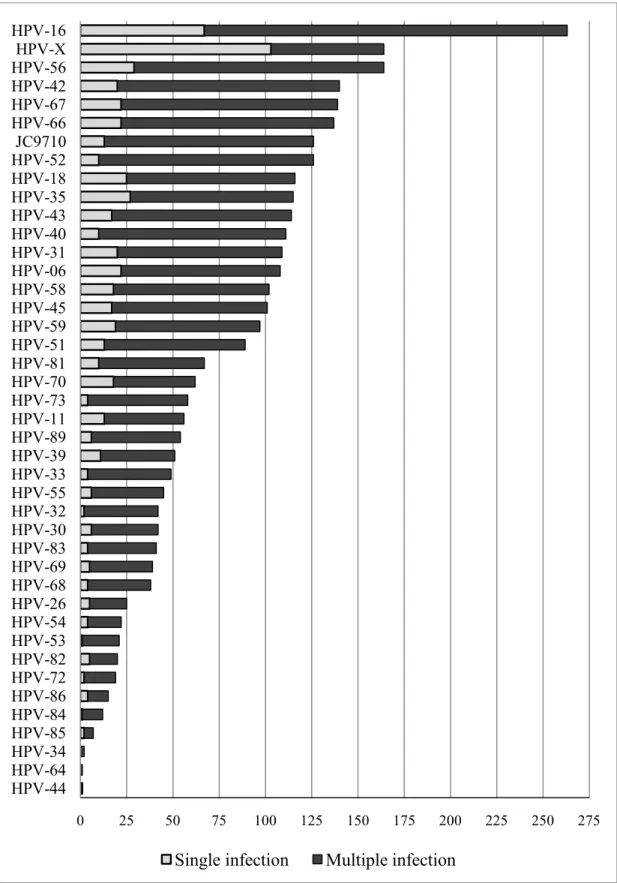
FIGURE 4.1. HPV GENOTYPE DISTRIBUTION OF MULTIPLE AND SINGLE INFECTIONS, IN ORDER OF DESCENDING PREVALENCE ... 50
FIGURE 5.1. ESTIMATES OF THE CUMULATIVE PROBABILITY OF ACQUISITION OF OTHER HR-HPV TYPES OVER 24 MONTHS BY BASELINE INFECTION STATUS. ... 74
APPENDIX FIGURE 1. DISTRIBUTION OF SINGLE AND MULTIPLE TYPE INFECTIONS IN THE 10 MOST PREVALENT HPV TYPES ... 106
APPENDIX FIGURE 2. SELECT DIAGNOSTIC PLOTS FROM PROC MCMC ... 107
xiv
LIST OF ABBREVIATIOS
aHR: adjusted hazard ratio
aMSR: adjusted median survival ratio
ASCUS: atypical squamous cells of undetermined significance
CI: confidence interval
DAG: directed acyclic graph
DNA: deoxyribonucleic acid
EIA: enzyme immunoassay
FDA: Food and Drug Administration
HIV: human immunodeficiency virus
HPV: human papillomavirus
HR: high-risk
HSV-2: herpes simplex type 2
LR: low-risk
LSIL: low-grade squamous intraepithelial lesions
MLE: maximum likelihood estimation
n: number
NPMLE: nonparametric maximum likelihood estimation
OR: odds ratio
p: statistical p-value
PCR: polymerase chain reaction
RCT: randomized control trial
xv STI: sexually transmitted infection
UNIM: University of Nairobi, Illinois and Manitoba
2 Human papillomavirus infection
Oncogenic human papillomavirus (HPV) infection is one of the most prevalent
sexually transmitted infections (STI) worldwide and is a necessary cause of invasive cervical
cancer[1-3]. It is responsible for other anogenital cancers, including vaginal and vulvar
cancer in women, and anal and penile carcinoma in men. There are over 130 types of HPV,
40 of which infect the anogenital tract of men and women. Fourteen types of HPV are
considered oncogenic or high-risk (HR) HPV types because they are found in invasive
cervical cancer biopsy specimens and laboratory data have shown their oncogenic potential.
HR-HPV infection is considered a necessary cause of cervical precancer and invasive
cervical cancer among women[1, 3, 4]. HR-HPV types include 16, 18, 31, 33, 35, 39, 45, 51,
52, 56, 58, 59, 66, and 68. Types classified as low oncogenic risk (LR) HPV include 6, 11,
26, 30, 32, 34, 40, 42, 43, 44, 53, 54 55, 57, 61, 64, 67, 69, 70, 71 (equivalent to CP8061),
72, 73, 81 (equivalent to CP8304), 82 (IS39 and MM4 subtypes), 83 (equivalent to MM7), 84
(equivalent to MM8), 85 (cand85), 86, 89 (cand89 equivalent to CP6108), and JC9710.
There are currently two FDA-approved HPV vaccines that provide type-specific
protection against HPV infection in both men and women. Merck produces a quadrivalent
HPV vaccine that protects against high-risk HPV types 16 and 18, and against LR-HPV types
6 and 11[5-7]. Nearly 70% of cases of cervical cancer have been attributed to infection with
HPV types 16 and 18 and types 6 and 11 are responsible for the majority (~90%) of genital
warts[1, 8]. The bivalent vaccine produced by GlaxoSmithKline provides protection against
3 Penile HPV infection
The prevalence of HPV in men has been reported to be 10-75% in men, and can vary
greatly depending on the characteristics of the study population, sample collection method
(e.g. swab, emery paper for exfoliated cells), anatomical site sampled, and the sensitivity of
the laboratory HPV assay employed[12-15]. HPV has been associated with 70-100% of
penile intraepithelial neoplasia and 40-50% of invasive penile cancer[16-18]. Although the
burden of HPV-associated penile lesions and cancer is relatively low compared to other
cancers in men such as anal cancer[19], rates of penile cancer have been correlated to rates of
cervical cancer at the population-level[20]. Men are important carriers of HPV infection and
may transmit their HPV infection to their female partners susceptible to the development of
cervical cancer[21, 22].
HPV deoxyribonucleic acid (DNA) has been detected in exfoliated cells from the
penile shaft, glans, coronal sulcus, urethra, scrotum and anus, and in semen and urine[12,
15]. Relative to cervical HPV infection, our knowledge of penile HPV in men is limited.
There are an overwhelming number of asymptomatic HPV infections in men with subclinical
penile lesions, and there are no routine screening programs for HPV infection or
HPV-associated genital lesions in men. However, studies suggest that the prevalence of male
penile HPV infection is at least as high as cervical HPV prevalence in women[23-30].
Detection of penile HPV DNA has been associated with lack of circumcision[26, 28, 31],
decreased condom use[31, 32], and increased frequency and number of sexual contacts[25,
4 Multiple HPV infections and type competition
Coinfection with multiple HPV types has been observed in 20-73% of HPV infected
males[14, 32-39] and have been associated with an increased risk of HPV acquisition of
additional HPV types[35, 40-43], HPV persistence[33, 35, 40, 44, 45], and development of
cervical precancerous lesions in women[46-48]. Multiple HPV infections could have an
impact on the efficacy of the HPV vaccine due to type competition or type replacement.
HPV type replacement, a change in the distribution of HPV types found in the population
when specific HPV types are reduced or eliminated by vaccination, is an important concern
related to mass HPV vaccination. Type competition may result from some yet unknown
biological mechanism, whereby infection with one HPV type inhibits the acquisition or
persistence of other HPV types[35, 42]. Thus, when one HPV type is prevented by
vaccination, the prevalence of the other HPV type could potentially increase. In contrast, if
infection with one HPV type facilitates the acquisition or persistence of other HPV types, it is
possible that when one HPV type is prevented by vaccination, the other type might be
reduced in the population following wide-spread vaccination.
If HPV types do compete, this will be reflected in the population as a low probability
of coinfection with two specific HPV types. However, there are several reasons why, in
addition to the possibility of type competition, that two HPV types may be unlikely to occur
together in coinfection. The prevalence of HPV types detected in a sample population are
dependent on the HPV type distribution found in the general population in that specific
geographical area and the HPV types circulating within sexual contacts from whom they
acquired their HPV infections. In addition, observed positive associations between HPV
5
as age[49-51], condom use[37], circumcision status[34, 52], and lifetime[37, 53, 54] or
recent[50] number of sexual partners. Thus, associations between HPV types reflect a
combination of exposure to HPV, the circulating genotype distribution, individual behavioral
characteristics, host susceptibility (e.g. acquired immunity or cross-protection), or molecular
interactions between HPV types that inhibit or facilitate infection with other HPV types[35,
42, 55].
Molecular studies of multiple HPV infections
Numerous studies have detected two or more HPV types in cervical and penile
samples and these studies provide evidence that more than one HPV type can co-exist in the
same tissue. However, only a few studies have examined molecular interactions between
HPV types within individual cells[56, 57]. Simultaneous infection with HPV-40, HPV-11
and HPV-82 led to regionally separate HPV infections within a single human foreskin
xenograft in mice[56]. These results suggest HPV types may interact in a way that results in
the expansion of a dominate type and a concomitant exclusion of other types[56]. An earlier
study found that several HR-HPV type combinations, electroporated into primary
keratinocytes, could occupy and replicate within a single cell[57]. This study found evidence
that HPV types may interact in coinfected cells to produce survival and replication
advantages for some types, while hindering proliferation of other types. For example,
HPV-18 maintained higher genomic copies when coinfected with HPV-31 and 39 than when singly
infected. It is possible that one viral type can out-compete other types for the necessary
6 Literature review
Currently, there is no direct evidence from prospective studies of vaccinated women
that certain HPV types are either reduced or increased in the population as a result of
vaccination. A limited number of studies in women provide information on whether specific
HPV types are likely to coinfect the genitals[49, 51, 53, 58-63], risk factors for multiple HPV
infections[50, 53, 63], and whether genital infection with one HPV type modifies the risk of
acquisition or clearance of another HPV type[40-43, 51]. However, there are no studies of
multiple HPV infections and type competition in African populations, where the HPV
genotype distribution may differ from those in North America, Europe or South America,
and there are no studies in men.
Previous cross-sectional studies in women have found that the prevalence of multiple
infections and the number of HPV types detected are observed more often than would be
predicted by chance alone (Table 1.1)[40-42, 58-60]. Studies have also reported several
HPV genotypes and phylogenetic clades to be associated with concurrent infection with other
types and clades. Among HPV-positive women, one study found HPV-52 and HPV-68 in
combination with HPV-16, and HPV-18 in combination with HPV6/11 to occur less often
than expected (p<0.05)[51]. A recent study from Denmark found 31 pair-wise type
combinations to be positively associated (p<0.05) and found 49 negative associations among
351 HPV pair combinations (p<0.05)[60]. However, these women were referred for testing
based on clinical suspicion of infection and only HPV-51 was consistently associated with
HPV-16[60]. A pooled analysis of women worldwide (n=13,961) found positive
associations, but no negative associations, between specific HPV pairs: HPV33+35,
7
33, 35, 52, 58) was found less often in multiple HPV infections as compared to all other HPV
clades (OR: 0.68; 95% CI: 0.48, 0.95) in a population of HIV-infected and uninfected women
from the United States[59].
Numerous prospective studies have found that women with HPV infection at baseline
are more likely to acquire additional HPV types and that acquisition of multiple HPV types
occurs more often than expected[40, 42, 43]. In addition, several papers have addressed
associations between individual HPV types and HPV acquisition(Table 1.2). In analyses
limited to five HPV DNA types, current infection with HPV-16, 18, 31, 45 or 6 did not
predict future acquisition of any other HPV type among female University students[42]. On
the other hand, in a population of cytologically normal women, there was an increased odds
of subsequent HPV DNA detection of species A7 genotypes among women with HPV-16
DNA at baseline compared to women without HPV-16. In agreement with results from the
ASCUS/LSIL Triage Study[55], any HPV infection, regardless of type, was associated with
an increase in HPV acquisition of other types due to a common mode of transmission or
common risk factors[43]. A pre-existing HPV-16 infection predisposed young women to
acquiring another HPV type infection but did not affect the persistence of other type
infections[43]. This finding is consistent with a study of low-income women from Brazil
that reported an effect of existing infection on the acquisition of another type but not an
effect on persistence[40]. In contrast, incident infections with HPV-16 and 18 were
associated with a higher odds of acquiring HPV-58, but not acquiring other types, among
12 Conclusions
When carcinogenic HPV infections are prevented by mass vaccination, there is a
theoretical possibility that this could result in other HR-HPV types filling the ecological
niche of HPV-16 and 18[64]. However, there is no direct evidence from prospective studies
of vaccinated individuals that non-vaccine HPV types are either reduced or increased as a
result of vaccination against HPV. Until there are large populations of vaccinated
individuals, the research community has responded to this potential concern by examining
the associations between HPV types in observational studies of women. Since there are
reported differences in genotype distribution across gender and geographical regions[12, 14,
65], the potential for HPV type replacement could differ across study populations. Given the
recent approval of HPV prophylactic vaccination for young men[66], data on HPV
coinfections in men are needed to assess associations between HPV types and the potential
14
Currently, there are no studies on HPV type competition and associations between
HPV types throughout the natural history of HPV infections in men. Therefore, using data
from a randomized control trial (RCT) of male circumcision in Kisumu, Kenya, we aim:
Specific Aim #1. To determine the type-specific associations between vaccine
preventable HPV types and all other HPV types.
Aim 1.1. To determine the correlates of multiple HPV type infections.
Aim 1.2. To determine whether multiple HPV infections occur more often than expected under the assumption of independence.
Aim 1.3. To determine the association between each of the four vaccine-preventable HPV types and all other HPV types.
Hypothesis. We hypothesize that multiple infections will occur more than expected under
the assumption of independence. Further, we will use a hypothesis generating approach to
identify HPV types that are negatively associated and indicate the potential for HPV
competition and warrant further investigation.
Specific Aim #2. To determine the associations between prevalent infections with
vaccine-relevant HPV types and acquisition of other HPV infections over 24 months.
15
Aim 2.2. To determine if infection with one of six vaccine-relevant HPV type is associated with future acquisition of other HPV type infections, for all high-risk HPV types in pair-wise combinations.
Hypothesis. We hypothesize that men with baseline infections with vaccine-relevant HPV
types will be more likely to acquire additional HPV types over follow-up as compared to
17
Parent study: randomized control trial of male circumcision to reduce HIV
A randomized control trial of male circumcision was conducted from 2002-2007 in
Kisumu, Kenya to assess the effectiveness of male circumcision to reduce the incidence of HIV
infection (Grant number U01-A150440, P.I. Dr. Robert Bailey)[67]. The study was an unblinded
randomized trial with two arms: the circumcision arm (intervention arm) and the delayed
circumcised arm (control arm). Recruitment began in February, 2002, and enrollment was
completed in September, 2005. Local newspapers, radio shows and street performances were
used to disseminate information about the study. Potential participants were recruited from STI
clinics, HIV voluntary testing and counseling centers, workplaces, and community organizations
that serve unemployed and less-educated young men. At the first screening visit, potential
participants were seen by trained counselors to determine if they met the study inclusion criteria,
below.
Inclusion criteria: Exclusion criteria:
Consent to participate Foreskin covers less than half of the glans
Uncircumcised Hemoglobin less than 90 g/L
HIV seronegative Hemophiliac or other bleeding disorder
Sexually active High prothrombin time index
Age 18–24 years Other medical condition contraindicating surgery
Resident of Kisumu district Absolute indication for circumcision
18
Eligible participants were invited for a second screening visit where they provided their
written informed consent and were enrolled in the trial. At the next study visit (referred to as the
baseline or randomization visit), participants were interviewed to obtain information on
socio-demographic status, health, and sexual behavioral. Study nurses recorded participants’ medical
history and conducted a medical exam to collect blood and other biological samples. At this
visit, men were assigned to either the intervention or the control arm based on randomly
permuted blocks of size 10 and 20, within age-groups of 18–20 years and 21–24 years, to ensure
approximately equal age distributions in the intervention and control arms. Men randomized to
the circumcision arm were immediately scheduled for surgery; those randomized to the control
arm were asked to remain uncircumcised until the end of the study, at which time they were
offered circumcision.
Study participants were followed at 6 month intervals for a total of 24 months after
randomization (all visits: 1) baseline/randomization, 2) 6 months, 3) 12 months, 4) 18 months, 5)
24 months). At each visit, a behavioral risk assessment, HIV testing and counseling, and STI
testing and treatment were conducted. All men were counseled to reduce their risk for HIV and
other STIs by consistently using condoms and reducing numbers of sex partners. During the
medical exam at each visit, the following specimens were collected: blood for rapid HIV, herpes
simplex virus type 2 (HSV-2) and syphilis (rapid plasma reagin) antibody testing; urine for
nucleic acid testing for . gonorrhoea and C. trachomatis, and T. vaginalis culture; a genital
swab from men with urethral discharge for . gonorrhoea and T. vaginalis culture, and .
gonorrhoea and C. trachomatis polymerase chain reaction (PCR); and a genital sample from
19
ested cohort study: natural history of HPV infections in men
Within the RCT is a nested cohort study of the effect of male circumcision on the risk
and natural history of penile HPV infection among young, sexually active men in Kisumu,
Kenya (Grant number R01 CA114773-04, P.I. Jennifer S. Smith)[32, 68, 69]. The aims of the
nested study are to characterize the natural history of HPV infections in uncircumcised males,
and to assess the effectiveness of male circumcision in reducing penile HPV incidence and HPV
persistence. Following the design of the parent RCT, penile samples for HPV DNA detection
and viral load were collected at baseline for all eligible males, and at biannual study visits
through 24 months of follow-up for all men enrolled in the RCT and randomized to either the
intervention or control arm.
Collection of penile samples for HPV DA detection
Men who consented to the nested HPV study had penile exfoliated cells collected from
two separate anatomical areas at each study visit during the medical examination. First, using a
pre-wetted Dacron swab, exfoliated cells were collected by rubbing the external penile shaft
vigorously a total of eight times with sufficient pressure in order to ensure that an adequate
number of cells were collected. For uncircumcised men, this specimen also included a sample
from the outer, external surface of the foreskin. Immediately following sample collection, the
swab from external penile shaft and foreskin (referred to as the shaft specimen), was placed in
one15mL tube containing Tris buffer. Next, with a different pre-wetted swab, cells were
20
the bottom of the glans in a circular motion; and by rotating the swab three times completely
around the circumference of the coronal sulcus. For uncircumcised men, an additional sample
was taken using the same swab from the inner foreskin tissue. Immediately following sample
collection, the swab of cells from the urethral orifice, glans, coronal sulcus, and inner foreskin
tissue (referred to as the glans specimen) was placed in a second 15mL tube with Tris buffer.
Both specimen tubes were sent directly to the Universities of Nairobi, Illinois and Manitoba
(UNIM) lab to be processed and stored at -80 degrees.
HPV DA laboratory detection
Samples were shipped to the Vrije Universiteit Medical Center in Amsterdam,
Netherlands where they were evaluated for DNA quality by beta (β)-globin specific PCR using
BGPCO3 and BGPCO5 primers [70]. HPV DNA positivity was assessed on all samples,
regardless of β-globin positivity, using GP5+/6+ PCR and an enzyme immunoassay (EIA)
read-out system with two HPV oligoprobe cocktails that detect 44 HPV types [70, 71]: 16, 18, 31, 33,
35, 39, 45, 51, 52, 56, 58, 59, 66, and 68 (classified as HR-HPV), and 6, 11, 26, 30, 32, 34, 40,
42, 43, 44, 53, 54 55, 57, 61, 64, 67, 69, 70, 71 (equivalent to CP8061), 72, 73, 81 (equivalent to
CP8304), 82 (IS39 and MM4 subtypes), 83 (equivalent to MM7), 84 (equivalent to MM8), 85
(cand85), 86, 89 (cand89 equivalent to CP6108), and JC9710 (classified as LR-HPV). For the
full laboratory protocol of PCR methods, see Appendix Document 1. GP5+/6+ PCR positive
samples were then subjected to HPV genotyping by reverse line blot hybridization (RLBH) [70].
HPV types detected by EIA but not by RLBH genotyping were designated as HPV-X, indicating
a type, subtype, or variant not detectable with RLBH, and were not included in either the
HR-HPV or LR-HR-HPV groups. For each line blot, PCR products of positive and negative controls
21
results. In addition to including positive and negative controls in each PCR and detection step,
reproducibility of the test results was monitored periodically by randomly retesting 5% of
samples. This highly specific PCR-EIA detection system with GP5+/6+ consensus primers has
been shown to have lower rates of cross-hybridization between HPV types[58, 70] but is also
relatively less likely to detect specific HPV types or multiple infections as compared to other
detection methods[72, 73].
Data analysis methods
Overview
Our analyses aimed to answer: What is the distribution of HPV genotypes and number of
concurrent infections among men? Are men without vaccine preventable HPV types 16, 18, 6,
11 more or less likely to have a concurrent infection with other specific HPV types?
Are individuals without vaccine-relevant HPV types 16, 18, 31, 45, 6 or 11 at baseline
more or less likely to acquire other high-risk HPV types compared to individuals with these HPV
type infections at baseline?
Sample population
Men who were eligible for inclusion in the RCT (4,489 of 5,622 screened), and who
consented to the HPV nested study and provided a penile sample at baseline (2,702 of 4,489)
made up the sample population for analysis of study aim #1 (Figure 3.1). Men in this sample
were HIV-negative, uncircumcised and were age 17-28 years. The study population for specific
aim #2 were men who consented to the HPV nested study (2,702 of 4,489), who were enrolled in
22
had HPV DNA samples at baseline and at least one follow-up visit (1,064 of 1,102). Men in this
sample were age 18-24 years and fully met all RCT inclusion criteria.
Categorization of HPV DA results for analysis
For both specific aims #1 and #2, one of 44 HPV types was considered the exposure type
and one of the other 43 HPV types was considered the outcome type, in order to determine the
pair-wise associations between HPV types. All analyses were based on pooled HPV status rather
than separate glans and shaft site-specific HPV status. This is because the aims relate to HPV
vaccination that provides overall not site-specific protection against HPV infection.
Furthermore, it is likely that an HPV type detected in the glans is also present on the shaft but it
is less likely to be detected because of fewer exfoliated cells per sample[15]. In addition, main
analyses included HPV DNA results regardless of detectable β-globin. As summarized in the
results of previous publications from this cohort[32] and in the results section below (Chapter 6),
approximately 70% of samples tested β-globin positive. The prevalence of HPV did not differ
between β-globin positive and negative samples. HPV infections, rather than men, were treated
as the unit of analysis because men could be simultaneously infected with multiple HPV types at
any given time. Infections that could not be genotyped by RLBH were not included in either the
Figure 3.1. Study design and sample population for dissertation aims
23
24 Analysis of specific aim #1
Exposure and outcome definitions
Specific aim #1 focused on cross-sectional associations between the four
vaccine-preventable HPV types (defined as 16, 18, 6, and 11) and all other 41 HPV types in pair-wise
combinations: HR-HPV 31, 33, 35, 39, 45, 51, 52, 56, 58, 59, 66, 68, and LR-HPV 26, 30,
32, 34, 40, 42, 43, 44, 53, 54 55, 57, 61, 64, 67, 69, 70, 71, 72, 73, 81, 82, 83, 84, 85, 86, 89,
JC9710, and HPV-X. In addition, the distribution and correlates of multiple versus single
HPV infections were described. A single infection is defined as baseline HPV DNA
positivity to any one single HPV type in the glans and/or the shaft. For example, if HPV-16
was detected in the glans but not the shaft, or if HPV-16 was detected in both the glans and
the shaft, an infection was classified as a single type infection. A multiple infection is
defined as the detection of two or more different HPV types in either the glans or the shaft
combined, regardless of the HPV types. For example, if HPV-16 was detected in the shaft
and HPV-35 in the glans, or if HPV-16 and HPV-35 were detected in the glans and no HPV
was detected in the shaft, an infection was classified as multiple type infection.
Missing data
All men included in the cross-sectional analysis of aim #1 provided a baseline HPV
DNA sample (N=2,702). However, covariate data were missing (see Table 3.1 below for a
detailed list of missing data). We did not impute missing values for covariates in the analysis
of correlates of multiple infections but rather proceeded with a complete-case analysis since
less than 5% of participants had incomplete data. Because potential confounding variables
25
probabilities, missing data did not limit men from entering the hierarchical logistic regression
analyses of HPV type associations (N=2,702).
The observed vs. expected number of HPV types
The distribution of the number and types of HPV detected were described (see
Appendix Table 1 for the distribution of HPV types detected in single vs. multiple HPV
infections, and Appendix Figure 1 for a graphical representation of HR vs. LR types in
multiple and single infections, and of the number of HPV types stratified by type-specific
HPV infection at baseline). The observed number of men with 0, 1, 2, 3, 4, 5, and 6 or more
concurrent HPV types detected was compared to the frequency that would be expected under
the assumption that each HPV infection is independent of all others. For each man, infection
with each of the 45 possible HPV types was simulated by random generation of a binary
variable with the probability of infection equal to the observed prevalence of that type in the
study population[42]. The expected frequencies of each number of HPV infections were then
calculated as the average frequency over the 1,000 stochastic simulations of 2,702
observations. The observed prevalence of the 14 HR-HPV types was used to simulate the
expected number of infections with only high-risk HPV types. Data simulation, as opposed
to multiplication of the marginal probabilities, was a much more efficient method to
determine the expected number of infections. For example, in order to determine the
expected frequency of infection with any two HPV types without data simulation, 990
probabilities would have to be calculated (e.g. 45 chose 2 to determine the probability of
being positive for type 1-2 and negative for all other types, plus the probability of being
26
Two-sided p-values were calculated to determine if the observed frequency of 0. 1, 2,
3, 4,5, 6+ infections was less than or greater than the expected frequency if each infection
was independent. For i=0 to 6+ HPV types, Oi was the observed number of men with i
infections, and Ei was the expected number of men with i infections based on data
simulations. For simulated the datasets j=1 to 1000, Oij was the number of men with i
infections in the jth dataset. Thus, the two-sided p-value was calculated as proportion of
simulated data sets where |Oij-Ei| >= |Oi-Ei|.
Correlates of multiple HPV infections
Study covariates that were investigated as potential correlates of multiple HPV
infections were identified in the previous literature on multiple infections in men and women
and previous baseline analysis of this cohort[32, 37, 74]. The categorizations of the variables
that we considered in our analysis are outlined below (Table 3.1).
Univariate logistic regression was used to estimate odds ratios (ORs) and 95%
confidence intervals (CIs) for potential correlates of multiple versus single HPV infections.
Multivariate logistic regression was used to estimate associations between each potential
correlate and multiple HPV infections, simultaneously adjusting for all other potential
correlates. These variables were also considered potential confounders in the analysis of
HPV type associations, below.
The degree of collinearity between variables included in the multivariate model was
assessed by examining the variance inflation factor (VIF) and tolerance (1/VIF) values. No
27
value chosen to highlight variables likely to be a linear combination of other variables in the
model[75].
Table 3.1. Covariates considered in univariate and multivariate models as potential correlates of multiple HPV infections
Study covariates Missing Model inclusion Justification
Age (in years) n=0 Continuous Previous literature on prevalence
and acquisition of HPV infections Travel to Nairobi (6 months
prior to baseline)
n=5 Binary (any/none) Potential exposure to additional
HPV types and relates to SES
Bathing frequency n=14 Binary
(daily/less than)
Baseline paper on risk factors, to
represent male hygienea
Number of partners (6 months prior to baseline)
n=23 Categorical
(0-1 vs. 2+)
Previous literature and baseline paper on risk factors
Condom use (6 months prior to baseline)
n=129 Binaryb
(always, not always)
Previous literature and baseline paper on risk factors
. gonorrhea n=23 Binary (detected/not) Baseline paper on risk factors and
represents marker of sexual activity/sexual risk behaviors
C. trachomatis n=24 Binary (detected/not) Baseline paper on risk factors and
represents marker of sexual activity/sexual risk behaviors
a
Baseline paper on risk factors for HPV infection within this cohort (J. Smith, IJC, 2010)
b
“Always” category includes men who report no sex in last 6 months
Semi-Bayesian methods for HPV type associations
Next, hierarchical regression analysis was used to obtain semi-Bayes estimates of the
ORs[76] between the four vaccine-preventable HPV types and 41 other outcome HPV types,
adjusting for potential confounders of the association between HPV types. When data are
28
estimates as compared to maximum likelihood estimation (MLE). Prior information from the
study data (in this analysis: the average association between all types) and from the literature
(in this analysis: the range of expected odds ratios) are incorporated into these two-stage
models[77-79].
The type-specific prior means for HPV-16, 18, 6 and 11, µj, where j = 1 to 4, were
estimated from the data and their variability was propagated through hyperpriors. The µj are
the average of the log odds ratio between the individual vaccine type and all 41 other HPV
types, adjusted for age, travel to Nairobi (in 6 months), bathing frequency, number of sexual
partner (in 6 months), consistent condom use (in 6 months), and current Gonorrhea and C.
trachomatis infection. Multivariate logistic regression models for all 164 pair-wise
combinations (4 exposure types by 41 outcome types) were conducted to obtain the
individual adjusted ORs. Then, the crude averages of the ORs were calculated separately for
each of four exposure types. Thus, the prior inputs for the semi-Bayesian model were:
µ16=0.6796, µ18=0.9264, µ6=0.6238, µ11=0.7605. A hyperprior for the type-specific prior
means was added to the models to express our uncertainty around the estimates of µj [78].
The hyperprior, µH, was normally distributed with a mean zero and a variance of 0.5. Next,
we assumed that 95% of the log odds ratios should fall within a 5-fold range based on
previous literature [41-43, 55, 60]. Thus, the prior variance for each µj, τ2, was set equal to
0.169 in the main analysis, which was back calculated from the assumed OR range: τ2 =
{[ln(ORU)-ln(ORL)]/3.92}2. Model estimates are reported as the exponentiated posterior
medians and 95% credible intervals, analogous to ORs and 95% CIs.
Semi-Bayesian logistic regression was implemented in SAS version 9.2 using the
29
provided, which highlights model settings and parameterization (Appendix document 2).
The models were set with 2,000 burn-in iterations, 2,000 tuning iterations and 80,000
MCMC iterations (excludes burn-in) with a thinning rate of 10 (only 1 out of every 10
iterations is kept). The final models settings were chosen based on a review of model fit and
in accordance with current expectations in the literature (personal communication with Dr.
Steve Cole: a review of PROC MCMC SAS coding, model diagnostics, and iteration
settings). Representative sets of diagnostic plots (HPV-45 and HPV-52) for model
convergence and fit are presented in Appendix Figure 2:
1. The stable mean of the trace plots indicates the Markov chain has converged and
the full coverage (e.g. traces span the full range and are thick) of the plots
indicates the models have good mixing.
2. The plots of autocorrelations of the posterior samples shows that the
autocorrelations drop quickly and remain zero after 5-10 lags, which shows the
model settings were sufficient.
3. The kernel density plots show the distribution for the estimates of the posterior
marginal distributions for each parameter, which are a smooth, bell-shape,
indicating a well-fit model.
Sensitivity analyses
1) The case of the bivalent HPV vaccine was also considered; analyses were
30
the exposure types, and the 43 other types, including HPV-6 and 11, were considered the
outcome types (results presented in Chapter 4).
2) The precision of the estimates from the semi-Bayesian logistic regression is
partially dependent on the value of the prior variance of the prior probabilities, τ2. We
explored the results obtained when setting τ2 to 0.35, which reflects a 10-fold difference in
the prior 95% confidence limits and 1.38, which reflects a 100-fold difference in the prior
95% confidence limits (results presented in Chapter 4).
3) Previous studies of HPV type associations and competition have used maximum
likelihood estimation techniques. Therefore, to compare our results with other published
studies, ORs of HPV type associations were also estimated using maximum likelihood
logistic regression. These models were constructed in the same manner as the semi-Bayes
models: the individual models for each of the 41 outcomes types contained the four exposure
HPV types and the covariates age, travel to Nairobi, bathing frequency, number of sexual
partner, consistent condom use, and current Gonorrhea and C. trachomatis infection (results
presented in Chapter 4).
Strengths and limitations
Although the analytical methods for specific aim #1 improved upon previous studies,
there are several limitations to highlight in order to properly interpret the results. First, there
were no data on immunological susceptibility and no data on HPV types detected in female
sexual partners. These unmeasured cofounders could affect HPV infection status and
genotype distribution, and thus affect the observed associations between HPV types.
31
confounding variables, the observed associations between HPV types are influenced by
unmeasured factors that cause positive (e.g. shared risk factors and transmission routes) and
negative (e.g. low prevalence of specific HPV types or potential type competition)
associations between HPV types.
Using multiple models to draw conclusions regarding 164 pair-wise HPV type
associations raises the problem of multiple comparisons, which can increase the probability
of falsely concluding HPV types associated. On the other hand, the number of comparisons
in our analysis is reduced compared to previous studies[58-61]. By including all four
exposure types in each model, we not only adjusted for infection with the other HPV types
but fewer models were needed to determine all pair-wise associations. The semi-Bayesian
methods have increased power to detect differences between even rarer HPV types and
reliably reduce the overall error in the set of estimates because of the information gained by
incorporating prior probabilities into two stage modeling[77-79]. However, it is important to
note that when the data are sparse, the prior information carries more weight in the regression
analysis and the estimates are shrunk towards the grand mean, while estimates with more
data will be less influenced by the prior probabilities.
Analysis of specific aim #2
Exposure and outcome definitions
Specific aim #2 was a prospective analysis that focused on the association between
type-specific HPV infection at baseline and acquisition of additional HPV infections over 24
months of follow-up. The exposure of interest was a baseline infection with HPV-16, 18, 31,
32
their inclusion in current generation HPV prophylactic vaccines. Given the relatively high
prevalence of HPV 45 in adenocarcinoma and the potential for HPV cross-protection against
HPV-31[10], we also investigated associations between HPV-31 and 45 and future HPV
acquisition. The outcome was acquisition of any-HPV, HR-HPV and each 1 of 14 HR-HPV
types over 24 months of follow-up (Table 3.2). In both the analysis of group and individual
HPV type outcomes, type-specific HPV acquisition was defined as the detection of a new
genotype at the current visit that was not detected at any of the previous study visits.
Table 3.2. Index and referent groups for the analysis of HPV acquisition
Baseline exposures of interest Acquisition outcomes of interesta
Vaccine-relevant types
HPV16+ vs. HPV16-
Any-HPR, HR-HPV, HPV-18, 31, 33, 35, 39, 45, 51, 52, 56, 58, 59, 66, 68
HPV18+ vs. HPV18-
Any-HPR, HR-HPV, HPV-16, 31, 33, 35, 39, 45, 51, 52, 56, 58, 59, 66, 68
HPV31+ vs. HPV31-
Any-HPR, HR-HPV, HPV-16, 18, 33, 35, 39, 45, 51, 52, 56, 58, 59, 66, 68
HPV45+ vs. HPV45
Any-HPR, HR-HPV, HPV-16, 18, 31, 33, 35, 39, 51, 52, 56, 58, 59, 66, 68
HPV6+ vs. HPV6-
Any-HPR, HR-HPV, HPV-16, 18, 31, 33, 35, 39, 45, 51, 52, 56, 58, 59, 66, 68
HPV11+ vs. HPV11-
Any-HPR, HR-HPV, HPV-16, 18, 31, 33, 35, 39, 45, 51, 52, 56, 58, 59, 66, 68
Vaccine-relevant groups
HPV16 and/or 18+ vs.
HPV16 and 18- HPV-31, 33, 35, 39, 45, 51, 52, 56, 58, 59, 66, 68
HPV6 and/or 11+ vs.
HPV6 and 11- HPV-16, 18, 31, 33, 35, 39, 45, 51, 52, 56, 58, 59, 66, 68
HPV16, 18, 6 and/or 11+ vs.
HPV16, 18, 6, 11- HPV-31, 33, 35, 39, 45, 51, 52, 56, 58, 59, 66, 68
a
33 Time to event: interval censoring methods
Interval censored survival methods for time to first acquisition for each HPV type
were used because the actual time of acquisition was not directly observed; acquisition
events are only known to have occurred between the last HPV negative visit and the first
HPV positive visit[80]. For each HPV type where an event was not observed, the data were
right-censored at the final study visit (Figure 3.2). If men crossed-over to the circumcision
arm during follow-up before experiencing an event, they were right-censored at their last
visit with HPV DNA results prior to their circumcision.
The intervals were used to accommodate missing visits where HPV DNA results
were unavailable. If the visit(s) before the first HPV positive visit was missing, the interval
was widened to accommodate the missing observation(s). For example, the left interval was
the last HPV negative visit date and the right interval was the first HPV positive date, with
the missing visit inside this interval. If HPV DNA results were missing in between two HPV
negative visits, then the missing value was assumed to be HPV negative and it was not
Figure 3.2. Diagram of interval censoring scheme used in time
Parametric survival models
Parametric frailty survival models were used to estimate the overall association
between type-specific infections at baseline and acquisition of any
Parametric frailty models account for the correlation between HPV types among men who
acquire multiple infections[81]
assumed to follow a Weibull distribution, such that the model can be viewed as either an
accelerated failure time model or a proportional hazards model
model,
for the ith participant and the
random frailty effect, which
34
Figure 3.2. Diagram of interval censoring scheme used in time-to-event analyses
survival models were used to estimate the overall association
specific infections at baseline and acquisition of any-HPV and HR
Parametric frailty models account for the correlation between HPV types among men who
[81] and allow for interval censored data. Survival times were
assumed to follow a Weibull distribution, such that the model can be viewed as either an
accelerated failure time model or a proportional hazards model[81, 82]. In the Weibull
,
participant and the jth HPV genotype, where is the shape parameter,
, which is assumed to be normally distributed with a mean of zero
event analyses
survival models were used to estimate the overall association
HPV and HR-HPV.
Parametric frailty models account for the correlation between HPV types among men who
and allow for interval censored data. Survival times were
assumed to follow a Weibull distribution, such that the model can be viewed as either an
In the Weibull
is the shape parameter, is the
35
exp(β) represents the adjusted hazard ratio (aHR) and exp(
β)represents the adjusted
median survival ratio (aMSR) for men with a baseline HPV type compared to men without
that baseline type. aHRs less than 1.0 indicates a lower rate of HPV acquisition among men
positive for a specific HPV type compared to men negative for that same type at baseline,
adjusted for potential confounding variables. Similarly, the aMSRs compare the median
survival time among HPV infected versus uninfected men at baseline, adjusted for potential
confounding variables.
Parametric survival models without the random effects frailty term were used to
estimate the aHRs for the associations between prevalent HPV types and acquisition of each
one of the 14 individual HR-HPV types. In the Weibull model:
,
is the shape parameter, is a vector of covariate values and is a
vector of coefficients
Variables were identified as potential confounders of the association between
baseline HPV type and time to acquisition of additional HPV types through an extensive
review of the literature. A directed acyclic graph (DAG) was used determine the minimally
sufficient set of adjustment variable to best control for confounding (Figure 3.4). All models
of HPV acquisition were adjusted for potential confounding variables, including baseline
measurement of age (continuous centered at the median age of 20 years; no missing), male
hygiene (daily vs. less than daily bathing frequency; missing=13), number of sexual partners
prior to baseline (self-reported always vs. less than always
the presence of C. trachomatis
HPV infections; missing=12).
population so a complete case analysis approach was used.
Figure 3.4. Directed acyclic graph time to acquisition of other HPV types
Survival curves to assess model fit and describe patterns of HPV acquisition
Survival curves were used to graphically display the pattern of HPV acquisition by
HPV-16, 18, 31, 45, 6 and 11 DNA status at baseline. The survival function, which describes
the probability that an HPV infection has not been acquired as a function of tim
estimated using the nonparametric maximum likelihood estimator (NPMLE)
36
reported always vs. less than always condom use; missing=115
C. trachomatis (baseline STI shown in aim #1 to be associated with multiple
). Covariate data was complete for ~90% of the sample
population so a complete case analysis approach was used.
Directed acyclic graph of the associations between baseline HPV types and time to acquisition of other HPV types
Survival curves to assess model fit and describe patterns of HPV acquisition
Survival curves were used to graphically display the pattern of HPV acquisition by
16, 18, 31, 45, 6 and 11 DNA status at baseline. The survival function, which describes
the probability that an HPV infection has not been acquired as a function of tim
estimated using the nonparametric maximum likelihood estimator (NPMLE)[83, 84] ; missing=115) and
im #1 to be associated with multiple
90% of the sample
of the associations between baseline HPV types and
Survival curves were used to graphically display the pattern of HPV acquisition by
16, 18, 31, 45, 6 and 11 DNA status at baseline. The survival function, which describes
the probability that an HPV infection has not been acquired as a function of time, was
37
is the general form of the Kaplan-Meier estimator for interval censored data. We used the
published SAS macro %ICE, which is appropriate for data that are arbitrarily censored at
varying times and with varying interval widths[80]. This macro produces survival function
estimates and confidence limits for one or more groups using the iterative convex estimator
(ICE) of Wellner and Zhan[85]. This method has been shown to be an efficient method for
computing the NPMLE of the survival function with interval-censored data. We chose to
graph the cumulative distribution function, which is one minus the survival function (F=1-S),
so the figures represent the cumulative probability of HPV acquisition.
To assess model fit, the NPMLE of the survival function for each baseline HPV type
were plotted along with the parametric estimates of the survival function estimated by the
Weibull frailty model (Appendix Figure 3). The survival functions were not adjusted for
other covariates, however, the frailty models do account for multiple HPV acquisitions. A
good model fit is indicated by overlapping survival curves, with similar shape and values,
from both the nonparametric and parametric models. The absolute values of the probability
of HPV acquisition are consistently slightly lower for the parametric MLE than the
nonparametric estimates. However, both sets of curves are monotonic and have a similar
shape, showing an increase in HPV acquisition over time. Curves from both the parametric
models with an assumed Weibull distribution for the survival time and the nonparametric
models indicate the same general conclusions regarding the relative probabilities of
acquisition among men with as compared to without baseline infections with each of the six
38 Sensitivity analyses
1) The main analysis of any-HPV and HR-HPV acquisition was conducted using
parametric survival models with a random effects frailty term and adjustment for several
confounding variables. Therefore, models without the frailty term and adjustment variables
were also conducted for any-HPV and HR-HPV acquisition (Appendix Table 2). In general,
there was little difference between adjusted and unadjusted aHRs for HPV acquisition. The
precision of estimates from the models that included the frailty term, which took into account
the possible correlation between HPV among men with multiple infections, was reduced
compared to the equivalent model without the frailty term. This implies that each additional
infection contributed less information to the model than if all infections were considered
independent, as in the non-frailty models.
2) Men with no HPV for prolonged periods of time may differ from men who have
HPV over a two year period, either behaviorally or immunologically. Therefore, we
conducted additional frailty modeling analyses restricted to just men who had at least on
HPV type detected at least once (results presented in Chapter 5).
3) In construction of the censoring intervals, we assumed that a missing HPV DNA
result that was between two HPV negative visits, was also HPV negative (limited case of last
value carried forward). An alternative choice would be to use imputation methods to assign a
value to the missing HPV data. Data imputation would assign some missing values to be
HPV negative and some to be HPV positive based on the pattern of covariate data. The
overall effect on our estimate of HPV acquisition would be somewhere in between assuming
all missings were HPV negative or positive. Therefore, to better understand our
39
value to HPV positive and re-analyzed the data. The point estimates and confidence intervals
from the sensitivity analysis were very similar to the results of the original analysis
(Appendix Table 3). Therefore, we proceeded with our original method and did not use data
imputation methods.
Strengths and limitations
This analysis was limited to men randomized to the control arm. Therefore, the
sample size is smaller than full cohort and it’s possible that the results are not generalizable
to circumcised men. The smaller samples size could result in reduced power to detect
differences by baseline status, especially for rarely acquired HPV types. In addition, the
analysis of aim #2 also has the problem of multiple comparisons since only one outcome type
or group is included in each model. However, it was important to examine all high-risk
pair-wise associations between vaccine-relevant HPV types and future HR-HPV acquisition, as
these relate to risk of anogenital cancers and the impact of HPV vaccination. This analysis
focused only on HPV acquisition but HPV persistence may also differ by HPV type. The
association between type-specific HPV infections and HPV persistence will be examined in a
future analysis. Splitting HPV acquisition and HPV persistence into separate papers allows
us to explore both topics in-depth with numerous HPV group and type-specific analyses.
We used novel survival methods to account for correlation between types among men
who acquire multiple HPV infections in the analysis of grouped outcomes (e.g. any-HPV and
HR-HPV). Another strength of our analysis is the method of calculating time-to-event. We
chose to use interval censoring techniques because it requires fewer assumptions regarding
when the event happened, as opposed to test date or mid-point assumptions. Interval
40
particularly for studies with biannual testing intervals for an infection as dynamic HPV. In
addition, by using interval-censoring, the only assumption we had to make regarding missing
data was that a missing value in between two negative tests was HPV negative since all
other missed visits were included in the acquisition interval. This method required fewer and
potentially more realistic assumptions than carrying the last value forward for all missing
data. Also, if we had instead chosen to censor individuals at the first missed visit, we would
have reduced our sample size and power; a lot of men who were missing at 6 months
42 Abstract
Background: There is little information on multiple HPV infections and the potential for type
competition in men, yet competition may impact the type-specific efficacy of HPV
vaccination.
Methods: To assess the potential for HPV type competition, adjusted odds ratios for
pair-wise combinations of prevalent HPV type infections were estimated using semi-Bayesian
methods among 2,702 uncircumcised, HIV-seronegative men in Kisumu, Kenya. The
observed numbers of HPV types detected were compared to the expected number, which was
simulated under the assumption of independent infections.
Results: Half of all men were HPV positive, of whom 57% had multiple HPV types. We
observed men without HPV infection and with four or more HPV types more often than
expected if infections were independent. No negative associations between individual HPV
types were observed. HPV types 31, 39, 56, 58, and 59 were positively associated with both
carcinogenic vaccine types HPV-16 and 18 (two-sided p-value <0.05).
Conclusions: Men who were HPV infected were likely to test positive for more than one
HPV type. Cross-sectional associations between individual HPV types were positive and did
not appear to be type-specific. Thus, we did not identify HPV types that are candidates for
43 Introduction
Human papillomavirus (HPV) infection is the main cause of cervical cancer in
women[3, 86], and responsible for other genital cancers, including anal and penile carcinoma
in men. Co-infection with multiple HPV types is common and observed in 20-73% of HPV
infected males[14, 32-38, 52]. Multiple HPV type infections have been associated with
acquisition of other HPV types and increased HPV persistence in men[35], and cervical
precancerous lesions in women[46-48].
There are currently two FDA-approved HPV vaccines that provide protection against
HPV-16 and 18 [9-11] or HPV-16, 18, 6 and 11 [5-7]. Nearly 70% of cases of cervical
cancer have been attributed to infection with oncogenic HPV types 16 and 18[1, 8] and
low-risk HPV types 6 and 11 are responsible for the 90% of genital warts. HPV type
co-infections could affect the population-based impact of HPV vaccination in both young
women and men due to potential HPV type competition and subsequent type replacement[40,
41]; that is, an increase in the prevalence of non-vaccine HPV types in the population when
vaccine-preventable HPV types are reduced or eliminated[51]. Type competition may result
from some yet unknown biological mechanism, whereby infection with one HPV type
inhibits the acquisition or persistence of other HPV types [35, 42]. In contrast, if infection
with a specific HPV type facilitates the acquisition or persistence of other HPV types, it is
possible that when one HPV type is prevented by vaccination, the other type might be
reduced in the population.
If HPV types do compete, this will be reflected in the population as a low probability
of co-infection with two specific HPV types. However, there are several reasons why, in
44
occur together within a multiple infection. The prevalence of HPV types detected in a
sample population are dependent on the HPV type distribution in the general population in
that geographical area, as well as the HPV types circulating within their networks of sexual
contacts. In addition, observed positive associations between HPV types may be due to the
common transmission route and risk factors for all HPV types, such as age[49-51], condom
use[37], circumcision status[34, 52], and lifetime[37, 53, 54] or recent[50] number of sexual
partners. Thus, any association between individual HPV types reflects a combination of
exposure to HPV, the type distribution among sexual contacts, and immunological and
behavioral characteristics[35, 42, 55].
To date, there are no detailed studies of multiple HPV infections and type competition
in an African population, where the HPV genotype distribution may differ from those in
North America, Europe or South America[65]. Given the recent approval of HPV
prophylactic vaccination in the United States for young men[66], data on HPV co-infections
in men and their female sexual partners are needed to assess the potential for future HPV
type replacement. Using data from a randomized control trial of male circumcision in
Kisumu, Kenya[67, 69], we investigated the association between vaccine-preventable HPV
types (16, 18, 6 and 11) and 41 other HPV types using semi-Bayesian methodology.
Methods
Study population and design
From February 2002 to December 2006, a randomized controlled trial (RCT) was
conducted in Kisumu, Kenya to determine the effectiveness of male circumcision in reducing
![Table 4.2. Correlates multiple HPV infections among 1,379 men with HPV infection at baseline Single HPV [N(%) or Median(IQR)] Multiple HPV [N(%) or](https://thumb-us.123doks.com/thumbv2/123dok_us/8321888.2205903/67.918.127.818.295.791/correlates-multiple-infections-infection-baseline-single-median-multiple.webp)