University of South Carolina
Scholar Commons
Theses and Dissertations
2018
Examining the Impact of the Lucy Calkins
Teacher-Student Conference Tool in Collaboration with
Accelerated Reader on Reading Comprehension of
5th-Grade Students at a Suburban Elementary
School: An Action Research Study
Laura Elizabeth ClawsonUniversity of South Carolina
Follow this and additional works at:https://scholarcommons.sc.edu/etd Part of theCurriculum and Instruction Commons
This Open Access Dissertation is brought to you by Scholar Commons. It has been accepted for inclusion in Theses and Dissertations by an authorized administrator of Scholar Commons. For more information, please [email protected].
Recommended Citation
Examining the Impact of the Lucy Calkins Teacher-Student Conference Tool in Collaboration with Accelerated Reader on Reading Comprehension of 5th-Grade
Students at a Suburban Elementary School: An Action Research Study
by
Laura Elizabeth Clawson
Bachelor of Science
East Tennessee State University, 2004
Master of Arts
University of North Carolina Charlotte, 2008
Education Specialist
Lincoln Memorial University, 2013
Submitted in Partial Fulfillment of the Requirements
For the Degree of Doctor of Education in
Curriculum and Instruction
College of Education
University of South Carolina
2018
Accepted by:
Nathaniel Bryan, Major Professor
Richard Lussier, Committee Member
Victoria Oglan, Committee Member
Suha Tamim, Committee Member
Copyright by Laura Elizabeth Clawson, 2018
Dedication
I dedicate this dissertation to all my friends and family. Your support during this
journey has meant more to me than I can ever express with words. First, I would like to
recognize my parents, for being my cheerleaders my entire life and teaching me to be and
do my best always. I would also like to recognize my brother, because he has always
believed in me and stood by me. My daughter, Camryn, and son, Beckham, have been so
patient when I have had to work on my school work and taken time away from being
with them. I hope that I have instilled a sense of lifelong learning that they will set out to
achieve in their own unique ways, because they are the light of my life. Last, I dedicate
this to my husband, Cory. Thank you for understanding my need to fulfill this dream and
for supporting me. Your reassurance throughout these past three years has allowed me to
Acknowledgements
Dr. Nathaniel Bryan has been a very supportive chairperson during the
dissertation writing process. His guidance and expertise has been invaluable for the
completion of this three-year journey, and I have appreciated working with him. I would
also like to acknowledge my other committee members for their time and feedback; ate,
Dr. Richard Lussier, Dr. Victoria Oglan, Dr. Suha Tamim Thank you all for your
commitment to this dissertation.
I would also like to acknowledge the supportive members in my school district.
First, my fifth-grade team, Stacie Speas, Danielle Cayton, Leah Allen, and Michelle
Hahn. Their support over the past three years has been the most heartfelt, and I will
always be grateful. Thank you to all my colleagues at my school, who also strive to be
the best teachers they can be. I have been blessed with three principals during my years
as an educator: Ronald Foulk, Kristin Kiser, and Donna Kelly. The vision each you
bestowed of being a lifelong learner is evident not just in our students, but also to all
members of our school community. A special thank you to Dr. Melissa Balknight and Dr.
Abstract
This paper describes a problem of practice arising from a concern that students are not
continuously making reading comprehension gains. Focusing on the problem of practice,
the researcher developed a triangulation action research study involving a convenience
sampling population in a fifth grade elementary school classroom to examine the impact
of the teacher-student conferencing tool from Lucy Calkins’s reader’s workshop model in
collaboration with the Accelerated Reader program and comprehension to answer the
following research question: What impact do the student-teacher conferences from the
Lucy Calkins workshop have on reading comprehension as measured by the AR
program? The eight-week study consisted of semi-structured teacher-student conferences
at least once per week using quantitative data from the AR program to drive the
conference. The t-test did not indicate a significant difference p=0.73, but there was an
overall gain of the independent reading level of the class from 4.4 to 4.8 with 18 of the 27
students increasing their independent reading level. Teacher-student conferencing did
show a positive correlation to an increase in book volume, engaged time spent reading,
and book level.
Table of Contents
Dedication ... iii
Acknowledgements ... iv
Abstract ... v
List of Figures ... ix
Chapter 1: Introduction ... 1
Topic and Background ... 1
Statement of the Problem ... 3
Purpose Statement ... 7
Research Questions ... 8
Significance of the Study ... 8
Study Rationale ... 9
Action Research as the Chosen Methodological Approach ... 9
Assumptions, Limitations, Scope, and Delimitations ... 10
Operational Definitions ... 11
Summary and Conclusion ... 13
Chapter 2: Literature Review ... 14
Introduction ... 14
Comprehension ... 15
Students’ Reading Comprehension Achievement ... 17
Building Blocks of AR... 23
AR Research Studies... 26
AR and Conferencing Studies ... 35
Key Components of Lucy Calkins’s Reader’s Workshop ... 37
Teacher-Student Conferencing ... 42
Conferencing Research Studies ... 45
Summary ... 48
Chapter 3: Methodology ... 50
Introduction ... 50
Action Research Design ... 51
Four Stages in the Research Process ... 51
Summary and Conclusions ... 63
Chapter 4: Findings from Data Analysis ... 65
Findings of the Study ... 66
Overall Results from STAR Data ... 67
Analysis of Weekly Diagnostic Report and Student Records ... 72
Teacher-Student Conferences ... 76
Interpretation of the Quantitative Results of the Study ... 77
Conclusions ... 85
Chapter 5: Summary and Overview of the Study ... 86
Questions and Suggested Additional Research... 87
Action Plan... 91
References ... 96
Appendix A North Carolina NAEP Reading Results ... 106
Appendix B U.S. NAEP Reading Scores... 107
Appendix C TOPS Report ... 108
Appendix D Sample Diagnostic Report – Reading Practice Summary ... 109
Appendix E Sample Student Record Report ... 110
Appendix F Parental Consent Letter ... 111
Appendix G Sample STAR Summary Report ... 113
Appendix H Sample STAR Test ... 114
Appendix I Sample State Standards Report ... 115
Appendix J Instructional Planning Report ... 116
List of Figures
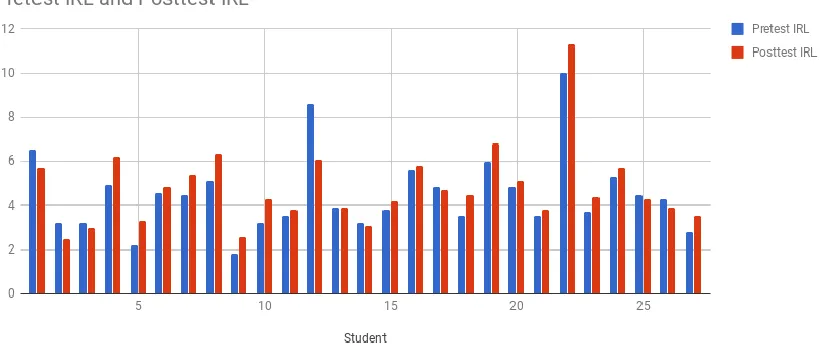
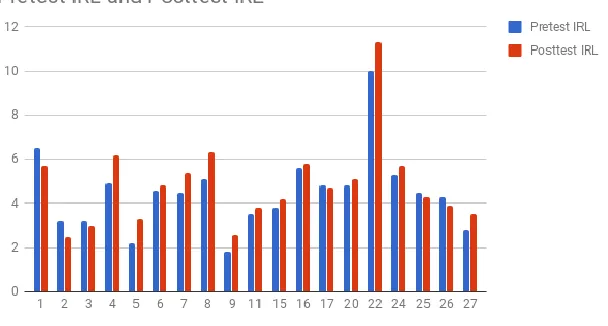
Figure 4.1. Overall results of the STAR data... 67
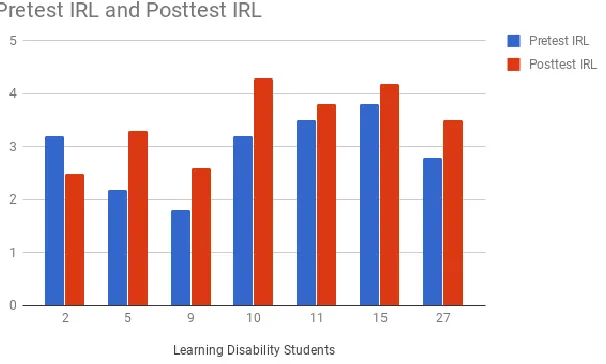
Figure 4.2. Students diagnosed with a reading or learning disability ... 68
Figure 4.3. Academically intelligent students ... 69
Figure 4.4. White students ... 69
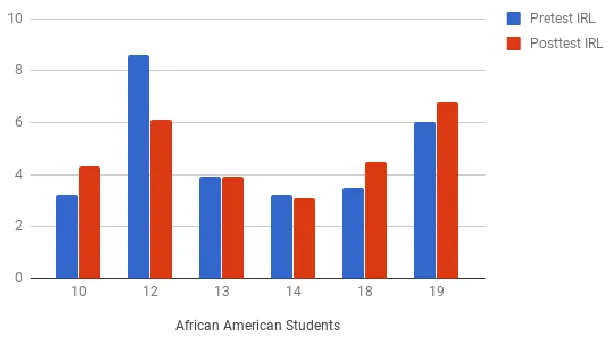
Figure 4.5. African American students ... 70
Figure 4.6. Hispanic students ... 70
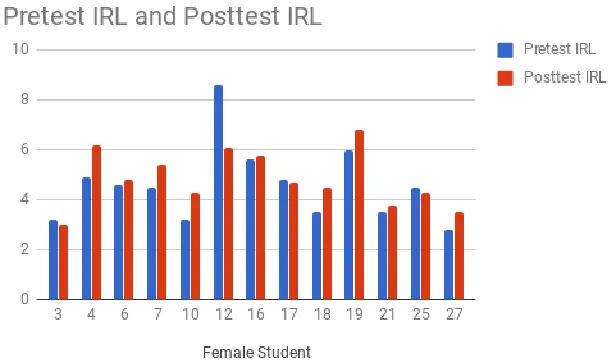
Figure 4.7. Female students ... 71
Figure 4.8. Male students ... 71
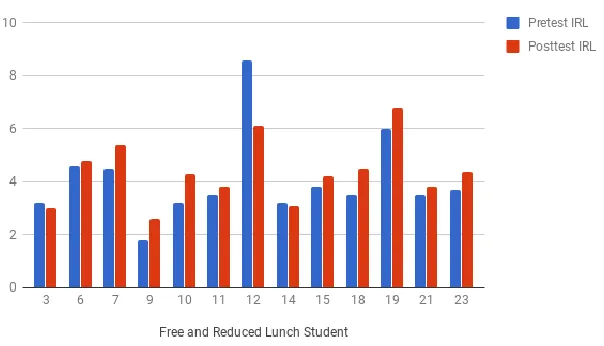
Figure 4.9. Free and reduced lunch participants ... 72
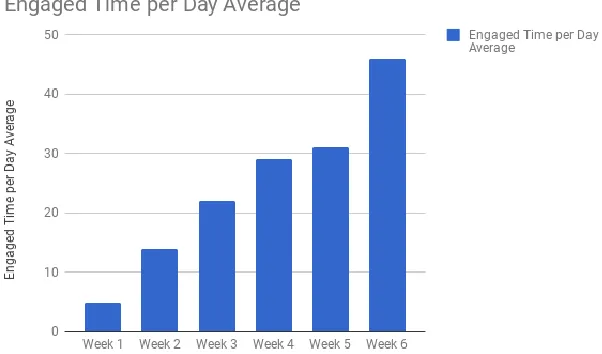
Figure 4.10. Engaged time per day average ... 73
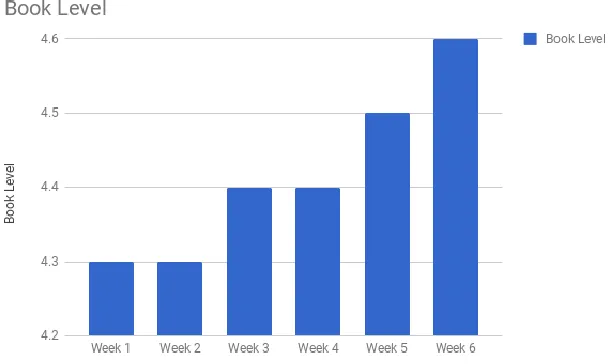
Figure 4.11. Book level ... 74
Figure 4.12. Book quizzes passed and quizzes taken ... 75
Chapter 1: Introduction
Topic and Background
All states must define what proficiency in reading is following the 2001
reauthorization of the Elementary and Secondary Education Act of 1965 (U.S.
Department of Education, 2015). Even though states determine their own standards and
assessments, the National Assessment of Educational Progress (NAEP) depends on
equipercentile mapping so that each state can undergo comparison (U.S. Department of
Education, 2015). Equipercentile is explained by the U.S. Department of Education
(2015):
For a given subject and grade, the percentage of students reported in the state
assessment to be meeting the standard in each NAEP school is matched to the
point on the NAEP achievement scale corresponding to that percentage. The
results are then aggregated over all of the NAEP schools in a state to provide an
estimate of the NAEP scale equivalent of the state’s threshold for its standard. (p.
3)
According to the 2013 State Standards and NAEP Achievement Levels in Grade 4, only
three states were proficient, with a score of at least 238, in reading (U.S. Department of
Education, 2015). North Carolina is the state in which this action research study took
place. According to the NAEP (U.S. Department of Education, 2015), North Carolina’s
is making gains in reading, but it is still below proficient in fourth-grade reading (see
Appendix A for North Carolina NAEP results).
The Programme for International Student Assessment (PISA), produced by the
Organisation for Economic Co-operation and Development, measures performance in
math, science, and reading for 15-year-olds, and students take it every three years
(Stewart, 2012). Sixty countries take part in the PISA assessment, and the main goal of
this assessment is to determine how well students apply their knowledge to real-life
situations (Stewart, 2012). Stewart (2012) stated, “The United States is not among the top
performers in of the three subjects tested by PISA. U.S. performance is average at best
and largely flat.… American students are not well prepared to compete in today’s
knowledge economy,” (p. 24). The U.S. Reading PISA score in 2009 was 500, in 2012 it
was 498, and in 2015 it was 497. The average score on the reading PISA is 493.
Twenty-three countries perform higher in reading than the United States. America’s scores in
reading are dropping.
Increasing students’ reading comprehension was the goal for this action research
study. The first time a child reads a book from cover to cover independently, a whole new
world opens for that student. Over the course of reading instruction, many students’
comprehension levels may plateau. Goodwin (2011) explained that between the ages of
nine and ten years old, children who were reading on grade level will suddenly show a
decrease in reading ability, also known as “the fourth-grade reading slump.” This action
research focused on using the teacher-student conferencing tool in Lucy Calkins’s
reader’s workshop in collaboration with the trademarked program, Accelerated Reader
Statement of the Problem
According to Gullo (2013), “Since the passage of No Child Left Behind (NCLB),
data-driven decision making has become one of the central foci in schools in their attempt
to attain and maintain adequate levels of student academic performance” (p. 413).
Data-driven instruction is the use of standards-based assessments to make educational
decisions (Gullo, 2013). Literacy proficiency in the early years has links to academic
progress later in life (Gullo, 2013). There is no foolproof way to teach reading
comprehension, and each district within each state determines its own methodology for
reading instruction. The problem of practice is that districts mandate language arts
curriculum programs, but teachers are not using data tools effectively to drive instruction
and to increase reading comprehension. If teachers used data to drive instruction, then
teacher effectiveness and program efficacy may increase children’s academic
performance and narrow achievement gaps (Gullo, 2013). According to Gullo (2013),
By collecting targeted types of data, program administrators can gain insights into
curriculum design and development. These data can also provide an
understanding of root causes of problems or potential problems. This then
provides an avenue through which administrators, curriculum developers, or
teachers can solve problems holistically, rather than only dealing with the
symptomatic elements of the identified problems. Data provide information about
what works and what is in need of improvement. Therefore, best practices can be
shared among classes, school, and districts. Finally, data provides information
about student performance with regard to attainment of knowledge and skills or
Educators must make data-driven decisions throughout the year to drive instruction to
increase reading comprehension, and they cannot wait on end-of-year state test results.
Literacy instruction in elementary schools has evolved over the years. Reading
wars over skill-based instruction versus a holistic view of instruction have led to a
balanced literacy approach (Bingham & Hall-Kenyon, 2013). According to Bingham and
Hall-Kenyon (2013),
Balanced literacy is a philosophical perspective that seeks to combine, or balance,
skill-based and meaning-based instruction in order to ensure positive reading and
writing results in children. The balanced literacy framework is often
conceptualized based on a view of scaffolded instruction, or gradual release of
responsibility (reading and writing – to, with and by students; where teachers
provide varying levels of support based on children’s needs. Balanced literacy
instructional practices are often enacted through the use of specific instructional
routines such as guided reading, shared reading, interactive writing, literacy
centers and independent reading and writing. The use of these instructional
techniques is intended to allow for differentiated literacy instruction and is posited
as a way of helping children gain access to developmentally appropriate literacy
knowledge skills. (p. 16)
The balanced literacy approach is the literacy model the researcher’s district has adopted.
During the 1990s, the district in which this research study took place began
requiring all classroom teachers in second through eighth grade to implement the AR
program to build reading comprehension. The district purchased this
language arts (ELA) adopted textbook basal. A Nation at Risk (U.S. National
Commission on Excellence in Education, 1983) reported that the U.S. education system
was falling far behind the global competition, and one component of the report focused
on textbooks:
Textbooks and other tools of learning and teaching should be upgraded and
updated to assure more rigorous content. We call upon university scientists,
scholars, and members of professional societies, in collaboration with master
teachers, to help in this task, as they did in the post-Sputnik era.… Because no
textbook in any subject can be geared to the needs of all students, fund[s] should
be made available to support text development in “thin-market” areas such as
those for disadvantaged students, the learning disabled, and the gifted and
talented. (para. 21)
One problem with textbooks is that they cover specific reading levels to correlate with
grade levels, even though each classroom has many students on various reading levels
(Dole, Brown, & Trathen, 1996). States and districts have searched for curriculum
programs to increase students’ reading comprehension so that the United States can boost
performance and compete globally.
In this race to be the best, schools in the district in which this research took place
purchased licenses to begin using AR. Teachers and administrators received training from
Reading Renaissance (2007) to implement the AR program to motivate students to read
independently on their own individual reading levels (IRLs) and to reach reading
comprehension goals to improve reading. Over the years, schools and teachers have
implementation of AR, but some trained educators have retired or left the profession,
leaving new teachers to set their own course of implementation due to the lack of
professional development since the original implementation.
In 2012, 47 states adopted the Common Core State Standards (CCSS) to ensure a
rigorous curriculum to prepare students for 21st-century learning. The introduction to the
ELA standards is as follows:
The Common Core asks students to read stories and literature, as well as more
complex texts that provide facts and background knowledge in areas such as
science and social studies. Students will be challenged and asked questions that
push them to refer back to what they have read. This stresses critical-thinking,
problem-solving, and analytical skills that are required for success in college,
career, and life. (Common Core State Standards Initiative, 2012, para. 2)
The state in which this study took place adopted the CCSS, and the district of this study
began to implement reader’s workshop in kindergarten through fifth grade, based on the
model developed by Lucy Calkins. With the new curriculum implementation, AR is still
a requirement of the district in which the study took place. These two programs are not
integrated, but rather they work parallel to one another. It is not a requirement to integrate
the two programs, but educators must find ways to work smarter, not harder, and this
integration is an example of that expression. Lucy Calkins’s reader’s workshop focuses
heavily on qualitative data from anecdotal notes based on teacher-student conferencing,
whereas AR provides quantitative data based on student comprehension tests. Only
relying on one type of data source does not provide the whole picture of a child’s literacy
data to drive instruction and to facilitate decisions to improve students’ reading
comprehension.
According to Smith and Westberg (2011), “AR is an isolated event in most
classrooms and is not integrated into other literacy activities” (p. 2). The elementary
school where this study took place uses the AR program, although teachers implement
AR in their own manner. There are 14 classrooms in third through fifth, and each teacher
utilizes AR at his or her own discretion. One common theme between teachers using the
program is the belief that AR is just a requirement for the student to complete
independently to earn AR points. AR is not an independent reading (IR) practice.
Teachers are struggling to integrate AR with reader’s workshop. Calkins (2006) stated,
“The problem is that if our teaching is to be an art, we need an organizing vision that
brings together all of these separate components into something graceful and vital, and
significant” (p. 4). Using the conferencing methods of reader’s workshop with AR, not
only to discuss reading strategies (quantitative data), but also to focus on AR
comprehension progress (qualitative data) may allow the teacher to implement both
programs successfully and effectively and may increase students’ reading
comprehension.
Purpose Statement
The purpose of this action research study was to determine whether integrating
the teacher-student conferencing tool from Lucy Calkins’s reader’s workshop along with
the AR program increases fifth-grade reading comprehension. Teachers in the district
where the research took place use both AR and Lucy Calkins’s reader’s workshop. The
Integrating both programs may improve ELA instruction and alleviate stress. The
researcher’s district also analyzes data from the STAR reading test throughout the year to
monitor comprehension levels. It expects data-driven instruction from all classroom
teachers.
Research Questions
To examine the potential effects of teacher-student conferencing on AR and
comprehension, the following research questions guided this study:
RQ 1: What impact does Lucy Calkins’s teacher-student conference tool in
collaboration with the AR program have on elementary students’ reading
comprehension?
RQ 2: What impact does Lucy Calkins’s teacher-student conference tool in
collaboration with the AR program have on specific student groups (learning
disabled, academically intelligent gifted (AIG), race, gender, and socioeconomic
status)?
RQ 3: What impact does Lucy Calkins’s teacher-student conference tool in
collaboration with the AR program have on students’ engaged time per day
reading, book level, and book volume?
Significance of the Study
The significant results of this study may show changes in comprehension and lead
to program integration within the researcher’s school, or even in the whole district. Using
both qualitative and quantitative data is necessary to make curriculum decisions. This
Study Rationale
The U.S. National Commission on Excellence in Education (1983) declared
America’s education system at risk, but it sent a message to students: “When you work to
your full capacity, you can hope to attain the knowledge and the skills that will enable
you to create your future and control your destiny” (para. 57). Students must learn what
their full capacity is. The quantitative data the AR software provides aids teachers and
students to examine the current reading capacity of a student and then to work together
during teacher-student conferences to set goals and reach reading levels, showing gains
over the course of a year. Chapter 2 shows the mixed results from AR from previous
researchers, possibly as a result of isolated implementation (Smith & Westberg, 2011).
Using teacher-student conferencing techniques associated with the reader’s workshop
model along with AR may aid in students reaching their maximum reading
comprehension ability and developing self-efficacy. Other countries are outperforming
the United States, and its scores are dropping instead of increasing. Elementary school is
the crucial time to develop the reading skills necessary for life. The rationale for this
study is to integrate reading programs and to provide both qualitative and quantitative
data to build reading comprehension in 5th-grade students.
Action Research as the Chosen Methodological Approach
For the participant-researcher, a fifth-grade classroom teacher, action research
was the most appropriate model for this study. The goal was to increase students’ reading
comprehension in the 5th-grade classroom by using both qualitative and quantitative data
from two separate reading programs. Action research is a cyclical, four-stage procedure:
the researcher identified and limited the topic, gathered information, reviewed the
relevant literature, and developed a research plan, as presented in Chapters 1 and 2
(Mertler, 2014). Phase 2: the acting stage, consisted of collecting and analyzing the data
(Mertler, 2014). The developing stage is where the researcher developed an action
research plan, as presented in Chapter 3 (Mertler, 2014). The final stage: reflecting
consisted of sharing and communicating the results and reflection on the whole action
research process (Mertler, 2014).
Assumptions, Limitations, Scope, and Delimitations
This action research focused on finding quantitative evidence to determine
whether integrating the teacher-student conferencing tool from Lucy Calkins’s reader’s
workshop with the AR program increased reading comprehension. The researcher
assumed that comprehension would grow during this action research study. Limitations
included the small population consisting only of fifth-grade students. The administration
of the school selected the available students. The study took place over an eight-week
period. The researcher used the STAR test both pre- and posttest for data. The researcher
kept anecdotal records during student conferencing; therefore, triangulation of
quantitative measures from AR along with qualitative measures from teacher-student
conferencing was possible. There was no script for conferencing to allow for the diversity
of students in the class and individual needs. Student motivation was recorded in
anecdotal notes during conferences. The researcher did set AR point goals for students to
earn because that is a requirement of the district, but extrinsic rewards were not given if
Operational Definitions
Acronyms and technical jargon arise in education, including terms dealing with
literacy development in schools. Cornett (2010) provided examples of operational
definitions based on research, teacher wisdom, and educational philosophies. Being able
to communicate thoughts, ideas, feelings, and emotions effectively through
comprehension and composition, written expression, is the definition of literacy (Cornett,
2010). Reading is only one aspect of literacy, and Cornett stated, “Reading is
constructing, creating, or composing sense from any text” (p. 6). Comprehension,
meaning understanding of text, is both a process and a product (Cornett, 2010). A text in
use in this study was a library book, word-based source of meaning. The definitions of
other terms are as follows:
Accelerated Reader (AR): A term used to describe a computerized information
system that collects information on students as they read books and take multiple-choice
quizzes to assess their comprehension (Mallette, Henk, & Melnick, 2004).
Guided independent reading: An active time for students to read, find books, and
take AR tests while the teacher circulates around the room, monitors, coaches, and
conferences with students about reading (Renaissance Learning, 2007).
Information processing theory: A theory to explain how the human brain
interprets sensory information, like a computer (Beers, 1987).
Self-efficacy: A term that describes the belief in one’s ability (Corkett, Hatt, &
Social cognitive theory: A theory developed by Albert Bandura to explain human
functioning as the result of an interaction between factors related to the self, environment,
and behavior (Putman, 2005).
Standardized Test for the Assessment of Reading (STAR): A norm-referenced
placement test to ascertain reading level and then a posttest to measure comprehension –
measures the zone of proximal development (ZPD) or instructional reading level (Groce
& Groce, 2005).
Sustained silent reading: A term that describes continuous opportunities for
students to read sustained texts, time to read them, and teacher support for doing so. IR
enables readers to branch out, to enhance and expand their reading diet (Carey, Howard,
& Leftwich, 2013).
Teacher-student conferencing: A meeting between the student and teacher that
can be brief or in depth depending on the goals and needs of each student. Conferences
should always consist of planning for the reading conference, learning about the student’s
personal interests and attitudes towards reading, referring to previous goal(s), gathering
information about the student’s progress and discussing this information with the student,
hearing the student read, clarifying the processes or comprehension strategies or other
aspects of reading (e.g., fluency, vocabulary, decoding, variety of texts being read) the
student is using and ensuring the student is monitoring and reflecting on how these
support understanding of the text, providing personalized, specific feedback, on-the-spot
teaching, agreeing on goals for further learning and establishing tasks to help achieve
goals, recording observations and comments, extending a student’s reading interests, and
Zone of proximal development (ZPD): A term that describes a dynamic continuum
of independent and assisted abilities associated with Vygotsky’s theory of child
development (Groce & Groce, 2005).
Summary and Conclusion
This action research study focused on solving the problem of how to increase
students’ reading comprehension using teacher-student conferencing during reader’s
workshop along with AR as an active learning experience. From A Nation at Risk to
NCLB, data-based instruction is key when implementing a balanced literacy model.
Integrating programs that collect different types of data may allow teacher inquiry to
evolve into a more dynamic and engaging curriculum implementation (Drake, 2012). The
researcher created this action research study to examine the impact of teacher-student
conferencing on AR and students’ reading comprehension by answering the research
questions. Reading comprehension may rise as teacher effectiveness improves through
data-driven instruction.
The following chapters explain this action research further. Chapter 2 provides
literature about AR and Lucy Calkins’s reader’s workshop model. It includes studies that
question and support the use of AR. It also discusses research showing the effectiveness
of including teacher-student conferencing during reading. Chapter 3 outlines the action
research model the researcher implemented for this study. The results follow in Chapter
4, specifically answering all three research questions. Chapter 5 gives the interpretation
Chapter 2: Literature Review
Introduction
With the different movements of reading models in literacy instruction, there have
been ups and downs in reading achievement scores across the United States since 1998
(U.S. Department of Education, 2015). The basal reader has been in use predominantly
since the early 1900s (Graves & Dykstra, 1997). Throughout the course of the reading
wars, the basal reader underwent adaptation to fit a skill-specific approach to
whole-language approach, but always keeping all students on the same reading level (Graves &
Dykstra, 1997). A balanced literacy approach explains that all children learn differently
and that there is no one specific way to teaching reading during the elementary years. The
AR program began during the age of the basal readers to begin having students read on
their independent reading levels (IRLs). Reader’s workshop models then evolved to
provide differentiated reading instruction and a balanced literacy approach.
AR is a computerized information system that collects information (data) on
students as they read books and take multiple-choice quizzes to assess their
comprehension (Mallette et al., 2004). There is contradictory evidence among researchers
regarding the effectiveness of AR to improve reading comprehension in elementary
students. Variables that impact this mixed review of evidence are implementation, book
availability, time spent independently reading, population size, and extrinsic rewards.
There are few studies to show the impact of conferencing on reading comprehension, so
data for this literature review. This chapter explains the conferencing aspects in detail
while outlining previous research. There are many gaps in the research due to differences
in data focus for each program; quantitative data drives AR, while qualitative data drives
reader’s workshop. Gathering a picture of the whole child is crucial when evaluating
reading comprehension progress. The data from STAR reports and the daily use of AR
provide data for engaging conversation during a student-teacher reading conference.
This chapter has the following subheadings: comprehension, students’
achievement in comprehension, theoretical framework, historical context (support to
integrate AR and student-teacher conferencing), the building blocks of AR (provides the
background to the AR program and how to implemented it in classrooms), AR research
studies (organized by no significant results and implementation studies), studies
including AR and conferencing, key components of Lucy Calkins’s reader’s workshop
(explaining the reader’s workshop model and how AR can fit into this program),
conferencing research studies, and summary. The broad range of research in this
literature review examines the practical use of AR, conferencing, and comprehension.
Comprehension
Cornett (2010) defined comprehension as an inquiry-based problem-solving
process. Another definition, “Literacy is the ability to communicate thoughts, ideas,
feelings, and emotions effectively through comprehension (understanding) and
composition” (Cornett, 2010, p. 5). The adoption of the CCSS has caused a change in
literacy instruction at the elementary level due to an emphasis on higher level
evaluate, analyze, and reason (Calkins, Ehrenworth, & Lehman, 2012). Researchers over
the years have identified seven subcategories of comprehension:
• activating relevant prior knowledge before, during, and after reading a text
• determining the most important themes and ideas in a text
• creating visual and sensory images, before, during, and after reading a text
• asking questions
• drawing inferences
• retelling and synthesizing
• utilizing a variety of fix-up strategies to repair comprehension when it breaks
down. (Serravallo, 2014, p. 13)
These strategies take place before, during, and after reading. Students must learn how to
use these strategies through explicit instruction, teacher modeling, and guided and
independent practice to become effective (Pressley, Roehrig, Bogner, Raphael, &
Dolezal, 2002).
Comprehension instruction must take place in a supportive classroom context and
include a great deal of time actually reading, experience of reading real texts for real
reasons, an environment rich in vocabulary and concept development through reading,
experience, and, above all, discussion of words and their meanings, substantial facility in
the accurate and automatic decoding of words, and an environment rich in high-quality
talk about text (Duke & Pearson, 2002). Research by Gottfried (1985), Sweet, Guthrie,
and Ng (1998), West and Stanovich (1995), and Guthrie and Wigfield (2000) has shown
that achievement on standardized tests has links to motivation to read, and this laid the
literacy tasks in a supportive classroom context has direct links to increased motivation of
reading and higher achievement on the reading standardized test (Guthrie et al. 2006).
According to Guthrie et al., the following instructional practices increase reading
motivation and comprehension:
• providing content goals for reading
• supporting student autonomy
• providing interesting texts
• facilitating social interactions related to reading
• maintaining warm relations between teachers and students
• using hands-on activities to spark interest. (p. 232)
Literacy instruction in the classroom that includes both AR and student-teacher
conferencing from Lucy Calkins’s reader’s workshop may increase comprehension,
because this combination produces both qualitative and quantitative data, allowing the
teacher to make data-driven decisions based on the whole child.
Students’ Reading Comprehension Achievement
In 1971, the NAEP reported an average score of 208 in reading achievement of
4th graders, while in 2012, that score rose to 221 (U.S. Department of Education, 2015;
see Appendix B). It took 40 years to increase the average score by 13 points, but for
proficiency, a score of 238 is necessary. According to the current trend, it will take more
than 40 years to achieve proficiency. The Nation’s Report Card (U.S. Department of
Education, 2015) details the reading performance level descriptions. Descriptions of the
skills students demonstrate at each reading performance level follow. The five
however, the likelihood of attaining higher performance levels depends on a student’s
age:
• Level 350: Learn from specialized reading materials – Readers at this level
can extend and restructure the ideas presented in specialized and complex
texts. Examples include scientific materials, literary essays, and historical
documents. Readers can also understand the links between ideas, even when
those links are not explicitly stated, and make appropriate generalizations.
Performance at this level suggests the ability to synthesize and learn from
specialized reading materials.
• Level 300: Understand complicated information – Readers at this level can
understand complicated literary and informational passages, including
material about topics they study at school. They can also analyze and integrate
less familiar material about topics they study at school, as well as providing
reactions to and explanations of the text as a whole. Performance at this level
suggests the ability to find, understand, summarize, and explain relatively
complicated information.
• Level 250: Interrelate ideas and make generalizations – Readers at this
level use intermediate skills and strategies to search for, locate, and organize
the information they find in relatively lengthy passages, and they can
recognize paraphrases of what they have read. They can also make inferences
and reach generalizations about main ideas and the author’s purpose from
this level suggests the ability to search for specific information, interrelate
ideas, and make generalizations.
• Level 200: Demonstrate partially developed skills and understanding –
Readers at this level can locate and identify facts from simple informational
paragraphs, stories, and news articles. In addition, they can combine ideas and
make inferences based on short, uncomplicated passages. Performance at this
level suggests the ability to understand specific or sequentially related
information.
• Level 150: Carry out simple, discrete reading tasks – Readers at this level
can follow brief written directions. They can also select words, phrases, or
sentences to describe a simple picture and can interpret simple written clues to
identify a common object. Performance at this level suggests the ability to
carry out simple, discrete reading tasks.
The United States has remained within the lower level 200 of only partially developed
skills and understanding. Reardon, Valentino, and Shores (2012) stated, “Overall,
however, despite some evidence of improvement in the most recent decade, the
knowledge-based competencies of U.S. students have changed little in the past forty
years” (p. 3). However, the NAEP (U.S. Department of Education, 2015) reported an
increase in scores for all gender, racial, and socioeconomic groups since 1971. Chall
(1996) related the up and down scores of students’ reading achievement to changes in
teaching, in textbooks, and in other educational practices.
North Carolina’s NAEP report card has increased from a score of 215 in 1971 to
Appendix A). The largest increase was from 2013 to 2015, in which period the state fully
implemented the CCSS (U.S. Department of Education, 2015). According to the NAEP
(U.S. Department of Education, 2015), within the race trend, White students are
outperforming both African American and Hispanic students, but African American
students (range of scale from 170-206) and Hispanics (range of scale from 183-203) have
shown more growth to close the achievement gap to White students (range of scale from
214-229) between 1971 and 2015. The U.S. Department of Education (2015) also
reported that male students (range of scale from 201-218) are closing the achievement
gap to females (range of scale from 214-223). The school in which the research took
place has shown a gain in reading state testing scores since 2014, and it is at the same
average as the state of North Carolina (NC State Reports, 2017). The gains that have
taken place have occurred since the school implemented the AR program and the reader’s
workshop model along with the CCSS.
Theoretical Framework
For this action research study, the relevant theories were based on the two
programs. Accelerated Reader is a behaviorist approach while readers workshop is
grounded in the constructivist theory.
Behaviorism. In the Behaviorist theory, the focus of learning is the final product
and not the process in which the learning takes place (Oglan, 1999). Skinner (1999)
defined positive reinforcement as a classical pattern in which we generate behavior in
others through reward. The AR program was grounded in this theory. Students read a
book and then take a test to earn AR points. The immediate feedback from the test taken
negative, feedback with the TOPS (three opportunities to praise a student) report (Paul,
1996). The levels to praise are quantity, quality, and level of reading, and the teacher can
recognize students during what Paul (1996) refers to as the status of the class:
Teachers visit one-on-one with each student daily to check the Student Reading
Logs, which record their day-to-day reading progress in the interval between AR
tests. The daily Status of the Class increases the frequency of the feedback and
reduces the risk of failure. One-on-One time also permits interpersonal feedback
and improves positive alignment of student and teacher purposes. (p. 25)
The students are focused on the end-product of the number of AR points earned versus
the process of reading a book. The classroom teacher sets reading goals based on earning
the AR points and the only concern addressed is whether the AR point goal has been met.
Many schools have developed reward systems if the AR point goal has been met
within a certain time. Pizza parties, AR stores, and extra recess are examples of how
teachers extrinsically motivate students to read using AR. Skinner (1999) explained, “A
very slight reinforcement may be tremendously effective in controlling behavior if it is
widely used” (p. 191). Some schools also use visual bulletin boards to track individual
student progress as a means of competition. Persinger (2000) found in her qualitative case
study found that extrinsic motivation and rewards were important to the students and
questioned whether the rewards and competition fostered a well-balanced literacy
environment. With many schools implementing the AR program using the focus of the
generation of AR points, the process of reading and deepening comprehension may be
Constructivism. Constructivists theorists believe in the process of learning and
the final product. In the Constructivist paradigm, the learner is active participant who
constructs knowledge (Oglan, 1999). Regarding literacy, all aspects including reading,
writing, listening, speaking, thinking, viewing, and computing are active process where
the teacher is the facilitator that collaborates with the students (Oglan, 1999).
Constructivist theorists such as Vygotsky and Jerome Bruner believed that what a
child can do today with guidance, he or she will be able to do independently tomorrow
(Calkins, 2006). Vygotsky viewed cognition as a full-body experience (Smagorinsky,
2013). Vygotsky’s research centered on human development. “An emphasis on human
development focuses on how people engage with others socially to learn how to use
cultural tools (writing, reading) that will contribute to one’s understanding of self in
relation to society” (Smagorinsky, 2013, p. 198). Going through the motions of reading is
not enough to reach and sustain the maximum reading level possible: educators must
guide and facilitate students through the process (Sanden, 2014). Readers workshop uses
a time for students to practice their independent reading. For students to read for a
sustained amount of time students must choose books on their reading level. The basis of
the zone of proximal development (ZPD) is Vygotsky’s theory of child development. A
student’s ZPD is the ability level at which he or she can read independently, and when
reading within this level, the child can be successful. As Costello (2014) explained,
“According to Vygotsky, as children master challenging everyday tasks, they engage in
cooperative dialogues with adults and more expert peers, who assist them in their efforts
of language interaction” (p. 4). During the independent time of readers workshop,
can read independently may continue to increase their ZPD to work toward the highest
ability level possible for each student (Costello, 2014). During the conference, the teacher
keeps qualitative data records through anecdotal note taking which can be later analyzed
to focus instruction to meet the individual needs of each student.
Building Blocks of AR
Judith Paul created the AR program sitting at her kitchen table in the 1980s
(Stefl-Mabry, 2005). Paul was disappointed with the reading program at her children’s school,
so she developed a reading list with points incorporating behavioral motivation
techniques along with technology to enhance her children’s reading experiences further
(Stefl-Mabry, 2005). Paul essentially completed an action-research study on her own
children, which led to the implementation of AR across the United States. The AR
program provides a model for teachers to use to motivate students to read and build
reading comprehension. Renaissance Learning (2007) wrote,
The purpose of Accelerated Reader is to enable powerful practice. It does this by;
providing data that helps you monitor and personalize reading practice,
encouraging substantial amounts of practice, according to guidelines based on
research findings, making practice fun for students by facilitating successful
encounters with text. (p. 5)
Students choose books of interest to them, and they should read 30 to 60 minutes per day.
Teachers observe and conference with students during reading to gain more insight into
each child’s unique learning style. The STAR assessment provides valuable quantitative
data on each student based on his or her reading ability. Reading Renaissance (2007)
emphasis on checking in with students one on one at key moments to monitor students’
practice and to motivate reading:
While other programs advocate that teachers should quietly read with students
during periods of independent reading, we urge you to be active. Use this time for
brief, one-on-one conversations during which you monitor and guide your
students’ reading practice. This planned and thoughtful guidance is what makes
AR different from sustained silent reading. It puts the “guided” in guided
independent reading, and is essential to students’ reading progress. (p. 27)
Truly to evaluate the effect of AR on reading comprehension would require a study with
implementation, according to Renaissance Learning (2007). Implementation studies will
be evaluated later in this chapter.
The Standardized Test for the Assessment of Reading (STAR) is a
norm-referenced test used in AR. Students take the 34-question, adaptive test on the computer.
This assessment then generates quantitative data about each student’s reading ability.
Teachers use the STAR quantitative data to obtain individualized reading levels, based
upon the zone of proximal development (ZPD), and to set reading goals (Renaissance
Learning, 2007). The ZPD baseline sets a range of reading levels for students to choose
books of interest to them that they can read independently with little or no frustration.
After completing the book, the student takes a comprehension test on a computer and
receives immediate feedback from the computer (Renaissance Learning, 2007). The
teacher conferences with students using the TOPS and diagnostic report to discuss
quantitative data progress (Renaissance Learning 2007). The conferencing component of
student’s self-efficacy by discussing successes and/or improvements for the next reading.
Terry Paul (1996), the co-creator of AR, explained a key component of AR, called status
of the class:
Teachers visit one-on-one with each student daily to check the Student Reading
Logs, which record their day-to-day reading progress in the interval between AR
tests. The daily Status of the class increases the frequency of the feedback,
improves the loop response rate, and, thereby, reduces the risk of failure.
One-on-one time also permits interpersonal feedback and improves positive alignment of
student and teacher purposes. (p. 25)
Teacher feedback is a key component of building self-efficacy in elementary students
(Corkett et al., 2011). There is a gap in the literature about using the quantitative data
provided by the AR software and conferencing with students about their progress with
the program.
The STAR assessment can also generate other quantitative data reports that may
be valuable in a data-driven classroom. The State Standards Student Report estimates a
student’s mastery of State Standards or CCSS based on the STAR Enterprise scaled score
(Renaissance Learning, 2014). This report shows below, at, or above mastery level for
each ELA CCSS, which can pinpoint individualized instruction planning for each
student. Another report the STAR data can generate is the Instructional Planning Report
for students, which provides a list of recommended skills for individualized instruction
based on most recent assessment (Renaissance Learning, 2014). These reports are also
to drive instruction in the classroom. The quantitative data may aid a teacher in a class
with 25-plus students to work effectively and efficiently to build reading comprehension.
AR Research Studies
No significant results. Over the years, there have been many different research
studies on the AR program, but the findings have been mixed. Stephen Krashen has
analyzed many research studies over the years involving the AR program and reading
comprehension gains. In “The (Lack of) Experimental Evidence Supporting the Use of
Accelerated Reader,”Krashen (2003) discussed studies that showed no significant
evidence of AR: Turner (1993), Potter (1994), Howard (1999), and Smith and Clark
(2001). Krashen (2003) did not consider Renaissance Independent Research Reports
scientific studies. In a study considered the “gold standard” conducted by Vollands,
Topping and Evans (1999), Krashen (2003) refuted significant findings due to the
comparison group sample size, the amount of reading time, the use of read aloud, and
book reports yielding unclear data. Krashen did not claim to prove AR ineffective, but
stated that there is no evidence to support it. The problem lies within the studies.
Krashen (2004) analyzed a study by Tavonatti, Brimmer, and Cipielewksi,
comparing seventh-grade students who had used AR in elementary school and students
who had not in three districts. In Krashen’s study, there was no significant difference, and
there was no check on fidelity and implementation. Krashen (2004) explained the four
components of AR: books, reading time, tests, and prizes. Krashen (2005) stated that no
studies completed with AR have focused on equal numbers of books and equal amounts
of recreational reading time, which do, in fact, increase reading comprehension. For this
amounts of IR time at school. There were no prizes for AR during this research study.
The tests students took on their AR books provided data for the student-teacher
conference. This research study addressed the issues with previous studies.
Many schools use AR as a token system, and they are losing the true intent of the
program. Krashen (2003) wrote,
None of the studies included long term follow-up data telling us if children
continue to read after the incentive system is no longer in place. This is crucial
considering McLoyd’s (1979) finding that the use of rewards inhibits subsequent
reading. (p. 21)
The implementation has turned into a reward system for prizes rather than a tool to
increase reading comprehension to higher levels.
According to Melton et al. (2004),
With almost 55,000 schools having purchased the program, and only 279,000
educators having received training, the quality of implementation varies greatly.
This factor can affect the degree to which the program is successful in motivating
readers and improving reading achievement. (p. 20)
Many of the studies focused on the reading comprehension gains and not the
implementation integrity of the program (Melton et al., 2004). The purpose of Melton et
al.’s ex post facto study was to compare the reading achievement of 5th-grade students in
Jackson, Mississippi, using AR along with the ELA curriculum and 5th-grade students
only using the ELA curriculum. The Terra Nova standardized reading achievement test
was used as a pre- and posttest (Melton et al., 2004). The sample included two different
participating in the AR program and another school of 270 students not using the AR
program (Melton et al., 2004). There was no significant difference in reading
achievement in the study based on the analysis of covariance (Melton et al., 2004). Other
than just the use of AR along with the ELA curriculum, there was no description of
program implementation. Without knowing how the schools implemented AR, there is no
way of knowing whether the schools were using the program with fidelity and no basis to
compare comprehension between the two schools. There is a discussion of the
implementation of this research study in Chapters 3 and 4.
Many researchers have deconstructed the AR program. Robin Groce and Erin
Groce (2005) conducted a study to examine teacher implementation of AR focusing on
assessment, aesthetics, and text interactions, motivation, and book selection. Researchers
asked a random sample of 100 teachers to complete a qualitative assessment to provide
data to deconstruct the AR program; 67 teachers responded to the survey. In the study,
46% of teachers used the comprehension test and the other 54% sometimes used or rarely
used the assessment component. Teachers only used AR with projects on aesthetics and
text interaction, but they noted, “We have observed teachers who also engage their
students in literature circles, story retellings, teacher-student conferences, writing
activities, and other aesthetic text interactions” (Groce & Groce, 2005, p. 22).
Researchers identified over half the teachers they surveyed as implementing motivation
through the points system. Teachers recognize students for achieving their goals, and
over 58% of the schools always give special recognition to the students earning the most
were concerned when students would not choose books if there was no AR, or if books
were below the students’ reading levels.
One issue with Groce and Groce (2005) is measuring text interactions only
through projects. Even more so, researchers observed that teachers were conferencing
with students, but provided no data or information about the conferences. Groce and
Groce concluded that more research is necessary using modifications to enrich the
program, such as literature circles, discussions with students about book choices, and
allowing students to have more book choice. These are all activities that Reading
Renaissance (2007) includes in the implementation of a successful AR program. Without
proper implementation, the measurements may not be truly reliable or valid.
Implementation studies. AR is a tool for teachers to track and measure students’
reading comprehension. Therefore, students are stakeholders in the AR process who must
have a voice. Smith and Westberg (2011) conducted a two-part study that included
administering questionnaires to 1,365 Grade 3-8 students to gather their views about the
AR program. Then researchers held focus group discussions with eight to 10 students
from five school sites from three different districts, including elementary and middle
school students (Smith & Westberg, 2011).
Researchers asked open-ended questions to give students an opportunity to share
what they thought of AR. Smith and Westberg (2001) determined that AR was
completely isolated, with little interaction between the student and teacher in all three
districts. Students said that points influenced their reading along with earning rewards.
Some students in the focus groups were frustrated because AR factored into their grades,
in the study voiced their opinion: “They read more because of AR, especially if class time
was devoted to AR reading time, but … they didn’t read for the pleasure of reading.
Rather they were motivated by earning treats, candy, parties, and other incentives”
(Smith & Westberg, 2011, p. 4). Smith and Westberg (2011) concluded that a close and
careful look at the implementation of AR in schools was warranted. Students have a
voice, and they appreciate being asked about their feelings and recommendations on AR.
Renaissance Learning (2007) advised setting goals and levels while conferencing with
students. Throughout the grading period, teachers may also decide to change a student’s
goal based on the experience during that time. This comes from engaging in an active
relationship between the student and teacher, which the students in Smith and Westberg
explained was not the case at any of their schools.
Shannon, Styers, Wilkerson, and Peery (2015) evaluated teacher implementation
and found a statistically significant positive impact on student reading gains when
compared with traditional reading instruction alone. Researchers used a cluster
randomized controlled trial design to evaluate the program with 344 first through fourth
grade students in three schools (Shannon et al., 2015). The treatment group used AR, and
Shannon et al. measured teacher implementation fidelity by conducting initial AR
training seminars, training visits, onsite classroom observations and interviews, and
online self-report implementation logs for teachers. Researchers evaluated teachers based
on 29 variables, which included teacher and student routines and responsibilities, use of
instructional goal-setting, and motivational components. Overall, the teacher’s
implementation mean was 91%, suggesting that teachers implemented AR with high
reading to students regularly, checking individual student logs before they took quizzes,
providing appropriate support and feedback, intervening when appropriate, reviewing
reports, monitoring student reading practice and recognizing students’ successes” (p. 27).
Teacher implementation fidelity significantly affected comprehension, and others could
replicate this study with the use of focus groups or student perception surveys to enhance
the research on AR further. Shannon et al.’s study is significant for the increase of
comprehension, but also for the student-teacher interaction regarding AR and reading
data. The current research study may show an increase in reading comprehension when
combining AR and student-teacher conferences.
Facemire (2000) studied third-grade students over a nine-week period, comparing
the experimental group with both teachers and students trained in the use and
implementation of AR to the control group, plus students at the same school with the
same access to books, just not using AR. Students in this study received a pre- and
posttest using STAR to determine effectiveness (Facemire, 2000). Students in the
experimental group gained 17% in effectiveness, whereas the control group gained 9%
(Facemire, 2000). Students in both groups had at least 20 minutes per day of reading
time, and students in the experimental groups received extrinsic rewards, such as
bookmarks and paperback goods, when they met goals (Facemire, 2000). The sample size
in this study was small, and a larger survey would be necessary to increase the validity.
Nunnery, Ross, and McDonald (2009) found that students in classrooms in
Grades 3 through 6 using STAR and AR according to Reading Renaissance guidelines
with no extrinsic rewards exhibited significantly higher growth rates than those in control
Grades 3-6 (Nunnery et al., 2009). Researchers also found a correlation between the
quality of program implementation and a reduction in the negative effect of learning
disability status (Nunnery et al., 2009). Researchers did not analyze gender, race, or other
student groups in the data. Teachers in the treatment group received professional
development on the implementation of AR and the software, along with training on
integrating student materials with the reports generated from AR to provide interventions
(Nunnery et al., 2009). Nunnery et al. used consultants to rate classroom implementation,
time spent reading to, with, or independently, hardware usage, and principal support
using Likert-type scales three times per year. Nunnery et al. stated,
Reading Renaissance is a teacher professional development program designed to
facilitate teachers’ use of several practices, including providing 60 minutes per
day for student reading, use of AR in the classroom, managing students’ use of
reading logs, identifying students’ zones of proximal development to identify
appropriately challenging reading materials, and use of AR diagnostic reports to
identify students who need remediation or other interventions. (p. 7)
Students in the treatment classroom with a high implementation score showed significant
results when compared to those in a non-treatment classroom, third grade +0.36, fourth
grade +0.16, fifth grade +0.09, and sixth grade +0.06 (Nunnery et al., 2009). Nunnery et
al. (2009) also noted that there was no significant difference between the control and
low-implementation classrooms, indicating that low-implementation of AR is a key element to
student reading growth. The use of the diagnostic quantitative data reports in Nunnery et
al. (2009) is like the approach in this action research study to drive the student-teacher
Johnson and Howard (2003) evaluated the effect of the AR program on reading
achievement and vocabulary development. Seven hundred fifty-five students in third,
fourth, and fifth grade at an elementary school participated in the study and underwent
categorization based upon the number of points they accumulated during the study period
(Johnson & Howard, 2003). The groups were as follows: low participation (0-20 AR
points); average participation (21-74 AR points); and high participation (75 points and
above). All groups increased their reading achievement based on the pretest posttest
design using the Gates-MacGinitie Reading Test (Johnson & Howard, 2003). Students
with higher accumulations of points had the biggest comprehension increases (Johnson &
Howard, 2003).
Vollands and Topping et al. (1999) also conducted a study focused on two
projects in Scotland. In Project A, an experimental class of sixth graders had access to the
AR software, books, public display of class points, and extrinsic rewards based on points
for six months (Vollands et al., 1999). The experimental group participated in 15 to 30
minutes of IR each day and 30 minutes of teacher read-aloud (Vollands et al., 1999). The
comparison group had no access to AR, and it comprised similar students (Vollands et
al., 1999). Both groups were evaluated using a pretest and posttest from two
norm-referenced reading tests from the UK (Vollands et al., 1999). The treatment group made
statistically significant gains in reading accuracy and reading comprehension in
comparison to the other group (Vollands et al., 1999). In Project B, Vollands et al. did not
use tangible rewards, and the AR treatment group still showed more gains in reading
comprehension than the alternative treatment group, even though the AR group had less
(Vollands et al., 1999). Vollands et al. (1999) also found that 70.3% of students starting
the study were at risk for comprehension achievement, but at the end of the study, only
22% were at risk. This may be due to students with learning disabilities having success
with the AR program.
Another study, by Topping and Paul (1999), evaluated the reading performance of
states according to the NAEP study by the U.S. Department of Education. Topping and
Paul ranked the 39 participating states according to reading performance, and then
focused study on the 20 of the 39 states that also had AR data. The relationship was as
follows: high-performing states had an average NAEP score of 221.4 and an AR
points/student average of 39.2; average-performing states had an average NAEP score of
213.3 and an AR points/student average of 25.1; low-performing states had an average
NAEP score of 202.0 and an AR points/student average of 24.7 (Topping & Paul, 1999).
The extent of this relationship is not definable due to the implementation quality and the
time spent in different schools around the country in comparison to schools in states not
using the AR program.
Topping, Samuels, and Paul (2008) found a correlation between the quality of
reading and time spent engaged reading. Researchers measured the quality of reading by
the average percentage correct in AR tests. The engaged reading volume was a measure
of the quantity and quality of reading (Topping et al., 2007). Data revealed high average
percentage correct, and high engaged reading volume showed statistically significant
gains over lower groups (Topping et al., 2007). Therefore, there may be purpose to more
AR and Conferencing Studies
An action research study by Barrett and Kreiser (2002) focused on increasing
reading achievement, motivation, and attitude in third- and fourth-grade students using 40
minutes of daily reading, the AR program, teacher conferencing, read aloud, and social
interactions with text. The control group consisted of one third- and one fourth-grade
classroom that provided less IR time and use of the AR program, but not as a diagnostic
or intervention tool (Barrett & Kreiser, 2002). Students received a pre- and posttest
STAR assessment to compare reading comprehension gains over an eighteen-week
period (Barrett & Kreiser, 2002). The researchers’ goal was for students to grow at least
four months according to the grade equivalent gathered from the STAR data. Barrett and
Kreiser did not include the use of specific AR reports during conferencing, but they
stated,
Teachers held conferences with students to discuss reading progress a minimum
of once a week. The topics varied according to individual needs of each student.
In addition to discussing the books the students were reading, AR test scores,
goals, and points earned with AR program were subjects of discussion. (p. 35)
Both experimental groups surpassed their goals, but so did the fourth-grade control group
with no intervention (Barrett & Kreiser, 2002). The third-grade control group only gained
.3 grade equivalent (Barrett & Kreiser, 2002). The researchers found a positive
relationship between amounts of time spent reading and achievement, and they suggested
further studies to provide more data about conferencing as an intervention strategy
(Barrett & Kreiser, 2002). The use of qualitative data during conferring with the students