University of South Carolina
Scholar Commons
Theses and Dissertations
2017
Effects of Language for Learning on Young
Children with Autism Spectrum Disorder
Diana M. SmithUniversity of South Carolina
Follow this and additional works at:https://scholarcommons.sc.edu/etd Part of theSpecial Education and Teaching Commons
This Open Access Dissertation is brought to you by Scholar Commons. It has been accepted for inclusion in Theses and Dissertations by an authorized administrator of Scholar Commons. For more information, please [email protected].
Recommended Citation
Effects of Language for Learning on Young Children with Autism Spectrum Disorder
By
Diana M. Smith
Bachelor of Science
State University of New York College at Cortland, 1997
Master of Communication Disorders University of South Carolina, 2003
Master of Education
University of South Carolina, 2013
Submitted in Partial Fulfillment of the Requirements
For the Degree of Doctor of Philosophy in
Special Education
College of Education
University of South Carolina
2017
Accepted by:
Kathleen Marshall, Major Professor
Katie Wolfe, Committee Member
Erik Drasgow, Committee Member
Joseph Flora, Committee Member
DEDICATION
I would like to thank all the colleagues who donated their time and expertise to
this work. I would also like to thank Dr. Kathleen Marshall, Dr. Erik Drasgow, and Dr.
Mitchell Yell for securing the grant that made my graduate studies possible. I offer my
deepest gratitude to all my mentors, and professors for their encouragement and
guidance. Finally, this work is dedicated to my parents and grandparents who supported
ABSTRACT
Language for Learning (LL) is an oral language curriculum that uses Direct Instruction (DI) methodology. DI is well researched, but only limited studies exists on
the use of LL with children with autism spectrum disorder (ASD). This study used a multiple baseline research design, across four, four-year-old participants, to measure the
effects of LL on the language development of young children with ASD. This study also measured the generalization of learned skills to the narrative language of the participants.
Finally, changes in the participants language microstructure were analyzed throughout
the study. A researcher-created acquisition probe was used to measure language skills
taught in three tracks in the LL curriculum. A weekly narrative story retell was used to calculate two measures of language microstructure, and assess generalization of three
language structures taught through LL. LL instruction was systematically introduced across participants in a step wise fashion, over time, and effects on the dependent
variables were measured. Results indicate that the curriculum increased accurate
performance on the researcher-created LL acquisition probe. An increase in copula use was found in the language samples of three participants immediately after LL instruction was introduced, but these increases were not maintained throughout the study. Pronoun
use in the language samples of three participants decreased during the intervention phase.
Finally, while some changes in language microstructure were observed, a functional
TABLE OF CONTENTS
Dedication ... iii
Abstract ... iv
List of tables ... vii
List of figures ... ix
List of Abbreviations ...x
Chapter 1: Introduction ...1
Chapter 2: Literature Review ...15
Chapter 3: Methods ...66
Chapter 4: Results ...90
Chapter 5: Discussion ...107
References ...125
Appendix A: Example Language for Learning Acquisition Probe ...151
Appendix B: Example Language Sampling Protocol ...153
Appendix C: Example Inter-Observer Agreement and Procedural Fidelity Check for Language for Learning Acquisition Probe ...155
Appendix D: Language for Learning Fidelity Check ...157
Appendix E: Narrative Language Sampling Fidelity Check ...158
Appendix F: Comprehensive Evaluation Table Data for Each Participant ...159
Appendix H: Language for Learning Acquisition Probe Table Data
for Each Participant...162
LIST OF TABLES
Table F.1 Comprehensive evaluation results for each participant. ...159
Table G.1 Inter-observer agreement data for each participant
in each phase of the study. ...160
Table G.2 Fidelity data for each participant in each phase
of the study. ...161
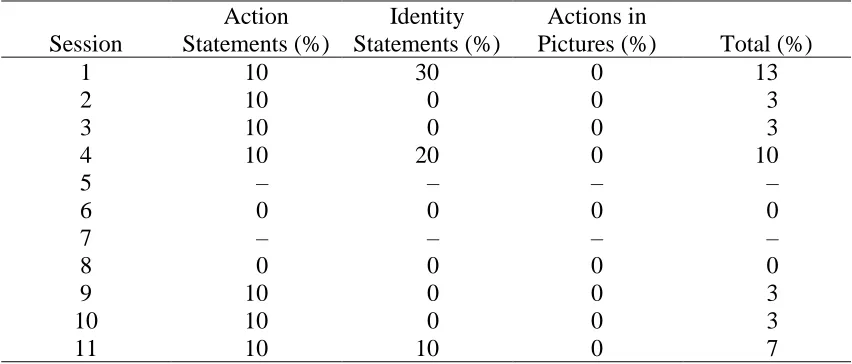
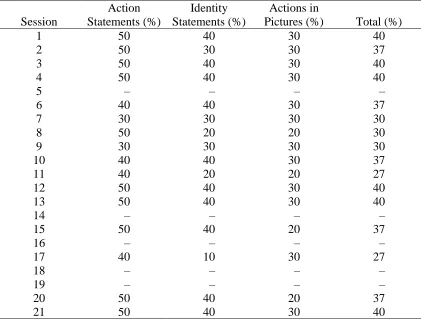
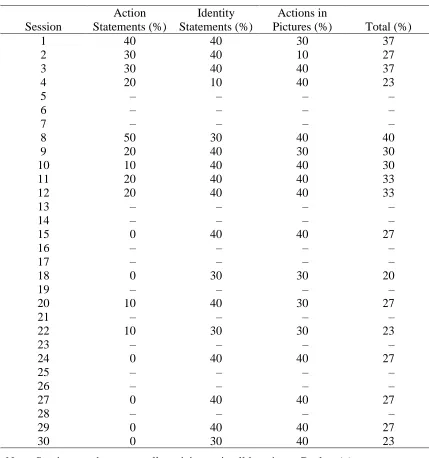
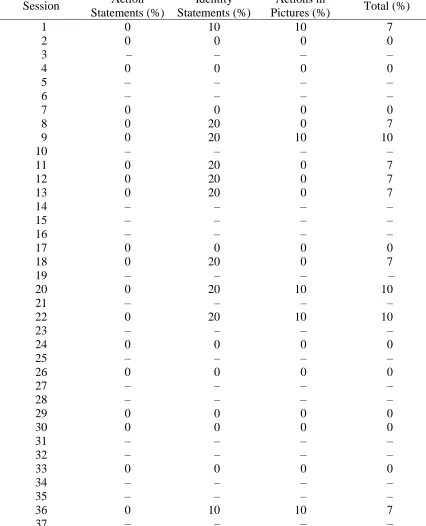
Table H.1 Percent accuracy on the Language for Learning
acquisition probe for Ben during the baseline phase. ...162
Table H.2 Percent accuracy on the Language for Learning
acquisition probe for Brad during the baseline phase. ...163
Table H.3 Percent accuracy on the Language for Learning
acquisition probe for Raj during the baseline phase. ...164
Table H.4 Percent accuracy on the Language for Learning
acquisition probe for Henry during the baseline phase. ...165
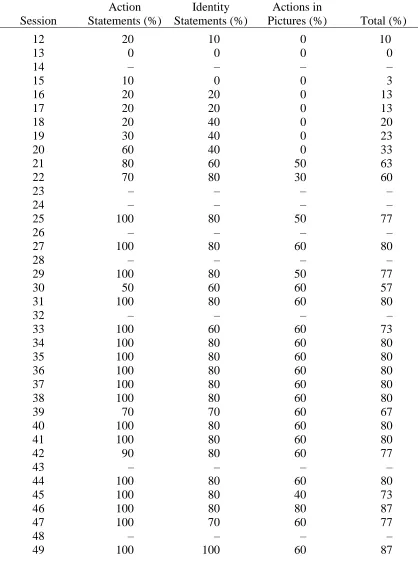
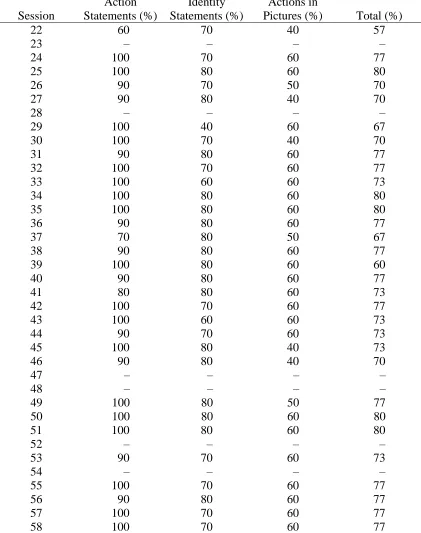
Table H.5 Percent accuracy on the Language for Learning
acquisition probe for Ben during the intervention phase. ...167
Table H.6 Percent accuracy on the Language for Learning
acquisition probe for Brad during the intervention phase. ...169
Table H.7 Percent accuracy on the Language for Learning
acquisition probe for Raj during the intervention phase. ...171
Table H.8 Percent accuracy on the Language for Learning
acquisition probe for Henry during the intervention phase. ...173
Table H.9 Percent accuracy on the Language for Learning acquisition probe for Ben, Brad, Raj, and Henry during
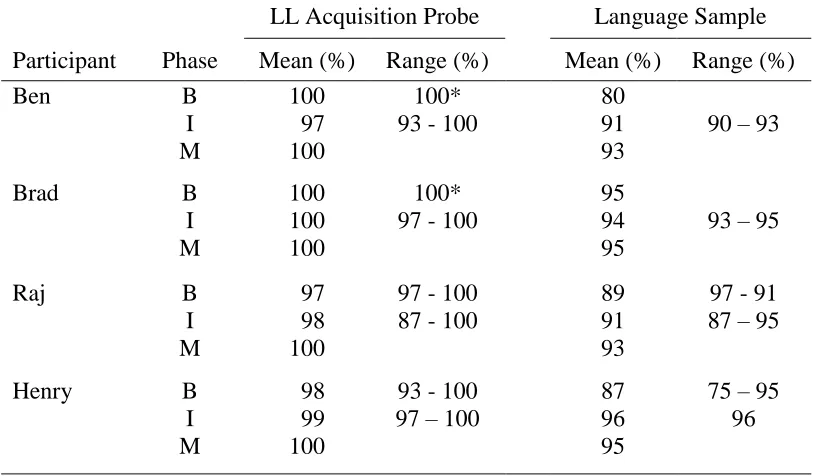
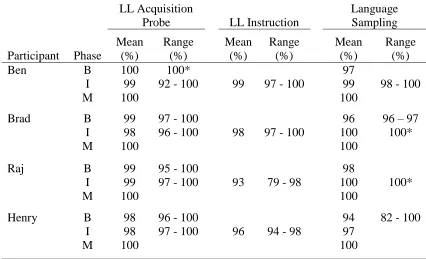
Table H.10 Language for Learning acquisition probe mean and range percent accuracy for each participant in each
phase of the study...175
Table I.1 Ben’s narrative language sample data during each
phase of the study...176
Table I.2 Brad’s narrative language sample data during each
phase of the study...177
Table I.3 Raj’s narrative language sample data during each
phase of the study...178
Table I.4 Henry’s narrative language sample data during each
phase of the study...179
Table I.5 Narrative language sample mean and range data for
LIST OF FIGURES
Figure 4.1 Total percent accuracy on the Language for Learning acquisition probe during baseline, intervention and
maintenance phases of the study. ...91
Figure 4.2 Percent accuracy for identity statements, action statements, and actions in pictures on the Language for Learning acquisition probe for each student during baseline,
intervention and maintenance phases of the study. ...95
Figure 4.3 Mean length of utterance in morphemes (MLUm) and number of different words (NDW) in the language samples of each participant during baseline (B), intervention (I),
and maintenance (M) phases of the study. ...100
Figure 4.4 Number of copulas and pronouns in the language samples of each participant during baseline (B), intervention (I),
and maintenance (M) phases of the study. ...102
Figure 4.5 Number of present progressive verb participles (PPVP) in the language samples of each participant during baseline (B),
LIST OF ABBREVIATIONS
ASD... Autism Spectrum Disorder
DI ... Direct Instruction
LL ... Language for Learning
MLUm... Mean Length of Utterance in Morphemes
NDW ... Number of Different Words
PPVP ... Present Progressive Verb Participles
SALT... Systematic Analysis of Language Transcripts
CHAPTER 1
Introduction
Autism spectrum disorder (ASD) is a neurodevelopmental disorder characterized
by impairments in social reciprocity and communication, as well as patterns of repetitive,
restrictive behaviors or intense interests (American Psychiatric Association, 2013).
Additionally, many children with ASD exhibit global language impairments and some
never acquire functional language at all (Bailey, Phillips & Rutter, 1996; Charman, Drew,
Baird & Baird, 2003; Condouris, Meyer, Tager-Flusberg, 2003; Hudry et al., 2010;
Kjelgaard & Tager-Flusberg, 2001; Lord, Shulman, & DiLavore, 2004; Luyster, Kadlec,
Carter, & Tager-Flusberg, 2008; Pickles, Anderson & Lord, 2014; Tager-Flusberg &
Joseph, 2003). In a longitudinal study completed by Pickles, et al. (2014), one third of
the children studied did not achieve functional language exceeding a 3-year age
equivalent by age 19. In Tager-Flusberg and Joseph’s 2003 study of children with ASD,
only about half of the 89 participants were able to complete a full battery of standardized
language assessments above the minimum level necessary to score the assessment. Of
the students who completed these assessments, only 23% fell within the “normal
language” range, despite the majority of these students having nonverbal IQ scores in the
normal range.
For those children with ASD who develop language skills, their ability level can
develop unusually or unevenly. For example, several researchers found that the language
more impaired than expressive ability (Charman, et al., 2003; Hudry et al., 2010;
Kjelgaard & Tager-Flusberg, 2001; Luyster et al., 2008; Manolitsi & Botting, 2011).
Other researchers identified unusual growth trajectories for language skills amongst
children with ASD (Pickles, et al., 2014). Still others report that 25% of children
identified with ASD acquired and then lost communication skills during their early years
of life (Lord, et al., 2004). Finally, numerous researchers found that many children with
ASD have deficits in the syntactic, semantic, and morphologic structures of language
(Condouris, et al., 2003; Hudry et al., 2010; Kjelgaard & Tager-Flusberg, 2001; Luyster,
et al., 2008; Tager-Flusberg & Joseph, 2003).
Language deficits have adverse effects on the development of literacy skills in
children with ASD. Numerous studies found that performance on reading comprehension
tasks was closely related to overall verbal ability in students with ASD (Nation &
Snowling, 2004; Norbury & Nation, 2011; Snowling & Frith, 1986; Wahlberg &
Magliano, 2010). Additionally, researchers found that some children with ASD may
learn to read words at a very young age, but show poor reading comprehension (Huemer
& Mann, 2010; Nation, et al., 2006; Norbury & Nation, 2011; O'Connor & Klein, 2004).
Other researchers found that children with ASD have good word calling ability but poor
decoding of non-words (Huemer & Mann, 2010; Nation, Clarke, Wright, & Williams
2006; Tager-Flusberg & Joseph 2003).
Cronin (2014) found that reading skills of children with ASD develop differently
than those of typically developing peers. When compared to typical peers, younger
children with ASD performed less well on measures of comprehension than older
than that of typically developing peers. Children with ASD tend to focus on the details of
written language, but have difficulty distinguishing which details are relevant to glean
meaning from text (Nation, et al., 2006). Children with ASD also have difficulty making
use of relevant background knowledge to interpret ambiguous language in text (Wahlberg
& Magliano, 2010).
One important aspect of children’s language is the ability to produce narratives.
A narrative is a form of discourse in which the speaker generates or retells a real or
fictional story (McCabe & Bliss, 2003; Owens, 2013; Paul, 2007). Children’s ability to
produce narratives has been linked to their successful acquisition of literacy skills (Catts,
Hogan, & Fey, 2003; Dickinson & McCabe, 2001; Gillam & Johnston, 1992: Griffin,
Hemphill, Camp, & Wolf, 2004). The ability to produce a quality narrative is not only
important for reading, but it is also a critical component of writing development (Gillam
& Johnston, 1992). Additionally, there is some evidence that narrative ability in the
preschool years is predictive of achievement in mathematics in grade 2 (O'Neill, Pearce
& Pick, 2004). This may be why competence in narrative comprehension and the
production of narratives is a fundamental part of the U.S. Common Core State Standards
(National Governors Association Center for Best Practices & Council of Chief State
School Officers, 2010). These standards highlight the importance of narrative ability for
achieving academic success.
For students with ASD, deficits in narrative ability not only impact academic
performance, but also have social consequences. Indices of social competence appear to
be greatly affected by the deficits in the narrative ability of children with ASD (Capps,
personal experience (Losh & Capps, 2003). Deficits in personal narrative ability put
children with ASD at greater risk for social rejection. Dean, Adams, and Kasari, (2013),
found that the restricted narratives of a teenage girl with ASD systematically led to her
exclusion from social groups. Bennett, et al., (2014) found that on measures of social
competence, students with ASD who had accompanying structural language impairments
showed significantly slower growth then children with ASD alone.
Narrative language assessments measure children’s ability to use language in
naturalistic and ecologically valid contexts, and are relevant to all ages and cultural
backgrounds (Justice, Bowles, Pence, & Gosse, 2010; Justice, et al., 2006; McCabe &
Bliss, 2003; Miller, Andriacchi, & Nockerts, 2015). Narrative language assessment
involves eliciting a real or fictional narrative from a child using a story stem, a story retell
(with or without pictures), or a wordless picture book (Hughes, McGillivray & Schmidek,
1997; Owens, 2013; Paul, 2007). Narrative language measures assess children’s ability
to use language in naturalistic contexts. Narratives require an overall ability to organize
one’s language, as well as knowledge of vocabulary and grammar (Hughes, et al., 1997;
Owens, 2013; Paul, 2007). Microstructural assessment of narrative language includes
general language proficiency measures such as productivity (amount of language used),
grammatical complexity (word, phrase and sentence structure), and lexical diversity
(vocabulary and word usage) (Hughes, et al., 1997; Owens, 2013; Paul, 2007).
Macrostructural assessment of narrative language includes analysis of story grammar
components (i.e., episode use) such as temporal sequencing (initiating event, plan,
attempt, consequence), causal connectivity, the use of high point, and perspective taking
Narrative language samples of children with language impairments differ from
those of typically developing peers in both microstructure and macrostructure
(Greenhalgh & Strong, 2001; Hayward, Gillam, & Lien, 2007; Justice, et al., 2010;
Kaderavek & Sulzby, 2000; Liles, Duffy, Merritt, & Purcell, 1995; Scott & Windsor,
2000). Microstructural measures, however, have been found to be particularly useful for
distinguishing children with language impairments from typically developing peers
(Condouris, et al., 2003; Hoffman, 2009; Justice, et al., 2010; Liles et al., 1995; Scott &
Windsor, 2000). For young children, moderate to strong correlations have been found
between measures of narrative language microstructure and norm-referenced tests of
expressive language (Condouris, et al., 2003; Ebert & Scott, 2014; Justice, et al., 2010).
Narratives can, therefore, be an important tool in identifying children with expressive
language impairments. Additionally, microstructural analyses of general linguistic
structures utilize quantitative measures such as mean length of utterance in morphemes
(MLUm), type token ratio (TTR), and number of different words (NDW).
Microstructural analyses are sensitive to increases in development and, therefore, can be
used to monitor linguistic growth over a course of intervention (Hoffman, 2009; Justice,
et al., 2006; Justice, et al., 2010; Scott & Windsor, 2000).
The narratives of children with ASD have been found by many researchers to
differ in elements of macrostructure from those of both typically developing children and
children with language delays (Capps, Losh, Thurber, 2000; Diehl, Bennetto, Young,
2006; Goldman, 2008; King, Dockrell, Stuart, 2014; Losh & Capps, 2003; Losh &
Gordon, 2014). Children with ASD are less likely than typically developing children to
events, actions, emotions and thoughts (Capps, et al., 2000; King, et al., 2014; Losh &
Capps, 2003). Children with ASD rely on a more restricted range of evaluative devices
to convey point of view and maintain listener involvement (Capps, et al., 2000; Goldman,
2008). Children with ASD also produce narratives that contain fewer causal statements,
and are lacking in high point when compared to peers (Diehl, et al., 2006; Goldman,
2008; King, et al., 2014; Losh & Gordon, 2014).
In characteristics of microstructure, however, children with ASD do not vary
significantly from their peers, when results are controlled for language ability. When
matched with same language-age children and controlled for length, children with ASD
produce narratives with comparable semantic content (Losh & Gordon, 2014; Norbury &
Bishop, 2003; Tager-Flusberg & Sullivan 1995;). When controlled for language age,
narratives of children with ASD do not differ in length, number of syntactic units,
number of morphemes used, or mean length of utterance (Capps, Losh, & Thurber, 2000;
King, Dockrell, Stuart, 2014; Norbury & Bishop, 2003; Tager-Flusberg & Sullivan
1995). Differences between children with ASD and their peers are not statistically
significant for morphological errors; however, children with ASD use less complex
syntax and make more tense errors (Capps, et al., 2000; Norbury & Bishop, 2003). These
findings indicate that although the oral narratives of students with ASD differ from their
peers, the microstructural aspects of their narratives do not differ greatly from other
children with specific language impairments (SLI).
Since the oral narratives of students with ASD do not differ greatly in elements of
language microstructure, from those of students with SLI, microstructural analysis should
with SLI. Intervention has been shown to have the greatest impact on the language
development of children with ASD in the early years of development, prior to age six
(Pickles, et al., 2014). Both the Individuals with Disabilities Education Act (IDEA)
(2004) and Every Student Succeeds Act (2015) require school systems to use evidence
based programs and practices to teach children. The onus is on local school districts to
identify programs and practices that have scientific research supporting their
effectiveness. These programs must also meet the needs of the population they serve,
adequately assess students’ progress, and be cost effective for large-scale implementation
(Yell & Drasgow, 2007; Yell & Rozalski, 2013).
Local school districts must ensure that educators implement these programs as the
developers intended, and regularly evaluate their effectiveness (Yell & Rozalski, 2013).
Student progress needs to be continuously monitored and students must be able to
demonstrate their knowledge in a variety of settings, including grade level accountability
tests and ongoing research-based progress-monitoring systems (Yell & Drasgow, 2007;
Yell & Rozalski, 2013). These mandates present both fiscal and human resource
challenges to public school systems. For these reasons, school districts may look for
“out-of-the-box” curricula that offer easy implementation and built-in assessment
systems.
Kasari and Smith (2013) found that schools and teachers are more likely to adopt
complete programs over isolated practices. Smith (2013) emphasizes the need for
complete intervention packages that include an array of procedures and specific strategies
for their deployment. Large publishing houses such as McGraw-Hill Education have
Language for Learning (Engelmann & Osborn, 2008) is a McGraw-Hill Education publication that utilizes the principles of direct instruction (DI) to teach young children
basic oral language skills. The Language for Learning (LL) program offers an array of resources and materials to help teachers teach the words, concepts, and statements needed
for students to describe the world and problem solve (Engelmann & Osborn, 2008).
DI is a model of teaching that provides systematic, explicit, scripted instruction of
academic targets, through purposeful sequencing of content, high pupil engagement,
continuous teacher monitoring, and immediate corrective feedback to students (Watkins
& Slocum, 2003). DI as an instructional model evolved from the work of Siegfried
Englemann and Carl Bereiter throughout the 1960’s. DI was extensively studied between
1967 and 1995 in one of the largest evaluation studies of education called Follow
Through, which was sponsored by the U.S. Department of Education (Grossen, 1996). In
1977, an evaluative study was conducted of the projects in Follow Through. It showed
that students who received DI had significantly higher academic achievement,
self-esteem, and self-confidence than students in any of the other programs (Anderson, 1977;
Barbash, 2012; Engelmann, 2007; National Institute for Direct Instruction, n.d.; Watkins
& Slocum, 2003). Follow up studies of Follow Through projects continued through the
1980’s and continued to find positive effects of DI (Becker & Gersten, 1982; Gersten,
Becker, Heiry, & White, 1984; Gersten & Carnine, 1984; Gersten, Carnine, Zoref, &
Cronin, 1986; Meyer, 1984).
Research continues today on various DI programs with students from many
backgrounds and ability levels, including students with disabilities. Several reviews of
the use of DI with students with disabilities (Adams & Engelmann, 1996; Forness, 2001;
Kinder, Kubina & Marchand-Martella, 2005; White, 1988). The direct instruction
program LL (Englemann & Osborn, 2005) and its predecessor DISTAR Language have been studied with students from various ages and backgrounds (Benner, et al., 2002;
Cole, Dale, Mills & Jenkins, 1993; Waldron-Soler, et al., 2002). Benner, et al., 2002
found positive effects of LL on the expressive language of typically developing
kindergarteners. Cole, et al. (1993) studied LL with students with developmental delays and found increases in overall cognitive development, with greater gains for students who
performed relatively higher at pretest. Waldron-Soler, et al. 2002, found that preschool
students with developmental delays in the LL group not only improved their receptive and expressive language skills to greater extent than those in a control group, but these
students also exhibited a reduction in problem behavior.
One group of researchers (Plavnick, Marchand-Martella, Martella, Thompson, &
Wood, 2014) reviewed studies of explicit and systematic scripted programs that pertained
specifically to children with ASD. Plavnick, et al, (2014) discovered that although DI
programs have been researched extensively, limited research exists regarding their
effectiveness with children with ASD. These authors identified nine studies that met
their selection criteria. Their review included interventions which could be classified as
explicit and systematic scripted programs. Of the nine studies reviewed, six used
conclusions. Plavnick, et al. (2014) concluded that, while the body of existing research is
too small to determine an evidence base for this population, there is sufficient evidence to
warrant additional research.
An online search of several research databases revealed four more studies that
used the LL curriculum with children with ASD (Flores & Ganz, 2014; Flores, et al., 2013; Flores, Schweck, Hinton, 2016; Shillingsburg, Bowen, Peterman, & Gayman,
2015). Flores, et al. (2013) implemented LL as it was intended to be used (i.e.
administered complete lessons to groups of children), and reported positive effects over
time. Their findings, however, are confounded by flaws in their research design and
inconsistencies in their assessment methods. The content of the assessments used
throughout the study was not consistent. Flores and Ganz (2014) compared LL to Discrete Trial Training (DTT) and found equal or better effects from LL. Results of this study, however, were confounded by assessment concerns. The assessments used with
both treatment groups were part of the LL curriculum, therefore student in the LL group were more familiar with the assessment format and content than those in the DTT group.
Shillingsburg, et al, (2015), found positive effects of LL; however, improvements in language skills were only measured by the mastery tests included in the LL curriculum. Instruction was provided in a one-on-one format, instead of in the group format
recommended by the LL curriculum designers. Follow-up measures were only conducted for three of the four treatment groups, and no measures of generalization were included.
Flores, et al. (2016) implemented entire LL lessons with young children in small groups, and found positive effects. In this single subject study of four children, however, only
children with ASD that can be drawn from the results. Additionally, no measures of
generalization were included in this study.
Statement of the Problem
Although the existing literature regarding the effectiveness of LL on young children with ASD is promising, there is still much to learn from research in this area.
Current studies fail to measure the generalization of skills taught through DI into other
language contexts, such as narrative language. Early studies of effective teaching
techniques for children with autism showed significant limitations in generalization and
maintenance of skills learned (Lovaas, Koegel, Simmons & Long, 1973). Over time,
researchers found that many highly structured interventions fail to result in generalization
of learned skills to new environments (Plaisted, 2001; Schreibman, 2007; Vismara &
Rogers, 2010; Volkmar, Paul, Klin, & Cohen, 2005). In recent years, research has
focused on techniques that provide increased generalization of skills into naturalistic
contexts (Schreibman, et al., 2015; Vismara & Rogers, 2010).
Purpose of the Study
The purpose of this study is to contribute to the existing literature regarding the
effectiveness of DI for teaching language skills to young children with ADS. This study
will be the first of the currently published studies of LL to include exclusively students with ASD, deliver instruction as intended by the curriculum designers, and assess
proficiency in the narratives of children with ASD. The results of this study may assist
educators in creating effective educational programs for students with ASD. This study
may also influence future research on effective teaching techniques for students with
ASD. This study aimed to answer the following research questions.
Research Questions
1. Do young children with ASD acquire the language skills taught through LL? 2. Does LL instruction result in changes to the microstructure of the narrative
language of children with ASD?
3. Do specific language structures taught through LL generalize to the narrative language of children with ASD?
Methods Summary
This study used a multiple baseline research design across four, four-year-old,
participants. There was one primary dependent variable; percent accuracy on a
researcher-created LL acquisition probe that measures language skills taught in three tracks in the LL curriculum; action statements, identity statements, and actions in
pictures. There were five secondary dependent variables derived from a weekly narrative
story retell: Mean Length of Utterance in Morphemes (MLUm), Number of Different
Words (NDW), number of copulas, pronouns, and present progressive verb participles
(PPVP). The independent variable was manipulated by systematically introducing the LL
instruction across participants in a step wise fashion, and measuring the effects on the
primary and secondary dependent variables. Instruction was delivered as intended by the
curriculum designers with lessons presented in their entirety, to small groups of children,
Definitions
Autism spectrum disorder (ASD). A neurodevelopmental disorder
characterized by impairments in social reciprocity and communication, as well as patterns
of repetitive, restrictive behaviors or intense interests (American Psychiatric Association,
2013).
Direct instruction (DI). A model of teaching that provides systematic, explicit,
scripted instruction of academic targets, through purposeful sequencing of content, high
pupil engagement, continuous teacher monitoring, and immediate corrective feedback to
students (Watkins & Slocum, 2003).
Evidence based practice. Practices for which there is strong evidence or
moderate evidence of effectiveness (U.S. Federal Register, Final Priorities and
Definitions; State Personnel Development Grants, 2012).
Generalization. The act or process whereby a learned response is made to a
stimulus similar to but not identical to the conditioned stimulus (Merriam-Webster
online, n.d.).
Language disorder. Impaired comprehension and/or use of spoken, written
and/or other symbol systems that may involve (1) the form of language (phonology,
morphology, syntax), (2) the content of language (semantics), and/or (3) the function of
language in communication (pragmatics), in any combination” (American
Speech-Language-Hearing Association, 1993).
Mean length of utterance in morphemes (MLUm). The average number of
and developmental changes in grammatical development in children in the early stages of
language acquisition (Gabig, 2013).
Morpheme. A word or a part of a word that has a meaning and that contains no
smaller part that has a meaning (Merriam-Webster online, n.d.)
Narrative language. A narrative is a form of discourse in which the speaker
generates or retells a real or fictional story in an organized, cohesive, predictable, rule
governed manner, that represent temporal and causal patterns of events (Owens, 2013).
Narrative language macrostructural analysis. The analysis of a narrative
language sample, as a whole, for elements of storytelling such as; story grammar,
temporal sequencing, causal chains, high point, and perspective taking (Hughes, et al.,
1997; Owens, 2013; Paul, 2007)
Narrative language microstructural analysis. The analysis of a narrative
language sample for indicators of general language proficiency such as productivity,
grammatical complexity, and lexical diversity (Hughes, et al., 1997).
Number of different words (NDW). An indicator of general language
proficiency calculated by counting the number of different words in a language sample
(Hughes, et al., 1997; Owens, 2013; Paul, 2007).
Specific language impairment (SLI). Significant limitation in language
functioning that cannot be attributed to deficits in hearing, oral structure and function, or
other developmental delays (The U.S. Department of Health and Human Services,
CHAPTER 2
Literature Review
This study aims to assess the effectiveness of the direct instruction (DI)
curriculum Language for Learning (Engelmann & Osborn, 2008) for students with
autism spectrum disorder (ASD). In question is whether students with ASD will learn the
skills taught by the curriculum, generalize learned skills to the novel context of oral
narratives, and exhibit changes in the microstructure of their oral narratives following
Language for Learning (LL) instruction. First, the following literature review will provide the reader with a brief history of the term autism, as well as the current
diagnostic criteria for ASD. Next, a definition of language, a description of the different
structures of language, and a definition of language impairment, as it will be used in this
study, will be provided. To establish the instructional needs of children with ASD, the
language characteristics common to students with ASD will be explored.
To aid the reader in understanding narrative language assessment, a description of
narrative language as well as common methods used to analyze narrative language will
be presented. Characteristics of the narrative language of children with language
impairments and children with ASD will also be discussed. A rationale for providing
explicit language instruction will be made by demonstrating the effects of language
impairments on social competence, literacy skills, and academic achievement.
Additionally, research on effective language interventions for children with ASD will be
efficacy literature on DI and the LL program will be provided. Finally, a review of the existing research on the effects of LL on children with ASD will be provided, and
limitations of these studies will be discussed to establish a rationale for the current study.
Autism
Eugen Bleuler, a Swiss psychiatrist, was the first to use the term “autism” in his
1911 publication Dementia Praecox or the Group of Schizophrenias. Autism was one of the fundamental symptoms in Bleuler’s conceptualization of Schizophrenia. Bleuler
described autism as the withdrawal into the person’s own self and an active turning-away
from the outside world (Chown, 2012). In 1943, Leo Kanner, a U.S. researcher, used the
term Autistic Disturbances of Affective Conduct to describe the socially withdrawn and
emotionally unstable behavior of several children he studied. During this same time,
Hans Asperger, a scientist in Germany, identified a condition with similar characteristics,
later known as Asperger’s syndrome. There continues to be debate in the academic
community whether these two researchers were aware of the other’s work at the time of
their publications (Chown, 2012; Lyons & Fitzgerald, 2007).
The 1994 American Psychiatric Association's Diagnostic and Statistical Manual of Mental Disorders (4th ed.; DSM–IV) included autism, Asperger’s, and PDD-NOS as three distinct disorders with similar symptoms. In 2013, the fifth edition of this manual
combined these disorders into one category, autism spectrum disorder (5th ed.; DSM–5; American Psychiatric Association). According to the DSM-5, people with ASD have persistent deficits in social communication and social interaction across multiple
contexts, and restricted, repetitive patterns of behavior, interests, or activities. These
and are not better explained by intellectual disability or global developmental delays.
Additionally, both social communication and restrictive, repetitive behavioral symptoms
are classified into one of three levels of severity, indicating the need for support,
substantial support, or very substantial support. Finally, ASD can be identified with or
without accompanying intellectual impairment, and with or without accompanying
language impairment (p. 50-51).
In 2016, the Centers for Disease Control and Prevention’s Autism and
Developmental Disabilities Monitoring Network reported that in 2012, about 1 in 68
children were identified with ASD based on tracking across multiple areas of the United
States (Christensen, et al., 2016). This is an increase from the 2008 overall estimated
prevalence of 11.3 per 1,000 (1 in 88) children with ASD. ASD is almost 5 times more
common among boys (23.6 per 1,000) than among girls (5.3 per 1,000) and is reported to
occur in all racial, ethnic, and socioeconomic groups (Christensen, et. al., 2016). It is
unknown if the increases in the number of children with ASD are a result of increased
awareness and access to services, or a true increase in prevalence of ASD symptoms.
Regardless of the cause for this increase, the Centers for Disease Control and Prevention
reports that ASD continues to be an important public health concern in the United States
(Christensen, et. al., 2016).
Given the increase in prevalence of ASD, it is more important than ever for
educators to know and understand the unique needs of students with ASD. It cannot be
assumed that a program shown to be effective with students in one disability category
will also be effective with students displaying the characteristics of another disability.
students with different disabilities may respond differently to instructional programs or
techniques. Children with ASD have unique language characteristics which must be
considered when planning instruction.
Language
To fully understand language assessment and instruction, one must first
understand language, the underlying structures of language, and how those structures are
used to formulate understanding and communicate meaning. The American
Speech-Language-Hearing Association (ASHA) adopted the following definition of language in
1982, and this definition still stands today as an official statement on the organizations
website (ASHA, 1982).
Language is a complex and dynamic system of conventional symbols that is used
in various modes for thought and communication. Contemporary views of human
language hold that:
• language evolves within specific historical, social, and cultural contexts;
• language, as rule-governed behavior, is described by at least five
parameters—phonologic, morphologic, syntactic, semantic, and
pragmatic;
• language learning and use are determined by the interaction of biological,
cognitive, psychosocial, and environmental factors;
• effective use of language for communication requires a broad
understanding of human interaction including such associated factors as
The rule-governed parameters of language, described above, can be divided into
structures of form, content, and function. Language structures that make up the form of
language include; phonology, syntax, and morphology (ASHA, 1993). Phonology is the
sound system of a language and the rules that govern the sound combinations. Syntax
refers to the rules governing sentence structure and the relationships among the elements
within a sentence (ASHA, 1993). Morphology is the system that governs the structure of
words and the construction of word forms (ASHA, 1993). The structure that governs
content of language is called semantics. Semantics is the system that governs the
meanings of words and sentences (ASHA, 1993). Finally, pragmatics refers to the
language parameter that influences the function of language. Pragmatics is the system
that combines the above language components in functional and socially appropriate
communication (ASHA, 1993). Morphology and syntax together make up the elements
of grammar. For this reason, when studying grammatical units that have both
morphological and syntactic properties, researchers often use the term morphosyntax
(Payne, 1997).
Language Impairment
When discussing the need for, and effectiveness of, language instruction, it is
important that one understands how language can be impaired or disordered.
Communication disorders associated with language are described and classified in a
variety of ways by national and international health organizations. The U.S. Department
of Health and Human Services, National Institute of Health (2011) defines specific
language impairment (SLI) as, “Significant limitation in language functioning that cannot
delays” (para. 1). The International Statistical Classification of Diseases and Related Health Problems; (10th ed.; ICD-10) defines specific developmental disorders of speech and language as, “Disorders in which normal patterns of language acquisition are
disturbed from the early stages of development. The conditions are not directly
attributable to neurological or speech mechanism abnormalities, sensory impairments,
mental retardation, or environmental factors” (World Health Organization, 2016).
The American Speech-Language-Hearing Association defines a language disorder
as, “Impaired comprehension and/or use of spoken, written and/or other symbol systems
that may involve (1) the form of language (phonology, morphology, syntax), (2) the
content of language (semantics), and/or (3) the function of language in communication
(pragmatics), in any combination” (ASHA, 1993). The American Psychological
Association (2013) provides the follow definition of language disorder in the Diagnostic and Statistical Manual of Mental Disorders (5th ed.; DSM–5).
A. Persistent difficulties in the acquisition and use of language across modalities
(i.e., spoken, written, sign language, or other) due to deficits in comprehension or
production that include: 1. Reduced vocabulary (word knowledge and use). 2.
Limited sentence structure (ability to put words and word endings together to
form sentences based on the rules of grammar and morphology). 3. Impairments
in discourse (ability to use vocabulary and connect sentences to explain or
describe a topic or series of events or have a conversation).
B. Language abilities are substantially and quantifiably below those expected for age
academic achievement, or occupational performance, individually or in any
combination.
C. Onset of symptoms is in the early developmental period.
D. The difficulties are not attributable to hearing or other sensory impairment, motor
dysfunction, or another medical or neurological condition and are not better
explained by intellectual disability (intellectual developmental disorder) or global
developmental delay (p. 42).
All the definitions above rule out intellectual disabilities and developmental
delays as primary conditions. Many intellectual and developmental disabilities, however,
have a language component that results in qualitative and quantitative differences in the
language of children with these disabilities. Disabilities that affect information
processing such as, attention, discrimination, organization, memory and retrieval of
information may limit a child’s ability to process language (Owens, 2013). For the
purposes of this study, the term language impairment will be used generally to describe a
heterogeneous group of communication disorders characterized by deficits in the
comprehension and/or use of spoken or written language that may involve the form,
content, and/or function of language. This includes those disorders referred to in the
literature as specific language impairment, language disorder, and specific developmental
disorders of speech and language, as well as language deficits which are secondary to
another disabling condition.
Language Characteristics of Children with ASD
Dysfunction in social (pragmatic) language, such as conversational discourse, is a
with ASD, however, exhibit more global language impairments and some never acquire
functional language at all. Early epidemiological studies reported that as many as 50% of
students with ASD do not acquire basic language skills (Bailey, et al., 1996; Bryson,
Clark, & Smith, 1988). More current research, however, suggests that the proportion of
children with ASD who do not use words to speak is closer to 20% (Lord, et al., 2004).
Charman, et al., (2003) collected the results of a standardized language inventory for 134
preschool children (mean age 3;1) with ASD. They found that 35% of the preschoolers
studied were nonverbal, and 53% spoke 10 words or less. As a point of reference, Reilly,
et al. (2009) found the mean expressive vocabulary of a broad sample of 1911 children at
age two years to be 260 words.
Tager-Flusberg and Joseph (2003) reviewed the results of several studies
previously conducted by Tager-Flusberg and colleagues. These studies were designed to
investigate the language and cognitive profiles in children with ASD. In one of these
studies (Study Ia), 89 children with ASD, between the ages of 4 and 14 were assessed
with a battery of standardized measures of phonological, lexical, higher-order semantic
and grammatical language abilities. Only 44 of the 89 participants (49%) were able to
complete the full battery of language assessments above the basal level. Of the students
who completed the assessments only 23% fell within the “normal language” range
(within 1 standard deviation of the mean), despite most of the students in this group
having non-verbal IQ scores in the normal range. Additionally, 47% of this group scored
more than 2 standard deviations below the mean. In a longitudinal study of 192 children
with ASD, Pickles, et al. (2014) found that only two thirds of the children achieved
substantial minority of the children they studied achieved adult language outcomes within
the typical range. Children with the highest severity of autism only attained a 2-year
age-equivalent in language ability by age 19. These data suggest that language impairment is
prevalent and significant in students with ASD.
For those children with ASD who develop language skills, their ability level can
develop unusually or unevenly. For example, Lord, et al. (2004) report the findings of a
longitudinal study of 164 students in three groups (children referred for assessments of
possible autism at age 2 years or younger, developmentally delayed children, and
typically developing controls). These researchers found that 25% of children identified
with ASD acquired and then lost communication skills during their early years of life.
This finding is consistent with the earlier finding of Kurita, (1985) who found that 37.2%
of children with ASD showed a total loss of meaningful words before 30 months of age.
This pattern did not occur for children with other developmental disabilities, or children
with typical development (Lord, et al., 2004).
Additionally, several researchers found that the language abilities of children with
ASD may follow an atypical pattern in which receptive abilities are relatively more
impaired than expressive abilities (Charman, et al., 2003; Hudry et. al., 2010; Kjelgaard
& Tager-Flusberg, 2001; Luyster, et al., 2008; Manolitsi & Botting, 2011). In their 2010
study, Hudry et al. found that one third of the 152 participants with ASD between the
ages of 24 and 59 months demonstrated greater deficits in receptive language then in
expressive language. Luyster, et al. (2008) reported similar uneven development between
receptive and expressive language after assessing164 toddlers with ASD between the
Kjelgaard and Tager-Flusberg (2001) report this same atypical pattern of language
development in 89 children with ASD. These finding suggest that educators may need to
place particular emphasis on language interventions that build receptive language skills.
In another example of unusual language development in children with ASD,
Pickles, et al. (2014) discovered abnormal growth trajectories when they measured the
language skills of 192 children with ASD at 2, 3, 5, 9, 14 and 19 years of age. These
researchers found more rapid gains through age 6. After age 7, however, improvement
appeared to follow a parallel track to typical development. This suggests that, for
children with ASD, language intervention may be most beneficial early in life. Yet
another example of unusual language development is provided by Mawhood, Howlin,
and Rutter (2000).
These researchers report the results of a 17-year follow up study of individuals
with ASD who were originally assessed at ages 7-8 years. They found that despite
having comparable IQ and language scores at initial assessment, verbal IQ and receptive
language scores had improved significantly more in the ASD group than in the language
impaired group over time. Despite this unusual growth pattern, however, two thirds of
the participants with ASD continued to display receptive and expressive language delays
at follow-up. While this data is perplexing, it emphasizes the prevalence of language
delays in individuals with ASD, it also demonstrates the potential for growth in the
language ability of individuals with ASD early in life. This growth potential provides an
argument for explicit language instruction.
A number of researchers also report disordered language structures in many
& Tager-Flusberg, 2001; Luyster, et al., 2008; Tager-Flusberg & Joseph, 2003).
Condouris, et al. (2003) studied the language abilities of 44 children with ASD by
administering both standardized language assessments and analyzing spontaneous
language samples. As a group, the vocabulary (semantic) and grammatical
(morphosyntactic) abilities of the children with ASD were significantly below age-level
expectations in both methods of assessment. Cronin (2014) also found similar deficits in
semantics and syntax; however, deficits in syntax were most significant in this sample.
Tager-Flusberg and Joseph (2003) also report that children with ASD in the “below
normal language skills” group demonstrated deficits in vocabulary, higher-order syntax,
semantics, and the ability to reproduce non-word phonological sequences. Hudry, et al.
(2010) found results consistent with Condouris, et al. (2003) and Tager-Flusberg and
Joseph (2003). In their study, mean scores on standardized assessments of language
structures (syntax, semantics, and morphology) fell well below both the mean
chronological age and the mean nonverbal age equivalent for the majority of participants.
In a study by Roberts, Rice, and Tager-Flusberg (2004), 62 of the participants
were given assessments of verb-related morphological markers. Again, similar findings
were reported for children with ASD as those of previous studies on children with SLI.
Children omitted many morphological markers on the verb stems, and made significant
errors on past tense and third person singular present-tense verb usage. These results are
consistent with earlier studies which found that children with ASD were more likely to
omit certain morphemes, particularly articles (e.g., a, the), auxiliary (e.g., can, will) and
copula verbs (e.g., is, are, was, am), past tense (-ed), third-person present tense (-s), and
The results of the studies reviewed here indicate there are many students with
ASD who demonstrate delayed or disordered language. This provides a rationale for
explicit language instruction for students with ASD. The unique trajectory of language
development in students with ASD would indicate that early language instruction (prior
to age 7) may be most beneficial. Additionally, instruction that incorporates an emphasis
on receptive language development may be necessary. Because language delayed
students with ASD demonstrate more significant impairments in vocabulary, higher-order
syntax, semantics, and morphological skills, explicit language instruction in these areas
may be most beneficial. One way that students demonstrate their language ability is
through the production of oral narratives. The analysis of oral narratives can provide
educators with valuable information regarding the language abilities of their students.
Narrative Language
A narrative is a form of discourse in which the speaker generates or retells a real
or fictional story (McCabe & Bliss, 2003; Owens, 2013; Paul, 2007). Narratives are
extended units of text that are organized in a cohesive, predictable, rule-governed
manner, and represent temporal and causal patterns of events (McCabe & Bliss, 2003;
Owens, 2013). According to Owens (2013), children begin telling self-generated
narratives between the ages of two and three. Between the ages of three and five,
children’s narratives generally include temporal and logical sequences. Physical and
mental states begin to emerge in the narratives of four-year-old children, and by age six,
children’s stories describe motives for actions (Owens, 2013). Narrative ability is
thought to represent the realistic learning demands of the classroom and is an important
Children’s ability to produce narratives has been linked to their successful
acquisition of literacy skills (Catts, et al., 2003; Dickinson & McCabe, 2001; Gillam &
Johnston, 1992; Griffin, et al., 2004). Griffin, et al. (2004) found that children’s ability to
mark the significance of narrated events at age 5 predicted reading comprehension skills
at age 8. The ability to produce a quality narrative is not only important for reading, but it
is also a critical component in the development of writing skills (Gillam & Johnston,
1992). Additionally, O'Neill, et al. (2004) found evidence that narrative ability in the
preschool years was predictive of mathematic achievement in grade 2. Competence in
narrative comprehension and the production of narratives are fundamental parts of the
U.S. Common Core State Standards (National Governors Association Center for Best
Practices and Council of Chief State School Officers, 2010). These standards underscore
the important contribution narrative ability makes to children’s academic success.
Narrative Language Assessment
Narrative language measures assess children’s ability to use language in
naturalistic and ecologically valid contexts, and are relevant to all ages and cultural
backgrounds (Hughes, et al., 1997; Justice, et al., 2010; McCabe & Bliss, 2003).
Narrative assessment, therefore, is viewed as a powerful, authentic, and dynamic
approach to language assessment (Heilmann, Miller & Nockerts, 2010; Hughes, et al.,
1997; Schraeder, Quinn, Stockman, & Miller, 1999). Narrative language assessment
involves eliciting a real or fictional narrative sample from a speaker and analyzing it for
discourse-level language skills, as well as the use of specific language forms or functions
(Heilmann, et al., 2010; Hughes, et al., 1997; Justice, et al., 2010; Owens, 2013; Paul,
narrative. Additional stimuli may be used to aid the storyteller including objects, a
wordless picture book, or audiovisual supports, such as video or picture slides (Hughes,
et al., 1997; Owens, 2013; Paul, 2007).
Macrostructural analysis. Narrative language samples can be analyzed in two
ways. First, the sample can be analyzed, as a whole, for elements of storytelling such as
story grammar, temporal sequencing, causal chains, high point, and perspective taking
(Hughes, et al., 1997; Owens, 2013; Paul, 2007). This type of analysis is often referred to
as a macrostructural analysis (Ebert & Scott, 2014; Eisenberg, et al., 2008; Finestack,
Payesteh, Disher, Julien, 2014; Hoffman, 2009; Hughes, et al., 1997; Justice, et al., 2006;
Justice, et al., 2010; Owens, 2013; Paul, 2007). Story grammar provides an organization
of information that aids the listener in comprehending the elements of the story. Story
grammar consists of episodes such as setting, initiating event, an internal response, a
plan, an attempt, a consequence, resolution, and ending (Hughes, et al., 1997; Owens,
2013). Episodes within a story are linked together additively, temporally, or causally
(Hughes, et al., 1997; Owens, 2013). High point refers to the most significant point of a
narrative; which reveals the event’s meaning or value to the narrator (Hughes, et al.,
1997; Owens, 2013).
Microstructural analysis. Narrative language samples can also be analyzed at
the utterance level for form and function. These analyses include lexical diversity,
cohesive devices, productivity, and syntactic and morphologic complexity (Hughes, et
al., 1997; Owens, 2013; Paul, 2007). This type of analysis is often referred to as
microstructural analysis (Ebert & Scott, 2014; Eisenberg, et al., 2008; Finestack, et al.,
et al., 2006; Justice, et al., 2010; Owens, 2013; Paul, 2007). Measures of lexical diversity
include; number of different words (NDW), type-token ratio (the ratio of the number of
different words to the total number of words), range of semantic functions used (ex.
action, locative, temporal, state, etc.), over/under extensions or incorrect word usage, and
the use of figurative language (Hughes, et al., 1997; Owens, 2013). Cohesion describes
the linguistic device used to connect the elements of a narrative into an orderly flow of
information that makes sense to the listener (Hughes, et al., 1997; Owens, 2013).
References (e.g., I, you, this, those), conjunctives (e.g., because, so, then), lexical
associations (e.g., use of synonym/antonym, part/whole references), and ellipsis (e.g.,
replacement of a verb phrase or clause with an auxiliary or a pronoun), can all be
analyzed in minimal terminable units (T-units), to assess cohesion (Hughes, et al., 1997;
Owens, 2013).
Productivity refers to quantitative measures such as mean length of utterance,
number of communication units (an independent clause with its modifiers), words per
main clause, words per subordinate clause, and subordinate clauses per communication
unit (Hughes, et al., 1997; Owens, 2013). Morphological analysis looks at the use of
morphological markers that are used for intra-word development or sentence
development such as; regular plurals (-s), possessives (‘s), regular past tense (-ed), verb
participles (-ing), regular third person (-s), copulas (e.g., is, are, was, am), articles (e.g., a,
the), auxiliaries (e.g., can, will), pronouns (e.g., we, they), and prepositions (e.g., on, by)
(Owens, 2013). Finally, syntactic analysis occurs at the inter-clausal and clausal levels.
Sentences are grouped by type (e.g., declarative, imperative), and there are negative
Initiators (e.g., only, a few), determiners (e.g., demonstratives, numerical terms), and
qualifiers (e.g., half, twice) can be analyzed for noun phrase development (Owens, 2013).
Verb phrases can be analyzed for transitive, intransitive, and equative predicate
relationships (Owens, 2013).
After a narrative sample has been collected, it must be transcribed, segmented,
and marked for analysis. Transcribed narratives must be segmented into quantifiable
units that can be counted and analyzed. A narrative sample can be segmented by
communication unit (CU) popularized by Loban in 1976, or minimal terminable unit
(T-unit) popularized by Hunt in 1965. A T-unit consists of one main clause and all the
subordinate clauses to which it is attached. It is primarily used to segment written
narratives; however, several researchers have used T-units to segment both oral narratives
(Gillam & Johnston, 1992; Paul & Smith, 1993; Purcell & Liles, 1992). CUs consist of
each independent clause with its modifiers. It is used most often to segment oral
narrative samples (Hughes, et al., 1997). Once a narrative sample is transcribed and
segmented, it can be marked for qualitative and quantitative elements. The presence,
absence, frequency, and correct use of these elements can then be compared with
published normative data, such as that provided by Systematic Analysis of Language
Transcripts (Miller & Iglesias, 2015), established stages of normal development (Brown,
1973), or the child’s previous narrative assessment data to track progress over time
(Hughes, et al., 1997; Justice et al., 2006; Justice, et al., 2010; Miller, 2007).
It is important to note, however, that to compare the results of a child’s narrative
sample to the normative data provided in the SALT database (Miller & Iglesias, 2015), or
and segmentation rules used by those researchers (Hughes, et al., 1997; Miller,
Andriacchi & Nockerts, 2015). To compare a child’s narrative samples from one period
to the next, the examiner should be careful to replicate the collection, segmentation, and
analysis procedures used in the previous sample (Hughes, et al., 1997; Miller, et al.,
2015). To draw reliable conclusions, narrative samples must be adequate in length.
Some researchers recommend language samples of 50 utterances (Miller, Andriacchi, &
Nockerts, 2015; Paul & Norbury, 2012). Others, such as Heilmann et al. (2010), found
that shorter samples (1, 3, and 7-minutes, yielding 12 to 36 C-units) were consistent in
measuring children’s lexical skills (NDW) and productivity (MLUm). Heilmann et al.
(2010) concluded that blanket recommendations for sample length are inappropriate, and
suggest that shorter language samples are well suited for monitoring progress.
The present study will use a story retell of one of three wordless picture books to
collect narrative samples from students with ASD. The samples will be analyzed for
qualitative and quantitative features of language. Since the current study is most
interested in measuring growth over the course of an intervention, normative data will not
be used. Instead, elements of productivity (i.e. MLUm)and lexical diversity (i.e. NDW),
will be measured throughout each phase of the study. Additionally, each narrative sample
will be analyzed for three syntactic and morphologic structures directly taught through
the LL curriculum (i.e. present progressive verb participles, copula forms, and pronouns).
The Narrative Language of Children with Language Impairments
Narrative language samples of children with language impairments differ from
those of typically developing peers in elements of macrostructure (Greenhalgh & Strong,
produce narratives with fewer conjunctions (Greenhalgh & Strong, 2001). The narratives
of students with language impairments are less complex, contain fewer complete
cohesive ties (Liles, et al, 1995), and lack causal connectivity (Hayward, et. al., 2007;
Paul & Smith, 1993). When compared to typical peers, the narratives of students with
language impairments lack goal direction, problem resolution, and episodic structure
(Hayward, et al., 2007; Pearce, McCormack, & James, 2003).
In addition to macrostructural measures of children’s narrative, microstructural
measures are also useful in distinguishing children with language impairments from
typically developing peers (Botting, 2002; Condouris, et al., 2003; Hoffman, 2009;
Justice, et al., 2010; Kaderavek & Sulzby, 2000; Liles, et al., 1995; Pankratz, Plante,
Vance, & Insalaco, 2007; Scott & Windsor, 2000). For young children, correlations
between narrative language microstructural measures and norm-referenced tests of
language have been found to be moderate to strong (Condouris, et al., 2003; Ebert &
Scott, 2014; Justice, et al., 2010; Pankratz, et al., 2007). Pankratz, et al. (2007) found that
narrative microstructural measures at age three, serve as particularly robust predictors of
children’s language and reading assessment scores at age six.
Liles, et. al. (1995) evaluated macro- and microstructures of the narratives
produced by 114 students. They found that the elements associated with microstructure
(variables describing sentence-level grammatical use, use of subordinate clauses,
productivity within subordinate clauses, and linguistic markers used to cohere sentences)
were most effective at predicting students who had been previously identified with
language impairments. Additional studies of narrative microstructure found, when
narratives (Botting, 2002; Pearce, et al., 2003; Scott & Windsor, 2000), with more tense
errors (Botting, 2002; Kaderavek & Sulzby, 2000), fewer personal pronouns (Kaderavek
& Sulzby, 2000), and fewer subordinate clauses (Botting, 2002). The narratives of
students with language impairments also contain fewer elaborated noun phrases
(Greenhalgh & Strong, 2001) and fewer words per T-unit (Paul & Smith, 1993; Scott &
Windsor, 2000). Additionally, because microstructural analyses utilize quantitative
measures, they are sensitive to increases in development and therefore can be used to
monitor linguistic growth over a course of intervention (Hoffman, 2009; Justice, et al.,
2006; Justice, et al., 2010; Scott & Windsor, 2000). The analysis of the microstructure of
a student’s narratives can therefore be an important tool in monitoring student’s
acquisition of language skills over time.
The Narrative Language of Children with ASD
The narratives of children with ASD have been found by many researchers to
differ from those of typically developing children in both microstructure and
macrostructure. Compared with typically developing peers, oral stories produced by
individuals with ASD are shorter (Capps, et al., 2000; King, et al., 2014; Siller, Swanson,
Serlin, & George, 2014), have a shorter mean length of utterance (King, et al., 2014),
include less complex syntax (Capps, et al., 2000; King, et al., 2014; Losh & Capps, 2003;
Norbury & Bishop, 2003; Tager-Flusberg & Sullivan, 1995), include more ambiguous
pronouns (Norbury & Bishop, 2003), and are less coherent (Diehl, et al,, 2006; Goldman,
2008). Children with ASD are less likely than typically developing children to identify
the causes of a character’s internal state, and they include fewer explanations of events,
Capps, 2003; Manolitsi & Botting, 2011; Siller et al., 2014; Tager-Flusberg & Sullivan,
1995). Children with ASD rely on a more restricted range of evaluative devices to convey
point of view and maintain listener involvement (Capps et al., 2000; Goldman, 2008;
Losh & Capps, 2003). When compared to peers, children with ASD produce narratives
that contained fewer causal statements (Diehl, et al., 2006; King, et al., 2014), and fewer
resolutions (Goldman, 2008; King, et al., 2014), are lacking in high point (Goldman,
2008), and the use of intensifiers or emphatics (Capps, et al. 2000). Some studies also
report that the stories of individuals with ASD often contain finite details over global
details (Barnes & Baron-Cohen, 2012), and contain more irrelevant information or
ambiguous comments (Losh & Capps, 2003; Manolitsi & Botting, 2011; Norbury &
Bishop, 2003).
While the narratives of children with ASD differ from those of their typically
developing peers, researchers have found that they do not differ significantly from those
of children with specific language impairments (SLI) or other developmental delays
(DD). In fact, when groups are carefully matched on language and cognitive measures,
fewer differences exist between the narratives produced by children with ASD and those
produced by peers (Capps, et al., 2000; Diehl et al., 2006; King, et al., 2014; Losh &
Capps, 2003; Manolitsi & Botting, 2011; Norbury & Bishop, 2003; Tager-Flusberg and
Sullivan, 1995). A recent study by Norbury, Gemmell, and Paul (2014) found that
children with ASD closely resemble students with SLI in the production of narratives in
terms of structural, semantic and evaluative measures, story structure and pragmatics.
Botting (2002) found that narratives of SLI students seem to be more like those of ASD