University of South Carolina
Scholar Commons
Theses and Dissertations
2018
Linking Microbial Phylogenetic and Functional
Gene Diversity to Microbial Mat Ecosystem
Function Following Environmental Disturbance
Eva Christine PreisnerUniversity of South Carolina
Follow this and additional works at:https://scholarcommons.sc.edu/etd Part of theEnvironmental Health Commons
This Open Access Dissertation is brought to you by Scholar Commons. It has been accepted for inclusion in Theses and Dissertations by an authorized administrator of Scholar Commons. For more information, please [email protected].
Recommended Citation
LINKING MICROBIAL PHYLOGENETIC AND FUNCTIONAL GENE DIVERSITY TO
MICROBIAL MAT ECOSYSTEM FUNCTION FOLLOWING ENVIRONMENTAL
DISTURBANCE
by
Eva Christine Preisner
Bachelor of Science
University of Duisburg-Essen, 2010
Master of Science
University of South Carolina, 2012
Submitted in Partial Fulfillment of the Requirements
For the Degree of Doctor of Philosophy in
Environmental Health Sciences
The Norman J. Arnold School of Public Health
University of South Carolina
2018
Accepted by:
Robert Sean Norman, Major Professor
Alan W. Decho, Committee Member
Anindya Chanda, Committee Member
James Pinckney, Committee Member
ii
DEDICATION
This work is dedicated to the beautiful microbial mats on San Salvador Island,
The Bahamas that have gained, besides the attention from scientists, little
acknowledgement from the general public and locals who have called the Ponds
iv
ACKNOWLEDGEMENTS
This work could not have been done without the help of many people. First and
foremost I want to acknowledge my family in U.S. and back home in Germany, who
supported me in many ways. Especially my husband who has been there for me and
always had an open mind to discuss my research, sat through plenty of practice talks, and
motivated me to keep going when I wanted to give up. My son, the light of my life, who
put things in perspective the moment he was born. A great thank you to all my other
grad-student friends who can easily relate to the hard work of being in graduate school
and who always supported me. My lab peers have been wonderful throughout the years
and helped me develop into a better scientist by teaching me new methods and discussing
research. A special acknowledgement to Erin Fichot and Gargi Dayama who both were
not only my lab mates but became my closest friends. The people from the RCI, Paul,
Nathan, and Ben at the University of South Carolina were more than supportive of our
lab and helped us tremendously with the computational resources to handle the
bioinformatics side of our research. A special thank you to Ben Torkian, who did not
mind my endless questions and quickly wrote an R or Phython script for me to help with
the analysis. I also want to thank Dr. Jay Pinckney’s lab group for helping me with
sample preparation and photopigment analysis. I am very grateful to have Dr. Pinckney
on my doctoral committee; he always had an open door to talk about my research and the
sample site, and was a great help with statistical analysis. I want to give a special
doctoral committee. To the last member of committee Dr. Alan Decho, for helping us
with this study by sharing knowledge and lab equipment. I also want to thank everyone
we have worked with and all the staff at the Gerace Research Station on San Salvador
Island, the Bahamas; we certainly couldn’t have done all the research without their help.
Lastly, I want to give a big thank you to my adviser and mentor Dr. Sean Norman, who
invited me to come study in his lab and didn’t let me go until I had my PhD, it has been a
vi
ABSTRACT
The ability of ecosystems to adapt to environmental perturbations depends on the
duration and intensity of change and the overall biological diversity of the system. In this
study, a microbial mat ecosystem located on San Salvador Island, the Bahamas was used
as a model to examine how environmental disturbance affects microbial community
resistance, their protein synthesis potential (PSP), ecosystem function as measured by
biogeochemical cycling, community stability, and resilience. This ecosystem experienced
a large shift in salinity (230 to 65 g kg−1) during 2011–2012 following the landfall of Hurricane Irene on San Salvador Island. High throughput sequencing and analysis of 16S
rRNA and rRNA genes from samples before and after the pulse disturbance showed
significant changes in the diversity and an increase in PSP of abundant and rare taxa,
suggesting overall compositional and functional sensitivity to environmental change.
Together, these findings show complex community adaptation to environmental change
and help elucidate factors connecting disturbance, biodiversity, and ecosystem function
that may enhance ecosystem models. Based on these findings, a long-term study was
conducted to answer questions about the impacts of seasonal and pulse disturbance on the
community resistance, ecosystem function and stability, and resilience using a
comparative metagenomic approach. Over the course of four years the microbial mat
community was monitored and vertical sections were taken at eight time points. We
found that a wide range of environmental factors play a role in shifting the
vertical niche differentiation within the mat. Community composition did not
significantly change on Archaea and Bacteria phyla level but on class level. The
microbial community of the deepest layer was resistant to environmental disturbance,
while upper layers changed in community composition and did not return to its
pre-disturbed state, suggesting that the community was not resilient to the disturbance event
after one year. Assessing apparent functional capacity of the archaeal metagenomes over
time showed that the metagenome of the first three time points were distinct from all
viii
TABLE OF CONTENTS
DEDICATION ... iii
ACKNOWLEDGEMENTS ... iv
ABSTRACT ... vi
LIST OF TABLES ...x
LIST OF FIGURES ... xii
CHAPTER 1:INTRODUCTION ...1
1.1ECOSYSTEM ECOLOGY ...1
1.2PHOTOSYNTHETIC MICROBIAL MATS ...7
1.3BIOGEOCHEMICAL CYCLING IN MICROBIAL MATS ...9
1.4MOLECULAR BASED TOOLS ...12
1.5COMPARATIVE METAGENOMICS ...14
1.6STATEMENT OF PROBLEM ...18
CHAPTER 2: COMPARISON OF NEAR AND FAR SHORE MICROBIAL MAT COMMUNITY IN SALT POND ...26
2.1INTRODUCTION ...26
2.2MATERIALS AND METHODS ...28
2.3RESULTS ...30
2.4DISCUSSION ...33
3.1INTRODUCTION ...39
3.2MATERIALS AND METHODS ...42
3.3RESULTS ...47
3.4DISCUSSION ...58
CHAPTER 4:LONG-TERM RESILIENCE OF A MICROBIAL MAT ECOSYSTEM TO SEASONAL AND PULSE DISTURBANCES ...82
4.1INTRODUCTION ...82
4.2MATERIALS AND METHODS ...85
4.3RESULTS ...91
4.4DISCUSSION ...114
CHAPTER 5:CONCLUSION ...152
x
LIST OF TABLES
Table 1.1 An ecological guide to avoid confusion ...21
Table 2.1 Metadata of Salt Pond collected at day and night ...35
Table 2.2 Photosynthetic active radiation (PAR) lost in water column ...35
Table 2.3 O2 Productivity at 0.2 mm depth ...35
Table 2.4 Photopigments found in site 1 and 2 microbial mats ...35
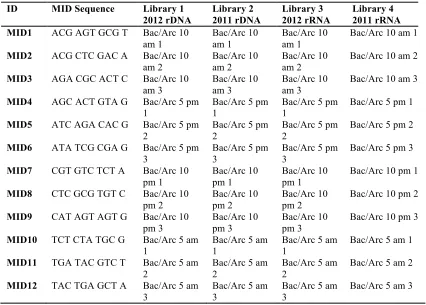
Table 3.1 MID sequences added to the U529 reverse primer ...70
Table 3.2 qPCR Primers for genes involved in biogeochemical processes ...71
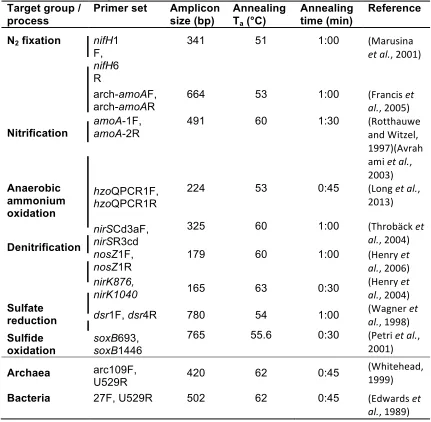
Table 3.3 Comparison of pre- and post-disturbance mean PSP ...72
Table 3.4 Archaea class summary of OTUs ...72
Table 3.5 Bacteria class summary of OTUs ...73
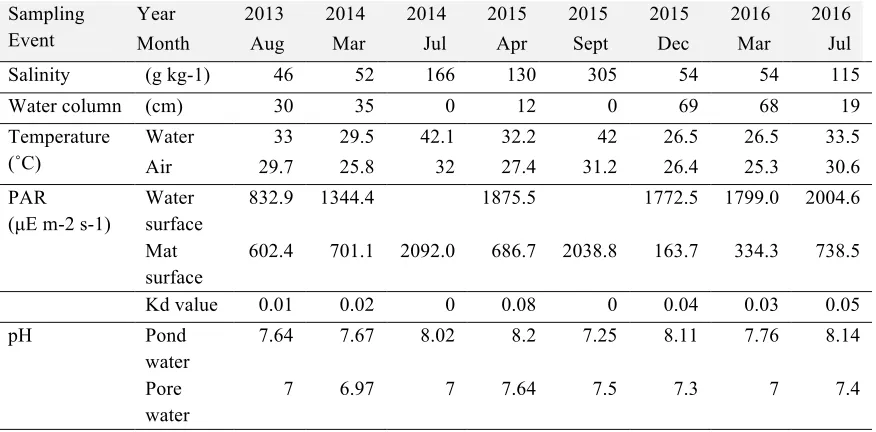
Table 4.1 Metadata collected at each time point from Salt Pond sampling site ...125
Table 4.2 α-diversity measured between the different layers of the microbial mat ...126
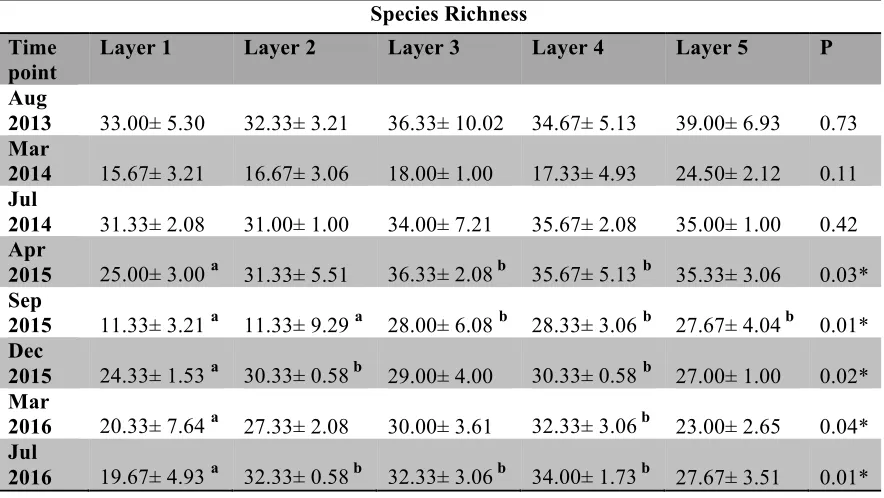
Table 4.3 Species Richness of microbial mat layer by layer ...126
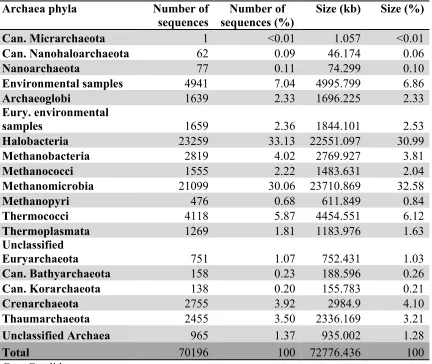
Table 4.4 Metagenome assembly of all time points of the study classified by lineage ...127
Table 4.5 Metagenome assembly of all time points of the study: Archaea phyla ...127
Table 4.6 Metagenome assembly of all time points of the study: Bacteria phyla ...128
Table 4.7 Metagenome assembly of all time points of the study: Eukaryota phyla ...129
Table 4.8 Metagenome assembly of all time points of the study: Virus phyla ...129
Table 4.9 Metagenome assembly of all time points of the study: Proteo class ...130
Table 4.11 Summary of Bbmap quality report ...131
xii
LIST OF FIGURES
Figure 1.1 The intermediate disturbance hypothesis by Connell (1978) ...22
Figure 1.2 Vertical cross sections of microbial mat from different environments ...22
Figure 1.3 A generalized biosphere model of basic inputs and outputs of energy and materials ...23
Figure 1.4 Schematic of the microbial nitrogen cycle ...23
Figure 1.5 Biogeochemical cycling in microbial mats ...24
Figure 1.6 Workflow of common metagenomic analytical strategies ...25
Figure 2.1 Representative surface and cross sections of microbial mats in March 2013 in Salt Pond ...36
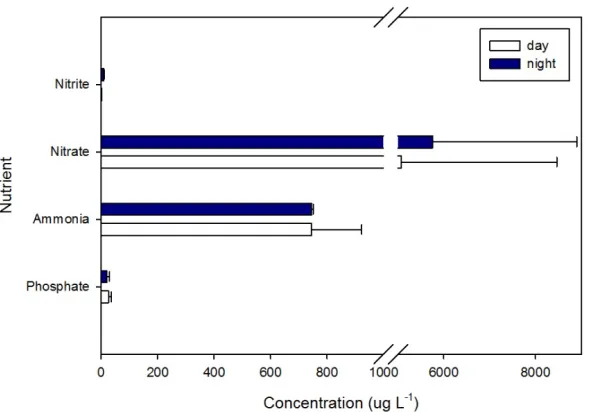
Figure 2.2 Nutrient analysis in Pond water at midday and midnight ...37
Figure 2.3 Representative oxygen depth profiles taken with microsensor (unisense) of microbial mats on site 1(far shore, blue) and 2 (near shore, green) ...37
Figure 2.4 Comparison of photopigments detected in Salt Pond microbial mats of sites 1 and 2 ...38
Figure 3.1 Overview of Sample Site ...74
Figure 3.2 Non-parametric multidimensional scaling (NMDS) plots ...75
Figure 3.3 Stacked bar charts of microbial mat community profiles for Archaea (A) and Bacteria (B) ...76
Figure 3.4 Relationship between rRNA and rDNA abundance for each OTU ...77
Figure 3.5 Heatmap analysis of OTU PSP for each archaeal class for day and night ...78
Figure 3.6 Heatmap analysis of OTU PSP for each bacterial phylum for day and night ..79
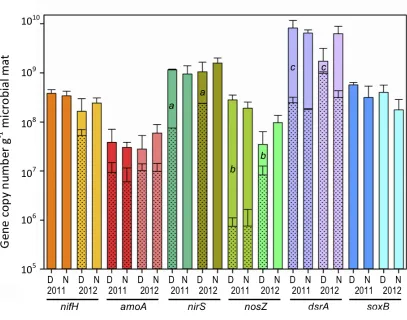
Figure 3.8 Microbial mat community potential for biogeochemical cycling ...81
Figure 4.1 Overview of workflow implemented ...133
Figure 4.2 Photos of Salt Pond Sample side and microbial mats ...134
Figure 4.3 Dissolved oxygen concentrations ...135
Figure 4.4 Dissolved organic carbon (DOC) concentrations ...136
Figure 4.5 Nutrient concentrations in Salt Pond ...137
Figure 4.6 Microbial community composition over the course of the study ...138
Figure 4.7 NMDS ordination plot of Bray-Curtis community dissimilarities ...139
Figure 4.8 Beta diversity analysis of taxonomic classification based on class level ...140
Figure 4.9 Krona graphical representation of the relative percentage of bases from the assembly belonging to the different lineages ...141
Figure 4.10 Archaea lineage: Breakdown of bases from assembly ...142
Figure 4.11 Bacteria lineage: Breakdown of bases from assembly ...143
Figure 4.12 Prodigal called genes (amino acid sequences) from overall archaea metagenomic assembly ...144
Figure 4.13 Prodigal called genes (amino acid sequences) from overall bacteria metagenomic assembly ...145
Figure 4.14 Microbial mat community potential for biogeochemical cycling ...146
Figure 4.15 Analysis of variance comparison of Archaea assigned COG categories between time points ...147
Figure 4.16 Archaea comparison of protein functions based on COG categories in different layers and over time ...148
Figure 4.17 Principal component analysis (PCA) plot comparing functional profiles for Bacteria between time points ...149
xiv
Figure 4.19 Archaea comparison of protein functions based on COG categories in
CHAPTER 1
INTRODUCTION
1.1 Ecosystem Ecology
The term ”ecosystem” was first defined by Sir Arthur Tansley in 1935 as a biotic
community or assemblage, including its physical (abiotic) characteristics, located in a
specific place. There are three major facets to an ecosystem. First, an ecosystem includes
the interactions between the biotic community, which can consist of any forms of living
species (e.g. animals, plants, microbes, etc.), and the abiotic factors that demonstrate the
physically unique environment in a given place (e.g. temperature, salinity, UV, pH, etc.
(Tansley, 1935). Second, an ecosystem is scale-independent, meaning it can be of any
size so long as organisms, their physical environment, and biotic/abiotic interactions can
exist within (Allen and Hoekstra, 1992). Hence, an ecosystem can be small--such as a
microbial mat or a patch of soil--or as large as an ocean. According to (Thiel, 1994)
Likens (1992) and (Odom, 1993), when defining a specific ecosystem, an explicit extent
(area, size etc.) must be specified and bounded. Third, an ecosystem is not restricted by
equilibrium, complexity, or stability (Holling, 1973), meaning that it can be dynamic or
in steady state, simple or complex. Tansley’s basic definition of an ecosystem covers an
unimaginably broad array of spatial scales—from microbial to biospheric, temporal
scales—from instantaneous to geological, and disciplines--from biodiversity to evolution
(Jones C. G. 1995). Identifying a changing ecosystem can be difficult, so (Rykiel, 1985)
2
stress, perturbation or disturbance). The reference state determines the significance of
those changes, including some measure of biological and ecological impact on the
system. There are two proposed ways to define a reference state. First, the reference state
can be the system’s steady state which is defined under optimal conditions (idealization),
or secondly, the reference state can be the current state of the system despite its dynamic
status. Based on the reference state, ecosystem change can be quantified and seen in
terms of cause (disturbance) and effect (perturbation).
It is often understood that disturbances initiate ecosystem change through damage
or destruction to the system (e.g. wildfire) after which the system has to recover to reach
the initial reference state (Bazzaz 1983). However, the intermediate disturbance
hypothesis (IDH) by Connell (1978) states that disturbances can improve ecosystem
stability. Specifically, the hypothesis has 2 parts: 1) a “disturbance of a certain intensity
and frequency may prevent one or a few species from dominating resources” and 2) a
disturbance is “not so biologically damaging that only a few species can use the resulting
resources” (Connell 1978). He suggests that the highest number of different species
(highest richness) will be reached at intermediate level of disturbance (Figure 1.1) and
that both high and low levels of disturbance would lead to reduced diversity. According
to his hypothesis, diversity will decline if disturbances are infrequent and of low
intensity. But at intermediate levels of disturbance there is enough time between
disturbances for a wide variety of species to colonize but not enough time to allow
competitive exclusion. Those ecological community changes following a disturbance are
termed succession. There are three distinguishable types of successions: 1) primary and
pre-existing communities and is then newly colonized is termed primary succession. 2)
Secondary succession is started by an event (disturbance) and reduces the already
established ecosystem to smaller population of species (Bard 1952). 3) Cyclic succession
can be described as a state where major disturbances are absent and is driven by pattern
of smaller scale changes in which a smaller number of species replaces each other over
time (Morin 1999). Climate cycles for example can result in cyclic successions by
directly altering physical changes (Glenn-Lewin 1992).
Connell’s IDH predicts that in early successional stages, disturbance leads to
reduction in diversity. Overall, the IDH has been a topic of many studies and appears in
ecological textbooks (Ricklefs 1999; Begon 2005; Lampert 2007); however, 100
published empirical studies as reviewed by Mackey and Currie (2001) show that the peak
in diversity at intermediate disturbance levels hardly occurs (< 20% of studies), a result
corroborated in another review published in 2007 by Hughes et al. (2007). In Fox’s
(2013) opinion, the IDH should be “abandoned”. He argues that it is theoretically invalid
and most of the time can not be explained by empirical data. However, models that were
developed recently predict various diversity–disturbance relationships, including different
shaped relationships (Miller et al. 2011). That is why Fox suggests focusing on testing the
assumptions and predictions of logically valid models of diversity and coexistence in
fluctuating environments.
Definitions for resilience and stability of ecological systems are challenging and
depend highly on how one defines equilibrium of a system. Ecological stability concepts
are very diverse in the literature (for more information see review of 163 definitions of
4
different categories for the definition of stability: (1) “staying essentially unchanged”, (2)
“returning to the reference state after a temporary disturbance” and, (3) “persistence
through time of an ecological system”. While definitions of the category 1 are based on a
specific reference state, category 3 is founded on the question of whether a system
persists as an identifiable entity (Shrader-Frechette, 1993; Grimm and Wissel, 1997).
In the literature, resilience reflects different aspects of stability (Holling, 1973, 1996;
Ludwig et al., 1996). Holling (Holling, 1996) defines stability as the persistence of a
system near or close to an equilibrium state (Walker et al. 2004). In other words, stability
quantifies the extent to which a community “stays the same” over a long period of time
(depending on the time scale) or during some disturbances. Resilience, however, is how
far a system has moved from equilibrium state and how quickly it returns (Walker 1981).
However, other sources describe the return times as a measure for stability Holling
(Holling 1973). Walker and Holling state that resilience involves the following four
aspects: latitude, resistance, precariousness, and panarchy (Walker et al. 2004). Latitude
of systems is the maximum amount of disturbance a system can deal with before losing
its ability to recover. Resistance describes how easy or hard it is for the system to change.
Precariousness explains in which state the system is and how close it is to a limit or
“threshold.” Panarchy explains how latitude, resistance, and precariousness are
“influenced by the states and dynamics of the systems at scales above and below the scale
of interest.” A guide to avoid terminological confusion was published by Grimm and
According to Pielou (1966), diversity refers to the number of species (species richness) or
to a diversity index based on the number of species weighted by relative abundance
(species evenness). The most widely used diversity index is Shannon-Weaver (H’):
H’= - Ʃpi ln pi
where i=species, and p=proportion of total cover (Shannon 1949). Whittaker
(1972) defined three levels of diversity, alpha, beta, and gamma diversity. Alpha diversity
describes the diversity within a particular area or ecosystem, and is usually expressed by
the number of species (e.g. species richness) in that ecosystem. The difference in species
diversity between two ecosystems is a measure of beta diversity; specifically, the total
number of species unique to each of the ecosystems is compared. Gamma diversity
measures the overall diversity for the different ecosystems within a region
("landscape-level" diversity).
Many diversity studies focus on eukaryotes, but it is critical to understand the
patterns of prokaryotic (bacteria and archaea) biodiversity due to the following reasons:
1) bacteria and archeaea display the majority of the Earth’s species diversity and 2) they
are involved in the most important environmental cycles that sustain life on Earth. In
plant- and animal- dominated systems, primary productivity is thought to be the major
determinant for species diversity (Rosenzweig, 1999) The following studies showed that
link in prokaryotes in field systems as well (Benlloch et al., 1995; Øvreås and Torsvik,
1998; Schäfer and Muyzer, 2001; Claire Horner-Devine et al., 2003). In vitro studies
6
2000) so that the IDH is valid for bacterial systems in lab settings. However, in field
studies, it was shown that bacterial community composition and diversity may respond to
gradients in disturbance (Müller et al., 2002), but it is difficult to assess the applicability
of the intermediate-disturbance hypothesis to bacteria outside the laboratory (Fierer et al.,
2003).
High-throughput sequencing has broadened our understanding of the scope of
biodiversity in ecological systems Sogin et al. (2006). Using operational taxonomic units
(OTUs), an abundant species has been defined as a microorganism with sequences
comprising more than 1% of the sequencing effort (Pedrós-Alió, 2006). Likewise, rare
species have been defined as OTUs representing 0.1% to <1% of the sequences in a
sample (Fuhrman, 2009). The rare biosphere and its functions in ecosystems are mostly
undiscovered. Two main hypotheses have been proposed to explain its role. The first
hypothesis states that the rare biosphere stays inactive and in low abundance until
environmental conditions change, suggesting that the rare biosphere acts like a “seed
bank” (Brown and Fuhrman, 2005; Pedrós-Alió, 2006). The second hypothesis claims
that rare taxa are active and well adapted to their environmental niche and play a role in
ecosystem function (Galand et al., 2009). However, both hypotheses have not been well
tested. The rare biosphere might not be as large as previously believed due to the findings
of methods for error correction in metagenomic sequencing datasets by Reeder and
Knight (2009) . It has also been suggested that the rare biosphere has a biogeography and
that it might be subjected to ecological processes such as selection, speciation, and
1.2. Photosynthetic Microbial Mats
Microbial mats are complex, densely, layered microbial communities (Stal et al.,
1985). Different types of microbial mats can exist almost all over the world in places
such as marine intertidal and sub tidal zones and in fresh water rivers and lakes, but
microbial mats are mostly found under extreme conditions such as, hot springs, saline
lagoons, hypersaline ponds (Des Marais, 1990) (Figure 1.2). In this study we focus on
microbial mats in hypersaline ponds on San Salvador Island (The Bahamas) (Figure 1.2
B). Physical characteristics that impact the type of organisms in the mat include,
temperature, water content, and flow rate; while chemical characteristics such as pH,
alkalinity, oxidation reduction potential (E0), and concentration of different chemical
compounds (e.g. salts, oxygen, hydrogen sulfide, nitrate etc., as well as organic carbon)
can also impact the microbial mat. In general, microbial mats are self-sustaining
communities that take part in all major biogeochemical cycles and are believed to be
analogous to some of the earliest communities on Earth (Cohen et al., 1989). The
complex community structure fulfills the definition of an ecosystem because there are
interactions between biotic and abiotic elements in a particular space but more
importantly due to the presence of all trophic levels (primary producers, consumers,
decomposers). Nematodes and diatoms are eukaryotes that are usually found in microbial
mats but the eukaryotic diversity in mats is lower than prokaryotic depending on
environmental conditions (Nübel et al., 1999; Feazel et al., 2008).
Due to the unique layered structure of microbial mats, it was thought that each of
8
et al., 1984). However, when sulfate reducing bacteria (SRB) typically associated with
anoxic layers, were found at the surface level of mats (Canfield and Des Marais, 1991),
this view had to be revised. Mat microorganisms can be classified into six major
functional groups: oxygenic phototrophs, anoxygenic phototrophs, aerobic heterotrophic
bacteria, fermenters, anaerobic heterotrophs, and sulfide oxidizing bacteria (van
Gemerden, 1993; Visscher et al., 1998; Visscher and Stolz, 2005).
Primary producers (e.g. cyanobacteria) belong to the first functional group of the
system (light induced CO2 and N2 fixation) (Paerl et al., 2001). Filamentous
cyanobacteria trap and bind sediment and sand grains together with extracellular
polysaccharide (EPS), thus establishing the foundation for microbial mats. Primary
producers use photosynthetically active radiation (PAR = 400–700 nm), which has been
found to penetrate the first two mm of the mat, in oxygenic and anoxygenic
photosynthesis. The second functional group, anoxygenic phototrophs (e.g. purple and
green bacteria), is also involved in photosynthesis but it uses HS- instead of O2 as an
electron donor. The aerobic heterotrophic bacteria gain energy from respiration of oxygen
and organic carbon and can exist in the range of near infra-red radiation (NIR = 700–
1100 nm) which is deeper in the mat than PAR (van Gemerden, 1980). Using organic
carbon or sulfide compounds as electron donor and acceptor, fermenters build the fourth
functional group (Bak and Cypionka, 1987; Visscher et al., 1999). The fifth group
consists of anaerobic heterotrophs, predominantly SRB, that respire organic carbon with
sulfate and produce hydrogen sulfide ions (HS-). The last functional group, sulfide oxidizing bacteria (SOB), has many chemolithoautotrophs that oxidize reduced sulfur
groups can be found in microbial mats, however, they are mainly photosynthetically
driven systems and are mostly dominated by cyanobacteria (Stal, 1994).
Photopigments secreted by phototrophic bacteria and archaea result in color
banding visible in depth sections of mats. Diatoms and cyanobacteria are mostly found
in the upper brownish layer. The underlying dark green layer (~2 - 4 mm) has the highest
photosynthetic activity and is dominated by filamentous cyanobacteria such as,
oscillatorians (Microcoleus, Oscillatoria, Lyngbya, Spirulina) and Chroococcales
(Mesrismopedia, Chroococcus) (D’Amelio et al., 1989). All functional groups are
involved in element cycling. Because microbial mats can function with sunlight as energy
input into the system, they can be considered as semi-closed systems(Fenchel, 1998).
These attributes have made microbial mats attractive models for better understanding
elemental cycling, microbial interactions, and the evolution and the ecology of microbial
systems supporting the processes that now sustain our biosphere.
1.3. Biogeochemical cycling in microbial mats
Biogeochemical cycling describes the transport and transformation of substances
(chemicals or molecules) in biotic and abiotic parts of the ecosystem. Microorganisms
play a major role in element cycling (Butcher 1992). In microbial mats, oxygen, carbon,
nitrogen, phosphorous, and sulfur cycles are present and found to be inextricably
interconnected within microbial communities (Canfield and des Marais 1993). For
instance, the oxidation and reduction of nitrogen and sulfur compounds are directly
coupled to the reduction and oxidation of carbon, respectively, all carried out by different
10
The water in which microbial mats grow is usually nutrient depleted (Javor 1983),
but the mat itself is a highly productive system involved in all major biogeochemical
cycling. Figure 1.3 explains how microbially driven biogeochemical processes are
interconnected based on photosynthesis. The major energy input into the system is sun
light, which triggers both oxygenic and anoxygenic photosynthesis. During oxygenic
photosynthesis, an electron donor, H2O, is oxidized and CO2 fixation occurs ([CH2O]n).
In anoxygenic photosynthesis the electron donors are HS-, H2, or Fe2+ (Figure 1.3).
Electrons and protons from oxygenic and anoxygenic photosynthesis are then used to
reduce inorganic carbon to organic matter. Resulting compounds serve as electron
acceptors in either aerobic/anaerobic respiration or can be used by photosynthetic
organisms (Blankenship et al., 1995).
Phototrophic organisms form the foundation of the carbon cycle, where organic
matter (CH2O) is generated through photosynthesis [CO2 + H2O à (CH2O) + O2]. The
resulting carbohydrates can be degraded in either a respirational or a fermentative
process. Methane and carbon dioxide are formed through the activity of methanogens and
chemoorganotrophs during fermentation, anaerobic respiration or aerobic respiration (see
Figure 1.3). Methane produced in anoxic environments is oxidized to CO2 in the oxic
zone.
In the nitrogen cycle, nitrogen gas fixation is the only biological process that makes N2
accessible for the synthesis of proteins and nucleic acids. N2 is transformed to NH4+, this
reductive reaction is catalyzed by nitrogenase (Figure 1.4, Step 1). Nitrogenase is an
enzyme complex, which is inhibited by oxygen (Postgate, 1998).NH4+ is oxidized to
pathway by a specific group of Bacteria or Archaea that oxidize ammonia to NO2− (via
hydroxyamine). Nitrifying bacteria then oxidize NO2− to NO3− (Falkowski, 1997) (Step
3). Using the small differences in redox potential in the oxidation reactions, nitrifiers
reduce CO2 to organic matter. Opportunistic microbes are involved in the respiration
pathway that forms N2. Under the anaerobic oxidation of organic matter, NO2− and NO3−
are used as electron acceptors if O2 is absent (Step 4). The nitrogen cycle was believed to
be closed, but research within the last decade found that there are more processes
involved shown in Figure 1.4. step 5 and 6. Step 5 describes both, a process called
anamox where NO is oxidized anaerobically to N2H2 (Strous et al., 1999), and NH4+
oxidation by crenarchaea (Könneke et al., 2005; Francis et al., 2007) as well as the
interaction between these two groups (Lam and Kuypers, 2011). Step 6 shows the
dissimilatory nitrate and nitrite reduction to ammonium (Risgaard-Petersen et al., 2006) .
The sulfur cycle takes place in mostly anaerobic conditions. The major aerobic
process is the oxidation of sulfate to S2- which occurs intracellularly. Organic S
mineralization leads to HS-, which can then be oxidized by oxygen by facultative
chemolithotrophs in a dissimilatory process via O2 or NO3-, Mn4+, or Fe3+ as electron
acceptors. Sulfate is the end product but several intermediates can be found. Sulfide can
also be oxidized in a photosynthetic process resulting in S0 and SO42- (by phototrophic
sulfur bacteria).
Paerl and Pinckney (1996) graphically explained each biogeochemical process
within a depth profile of microbial mats where processes of microbial nitrogen, sulfur and
carbon transformation occur in regard to the biogeochemical transformation take place
12
ammonia/ammonium (NH4+/NH3) increases (see yellow line shifting more to the right as
oxygen disappears). Nitrification maximizes at oxic/anoxic interface, here
ammonia/ammonium is first oxidized to nitrite (NO2-), which is then oxidized to nitrate
(NO3-). Denitrification is the anaerobic conversion of nitrate to nitrogen (N2) and depends
on high nitrate concentrations within the sediment. N2 is then converted to ammonium via
N2 fixation.
Sulfate (SO42-) concentrations are highest in oxic zone (see yellow line) while in
the anaerobic environment sulfide (S2-) is reoxidized to elemental sulfur (S), sulfate, or
thiosulfate. In the carbon cycle, anaerobic respiration is localized in oxic zone; whereas
anaerobic respiration and fermentation as well as methanogenesis are deeper in the
anaerobic zone.
1.4. Molecular based tools
Several molecular-based tools exist to study ecosystem function, one of which is
the use of transcript analysis. In transcriptomics, the abundance of major genes involved
in elemental cycling are quantified to examine the rate of biogeochemical cycling
occurring at a given time or over time. Using reverse transcriptase quantitative
polymerase chain reaction (RT-qPCR), it is possible to calculate how many copies of the
gene of interest were present at the time of sampling, which helps to estimate up- or
down- regulation of a specific pathway within the microbial mat. To study nitrogen
fixation, researchers can use a part of the nitrogenase pathway, which is encoded by the
gene nifH (the reductase). The gene involved in the process of archaeal and bacterial
nitrification (Step 2 in Figure 1.4.) is called amoA (ammonium monoxygenase). The
and nosZ). A functional gene that encodes a key enzyme (reductase AprBA) of the
dissimilatory sulfate-reduction pathway can be used to look at the sulfur cycle in sulfate
reducing (SRB) and oxidizing bacteria (SOB). The terminal step of the pathway in
methanogenesis is the expression of methyl coenzyme-M reductase subunit A (mcrA)
gene. This can be used as an indicator of the methanogenic activity (Nazaries et al.,
2013).
Photopigments can be used as a measure of distribution of oxygenic (oxygenic
chlorophyll a (Chl a)) in relation to anoxygenic photosynthesis (bacteriochlorophyll
(BChl)). Both processes together with chemoautotrophy resemble primary production.
According to Stal et al., (1985) primary productivity (especially CO2 fixation) and
nitrogen fixation can be an ecophysiological measure for phototrophic community
growth. Primary productivity can also be a measure of trophic stability and an indicator
of ecosystem recovery after a perturbation (Oksanen et al., 1981). Adenosine
triphosphate (ATP), generated during photosynthesis is used for reproduction and cell
growth, but after a disturbance it can shift towards stress compensating mechanisms in
the cell resulting in lower primary productivity.
There are different approaches to look at the relative abundance of species within
the microbial mat. Depending on the research interest, one can use chemosystematic
photopigments as indicators of the relative abundance when looking at the phototrophic
community of the mat. Analysis of the 16S rRNA genes give information of the total pool
of DNA that might consist of DNA derived from living, dormant or even dead cells as
well as extracellular DNA (Josephson et al., 1993). DNA has a relatively long life span as
14
metabolically active fraction of the community (Mills et al., 2005; Moeseneder et al.,
2005; Gentile et al., 2006). There is a linear relationship between cellular rRNA content
and the growth rate in bacteria (DeLong et al., 1989; Kemp et al., 1993; Kerkhof and
Ward, 1993). During starvation, the rRNA content decreases to minimum levels in the
cell (Fegatella et al., 1998). The higher amount of rRNA in active than in dormant cells
associated with the higher number of ribosome in active cells provides a tool to determine
the metabolically active members of the bacterial community (Poulsen et al., 1993). To
explore an aspect of activity and dormancy the abundance of the 16S rRNA gene
transcripts is compared to the abundance of bacterial and archaeal communities via 16S
rRNA genes (rDNA). Here we are using the term rDNA when we describe the 16S rRNA
genes to differentiate between transcripts of the gene and the gene itself. The ratio of 16S
rRNA to rDNA is an index of the growth rate for specific taxa in natural communities
(Jones and Lennon, 2010).
1.5. Comparative Metagenomics
Metagenomics is described as the study of microorganisms by sequencing random
pieces of their genomes directly from environmental or clinical samples (Handelsman et
al., 1998; Rondon et al., 2000). Metagenomics require no prior cultivation of individual
isolates or entire communities, as the method is based solely on nucleic acid extraction of
the sample and microbial communities can therefore be studied directly in their natural
state (Schloss and Handelsman, 2005). Taxonomic compositions and metabolic profiles
of the microbial communities inhabiting a specific environment can be studied using
differences in community structure, diversity and biological function can be identified.
With the decrease in cost and increase in efficiency within the last decade, high
throughput DNA sequencing technologies (or next generation sequencing technologies)
have become a widely-used tool for the study of metagenomes. The term metagenomics
has been falsely applied to studies performing PCR amplification of certain marker genes
and was referred to as “marker gene amplification metagenomics”. Direct sequencing of
a nucleic acid pool is termed “shotgun metagenomics”, as the whole genetic potential of a
sample is being analyzed. Shotgun metagenomics has evolved to address the questions of
“who” is present in an environmental community, “what” they are doing (function-wise),
but also “how” these microorganisms interact to sustain a balanced ecological niche. Post
sequencing processing of metagenomic data poses a challenge, as there are many
different ways to perform analyses each containing certain caveats. Depending on
sequencing technology used different options of post run processing need to be carefully
assessed.
One of the first steps after removing any sequences containing errors or those
sequences not meeting quality criteria (quality control step, Figure 1.6) is the generation
of a metagenomic assembly. During an assembly collinear metagenomic sequences from
the same genome are being merged into a single contiguous sequence (i.e., contig)
resulting in longer sequence reads, which can simplify bioinformatic analysis relative to
unassembled short metagenomic reads. Due to DNA extraction from the sample, whole
protein coding genes as well as full operons are unlikely to be intact but can offer
invaluable functional knowledge about the community. However, in some cases,
16
genomic composition of uncultured organisms found in a community. An assembly of
shorter reads into genomic contigs and orientation of these into scaffolds is often
performed to provide a more compact and concise view of the sequenced community
under investigation. Depending on the dataset, there are two approaches for creating an
assembly 1) a reference based assembly or 2) a de novo assembly. When following a
reference based assembly protocol, one or more already existing reference genomes can
be used as a “map” for creating contigs. This approach is often used when metagenomes
are taken from extensively studied areas and genomes of closely related organisms are
already in an online reference database. In the case of de novo assembly, no reference
“map” is being used and contigs from the sequencing run are being assembled. This
process is computational extensive but several programs including MetaVelvet-SL
(Afiahayati et al., 2015; Namiki et al., 2012) and Meta-IDBA (Peng et al., 2011) or
MEGAHIT (Li et al., 2015) address previously arising issues. After assembly and quality
control (MetaQuast (Mikheenko et al., 2016)), sequence reconstruction and grouping can
be performed through binning using various tools such as emergent self-organization
maps (ESOM) (Dick et al., 2009), followed by automated gene or regulatory element
prediction of the sequences using Prodigal (Hyatt et al., 2010). Potential protein coding
genes can then be functionally annotated using a reference database such as NCBI’s
maintained “non- redundant” (NR) protein database (NCBI Resource Coordinators, 2017)
using BLASTp (Altschul et al., 1990, 1997). With the resulting data functional
comparative metagenomics is possible and is based on identifying differential feature
abundance (pathways, subsystems, or functional roles) between two or more conditions
2006; Pookhao et al., 2015). Tools to carry out such comparisons are programs such as
MEGAN (Huson et al., 2007), Parallel-META 2.0 (Su et al., 2014), or STAMP (Parks et
al., 2014).
Using metagenomics data to investigate the taxonomical composition of one or
more samples does not depend on gene-targeted primers or PCR amplification and is
therefore not affected by the biases (e.g. chimera formation) these methods pose. For
taxonomical composition comparison of metagenomes, phylogenetic marker genes such
as the 16S ribosomal RNA genes can be either extracted from the raw sequencing data or
later separated based on a blast search of the cleaned sequences against for instance the
SILVA rRNA database (Figure 1.6). Extraction from the raw sequencing data by
reconstructing 16S rRNA genes through an assembly tool can be done with programs like
REAGO (Yuan et al., 2015), however it needs to be noted that the use of REAGO is
limited to short (~200 bp) Illumina HiSeq reads and does not support longer (>200 bp)
MiSeq sequencing data. The use of reference gene sequences to assemble rRNA genes
from metagenomics data is used by EMIRGE (Miller et al., 2011), this program requires
large numbers of known rRNA genes for the mapping step and may miss remotely related
rRNA genes. When blasting the cleaned sequences against a reference rRNA database
such as SILVA, similarities between the gene sequence and the reference database is
measured by the score obtained from an alignment algorithm (e.g. BLASTn), this method
is computationally expensive and requires a parsing step where the resulting data is
separated into those sequences being rRNA genes (hits) and those sequences being
different from rRNA genes (no hits).
18
next step is to investigate important differences in community structure, diversity and
biological function, by comparing gene abundance between the metagenomic datasets.
Since this type of analysis is complex, and to avoid false positives and type I errors as
well as unbiased estimation of the false discovery rate, several different methods (e.g.
MetaStats (White et al., 2009), STAMP (Parks et al., 2014), FANTOM (Sanli et al.,
2013)) have been developed to undertake this task. Based on statistical model used for
the analysis, results have to be interpreted carefully. Most impactful on gene ranking
performance of the methods were found to be group size, effect size and gene abundance
(Jonsson et al., 2016). Based on the study by Jonsson et al. (2016) the following
programs showed the best overall performance DESeq2 (Love et al., 2014), edgeR
(Robinson et al., 2010) and the overdispersed Poisson GLM (OGLM) (Kristiansson et al.,
2009). However, performance of programs may differ based on sequencing method
chosen for the metagenomic study.
1.6. Statement of Problem
Most ecosystems are subjected to seasonal environmental changes and species
may be adapted to frequent cycles of disturbance and recovery. However,
disturbance-dependent species deteriorate when disturbance frequency declines. Conversely, if major
disturbances occur too frequently or reoccur multiple times during the recovery period,
conditions are created that can lead to the formation of alternative community states that
are distinct from the initial state. In studies examining ecosystems, the role of
microorganisms is often greatly oversimplified because of the complexity of microbial
largely responsible for the biogeochemical cycling of natural systems. Recently,
molecular based studies of microbes involved in biogeochemical processes indicated that
microorganisms contain enormous diversity, complexity, and functional redundancy. On
the one hand, single species carry genes that are involved in different pathways of
elemental cycling, and on the other hand, there are different organisms that harbor the
same genes (orthologs) carrying out the same functions. There may also be functional
equality of whole communities where entirely different microbial communities carry out
the same processes. It is therefore highly important to understand the abiotic factors that
are responsible for community structure and function and their impact on ecosystem
function and resilience. It has been shown that microorganisms that were rare before a
major disturbance were highly abundant post-disturbance but that overall functional
processes like nitrogen fixation and primary productivity were equal to the pre-disturbed
state. These studies suggest that microbial community metagenomes contain functional
redundancy within rare members and the diversity of those microorganisms supported the
overall recovery of ecosystem function after disturbance.
While the genetic diversity in most ecosystems lies within the rare biosphere,
most studies either focus on characterizing the abundant microbial community or
characterize the rare biosphere at a single point in time. To fully understand ecosystems,
it is important to extensively characterize the contribution of the rare community over
time to understand its function in cycles of ecosystem disturbance and recovery.
Benthic microbial mats on San Salvador Island (The Bahamas) are subjected to seasonal
hurricanes and other tropical storm events. These naturally occurring cycles of
20
study relationships between community structure and ecosystem function as well as
ecosystem resilience.
Molecular biological techniques of 16S rRNA/rDNA (the term 16S rDNA is used
to describe the 16S rRNA genes) deep sequencing allow us to monitor changes in active
and dormant (both rare and abundant) phyla during cycles of environmental disturbance
and recovery of the system. The investigation of redundancy of the overall functional
processes during disturbance cycles can be conducted through metagenomic sequencing
and comparative bioinformatic analysis. Metadata will be used to understand how abiotic
Table 1.1: An ecological guide to avoid confusion. The list captures six characteristics of an ecological situation which delimit the domain of validity of a stability statement (Grimm and Wissel 1997).
Features of ecological situation
Checklist question for this feature
Example answer
(1) Level of
description On what level of description is the stability property examined?
Individual, population, community, ecosystem, …
(2) Variable of interest
Which ecological variable of interest is being
considered?
Biomass, population size, nutrient cycling rate, … (3) Reference state or reference dynamic, respectively
What is the reference state or dynamic of the variable of interest without external influences?
Equilibrium, trend, cycles, high or low spatial or temporal variability, …
(4)
Disturbance
What does the disturbance look like? What is being disturbed?
Disturbance of the state variable or system parameter, lasting disturbance or short term effect, intensity of disturbance, frequency of disturbance, …
(5) Spatial scale
To which spatial scale does the stability statement refer?
Size of the researched area, ability of researched species to spread, typical lengths in the spatial heterogeneity of the research area, …
(6) Temporal scale
To which temporal scale does the stability statement refer?
22
Figure 1.1. The intermediate disturbance hypothesis by Connell (1978). Redrawn from adaptation by Sheils and Burslem (2003).
Figure 1.2. Vertical cross sections of microbial mat from different environments A)
Section of a stratified microbial mat in hypersaline microbial mats at Guerrero Negro,
Baja California. Photo by Spear and Pace (2007). B) Section of Salt Pond microbial mat
collected in March 2013 (Photo by E. Preisner). C) Greater Sippewissett salt marsh
Figure 1.3. A generalized biosphere model of basic inputs and outputs of energy and materials. (Falkowski et al. 2008).
Figure 1.4. Schematic of the microbial nitrogen cycle. 1) N2 (gas) fixation; 2) aerobic
ammonium oxidation by bacteria and archaea; 3) aerobic nitrite oxidation; 4)
24
Figure 1.5. Biogeochemical cycling in microbial mats. A) Nitrogen biogeochemical transformation and microbial transformation in a microbial mat (Paerl and Pinckney
1996). B) Sulfur biogeochemical transformation and microbial transformation in a
microbial mat. C) Carbon biogeochemical transformation and microbial transformation in
Figure 1.6. Workflow of common metagenomic analytical strategies (Sharpton, 2014). After sequencing of metagenomic nucleic acids, a quality control step is performed followed by analysis based on research question (e.g. taxonomic and functional
26
CHAPTER 2
COMPARISON OF NEAR AND FAR SHORE MICROBIAL MAT
COMMUNITY IN SALT POND
2.1. Introduction
San Salvador Island is located on the eastern edge of the Bahamian Archipelago,
approximately 300 km east of the capital Nassau, New Providence, within The Bahamas.
This relatively small (161 km2) island was formed in the late Quaternary and consist of carbonate (Mylroie and Mylroie, 2007). The island harbors multiple salt lakes and
lagoons, ranging in salinity from seawater salinity (35 g kg-1) to hypersaline conditions
(250 g kg-1) depending on the season. The two distinguishable seasons within the
sub-tropical, semiarid climate are a wet (September – November) and a dry seasons. Seasonal
predictable tropical storms and hurricanes occurring in the wet season are responsible for
more than half of the mean annual precipitation of approximately 100.7 cm. One of the
small coastal lakes, Salt Pond, was used in this study, which received the name due to
historical use of the pond as a local source for mining salt. Salt Pond is located on the
eastern shore of the island and only separated from the ocean by dunes. The water table
of Salt Pond changes throughout the year from more than 1 m depth during the wet
season, to completely dry in more dry years. Salt Pond has been the subject of several
studies (Pinckney and Paerl, 1997; Paerl and Yannarell, 2010; Pinckney et al., 2011) due
to its unique nature of harboring microbial mats. In this study we focus on the community
Salvador Island, The Bahamas, on October 25/26 (2012) the salinity in Salt Pond was
decreased to 30 g kg-1 (measured by Erin Rothfus) for reference: Caribbean Sea water 35
g kg-1 (Personal measurement, March 2013). By the end of February 2013 the salinity of
the Pond had increased to 35 g kg-1. During the Hurricane, the pond likely received inputs of inorganic and organic matter and nutrients from runoff of the surrounding soils
resulting in higher levels of pond water prokaryotic and eukaryotic productivity with
subsequent increased water turbidity. The fluctuation in salinity allowed the
establishment of other primary producers (e.g. sea grass), and other trophic levels (e.g.
grazer, fish, and worms) in the pond (personal observation), that are not found at
salinities over 45 g kg-1 (personal observation), resulting in changes of water chemistry and biology as whole. At lower salinities, primary productivity was found to be increased
(Pinckney et al. 1995), thus enhancing oxygen and carbon input into the system and
building a foundation for the microbial community to flourish. During March 2013
sampling, two morphologically different microbial mats were found covering the
sediment of Salt Pond. The previously sampled site, that is located approximately 15 m
from the shore, showed a mat with a brown surface and only few (<3) distinguishable
layers, whereas the south side of the pond near shore (approximately 8 m) was covered
by a microbial mat with a green surface and multiple (>10) distinguishable layers.
Sample site far shore (referred to as sample site 1) was overlaid by approximately 41 cm
of pond water, whereas the sample site near shore (referred to as sample site 2) was in a
depth of approximately 28.5 cm. The deeper water column of sample site 1 allowed less
sunlight to reach the microbial mat surface, as compared to sample site 2. Microsensor
28
shore mats as compared to the sample site near shore. Since microbial mats are
photosythetically driven systems we hypothesize that increased water turbidity will result
in different light attenuation far shore versus near shore and resulting in shifts in mat
community structure. Future studies, comparing the change in microbial mat
communities over time need to be done in one sampling area.
2.2. Materials and Methods
2.2.1. Initial Assessment of Microbial Mats
When Salt Pond was assessed for microbial mats covering the sediment, two
morphologically different microbial mats were discovered. Within the previous sampling
area, located far shore (approximately 15 m) the microbial mat showed reduced layering
as compared to the mat sampled in the same area before hurricane Sandy (Figure 2.1 B).
This sample site is referred to as sample site 1. The Southside of Salt Pond, near shore
(approximately 8 m), was covered by microbial mats with more than 10 distinguishable
layers and a green surface (Figure 2.1 A). The Southside sampling side is referred to as
sample site 2.
2.2.2. Metadata collection
Environmental parameters of Salt Pond, such as salinity, dissolved oxygen,
temperature, photosynthetic active radiation (PAR; 400-700 nm), and pH were measured
with an YSI 30 Salinity Meter, a YSI 55 Dissolved Oxygen Meter (YSI, Yellow Springs,
OH, USA), a LI-COR LI-250A Light Meter (LI-COR, Lincoln, NE, USA), and a Mettler
Toledo SevenGo Portable pH Meter (Mettler-Toledo, Columbus, OH, USA),
collections at the time point, and average values (± 3 standard deviations) are being
reported (Table 2.1, Table 2.2).
2.2.3. Sample Collection and Processing
Samples of each mat type (site 1 and 2) were collected using 7-mm Harris
Uni-CoreTM device (Ted Pella, Inc, Redding, CA, USA) and transferred into 3 ml round
bottom cryogenic vials (plypropylene, VWR). Five replicate cores were pooled
immediately (<1 min), frozen, and kept in the dark after sampling at all times. Samples
were thawed and subsequently freeze dried overnight. Freeze dried samples were
weighed and 2 ml acetone (90%) and 50 µl carotenal standard were added for pigment
extraction, samples were then sonicated for 30 seconds and stored in the freezer for 24
hours (Pinckney et al. 1994). After spinning samples at 1400 rpm at 4˚C for 2 minutes,
the supernatant was filtered (0.45 µm) into a 2 mL centrifuge tube. Identification and
quantification of pigments was done by HPLC with an in-line photodiode array detector
(Shimadzu SPD-M6a) (Wright and Jeffrey 1987). Identification of pigment was done by
comparing spectra to known standards by Jay Pinckney. Pigment concentrations per gram
microbial mat were calculated and ANOVA (p=0.05) was performed to test for a
difference in community composition between the two sites.
2.2.4. Nutrient Analysis
Water from Salt Pond was collected to analyze phosphate, nitrate, nitrite, and
ammonium concentrations using water quality kits (Hach, Loveland, Colorado) and a
spectrophotometer (Thermo Multiskan EX Photometric Microplate Absorbance Reader).
30
replicate samples of pond water were collected at mid day and mid night and analyzed
within 24 hours. Briefly, six standard solutions were prepared for each nutrient to
generate a standard curve before measuring the samples. All standards and samples were
processed according to the manufactures instruction of the kit and measured at the
wavelengths specific to the kits instructions. Average values (n=3) and standard
deviations are being reported for all nutrients.
2.2.5. Microsensor Measurements
Oxygen concentrations in the microbial mat were measured with an oxygen
microsensor (Unisense, Denmark). The sensor had a tip diameter of 10 µm, a stirring
sensitivity of <1.5%, and a 90% response time of 0.2 s. The sensor response was tested
by recording the output current in O2 saturated water (purged with oxygen) and zero
oxygen by spurging with N2, the water was kept at temperature and salinity of the
microbial mats. The sensor was mounted and lowered vertically into the mat using a
micromanipulator. Three independent O2 concentrations were determined at 100 µm
increments. All measurements were saved in a Microsoft Office Excel (2007) spread
sheet. Mean and standard deviation were calculated (n=3) and used for Sigma Plot (11.0)
analysis. Light dark shifts were conducted in 200 µm depth (for more information see
(Glud et al. 1992) to calculate primary productivity and gross photosynthetic rate.
2.3. Results
2.3.1. Environmental Parameters and Assessment of Mats
Following Hurricane Sandy, where the Pond water had reached high levels and a
column the salinity increased to 35 g kg-1. The lowest and highest air temperatures
measured for day time were 19˚C and 29.1˚C, respectively, while night time temperatures
reached as far down as 17.7˚C. The temperature of the pond water stayed more stable
over 24 hours with lowest temperature of 20.7˚C and the highest of 25.5˚C. The lower
temperatures and decreased salinities created conditions for increased dissolved oxygen
(DO) of the water column. DO over a diel cycle varied between 4.05 to 5.54 mg*L-1
depending on the water temperature. Compared to seawater measured across the dune
from Salt Pond (DOocean 6.91±0.39 mg*L-1, 25.5˚C), the DO in salt Pond was decreased.
Photosynthetic primary producers, such as Cyanobacteria, generate oxygen in the
microbial mats. Using sunlight as their energy source to carry out metabolic functions,
photosynthetic active radiation (PAR) as well as microsensor measurements of oxygen in
the microbial mats were taken as an indicator of potential phototrophic metabolism (e.g.
nitrogen fixation). To compare how much sunlight was reaching the microbial mats near
and far shore (site 2, and 1), sun light attenuation in the water column was calculated by
measuring PAR at water air surface and on top of the microbial mats. In the far shore site,
79 % of PAR was lost due to turbidity in the water column, whereas the near shore site
experienced a 32% loss of PAR (Table 2.3). Far shore mats Near shore mats displayed
oxygen maximums of 387.21 ± 34.53 µmol L-1 at depth of 1.7 ± 0.1 mm and a relatively
broad oxycline of 3 mm depth during mid day photosynthesis (light intensity 556.28 µE
m−2 s−1). While oxygen penetrated 2.6 mm deep into the far shore mats, the maximum O2
concentration was approximately 35% lower with a maximum O2 concentration of 293.2
± 12.56 µmol L-1 at approximately 0.8 mm depth and a shallow oxycline (Figure 2.3).
32
primary productivity (Table 2.3). Response time of O2 production was longer in far shore
microbial mats with lower gross O2 production as compared to near shore mats. Both
sides had great standard deviations around the mean (n=3), indicating high variation of
O2 production.
Near shore mats had a grainy green colored uneven surface and more than 10
distinguishable layers of different colors reaching approximately 18 mm deep. The first
~3 mm of the mat were green colored and appeared to have sand grains incorporated into
its matrix (Figure 2.1, A). While far shore mats had a brown colored smoother surface
(Figure 2.1, B), they had fewer than 4 distinguishable layers reaching to ~5 mm depth.
Coloration of far shore mat layers were mostly red-brown and were built on black colored
sediment.
2.3.2. Nutrient analysis
Nutrients of pond water can be an important indicator of microbial activity of the
water column. Comparison of nutrient concentration at day and night time in the water
column showed no significant differences with the exception of Nitrite (NO2-) (T-test, t=-16.971, df = 4, p<0.05). Nitrate (NO3-) in the water column had higher concentrations
(5077.76 ± 3388.16 µg/L) as compared to the other tested nutrients (nitrite, ammonia, and
phosphate) (Figure 2.2). Nitrifying microorganisms in the water column oxidize NH4+ to
nitrate.
2.3.3. Photosynthetic microbial community comparison
Microbial mat cores from both mat types were collected and photopigments were
with half of them belonging to the phylum of Cyanobacteria (Table 2.3). Oxygenic
prototroph biomass (Chl a) was significantly greater in near shore mats (One way
ANOVA: F1,16=17.731, p<0.001). Comparing photopigment concentrations at both sites
using a multivariate ANOVA (α = 0.05) resulted in significantly different community
compositions (p < 0.05, n = 12). The following pigment concentrations were
significantly higher (p<0.05) in near shore mats, Scytonemin, Fucoxanthin,
Myxoxanthophyll I, Myxoxanthophyll II, Zeaxanthin, Bacteriochlorophyll a, Chla
allomer, α carotene, and Echinenone (Figure 2.4.). Bacteriochlorophyll a had the highest
concentration of all pigments (p<0.0001). Echinenone, the photopigment indicating the
presence of the Cyanobacteria Microccus roseus, was second highest in abundance in
near shore mats, while it was the Microalgae Dunaliella salina (β Carotene) in far shore
mats.
2.4. Discussion
Microbial mats have been observed to go through growth cycles, after the growth
season, the green Cyanobacteria layer was found to die off (STAL, 1995). Due to the lack
of a green layer and lower biomass as well as lower abundance of phototrophic primary
producers, far shore mats seemed to be at a different step of the growth cycle, possibly at
the end of the growth season. While “active” microbial mats trap and bind sediments and
particles, such as seen in the first few millimeters of the near shore mats, there is no
evidence of that found in far shore mats (Figure 2.1). One possible reason for the
appearance of the less active far shore mats could be water turbidity coupled with an
increase in grazing pressure at lower salinities (35 g kg-1). Since photosynthetic CO2 and
34
sediment ecosystem, other microorganism’s metabolism and growth are dependent on the
abundance and growth of primary producers, thus resulting in a less active microbial mat.
Based on the photopigment analysis, purple phototrophic bacteria were the dominant
group in both mat types, but Cyanobacteria were more diverse and may be better adapted
to changing environmental conditions such as salinity or change in light. The
phototrophic community composition based on photopigment analysis indicated two
distinct communities between the near and far shore mats, further supporting the claim
that there were different types of microbial mats present in Salt Pond.
Table 2.1. Metadata of Salt Pond collected at day and night.
Dissolved oxygen pH Temperature Salinity
Time mg * L-1 Air (°C) Water (°C) g * kg-1
Day 4.05 ± 0.8 7.4 ± 0.2 26.00 25.50 35
Night 5.04 ± 0.13 7.14 ± 0.1 17.7 20.75 35
Table 2.2. Photosynthetically active radiation (PAR) lost in water column due to turbidity for microbial mat near shore and far shore. Mean values (n = 6) with one standard deviation.
Site 1 (far shore) Site 2 (near shore) % PAR lost in water column 79.47 ± 15.02 32.14 ± 11.11
Table 2.3. O2 Productivity at 0.2 mm depth. Mean oxygen concentration (n=3) with std.
deviations.
Site 1 Site 2 Gross O2 production 13.7 ± 10.6 124.9 ± 92.7
Net O2 production 1.8 ± 13.7 117.3 ± 92.8
Table 2.4: Photopigments found in site 1 and 2 microbial mats, functions and organisms.
Pigments Function Organisms Comment Reference Scytonemin UV-screening
pigment, photoprotection molecule
Sheathed
cyanobacteria pigment is known to be synthesized following exposure to high levels of UVA irradiance and to protect cells from those wavelenghts
Dillon et al. (2003), Garcia-Pichel et al. (1991)
Fucoxanthin carotenoid Phytoplankton to diatoms,
prymnesiophytes, raphidophytes, and crysophytes
Jeffrey & Vesk (1981)
Myxoxanthophyll
I carotenoid glycoside Cyanobacteria Mohamed et al. (2005)
Myxoxanthophyll
II common accessory pigment for benthic cyanobacteria
Benthic
cyanobacteria mostly functions in photoprotection by non-photochemical quenching (NPQ)
Hertzberg et al. (1971)
Myxoxanthophyll III
common accessory pigment for benthic cyanobacteria
Benthic cyanobacteria
mostly functions in photoprotection by non-photochemical quenching (NPQ)
Karsten & Garcia-Pichel (1996)
Zeaxanthin carotenoid Cyanobacteria
36
yll a pigment (1997)
Chla Allomer Degradation product
of chl a Oxygenic phototrophs
Total Chl a Essential to release
chem. energy oxygenic phototrophs Pinckney and Paerl (1997)
α Carotene UV-sun protection Microalgae Dunaliella salina Emeish
β Carotene UV-sun protection Microalgae Dunaliella salina Emeish
Echinenone carotenoid Cyanobacteria, microccus roseus Schwartzel and Cooney (1970)
Figure 2.2. Nutrient analysis in Pond water at midday and midnight. Y-axis reports the nutrients tested, nitrite (NO2-), nitrate (NO3-), ammonia (NH4+), and phosphate (PO4). The
x-axis shows the concentration of the nutrients tested in µg per liter.
38
CHAPTER 3
MICROBIAL MAT COMPOSITIONAL AND FUNCTIONAL
SENSITIVITY TO ENVIRONMENTAL DISTURBANCE
3.1. Introduction
Many ecosystems are in a continuous state of change due to diel, seasonal, and
intermittent extreme weather driven fluctuations in abiotic factors (e.g., nutrients, pH,
light, temperature, and salinity). The ability of ecosystems to adapt to these changes
depends on the duration and intensity of change and the biological diversity of the system
(Sousa, 1984; Glasby and Underwood, 1996; Scheffer et al., 2001; Fraterrigo and Rusak,
2008). Significant biological diversity often exists within microbial communities
controlling the biogeochemical processes that form the foundation of ecosystems
(Falkowski et al., 2008); therefore, understanding the complex links between
environmental change and microbial diversity is essential for assessing ecosystem
stability (i.e. biogeochemical cycling). Studies examining these links within lake (Shade
et al., 2011, 2012a), marine sediment (Mohit et al., 2015), soil (Allison and Martiny,
2008), and microbial mat (Boujelben et al., 2012) ecosystems have shown that microbial
communities are seasonally variable and often show long-term resilience to larger
environmental disturbances. Further insight into the complex dynamics and ecological
mechanisms maintaining ecosystems has revealed that while much of the microbial