D o h t o e n h a n c e t h e s t u d e n t
e x p e ri e n c e i n b i o s ci e n c e h i g h e r
e d u c a ti o n
L a c e-C o s ti g a n , GL
h t t p :// dx. d oi.o r g / 1 0 . 4 0 1 8 /IJGBL. 2 0 1 7 0 7 0 1 0 3
T i t l e
P e r c e p tio n s of pl a y : u si n g Pl ay-Do h t o e n h a n c e t h e
s t u d e n t e x p e r i e n c e in bi o s ci e n c e h i g h e r e d u c a tio n
A u t h o r s
L a c e-C o s ti g a n , GL
Typ e
Ar ticl e
U RL
T hi s v e r si o n is a v ail a bl e a t :
h t t p :// u sir. s alfo r d . a c . u k /i d/ e p ri n t/ 4 3 1 0 5 /
P u b l i s h e d D a t e
2 0 1 7
U S IR is a d i gi t al c oll e c ti o n of t h e r e s e a r c h o u t p u t of t h e U n iv e r si ty of S alfo r d .
W h e r e c o p y ri g h t p e r m i t s , f ull t e x t m a t e r i al h el d i n t h e r e p o si t o r y is m a d e
f r e ely a v ail a bl e o nli n e a n d c a n b e r e a d , d o w nl o a d e d a n d c o pi e d fo r n o
n-c o m m e r n-ci al p r iv a t e s t u d y o r r e s e a r n-c h p u r p o s e s . Pl e a s e n-c h e n-c k t h e m a n u s n-c ri p t
fo r a n y f u r t h e r c o p y ri g h t r e s t r i c ti o n s .
The International Journal of Game-Based Learning is indexed or listed in the following: ACM Digital Library; Bacon’s Media Directory; Cabell’s Directories; DBLP; ERIC – Education Resources Information Center; Google Scholar; INSPEC; JournalTOCs; MediaFinder; ProQuest Advanced Technologies & Aerospace Journals; ProQuest Computer Science Journals; ProQuest Illustrata: Technology; ProQuest SciTech Journals; ProQuest Technology Journals; PsycINFO®; SCOPUS; The Standard Periodical Directory; Ulrich’s Periodicals Directory; Web of Science (All Journals); Web of Science Emerging Sources Citation Index (ESCI)
Editorial Preface v Playful Learning
Alex Moseley, University of Leicester, Leicester, United Kingdom
Research Articles
1 What Really Happens When Adults Play? A Call for Examining the Intersection of Psychosocial Spaces, Group Energy, and Purposeful Play;
Jo A. Tyler, Penn State University, Harrisburg PA, USA
11 Playing Digital Security: Youth Voices on their Digital Rights;
Conceição Costa, Lusófona University, CIC.Digital (CICANT Pole), Lisbon, Portugal Carla Sousa, Lusófona UniversityCIC.Digital (CICANT Pole), Lisbon, Portugal José Rogado, Lusófona University, COPELABS - ECATI, Lisbon, Portugal Sara Henriques, Lusófona University, CIC.Digital (CICANT Pole), Lisbon, Portugal
26 Perceptions of Play: Using Play-Doh to Enhance the Student Experience in Bioscience Higher Education;
Gemma Lace-Costigan, CIC.Digital (CICANT Pole), University of Salford, Greater Manchester, United Kingdom
38 Can Games Help Creative Writing Students to Collaborate on Story-Writing Tasks?;
David Jackson, Manchester Metropolitan University, Manchester School of Art, Manchester, England
51 We are the Game Changers: An Open Gaming Literacy Programme;
Sylvester Arnab, Coventry University, Disruptive Media Learning Lab, Coventry, United Kingdom Luca Morini, Coventry University, Disruptive Media Learning Lab, Coventry, United Kingdom Kate Green, Coventry University, Disruptive Media Learning Lab, Coventry, United Kingdom Alex Masters, Coventry University, Disruptive Media Learning Lab, Coventry, United Kingdom Tyrone Bellamy-Woods, Coventry University, Disruptive Media Learning Lab, Coventry, United Kingdom
63 Using Formal Game Design Methods to Embed Learning Outcomes into Game Mechanics and Avoid Emergent Behaviour;
Simon Grey, University of Hull, School of Engineering and Computer Science, Hull, United Kingdom David Grey, York St. John University, York, United Kingdom
Neil Gordon, University of Hull, School of Engineering and Computer Science, Hull, United Kingdom Jon Purdy, University of Hull, School of Engineering and Computer Science, Hull, United Kingdom
74 Playing Against the Game;
Bernd Remmele, University of Education Freiburg, Institute for Vocational and Business Education, Freiburg, Germany
83 Case Study 1: Playful Team Reflection Using LEGO® Serious Play®;
Tobias Seidl, Stuttgart Media University, Faculty Information and Communication, Stuttgart, Germany
87 Case Study 2: Using Games Based on Giant Dice and Time Restrictions to Enable Creativity When Teaching Artistic or Creative Subjects;
Dan Barnard, London South Bank University, London, United Kingdom
93 Case Study 3: Students’ Experiences of Interdisciplinary Learning while Building Scientific Video Games;
Charlene Jennett, University College London, UCLIC, London, United Kingdom
Sofia Papadopoulou, University College London, Extreme Citizen Science, London, United Kingdom Jesse Himmelstein, Centre for Research and Interdisciplinary, Game Lab, Paris, France
Alexandre Vaugoux, Centre for Research and Interdisciplinary, Game Lab, Paris, France Vincent Roger, Centre for Research and Interdisciplinary, Game Lab, Paris, France Anna L. Cox, University College London, UCLIC, London, United Kingdom
98 Case Study 4: Using Game-Based Learning for Induction;
Osman Javaid, Manchester Metropolitan University, Manchester, United Kingdom
Copyright
The International Journal of Game-Based Learning (IJGBL) (ISSN 2155-6849; eISSN 2155-6857), Copyright © 2017 IGI Global. All rights, including translation into other languages reserved by the publisher. No part of this journal may be reproduced or used in any form or by any means without written permission from the publisher, except for noncommercial, educational use including classroom teaching purposes. Product or company names used in this journal are for identification purposes only. Inclusion of the names of the products or companies does not indicate a claim of ownership by IGI Global of the trademark or registered trademark. The views expressed in this journal are those of the authors but not necessarily of IGI Global.
Volume 7 • Issue 3 • July-September-2017 • ISSN: 2155-6849 • eISSN: 2155-6857
DOI: 10.4018/IJGBL.2017070103
Copyright©2017,IGIGlobal.CopyingordistributinginprintorelectronicformswithoutwrittenpermissionofIGIGlobalisprohibited.
Perceptions of Play:
Using Play-Doh to Enhance the Student
Experience in Bioscience Higher Education
Gemma Lace-Costigan, CIC.Digital (CICANT Pole), University of Salford, Greater Manchester, United Kingdom
ABSTRACT
Playfulandkinaestheticlearningapproachesareusedinnumerousearlyyears(birthto5yearsold) learningenvironments,howeverstudiesinHESTEMdisciplinesareuncommon.Thisstudyaimed toexploretheuseofPlay-Dohinanundergraduateanatomymoduleasamethodofenhancing engagement.63studentsattendedthe‘kinaestheticplay’lecture,wherestudentsworkedinteamsto makeavarietyofepithelialcelltypesusingPlay-Doh.Beforeandaftertheactivity,studentswere askedto‘chooseonewordtodescribehowyoufeel’.Beforetheactivity,48.3%ofresponseswere negative(E.g.confused,worried,childish).However,aftertheactivitynotasinglenegativeresponse wasrecorded.98%ofstudentsreportedthattheyenjoyedtheactivityand84%reportedthatthe activityincreasedtheirunderstanding.Thisdatasuggestsautilityforkinaestheticplayfulpractice inSTEMteaching.Overcominginitialstudentperceptionstowardsalternativeteachingpracticesis achallengetobeconsideredduringsessiondesign.
KEywoRDS
Biology, Biomedical Science, Engagement, Higher Education, Kinaesthetic, Pedagogy, Play, Play-Doh, STEM
INTRoDUCTIoN
Theconceptofplayfullearningiswellresearchedandhasformedthefoundationofearlyyears educationalteachingmethods(Piaget,1999,Kangas,2010,Broadheadetal,2010).Engagementof adultlearnersthroughplayfulpracticehasbeendemonstratedinafewstudies(Rice,2009;Nerantzi etal,2015),howeverthereisrelativelylittleresearchintotheroleandpotentialforplayfullearning methodsinhighereducation(HE),particularlyinSTEMsubjectteachingincludingbiologicaland biomedicalscience.Defining‘play’foranadultlearnerisdifficultbutin1999,Henricksproposed thatplaycouldbeconsideredanexperiencethathasintrinsic(ratherthanextrinsic)motives,sothat someonewouldchoosetoparticipateinthatactivityfortheexperienceofparticipationaloneandthat learningisnottheprimarydriverofparticipation.Henricksalsopostulatedthattheprocessofplay wasmoreimportantthantheendresultandplayshouldinvolvesomedegreeofactiveengagement. Whenstudentsarecompletelycaptivatedbyaplayfulactivity,Csikszentmihalyi(2013)proposed astateofmindcalled‘flow’wheredeeperlearningcanbeachievedinbothadultsandchildren. Incorporatingplayfullearningactivitiesinadultlearningenvironmentsthereforehasthepotential toincreaselearningwhilstenhancingstudentexperiencesandsatisfactionwhichhasbeenreported tooccurasaconsequenceof‘flow’(Csikszentmihalyi,2013).
subjectdisciplines(Fleming&Mills,1992).VARKlearningstyleassessmentsarestillusedinHE inanattempttoenablelearnerswiththeinformationthatwillallowthemtomakeinformedchoices aboutthewaytheyselectlearningmaterials,studyandprepareforexams.Withinthebiologicaland biomedicalsciencedisciplines,studentsareoftenencouragedtocontextualisetheirlearningthrough kinaestheticmeanssuchasactiveparticipationinlaboratorypracticalexperimentsoranatomy dissections.‘Learningthroughdoing’orexperientiallearning(describedbyKolb,2014)istherefore acommonpracticewithinSTEMteaching/learning.However,thekinaestheticlearningactivities usedoftenlackacreativedimensionandofteninvolvefollowingstepbystepprotocolstoachievea desiredendresult.Therearelimitedopportunitiesforcreativeorexplorativelearningwithinsomeof thecommonkinaestheticactivitiesassociatedwithscienceteachingandthismayrestricttheamount ofdeeperlearningthatcanoccur.Therearecountlesstextsdescribingtheimportanceofproviding opportunitiesforcreativitywithinlearningenvironments(Beghetto,2015;Cropley,2001;Mayer, 1989).However,itisunclearifthesekindsofactivitieswouldbeenjoyableorbeneficialtoHESTEM students,particularlythosestudyingonbiologicalorbiomedicalscienceprogrammes.
Thefieldofcognitivepsychologyhasgeneratedamultitudeofresearchdescribinghowto increaseengagementandpromotelearning.Itisknownthatmemoriesareenhancedduringemotional arousal(Dolcosetal,2004)andforalongtimeneurobiologistshaveresearchedthecellularbasis of‘emotionallearning’(LeDoux,1992).Understandingthatastudentismorelikelytoremember aspecificlecture(andassociatedcontent)ifanemotionalresponseisinstigatedduringthelecture issomethingthatcanbeexploitedbyacademicswhendesigningteachingsessions.Historically, individualstudentsmayhavebeentargetedwithquestionsduringtraditionallectures,oraskedto standinfrontofpeersandtakepartinademonstrationwhichwouldmostlikelytriggerafearor an‘adrenaline’responseintheparticipatingstudent.Theactivationofafearresponsemayinduce avoidancebehaviours(LeDoux,1992)whichmayleadtodecreasedlectureattendance.Whilstthis methodmayhavebeensuccessfulinpromotingincreasedattentioninlectures(andmemoryofthem afterward),thismaynotalwayshaveledtopositivestudentexperiences.Withmentalhealthissues suchasanxietyontheincreaseinundergraduatestudentcohorts(Williamsetal,2015),itmaybe timetotryandpromotemorepositiveemotionalresponsesinlectures.
ThereareanumberofchallengesposedbyteachingSTEMsubjects,forexample,havingto teachlargecohortnumbers.Theneedtoteachlargenumbersofstudentsatanyonetimemayrestrict thekindoflearningenvironmentsavailableforuse,forexample,teachingmayberestrictedtothe useoflargelecturetheatreswithstaticfurniture.Issuesassociatedwith‘crowdcontrol’maydeter academicsfromtryingmoreadventurousandnovelteachingstyles.Teachingstaffmayalsoberequired tocoverasignificantamountofcomplexcoursecontentinarelativelyshortperiodoftimeandthe requirementsofaccreditingbodiesmaymeanthecurriculumlacksflexibility.ManySTEMstudents maybegintofeeloverwhelmedbythevolumeandcomplexityofcoursematerialthatiscoveredina singleteachingsession.Additionally,researchhasreportedthat59%ofstudentsfindlecturesboring halfthetimeand30%findlecturesboringmostofthetime,withtheuseofPowerPointslidesbeing largelyattributedtothiseffect(Mann&Robinson,2009).Inordertofacilitateactivelearninganda deeperunderstandingofthemoredifficult(ortedious)coursecontentitisvitalthateducatorsexplore morenovelmethodsofengagingstudentswithinthetraditionallecturetheatreenvironmentwhilst assessingthesuccessofthesemorealternativeapproachestoteaching.
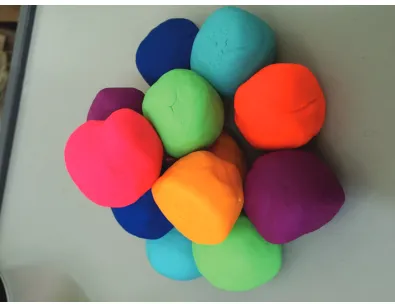
creativityandnostalgiamaybeusedtoenhancelearningofsomeoftheleastinteresting/stimulating areasofaSTEMprogramme.Play-Dohisatypeofpopularmodellingclaythathasbeenonthemarket sincethe1950’sandissoldinapproximately75differentcountriesworldwide(Walsh,2005).For decades,childrenhaveplayedwiththisproductintheirownhomesandalsohavebeenexposedto itinschoolsandotherlearningenvironments.Play-Dohhasadistinctappearance,smellandtexture thatwouldberecognisablebymostindividualsbornafterthe1950’sanditcouldbepredictedthat theuseofthismediumcouldtriggerfeelingsofhappinessandnostalgiawhilstaddingacreativeand tactileelementtoalearningactivity(Figure1).
ThisstudyaimedtoexploreandevaluatetheuseofPlay-Dohina‘kinaestheticplay’lecture inanattempttoincreaseengagementandstudentenjoymentduringatwohourhistologylecture focusingonepithelialtissue.
METHoDS Study Sample
[image:5.504.46.441.87.391.2]ThisstudywasperformedattheUniversityofSalfordwithL4studentsenrolledontheBSc(Hons) BiomedicalScience(IBMS)programmewhichisofferedbytheSchoolofEnvironmentandLife Sciences.ThisprogrammeisaccreditedbytheInstituteofBiomedicalScience(IBMS)andsomuch ofthecurriculumcontentisinflexibletoensurethatgraduateshavecoveredthekeylearningmaterial forgraduatebiomedicalsciencepractice.ThemostrecentNationalStudentSurveyreported90% overallstudentsatisfactionwiththisprogrammeandthat91%ofstudentswereemployedorinfurther
studywithinsixmonthsofgraduating(Which?University,2016).Commoncareersforbiomedical sciencegraduateshaveincludedemploymentasNHSbiomedicalscientists,researchscientists, industryscientistsandemploymentasmedicalwriters.Othergraduateshavegoneontostudyfor MRes,MSc,PhD,Medicine,DentistryandTeachingqualifications.
121studentswereenrolledontheL4HumanAnatomymodulewhichisalecturebasedmodule deliveredovertwosemesters.2.3%ofthesestudentswereinternationalstudents,60.3%werefemale and18%wereclassedasmaturestudents.Thegroupwasethnicallydiverseandincluded29%Asian/ AsianBritishPakistanistudents,23.3%WhiteBritishstudents,12.2%Black/BlackBritishAfrican studentand7%beingofAsian/AsianBritishIndianorigin.
Kinaesthetic Play Lecture Design
InthefirstsemesteroftheL4HumanAnatomymoduletheteachingandlearningfocuswasongross anatomyandwasdeliveredbyasinglememberofstaffviatraditionallecturemethodsinalarge lecturetheatre.Inthesecondsemester,thefocusshiftedtotissuehistologyandwasagaindelivered byasingle(different)memberofstaff,DrGemmaLace-Costigan(GLC)inthesamelecturetheatre. Thelecturetheatrecapacitywassufficienttoseat130studentsandwasdividedintotwoequalseating blocks(separatedbystairswithadditionalstairsattheendofeachblock),witheachblockbeing organisedintorowsof8-10seats.Entrypointswerelocatedatboththefrontandthebackoftheroom.
InthefirstlecturedeliveredbyGLC,studentswereadvisedthatdifferentteachingmethods wouldbeusedinanattempttoenhancelearningandpromoteengagement.AspertheUniversityof Salfordacademicregulations(UniversityofSalford,2016),lecturenotesweremadeavailableatleast twenty-fourhoursbeforethelecture,howeverstudentswereinformedthatdetailsregardingsome oftheplannedlearningactivitieswouldberemovedtoensureanelementofsurpriseandoriginality tothesessions.
chooseONEwordtodescribehowyoufeelAFTERtakingpartintheactivity.Studentswerealso askedtorate(1-stronglyagree,2-agree,3-undecided,4-disagreeor5-stronglydisagree)thefollowing statements;1)Ienjoyedthatactivityand2)Thatactivityincreasedmyunderstandingofepithelia. ThefeedbackwascollectedandthelecturethencontinuedusingtraditionalPowerPointdelivery. Data Analysis
Ofthe63participants,58fullyandcorrectlycompletedfeedbackstickynotes.5setsoffeedback werenotutilisedinthestudyduetomissingratingsoruseoffullsentenceresponsesratherthana singlewordresponse.
AbasiclanguageanalysiswasperformedbyinputtingtheresponsesintoWordClouds.comto assessthefrequencyofresponsesforeachquestionandtogenerateavisualsummaryofresponses. Thissitegenerateswordcloudsallowingthevisualisationoftextinputssothatthemostfrequently occurringwordsappearinlargerfont,whereasthelessfrequentlyoccurringwordsappearinasmaller font.Eachresponsewascategorisedasbeingoptimistic/positive,neutral/ambiguousinmeaningor pessimistic/negative.
Aregisterwastakenattheendofthesessionandthiswasusedtoexploretherelationshipbetween kinaestheticplaylectureattendanceandoverallmoduleexamperformanceviaanunpairedT-test. Results
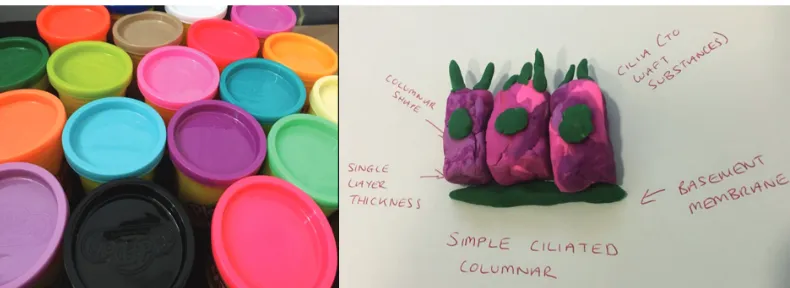
Allattendingstudentsparticipatedinthelearningactivity(100%engagement)witheachindividual studentproducingoneofthefourepithelialcelltypesrequired.Inordertosubmitacompetition ‘entry,’eachteamhadtosubmitallfourepithelialcelltypes.Whenthereweremorethanfour membersineachteam,additionalcellsweremadetoensureallindividualscouldcreatesomething asdemonstratedinFigure2.
Afterbeingpresentedwiththelearningactivitystudentswereaskto‘ChooseONEwordto describehowyoufeelabouttakingpartinthisactivity’(Figure3A).Afterparticipatinginthelearning activitystudentswerethenaskedto‘chooseONEwordtodescribehowyoufeelAFTERtakingpart intheactivity’(Figure3B).Figure3Ahighlightsthatbeforetheactivity,themostcommonresponses were‘excited,’‘confused’and‘shocked’.However,aftertheactivity,themostcommonresponses were‘happy,’‘excited’and‘great’.ThefullrangeofstudentresponsescanbevisualisedinFigure3, wherethemostcommonlyreportedwordsappearinalargerfontsizewithinthewordcloudandthe leastcommonlyreportedwordsbeingreportedappearinginasmallerfontsize.
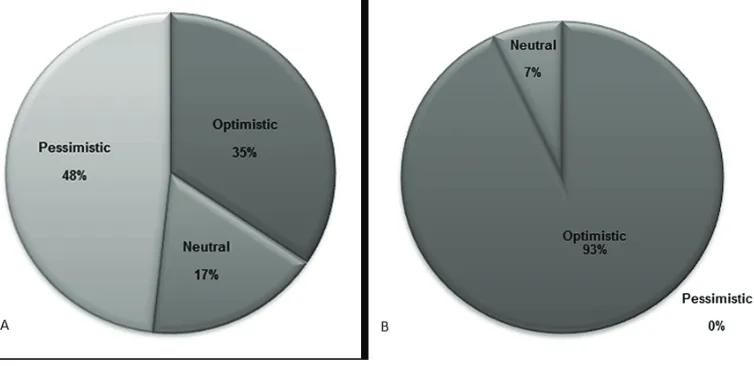
[image:7.504.46.441.530.674.2]Whenaskedto‘chooseONEwordtodescribehowyoufeelabouttakingpartinthisactivity’ beforetheactivitytookplace,48%ofresponsesusedlanguagethatwasnegative/pessimistic,35%that
waspositive/optimisticand1%ofresponseswereneutralorambiguousinmeaning(Figure4A).The mostpopularthreenegative/pessimisticwordswere‘confused,’‘shocked’and‘worried’andanumber ofstudentsalsoreportedfeeling‘nervous,’‘apprehensive,’‘frightened’andalsoselectedwordssuch as‘nightmare,’‘immature,’‘childish’and‘boring’.Themostcommonthreeoptimisticwordswere ‘excited,’‘interesting’and‘playful’andotherresponsesincluded‘fun,’‘yay,’‘giddy’and‘happy’. Themostfrequentlyselectedneutral/ambiguouswordswere‘weird,’‘indifferent’and‘emotionless’. Overall,thetopthreeresponseswere‘excited’whichwasinterpretedasbeingapositive/optimistic response,and‘confused’and‘shocked’whichweredeemednegative/pessimisticresponses.
[image:8.504.64.461.89.274.2]Whenaskedto‘chooseONEwordtodescribehowyoufeelAFTERtakingpartinthisactivity,’ 0%ofresponseswerenegative/pessimistic,93%werepositive/optimisticandtheremaining7% responseswereneutralorambiguousinmeaning(Figure4B).Themostcommonlyselectedpositive/ optimisticresponseswere‘happy,’‘excited’and‘great’andotherresponsesincluded‘understanding,’
Figure 3. Perceptions of play A) before the activity B) after the activity (Word cloud created at wordclouds.com)
[image:8.504.69.446.317.500.2]‘nostalgic,’‘confident’and‘creative’.Themostfrequentneutral/ambiguousresponseswere‘hungry,’ ‘neutral’and‘weird’.
Whenparticipantswereaskedtoconsiderthestatement‘Ienjoyedthatactivity,’54%of participantsreportedto‘stronglyagree,’44.4%reportedto‘agree,’1.6%reportedto‘stronglydisagree’ andnostudentsselectedto‘disagree’orwere‘undecided’(Figure5).Overall,98.4%studentstherefore reportedenjoyingtheactivity.
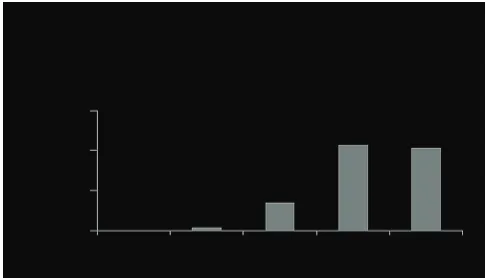
Whenparticipantswereaskedtoconsiderthestatement‘Theactivityincreasedmyunderstanding ofepithelia,’41.3%studentsreportedthattheycould‘stronglyagree,’42.9%reportedto‘agree,’ 14.3%were‘undecided,1.6%reportedtodisagreeandnostudentschoseto‘stronglydisagree’with thestatement.Therefore84.2%ofstudentsfelttheactivityincreasedtheirunderstandingofepithelia (Figure6).
[image:9.504.121.366.90.235.2]Outofthe121studentsenrolledonthemodule,63studentsattendedtheplayfullecture.The groupofstudentsthatattendedthesessionachievedameanexamresultof70.1%whereasthestudent groupwhichdidnotattendthelectureattainedasignificantlylowerexammarkof60.1%(p<0.05). Accesstothefulllectureseriesattendancerecordswerenotavailableandsomarkscouldnotbe adjustedtocompensateforregularlecturenon-attendance.
Figure 5. Student ratings of the statement ‘I enjoyed that activity’
[image:9.504.121.364.533.672.2]CoNCLUSIoN
Designingengagingandinteractivelecturesessionsthatenhancedeeplearningisachallengetaken onbyacademicsacrossdifferentdisciplineareasworldwide.Kinaestheticlearningactivitiesand playfullearningpracticehasbeenshowntobesuccessfulinanumberofdisciplines,yetthese methodsarepoorlyexploredinHESTEMsubjects.Teachingtolargenumbersofstudentswithin theconstraintsofatraditionalandstaticlecturetheatrecanbeintimidatingattimes,andeducators maybecautiouswithrespecttointroducingkinaestheticandplayfullearningactivitiesduetoissues associatedwith‘crowdcontrol’.ModerndayUniversitiesstrivetoincreasestudentsatisfactionas wellasexamperformanceandsomeacademicsmayfeelthereisariskassociatedwithdeviatingfrom thenormalmodesofeducationalpractice.Moreresearchisneededtoexplorethepotentialuseof alternativeteachingmethodswithlargerstudentgroupswithintraditionallecturehallenvironments inHESTEMdisciplines.
Academicswhomarekeentoappeasetheirstudentsmaybeconcernedthattheincorporationof kinaestheticandplayfullearningactivitiesmaybeconsideredpatronisingorchildishbyadultlearners. Inthisstudy,Play-Dohwasusedasalearningmaterialandthisparticularmediumisapopulartoy thatisalsousedinearlyyears’education.Afterbeingbriefedaboutthelearningactivity,theinitial responsesfromstudentsregardingtakingpartinthekinaestheticplayactivityweremostlynegative/ pessimistic(48.3%ofresponses),withonly34.5%ofstudentsgivingapositive/optimisticresponse. Manyoftheresponsesgivenwereanxiousresponses(forexample‘confused,’‘shocked,’‘uncertain,’ ‘worried,’‘nervous,’‘apprehensive,’‘frightened’)indicatingstudentswerebeingpushedoutoftheir learningcomfortzones.TheLearningZoneModeloflearning(Senninger,2000)describeshow studentscanbeencouragedtolearnbyventuringoutoftheircomfortzonebutwithoutbeingpushed intotheir‘panic’zone.Itwouldbeinterestingtonotetheimpactontheresponsesifthestudents weregivenadvancedwarningoftheclassactivityinfuturesessions,thusremovingtheelement ofsurpriseandnotpushingstudentsintotheir‘panic’zone.However,bydoingthisyouwould introducetheriskofstudentsharbouringanynegativepreconceptionssimplynotturninguptothe session.ThoughthemajorityofteachingontheBSc(Hons)BiomedicalScienceProgrammeatthe UniversityofSalfordiscentredaroundtraditionallectures,labclassesandtutorials,lesstraditional approachessuchasflipped-learning,workshops,poster/oralpresentationsessions,problembased learning,seminarsetcarealsoincreasingbeingincorporatedwithintheprogramme.However,the majorityofthesealternativeteachingpracticesareutilisedatL5andL6wheretheclasssizesare smallerandthesubjectmaterialismorespecialised.Increasingthevarietyofteachingstylesand learningactivitiesrightfromthestartofL4maybeusefultomodifystudentexpectationssothat alternativelearningactivitiesarenotperceivedasthreatening,intimidatingandwithoutpedagogical benefit.Encouragingandinvitingstudentstostepoutoftheirlearningcomfortzoneswhilstbeing mindfulthatcertainactivitiesmayhinderlearningduetonegativeemotionalreactionsislikelyto enhancebothlearningandstudentlearningexperiences(Senninger,2000).
Itisextremelyinterestingtonotethatwhile48.3%oftheresponseswerenegative/pessimistic beforetheactivity,thisvaluedroppedto0%aftertheactivitywith93%ofstudentsgivingpositive/ optimisticresponses.Manyoftheresponsesindicatedalevelofenjoyment(forexample,responses includedfeeling‘happy,’‘excited,’‘great,’‘incredible,’‘positive,’‘brilliant,’ortheword‘fun’)anda numberofstudentsreportedthefeelingofnostalgia.Creativitywasalsoathemeamongstresponses (forexamplestudentsreportedfeeling‘creative’and‘artistic’)andasignificantnumberofresponses indicatedthatthestudentsfelttheyhadlearnedfromtheactivity(responsesincludedthewords ‘understanding,’‘knowledgeable’and‘educational’).Thelackofnegative/pessimisticresponses afterthelearningeventdemonstratesthatoncethelearnershadexperiencedthelearningactivityfirst hand,thosenegativefeelingswereextinguished.Thesourceofthoseoriginalnegativefeelingsmay havebeenduetotheassociationbetweenPlay-Doh,childhoodmemoriesandearlyyears’educational experiencesandamisalignmentwiththeirexpectationsofadultlearningmethodsinUniversity. Thekinaestheticplaylecturewouldhavebeenthefirstandonlyexposuretoacreativeandtactile learningactivitywhilstinalargegroupteachingsessioninHEandsomelevelofscepticismisnot unexpected.StudentscomeintoHEwithcertainpreconceptionsofhow,whenandwherelearning willtakeplace.Itwouldhavebeeninterestingtocompareenjoymentlevelsbeforetheintroductionof theplayfullearningactivitytohowstudentsperceivedthelecturewithanincorporatedkinaesthetic playfulelement.Itwouldalsobeinterestingtofollowupwiththosestudentsinthefuturetoseehow theirperceptionschangewithtime.Itisonlynaturalforastudenttorelatebacktotheirownpersonal experiencesofeducationormediaportrayalsofUniversitylifeandinaculturallyandethnically diversepopulationsuchascohortbeingdescribedinthisstudy,thesepreconceptionsmayvary significantly.Thesefindingsagainreinforcethesignificanceofincreasingstudentawarenessofthe successofotheradultlearnerassociatedplayfullearningpractices(suchas‘LegoSeriousPlay’)and thescholarshipassociatedwiththesemethods.Byseeingtheselearningactivitiesaspartofaresearch informedapproach,studentsinHEmayhavelessnegativepreconceptionsaboutparticipation.Itisan extremelysignificantfindingthatdespitealmosthalfofthecohortoriginallyhavingnegativethoughts andfeelingsassociatedwiththekinaestheticplayactivity,aftertheactivitythemajorityofthegroup gavepositivefeedback.Itcouldthereforebepostulatedthatincreasedexposuretoalternativeteaching styles(andunderstandingoftheunderlyingpedagogies)maybemorelikelybroadenthemindsof learnersinHEsothatsimilaractivitiesarenotviewedsonegativelywhenpresentedinthefuture. Itwouldhavebeenusefultoconductaseriesofpre-activityandpost-activityinterviewstoallowa moredetailedexplorationofstudentperceptionsofkinaestheticplayfulpracticeinbioscienceHE. However,giventhelargecohortsize,thiswouldhaveprovedlogisticallydifficultandsoafollow upstudytargetingsmallergroupsessionsinbioscienceHEmightbeusefulindissectingoutwhat underliessomeofthenegativepreconceptionsofplayfulpractice.
methodologiesworkbestforthemandtheirindividuallearningrequirementsatanygivenstageof theirlearningjourney.
UsingPlay-Dohasalearningtoolservedtoinjectsomecreativitywithinatraditionallecture basedlearningenvironment,allowingstudentstoindividuallyparticipateinthelearningactivity whilstalsoworkingaspartofateam.Awidevarietyofliteratureisavailabletosupportthatmany students‘learnthroughdoing’(Kolb,2014)andsinceeachstudentwouldbeindividuallyproducing aPlay-Dohmodel,eachstudentwouldthereforebeactivelyinvolvedinthesession.Byimmersing themselvesinthetactileandsensorytaskofmakingdifferentepithelialcells,thestudentwascreating theirown,personalexperienceandmemoryofthekinaestheticplaylecturewhichwouldfacilitate theirlearningthroughactiveparticipation.Additionally,eachindividualformedpartofateamso eventhoughpartsoftheactivitywerebeingperformedinsolitude,therewasacollaborativeslant ontheactivity.Whenstudentsworkwellwithothersandexperienceasenseofconnectionwhilst undertakingalearningtask,engagementhasbeenreportedtoincrease(Wentzel,2009;Deci& Ryan,2000).Introducingacompetitiveelementtotheactivity(viaofferingasmallrewardforthe mostaccuratePlay-Dohcreation)increasedthemotivationofthestudenttoparticipatethroughthe desiretowinand/orreceiveanaward.Theuseofcompetitiveactivitiestoenhancemotivationand learninghasbeendescribedinnumerouspublications(Brophy,2013;Weiner,1990).Otherstudies havereportedhowcooperativelearningtechniques(whichinvolvetheuseofactivitieswherestudents worktogetherontaskstoreceiverewardsorrecognition)havebeenusedsuccessfullyinprimaryand secondaryschooleducation(Slevin,1980).Gamesparticipationisaclassicexampleofhowreward and‘winning’canbeusedtomotivateengagementandnewerpedagogicalresearchapproaches provideevidencetosupporttheuseofgamestoenhanceteachingandlearning(Whitton,2011; Moseley&Whitton,2012).Itwouldbeinterestingtonoteiftheresultswouldhavebeendifferent ifthecompetitiveelementoftheactivitywasremoved.Thekinaestheticplayactivityusedinthis sessioncombinedusingactiveparticipation,collaborativelearningwithacompetitiveelement,which ultimatelyresultedinenhancedpositive/optimisticfeedbackaftertheactivity.Thoughteamactivities canbelogisticallydifficulttomanageinatraditionallecturehallenvironment,thisstudydemonstrates thattheyareaworthwhileeffortandusefulinenhancingengagement,promotingstudentsatisfaction andenhancinglearnerexperiences.
Alargenumberofresponsesaftertheactivitywerehighlyemotive(forexample,studentsreported feeling‘happy,’‘excited,’‘nostalgic,’‘satisfied’orrespondedwiththeword‘fun’)andprevious researchhasdemonstratedthatinsituationsofheightenedemotionalarousal,learningandmemory formationbecomesmoreeffective(Dolcos,2004;LeDoux,1992).Thestudentswhoattendedthe lectureattainedsignificantlyhighermarksintheirexamscomparedtothosewhodidnotattendthe lecturehowevertheseresultsshouldbeinterpretedwithcaution.Itmustbeconsideredthatonly ~10%oftheexamquestionswereassociatedwiththekinaestheticplaylecturecontentandthenon-attendingstudentsmayhavegenerallyhadpoorattendancetothefulllectureseries.Infuturesessions, abeforeandafteractivitytestcouldbedeliveredusingaplatformsuchasKahoot.Thiswouldenable anexplorationofhowthesekindsoftactileandplayfulactivitiesmayenhanceunderstandingofthe coursecontentinatraditionallectureenvironment.Itshouldberecollectedthatthemainaimofthis studywastoassesstheutilityofusingPlay-Dohbasedkinaestheticplayfulactivitiestoenhance studentengagementandenjoymentratherthantoincreasestudentexamperformance,thoughitis knownthatarelationshipbetweenengagementandperformanceexists.Enhancingstudentlearning shouldbetheprimaryobjectiveofateachingactivityand84.2%ofstudentsfelttheactivityenhanced theirunderstandingofthesubjectareaandtheotherstudyfindingssupportthenotionthattheyhad funwhilstlearning.
EngaginglargenumbersofHEstudentsincreative,playfulandkinaestheticlearningactivities canbelogisticallychallengingbutultimatelybeneficialtothelearner.Thisresearchdemonstrates thatdespitehavingsomeinitialnegativeperceptionsaboutkinaestheticlearningpractice,students ultimatelyenjoythesealternativestotraditionallecturebaseddeliverystylesandreportthattheyfeel theirunderstandingofthesubjectareahasbeenenhanced.Kinaestheticplayfulpracticethereforehas thepotentialtobeusedatdifferentlevelsofeducationacrossavarietyofdifferentdisciplineareas, includingwithinHESTEMteaching.
REFERENCES
Akçayır,M.,Akçayır,G.,Pektaş,H.M.,&Ocak,M.A.(2016).Augmentedrealityinsciencelaboratories:The effectsofaugmentedrealityonuniversitystudentslaboratoryskillsandattitudestowardsciencelaboratories.
Computers in Human Behavior,57,334–342.doi:10.1016/j.chb.2015.12.054
Barbe,W.B.,Milone,M.N.,&Swassing,R.H.(1988).Teaching through modality strengths: Concepts and practices.Zaner-Bloser.
Beghetto,R.A.(2016).Creativelearning:Afreshlook.Journal of Cognitive Education and Psychology,15(1), 6–23.doi:10.1891/1945-8959.15.1.6
Broadhead,P.,Howard,J.,&Wood,E.(Eds.).(2010).Play and learning in the early years: From research to practice.Sage.
Brophy,J.E.(2013).Motivating students to learn.Routledge.
Cropley,A.J.(2001).Creativity in education & learning: A guide for teachers and educators.PsychologyPress. Csikszentmihalyi,M.(2013).Flow: The psychology of happiness.RandomHouse.
Deci,E.L.,&Ryan,R.M.(2000,October).Deci,E.L.,&Ryan,R.M.(2000).Thewhatandwhyofgoalpursuits: Humanneedsandtheself-determinationofbehavior.Psychological Inquiry,11(4),227–268.doi:10.1207/ S15327965PLI1104_01
Dolcos,F.,LaBar,K.S.,&Cabeza,R.(2004).Interactionbetweentheamygdalaandthemedialtemporallobe memorysystempredictsbettermemoryforemotionalevents.Neuron,42 (5),855–863.doi:10.1016/S0896-6273(04)00289-2PMID:15182723
Fleming,N.D.,&Mills,C.(1992)VARK.Retrievedfromwww.vark-learn.com Fleming,N.D.,&Mills,C.(1992).Notanotherinventory,ratheracatalystforreflection.
Fredricks,J.A.,Blumenfeld,P.C.,&Paris,A.H.(2004).Schoolengagement:Potentialoftheconcept,stateof theevidence.Review of Educational Research,74(1),59–109.doi:10.3102/00346543074001059
Henricks,T.S.(1999).Play as ascending meaning: Implications of a general model of play. In Play contexts revisited(pp.257–277).Stamford:AblexPublishingGroup.
Honey,P.,&Mumford,A.(1982).Manual of Learning Styles.London:P.Honey.
Kangas,M.(2010).Creativeandplayfullearning:Learningthroughgameco-creationandgamesinaplayful learningenvironment.Thinking Skills and Creativity,5(1),1–15.doi:10.1016/j.tsc.2009.11.001
Kolb,D.A.(1981).Learningstylesanddisciplinarydifferences.The modern American college,1,232-255. Kolb,D.A.(2014).Experiential learning: Experience as the source of learning and development.FTpress. LeDoux,J.E.(1992).Brainmechanismsofemotionandemotionallearning.Current Opinion in Neurobiology,
2(2),191–197.doi:10.1016/0959-4388(92)90011-9PMID:1638153
Miller,M.D.(2011).Whatcollegeteachersshouldknowaboutmemory:Aperspectivefromcognitivepsychology.
College Teaching,59(3),117–122.doi:10.1080/87567555.2011.580636
Myers-Briggs,I.(1980).Gifts Differing.PaloAlto,CA:ConsultingPsychologistsPress.
Nerantzi,C.,Moravej,H.,&Johnson,F.(2015).PlayBringsOpennessorUsingaCreativeApproachtoEvaluate anUndergraduateUnitandMoveForwardTogether.Journal of Perspectives in Applied Academic Practice,
3(2).doi:10.14297/jpaap.v3i2.141 Piaget,J.P.(1999).Delapedagogía.
Rice,L.(2009).Playfullearning.Journal for Education in the Built Environment,4(2),94–108.doi:10.11120/ jebe.2009.04020094
Schmeck,R.R.(1998).Learning Strategies and Learning Styles.NewYork:PlenumPress.
Senninger,T.(2000).Abenteuer leiten-in Abenteuern lernen: Methodenset zur Planung und Leitung kooperativer Lerngemeinschaften für Training und Teamentwicklung in Schule, Jugendarbeit und Betrieb.ÖkotopiaVerlag. Slavin, R. E. (1980). Cooperative learning.Review of Educational Research,50(2), 315–342. doi:10.3102/00346543050002315PMID:6698102
UniversityofSalford.(2016),AcademicHandbook.Retrievedfromhttp://www.governance.salford.ac.uk/page/ academic_handbook
Walsh,T.(2005).Play-doh.InTimelesstoys:Classictoysandtheplaymakerswhocreatedthem.
Weiner,B.(1990).Historyofmotivationalresearchineducation.Journal of Educational Psychology,82(4), 616–622.doi:10.1037/0022-0663.82.4.616
Wentzel,K.R.(2009).Peersandacademicfunctioningatschool.InK.Rubin,W.Bukowski,&B.Laursen (Eds.),Handbook of peer interactions, relationships, and groups. Social, emotional, and personality development in context(pp.531–547).NewYork,NY:GuilfordPress.
Which?University(2016).Retrievedfromhttp://university.which.co.uk/university-of-salford-s03/biomedical-science-3-years-8500-b900
Whitton,N.(2011).Encouragingengagementingame-basedlearning.International Journal of Game-Based Learning,1(1),75–84.doi:10.4018/ijgbl.2011010106
Please recommend this Publication to your librarian
For a convenient easy-to-use library recommendation form, please visit: http://www.igi-global.com/IJGBL
Volume 7 • Issue 3 • July-September 2017 • ISSN: 2155-6849 • eISSN: 2155-6857
An official publication of the Information Resources Management Association
all inquiries regarding iJgbl should be directed to the attention of:
Patrick Felicia, Editor-in-Chief • [email protected]
all manuscriPt submissions to iJgbl should be sent through the online submission system:
http://www.igi-global.com/authorseditors/titlesubmission/newproject.aspx
Adaptive games design for Game-Based Learning • Design of educational games for people with disabilities • Educational video games and learning management systems • Game design models and design patterns for Game-Based Learning • Instructional design for Game-Based Learning • Integration and deployment of video games in the classroom • Intelligent tutoring systems and Game-Based Learning • Learning by designing and developing video games • Learning styles, behaviors and personalities in educational video games • Mobile development and augmented reality for Game-Based Learning • Motivation, audio and emotions in educational video games • Role of instructors • Virtual worlds and Game-Based Learning
Coverage and major topiCs
The topics of interest in this journal include, but are not limited to:
The mission of the International Journal of Game-Based Learning (IJGBL) is to promote knowledge pertinent to the design of Game-Based Learning environments, and to provide relevant theoretical frameworks and the latest empirical research findings in the field of Game-Based Learning. The main goals of IJGBL are to identify, explain, and improve the interaction between learning outcomes and motivation in video games, and to promote best practices for the integration of video games in instructional settings. The journal is multidisciplinary and addresses cognitive, psychological and emotional aspects of Game-Based Learning. It discusses innovative and cost-effective Game-Based Learning solutions. It also provides students, researchers, instructors, and policymakers with valuable information in Game-Based Learning, and increases their understanding of the process of designing, developing and deploying successful educational games. IJGBL also identifies future directions in this new educational medium.
mission
Ideas For specIaL Theme Issues may Be suBmITTed To The edITor(s)-In-chIeF