Plants and wound healing in Uganda: A mixed methods study
Patience Amooti Muwanguzi
Submitted in accordance with the requirements for the degree of Doctor of Philosophy
The University of Leeds
Faculty of Medicine and Health
School of Healthcare
September 2012
The candidate confirms that the work submitted is their own and that the appropriate credit has been given where reference has been made to the work of others.
This copy has been supplied on the understanding that it is copyright material and that no quotation from the thesis may be published without proper acknowledgement.
Acknowledgements
I would like to thank God, the Almighty for making this whole project successful and for His guidance throughout the three years.
This study does not represent a singular effort, but the efforts and support of many individuals.My thanks and appreciation go out to my supervisor Professor Andrea Nelson for her thoughtful guidance, ability to push me a bit harder and her ability to keep us focused whilst still looking at the big picture. My co-supervisors, Dr Jim Jolly for his ability to ask critical questions and vast knowledge about the plant world and Dr Jane Cahill for being „the buffer‟ and for her immense expertise in qualitative research methods. Thank you all for your words of wisdom, support and encouragement. Special thanks to Professor Kate Thomas for your co-supervision during the first year of this project. I also extend my gratitude to Ms Ruth Allcroft and the staff in the research office at the School of Healthcare.
I greatly appreciate Professor Eileen Ingham from the Institute of Medical and
Biological Engineering in the Faculty of Biological sciences at the University of Leeds, for generously allowing us to conduct analysis on the plants in the immunology lab. My heartfelt gratitude goes to Dr Daniel Thomas for accepting to provide supervision for my laboratory work and share his knowledge and expertise and for enabling me to gain confidence in myself as a „plant scientist‟, to Mr Martin Fuller for his expert help with measuring particle size using Environmental scanning electron microscopy and to Ms Fiona Campbell and the staff in the immunology lab for always providing technical support as needed.
Thanks to my family; my dear husband Israel Arinaitwe for the love, support, gentle persistent pressure and for keeping the „home fires burning‟; my parents, Charles and Alice Muwanguzi for the never ending support for every „project‟ in my life. My only sister Grace Muwanguzi, for the inspiration and prayers especially through the trying times and for being a loving „yanti‟ to Joshua in my absence. Aunt Margaret for the constant prayers and Joyce Nakatumba Nabende for always being there despite doing her own PhD.
To the staff and my fellow PG students in the School of Healthcare, for the co-operation, encouragement and support.
Thanks to the Ford Foundation International Fellowships Program (IFP) for generously providing funding for the PhD studies both at Leeds and during fieldwork. Special thanks to Mbarara University of Science and Technology for accepting to let me go.
Research of this nature is a privilege, and for that I would like to thank the generous people of Mbarara and Isingiro in South Western Uganda, who opened up their hearts and their lives to me while I stayed in their villages and homes. People in these
communities were fully supportive and actively interested in what I was doing. I especially thank the traditional healers who took me in as an apprentice, I promise to let others see the world through your eyes by sharing your story.
Abstract
In Uganda, many people rely on traditional healers and medicinal plants for their health needs including managing wounds. To date no studies have been published regarding the local Ugandan practice of the use of medicinal plants for wound healing. This study was undertaken to document Ugandan local knowledge of wound healing, the
preparation, administration and identification of local medicinal plants. The mixed methods study comprised three phases:
1. A literature review of the existing literature on plants and wound healing employing systematic techniques.
2. Fieldwork where forty consenting traditional practitioners and local knowledge experts in South Western Uganda were interviewed about their knowledge of wound healing and participated in quantitative surveys regarding medicinal plant use.
3. The interviews and surveys yielded knowledge of wound healing and a list of plants used from which three were selected for relevant phytochemical assays in the laboratory work phase.
The literature review found nine studies that reported on the use of medicinal plants for wound healing in Uganda. The interviews provided data which demonstrated that respondents possessed knowledge of the definition, classification, and diagnosis of wounds. The ethnobotanical survey revealed 38 plants as being important for treatment of wounds. The most represented families were Asteraceae (26.3%) and Solanaceae (15.8%); Bidens pilosa L, Musa paradisiaca L., solenostemon latifolius, Ageratum conyzoides L., Hoslundia opposita Vahl. and Microglossa pyrifolia (Lam.) Kuntze were the most widely used. Preliminary phytochemical screening confirmed the extraction efficiency through presence of polyphenol and flavonoid compounds and demonstrated antioxidant activity of the plant extract.
Ultimately, this thesis uses the mixed methods approach to gain a fuller and more complete understanding of the research questions. It also demonstrates evidence for the use of selected medicinal plants for wound healing in South Western Uganda and gives a description of the category of professionals involved in traditional medicine using medicinal plants.
Contents Abstract ... iv Contents ...v List of Figures ... ix List of Tables ...x Glossary ... xii Chapter One ...1 1 INTRODUCTION ...1
1.1 Inception of the thesis ...1
1.2 Synopsis of the thesis ...3
Chapter Two ...5
2 RESEARCH CONTEXT ...5
2.1 Introduction ...5
2.2 Health care structures in Uganda ...6
2.2.1Health service delivery ...6
2.2.2Health service coverage ...7
2.2.3Demographic information ...8
2.2.4Human resources for health ...9
2.2.5The current status of Traditional Medicine in Uganda ... 10
2.3 Area of study ... 13
2.4 Chapter summary ... 15
Chapter Three ... 16
3 LITERATURE REVIEW ... 16
3.1 Introduction ... 16
3.2 Brief history of Traditional Medicine in Africa ... 16
3.2.1Pre-colonial healthcare ... 16
3.2.2Post-colonial healthcare ... 17
3.3 Introduction to traditional medicine ... 19
3.3.1Definitions ... 19
3.3.2Traditional medicine in Africa ... 22
3.3.3Aetiological theories and diagnosis of illness ... 23
3.3.4Strengths of traditional medicine ... 25
3.3.5Criticisms of traditional medicine ... 28
3.4.1Traditional herbalism concepts ... 35
3.4.2Fundamentals of herbal medicines ... 36
3.4.3Custodians of local herbal knowledge ... 36
3.4.4Herbalists... 36
3.4.5Characteristics of TM practitioners ... 38
3.4.6Types of traditional medical practitioners healers ... 40
3.5 Overview of empirical research on plants and wound healing in Africa . 41 3.5.1History and status of TM research methodologies in Africa ... 42
3.5.2Research design/methods used ... 43
3.5.3Use of multidisciplinary teams ... 44
3.5.4Selection of plant species ... 44
3.5.5Local definition and classification of wounds ... 46
3.5.6Preparation and administration of plant remedies for wound healing ... 47
3.5.7Recommended doses of plant therapies for wound healing ... 48
3.5.8The wound healing process and relevant biological tests ... 48
3.6 Gaps in the literature ... 50
Chapter Four ... 54
4 METHODOLOGY AND METHODS ... 54
4.1 Introduction ... 54
4.2 Study purpose ... 54
4.3 Research Questions ... 55
4.4 Research design ... 56
4.4.1A working definition of the mixed methods design ... 58
4.4.2Application of the mixed methods approach in this study ... 60
4.5 Phase I: Literature review using systematic methods ... 61
4.5.1Eligibility Criteria ... 62
4.5.2Search methods for identification of studies ... 62
4.5.3Sifting, data extraction and analysis ... 63
4.6 Phase II: Fieldwork phase ... 63
4.6.1Methods employed ... 63
4.6.2Study population ... 66
4.6.3Sampling and recruitment ... 67
4.6.4Data collection ... 69
4.7 Phase III: Phytochemical studies ... 79
4.7.2Selection of Methods ... 79
4.7.3Plant material preparation and extraction ... 79
4.7.4Resuspension procedure ... 81 4.7.5Phytochemical assays ... 81 4.8 Ethical approvals ... 84 Chapter Five ... 86 5 RESULTS ... 86 5.1 Introduction ... 86
5.2 Results from phase I: Literature Review ... 86
5.2.1Study Selection ... 86
5.2.2Summary of included primary studies ... 88
5.2.3Study Characteristics ... 92
5.2.4Types of injuries treated with medicinal plants ... 93
5.2.5Plants used for wound healing from the literature ... 93
5.3 Results from Phase II: Fieldwork ... 93
5.3.1Pilot study of participant recruitment ... 93
5.4 Demographic characteristics of study participants ... 95
5.5 The knowledge of wound healing using medicinal plants ... 96
5.5.1Definition of a wound ... 97
5.5.2Classification of wounds ... 98
5.5.3Types of wounds ... 100
5.5.4Plants used for wound healing ... 100
5.5.5Comparison of literature review and survey results ... 105
5.5.6Part of plants used ... 105
5.5.7Ethnobotanical rationale of action of plants ... 105
5.5.8Preparation of remedies ... 107
5.5.9Method of administration of plant remedies ... 107
5.5.10 Dosage of remedies ... 108
5.5.11 Infection prevention and control ... 109
5.5.12 Place from where plants are harvested ... 109
5.5.13 Extinction and plant diversity ... 111
5.6 The practice of wound healing using medicinal plants ... 113
5.6.1The Healer- Client interaction ... 114
5.6.3Traditional healers‟ treatment charges ... 118
5.6.4Peculiar aspects of TM in SW Uganda ... 120
5.6.5Misconceptions about TM safety ... 122
5.7 Challenges faced in practice outside the formal healthcare system .... 124
5.7.1No Reciprocation of referral from western practitioners ... 124
5.7.2Harassment of their clients by health professionals ... 124
5.7.3Difficulty in public differentiation of types of traditional healers ... 125
5.7.4Lack of continuing traditional education (CTE) ... 125
5.7.5Inability to write Death certificates ... 125
5.7.6Poor or lack of record keeping ... 126
5.7.7Fear of blame for death ... 126
5.7.8„Fake healers‟ ... 126
5.7.9Age related factors ... 126
5.7.10 Poor storage facilities for plant specimens ... 127
5.8 Summary ... 127
5.9 Results from Phase III: Laboratory work ... 128
5.9.1Selection of plants for in vitro investigations ... 128
5.9.2Particle size of plant samples ... 131
5.9.3Polyphenol content of plant extracts ... 132
5.9.4Flavonoid content of plant extracts... 134
5.9.5DPPH radical scavenging activity ... 136
5.9.6Elastase activity ... 137
Chapter Six ... 139
6 DISCUSSION ... 139
6.1 Personal reflections on using the mixed methods approach for this study ... 139
6.2 Introduction ... 139
6.2.1The value of the mixed methods approach ... 139
6.2.2The utility of the mixed methods approach in this study ... 141
6.3 Literature review, Phase I ... 144
6.3.1Integration of literature review and ethnobotanical survey findings ... 144
6.4 Fieldwork, Phase II ... 146
6.4.1General demographic characteristics of healers ... 147
6.4.3Local definition and classification of wounds ... 149
6.4.4Objectives of therapy for each plant-based remedy ... 150
6.4.5Preparation and administration of medicinal plant therapies ... 152
6.4.6Local practice of wound healing using medicinal plants ... 152
6.5 Laboratory work, Phase III ... 154
6.5.1Plant preparation ... 155
6.5.2Solvent extraction ... 155
6.5.3Total phenolic and flavonoid content ... 155
6.5.4Presence of antioxidant activity ... 155
6.6 Integration of the key findings from the three study phases ... 156
6.7 Strengths and limitations of the study ... 157
6.8 Contribution to the body of knowledge ... 158
6.9 Future work ... 159
6.10 General Conclusions ... 160
7 References... 162
Appendix 1: list of studies excluded from the review and rationale for exclusion ... 182
Appendix 2: List of Ugandan medicinal plants identified for wound healing ... 184
Appendix 3: Pre-pilot testing Topic Guide ... 187
Appendix 4: Study Topic Guide ... 188
Appendix 5: Draft Questionnaire ... 189
Appendix 6: Participant consent form ... 191
Appendix 7: Participant Information Sheet ... 192
Appendix 8: Framework for the collection of medicinal plant data ... 194
Appendix 9: Ethical approval from SHREC (SHREC/RP/183) ... 195
Appendix 10: Approval of transfer of samples from Uganda to UK ... 196
Appendix 11: Approval to conduct research in South Western Uganda ... 196
Appendix 12: Sample field notes from the fieldwork phase ... 198
List of Figures Figure 2-1: The structure of the Uganda National Health System ... 7
Figure 2-2: A mobile herbal drug peddler in Kampala, Uganda 2011 ... 11
Figure 2-3: Sample advertisements of services rendered by herbal TMPs ... 12
Figure 2-4: Maps showing area of Fieldwork phase data collection ... 14
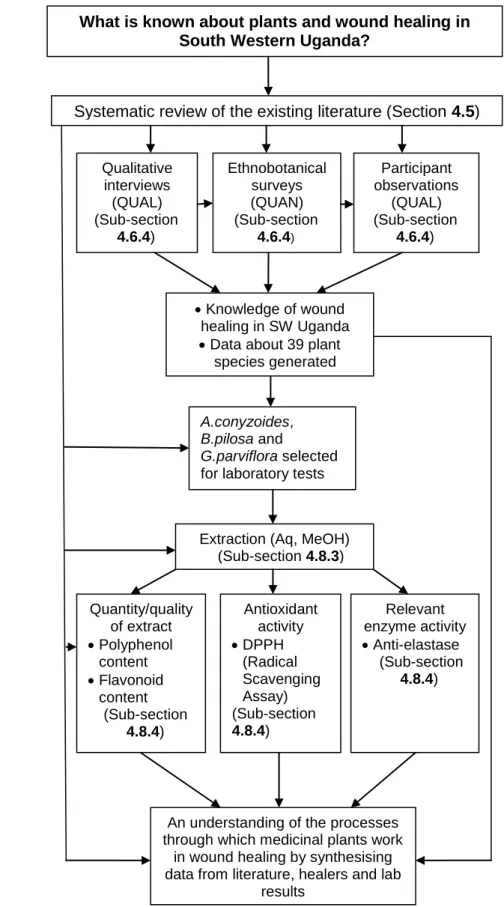
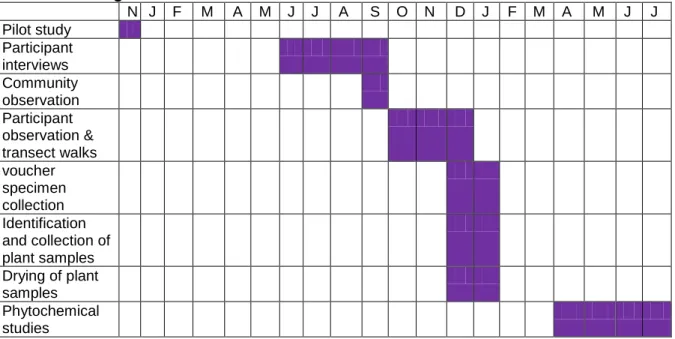
Figure 4-1: Sequence of mixed data collection methods ... 57
Figure 4-3: Photographs showing aqueous and methanolic extracts before and after
drying ... 81
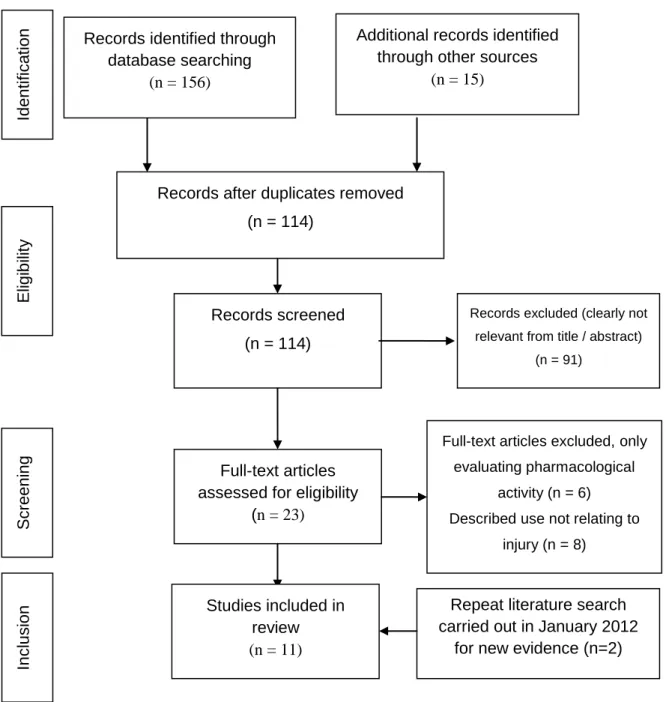
Figure 5-1: PRISMA flow diagram of published studies adapted from (Moher et al., 2009) ... 87
Figure 5-2: Sex and age distribution of participants ... 96
Figure 5-3: Types of wound treated by medicinal plants ... 100
Figure 5-4: Source of herbs for wound healing ... 110
Figure 5-5: Availability of medicinal plants ... 111
Figure 5-6: Photograph B. pilosa in situ ... 129
Figure 5-7: Photograph G. parviflora in situ ... 129
Figure 5-8: Photograph A. conyzoides in situ ... 130
Figure 5-9: Average particle sizes of A. conyzoides, B. pilosa and G. Parviflora ... 132
Figure 5-10: Representative standard curve for Gallic acid (mg/ml), values represent mean, error bars represent SD R² = 0.992. ... 132
Figure 5-11: Mean total phenolic content of plants extracts screened in triplicates ... 134
Figure 5-12: Representative standard curve for Quercetin (µg/ml), values represent mean ±SD, R² = 0.999, y = 0.0208x - 0.017; Error bars represent SD ... 135
Figure 5-13: Representative standard curve for Ascorbic acid (µg/ml), values represent mean ... 136
Figure 5-14: Representative standard curve for Elastase (Units/ml), values represent mean Error bars represent SD, R² = 0.998 incubated on ice. ... 138
Figure 6-1: Diagram showing how each phase of data collection informed the next .. 141
Figure 6-2: Integration of healers‟ responses regarding rationale for plant use and the biology of wound healing adapted from Enoch and Harding (2003). ... 151
Figure 6-3: Representation of factors influencing the healers‟ practice of TM ... 153
List of Tables Table 2-1: Health service coverage interventions in 2009 ... 8
Table 2-2: Comparison of health indicators by countries level of development ... 9
Table 2-3: Demographic information for 2010/2011 ... 9
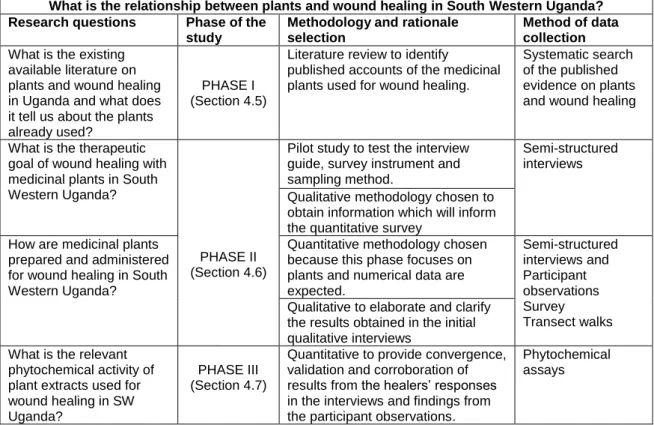
Table 4-1: Overview of how mixed methods answered the study questions ... 60
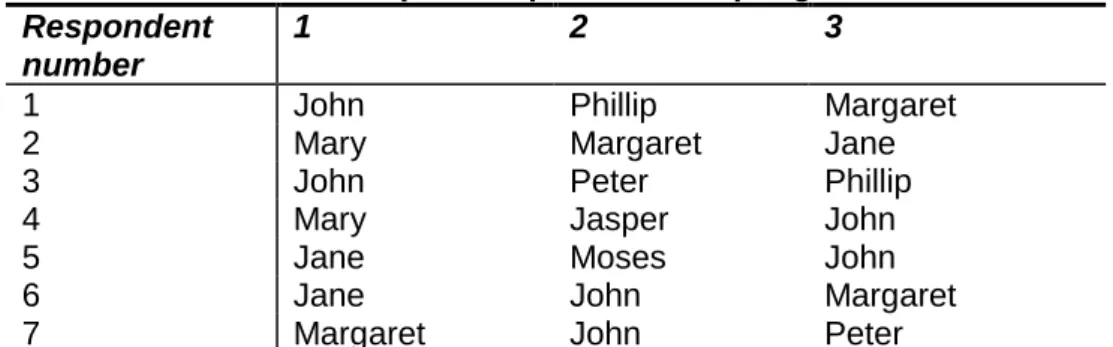
Table 4-2: Worked example of reputation sampling ... 68
Table 4-3: Worked example of ranking of study participants ... 68
Table 4-4: Length of data collection ... 70
Table 5-1: Characteristics of included studies ... 91
Table 5-3: Participants‟ demographic characteristics ... 95
Table 5-4: Representation of subthemes regarding the knowledge of wound healing using medicinal plants ... 97
Table 5-5: Categories and participant quotes for „definition of a wound‟ subtheme ... 97
Table 5-6: Categories and participant quotes for „classification of a wound‟ ... 99
Table 5-7: Medicinal plants used for wound healing from the ethnobotanical surveys ... 104
Table 5-8: Part of plant used for wound healing ... 105
Table 5-9: Purpose of plant use ... 106
Table 5-10: Reported method of action of medicinal plants ... 106
Table 5-11: Method of preparation of plant remedy for wound healing ... 107
Table 5-12: Administration of plant remedies for wound healing ... 108
Table 5-13: Dosage of plant remedies for wound healing ... 108
Table 5-14: Tabular representation of subthemes and categories regarding the practice of wound healing using medicinal plants ... 113
Table 5-15: Representation of subthemes regarding the challenges faced in the practice of wound healing using medicinal plants... 124
Table 5-16 Healers accounts of the use of selected plant species ... 131
Table 5-17: Effects of extracting technique on the Total phenolic contents (GAEmg/5g of DW) of leaf extracts ... 133
Table 5-18: Effects of extracting technique on the Total Flavonoid contents (µg/g) of plants extracts ... 135
Table 5-19: Effects of extracting technique on the DPPH radical scavenging activity (%) of different medicinal plants ... 137
Table 5-20: Mean optical densities of plant extracts for anti-elastase activity ... 138
Glossary AIDS Acquired Immune Deficiency Syndrome AHM African Herbal Medicine
AMT Alternative Medical Therapy ARV Antiretroviral
CAO Chief Administrative Officer
CAM Complementary and Alternative Medicine CDO Community Development Officer
DDHS District Director of Health Services FDA Food and Drug Administration GOU Government of Uganda
HC Health Centre
HIV Human Immunodeficiency Virus HSD Health Sub District
HSSP Health Sector Strategic Plan
ICD International Classification of Diseases IPT Intermittent Presumptive Treatment IRC Institutional Ethical Review Committee MoH Ministry of Health
MRRH Mbarara Regional Referral Hospital
MUST Mbarara University of Science and Technology NGO Non-Governmental Organisation
NHPRC National Health Policy Review Commission PHC Primary Health Care
PMTCT Preventing Mother-to-child Transmission of HIV PLWHA People Living With HIV/AIDS
QUAL Qualitative QUAN Quantitative
SHREC School of Healthcare Research Ethics Committee TBA Traditional Birth Attendant
TCM Traditional Chinese Medicine
THETA Traditional and Modern Health Practitioners Together against AIDS TM Traditional Medicine
TMP Traditional Medical Practitioner UBOS Uganda Bureau of Statistics
UNHRO Uganda National Health Research Organization NCRL Natural Chemotherapeutics Research Laboratory
NCRI Natural Chemothrapeutics Research Institute
UNCST Uganda National Council of Science and Technology UNMHCP Ugandan National Minimum Health Care Package UPE Universal Primary Education
WHO World Health Organisation
Chapter One
1 INTRODUCTION
A journey of a thousand miles must begin with a single step. Lao-Tzu
1.1 Inception of the thesis
The motivation for this research was first and foremost borne out of my professional experience as an emergency and critical care nurse. After acquiring a Masters degree, I worked in both community and clinical practice in Uganda. One of my observations from the rural communities was that a large number of injuries were not reported to the health care facilities, especially those sustained by children.I discovered that many parents took their children to the nearest health service providers and these were usually traditional healers, who they claimed were immediately accessible and affordable.
In sub-Saharan Africa, diarrhoea and malaria are the major health challenges, followed by injuries, with an estimated incidence of 40,000 episodes of injury and 100 deaths per 100,000 population per year (Nordberg, 2000). According to WHO (2012) estimates, road traffic injuries kill nearly 1.3 million people annually and 3,500 people die on the world's roads every day. Another discovery happened during a rotation at the casualty unit at Mbarara regional referral hospital (MRRH), which is a large hospital located along one of the major highways in Uganda. During my rotations, patients who had sustained road traffic injuries and injuries from trauma were brought into the unit where they received standard care including x-rays and sometimes even emergency surgery. However, the most irregular thing would happen to patient numbers within the space of 24 hours. For example, I would go home at 5pm and leave close to 40 patients on the unit, but when I returned in the morning the number would have reduced by about 10 patients, with no deaths reported by the night staff. I later learned that during the night, bone setters came to recruit the patients to go for what they termed “proper treatment”
at their establishments; a bone setter is a traditional medical practitioner specialised in the treatment of fractures. The bone setters insisted on only taking patients who had undergone radiological procedures such as scans and x-rays to aid in their diagnosis of fractures. That experience stirred in me a desire to uncover the hidden truths regarding traditional medicine (TM). These findings will have an impact on professional
healthcare practice as they can contribute to informing dialogue between biomedical and traditional healers which will eventually improve health care delivery to consumers, which is the ultimate goal.
In the field of medicine,various definitions of Traditional Medicine (TM) are found. WHO (1978a) provides a summarised definition that captures the essence of the various definitions that abound as
The sum total of knowledge or practices whether explicable or inexplicable, used in diagnosing, preventing or eliminating a physical, mental or social disease p8. Such knowledge may rely on past experience and observations handed down from generation to generation, verbally or in writing (Sofowora, 1993, WHO, 2005a). It also comprises therapeutic practices that have been in existence often for hundreds of years before the development of modern scientific medicine, and are still in use today even without any documented evidence of adverse effects (WHO, 1978a), which is crucial in terms of duty of care to patients. The discussion on the definitions and significance of TM is continued in the Literature review chapter in section 3.3.
In my personal training in western medicine as a nurse, TM was „demonised‟ or „discounted‟ by the biomedical professionals, therefore several questions plagued me over the next few months during my personal reflections, for example, “if traditional medicine was as bad and dangerous as it was claimed, why did people keep using it? What secrets had the traditional healers uncovered that we had missed? Was it a cultural practice? Who was trustworthy and who was ripping us off? Was it down to the particular healer? What worked and what didn‟t? Which practices were safe and which ones were dangerous? Did today‟s doctors know what was best, or did old wives‟ tales indeed tap into some ancient wisdom?”
In addition to my personal professional motivation for this research, the study was undertaken because the segment of the population in Uganda that depends upon traditional healers for first-line health care is reported at close to 80% (WHO, 2002) and this disproportionately includes the poor with limited access to western medicine (WM), which means that this thesis seeks to understand an area which will be of great
significance and interest to the Ugandan population, the health sector and policy makers.
Wounds currently represent a major health burden and drain on healthcare resources in Africa (Agyare et al., 2009), but to date no specific studies have been published regarding plants and wound healing in Uganda with respect to injury which is
remarkable considering the size of the population that relies on traditional medicine for healthcare. This study therefore aims to build on current empirical evidence of
traditional medicine by furthering the understanding of wound healing using medicinal plants in South Western Uganda.
Drawn from this aim, the broad objectives of the study are:
1. To describe the local knowledge of plants and wound healing in South Western Uganda.
2. To use the mixed methods approach to investigate how practitioners use plants in the treatment of wounds in South Western Uganda.
3. To initiate a pilot/ feasibility study into the scientific understanding and potential utility of plants identified for wound healing by respondents.
This thesis was therefore borne out of my personal professional motivation and the current state of the evidence on plants and wound healing in Uganda and Africa.
1.2 Synopsis of the thesis
This study sets out to answer the fundamental question ‟what is known about plants and wound healing in South Western Uganda?‟ Although a short and simple question, when unpacked, it becomes somewhat complicated and has many answers. In order to answer this question properly, the thesis has been divided into six chapters. Chapter 1 („Introduction‟) presents the background of this study and traces the journey of the development of the research question.
Chapter 2 („Research context‟) examines an example of a sub-Saharan health system for establishing the context of traditional medicine and healing and critically presents a context in order to provide an understanding of some of the underlying reasons for the wide use of Traditional medicine. It also looks at the status of traditional medicine in Uganda. The particular reasons why Isingiro district was chosen out of the whole of
South Western Uganda are also made apparent towards the end of the chapter as we examine the area of study.
Chapter 3 („Literature review‟), critically examines and evaluates the evidence of the practice of traditional medicine in Africa. The different definitions of Traditional
Medicine (TM) are explored within the context of the history of TM in Africa. Evidence is also presented about the theories of disease and the advantages and criticisms of TM. In line with the objectives of the study, the concepts underpinning the ethnobotany of medicinal plants, especially those used for wound healing, are expounded
incorporating findings from a narrative review of the empirical evidence. The final part of this chapter provides the justification for the study which is premised on the gaps identified in the literature and on the quality/scope of existing evidence.
Chapter 4 („Methodology and methods‟) documents the methodologies employed for understanding plants and wound healing in South Western Uganda from both the field-work and laboratory-field-work phases. I justify the use of the mixed methods approach and present the innovative way in which ‟mixing‟ of qualitative and quantitative approaches was achieved in this study in order to answer the research question. The research methods, population, sampling, recruitment and data collection techniques are
described in detail. Throughout the chapter, I present the work clearly and explicitly to allow the reader to follow the „decision trail‟ and to give assurance that the methods are replicable. Later in the chapter, the techniques used for analysis of the data are also discussed and a worked example of the qualitative data analysis is presented.
The research findings from the three phases of data collection: literature review, fieldwork and laboratory work phases are presented in Chapter 5 („Presentation of findings‟).
Chapter 6 (Discussion, implications and recommendations) commences with an interpretation and discussion of findings from the results. The value and utility of the mixed methods approach are examined and the key findings from the thesis are highlighted. Finally the study limitations, possible future areas of research and the general conclusions of the study are presented.
Chapter Two
2 RESEARCH CONTEXT 2.1 Introduction
Recent evidence suggests that globally over half the population and about 80% in Africa/ developing countries, use alternative medicine in one form or the other (WHO, 2000b, Hamill et al., 2000). In addition, ethnobotanical studies have revealed that African plants are being used in the treatment of wounds (Grierson and Afolayan, 1999b, Inngjerdingen et al., 2004, Giday et al., 2007, Teklehaymanot and Giday, 2007, Giday et al., 2009, Agyare et al., 2009, Adetutu et al., 2011). Indeed it is estimated that the annual global spend on all alternative medicines is in the region of £40 billion, making it the fastest growing area of medical spending (WHO, 2002). There has been a cultural renaissance globally, towards more natural methods of healing (Makunga et al., 2008) with an emphasis on holistic care.
The history of wound care is replete with examples of alternative practices. Aside from plants, the literature describes the use of other substances for wound treatment such as honey (Cooper et al., 2000, Bansal et al., 2005, Remmen et al., 2005, Molan and Betts, 2008, Lee et al., 2011), sugar (Shi et al., 2007, Murandu et al., 2011, Mendez et al., 2012), meat tenderizer (Starley et al., 1999, Hewitt et al., 2000, Mikhal'chik et al., 2004, Anuar et al., 2008, Gurung and Skalko-Basnet, 2009, Hafezi et al., 2010, Collard and Roy, 2010) and maggot therapy (Goldstein, 1931, Mumcuoglu et al., 1999,
Mumcuoglu, 2001, Sherman et al., 2001, Sherman, 2002, Sherman et al., 2007, Blake et al., 2007, Gupta, 2008, McIntosh et al., 2011). Furthermore, aloe vera (Grindlay and Reynolds, 1986, Watcher and Wheeland, 1989, Schmidt and Greenspoon, 1991, Heggers et al., 1995, Chithra et al., 1998, Reynolds and Dweck, 1999, Vogler and Ernst, 1999, Maenthaisong et al., 2007, Jia et al., 2008, Dat et al., 2012) and other plant products have become standard ingredients impregnated into various wound dressings, which are approved for use by the United States Food and Drug
draws upon TM to get ideas for treatments, and a few have made the leap from alternative, to conventional.
The focus of this thesis is to investigate how practitioners in South Western Uganda use plants in the treatment of wounds. However in order to gain a better insight into the context of the practice of TM in Uganda, it is the intention of this chapter to help the reader understand the prevailing health situation and status of healthcare in Uganda. To better interpret the findings, the chapter is divided into two sections; Section 2.2 starts with a brief examination of the Ugandan healthcare system, and provides an insight into the health service coverage, health indicators and demographic information about the Ugandan population. The section ends with an overview of the human resources for health available in the country and a few notes on the legal status of TM in Uganda. Section 2.3 presents the health indicators of one part of South Western Ugandan (Isingiro district) and offers the rationale for the choice of the study area.
2.2 Health care structures in Uganda
This section starts with an examination of the structures for health service delivery in Uganda then leads into the details of the specific healthcare burdens of the Ugandan population.
2.2.1 Health service delivery
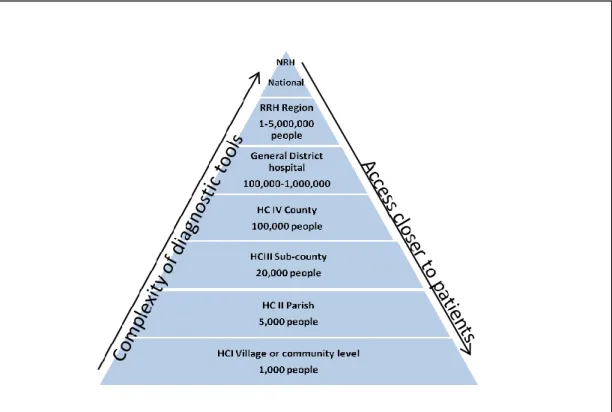
During the post‐independence era (1962‐1971), Uganda was one of the countries with the best health indices and a vibrant health care system in Africa. Two decades of civil unrest followed and collapse of the health care system (Government of Uganda, 2009). Since the early 1990s, the Government of Uganda has given high priority to the improvement of the health status of people. The healthcare system is currently divided into the Government and private sector; the government health system is arranged in a hierarchical system based on the number of people in a given area starting at the village level with health centre I (HC I) going up to the National referral hospitals (NRH) (Rutebemberwa et al., 2009) (figure 2-1.) The healthcare system works on a referral basis; if for example a level II facility cannot handle a case this is referred to a unit the next level up.
Figure 2-1: The structure of the Uganda National Health System
Adapted from (Ministry of Health, 2000) HC-Health centre, RRH-Regional Referral Hospital, NRH-National Referral Hospital.
The private sector is further divided into three categories; Private Health Care
Providers (both for profit and not-for-profit), Non-Governmental Organisations (NGOs) and Traditional Practitioners. The NGO group comprises international and national NGOs, religious bureaux, and community self-help groups (Syngellakis and Arudo, 2006).
Geographical access to conventional health care is limited to about 49% of the population, i.e. population living within five kilometres of a health service unit (MoH, 1992). Rural communities are particularly affected, mainly because health facilities are typically located in towns along main roads.
2.2.2 Health service coverage
Health service coverage indicators reflect the extent to which people in need of treatment actually receive important health interventions (WHO, 2011). Such interventions include: the provision of skilled care to women during pregnancy and childbirth, reproductive-health services, and the treatment of disease in children, adolescents and adults. This means for example (see table 2-1) that only 42% of all births are attended by skilled health personnel. This number represents the proportion
of the population eligible to receive or in need of the intervention. This therefore would be proportion of all women in Uganda of child bearing age (Table 2-1).
Table 2-1: Health service coverage interventions in 2009
Interventions Percentage of eligible
population (%) Births attended by skilled health personnel 42
ARV coverage among people with advanced HIV infection 39 ARV coverage among HIV infected pregnant women for
PMTCT
53 Neonates protected at birth against neonatal tetanus 89 Immunization coverage of measles among 1-year-olds 68 Children <5 sleeping under insecticide treated nets 9 Children <5 with fever who received treatment with any
antimalarial
61
Contraceptive prevalence 23.7
Case-detection rate for all forms of tuberculosis 44 Source: World Health Statistics 2011(WHO, 2011)
2.2.3 Demographic information
Uganda has an area of 241,000 km2 and a projected population of 32.2 million by 2012 (UBOS, 2002). A Total Fertility Rate of 6.3 births per woman and a contraceptive prevalence rate of 23.7% (WHO, 2011) both contribute significantly to the increase in Uganda‟s population. The first Human Development Report (HDR) introduced a new way of measuring development by combining indicators of life expectancy, educational attainment and income into a composite human development index, the HDI (UNDP, 2011). The HDI is used to distinguish whether a country is a developed, developing, or underdeveloped. The life expectancy at birth, HIV prevalence and total fertility rates of several countries are compared to those of Uganda based on the HDI classification of countries in table 2-2. Uganda has made progress in improving the health of its population: life expectancy increased from 48 years in 1990 to 52 years in 2009; HIV prevalence reduced from 27% to 6.5% between 2000/01 and 2009 and Total fertility rate reduced from 7.1 in 1990 to 6.3 in 2009 (WHO, 2011).
Table 2-2: Comparison of health indicators by countries level of development Country Level of development Rank (of 196) Life expectancy at birth HIV prevalence /100,000 TFR
Norway Very High 1 77 138 1.9
USA Very high 4 79 391 2.1
UK Very high 28 80 137 1.9 Seychelles High 52 73 -- 1.9 Libya High 64 69 -- 2.6 Algeria Medium 96 72 50 2.3 SA Medium 123 55 11, 236 2.5 Ghana Medium 135 60 1,099 4.2 Kenya Low 143 60 3 664 4.7 Uganda Low 161 52 3 645 6.1 DR Congo Low 187 49 -- 5.8
Adapted from World health Statistics (WHO, 2012b) and the UNDP human
development report 2011 (UNDP, 2011). SA=South Africa, DR= Democratic Republic. The major causes of death in Uganda are infectious diseases such as bacterial
diarrhoea, hepatitis A, typhoid fever, malaria, plague, African trypanosomiasis (sleeping sickness), schistosomiasis and rabies (WHO, 2012b). According to the World Health statistics, an estimated 77 deaths of 100,000 population are caused by unintentional injuries, the total infant mortality rate is 62.47 deaths/1,000 live births and by 2009, an estimated 1,200,000 people were living with HIV/AIDS (WHO, 2012b).
Table 2-3: Demographic information for 2010/2011
Demographic variables Proportion
(%)
Population
Total population 100 31,784,600
Children below 18 years 56 17,799,376
Adolescents (10-24 years) 34.7 11,029,256
Infants below one year 10.9 1,940,132
Children below 5 years 19.5 6,197,997
Women of childbearing age (15-49 years) 23 7,301,458
Source: Annual Health Sector Performance Report 2010/2011 (Ministry of Health, 2011)
The demographic information (Table 2-3 ) is based on the population census of 2002 (UBOS, 2002) and annual projections by Uganda Bureau of Statistics until the next national census in Uganda which is in 2013.
2.2.4 Human resources for health
There are few hospitals and only 4-10 hospital beds per 10,000 people (WHO, 2011); the density of hospital beds can be used to indicate the availability of inpatient services.
According to WHO, in 2010, there were 3361 physicians and 37,625 nursing and midwifery personnel registered per 10,000 people in Uganda (WHO, 2011). Many trained health workers have migrated abroad or are looking for opportunities to go abroad or are in private practice leaving the government health care units to be run by medical assistants (Ministry of Health, 2000). Migration and loss of skilled workers is a limiting factor in the development of healthcare, putting stress on the system and encouraging reliance on alternative models such as Traditional Medicine, therefore TM fills the gap.
2.2.5 The current status of Traditional Medicine in Uganda
Tabuti et al., (2003), described findings from a study in central Uganda which
demonstrated that the traditional health care system is holistic and that the Traditional Medical Practitioners (TMPs) employed plant and animal parts in their treatment of clients‟ ailments. There were more than 340 TMPs in the county, and they specialised as herbalists, traditional birth attendants (TBAs), bonesetters, diviners and spiritual healers or faith healers (Tabuti et al., 2003a). From this and other studies in Africa (Gessler et al., 1995, Elujoba et al., 2005, Shoko, 2007, Kyomugisha, 2008, Sorsdahl et al., 2010) it is clear that there are many different types of healers who use herbs in one form or the other to effect cures. However since this thesis is focused on plants, we shall focus only on the status of herbal medicine in Uganda and will give more detail about the different types and practitioners of traditional medicine in Africa in Chapter 3 (Section 3.4).
2.2.5.1 Herbal Medicine in Uganda
By the year 2000, there were no manufacturing regulatory or safety assessment
requirements for herbal medicines in Uganda (WHO, 2008). These still do not exist and herbal medicines are sold in pharmacies as over the counter medicines, by peddlers (Figure 2-2) and in food markets, without restriction.
Figure 2-2: A mobile herbal drug peddler in Kampala, Uganda 2011
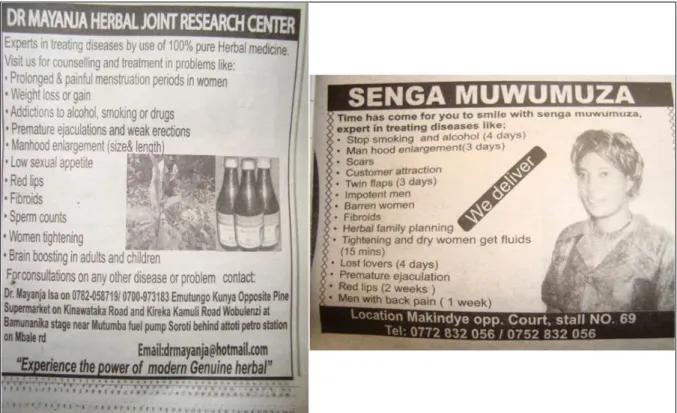
Unlike the biomedical practitioners in Uganda, traditional healers are permitted to advertise their services. Figure 2-3 illustrates sample advertisements for services offered by traditional healers obtained from one of the daily newspapers in Uganda. There is currently still no legal framework in place to regulate traditional medicine in Uganda (Kyomugisha, 2008) which has resulted in several safety issues arising from misuse of these medicines. According to Weisheit and Male (2003), there was at least one traditional healer in Uganda for nearly 290 people compared to one Western trained medical practitioner for every 10,000 people in the urban areas and for every 50,000 in the rural areas. Current World health statistics from WHO indicate that the total number of traditional healers in Uganda is unknown (WHO, 2012b).
Figure 2-3: Sample advertisements of services rendered by herbal TMPs
A national research institute on herbal medicines; the Natural Chemotherapeutics Research Laboratory (NCRL) was established in 1963 in response to the many claims made by traditional healers, and following reports of the public outcry regarding the safety of herbal remedies and the rising mortality rates from the use of traditional medicine.Some of the claims made by traditional healers included finding the cure for illnesses like cancer, Human Immunodeficiency Virus infection / Acquired Immune Deficiency Syndrome (HIV/AIDS), hypertension and diabetes mellitus using one „miracle‟ pill or solution. It is now known as theNatural Chemotherapeutics Research Institute (NCRI). The NCRI is a research and development centre under the Uganda National Health Research Organization (UNHRO) created by an act of parliament, the 2009 UNHRO Act. The institution is mandated to carry out research on natural
products (plants, animal parts and minerals) and the use of traditional methods in the management of human disease with the view of justifying therapeutic claims from traditional medicine practitioners with the intent to safeguard in Uganda (Ministry of Health, 2011).
Upon the recommendation of the National Health Policy Review Commission (NHPRC) to the government in 1987, all traditional herbalists and practitioners formed
associations. One hundred and twenty-six different associations have been formed under an umbrella forum known as the Uganda National Integrated Forum for
Traditional Health Practitioners (Kyomugisha, 2008). This forum is responsible for censuring and streamlining all types and forms of traditional health practitioners and their practices in Uganda. Perhaps the most widely known and now gaining wide acceptability is the Traditional and Modern Health Practitioners Together against AIDS (THETA). It is an NGO dedicated to improving the health of Ugandans by promoting collaboration between the traditional and biomedical health systems.
2.3 Area of study
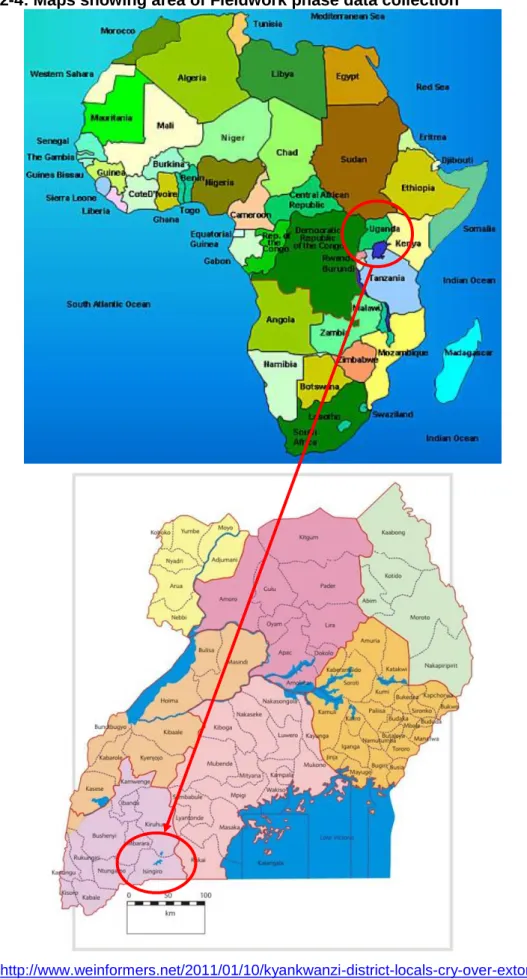
The study was carried out in Isingiro district in South Western Uganda (Figure 2-4) where a significant proportion of the community, estimated between 40-50%, still live in extreme poverty with an estimated annual per capita income of $250. The area has the highest tuberculosis prevalence in south western Uganda, HIV/AIDS prevalence is estimated at between 8 to 10% (Millenium Villages, 2011) and HIV/AIDS service availability is 77% for HIV/AIDS patients (UBOS, 2002).
According to the latest district statistics, Isingiro district has a population of 380,000 and is served by 52 health centres (UBOS, 2002). Close to 98% of the population (7,600 households) in the district is dependent on agriculture for their livelihoods (Acord Uganda, 2010).
Most pregnant mothers give birth at home, sometimes with the help of traditional birth attendants; only about 5% deliver within health units. The percentage of women who receive the antimalarial (Fansidar) during pregnancy is 51% (UBOS, 2002) (Intermittent Presumptive Treatment (IPT)). The regional referral hospital is located in Mbarara town, 40 km away and accessibility is limited due to hilly terrain and poor roads (Millenium Villages, 2011). Most of the health centres lack medical personnel, adequate supply of basic drugs and medical supplies. The local population therefore does not use the health facilities and this provides an incentive for communities to seek traditional health services for their health needs. Easy access to Traditional Medical Practitioners
(TMPs) is therefore one of the main reasons why this district was particularly chosen because of its high rural population and patronage of traditional medicine.
Isingiro district is located about 40km from the research base (Mbarara district) and has similar geographical and social cultural characteristics as Mbarara (Figure 2-4). The researcher could speak the Runyankore language and usefully engage with the study participants.
Figure 2-4: Maps showing area of Fieldwork phase data collection
Source: http://www.weinformers.net/2011/01/10/kyankwanzi-district-locals-cry-over-extortion-by-land-committee/ and
http://www.transitionsabroad.com/listings/work/volunteer/volunteerprogramsafrica.shtml accessed on September 23, 2012.
2.4 Chapter summary
Given the overall study aim of understanding the relationship between plants and wound healing, chapter 2 has given the background to the study and established the research context. In conclusion, Uganda is a country with limited health resources that needs additional health services, in this respect, TM fills the vacuum and is uniquely embedded within local cultures and systems but also demonstrates some recent evidence of interaction with systems. The next chapter gives a wider overview of the practice of traditional medicine both in Uganda and Africa drawing on different sources of evidence to inform the study of plants and wound healing in Uganda.
Chapter Three
3 LITERATURE REVIEW 3.1 Introduction
This chapter presents a discussion of the different types of evidence concerning the practice of Traditional Medicine (TM) with a specific focus on medicinal plants and wound healing in Africa. Chapter three begins with a brief history of TM in Africa in section 3.2. Section 3.3 then outlines the context and significance of the topic of investigation by answering the question „What is traditional medicine?‟ A definition for TM is provided along with some theories about the causes of disease and some advantages and criticisms of TM.
Section 3.4 looks in depth at the practice of traditional medicine with a `presentation of traditional herbalism and the different types of TM practitioners and the diagnosis of illness. A narrative overview of the empirical research is then presented in section 3.5. The literature review draws on diverse types of evidence and provides the rationale for the research questions addressed in this thesis in 3.6.
The chapter concludes with a summary of the literature review (section 3.7) and highlights the conclusions, limitations and gaps in the existing literature on the local practice of wound healing using medicinal plants.
3.2 Brief history of Traditional Medicine in Africa 3.2.1 Pre-colonial healthcare
Before European occupation of Africa in the 19th century, each community had a member or members who specialised in some sort of healing (Evans-Pritchard, 1932). Compared to their contemporaries, healers were more community oriented, and
focused on preventive as well as curative methods (McMillen, 2004).An individual who could dissociate from what was happening around them and go into a trance in order to
consult gut instinct or „the spirits‟ was consequently regarded to be of great value and became the tribal doctor. The remnants of whom can be seen in those we call „witch doctors‟ today (Inglis, 1979). It is not clear from the literature whether there were other practitioners utilising other methods or existence of other specialisations among traditional healers, hence this section only reports evidence on the witch doctors.
3.2.2 Post-colonial healthcare
From the earliest European travel documents and missionary reports onward (between roughly 1875 and 1900), the witch doctor/traditional healer frequently appeared as a metonym for Africa, a figure portrayed as incarnating a number of negative attributes that Europeans had ascribed to Africa (Rekdal, 1999). Sometimes the tribal doctors would simply become abstracted, as if unaware of their surroundings; on recovering consciousness, they would relate what they had seen and learned in the trance (Evans-Pritchard, 1932). More often it was reported they had what looked like a fit, foaming at the mouth and going into convulsions, until a voice sounding unlike their own would speak through them, as if they were the dummy of an invisible ventriloquist (Inglis, 1979). Their listener‟s assumption was that they were possessed by a spirit or spirits were using them as the agency by which they passed their information on to the tribe; warning, say, that a witch, or an evil spirit was at work, and recommending the appropriate remedies (Evans-Pritchard, 1933).
According to Inglis (1979) sickness was attributed to a loss of soul-power compared to the European early models of cause of illness due to imbalances in the different humours for example black bile/earth, yellow bile/fire, phlegm/water, and blood/air. In Africa, it was believed the sick person‟s soul was being abstracted by the spirits, or by a witch; the tribal doctor‟s function was to go in pursuit of it and arrange for it to be returned. Or the tribal doctor might put his patients into trances like his own, with the help of rhythm and drugs, inducing convulsions, dissociation and eventually comas; the belief being that they too had been possessed by friendly spirits, helping to cure them (De Smet, 1998).
Diagnosis and treatment were assumed to work by magic in the original sense of the term, by forces of the kind now called psychic or paranormal (Kaplan, 2011). A tribal doctor obtained and held his post by virtue of the belief that with the help of the spirits he could perceive and influence people and objects at a distance (Kubukeli, 1999). Psychological and psychic forces- the two were not kept distinct-continued to be
considered as determining whether people fell ill and whether they could recover. The tribal doctor‟s influence continued to depend on his ability to convince the tribe of his powers as a diviner, witch-finder and communicator of remedies prescribed by the spirits, rather than on his knowledge of herbs or other aids (Koziell and Laurenson, 1988). Other forms of local healthcare seen even today also existed such as bonesetters and elderly women in the community who helped other women deliver babies; these have now come to be known as Traditional Birth Attendants (TBAs).
Nyaki (2007) suggests that traditional African societies used an experimental approach to develop their own bodies of medical knowledge based on local plants, with the tribal healer acting as the expert database and provider of medicines and patients being used for „experimentation‟ without their knowledge or consent. In other instances, a healer would eat a fruit or berry and note a numbing sensation in the mouth and decide instead to consider it for medicinal use. Other discoveries would be by blatant
experimentation, for instance, an observation that a leaf rubbed on an insect bite reduced the redness and swelling. Being resourceful, the use of that specific plant was quickly incorporated into their ethnopharmacopoeia (Balick and Lee, 2005). According to Heinrich (2005) an ethnopharmacopoeia is the totality of plants, animals and
microorganisms or any other substance used for medical purposes by a culture (p432) (e.g. a particular country or ethnic group in a country).
Internationally, herbal medicine suddenly entered into a new era in the 17th century when it started to be investigated by scientists who sought to improve on nature‟s medicine cabinet (Singh and Ernst, 2008) but still believed in humors, marking the beginning of dissemination of herbal compendium in the West at least. The latter part of the renaissance period was marked by rapid expansion of ideas with printed materials, reliance on observation and empiricism and development of modern scientific methods. Wider recognition has ensued and WHO has not only declared African traditional healers as an important resource in health promotion, but also has encouraged research on their healing techniques and remedies (WHO, 1978b, Rekdal, 1999).
With the dominance of orthodox, scientific, medicine early in the 19th century, traditional medicine began to be viewed as unconventional because active components had not been identified and proven to be efficacious (Nyika, 2007). It is worth noting that traditional medicine follows different precepts of health and of efficacy. Although this led to the replacement of TM by orthodox medicine in developed countries, in many
developing and low and medium income countries it has remained the “first contact” medicine for most people especially in rural areas (Tabi et al., 2006) probably due to socio-economic reasons. In developed countries however, the alternatives to Western medicine are increasingly used. Some rich northern or developed nations for example UK and USA and other large and recently industrialising countries like China and India have very strong traditions of TM for example Ayurveda, acupuncture and Chinese herbs which nullifies the argument of TM as a feature of developing nations.
3.3 Introduction to traditional medicine
Both plants and animals have been used as sources of medicine since pre-civilization period (Yesilada, 2005). The importance of plants for medicinal purposes is revealed in many verses of the Bible among which Ezekiel 47:12 „‟the fruit of trees shall be for eating and the leaves for medicine” is notable (Mafimisebi and Oguntade, 2010). Even in modern times, animals and plants continue to play an indispensable role in
healthcare (Alves and Rosa, 2007). The evidence that more than a quarter of all the approved orthodox medicines used in the world today contain ingredients derived from plants (Raskin et al., 2002) illustrates this point.
This section addresses the question of “what is traditional medicine?” by providing a definition, enlightening us on the aetiological theories about disease in TM and the reasons for or against its use.
3.3.1 Definitions
3.3.1.1 What is Traditional Medicine?
At a global level, TM eludes precise definition or description because of the different understandings and worldviews people bring to the concept. In 1976, experts at the World Health Organization's (WHO) meeting in Brazzaville in Africa defined TM as follows:
"The sum total of all the knowledge and practices, whether explicable or not, used in diagnosis, prevention and elimination of physical, mental and social imbalance and relying exclusively on practical experience and observation handed down from generation to generation, whether verbally or in writing...Traditional medicine might also be considered to be the sum total of practices, measures, ingredients and procedures of all kinds, whether material or not, which from time immemorial had enabled the African to guard against diseases, to alleviate his sufferings and to cure himself...Traditional medicine might also be considered as a solid
amalgamation of dynamic medical know-how and ancestral medicine (WHO, 2002).
Traditional medicine is a comprehensive yet diffuse term used to refer both to TM systems such as traditional Chinese medicine, Indian Ayurveda and Arabic Unani medicine and to various forms of indigenous medicine. TM therapies can be divided into medication and non-medication therapies (WHO, 2002). Medication therapies involve the use of herbal medicine, animal parts and/or minerals while non-medication therapies are carried out primarily without the use of medications as in the case of acupuncture, manual therapies and spiritual therapies (WHO, 2002). It is very tempting to reduce traditional medicine to a group of therapies which as Hevi (1989)
acknowledges is more than that and should be expanded to include folk knowledge, traditions and values, health behaviour rules and patterns, and identified personnel and structures for delivery and restorative therapy.
3.3.1.2 Traditional medicine or Complementary and Alternative Medicine? The term „traditional medicine‟ has been criticised, because it misleadingly implies a homogenous group of medical practitioners (Marsland, 2007). It is also sometimes referred to as natural medicine, folk medicine, indigenous medicine, local medicine, rural medicine, „bush‟ medicine, non- conventional, parallel and even unscientific medicine (Sofowora, 1982, WHO, 2002). The term complementary or alternative medicine has come to be used to refer to TM that has been adopted by other
populations (outside its indigenous culture) (WHO, 2005b). Social acceptability factor of a particular terminology in health care practice has significant implications for the perceived credibility of the practice thus the use of the umbrella term „complementary and alternative medicine‟ (CAM), which correctly implies that these therapies are sometimes used alongside and instead of conventional medicine (McClure, 2002).
Alternative medicine can be defined as any therapy that is not accepted by the majority of mainstream doctors, and typically this also includes those alternative therapies that have mechanisms which lie outside the current understanding of modern medicine (Singh and Ernst, 2008). It encompasses homeopathy, naturopathy, acupuncture, chiropractic and herbalism.On the other hand, complementary medicine refers to the use of treatments drawn from alternative medicine to complement allopathic medicine (Makunga et al., 2008).Tabuti, Dhillion and Lye (2003a) present TM use in Uganda as an alternative rather than as a complementary form of medicine which serves a
different role from that of Western medicine and is recommended for the treatment of psychosocial conditions (e.g. to eliminate the effects of witchcraft) and chronic ailments. The WHO traditional medicine strategy uses the term traditional medicine when
referring to Africa, Latin America, South-East Asia and/or the western pacific, whereas the term CAM is used when referring to Europe and/or North America. When referring in a general sense to all these regions, the comprehensive TM/CAM is used (WHO, 2002).
The varying definitions and names for traditional medicine show that this is a field that is not yet fully understood and one that is contentious or in conflict with Evidence Based Medicine (EBM) such in the sense that it is challenging to find a definition or a term that is generally accepted. This therefore calls for further research into TM that strives to uncover what is at the heart of traditional medical practice from within a culture in order to be able to understand it. This thesis seeks to understand the local practice of wound healing through the use of medicinal plants in South Western Uganda by using a mixed methods approach.
3.3.1.3 Local medicinal knowledge
The term local medicinal knowledge is used to refer to the cumulative body of
knowledge of medicinal plants and healing practices of a culture that has been handed down through generations (Calvet-Mir et al., 2008), that is socially shared by the members of the same generation and that has been adapted to a particular place, verbally or in writing (Sofowora, 1993, WHO, 2005a, Adewunmi and Ojewole, 2004). Within this is the knowledge of the raw material from which the remedies are produced and the socio-medical aspects implied in their preparation and use (Berkes et al., 2000, Pieroni et al., 2004, Calvet-Mir et al., 2008). The traditional healing knowledge of many people in Africa is usually orally transmitted from one generation to another(WHO, 2000a).
Aside from contributing positively to the primary healthcare delivery of the local populations, this healing knowledge is a potential sustainable source of medicines because of the abundant medicinally-active ingredients present in plants (Adewunmi and Ojewole 2004, Raskin et al., 2002). However, discovery and evaluation of new leads is expensive, which ombined with the relatively few recent successes in drug discoveries from plants has resulted in an unwillingness by big Pharmaceutical companies to invest significant resources into this undertaking. African traditional
medicine has generally been associated with a lack of written local knowledge on healing practices. There is a foreseeable danger that if this knowledge is not recorded it will eventually be lost. If this knowledge is written, it can be validated, corroborated and monitored within the public domain which will enhance safety and it is hoped that this transparency and visibility will play a pivotal role in increasing acceptability. This role now falls to researchers to ensure that this information is collected, and described which will lead to it being documented, disseminated in the public domain, validated, and developed by future researchers and practitioners. In light of this, one of the major aims of this thesis is to describe the local knowledge of plants and wound healing in South Western Uganda.
3.3.2 Traditional medicine in Africa
The importance of TM in African societies cannot be overemphasized. It is to the traditional healers that a great majority of people in developing countries turn in times of illness (Tahzib and Daniel, 1986). A study in Kenya showed that patients had a clear sense of when they would go to a western clinic and when they would visit a traditional healer (Van der Geest, 1997). Services from a traditional healer would be particularly sought when an illness has been diagnosed as psychosomatic or when patients perceive the orthodox treatment they receive to be “inadequate” (Hevi, 1989, Gessler et al., 1995). A Traditional Medical Practitioner (TMP)/ traditional healer is a person who has no formal medical training (Agbor and Naidoo, 2011, Ryan et al., 2011), but is recognized by the community in which he/she lives as competent to provide health care by using vegetable, animal and mineral substances (WHO, 2002). More often than not, the decision to consult a TMP is that of the patient or their carers.
In the African context, when all the empirical and scientific knowledge has failed then an appeal is made to the supernatural, magic or witch craft to deal with the difficult and intangible elements involved. When a modern health care unit declares a particular illness beyond any hope of cure, sometimes this may be interpreted as advice to seek traditional treatment (Ryan et al., 2011).
There is evidence that modern doctors use TM to supplement their practice; for
instance, a study conducted with traditional healers in Nigeria, reported claims by some herbalists that a few western-trained doctors send cases they cannot cure to them for „expert‟ care, while others request charms to prevent mishaps in their practice of orthodox medicine (Oyebola, 1980a). These findings are supported by those from a study in central Uganda which reported that some modern health workers occasionally
and informally referred patients with chronic illnesses such as uterine fibroids or migraine or conditions perceived to be of a spiritual nature to the Traditional Medical Practitioners (Tabuti et al., 2003a). It should be noted that the biomedical practitioners would not publicly acknowledge working with the traditional healers except for those employed in projects or centres that are advocating for a closer collaboration between traditional and western practice such as the Traditional and Modern Health
Practitioners Together against AIDS (THETA). One reason for this may be that they would appear to condone the practice of using medicinal plants for the management of disease conditions yet Uganda has not quite reached the stage where a western practitioner can declare open support for the practice of TM.
Vuori in1982 asserted that traditional medicine is typically identified with socio-economic under-development and is considered an indication of backwardness. Bannerman (1981) disagrees with the assertion stating that it is wrong to attribute magical, irrational and superstitious ideas to any group of countries or levels of industrial or educational development since use of CAM and the belief that illness arises from supernatural causes is held by many different countries not only those in the third or developing world.Even in Western countries deeply permeated by the scientific-technological approach to medicine, the population still cherishes many traditional healing practices such as acupuncture and use of herbal medicines and relies on traditional medicine to a greater extent than is usually reported or admitted (Dunlop, 1975, Vuori, 1982).This means that there is greater interaction than is commonly perceived between these systems, the evidence of which does not get into the public domain which in turn impacts on the scientific credibility of the practice hence the rationale for this study.
3.3.3 Aetiological theories and diagnosis of illness 3.3.3.1 Causes of illness and disease
Every medical system whether traditional or modern has four components: theories concerning the causes of diseases (aetiology); theories concerning the disease process (pathology); the treatment of diseases (therapy); and resources available for treatment (material medica, i.e. drugs, devices and persons) (Vuori, 1982). Traditional medicine and western medicine differ significantly in their concept of the cause of illness/disease and their approach to healing as well as the healing method (Hoff and Shapiro, 1986, Gessler et al., 1995).
Western observers sometimes assume, incorrectly, that African concepts of disease aetiology and well-being are dependent upon magical and supernatural phenomena and exclude ideas of natural or physical causation (Good, 1977). In the African context, illness always has a reason; the cause of an illness or discomfort is sometimes
ascribed to supernatural forces arising from angered ancestor spirits, evil spirits or the effect of witch craft (Gessler et al., 1995). The reason for an illness is the most
important aspect of the disease-more important than an exposition of the disease itself (Kubukeli, 1999). Western medicine does not deal with the existential questions which for the African are most often fundamental and persistent: “why am I ill?” “Why does it affect me and not somebody else?” rather than “what am I suffering from”? For most Africans, good health means not only physical health, but also a healthy situation in everything that concerns them (Conco, 1972, Cocks and Dold, 2000).This definition is aligned with the definition provided by the WHO (1978a) that “health is a state of complete physical, mental, and social well-being and not merely the absence of disease or infirmity”. This definition has not been updated since 1978 and given that the concepts of wellness and treatments which advocate for holism and the user/ patient experience becoming more valued are beginning to dominate the health and wellbeing discourse, an updated definition is essential in order to allow for these emerging trends in health care.
3.3.3.2 Diagnosis of illness and disease
The initial reasons why people find alternative medicine appealing are often related to the three core principles that underlie so many of the therapies. Alternative medicines are said to be based on a more natural, traditional and holistic approach to healthcare (Singh and Ernst, 2008).However, for many patients, scientific evidence is not the deciding factor in whether or not they adopt a particular alternative therapy (Gessler et al., 1995). Singh and Ernst (2008) suggest that even if patients are aware that the overall conclusion based on all the research is negative, patients are likely to adopt a therapy if it is commonly regarded; which by definition is evidence.
In determining the cause of „problems‟, some traditional healers consult the spiritual realm and use their dreams as a guide to diagnosing the client‟s problem. However in-depth questioning of the client regarding his/her relationships and circumstances, socially and psychologically, precedes this phase (Bruce, 2002). The healer studies the patient as a whole and does not split the body and mind into two entirelyseparate entities (Kale, 1995, Taylor et al., 2006). He/she does not consider the patientas an isolated individual but as an integral component of afamily and a community. These
aspects are sometimes missing from the western medicine model of health care and may serve to give further insights into why people choose TM.
Gessler et al (1995), described the tools of diagnosis used by traditional healers in Tanzania which were restricted to the following main categories: history of the patient, signs and symptoms, physical examination, divination and laboratory tests made in hospital which were similar to the diagnostic systems reported in (Tabuti et al., 2003a). The evidence presented describes the absence of a distinct difference in the methods employed to reach a differential diagnosis by both the traditional and western medical practitioners. For example, a comprehensive consultation includes a detailed case history, individually-prescribed and dispensed herbal medicines, clear dosage instructions and dietary and lifestyle advice (Kyomugisha, 2008).
3.3.4 Strengths of traditional medicine
It is important to develop systems through which effective health care can be made both accessible and acceptable to the people which is the goal of primary health care in low income countries that typically lack access to health care services. The easiest or most economic way of doing this is to boost and make use of existing systems and structures including but not limited to employment of the services of traditional medical practitioners only if they are effective. The first stage in this process is to identify what these systems and structures are, how they function, what they are comprised of and their safety. While it may not be the main purpose of this thesis, studies like this will present findings that may help to inform policies relating to development of systems to improve access to healthcare. Any advantages of TM should be viewed against the background of the socio economic status of developing countries, the magnitude of their health problem, and the few resources available (Sofowora, 1982) in line with this, a range of advantages including social, economic and pharmacologic are cited.
3.3.4.1 Economic advantages
Traditional medical practices are sometimes built from simple home remedies (Ataudo, 1985) and the medicine can be cheaper than modern medicine (Galabuzi et al., 2010, Agbor and Naidoo, 2011). Singh and Ernst (2008) contest this notion and state that not only do alternative therapists offer often ineffective and sometimes dangerous
treatments but they also charge very heavily for these products and services although effectiveness and cost are different issues which should not be conflated. Cunningham (1988) proposed that the price increase of traditional medicines could be partly due to a