THE EFFECT OF MORPHOLOGY INSTRUCTION ON PERFORMANCE GROWTH OF SEVENTH-GRADE STUDENTS: A QUASI-EXPERIMENTAL STUDY
by
Erin Kathleen Pizzo Liberty University
A Dissertation Presented in Partial Fulfillment Of the Requirements for the Degree
Doctor of Education
Liberty University 2018
THE EFFECT OF MORPHOLOGY INSTRUCTION ON PERFORMANCE GROWTH OF SEVENTH-GRADE STUDENTS: A QUASI-EXPERIMENTAL STUDY
by Erin Kathleen Pizzo
A Dissertation Presented in Partial Fulfillment Of the Requirements for the Degree
Doctor of Education
Liberty University, Lynchburg, VA 2018
APPROVED BY: Dr. Rebecca Lunde, Ph.D., Committee Chair Dr. Kathy Keafer, Ed.D., Committee Member Dr. Karen Tyler, Ed.D., Committee Member
ABSTRACT
The purpose of this quasi-experimental, pretest-posttest, nonequivalent control group study was to evaluate the effectiveness of morphological instruction that includes word matrices and word sums with middle school students. This study compared the overall reading performance growth as measured by the Northwest Evaluation Association: Measure of Academic Performance (NWEA MAP) scores of students who received morphological instruction with word matrices and word sums with the growth of students who did not receive morphological instruction that included word matrices and word sums. A convenience sample of 100 students
English-speaking students from a rural, public middle school in northwest Pennsylvania was used for the study. Data were collected using the NWEA MAP assessments that the students took during their English Language Arts classes. The treatment group consisted of seventh-grade students who were instructed using word matrices and word sums in the vocabulary lessons they received. The control group consisted of seventh-grade students who received vocabulary instruction that did not include word matrices or word sums. Reading performance results were analyzed using ANCOVAs to compare the treatment groups’ pretest and posttest results with the control groups’ pretest and posttest results. The researcher hypothesized that statistically significant differences would exist in overall reading RIT scores, information text RIT scores, and/or vocabulary RIT scores. Results indicated that a statistically significant difference for all three components as described above did not occur during this study.
Keywords: morpheme, morphological awareness, morphology, reading comprehension, zone of proximal development.
Dedication
This dissertation is dedicated to my support system. First and foremost, this is dedicated to my Lord, who gave me the free will and perseverance to complete this major undertaking. This body of work is also dedicated to my family, who supported me throughout this long process. My husband, children, and parents encouraged me along the way as they spent weekends without me and endured the frustrating times. As a fellow educator, my husband encouraged me throughout the entire process and championed my belief in supporting students to be their very best. My children, Gabriella and Samuel, are a constant reminder that all that I am and do is a tribute to them.
My mentor did not realize what an impact she had on my view on education. Darcie Moseley is someone to whom I looked to when making tough decisions to meet our students’ needs. She helped me to cultivate my compass, making my true north the constant question “What is best for kids?” For this, I am forever indebted to Darcie.
My path to completing this degree was long and nontraditional. I want to thank all of the professors that supported me along the way. Dr. Fitzpatrick, Dr. Hahnlen, and Dr. Stanley each had influence on my unique path. Dr. Lunde, Dr. Keafer, and Dr. Tyler guided me to completing the study, and for that, I am forever grateful.
Table of Contents ABSTRACT ... 3 Dedication ... 4 List of Tables ... 8 List of Figures ... 9 List of Abbreviations ... 10
CHAPTER ONE: INTRODUCTION ... 11
Overview ... 11
Background ... 12
Problem Statement ... 14
Purpose Statement ... 15
Significance of the Study ... 16
Research Question ... 18
Definitions ... 18
CHAPTER TWO: REVIEW OF LITERATURE ... 19
Overview ... 19 Theoretical Framework ... 19 Related Literature ... 25 Reading Comprehension ... 25 Orthography ... 27 Vocabulary ... 30 Morphology ... 33
Classroom Implications ... 46
Summary ... 47
CHAPTER THREE: METHODS ... 49
Overview ... 49
Design ... 49
Research Question ... 51
Hypotheses ... 52
Participants and Setting ... 52
Instrumentation ... 54
Procedures ... 56
Data Analysis ... 60
Summary ... 63
CHAPTER FOUR: FINDINGS ... 64
Overview ... 64 Research Question ... 64 Null Hypothesis ... 65 Descriptive Statistics ... 65 Results ... 69 Data Screening ... 69 Assumptions ... 69
Results for Null Hypothesis One ... 77
Results for Null Hypothesis Two ... 78
CHAPTER FIVE: CONCLUSIONS ... 82
Overview ... 82
Discussion ... 82
Null Hypothesis One ... 83
Null Hypothesis Two ... 84
Null Hypothesis Three ... 85
Implications ... 86
Limitations ... 87
Recommendations for Future Research ... 88
References ... 90
Appendix A: IRB Approval ... 105
Appendix B: School Permission Request ... 106
List of Tables
Table 1. Between-Subjects Factors ... 66
Table 2. Descriptive Statistics ... 66
Table 3. Descriptive Statistics of Post-RIT ... 67
Table 4. Descriptive Statistics for the Adjusted Means of Post-RIT scores ... 68
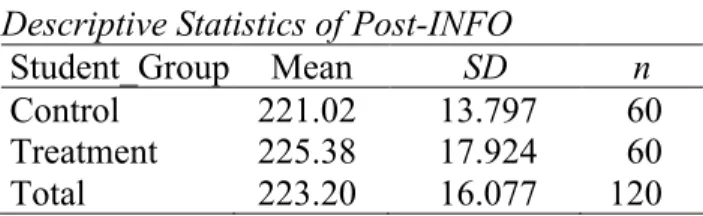
Table 5. Descriptive Statistics of Post-INFO ... 68
Table 6. Descriptive Statistics of Post-VOC ... 69
Table 7. Kolmogorov-Smirnov Tests of Normality ... 73
Table 8. Levene’s Test of Equality of Error Variances ... 77
Table 9. Summary of the ACOVA Results on Post-VOC Scores ... 78
Table 10. Summary of the ANCOVA Results on Post-INFO Scores ... 80
List of Figures
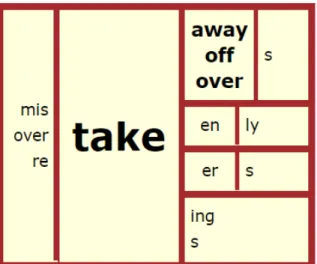
Figure 1. Sample page from language lesson teacher training ... 58
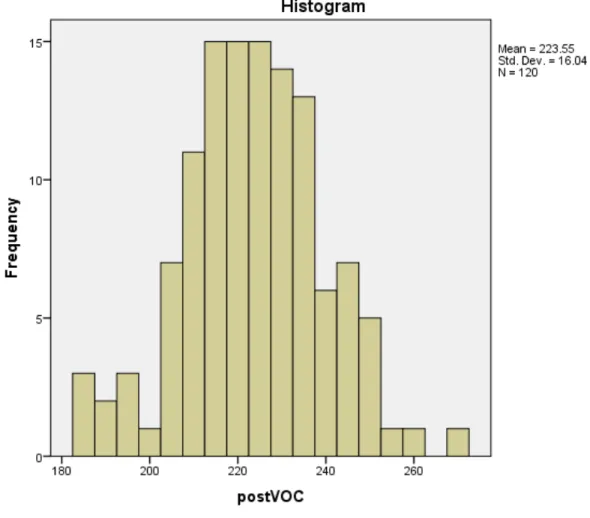
Figure 2. Histogram for pre- and postvocabulary MAP scores ... 70
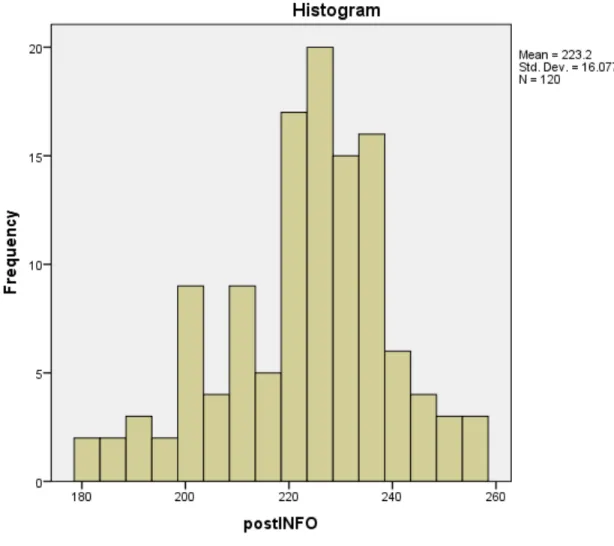
Figure 3. Histogram for pre- and postinformational text MAP scores ... 71
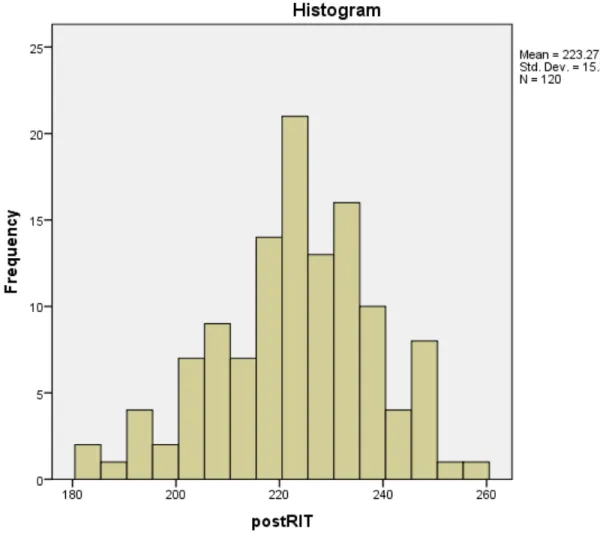
Figure 4. Histogram for pre- and post-RIT MAP scores ... 72
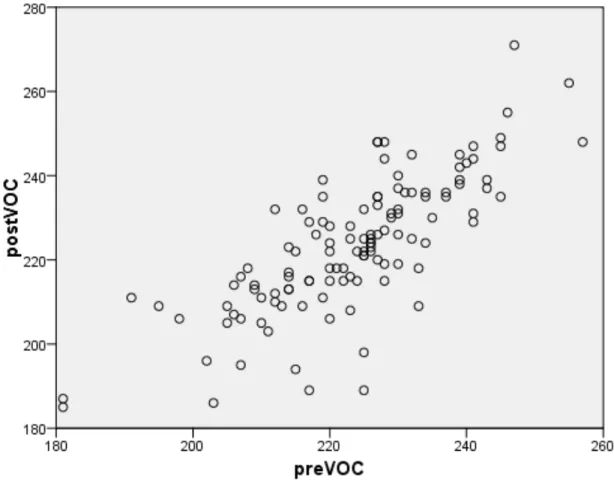
Figure 5. Scatterplot for pre- and postvocabulary MAP scores ... 74
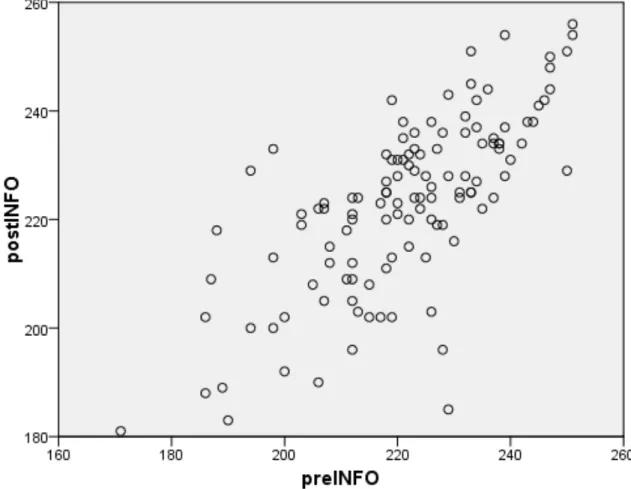
Figure 6. Scatterplot for pre- and postinformational text MAP scores ... 75
List of Abbreviations Analysis of Covariance (ANCOVA)
Analysis of Variance (ANOVA) Common Core State Standards (CCSS)
Developing Content Area Academic Language (DCAAL) English Language Arts (ELA)
Measure of Academic Performance (MAP)
National Assessment of Education Progress (NAEP) National Reading Panel (NRP)
Rausch Unit (RIT)
Simple View of Reading (SVR) Zone of Proximal Development (ZPD)
CHAPTER ONE: INTRODUCTION Overview
According to reading experts, education is in the midst of an adolescent literacy crisis (Biancarosa, Palincsar, Deschler, & Nair, 2007). The literacy stakes are higher than ever for secondary students. Students can no longer leave school with a third-grade reading level without being at a severe disadvantage in society and the global job market. Global competition becomes even more daunting when “44% of fourth-grade and 46% of eighth-grade children failed to meet the standards for reading proficiency on the most recent Nation’s Report Card” (National
Assessment of Educational Progress, 2015, p. 1). As a result of falling test scores and an
increasing presence of technology in the classroom, “a shift of attention away from what texts to teach and toward teaching students how to interact with texts” (Carillo, 2017, p. 34) is taking place. Providing adequate literacy instruction for secondary students is more challenging than it is for primary students because the literacy skills necessary to comprehend secondary content are more complex.
In considering how to improve the academic achievement of our nation’s struggling readers and writers, it is critical to remember that only 10 percent of students struggle with decoding (reading words accurately), and thirty years of research by the National Institute of Child Health and Human Development (NICHD) have provided solutions for these decoding problems. (Snow & Biancarosa, p. 11, 2003)
Chapter One includes a background of the adolescent literacy crisis followed by the problem statement and the purpose of the study. The chapter then reviews the significance of the study to the current body of research. Chapter One will also outline the research questions,
hypotheses, and relevant definitions of morphology, as well as the possible impact of morphology on reading.
Background
Reading is not intuitive for many students, as evidenced by the statistics that
“approximately eight million people between fourth and twelfth grade struggle to read at grade level” (Snow & Biancarosa, 2003, p. 3). Over 70 percent of older students need remediation, and 30 percent of high school students are not graduating on time with a regular diploma (Greene & Winters, 2005). Dropout rates skyrocket for those who enter ninth grade in the lowest 25 percent of their class compared to the highest-performing students (Carnevale, 2001). Crosson and McKeown (2016) pointed out that “as students transition from elementary to middle school they are expected to learn from content-area texts that are not only conceptually dense but also are more linguistically complex than those they encountered during the elementary years” (p. 148).
Decoding is taught from preschool through third grade. After third grade, the emphasis shifts from learning to read to reading to learn. Comprehension strategies replace decoding instruction, and students who did not master the phonetic basis of the English language often struggle for much of their school careers (Samuels, 2002). The struggle is compounded by the vocabulary gap that many students exhibit in middle and high school. Biemiller and Slonim (2001) pointed out that educators are beginning to become aware that vocabulary development is a key educational component for student academic success.
Text selection is a challenge for struggling secondary students, as lower-level texts are often inappropriate for their age and background knowledge. Secondary students need to read challenging texts in order to demonstrate higher-level thinking, and according to Samuels (2006),
“the most important characteristic of the fluent reader is the ability to decode and to comprehend the text at the same time” (p. 9). Yet more difficult text can be inappropriate for students whose reading skills are underdeveloped. For instructional purposes, students should be encouraged to move out of their comfort zone and avoid reading text that is too easy, as this can lead to a lack of growth. Vygotsky (1930–1934/1978) called this theory the zone of proximal development (ZPD). Vygotsky proposed the idea that the potential for cognitive development depends upon the text falling within the ZPD, as texts that fall outside the zone are either too easy or too hard and add to neither the reader’s speed nor comprehension. In essence, students need to engage in challenging work; otherwise, they will not develop academically.
A strong and growing body of research supports the influence of morphological awareness on literacy skill development. Apel, Wilson-Fowler, Brimo, and Perrin (2012) pointed out that as students move from elementary classrooms into middle grades, the influence of morphological awareness skills surpasses that of phonological awareness. There is also converging evidence that morphological awareness holds strong, positive associations with vocabulary knowledge (Anglin, 1993; Carlisle, 2000; Nagy, Berninger, & Abbott, 2006) and predicts reading comprehension (Carlisle, 2000). According to Lyster, Lerrag, and Hulme (2016), “Phonological, morphological, semantic, and orthographic processing are at work in the process of reading, but the corresponding roles of these processes have not been addressed in reading until recently” (p. 1270). Only a limited amount of research has been done on
morphology and morphological awareness, and the research that has been done lacks the clarity and depth necessary for it to be used by teachers to make effective instructional changes in the classroom. Good, Lance, and Rainey (2014) pointed out that current research supports the value
of morphological awareness instruction, but the research is inconclusive on the subject of effectively incorporating morphological instruction into the classroom.
The review of literature will demonstrate that while reading research has begun to include morphological awareness and morphological analysis, there are still a great void of evidence on how to translate the research into effective instructional practices in the classroom. This research study attempted to fill some of that void by pairing morphological instruction with word matrices and word sums and examining the influence on student outcomes.
Problem Statement
Reading comprehension is one of the most essential skills that a child fosters during the school years. In this current culture of testing, students must demonstrate reading proficiency on annual state exams. Researchers also recognized that reading difficulties are not always simple to address. For example, Tong, Deacon, and Cain (2013) recognized that reading requires a complicated skill set and suggested there are many factors that could lead to poor reading
comprehension. In elementary school, poor decoding and poor comprehension often go hand-in-hand. However, “a prominent yet veiled problem among students in upper elementary, middle and high school is that while they can read many do not understand what they read” (Mokhtari & Velten, 2015, p. 23). Giving secondary teachers the task of remediating literacy needs becomes problematic since the teachers are specialized to their content areas and not equipped to address struggling readers. Students are dropping out of high school at a high rate, and one major factor is that students do not have the necessary literacy skills to be successful with a high school curriculum (Kamil, 2003). The struggling student’s plight becomes more evident as words become less decodable and more orthographically complex. Snow and Biancarosa (2003) noted that older students who struggle can read words accurately but are dysfluent, and as a result of
this dysfluency, reading comprehension is often compromised. The problem of poor comprehension is exacerbated when “they may not be able to generalize their strategies to content-area literacy tasks and lack instruction and knowledge of strategies specific to particular subject areas, such as math, science, or history” (Biancarosa & Snow, 2004, pp. 8–9).
The problem is that research has not addressed a specific, effective method for teaching students vocabulary that has immediate and wide-reaching results. This study sought to test the process of pairing morphological instruction with matrices and word sums to determine if these processes support long-term student vocabulary development.
Purpose Statement
The purpose of this quasi-experimental study was to evaluate the efficacy of morphological instruction that incorporates Latin bases as a predictor of reading growth of seventh-grade students (ages 12–13) at a rural middle school in the northeastern region of the United States. For the purpose of this study, reading performance growth, the dependent variable, was generally defined by the difference between winter and spring composite Rausch Unit (RIT) scores on the Measure of Academic Performance (MAP). The problem under investigation in this study was the lack of reading achievement among middle school students and how to improve reading comprehension through morphological instruction. Morphology instruction, the independent variable, was generally defined as instruction presented to teach students the structure and form of words (Carlisle, 2003). The National Assessment of Education Progress (NAEP, 2015) reported that students who achieved highly on vocabulary questions also achieved highly in reading comprehension. Overall, the NAEP report focused on students’ recognition of word meaning and the integral role that vocabulary plays in reading comprehension. Since most literacy educators consider morphology to be a critical component
of reading development, secondary students will benefit from explicit morphology instruction. This research was performed on the assumption that if the findings suggested that morphology instruction be incorporated in the secondary literacy instruction, teachers would need to evaluate how they approach teaching reading comprehension strategies and implementing morphology instruction.
Significance of the Study
Since the institution of high-stakes testing, students have been expected to perform reading tasks at their grade level and not necessarily at their independent reading level. When students enter secondary school (Grades 7–12), they are bombarded more with academic content and receive less instruction on how to read or access that content. Today’s students are in the midst of an adolescent literacy crisis (Biancarosa et al., 2007). Given the strong correlation between comprehension and vocabulary, this study aimed to identify the value of morphological instruction in an effort to improve secondary student reading comprehension.
Scholarly journals are publishing an increasing number of articles in the area of morphology, and books on reading and spelling instruction have begun including
recommendations for instruction in morphological awareness (Carlisle, 2010). Carlisle (2010) went as far to say, “Given the current emphasis on educational research to identify effective practices, educators might want to know whether teaching morphological awareness holds promise for improving the reading and writing of school-age students and, if so, why this might be” (p. 464). Timothy and Cynthia Shanahan (2008) argued that disciplinary literacy should be a focus in middle school, as it has not been demonstrated that early reading skills naturally transfer into the more complex reading skills that are needed in middle and high school content classes. Early literacy instruction has not been shown to correlate with later growth in literacy for
students. Higher-level literacy skills are declining, and according to ACT (2005), the number of students who are being prepared for college-level work drops as students move through high school. Although teachers may be using a variety of instructional approaches to help students learn vocabulary and improve their reading comprehension skills, a single method of effective vocabulary instruction has not been identified (National Reading Panel [NRP], 2000).
The purpose of this study was to evaluate the usefulness of morphological instruction of Latin bases in middle school English language arts (ELA) class by comparing classrooms that implement morphological instruction with those that do not incorporate morphological
instruction. By understanding the strategies and approaches that middle school readers use, educators can better guide effective use of these strategies in classroom instruction (Pacheo & Goodwin, 2013). Teaching students reading and language skills through vocabulary instruction remains an important task for educators. Additional research on the most effective way to design that instruction is clearly needed and will further the understanding of the impact of vocabulary instruction on students’ reading comprehension (Brown, Lignugaris-Kraft, & Forbush, 2016). Middle school students, middle school teachers, and school administrators can benefit from the findings of this study. A morphemic approach to vocabulary instruction may equip students with the word analysis skills needed to define the meaning of new words and has the potential to improve reading comprehension (Baumann, Edwards, Boland, Olejnik, & Kame’enui, 2003; Ebbers & Denton, 2008; Reed, 2008). The results of this research have the potential to aid administrators and teachers in making curriculum decisions for middle school students who do not read on grade level.
Research Question
RQ1: To what extent, if any, is there a difference in overall reading growth performance scores of seventh-grade students who receive morphological vocabulary instruction versus seventh-grade students who do not receive morphological vocabulary instruction while controlling for prior achievement?
Definitions
1. Morpheme – According to Crosson and McKeown (2016), morphemes are “the smallest units of a word that carry meaning” (p. 149).
2. Morphological awareness – Morphological awareness, as described as by Carlisle (2010), is the “ability to reflect on, analyze, and manipulate the morphemic elements in words” (p. 466).
3. Morphological knowledge – Morphological knowledge is an understanding of the
meaningful relationships among words, including the spelling of morphemes (Berninger, Abbott, Nagy, & Carlisle, 2010; Mullock, 2012).
4. Morphology – Carlisle (2003) described morphology as “the study of word structure and involves integrative linguistic processing that is centered around morphemes and
combinations of morphemes” (p. 318).
5. Reading comprehension – According to RAND Reading Study Group (2002), reading comprehension is the “process of simultaneously extracting and constructing meaning through interaction and engagement with written language” (p. 11).
6. Zone of proximal development – The zone of proximal development is a concept
proposed by Lev Vygotsky (1930–1934/1978) describing the learning ability of a student, which can be achieved through the scaffolding of a more advanced teacher.
CHAPTER TWO: REVIEW OF LITERATURE Overview
This review of literature outlines basic morphological components in language, identifies the role of morphology in reading, provides an overview of classroom vocabulary practices, and reviews essential components in literacy instruction in content classrooms. The components of reading are defined, and their pedagogical contexts are shared to show the relatedness of the components in language.
Theoretical Framework
The term comprehension refers to both “a set of empirical phenomena and a theoretical construct” (Kintsch & Rawson, 2005, p. 210). Reading comprehension is widely agreed to be comprised of many moving parts. Researchers agree that several cognitive processes work together help the reader to decode and understand the text. Emerging from the complexity of these processes is the one main idea that “comprehension occurs as the reader builds one or more mental representations of a text message” (Kintsch & Rawson, 2005, p. 210).
Social constructivists believe that learners make sense of their world by connecting their prior knowledge with what they are learning. Negotiating meaning with others through
discussion is the social aspect of constructivism that is supported by Vygotsky. Vygotsky (1930–1934/1978) viewed thinking and learning as contextualized social practices. Cambourne (2002) noted social constructivists have three core conventions: learning cannot be separate from context, the learner’s goals are most important, and knowledge and meaning are socially
constructed through negotiation, evaluation, and transformation. The meaning that the reader develops may or may not be the author’s intended meaning.
Students need to be challenged at an appropriate level in order to attain a higher level of understanding. If learners are always enabled to stay in their comfort zone, there will be no growth. Vygotsky (1930–1934/1978) established a social development theory that outlined social interaction and a ZPD. According to Vygotsky, zone of proximal development is the difference between what a learner can do with and without assistance (Farrall, 2012). Vygotsky proposed the idea that the potential for cognitive development depends upon the ZPD, and research maintains that children’s scaffolded learning experiences are necessary to their understanding (Vygotsky, 1930–1934/1978).
While students develop reading skills at different paces, there are certain milestones that language and behavior theorists have concluded are vital to the overall reading process. Chall (1996) described six stages of learning to read which correspond to these theories, and through these stages, the role of fluency can be understood. Stage 0 is the prereading stage, which ranges from birth to age six. By the time children in this stage enter the classroom, it is hoped that they can communicate their wants and needs and explain their experiences using specific vocabulary. Stage 1 is the initial reading or decoding stage and covers children ages six and seven in the first and second grade. In the initial reading stage, students start to leave behind pretend reading and start to engage in decoding basic text as well as engaging in some sight word reading. Stage 2 is known as the confirmation fluency stage and occurs in children ages seven and eight in the second and third grade. In this stage, children work to consolidate the skills they acquired in stage 1. Children become more fluent and automatic in reading more familiar texts. In stage 3, children read to learn more information. This stage takes place in children ages eight to 14 in fourth through eighth grade. Stage 3 is when children transition from learning to read to reading to learn. Children will use reading as a tool, create strategic reading skills, develop and identify
word meaning and prior knowledge, and have a singular viewpoint when reading. Graves (2004) suggested that “a limited vocabulary is a substantial obstacle to success in reading
comprehension” (p. 81). A consequence of poor vocabulary is that readers become stuck in one of these three lower level stages of reading.
Stage 4 of Chall’s (1996) reading development stages focuses on children
accommodating multiple viewpoints and typically occurs in children ages 14 through 18 in ninth through twelfth grade. In stage 4, readers read materials from multiple viewpoints and work to improve their ability to think critically about their reading to gain a deeper understanding of the information. Stage 5 focuses on forming knowledge from reading higher-level or less concrete works, which helps the reader to construct his or her own viewpoint while critically analyzing the viewpoint of others. Stage 6, the final stage, is known for the construction and reconstruction of knowledge while reading. Readers in this stage are typically 18 or older and may be enrolled in higher education. These stages appear to indicate that literacy acquisition in any orthography may not be as simple as learning to decode using phonics during early grades and reading to learn during middle and secondary grades. In relation to Chall’s (1996) levels of theoretical framework, “Reading comprehension and decoding may contribute in separable and interactive ways both in early childhood and middle childhood” (p. 308).
Chall (1996) was concerned with how to improve student achievement in the classroom, and, as a result, she made educational recommendations. The first recommendation Chall made was for a more “teacher-centered approach in the classroom” (Farrall, 2012, p. 23). Chall’s (1996) recommendation encouraged teachers to be explicit in their instruction and to give clear indicators of when and how a skill was mastered. Chall’s second recommendation focused on “the importance of closing the gap between the research community and teachers in their
classrooms” (Farrall, 2012, p. 23). The six stages of reading development were given to educators and researchers to monitor student reading and identify when a student was not “on track.”
The Simple View of Reading (SVR) construct provides a specific framework for
describing the processes and skills involved when readers comprehend texts (Gough & Tunmer, 1986). More specifically, the SVR predicts that those who struggle to comprehend text have difficulty in understanding written text as the result of deficits in language comprehension. As explained by Tunmer and Chapman (2012), the SVR is based on the concept that children’s purpose in learning to read is to discover how print maps into their current schema of spoken language. Reading comprehension is considered to be the end result of a reader’s word decoding and listening comprehension skills. In order to meet the desired outcome, children need to engage with both oral language and print language.
Due to the intent of this study, the research was focused on print language. The SVR notes that if children have difficulty recognizing words or understanding language as a whole, then they will likely have impaired comprehension of the text. As children develop into more proficient readers, both the amount and complexity of material they read increases. The SVR acknowledges that there are early stages of reading that rely more on sound-symbol
relationships, while context-free word recognition can determine the development of
orthographic understanding of specific words in later stages of reading (Tunmar & Chapman, 2012). Tunmar and Chapman’s (2012) study used the same conceptual understanding that readers in middle school are typically engaged in the later stages of reading. It is important to take the SVR into account when researching reading development and comprehension because “the SVR has direct educational implications as it provides a conceptual framework for
designing appropriate teaching practices that target both decoding and comprehension skills” (Kendeou, Savage, & van den Broek, 2009, p. 354). Using word matrices, as was the protocol in the research study for this dissertation, gives a context-free environment while still allowing the students to make connections between related words via affixes and bases.
Researchers have taken a closer look at the SVR and whether the role of vocabulary should be modeled as “distinct from the general language comprehension ability, when the letter is assessed by measures of listening” (Braze et al., 2016, p. 436). Braze et al. (2016) presented data indicating that knowledge of vocabulary affected reading comprehension more than language comprehension. Tunmar and Chapman (2012) also made similar findings that
vocabulary contributed to reading comprehension. Braze et al. (2016) further studied SVR with latent variable and regression analyses, with the results supporting Gough and Tunmer’s (1986) understanding that vocabulary is a part of language comprehension. The study also noted that vocabulary is an integral part of general language competence in both younger and older students (Braze et al., 2016). The study brings up the point that understanding will be compromised if a text has words that are unknown to the reader. The authors believe that the issue is more
complex since not all word knowledge is complete; readers can often garner enough information from the word’s connotation rather than wholly relying on the word’s denotation.
The cycle for struggling readers is problematic since struggling readers often fall prey to the Matthew Effect, a term coined by Robert Merton (1968). The Matthew Effect refers to the idea that in reading (as in other areas of life), “the rich get richer and the poor get poorer”
(Morgan, Farkas, & Hibel, 2008, p. 187). Morgan et al. (2008) conducted a study to determine if there is a subgroup population that is more likely to experience the Matthew Effect. The study concluded that there were specific populations of students that were more affected by the
Matthew Effect than others. However, it was also noted that the Matthew Effect was somewhat one-sided in that students who read at a lower level were observed to experience the downward spiral effect of getting further and further behind, but there was no statistical data to corroborate the idea that richer readers continued to get richer (or better) at reading in the same upward spiral effect. The authors found that students who were considered to be at-risk, children with learning disabilities, and students living at a low socioeconomic status were at a greater risk for
experiencing the Matthew Effect than their peers. Gender, race, and socioeconomic status illustrated how a “small set of background variables explained the relative reading progress of large subgroups of children in the United States” (Morgan et al., 2008, p. 196). Morgan et al. (2008) pointed out three limitations to their study. The first limitation listed considered the grade level in which the assessments occurred. Children in kindergarten through third grade were tested, limiting the data to elementary students. The second limitation of the study was that the authors did not directly test the “specific developmental model thought to cause the Matthew Effect” (Morgan et al., 2008, p. 196). The third limitation of the study was that the authors only entered a small set of external factors in their growth curve models. This limitation was
expected as they used prior models and research to limit factors that may impede learning. Perfetti, Landi, and Oakhill’s (2005) framework of reading comprehension suggested morphology plays two roles in relation to reading comprehension: a direct role through a general linguistic system and an indirect role through the lexical system. In the linguistic system,
morphology is said to affect reading comprehension by broadly leveraging comprehension processes. In the lexical system, morphology is said to attend to reading comprehension by facilitating word reading. The framework of reading comprehension suggests that morphology likely “serves as a structural guide for how meaning can be constructed through morphemes, the
building blocks of meaning in language” (Levesque, Kieffer, & Deacon, 2017, p. 2). Text can therefore be better understood by allowing morphology to act as a coordinator of meaning among the morphemes in complex and simple morphological structures.
Related Literature Reading Comprehension
Reading comprehension is the ultimate goal of reading instruction (Snow, 2002). Kamil (2003) asserted that the understanding of written text, or reading comprehension, is an important skill for success both in and outside of the classroom. According to Perfetti et al. (2005), “A failure to develop a high level of comprehensions skill creates a severe obstacle to educational attainment” (p. 244). In order for students to understand what they read, they need accurate and fluent word recognition skills as well as language comprehension skills (Gough & Tunmer, 1986; Perfetti et al., 2005).
A very real and prominent problem among upper elementary, middle school, and high school students is that while these students can read (accurately decode and fluently read words), many do not understand what they read. Reading comprehension is defined as the “process of simultaneously extracting and constructing meaning through interaction and engagement with written language” (RAND Reading Study Group, 2002, p. 11). Studies on predictors of reading comprehension have historically looked at elementary school children, and as such, scientific interest in middle and high school students has been underrepresented (Curtis, 2002). Reading theory (RAND Reading Study Group, 2002) and reading research (Cain & Oakhill, 2007) have identified that by the time students reach third grade, they are expected to be able to read fluently. Problematically, however, many of these fluent readers have difficulties with reading comprehension outside of decoding issues (Biancarosa & Snow, 2004). Literacy researchers,
policymakers, and educators are aware of several issues that prevent students from comprehending what they read (Mokhtari & Velten, 2015).
Comprehension by its very nature is an event that can only be observed indirectly (Pearson & Johnson, 1978). Teachers often quiz students on text that was read and require the students to recall its gist or some major details, ask specific questions about the purpose of the text or its content, or request an interpretation of the text. These tasks, as intriguing or riveting as they might be, “are little more than the residue of the comprehension process itself” (Pearson & Cervetti, 2017, p. 13). Reading comprehension has been part of the classroom for as long as there have been schools, but the intent on the product has not always been the same. It was not until the 20th century that reading comprehension arrived as a “modal index of reading
competence and performance” (Pearson & Cervetti, 2017, p. 14). There are two different possible explanations for why reading comprehension has not always been viewed as a hallmark of reading accomplishment. The first scenario focuses on the original intent of comprehension being delivered via oratory history. The second scenario centers on the idea that personal understanding was not a high priority (Mathews, 1966).
The tides turned in the 20th century when “the scientific movement and the changing demographic patterns of schooling in the United States conspired, albeit inadvertently, to bring reading comprehension into instructional focus” (Pearson & Cervetti, 2017, pp. 14–15).
Immigration, the industrialization of society, the prohibition of child labor, and the introduction of mandatory school attendance laws all brought a demographic of children into the classroom that was never there before. A whole host of problems, most notably where to place these students, flooded classrooms. During this time, the behaviorist schools of thought strongly influenced the field of psychology (Pearson, 2000). With psychologists loaded with
“quantification and objectivity, they put their newfound scientific lenses to work creating cheap and efficient tests for beleaguered schools, the course of reading assessment was set” (Pearson & Cervetti, 2017, p. 15). Group-administered, multiple-choice, standardized tests became the norm. Individual assessments went to the wayside and so did the teacher’s ability to use professional judgment in individualizing education.
Humans were not born reading; it is a process that continues to evolve along with the human mind (Wolf, 2007). Not everyone develops reading skills at the same rate or to the same depth and, as such, reading comprehension is not a universal skill set. Likewise, “all children develop enough implicit knowledge of morphology and syntax to understand their parents’ instructions and communicate their needs, but many do not develop the metalinguistic and strategic knowledge of these systems required to actively parse written texts” (Kieffer, Petscher, Proctor, & Silverman, 2016, pp. 437–438). Despite intensive instruction, many children fail to achieve functional levels of reading comprehension.
Orthography
A deep, or opaque, language is said to be a writing system that focuses on but is not confined to both phonemes and morphemes, whereas a shallow, or transparent, language is said to be a writing system that focuses on but is not confined to speech sounds using one letter for each sound (Moats, 2009). English orthography is rich in that there are several reliable
approaches to studying a word. Those approaches consisted of looking at the word’s language of origin, its phoneme-grapheme correspondences, the position of a phoneme or grapheme in a word, the letter order and sequence patterns (orthographic conventions), and its meaning (morphology) and part of speech. A teacher must be familiar with the “linguistic units that
spelling represents—the phoneme-grapheme correspondences, spelling patterns, syllable constructions, and morphemes” (Moats, 2009, p. 72).
The study of deep and shallow orthographies has been reviewed by linguists for some time. Recently, studies have focused on the significance of the deep orthography of English and how the characteristics of a deep orthography impacts learning English. English is viewed as a deep orthography because word reading involves more than phoneme-grapheme conventions. Roots from long ago often dictate the spelling of the word even though the pronunciation differs from the root, yet the reader must use the base in the word to derive meaning. For example, the pronunciation shifts in please and pleasure even though the base, please, is the same in both words. In shallow orthographies such as Spanish, the vernacular is reliant on a strong phoneme-grapheme correspondence rather than these shifts, so Spanish readers tend to rely on decoding using a strong phoneme-grapheme relationship (Cuentos & Suarez-Coalla, 2009). English readers, however, rely on more than just decoding and use morphemes to help them to determine the meaning of words (Perfetti & Dunlap, 2008). Research shows that morphological awareness may help those learning English to decode and comprehend English text (Goodwin, August, & Calderon, 2015). These studies suggest that further research on how students read words above a second-grade reading level is relevant but scarce. Currently, there are few studies that have looked at the relationship between adolescent readers’ orthographic knowledge and reading in general (Dennis & Kroeger, 2012).
Two major studies compare English and French orthographic nuances, including one conducted by Abbott et al. (2016). The researchers examined the relationships of French and English’s morphophonemic orthography in word reading, spelling, and reading comprehension of students in early grades (first and second) and middle grades (fifth). The findings from the
study showed that assessment and instructional practices should be tailored to early or middle childhood. The authors of the study discussed the change from Anglo-Saxon–derived words in Grade 2 to French- and Latinate-origin words in Grades 5 and beyond. Anglo-Saxon words are often one- or two-syllable words, and French and Latinate words are often longer, three- to five-syllable words, and morphologically complex, with different grapheme-phoneme
correspondences (Henry, 1993).
Berninger and Joshi (2016) explained that while the conventions for phonology, orthography, and morphology are important to reading French and Latin, these origins are seldom explicitly taught as a result of teachers not being taught themselves. These findings are important in relation to teaching morphology because other studies have proven the positive relationship between morphology and comprehension (Elleman, Lindo, Morphy, & Compton, 2009; White, Power, & White, 1989).
It is worth noting that most studies looking at the impact of morphology instruction on reading comprehension have not investigated how the morphology is taught. Brown et al. (2016) mentioned that “direct, instructional routine linking the meaning of a prefix to root words are effective” (p. 331); however, “additional research on the most efficient way to design that instruction is clearly needed and will further our understanding of the impact of vocabulary instruction on students’ reading comprehension” (p. 331). The few studies that do include using matrices as a framework to teach morphology do not use the Northwest Evaluation Association: Measure of Academic Performance (NWEA MAP) assessments, a common assessment
developed using over 10.2 million students from 23,000 schools in 49 states to examine student performance (NWEA, 2017).
Vocabulary
The NRP (2000) determined that a single method of effective vocabulary instruction has not been identified, and Beck and McKeown (1983) suggested that learning vocabulary is not an “all or nothing proposition” (p. 622). Vocabulary acquisition in children has been a topic of research for many years. Researchers want to know how children learn words and what makes the most impact on children’s long-term vocabulary acquisition.
The researchers Hart and Risley (2003) led a two-and-a-half-year study in which they observed 42 families for an hour each month. The observers recorded what typically went on in homes with one- and two-year-old children who were learning to talk. The results demonstrated that families differed quite a bit in how regularly they provided literacy experiences. The study determined that it was these differences in the children’s language experiences that was strongly linked to language accomplishments at age three. This study is important for educators as it explains why so children enter school come equipped with such a variety of vocabulary competencies. Hart and Risley (2003) found that “eighty-six percent to 98% of the words recorded in each child’s vocabulary consisted of words also recorded in their parents’
vocabularies” (p. 5). The study provided insight into not only how children acquire new words but also the rate of acquisition. The rate of acquisition was a surprising twist because the three-year-old children from families on welfare not only had smaller vocabularies than the children of the same age in professional families, but they were also adding words more slowly than their peers (Hart & Risley, 2003). The trajectory for students who had a slower rate of word acquisition at age three continued into third grade. The data showed in a follow-up study that vocabulary use at age three was strongly associated with vocabulary reading comprehension scores (Hart & Risley, 2003). The study provided the answer to why students enter school with a
variety of vocabulary abilities and set the stage for the effectiveness for core teaching practices and specific interventions.
Research over the past two decades has disclosed effective best practices for teaching vocabulary. Studies have addressed such issues such as what it means to know a word, size and growth of vocabulary, degrees of word knowledge, vocabulary assessment, sources of
vocabulary learning, and instructional techniques to support vocabulary growth and development (Anderson & Freebody, 1981; Baumann & Kame’enui, 1991; Beck & McKeown, 1991; Graves, 1987; Nagy, Anderson, & Herman, 1987). Even with all of this information, teachers are still in the uncomfortable position of having to discern which vocabulary words to teach and how to teach those words. These decisions are especially important as vocabulary knowledge is closely linked to students’ long-term academic achievement (NRP, 2000). Teachers know what the research says about good teaching practices in relation to teaching vocabulary, but they do not feel there is enough time in the class to follow research-based practices (Flanigan & Greenwood, 2007).
Middle-level content teachers face the difficulty that they do not always know how to implement the effective vocabulary practices that research supports (Flanigan & Greenwood, 2007). Content teachers went to school to learn how to teach their content, but more often than not, the instruction they received did not include how to teach students how to access the content through effective reading strategies. This conundrum is affecting students since the “role of academic vocabulary is the teaching of reading as undeniable, particularly when considering its close association with reading comprehension performance for all students” (Mokhtari & Velten, 2015, p. 24). Students are required to know the meanings of many sophisticated words in order to be successful in middle and high school curriculum. The underpinnings of teaching
vocabulary include teaching students to identify words, read fluently, and comprehend what they are reading (Ebbers & Denton, 2008). Researchers continue to identify how teaching vocabulary supports comprehension. Given the strong correlation between comprehension and vocabulary (Anderson & Freebody, 1981; Berninger et al., 2010) and the importance that vocabulary knowledge plays in a student’s success, teachers and researchers cannot ignore the critical place in the curriculum that vocabulary instruction holds (Flanigan, Templeton, & Hayes, 2012). Teachers list students’ difficulties in understanding texts in their content area as a result of a lack of sufficient vocabulary knowledge and teaching vocabulary words without positive long-term effects as two major obstacles (Harmon, Hedrick, & Wood, 2005). Teaching vocabulary is a robust endeavor. Inadequate vocabulary is strongly related to academic failure for students in Grades 3 through 12 (Becker, 1977).
As the vocabulary demands of textbooks increase at the upper elementary and middle school levels, many students begin to struggle with understanding their texts. Research indicates that students’ vocabulary knowledge determines how well they understand texts (Baumann, 2005). A specific area of difficulty for students is academic vocabulary, the vocabulary that is necessary to learn and talk about academic subjects. According to Harmon et al. (2005), “The literature suggests that success in supporting vocabulary development in the content areas must consider students as word learners, the nature of content vocabulary, and the special features of effective instruction” (p. 262). Even though teachers and researchers agree on the value of teaching academic vocabulary, a general consensus of how to teach academic vocabulary has not been reached (Kieffer & Lesaux, 2007). As Mokhtari and Velten (2015) put it, “The bad news is that as a literacy community, we do not always do what works when teaching children to read and do so with comprehension” (p. 25).
The reoccurring theme that literacy researchers continue to find is that explicit instruction positively impacts vocabulary acquisition (Beck & McKeown, 1991; Blachowicz & Fisher, 2000; Graves, 1987; Stahl & Fairbanks, 1986). As research has shown that vocabulary knowledge and reading comprehension are correlated, vocabulary knowledge is a leading predictor of reading comprehension among children and young adults (Mokhtari & Velten, 2015). Instruction, repetition, and meaningful use are three features noted by researchers to support students in learning new vocabulary words for long-term use (Nagy, 1988). The role of academic vocabulary in teaching reading is clear, especially with its close association with reading comprehension performance for all students. Research has consistently shown over the past seven decades that vocabulary knowledge greatly contributes to students’ reading
comprehension performance (Baumann & Kame’enui, 2004). As a result of the nation’s low performance in relation to global test scores, vocabulary has recently come into focus in state and national standards (National Governors Association and the Council of Chief State School
Officers, 2010). Morphology
Often overlooked, morphology instruction has much to offer vocabulary development. Morphological instruction teaches students to identify and analyze units of meaning (i.e., roots and affixes) within words to take on reading tasks. The relationship between morphological awareness and reading comprehension is well documented. Researchers contend that when students are given access to morphological problem-solving strategies within comprehensive vocabulary instruction, they can be better prepared to address vocabulary struggles within challenging text (Pacheo & Goodwin, 2013).
Since the English writing system represents sounds, syllables, and morphemes, it is considered morphophonemic in that both units of meaning and sound are represented in print. According to Treiman (1993), “The English writing system represents morphological as well as phonemic information” (p. 25). The morphophonemic understanding is necessary in order to determine what is related to orthographic conventions and what is related to English phonology (Venezky, 1999). The morphophonemic relationship in English is often overlooked; however, this relationship occurs when there is a change in pronunciation caused by change in the morphological structure of the word (Birsh, 2011). An example is found in the words help and sail. Both words are free morphemes, meaning that they stand on their own and do not have to be combined with other elements to make a word; they have meaning by themselves. The past tense of help is written as helped. The suffix ed phonologically represents the t phoneme. The past tense of the word sail is written as sailed. The suffix ed phonologically represents the d phoneme. Phonology does not drive the graphic representation of the words. Although the past tense morpheme is pronounced differently in helped and sailed, the morpheme is spelled as ed in both. As Treiman (1993) put it, “The English past tense morpheme is spelled in a consistent manner, ignoring predictable variations in its phoneme form” (p. 24). In fact, the suffix ed is realized as the morpheme and is a past tense marker. As such, “the meaningful parts of words are often spelled consistently even though the pronunciations change from one word form to another” (Moats, 2009, p. 66).
Another example of a morphological marker is in the word sign. The spelling retains the g in the base even though the reader does not “hear” the g. The phonology is evident when the base sign is within the word signature. The grapheme g is an etymological marker that is necessarily retained for related words such as signature and signify. Richard Venezky (1999)
eloquently explained this concept when he said that the “visual identity of meaningful word parts takes precedence over letter-sound complicity” (p. 197). The changes that occur during this process are what make English logical and predictable. Morphemes often maintain consistent spelling units because of their morphological boundaries even though the pronunciation may change. It is evident, then, that “morphology plays an essential role in language development” (Birsh, 2011, p. 65).
Language development is typically emphasized in kindergarten through second grade. As mentioned, third grade is typically the time when students transition from learning to read to reading to learn.
From their earliest role in the emergence of grammar as a child passes beyond the single-word stage to the adolescent’s urgent need to master Greek and Latin roots and affixes in preparation for the Scholastic Aptitude Test (SAT), morphological knowledge and mastery contribute to vocabulary growth, spelling, comprehension, and the richness of a student’s written language. (Birsh, 2011, p. 65)
Marcia Henry (2003) wrote about this change, stating, “It cannot be assumed that by the end of third grade, children are even ready to learn all that must be learned about the structure of language as it relates to reading and spelling” (p. 101). In fact, literacy specialists and linguists agree that explicitly teaching morphological elements is essential at all stages in language
development. According to Birsh (2011), “Across the school years, morphological knowledge is crucial to developing literacy” (p. 65). Reading researchers argue that middle school children will encounter many new words in their wide reading. These words are mainly transparent in their derived form, which can make their intended meaning simple to understand through word analysis (Carlisle, 2000). Since morphologically complex words are more common in written
language than spoken language, the secondary student is more likely to encounter these words than an elementary student (Nagy et al., 2006). Different strategies are needed to decode and spell polysyllabic words than those that were used for monosyllabic words in early elementary grades. Therefore, “the end of third grade is the time to introduce students to the Latin roots and Greek combining forms used frequently in social studies, math, and science texts” (Henry, 2003, p. 101).
Henry (2003) emphasized the importance of morphological and orthographic skills, “especially in longer words” (p. 105). Readers use their knowledge of morphemes and morphological structure in reading and writing morphologically complex words. Through morphological analysis, students can work out the pronunciation, meaning, and spelling of many words beyond those taught. Many of the deviations from the alphabetic principle in English spelling reflect the principle of maintaining a consistent spelling for morphemes (Chomsky & Halle, 1968; Venezky, 1999). Nagy and Anderson (1984) pointed out that academic language often contains longer words, and that length can be a result of affixes.
Perhaps one of the greatest strengths of morphological instruction is how it can build on and leverage what students already know. According to Pacheo and Goodwin (2013), “With effective instruction, teachers can guide students to deepen word knowledge and hone their strategy use to tackle and figure out previously unknown words” (p. 551). Morphological instruction shows great potential for improving vocabulary acquisition and overall text
comprehension (Carlisle, 2010; Goodwin & Ahn, 2010). There is a strong relationship between morphological knowledge and literacy (Crosson & McKeown, 2016); however, the details of how to provide this compelling morphological instruction is not yet clear. One difficulty in
pinpointing the research on morphological instructional practices is that many studies vary in purpose and nature and are conducted across different languages (Goodwin & Ahn, 2013).
More and more research is being thrust into publications. Carlisle (2010) reviewed 16 studies that were related to the idea that morphological awareness instruction is a key component of literacy development (i.e., phonology, orthography, word meaning). In the review, Carlisle (2010) found “morphological awareness had the potential to contribute to students’ literacy development in all three areas (morphemic structure, spelling, and meaning of written words), most notably when it deepened students’ understanding” (p. 464). In reviewing the research, Carlisle (2010) noted that many studies have not been specific enough when reviewing how morphological awareness contributes to different areas of literacy, how research-based practices might result from these studies, and how to implement these practices in the classroom. Carlisle (2010) also drew attention to the underdevelopment of morphological awareness research at this point in time.
Goodwin and Ahn (2013) conducted a meta-analysis of morphological interventions in English to determine the effects of literacy outcomes for school-aged children. The meta-analysis examined 92 standardized mean differences from 30 independent studies. The findings from the study indicated that “children receiving morphological instruction performed
significantly better on measures of literacy achievement than comparison groups” (Goodwin & Ahn, 2013, p. 257). Other results from the study suggested that unit of intervention, scope, length, and learner type did not relate to the effectiveness of the morphological instruction, while age and research design did make an impact to the differences in effectiveness. Effect sizes were stronger for younger students; middle school students’ effect sizes were weaker in comparison. Lastly, the researchers found there were “larger effects for quasi-experimental than experimental
studies and for researcher-designed measures than for standardized measures” (Goodwin & Ahn, 2013, p. 257). The meta-analysis suggests that different types of morphological instruction support reading performance. Several of the mentioned instructional practices, such as identifying, segmenting, and building morphemes, teaching affix and base meanings, and teaching morphological patterns to support spelling, assist literacy achievement. Researchers also noted that morphological instruction still had a moderate effect on standardized measures, which shows the potential of morphological instruction engaging in cross-curricular literacy measures (Goodwin & Ahn, 2013, p. 280).
Several studies inspected possible connections between morphological awareness and direct and indirect reading comprehension via vocabulary. A study conducted by Kieffer and Box (2013) found that morphological awareness directly improved reading comprehension and indirectly assisted comprehension through both silent word reading and vocabulary of sixth-grade students. Kieffer and Lesaux (2012) found a direct relationship between morphological awareness and reading comprehension and an indirect relationship between vocabulary and reading comprehension.
Early reading success often predicts later academic success later children. Reviewing studies that show how morphological abilities impact the emergent reader helps researchers better understand how to help struggling readers and explain how to advance average readers. According to Kruk and Bergman (2013),
Morphological ability contributes significantly to reading comprehension in children Grades 3 and 5, but the relationships are stronger for fifth graders because third graders are acquiring basic skills for recognizing complex words and have less exposure to such words than older children. (p. 12)
Kruk and Bergman (2013) investigated how early morphological processing abilities predicted later reading skills, how these early reading skills predict later morphological processing abilities, and to what extent the reciprocal patterns indicate underlying mechanisms. Prior studies (Kirby et al., 2012) noted that reading comprehension may be the reading skill most strongly influenced by early morphological abilities. The more often a reader encounters words with more than one morpheme, the more likely the reader is to develop morphological abilities (Kruk & Bergman, 2013). Morphological processes are likely to predict all reading outcomes, but decomposing, or breaking words into their separate morphemes, would be more
encompassing as a predictor if strong initial morphological skill is necessary to facilitate reading development beyond the use of phonological awareness and vocabulary (Kuo & Anderson, 2006).
The study by Kruk and Bergman (2013) included 171 children enrolled in Grade 1. The students were assessed every six months, starting in the second half of first grade. Students were assessed a total of five times, ending at the end of Grade 3. The assessments used with students included the Test of Morphological Structure (morphological processing), the Woodcock Reading Mastery Test – Revised (word attack, word identification, word comprehension, and passage comprehension), the Comprehensive Test of Phonological Processing (phonological awareness), and the Wechsler Abbreviated Scale of Intelligence (vocabulary). The results indicated “reciprocal relations were identified between early morphological processing abilities and early reading ability and later reading and morphological processing abilities” (Kruk & Bergman, 2013, p. 27). The findings indicated that strong early morphological processing skills can have a long-term influence on later reading skills (Kruk & Bergman, 2013). The
However, there were several limitations to the study. One limitation included the age range of the students, and another limitation was that first through third grade are formative years in which significant growth takes place in emergent readers.
Other studies show strong support for morphological processing occurring not only in the morph-orthographic form in the early stages but also on the morpho-semantic level as well. When both morphemic form and meaning in the early stages of morphological processing occur, a “morphological representation emerges due to the stable correlation between form and meaning among words within the same morphological family” (Tsang & Chen, 2013, p. 224). These findings are important to understanding the wide reach of explicit instruction on morphemes and the longitudinal impact this type of morphemic instruction has on a child’s education.
Kieffer and Box (2013) investigated the multiple roles of morphological awareness in reading comprehension for sixth-grade Spanish-speaking language minority learners and their native English-speaking peers. The researchers hypothesized that morphological awareness aided in the development of a strong academic vocabulary and that developed academic
vocabulary would positively impact reading comprehension. The researchers also hypothesized that morphological awareness would aid in accurate and fluent word reading, which in turn would allow students to spend more time on the cognition portion of reading comprehension and fewer resources on the decoding portion of reading comprehension. With these two hypotheses in mind, the researchers included a third hypothesis. Kieffer and Box (2013) predicted that morphological awareness could be used to predict reading comprehension beyond the use of vocabulary acquisition and word-reading fluency. They stated, “Most of the research has neglected these indirect contributions of morphological awareness, controlling for the effects of vocabulary or word reading fluency rather than exploring their roles as mediators for the relation
between morphological awareness and reading comprehension” (Kieffer & Box, 2013, p. 169). They further explained, “The study examined the extent to which the relation between
morphological awareness and reading comprehension was mediated by knowledge of
morphologically complex academic vocabulary and by silent word reading fluency” (Kieffer & Box, 2013, p. 170). The students in the study were assessed on English measures of derivational morphological awareness, morphologically complex academic vocabulary, silent word-reading fluency, and reading comprehension. Kieffer and Box (2013) found that “multiple-group path analysis indicated that morphological awareness made a significant unique contribution to comprehension as well as indirect contribution to comprehension via academic vocabulary and word reading fluency” (p. 168).
Other studies have investigated the connection between morphological awareness and reading comprehension. Carlisle (1995) noted over 20 years ago that there was growing empirical evidence of the relationship between morphological awareness and reading
comprehension. More recently, Deacon, Francis, and Tong (2017) determined that over half of the new words that children come across in their reading have more than one morpheme. With that in mind, the researchers evaluated the roles of morphological structure awareness and two related skills, morphological analysis and morphological decoding, in the reading comprehension of children in Grade 3 and Grade 5 (Deacon et al., 2017).
This particular study is relevant because of how the researchers framed the investigation. Up until this point in morphological studies, not many researchers looked at both the
morphological decoding and morphological analysis aspects in relation to reading comprehension. Carlisle (2000) examined two dimensions of morphological awareness: morphological structure and morphological analysis. Specifically, morphological structure
awareness is a reader’s awareness of the structure of complex words. Complex words contain more than one morpheme, so a reader who is engaging with his or her morphological structure awareness is determining morphemic parts within the structure of the word. Morphological analysis is when a reader derives meaning from a word based on the specific morphemes it contains. Nagy (2007) suggested that morphological analysis facilitates “the interpretation of novel morphologically complex words the student encounters while reading” (p. 64). Carlisle (2000) questioned “how these forms of morphological awareness are related to reading comprehension” (p. 169). Deacon et al. (2017) believed that morphology had the potential to have a more targeted role in reading comprehension than what is captured by general word reading. The researchers considered that “morphological structure awareness might play a role in reading comprehension because it indexes metalinguistic awareness more generally” (Deacon et al., 2017, p. 4) and that morphological awareness, or “children’s ability to work out the meanings of morphologically complex words . . . might support reading comprehension”
(Deacon et al., 2017, p. 4). These two predictions were the cornerstone of the researchers’ study. Deacon et al. (2017) found “the use of morphological structure awareness, morphological
decoding and morphological analysis account for 8% of the variance in reading comprehension, after controlling for children’s age, phonological awareness, nonverbal reasoning and word reading skill” (p. 1). The 8% variance is much larger than that identified in other studies. The authors attributed this difference to the fact that they looked at both morphological structure awareness and morphological analysis while prior studies appeared to solely focus on morphological structure awareness.
Deacon et al.’s (2017) study also noted that the contribution of each morphological decoding and morphological analysis component was unique to reading comprehension and that
the findings pointed to the effectiveness of developing these skills in children so that they can better understand texts. This particular study could lead future researchers to look at variances such as the age of students, specifically older students, and the use of specific instructional approaches to include morphological structure awareness and morphological analysis when working with students (Deacon et al., 2017).
Another study evaluated four potential intervening variables through which
morphological awareness may contribute indirectly to reading comprehension (Levesque et al., 2017). The researchers assessed word reading and vocabulary as well as children’s ability to read and analyze the meaning of morphologically complex words. Reading comprehension is a multidimensional skill set that is grounded in language. The aim of this study was to examine the ways in which morphological awareness contributes to reading comprehension in Grade 3 readers. Morphological awareness showed a direct contribution to reading comprehension outside of the four studied variables. Other studies with less restrictive investigations made similar findings (Kieffer & Box, 2013; Kieffer & Lesaux, 2012). The findings that Levesque et al. (2017) presented could inform future research as to the potential mechanisms underlying the relationship between morphological awareness and reading comprehension in children. One finding was that in morphological analysis, “morphological awareness contributed to children’s ability to analyze the meaning of unfamiliar derived words, which in turn supported their reading comprehension” (Levesque et al., 2017, p. 16). The study’s findings included that morphological awareness contributed directly and indirectly to reading comprehension and morphological decoding and morphological analysis were distinct indirect pathways (Levesque et al., 2017). Further research suggests an association between morphological awareness and reading comprehension even after accounting for factors such as phonological awareness, nonverbal