BARRIERS TO HIV CARE IN RURAL UGANDA
Nneka Ijoma Emenyonu
A dissertation submitted to the faculty of the University of North Carolina at Chapel Hill in partial fulfillment of the requirements for the degree of Doctor of Public Health (DrPH) in the Department of Health Policy and Management in the Gillings School of
Global Public Health.
Chapel Hill 2012
Approved by:
Sandra Greene, DrPH
David Bangsberg, MD, MPH Suzanne Havala Hobbs, DrPH Harsha Thirumurthy, PhD
ABSTRACT
NNEKA IJOMA EMENYONU: Barriers to HIV Care in Rural Uganda (Under the direction of Sandra Greene, DrPH)
More than 70% of HIV infections occur in sub-Saharan Africa, where the
epidemic continues to have a profound impact on public health and economic growth (1-3). Significant progress has been made over the last decade with the introduction of antiretroviral treatment, which has resulted in an increased number of people living with HIV, and a decreased number of AIDS-related deaths. Many studies have looked at retention in HIV clinics in Africa (4-16) as well as HIV treatment outcomes (17-26), and have concluded that low retention in care threatens the sustainability of the early success of treatment programs in resource limited settings (RLS).
The purpose of this study was to identify barriers to HIV care in rural Uganda and determine the impact of these barriers on HIV treatment outcomes. The study comprised a two part, mixed method approach, including data from the two separate sources
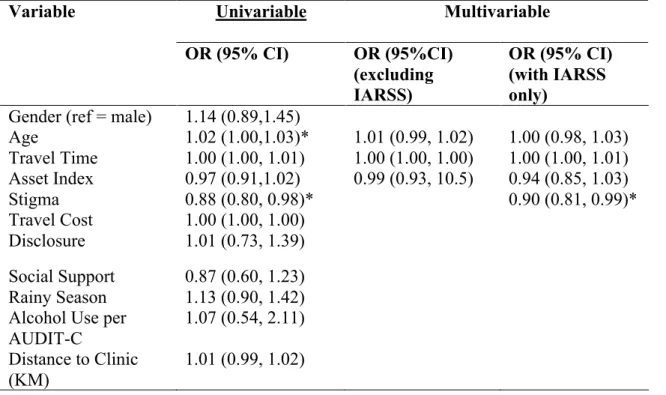
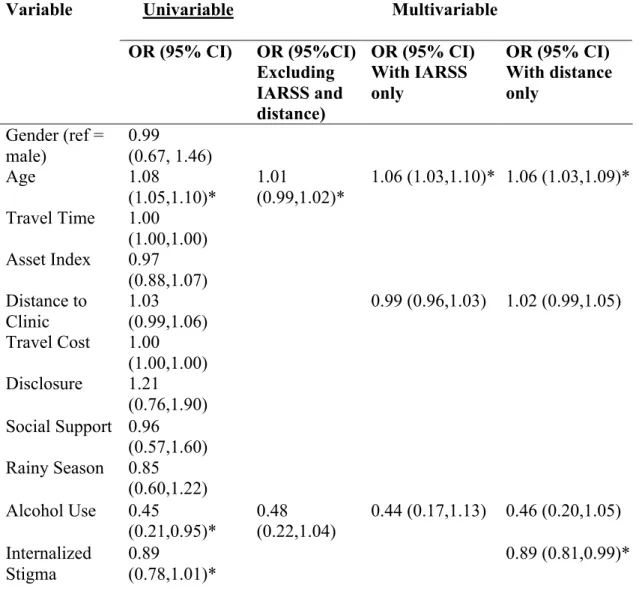
Findings from the qualitative analysis show that stigma, financial constraints, and inflexible clinic schedules present barriers to patients accessing and sustaining care. The availability of antiretroviral therapy, treatment success, trust in the healthcare providers, social support, and a strong reliance on spirituality emerged as strong facilitators to care. For the Quantitative study, results from the survival analysis showed that travel time to clinic longer than 45 minutes was associated with mortality as was being male. Being male was also associated with increased odds of treatment failure (odds ratio (OR) = 0.5, 95% CI 0.28-0.89). Age was associated with being lost to follow up (OR = 1.00 95% CI 0.98-1.03). Higher levels of internalized stigma were associated with lower MEMS adherence (OR = 0.90 95% CI 0.81-0.99). Having a lower asset index predicted treatment interruptions lasting 7 days or shorter (OR = 0.74 95% CI 0.61-0.91) and increased travel time to clinic predicted a decreased odds of treatment interruptions lasting 30 days or longer (OR = 0.98 95% CI 0.96-1.00). There were no significant associations between the predictor variables of stigma or social support and the outcome variables of loss to follow up, treatment failure and mortality. While the quantitative data did not support the
hypothesis that social support mitigates structural and economic barriers to care, the findings suggest points of intervention that are targeted towards reduction of stigma at the individual level.
DEDICATION
Dedicated to two people in my family who represent the breath of my life experiences.
~De Nwanyi, my paternal aunt, who never saw the inside of a classroom, but taught me more about resilience than any institution, and who helped pave the way for me to succeed in Uganda through her wisdom and presence.
ACKNOWLEDGEMENTS
I would like to thank my family for being so patient, supportive and encouraging throughout this process. A special thank you to my parents who are outstanding role models and remain my solid foundation. With all my heart, I thank Osa for her understanding, patience and inspiration, and for making this work worth it.
My cohort members – Connie, Diane, Doug, Habib, Jeannie, Jill, Joanne, Seb, and Wendy - learning with you and from you continues to be invaluable; thank you! I would like to thank my colleagues and friends in Mbarara, Uganda for the genuine hard work they put in to making this work possible.
To David Bangsberg, my mentor, thank you for showing me the way and giving me an opportunity of a lifetime.
I thank my committee members, Sandra Greene, David Bangsberg, Francis Bajuniwre, Harsha Thirumurthy and Sue Havala-Hobbs for the time and effort they put towards careful review, support and guidance.
TABLE OF CONTENTS
LIST OF TABLES ... ix
LIST OF FIGURES ... x
LIST OF ABBREVIATIONS ... xi
CHAPTER 1: INTRODUCTION... 1
A. STATEMENT OF THE ISSUE...1
B. SPECIFIC AIMS...3
C. BACKGROUND: HIV IN SUB-SAHARAN AFRICA...5
D. SIGNIFICANCE...11
CHAPTER 2: REVIEW OF LITERATURE... 12
CHAPTER 3: METHODOLOGY ... 21
A. OVERVIEW OF STUDY DESIGN...21
B. QUALITATIVE STUDY METHODS...23
C. UARTO SUB-STUDY METHODS...29
D. ETHICAL CONSIDERATIONS...44
CHAPTER 4. RESULTS... 46
A. QUALITATIVE STUDY RESULTS...46
I. Descriptive Analysis for Patient Participants ...46
II. Key Findings from Patient Participants ...47
III. Descriptive Analysis of the Healthcare Providers...72
IV. Key Findings from the Healthcare Providers...73
I. Descriptive Analysis of the UARTO Study Participants ...90
II. Predictors of High Adherence (greater than 90%) Using MEMS ...92
III. Predictors of High Adherence (greater than 90%) Using Self-Report...93
IV. Predictors of Treatment Interruptions (7, 14, and >30 days): ...95
V. Predictors of Treatment Failure Defined by Viral Load less than 400 ...99
VI. Predictors of Being Lost to Follow Up from Clinic: ...105
VII. Survival Analysis ...105
CHAPTER 5. DISCUSSION ... 108
CHAPTER 6. CONCLUSION AND TRIANGULATION OF QUALITATIVE AND QUANTITATIVE DATA... 116
INTERPRETATION OF THE QUALITATIVE AND QUANTITATIVE FINDINGS...116
LIMITATIONS OF THE STUDY...121
CHAPTER 7: POLICY IMPLICATIONS AND PLAN FOR CHANGE ... 126
APPENDIX I. SAMPLE KEY INFORMANT INTERVIEW GUIDE... 145
APPENDIX II. CONSENT FORM FOR PATIENTS... 149
APPENDIX III. CONSENT FORM FOR HEALTHCARE PROVIDERS ... 153
APPENDIX IV. DATA DICTIONARY FOR QUANTITATIVE ANALYSIS... 157
REFERENCES... 161
LIST OF TABLES
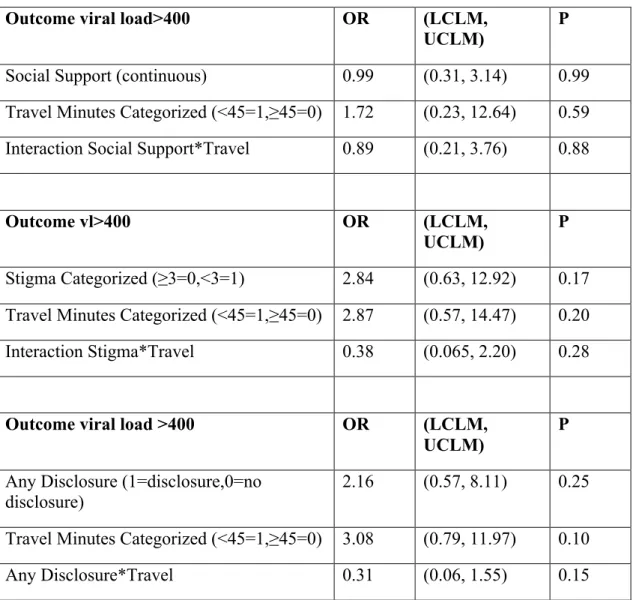
Table 1. Characteristics of UARTO participants………..…….…91 Table 2. Predictors of high MEMS adherence >90%……….……..…….……92 Table 3. Predictors of high self report adherence >90%………..……….……94 Table 4. Predictors of Treatment Interruptions lasting 7 days or shorter……..………....97 Table 5. Predictors of Treatment Interruptions lasting 8-14 days………....…….…97 Table 6. Predictors of Treatment Interruptions lasting longer than 30 days…...…….…..98 Table 7. Predictors of Treatment failure………..102 Table 8. Predictors of Loss to Follow-up from clinic……….…….103 Table 9. Predictors Treatment Failure and Interactions between Support,
LIST OF FIGURES
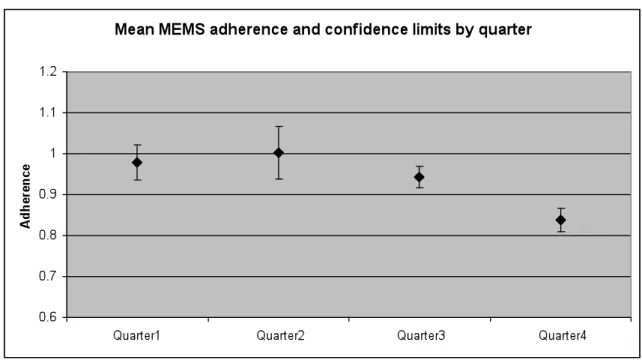
Figure 1. Mean MEMS adherence by quarter (3, 6, 9 and 12 months) ………93
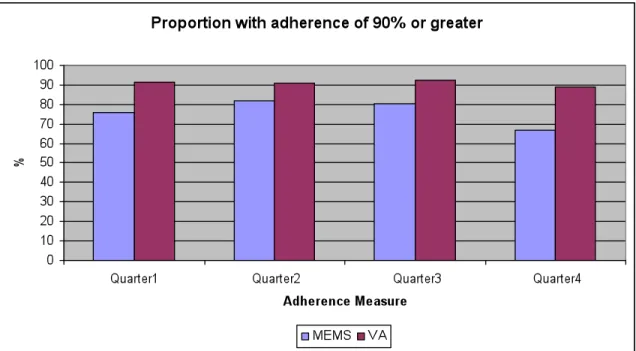
Figure 2. Mean MEMS and self-report adherence by quarter (3, 6, 9 and 12 months) …95
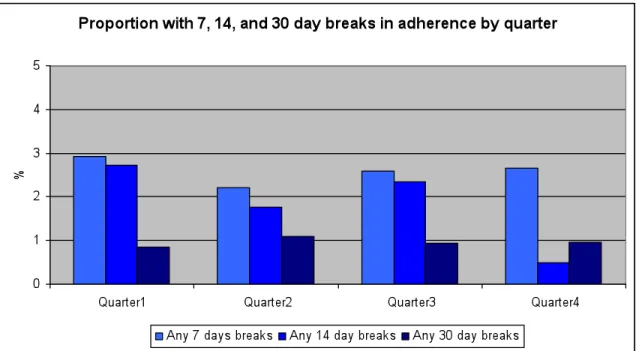
Figure 3. Proportion with treatment interruptions by quarter ………...…99
LIST OF ABBREVIATIONS
AIDS Acquired Immune Deficiency Syndrome AMU Adherence Monitoring Uganda
ART Antiretroviral Therapy
CDC Centers for Disease Control and Prevention DAI Drug Access Initiative
DOT Directly Observed Therapy FDC Fixed Dose Combination
HIV Human Immunodeficiency Virus IRB Institutional Review Board ISS Immune Suppression Syndrome MRRH Mbarara Regional Referral Hospital
MUST Mbarara University of Science and Technology NIH National Institutes of Health
NNRTI Non-nucleoside reverse-transcriptase inhibitors NRTI Nucleoside analog reverse-transcriptase
PC Pill Count
PEPFAR President’s Emergency Fund for AIDS Relief PI Protease inhibitors
PLWA People living with HIV/AIDS RLS Resource Limited Settings
SR Self Report
STD Sexually Transmitted Disease STI Sexually Transmitted Infection
UNAIDS United Nations Program on HIV/AIDS
UNCST Uganda National Council for Science and Technology USAID United States Agency for International Development
CHAPTER 1: INTRODUCTION
A. Statement of the Issue
The Joint United Nations Program on HIV/AIDS (UNAIDS) estimates that 34 million people worldwide are infected with HIV/AIDS(1). Of this number, 70% are estimated to be in sub-Saharan Africa where 72% of the AIDS-related deaths in 2009 were reported (1). Since the onset of the epidemic in the early 1980s, over 25 million people have died of HIV/AIDS, and sub-Saharan Africa continues to be
disproportionately affected by the disease (1). Disease management through viral suppression with antiretroviral therapy (ART) and prevention of new infections remains the most effective course of action in controlling the pandemic. In the absence of a cure, current public health strategies aim at expanding the availability of ART and preventing new infections through risk reduction and behavior change.
Significant progress has been made over the last decade with the introduction of ART(1, 24), which has resulted in an increase in the number of people living with
effectiveness of ART is dependent on the patients’ life-long adherence to a regimen (27), concurrent with routine follow up in care. While the success of ART is evident (24, 28), issues of access and availability continue to present challenges in rural and resource limited settings in sub-Saharan Africa (29-32), where 90% of the disease burden lies (1, 33).
Many studies have looked at retention in HIV clinics in Africa (4-16) as well as HIV treatment outcomes (17-26), and have concluded that low retention in care threatens the sustainability of the early success of treatment programs in resource limited settings (RLS). More recent studies have examined barriers to HIV care in RLS and have highlighted the following target points where barriers are most evident; HIV testing, entry into care, treatment acceptance, treatment adherence, and retention in care (34, 35). These studies suggest the need for targeted interventions at specific time points where retention or linkage in care, are likely to be compromised. These targeted interventions could mitigate the poor treatment outcomes associated with low retention in care by strengthening linkage in care from a patient-centered angle. A recent intervention study by Gardner et al..., assessed the effects of exposing patients in 6 different RLS HIV clinics to brochures, posters and messages emphasizing the importance of retention in care, versus standard of care. The study reported 3% relative improvement in clinic attendance and a 7% relative improvement in attending two consecutive clinic visits in the intervention group, particularly in young patients with lower baseline biological characteristics (35).
quantitative methods of inquiry. Given the highlighted target points of intervention from previous studies (35, 36), this dissertation also aimed at highlighting possible strategies for intervention to ensure not only that the current reduction in morbidity continue as a downward trend, but that the lives of people living with HIV/AIDS are improved. The study was carried out in a rural town in Uganda that is representative of resource-limited settings with a high burden of disease. It is important that policies on HIV/AIDS
management in these settings be guided by a better understanding of the current
challenges, such that programs are tailored to the specific needs of their users in order to achieve long-term success. This study aims at providing insights that could potentially fill this present gap.
B. Specific Aims
The purpose of this study is to identify barriers to HIV care in rural Uganda and to determine the impact of these barriers on HIV treatment outcomes. A better
understanding of both the barriers and facilitators of HIV care in rural Uganda will subsequently guide interventions for optimal HIV care in resource limited settings.
The specific objectives of this study are as follows:
Aim 2. To determine the impact of the defined barriers on patients’ HIV treatment outcomes
Aim 3. To develop intervention strategies to ease the impact of structural and economic barriers to HIV care in rural Uganda
Hypothesis: Structural and Economic barriers to HIV care in rural Uganda are associated with diminished health outcomes through decreased access to and retention in care, increased treatment interruptions, increased AIDS-related morbidity and mortality.
will explore both definitions of barriers described above (structural and economic) and determine where the greatest burden lies for patients, healthcare providers and the healthcare delivery system as a whole.
Following the qualitative analysis, a constellation of barriers were identified but a third category emerged as a leading barrier to care at the individual level, which included psychosocial factors such as stigma, depression and the impact of patient-provider interactions on care. Internalized stigma presented as a barrier to patients’ accessing care or seeking support for their HIV disease, while negative patient-provider interactions, centered around rigid clinic policy on missed visits, resulted in missed visits and poor retention in care.
C. Background: HIV in Sub-Saharan Africa
to a combination of factors including high rates of migration for work and ease of travel, prevalence of sexually transmitted diseases, coupled with low status of women, and lack of male circumcision (37). Truck drivers, trader, miners, soldiers and sex workers were the initial drivers of the epidemic and the patterns of infection were seen along major trade and transport routes. Uganda was hit particularly hard by the epidemic and by the late 1980s the prevalence rate was more than 30% among pregnant women (37, 42). Most patients presented to the hospital in the advanced stages of the disease and died due to lack of treatment. Because little was known about modes of transmission at the time, coupled with the fact that the initial drivers of the epidemic were migrant workers and sex workers, HIV was characterized as a ‘disease of prostitutes’, and the stigma
associated with the disease was born out of this notion. Given the stigma associated with the disease, the motivation to get tested in the absence of treatment was low.
Governments in sub-Saharan Africa responded to the crisis by focusing on prevention. Uganda’s prevention efforts were outstanding as the country was able to reverse the trends and turn the epidemic around by decreasing its HIV prevalence rate significantly by 2000. Backed by strong political will, Uganda’s extraordinary effort resulted in the country reducing the adult HIV prevalence rate down from around 14% in the early 1990s to 8% in 2000, and from a high of 29.5% in 1992 to 11.3% in 2000 in pregnant women (42).
Although prevention efforts were extremely successful in Uganda, it did not erase the need for treatment for those who were living with HIV/AIDS. By 2001, it was
were living without access to treatment given its high cost. Concerns about the ability of poor, illiterate individuals in resource limited settings to sustain a complicated regimen of antiretroviral therapy involving multiple drugs taken at specific times, drove policy in the United States and other developed nations to withholding treatment to low income
countries. The fear was that the inability to sustain the required treatment regimen would result in the development of resistant strains of HIV, given the virus’ high rate of
mutation, and that resistant strains would make the global efforts to control the virus without development of resistance, near impossible. There were strong arguments in favor of withholding treatment and limiting the response to the HIV epidemic in Africa to just prevention. In an article in the Boston Globe on June 7, 2001, Andrew Natsios, administrator of the United States Agency for International Development (USAID), was quoted as saying that “many Africans don’t know what Western time is. You have to take these [AIDS] drugs a certain number of hours each day, or they don’t work. Many people in Africa have never seen a clock or a watch their entire lives. And if you say, one o'clock in the afternoon, they do not know what you are talking about.” (43). The statement was taken as fact and reiterated the notion that withholding delivery of ART to low-income countries was justified.
Treatment Scale Up in sub-Saharan Africa
was made possible by the collaborative effort and funds raised by several countries for the multilateral Global Fund for AIDS, Malaria and Tuberculosis (The Global Fund) and by the United States government through the United States President’s Emergency Plan for AIDS Relief (PEPFAR), which was approved in 2004(13). This rapid expansion of antiretroviral therapy (ART) access in Africa made possible by a conglomerate of international aid programs such as PEPFAR and The Global Fund, has proved to be one of the greatest public health successes of this century. Equally outstanding is evidence, following this expansion of ART, of unexpectedly high levels of ART adherence (20, 44, 45) in sub-Saharan Africa where the opposite was expected. Early reports indicate
exceptional adherence to antiretroviral therapy in Uganda and findings of a meta-analysis by Mills et al.. showed significantly higher adherence in sub-Saharan Africa when
compared to rates in North America(45).
While early ART programs have been successful with increasing the availability of ART, the sustainability of this success has been threatened by low retention and other socio-economic barriers to care at the individual level. Despite evidence of high levels of ART adherence and viral suppression, retention in care and early mortality remain high in resource-treatment limited settings (13, 15). Results from a meta-analysis of retention in HIV clinics in RLS show that close to 50% of patients initiating ART in HIV clinics are not receiving treatment after two years (4) and that the average retention in clinics is roughly 60% (11).
Data from HIV clinics in sub-Sahara Africa have also shown that even when HIV treatment is fully subsidized, ancillary costs and logistical challenges such as
treatment adherence and good health outcomes (29, 31, 32, 46-50). Many patients in rural Uganda for instance devote up to 30-50% of their income for transportation to the clinic to pick up their monthly refills and are unable to fulfill the competing demands of adequate nutrition on a daily basis (32, 50). Many HIV patients in rural RLS present to HIV clinics when their HIV infection has progressed to advanced stage AIDS (51). At this point, many of the patients are no longer physically able to work, have exhausted their economic resources at the same time, and are a financial burden to their immediate and extended families (31, 52-54). As the stage of disease progresses, the ancillary costs needed to sustain treatment of HIV/AIDS increases because of the physical, mental and emotional degeneration of the infected persons’ state of being. The insurmountable burden on families to overcome these barriers leads to interruptions in care, losses to follow up and subsequently result in irreversible ART resistance, clinical failure and mortality. Transportation costs therefore remain a common barrier to treatment retention and treatment adherence in HIV treatment programs in sub-Saharan Africa.
treatment should remain a high priority even with the underlying climate of diminishing funding.
Treatment Scale-Up in Uganda
ART was introduced in Uganda in 1998 through the Ugandan government’s Drug Access Initiative, supported by the the Joint United Nations Program on HIV/AIDS (UNAIDS). By this time, the country had already achieved a marked success in reducing the adult prevalence from its peak in 1992 at 18%, to less than 10%(42, 60). While the exact reasons for the decline are still speculated, the political drive and support of several prevention strategies involving campaigns for behavior change, had an impact in
reducing new infections. The reduction in HIV incidence, coupled with high AIDS-related deaths, are believed to be the main reasons for the drastic reduction in prevalence. By 1998, AIDS related deaths were still high, and over 100,000 people had died of AIDS in Uganda , mainly because of the limited access to ART. Although ART was available for purchase through the DAI program, the high cost (over $100 for one month’s dose), made it prohibitive for the average Ugandan, and for 5 years that followed, access remained limited (60).
to meet the urgent need of delivering free ART to thousands of patients who previously had no access . Despite this rapid increase in access, by the end of 2007, there were approximately 1 million people infected with HIV in Uganda and only 53% of HIV-infected people in need of ART were receiving it by the end of 2009 (60).
D. Significance
To date, over 50 billion US Dollars have been spent on HIV/AIDS treatment programs in RLS, increasing treatment access to more than 5 million people (1, 2, 33). Despite this significant progress, ART coverage has reached only 53% of those in need of this life-saving therapy in sub-Saharan Africa. The task of reaching universal access has not been accomplished and still presents a huge public health challenge globally. While in line with meeting the goals of universal access, the rapid expansion in antiretroviral therapy access has put enormous strains on the infrastructure required to deliver sustained treatment in resource-limited settings that were already plagued with weak health
CHAPTER 2: REVIEW OF LITERATURE
ART Roll Out and Adherence to ART in sub-Saharan Africa
For more than 30 years, the HIV/AIDS pandemic has devastated the lives of individuals, families, and communities around the world and its impact has been well documented in both developed and developing countries. With 70% of the cases (1), sub-Saharan Africa continues to be by far the worst affected region in the world, where the epidemic has had a profound impact on economic growth and poverty. In the first two decades of the epidemic in Africa, much of the effort was put towards prevention, and the push to make treatment readily available where it was previously withheld. The
introduction of ART in 2004 and the subsequent rapid expansion created a new forum for discussion around sustainability of the treatment efforts in resource-limited settings. The review of literature for this study focuses on the period following the introduction of ART in sub-Saharan Africa to the present; describing ART treatment outcomes and the challenges and facilitators of HIV care in resource-limited settings.
infrastructure was limited. One of the first studies on ART adherence was conducted by Bangsberg et al. in Kampala, Uganda in 2002. In a sample of 304 HIV positive adults on self-pay therapy, from three different clinic sites in Kampala, Bangsberg’s study found adherence to be comparable to those in most countries. More than half of the participants (68%) reported adherence levels greater than 95%, as compared to developed countries where adherence levels reported by patients ranged between 40% and 70% (20). The most commonly cited reason for missed doses in this population was lack of money to pay for their prescriptions. A direct correlation between income and adherence was observed in this study where participants with a monthly income of less than 100,000 UGX (~$40) had a higher likelihood of achieving less than 95% adherence. A second study by Bangsberg et al., also in conducted in Kampala between 2002 and 2003, showed mean adherence levels of 91%-94% (61) for a population of self-pay participants. Similar results were reported in other studies in sub-Saharan Africa and India with ART
Although the unexpected findings were impressive, there was still some
speculation as to whether the high rates of adherence observed were due to characteristics of highly motivated and self-paying early adopters, or if the same trend would be
observed when ART was provided at no-cost. It was expected that those who were paying for medications at a high cost, would be highly motivated to take their
medications, and questions remained about the trends in the treatment programs that were free. Amidst much skepticism and even on the platform of weak health care
infrastructure, the roll out of ART in resource-limited settings was launched in 2003. At this time, there was a shortage of healthcare workers in Africa (3), limited laboratory capacity, and concerns about the feasibility of drug supply to remote areas were
prevalent, given weakness in the supply-chain management (3). In light of this, the WHO set guidelines for HIV care in Africa that were based on a public health approach, which was the opposite of the model for patient care in the United States. Given prohibitive costs, the US model, which was patient-centered, with specialized physicians and costly laboratory monitoring, was not feasible in resource-limited settings. The WHO public health approach was designed to cater to the needs of the population, rather than the individual, with standardized protocols, so that treatment could be delivered by non-specialist clinicians in a de-centralized health system. Tools for clinical decision-making were simplified into what was called ‘the 4-Ss’. The ‘4-Ss’ referred to a standard
combination of 3 different nuclease analog reverse-transcriptase inhibitors (NRTI) or the second option with 3 different NRTIs combined with one non-nucleoside
reverse-transcriptase inhibitor (NNRTI). The second-line options were given based on what was prescribed as first-line therapy and included fixed–dose combinations of either 2 NRTIs plus one protease inhibitor (PI), or a combination of one NRTI, one NNRTI, and one PI. Production of the fixed-dose combinations in generic formulations enabled the prices to drop dramatically (3). The generic pill burden was subsequently reduced to as few as one pill, taken twice a day.
because through them, patients received tangible assistance to meet their treatment needs. In return, patients felt obligated to reciprocate the support from their friends and family by adhering to their medication, and staying alive, in order to preserve these relationships (48). Ware et al. noted that in resource-limited settings, where formal social welfare programs and government/public assistance were absent, consistent goodwill expected from social relationships were essential for survival (48). The concept of social capital in this case, is described as a resource for prioritizing adherence and overcoming economic barriers to care.
Barriers to Care
Despite the motivation to stay in care, evidenced by high adherence rates, the findings in recent literature show that access to care and retention in care continue to pose challenges and threaten the sustainability of the initial ART successes. In a qualitative study conducted in Uganda in 2009, patients recounted several challenges in making their routine monthly clinic visits to pick up medications. Transportation costs emerged as a key obstacle, alongside food insecurity, competing demands, alcohol use, and financial constraints linked to poverty (32). Several studies throughout sub-Saharan Africa reported similar findings (28, 46, 47, 50, 66-69). Difficulty in meeting transportation costs to clinic visits sometimes caused participants to miss visits and have treatment interruptions due to an inability to refill their prescriptions in a timely manner.
‘free’ medications without a fee for service (46). Many patients continued to feel
stigmatized and discriminated against. Respondents in a multi-national qualitative study involving Uganda, Tanzania and Botswana, reported negative experiences as a result of disclosing their HIV status which included loss of jobs, domestic violence or being abandoned or treated badly by their partners, and being isolated by community members (46, 47, 52, 66). Medication side effects, especially with the fixed doses that included d4T, a common NRTI used in initial formulations, were common and included body rash, swollen legs, nausea, headache, increased heart rate, diarrhea and vomiting (46).
Although direct effects of alcohol consumption on HIV disease progression were not sited in the literature, alcohol was found to be a barrier to adherence by impairing memory, concentration and physical coordination (52), which most likely lead to missed doses.
made for sub-optimal patient-provider interactions that were frustrating for both parties (66, 70).
Retention in care emerged as a significant challenge in the recent literature (4, 11, 12, 14, 71). A systematic review of patient retention in care from 2000 to 2007 carried out by Rosen et al. in sub-Saharan Africa revealed that by the end of the 2nd year of follow-up ART programs had a retention rate of only 60% of their patients (4). This review included 32 publications on 33 patient cohorts totaling almost 75, 000 patients in 13 countries and found that rates for retention in care ranged from 27% to 77% in the clinics studied (4). Forty percent of the patients no longer in care in these facilities were either lost to follow-up or dead (4). A mixed-method study by Roura et al. in 2009, aimed at better understanding attrition from ART programs in Tanzania, revealed that although patients were highly motivated to stay in care at the individual level,
programmatic constraints and structural barriers at the community level contributed to lowered retention rates (72). Geng et al. also sought to understand attrition using a sampling-based approach in an HIV clinic in rural Uganda and found that the main reasons for losses to follow-up were lack of transportation or money to return to clinic visits, and competing demands at the family level with childcare and work
patients who are lost to follow up have poor treatment outcomes and the issues surround retention in care are complex, and need further investigation.
The decline in clinical outcomes for patients who are no longer linked in care (4, 11, 71, 72) provide the impetus for a shift in focus from not just increasing access to ART, but ensuring retention in care to maximize the benefit of increased access (65). Recent interventions to improve adherence and/or retention in care have focused in four main areas: 1. Use of some form of directly observed ART therapy (DOT) (73-78); 2. Use of community-based peers and treatment supporters (6, 9, 79-83); 3. Use of
community based follow-up systems of mobile clinics (84-87); 4. Use of technology and devices such as cellular telephones or alarm systems for monitoring adherence and to serve as appointment/regimen reminders (88-90).
Strategies for Mitigating Barriers to Care
There have been a few other attempts at improving access to health care services by provision of vouchers or cash transfers to mitigate the economic barriers to accessing care (91, 92). These interventions were not specifically for HIV/AIDS patients in RLS, but serve as proof of concept for the intervention. In Nicaragua, a voucher system initiated by a public-private sector partnership proved successful at increasing the use of STI services by commercial sex workers (91). This incentive to access care had a
significant impact on the outcome of sexual health in this particular population. In a study among HIV-positive methadone patients in San Francisco, voucher reinforcement
CHAPTER 3: METHODOLOGY
A. Overview of Study Design
This study comprised a two part, mixed method approach to better understand the barriers to HIV care in rural Uganda and the impact this has on HIV treatment outcomes. Data from the two separate sources were analyzed concurrently.
I. Qualitative Study. A cross-sectional qualitative study was conducted with key informant interviews of the Mbarara ISS Clinic healthcare providers and patients on ART. The study took place in a government HIV treatment setting in Mbarara, Uganda; the Immune Suppression Syndrome (ISS) Clinic, at the Mbarara
Regional Referral Hospital (MRRH), from June, 2010 to December, 2011.
Study Site
Mbarara Regional Referral Hospital (MRRH) Immune Suppression Syndrome (ISS) Clinic served as the study site for participant recruitment, informed consent, data collection and analysis. Mbarara has a population of approximately 65,000 residents and is located 275 kilometers southwest of the capital city of Kampala in Uganda. Mbarara lies at the cross roads leading either to Rwanda, Congo or Tanzania. Mbarara is one of the fastest growing towns in Uganda, although most of the district it is still considered rural,
representative of the Ugandan population, which is almost 90% rural.
The MRRH ISS Clinic is part of the Mbarara University of Science and
about the expert patients or peer counselor? The clinic is open 5 days a week and sees patients with confirmed positive HIV status.
The Mbarara ISS Clinic is a free government run clinic with a mission of caring for the rural population in the community surrounding it. Although it is a government run clinic, there are several international collaborators that are affiliated with the clinic. These include Harvard University, Massachusetts General Hospital, University of California San Francisco, USAID, the CDC, and others. The HIV treatment program at the Mbarara ISS Clinic is funded jointly by the Uganda Ministry of Health, The Global Fund, PEPFAR and research/donor funds through collaborating institutions.
B. Qualitative Study Methods
Study Design
Study population
This study included two groups of participants;
1. Healthcare providers at the Mbarara ISS Clinic;
2. Patients on ART at the Mbarara ISS Clinic, sampled from the UARTO study.
1. Healthcare providers at the Mbarara ISS Clinic
The sample of healthcare providers at the Mbarara ISS Clinic consisted of 14 healthcare providers who were working full time at the clinic. At the time of the study there were a total of 20 healthcare providers at the clinic and all of them were invited to participate in the study during an informational meeting session about the study. Six of the providers were either unavailable at the time of the study, and it was determined that the fourteen interviews were sufficient to answer the research questions. No subsequent attempt was made to contact the remaining six healthcare providers for interviews. Consent was obtained for all who were interested at the Mbarara ISS Clinic, where the interviews also took place. The study investigator and research assistant both conducted one-on-one, in-depth interviews, with open-ended questions, with the healthcare
2. Patients sampled from the UARTO study
Twenty UARTO participants were randomly selected from two defined
this study. The goal of random sampling was to ensure a systematic approach, and to enable a wide variety of perspectives.
All twenty randomly selected participants were invited to participate in the study. Permission to contact the selected participants was obtained verbally by existing UARTO research staff during routine UARTO follow-up visits, or via a phone call. Once
permission was obtained, a research assistant for this study, fluent in Runyankole (the local language), and trained in qualitative research methods, approached the participant for consent. Consent was obtained either at the Mbarara ISS Clinic or at the participant’s home. In-depth interviews were also conducted either in the Mbarara ISS Clinic or the participant’s home, depending on the participant’s preference.
The study was approved by the University of North Carolina Institutional Review Board, the Mbarara University of Science and Technology Institutional Ethical Review Committee, and the Uganda National Council for Science and Technology. All
participants gave written informed consent to participate in the study.
Data Collection
Data were collected using qualitative methods. One-on-one, in-person interviews, with both open ended and semi-structured questions, were conducted by the study
open-ended and the participants were probed to elaborate on certain areas of interest for more in-depth understanding of their responses. The open-ended approach also enabled additional themes to our core areas of interest to emerge. The qualitative methodology employed allowed participants to freely discuss their opinions whilst being prompted by a predetermined course set by the interviewer using the interviewer guide (97).
The core areas of interest for the healthcare providers included: 1. Concerns about how their patients were managing their HIV disease; 2. Challenges they
experienced in delivering care in this setting; 3. Barriers to care expressed by some of their patients.
Core areas of interest for patients being interviewed were: 1. Disclosure of their HIV status and stigma in their communities; 2. Challenges faced with their clinic appointments and general HIV care; 3. Their rating of the clinic services and their providers; 4. Challenges with food insecurity, childcare, transportation, physical ability, and general feelings about their HIV treatment and health.
Data preparation and analysis
All interviews were stored digitally on a designated, pass-word protected
computer. Following each interview, a transcript was generated by the researchers from the audio-recorded interview sessions. The transcripts captured the exact words of the respondents and did not summarize the interview sessions. For the patient interviews in Runyankole, the transcripts were translated from Runyankole to English, after they were transcribed from the audio-recordings by the research assistant. The transcription and translation were verified for completeness and accuracy by a second researcher, who was not part of the interview sessions. In addition to the transcribed interviews, interview write-ups were generated during and after each interview session to record impressions and activities observed during each session that were not captured by the
audio-recordings.
Data from the patients and providers were analyzed concurrently. The study investigator reviewed the data to identify relevant themes and categories using the long table approach (97). Major themes and categories were developed based on the following factors: 1. Frequency of occurrence within each participant, and also within the group; 2. Specificity of the theme to the core areas of interest; 3. Intensity and extent of emotion expressed with the response. The data were sorted, coded with specific text grouped under the major themes identified. The data were refined through multiple reviews of the transcripts and additional relevant sections of text were extracted and grouped
C. UARTO Sub-Study Methods
Study Design
This study involved analysis of secondary data from a longitudinal cohort study, the UARTO study, on HIV treatment outcomes in HIV patients attending the Mbarara ISS clinic. UARTO participants included in this study were enrolled into the UARTO study between June, 2005 and June, 2011. For this study, we analyzed data from the first twelve months of their enrolment into the UARTO.
Data Source
Three sources of data were imported into a relational database specifically for this study and analyzed using SAS. The three sources of data included:
1. Self report data from interviewer-administered UARTO study questionnaires collected on all participants at baseline, and quarterly thereafter. Summary data were compiled on specific variables of interest listed in the data dictionary below.
2. ART adherence data derived from measures collected monthly during study participant follow-up in the UARTO cohort. The adherence measures were collected using an electronic pill bottle cap; the Medication Events
3. Biological data from plasma specimens collected concurrently with the UARTO study questionnaires. The variables included in the analysis were CD4 cell counts and viral load counts of all participants over the first 12 months of their enrolment.
Study population: Participants of the UARTO cohort
Data from all participants of the UARTO cohort were included in this study. UARTO participants consist of ART-naïve patients above 18 years of age who live within 30 kilometers of the Mbarara ISS Clinic and who were initiating free therapy at the same clinic. Initiated in June, 2005, the UARTO cohort is an observational cohort study of HIV treatment outcomes (clinical and behavioral) among 505 HIV positive men and women attending the Mbarara ISS Clinic in Uganda. It is funded by an NIMH grant with Dr. David Bangsberg of Harvard Medical School/Massachusetts General Hospital as the Principal Investigator. The primary objective of UARTO is to determine adherence levels as well as predictors of virologic failure and ART resistance in HIV positive adults initiating therapy. UARTO participants are nested within the larger Mbarara ISS Clinic cohort of patients and continue to receive their care at the Mbarara ISS Clinic after enrollment in the study. All eligible patients of the Mbarara ISS Clinic who are ART-naïve and initiating therapy are invited to participate in the UARTO study and are recruited upon consent. All patients initiating ART at the Mbarara ISS Clinic are
eligibility and obtain informed consent. Both biological and behavioral data are concurrently collected at baseline, and during monthly and quarterly follow up visits.
Biological and Behavioral Measures
Biological and behavioral data were collected at baseline and quarterly afterwards. Biological data include data on CD4 cell count, HIV viral load, viral resistance, and immune activation. Behavioral data are obtained from questionnaires administered by a research assistant and include information on demographics, socio-economic status, sexual behavior, drug and alcohol consumption, depression, functional status, ARV side effects, health status, quality of life and adherence. Participants are offered free transportation to the research site adjacent to the Mbarara ISS Clinic for quarterly follow-up visits.
Transportation Assistance
Although transportation assistance was not a direct study procedure, retention efforts in UARTO included provision of transportation assistance to participants to their quarterly study visits. Transportation assistance came in the form of free rides in study vehicles from participants’ homes or reimbursement of transportation fares when participants came to the clinic for their study procedures. For some participants,
encounters with study drivers and research assistants in their neighborhoods and communities and requests for free rides in these cases to the study team were rarely denied. These free rides to the clinic often coincided with clinic visits.
Adherence Measures
Based on the concept of patient adherence to therapy described by Urquhart and Vrijens, adherence measures for this study were defined in terms of persistence and execution (98). Persistence refers to the duration on therapy from the time the first dose is taken to a time when treatment is discontinued. Execution is the actual level or degree of compliance between the doses the patient takes and what is prescribed. In other words, execution refers to how well a patient takes their prescribed medications and persistence refers to how long they adhere to a regimen. To understand adherence patterns in this study, both treatment persistence and execution were examined. Treatment persistence in all individuals initiating therapy in the UARTO cohort was examined to determine their mean adherence each month while on therapy. Treatment execution was also examined to establish patterns of treatment interruptions over time for each participant.
given a MEMS (MEMS Track V, Aardex Ltd.) pill bottle cap equipped with an electronic device to monitor the date and time of pill bottle openings. The MEMS pill bottle caps are screwed onto the pill bottles into which the prescribed antiretroviral medication is placed. The MEMS caps replace the original pill bottle cap and the event of unscrewing the MEMS cap to open the pill bottle registers electronically. Data from the MEMS caps were downloaded during monthly, unannounced pill count sessions in the participants’ homes. The system makes the assumption that each cap opening coincides with a pill taken by the participant.
Data collection procedures
A comprehensive dataset of summary measures was requested from the UARTO cohort data management team for participants, who initiated antiretroviral therapy between June, 2005 and June, 2011. The dataset included the first 12 months of follow-up for each participant, and the baseline visit was determined by their ART start date. The ART start date served as the defining point at which a participant was included in the cohort, therefore, the data file included a cohort of ART starters between June, 2005 and June, 2011.
Predictor Variables
The predictor variables for the UARTO analysis were:
1. Travel time to clinic: Duration of travel to clinic was defined by the patient’s self-reported total time spent traveling from home to the Mbarara ISS Clinic. This variable was analyzed both as a continuous variable and also as a dichotomous with 45 minutes set as the limit above or below which participants travelled to clinic.
2. Socio-economic status: This was determined from a combination of variables from self-reported data including income, education, job training, literacy, marital status and employment type. The data were summarized such that each participant fell within a classified socioeconomic position using the Henkel-Pritcht scale, which groups defined assets and expenditures reported by the participant together such that participants fall within a defined level on the scale. This was an ordinal variable.
setting and provides the best determination of alcohol use in this cohort. The AUDIT-C score was determined for each participant from these data. From the AUDIT-C score, each participant’s alcohol use was classified as non-drinker, moderate drinker or heavy drinker. Data were analyzed using these summary measures and the alcohol use variable was ordinal.
4. Adherence to HIV therapy: This was assessed from MEMS and self report data. Mean adherence via MEMS was calculated separately for each
participant to determine their average adherence per month over time. These summary measures classified participants with low adherence, defined by an average MEMS adherence measure below 90%, and high adherence, defined by an average MEMS adherence above 90%.
5. Persistence on ART or Treatment Interruptions: Treatment interruptions were defined as no pills taken for greater than 48 hours, as recorded monthly through MEMS and Self-Report. Treatment interruptions were further categorized by duration of interruption into four categories: <7 days, 8-14 days, 15-30 days and >30 days. The number of times participants interrupted their treatment for 7, 14, and 30 days or longer was calculated and the rate of treatment interruptions over time was determined for each participant
quarterly, after their baseline study visit. Treatment interruptions were analyzed as a predictor variable for loss to follow up and mortality. 6. Disclosure of HIV Status: The effects of disclosure of HIV status on
status was obtained from participants’ clinic data that were merged with UARTO data, from a single binary variable that indicated whether or not the participant had disclosed their HIV status to anyone. The disclosure question was asked at the participants’ baseline visit and the variable was analyzed as dichotomous.
7. Internalized Stigma: Internalized stigma was measured using the
Internalized AIDS-Related Stigma Scale (IARSS) (99). On a scale of 0-6 on the IARSS, a higher score indicated a greater degree of internalized stigma for each participant. This was an ordinal variable.
8. Social Support: Social support was measured using the Functional Social Support Scale (100), a modified version of the Duke University-University of North Carolina Functional Support Questionnaire (101), which consisted of questions on both emotional and instrumental support. Higher scores indicated higher levels of social support received by the participants. The effects of social support on adherence, treatment interruptions, treatment failure, LTFU and mortality were measured with social support as a standard covariate. Social support was analyzed as an ordinal variable.
9. Effects of Seasonality: The effects of rainy season on treatment interruptions, treatment failure, LTFU and mortality were measured and also as an
interaction term with distance to clinic. Rainy season included standard months with heavy rain: March –May and October –November.
Outcome Variables
The main outcome variables were:
1. Treatment interruptions: Treatment interruptions were defined as no pills taken for greater than 48 hours, as recorded monthly through MEMS and Self-Report. Treatment interruptions were further categorized by duration of interruption into four categories: <7 days, 8-14 days, 15-30 days and >30 days. The number of treatment interruptions or breaks in treatment per participant and length of interruption was calculated for each interruption for each participant. This variable was analyzed as a dichotomous with data points defined by breaks of each participant given length and number of breaks of each participant given length.
2. Patient execution of ART regimen: This was defined by participants’ execution of their prescribed treatment while persisting on therapy and the mean adherence over time was calculated for each participant.
3. Treatment failure: Treatment failure was defined as viral load >400
4. Mortality: Deaths in the cohort were confirmed by hospital records or through key informants. Kaplan Meier survival curves with even rates and 95% CI were stratified by predictor variables of interest.
Preliminary analyses and data cleaning
All data were checked for completeness and accuracy. Missing values in the SAS relational database were excluded from the analyses and reported as missing. The MEMS data contained several gaps and additional steps were taken to clean the data and confirm inconsistencies. The purpose of cleaning the MEMs data was to ensure that all missed doses that were identified by the electronic MEMS tool, were accurately
identified as missed doses and not merely due to equipment mal-function etc. Data from the MEMS database were verified by comparing the MEMS results with other adherence measures (self report, pharmacy refill data, and unannounced pill counts) that were collected concurrently. The process of data cleaning involved the steps outlined below:
1. A list of all UARTO participants with missed ART doses was generated from a review of the MEMS database. The list included all UARTO participants with missed doses that occurred between the date they initiated ART, and their last known visit time-point.
3. The distribution of gaps was summarized and reported from the MEMS data by length and year of occurrence.
4. The length of each gap by year was determined for each participant as follows: i. 0-6 days
ii. 7-14 days iii. 15-30 days
iv. greater than 30 days
5. From the summarized list, each missed dose was investigated independently for each UARTO participant.
6. For the purpose of this dissertation, missed doses for all UARTO participants identified by MEMS, broken down by length, for the first 12 months of follow-up only, were included in the final review to determine the validity of the MEMS identified gap. Four different sources were used to determine whether the MEMS identified gaps were true or false gaps; in order of priority:
a. Adherence Monitoring Uganda (AMU) study visit notes to confirm MEMs use, blister pack use, ARV status, definitive comments on gaps for missed doses or interruptions
b. Pill counts (PC) – concurrent adherence measure during period of MEMS gap
c. Pharmacy refill data - confirmation of refill during the time of gap d. Self report (SR) from UARTO questionnaire – patient report of
7. An access database was created with the following variable codes that served as criteria for confirming whether a MEMS identified gap in medication dosing was a true gap or a false gap:
'Notstarted' Some MEMS gaps occur before the participants actually start taking medication. "1" in that column meant that this gap happened before the ARV start date.
'hadpocketdose' in this column it was recorded whether a participant reported taking pocket doses at the time a gap was reported by MEMS. "1" in this column meant they had a ‘pocket dose’. Pocket doses refer to pills removed from the pill bottles prior to the time when they are supposed to be taken by the participant.
'hastelegap' If the participant reported to have missed taking drugs in the teleforms completed at the regular quarterly visits, it recorded as ‘1’ in this column.
'haslossgain' in the AMU monthly visit, a "lossgain" was registered if a person lost drugs or borrowed drugs. A negative "lossgain" would mean the participant lost drugs and it is likely that they missed a dose. A "1" in this column meant that the participant reported losing drugs at the time of the MEMS reported gap.
numerical value that was not recognizable. A "1" in this column meant there was a malfunction with the MEMS cap.
'laterrefill' This column represented pharmacy reports for participants who returned to the ISS Clinic pharmacy after their prescribed refill date. The assumption was that the participant missed doses in the days following their prescription refill date. "1" in this column meant a late visit to the pharmacy, and “n/a” for no information from the pharmacy in the time of gap.
'haddrug' This variable showed whether or not a participant had filled their ART prescription, and therefore had their medication in their possession at the time of the gap as reflected in the pharmacy database. "1" in this column meant that the participant had drugs at the time of the MEMS recorded gap, and “n/a” for no information from the pharmacy in the time of gap.
'AdhPCAdj' This was the adherence value recorded in the AMU database calculated from the monthly pill counts. If the adherence was >0.5 then a “No” to the gap was recorded in this coloumn. If the adherence was <0.5 then a “yes” to the gap was recorded in the column. “n/a” was registered for times when there were missed visits and no pill count.
meant that the notes clearly state that there is no gap e.g., a note that participant had ART prescribed in blister packs, and therefore was not using the MEMS cap. “n/a” meant that there were not notes written at the time of the MEMS recorded gap or that the notes written do not help classify the gap.
8. A Microsoft Excel spreadsheet was created to summarize the result of the review variables with options of yes/no or n/a. To make a definitive statement whether gaps were true or false the results of all variables for each participants were reviewed.
A MEMS identified gap was confirmed as a true gap if: 1. There were corresponding gaps in the
a. AMU study visit notes b. Pill Count
c. Pharmacy refill data
For purposes of this study, true gaps were confirmed and reported if 3 out of 4 review criteria (AMU study visit notes, PC, Pharmacy refill, SR), were considered true gaps and were included as gaps in the MEMS adherence calculations.
A MEMS identified gap was confirmed as a false gap if:
1. One or more of the 4 review criteria (AMU Visit notes, PC, Pharmacy refill, SR), confirmed that the participant was taking his/her pills at the time of the suspected gap including:
d. Visit notes were also assessed to see if any interruption was reported MEMS Data from this group were highlighted as MEMS non-use and not included in the MEMS analysis as true gaps. Adherence was calculated in this group using the confirmed measures.
A MEMS identified gap was confirmed as Inconclusive if:
1. There was insufficient data to determine whether these were true gaps or false gaps because
a. Data from corresponding sources were missing b. Visits were missed and visit notes did not exist
Data from this group were treated as missing data in the MEMS analyses.
The data cleaning exercise yielded an adjusted MEMS database used in the univariate and multivariate analyses of ART adherence and treatment outcomes.
Statistical Analysis
Univariate Analysis:
The demographic characteristics of all participants in UARTO were summarized and described in Table 1.
Bivariate Analyses:
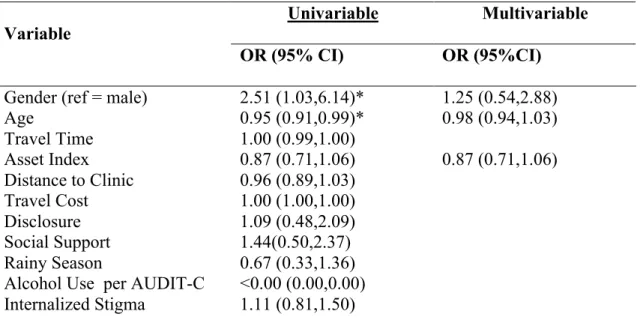
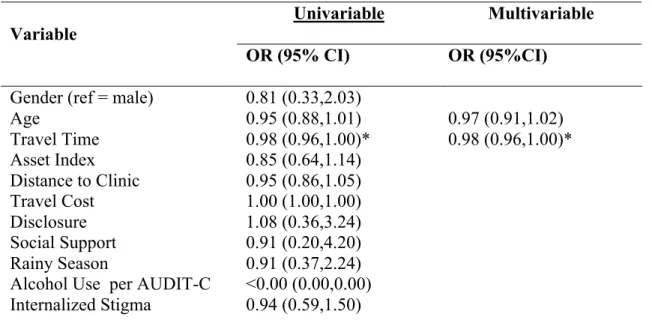
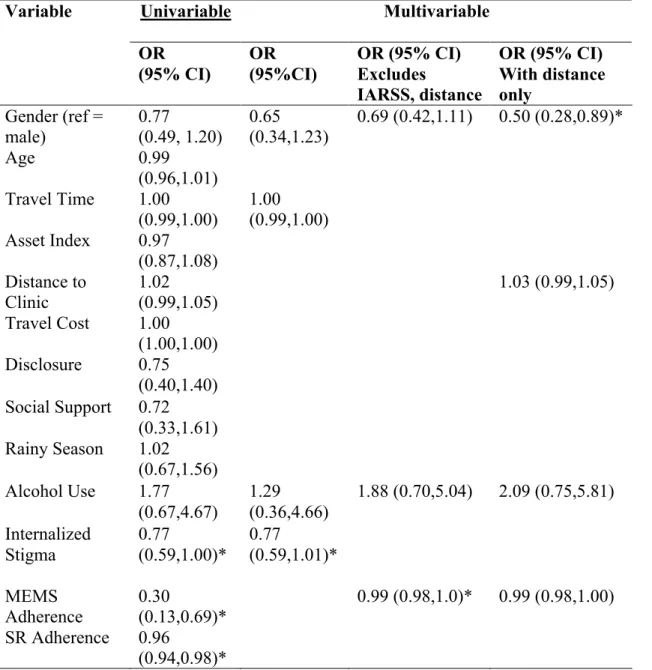
for continuous variables. Predictor variables that were found to be associated at p<0.25 with the outcome variables listed above, were retained for multivariate regression models.
Multivariate Analyses:
Logistic models were used for dichotomous variables and ordinary least squares for continuous variables.
Repeated Measures:
The SAS GLIMMX procedure for numeric outcomes was used to account for within-subject correlation of measurements over time for the outcome variables: treatment interruption, and adherence measured over a twelve month period.
Survival Analyses:
Survival analyses were used for time-to-event outcomes including loss-to-follow-up and mortality. For these two outcome variables, Kaplan Meier survival curves were generated with event rates and 95% confidence intervals. The curves were stratified by the following predictor variables: gender and travel time to clinic with the predetermined cut-point of 45 minutes.
D. Ethical Considerations
The study was approved by the Institutional Review Boards of University of
National Council for Science and Technology. The ethics approvals for the quantitative
study of secondary data allow for the analysis of de-identified data already collected in
the UARTO study, therefore no specific written or verbal consent was obtained. Written
consent was obtained in English for all healthcare providers enrolled in the qualitative
study, and all patient participants gave written consent in either English or Runyankole,
CHAPTER 4. RESULTS
A. Qualitative Study Results
Demographic Characteristics of the Qualitative Study Participants
A total of 33 participants were interviewed for this qualitative study including 19 patients and 14 healthcare providers.
Results of Patient Participants
I. Descriptive Analysis for Patient Participants
(~$2) on transportation costs (each way) to the clinic. The mean CD4 cell count at baseline was 183 cells/mm and the mean viral load at baseline was 303,275.
II. Key Findings from Patient Participants
Using the long-table approach, the findings were interpreted and organized under two main categories: 1. Barriers to Care and; 2. Facilitators of Care.
Under the category of Barriers to Care, there were three main themes that emerged. These include:
1. Stigma and issues of disclosure of HIV status are major barriers for accessing care and sustaining adherence
2. Financial constraints and resource scarcity are recurring challenges for patients managing their HIV disease
3. Inflexible clinic schedules and delays at clinic are frustrating and challenging
Under the category of Facilitators of Care, the following emergent themes are summarized below:
1. There is a high level of trust in the ability of health providers/clinic to deliver good quality care
3. The availability of ART is appreciated and there is a high level of trust in its effectiveness
4. Participants relied heavily on social support to sustain their HIV care and for survival
Barriers to HIV Care Reported by Patients
1. Stigma and Issues of Disclosure of HIV Status are major barriers for accessing care and sustaining adherence
Stigma associated with being infected with HIV emerged as a major theme for all the participants, although it did not present as a barrier to care for everyone. The fear of being ‘stigmatized’ or ‘discriminated against’ presented as a barrier when it prevented participants from accessing care, taking their prescribed medications, or seeking social and financial support to help them adhere to their care and treatment. Stigma was also noted to affect participant’s emotional well-being and self-esteem, ranging from ‘feelings of worthlessness’ to actions of attempted suicide in one instance. Overall, the emotional well-being of all the participants influenced their ability to ‘cope with’ and ‘manage’ their HIV disease effectively. Interviews with the participants revealed that whether or not the individual had experienced or perceived acts of discrimination due to their HIV disease, they were all aware of its prevalence in their communities and had developed different coping mechanisms for dealing with it. About half of the participants had
negative experiences. The fear of discrimination, described frequently as ‘what people would do’ or ‘what people would say’ to them and the subsequent effect this might have on their emotional and psychological well-being was sited as a reason for not disclosing their status. A woman in care at the clinic for 5 years, who had disclosed to only a few of her friends and family members spoke about disclosure and stigma in the community and described specific acts of discrimination and its potential effects:
Only some of them [in response to whom she had disclosed to] because most of our friends are rumor mongers… People are different, there are people who discriminate, they don’t want to use a plate or cup an infected person has used and this lowers one’s self esteem. Someone was once discriminative towards me but I forgave them. (woman in care 5 years)
A female farmer who sells fruit to raise money for her transportation fare to the clinic described her experience as having changed over the 5 years she received care at the clinic:
Some people do treat me bad, at first people used to rumor about me how I am infected but they no longer do that… My husband was positive so my in-laws thought with this disease if they mistreated me I would die of stress but I did not. (Female farmer in care 5 years)
Another woman who had been in care for more than 6 years in clinic and had only disclosed to family members that live in the same home with her, responded to a question about whether or not she had disclosed to people in her village:
(woman in care > 6years)
[In response to disclosing to her friends] I have told few of them, I trust very few with my issues. Isn’t that the reason I was telling I only tell few of my friends the close ones, Some of them, you think they are friends but at the end of the day they are rumor mongers…. (Woman in care >6 years)
The same participant gives specific examples on how disclosure issues can be a barrier to care, as patients take extreme measures to protect the
confidentiality of their HIV status:
One barrier is self esteem; people shy away till they are so weak. If they find out their colleagues are receiving treatment at the same clinic, they stop coming to that clinic. (Woman in care >6 years)
Another participant, who had fully disclosed her status, and had been a patient at the Mbarara ISS clinic for more than 10 years, also commented on the same issue:
Some people have low self esteem if they are found HIV positive. Sometimes when they are at the clinic and they see someone they know, they leave their medication letters behind and when their time comes to be called in, they are nowhere to be seen. (Woman in care 10 years)
A female casual laborer, in care for 4 years and highly motivated to stay in care, described a similar situation she believed posed a barrier to care when patients forfeit filling their prescriptions at the clinic:
Another woman who had been at the clinic for 4 years, described instances when patients find other community members, such as herself, present at the clinic. The unexpected and
uncomfortable meetings at the clinic lead to patients forfeiting their prescriptions in an attempt to hide their status:
They always think when I get back home I will spread the rumors about them since they have been visiting the clinic in secrecy. They leave without the drugs to give me the impression they were on their other businesses. (Woman in care 4 years)
There were several reports from participants of internalized stigma and feelings of shame about their HIV status. In many of these cases, the individuals had not necessarily experienced discrimination but anticipated negative judgments from their family, friends and community members towards them. For those who had high moral standards, the idea of being HIV positive tested their self worth and they worried about how others might perceive their character regarding how they contracted the virus. There was a general belief by this sub-group of people that HIV was a disease of ‘prostitutes’ and that all who were HIV positive were ‘useless’ and had ‘looked for it’. This belief contributed to their inability to accept their status, disclose it, and maintain their routine in care with the necessary support needed. One participant describes the emotions about the shame felt because of how the disease was contracted; “So there is nothing more shameful than this.” An older woman, recently diagnosed with HIV, after her husband died more than a decade prior was not only shocked by her diagnosis, but limited the disclosure of her status to just two of her children who were present when she was tested:
say that, “considering that your mother is not a prostitute how did she come to contract the virus?” And so I chose not to tell him about it, it is only those 3 people who know about my situation….
It makes me feel very very very ashamed. Seeing that I am an old woman, do you think that I should be having HIV? Looking at how old I am, I am not one to be falling sick or acquiring HIV. I mean what should be making me become infected? Don’t you see that it is embarrassing?
[In response to a question clarifying what is embarrassing about her HIV disease] It is the question of how I might have acquired the virus and people coming to question how I might have acquired it. That is what is shaming. And so that is what is causing me not to tell people in the village about it. No, no I see that it brings me shame because at the age at which I am, to find that I have HIV, they would start wondering and thinking that how did this one come to contract the disease. And so I decided to leave them and keep silent about it. Ehhhhh, you can’t you see how old I am? I mean eventually having to die from HIV isn’t that the unthinkable? Yes. (Older woman in care less than a year)
For some of the participants, their decision to keep their status private went beyond the fear of hurt emotions and translated into the fear of loss of financial support and threats of physical violence. These individuals experienced a high level of anxiety about being ‘caught in lies’ they created to keep their HIV status hidden. One participant, a 34-year old woman, who had not disclosed her status to her husband and father of her two children, noted fear of domestic violence as a reason for not disclosing her status to her husband: