an Instrument to Assess a New Wellness Construct. (Under the direction of Dr. Stanley B. Baker).
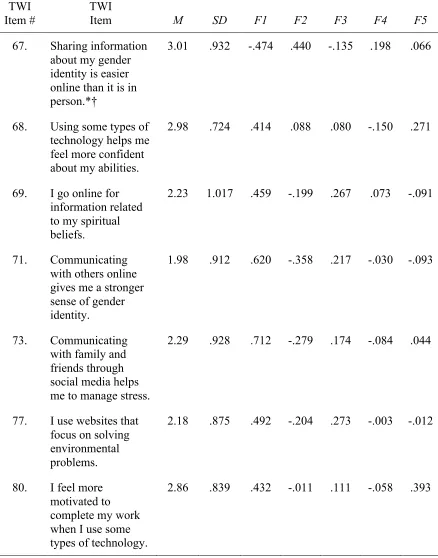
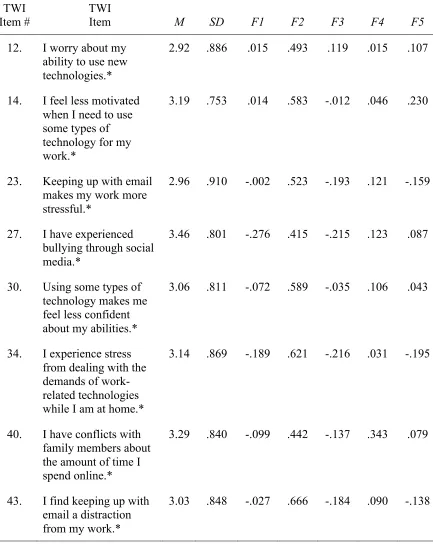
The goal of this study was to operationalize a new construct named TechnoWellness by creating an assessment instrument called the TechnoWellness Inventory (TWI). It was hypothesized that TWI scores would predict scores on the Five Factor Wellness Inventory (5F-Wel-A) and that both instruments would share an equivalent factor structure. After being reviewed by a panel of experts and pilot tested, the TWI was administered to a sample of 312 participants. Although an exploratory factor analysis did not identify the expected factors, five different factors were identified and used to create the TWI Leisure Scale, the TWI Technostress Scale, the TWI Physical Scale, the TWI Excess Use Scale, and the TWI Vocational Scale. The TWI and its five scales were found to have high internal consistency reliability. Regression analyses indicated that TWI Total TechnoWellness scores predicted 5F-Wel-A Total Wellness scores, TWI Physical Wellness scores predicted 5F-Wel-A
by
Stephen Donald Kennedy
A dissertation submitted to the Graduate Faculty of North Carolina State University
in partial fulfillment of the requirements for the degree of
Doctor of Philosophy
Counseling and Counselor Education
Raleigh, North Carolina 2014
APPROVED BY:
_______________________________ ______________________________
Stanley B. Baker Edwin R. Gerler, Jr.
Committee Chair
________________________________ ________________________________
BIOGRAPHY
Stephen Kennedy is from Chapel Hill, North Carolina. He earned a bachelor’s degree in psychology with a minor in education from Haverford College in Haverford,
Pennsylvania. After returning to North Carolina and receiving his master’s degree in school counseling from the University of North Carolina at Greensboro, Stephen worked as a counselor at Northeast Guilford High School for three years. He received Chi Sigma Iota International’s Outstanding Practitioner Award in 2010 and the UNCG Department of Counseling and Educational Development's Distinguished Practitioner Award in 2011. He has been enrolled in the doctoral program in Counseling and Counselor Education at North Carolina State University since 2011.
After spending three years as the Social Networking Consultant for the Chi Sigma Iota Counseling Academic & Professional Honor Society International (CSI), Stephen became CSI’s Project Director in 2013. In that role, his responsibilities include supervising CSI's webinar program, coordinating volunteer opportunities, and working with chapter leaders as they develop chapter groups and social networking websites. For three years, he also chaired CSI's Professional Member Committee. Stephen is transitioning into a full time position as CSI’s Director of Member Services.
has led presentations on the relationship between technology use and wellness, using
technology as a school counselor, career development, and professional advocacy at national and state counseling conferences including the American Counseling Association’s
ACKNOWLEDGMENTS
During the three years that I have spent at NC State, I have been blessed to have several communities of people on whom I could always depend. I would first like to thank my parents, Pat and Don Kennedy, for their unwavering support. Throughout my life, they have helped me in any way that they could. Both of them taught English at UNC-Chapel Hill, and seeing their achievements and their commitment to educating others has always inspired me to pursue higher education.
My dissertation committee has provided invaluable assistance during this process. Dr. Stanley Baker is one of the hardest working professors I have ever met, and he has always been accessible whenever I have needed help. I also thank Dr. Gerler for having such passion for my topic and for educating me about ways that technology could impact
wellness, Dr. Young for her statistical expertise that guided me to a more rigorous analysis of my data, and Dr. Lupton-Smith for her clinical knowledge that helped me to consider
implications for professional counselors. Dr. Angie Smith also assisted me greatly when she agreed to serve as a substitute on my committee on very short notice. I appreciate that Dr. Sejal Parikh offered to serve on my committee and collaborated with me on research projects during her time at NC State.
I appreciate the expert feedback that Dr. Bethany P. Glueck, Dr. Jane E. Myers, and Dr. Thomas J. Sweeney provided during my research. After consulting with them about wellness counseling, I was able to construct a more effective instrument to assess
as a professional counselor, and I have been grateful for the opportunity to work with both of them as an employee of the Chi Sigma Iota Counseling Academic & Professional Honor Society International (CSI). Being involved in CSI has connected me with many leaders in the counseling profession, and I value everything that they have taught me about counseling, advocacy, and research. My first leadership positions in this profession were in CSI, and I appreciate that Dr. Sweeney and Dr. Myers have always believed in me and encouraged me to be more involved in the society.
My relationships with other doctoral students at NC State allowed me to learn from professional counselors with extensive experience, and my multicultural competence was greatly enhanced by being around people who are so committed to diversity and social justice. I could not have asked for a more supportive group of colleagues, and I will miss them greatly. I have also been thankful to serve on the Board of Directors of the North Carolina School Counselor Association (NCSCA) for the past five years. Interacting with the hard-working members of NCSCA has kept me connected to the profession and has inspired me to advocate for school counselors.
As a youth advisor and Sunday School teacher at University Presbyterian Church in Chapel Hill, I have been able to work with an amazing group of youth who truly care about serving others. Our youth go to great lengths to encourage each other and help their
community, and even on the most difficult days they can make me laugh. I am grateful to be part of a church that is so dedicated to educating and supporting its young members.
siblings with disabilities, has also been an inspiration. The resilience of the kids in Sibshops has shown me that people of any age can stay strong while facing incredible challenges.
TABLE OF CONTENTS
LIST OF TABLES ... x
LIST OF FIGURES ... xi
CHAPTER 1: INTRODUCTION ... 1
Wellness ... 2
Technology ... 4
TechnoWellness ... 8
Statement of the Problem ... 9
Purpose of the Study ... 10
Research Questions ... 11
Definition of Terms ... 12
Professional Counseling... 13
Technology ... 13
TechnoWellness ... 14
Wellness ... 14
Organization of the Study ... 15
CHAPTER 2: LITERATURE REVIEW ... 16
Responses to Interactions with Technology ... 16
Adverse Responses ... 16
Beneficial Responses ... 20
Summary ... 25
Wellness Models ... 26
Dunn’s High-Level Wellness ... 27
Ardell’s Wellness Models ... 27
Travis and Ryan’s Illness/Wellness Continuum and Wellness Energy System ... 28
Hettler’s Hexagon ... 29
Crose, Nicholas, Gobble, and Frank’s Systems Model of Wellness ... 31
Chandler, Holden, and Kolander’s Wellness Model ... 32
Adams, Bezner, and Steinhardt’s Wellness Model ... 33
Myers, Sweeney, and Witmer’s Wheel of Wellness ... 34
Myers and Sweeney’s Indivisible Self Model (IS-Wel) ... 36
Summary ... 39
Technology Use and the Indivisible Self ... 40
Technology Use and the Social Self ... 40
Technology Use and the Creative Self ... 47
Technology Use and the Coping Self ... 50
Technology Use and the Essential Self ... 54
Technology Use and the Physical Self ... 56
Summary ... 59
CHAPTER 3: METHOD ... 61
Instruments ... 68
TechnoWellness Inventory (TWI) ... 68
Five Factor Wellness Inventory, Adult (5F-Wel-A) ... 71
Demographic Survey ... 73
Procedure ... 74
Data Collection ... 74
Data Analyses ... 74
Summary ... 83
CHAPTER 4: RESULTS ... 85
Exploratory Factor Analysis of the TWI ... 86
Factor Extraction ... 86
Factor Rotation ... 90
Factors ... 91
Factor 1: Using Technology for Leisure ... 91
Factor 2: Technostress ... 99
Factor 3: Using Technology for Physical Health ... 104
Factor 4: Excess Use of Technology ... 105
Factor 5: Using Technology for Vocational Purposes ... 106
Items with Weak or Moderate Factor Loadings ... 107
Creating TWI Scales ... 110
Internal Consistency Reliability of the TWI ... 110
Regression Analyses of the TWI and the 5F-Wel-A ... 111
Linear Regression of TWI Total TechnoWellness Scores on 5F-Wel-A Total Wellness Scores ... 111
Multiple Regression of TWI TechnoWellness Scales on 5F-Wel-A Total Wellness Scores ... 116
Revisions of the TWI ... 122
Items with Cross Loadings ... 122
Items with Moderate Factor Loadings ... 124
Items with Weak Factor Loadings ... 126
Misplaced Items ... 127
Summary of Revisions of the TWI ... 136
Summary ... 137
CHAPTER 5: DISCUSSION ... 139
Discussion of the Results ... 139
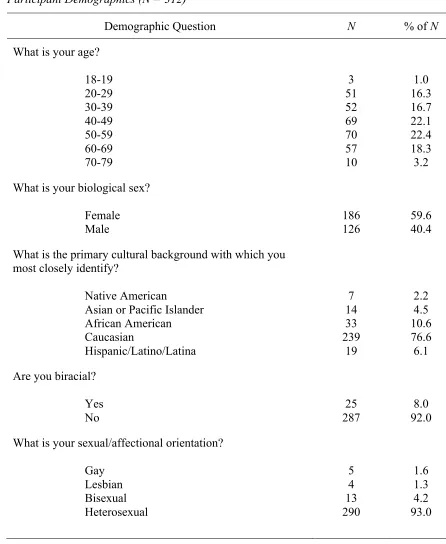
Participant Demographics ... 139
Secondary Research Question 1 ... 140
Secondary Research Question 2 ... 144
Secondary Research Question 3 ... 144
Secondary Research Question 4 ... 145
Secondary Research Question 5 ... 146
Limitations ... 150
Sampling Limitations ... 150
Methodological Limitations ... 151
Limitations Concerning the Scope of the TWI ... 153
Implications for Future Research ... 154
Implications for Counseling Practice ... 156
Conclusion ... 158
APPENDICES ... 183
Appendix A ... 184
Appendix B ... 187
Appendix C ... 193
Appendix D ... 195
Appendix E ... 197
Appendix F... 199
Appendix G ... 203
Appendix H ... 206
Appendix I ... 219
LIST OF TABLES
Table 1. Participant Demographics ……… 66
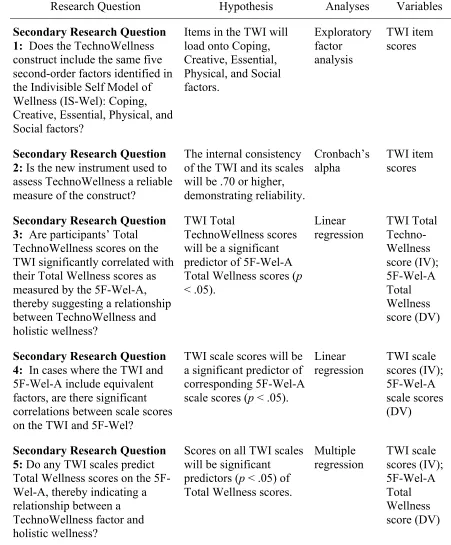
Table 2. Secondary Research Questions, Hypotheses, Analyses, and Variables ……….. 75
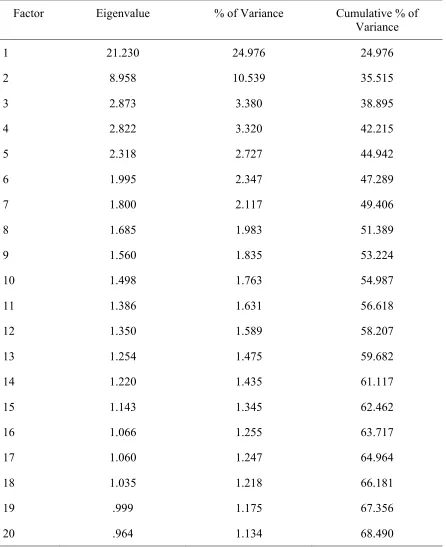
Table 3. Initial Factor Extraction of TWI Scores ……….. 86
Table 4. TWI Items Loading on Factor 1 ……….. 92
Table 5. TWI Items Loading on Factor 2 ……….. 100
Table 6. TWI Items Loading on Factor 3 ……….. 103
Table 7. TWI Items Loading on Factor 4 ……….. 105
Table 8. TWI Items Loading on Factor 5 ……….. 106
Table 9. TWI Items with Weak or Moderate Factor Loadings ……….. 107
Table 10: Internal Consistency Reliability of the TWI and the TWI Scales ………. 110
Table 11. Hierarchical and Stepwise Regression Predicting 5F-Wel-A Total Wellness Scores ………. 121
Table 12. Items Reevaluated Due to Cross Loadings ……… 131
Table 13. Items Reevaluated Due to Moderate Factor Loadings ………... 132
Table 14. Items Deleted Due to Weak Factor Loadings ……… 133
LIST OF FIGURES
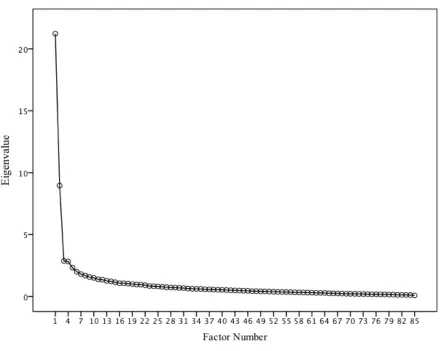
Figure 1. Scree plot of the eigenvalues from the exploratory factor analysis of the TWI .. 88 Figure 2. Regression of TWI Total TechnoWellness scores on 5F-Wel-A Total
Wellness scores ………... 111
Figure 3. Scatterplot of the standardized residuals as a function of standardized predicted values for the regression of TWI Physical Scale scores on 5F-Wel-A Physical Self
CHAPTER 1 INTRODUCTION
Widespread use of technology in many parts of the world has prompted researchers to examine its effect on human wellness. Some studies have presented evidence that
technology use can enhance wellness by strengthening social connections (Valkenburg & Peter, 2007), encouraging positive emotions (Riva, Baños, Botella, Wiederhold, & Gaggioli, 2012), and improving physical health (Spring et al., 2013). Adverse effects of technology use have been addressed in studies of technology-related anxiety (Brosnan et al., 2012; Thorpe & Brosnan, 2007), technostress (Ayyagari, Grover, & Purvis, 2011; Tu, Wang, & Shu, 2005), technophobia (Rosen, Sears, & Weil, 1993), and addiction to technology (Byun et al., 2009; Young & Abreu, 2011). Nevertheless, in spite of extensive evidence that interactions with technology can affect social, mental, emotional, and physical well-being in both positive and negative ways, researchers within the counseling profession have published surprisingly few articles about the relationship between technology use and wellness.
Wellness
Myers, Sweeney, and Witmer (2000) described wellness as “a way of life oriented toward optimal health and well-being, in which body, mind, and spirit are integrated by the individual to live life more fully within the human and natural community” (p. 252).
Although analysis of the construct continues (Granello, 2011), there is usually consensus that wellness is a positive state, not merely absence of illness, that it exists on a continuum, and that it is a multidimensional and synergistic construct (Roscoe, 2009). Since the late 20th century, wellness has been regarded as the overarching paradigm of counseling (Myers, 1992; Myers & Sweeney, 2008b).
Coping Inventory (LCI; Hinds, 1983) did not provide manuals that established the instruments’ reliability and validity.
To help professional counselors encourage wellness among their clients, researchers within the counseling profession developed new assessments and models that focus on wellness. Witmer and Sweeney (1992) proposed that holistic wellness could be
operationalized using a theoretical model known as the Wheel of Wellness. The model identified spirituality, self-regulation, work, friendship, and love as five major life tasks and depicted the tasks as spokes on a wheel to show their interconnected nature. To facilitate assessment of clients’ wellness, Myers, Sweeney, and Witmer (1996) developed the Wellness Evaluation of Lifestyle (WEL), an instrument that assessed an individual’s wellness across all dimensions proposed by the Wheel of Wellness model. Hattie, Myers, and Sweeney (2004) used WEL scores from 3,043 people to conduct an exploratory factor analysis and refine the Wheel of Wellness model.
2005c). While these studies supported the reliability and validity of the WEL, Myers and Sweeney found that the data did not support the proposed structure of the Wheel of Wellness.
Since empirical research on the WEL indicated inaccuracies in the Wheel of Wellness model, Myers and Sweeney (2005c) revised the factor structure and created the IS-Wel. The IS-Wel proposed one higher-order factor, known as the Indivisible Self. The 17 factors originally identified in the Wheel of Wellness model were classified as third-order factors organized within five second-order factors: the Creative Self, the Coping Self, the Social Self, the Essential Self, and the Physical Self (Myers & Sweeney, 2005c). The IS-Wel also proposed that the first-order, second-order, and third-order factors all operate within Local, Institutional, Global, and Chronometrical contexts. Myers and Sweeney provided empirical support for the factor structure of the IS-Wel but acknowledged that the role of the contexts was still theoretical since their research did not address that component of the model. The new data were also used to modify the WEL and produce a new instrument known as the Five Factor Wellness Inventory (5F-Wel; Myers & Sweeney, 2005b). Sweeney and Myers (2005) recommended that professional counselors use both an evidence-based model such as the IS-Wel and an assessment such as the 5F-Wel when they work with clients to develop personal wellness plans that will improve each client’s health and well-being. Extensive summaries of the Wheel of Wellness and the IS-Wel models are presented in Chapter 2.
Technology
received particular attention in the psychology profession (Brosnan et al., 2012; Erickson & Johnson, 2011; McKenna & Bargh, 1998; McKenna & West, 2007; Mitchell, Becker-Blease, & Finkelhor, 2005; Morahan-Martin & Schumacher, 2003; Obst & Stafurik, 2010; Rosen et al., 1993; Siddiquee & Kagan, 2006; Walsh, White, & Young, 2008; Wang, Luo, Luo, Gao, & Kong, 2012; Winett, Tate, Anderson, Wojcik, & Winett, 2005). These researchers and others have explored possible effects of technology use on psychological well-being, spiritual life, identity, social support, lifestyle, health, loneliness, anxiety, and problematic behaviors, including addiction. Their findings suggested that it is possible to have both positive and detrimental interactions with technology.
Similar research on how technology use might affect individuals has also been conducted in diverse fields such as business and management (Agarwal & Karahanna, 2000; Ayyagari, Grover, & Purvis, 2011; Douglas et al., 2008; Wang, Ngai, & Wei, 2012),
work, and school, researchers have acknowledged the importance of considering its impact. Furthermore, a theme that has emerged across these studies is that interactions with
technology are associated with adverse reactions in some cases and with measurable benefits in others.
The worldwide expansion of technology use is reflected in the number of researchers who have examined the health and well-being of technology users from different cultures. In addition to conducting studies in the United States, researchers have examined this topic in Austria (Riedl et al., 2012), Australia (Obst & Stafurik, 2010; Walsh et al., 2008), Brazil (King et al., 2013), Canada (Erickson & Johnson, 2011; Lewis et al., 2012), China (Wang, Luo, et al., 2012; Wang, Ngai, & Wei, 2012), Israel (Boniel-Nissim & Barak, 2011; Elias & Lemish, 2009), the Netherlands (Valkenburg & Peter, 2007), New Zealand (Koopman-Boyden & Reid, 2009), Nigeria (Arigbababu, 2009), Singapore (Lim, 2011), South Africa (Anthony et al., 2000), South Korea (Park & Lee, 2012), Taiwan (Chang, Jong, & Huang, 2012; Chen, 2012; Ku, Chu, & Tseng, 2013; Yang & Wu, 2012), Turkey (Celik & Yesilyurt, 2012; Coklar & Sahin, 2011; Jenaro et al., 2007), and the United Kingdom (Al-Fudail & Mellar, 2008; Brosnan et al., 2012; Madell & Muncer, 2007; Siddiquee & Kagan, 2006; Wastell & Newman, 1996). Global attention to the relationship between humans’ technology use and their health and well-being could indicate that this issue is relevant across cultures.
et al., 1993) and tablet computers (Lim, 2011). Other studies have included participants who use mobile phones (Madell & Muncer, 2007; Walsh, White, & Young, 2008), smartphones (Park & Lee, 2012; Fox & Duggan, 2012), and personal digital assistants (Spring et al., 2013). Data from these studies have suggested that there is a relationship between
dimensions of wellness and interactions with popular computer-based and communication technologies.
As frequent use of some digital information and communication technologies has increased, researchers have focused on participants’ online activities. Many researchers examining the health or well-being of people who interact with technology have addressed use of the Internet (Agarwal & Karahanna, 2000; Bekele, 2010; Brosnan et al., 2012; Caplan, 2007; Chang et al., 2012; Douglas et al., 2008; Elias & Lemish, 2009; Erickson & Johnson, 2011; Liu & LaRose, 2008; Mitchell et al., 2005; Morahan-Martin & Schumacher, 2003; Rainie, 2011; Siddiquee & Kagan, 2006; Wang, Luo, et al., 2012; Winett et al., 2005). Topics explored include possible relationships between Internet use and cognitive absorption, motivation, social anxiety, vulnerability, learning, identity, psychological well-being,
satisfaction, problematic behaviors, diversion, identity, lifestyle, and health.
(Cotton et al., 2012; Faghri et al., 2008; Koopman-Boyden & Reid, 2009; Ku et al., 2013), blogging (Boniel-Nissim & Barak, 2011), online discussion forums (McKenna & West, 2007), chat rooms (Mileham, 2007; Valkenburg & Peter, 2007), and digital storytelling (Yang & Wu, 2012) has also been conducted. A substantial amount of data on the
relationship between digital information and communication technologies and individuals’ health and well-being has therefore been collected. In some cases, people using technology have reported adverse effects such as anxiety, stress, frustration, and excessive use.
However, other users have described benefits such as enjoyment, sense of control, satisfaction, well-being, and social connectivity.
TechnoWellness
While the IS-Wel developed by Myers and Sweeney (2005c) is evidence-based and describes a large number of factors that affect wellness, it does not consider the role of technology use. Findings from numerous studies conducted outside of the counseling profession, which are described in Chapter 2, have nevertheless suggested that some
interactions with technology can affect health and well-being in a positive way while others can have negative effects on users. The evidence collected in the literature review led to hypothesizing that it is possible to interact with technology in ways that enhance wellness and to avoid interactions that detract from wellness. TechnoWellness is presented herein as a new construct in which a person optimizes interactions with technology in ways that
Statement of the Problem
Wellness models encourage professional counselors to identify factors that influence their clients’ wellness and to help clients develop plans to enhance wellness, but prominent models such as the Wheel of Wellness and the IS-Wel do not identify technology use among the factors that influence wellness. Furthermore, a review of counseling literature reveals a limited number of articles on the effects of technology use in spite of the attention that this topic has received in other disciplines. Technological competency for professional
counselors has been encouraged (ACA, 2005; Casey, 2000); individuals’ attitudes toward technology have been explored (Campbell & Dobson, 1987; Carlson, Portman, & Bartlett, 2006); and problematic use of technology has been addressed (Jones & Minatrea, 2000; Lehmann & Konstam, 2011). However, in spite of extensive evidence that technology use can have both adverse and beneficial effects, no studies have addressed the relationship between a person’s technology use and holistic wellness.
Introducing a new construct, TechnoWellness, to supplement the existing wellness models would enable professional counselors to consider the relationship between clients’ technology use and wellness. According to research findings in other fields, many people are interacting with technology in both beneficial and harmful ways. By examining the
suggesting that technology use has significant correlations with the Physical Self and the Social Self, professional counselors will be better prepared to counsel clients who are not using technology in an optimal way. Another concern is that professional counselors currently have no instrument that can be used to assess TechnoWellness. This study therefore provides the first step in designing a TechnoWellness Inventory (TWI) that, with further testing in subsequent studies, could be developed into a formal assessment
instrument.
Purpose of the Study
further validate the TWI and develop a formal instrument that professional counselors can use to assess clients’ TechnoWellness.
Research Questions
In the present study, one primary research question was examined and six secondary research questions were considered.
Primary Research Question: Is there a relationship between individuals’ TechnoWellness and their holistic wellness?
It was hypothesized that a relationship between TechnoWellness and holistic wellness does exist. To facilitate exploration of the Primary Research Question, six secondary
research questions were considered. Secondary Research Question 1 was used to explore whether TechnoWellness includes the same factors as the IS-Wel model of holistic wellness, thereby allowing comparisons between equivalent factors in both constructs. In the analysis of Secondary Research Question 2, the internal consistency reliability of the TWI was considered. The third, fourth, and fifth secondary research questions were used to evaluate the relationships between scores on an instrument that measures TechnoWellness (TWI) and an instrument that measures holistic wellness (5F-Wel-A). Finally, revisions to the TWI were considered via Secondary Research Question 6. Cumulatively, exploration of these questions was designed to provide a basis for future studies that can support the TWI’s use as an assessment instrument for TechnoWellness while establishing the hypothesized
Secondary Research Question 1: Does the TechnoWellness construct include the five factors identified in the Indivisible Self Model of Wellness (IS-Wel): Coping, Creative, Essential, Physical, and Social factors?
Secondary Research Question 2: Is the new instrument used to assess TechnoWellness a reliable measure of the construct?
Secondary Research Question 3: Are participants’ Total TechnoWellness scores on the TWI significantly correlated with their Total Wellness scores as measured by the 5F-Wel-A, thereby suggesting a relationship between TechnoWellness and holistic wellness?
Secondary Research Question 4: In cases where the TWI and 5F-Wel-A include equivalent factors, are there significant correlations between scale scores on the TWI and 5F-Wel?
Secondary Research Question 5: Do any TWI scales predict Total Wellness scores on the 5F-Wel-A, thereby indicating a relationship between a TechnoWellness factor and holistic wellness?
Secondary Research Question 6: To refine the TWI, which of its items should be revised, deleted, or moved to a different scale?
Definition of Terms
study. The study examined the relationship between wellness and TechnoWellness, so both of those constructs are defined.
Professional Counseling
Hackney and Cormier (2005) described professional counseling as an approach where counselors treat both intrapersonal concerns, such as self-concept and psychological issues, and interpersonal concerns, including communication and relationship problems, of the clients who work with them. According to Ivey, Ivey, Myers, and Sweeney (2005),
professional counselors should consider a variety of theoretical orientations before selecting the approach that is most suitable for a particular client. One possible theoretical orientation is wellness counseling, in which professional counselors use wellness theory and
measurement to help clients increase their level of wellness and enjoy a better quality of life (Myers & Sweeney, 2005a).
Technology
Technology in this study will refer to computer-based technologies and information and communication technologies (ICTs). Examples of computer-based technologies include personal computers, tablet computers, personal digital assistants, and smartphones, which are mobile phones that include computing capabilities. ICTs include computer-mediated
examined the relationship between interactions with technology and aspects of health or well-being.
TechnoWellness
TechnoWellness is defined in this study as a mode of interacting with technology that maximizes its potential to enhance health and well-being. Health refers here to physical health, and well-being refers to psychological, social, and spiritual well-being. Like holistic wellness, TechnoWellness exists on a continuum. Interactions with technology that lead to adverse effects such as technology-related anxiety, technostress, technophobia, and addiction to technology can reduce a person’s TechnoWellness. In contrast, interactions with
technology that have positive effects such as enhancing social connections, positive emotions, and physical health can increase TechnoWellness.
Wellness
In this study wellness will be conceptualized using the definition that Myers et al. (2000) proposed: “A way of life oriented toward optimal health and well-being, in which body, mind, and spirit are integrated by the individual to live life more fully within the human and natural community” (p. 252). Myers et al. (2000) also noted that wellness is the optimal level of both health and well-being that a person can attain. Since wellness
Organization of the Study
CHAPTER 2 LITERATURE REVIEW
Although few publications within the counseling profession have focused on the connections between technology use and wellness, numerous researchers in other disciplines have identified both adverse and beneficial responses among people who interact with various types of technology. In this chapter, common themes among studies of adverse and beneficial responses are discussed. To identify a wellness model that can be used to explore the possible relationship between technology use and holistic wellness, nine wellness models are described, and the Indivisible Self model (IS-Wel; Myers & Sweeney, 2005c) is
established as the model that has the most empirical support and is most relevant to the counseling profession. Finally, evidence that interactions with technology can in some cases have either beneficial or adverse impacts on the five second-order factors within the IS-Wel is shared. Research findings showing potential relationships between technology use and the Social Self, the Creative Self, the Coping Self, the Essential Self, and the Physical Self are presented as the rationale for a TechnoWellness Inventory (TWI) that assesses
TechnoWellness in those five domains.
Responses to Interactions with Technology Adverse Responses
technology can in some cases cause anxiety, stress, and frustration. Additional studies have focused on the detrimental effects of using technology excessively.
Anxiety. Several studies found that some participants experienced anxiety in response to using computers or the Internet. In a study of Internet use by college students majoring in psychology, Brosnan et al. (2012) administered a survey of Internet-related anxiety to 216 participants. Twelve participants (5.6%) reported levels of anxiety that were considered pathological. This finding is consistent with research by Rosen et al. (1993), who screened 1,617 college students enrolled in courses that required use of a computer and administered a 5-week Computerphobia Reduction Program to 162 participants who volunteered for treatment after being identified as computerphobic. They found that these participants often exhibited signs of anxiety such as sweaty palms, heart palpitations and headaches when they anticipated using a computer.
was explored by King et al. (2013) in a case study of nomophobia, which is anxiety related to the non-availability of a virtual communication device such as a personal computer or mobile phone. The participant in the study felt that he could relate to other people only in a virtual environment, and he reported symptoms such as blushing, tremors, perspiration, and panic attacks when he was away from his personal computer. Both of these studies suggested that some individuals experience anxiety related to their interactions with technology and that the types of anxiety may vary.
Stress and frustration. Multiple researchers have conducted studies where participants experienced stress and frustration when using the Internet, computers, and information and communication technologies (ICTs). Recognizing the potential of social media to create stress in the workplace, Bucher, Fiesler and Suphan (2012) surveyed 2,579 professionals and identified overload, invasion, and uncertainty as challenges posed by social media use. Studies by Al-Fudail and Mellar (2008) and La Paglia, Caci, and La Barbara (2008) indicated that some teachers experience stress when using technology in their
classrooms. User frustration with computers also has been noted and the role of instrumental and dispositional factors examined (Bessière et al., 2006). When considered together, studies in which technology users experienced anxiety, stress, or frustration offer strong evidence that interactions with technology can be detrimental in some cases.
Internet addiction, Internet abuse, pathological Internet use, and problematic Internet use (Morahan-Martin, 2008; Shapira et al., 2003). Whether the term “addiction” should be used to describe overuse of technology has been extensively debated since it is associated with a mental health disorder that can be diagnosed (Morahan-Martin, 2005, 2008; Pies, 2009; Shaw & Black, 2008; Young, 1998). The American Psychiatric Association (APA, 2013) did not list problems related to technology use among the recognized disorders described in Section II of the Diagnostic and Statistical Manual of Mental Health Disorders (5th ed.; DSM-5). However, the manual did include Internet gaming disorder in Section III among conditions needing further study. Despite the conflicting views about terminology and definition, substantial evidence nevertheless suggests that excessive Internet use can create as well as indicate psychological, emotional, and social difficulties and can have negative outcomes (Caplan, 2007; Morahan-Martin & Schumacher, 2003).
identified symptoms of behavioral addiction. Participants in the study reported checking their mobile phones compulsively even at inappropriate times and feeling disconnected from others when they were unable to access their phones. While existing research does not suggest that a majority of people engage in maladaptive technology use, some people are clearly harmed by using technology excessively.
Beneficial Responses
In spite of the evidence that some interactions with technology can be harmful, a growing body of research indicates that technology use can also have positive effects. Studies in this area have focused on benefits such as enjoyment, sense of control, life satisfaction, increased well-being, and social connectivity.
Enjoyment. People sometimes experience enjoyment while using technology, and researchers have identified this response across different types of technology. A
revealed that Amusement, which was defined by the variables “entertainment,” “relaxing,” and “having fun,” was a significant gratification for all three types of technology.
Some researchers have focused on the relationship between perceived enjoyment of technology and other variables associated with technology use. Teo and Noyes (2011) surveyed 153 pre-service teachers in Singapore about their computer use and found that perceived enjoyment was the most significant predictor of participants’ perceived ease of use, perceived usefulness, and intention to use computers. In a field study of 228 students at a Chinese university, Wang, Ngai, and Wei (2012) used structural equation modeling to explore whether perceived enjoyment of instant messaging technology was associated with user satisfaction and perceived usefulness. They found that perceived enjoyment was the dominant variable influencing user satisfaction. In another study that used structural
equation modeling, Dickinger, Arami, and Meyer (2008) analyzed data from 218 adolescent and adult participants. Perceived enjoyment when using mobile communication devices had a significant influence on participants’ intention to use the devices and their attitudes
regarding the technology.
pressure, diastolic blood pressure and heart rate when emergency workers in the United Kingdom (N = 45) used paper-based and computer-based records systems. Data suggested that using the computer system significantly reduced participants’ stress by providing them with a greater sense of control.
Life satisfaction. To explore relationships among participants’ Internet use, cognitive beliefs, personality traits, and life satisfaction, Liu and LaRose (2008) surveyed 195 students at a university in the United States. They defined life satisfaction as a person’s summative liking or disliking of her or his life, and their study examined participants’ satisfaction with their school lives. After conducting a confirmatory factor analysis and creating a structural model, Liu and LaRose concluded that the students’ Internet use, online social self-efficacy beliefs, and perceived online social support directly influenced their school life satisfaction. They therefore proposed that the cumulative benefits of Internet use can contribute to greater life satisfaction.
Well-being. Research focusing on the relationship between well-being and the use of technology, particularly the Internet and information and communication technologies
Internet use in a sample of Taiwanese college students (N = 757) and found that students who used the Internet for social purposes were more likely to be in the group with good
psychological well-being. When Cotton et al. (2012) investigated the relationship between Internet use and depression in an empirical study of a large sample (N = 7,839) of retired Americans who were more than 50 years old, they concluded that Internet use reduced a depression outcome by 20-28% and contributed to the mental well-being of older adults. Studies such as these provide encouraging evidence that the use of technology can in some cases enhance well-being, a construct that is not equivalent to wellness but that includes psychological components that influence wellness (Myers et al., 2000).
Social connectivity. Researchers have proposed that communication technologies and social networking websites contribute to a perception of social connectivity.
Subrahmanyam, Reich, Waechter, and Espinoza (2008) administered paper and online surveys to young adults in California (N = 131) to examine their reasons for using social networking websites. Most participants (81%) reported that they used social networking websites (SNS) to communicate with friends they did not see frequently in person, with some also responding that they used the technology to communicate with family (48%) and make plans with friends they saw often (35%). Although most participants were using SNS to correspond with friends when offline communication was lacking, 20% thought that using the SNS had strengthened those friendships.
In a later study of high school students by Reich, Subrahmanyam, and Espinoza (2012), 251 adolescents in California completed paper and online surveys about their use of the Internet, SNS, and instant messaging. The most prominent reason for participants’ use of SNS was to interact with friends whom they did not see often, with 81% of participants selecting this response. Many participants (43%) also thought that communication on social networking websites had strengthened their offline relationships. These studies indicate that at least a sizeable minority of adolescents and young adults believe that using SNS enhances their social connections.
decreased loneliness in participants (White et al., 1999). Koopman-Boyden and Reid (2009) examined Internet and email use among a randomly selected sample of 65-84 year-old adults in New Zealand (N = 1,680). Their use of those technologies predicted better self-reported health and increased participation in the community’s leisure and recreation activities, including leadership roles in those activities. However, there was no significant relationship between participants’ technology use and their level of contact with family members or other individuals. These studies therefore suggest that using technology may enhance social connectivity for some older adults but not others.
Studies of different age groups have provided evidence that certain types of technology may enhance social connectivity for some individuals. Although these studies were based on participants’ perceptions of their social interactions and these self-reported data may be biased, the data nevertheless indicate a possible association between technology use and social connectivity. These results therefore suggest a need for further exploration of the relationship between interactions with technology and the social dimension of wellness. Summary
In studies across a range of disciplines, participants who interacted with technology reported positive responses in some cases and negative responses in others. Some
technology users have described adverse reactions such as anxiety, stress, frustration, and excessive use. Participants in other studies observed benefits such as enjoyment, sense of control, life satisfaction, increased well-being, and social connectivity when using
relationship between technology use and these responses, and nearly all studies were based on data that were self-reported and therefore may have included biases (Heppner, Wampold, & Kivlighan, 2008). Nevertheless, a large number of studies reported significant
relationships between technology use and variables that could potentially affect a person’s wellness. Considering associations between technology use and wellness, especially within the context of existing wellness models, is therefore important. Before evaluation of whether interactions with technology could enhance or diminish wellness in some areas, the structure of wellness models must be examined.
Wellness Models
Multiple wellness models have been proposed, and models of well-being are
sometimes placed into the same category as wellness models although the constructs differ. Definitions of both wellness and well-being vary (Amichai-Hamburger, 2009; Myers & Sweeney, 2005a), but the latter construct usually refers to a psychological dimension of wellness. One widely used model of psychological well-being was proposed by Ryff (1989), who identified autonomy, environmental mastery, personal growth, positive relations with others, purpose in life, and self-acceptance as the six factors within that construct. Although Ryff’s model included multiple dimensions that are often associated with wellness, it
emphasized psychological factors and did not incorporate dimensions such as physical health and spirituality that are typically included in wellness models. The authors whose models are described in this section treated wellness as a holistic and multidimensional construct
Dunn’s High-Level Wellness
In a collection of 29 lectures on wellness, Dunn (1961) presented high-level wellness as an optimal state of functioning. He emphasized the importance of treating wellness as a construct that includes more than physical health. Dunn suggested that high-level wellness involves the “integration of the whole being of the person” (p. 159), including the body, mind, and spirit. The body, mind, and spirit were depicted as three interlocking circles, and an arrow through the circles symbolized an individual’s quest to achieve his or her purpose in life. Dunn also proposed that each person “is functioning within an ever-changing
environment and flow of events” (p. 10), meaning that holistic wellness can be influenced by outside factors. He included lectures on community wellness, environmental wellness, family wellness, and social wellness. Dunn’s high-level wellness was an early example of a holistic wellness model, but it was theoretical and was not tested by empirical research. Ardell’s Wellness Models
Ardell (1977) created a wellness model with self-responsibility as the central
dimension that influences other dimensions of wellness. He suggested that an individual can become well by taking responsibility for achieving wellness in four dimensions:
exercise routine, and he defined stress management as an individual’s ability to cope with stressful experiences.
In a later version of his wellness model, Ardell (1982) still maintained that self-responsibility was the core dimension of wellness but altered the other dimensions. He combined physical fitness and nutritional awareness into the same dimension, and he
replaced environmental sensitivity and stress management with two relationship dynamics as well as meaning and purpose. Ardell (2011) reported that he shared a third model on his website during the 1990’s and that this more complex model grouped 14 skill areas into three domains. In the physical domain, he listed adaptions/challenges, appearance, exercise and fitness, lifestyle habits, and nutrition. The meaning and purpose domain included a skill area called meaning and purpose as well as humor, play, and relationships. Finally, the mental domain incorporated effective decisions, emotional intelligence, factual knowledge, mental health, and stress management. None of Ardell’s models were based on empirical research, and he proposed that an individual can create his or her own unique model of wellness (Ardell, 2011).
Travis and Ryan’s Illness/Wellness Continuum and Wellness Energy System
side of the continuum depicted various degrees of wellness with high-level wellness as the ultimate goal. Travis and Ryan therefore suggested that wellness exists on a continuum and is not a static state.
Another concept that Travis and Ryan (1981, 1988, 2004) emphasized was the importance of managing energy and using it to connect with the universe. In their description of the Wellness Energy System, they proposed that humans intake energy through breathing, eating, and sensing, and that insufficient input can affect wellness negatively. Furthermore, they suggested that wellness depends on healthy output of energy through communicating, feeling, finding meaning, moving, playing and working, self-responsibility and love, sex, thinking, and transcending. Travis and Ryan also proposed the Iceberg Model of Health and Disease, which hypothesized that illness and health are affected by factors that are not clearly visible. They identified levels that exist “below the surface” in a specified order: the lifestyle/behavioral level, the cultural/psychological/motivational level, and the spiritual/being/meaning realm. Travis (1981) published a Wellness Inventory based on the models, and a more comprehensive assessment known as the Wellness Index was also developed (Travis & Ryan, 2004). Travis and Ryan’s models offered a more complex conceptualization of wellness than earlier models, but like those models they were not evidence-based.
Hettler’s Hexagon
whole person. He proposed that wellness incorporates emotional, intellectual, occupational, physical, social, and spiritual dimensions. These six dimensions were depicted as a hexagon (Hettler, 1984). Hettler (1980) described the emotional dimension as a person’s awareness and acceptance of her or his feelings while the intellectual dimension represented
involvement in creative and stimulating mental activities. The occupational dimension focused on satisfaction and enrichment derived from a person’s work. Hettler (1980) identified the physical dimension as the degree to which a person maintains cardiovascular functioning, chooses nutritious foods, and takes steps to prevent or detect illnesses. He proposed that wellness in the social domain depended on relationships with others and with nature that contribute to a community’s welfare, and he suggested that the spiritual domain measures a person’s efforts to find meaning and purpose in life.
The LAQ Wellness Inventory included 11 subscales that encompassed the six
wellness dimensions (Hettler, 1980). Hettler (1984) reported that five of the LAQ subscales focused on the physical dimension (Physical Exercise, Physical Nutritional, Physical Self-Care, Physical Vehicle Safety, Physical Drug Abuse). Two subscales assessed the emotional dimension (Emotional Awareness and Acceptance, Emotional Management), and each of the remaining wellness dimensions was measured by one subscale. Hettler did not explain why a disproportionally large number of subscales on the LAQ Wellness Inventory were devoted to the physical domain, and he did not provide evidence of the instrument’s reliability and validity.
Crose, Nicholas, Gobble, and Frank’s Systems Model of Wellness
one dimension can lead to changes in the others. Crose et al. (1992) therefore treated wellness as holistic and suggested that all of the dimensions are interrelated. While this approach differed from earlier models that treated wellness dimensions as independent, it was still based on theory instead of empirical research.
Chandler, Holden, and Kolander’s Wellness Model
Chandler, Holden, and Kolander (1992) recommended that professional counselors consider a revised version of Hettler’s Hexagon (1980) that expanded the role of spirituality. Although Hettler identified spirituality as one of six dimensions that influence holistic
wellness, Chandler et al. (1992) proposed that spiritual health affects the emotional, intellectual, occupational, physical, and social dimensions that formed the rest of Hettler’s model. Chandler et al. (1992) suggested that all five of those dimensions include both a personal and a spiritual component. They argued that a person must maintain both personal and spiritual health in each dimension to achieve high-level wellness. Chandler et al. (1992) created a revised model that placed the emotional, intellectual, occupational, physical, and social dimensions in a circle with the spiritual component as the inner layer and the personal component as the outer layer. Their model therefore combined elements of both Hettler’s Hexagon and the Wheel of Wellness model, which also identified spirituality as the central component (Myers et al., 2000; Sweeney and Witmer, 1991; Witmer and Sweeney, 1992). Chandler et al. (1992) described a theoretical rationale for the model’s emphasis on
Adams, Bezner, and Steinhardt’s Wellness Model
Adams, Bezner, and Steinhardt (1997) used an exploratory study to validate a new instrument called the Perceived Wellness Survey. Before writing the items for the
instrument, Adams et al. (1997) conducted a literature review and selected six wellness dimensions based on both theoretical and empirical support: emotional, intellectual, physical, psychological, social, and spiritual wellness. The dimensions in the model were therefore identical to those presented by Hettler (1980) with the exception of psychological wellness, which was used in place of the occupational dimension. As defined by Adams et al. (1997), psychological wellness is a person’s perception that she or he will experience positive outcomes.
In their study of the Perceived Wellness Survey, Adams et al. (1997) reported high measures of internal consistency reliability and shared evidence of the instrument’s
discriminant and face validity. They also conducted a factor analysis and found that all but two items on the Perceived Wellness Survey loaded onto a single factor at .30 or above. Therefore, Adams et al. (1997) concluded that they measured a single factor that was labeled perceived wellness. Although their data suggested a single wellness construct that
psychological wellness mediated the relationship between spiritual wellness and overall wellness, but the study did not consider the entire model or provide additional validation of the Perceived Wellness Survey.
Myers, Sweeney, and Witmer’s Wheel of Wellness
Sweeney and Witmer (1991) and Witmer and Sweeney (1992) proposed the Wheel of Wellness model, which was based partly on Adler’s theory of individual psychology (Adler, 1927). They depicted wellness as a wheel containing major life tasks and subtasks. Myers et al. (2000) revised the model after using the Wellness Evaluation of Lifestyle (WEL) to test its structure empirically. In their description of the model’s theoretical background, Myers et al. (2000) observed that Adler’s theory treated people as holistic beings instead of focusing only on the mind, the body, or another single component of the whole person. The authors also described research by Maslow (1970), who suggested that all humans can be encouraged to strive for excellence, growth, and self-actualization. Myers et al. (2000) explained that the theories of Adler and Maslow helped to inspire the strength-based nature of their model.
Both versions of the Wheel of Wellness model suggested that five life tasks
engaged in a particular endeavor. Furthermore, the regulation task was renamed self-direction.
In the circumplex Wheel of Wellness model, the five life tasks were placed within the wheel but interacted with the other tasks and subtasks in different ways (Myers et al., 2000). Spirituality, which was defined as awareness of either a being or a force that connects a person to the universe, was conceptualized as the core characteristic of people who are well and the source of all of the other tasks and subtasks. Myers et al. (2000) therefore placed it in the center of the model in the first layer of the wheel. Self-direction was depicted as the second layer of the wheel and defined as the way that a person “regulates, disciplines, and directs the self in daily activities and in pursuit of long-range goals” (Myers et al., 2000, p. 253). The original self-regulation task in Witmer and Sweeney’s model (1992) included seven subtasks, but 12 subtasks were presented in the third layer of the revised model: sense of worth, sense of control, realistic beliefs, emotional awareness and coping, problem solving and creativity, sense of humor, nutrition, exercise, self-care, stress management, gender identity, and cultural identity (Myers et al., 2000). The authors suggested that the 12 subtasks influence the remaining three life tasks that were placed in the fourth layer of the wheel: work and leisure, friendship, and love.
events” was written both above and below the wheel to demonstrate that they can affect all of the life tasks and life forces depicted in the wheel. Myers et al. (2000) presented the Wheel of Wellness as a theoretical model, and research to test the structure of the model was later published by Hattie et al. (2004). Although the Wheel of Wellness described a large number of life tasks and life forces that were believed to affect a person’s wellness, technology use was not acknowledged in the model.
Myers and Sweeney’s Indivisible Self Model (IS-Wel)
Since Hattie et al. (2004) found that all of the second-order factors loaded onto a single higher-order factor, Myers and Sweeney (2005c) conceptualized the one higher-order factor as the Indivisible Self. The word “indivisible” was used to demonstrate that wellness is holistic and includes many dimensions that interact with each other. Hattie et al. (2004) noted that research on psychological well-being by Ryff and Keyes (1995) had also
suggested the presence of a single higher order factor, and Myers and Sweeney observed that Adler (1927) had also emphasized holism.
Myers and Sweeney (2005c) proposed that the Indivisible Self is influenced by five second-order factors that were originally identified by Hattie et al. (2004): the Social Self, the Creative Self, the Coping Self, the Essential Self, and the Physical Self. The Social Self encompasses social support based on connections with others individually or in a community and includes friendship and love in relationships with family members, partners, and friends. Myers and Sweeney identified Friendship and Love as the third-order factors that contribute to the Social Self. The authors defined the Creative Self as a set of attributes that allow an individual to be unique among others, and they identified five third-order factors: Thinking, Emotions, Control, Work, and Positive Humor. Myers and Sweeney reported that the Coping Self allows people to respond to life events in an adaptive way and overcome negative experiences. They identified Leisure, Stress Management, Self-Worth, and Realistic Beliefs as the corresponding third-order factors.
Identity, and Self-Care. Finally, they presented the Physical Self as the wellness dimension that includes Exercise and Nutrition as third-order factors and influences physical health. Many of the life tasks and subtasks identified in the Wheel of Wellness model, including spirituality, were therefore incorporated into the IS-Wel as third-order factors (Myers & Sweeney, 2005c). The authors reported that the WEL had been revised into a new instrument called the Five Factor Wellness Inventory (5F-Wel) that would measure the factors identified in the IS-Wel.
Myers and Sweeney (2005c) proposed that the higher-order, second-order, and third-order factors in the IS-Wel all operate within Local, Institutional, Global, and
Chronometrical contexts. The contexts incorporated global events and several life forces identified in the Wheel of Wellness model (Myers et al., 2000). Myers and Sweeney observed that local contexts included interactions with family, neighborhoods, and
communities where people spend most of their time. Institutional contexts included systems that influence people both directly and indirectly, including business and industry, education, government, the media, and religion. Within global contexts, they included culture, the environment, global events, and politics. Finally, they defined chronometrical context as the recognition that individuals change over time, so choices related to wellness have a
Summary
Wellness has been conceptualized in different ways although the existing models have some similarities. All of the authors suggested that wellness includes multiple
dimensions although various sets of dimensions have been proposed and some models have described different types of interactions between them. There is also consensus that wellness exists on a continuum and that it is possible to achieve an optimal state of wellness, which is sometimes described as high-level wellness. Most of the existing models are theoretical instead of evidence-based. Of the wellness models described in this section, the IS-Wel developed by Myers and Sweeney (2005c) has the most empirical support.
the holistic model with the strongest empirical support. Furthermore, the IS-Wel is based in counseling theory, so it is the ideal model to use when considering TechnoWellness from the perspective of a professional counselor.
Technology Use and the Indivisible Self
No prior studies have examined the relationship between technology use and the entire IS-Wel model. Researchers have nevertheless studied associations between
interactions with technology and dimensions that Myers and Sweeney (2005c) identified as third-order factors in the IS-Wel. Collectively, these studies offer evidence that technology use can in some cases affect each of the five second-order factors in positive and negative ways. Examples of studies related to the Social Self, the Creative Self, the Coping Self, the Essential Self, and the Physical Self are therefore presented to provide a rationale for developing a TechnoWelness instrument that includes subscales in all five areas. Technology Use and the Social Self
Of the five factors that form the Indivisible Self in the IS-Wel model, perhaps the one most obviously related to TechnoWellness is the Social Self. This second-order wellness factor refers to social support based on connections with others individually or in a
needs to include sexual intimacy. The authors also noted that individuals with strong social support are usually involved in families that are either biological or families of choice.
Since popular technologies such as e-mail, mobile phones, social networking websites, and video conferencing programs are used for communication, interpersonal relationships could logically be influenced by use of these tools. Substantial research attests to the importance of considering the relationship between technology use and components of the Social Self.
Social Self: Beneficial interactions with technology. The Internet’s ability to help people connect with family and friends has been strongly supported by data from the Pew Internet and American Life Project, which found that by the year 2000 a majority of adults in the United States were using the Internet and email to communicate with both family
members and friends (Horrigan, 2006). Researchers focusing on adolescents and young adults have reported that online communication technologies can strengthen offline
hours on the Internet reported lower levels of romantic loneliness. Relationships between Internet use and both Friendship and Love, the third-order factors within the Social Self, were evident in these studies.
Although several studies of social networking sites (SNS) found that a majority of users did not report observable social benefits (Reich et al., 2012; Subrahmanyam et al., 2008), others have found that a substantial number of users did use SNS to develop friendships. Ellison, Steinfield, and Lampe (2007) surveyed undergraduate students (N = 286) at a university in the United States and found that most participants used Facebook to both stay in touch with friends they met before college and maintain relationships with new friends who attended the same university. The authors also reported a significant association between using Facebook and accumulating bridging social capital, which refers to
relationships that allow a person to participate in a community but which are not typically used for emotional support. However, they found a statistically significant but weaker association between Facebook use and bonding social capital, which refers to emotionally close relationships that are found between close friends and family members. Ellison et al. (2007) therefore suggested that SNS are used to strengthen friendships but do not necessarily supplant in-person interactions that lead to close friendships with strong emotional
connections.
States (N = 288, N = 481) and found that participants with low self-esteem reported better social relationships after using Facebook. When students with low self-esteem were compared to those with high self-esteem, using Facebook had a greater influence on the social capital of the former group. In a survey of adults with disabilities (N = 160), Obst and Stafurik (2010) found that adults with disabilities established social support and a sense of community when they used websites to interact with others who had disabilities. By
examining participants who were having difficulty forming connections with others, both of these studies proposed that SNS can have an especially significant impact on social
connectivity for individuals in that situation.
Smartphones are another type of technology that may influence the Social Self. In a study of 279 South Korean college students who used smartphones frequently, Park and Lee (2012) conducted a factor analysis to determine participants’ motives for using smartphones. They found that “caring for others” was the most significant factor. Furthermore, a
correlation analysis revealed that smartphone use was positively associated with bonding relationships but was negatively associated with bridging relationships. Whereas Ellison et al. (2007) found that SNS were more likely to be used for bridging social capital, Park and Lee’s data suggested that smartphones play a greater role in establishing bonding social capital and may be associated with emotionally close relationships.
(2010) found that only 5.6% of participants had used Internet dating websites. Nevertheless, relationships can also develop on websites that are not specifically designed for dating. McKenna, Green, and Gleason (2002) conducted three studies that explored the role of Internet newsgroups in relationship formation. In the first study, the authors collected surveys from 568 individuals who participated in newsgroups. Most respondents (54%) had met with someone in person after building a friendship online, and close friendships or romantic relationships had developed more quickly when communication was initiated on the Internet than in person. Strong relationships were more likely to develop among individuals who reported that the Internet was the easiest place to express the “real me.”
To determine whether relationships established online were likely to last, McKenna et al. (2002) administered a follow-up survey two years later (N = 145). Most of the
relationships (75%) that were reported in the original study were still intact, including 71% of the romantic partnerships. Finally, McKenna et al. (2002) conducted a laboratory study of college students (N = 62) to assess why some individuals were more comfortable initiating friendships or romantic relationships on the Internet. Participants who interacted online were more likely to report that they “liked” the other person than when the interaction occurred in person. A correlation analysis suggested online communication allowed participants to focus more on the quality of the conversation and their feelings of knowing the other person.
location that focuses on a common interest, such as a chatroom for people of the same
religion, was associated with successful relationships. Baker also found that the couples who were still together had communicated for a longer time online and had more intimate
conversations before they met in person. Although Baker’s sample was small, her research showed that technology can sometimes help people to establish loving relationships.
As these studies indicate, communication through Internet venues such as discussion groups or Internet dating services can lead to face-to-face meetings, close relationships, and partnerships. Considered together, the studies described in this section offer strong evidence that, for some individuals, interactions with technology can enhance the Social Self by facilitating Friendship and Love.
Social Self: Adverse interactions with technology. Despite the possible benefits, technology use can also affect the Social Self adversely. In a survey of mental health professionals (N = 1,504) who reported working with clients who had Internet-related problems, Mitchell et al. (2005) identified types of problems that clients were experiencing. General overuse of the Internet was an issue in 61% of the cases reported, making it the most common concern. Mitchell et al. (2005) noted that overuse was often detrimental to clients’ relationships with family and friends. Problems with pornography were reported in 56% of the cases that the mental health professionals described, and conflict with families or partners was one of six common outcomes identified by their clients. In 21% of the cases, infidelity conducted online was a concern because of its potential impact on a user’s existing
interactive gaming, and role-playing, that can become problematic if they interfere with a person’s social relationships. Overall, the authors reported that 10% (n = 149) of the clients described in the study chose to avoid family, friends, and partners or isolated themselves by their online activities.
Mileham (2007) examined the implications of online infidelity by individuals in committed relationships. She interviewed 86 adults who were married and participating in chatrooms designed for married individuals seeking online or in-person liaisons. Participants in troubled marriages shared that using the chatrooms was easier and more gratifying than communicating with their spouses, leading Mileham to conclude that the online chats were motivating most participants to avoid interacting with their partners. Her results therefore suggested that when individuals with partners participate in interactive online sexual relationships, these behaviors can weaken their offline partnerships.
interaction, they were more likely to report their Internet use as problematic. Both of these studies indicated that lonely or socially anxious individuals were more likely to form online friendships but recognized that their offline relationships were suffering as a result.
Although debate continues about how technology use affects social interactions, numerous studies show its impact on the Social Self.
Technology Use and the Creative Self
Myers and Sweeney (2005c) defined the Creative Self as a set of attributes that allow an individual to be unique among others. Included within the Creative Self factor of the IS-Wel are five third-order factors: Thinking, Emotions, Control, Work, and Positive Humor (Myers & Sweeney, 2005c). The authors proposed that Thinking and Emotions are highly related since a person’s thoughts can affect her or his emotions and vice versa. Control was defined as the perception of a person’s ability to influence the events in his or her life, which can lead to positive expectations that contribute to adaptive Thoughts and Emotions. Myers and Sweeney explained that Work is an essential component of human experience, so having a meaningful job can benefit the Creative Self. Finally, since Positive Humor can reduce stress and even benefit the immune system, Myers and Sweeney observed that it also affects wellness in this domain.