An Evaluation of Determinants that Influence Decisions to Adopt School-Based Dental Sealant Programs by Principals in Elementary Schools in Georgia that
Predominantly Serve Low-income Children
James C. Howgate
A dissertation submitted to the faculty at the University of North Carolina at Chapel Hill in partial fulfillment of the requirements for the degree of Doctor of Public Health in the Department of Health
Policy and Management of the Gillings School of Global Public Health.
Chapel Hill 2020
iii ABSTRACT
James C. Howgate: An Evaluation of Determinants that Influence Decisions to Adopt School- Based Dental Sealant Programs by Principals in Elementary Schools in Georgia that Predominantly
Serve Low-income Children
(Under the direction of Alex White and Rebecca Slifkin)
About one in five children aged 5 to 11 years have at least one untreated, decayed tooth (Dye, Li, & Beltran-Aguilar, 2012) and tooth decay is the number one chronic disease in children (S. O. Griffin, Wei, Gooch, Weno, & Espinoza, 2016). More than 51 million school hours are lost each year due to dental health issues, making it the number one reason for missed school (Gift, Reisine, & Larach, 1992). Additionally, studies show that poor oral health is associated with lower school performance (Blumenshine, Vann, Gizlice, & Lee, 2008; National Maternal and Child Oral Health Resource Center/Georgetown University, 1996; Satcher, 2000). Conversely, school attendance and performance by children are positively affected by good oral health (S. O. Griffin, Shillpa, Scherrer, Patel, & Sajal, 2017; S. Griffin et al., 2016; Reisine & Reisine, 1985; Seirawan, Faust, & Mulligan, 2012; United States General Accounting Office, 2003).
The American Academy of Pediatric Dentistry states that tooth decay is the most preventable disease in children (The American Academy of Pediatric Dentistry, 2014). Preventive oral health services such as sealants are a cost-effective intervention when compared to costs of treating caries (S. Griffin et al., 2016). Additionally, school-based sealant programs (SBSP) are cost-effective (S. Griffin et al., 2016; Zabos et al., 2002) and are a recommended delivery mechanism (The Guide to Community Preventive Services, 2017) for dental sealants. Despite these facts, most elementary schools in Georgia do not have school-based sealant programs.
iv
v
To Jill, my rock.
vi
ACKNOWLEDGMENTS
vii
TABLE OF CONTENTS
LIST OF TABLES ... ix
LIST OF FIGURES ... x
LIST OF ABBREVIATIONS ... xi
CHAPTER 1: THE TOPIC ... 1
Background ... 1
Access to Care ... 2
Dental Sealants ... 4
School-based Sealant Programs ... 5
Determining Need ... 6
Conceptual Framework ... 7
Research Question and Study Aims ... 11
CHAPTER 2: LITERATURE REVIEW ... 15
Methods ... 15
Results ... 16
Review 1 – School-based Sealant Programs ... 18
Review 2 – Fluoride Mouthrinse Programs ... 18
Discussion ... 24
CHAPTER 3: STUDY METHODS ... 27
Study Design ... 27
IRB and Protection of Human Subjects ... 28
Participant Eligibility ... 28
viii
Data Collection ... 32
Data Analysis ... 33
CHAPTER 4: OTHER SCHOOL BASED DENTAL SERVICES ... 35
CHAPTER 5: KEY INFORMANT INTERVIEW FINDINGS ... 43
Principal Characteristics ... 43
School Characteristics ... 44
Results from Interviews ... 47
Study Limitations ... 51
CHAPTER 6: KEY THEMES AND DISCUSSION ... 53
Theme 1: Whole Child ... 53
Theme 2: Creating Opportunity ... 59
Theme 3: Decision Making ... 64
Discussion ... 76
CHAPTER 7: PLAN FOR CHANGE ... 79
Adoption and Implementation Framework ... 81
Recommendations ... 83
Additional Actions ... 95
Conclusion ... 96
APPENDIX 1: LITERATURE REVIEW ABSTRACTION DATA ... 97
APPENDIX 2: INVITATION EMAIL TO STUDY PARTICIPANTS ... 98
APPENDIX 3: DENTAL HEALTH PROFESSIONAL SHORTAGE AREAS ... 99
APPENDIX 4: KEY INFORMANT INTERVIEW GUIDE ... 100
APPENDIX 5: MAP OF PARTICIPATING SCHOOLS ... 103
APPENDIX 6: URBAN-CENTRIC LOCALE CATEGORIES ... 104
APPENDIX 7: CODES APPLIED TO TEXTUAL DATA TO DEVELOP THEMES ... 105
ix LIST OF TABLES
Table 1: Numbers of Uninsured Children (0-19) in Georgia, 2014-2016 ... 4
Table 2: Definitions of Innovation Adoption Determinants ... 10
Table 3: Tenure and Career Characteristics in Years of Participants by Cohort ... 43
Table 4: Educational Attainment and Career Characteristics of Principals by Cohort ... 44
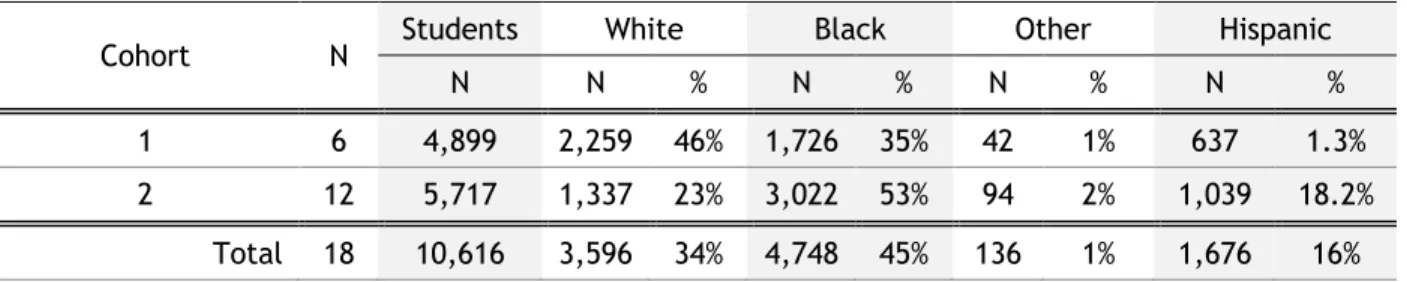
Table 5: Distribution of Select Descriptive Characteristics of the Student Populations for Each Cohort ... 46
Table 6: Numbers of Children Served and Sealants Placed in Schools that Hosted an SBSP Between 2015-2018 ... 46
Table 7: Other Dental Health Services in Participating Schools ... 49
x
LIST OF FIGURES
Figure 1: Estimated Travel Distance per County for the Child Population (0-19) to Reach
Dental Care Providers ... 3
Figure 2: Conceptual Framework Adopted from Frambach, et al (2002) ... 9
Figure 3: Combined PRISMA Diagram of Literature Review 1 and 2 ... 17
Figure 4: Sequence of Data Filters Applied to Cohort 2 Sampling Frame ... 31
Figure 5: Number of Public Health Supported School-based Sealant Programs in Georgia 2010-2018 ... 41
Figure 6: The EPIS Framework Adopted from California Evidence Based Clearinghouse for Child Welfare ... 82
xi
LIST OF ABBREVIATIONS
AAP American Academy of Pediatrics
AAPD American Academy of Pediatric Dentistry
ADA American Dental Association
ASTDD Association of State and Territorial Dental Directors CDC The Centers for Disease Control and Prevention
CHC Community Health Center
CHIP Children’s Health Insurance Program CMO Care Management Organization (AKA MCOs) CMS Centers for Medicaid and Medicare Services CPSTF The Community Preventive Services Task Force
DCH Georgia Department of Community Health
DHPSA Dental Health Professional Shortage Areas
DSL Dental Screening Law
EBP Evidence Based Practice
ESEA Elementary and Secondary Education Act of 1965
FMRP Fluoride Mouth Rinse Program
FPL Federal Poverty Level
FQHC Federally Qualified Health Center GADPH Georgia Department of Public Health
GDOE Georgia Department of Education
GOSA Governor’s Office of Student Achievement
GPHDP Georgia Department of Public Health Dental Program HHS Department of Health and Human Services
HP2020 Healthy People 2020
HRSA Health Resources and Services Administration
xii
KII Key Informant Interview
NCHS National Center for Health Statistics
NGO Non-Governmental Organization
NHANES National Health and Nutrition Examination Survey NHIS National Health Interview Survey
NIH National Institutes of Health
NSDPHMS National Study on the Diffusion of Preventive Health Measures to Schools
PCK PeachCare for Kids®
PI Principal Investigator
PRPL Free and Reduced Priced Lunch Program
SBHC School-based Health Centers
SBSP School-based Sealant Program
SES Socio-Economic Status
The Community Guide The Community Guide to Preventive Services USPSTF US Preventive Services Task Force
1
CHAPTER 1: THE TOPIC
Background
In 1948, the World Health Organization (WHO) published their definition of health as the “complete state of physical, mental, and social well-being and not merely the absence of infirmity (World Health Organization, 2014).” This statement is often quoted and has more recently been coopted to include oral health. According to a report released in 2000 by the US Surgeon General Dr. David Satcher, “Oral health means more than healthy teeth and the absence of disease. It involves the ability of individuals to carry out essential functions such as eating and speaking as well as to
contribute fully to society (Satcher, 2000).” According to a subsequent Surgeon General report (Benjamin, 2010), “Dental caries is the most common chronic disease in children” and is about five times as common as asthma. A PEW report on state oral health policies in 2007 indicated that one out of five children between the ages of 1 and 18 enrolled in Medicaid in the United States went without dental care (The Pew Center on the States, 2010).
Oral health has physical and psychological effects which can affect quality of life and feelings of social well-being. Severe caries in children can cause discomfort and pain and can lead to
2
et al., 2012). Studies on academic performance, particularly as they relate to complications from poor oral health, have limitations in that the nature and severity of dental problems are not always well documented.
Statistics demonstrate differences in dental health outcomes for different populations. A CDC report analyzing National Health and Nutrition Examination Survey (NHANES) data from 1999–2004 showed that low-income children are twice as likely as higher-income children to have untreated caries (27% vs. 13%) and half as likely as higher-income children to have dental sealants (21% vs. 40%) (S. O. Griffin et al., 2016). Children who live at less than 200% of the federal poverty level (FPL) are two times or more as likely to have untreated caries compared to children from families with incomes greater than 200% of the federal poverty level (Dye et al., 2012).
The Georgia Department of Public Health (DPH) reported in 2014 that the prevalence of tooth decay is 50% higher for children with lower socio-economic status (SES), when compared to children in higher SES; in Hispanic children rates of tooth decay were 64% as compared to non-Hispanic at 50%. Rates were higher in rural areas versus in non-rural (Kabore HJ, Smith C, Bernal J, Parker D, Csukas S, 2014). A comprehensive analysis of need conducted at the census tract level in Georgia found that the average met need for low-income children (£ 247% FPL) was 59% and for high-income children (³ 400% FPL) it was 96%. In rural census tracts, the number shifted disparity even wider at 33% and 84% respectively (Cao, Gentili, Griffin, & Griffin, 2017).
Access to Care
3
public dental benefits through the state’s Medicaid and CHIP (PeachCare for Kids© (PCK)) programs (Cao et al., 2017), there exists a substantial “spatial access” problem to dental care for children.
The Georgia Institute of Technology, Center for Health Analytics describes this spatial access in two dimensions, (1) accessibility, or distance to the provider and (2) availability or scarcity of providers who accept Medicaid (“The Georgia Institute of Technology Center for Health Analytics,” n.d.). Figure 1 compares the travel distances by county for the pediatric population (age 0-19 years) in Georgia to dental care for those on Medicaid and those that have private insurance. Eighty-five percent of those on commercial insurance traveled fewer than 25 miles, compared to Medicaid where 75% traveled
25-45 miles. Another analysis looking at the census tract level in Georgia showed that children from high-income families had better access to preventive dental care than children from lower high-income (Cao et al., 2017). Current data from the Health Resources and Services Administration (HRSA) designates 41 out of 159 counties in Georgia as dental health professional shortage areas (DHPSA) (Appendix 3) and the American Dental Association (ADA) ranks Georgia at 49th in the nation in terms of access to dental health care (Georgia Health Policy Center, 2012).
Children receiving public insurance have fewer dentists to choose from and travel farther to see a provider than those on commercial insurance, however there are many children in Georgia who do not have any health insurance. The Georgetown University Health Policy Institute, Center for Children and Families ranked Georgia seventh in the nation in the rate of uninsured children 0 to 19
0 10 20 30 40 50 60 70
5 10 15 20 25 30 35 40 45
No.
of
Cou
nt
ie
s
Miles
Figure 1: Estimated Travel Distance per County for the Child Population (0-19) to Reach Dental Care Providers (N=159)
4
years of age. The report states that more than 40% of the nation’s uninsured children reside in just four states, one of which is Georgia (Alker & Pham, 2016). Referencing US Census Current Population Survey (CPS), Annual Social and Economic Supplement data, there were an estimated 215,000
uninsured children in Georgia in 2017. This total was in decline from 2014 but saw a sharp increase in 2017.
Table 1: Numbers of Uninsured Children (0-19) in Georgia, 2014-2016 (in thousands)
Year 2014 2015 2016 2017
N 232 220 195 215
% 8.5 8.1 7.0 7.6
Data Source: Current Population Survey, Annual Social and Economic Supplement, U.S. Census Bureau
Dental Sealants
Dental sealants, or pit and fissure sealants, are a thin coating of either resin or glass ionomer-based material that are painted on the biting surfaces of teeth to fill in pits and fissures on the occlusal surface. Dental sealants prevent bacteria from becoming trapped in the pits and fissures in teeth, rendering teeth less vulnerable to tooth decay. Sealants have been approved for use for many years (American Dental Association, 2014; Beauchamp et al., 2014) and are a recommended intervention by professional associations (www.ada.org) and the public health community (www.apha.org). They are mainly used in children who are at higher risk of tooth decay and can prevent cavities for up to nine years. Sealants prevent the most cavities when applied soon after permanent molars erupt. First molars appear generally around the age of six (first grade), and second molars erupt at approximately the age of 12 (fifth grade). The earlier sealants are applied after teeth erupt, the more preventive benefit the recipient will realize. Considering the duration of sealant efficacy of nine years, if sealants were provided to the 6.5 million low-income children currently without sealants in the U.S., over 3.5 million cavities would be prevented across the nation, according to an analysis conducted by the CDC using National Health and Nutrition Examination Survey (NHANES) data (S. O. Griffin et al., 2016).
5
children aged 5–19 years was highest among non-Hispanic whites (30.2%) compared to 23% in Mexican Americans and 17% in non-Hispanic blacks. There was a significant difference in sealant prevalence in children living below 200% of the federal poverty level (19.7% - 21.0%) compared with those living at or above 200% of the federal poverty level (32%). Data indicate that the number of children who receive sealants is increasing, however low-income children are still 20% less likely to have them and twice as likely as higher income children to have untreated caries (Centers for Disease Control and Prevention, 2016). Effective application of dental sealants in the children with the greatest need should be part of a comprehensive solution to addressing dental health disparities in children.
School-based Sealant Programs
The Community Preventive Services Task Force (CPSTF) recommends that school-based programs deliver dental sealants to prevent caries and tooth decay among children, because they “increased the proportion of students who received sealants and decreased occurrence of tooth decay.” The Task Force recommendation was based on a review of the literature that showed “strong evidence of effectiveness” of SBSP. Children who receive a dental sealant in a school-based program have 60% fewer cavities when compared to children who did not receive a sealant (Truman et al., 2002). Additionally, schools with dental sealant programs increase the prevalence of sealants in third graders up to three times greater when compared with students in schools without sealant programs (Centers for Disease Control and Prevention, 2001).
A systematic review of economic evaluations conducted for CPSTF of school-based sealant programs found that the benefits of SBSP exceed their cost when they serve children at high risk for tooth decay, saving as much as $11.70 per tooth sealed over 4 years (S. O. Griffin et al., 2016). Another CDC evaluation indicated that using school-based programs that provide sealants to roughly 7 million low-income children who lack them could save up to $300 million in dental treatment costs (Centers for Disease Control and Prevention, 2016). A 2016 study projected that an SBSP that served 1,000 children will prevent the need for 485 dental fillings (S. Griffin et al., 2016).
6
health component that includes dental sealants by 10 percent from the 2007–08 baseline year of 17.1% to the new target of 18.8%. This clearly indicates an awareness of and support for the value of dental sealants provided in a school setting. Because SBSPs take a population based approach to risk
assessment for caries, they “may increase the oral health status of the community and decrease school absenteeism due to dental problems (McCormack-Brown, Clark, & McDermott, 1989).”
Given the spatial access barriers to dental care that exist with Georgia’s children and the preventive benefits from sealants when applied appropriately; alternative, effective approaches for sealant delivery should be a priority for entities who are concerned with addressing the dental health of children. The application of sealants can be conducted in non-traditional community settings, including schools, using portable dental equipment. In Georgia, sealants can be applied by dental hygienists under general supervision rules, which means under stated criteria a dentist is not required to be present for the procedure. Under Georgia Dental Board rule 150-5-.03. Supervision of Dental Hygienists, the requirement of direct supervision of a dentist over a hygienist does not apply to “dental hygiene duties at approved dental facilities of the Department of Public Health … or the performance of dental hygiene duties by personnel of the Department of Public Health or county boards of health at approved off-site locations”, which includes sealant application at a school. Paragraph 7 of the same section states it “shall be in the sole discretion of the authorizing dentist to require an initial
examination of the patient prior to the performance by a dental hygienist of dental hygiene services under general supervision.” According to the Department of Public Health Dental Program Director, this rule is applied in a consultative fashion with the county Boards of Health that have public health SBSP and it is at the discretion of the supervising dentist as to how they clinically manage the hygienists’ provision of services.
Determining Need
7
Education Act of 1965 (ESEA). This federal program makes funds available through state Departments of Education to local schools with high proportions of low-income students to improve academic achievement. The second approach, which measures the school’s participation level in the US Department of Agriculture (USDA) Free and Reduced-Price Meal (FRPM) program is utilized by the GPHDP to target schools for their SBSP. At the state level, the FRPM program is administered by state agencies which operate through agreements with local school authorities. Children qualify for free or reduced-price school meals based on household income and family size, guidelines for which are published every year by the Georgia Department of Education (GDOE). The target participation threshold for Georgia Public Health Dental Program is 50% or greater FRPM enrollment. In 2018, according to data retrieved from the GDOE, there were 965 out of 1,323 elementary schools (73%) that had greater than 50% FRPM participation, which indicates a substantial opportunity to address unmet dental health need in a school-based setting across Georgia.
Identifying a dentist who accepts Medicaid is the primary barrier to accessing dental care for covered children and there are documented spatial access issues to dental care for Georgia’s publicly insured and uninsured children. Because sealants are efficacious, cost-effective — particularly when provided to the neediest children — and can be applied in non-traditional settings such as schools, expansion of SBSP in Georgia’s schools could provide an opening to broadly advancing the prevention of dental health issues in needy children. Too many children go without the preventive services that would reduce the incidence of caries and consequently reduce school absenteeism. There is a clear opportunity to expand the adoption of SBSP across the state. Given what is already known about the effectiveness of school-based sealant programs and the need for access to these preventive services in Georgia, this research analyzed determinants that influence the decision to adopt school-based sealant programs in public elementary schools in Georgia.
Conceptual Framework
8
preventive dental health program in elementary schools in Georgia. For clarity, determinants are “factors that obstruct or enable changes in targeted professional behaviours or healthcare delivery processes” and are referred to as “barriers and enablers”, “barriers and facilitators” and also “problems and incentives (Krause et al., 2014).” For consistency, this study used the terms “determinants”, “facilitators” and “barriers”.
Decisions to adopt programs that delivery health services in schools are influenced by a collection of determinants, some emanating from the merger of a disease prevention program rightly perceived as non-educational into an education setting, though it would prevent absenteeism and improve academic performance. In Georgia there are over 180 independent public-school systems, each with a contextually unique decision process for adoption influenced by a set of determinants which may have both common and unique components based on each school’s individual
circumstances. Understanding the complex mix of determinants that influence the adoption decision of SBSP in individual elementary schools informed possible solutions for expanding into more schools across Georgia.
To facilitate organizing the complexity of the potential determinants in question, the conceptual framework developed by Frambach and Schillewaert (2002) on organization innovation adoption was selected with several modifications described below. Frambach et al. defines adoption as “the decision of any individual or organization to make use of an innovation” and further describes an adoption process as “a sequence of stages a potential adopter of an innovation passes through before acceptance of a new product, service or idea (Frambach & Schillewaert, 2002).” This research focused on the organizational adoption decision using the school principal as a proxy for understanding the decision process. The authors of this framework also describe the influence of determinants on the decisions to not adopt, which was a feature that factored in data collection for those schools that may have declined when offered the opportunity to adopt an SBSP, however no schools that participated that did not currently host a program had ever been approached to adopt an SBSP.
9
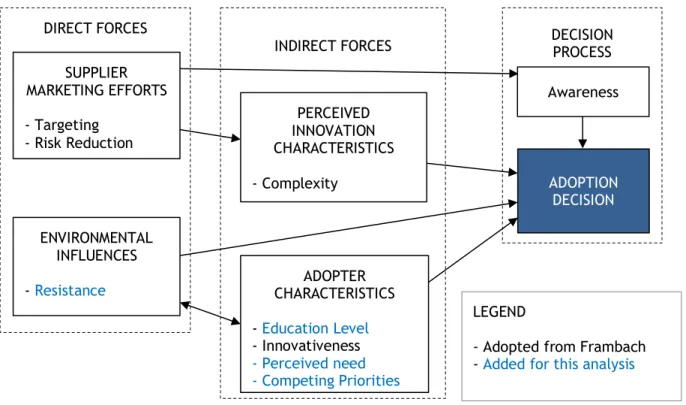
depicts these groupings, with perceived innovation characteristics and adopter characteristics at the core of the framework as according to Frambach they propel the decision-making process, but they are also influenced by and mediate external factors. There is plausibly a mixture of determinants from both direct and indirect forces in the SBSP adoption decision process for an elementary school. Determinants selected from the Frambach framework as most applicable to the aims of this research include targeting, which is the influencer’s ability to effectively make a case for the innovation
adoption; risk reduction, the supplier’s ability (or adopter’s perception of their ability) to mitigate the potential real or perceived impacts to the school; complexity, defined as the school’s attitude,
perception or opinion of the innovation and finally innovativeness, or the degree to which a school’s culture is receptive to new products or services. Additionally, the decision process determinant awareness was retained as a necessary condition of adoption.
Research on implementation has mainly been advanced in areas where adoption is propelled by profit or science (Aarons & Hurlburt, 2011). Frambach and Schillewaert researched the adoption of innovation by organizations in the private sector and describe markets driven by profit. Schools are not
INDIRECT FORCES DIRECT FORCES
SUPPLIER MARKETING EFFORTS - Targeting
- Risk Reduction
ENVIRONMENTAL INFLUENCES
- Resistance CHARACTERISTICS ADOPTER - Education Level - Innovativeness - Perceived need - Competing Priorities
DECISION PROCESS
ADOPTION DECISION
PERCEIVED INNOVATION CHARACTERISTICS - Complexity
LEGEND
- Adopted from Frambach - Added for this analysis Figure 2: Conceptual Framework Adopted from Frambach, et al (2002)
10
a “market” in the same sense in that the organization is not driven by financial gain as an adoption criterion. Other research shows that adoption of innovations in human services organizations (i.e. schools) is “fundamentally different” from traditionally studied innovation adoption settings due to the types of innovations and the variability in the characteristics of the those receiving the innovation (Damanpour, 1991).
To address this dissonance between the research and its application to an alternative setting, the selected framework has been modified to include four additional determinants not expressly described by Frambach, which include the potential motivation influenced by competing priorities at the school level, i.e. lack of motivation to adopt, possibly based on real or perceived lack of time or other resources; the perceived need by the school for the intervention, i.e. deciders inference that an intervention is needed based on an awareness of the need characteristics of their student body and finally potential resistance to the status quo to adoption by internal or external parties. Finally, in other studies of adoption decisions of a different preventive dental intervention in schools, a
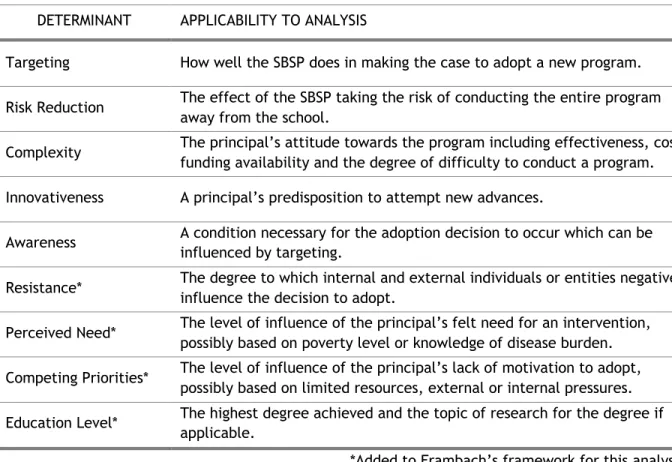
Table 2: Definitions of Innovation Adoption Determinants
DETERMINANT APPLICABILITY TO ANALYSIS
Targeting How well the SBSP does in making the case to adopt a new program.
Risk Reduction The effect of the SBSP taking the risk of conducting the entire program away from the school.
Complexity The principal’s attitude towards the program including effectiveness, cost, funding availability and the degree of difficulty to conduct a program. Innovativeness A principal’s predisposition to attempt new advances.
Awareness A condition necessary for the adoption decision to occur which can be influenced by targeting.
Resistance* The degree to which internal and external individuals or entities negatively influence the decision to adopt.
Perceived Need* The level of influence of the principal’s felt need for an intervention, possibly based on poverty level or knowledge of disease burden. Competing Priorities* The level of influence of the principal’s lack of motivation to adopt,
possibly based on limited resources, external or internal pressures. Education Level* The highest degree achieved and the topic of research for the degree if
applicable.
11
correlation was demonstrated between the likelihood to adopt and the decider’s education level. Table 2 contains the selected determinants and a description of how they potentially apply to a principal’s decision to adopt SBSP.
Research Question and Study Aims
The intent of this study was to answer the question; what are the determinants that
influence the decision of an elementary school principal in Georgia that predominantly serves
low-income children to adopt a school-based dental sealant program? This is a decision that could lead
to implementation of a school-based health program that prevents a chronic dental issue in children and would have a positive effect on school attendance and academic performance.
The approach was divided into three aims. Aim 1 was to understand current types and characteristics of other school-based dental health programs in Georgia’s elementary schools. Aims 2 and 3 were to evaluate determinants that influence an elementary school’s decision to adopt or not adopt an SBSP, respectively. The chosen conceptual framework inspired by Frambach (Figure 2) organizes the research approach and the content of Aims 2 and 3 are refined to focus on the determinants defined in Table 2. The research questions for Aims 2 and 3 were mapped to the conceptual framework, which were also mapped to the questions in the approved interview guide (Appendix 4).
Aim 1
Describe the number of school-based dental programs that are currently being conducted and
the volume of services being provided in public elementary schools in Georgia.
12 Research Questions
• Which elementary schools in Georgia have had a school-based dental program in the past 12 months?
• What other types of service delivery models were deployed (mobile practice, public health, other)?
• What provider types conducted the services (dentist or hygienist)? • What dental services were performed by the provider?
• What were the methods used by the provider to target the schools in which the services were provided?
• How many children were served? • How were they funded?
Method – Quantitative and descriptive analyses of publicly available data sources, including program
data from the Georgia Dental Health Program and Medicaid claim data; unstructured discussions with the Georgia public health dental program and operations staff from other dental programs that provide services in schools. Where available, claim data from the state Medicaid program were used to
describe provider’s activities. Aim 2
Collect and analyze determinants that influence an elementary school’s decision to adopt a school-based sealant program (SBSP) in public elementary schools in Georgia that predominantly serve low-income children.
Research Questions
1) Targeting – Did an outside health entity or person make the school aware of SBSP and the benefits of conducting an SHBP in their school? If not a health entity, what other entity or person? Was there a ‘champion’ for the program that influenced the process?
2) Risk Reduction – How influential in the decision was the offerer of the SBSP carrying the major burden of effort and minimizing the programmatic responsibilities to the school?
13
decision? If so, who were they and to what degree did each play a role in the decision-making process?
4) Complexity – What are the deciders attitudes towards the program including perceived effectiveness, cost, funding availability and the degree of difficulty to conduct a program? 5) Perceived Need – To what degree were the deciders motivated by a perception that an
intervention was necessary, possibly based on poverty level or knowledge of disease burden? 6) Innovativeness – Did the school have a predisposition to attempt new innovations? What are
initial reactions when presented with new, extra-curricular programs for students? 7) Competing Priorities – Were there other activities or pressures that influenced a lack of
motivation to adopt possibly based limited resources or other external or internal pressures. 8) Education Level – What is the highest degree attained by the principal of the school. Method – Qualitative analysis of key informant interviews with school principals that have hosted
a school-based sealant program in their school in the past school year. Aim 3
Collect and analyze determinants that influence an elementary school’s awareness of or decision to not adopt a school-based sealant program (SBSP) in public elementary schools in Georgia that
predominantly serve low-income children.
1. Awareness – To what degree were principals who have not hosted a program aware of School-based Sealant Programs?
2. Targeting – Did an outside health entity or person make the school aware of SBSP and the benefits of conducting an SHBP in their school? If not a health entity, what other entity or person? Was there a ‘champion’ for the program that influenced the process?
3. Risk Reduction – How influential in the decision was the offerer of the SBSP carrying the major burden of effort and minimizing the school’s programmatic responsibilities? 4. Complexity – What were the deciders attitudes towards the program including perceived
14
intervention was necessary, possibly based on poverty level or knowledge of disease burden?
6. Resistance – Were there external or internal individuals or entities exerting pressure on the decision? If so, who were they and to what degree did each play a role in the decision-making process?
7. Innovativeness – Does the school have a predisposition to attempt new innovations? What are the initial reactions when presented with a new, extra-curricular programs for
students?
8. Competing Priorities – Where there other activities or pressures that influenced a lack of motivation to adopt possibly based limited resources or other external or internal
pressures.
9. Education Level – What is the highest degree attained by the principal of the school. Method – Qualitative analysis of key informant interviews with school principals that have not hosted
15
CHAPTER 2: LITERATURE REVIEW
This chapter includes two sequential literature searches. The first systematic review focused on finding research that analyzed adoption determinants of SBSP in elementary schools, which resulted in no articles or studies expressly analyzing adoption decisions. Through bibliographic review, a reference was discovered for a study (Coombs, Silversin, Drolette, Bikofsky, & Ulrich, 1983) that explored adoption characteristics of a different school-based dental program from almost 40 years prior (McCormack-Brown et al., 1989). The second literature review was predicated upon this discovery and explored research on determinants influencing the adoption decision of school-based Fluoride Mouth Rinse Programs (FMRP). The intent of the second literature review was to ensure that critical information was not missed which could apply to the research question regarding SBSP adoption decisions.
Methods
The reviews were conducted between January 2018 and February 2019. The first review was designed to examine research that evaluated the existence and effects of determinants on the decision by an elementary school principal to adopt a school-based sealant program. The clinical efficacy and cost effectiveness of the intervention is well established in the literature, as well as the school-based method of delivery (Chalmers, 2011; S. Griffin et al., 2016; Muller-Bolla, Pierre, Lupi-Pégurier, & Velly, 2016; Zabos et al., 2002) and were therefore not terms of interest in the review. The following
16
schools. Terms for location were the same for both searches (elementary school, primary school, grade school) to capture first and fifth grade, the typical age when sealants are delivered in a school setting.
For a study to be included it had to be (1) published in English, (2) research conducted in schools within the United States, (3) in elementary schools in public or private settings, (4) qualitative or quantitative analyses of adoption decision characteristics, (5) descriptive or analytical, (6)
irrespective of provider type (hygienist, dentist, other), (7) regardless of provider organization type (nonprofit, government, private, for profit). Exclusion criteria were (1) research not specific to adoption, (2) not published in English, (3) intervention not in the United States, (4) not sealants (or fluoride mouthrinse in the second search (e.g. education, screening, restorative)), (5) not school-based, (6) not elementary (primary) school age, (7) studies that focused on educational interventions to the students, (8) studies that focused on dental schools. Grey literature sources were not
systematically excluded.
The searches were conducted with assistance from health sciences librarians at the University of North Carolina Chapel Hill (UNC) and the Stephen B. Thacker Library at the Centers for Disease Control and Prevention (CDC), however the eligibility assessment for selected articles was performed solely by the Principal Investigator. All files were imported into Mendeley desktop reference manager and deduplicated using automated “find duplicates” function with preference set to match on title, author and year. Full text of the articles that met the eligibility criteria were retrieved and reviewed using the eligibility criteria described above, based on content in the title and abstract first and subsequently in a full text review. A data extraction table was developed to assist with parsing the contents of the articles selected to be evaluated, which included, (1) lead author and year, (2) study design, (3) study population (4) sample size, (5) analytical methods, (10) author conclusions (7) and quality (Appendix 1).
Results
17
reduced to a total of 7 in the final abstraction. There were 912 potential sources from six databases from the first review from which 571 duplicates were removed. Following title and abstract review, 303 references were removed leaving 38 records for full-text review. All 38 references were excluded after application of eligibility criteria for reasons including not being research specific to adoption,
Literature Review 1 Sealants
N = 912 - Medline -245 - Scopus - 257 - CINAHL - 81 - Embase - 265 - Global Health - 62 - ERIC - 2
Literature Review 2 Fluoride Mouth Rinse
N = 131 - Medline – 0 - Scopus - 29 - CINAHL – 11
- Web of Science - 91
# of duplicates removed: 13
# of duplicates removed: 571
# records excluded based on title and abstract:
111 # records excluded based on
title and abstract: 303
# included based on selection criteria:
5
# records identified through hand search:
2 # included based on
selection criteria: 0
# of full-text articles included in the abstraction table:
7 # records identified
through hand search: 0
18
being a clinical trial, an evaluation study, not US based or a cost-effectiveness study. The second systematic review yielded 131 articles from four online databases from which 13 duplicates removed. The number of eligible articles was reduced by 111 in the initial title and abstract review. Two articles were excluded after application of eligibility criteria and an additional two references were added from bibliographic review for a final total of 7 articles for abstraction.
Review 1 – School-based Sealant Programs
After application of eligibility criteria during the manuscript review no articles were
determined to be peer-reviewed studies expressly focused on the analysis or evaluation of the impacts of determinants on the decision by an elementary school to adopt a school-based sealant program. All articles were found to be descriptive papers about sealants prevalence, cost benefit or effectiveness of sealant programs (11), informational articles (1), evaluations (5), program manuals (2). Nineteen articles mentioned or described the influence of various factors on the successful implementation or sustainment of an SBSP which included funding, planning, partnerships, school characteristics and program components, however, implementations and sustainment are not the focus of this analysis.
In the final sentences of one article, (McCormack-Brown et al., 1989) the authors quoted a study published five years ealier (Coombs et al., 1983) which stated that “…83% of superintendents whose schools adopted self-application fluoride rinse programs reported school health personnel positively influenced the adoption process.” Upon exploration of this reference regarding adoption of an alternative school-based dental program, it became clear that an additonal literature review was necessary. The Coombs et al. article was not collected in the search strategy applied in the first reivew, most likely due to it being fluoride moutrinse and not dental sealants.
Review 2 – Fluoride Mouthrinse Programs
19
method (Scheirer, 1990; Scheirer, Allen, & Rauch, 1987). Four specifically reported results from the NSDPHMS (Coombs et al., 1980, 1983, 1981; J. B. Silversin et al., 1980b), and two were designed as a follow-up telephone survey to the NSDPHMS (Scheirer, 1990; Scheirer et al., 1987). Three articles were published by the same three authors (Coombs et al., 1980, 1981; J. B. Silversin et al., 1980b) based on NSDPHMS data, although they did progressively elaborate on results from their survey. Results from the 7 articles in this literature review are organized by the study segment they described.
National Study on the Diffusion of Preventive Health Measures to Schools (NSDPHMS)
The NSDPHMS was conducted in the late 1970s through funding provided by the National Institutes of Health (NIH) (Coombs et al., 1980, 1983, 1981; J. B. Silversin et al., 1980a) and is central to the results of this literature review, as it was the genesis of all 7 selected articles. A published report of this study was not located, however the methods and results from the research are well documented in several of the selected references (Coombs et al., 1981; J. B. Silversin et al., 1980a). Coombs (1980) describes a “paucity of information related to adoption of preventive health measures in schools” and the study’s theoretical framework drew heavily from Rogers’ diffusion of innovation paradigm (E. M. Rogers & Shoemaker, 1971) which focused on the gap between the development of medical technology and the subsequent dissemination, or diffusion, “into the field”. The NSDPHMS was designed to investigate the diffusion and adoption of school-based, self-applied fluoride
mouthrinse or tablet programs (FMRP). Fluoride tablets are chewed and ingested and provide benefits topically to erupted teeth, but also to teeth still developing that have not fully erupted. Fluoride mouthrinses are not swallowed and only protect teeth that have erupted. The papers refer to these types of programs collectively as school-based, self-applied fluoride mouthrinse programs, therefore the acronym FMRP will be used inclusively for consistency.
20
information or training was sought prior to deciding whether or not to adopt; (3) whom the decision-makers consulted for technical assistance; (4) and what roles other health and education professionals, as well as community members, played in the decision. For the purposes of this review, attention will focus on aspects of the study regarding the decision to adopt or to not adopt versus
post-implementation issues including adoption accuracy and program discontinuation.
Phase I of the NSDPHMS began in March of 1979 when all 15,024 public school superintendents in the United States were mailed a seven-item survey instrument designed to explore whether or not the superintendent had heard of fluoride mouthrinse or tablet programs and to document the number and location of school-based fluoride programs. Additional data were collected to determine the fluoridation status of the communities served, their Standard Metropolitan Statistical Area (SMSA) status, the number of students enrolled, and the range of grades taught. Phase I had a 75% response rate with a slight difference between those districts that had an FMRP (median 72%) and those that did not (median 63%), and between urban (median 87.2%) and rural school districts (median 71.4%).
During October of 1979, Phase II of the study was initiated where a subsequent more comprehensive survey was mailed to sub-populations of superintendents created based on the responses to Phase I. Phase II was designed to explore characteristics of school districts that might differentiate adopters from non-adopters, and to further investigate the adoption process. The response rates for Phase II were 79.4% for the adopting superintendents (N = 238) and 70.7% for non-adopting superintendents (N = 345). There were no systematic differences in characteristics between respondents and non-respondents in Phase II of the study.
Overall, the survey revealed that 23% of the total were providing an FMRP at the time, which increased to 39.9% in those who had heard of an FMRP prior to the survey. The association between superintendents' perceptions about FMRP and whether they chose to adopt was significant (Chi-square, p < 0.01). When compared to non-adopters, adopters tended to report that funds were available (adopters 61.9%, adopters 23.1%), that the intervention was inexpensive (adopters 87.4%, non-adopters 50.5%) and that the FMRP was easy to implement (non-adopters 62.9%, non-non-adopters 26.9%).
21
public health professional (68.7% vs. 37.5%) and in 83.2% of adopting districts school health personnel were identified as playing a role in influencing the superintendent to adopt the program. In adopting districts, local public health departments where described as influential by 56.9% of respondents and in one paper (Coombs et al., 1981) were categorized as “boundary spanners” who facilitate idea and information exchange across ostensible borders, both within and among organizations. In 67.0% of adopting districts principals were cited as being influential and were also identified as being crucial as the program occurred in settings they managed. Other influencers included school board members and parents (50.5%) (J. B. Silversin et al., 1980a).
Coombs et al. indicated that most administrators were not in search of a solution to the issue of tooth decay in their students, but rather were targeted by outside groups. Resistance to adoption was not indicated as a major issue by those who adopted FMRP, however a small number of non-adopters (15.0%) indicated that only one group, anti-fluoridationists, was seen as likely to exert a negative influence.
Maine Office of Dental Health Survey of Public-School Superintendents
In 1982 the Maine Department of Human Services (the state public health agency) sponsored a survey of public-school superintendents (N = 145) and private school principals (N = 63) modeled after the NSDPHMS to better understand the beliefs, knowledge and attitudes about FMRP in their state (Deatrick & Sorg, 1982). The goal was to use this information to facilitate more targeted efforts at increasing support for adoption of FMRP. The overall response rate was 60%. A large portion of
respondents perceived a need (71.4%) by indicating that untreated dental decay was at least moderate problem. Only 4.2% believed it to be severe, slightly lower than in NSDPHMS, where 26.8% of
respondents thought untreated caries was a problem (J. B. Silversin et al., 1980a).
A majority of superintendents (60%) felt that the school was at least a “moderately
appropriate” setting for FMRP, however 21% felt that it was “not at all” the school’s role to facilitate preventive dental programs. Three quarters of respondents believe that FMRP are effective at
22
Health officials should take a lead role in influencing the beliefs, knowledge and attitudes about FMRP in school superintendents (Deatrick & Sorg, 1982).
NSDPHMS Follow Up Study
In consultation with the NSDPHMS study authors, Scheirer et al. extended their data collection by conducting telephone interviews using the same sampling frame of US school district
superintendents employed by Coombs et al. and constructed a longitudinal record by reusing
components of the 1979 NSDPHMS survey instrument (Scheirer, 1990; Scheirer et al., 1987). The total number of districts in the 1985 telephone survey sample was 1,072 districts with 528 districts
designated from the 1979 results as adopters (76% response rate) and 544 districts designated
nonadopters (70% response rate). Scheirer conducted a secondary interview (89% response rate), which investigated aspects of implementation accuracy and program discontinuation with the principal of one participating elementary school in each adopting district, but these results will not be explored.
No correlation was found between fluoridation status of water in the community and FMRP adoption, which mirrored the 1979 results (Coombs et al., 1980). The relationship between the proportion of children designated as low-income (based on participation in a federal poverty program) to the adoption of FMRP was almost linear, which the authors interpreted as the districts’ perception of need based on poverty. Adoption of FMRP was not correlated with funding availability, although respondents frequently described funding as coming from other sources. Districts in suburban areas were slightly less likely to be adopters (48%) than districts in large cities (64%) or rural areas (62% adopters). In adopters, 73% of respondents indicated that the first source of information about the FMRP was from a related origin and the district was more likely to have adopted when a health-oriented individual was the first source of information about the FMRP, most often from state and local public health officials, as well as from school district health personnel (Scheirer et al., 1987).
23
political (Greer, 1977). The "classical" model emanates from Rogers’ research on diffusion theory and focuses on the characteristics and perceptions of individual adopters. The “organizational structure” model examines differences in organizational characteristics and resources, including economic variables. The “political” model examined processes by which innovations enter organizations. Through multivariate logistic regression analyses, Scheirer found statistically significant results in both the classical and political perspectives, but none were found in the organizational perspective which included district type and size, geographic characteristics (urban, suburban, rural), prior experience with dental programs and financial capabilities.
There were four variables found to be statically significant from the so-called political perspective. First, when the initial source of information was a health-related individual, the district was more likely to adopt (β .24, p £ .0) which matched the prior survey results (73% of respondents) and was most often described as being state or local public health officials, or school health personnel. Second, the presence of a “champion” in the decision process (β .31, p £ .0) increased the likelihood of adoption. In 50% of the districts, the champion was also the first source of information. Third, groups or individuals opposed to the program negatively affected adoption (β .14, p £ .0), however, only 55 districts mentioned the presence of opposition and was commonly reported to be a teacher (22 districts) or parents (22 districts). Antifluoridationists were only mentioned by three districts. Fourth, the more individuals or groups whose approval for adoption was necessary increased the likelihood for adoption (β .06, p £ .0), which was interpreted by Scheirer as supportive of the value of an inclusive process.
24
perception of need by the decision-maker was positively related to adoption (β .004, p £ .0), which indicated that the proportion of low-income children in their schools did influence the decision. Discussion
These reviews revealed a significant gap in the literature with respect to research and analysis of determinants that influence adoption decisions of school-based dental sealant programs. However, influential determinants in the decision process for adopting a somewhat comparable preventive dental program in elementary schools 30 years ago (FMRP) were revealed. These determinants may apply to the current research question, and include the perception of need, attitudes and perceptions about the intervention, the role of influencers, including the value of a “champion” involved from introduction of the subject through the entire decision process, particularly one who is health oriented.
Throughout the references abstracted in this review, the perception of need influenced adoption decisions of FMRP, both based on the belief that dental health was a priority for students (Coombs et al., 1980, 1983, 1981; Deatrick & Sorg, 1982; J. B. Silversin et al., 1980a) and that untreated caries was a moderate (Deatrick & Sorg, 1982) to severe (J. B. Silversin et al., 1980a) problem in their schools. Superintendents’ adoption decisions in one study was strongly associated with the proportion of low-income children in their schools (Scheirer, 1990).
Perceptions and attitudes regarding the intervention were significantly associated with a superintendents' adoption decision (J. B. Silversin et al., 1980a) and in one study the single strongest predictor was the respondent’s perception of characteristics of the intervention (cost,
understandability, difficulty), however the author cautions against interpreting causal effects of this attitudinal variable because the data were collected after the adoption decision (Scheirer, 1990) and could mask a systematic bias.
25
first source of information (Coombs et al., 1983; Scheirer, 1990; Scheirer et al., 1987). Public health was also described as being a “boundary spanner” (Coombs et al., 1981) and that public health officials should take a lead role in influencing the adoption decision (Deatrick & Sorg, 1982). Other influencers included school board members, parents and principals. Principals were identified being “crucial” (Coombs et al., 1980; J. Silversin, Coombs, & Drollette, 1980) a stakeholder group to target (Coombs et al., 1983). Evidence of the effects of opposition was minimal and included anti-fluoridationists, (Coombs et al., 1983) teachers and parents (Scheirer, 1990).
Coombs et al. (1981) indicated that most administrators were not in search of a solution to the issue of tooth decay in their students, but rather were targeted by outside groups. Scheirer (1990) also posits that a health innovation may not be a priority to an innovative school administrator maneuvering through an adoption decision processes because the purpose of the intervention is not fundamental to the primary goals of the adopting educational organization. Scheirer further concludes that adoption decisions were affected primarily by influences emanating from effective interpersonal
communications rather than through a structured, deliberate, decision-making process. These premises, combined with the evidence that perceptions about the intervention strongly influence adoption, underscore the necessity for strong interpersonal interactions from the point of introduction of the innovation, optimally through a champion, particularly one from a health-related field. This approach could influence adoption decision and the incongruous effort of introducing a non-educational innovation into an educational setting.
In general, the research conducted in this review of FMRP adoption was of high quality, in large part due to the fund source being NIH, and the rigor placed on the research methods. Based on
26
Limitations in this first literature review are inherent in that although the search was
conducted with the assistance of librarians but the work of assessing and abstracting was completed by the author alone. Limitations of the review related to FMRP include the data being 20 and 30 years old and that although the intervention is a preventive dental procedure provided in a school setting, FMRP are fundamentally different from SBSP and the determinants described as influencing the adoption of FMRP may not be directly translatable to a SBSP adoption decision scenario. Both SBSP and FMRP are cost effective, clinically efficacious and delivered in schools, however the former requires professional staff, specialized equipment, dedicated space and consent process. It was possible for a school to self-initiate an FMRP but that is not the case with an SBSP, which for the reasons delineated above,
requires an outside entity to conduct the services. Finally, even though their influence was low, there is no apparent analog to the opposition to FMRP from antifluoridation activists with SBSP.
27
CHAPTER 3: STUDY METHODS
This chapter describes the methodological approaches and analytical tools used to answer this study’s research question; what are the determinants that influence the decision of an elementary school principal in Georgia that predominantly serves low-income children to adopt a school-based
dental sealant program? Attention was focused on the principal’s decision and decision process
including various features of context that potentially influenced the decision and not on post-adoption decision components, including implementation.
Study Design
This study was divided into three separate Aims. For Aim 1 descriptive and quantitative data and other information about the characteristics of school-based dental programs were gathered from publicly available, web-based sources and through discussions with staff from several of the programs conducting the services. The results from this effort were intended to be descriptive in nature and can be found in Chapter 4. For Aims 2 and 3, in-depth, semi-structured, telephonic key informant
interviews (KII) were conducted to collect data from elementary school principals in two Cohorts, the results from which can be found in Chapter 5. Cohort 1 was comprised of elementary schools that currently host an SBSP according to data provided by the Georgia Department of Public Health, Dental Health Program; Cohort 2 were elementary schools not currently hosting an SBSP.
28
2013) and was chosen as the method to analyze the interview text. The analytical design integrated a combination of deductive (conceptual framework) and inductive (data-driven) coding to the text as meaning was ascertained from the responses to the questionnaires (Bradley, Curry, & Devers, 2007). IRB and Protection of Human Subjects
On August 8, 2019, the Office of Human Research Ethics, Institutional Review Board (IRB) at the University of North Carolina (UNC) Chapel Hill completed its review of this study (#17-2709) and
determined it to be exempt from further review. The exempt status was based on the minimal risks to participate, however appropriate precautions were taken to prevent a breach in confidentiality and to protect the privacy of all study participants. After IRB approval, the interview guide was revised slightly with additional input from the committee prior to data collection (Appendix 4).
Participant Eligibility
29 Subject Recruitment
For recruitment purposive sampling techniques were employed, which included snowball sampling, where participating principals were asked for referrals to other eligible principals at the end of each interview. Potential participants were invited to participate through an e-mail distributed from the Principal Investigator’s UNC email address. The message explained the research study, including potential benefits and risks, and asked the recipient to participate in a telephone interview (Appendix 2). A follow up email was sent after 7 days and in the case of Cohort 1, a follow up phone call to the number listed on the school’s website was made. Significant issues with recruitment were encountered in both Cohorts which is described in the follow sections.
Cohort 1
For the purposes of this study, a school-based sealant program is one that conforms to the Association of State and Territorial Dental Directors (ASTDD) definition, which states that school-based programs are conducted completely within the school setting with teams of dental health professionals such as dentists or dental hygienists utilizing portable equipment or in a fixed clinical facility within the school setting or in a mobile dental van parked on school property. Potential participants for Cohort 1 where identified through data provided by the Georgia Department of Public Health Dental Program, which currently funds and monitors SBSP across the state. Principals’ names and contact information were located on the schools’ public web sites.
The sampling frame was comprised of 35 schools that had hosted an SBSP in the 2018-2019 school year, however, six schools were removed as ineligible for the study as not meeting the ASTDD definition or not being an elementary school (1 middle school, 2 high schools, 3 non-SBSP partnerships). Additionally, the PI had been informed by the program that they used the 50% FRPM threshold as a selection criterion for hosting SBSP, however it was determined for one school only 39% of the students participated in FRPM, which will be described further in findings.
30
follow up email was sent to non-responsive principals, which yielded one decline and no other affirmative replies. The following week phone calls were made to the phone number listed on the school’s website which yielded no further agreements to participate. At this point, in consultation with dissertation committee co-chairs, the decision was made that the PI could attempt recruitment of principals by utilizing professional relationships with leaders in both the fields of public health and education. For Cohort 1, the primary intermediaries were local district public health directors (DHD) who had the superintendent of schools on the local board of health. The DHDs who agreed to assist were briefed on the project, provided copies of the recruitment email and independently acted to recruit principals on the PI’s behalf. The final total of Cohort 1 principals that agreed to participate was six.
Cohort 2
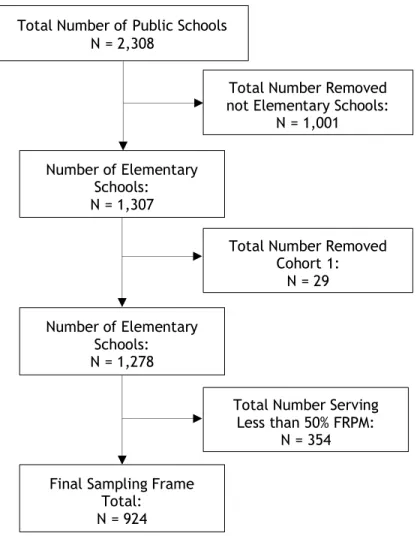
Selection of principals in Cohort 2 from schools that had not hosted an SBSP was achieved through creation of a sampling frame using two publicly available data sources. An excel spreadsheet was downloaded from the National Center for Education Statistics which contained rich demographic and enrollment data about all public schools in Georgia (N = 2,308) for the most recently available academic year (2017-18). However, these data did not include the principal’s name or email address. A downloadable database from the same academic year with contact information including email address was located through an internet search on the Georgia DOE website. The two data sets were merged using a common, unique identifier [State_School_ID]. The data were filtered to only include elementary schools which served greater than 50% FRMP and the 29 schools from Cohort 1 where removed, resulting in a final total of 924 eligible schools (Figure 4). Upon completion of the last step, no further edits or modifications were made to the sampling frame.
31
recruitment email and acted independently to recruit principals on the PI’s behalf. Due to the viral nature of how recruitment evolved for Cohort 2 it is impossible for the PI to know or describe the total
volume of messages sent on behalf of the PI. In addition to email recruitment, also in consultation with dissertation committee co-chairs, on November 4th, 2019, the PI attended the annual meeting of the Georgia Association of Elementary School Principals to recruit participants which yielded one call back. The total number of interviews conducted for Cohort 2 was 12 and was concluded after saturation was reached.
Total Number of Public Schools N = 2,308
Total Number Removed not Elementary Schools:
N = 1,001
Number of Elementary Schools: N = 1,307
Figure 4: Sequence of Data Filters Applied to Cohort 2 Sampling Frame
Total Number Removed Cohort 1:
N = 29
Number of Elementary Schools: N = 1,278
Total Number Serving Less than 50% FRPM:
N = 354 Final Sampling Frame
32 Data Collection
Semi-structured key informant interviews were conducted during October and November 2019 with 18 elementary school principals in two Cohorts to identify and characterize the determinants that influence decisions to adopt school-based sealant programs. In some instances, a time was scheduled for the interview by agreement, in some instances a window of availability was provided to the PI via email and attempts were made to reach the principal. In several cases the principal contacted the PI directly and an interview was conducted at that time.
Participation was at no cost to the principal other than their time, nor did they receive any incentives to take part. At the start of the interview the principal investigator explained the purpose of the study and assured the participant their name and the name of their school would be confidential and that direct quotes used in the study report would not be attributed to an individual participant or their school. Though none were encountered, participants were invited to bring up questions or concerns prior to scheduling the interview or at the start of the interview. Participants were informed that they were free to take breaks or to terminate the interview at any time, and that exercising this option would have no adverse effects on their school. They were further informed that the interview was solely for the purposes of this doctoral dissertation. Verbal consent was obtained from all participants and all 18 agreed to be recorded.
Participants were asked to confirm basic information about their status as the principal
33
framework (Table 2). The interview guide can be found in Appendix 4. Upon completion and
acceptance of the dissertation, all research materials, including transcripts, recordings, and notes, will be destroyed as a privacy protection.
Data Analysis
During data collection all recordings were uploaded as they were completed to a third-party, web-based transcription service. Transcripts were downloaded, saved securely, and deidentified and a unique identifier was applied to the study materials. From October to December 2019, the principal investigator loaded each transcript into MaxQDA qualitative data analysis software solution. To minimize loss of recall, each transcript was read as soon as possible after the interview and a
document level memo was written in MaxQDA to summarize ideas and concepts that emerged from the discussion. The memo also described the general tone and delineated additional interesting,
unexpected or noteworthy information recorded in the discussion.
Starting with nine deductive codes from the conceptual framework, open coding was conducted on response level textual units (as opposed to word-by-word or line-by-line). This facilitated
exploration of broader concepts and ideas provided by the respondents throughout the coding process and resulted in the identification of seven additional data-driven (inductive) codes. The coding process was iterative and applied to all 18 transcripts in three to four passes. As new data-driven codes were identified in the text, a memo was developed in MaxQDA for each code, the contents for which included a name, a description and text examples quoted verbatim to facilitate clarity and
consistency. In some cases, conflicts and overlap with other codes were described in the memo to ensure clarity when application of the code to the text was appropriate for the second coder.
34
renamed and shared with the second coder. A consultation was scheduled where the PI reviewed the project file and each code memo in depth, after which the second coder coded a transcript selected at random. This file was provided to the PI and was reviewed in detail. It was compared to the primary coding for the selected transcript and comments were written for each area of alignment and
misalignment. A follow up consultation was scheduled during which each code-level comment was reviewed with the second coder. The next step was second coding six additional transcripts (three from each Cohort) with another consultation. A third round of second coding completed all 18 transcripts. Through this process, an intercoder reliability of 80.0 percent was achieved, in line with the 80 percent agreement threshold that is recommended as a benchmark for qualitative research.
35
CHAPTER 4: OTHER SCHOOL BASED DENTAL SERVICES
Aim 1 of this research project was to collect information regarding non-SBSP dental health programs and interventions occurring in public elementary schools. Data collection methods as
described in Chapter 3 were informal, referral-based conversations with knowledgeable individuals who worked in the programs and from publicly available sources, mainly websites. In some cases, the information was second-hand due to nonresponses from an optimal informant. The findings are presented in descriptive terms and are not intended to be quantitative in nature.
In the study proposal, it was suggested that the output of this effort could help inform a strategy to recruit principals for Cohort 2, however the purposive sampling approach chosen to recruit participants rendered this unnecessary. The intent of Aim 1 was also to discover to the degree possible what other types of in-school dental programs are active in Georgia’s elementary schools. The
existence of other programs in the same settings could either coexist with, augment or potentially compete with expansion of SBSP, which will be applicable to the plan for change.
Performance Standards for Health