EVALUATION OF THE IMPLEMENTATION OF A NUTRITION AND EXERCISE INTERVENTION IN A COMMUNITY-BASED SETTING FOR TEENAGERS WITH DOWN
SYNDROME
Heather Alico Lauria
A project submitted to the faculty at the University of North Carolina at Chapel Hill in partial fulfillment of the requirements for the degree of Doctorate in Nursing Practice in the Family
Nurse Practitioner program in the School of Nursing.
Chapel Hill 2018
Approved by:
Julee Waldrop
Marcia Van Riper
iii
ABSTRACT
Heather Alico Lauria: Evaluation of the Implementation of a Nutrition and Exercise Intervention in a Community-Based Setting for Teenagers with Down Syndrome
(Under the direction of Julee Waldrop)
Many interventions focusing on nutrition and exercise have been developed to address
obesity and unhealthy lifestyles. Fewer interventions have been developed for individuals with
Down syndrome (DS) where the incidence of obesity is 10% higher than typically developing
peers. In the review of the evidence, health promotion programs designed to improve the health
of children, young adults and adults with DS were identified. The most effective components of
these programs included interdisciplinary involvement, diverse exercise options, nutrition
education and parent involvement. One of the most comprehensive studies utilized components
of a health education curriculum called Health U (Curtin et al., 2013, Bandini et al., 2012). This
program (adapted to a community setting) was implemented at the Triangle Down syndrome
Network in Raleigh, North Carolina. A Registered Nurse, special education teacher, and social
worker coordinated the 6-week intervention. The program focused on physical activity, nutrition
and health education. The program evaluation of this health promotion program included
caregiver reported program satisfaction and caregiver reported health behavior changes of
participants. These outcomes contributed to the evaluation of the feasibility of implementing
the Health U program in a community-based setting. This program was shown to be feasible and
positively impact the program participants. Overall, caregivers would recommend this program
to others and were satisfied with the Health U program. This provides support of the benefits of
iv
To my husband and favorite person, I couldn’t have done this without you. Thank you for being
an important part of my academic journey and for reminding me that God’s plan is greater than
v
ACKNOWLEDGEMENTS
I would like to thank Dr. Julee Waldrop for her positivity, guidance, and belief in me.
Thank you for being my chair and for your constant encouragement. Thank you to Dr. Marcia
Van Riper for being there from the start and seeing this through by supporting my ideas. Thank
you to Kari Alberque for making me feel at home at TDSN and making this project possible.
Last but not least, I would like to thank my program volunteers, Philip and Elizabeth, as well as
vi
TABLE OF CONTENTS
LIST OF TABLES……….………..………..…ix
LIST OF ABBREVIATIONS……….……….……...………x
CHAPTER 1: INTRODUCTION……….………...1
Practice Problem……….……….………1
Project Purpose……….………...1
Significance to Healthcare……….………..…2
CHAPTER 2: REVIEW OF LITERATURE……….………..3
Introduction to Review of Literature……….………....……..…3
Description of Search……….……….….3
Results……….….4
Study Characteristics………...……4
Sample Characteristics………...…….…….6
Program Components……….………..………6
Nutrition Outcomes……….……….………7
Exercise Outcomes………..……….8
Weight-Related Outcomes……….………..8
Caregiver Satisfaction Outcomes……….9
Summary……….……….………..……10
CHAPTER 3: THEORETICAL FRAMEWORK……….….………11
vii
Application to Intervention………12
CHAPTER 4: METHODS……….………..………….….13
Design……….………..……….……13
Setting……….……….……….….13
Program……….……….…14
Session 1..………..17
Session 2...……….18
Session 3...……….18
Session 4..………..19
Session 5...……….…20
Session 6…...……….…20
Measurements……….………...…………20
Satisfaction……….………20
Health Behavior……….………21
Feasibility. ……….21
Analysis……….……….……22
CHAPTER 5: OUTCOMES AND DATA ANALYSIS……….………...…23
Sample Characteristics………...………23
Caregiver Satisfaction……….………..……….………23
Health Behavior Outcomes……….……….…………..25
Feasibility……….……….……….……26
CHAPTER 6: DISCUSSION……….………28
viii
Satisfaction…...……….………..……….……..29
Feasibility…...……….………..…………...………..29
Environment……….………..30
Personal………..31
Behavior……….…32
Implications for Practice……….…..………….33
Sustainability………..34
Conclusion……….………35
APPENDIX 1: BUDGET……….……….……37
APPENDIX 2: TAKE HOME IDEAS…….……….………38
APPENDIX 3: SATISFACTION SURVEY……….……….……..…39
APPENDIX 4: HEALTH BEHAVIOR SURVEY ..……….……40
ix
LIST OF TABLES
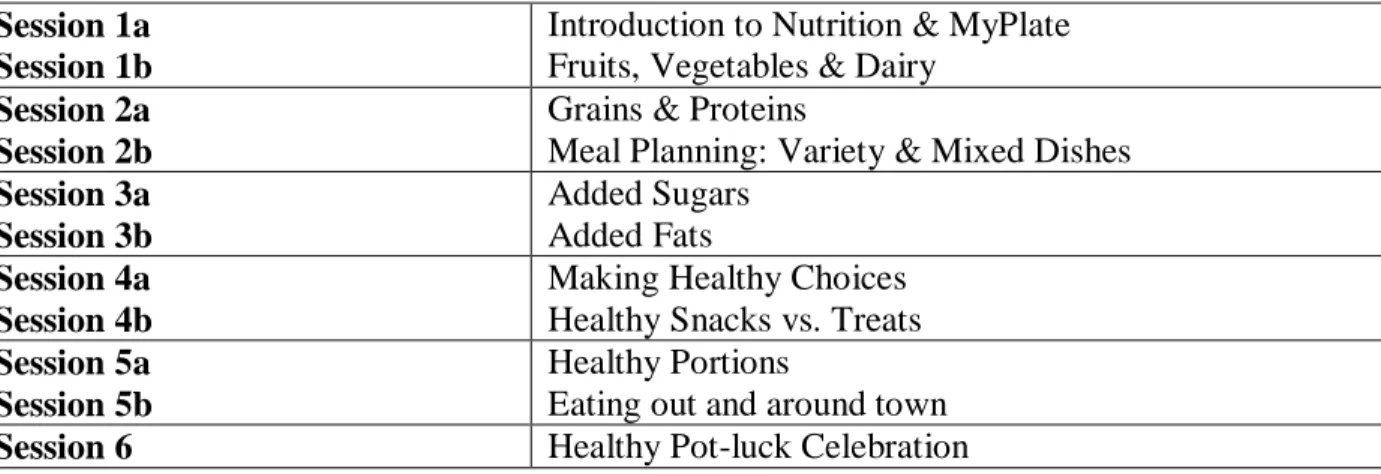
Table 1: Health U Program Sessions by Topic………..…15
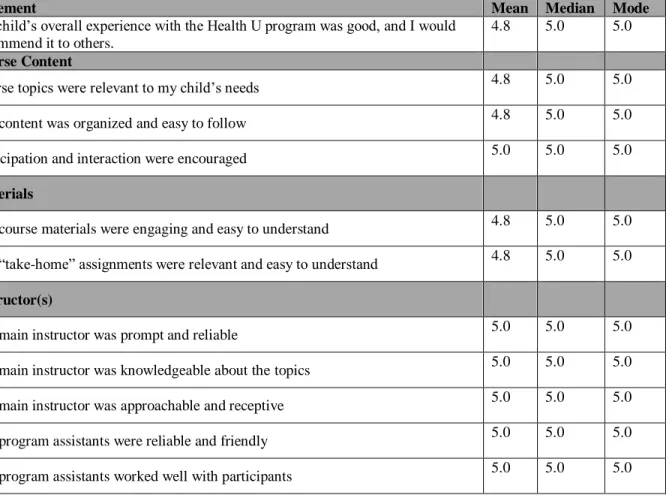
Table 2: Caregiver Satisfaction………...……….…..24
x
LIST OF ABBREVIATIONS
BMI Body Mass Index
DS Down Syndrome
ID Intellectual Disability
NP Nurse Practitioner
RCT Randomized Control Trial
SCT Social Cognitive Theory
1
CHAPTER 1: INTRODUCTION
Practice Problem
Nearly one in five children in the United States are obese and the prevalence of this
disease is increasing (CDC, 2017). Many interventions, focusing on nutrition, education and
exercise, are beginning to be developed to combat the negative health effects of obesity across
the world. However, in adolescents with Down syndrome (DS), the incidence of obesity is even
higher, 30%-50% (Rimmer et al., 2010). Fewer interventions have been developed for
individuals with DS. This population is faced with the same epidemic but requires different
plans for management due to intellectual, metabolic and behavioral health barriers (Murray &
Ryan-Krause, 2010). These barriers range from hypothyroidism to inattentive behavior and lack
of motivation (Jahromi et al., 2008). Locally, at the Triangle Down syndrome Network
(TDSN), there is currently no health behavior education program available for individuals with
DS. In conversation with TDSN leaders, there is a need to address this topic in our local DS
population (Alberque, K., personal communication, October18th, 2017)
Purpose of Project
The purpose of this practice change is to evaluate the implementation of a program based
on Health U designed to improve health outcomes in individuals with DS. These outcomes
include weight loss, fruit and vegetable consumption, nutrition knowledge and physical activity
by promoting exercise and nutrition education. Outcomes will be obtained by a caregiver
2
Significance to Healthcare
Health disparities exist among individuals with disabilities, such as DS, for a variety of
reasons. The Center for Disease Control (CDC) and other public health organizations support
that individuals with disabilities are more likely than those without disabilities to be obese and
live a sedentary lifestyle. These individuals belong to a health disparity population and have
barriers to accessing healthcare and preventative health services (Krahn, 2015). Teenagers and
young adults with DS, transitioning out of high school, encounter additional health disparities.
As these individuals leave a structured class setting with physical education and hands on care,
they will begin to make independent food and lifestyle changes. Their lives become more
sedentary and less social. There are numerous modifiable risk factors for obesity in individuals
with disabilities including various aspects of the environment. It has been shown that adults
living at home have a higher prevalence of obesity than those living in group homes because of
the potential lack of structure (Hsieh, Rimmer & Heller, 2013). This information is a reminder
to primary care providers (PCPs) that obesity in individuals with DS is a significant public health
concern. PCPs should actively screen for obesity and its comorbidities in individuals with DS.
They should also encourage healthy eating, caregiver accountability, and engagement in
3
CHAPTER 2: REVIEW OF LITERATURE
Introduction to Review of Literature
A review of the literature was conducted to examine the characteristics of successful
health promotion programs for individuals with DS. Various outcomes of these studies included
weight changes, intake of fruits/vegetables and exercise. However, the data of primary interest
was the details of the actual intervention applied. Details include: the duration of intervention,
number of study participants present at each session, topics of education, activities implemented,
etc. It is important to understand “what works” when trying to develop a successful weight loss
or health promotion program for individuals with Down syndrome in our community.
Description of Search
Databases searched included PubMed, EMBASE and Health Source: Nursing/Academic
Edition. Key words and combinations were: Down syndrome and health program or health
promotion or fitness or Special Olympics or exercise or nutrition and weight loss or BMI or
health improvement. Inclusion criteria included any program that focused on obesity related
health outcomes such as weight loss, increased physical activity, reduction of waist
circumference, etc. Other inclusion criteria were studies that used participants with DS and that
implemented an intervention or program. Studies were excluded if they focused on mobility,
functional or mental health outcomes. Studies that focused on individuals with a variety of
intellectual disabilities (ID) or articles with no intervention implemented were excluded. For
example, if a study described a survey of an individual’s opinion on exercise, it was excluded
4
become more evidence-based in recent years. Articles older than 10 years did not address
interventions for obesity in this specific population and less was known about the specific needs
of individuals with DS in this context (Murray & Ryan-Krause, 2010). Therefore, articles older
than 10 years were excluded.
The databases yielded 219 results. No articles meeting inclusion criteria were identified
from other sources. After duplicates were removed, 200 articles remained. After initial
screening, 143 records were excluded for reasons previously discussed. There were 57 full-text
articles reviewed for eligibility. Of these, 24 were deemed ineligible because they examined
outcomes related to motor function, mental health or social skills. Additionally, 17 articles did
not implement an intervention program; they examined caregiver surveys or discussed a review
of the “problem” and were excluded. One systematic review article was excluded because the
authors did not examine anthropometric data or behavior change as primary outcomes. Another
narrative review helped identify two additional articles that meet inclusion criteria. One article
was withdrawn for revision by the author and was not accessible. After full-text articles were
reviewed, six were eliminated that included participants with a variety of ID but did not provide
data specific to DS, alone. One was eliminated that described an intervention but did not provide
study data. Ultimately, eight studies meeting criteria were included in the review.
Results
Study Characteristics
Of the studies included, six were Randomized Control Trials (RCTs) (Curtin et al., 2013,
Ordonez et al., 2012, Rosety-Rodriguez et al., 2013, Boer & Moss, 2016, Ulrich et al., 2011,
Gonzalez-Aguero et al., 2011), two were quasi-experimental (Mendonca et al., 2013 & Seron et
5
2016), Spain (Gonzalez-Aguero et al., 2011, Ordonez et al., 2012, Rosety-Rodriguez et al.,
2013), Brazil (Seron et al., 2014), the United States (Curtin et al., 2013, Ulrich et al., 2011) and
Portugal in collaboration with an author from the United States (Mendonca, et al., 2012).
All six RCTs yielded a high score on the Jadad quality-scoring tool for their
randomization strategies and discussion of dropouts (Jadad, 1996). Study participants could not
be blind to the intervention that they actively participated in however, in Boer & Moss (2016),
the continuous versus interval groups were blinded to the other intervention. The Joanna Briggs
Institute Critical Appraisal checklist for quasi-experimental studies was utilized to evaluate the
characteristics of study participants, outcome measurements and statistical analysis (Munn et al.,
2014). Strengths of both of these studies include: multiple outcomes and appropriate statistical
analysis. However, weaknesses are that the “cause” and “effect” of the study results are unclear
and the control groups were only matched for age. The Mendonca et al. (2013) study had a small
sample size limiting validity and a level of evidence of 2 using the “algorithm for determining
the level of evidence of an individual study” (Ebell et al., 2004). The six RCTs were a level of
evidence 1 because of their study design and description of their samples (Ordonez et al., 2012,
Rosety-Rodriguez et al., 2013, Boer & Moss, 2016, Ulrich et al., 2011, Gonzalez-Aguero et al.,
2011).
Overall, the Curtin et al., (2013) study was the most comprehensive and valid. This RCT
study design gives a level of evidence of 1 according to the algorithm previously discussed. On
the other hand, the quasi-experimental studies are a lower level quality of evidence at II, because
they lack randomization and extensive matching of demographic data with controls (Mendonca
6
Sample Characteristics
There were 271 participants between all studies. Of the 271 participants, 198 individuals
with DS participated in an intervention group. Control group comparisons are not the focus of
this review so, only demographic information regarding individuals with DS is discussed. The
mean age of study participants ranged from 10-38.7 years old with an average age of 22.7. Not
all studies included demographic information about race. Curtin et al. (2013) mentioned that
there was one Hispanic individual in their parent intervention group; all other participants were
white. Among all studies, 98 males and 73 females with DS participated in an intervention.
Specific study locations were not discussed. However, samples were recruited from
community support groups (Rosety-Rodriguez et al., 2013) or institutions/care centers for
individuals with ID (Seron et al., 2014, Boer & Moss, 2016). Other participants lived at home
(Ordonez et al., 2012). Curtin (2013) recruited participants from a multitude of places through
mailed flyers, postings by disability-related organizations and physician referrals.
Program Components
Two of the eight studies utilized a comparison group meaning that both groups had
participants with DS receiving an intervention but the type of intervention was different (Curtin
et al.,, 2013, Seron et al., 2014). Five of the eight studies utilized a control group but again, only
the interventions applied in individuals with DS will be evaluated (Ordonez et al., 2013,
Mendonca et al., 2013, Rosety-Rodriguez et al., 2013, Ulrich et al., 2011, Gonzalez-Aguero,
2011). Boer & Moss et al., 2016 had two comparison groups and one control group. The
duration of interventions ranged from five days to twenty-four weeks with the twenty-four week
study including a follow-up at one year (Curtin et al., 2013). The majority of interventions lasted
7
Ordonez et al., 2013, Mendonca et al., 2013, Rosety-Rodriguez et al., 2013, Seron et al., 2014).
The interventions contained a variety of activities; many of which used treadmills for aerobic
activity and/or repetition of exercises for weight training (Boer & Moss, 2016, Ordonez et al.,
2013, Mendonca et al., 2013, Rosety-Rodriguez et al., 2013, Seron et al., 2014). The Health U
program had weekly “themes” for education related to nutrition and exercise. Furthermore, this
study focused on teenagers, specifically, as their sample population (Curtin et al., 2013).
Programs used interdisciplinary health care providers to execute their interventions. For
example, Boer & Moss (2016) utilized a nutritionist, physical therapist, recreation specialist and
behavior specialist. Ulrich et al. (2011) had 2-4 facilitators with experience with developmental
disability education. An exercise physiologist and an assistant aided the Mendonca et al. (2012)
study by training and monitoring participants during physical activity. Additionally, many of the
studies discussed the benefits of caregiver involvement to help maintain healthy lifestyle and to
maintain a record of dietary habits (Curtin et al., 2013, Ordonez et al., 2012, Ulrich et al., 2011).
Nutrition Outcomes
The American Academy of Pediatrics Health Care Information for Families of Children
with Down syndrome stresses the importance of both diet and exercise for individuals with DS
ages 13-26 to maintain appropriate weight (AAP, 2013). One of the studies discusses how a lack
of attention to nutrition led to increased food consumption of carbohydrates, specifically (Seron
et al., 2014). This was discovered by caregiver report at the conclusion of the program but was
not measured objectively throughout the study. Curtin et al (2013) discuss a nutrition education
intervention. Researchers measured anthropometrics as well as behavior change. Their multiple
health outcomes were statistically significant. Increased fruit consumption was statistically
8
2013). Ordonez et al. (2012) did only an exercise intervention but did measure food
consumption frequency through a 3-day food journal reported by caregivers, pre and post
intervention. There was not a statistically significant change in food consumption between
groups at p>0.05.
Exercise Outcomes
The majority of studies focused on an exercise as the primary intervention to improve
health outcomes (Ordonez et al., 2012, Rosety-Rodriguez et al., 2013, Boer & Moss, 2016,
Ulrich et al., 2011, Gonzalez-Aguero et al., 2011, Mendonca et al., 2013 & Seron et al., 2014).
However, only two studies had statistically significant results. Ulrich et al. (2011) showed
increased physical activity and decreased sedentary activity that was statistically significant at
p=0.028 and p=0.035. Good outcomes were demonstrated for those who could learn the skill of
riding a two-wheel bike. The disadvantage was that individuals who could not master the skill
were not included in measuring health outcomes. In Curtin et al. (2013) minutes of vigorous
physical activity for the intervention group increased significantly at 10 weeks and 6 months
(p=0.009, p=0.01).
Weight-Related Outcomes
Main outcomes in the intervention studies included Body Mass Index (BMI), waist
circumference, and fat mass (Curtin et al., 2013, Ordonez et al., 2012, Rosety-Rodriguez et al.,
2013, Seron et al., 2014, & Ulrich et al., 2011). In the Seron et al., 2014 study, participants’
weight loss and BMI reduction were statistically significant at p<0.01. Curtin et al. (2013)
showed statistically significant weight loss for the intervention group with caregiver support at
p=.005 at six months and p=0.002 at one year. Weight loss in an interval-training group (sprints
9
intensity of 70-80%) at p=0.00 (Boer & Moss, 2016). Ordonez et al. (2012), Rosety-Rodriguez
et al (2013), Mendonca et al. (2013) & Ulrich et al. (2011) did not show statistically significant
weight loss with exercise as p>0.05.
Boer & Moss (2016) did not show significant between group differences in waist
circumference. However, all other exercise interventions that examined waist circumference
showed a statistically significant reduction at p<0.05 (Curtin et al., 2013, Rosety-Rodriguez et
al., 2014, Mendonca et al., 2013, Ordonez et al., 2012). Waist circumference was statistically
significantly less in the continuous aerobic exercise group than the resistance training or control
group in Seron et al. (2014) at p=0.017.
The experimental group in Ulrich et al. (2011) showed significant fat mass loss at
p=0.026 compared to the control group. Ordonez et al. (2012) & Rosety-Rodriguez et al. (2014)
did show statistically significant fat mass reduction at p<0.05. Curtin et al. (2013),
Gonzalez-Aguero et al. (2011), & Seron et al. (2014) did not show statistically significant fat mass
reduction at p>0.05.
Caregiver Satisfaction
Curtin et al. (2013) evaluated caregivers regarding their satisfaction with their child’s
participation using a likert-type scale. Evaluation themes included caregivers’ “perceptions of
participant’s weight loss, enjoyment, learning, socialization, quality of eating, and levels of
activity (Curtin et al., 2013).” In the intervention group with caregiver support versus without
caregiver involvement, caregivers reported higher satisfaction score for weight loss (mean, 3.6 vs
2.4), healthier eating (mean, 4.5 vs 3.6), and increased physical activity (mean, 4.0 vs 2.6). No
10
Summary
Each study was good enough to contribute to answering the research question because;
the evidence was consistent across studies. For example, the length of programs and number of
participants in each training session were similar in the majority of studies (ten to twelve weeks,
two to three times per week, five to six participants in each training group). Studies evaluated
programs that address the practice problem and provide evidence-based interventions that can be
utilized for local practice change. Two of the studies in particular, provided a plethora of useful
information to aid in the replication of an exercise and nutrition intervention for individuals with
DS. These studies discussed their interventions in detail, provided information about attendance
and dropouts and used a variety of exercise and nutrition components; making the programs
dynamic and fun for participants (Boer & Moss, 2016, Curtin et al., 2013).
In summary, individuals with DS who participated in a health promotion program
showed many statistically significant outcomes. Ulrich et al. (2011) and Curtin et al. (2013)
showed a significant increase in physical activity and decrease in sedentary time. Two studies
showed statistically significant weight loss (Curtin et al., 2013 & Seron et al., 2014). Only one
study measured caregiver satisfaction but showed statistically significant satisfaction with
healthier eating, weight loss and increased physical activity (Curtin et al., 2013). Three studies
did not show statistically significant loss of fat mass after their intervention (Curtin et al. 2013,
Gonzalez-Aguero et al., 2011 & Seron et al., 2014). Together, this evidence gives support for
11
CHAPTER 3: THEORETICAL FRAMEWORK
Social Cognitive Theory
Albert Bandura developed Social Cognitive Theory (SCT) in the field of psychology in
1986. Prior to that, in the 1960s, he conducted multiple laboratory studies aimed at influencing
the behavior of adults and children. He utilized Social Learning Theory and self-regulation.
SCT was born by combining many concepts that were discovered through his research such as
the influence of self-efficacy and goal setting on behavior (Bandura, 2005). SCT is a behavior
change theory that aims to explain human behavior. SCT is an explanatory theory because it is a
statement to explain the phenomena of behavior change. A model would be a way in which SCT
could be applied to a situation (Bandura, 1998).
SCT is widely used in nutrition interventions and health promotion programs (Woo &
Lee, 2017). There are various concepts that guide the definition of SCT. One of the most
thoroughly discussed is the concept of self-efficacy. Self-efficacy is a person’s belief about his
or her own ability to master a skill or behavior. In 1998, Bandura discussed four factors that
influence self- efficacy. Mastery of a behavior, observing success of others, social persuasion
and stress reduction are all factors that influence self-efficacy. Interventions should be designed
to support self-efficacy in participants. Other important concepts that contribute to SCT are the
personal determinants of behavior change such as an individual’s knowledge that a change is
needed and their social support to change behavior (Bandura, 1998). Additionally, goal setting
can be helpful in deriving personal influence on behavior change as well as to have a way of
12
Application to Intervention
Health U is a comprehensive nutrition and exercise intervention for teenagers with DS;
proven to aid in weight loss, increased healthy behaviors and exercise. Fleming et al (2008) and
Curtin et al (2013), showed that Health U was successful at weight reduction in individuals with
ID by using caregiver and peer influence (environment), self-belief in the in ability to make
nutrition changes (personal) and an increase in knowledge to make independent choices
(behavioral) to promote health in this population (Fleming et al, 2008). This is an example of
how environment, behavior and personal influences affect behavior. Also, at TDSN, this
program will fill a void for adolescents and young adults with DS that addresses their health,
13
CHAPTER 4: METHODS
Design
This is an evaluation of the implementation of a program that addresses health and
wellness in a group of adolescents with developmental disabilities. Evaluation components
include caregiver satisfaction with the design and implementation of the Health U program.
Additional components of evaluation include caregiver’s perception of health behavior changes
of the program participants to include increased nutrition and exercise knowledge, increased
consumption of fruits and vegetables and decreased consumption of fast food. The project
director also took field notes to evaluate the feasibility of the intervention at TDSN.
Setting
The program was offered at TDSN, which is a nonprofit support, resource and advocacy
organization in Raleigh, North Carolina. The mission statement of TDSN is “to empower,
connect and support parents of children with Down syndrome, their families and the community
(TDSN, 2017).” They achieve this mission by making resources open and available to
individuals with DS and their families. The Health U program aligns with this mission by
offering wellness-related resources, information and community to program participants and
their caregivers (TDSN, 2017). Stakeholders of the intervention include TDSN and the
organization’s executive director, participants, and caregivers. Additional stakeholders were the
volunteer professionals who helped implement the program.
The program was promoted by TDSN to individuals involved with TDSN as well as to
14
programs for individuals with DS, also spread awareness of the program. A special education
teacher and social worker volunteered their time to assist with the program. Additionally,
program participants were not charged for their involvement in the program. The program was
funded by TDSN as outlined in the budget proposal that covers education materials, food and
some basic exercise tools (Appendix 1).
Program
The program is based on Health U; a nutrition and exercise education program developed
for teenagers with ID. This program has been validated in individuals with DS, specifically. It
was developed to model family-based interventions that have been successful for weight loss in
typically developing children with a few modifications to meet the cognitive needs of individuals
with ID (Fleming et al., 2008). Fleming et al. (2008) discusses the prevalence of obesity in
individuals with DS and explains the multi-component Health U health promotion program being
implemented at the Shriver center in Boston, MA. This program has been published in a
curriculum that gives detailed instruction for implementing the intervention in one hour sessions
over the course of 10 weeks (Bandini et al, 2012).
Participants learned in small group sessions consisting of 3-6 participants. The group met
once per week for six weeks for two hours each time. This timeline was constructed in
collaboration with the executive director of TDSN who believes that longer sessions for a shorter
amount of weeks will be most desirable for families and most effective for participants.
Each session began with an introduction, a nutrition activity, 15 minutes of physical
activity, a taste test and wrap-up per the Health U curriculum. A variety of visual materials were
used from the appendices of Health U. MyPlate healthy eating is the foundation of the program
15
choices. In addition to the nutritional topics outline in Table 1, exercise was incorporated into
each session. The Health U curriculum includes 15 minutes of exercise during each session
(Bandini et al, 2012). According to the evidence, interval training provided better weight loss
outcomes and piqued the interest of more participants than continuous aerobic exercise (Boer &
Moss, 2016). Therefore each session incorporated dynamic exercise, games or activities. These
activities included running races, dancing, yoga and jump rope.
Table 1. Health U Program Sessions by Topic
Each component of implementing Health U was guided by SCT. There are numerous
aspects of the environment that influence the participants’ ability to learn. For example, Health
U is designed to offer small group, hands-on activities to facilitate learning. It also provides a
social environment, which is a setting where individuals with DS thrive (Mahy et al, 2010). An
important environmental aspect of Health U is the involvement of caregivers. The intervention
included a “take away” sheet after every learning session so that knowledge learned could be
shared with caregivers as well as utilized for goal setting and accountability (Appendix 2).
Additionally, caregivers were given a brief summary of what was learned in the session and
encouraged to participate in goal setting for the coming week. Utilizing a family-centered
approach to weight loss has been a more effective strategy than programs without involving Session 1a
Session 1b
Introduction to Nutrition & MyPlate Fruits, Vegetables & Dairy
Session 2a Session 2b
Grains & Proteins
Meal Planning: Variety & Mixed Dishes Session 3a Session 3b Added Sugars Added Fats Session 4a Session 4b
Making Healthy Choices Healthy Snacks vs. Treats Session 5a
Session 5b
Healthy Portions
Eating out and around town
16
family (Curtin et al, 2013). Vicarious capability is a component of SCT that speaks to the role
the environment plays on learning. Vicarious capability is when individuals observe others
behavior and consequences so they can model their behavior (Bandura, 1986).
Individuals with DS have specific behavioral needs that can be both barriers and
facilitators to learning; which justifies the use of SCT in this intervention. Behavioral influences,
according to SCT, are what people think, feel and believe and how that affects their thoughts and
actions. Some behavioral tendencies of individuals with DS include inattention and impulsivity,
which present a challenge to health promotion interventions (Jahromi et al, 2008). However, the
goal of Health U and this program, guided by SCT, was to illicit healthy behavior change
through learning by emphasizing the behavioral strengths of the population. To explain
information to the DS population, scientific facts as well as personal experience and health
literacy must be taken into account. For example, to teach about healthy food choices, the
MyPlate method was used with hands on resources, color coded items and teach-back. Simple
language was used and included food examples for explaining “protein” and “calcium
source.” The script focused on applicable life activities, foods that the patient has access to and
available resources to make a behavior change (Curtin et al, 2013). For example, the interactive
skit practicing how to make healthy choices when eating out was designed to meet the needs of
many of the participants’ busy schedules and frequent eating out.
Self-efficacy is an important personal aspect of SCT; described as an individual’s confidence in their ability to achieve a goal. In this intervention, Health U aims to use personal
influence to achieve self-efficacy and exhibit healthy behaviors. Cognition plays a role in this,
which is why a strength of Health U is that SCT was used to guide the program development. In
17
how participants would view activity in their lifestyle. Overall, activities that included a variety
of exercises, social interaction and supported feelings of accomplishment were most desirable for
this population. Generally speaking, strategies aimed at increasing exercise in individuals with
DS should include activities that motivate participants to be involved in order to positively
impact their well being (Love et al, 2016, Mahy et al, 2010). Program facilitators have an
important role in helping participants achieve self-efficacy and benefit from personal influences
of behavior. The program facilitators consisted of interdisciplinary volunteers such as a nurse,
special education teacher, and social worker who had experience with individuals with DS. This
allowed appropriate motivation and encouragement for participants as they learned to make
health behavior change. Furthermore, having a 1:2 ratio of providers to participants allowed for
each child’s strengths to be emphasized.
Session 1
The first session began with a “name game” and 15 minutes of dancing for exercise. The
group discussed the 5 food groups and did an activity where participants selected a food and
placed it in the correct food group bin. They introduced the MyPlate method of healthy eating.
During a bag lunch activity, participants opened a brown lunch bag and identified which food
group was missing from the lunch. Fruits, vegetables, and dairy were discussed and participants
learned about what it means to eat a “variety” of foods and about the importance of vitamins. In
the “eat a rainbow every day” activity, participants glued colorful fruits and vegetables onto a
placemat, making half their plate full of fruits and vegetables. To conclude, participants did an
online grocery activity where participants were given grocery lists and found their grocery store
items in an online grocer and added them to their cart. The taste test was a berry smoothie that
18
Session 2
To begin session 2, two new class members were introduced and the group went outside
for exercise. Exercise included follow-the-leader, running and stretching. The instructor
reviewed what we discussed the previous week. The first topic was grains; discussing why
people eat grains and why it is healthier to choose whole grains. The group learned about
“energy, vitamins and fiber.” They learned how to make popcorn from kernels and a brown
paper bag; a healthier alternative to buttery/processed popcorn. Next, protein was discussed;
naming multiple examples of protein such as meats, peanut butter, eggs, beans. They played
“protein BINGO” to practice getting familiar with different options for protein. To learn about
eating “mixed dishes” with multiple food groups, the group talked about what food groups are in
pizza. The group used laminated meal examples of mixed dishes and talked about what we
could add to various meals to make them healthier/have more variety. The group did “group
meal planning” to plan various meals using all the food groups. To conclude, they made English
muffin pizzas while working on our “take away” worksheets.
Session 3
Class began with exercise outdoors using jump ropes. The introductory topic was “added
sugars” and why eating a lot of sugar is not healthy (ie. Dental health, no vitamins). The group
talked about foods that have natural sugars. They learned that one can of coke has 10 packets of
sugar in it and tasted 10 oz of water with 10 packets of sugar mixed in to emphasize how much
sugar that is. The group played a guessing game about how many sugar packets are in various
sugary beverages. They learned about healthier sweet choices (ie. Fruit, 100% fruit juice). Real
examples were used to demonstrate the difference between sweetened and unsweetened
19
Baking, grilling, steaming instead of frying) and used laminated picture examples to choose the
healthiest cooking options. When working on the “take away” worksheets, the instructor talked
about parking further away in a parking lot to encourage more walking, taking the stairs vs.
elevator, etc. Participants tasted a healthy alternative to soda; one part 100% juice and two parts
seltzer. They were encouraged to substitute this for soda at home.
Session 4
To begin session 4, each participant was given a worksheet with multiple types of
physical activity that we have tried in the class and circled their favorites. The instructor led
yoga inside the classroom for about 20 minutes. The group learned about making healthy
choices. Using a trifold poster called, the “Health U pantry,” students took turns replacing
unhealthy food items with healthy items from the pantry. A “Switch-A-Roo” handout was given
to participants with examples of healthy switches they can make for snacks and meals (ie. Grilled
vs. fried chicken, whole grain crackers vs. potato chips). Making healthy choices for grains,
fruits and vegetables including brown vs. white grains, no added sugar, steamed/grilled vs. fried
food choices were reviewed. Various snack items were displayed in the front of the room, some
healthy, others not. One at a time, students chose a healthy snack choice. The participants
played a “go snack” game that mimicked “go fish” to emphasize healthy snack options.
Unhealthy snacks did not have a match. The taste test this week was celery sticks and sunflower
seed butter; a healthy snack option. This week, participants were challenged to write down their
snack choices and bring them back to class next week. Students would receive 2 points for
healthy choices and 0 for unhealthy choices. The instructor and volunteers completed the “take
20
Session 5
This was the last instructional setting and all participants were in attendance. The group
reviewed participants’ healthy snack choices from the previous week and applauded their
success. Exercise was done outside and consisted of jump rope, running and throwing a football.
This session focused on eating healthy portions and making healthy choices while eating at
restaurants. Participants compared household items to appropriate portion sizes. The group
played an online MyPlate interactive game to practice choosing portions and balanced meals.
The instructors then did a restaurant skit to demonstrate how to make healthy food choices when
eating out and around town. The skit was interactive, allowing participants to chime in at
various points. The group completed the final “Take away” worksheets and had our taste test.
The taste test was grilled chicken nuggets from a popular fast food restaurant.
Session 6
Health U volunteers gathered together with participants and their caregivers to review
what they learned and thank them for their participation. Participants were given certificates of
achievement. The healthy potluck meal was shared and caregivers completed evaluations.
Measurements
Program satisfaction
Participants were “checked-in” at each session to measure program attendance.
Caregivers completed a survey using a Likert-type scale to measure their satisfaction with the
program at its conclusion. There is good reliability and validity of Likert-type scales to measure
satisfaction, according to Dawes (2008). A threat to the reliability of this type of scale is the
21
giving feedback in order to obtain the most reliable information. The Health U program
satisfaction survey is included in Appendix 3.
Health behavior
Health behavior information was measured by components of the 2010 National Youth
Physical Activity and Nutrition Survey (PANS) that was modified for North Carolina’s Eat
Smart Move More campaign. This survey is utilized to learn about participants’ physical activity
and nutrition as perceived by their caregivers (CDC, 2010). The PANS was developed from the
Youth Risk Behavior Survey of which the CDC has conducted two test-retest reliability studies.
These studies also claimed that self-reports of health behavior are affected by environmental and
personal factors but these factors do not threaten the validity of the survey (CDC, 2013). These
surveys were developed to assess a comprehensive sample of youth and did not exclude
participants based on disability, race or sexual orientation. The PANS Behaviors Data
Collection and Reporting Guidance Manual provides reliable methods for utilizing and
interpreting the survey results. This survey was developed to evaluate health behaviors in a
community-based program (Eat Smart, 2017). The Health Behavior Survey modified to
evaluate Health U is included in Appendix 4. Because of the participants’ developmental
disabilities, questions were reframed to address caregiver observed nutrition changes, increased
physical activity and weight changes of the participant gave feedback related to the programs
success.
Feasibility
The NP student made field notes after each session to qualitatively reflect on the
22
because they add depth and dimension to numerical data. They can also be helpful to understand
the environment, the sustainability of the program and the program feasibility (Burgess, 1991).
Analysis
The data was analyzed using descriptive statistics. The mean, median and mode were
calculated for the program satisfaction survey and health behavior outcomes. Only the mode
23
CHAPTER 5: OUTCOMES AND DATA ANALYSIS
Sample Characteristics
Participants were six adolescents and young adults, ages 15-23. The mean age was 18.5
years. The median was 17.5 years and the mode was 17 years. Each participant had at least one
caregiver to provide information for evaluation purposes. There were four mothers, one father,
and one friend that completed the evaluations. Five of the participants had DS. One of the
participants had ID. The mean height was 61.3 inches, median 60.5 inches and there was no
mode. The mean weight was 171.5 pounds, median 181 pounds, and there was no mode. The
mean BMI was 32.1, median 35.7, and there was no mode. The mean number of sessions
attended was four sessions. The median and mode were also four sessions. Five of the
participants lived in Wake County while 1 lived in Orange County. There were three male and
three female participants. One caregiver did not specify the race of their participant. One
identified as white and Native American. Four identified their race as white-only.
Caregiver Satisfaction
The descriptive statistics related to caregiversatisfaction are outlines in Table 2. Overall,
caregivers were very satisfied with their participants experience with Health U. One caregiver
commented, “This was an awesome program-we came away with new skills and met new
friends.” Caregivers reported that their overall experience was a mean of 4.8 on the likert-scale
(median 5.0, mode 5.0). This implies that most caregivers strongly agreed that their child’s
overall experience with Health U was good and they would recommend it to others. The mean
24
showing that most respondents strongly agreed that the course content was relevant, organized, and interactive and that the schedule of the program worked well for their family. All
respondents strongly agreed that the instructor was prompt, reliable, knowledgeable and approachable. All respondents strongly agreed that the program assistants worked well with participants, were reliable and were friendly.
The take-away benefits from Health U varied among respondents. The mean likert-scale
score ranged from 3.7-4.7. This shows that respondents were neutral or agreed that their child made noticeable lifestyle changes and enjoyed attending Health U. One caregiver commented,
“My child was more aware of healthy snacks and making better food choices.”
Table 2: Caregiver Satisfaction
Strongly Agree=5, Agree=4, Neutral=3, Disagree=2, Strongly Disagree=1
Statement Mean Median Mode
My child’s overall experience with the Health U program was good, and I would recommend it to others.
4.8 5.0 5.0
Course Content
Course topics were relevant to my child’s needs 4.8 5.0 5.0
The content was organized and easy to follow 4.8 5.0 5.0
Participation and interaction were encouraged 5.0 5.0 5.0
Materials
The course materials were engaging and easy to understand 4.8 5.0 5.0
The “take-home” assignments were relevant and easy to understand 4.8 5.0 5.0
Instructor(s)
The main instructor was prompt and reliable 5.0 5.0 5.0
The main instructor was knowledgeable about the topics 5.0 5.0 5.0
The main instructor was approachable and receptive 5.0 5.0 5.0
The program assistants were reliable and friendly 5.0 5.0 5.0
25
Schedule
Meeting weekly for 6 weeks worked well for our schedule 5.0 5.0 5.0
Meeting for 2 hours each time worked well for our schedule 5.0 5.0 5.0
Take-Aways
My child has made noticeable lifestyle changes since participating in the program 3.7 3.5 3.0
My child enjoyed attending the Health U program 4.7 5.0 5.0
My child spoke about nutrition and exercise during the week when he/she was not at Health U
3.8 4.0 4.0
My child would enjoy assisting with the Health U program in future years 3.0 3.0 3.0
Health Behavior
Results related to health behavior changes of Health U participants are displayed in Table
3. Caregivers commented, “we have noticed out daughter making better choices about the food
she eats” and “[our child is] more knowledgeable about healthy foods and exercise.” The mean
score for nutrition knowledge, physical activity knowledge, variety of physical activity, and fruit
intake ranged between 2.2-2.3. This shows that caregivers believed their child demonstrated a little more nutrition knowledge, physical activity knowledge, variety of physical activity, and fruit intake than before. Respondents reported that their child ate fast food and drank low-fat milk the same as before (mean 3-3.2). Weight also was reported to be the same as before with a mean of 3.3. One participant’s mother commented, “During the program, … talked about the
healthy eating they were doing. He found a few things he liked, but there wasn’t a large change.
Prior to the program, our family already focused on more of the healthy eating and eating sweets
26
Table 3: Health Behavior
A lot more than before=1, A little more than before=2, Average - same as before=3, A little less than before=4, A lot before=5
Statement Mean Median Mode
Activity Level 2.5 2.5 2.0
Variety of Physical Activity 2.3 2.0 2.0
Beverage Consumption 3.5 3.0 3.0
Soda Beverages 3.5 3.0 3.0
Sweetened Beverages 3.5 3.0 3.0
Fast Food Frequency 3.2 3.0 3.0
Healthy Snacks 2.7 2.0 2.0
Low-Fat Milk Intake 3.0 3.0 3.0
Vegetable Intake 2.7 3.0 3.0
Fruit Intake 2.3 2.0 2.0
Nutrition Knowledge 2.2 2.0 2.0
Physical Activity Knowledge 2.3 2.0 2.0
Weight 3.3 3.0 3.0
Feasibility
A Registered Nurse directed the program with the assistance of professional volunteers as
mentioned. There were many lessons learned throughout the implementation process of this
program. The first began with enrollment of participants. The most successful method of having
participants sign up was having the project director make direct phone calls to families, attend
community events for individuals with DS to network and ask for support from community
leaders. A significant barrier to enrolling participants was the location of the Health U program
in Raleigh. TDSN serves all of the triangle area. Therefore, individuals in Chapel Hill and
Durham found it difficult to commit to attending the program each week in Raleigh.
Furthermore, teach-back was crucial to understanding individuals’ attainment of new
knowledge. Often, repetition and one-on-one education were utilized to help participants
understand the concepts. Generally speaking, caregivers were very appreciative of the
27
their child and seemed engaged. Trust was built between the project director and caregivers by
weekly e-mail updates and quality time before and after each session.
During each session, it was obvious that each participant had varying behavioral and
educational needs. For this reason, it was extremely valuable to have a 1:2 ratio of volunteers to
participants. As the Health U leaders reflected on each session, it became increasingly clear that
there was value in emphasizing take away ideas and encouraging healthy habits at home.
Therefore, as the sessions progressed, more time was spent on individualizing the “take away”
28
CHAPTER 6: DISCUSSION
Health Behaviors
Caregivers believed that weight, consumption of low-fat drinks and consumption of fast
food remained unchanged. On average, caregivers thought that participants consumed a little more fruit or vegetables than before Health U at TDSN. Health behavior changes were
measured differently among other studies in the review of literature. Most other studies did an
analysis of variance of behaviors between behavior at the start of a program and at completion.
Utilizing a 3-day food journal, Ordonez et al. (2012) did not observe a statistically significant
change in food consumption after completing their program. Curtin et al. (2013) demonstrated
that participants consumed statistically significantly more fruit and vegetables after participating
in Health U in their setting. This results is similar to what was discovered with Health U at
TDSN.
Most other studies in the review of literature examined weight, BMI or waist
circumference changes (Curtin et al., 2013, Ordonez et al., 2012, Rosety-Rodriguez et al., 2013,
Boer & Moss, 2016, Ulrich et al., 2011, Gonzalez-Aguero et al., 2011, Mendonca et al., 2013 &
Seron et al., 2014). Two studies examined physical activity behavior changes (Ulrich et al.
2011, Curtin et al., 2013). Caregivers of participants at Health U at TDSN did notice an
increase in physical activity, variety of physical activity and nutrition and physical activity
knowledge. Ulrich et al. (2011) demonstrated statistically significant increased physical activity
29
their minutes of physical activity immediately after completing Health U and at a 6-month
follow-up.
Satisfaction
Overall, caregivers were satisfied with the Health U program. Nearly all caregivers
strongly agreed that their child benefited from the program, that they would recommend the program to others, and that the materials and content were organized and engaging. These
results are similar to the Curtin et al. (2013), which is the only study in the review of literature
that examined caregiver satisfaction and the study that utilized the Health U curriculum. In the
Curtin et al. (2013) study, caregivers’ satisfaction with the participants’ enjoyment, engagement,
and peer interaction ranged from 4.0-5.0 (agree to strongly agree) on a Likert scale. The intervention group with behavior education for caregivers rated their satisfaction with their
child’s healthier eating a mean of 4.5 and increased physical activity at 4.0. Whereas, in this
adaption of Health U at TDSN, caregivers rated satisfaction with their child’s healthy eating and
physical activity behavior changes a 3.7. This result was most similar to the group of caregivers
in the Curtin et al. (2013) study who did not participate in a caregiver behavior education group;
that rated their satisfaction a 3.6 in this category.
Feasibility
The feasibility results are discussed according to SCT to understand the strengths and
limitations of the intervention. This also demonstrates the similarities and differences between
this implementation of the Health U curriculum and that of previous studies of health promotion
30
Environment
The environment was a familiar, trusting space at TDSN where many of the participants
have attended events before. This familiarity and setting helped create a positive learning
environment with individuals with DS. The environment contributed to the feasibility of the
program because caregivers felt comfortable allowing participants to stay at TDSN
independently with the program director and professional volunteers. The location of the
program presented a problem for various interested participants who could not travel that
distance during the week. In the future, another session of the program can be implemented at a
different site to accommodate those individuals. Very little information about the location of
interventions was discussed in previous studies.
As mentioned, the program was implemented over 6 weeks, one class per week, for 2
hours to best meet the needs of TDSN and participants. All caregivers felt strongly that the time,
frequency and duration of the program met their scheduling needs. The Health U curriculum
was designed to be a 10-week program meeting for 1 hour at a time (Bandini et al., 2012). The
majority of other studies of health promotion programs in individuals with DS took place over
10-12 weeks, meeting two to three times per week for 50-90 minutes (Boer & Moss, 2016,
Ordonez et al., 2013, Mendonca et al., 2013, Rosety-Rodriguez et al., 2013, Seron et al., 2014).
This may highlight a difference in needs for a program implemented in a community-based
setting versus a larger university-based research study.
The small classroom space was a limitation. Utilizing a larger space could have
decreased restlessness and allowed for more room for physical activity during the class. An
empty parking lot was used for physical activity but put limitations on the type of physical
31
lifting equipment (Boer & Moss, 2016, Ordonez et al., 2013, Mendonca et al., 2013,
Rosety-Rodriguez et al., 2013, Seron et al., 2014). This again may be a reality for community
implementation and was not feasible in the environment at TDSN but could be considered in the
future.
The “take-away” sheets were a strength of the program. This attempted to incorporate
the caregivers into the environment so they knew what was learned at each session and what the
participants’ goals were for the coming week. Many other studies discussed the benefits of
caregiver involvement to encourage healthy behaviors; however, caregivers were not in
attendance during each Health U session as they were in other studies (Curtin et al., 2013,
Ordonez et al., 2012, Ulrich et al., 2011). Because of this, a limitation of this program was the
limited accountability for translating this information to home life. There was inconsistency in
how caregivers reinforced knowledge and healthy behaviors at home. Some caregivers actively
engaged in healthy eating and exercise while others did not. This was notable in Session 5 when
learning about the healthy snacks that participants ate during the past week. This also may have
influenced various health behaviors that remained unchanged because of families that already
practiced healthy behaviors. Other caregivers did not model healthy eating at home and was also
evident when discussing healthy eating and exercise from the week leading up to each session.
Personal
The program leaders helped foster participants’ belief in themselves. Physical activities
were chosen based on the participants’ abilities and interests. For example, two of the
participants took dance class and were encouraged to lead some dancing for exercise. Other
participants got to choose the music while another was rewarded for his flexibility. When new
32
participants master the new activity. During session #2, jump ropes were utilized for exercise.
For those who could not jump rope, the rope was laid on the ground and they successfully
jumped back and forth over it. The program volunteers corrected challenging behavior while
positively reinforcing positive behavior. By session #3, the program director noticed beneficial
peer relationships forming as evidenced by supportiveness and encouragement from peers. This
improved participants’ personal belief in their ability to master the Health U material. This was
a benefit of a small, community-based setting. It allowed for personalization of the physical
activity exercises. Previous studies utilized exercise as their primary intervention with more
concrete exercise protocols (Ordonez et al., 2012, Rosety-Rodriguez et al., 2013, Boer & Moss,
2016, Ulrich et al., 2011, Gonzalez-Aguero et al., 2011, Mendonca et al., 2013 & Seron et al.,
2014). Lastly, participants actively participated in preparing the taste test food items. This
allowed them to believe that they had the ability to prepare and eat healthy food. This was
unique to the Health U curriculum and was not discussed in other previous studies (Bandini et
al., 2012).
Behavior
A significant strength of the program is that it was developed for the ID and DS
populations, specifically. The program was designed to meet the behavioral, intellectual and
metabolic needs of the participants. The program also offered alterative learning strategies and
activities depending on participants’ needs.
Another strength of the Health U program is small group learning. A small group of four
to six participants allowed professional volunteers to give one on one attention to each
participant. This allowed each participant to be actively engaged in the program. A small group
33
form among caregivers and the program director. During session #4, participants seemed
distracted by their peers and a rearrangement of seats was beneficial to allow each participant to
continue to be successful. Putting tables in a straight line instead of in multiple rows decreased
distraction and increased participation. The small group setting was consistent with other studies
that found small groups of approximately five to six participants to be the most successful (Boer
& Moss, 2016, Curtin et al., 2013, Rosety-Rodriguez et al., 2013).
Utilizing individuals from varying disciplines such as a nurse, special education teacher
and social worker allowed Health U at TDSN to accommodate to the needs of each participant.
This was consistent with other studies that utilized an interdisciplinary team (Curtin et al., 2013,
Boer & Moss, 2016, Mendonca et al., 2012 and Ulrich et al., 2011). Each participant was
successful in their own way because their personal needs were met and strengths were
highlighted using teach-back, correction of wrong answers, and positive reinforcement of good
behavior.
Implications for Practice
Outside of TDSN, healthcare providers in the community could recommend this project
and its educational and physical activity components as a “toolkit” for teenagers who need to
improve health outcomes. Additionally, various in-services and education sessions could be
provided to target providers, caregivers, teachers, physical therapists and other stakeholders in
the community who work with the DS population. The Advanced Practice Registered Nurse
(APRN) can be an advocate for healthy eating and physical activity in individuals with DS and
ID. APRNs are focused on patient and family-centered education and can incorporate the
34
APRNs also value community engagement and public health and therefore can be leaders in
caring for individuals with disabilities and health education needs.
On a larger scale, developing a relationship with TDSN in the realm of health promotion
for this population has opened doors to allow future health-related programing to benefit
individuals with DS in the community. There have been multiple requests to repeat the program
in other areas of the triangle. TDSN has also requested that Health U be incorporated into the
“self-advocate” track at an upcoming local DS conference. This “self-advocate” track will
provide an opportunity for individuals with DS to participate in an educational conference.
Topics of each session may include behavior in the workplace, independence in the community,
and health. Additionally, numerous anecdotal conversations occurred regarding personal
nutrition suggestions, exercise activities, and sustaining healthy behaviors at home with the
participants’ caregivers and the NP student.
Sustainability
This program will be sustained in collaboration with TDSN and executive director, Kari
Alberque, MSW. She enthusiastically supports this program as evidenced by the organization’s
financial support of the intervention and her attendance at the potluck celebration. At the
conclusion of the program, all evaluation information was shared regarding the feasibility,
strengths, weaknesses and methods of the curriculum and how things worked in this setting.
TDSN plans to take over the program implementation in future years. Her belief is “we may
start with five participants this year but, if you can train me, I will carry on with it and we will
continue to reach many participants over the years” (Kari Alberque, personal communication,
35
sessions to assist Kari in presenting this program to his/her peers in the future. A participant that
is enthusiastic, sociable and knowledgeable would be an ideal candidate to aid in sustainability.
Conclusion
Overall, the Health U program is an excellent resource to promote healthy behaviors,
nutrition and exercise education, and positive peer relationships. Caregivers were highly
satisfied with the program and knowledge gained by each participant was evident over the
6-week program. While one participant grew by learning and applying the MyPlate method of
healthy eating, another made noticeable lifestyle changes by choosing healthy snacks, low-fat
snacks instead of high fat, high sugar choices. Caregivers and professional volunteers reported
these changes weekly for various participants.
This intervention is consistent with what is already known about health promotion
programs for individuals with DS as evidenced by the positive feedback from caregivers and
noticeable behavior changes of program participants. Previous studies have examined
anthropometric changes of program participants such as decreased BMI or waist circumference
through small group settings, a variety of physical activity and some programs that included
nutrition education (Curtin et al., 2013, Ordonez et al., 2012, Rosety-Rodriguez et al., 2013, Boer
& Moss, 2016, Ulrich et al., 2011, Gonzalez-Aguero et al., 2011, Mendonca et al., 2013 and
Seron et al., 2014). Most specifically, Boer & Moss, 2016 and Curtin et al., 2013 gave thorough
descriptions of their programs and emphasized individualization and enjoyment for their
participants like Health U at TDSN. The Health U curriculum is related to the Curtin et al, 2013
study which incorporated nutrition, exercise and caregiver involvement. This evaluation of the
Health U curriculum at TDSN demonstrated that the curriculum content could meet the needs of
36
Various changes to the implementation of Health U in a community-based setting could
address some of the limitations of this intervention. For example, a change in location could
allow for growth of the program and, incorporating additional caregiver education and
accountability could increase health behavior changes. A unique outcome of the implementation
of Health U in a community-based setting is the going relationships among program participants,
caregivers, the program director and professional volunteers that have formed. Some
participants have begun a beneficial relationship with TDSN and have participated in other
programs that provide resources for these families. Furthermore, TDSN has demonstrated an
emphasis on health and wellness for their adolescents and young adults with DS in the
37
38
39
APPENDIX 3: SATISFACTION SURVEY
Health U Program Evaluation:We really enjoyed working with your child in the Health U program at TDSN. We hope you and your child had a great experience. Pleaseindicate your level of agreement with the statements below.
Statement Strongly
Agree Agree Neutral Disagree
Strongly Disagree
My child’s overall experience with the Health U program was good, and I would recommend it to others.
Course Content
Course topics were relevant to my child’s needs
The content was organized and easy to follow
Participation and interaction were encouraged
Materials
The course materials were engaging and easy to understand
The “take-home” assignments were relevant and easy to understand
Instructor(s)
The main instructor was prompt and reliable
The main instructor was knowledgeable about the topics
The main instructor was approachable and receptive
The program assistants were reliable and friendly
The program assistants worked well with participants
Schedule
Meeting weekly for 6 weeks worked well for our schedule
Meeting for 2 hours each time worked well for our schedule
Take-Aways
My child has made noticeable lifestyle changes since participating in the program
My child enjoyed attending the Health U program
My child spoke about nutrition and exercise during the week when he/she was not at Health U
My child would enjoy assisting with the Health U program in future years