MANAGEMENT AND OUTCOMES OF PATIENTS WITH CIRRHOSIS AND DIABETES
Tsai-Ling Liu
A dissertation submitted to the faculty at the University of North Carolina at Chapel Hill in partial fulfillment of the requirements for the degree of Doctor of Philosophy in the Department of Health Policy and Management in the Gillings School of Global Public Health.
Chapel Hill 2016
Approved by:
Alfred Sidney Barritt IV Bruce Fried
ABSTRACT
Tsai-Ling Liu: Management and Outcomes of Patients with Cirrhosis and Diabetes (Under the direction of Justin Trogdon)
Cirrhosis of the liver is a leading cause of morbidity and mortality in the United States. The number of patients with cirrhosis is expected to increase driven by the dual epidemics of diabetes and obesity leading to nonalcoholic fatty liver disease. Approximately 40% of patients with compensated cirrhosis have diabetes. Patients with both cirrhosis and diabetes may have an increased risk of decompensation events (i.e., ascites, spontaneous bacterial peritonitis, variceal bleeding, and hepatic encephalopathy), hepatocellular carcinoma, and acute renal failure. However, large studies of dually-diagnosed patients’ risk of decompensation over time are lacking (Aim 1). Given the complexity of these dual comorbidities, dually-diagnosed patients may be managed more effectively by multiple physician specialties including primary care physicians (PCPs), and/or specialists such as gastroenterologists (GIs) and endocrinologists (ENDOs). However, little is known about who cares for these patients. This study seeks to better
understand the treatment practices (Aim 2), and how physician mix affects the care and health outcomes of dually-diagnosed patients (Aim 3).
Patients aged 18 years and older with compensated cirrhosis and diabetes were identified through 2000 – 2013 Marketscan® Commercial Claims and Encounters and Medicare Supplemental Database. Patients with decompensated cirrhosis, HIV/AIDS, or liver transplantation prior to first diagnosis of cirrhosis (Aim1) and first dual diagnosis (Aims 2 and 3) were excluded. The analytical approach included logistic regression and Cox proportional hazard models (Aim 1), a multinomial probit model (Aim 2), and logistic regression with a two-stage residual inclusion (Aim 3).
ACKNOWLEDGEMENTS
It has been an intense period for me, not only in the academic arena but also an emotional turmoil within the family. I have been through a lot during the past five years, missed a lot, but also gained a lot. I would like to reflect on the people who have supported and helped me so much throughout this period.
First, I would like to express my sincere gratitude to my advisors, Bruce Fried and Justin Trogdon, for the mentorship and support during these five years. Thanks to Bruce Fried, my academic adviser, for admitted me into HPM as his advisee. During the first few years when I was being his advisee, Bruce has been very supportive on whatever decisions I had made and helped me to achieve my goals. Thanks to my dissertation chair, Justin Trogdon, for the mentorship and support on my dissertation as well as career development.
Besides these two mentors, I would also like to express my gratitude to other committee members, Morris Weinberger, Sidney Barritt, and John Paul for the comments and input on my dissertation. In addition, thanks to Dr. Fried and Dr. Hayashi from the Liver Center for giving advice when I was writing for my proposal, and thanks to Stacie Dusetzina for helping me with the preliminary data when I was
finalizing my dissertation topic. Thanks to our new chair, Shoou-Yih Daniel Lee, for suggesting me to come to such a great program when I was back in Taiwan. Additional thanks to Lynnette Jones and Dawn Andres for helping me with all the administrative questions I had during my study here.
In addition to faculties in HPM, I acknowledge the pre-doctoral fellowship from Bristol-Myers Squibb (BMS). I would like to thank John O’Donnell, Gil L’Italien, David Anstatt for giving me the
Writing Center is one of the must-go place for international students, where I had benefited a lot from the writing group, the dissertation bootcamp, and many other mini-courses. Thanks to Gigi Taylor and Becky Butler, for being our group facilitator in the past few years. Your help was tremendous, and I’m grateful for having you in our group. Thanks to Ching-Ching (Claire) Lin, Ye (Julia) Zhu, Jin Hong, Eunice Yang, and Yi-Ting (Zoey) Chou for forming such a great writing group, where we can discuss our
research with all the critique and support that makes our writing better. In the last few months of writing my dissertation, I had the pleasure to work in a mini-bootcamp with two friends from the dissertation bootcamp, Jessica Rich and Christine Kenison. Our meeting helped me stick to a regular writing schedule over the past year.
In addition to all of the support that I received from faculty, thanks to my fellow cohort members, PhD students in Health Policy and Management, and friends from Taiwanese Student Association. Thanks to Ye (Julia) Zhu and Sarah Lewis for all their support through this process, not only as a colleague, but also as a friend who shares similar situations with me. Your help for me in this process is tremendous, and I would always be grateful for that. Thanks to Monica Schmidt for being a companion in the liver world, thanks to Megan Roberts, Matt Toth, Emily Gillen, Lisa Selker, Jason Mose, Kelly Kohler for constantly help in HPM. Apart from friends in school, many friends also rich my life for being an international student in a foreign country. Thanks to my fellow friends from Taiwan, Hsuan-Wei (Wayne) Lee, Shih-Ying (Changsy) Chang, Bin-Jin Hwang, Chia-Yu (Katy) Kao and Kun-Tao (Derek) Chiang, Chih-Ching (Sandy) Yeh, Yi-Ting (Zoey) Chou, Ching-Ching (Claire) Lin and countless others. Your company made my life being here alone is not that nostalgic anymore. A special thanks to Li-Chung Tsao, who had supported and spoiled me in many ways in the past five years. Thank you for being there for me whenever I needed, I am fortunate to have you by my side.
TABLE OF CONTENTS
LIST OF TABLES ... x
LIST OF FIGURES ... xi
LIST OF ABBREVIATIONS ... xii
CHAPTER 1. OVERVIEW OF MANAGEMENT AND OUTCOMES OF PATIENTS WITH CIRRHOSIS AND DIABETES ... 1
INTRODUCTION... 1
BACKGROUND ... 4
CONCEPTUAL MODEL ... 5
SIGNIFICANCE ... 6
INNOVATION ... 7
SUMMARY ... 8
REFERENCES... 11
CHAPTER 2. METHODS ... 15
DATA SOURCES ... 15
SAMPLE AND ELIGIBILITY ... 15
KEY VARIABLE AND MEASURES ... 16
ANALYTIC APPROACH ... 20
REFERENCES... 32
CHAPTER 3. DIABETES IS ASSOCIATED WITH CLINICAL DECOMPENSATION EVENTS IN PATIENTS WITH CIRRHOSIS ... 35
BACKGROUND ... 35
METHODS ... 35
RESULTS ... 38
DISCUSSION ... 39
REFERENCES... 54
CHAPTER 4. WHICH PHYSICIAN SPECIALTIES TREAT PATIENTS WITH CIRRHOSIS AND DIABETES? ... 57
BACKGROUND ... 57
METHODS ... 58
DISCUSSION ... 62
REFERENCES... 73
CHAPTER 5. THE IMPACT OF PHYSICIAN SPECIALTY MIX ON THE OUTCOMES OF PATIENTS DUALLY-DIAGNOSED WITH COMPENSATED CIRRHOSIS AND DIABETES ... 76
BACKGROUND ... 76
METHODS ... 76
RESULTS ... 80
DISCUSSION ... 81
REFERENCES... 90
CHAPTER 6. DISCUSSION ... 93
CONCLUSIONS ... 93
POLICY AND CLINICAL RELEVANCE ... 94
LIMITATIONS ... 95
FUTURE DIRECTIONS ... 96
LIST OF TABLES
Table 2.1 - Key variables and measurements ... 24
Table 2.2 - List of ICD-9-CM codes for decompensated cirrhosis ... 26
Table 2.3 - List of disease-related medications ... 27
Table 2.4 - Elixhauser Comorbidity Index (ECI) ... 29
Table 2.5 - Hypotheses, analysis approach, and expected outcome by Aim ... 31
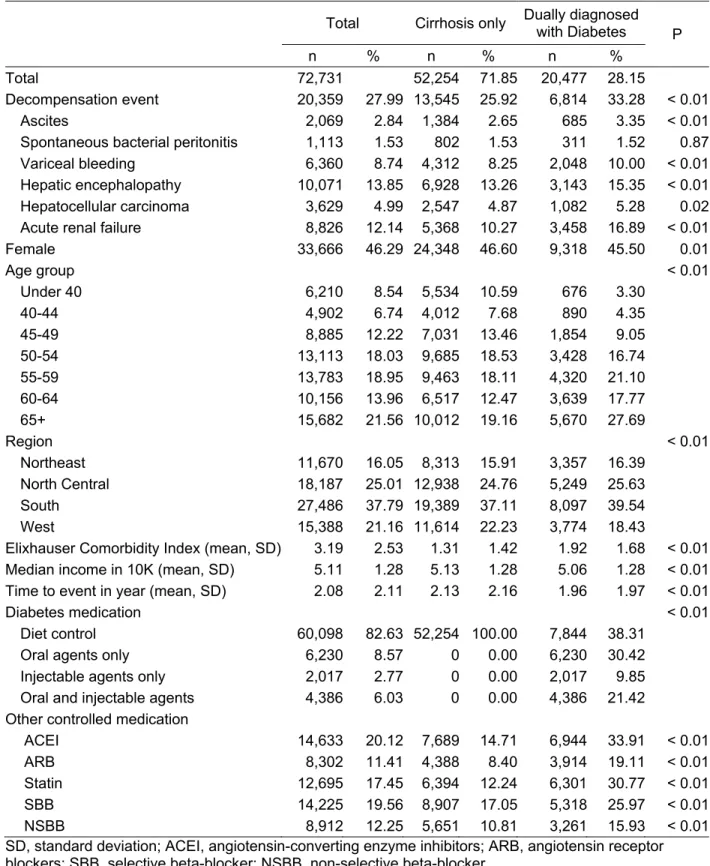
Table 3.1 - Descriptive statistics of patients with cirrhosis, MarketScan 2000-2013 ... 42
Table 3.2 - Logistic regression and Cox proportional hazard model on decompensation event among patients with cirrhosis ... 43
Table 3.3 - Cox proportional hazard model among patients with cirrhosis by decompensation event ... 44
Table 4.1 - Descriptive distribution of patients who were dually diagnosed with compensated cirrhosis and diabetes by physician mix category, MarketScan 2000-2013. ... 65
Table 4.2 - Distribution of total physician encounters by specialties, 2000-2013 ... 66
Table 4.3 - Marginal effects on probability of visiting different physician mix categories using multinomial probit model ... 67
Table 5.1 - Descriptive distribution of dually-diagnosed by physician mix category, MarketScan 2000-2013 ... 84
Table 5.2 - Marginal effects on probability of visiting different physician mix categories using multinomial probit model (first stage) ... 85
Table 5.3 - Logistic regression on decompensation event/hospitalization with and without using 2SRI .... 87
LIST OF FIGURES
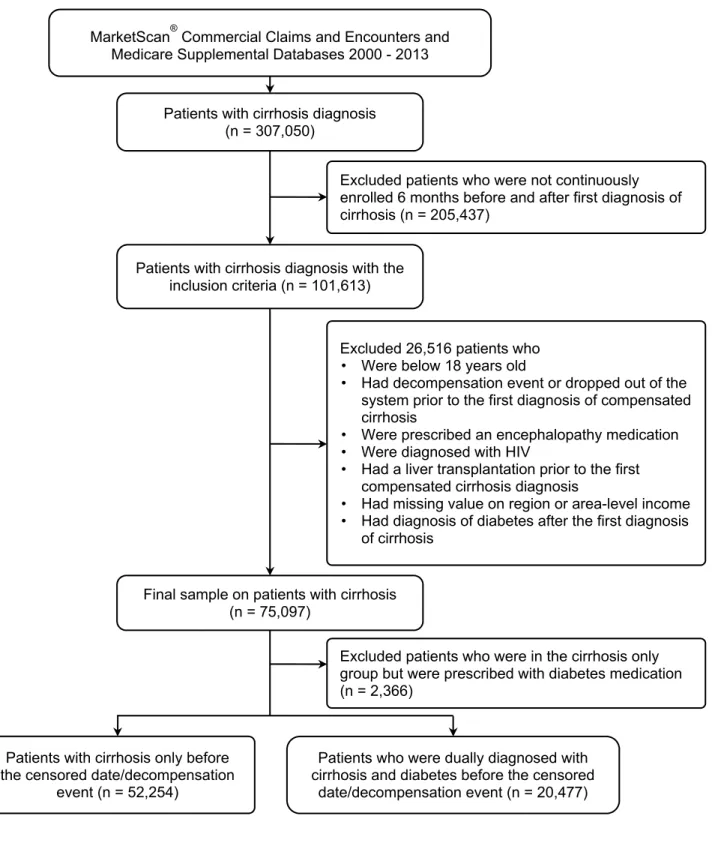
Figure 1.1 - Andersen Health Care Utilization Model ... 10 Figure 3.1 - Patient flow during the study ... 46 Figure 3.2 - Survival time until decompensation event among patients with
cirrhosis using Kaplan-Meier Curves ... 47 Figure 3.3 - Survival time until decompensation event among patients with
ascites using Kaplan-Meier Curves ... 48 Figure 3.4 - Survival time until decompensation event among patients with
spontaneous bacterial peritonitis using Kaplan-Meier Curves ... 49 Figure 3.5 - Survival time until decompensation event among patients with
variceal bleeding using Kaplan-Meier Curves... 50 Figure 3.6 - Survival time until decompensation event among patients with
hepatic encephalopathy using Kaplan-Meier Curves ... 51 Figure 3.7 - Survival time until decompensation event among patients with
hepatocellular carcinoma using Kaplan-Meier Curves ... 52 Figure 3.8 - Survival time until decompensation event among patients with acute
renal failure using Kaplan-Meier Curves ... 53 Figure 4.1 - Patient flow for selecting dually diagnosed patients ... 68 Figure 4.2 - Distribution of physician mix categories among dually diagnosed
patients ... 69 Figure 4.3 - Average number of annual health care utilization among dually
diagnosed patients, by physician mix category... 70 Figure 4.4 - Average age and number of comorbidities by physician mix
categories by year ... 71 Figure 4.5 - Average number of annual visits to physician specialties among
LIST OF ABBREVIATIONS
95% C.I. 95% confidence interval
ACEI Angiotensin-converting enzyme inhibitors ARB Angiotensin receptor blockers
DM Diabetes mellitus
DPP-4 Inhibitors Dipeptidyl peptidase 4 inhibitors
FIPS Federal Information Processing Standard
HCC Hepatocellular Carcinoma
HCV Hepatitis C virus
HR Hazard ratio
MSA Metropolitan statistical area
N Sample size
NAFLD Non-alcoholic fatty liver disease NEC Not elsewhere classified
NSBB Non-selective beta-blocker.
OR Odds ratio
P P-value PCMH Patient-Centered Medical Homes
SBB Selective beta-blocker
SGLT2 Inhibitors Sodium/glucose cotransporter 2 inhibitors
CHAPTER 1. OVERVIEW OF MANAGEMENT AND OUTCOMES OF PATIENTS WITH CIRRHOSIS AND DIABETES
INTRODUCTION
Liver cirrhosis is a chronic liver disorder that causes significant global health burden.1 In the United States, cirrhosis was the eleventh causes of death in 2012.2 Recent literature suggests that more than 600,000 U.S. adults suffer from cirrhosis, yet up to 70% of patients are unaware of their diseases.3 Although the inpatient mortality rate has slightly decreased by 5% in the past decade due to improved inpatient care,4 cirrhosis is still the top ten leading causes of death among working-age population (age 25-64) in 2012.5 Moreover, the direct cost of cirrhosis/fibrosis in the U.S. was estimated to be $1.8 billion in 2009.6 Cirrhosis consists of two stages: compensated cirrhosis, where the liver may slowly lose function, versus decompensated cirrhosis, where patients develop complications and require intensive medical care. Without proper care, compensated cirrhosis can easily lead to decompensation (i.e., variceal hemorrhage, ascites, and hepatic encephalopathy, hepatocellular carcinoma) and even acute renal failure. Once decompensation occurs, the 5-year mortality can reach 85% without transplant.7
of decompensated cirrhosis still needs to be confirmed in a larger sample study, especially among patients of working age.
In addition, given the complexity of these dual comorbidities, this group of patients may be managed more effectively by a mix of physicians including primary care physicians (PCPs),
gastroenterologists (GIs), and endocrinologists (ENDOs). However, little is known about who currently cares for these dually diagnosed patients.22 Although there are some studies on physician mix among diabetic patients with chronic kidney disease and tuberculosis,23–26 or among patients with cancer,27–31 studies are still lacking for physician mix among patients who were dually diagnosed with cirrhosis and diabetes. Among the patients with diabetes in the U.S., over 70% of visits were with primary care physicians (including family practice, general practice, and internal medicine). Moreover, another 20% of visits among patients with diabetes were treated by specialties other than endocrinology, while only about 8% of visits were with endocrinologist.32 However, we do not know whether patient outcomes are better when patients are managed by PCPs, specialists (i.e., GIs and ENDOs) or both. There remains a need to better understand who is managing these dually diagnosed patients, and whether being treated by a mix of physicians improves dually diagnosed patients’ health outcomes.
The long-term goal of this research is to improve the understanding of management and outcomes of patients dually-diagnosed with compensated cirrhosis and diabetes. The overall objective was to study the effect of diabetes with compensated cirrhosis on health outcomes, describe the mix of physician specialties treating these complex patients, and to determine the impact of visiting different physician specialties on the likelihood of a patient experiencing a decompensation event or
Without care from the specialists (i.e., GI and/or ENDO), patients may not be able to receive sufficient health care and thus, have higher risks of getting decompensation events than their counterparts.This leads to the following three aims and hypotheses to be tested using the Truven Marketscan® Commercial Claims and Encounters and Medicare Supplemental Database.
1. To determine whether patients dually diagnosed with compensated cirrhosis and diabetes are more likely to experience a decompensation event than patients diagnosed only with
compensated cirrhosis.
Hypothesis: Patients with both cirrhosis and diabetes are more likely to experience a decompensation
event than patients diagnosed only with cirrhosis. Patients with cirrhosis and diabetes have more complex conditions than those who only have cirrhosis. If this is the case, patients who were dually diagnosed with compensated cirrhosis and diabetes may need a higher level of care or more coordinated care.
2. To determine what physician specialties are treating patients dually diagnosed with compensated cirrhosis and diabetes.
Hypothesis: Regardless of the complexity of their health condition, there is still a large group of
patients who did not receive care from both PCP and GI/ENDO. Patients with cirrhosis and diabetes may be treated by a PCP, a GI, an ENDO, or combination of these three groups with any other specialists. This aim will provide information about the treatment practices for these patients, and particularly, the extent to which a mix of physicians is employed in their care between 2000 and 2013. 3. To determine whether care from PCP, GI and/or ENDO for dually diagnosed patients with
compensated cirrhosis and diabetes results in a lower likelihood of experiencing a
decompensation event and/or all-cause hospitalization when compared with dually diagnosed patients were not treated by both PCP and GI/ENDO.
Hypothesis: Patients who were treated by both PCP and GI/ENDO will have the lowest likelihood of
experiencing a decompensation event and/or all-cause hospitalization compared to those who were
nor GI/ENDO. This aim will be able to support continued emphasis on improving coordination of care through care models such as patient-centered medical homes.
With the increasing burden of patients with cirrhosis, managing their health and comorbidities is a major challenge. This project aims to provide evidence on how visiting different physician specialties among dually-diagnosed patients with compensated cirrhosis and diabetes may influence their health outcomes. The results will provide the information to support the coordination between physician specialties on disease management, especially among patients with multiple chronic conditions. BACKGROUND
The main cause of cirrhosis in the U.S. is the aging baby boomers with chronic hepatitis C and increased prevalence of fatty liver disease.33,34 As people who were born during 1945-1965--those who were highly likely to have hepatitis C infection--grow older, the number of HCV-related cirrhotic patients is estimated to double in the next ten years.35–37 Heavy alcohol consumption was commonly observed among these patients, which causes alcoholic fatty liver disease.34 At the same time, the estimated prevalence of non-alcoholic fatty liver disease (NAFLD) is increasing rapidly in the U.S. in the past decade.38,39 According to a recent study, the prevalence of NAFLD was 19%, accounting for 28.8 million people.39 These patients are free from viral hepatitis infection (e.g., hepatitis B or hepatitis C), but are increasing paralleled with the prevalence of diabetes.38 On the other hand, diabetes has been recognized as an independent prognostic factor on developing cirrhosis.40 Approximately 40% of patients with cirrhosis also have diabetes.8
the chance of patients receiving a liver transplant,43 evidence is lacking about the association between the combination of physician specialties and health outcomes among dually-diagnosed patients. How to manage these complex patients and maintain their health is a major public health concern in the near future.
With the implementation of the Affordable Care Act, strategies to coordinate care, including Patient-Centered Medical Homes (PCMH) are widely emphasized.44,45 One main principle that PCMH emphasize is coordinated and/or integrated care between PCP and specialists.46 Studies have found that visits to multiple physician specialties can directly affect quality of care. Specifically, the involvement of PCPs in addition to specialists improves preventive care among cancer survivors.28–31 In addition, previous studies have also found that patients residing in higher physician density areas had better access to PCPs and specialties.43,47,48 Despite the rapid increase in the number of patients with multiple chronic conditions,49 little is known about the mix of PCP and specialists who treat these patients. Therefore, the three aims in this project focus on the association between management and outcomes among dually-diagnosed patients.
CONCEPTUAL MODEL
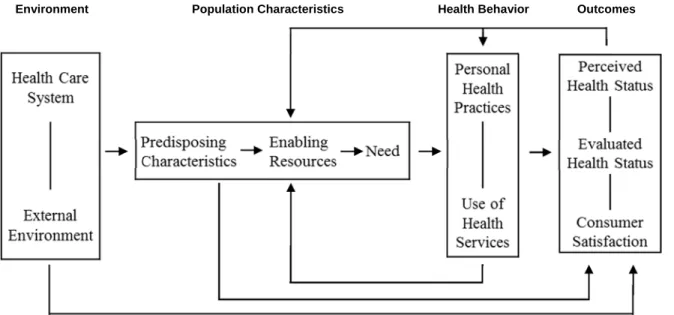
The conceptual model for this study (Figure 1.1) is based on the Andersen Health Care Utilization Model.50 This model was initially developed as the behavioral model to measure whether people equally access health care in late 1960s. After several phases of modification, the final model included outcomes and emphasized the dynamics of health care services use from environmental factors to individual factors, including feedback loops. Three factors that may affect health care services use in the model are 1) predisposing factors (i.e. demographic characteristics such as age, gender, and socio-economic status); 2) enabling factors, which affect patients’ health care utilization (i.e. physician specialty,
geographic location, metropolitan statistical area (MSA), and Medicare coverage); and 3) need (perceived vulnerability, such as number of comorbidities and drug usage).
their use of health care services quickly, which will lead to decompensation events and higher hospitalization rate than those who are only diagnosed with cirrhosis. Therefore, I hypothesize that patients with cirrhosis and diabetes are more likely to experience a decompensation event than patients
diagnosed only with cirrhosis (Aim 1). With the hypothesis that patients continue to use the same health care services due to access and financial barriers, the majority of dually diagnosed patients only see his or her PCP and do not visit any GI and/or ENDO, regardless of the complexity of their deteriorating health
condition (Aim 2).
Once patients change the pattern of health seeking behavior after being diagnosed with cirrhosis and diabetes, their enabling resources and needs change accordingly. These patients will receive medical advice from different professionals and will obtain better care management through multiple physician specialties.29,51 Moreover, with more involvement from multiple medical professionals, patients may have more detailed check-up to better understand their health status and the diseases, thus, have higher chance for good outcomes. Therefore, I hypothesize patients who were treated by a PCP, a GI and/or an ENDO have lower likelihood of experiencing a decompensation event and/or all-cause hospitalization
than patients who were not treated by both types of specialties (Aim 3).
Many predisposing characteristics can also influence health outcomes. For instance, males and the elderly have higher risk of liver cirrhosis mortality than their counterparts.1 Moreover, literature has also shown that the number of patients with cirrhosis admitted to hospitals in the South are significantly higher than other regions of the U.S.52 In addition, past health history and the number of comorbidities of each patient may also affect patient’s choice of care and influence their health outcomes. All these factors will be considered during the study of this topic.
SIGNIFICANCE
The study is the first to provide nationally-based evidence, especially among working-age population, that diabetes in patients with cirrhosis is correlated with higher risk of
samples outside of United States14,15 or only among an elder population.13,17,18,20 Therefore, this study illustrates the magnitude of impact on having diabetes in addition to compensated cirrhosis in a nation-wide, working-age population.
The study identifies the current mix of health care physicians among dually-diagnosed patients with compensated cirrhosis and diabetes. With the increasing burden of patients with both conditions, understanding the current patterns of visiting physician specialties among patients who were dually diagnosed with compensated cirrhosis and diabetes is needed. As health care reform proceeds, understanding the management and outcomes provided by multi-specialty physicians among patients with multiple chronic conditions is important. This study will provide the opportunity to use nationally-based evidence to understand the current pattern of care for dually diagnosed patients with compensated cirrhosis and diabetes.
The study examines how the mix of physician specialties, consisting of a PCP, a GI, and/or an ENDO, influences dually diagnosed patients’ outcomes. With the increasing burden of treating patients with cirrhosis, managing dually diagnosed patients with cirrhosis and diabetes is one major goal in public health. However, current studies on visiting multi-specialty physicians have mainly focused on patients with cancer.29–31 Moreover, those studies were focused only on a single type of cancer and with the effect of visiting a mix of physician specialties on the quality of preventive care. To our knowledge, there are no studies focused on multi-specialty physician care on patients with cirrhosis nor patients who were dually diagnosed with multiple chronic conditions.22 Therefore, this study is able to examine how visiting multiple physician specialties can improve both health outcomes and health care utilization for dually diagnosed patients.
INNOVATION
This project is innovative in three important ways. First, this study assesses how the mix of physician specialties influence dually diagnosed patients’ outcomes. The results of this project provide evidence on visiting multi-specialty physicians among patients with other chronic
have multiple chronic conditions that require more intensive care.53 This study’s innovation is to examine the pattern of physician care among patients with multiple chronic conditions (i.e. compensated cirrhosis and diabetes).
Second, this study uses physician density as an instrumental variable in assessing the physician mix categories among patients with multiple chronic conditions. Patients who visited multiple physician specialties may be sicker in unobserved ways, which introduces selection bias. However, due to data limitations, we were unable to fully measure patients’ disease severity. Therefore, to avoid unobserved selection bias, this study uses instrumental variables (i.e., physician densities) to assess the odds of experiencing decompensation events when seeing a different mix of physicians among patients with multiple chronic conditions.
Third, this study uses nationwide health care claims data to provide a more generalizable result to the U.S. population. The largest U.S. studies of diabetes and decompensation events were clinic- or hospital-based data, which had small sample sizes,54 or come from the veteran population and may not be generalizable to the population most likely to be affected by cirrhosis.12 One study was based on SEER-Medicare data and focused only on the elderly population.20 Therefore, using nationwide health care claims data such as MarketScan allows us to obtain more representative results and provide the first evidence among working-age, civilian population.
SUMMARY
Figure 1.1 - Andersen Health Care Utilization Model
Environment Population Characteristics Health Behavior Outcomes
REFERENCES
1. Mokdad AA, Lopez AD, Shahraz S, et al. Liver cirrhosis mortality in 187 countries between 1980 and 2010: a systematic analysis. BMC Med. 2014;12(1):145.
2. Heron M. Deaths: Leading Causes for 2012. Natl Vital Stat Reports. 2015;64(10):94. http://www.cdc.gov/nchs/data/nvsr/nvsr64/nvsr64_10.pdf.
3. Scaglione S, Kliethermes S, Cao G, et al. The Epidemiology of Cirrhosis in the United States A Population-based Study. J Clin Gastroenterol. 2015;49(8):690-696.
4. Schmidt ML, Barritt AS, Orman ES, Hayashi PH. Decreasing Mortality Among Patients Hospitalized With Cirrhosis in the United States From 2002 Through 2010. Gastroenterology. 2015;148(5):967-977.e2.
5. Heron M. Deaths: leading causes for 2011. Natl Vital Stat Reports. 2015;64(7):96.
6. Peery AF, Dellon ES, Lund J, et al. Burden of gastrointestinal disease in the United States: 2012 update. Gastroenterology. 2012;143(5):1179-1187.e1-e3.
7. Schuppan D, Afdhal NH. Liver Cirrhosis. Lancet. 2008;371(9615):838-851.
8. Petit JM, Hamza S, Rollot F, et al. Impact of liver disease severity and etiology on the occurrence of diabetes mellitus in patients with liver cirrhosis. Acta Diabetol. 2014;51(3):455-460.
9. Zein NN, Abdulkarim AS, Wiesner RH, Egan KS, Persing DH. Prevalence of diabetes mellitus in patients with end-stage liver cirrhosis due to hepatitis C, alcohol, or cholestatic disease. J Hepatol. 2000;32(3):209-217.
10. Holstein A, Hinze S, Thießen E, Plaschke A, Egberts E-H. Clinical implications of hepatogenous diabetes in liver cirrhosis. J Gastroenterol Hepatol. 2002;17(6):677-681.
11. Hickman IJ, Macdonald GA. Impact of diabetes on the severity of liver disease. Am J Med. 2007;120(10):829-834.
12. El-serag HB, Tran T, Everhart JE. Diabetes increases the risk of chronic liver disease and hepatocellular carcinoma. Gastroenterology. 2004;126(2):460-468.
13. Wlazlo N, van Greevenbroek MM, Curvers J, et al. Diabetes mellitus at the time of diagnosis of cirrhosis is associated with higher incidence of spontaneous bacterial peritonitis, but not with increased mortality. Clin Sci (Lond). 2013;125(7):341-348.
14. Huang Y-W, Yang S-S, Fu S-C, et al. Increased risk of cirrhosis and its decompensation in chronic hepatitis C patients with new-onset diabetes: a nationwide cohort study. Hepatology.
2014;60(3):807-814.
15. Veldt BJ, Chen W, Heathcote EJ, et al. Increased risk of hepatocellular carcinoma among patients with hepatitis C cirrhosis and diabetes mellitus. Hepatology. 2008;47(6):1856-1862.
16. Jáquez-Quintana JO, Compean DG, González-González JA, et al. The impact of diabetes mellitus in mortality of patients with compensated liver cirrhosis-a prospective study. Ann Hepatol.
2011;10(1):56-62.
18. Yang C-H, Chiu Y-C, Chen C-H, et al. Diabetes mellitus is associated with gastroesophageal variceal bleeding in cirrhotic patients. Kaohsiung J Med Sci. 2014;30(10):515-520.
19. Tseng C. Diabetes is not an independent risk factor for hepatocellular carcinoma. Diabetes Metab Res Rev. 2013;29(April):515-524.
20. Davila JA, Morgan RO, Shaib Y, McGlynn KA, El-Serag HB. Diabetes increases the risk of hepatocellular carcinoma in the United States: a population based case control study. Gut. 2005;54(4):533-539.
21. El-Serag HB, Everhart JE. Diabetes increases the risk of acute hepatic failure. Gastroenterology. 2002;122(7):1822-1828.
22. Henry L, Younossi Z. Hepatitis: Chronic HCV infection, diabetes and liver-related outcomes. Nat Rev Gastroenterol Hepatol. 2014;11(9):1-2.
23. Haley WE, Beckrich AL, Sayre J, et al. Improving Care Coordination Between Nephrology and Primary Care: A Quality Improvement Initiative Using the Renal Physicians Association Toolkit. Am J Kidney Dis. 2015;65(1):67-79.
24. Bowman BT, Kleiner A, Bolton WK. Comanagement of diabetic kidney disease by the primary care provider and nephrologist. Med Clin North Am. 2013;97(1):157-173.
25. Auerbach AD, Wachter RM, Cheng HQ, et al. Comanagement of Surgical Patients Between Neurosurgeons and Hospitalists. Arch Intern Med. 2010;170(22):2004-2010.
26. Sullivan T, Ben Amor Y. The co-management of tuberculosis and diabetes: challenges and opportunities in the developing world. PLoS Med. 2012;9(7):e1001269.
27. Earle CC, Burstein HJ, Winer EP, Weeks JC. Quality of non-breast cancer health maintenance among elderly breast cancer survivors. J Clin Oncol. 2003;21(8):1447-1451.
28. Snyder CF, Earle CC, Herbert RJ, Neville BA, Blackford AL, Frick KD. Trends in follow-up and preventive care for colorectal cancer survivors. J Gen Intern Med. 2008;23:254-259.
29. Snyder CF, Frick KD, Herbert RJ, et al. Preventive care in prostate cancer patients: Following diagnosis and for five-year survivors. J Cancer Surviv. 2011;5:283-291.
30. Snyder CF, Earle CC, Herbert RJ, Neville BA, Blackford AL, Frick KD. Preventive care for colorectal cancer survivors: A 5-year longitudinal study. J Clin Oncol. 2008;26(7):1073-1079. 31. Snyder CF, Frick KD, Kantsiper ME, et al. Prevention, screening, and surveillance care for breast
cancer survivors compared with controls: Changes from 1998 to 2002. J Clin Oncol. 2009;27(7):1054-1061.
32. Janes GR. Ambulatory Medical Care for Diabetes. In: Harris MI, Cowie CC, Stern MP, Boyko EJ, Reiber GE, Bennett PH, eds. Diabetes in America. 2nd ed. Bethesda, MD: The National Diabetes Information Clearinghouse (NDIC); 1995:12.
http://diabetes.niddk.nih.gov/dm/pubs/america/pdf/chapter26.pdf.
34. Bell BP, Manos MM, Zaman A, et al. The epidemiology of newly diagnosed chronic liver disease in gastroenterology practices in the United States: Results from population-based surveillance. Am J Gastroenterol. 2008;103:2727-2736.
35. Smith BD, Morgan RL, Beckett GA, et al. Recommendations for the identification of chronic hepatitis C virus infection among persons born during 1945-1965. MMWR Recomm Rep. 2012;61(RR-4):1-32.
36. Neff GW, Duncan CW, Schiff ER. The Current Economic Burden of Cirrhosis. Gastroenterol Hepatol (N Y). 2011;7(10):661-671.
37. Davis GL, Alter MJ, El-Serag H, Poynard T, Jennings LW. Aging of hepatitis C virus (HCV)-infected persons in the United States: a multiple cohort model of HCV prevalence and disease progression. Gastroenterology. 2010;138(2):513-521.
38. Bellentani S, Scaglioni F, Marino M, Bedogni G. Epidemiology of non-alcoholic fatty liver disease. Dig Dis. 2010;28(1):155-161.
39. Lazo M, Hernaez R, Eberhardt MS, et al. Prevalence of nonalcoholic fatty liver disease in the United States: The third national health and nutrition examination survey, 1988-1994. Am J Epidemiol. 2013;178(1):38-45.
40. Elkrief L, Chouinard P, Bendersky N, et al. Diabetes mellitus is an independent prognostic factor for major liver-related outcomes in patients with cirrhosis and chronic hepatitis C. Hepatology. 2014;60(3):823-831.
41. Grattagliano I, Ubaldi E, Bonfrate L, Portincasa P. Management of liver cirrhosis between primary care and specialists. World J Gastroenterol. 2011;17(18):2273-2282.
42. Bini EJ, Weinshel EH, Generoso R, et al. Impact of gastroenterology consultation on the outcomes of patients admitted to the hospital with decompensated cirrhosis. Hepatology. 2001;34(6):1089-1095.
43. Barritt AS, Telloni SA, Potter CW, Gerber DA, Hayashi PH. Local access to subspecialty care influences the chance of receiving a liver transplant. Liver Transplant. 2013;19(4):377-382. 44. Davis K, Abrams M, Stremikis K. How the Affordable Care Act will strengthen the nation’s primary
care foundation. J Gen Intern Med Med. 2011;26(10):1201-1203.
45. Cassidy A. Patient-Centered Medical Homes. Health Aff. 2010;(September 14).
46. AAFP, Physicians AC of, Pediatrics AA of, Association AO. Joint Principles of the Patient-Centered Medical Home. Patient Patient-Centered Primary Care Collaborative.
http://www.aafp.org/dam/AAFP/documents/practice_management/pcmh/initiatives/PCMHJoint.pdf. Published 2007. Accessed November 22, 2015.
47. Eide MJ, Weinstock MA, Clark MA. The association of physician-specialty density and melanoma prognosis in the United States, 1988 to 1993. J Am Acad Dermatol. 2009;60(1):51-58.
48. Ananthakrishnan AN, Hoffmann RG, Saeian K. Higher Physician Density is Associated with Lower Incidence of Late-stage Colorectal Cancer. J Gen Intern Med. 2010;25(11):1164-1171.
50. Andersen RM. Revisiting the behavioral model and access to medical care: does it matter? J Health Soc Behav. 1995;36(1):1-10.
51. Snyder CF, Frick KD, Peairs KS, et al. Comparing care for breast cancer survivors to non-cancer controls: A five-year longitudinal study. J Gen Intern Med. 2009;24:469-474.
52. Mellinger JL, Richardson CR, Mathur AK, Volk ML. Variation Among United States Hospitals in Inpatient Mortality for Cirrhosis. Clin Gastroenterol Hepatol. 2015;13(3):577-584.
53. Kanwal F, Volk M, Singal A, Angeli P, Talwalkar J. Improving Quality of Health Care for Patients With Cirrhosis. Gastroenterology. 2014;147(6):1204-1207.
CHAPTER 2. METHODS DATA SOURCES
Data used for this study were obtained from MarketScan® Commercial Claims and Encounters and Medicare Supplemental Databases from the Truven Health MarketScan® Research Databases.1 Enrollees in MarketScan include employees insured by employer-sponsored plans and their dependents and Medicare-eligible retirees with employer-provided Medicare Supplemental Plans. The claims data contain patient demographic information, enrollment status, health care expenditures, and detailed inpatient and outpatient services. Data also include detailed prescription medication information, diagnosis codes, and procedures codes. The diagnosis codes are based on the International
Classification of Diseases, 9th Revision, Clinical Modification (ICD-9-CM), and the procedure codes were based on ICD-9-CM, Current Procedural Terminology (CPT®) and Health care Common Procedure Coding System (HCPCS). Our data were obtained through the Cecil G. Sheps Center for Health Services Research at the University of North Carolina at Chapel Hill. The study was reviewed and approved by the University of North Carolina at Chapel Hill Institutional Review Board (IRB).
SAMPLE AND ELIGIBILITY
Patient claims were captured between years 2000 and 2013. The sample included all patients age 18 and over who were enrolled for at least 6 months before and after their first diagnosis of
compensated cirrhosis (Aim 1) or their first dual diagnosis of compensated cirrhosis and diabetes (Aims 2 and 3). The first dual diagnosis date of compensated cirrhosis and diabetes in Aims 2 and 3 was defined as either the first date of compensated cirrhosis after a diagnosis of diabetes, or vice versa. Both
encounter with a diagnosis of diabetes3 prior to any decompensation event. Decompensation events include ascites, spontaneous bacterial peritonitis, variceal bleeding, hepatic encephalopathy,
hepatocellular carcinoma, and acute renal failure. Patients who were diagnosed with any decompensation event prior to the first diagnosis of compensated cirrhosis/first dual diagnosis of compensated cirrhosis and diabetes were excluded. In addition, to avoid misclassification, patients who were prescribed an encephalopathy medication (Lactulose and Rifaxamin), had a diagnosis of HIV (ICD-9-CM code: 042.xx-044.xx), or had a liver transplant (ICD-9-CM code: V42.7, ICD-9 procedure: 50.5, or CPT code: 47135, 47136) prior to the first diagnosis of compensated cirrhosis/first dual diagnosis of compensated cirrhosis and diabetes were also excluded. To avoid immortal time bias,4 patients who had a first diagnosis of diabetes after the first diagnosis of cirrhosis were also excluded in Aim 1. The end of the study period was defined as: 1) the first disenrollment; 2) the date of a serious complication (i.e. decompensation event, hepatocellular carcinoma, or acute renal failure); or 3) the end of the observation period (December 31, 2013).
KEY VARIABLE AND MEASURES
Patient-level variables were identified from the MarketScan® Commercial Claims and Encounters and Medicare Supplemental Databases. Area-level variables were linked from the Dartmouth Atlas and the U.S. Census Bureau (Table 2.1).
Decompensation events (Aims 1 and 3)
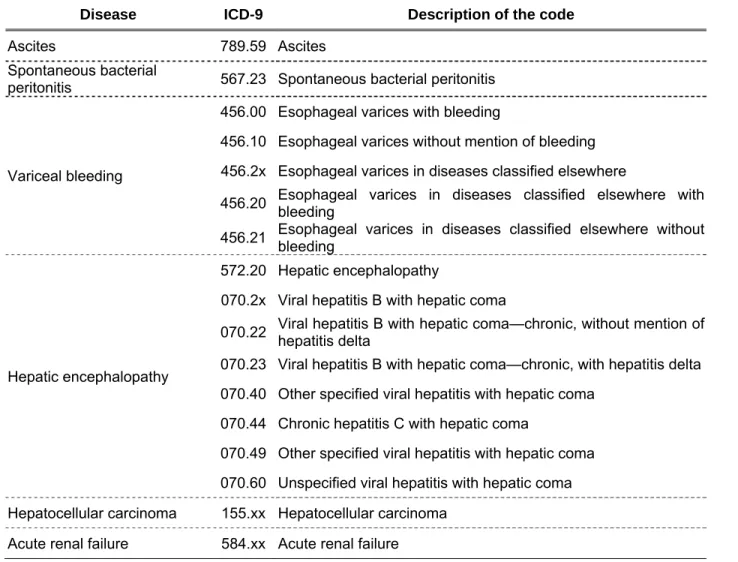
Decompensation events were defined using previously published ICD-9-CM codes:5,6 ascites (ICD-9-CM code: 789.59), spontaneous bacterial peritonitis (ICD-9-CM code: 567.23), variceal bleeding (ICD-9-CM code: 456.00, 456.10, 456.20, 456.21), hepatic encephalopathy (ICD-9-CM code: 572.20, 070.2x, 070.40, 070.44, 070.49, 070.60), hepatocellular carcinoma (ICD-9 code: 155)7,8, and acute renal failure (ICD-9 code: 584)9,10 (Table 2.2). Patients who filled prescriptions for encephalopathy medications (Lactulose and Rifaxamin) were also defined as having hepatic encephalopathy. Patients in the study sample were identified as having a decompensation event when they: 1) had at least two diagnoses of decompensated cirrhosis from the Outpatient Services Table; 2) had at least one diagnosis of
or 4) had been filled with prescribed an encephalopathy medication from the Outpatient Services Table. Time-to-decompensation event was defined as the time from first diagnosis of cirrhosis to the first diagnosis of decompensation event. The censoring date was defined as either the first drop-out date or the end of the study period (December 31, 2013).
Diabetes severity proxy (Aims 1 and 3)
Diabetic patients were categorized into four categories in Aim 1 as a proxy of severity: 1) diet controlled (without any diabetic medication); 2) oral agents; 3) injectable agents (including insulin and non-insulin injectable agents); and 4) both oral and injectable agents (Table 2.3). To avoid immortal time bias4, patients who had a first diagnosis of diabetes after the first diagnosis of cirrhosis were excluded. The diet control group was the reference group.
In Aim 3, diabetic medications were measured in the 6 months prior to the first dual diagnosis. Patients were not considered to have diabetes if they had diagnosis of diabetes later than the diagnosis of compensated cirrhosis (i.e., no diabetes diagnosis 6 months prior to the first dual diagnosis date).
Patients were considered as having diabetes with diet control if they had diagnosis of diabetes prior to diagnosis of compensated cirrhosis but did not use any diabetic medication during the observed 6 months. Patients who had diabetes diagnosis prior to the first compensated cirrhosis diagnosis and were prescribed diabetic medications were categorized as diabetic medication with oral agents only, injectable agents only, and both oral and injectable agents, based on the listed medications. Therefore, five
categories of proxy for patients’ severity of diabetes were: 1) no diabetes; 2) diabetes with diet control; 3) diabetes with oral agents only; 4) diabetes with injectable agents only; and 5) diabetes with both oral and injectable agents. No diabetes served as the reference group.
Physician specialty (Aim 2)
previous studies:12–15 medical doctor not elsewhere classified (NEC), internal medicine NEC, family practice, geriatric medicine, obstetrics/gynecology, and multi-specialty group practice (STDPROV = 200, 204, 240, 320, 245, and 206 respectively). Physician encounters were also summed by specialty in each year from 2000 to 2013.
Physician mix categories (Aims 2 and 3)
Dually-diagnosed patients may encounter multiple health conditions that require care from different physician specialties. Therefore, these patients were categorized into four physician mix
categories based on the physicians specialties mentioned above: 1) PCP with no GI/ENDO, 2) GI/ENDO with no PCP, 3) both PCP and GI/ENDO, and 4) neither PCP nor GI/ENDO. PCP with no GI/ENDO was the reference group in the regression analysis.
Physician density (Aims 2 and 3)
Physician density measures access to each physician specialty among dually diagnosed patients with compensated cirrhosis and diabetes. Three physician densities were included: density of PCP, density of GI/ENDO, and density of other physicians. These three densities were linked from the
were linked with physician density in 2006; and years 2009 through 2013 were linked with physician density in 2011. If multiple HRRs were linked to a single patient, weighted physician density based on the total population in each HRR was calculated. Physician densities served as control variables in Aim 2 and as instrumental variables in Aim 3.
Health Care Utilization (Aim 2)
Annual physician visits and annual health care expenditures by each patient were observed from the MarketScan Outpatient Services Table. Physician visits were summed by each visit for each physician mix category during the observation period. Total health care expenditures were the gross covered payments, which were the sum of deductible, coinsurance, coordination of benefits and other savings, and net payments from each outpatient visit. Average physician visits and health care expenditures per patient per year were also reported.
All-cause hospitalization (Aim 3)
Inpatient admissions occurring after the first dual diagnosis with compensated cirrhosis and diabetes were treated as an indication of poor care management. Using the Inpatient Admission
Information Table, we created an indicator for any hospitalization throughout the study period. For brevity, we sometimes refer to all-cause hospitalization as “hospitalization.”
Other control variables (All 3 aims)
To avoid collinearity, diseases related to liver disease and diabetes in the Elixhauser Comorbidity Index were excluded. The remaining 28 comorbidities were summed (0-28) (Table 2.4).
Although socioeconomic status (SES) was not available in the database, area-level median income was used as a proxy estimation of patients’ SES. Area-level median income was linked through five-digit FIPS code (2000 through 2010) and MSA (2011 through 2013). In addition, disease-related medications23–27 were also controlled in the analysis in Aims 1 and 3 (Table 2.4).
ANALYTIC APPROACH
The unit of analysis was the patient (Table 2.5). All analyses were conducted using SAS for Windows, Version 9.4 (SAS Institute Inc, Cary, NC, USA) and STATA 13.0 (STATA Corp, College Station, TX, USA). The power calculation for each aim was set at the 80% level. P-values of < 0.05 were considered statistically significant.
Aim 1: To determine whether patients diagnosed with cirrhosis and diabetes are more likely to
experience a decompensation event than patients diagnosed only with cirrhosis. Logistic regression was used to compare the odds of developing a decompensation event among dually diagnosed patients vs. patients who were only diagnosed with cirrhosis. Age, gender, area-level median income, geographic location, number of comorbidities, and disease-related medication use were used as the control variables.
| 1
1
∗ ∗ ∗ ∗ ∗
∗ ∗ ∗
The key dependent variable (Y) is any decompensation event, including ascites, spontaneous bacterial peritonitis, variceal bleeding, hepatic encephalopathy, hepatocellular carcinoma, and acute renal failure. The β’s represent the predisposing, enabling, and need characteristics described in Table 2.1. The null hypothesis is that patients who were dually diagnosed with cirrhosis and diabetes have the same odds of a developing decompensation event as those who were diagnosed with only compensated
the result indicates that there is a statistically significant different between the two groups (i.e., patients with compensated cirrhosis only versus dually-diagnosed patients).
Cox proportional hazard models and Kaplan-Meier plots were used to consider time-to-decompensation event.
Prob | exp
∑ exp
∗ ∗ ∗ ∗ ∗
∗ ∗ ∗
Patients who discontinued enrollment in the system or developed any decompensation event after the first diagnosis date of cirrhosis were censored. Covariates were the same as in the logistic regression. The null hypothesis for survival analysis is that there is no difference in time-to-
decompensation event between the two groups. The chi-square test was used to test unadjusted comparisons between the two groups. If chi-square test is statistically significant the result indicates that there is a statistically significant difference of time-to-decompensation event between the two groups. Adjusted odds ratios (ORs), hazard ratios (HRs) and confidence intervals (CI) were reported based on logistic regression and Cox proportional hazard models.
Power Analysis for Aim 1. Approximately 40% of patients with cirrhosis also had a diabetes diagnosis.28 Among these patients, about 36%-58% of them then developed decompensation events.29,30 Therefore, assuming this prevalence, effect size, 80% power and an alpha of .05, the required sample size for a two-sample comparison is 713 patients per group (sampsi .4 .475, power(.8)). Hence, the sample size requirement for Aim 1 was 1,426 patients with compensated cirrhosis.
Aim 2: To determine what physician specialties are treating patients dually diagnosed with
compensated cirrhosis and diabetes. Hypothesis: Regardless of the complexity of their health condition, there is still a large group of patients who receive care from PCP only. We first examined patient characteristics, the distribution of visits to physician mix categories, and the number of physician encounters between 2000 and 2013. We then compared the percentage and average number of annual visits to each physician specialty by physician mix category. Time trends of the percentage and the number of visits for physician mix categories were analyzed. Furthermore, to understand the
the odds of visiting different physician mix categories, controlling for age, gender, geographic location, physician density, number of comorbidities, and area-level median income.
∗ ∗ ∗ ∗
∗ ∗
The key dependent variable Yj is physician mix category. Marginal effects on the probability of visiting each physician mix category and CIs were calculated and reported based on the delta method. Aim 2 is purely descriptive with no hypotheses to test.
Aim 3: To determine whether receiving care from either PCP or GI/ENDO only for dually
diagnosed patients with cirrhosis and diabetes result in a higher likelihood of experiencing a
decompensation event and/or all-cause hospitalization when compared with dually diagnosed patients
who were treated by both PCP and GI/ENDO. Hypothesis: Patients who were treated by either PCP or GI/ENDO only will have higher likelihood of experiencing a decompensation event and/or all-cause
hospitalization compared to those who were treated by mix of these specialists. We first examined patient characteristics and the distribution of any decompensation event and/or hospitalization between 2000 and 2013. We then assessed the effect of physician mix on the development of clinical decompensation event and all-cause hospitalization among dually-diagnosed patients. To avoid selection bias and control for the endogeneity of patients’ physician mix categories, instrumental variables using two-stage residual
inclusion (2SRI) were used.31 A multinomial probit model was used as the first stage of 2SRI to compare the odds of visiting different physician mix categories, controlling for age, gender, geographic location, number of comorbidities, area-level median income, and medications.
1 :
∗ ∗ ∗ ∗
∗ ∗ ∗
∗
Pi indicated four physician mix categories. Physician density was the instrumental variable (i.e.,
of the coefficients for the three physician density instruments. Standardized residuals were calculated from the first stage32,33and were included in the second stage logistic regression for the probability of any decompensation event and hospitalization.
: ∗ 1 ∗ 1
2 : | 1
1
∗ ∗ ∗ ∗
∗ ∗ ∗
∗ ∗ 1
Zi = [Xi wi], where wi indicated instrumental variables that satisfy all the assumptions. The key dependent variable Y for the second stage is all-cause hospitalization and/or any decompensation event, including ascites, spontaneous bacterial peritonitis, variceal bleeding, hepatic encephalopathy,
hepatocellular carcinoma, and acute renal failure. Adjusted odds ratios (ORs) and 95% CIs were reported based on the second stage logistic regression after bootstrapping. Endogeneity of physician mix in the outcome equation was tested using a F-test of the joint significance of the coefficients of the standardized residuals. Results of regular logistic regression and 2SRI on each decompensation event and all-cause hospitalization on physician densities were also compared.
Table 2.1 - Key variables and measurements
Factors Affecting Health Care Use Variable Type Value Description Predisposing
Age Categorical 1 - Under 40 2 - 40-44 3 - 45-49 4 - 50-54 5 - 55-59 6 - 60-64 7 - 65+
Gender Binary 0 - Male
1 - Female Area-level median income Continuous 0 - 999,999 Enabling
Physician mix categories Categorical 1 - PCP with no GI/ENDO 2 - GI/ENDO with no PCP 3 - Both PCP and GI/ENDO 4 - Neither PCP nor GI/ENDO Physician density per 100,000
population by FIPS code/MSA Continuous 0 - 999,999 Geographic location Categorical 1 - Northeast
2 - Midwest 3 - South 4 - West
MSA Binary 0 - Non-MSA
1 - MSA Need
Elixhauser Comorbidity Index Continuous 0 - 28 Diabetes severity proxy Categorical (Aim 1)
1 - Diabetes with diet controlled (without any diabetic medication) 2 - Oral agents
3 - Injectable agents (including insulin and non-insulin injectable agents)
4 - Both oral and injectable agents. (Aim 3)
1 - No diabetes prior to cirrhosis diagnosis
2 - Diabetes with diet controlled 3 - Oral agents
4 - Injectable agents
Factors Affecting Health Care Use Variable Type Value Description Medications
Diabetes oral medication Binary 0 - No use of oral medication 1 - Use of oral medication Insulin Binary 0 - No use of insulin
1 - Use of insulin Statin Binary 0 - No use of statin
1 - Use of statin
ACEI Binary 0 - No use of ACEI
1 - Use of ACEI
ARB Binary 0 - No use of ARB
1 - Use of ARB
SBB Binary 0 - No use of SBB
1 - Use of SBB
NSBB Binary 0 - No use of NSBB
1 - Use of NSBB Health Outcome
Decompensation events Binary 0 - No decompensation event 1 - Has decompensation event Ascites Binary 0 - No ascites
1 - Has ascites
Spontaneous bacterial peritonitis Binary 0 - No spontaneous bacterial peritonitis
1 - Has spontaneous bacterial peritonitis
Variceal bleeding Binary 0 - No variceal bleeding 1 - Has variceal bleeding Hepatic encephalopathy Binary 0 - No hepatic encephalopathy
1 - Has hepatic encephalopathy Hepatocellular carcinoma Binary 0 - No hepatocellular carcinoma 1 - Has hepatocellular carcinoma Acute renal failure Binary 0 - No acute renal failure
1 - Has acute renal failure All-cause hospitalization Binary 0 - No hospitalization
1 - Has hospitalization Total physician visits Continuous 0 - 999
Total health care expenditures Continuous 0 - 999,999
Table 2.2 - List of ICD-9-CM codes for decompensated cirrhosis5
Disease ICD-9 Description of the code
Ascites 789.59 Ascites
Spontaneous bacterial
peritonitis 567.23 Spontaneous bacterial peritonitis
Variceal bleeding
456.00 Esophageal varices with bleeding
456.10 Esophageal varices without mention of bleeding 456.2x Esophageal varices in diseases classified elsewhere
456.20 Esophageal varices in diseases classified elsewhere with bleeding 456.21 Esophageal varices in diseases classified elsewhere without bleeding
Hepatic encephalopathy
572.20 Hepatic encephalopathy
070.2x Viral hepatitis B with hepatic coma
070.22 Viral hepatitis B with hepatic coma—chronic, without mention of hepatitis delta 070.23 Viral hepatitis B with hepatic coma—chronic, with hepatitis delta 070.40 Other specified viral hepatitis with hepatic coma
070.44 Chronic hepatitis C with hepatic coma
070.49 Other specified viral hepatitis with hepatic coma 070.60 Unspecified viral hepatitis with hepatic coma Hepatocellular carcinoma 155.xx Hepatocellular carcinoma
Table 2.3 - List of disease-related medications
Medication Category Generic name
Cirrhosis-related
Encephalopathy Lactulose
Rifaximin Diabetes-related35
Oral medication
Sulfonylureas Chlorpropamide Glipizide Glyburide Glimepiride Biguanides Metformin
Meglitinides Repaglinide
Nateglinide Thiazolidinediones Rosiglitazone
Pioglitazone DPP-4 Inhibitors Sitagliptin
Saxagliptin Linagliptin Alogliptin SGLT2 Inhibitors Canagliflozin
Dapagliflozin Empagliflozin Alpha-glucosidase inhibitors Acarbose
Miglitol Bile acid sequestrants Colesevelam
Insulin Insulin
Injectable medications
Amylin mimetics Pramlintide Incretin mimetics Exenatide
Exenatide extended release
Liraglutide Other controlled medication
Statins36 Atorvastatin
Medication Category Generic name ACEI/ARB37
ACEI Perindopril erbumine
Quinapril hydrochloride
Ramipril Captopril
Benazepril hydrochloride
Trandolapril Lisinopril
Trandolapril and verapamil hydrochloride
Moexipril hydrochloride
Lisinopril
ARB Candesartan cilexetil
Irbesartan
Olmesartan medoxomil
Losartan potassium
Valsartan
Azilsartan kamedoxomil
Losartan potassium and hydrochlorothiazide Telmisartan
Eprosartan mesylate
Telmisartan and amlodipine besylate NSBB38 Carvedilol
Nadolol Propranolol
SBB38 Acebutolol
Atenolol Betaxolol Bisoprolol Esmolol Labetalol Metoprolol Nebivolol Penbutolol Pindolol Sotalol Timolol
Table 2.4 - Elixhauser Comorbidity Index (ECI)22
Comorbidities Elixhauser’s original ICD-9-CM Enhanced ICD-9-CM22
Congestive heart failure
398.91, 402.11, 402.91, 404.11, 404.13, 404.91, 404.93, 428.x
398.91, 402.01, 402.11, 402.91, 404.01, 404.03, 404.11, 404.13, 404.91, 404.93, 425.4-425.9, 428.x
Cardiac arrhythmias
426.10, 426.11, 426.13, 426.2-426.53, 426.6-426.8, 427.0, 427.2, 427.31, 427.60, 427.9, 785.0, V45.0, V53.3
426.0, 426.13, 426.7, 426.9, 426.10, 426.12, 427.0-427.4, 427.6-427.9, 785.0, 996.01, 996.04, V45.0, V53.3 Valvular disease 093.2, 394.0-397.1, 424.0-424.91. 746.3-746.6, V42.2, V43.3 093.2, 394.x-397.x, 424.x, 746.3-746.6, V42.2, V43.3 Pulmonary circulation
Disorders 416.x, 417.9 415.0, 415.1, 416.x, 417.0, 417.8, 417.9 Peripheral vascular
disorders
440.x, 441.2, 441.4, 441.7, 441.9, 443.1-443.9, 447.1, 557.1, 557.9, V43.4
093.0, 437.3, 440.x, 441.x, 443.1– 443.9, 447.1, 557.1, 557.9, V43.4 Hypertension,
uncomplicated 401.1, 401.9 401.x Hypertension,
complicated 402.10, 402.90, 404.10, 404.90, 405.1. 405.9 402.x-405.x
Paralysis 342.0. 342.1, 342.9-344.x 334.1, 342.x, 343.x, 344.0-344.6, 344.9
Other neurological disorders
331.9, 332.0, 333.4, 333.5, 334.x, 335.x, 340.x, 341.1-341.9, 345.0, 345.1, 345.4, 345.5, 345.8, 345.9. 348.1, 348.3, 780.3, 784.3
331.9, 332.0, 332.1, 333.4, 333.5, 333.92, 334.x-335.x, 336.2, 340.x, 341.x, 345.x, 348.1, 348.3, 780.3, 784.3
Chronic pulmonary
disease 490-492.8, 493.00-493.91, 494.x-505.x, 506.4 416.8, 416.9, 490.x-505.x, 506.4, 508.1, 508.8 Hypothyroidism 243-244.2, 244.8, 244.9 240.9, 243.x, 244.x, 246.1, 246.8
Renal failure 403.11, 403.91, 404.12, 404.92, 585.x, 586.x, V42.0, V45.1, V56.0, V56.8
403.01, 403.11, 403.91, 404.02, 404.03, 404.12, 404.13, 404.92, 404.93, 585.x, 586.x, 588.0, V42.0, V45.1, V56.x
Peptic ulcer disease
excluding bleeding 531.70, 531.90, 532.70, 532.90, 533.70, 533.90, 534.70, 534.90, V12.71 531.7, 531.9, 532.7, 532.9, 533.7, 533.9, 534.7, 534.9
AIDS/HIV 042.x-044.x 042.x-044.x
Lymphoma 200.x-202.3x, 202.5-203.0, 203.8, 238.6, 273.3, V10.71, V10.72, V10.79 200.x-202.x, 203.0, 238.6 Metastatic cancer 196.x-199.x 196.x-199.x
Solid tumor without metastasis
140.x-172.x, 174.x, 175.x, 179.x-195.x,
Comorbidities Elixhauser’s original ICD-9-CM Enhanced ICD-9-CM22 Rheumatoid
arthritis/collagen
vascular diseases 701.0, 710.x, 714.x, 720.x, 725.x
446.x, 701.0, 710.0-710.4, 710.8, 710.9, 711.2, 714.x, 719.3, 720.x, 725.x, 728.5, 728.89, 729.30 Coagulopathy 286.x, 287.1, 287.3-287.5 286.x, 287.1, 287.3-287.5
Obesity 278.0 278.0
Weight loss 260.x-263.x 260.x-263.x, 783.2, 799.4 Fluid and electrolyte
disorders 276.x 253.6, 276.x
Blood loss anemia 280.0 280.0
Deficiency anemia 280.1-281.9, 285.9 280.1-280.9, 281.x
Alcohol abuse 291.1, 291.2, 291.5‐291.9, 303.9, 305.0, V113 265.2, 291.1‐291.3, 291.5-291.9, 303.0, 303.9, 305.0, 357.5, 425.5, 535.3, 571.0-571.3, 980.x, V11.3 Medication abuse 292.0, 292.82‐292.89, 292.9, 304.0, 305.2-305.9 292.x, 304.x, 305.2-305.9, V65.42
Psychoses 295.x-298.x, 299.1 293.8, 295.x, 296.04, 296.14, 296.44, 296.54, 297.x, 298.x
31
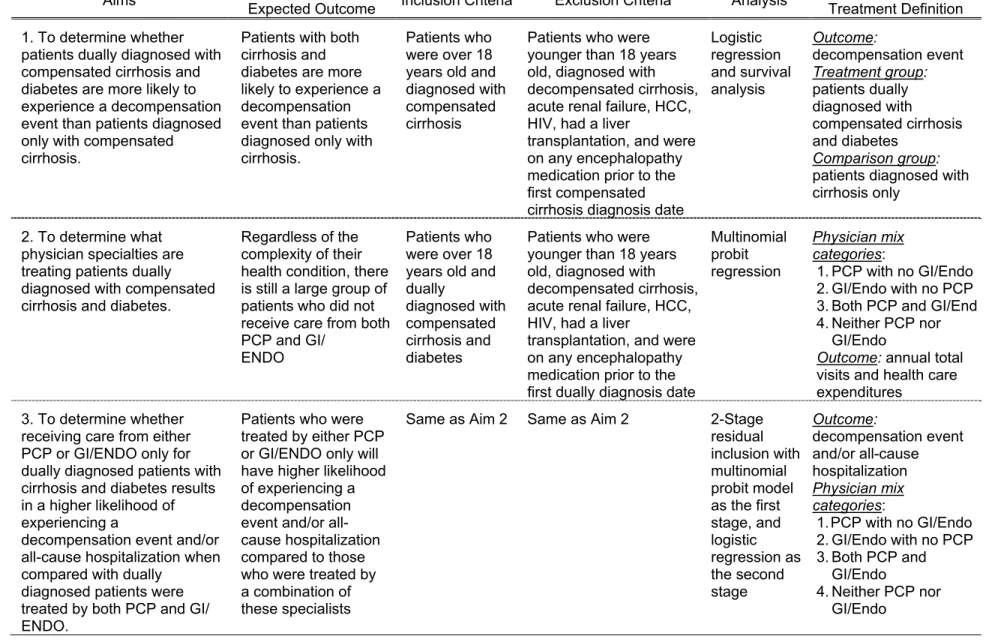
Table 2.5 - Hypotheses, analysis approach, and expected outcome by Aim
Aims Expected Outcome Hypotheses / Inclusion Criteria Exclusion Criteria Analysis Treatment Definition Outcome/
1. To determine whether patients dually diagnosed with compensated cirrhosis and diabetes are more likely to experience a decompensation event than patients diagnosed only with compensated cirrhosis.
Patients with both cirrhosis and diabetes are more likely to experience a decompensation event than patients diagnosed only with cirrhosis.
Patients who were over 18 years old and diagnosed with compensated cirrhosis
Patients who were younger than 18 years old, diagnosed with decompensated cirrhosis, acute renal failure, HCC, HIV, had a liver
transplantation, and were on any encephalopathy medication prior to the first compensated cirrhosis diagnosis date
Logistic regression and survival analysis Outcome: decompensation event Treatment group: patients dually diagnosed with compensated cirrhosis and diabetes Comparison group: patients diagnosed with cirrhosis only
2. To determine what physician specialties are treating patients dually diagnosed with compensated cirrhosis and diabetes.
Regardless of the complexity of their health condition, there is still a large group of patients who did not receive care from both PCP and GI/
ENDO
Patients who were over 18 years old and dually
diagnosed with compensated cirrhosis and diabetes
Patients who were younger than 18 years old, diagnosed with decompensated cirrhosis, acute renal failure, HCC, HIV, had a liver
transplantation, and were on any encephalopathy medication prior to the first dually diagnosis date
Multinomial probit regression
Physician mix categories:
1. PCP with no GI/Endo 2. GI/Endo with no PCP 3. Both PCP and GI/End 4. Neither PCP nor
GI/Endo
Outcome: annual total visits and health care expenditures
3. To determine whether receiving care from either PCP or GI/ENDO only for dually diagnosed patients with cirrhosis and diabetes results in a higher likelihood of experiencing a
decompensation event and/or all-cause hospitalization when compared with dually
diagnosed patients were treated by both PCP and GI/ ENDO.
Patients who were treated by either PCP or GI/ENDO only will have higher likelihood of experiencing a decompensation event and/or all-cause hospitalization compared to those who were treated by a combination of these specialists
Same as Aim 2 Same as Aim 2 2-Stage residual inclusion with multinomial probit model as the first stage, and logistic regression as the second stage Outcome: decompensation event and/or all-cause hospitalization Physician mix categories:
1. PCP with no GI/Endo 2. GI/Endo with no PCP 3. Both PCP and
GI/Endo
REFERENCES
1. Hansen LG, Chang S. Health Research Data for the Real World : The MarketScan® Databases.; 2013.
2. Schmidt ML, Barritt AS, Orman ES, Hayashi PH. Decreasing Mortality Among Patients Hospitalized With Cirrhosis in the United States From 2002 Through 2010. Gastroenterology. 2015;148(5):967-977.e2.
3. CMS. Quality Rating System - Measure Technical Specifications.; 2014.
https://www.cms.gov/Medicare/Quality-Initiatives-Patient-Assessment- Instruments/QualityInitiativesGenInfo/Downloads/2015-QRS-Measure-Technical-Specifications.pdf. Accessed December 28, 2015.
4. Suissa S, Azoulay L. Metformin and the risk of cancer: Time-related biases in observational studies. Diabetes Care. 2012;35(12):2665-2673.
5. III VLR, Lim JK, Goetz MB, et al. Validity of diagnostic codes and liver-related laboratory abnormalities to identify hepatic decompensation events in the Veterans Aging Cohort Study. Pharmacoepidemiol Drug Saf. 2011;20(May):689-699.
6. Orman ES, Hayashi PH, Bataller R, Barritt AS. Paracentesis Is Associated With Reduced Mortality in Patients Hospitalized With Cirrhosis and Ascites. Clin Gastroenterol Hepatol. 2014;12(3):496-503.e1.
7. Fattovich G, Stroffolini T, Zagni I, Donato F. Hepatocellular Carcinoma in Cirrhosis: Incidence and Risk Factors. Gastroenterology. 2004;127:S35-S50.
8. Nusrat S, Khan MS, Fazili J, Madhoun MF. Cirrhosis and its complications: evidence based treatment. World J Gastroenterol. 2014;20(18):5442-5460.
9. du Cheyron D, Bouchet B, Parienti J-J, Ramakers M, Charbonneau P. The attributable mortality of acute renal failure in critically ill patients with liver cirrhosis. Intensive Care Med.
2005;31(12):1693-1699.
10. Moreau R, Lebrec D. Acute renal failure in patients with cirrhosis: perspectives in the age of MELD. Hepatology. 2003;37(2):233-243.
11. Truven Health Analytics. Truven Health MarketScan® Database. Ann Arbor, Michigan: Truven Health Analytics; 2011.
12. Snyder CF, Earle CC, Herbert RJ, Neville BA, Blackford AL, Frick KD. Preventive care for colorectal cancer survivors: A 5-year longitudinal study. J Clin Oncol. 2008;26(7):1073-1079. 13. Snyder CF, Earle CC, Herbert RJ, Neville BA, Blackford AL, Frick KD. Trends in follow-up and
preventive care for colorectal cancer survivors. J Gen Intern Med. 2008;23:254-259.
14. Snyder CF, Frick KD, Kantsiper ME, et al. Prevention, screening, and surveillance care for breast cancer survivors compared with controls: Changes from 1998 to 2002. J Clin Oncol.
2009;27(7):1054-1061.
16. The Dartmouth Atlas of Health Care. The Dartmouth Institute for Health Policy and Clinical Practice. http://www.dartmouthatlas.org/. Published 2015. Accessed January 18, 2015. 17. Sharabiani MTA, Aylin P, Bottle A. Systematic review of comorbidity indices for administrative
data. Med Care. 2012;50(12):1109-1118.
18. Southern DA, Quan H, Ghali WA. Comparison of the Elixhauser and Charlson/Deyo Methods of Comorbidity Measurement in Administrative Data. Med Care. 2004;42(4):355-360.
19. Charlson ME, Pompei P, Ales KL, MacKenzie CR. A new method of classifying prognostic comorbidity in longitudinal studies: Development and validation. J Chronic Dis. 1987;40(5):373-383.
20. Elixhauser A, Steiner C, Harris DR, Coffey RM. Comorbidity Measures for Use with Administrative Data. Med Care. 1998;36(1):8-27.
21. Schuppan D, Afdhal NH. Liver Cirrhosis. Lancet. 2008;371(9615):838-851.
22. Quan H, Sundararajan V, Halfon P, et al. Coding Algorithms for Defining Comorbidities in ICD-9-CM and ICD-10: Administrative Data. Med Care. 2005;43(11):1130-1139.
23. Zhang X, Harmsen WS, Mettler TA, et al. Continuation of metformin use after a diagnosis of cirrhosis significantly improved survival of patients with diabetes. Hepatology. 2014;60:2008-2016. 24. Stokkeland K, Brandt L, Ekbom A, Hultcrantz R. Improved prognosis for patients hospitalized with
esophageal varices in Sweden 1969-2002. Hepatology. 2006;43(3):500-505.
25. Tandon P, Abraldes JG, Berzigotti A, Garcia-Pagan JC, Bosch J. Renin-angiotensin-aldosterone inhibitors in the reduction of portal pressure: a systematic review and meta-analysis. J Hepatol. 2010;53(2):273-282.
26. Abu Dayyeh BK, Yang M, Dienstag JL, Chung RT. The effects of angiotensin blocking agents on the progression of liver fibrosis in the HALT-C Trial cohort. Dig Dis Sci. 2011;56(2):564-568. 27. Kim TW, Kim HJ, Chon CU, et al. Is there any vindication for low dose nonselective β-blocker
medication in patients with liver cirrhosis? Clin Mol Hepatol. 2012;18(2):203-212.
28. Petit JM, Hamza S, Rollot F, et al. Impact of liver disease severity and etiology on the occurrence of diabetes mellitus in patients with liver cirrhosis. Acta Diabetol. 2014;51(3):455-460.
29. Butt Z, Jadoon N a, Salaria ON, et al. Diabetes mellitus and decompensated cirrhosis: risk of hepatic encephalopathy in different age groups. J Diabetes. 2013;5(4):449-455.
30. Yang C-H, Chiu Y-C, Chen C-H, et al. Diabetes mellitus is associated with gastroesophageal variceal bleeding in cirrhotic patients. Kaohsiung J Med Sci. 2014;30(10):515-520.
31. Terza J V., Basu A, Rathouz PJ. Two-stage residual inclusion estimation: Addressing endogeneity in health econometric modeling. J Health Econ. 2008;27(3):531-543.
32. Pagan A, Vella F. Diagnostic Tests for Models Based on Individual Data: A Survey. J Appl Econom. 1989;4(Supplement S1):S29-S59.
33. Geraci A, Fabbri D, Monfardini C. Testing Exogeneity of Multinomial Regressors in Count Data Models: Does Two Stage Residual Inclusion Work? Bologna; 2014.
34. Snyder CF, Frick KD, Peairs KS, et al. Comparing care for breast cancer survivors to non-cancer controls: A five-year longitudinal study. J Gen Intern Med. 2009;24:469-474.
35. ADA. What are my options? American Diabetes Association. http://www.diabetes.org/living-with-diabetes/treatment-and-care/medication/oral-medications/what-are-my-options.html. Published 2014.
36. FDA. Statins. U.S. Food and Drug Administration.
http://www.fda.gov/drugs/drugsafety/informationbydrugclass/ucm294358.htm. Published 2014. 37. FDA. FDA Drug Safety Communication: New Warning and Contraindication for blood pressure
medicines containing aliskiren (Tekturna). U.S. Food and Drug Administration. http://www.fda.gov/Drugs/DrugSafety/ucm300889.htm. Published 2014.