University of New Orleans University of New Orleans
ScholarWorks@UNO
ScholarWorks@UNO
University of New Orleans Theses and
Dissertations Dissertations and Theses
Spring 5-18-2012
Software for Estimation of Human Transcriptome Isoform
Software for Estimation of Human Transcriptome Isoform
Expression Using RNA-Seq Data
Expression Using RNA-Seq Data
Kristen Johnson
Follow this and additional works at: https://scholarworks.uno.edu/td
Part of the Numerical Analysis and Scientific Computing Commons, and the Other Computer Sciences Commons
Recommended Citation Recommended Citation
Johnson, Kristen, "Software for Estimation of Human Transcriptome Isoform Expression Using RNA-Seq Data" (2012). University of New Orleans Theses and Dissertations. 1448.
https://scholarworks.uno.edu/td/1448
This Thesis is protected by copyright and/or related rights. It has been brought to you by ScholarWorks@UNO with permission from the rights-holder(s). You are free to use this Thesis in any way that is permitted by the copyright and related rights legislation that applies to your use. For other uses you need to obtain permission from the rights-holder(s) directly, unless additional rights are indicated by a Creative Commons license in the record and/or on the work itself.
Software for Estimation of Human Transcriptome Isoform Expression Using RNA-Seq Data
A Thesis
Submitted to the Graduate Faculty of the University of New Orleans
in partial fulfillment of the requirements for the degree of
Master of Science in
Computer Science
by
Kristen Johnson
B.S. University of New Orleans, 2007
Acknowledgments
I would like to thank my professors for all the knowledge they have passed on to me
since I began my studies in Computer Science. Most importantly I give special thanks to my
advisor, Dr. Dongxiao Zhu, for sharing his knowledge of bioinformatics as well as his support
and advice throughout the course of my graduate studies and research. Dr. Zhiyu Zhao, who got
me started in bioinformatics research and who I have enjoyed working with since. Dr.
Christopher Summa, for his endless advice and good humor. And finally, Dr. Jaime Nino, for
teaching me everything about programming I needed to know, just as he promised.
I would also like to thank everyone in our Bioinformatics group, especially Nan Deng.
Nan taught me everything she knew about this topic and helped make this thesis possible. I wish
to thank her for her patience with answering my endless questions.
Finally, I would like to thank my family and friends who have always supported me. My
love and gratitude go to my mom and siblings for keeping me focused and understanding why I
am always busy, my aunt Kyle for getting me back on my feet, and my best friends Sancy and
Jeff for keeping me there. I would also like to thank my boyfriend, Brendan, for never getting
tired of me picking his brain, always making me laugh, and making me as confident as he is by
always supporting me. Lastly I wish to thank my grandmother, quite possibly the most important
person I have had in my life so far, for being my guide, best friend, and inspiration to stay strong
Table of Contents
List of Figures ... vi
Abstract ... vii
Chapter 1: Introduction ...1
1.1: Motivation ...1
1.2: Objectives ...1
1.3: Contributions ...2
1.4: Overview ...3
Chapter 2: Background Information ...4
2.1: Genome and Transcriptome ...4
2.2: Central Dogma of Molecular Biology ...4
2.3: Alternative Splicing ...5
2.4: Next-Generation Sequencing ...6
2.5: RNA-Seq Technology ...8
2.5.1: Short Read Alignment ...10
2.6: Isoform Expression Level Estimation ...11
2.6.1: Calculation of NPi and EViVia EM-Like Algorithm ...12
2.7: Expectation Maximization (EM) Algorithm ...13
Chapter 3: Related Work ...19
3.1: Enhanced Read Analysis of Gene Expression (ERANGE) ...19
3.2: Cufflinks ...20
3.3: IsoformEx ...21
3.4: RNA-Seq by Expectation Maximization (RSEM) ...22
3.5: IsoEM...25
3.6: Read Assignment via EM (RAEM) ...27
Chapter 4: Software ...29
4.1: Introduction ...29
4.2: Supporting Classes ...29
4.2.1: Gene ...29
4.2.2: mRNA ...30
4.2.3: Exon ...30
4.2.4: EmInfo ...31
4.2.5: ExonReadLocationFilter ...31
4.3: Input Files and File Processing Classes ...32
4.3.1: GFF File and GffProcessor ...33
4.3.2: SAM File and ReadsFileProcessor ...34
4.3.3: RPKM File and RpkmFileReader ...35
4.4: Main Class: MultireadIsoformLevelEstimator (MILE) ...36
4.4.1: Step One: Data Structure Initialization ...37
4.5: Critique and Comparison of Programs ...41
4.5.1: GWIE Pros and Cons ...41
4.5.2: ChromIE Pros and Cons ...42
Chapter 5: Results ...44
5.1: iGWIE Results ...45
5.2: ChromIE Results ...47
Chapter 6: Conclusion and Future Works ...50
References ...52
List of Figures
Figure 1. Central Dogma of Molecular Biology and Alternative Splicing ...5
Figure 2. RNA-Seq Workflow Illustrated Using Illumina Sequencer ...9
Figure 3. UML Diagrams of Classes Gene, mRNA, and Exon ...30
Figure 4. UML Diagrams of Classes EmInfo and ExonReadLocationFilter ...32
Figure 5. UML Diagrams of File Processing Classes ...35
Figure 6. UML Diagrams of MILE ...36
Figure 7. E and M Steps of GWIE and ChromIE ...40
Figure 8. iGWIE Intermediate Results ...45
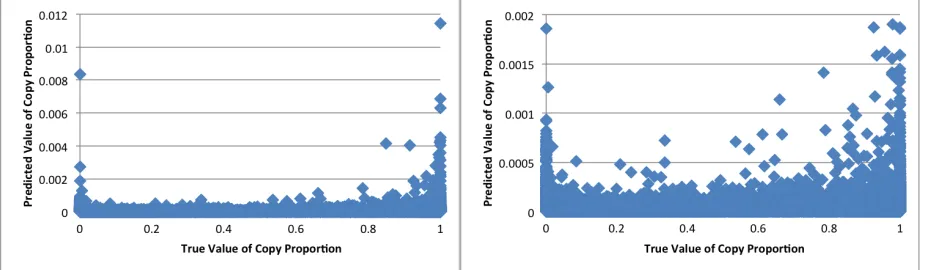
Figure 9. iGWIE Predicted Copy Proportions vs. Real Copy Proportions ...45
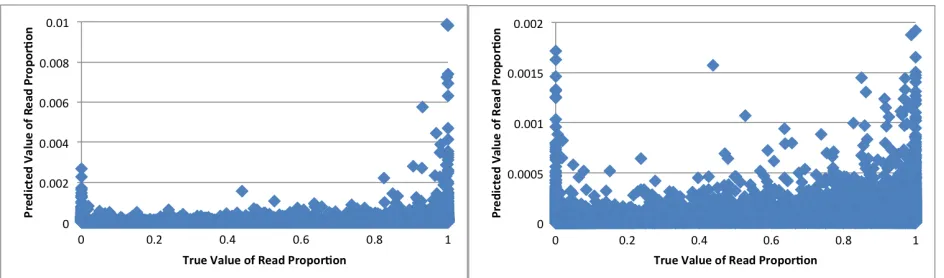
Figure 10. iGWIE Predicted Read Proportions vs. Real Read Proportions ...46
Figure 11. ChromIE Analysis of Chromosome X ...47
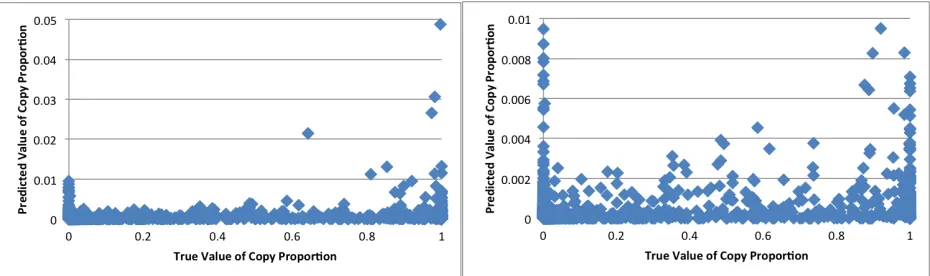
Figure 12. ChromIE Predicted Copy Proportions vs. Real Copy Proportions ...47
Figure 13. ChromIE Predicted Read Proportions vs. Real Read Proportions ...48
Abstract
The goal of this thesis research was to develop software to be used with RNA-Seq data
for transcriptome quantification that was capable of handling multireads and quantifying
isoforms on a more global level. Current software available for these purposes uses various
forms of parameter alteration in order to work with multireads. Many still analyze isoforms per
gene or per researcher determined clusters as well. By doing so, the effects of multireads are
diminished or possibly wrongly represented. To address this issue, two programs, GWIE and
ChromIE, were developed based on a simple iterative EM-like algorithm with no parameter
manipulation. These programs are used to produce accurate isoform expression levels.
Keywords
RNA-Seq
Transcriptome Quantification
Isoform Expression
Chapter 1: Introduction
1.1: Motivation
Estimation of gene expression levels from RNA-Seq data can be achieved with greater
accuracy through estimation of the transcript abundance of each gene. This estimation is a useful
biological tool for understanding transcriptional regulation and gene functionality. Increasing
understanding of the transcriptome is important for determining the characteristics of both
normal development in cells, as well as the progression of various diseases [2, 38].
As a result of the use of high-throughput, next-generation sequencing technologies, most
notably RNA-Seq, data can be obtained that provides a more absolute coverage of transcript
levels than previous microarray technologies. However, due to the size and complexity of this
data, programs must be designed to aid biomedical researchers in its interpretation. The large
amount of data produced by RNA-Seq is a typical problem faced by bioinformatics researchers.
Efficient methods for storage, retrieval, and processing must be designed to further research in
this field [38, 39, 40].
The software designed for this thesis presents a simple command line interface that
merely requires the input paths for three files. From this, it will perform direct isoform
expression calculation without the need for confusing parameter setting or understanding, as is
common with many popular bioinformatics software tools. Despite the drawbacks of
computational time due to large input data files, the trend towards faster, more powerful
computers supports that this approach can be useful because of its simplicity and accuracy.
1.2: Objectives
The initial objective of this thesis was to extend the work previously done in [8] to design
considered during the estimation. Separate reads are those reads that map only to one gene,
meaning multiple mappings were discarded from the calculation.
An additional goal was to broaden the level of analysis from a gene based level to a more
global level in order to obtain a more accurate analysis of all isoforms simultaneously.
Previously, only the isoforms of each gene are compared to each other. This ignores the
statistical contribution of multiple mappings to multiple genes.
1.3: Contributions
The main contributions of this thesis are the achievement of the stated objectives. In
order to achieve these goals, two programs were designed and implemented using the
programming language Java. Both programs consider all reads, not just separate reads during the
isoform expression estimation. Each program achieves estimation at a more general, global level
than the gene based approach in [8].
Genome Wide Isoform Estimation (GWIE) was designed to include all reads and to
analyze them at the global level. This means that all reads are assigned to the isoforms that they
could possibly belong to, which could fall under multiple genes. During the estimation, over
90,000 isoforms of all genes are compared using the EM algorithm.
Chromosomal Isoform Estimation (ChromIE) was designed with the hope to achieve
faster results than GWIE, while incorporating all reads but analyzing them per chromosome.
This achieves multiple read mapping inclusion and estimation at a level higher than the gene
based approach in [8]. However, in this exchange for quicker result production, ChromIE is not
as global as the genome wide approach of GWIE. For example, while computing the estimated
831,053 short reads to these isoforms. For chromosome one, ChromIE compares 11,215
expressed isoforms with 1,900,016 short reads.
In addition to these software based contributions, additional work was contributed to two
publications. For [8], test programs were implemented and used for results verification. Other
party software was run to further support the findings of [8] to fulfill reviewer revision
suggestions before publication. For [43] the de novo transcriptome assemblers, SPATA and
Trans-ABySS, were run using both human and mouse data in order to analyze performance and
accuracy.
1.4: Overview
This thesis is organized into six chapters. Chapter one consists of a brief introduction and
the objectives, motivation, and contributions behind this work. Chapter two consists of a
discussion of the background information necessary for understanding why the software was
designed for this thesis. Chapter three covers software that computes isoform expression levels
like the software of this thesis. Chapter four describes in detail the software designed for
achieving the goals of this thesis. Chapter five discusses the intermediate results of the two
Chapter 2: Background Information
2.1: Genome and Transcriptome
The genome of an organism constitutes all of the biological information needed to build
and maintain that organism. This biological information is represented through deoxyribonucleic
acid (DNA), which is further segmented into chromosomes. These chromosomes can further be
divided into multiple genes. These genes carry the instructions necessary for producing
ribonucleic acid (RNA) or protein molecules [1, 3]. For the purposes of this thesis, chromosomes
one through twenty-two, X, and Y are considered but only the protein coding genes of these
chromosomes, 21,280 in total, are evaluated [9].
The transcriptome refers to the set and amount of all transcripts, which include all forms
of RNA molecules, in a cell at a given time. This time could be during a stage of normal
development or a certain condition, such as disease. This leads to the biological importance of
understanding the transcriptome in order to determine the progression of both normal
development and diseases and is particularly useful in the study of cancer [1, 8, 39, 40]. This
thesis evaluates the expression of only 100,298 possible mRNAs [9].
2.2: Central Dogma of Molecular Biology
According to the central dogma of molecular biology, DNA encodes for RNA, which
encodes for protein. Though there are special cases, such as RNA encoding for RNA, of most
importance to the study of the transcriptome is the flow of information from DNA to RNA [6].
Transcription is the transference of DNA information to a messenger RNA (mRNA) molecule.
For eukaryotic cells, a primary transcript called pre-mRNA undergoes further processing, such as
dogma [16]. The thesis software aims to evaluate the expression levels of these transcripts in
order to determine which isoforms of which genes are most highly expressed at a given time
within a cell, or within a certain type of tissue sample. Figure 1 below shows the flow of genetic
information through both the central dogma and alternative splicing.
Figure 1. Central Dogma of Molecular Biology and Alternative Splicing. The flow of genetic information via the central dogma can be seen via the arrows. DNA is transcribed into pre-mRNA which undergoes alternative splicing to produce pre-mRNA. Different isoforms of pre-mRNA are translated into different proteins. This figure was modified from [2].
2.3: Alternative Splicing
While the genome is more fixed, with the exception of mutations, the transcriptome is
highly variable, dynamic, and dependent on external environmental conditions, such as tissue
types. Alternative splicing is considered a key factor in the cause of the transcriptome, cellular,
first-generation sequencing techniques, the extent of alternative splicing found in humans was not
fully explored until the advent of next-generation sequencers [24, 26, 40].
Transcripts undergo processing via splicing to remove introns. This is done as the
precursory step to creation of messenger RNA (mRNA) molecules, which only contain exons.
Alternative splicing not only increases the range of the transcriptome, but also produces multiple
transcripts from a single gene because of the splicing variants produced due to inclusion or
exclusion of exons, as can be seen in Figure 1 [40].
2.4: Next-Generation Sequencing
Next-generation sequencers can generate over tens of millions of short reads per
experiment. These short reads are generated from a library of nucleotide sequences and are
commonly referred to as the high-throughput data output by next-generation sequencers. The
produced reads can range in length, from as short as 25 base pairs (bp) to as long as 200 bp [21,
23, 24, 30].
Prior to next-generation technologies, methods that used microarrays, Sanger sequencing,
serial analysis gene expression (SAGE), or cap analysis gene expression (CAGE) were used to
determine full-length cDNA sequences. Use of Sanger sequencing based methods dominated
DNA sequencing for over three decades. However, through the effort to understand the human
genome, it was realized that greater throughput was necessary. Around 2004 to 2005,
development of inexpensive, non-Sanger based sequencing technologies by 454 Life Sciences
and the lab of George Church began a sequencing revolution. Despite initial negative attitudes
towards aspects such as sequencing validity, read length, and manageability of the volume of
most Sanger based technologies suffered similar problems during their initial development [21,
23, 30].
The most commonly used next-generation sequencers of today include the Illumina
Genome Analyzer, HiSeq (Illumina/Solexa), Applied Biosystems’ Solid Sequencing (SOLiD),
and Roche/Life Sciences’ 454 Sequencing (454 Sequencing). These different platforms acquire
the same information and can be applied in similar or different research areas. For instance,
Illumina has been used recently for sequencing mammalian transcriptomes. SOLiD has been
used for profiling stem cell transcriptomes. While 454 sequencing has been used to discover
single nucleotide polymorphisms (SNPs) in corn [21, 23, 30].
Each approach employs a different sequencing chemistry. Illumina uses polymerase
based sequence-by-synthesis, SOLiD uses ligation based sequencing, and 454 Sequencing uses
pyrosequencing. The parallelized version of pyrosequencing used by 454 Sequencing uses
emulsion PCR in combination with detection of added nucleotides to nascent DNA via light
generated by luciferase to generate reads. Illumina’s detection is based on the combination of
bridge amplification and reversible dye-terminators. SOLiD uses emulsion PCR prior to
sequencing by annealing and ligation of oligonucleotides [21, 23, 30].
Each sequencer has varying performance rates for paired end separation, mb per run, read
length, running time, and cost. 454 is the fastest, taking only several hours, and cheapest for cost
per run, but most expensive for cost per mb. SOLiD takes approximately five days to sequence
paired end data and is the most expensive. Illumina can take between one to two weeks and is
more expensive than 454 Sequencing but less expensive than SOLiD. Though these three
sequencers remain the most popular and widely used currently, several other next-generation
2.5: RNA-Seq Technology
RNA-Seq technology is the use of high-throughput data produced by the next generation
sequencing technologies (as described in section 2.4) to classify the transcriptome of individual
cells, specific tissues, or entire organisms [23]. Next-generation tools provide excellent genome
coverage and base level resolution, which allows for efficient measurement of transcriptome data
in an experimental setting. It allows precise measurement of the levels of transcripts. RNA-Seq
has allowed the expansion of the study of transcriptomes, an important biological achievement
because transcriptomes provide information concerning complexity, gene regulation, and protein
information. Using RNA-Seq experiments to study the transcriptome has thus become widely
used for studying diseases, such as cancer, as well as embryonic development and stem cells.
The most common goals of RNA-Seq experiments are to identify novel transcripts, identify
splice junctions, detect alternative splicing, and quantify isoform expression [16, 23, 33, 38, 39,
40].
In a typical RNA-Seq experiment, RNA samples are fragmented into a given length.
These fragments are then converted into cDNA for priming. After this step, the cDNA is then
converted into a nucleotide library that will be sequenced by a next-generation sequencer to
produce reads. These reads, which range in base pair length, are then mapped back to the
reference genome of interest. Reads usually map to the exons of a genome or to the exon-exon
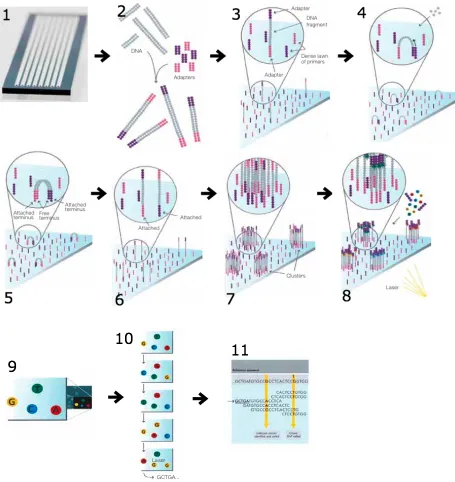
junctions of a transcriptome [16, 24, 40]. An example of the steps of an RNA-Seq experiment is
determining the first base. (9) Laser excitation is performed in (8) and the emitted fluorescence is used to determine the base. The sequencing cycle (steps 8 and 9) is repeated as shown in (10) for each base in order to determine the sequence of a fragment. (11) The sequence found in (10) is then aligned to a reference to identify any differences.
2.5.1: Short Read Alignment
The typical first step of most RNA-Seq experiments is to align short reads produced by
next-generation sequencers to a reference genome [40]. For this thesis, the short read aligner
Bowtie and splice junction mapper TopHat were used to produce the Sequence Alignment/Map
(SAM) file used by the software.
The SAM format can be used for both single or paired-end reads from various
sequencers. SAM files are broken into a header and alignment section, with the latter consisting
of eleven required fields and additional optional fields. The required fields consist of information
concerning the read pair name, a bitwise flag indicating pair, strand, mate, etc., a reference name,
position, mapping quality, CIGAR string describing matches, insertions, etc., mate’s reference
name and position, insert size, sequence, and quality. Similar to the SAM format, is the Binary
Alignment/Map (BAM) format. BAM is a compressed binary version of the SAM format used
for performance improvement [19]. The SAM format is described in more detail in section 4.3.2.
TopHat maps spliced junctions of RNA-Seq reads to large genomes via Bowtie. Bowtie
aligns large amounts of short reads of DNA sequences to large genomes. After alignment,
TopHat identifies splicing junctions located between exons. TopHat outputs four files:
accepted_hits.bam, junctions.bed, insertions.bed, deletions.bed. Of these, GWIE and ChromIE
only use the accepted_hits.bam file directly, which is a list of read alignments in SAM format.
Bowtie can also output directly in SAM format when using optional flags at the command line
be used to evaluate the expression of isoforms based upon the number of reads that map to the
exons of the isoforms.
A common problem with quantifying the transcriptome is that of multireads, i.e. a short
read is mapped to multiple locations in the reference genome. Unique reads are short reads that
map to a unique location in the genome. The latter reads are the easiest to handle in most
programs. Multireads increase the complexity of transcript quantification due to the various
approaches of how to assign these multireads and to which isoforms they truly belong.
2.6: Isoform Expression Level Estimation
The estimation of gene expression levels is an important biological research goal and has
been accomplished via transcriptome isoform level measurement. The most popular method used
to estimate expression levels is the formula for the number of mapped reads per kilobase of
exons per million mapped reads (RPKM). The RPKM calculation is as follows:
RPKM= 10
9
!
(
Mreads)
(Lexons)!(Treads)
where Mreadsis the total number of short reads that were mapped to exons, Lexonsis length of
exons, and Treadsis the total number of short reads. RPKM is used for evaluation of single end
reads, which are the type used for study in this thesis. There also exists FPKM, which is similarly
derived, and is used for computing values for paired end reads [24, 33, 40].
From this RPKM calculation, a useful formula for finding the RPKM of an expressed
isoform can be derived and was obtained from [8]. This formula is used by both GWIE and
ChromIE to output the final results of estimated proportions, or expression levels, for each
isoform analyzed. The isoform RPKM (iRPKM) is calculated as follows:
where NPi is the normalized probability of the isoform, EVi is the expression value of the
isoform, Le is the length of the exons, gRPKMiis the RPKM value of the gene that the isoform
belongs to, and Li is the length of the isoform.
2.6.1: Calculation of
NPiand
EViVia EM-Like Algorithm
A brief description of the basic Expectation Maximization (EM) algorithm is provided in
section 2.7 and more details of the algorithm use within GWIE and ChromIE is provided in
section 4.4.2. Here, the EM-like algorithm E and M steps as described in [8] and used by GWIE
and ChromIE are shown below. These steps are used to calculate the normalized probability (
NPi) and expression value or isoform probability (EVi) of a given isoform as described in the
formula given to calculate iRPKM in section 2.6.
First is the E step: zr,i(t+1)
= vr,i!pi (t)
vr,i!pi (t)
i=1 I
"
,#r,i . Here zr,i
(t+1) represents the value being
calculated for NPi for a read, r, and isoform, i, at iteration (t+1) and is done for all reads and
isoforms. vr,i represents the initial value given to that read to isoform pair r,i in the calculation.
If the read maps to that isoform, the initial value is 1
Li
where Liis the length of that isoform. If
the read does not map to that isoform, the initial value is zero. pi(t) represents the mixture
proportion of that isoform at iteration t. In GWIE and ChromIE this value is initially set to be
1
Ei
, where Eiis the total number of expressed isoforms, for all read to isoform pairs, instead of
Next is the M step: ni (t+1)
= zr,i (t+1)
,!i
r=1 N
"
and pi (t+1)=ni (t+1)
N ,!i. ni
(t+1) represents the sum of all
probabilities calculated in the previous E-step of iteration tfor all isoforms. pi
(t+1) represents the
probability or isoform proportion. The EM algorithm iterates between these E and M-steps until
convergence between pi
(t+1) and
pi
(t) [8].
2.7: Expectation Maximization (EM) Algorithm
The Expectation Maximization (EM) algorithm appears throughout many disciplines of
science, sometimes under differently named variations. These variations are based upon changes
within the probabilistic model used to maximize the conditional likelihood of the data. Example
fields of EM algorithm application include language processing, probability re-estimation,
computer science, and bioinformatics.
There are many deterministic variants of the EM algorithm that attempt to speed up the
algorithm by speeding up the convergence rate or simplifying the computations within the
algorithm steps. Examples of these variant algorithms include Classification EM (CEM) that
maximizes the likelihood of the parameters and the labels [12], Accelerated EM (AEM) that uses
scoring optimization in the M step [29], and Parameter-Expanded EM (PX-EM) that uses a
“covariance adjustment” based on parameter expansion of the complete data to improve the M
step [20]. Further examples include the Baum-Welch algorithm, which is a Generalized
Expectation-Maximization (GEM) algorithm that uses the forward-backward algorithm, the
inside-outside algorithm, a generalized forward-backward algorithm, and the Expectation
Conditional Maximization (ECM) a GEM that replaces the M step with a conditional
maximization (CM) step [22]. GEM algorithms are based on increasing the Q-function,
Stochastic EM variants attempt to replace more difficult computations and thus tend less
towards getting stuck in the local solution. This is done by replacing the Q-function, which can
sometimes be an integral with no closed solution, with an approximated Q-function. The
approximation is typically formed using a simulation of the conditional distribution of the
missing data. Examples include the Stochastic EM (SEM), Stochastic Approximation type EM
(SAEM), and Monte Carlo EM (MCEM) algorithms [14].
Though the EM algorithm can appear under different names with the use of modified
parameters, the focus of this section will be the core aspects of the EM algorithm as first
described by Dempster, Laird, and Rubin in their 1977 paper, and as these aspects are used
within GWIE and ChromIE [11, 28].
The EM algorithm is an iterative method used in statistics to find the maximum
likelihood estimators (MLEs) of the parameters in a given statistical model that depends on
unobserved (latent) variables. Thus, the EM is typically applied under two scenarios. One is
when the data set has missing values, such as the expression levels of isoforms. The other is
when it will be too hard to optimize the likelihood function but the function could be simplified
by assuming values for the missing parameters [4, 28].
As an iterative method, the EM algorithm creates a sequence of approximate solutions to
a class of problems. This sequence is continuously improving. The EM algorithm works by
alternating between the E and M steps. The expectation (E) step is based on the current estimate
of the parameters (!
( )
t below). It involves the computation of the expected value of the loglikelihood (Q below). The maximization (M) step is the computation of parameters that will
parameters are used to find the latent variable distribution for the next E step [4, 5, 7, 11, 28, 32,
44].
Several sources contributed to the following formula and variable uses and explanation
including [4, 5, 7, 11, 28, 32, 44]. Though each paper expresses the algorithm in slightly
different ways mathematically, they are generally all the same and [32] is perhaps the most clear
and straightforward to understand. From [32] we have the following notation for variables used
during the derivation of the EM algorithm:
X Set of observed variables
Z Set of unknown/unobserved/latent variables
! Parameters we want to estimate
!
( )
t Estimate of parameters at iteration t!
( )
! Marginal log-likelihood of observed data: logp x(
|!)
logp x
(
,z|!)
Complete log-likelihood (whenZis known)q z
(
|x,!)
Arbitrary averaging distribution (can vary to produce EM variants)Q
(
!|!( )
t)
Expected complete log-likelihood: q z(
|x,!)
logp x,(
z|!)
z
!
H q
( )
Entropy of distribution: q z(
|x,!)
!ML Maximum Likelihood: arg max!logp x
(
|!)
The mathematical formulas that follow are also taken from [32]. In [32] derivation of the
In (2) above, q z
(
|x,!)
is an arbitrary averaging distribution over Z. This is used to develop themany EM algorithm variants. The EM algorithm then maximizes the lower bound in (3): F q
(
,!)
. This leads to the initial E and M steps [32]:
The next step is to start with any initial parameter !
( )
0 and iterate through the E and M stepsuntil !
( )
t converges on the local solution. In equation (4) above ! =!( )
t must be fixed andoptimized. This leads to: q t
(
+1)
=p z | x,(
!( )
t)
. Equation (5) above uses a fixed q with theFrom equations (6) through (9) above, it shows how maximizing F q
(
,!)
is the same asmaximizing the expected complete log-likelihood value, Q
(
! |!( )
t)
. This leads to the full E andM steps as given in [32] as well as other sources including [4, 5, 7, 11, 28, 44]:
Though the author did not show it above, the M step is equivalent to the following:
Though useful in many ways, the EM algorithm does have some drawbacks. For instance,
there is no guarantee that the sequence of approximated solutions will converge to find the
maximum likelihood estimator (MLE). The value found could depend on the initial values the
algorithm starts with. There are many ways to try to get around this problem, including “random
restart” where different, random initial values are tried for !
( )
t . Other typical problems includethe slowing of the convergence rate after the first few iterations and the possibility of needing a
large number of iterations, as required by the programs GWIE and ChromIE. The former can be
handled depending on the problem type by trying some of the EM variations listed previously
[11, 28, 32].
Despite these drawbacks, the EM algorithm is useful for many reasons. Each iteration of
the E and M steps improves the value of the marginal log likelihood, !
( )
! . Most importantly it iseasier to implement than other methods, such as gradient-based methods, that use derivatives to
find maximum likelihood estimators (MLEs). The EM algorithm works best when the amount of
the E step of the algorithm [28, 32]. However, this does not apply for most bioinformatics
problems, whose data sets can be Gigabytes large in magnitude and the size of missing data can
Chapter 3: Related Work
This chapter focuses on programs that can often be found in journal articles pertaining to
the topic of isoform level expression estimation. Though there are many programs that aim to
accurately quantify isoform expression, this chapter will concentrate on those programs that are
most popular or use some form of EM-like algorithm in order to perform the quantification.
3.1: Enhanced Read Analysis of Gene Expression (ERANGE)
ERANGE, developed in 2008 by Mortazavi et. al [24] is one of the earlier works
concerning transcriptome quantification. The authors promoted the benefits of the use of high
volume RNA-Seq for transcriptome measure and study and in order to demonstrate its power and
usefulness developed ERANGE. In [24] they point out common bioinformatics problems which
must be handled: the difficulty in acquiring enough computational power for certain mapping
tasks and reads that map to multiple locations in the genome, which they call ‘multireads’. The
authors also promoted the use of the RPKM measure to quantify transcript levels in their
experiment, accepting transcript levels within ±5% RPKM of the expected value [24].
A typical run of ERANGE begins with mapping unique reads to an expanded genome
consisting of the genome and splices, calculating a preliminary RPKM value, reallocating
ambiguous reads based on RPKM values, organizing reads that group together but do not map to
any known exons to nearby exons or parts of exons, and then calculating the RPKM values for
each gene. After this step multireads are handled. Based on the RPKM value of a gene, the
probability of the multiread belonging to that gene is calculated. Multireads are then allocated to
whichever gene has the greatest probability of having that multiread. A final RPKM value for the
An important feature of [24] is that the authors point out the importance of using
multireads within calculations. Most software at that time simply discarded multireads, which the
authors argued results in lower expression or no expression at all for genes with highly similar
sequences, such as paralog genes. The authors also found that by including multireads in their
study, they were able to increase the transcriptome quantification of their sample from 28% to
over 30%. However, only multireads with between two and ten hits were used. Multireads with
more than ten occurrences were still discarded from the calculations [24].
3.2: Cufflinks
Cufflinks is a popular program developed by the authors of TopHat and BowTie. In [36]
the authors restate the problem of the effect of multireads on transcript assembly and abundance
estimation, as well as the reliance on gene annotations that might be incomplete. Cufflinks uses
paired end data with the goal of identifying novel transcripts and probabilistically assigning
reads, as well as analyzing differential promoter use and differential splicing, two key features
that indicate the regulatory behavior within a sample. It was originally designed to analyze
transcriptional and splicing regulation, but can be applied to a variety of RNA-Seq problems
[36].
For the experiment conducted in [36], cDNA sequence fragments were aligned to the
mouse genome via TopHat. When “bundles” of alignments overlap, they are assembled together.
This is done via a directed acyclic graph, which constructs paths based on similarity. This step is
done to reduce run time and memory usage because bundles are found to only contain fragments
from a few genes. Then the abundance of the assembled transcripts is estimated using the
probability that observing each fragment is a linear function of the abundance of the transcript it
distributions of those lengths to assign reads to isoforms. The abundance is calculated via a
maximization function that assigns a likelihood value to all sets of isoform abundances [36].
The results of Cufflinks include recovering over 13,000 known isoforms and over 12,000
new isoforms from known genes. Within these new isoforms, Cufflinks was also able to identify
that 58% of them had novel splice junctions. Abundance results are reported using FPKM and
reads within 15% of their final FPKM value can be deteremined to be “moderately expressed”
even before all reads are incorporated. Based on their results, the authors were able to conclude
that most of the unknown isoforms found were from the transcriptome, meaning the annotation
for mouse that was used was incomplete. The experiment consisted of simulated data and the
authors state that the high accuracy of Cufflinks is due to its ability to identify novel transcripts
as well as perform abundance estimation [36].
One slight drawback of Cufflinks is that in [36] it states that the “model incorporates
minimal assumptions about the sequencing experiment”, yet it never elaborates on what these
assumptions are exactly. Researchers should know the recommended way to perform sequencing
before using a method to yield the best analysis of the reads, if there are certain steps that are
assumed to take place.
3.3: IsoformEx
Kim et. al [16] developed IsoformEx to handle the problem of short and alternative
exons. IsoformEx employs a “weighting scheme” where non-overlapping exons, called
“discriminative exon slices”, are kept whole and carry the greatest weight, and overlapping
exons are divided into smaller “slices” in which larger slices are given a greater weight than
smaller slices. Similar to the authors of ERANGE [24], the authors of [16] point out the
reads that map to all exons. IsoformEx can be used to find both gene and isoform level
expression estimates from RNA-Seq reads.
The algorithm of IsoformEx consists of identifying the isoforms of a gene, add any extra
isoforms that might be overlapped to the first set, keep discriminative exon slices or split
overlapping exons into smaller slices, compute the RPKM value for each exon slice, and then
solve the weighted non-negative least squares using the RPKM values of the exon slices.
In [16] the authors evaluated the accuracy of IsoformEx using both simulated and real
data. It is more beneficial to use simulated data to evaluate the accuracy of the program because
the true expression levels of the isoforms will be known, whereas with real data they will not.
However, it is also useful to use real data when comparing programs. The authors compare their
program to RSEM and Cufflinks for simulated data and add qRT-PCR for real data. Reads were
aligned to the hg18 version of the human genome from UCSC with the splice junction library
from the UCSC transcriptome and Bowtie was used for alignment. The authors report that for
simulated data IsoformEx has lower error and higher correlation for estimating transcript
expression levels; for real data IsoformEx performs closer to qRT-PCR than Cufflinks. The
authors attribute the high performance of IsoformEx to its unique weighting scheme allowing for
more accurate results [16].
3.4: RNA-Seq by Expectation Maximization (RSEM)
RSEM is a software package for both gene and isoform quantification. In this paper too,
the authors restate the major challenge of handling multireads. They also find that single-end
reads provide more accurate estimates for gene level abundance, though RSEM can work on
paired end reads as well. A key feature of RSEM is that it does not require a reference genome,
similar to those produced by de novo transcriptome assemblers. The lack of need for a reference
genome allows transcriptome quantification to be performed for animals who have yet to be
sequenced [17].
Only two scripts are required to run RSEM, one reason why the authors boast the
user-friendliness of this program. Step one is the generation and pre-processing of transcript
sequences. Step two is the estimation of abundances and creation of credibility intervals based on
read alignments via Bowtie to the reference transcripts. The authors state that aligning to a set of
reference transcripts instead of genome is less complicated, applicable to species with usable
transcriptomes that may not have sequenced genomes, and is much faster because the
transcriptome is smaller than the genome. However, like other command line based programs,
RSEM has several options that the user can choose to describe input or vary program output in
order to increase performance [17].
RSEM outputs one file for isoform level estimates and another for gene level estimates.
Instead of the typical RPKM value, RSEM either uses the fraction of transcripts produced by an
isoform or gene or multiples that value by 10! to get transcripts per million (TPM). According to
the authors, TPM is preferable to using RPKM or FPKM because TPM is independent of the
mean expressed transcript length, making it more comparable across samples. In addition to the
two primary files RSEM can also display RNA-Seq data as tracks in genome browsers, output
alignments in BAM format weighted by the probability that it is the true alignment, convert the
BAM file to WIG, and display the sequence model. RSEM is highly functional and can even use
a Bayesian version to produce confidence intervals and perform read simulation [17].
RSEM results in better estimation when given multiread alignments and without the use
the correct alignments instead of the aligner. The only requirement the authors suggest is to have
aligners suppress reporting reads with a large number of valid alignments. This is used to help
reduce the running time and memory usage of RSEM [17].
RSEM was compared to IsoEM, Cufflinks, rQuant, and the previous version of RSEM
for estimates of gene abundance, global isoform abundance, and gene level isoform abundance.
For single and paired end reads, RSEM and IsoEM had greater performance than Cufflinks and
rQuant. The authors suggest that this is because the latter programs require genome alignment,
not alignment to a transcript set, as well as the way the programs handle multireads. Cufflinks
fractionally assigns them, while rQuant does not specify if or how they are handled. RSEM and
IsoEM also performed similarly for paired end data, but RSEM was found to be slightly better
with single end data. For this analysis, both simulated and real data were used, for the same
reasons as stated in [16]. A comparison on running time and memory usage was also performed.
RSEM requires time and memory linearly to the number of read alignments. It was found that
IsoEM, the only Java based program, required the largest amount of memory, up to 14 GB,
whereas other programs required only one to two GB [17].
Despite the thoroughness of this approach, it does have a few drawbacks. Despite the
advantages of aligning to a transcript set instead of the genome, doing so depends heavily on the
quality of the transcript set. As shown in [43], popular de novo assemblers are only around 60%
accurate. This means that a large portion of the transcriptome will be missing for RSEM to work
with. Second there are several modifications applied to their M step of the EM algorithm
depending on proportions of fragments from isoforms and the number of unfiltered fragments.
Because of the dependency on transcript reference sets, these numbers could be inaccurate. Also,
10!7 have had changes less than
10!3. Lastly, multireads with over 200 alignments are discarded
from the calculation [17].
3.5: IsoEM
IsoEM uses a novel EM algorithm in addition to base quality scores, strand information,
and read pairing information to calculate both gene and isoform expression levels, what they
refer to as “frequencies”. It assumes a known set of isoforms and also models insert size
distribution. The authors point out the pervasive problem of multireads and favor what is
sometimes referred to as the “rescue” method of [24] which fractionally allocates multireads,
similar to Cufflinks [36] over multiread discarding [25].
In order to increase estimation accuracy, insert sizes are used, similar to Cufflinks to
figure out the most likely originating exon. This is also combined with base quality scores to
probabilistically align reads during their E step. IsoEM supports short reads the best [25].
The steps of using IsoEM begin with read alignment via Bowtie. Then radix sort is used
to match isoforms to reads via the following algorithm: all reads are collected, their coordinates
are sorted, and then a line sweep technique matches the read to the isoform. The authors state
this step helps speed up the program because it allows all reads to be processed at once, which is
a major bottleneck for the program. For multireads, a “weight” is computed for assigning that
read to a particular isoform. This computation takes into account probability and base quality, as
well as fragment length. If single end, paired end, or read direction information is available, this
can also be used to more accurately calculate the weight in order to determine the best isoform
and read match [25].
For the initialization of their EM algorithm, expression levels are initialized randomly.
“compatibility components” which consist of all isoforms connected to all of their possible reads.
The authors state that the frequencies, or expression levels, of different components do not
interfere with each other, thus they can be analyzed separately. Therefore the EM algorithm of
IsoEM is performed on each component, rather than all reads and isoforms as a whole. Second,
the components are split into “equivalence classes” which eliminates copies of multiple
equivalent reads. Reads are said to be equivalent if they belong to the same isoform and their
weights are proportional. The major benefit of this optimization is that it reduces the amount of
reads held in memory. Removal is achieved through a union-find algorithm based on trees that is
in log time and uses hashing. A slight drawback of this approach is that since all reads are
maintained in memory to perform removal, if there is too large a number of reads, collisions are
more likely to occur which result in poor performance [25].
For their experiment, IsoEM was run on single end, simulated data and compared to
ERANGE, Cufflinks, and the original version of RSEM. IsoEM outperformed all competitors, as
also supported by the findings of [17]. The authors also mention that at this time, the latest
version of RSEM was released and they found it to be comparable to IsoEM, again as supported
by [17]. When run on real data, IsoEM has slightly lower estimation accuracy than for simulated
data, but still outperforms other programs. The authors also found that using strand information
for paired end reads resulted in no significant gain when estimating genome wide isoform levels
[25].
Similar to GWIE and ChromIE, IsoEM is Java based and requires the most amount of
memory. IsoEM requires no more than 16 GB of memory, but more memory does result in faster
3.6: Read Assignment via EM (RAEM)
In [8] RAEM was developed to calculate isoform expression levels from RNA-Seq data
in order to show the power of using an isoform level approach over previously popular gene
based approaches for transcriptome quantification. It was one of the first papers to promote this
approach for microRNA target prediction. Through analysis of alternatively spliced isoforms,
exon-exon junctions, isoform level down regulation, and seed enrichment, microRNA targeting
regions were identified as well as novel isoforms [8].
Experiments were conducted using both simulated data from Flux Simulator [10] and real
data. For the experiment, short reads were aligned to the reference genome and the results were
saved in SAM format. The SAM file was then processed by SAMMate [41] to produce gene
RPKM values. After alignment, isoforms were quantified and then used in combination with
differential splicing and seed enrichment to predict targets. Aligning junction reads via TopHat
also allowed for novel isoform prediction and quantification. RAEM was able to find novel
isoforms and predict more targets than gene based approaches. With isoform down regulation it
was also able to identify non-dominant targets that are overlooked by gene based approaches [8].
RAEM consists of an iterative EM-like algorithm that is applied to quantify the
transcriptome at the isoform level. Details of the E and M steps of the algorithm are discussed in
sections 2.6 and 2.6.1. The algorithm works on a matrix of short reads paired with the isoform
that they can be aligned to, similar to the matrices of GWIE and ChromIE. It incorporates only
unique reads and runs the EM algorithm for every gene [8].
GWIE and ChromIE were developed to be more global versions of this gene level EM
based approach and to include the estimation of multireads along with unique reads. Whereas [8]
isoform expression quantification alone. They were not used with additional techniques such as
seed enrichment or for target prediction, but the results produced by the programs could be used
Chapter 4: Software
4.1: Introduction
This chapter covers the design and implementation of the two programs, Genome Wide
Isoform Estimation (GWIE), specifically its incremental version (iGWIE) and Chromosomal
Isoform Estimation (ChromIE), designed for this thesis. Since both programs share similar input
files, file processing classes, data structures, and supporting classes, such as those that represent
biological entities (such as genes, mRNAs, exons), this will be covered once but is valid for both
programs.
The main variation between the two programs is the way the EM algorithm is run on the
isoform matrices of each program. This differentiation between the set up and use of the matrices
will be covered in more detail in section 4.4.
4.2: Supporting Classes
These are simple objects that contain information necessary for MILE to form its data
structures and perform the EM algorithm. Classes Gene, mRNA, and Exon contain the
information relevant to the biological object they represent as well as minor functionality, such
as set methods. These classes are represented as UML object diagrams in Figure 3 below section
4.2.3. Classes EmInfo and ExonReadLocationFilter are also used by the MILE class and are
shown in Figure 4 below section 4.2.5.
4.2.1: Gene
Genes are represented by class Gene and include descriptive information such as its
chromosome, name, ID from the GFF file, strand, starting and ending locations, exon length,
RPKM value, mRNAs, and Exons. Genes support the functionality to add an mRNA to its list of
4.2.2: mRNA
mRNAs are represented by class mRNA. mRNA contains ID, chromosome, strand,
parent gene and its location, length, number of exons, expression value, and a list of its Exons.
Class mRNA supports the functionality to set its length, expression value, exon proportion and
count, as well as adding an Exon to its list.
4.2.3: Exon
Exons are represented by class Exon. This class includes ID, parent gene and mRNA,
location start and end, expression value, proportion, chromosome, and minimum and maximum
value. The only functionality of class Exon is to set its parent mRNA.
4.2.4: EmInfo
This class contains information obtained from parsing of the SAM, or reads, file. It holds
a read ID and lists which have the Genes and mRNAs that the read maps to. MILE packages the
read ID and its Exon into this class before adding this object to the appropriate isoform matrix.
Once the read ID has been added to the matrix, whenever the read ID is encountered again, its
lists are extended with the new Gene and mRNA information.
4.2.5: ExonReadLocationFilter
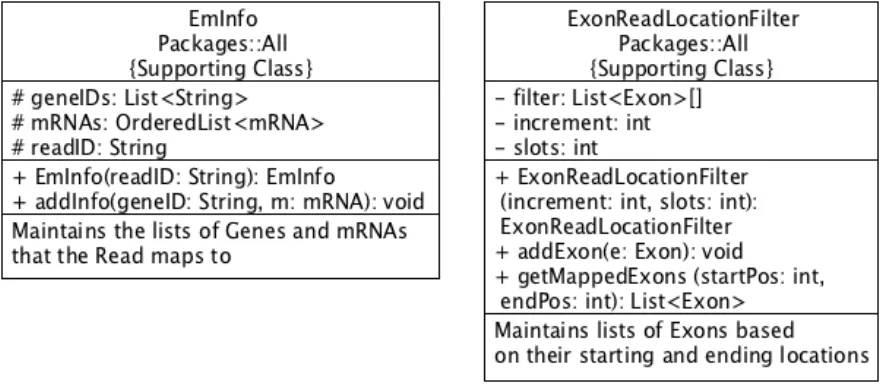
This class contains an array of List<Exon>. The size, or number of slots, and read length,
or increment, to use can be modified within this class. The increment represents the exon length
range that each slot will cover. For example, if the increment is 1000, this means that slot zero
will range from 0 – 999, slot one from 1000 – 1999, slot two from 2000 – 2999, and so on. This
means that if an exon has a length from 450 to 580, then it would be placed into slot zero. As
another example, if an exon were to have a length from 1950 to 2100 this exon would be placed
into both slots one and two.
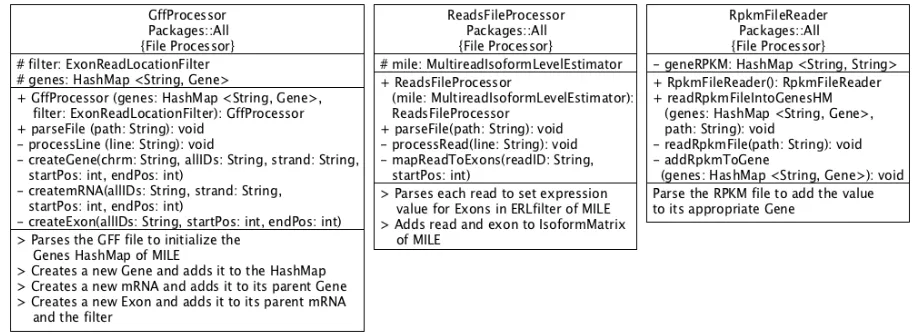
The GffProcessor creates exons and uses the addExon(Exon e) method of this class to
allow the filter to place the given exon into the correct slots. In the event of exon overlap across
slots, the method getMappedExons(int startPosition, int endPosition) will return a list of Exons,
excluding duplicates, which map to the read currently being processed in the
ReadsFileProcessor. The ReadsFileProcessor calls this method to set the expression value of the
returned Exons and their parent mRNAs and then send the read and its exon to MILE to be added
Figure 4. UML Diagrams of Classes EmInfo and ExonReadLocationFilter. (Left) UML diagram depicting class EmInfo. (Right) UML diagram depicting class ExonReadLocationFilter. The first block contains the class name and indicates that this class is a member of all packages (GWIE, iGWIE, and ChromIE). The second block contains class attributes. The third block contains class methods. The final block contains a brief description of the responsibilities of the class. These UML diagrams were created using UMLet, a free software package [37].
4.3: Input Files and File Processing Classes
Both programs require three input files to perform the estimation. Each input file has a
Java class responsible for reading the file information and using it to set up the data structures
used by the class responsible for conducting the isoform estimation,
MultireadIsoformLevelEstimator (MILE).
First is the GFF file describing the chromosomes, genes, mRNAs, and exons as well as
their relationships to each other and locations. The GFF file is read and divided into data
structures by the GffProcessor class. Second is the SAM file consisting of all of the reads and
their locations. This file is processed by the ReadsFileProcessor class. Third is the RPKM file,
4.3.1: GFF File and GffProcessor
The GFF or annotation file consists of gene, mRNA, and exon information that describe
the genetic organization of the species. For this thesis, the GFF file Homo Sapiens
GRCh3757_Protein Coding was used. This file was obtained from:
ftp://ftp.ensembl.org/pub/release-62/gtf/ [9]. The basic format of the GFF file is shown below:
chr11 protein_coding gene 127926 139099 . - . ID=ENSG00000230724;Name=AC069287.3
chr11 protein_coding mRNA 130207 131297 . - . ID=ENST00000427071;Name=AC069287.3;Parent=ENSG00000230724
chr11 protein_coding exon 131120 131297 . - . ID=ENST00000427071.1;Name=AC069287.3;Parent=ENST00000427071
Each line of the GFF file contains the starting and ending location of a gene, mRNA, or
exon, as well as its ID, name, and chromosome. For mRNAs, the parent is the gene; for exons,
the parent is the mRNA.
The GffProcessor class reads in the GFF file and for each line breaks it apart to initialize
the appropriate object and assign it to the correct data structure. For lines containing a gene, a
new Gene is created with the information taken from the line including ID, name, starting
location, and ending location, and is then added to the collection of Genes to be used in
MultireadIsoformLevelEstimator. For lines containing an mRNA, its information is used to
initialize a new mRNA object. Then the mRNA is added to its parent Gene. For lines containing
an exon, a new Exon instance is created with the information taken from the line. This Exon is
added both to its parent Gene’s and parent mRNA’s respective list of Exons as well as the
ExonReadLocationFilter. When an Exon is added to its parent Gene, that Gene’s total exon
length is updated with the length of the added Exon. Similarly, when added to its parent mRNA,
the mRNA’s total isoform length is updated. These lengths are maintained because they are
4.3.2: SAM File and ReadsFileProcessor
The SAM file consists of reads and the exon location that they can be mapped to. This
location represents the start of the read, which can vary in length. For this thesis, simulated reads
were generated using Flux Simulator, a free program that simulates RNA-Seq data produced by
an Illumina Genome Analyzer [10]. These reads were 50 base pairs (bp) in length and were
aligned to the reference genome using TopHat to produce a SAM file. The basic format of the
SAM file is shown in an example line below:
12:9570287-9600824C:ENST00000290818:6257:3932:2597:2792:2743:2792 16 chr1 13005 0 50M
* 0 0 AGGCTCTGGTGGAGAACCTGTGCATGAAGGCCGTCAACCAGTCCATAGGC
IIIIIIIIIIIIIIIIIIIIIIIIIIIIIIIIIIIIIIIIIIIIIIIIII NM:i:1 NH:i:10 CC:Z:chr12 CP:i:92559.
The SAM file is tab delimited and consists of millions of lines, where each line represents
a read and its alignment information. The necessary information obtained from this line consists
of the read ID and starting position of the mapped location. In the above line the first string is
broken down to get the read ID (ENST00000290818) and starting position (13005).
The ReadsFileProcessor reads in each line from the input file and breaks it apart to get
the read ID and starting position of the read as described above. Since reads are fifty bases long
in the simulated reads used for this thesis, for each read, the exons that were mapped to that
starting position plus fifty bases are retrieved from the ExonReadLocationFilter and traversed for
a match. When an exon is located with a matching starting and ending position, its expression
value is both incremented and set for its parent mRNA. The corresponding read of that exon is
then added to the isoform matrix of GWIE or the appropriate chromosome’s isoform matrix of
4.3.3: RPKM File and RpkmFileReader
The RPKM file consists of gene names and their respective RPKM values. An example
of the RPKM file format is:
MARCH1 0
MARCH2 4.514773398
MARCH3 20.25911846
MARCH4 0
MARCH5 3.493217677
MARCH6 17.88849396
The RpkmFileReader reads in each line from the RPKM file and assigns the RPKM value
given in the file to its Gene. The genes and example RPKM values used for this thesis were
obtained using SAMMate [41].
4.4: Main Class: MultireadIsoformLevelEstimator (MILE)
The class MultireadIsoformLevelEstimator is responsible for calling the file processing
classes to initialize its data structures, which are then used during the conduction of the EM
algorithm. This class is depicted below in Figure 6, which shows the similarities and differences
between the implementation of MILE for GWIE versus ChromIE.
4.4.1: Step 1: Data Structure Initialization
The first step within the program is to initialize a HashMap of Genes via the
GffProcessor. These Genes are arranged with lists of their mRNAs, which have lists of their
Exons. Next, the RPKMFileReader assigns the RPKM value to each Gene. Finally, the
ReadsFileProcessor assigns reads to their Exons and then an isoform matrix. This is where the
two programs begin to differ. For GWIE, MILE maintains one isoform matrix of all isoforms
and all reads. For ChromIE, this class maintains one isoform matrix for each chromosome, which
holds all of the reads for that chromosome.
4.4.2: Step 2: Isoform Estimation using the EM Algorithm
This step is run the same for both programs with slight differences with what it is run on
and the output that is produced. For GWIE, the isoform matrix consists of all reads, which is a
little over fifteen million. The EM algorithm is run repeatedly on this one isoform matrix until a
cutoff value is reached. This program does not produce output until the cutoff value is reached.
Its second version, iGWIE, is the same in the sense that it uses only one isoform matrix
of all reads. The only difference is that incremental output is produced from each iteration of the
EM algorithm. This allows the user to watch the convergence of the E and M steps and possibly
terminate the program before the cutoff is reached, if the difference value has become
significantly low enough for their research purposes.
For ChromIE, instead of one isoform matrix containing all of the reads, there is one
isoform matrix for each chromosome. The EM algorithm is then run on each isoform matrix until
the same cutoff value is reached. The final result for each chromosome is printed once the cutoff
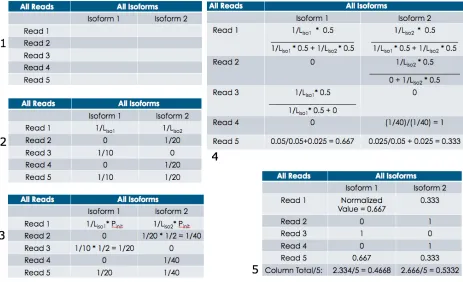
As described in section 2.6, the following variables typical to calculating an EM
algorithm are used in the software:
x– Set of observed variables. For the code, this represents the number of reads to each isoform.
z– Set of unknown variables. For the code, this is the proportion of each isoform. Since it is
unknown, every value is initialized to be one divided by the total number of expressed mRNAs.
– Parameters we want to estimate. For the code, this is the expression level of each isoform.
– Estimate of parameters at iteration t. For the code, this value decreases over iterations.
– Arbitrary averaging distribution. For the code, all of the reads per isoform are
simply added up and divided by the total number of reads, so it is just a simple average.
The remainder of this section describes the application of the EM-like algorithm as taken
by GWIE, iGWIE, and ChromIE. All three programs use the same code for calculating the E and
M steps. However, the data that is used in this calculation varies between GWIE and iGWIE
when compared to ChromIE.
The GWIE approach is global, in the sense that it looks at all reads to all expressed
isoforms of all genes. The ChromIE approach is at the chromosomal level, meaning it handles all
of the reads of each chromosome separately. Expressed isoforms are those that have at least one
read mapped to them; other isoforms are discarded from the calculations. Arrays are maintained
to hold the values of the previous step’s probability, the new probability, the isoform
proportions, and intermediate column and row calculations.
The conductEstimation() method of GWIE and the conductEstimation(HashMap <String,
EmInfo> isoformMatrix, int chromsomeNumber) method of ChromIE begin by initializing the
previous probabilities to be one divided by the total number of expressed mRNAs ( ). The
E-!
!
( )
tq z