Education Dissertations and Projects School of Education
2018
Program Changes for Gifted Students and the Impact on
Program Changes for Gifted Students and the Impact on
Collaborative Efficacy
Collaborative Efficacy
Trevor J. Putnam
Follow this and additional works at: https://digitalcommons.gardner-webb.edu/education_etd Part of the Curriculum and Instruction Commons, and the Gifted Education Commons
Program Changes for Gifted Students and the Impact on Collaborative Efficacy
By Trevor Putnam
A Dissertation Submitted to the
Gardner-Webb University School of Education In Partial Fulfillment of the Requirements
For the Degree of Doctor of Education
Gardner-Webb University 2018
ii
Approval Page
This dissertation was submitted by Trevor Putnam under the direction of the persons listed below. It was submitted to the Gardner-Webb University School of Education and approved in partial fulfillment of the requirements for the degree of Doctor of Education at Gardner-Webb University.
_________________________________ ________________________ Wendy Frye, Ed.D. Date
Committee Chair
_________________________________ ________________________ Stephen Laws, Ed.D. Date
Committee Member
_________________________________ ________________________ Bill Nolte, Ed.D. Date
Committee Member
_________________________________ ________________________
Jeffrey Rogers, Ph.D. Date
Dean of the Gayle Bolt Price School of Graduate Studies
iii Abstract
Program Changes for Gifted Students and the Impact on Collaborative Efficacy. Putnam, Trevor, 2018: Dissertation, Gardner-Webb University, Gifted Students/Academically Gifted Characteristics/Curricular Acceleration/Efficacy/Collaborative Efficacy
Research suggests that academically gifted students are often underserved when it comes to the school setting. Academically gifted students require specialized instruction to challenge them. Several successful strategies exist for creating an educational environment that appropriately challenges and helps these students achieve academic growth; however, these strategies are rarely employed due to a lack of accountability, supports, or these students’ ability to make passing scores on state assessments. The school chosen for this study came out of analysis of state growth numbers for academically gifted students. Analysis revealed that while gifted students of this school were meeting proficiency standards on state tests, academic growth numbers were in the negative. Based on these findings, research-based strategies will be implemented to improve growth numbers.
The purpose of this study was to determine the effect program changes for academically gifted students have on the collaborative efficacy of teachers. Participants of the study were teachers from the school of study that teach math, English/language arts, science, and social studies. All of these participants receive a growth index number based on student performance on North Carolina final exams and end-of-grade assessments in Grades 6-8. Two measures were used to determine the change in teacher efficacy, North Carolina Growth Estimates (NC Growth Estimates) and Bandura’s (1977) Teacher Self-Efficacy Scale. NC Growth Estimates from 2103 and 2016 were compared to determine the level of change. Additionally, Bandura’s Teacher Self-Efficacy Scale results from 2013 were compared with those of 2016. These two measures determined the level of impact on collaborative efficacy for teachers as a whole.
iv Table of Contents Page Chapter 1: Introduction ...1 Introduction ...1 Background ...4 Problem Statement ...7
Purpose of the Study ...8
Research Questions ...10
Framework of the Study ...10
Nature of the Study ...14
Definitions ...15
Assumptions ...17
Scope and Delimitations ...18
Limitations ...18
Significance ...20
Summary ...21
Chapter 2: Literature Review ...23
Literature Review Introduction ...23
Literature Search Strategy ...23
Literature Review ...24
Summary and Conclusions ...35
Chapter 3: Methodology ...37
Introduction to Methodology ...37
Setting ...38
Research Rationale and Design ...38
Role of the Researcher ...44
Methodology ...44 Participants ...47 Instrumentation ...48 Procedures ...51 Limitations ...53 Summary ...55 Chapter 4: Results ...56 Introduction ...56 Setting ...56 Demographics ...57 Data Collection ...57 Data Analysis ...58 Quantitative Results ...60 Qualitative Results ...64 Trustworthiness of Results ...70 Summary ...71 Chapter 5: Discussion ...73 Introduction ...73 Interpretation of Findings ...75
Limitations of the Study ...76
v Implications ...77 Conclusion ...83 References ...86 Appendix Bandura’s Instrument Teacher Self-Efficacy Scale ...92
Tables2 1 Student Demographic Information ...12
2 Data Alignment Table ...50
3 Tests of Normal Distribution of Difference Scores on EVAAS Measure ...62
4 Skewness and Kurtosis Levels of Difference Scores on EVAAS Measure ...62
5 Paired Sample Statistics on EVAAS Measure ...63
6 Paired Sample Correlations on EVAAS Measure ...63
7 Paired Sample Tests on EVAAS Measure ...63
8 Tests of Normal Distribution of Difference Scores for the Bandura’s Scale ...66
9 Skewness and Kurtosis Levels of Difference Scores on Bandura’s Scale ...67
10 Paired Sample Statistics on Bandura’s Scale ...67
11 Paired Sample Correlations on Bandura’s Scale ...68
12 Paired Sample Test on Bandura’s Scale ...68
Figures 1 Teacher Data ...12
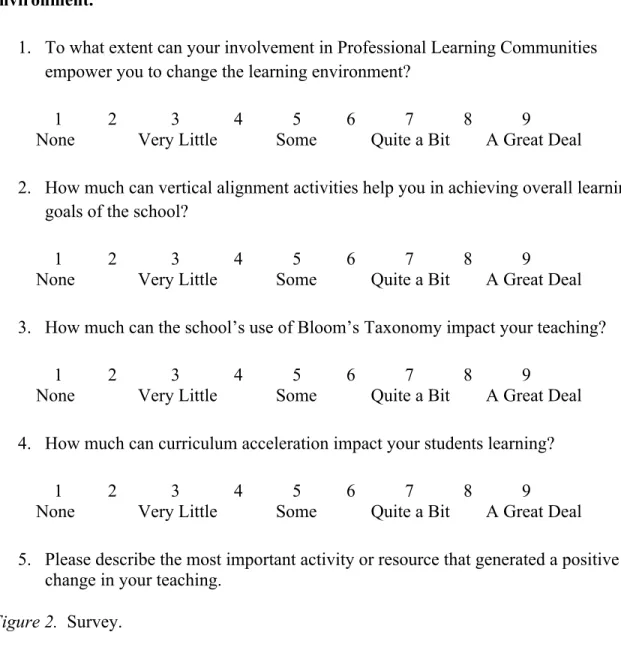
2 Survey ...46
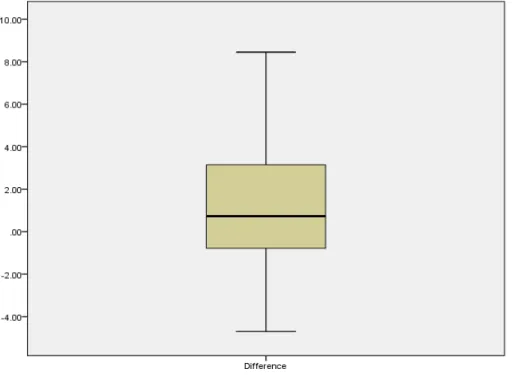
3 Paired Sample t-Test Boxplot for EVAAS 2013 and 2016 Difference Score ...61
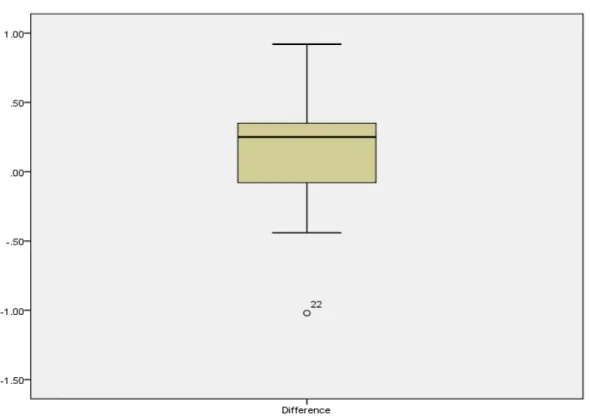
4 Paired Sample t-Test Boxplot for Bandura’s Scale; Average 1 and Average 2 Difference Scores ...66
Chapter 1: Introduction Introduction
America’s public schools are full of diverse students of all types. Whether considering race, socioeconomic status, ability level, or gender, no two students are alike in every way. With training institutions only having a finite amount of time to develop future teachers, are all areas of diversity getting addressed equally? Further, are local, state, and federal governments providing funding and resources in equal amounts to various populations of students?
There is an enormous amount of effort, time, and money devoted to struggling students. Millions of dollars are allocated yearly by the federal government (Office of Management and Budget, 2015, p. 1) and the North Carolina state government (North Carolina Department of Public Instruction [NCDPI], 2014) for teachers, assistants, special programs, and services to meet the needs of underperforming students.
Additionally, many publishers, software developers, and private entities have dedicated much of their efforts to phonics-based language programs and self-paced remedial
products, but few programs exist to help teachers instruct and enrich academics for gifted students (White, 2012).
Efforts to aid struggling students can be heard and seen in every type of media outlet and are routinely discussed among teachers, principals, school officials, and
legislators. There is a considerable deal of consciousness with regard to the need to assist students who have fallen behind. According to an online article on the website Franchise Chatter, “Tutoring and test preparation is a $4.5 billion industry fueled by parents who want their children to do well in their elementary, secondary and post-secondary education” (Bixler, 2014, para. 3).
Legislators have joined the movement to assist low-performing students by writing rules and regulations into law to protect this subgroup and hold educators accountable if all students were not meeting grade-level standards (Peterson & West, 2003). In 2002, federal legislation was put into place stating that “no child will be left behind” (Klein, 2015, para. 6). There is a nationwide emphasis placed on making sure every student performs at grade level; and no amount of time, money, or effort will stand in the way of closing the achievement gap. Money, time, and resources are devoted to research to determine the best methods and assistive programs and devices to spark growth and aid learning for the underachieving students. Additional educational programs such as More at Four, Title I, Exceptional Children’s, Limited English Proficiency, and Alternative Learning were developed in an effort to close the achievement gap between these students and their peers (NCDPI, 2014).
In contrast, what is being done to provide additional educational opportunities and resources for our best and brightest students? Accordingto a national study conducted by the Fordham Institute, 58% of teachers have received no professional development
focused on teaching academically advanced students in the past few years; and 73% of teachers agreed that “Too often, the brightest students are bored and under-challenged in school – we’re not giving them a sufficient chance to thrive” (Farkas & Duffet, 2008, para. 2).
Since Every Student Succeeds Act became law, a number of states including Illinois, California, Connecticut, and others, have either steadily cut or eliminated funding for educating the highest achieving students altogether. According to a 2012-2013 education budget analysis conducted by North Carolina public schools, 1% was allocated to the Academically and Intellectually Gifted (AIG) program, while 15% was
allocated for programs assisting underperforming students (NCDPI, 2014). This is a significant difference in funding. Maintaining focus on minimum performance standards neglects those students who learn faster than the minimum standards (Davidson Institute for Talent Development, 2006).
The National Association for Gifted Children reports that the lack of funding for gifted programs is a nationwide trend, while policy and data collection pertaining to academically gifted children varies throughout the nation. In the school year 2013-2104, 14 states provided no funding to local districts for gifted education. Furthermore, of the 25 states that provided funds to districts for gifted education, eight states provided $40 million or more and nine states provided between $1 million and $10 million. The National Association for Gifted Children also reported that nine states have policies specifically permitting the acceleration of students, and 22 states leave the decision to school districts. Pertaining to data collection on academically gifted children, 17 states do not collect demographic data about their gifted student population, while nine states report on the academic performance/learning growth of gifted students as a separate group on state report cards or other accountability measures (State of the Nation in Gifted Education, 2013).
Students grow and learn by varying rates and methods; thus, a variety of
educational training programs in the country supports “differentiated instruction” as best practice. In fact, studies have shown that in classrooms where differentiated instruction is utilized, students made more growth than in classrooms where differentiated
instruction was not employed (Valiandes, 2015). It is only natural, therefore, that with such diverse learners in one environment, disparities in achievement would exist without the proper training to differentiate instruction for differences in student groups.
With limited research in this area, the current study digs deeper into the question of what truly impacts academic success and growth of the brightest population of students. In this study, a curricular change was made and effects were assessed. The study team hypothesized a curricular change would have a positive impression on teacher efficiency and student performance which would translate into a school-wide efficacy change.
Background
Perhaps achievement gaps to some degree will always exist, but there is evidence that gaps are closing (Haycock, 2001). Public scrutiny from media outlets, additional resources, and greater accountability in the form of state and federal mandates have led to improved educational opportunities for struggling learners. The problem exists when growth for our highest students is examined. One of the contributing factors in a smaller achievement gap is the low or stagnate growth for students in the highest quintile. While the low students are performing at a higher standard, high-performing students are making low growth or not moving. If anything, gifted students are bored and disheartened with their public school experience (Whitaker & Robinson, 2010).
Because there are few federal mandates regarding gifted education, decisions based on gifted/talented programs are made at the state or local level. A few states are leaders in the field when considering one or more of the following factors: funding, identification execution, oversight and reporting, supportive policies, and teacher
preparedness. Nevertheless, a larger number of states provide very little, if any, financial backing toward gifted education programs. During the 2013-2014 school year, 14 states provided no funding to local districts for gifted education. Because of the lack of
support or programs geared toward the needs of gifted students, while another could offer very little. In fact, one school within the same district could vary greatly from a
neighboring school (Klein, 2015).
Studies conclude that if the teaching gap is closed, the achievement gap will close (Darling-Hammond, 2014-2015). This study and others focus on closing the gap by changing variables with teachers and underperforming students; however, despite these studies, the focus remains on moving the low-performing population up and not on challenging the highest achieving population.
Academically gifted and talented students in this country account for
approximately 6-10% of the total student population, and these students contrast from typical peers in particulars of learning style, depth and complexity of comprehension, and potential. Because of their unique character and learning traits, the education program for gifted students should be modified to meet their needs (Klein, 2015). These students need an accelerated pace and more in-depth coverage of the content, also known as rigor. Curricular rigor and acceleration are needed to challenge these students to reach beyond what they already know. A simple analysis of proficiency on state tests or end-of-grade (EOG) exams would show that academically gifted students met state learning standards and are ready to progress to the next grade level but would not speak to the amount of academic growth. From these data observations, it could be inferred that students need additional provisions and enrichment opportunities to achieve academic growth instead of merely being on “grade level.”
An abundance of research conducted over the last century suggests ability grouping and acceleration offer significant benefits to gifted students; therefore, the progression of instruction should be suited to the readiness of students instead of waiting
for a subjective age or grade to undertake it. This “vertical modification” allows the student flexibility with the opportunity to move up to work in the progression of knowledge and competencies from a higher standard for which the student is ready, instead of having to wait. With regard to grouping, students should be assembled with others of a similar standard level but provided assignments and goals for that of an advanced standard. Such an alteration requires administrative backing of the teacher and support to the student to bring about the transformation necessary to advance: materials, schedules, classroom assignments, curriculum requests (Steenbergen-Hu, Makel, & Olszewski-Kubilius, 2016).
When reflecting upon the limited research in this area, it is unclear what is causing gifted students to plateau or stagnate. Is it lack of government funding and resources? Are teachers not being offered appropriate training to reach these students within the regular classrooms? Could it be that gifted programs are lackluster and offer “filler activities” as opposed to truly enriching opportunities?
Whatever the exact causes, it appears many families with the means to pursue alternative educational opportunities are choosing to do so. It is still yet to be determined whether there is a direct correlation between movement to charter/private institutes and students not being challenged in traditional public schools; but anecdotal data, including movement in our home county, indicates this could be the case. The tragedy is when academically gifted students have no other option but public education, and there is little support to provide the educational opportunities they may need. Consider the massive number of future inventors, entrepreneurs, biomedical engineers, and community leaders who could be lost each year. Research has shown that approximately 1.5 million students need a more rigorous curriculum, between 10-20% of all high school dropouts test in the
gifted range, and at least 40% of all gifted students are underachievers (Davidson Institute for Talent Development, 2006).
The current study is needed to specifically address the learning needs of
academically gifted students. What are their specific needs and how can all parties work collaboratively to address them? If we want a stronger, more globally competitive
nation, we must invest in all students and create an educational environment that provides adequate pace and coverage of material for all to grow and flourish to an individual’s maximum capacity. Such a setting not only benefits students but teachers, parents, and the nation as a whole. There must be a concerted effort on the part of all stakeholders to foster this group of academically gifted students. This combined effort and subsequent positive effects is also known as collaborative efficacy.
Problem Statement
Academically gifted students are our future leaders, yet many schools devote the smallest amount of time and resources to them (White, 2012). Acceleration of
curriculum and additional enrichment opportunities have been shown to generate academic growth for these students; however, a number of public schools do not adequately meet their needs. Most gifted students receive the majority of their K-12 education in a regular classroom with their typically developing peers and teachers who are not trained to teach gifted students. High-achieving students are time and again asked to participate in instruction they have mastered. Curriculum compacting consolidates and modifies the grade-level curriculum by phasing out material that has already been
mastered, reducing the peril of common pitfalls faced by high-achieving students: boredom, depression, inattentiveness, discipline issues, and underachievement. Less reiteration of previously mastered material can result in more learning for students.
Many high-achieving students feel that school is boring and their time spent there is wasted; they are “buying time” until they can skip a grade or graduate and attend a college or university that challenges them (“Gifted Education in the U.S.,” n.d.).
We are in a time in this country where the practices of gifted education should be leading the way in educating all youth; yet based on previous research and survey
responses in many school districts, practices are at the same level they were 30 or more years ago. It is time for a national dialogue focused on shaping the future of gifted education for the 21st century (Callahan, Moon, & Oh, 2014).
More research at all levels is needed to fully understand where the falsities lie and why academically gifted students stagnate in their growth. Previous research offers a number of suggestions and strategies, but overall, this area is under-researched, especially compared to the abundance of research that exists with regard to underperforming
students.
Purpose of the Study
The purpose of this study was to examine the impact a curricular change has on teacher efficacy and effectiveness. The researcher hypothesized a curricular change would have a positive impact on overall school climate, bringing out a culture of excellence and a focus on standards-based, rigorous instruction.
While the overall focus was the overarching curricular change, areas of particular interest were professional development, acceleration and alignment activities, and the development of professional learning communities (PLCs) as they relate to overall improved student achievement for gifted students. One goal was to identify internal changes in teachers and school climate brought about as a result of a positive curricular change. Evidence shows when teacher confidence and school climate improve, academic
achievement and growth improve (Callahan et al., 2014).
In the past, professional development specifically aimed at providing educators with knowledge and expertise to provide services and instruction to gifted learners has been constrained. This is due to the fact that curriculum acceleration and alignment, professional development, and PLCs are each a part within a gifted program system. Research strongly proposes that gifted programs, in many cases, are not contributing the types of services paramount to completely address gifted youth’s academic, social, and emotional needs to attain their full potential. Furthermore, based on this data, it also is apparent there has been narrow transfer, if any at all, of the work of experts (research and theory development) into the field of practice (Callahan et al., 2014).
The current study implemented a mixed-methods paradigm. A variety of
assessment methods were utilized. Objective data such as standardized EOG test scores and reading assessment scores were analyzed. Action research methods such as
observations, anecdotal notes taking, surveys, and interviews were also utilized. A combination of objective and subjective data allowed the research team to explore all levels of the curricular change and how it impacted students and faculty internally and externally.
Regarding comparison variables, two similar sample groups of students were compared before and after the curricular change was implemented. While the two groups of students possessed similar skills and achievement backgrounds, the curricular change was implemented with one group and not with the other. To assess how the curricular change impacted teacher efficiency, the research team compared survey data, interview results, and teacher growth.
Research Questions
Areas of interest were professional development, acceleration and alignment activities, and the development of PLCs as they relate to overall improvement in teacher effectiveness and overall collaborative efficacy.
1. What impact did curricular change have on teacher effectiveness?
2. What impact did curricular change have on the collaborative efficacy of all teachers involved?
Based on previous research, we expected positive results from implementing a curricular change that focuses on acceleration and ability grouping (White, 2012). Also based on past research, the team expected a positive correlation between teacher efficacy and student achievement/growth (Callahan et al., 2014).
On a site-based level, researchers hypothesized the curricular change would shift the school’s overall mentality to one of rigor and excellence. A positive experience with a significant curricular change would hopefully motivate all teachers to focus on
enrichment and higher level engagements when instructing gifted students. The team also hypothesized a positive experience would impact the entire school system. If outcomes were positive, it was expected the other middle schools in the system would implement the same curricular change.
Framework of the Study
Since the 1970s, studies have routinely demonstrated the benefits of positive efficacy on outcomes. There is a notable positive correlation between high efficacy (both self-efficacy and system-wide efficacy) and performance (Bandura, 1994). This trend is expected to hold true within a school. When teacher self-efficacy increases, overall school climate increases and, in effect, student achievement will benefit.
Further, studies indicate teacher training focus and funding are both heavily geared toward underperforming students compared to accelerated students (NCDPI, 2014). Observational and anecdotal data along with analysis of EOG test scores and growth patterns alerted school-based administrators to stagnant growth among the brightest students. All of these data combined led researchers to the curricular change highlighted in the current study.
The researcher hoped to see positive benefits at multiple levels including an increase in teacher efficiency, a more positive school climate, more intentional focus on rigor and acceleration, and higher academic growth for gifted students.
This study was conducted at a rural middle school in western North Carolina. The school serves students in Grades 6-8 and has a population of 910 students. After analyzing state, district, and school EOG and growth data, the school of study felt a curricular change was needed in order to meet the needs of accelerated students.
Over the span of 4 years, the school of study created a process which identifies accelerated students and developed curricular changes to intentionally impact the
education of this student population. Table 1 provides student demographic information. This information was taken from the state report card. There is no specific data provided for students identified as academically gifted.
Table 1
Student Demographic Information
All Students
American Indian
Asian Black Hispanic Two or More Races White Econom-ically Disadvan-taged Students Limited English Profi-cient Students With Disabilities 910 17 <5 10 59 18 792 484 19 133
Figure 1 provides teacher data for the school (NCDPI, 2016).
Figure 1. Teacher Data.
Curricular change was driven out of a need to improve academic growth for the school’s most academically gifted students. Students were identified using North Carolina Growth Estimates (NC Growth Estimates) provided by the state. NC Growth Estimates is a growth measurement system that identifies and places all students for the state into five quintiles, with quintile 1 being the lowest and 5 being the highest. Students with similar testing histories and EOG test performance are placed into quintiles. This creates a homogeneous group by which all teachers are measured. NC Growth Estimates measures the amount of academic growth for all students in the state of North Carolina and uses data comparatively from teacher to teacher. In analyzing quintile 5 student data, the school of study noticed that many of the teachers did not meet the expected amount of
growth with gifted students in the area of English/language arts (ELA). Growth could be seen however in math. Comparison of the two led the school of study to believe that a progression similar to math was needed in ELA. An accelerated curriculum was already in place for math but not for ELA. Further analysis revealed the following using NC Growth Estimates from 2011/2012: Gifted ELA students lost ground in sixth and seventh grade with a sixth-grade gain of -1.9 and a seventh-grade gain of -2.5. The overall student population also lost ground in sixth and seventh grade ELA with a sixth-grade gain of -2.5 and a seventh-grade gain of -4.3.
It was apparent that a systematic and deliberate approach to ELA instruction in all grades was needed. As a school-based administrative team, with backing from the
central office staff, an initial plan for acceleration of ELA was developed by the school of study in consideration of NC Growth Estimates and research. It was determined that the school of study needed a systematic and intentional approach to address negative student growth numbers. With input and collaboration from all stakeholders, the school of study began to develop a progression similar to the one being used in math. The plan was to accelerate the ELA curriculum in sixth and seventh grade and offer English I in eighth grade. Students were screened and placed appropriately in all three grades using stringent guidelines created through collaborative meetings with the local district personnel and feeder high school.
Many people at the school of study, district level, and feeder high school were involved and consulted during the nature of this study. The process of implementing accelerated ELA classes and English I high school class offerings forced tough questions that had to be answered. This required the support of all stakeholders, since it would not only impact the middle school but the other high schools and middle schools in the
district.
Nature of the Study
Local quantitative NC Growth Estimates and anecdotal data from within the school of study clearly indicated a need for a more rigorous ELA curriculum. Once the curricular plan was created, the study team needed clear data to assess if the curricular change proved effective. The school of study had already compared longitudinal EOG test scores and growth factors and could see the highest students were stagnating. The current study determines if the curricular change not only improves academic growth for this population of students but also increases self-efficacy for faculty.
Generally, the new ELA curriculum was modeled after the existing math
curriculum with offered acceleration in Grades 6 and 7 and a high school course in eighth grade. The curricular change highlighted in this study included accelerated language arts in sixth and seventh grade and the addition of English 1 into the eighth-grade curriculum. Prior to this, all eighth-grade students were enrolled in standard eighth grade language arts. The English I class compacted both eighth grade language arts and English I which is traditionally taught at the ninth-grade level.
Two groups of students were compared during this study. One group was made up of strong standard students who had comparable grades and EOG scores to the group being studied. The second group was our highest students who met criteria to enroll in English I.
Several different data collection instruments were used during this study. This created a mixed-method, quasi-experimental study. Quantitative data were collected using the Education Value-Added Assessment System (NC Growth Estimates), the Scholastic Reading Inventory (SRI), and EOG proficiency numbers. These three
measures provided quantitative data about student performance and the academic impact experienced by students as a result of the accelerated curriculum. Qualitative data were collected using a survey, Bandura’s Teacher Self-Efficacy Scale, and teacher interviews. These instruments helped determine the efficacious impact on teachers involved in the study and how the individual efficacy could impact the school as a whole.
Definitions
There are a number of important terms relevant to the current study. These include collaborative efficacy, PLCs, differentiation, and academically gifted.
The first is collaborative efficacy. Collaborative efficacy is when all parties of an organization or educational unit have a shared set of beliefs and goals. These beliefs and goals are not the result of requirements or mandates but an intrinsically desired outcome for themselves and all others. This belief is not the independent belief of a single individual but of every member of the organization or school. Collaborative efficacy speaks to the expectations and culture of the body as a whole and works to build the capacity of the educational unit by increasing the efficiency and shared vision through common operational approaches and strategies. Entrenched are operational strategies that the staff believes and plays a part in developing (Bandura, 1994). Staff ownership in the school as a whole generates more positive outcomes, because it is personal and provides a sense of belonging.
One mode or function that helps foster collaborative efficacy is PLCs. PLCs are designed to establish common meeting times as well as curricular goals and lesson sharing. PLCs utilize the collective knowledge of a group and help establish common goals and strategies for instruction (DuFour, 2004). Comparative data analysis helps
illustrate each teacher’s strengths and weaknesses which allows the group to focus on those strategies that have proven to be most effective. PLCs also help generate
curriculum pacing so that adequate coverage of state standards and learning targets are met. A level of collegiality is established through common goals, content, and
instructional objectives. Effective PLCs function as an effective part of the greater organization or school’s mission and help foster the overall climate or collaborative efficacy of the school.
PLCs should establish a climate that promotes rigor for all students. Accepting that all students have unique learning needs, it is important to understand the concept of differentiation (Tomlinson, 1999). Differentiation is made possible through the collective practices of all members of the PLC. Shared struggles to reach all students provide common ground for discussion, and data fuel consensus reached among all participants (DuFour, 2004).
Differentiation in a school setting exists when varied instructional plans co-exist. These plans are devised with the unique needs of students in mind. If these plans are developed correctly, a challenging and stimulating lesson plan is developed that addresses the strengths and weaknesses of each student. Differentiated lesson plans acknowledge that some students will progress more rapidly, and others may need support in attaining concepts to be learned. Differentiated lesson plans also acknowledge that some students may already be familiar with concepts and will need enrichment activities that require those students to apply, explain, or make connections to other subjects. This is a crucial factor for the academic growth of academically gifted students. Without it, students do not receive the challenging content or rigor they need (Huebner, 2010).
90th percentiles in comparative data. Percentiles are typically established using statewide comparison data. They show mastery of all grade-level content as well as knowledge of content beyond established grade-level content and learning targets. Embedded questions are placed in EOG exams and assessments that measure student knowledge of content in subsequent grade levels. Academically gifted students will be able to not only show mastery of grade-level concepts but also of content expected for the next grade level. Some of these students are placed in AIG programs, but not all. Regardless, AIG programs fall short of providing the daily challenge or rigor needed for these students to show academic growth; nor should this status be used in determining whether a student is academically gifted (“Definitions of Giftedness,” n.d.).
Academic growth is measured by comparing what a student knows entering a grade level versus the amount of information gained upon completion of a grade level or subject. Academic growth served as a common goal for all participants in this study. It provided the basis for which change was needed and overall plan was developed. It accessed the common goal that all teachers possess either for intrinsic or extrinsic reasons (Adams, 2015).
Assumptions
It could be assumed that all accelerated students will work hard in this new
curriculum because they have been “bored” thus far with their ELA curriculum; however, the study team cannot know for sure if all students will participate fully to achieve full benefits. It could be that students of this caliber have gotten so accustomed to not having to work very hard for good grades, they become overwhelmed or burdened with a sudden onset of a rigorous course. It could also be that because they have not been challenged appropriately in previous years, their brains may not even be developmentally ready to
take on the scope and sequence of a high school course.
The study team needed the sample student population to work to their maximum ability and engage in the curriculum so the study results would be as accurate as possible. Scope and Delimitations
A number of elements were addressed in the current study. Many things played a role in the final outcome of this study. A significant curricular change was instituted at the school which inherently impacted all involved, including administrators, curriculum coaches, teachers, support staff, parents, and students.
Several components impacted the effectiveness of the curricular change, including commitment and productivity of PLCs, availability of resources, teacher ability to
execute the new curriculum, parent confidence in the teachers to effectively offer a new course, and student’ willingness to work and engage to an optimal degree. If all of this happened, the results of the study would be more accurate and influential for long-term planning.
Limitations
This study was conducted in a rural western North Carolina school district. Participants of the study comprised a homogenous group with regard to socioeconomic status, race, and ethnicity. This is a reflection of the community for which the study was conducted rather than the selection process. Participants for the study were
predominantly White (non-Hispanic). A more diverse cross-section of students would help establish effectiveness for students from a variety of backgrounds, socioeconomic status, geographic location, and race. Also, the number of teachers and students involved was small. A larger number of participants would have provided a larger data set for greater reliability; however, the data are sufficient for determining the impact
acceleration has on teacher effectiveness and efficacy. Academic giftedness is not exclusive to a particular race or socioeconomic status. The results of accelerating curriculum could vary by degree within groups though.
For this study, the school of study focused primarily on ELA, because that is where the most significant changes were made; however, the school of study also made changes within the math department. The following year, higher functioning math students in Grade 7 (those predicted to enter Algebra 1 in Grade 8) will be placed in an accelerated math class. These classes called “Advanced CMP,” will offer an
acceleration/compaction of the math content and will include the core standards from both seventh and eighth grades providing the brightest math students an opportunity to engage in learning that is beyond the designated curriculum for seventh grade. At the end of the year, these students were screened for Algebra 1 placement for Grade 8 using set criteria. Criteria included team recommendation, math performance (math grade), benchmark data (Case 21), math ability (Orleans Hannah Prognosis Test), and NC Growth Estimates predictability data.
Students meeting the criteria were placed in Algebra 1 in Grade 8. They took both the end-of-course (EOC) and EOG tests. Students achieving Level 3 or 4 on the Algebra EOC received high school math credit for Algebra 1, but their mark in the course did NOT count toward their high school GPA.
The school of study was also concerned that self-efficacy would be affected by other variables such as low pay, larger class sizes, budget issues, and other factors unrelated to the implementation of the accelerated curriculum. The school of study encouraged teachers to focus on how the curricular change affected their self-efficacy, although the school of study understood it would be a challenge to emotionally and
cognitively separate various variables that culminate in a broad effect such as efficacy. Similarly, a larger and more diverse body of teachers would assist in
substantiating results found for school climate. For limited purpose, it will provide a basis to consider the impact a curricular change has on teachers and the overall change in school climate. Similar results could be anticipated since teacher preparation and
credentialing is similar throughout teacher education programs. Significance
As it is currently, all students are expected to pace at the same rate throughout the year. In combating a lack of appropriate educational opportunities for gifted students, the hope is to identify key organizational elements that will allow us to not only meet the needs of our students but create an overall climate change and shift in thinking to what we know is best for gifted students (Callahan et al., 2014).
Based on a National Association of Gifted Children (NAGC) study, the typical gifted program does not operate within an aligned system. NAGC Programming Standards are used in less than half of the districts; one fourth of respondents at the elementary level and one third at the middle school level indicated that their gifted program had no specific curricular materials that guided program activities; at the high school level, the predominant default curriculum was Advanced Placement (AP)courses, a program now widely believed to be suitable for all high school students (Callahan et al., 2014).
The researcher studied a program with compacted curriculum in Grades 6-8 where gifted students received grade level curriculum as well as a portion of the curriculum in the subsequent grade level within a single year. Teachers from across grade levels met to align curriculums from each of the respective grade levels in order to
not overlap or omit critical content needed for growth among gifted students. The use of clearly identified learner outcomes and routine cycles for program evaluation are rarities for gifted programs at all school levels. Without these components as an integral part of gifted programming, school districts cannot ascertain whether their efforts in all other stages of program development and implementation are producing the desired outcome—high-quality education for gifted students (Callahan et al., 2014). In creating the change needed for gifted students, the school of study will need to examine the changes in activities and attitudes of teachers.
Summary
The school of study felt the need for a significant curricular shift with regard to the accelerated program within the regular education environment. Prior to the curricular change cited in this study, very little was offered to gifted student outside the gifted program offered as an elective course. The ultimate, overarching goal of this study is a paradigm shift within the school regarding what type of curriculum is needed for accelerated students to grow and thrive.
With such an intense curricular change taking place, the school needed data to measure success and form direction for the future. Two different groups of eighth-grade students were compared during this study. Both groups of students were similar with regard to ability, previous test scores, and motivation; but one group was slightly more accelerated and reached the criterion to be placed into English I.
The control group participated in standard eighth grade language arts, while the experimental group participated in English I, the new course implemented during this study. At the conclusion of the study, SRI and EOG scores were compared to see which group made more growth. Further, qualitative data were analyzed to see if and how the
curricular change impacted teacher self-efficacy and the school’s collective efficacy. Significant research exists on the topic of gifted education and the lack of funding and resources, especially when compared to funding and resources offered students performing below grade level.
Chapter 2: Literature Review Literature Review Introduction
Schools continually talk about meeting student needs, but the reality is countless gifted students must pace through school at a predetermined rate and be provided
concepts they have already mastered which do not translate to truly “meeting their needs” (Colangelo, Assouline, & Gross, 2004, Vol.1, p. 1). In this chapter, research relevant to best practices for gifted students is discussed.
Additionally, research regarding the supports needed to facilitate an
organizational change in purpose and approach is analyzed as well as the effects an organizational shift has on individual teachers and the educational unit as a whole. The following section includes synthesis of findings on the topics of acceleration,
identification of gifted students, applied learning, professional development, and school climate. There is a significant need for further research in the area of gifted education as well as ways and means to meet the needs of advanced students.
Literature Search Strategy
Before the curricular change was even developed and fleshed out for
implementation, existing literature on the topic was reviewed. Before the study and during the study, multiple databases were utilized including ERIC database, Gardner-Webb University’s library database, books from the Waynesville Middle School professional library and the Haywood County Schools professional library, and online searches.
This study looks at a number of individual factors which are listed and described in the literature review. To ensure information was gathered on all relevant topics, the research team searched the following key terms: gifted education, gifted students,
accelerated learning, acceleration, identification of gifted students, applied learning, professional development, school climate, self-efficacy, collective efficacy, PLCs, ability grouping, funding, North Carolina state education budget, federal education budget, and teacher training programs.
Literature Review
Acceleration. In trying to meet the needs of gifted students, one method that research has shown to be highly effective is acceleration. Acceleration is simply providing the content to be learned at a more rapid pace or at a pace that is better suited for more capable learners. In a national report titled, “A Nation Deceived: How Schools Hold Back America’s Brightest Youth,” there were two volumes dedicated to
acceleration (Colangelo et al., 2004). Researchers maintained that acceleration is ideally suited as an intervention for academically gifted students who “possess the capacity to learn more at a faster rate” (Colangelo et al., 2004, Vo.1, p. 8).
The importance of acceleration can be found in a meta-analysis published in the American Educational Research Journal. The data analysis from 26 controlled studies revealed that “accelerates” examination performance surpassed that of “non-accelerates” of equivalent age and ability by nearly one grade level (Kulik & Kulik, 1982). Far greater implications exist beyond a single examination or even an academic career. A 20-year longitudinal study traced the academic, social, and emotional development of 60 young Australians with IQs of 160 and above. Findings of this study concluded that significant differences exist in educational status and direction, life satisfaction, social relationships, and self-esteem as a function of the academic acceleration their schools provided. Those with 2 years of acceleration reported “a greater degree of life
careers, and report facilitative social and love relationships” (Gross, 2003, p. 404). The implications of these findings state that acceleration has a wider impact than merely academic performance; it has an impact on gifted students’ overall well-being later in life.
Research suggests that the quicker students progress toward grade-level
completion requirements, the more likely they are to complete college (Bowen, Chingos, & McPherson, 2009). In a synthesis of research, Rogers (2002) concluded that an
average of one third to one half an additional year’s achievement growth (effect size [ES] =.34 to .49) is possible within a school talent development program when the child participates in daily growth activities such as acceleration. Highly capable students could be losing one third to one half of a year of growth each year without the needed
modifications.
There are many forms of acceleration; 18 types are identified in Volume II of “A Nation Deceived” (Colangelo et al., 2004, Vol. II, p. 1). These include early entrance to school, whole-grade acceleration and grade skipping, or subject matter only acceleration, such as math only. In these forms of acceleration, the school provides changes in student schedules with parent support in order to provide the content to be learned at a more rapid pace or at a pace that is better suited for more capable learners. Other types of
acceleration include self-paced instruction, gender-based or apprentice-type mentoring, and curriculum compacting. These acceleration types provide in-class supports and modifications for advanced learners with teachers providing differentiation to once again provide content to be learned at a more rapid or suitable pace. Finally, AP courses and allowing early entrance to college (Colangelo et al., 2004, Vol. II) are further examples of acceleration to meet the needs of gifted students.
Many of these forms of acceleration are designed for individual students. Some forms allow small or larger groups to accelerate together (Colangelo et al., 2004. Vol. II). In any event, structures at the school level and in the classroom must be present to allow for individual or group advancement between grades outside of traditional year-long promotion standards and curriculums (VanTassel-Baska, 2003). If there are no structures in place to support curriculum compacting in the classroom, there will be a loss of
acceleration in subsequent years due to a lack of additional opportunities (Colangelo et al., 2004, Vol. II). Schools need certain nonnegotiable factors to respond effectively to gifted students (VanTassel-Baska, 2003).
Findings recommend “accelerative practices coupled with the use of technology option” which would allow flexibility within the learning environment when staff constraints may occur (VanTassel-Baska, 2003). Technology alone offers a number of benefits to gifted students including content differentiation, differentiated assignments, interest-based choices and communication tools. Technology, if used wisely, can help gifted students maximize their potential (Jurkovic, 2012). The most recent model which capitalizes on both teacher interpersonal skills and student interest in technology is called “blended learning.” With this model of instruction, traditional face-to-face methods are combined with modern technology to offer a high tech yet personable approach to instruction. Many schools across the country are seeing significant progress with instruction involving blended learning models (P.K. Yonge Developmental Research School, 2014).
While many leading researchers support the use of acceleration, it is not without opposition. Many school districts and school officials are reluctant to employ
emotional and social effects on students (Southern, Jones, & Fiscus, 1989). Several studies have worked to refute or substantiate this perception. Results from a broad
research study concluded that “grade skipping, early school entrance, and early admission to college” are not harmful but instead show positive “socio-affective benefits” (Neihart, 2007, p. 67). This is however dependent upon gifted students being selected on the basis of demonstrated academic, social, and emotional maturity. Placements based solely on the basis of IQ, achievement, or social maturity could prove harmful (Neihart, 2007). Advocates of acceleration and research findings, including those from “A Nation Deceived,” dispel the idea of harmful emotional and social affects as well. The study concludes that a proper implementation of acceleration provides exactly what gifted students need academically, emotionally, and socially (Colangelo et al., 2004, Vol. I).
Schools must be malleable enough to accommodate gifted student desires to advance at a rate that is often faster than that of their peers. Acceleration pairs the “level and complexity of the curriculum with the readiness and motivation of the child”
(Colangelo et al., 2004, Vol. I, p. 5). Too often, educational interventions have been implemented without fidelity or with a weak to nonexistent research base. Acceleration is no exception. This gives skeptics an opportunity to make their case for why it should not be used. The reality is that the few problems that have been experienced with acceleration have stemmed from incomplete or improper planning (Colangelo et al., 2004, Vol. I). It is often difficult to make strong generalizations about research in
education since scholars often present contradictory findings, but acceleration stands as a striking exception to the rule (Gross, 2003).
When embarking on a path to acceleration, there are some crucial things to consider. VanTassel-Baska (2003) called these elements nonnegotiables. As was
mentioned earlier, a flexible and supportive structure must be in place. This structure needs to be able to adapt to the changing speed and numbers of students it serves. This means that the idea of traditional year-long courses and grade levels determined by age must be disenfranchised from the policies of the school (VanTassel-Baska, 2003).
Additionally, in schools where advanced classes and curriculum are limited, differentiated instruction within the regular classroom needs to be implemented with fidelity, consistency, and integrity (Parke, 1989). For many schools, this will require professional development opportunities for teachers to learn about differentiation strategies. These strategies should be utilized by all teachers in all subject areas.
Teachers will need to be able to design differentiated or compacted curricula to accelerate learning for their students as well as be able to use diversified instructional delivery methods. Appropriate assessment strategies are also a must to ensure what is being taught is learned by students. Outside opportunities such as self-paced learning technology and programs must also be made available in preparation and
acknowledgement of those times gifted students exceed the capacity of the school (VanTassel-Baska, 2003).
Identification of gifted students. In order to place students correctly into an accelerated program or identify them as academically gifted, it is important to have a valid process for selection. Many see the identification process as separating the “winners” from “losers” (Schroth & Helfer, 2008); however, it is a crucial step to ensuring students are well suited for the pace at which content will be delivered.
Agreement on the best methods and criteria to use for selection is an ongoing debate. A recent study by The Journal for Education of the Gifted analyzed the differences in perceptions among educators on what the appropriate criteria should be (Lohman, 2005).
The criteria considered were standardized tests, teacher nominations, parent nominations, peer nominations, portfolios of student work, performance assessments by experts, and observations. The study concluded that perceptions and experiences skewed the view of all educators in some way and no conclusive identifiers were named from the above list (Schroth & Helfer, 2008).
Studies have shown that signs of giftedness are present very early in life. Noticeable intellectual and physical characteristics of young gifted children include unusually early and fluent speech; early mobility (the child crawls, walks, or runs earlier than same-age-peers); early reading (the child spontaneously “picks up” reading from television, street signs, or advertisements); unusually retentive memory; intense curiosity; a very long attention span; eagerness to learn; a mature sense of humor; and less need for sleep than same-age peers of average ability (Gross, 1993).
In an educational setting, the focus should be on aptitude or potential due to the limited number of performance opportunities (Lohman, 2005). It is important however that performance tasks be closely related to the domain for which placement is being considered (McGrew & Evans, 2004; Traub & McGrew, 2004). Failure to do so can result in improper identification (Lohman, 2005). For example, phonemic awareness skills that facilitate early reading in Spanish for Hispanic students also facilitate early reading in English for these students (Lindsey, Manis, & Bailey, 2003). Thus, one can estimate the probability that Spanish-speaking students will learn to read English by measuring their phonemic awareness skills in Spanish. Similarly, dance instructors screen potential students by evaluating their body proportions, ability to turn their feet outwards, and ability to emulate physical movements (Subotnik & Jarvin, 2005). Although none of these characteristics require a student to dance, it does determine
whether they have the necessary aptitudes to learn a dance.
Applied learning. Once an accelerated structure has been established and the appropriate students identified, it is important to facilitate learning in a way that is meaningful. In 1956, Benjamin Bloom and his team developed a framework for categorizing educational goals. The six original categories were revised in 2001
(Anderson & Krahtwohl, 2001). Today’s educators use the Revised Bloom’s Taxonomy which includes the following continuum of six categories that moves from simple to complex and concrete to abstract: remember, understand, apply, analyze, evaluate, create. When planning, instructing, and assessing, successful and effective teachers differentiate among learners using Revised Bloom’s Taxonomy (Armstrong, n.d.). Educators also utilize Webb’s (1997) Depth of Knowledge (DOK) model, which is a model employed to analyze the cognitive expectation demanded by standards, curricular activities, and assessment tasks. Educators should use Bloom’s Taxonomy and Webb’s DOK framework when planning units and instructing gifted students (New South Wales Department of Education and Training, 2004).
Today, institutions like The Davidson Academy are leading the way for gifted education by utilizing the upper tiers of Revised Bloom’s Taxonomy to instruct gifted and talented students. Teachers at this academy rarely lecture. Instead, they serve as facilitators for project-based learning, student-led discussions and field experiences (Kronholz, 2011). Lesson units should provide each student with the appropriate amount of challenge and remediation to maximize the learning experience (Kaplan, 2005;
Tomlinson et al., 2003).
In considering learning for gifted students and how lesson units should be designed, it is important to understand how gifted students learn. When presented a
problem they are unable to solve, the gifted student will often seek alternative ways rather than resort to trial and error (Shore, 2000). Another distinction in how gifted students learn is the way they process information. The gifted child will often
conceptualize more readily than the average learner. They are able to grasp and store concepts in long-term memory with an understanding of interconnected parts, whereas the average learner processes small chunks of information where the teacher aids students in making connections between parts (Krutetskii, 1976).
Professional development. In considering accelerated curriculum and applied learning for gifted students, it poses the question of teacher preparedness to plan and deliver instruction using these methods. Schools commonly offer teachers some type of professional development regarding differentiating instruction to meet the needs of gifted learners. Determining the most “effective” model for professional development is often a difficult task due to a lack of agreement between practitioners and researchers. Fullan (1995) analyzed 13 of the most recent research-based models and analyzed the common traits noted. Of the models Fullan studied, he was able show a link between their identified characteristics and specific measures for achievement. Fullan’s findings concluded that research-based models for professional development were typically dependent on opinions of researchers and educators and often have no direct correlation (Fullan, 1995). Fullan (1995) contended that similar to NISE and ETS models, the main goal of professional development should be focused on enhancement of student learning in order to make improvements.
The context for which professional development will be implemented is also an important consideration. This is derived from differences in teachers and students that comprise an educational setting. For example, low socioeconomic schools often have
teachers who teach out of subject due to turnover. These teachers would benefit from professional development focused on increasing content knowledge for teachers. To the contrary, affluent schools are likely to attract and retain teachers with advanced degrees and training in a particular content area. Professional development in this context is likely to be focused on pedagogical strategies (Fullan, 1995).
Within the process of professional development, teachers must become “change agents.” Fullan (1995) examined why people enter the teaching profession. The most common response was to make a difference in the lives of students. It is therefore important to engage teachers in professional development combining noble purpose with the goal to make change (Fullan, 1995). A merge of research would indicate that
professional development should be focused on individual and institutional goals with consideration given to the context for which it is set to occur. Its effectiveness should be measured by the direct correlation it has on academic improvements. Measurable
academic improvements for students will contribute to the moral purpose for which the majority of people enter the profession, increasing the likeliness to remain in the profession. This contribution in personal fulfillment is a path to organizational growth (Fullan, 1995).
School climate. As Fullan (1995) stated, personal purpose is the route to organizational change. Psychologist Albert Bandura has focused much of his career profession on efficacy studies. In 1977, Bandura investigated self-efficacy and its impact on social/behavioral therapy. In his study, he found that performance accomplishments were specifically influential in relation to self-efficacy. Recurring successes raise mastery expectations while repeated failures reduce them. Furthermore, after strong efficacy expectations are created, the significance of an occasional failure is reduced.
While Bandura demonstrated that mastery experiences were significant at the individual level, Goddard, Hoy, and Hoy (2004) established that they were also influential at the group level. Similar to Bandura’s discoveries on self-efficacy, past successes of a school build teacher support in the collective power of the school to achieve success, whereas an account of failure tends to weaken positive collective efficacy.
Research indicates that poor self-efficacy leads to faster teacher burnout (Skaalvik & Skaalvik, 2007). Researchers Skaalvik and Skaalvik (2007) at the Norwegian
University of Science and Technology developed and factor analyzed the Norwegian Teacher Self-Efficacy Scale (NTSES). Their sample included 244 elementary and middle school teachers. Results revealed a particularly strong correlation between teacher self-efficacy and teacher burnout (Skaalvik & Skaalvik, 2007). These findings may simply reflect the greater number of females in the teaching profession.
Similar to the findings of Skaalvik and Skaalvik (2007), other researchers have demonstrated a positive correlation between teacher collective efficacy and job
satisfaction (Klassen, Usher, & Bong, 2010). Interestingly, research findings indicated that job stress from workload and student behavior was higher for female teachers than for male teachers, but there was no difference in teacher collective efficacy, job stress, or job satisfaction across school levels (Klassen et al., 2010).
In a 2004 meta-analysis, Goddard et al. reviewed current research to determine how teacher practice and student learning are affected by perceived collective efficacy. The authors pointed out that individual or group efficacy judgments are beliefs about individual or group capabilities and may not necessarily reflect accurate assessments of those capabilities. The confidence possessed by a person or a group of people is very powerful and can lead to positive outcomes. Likewise, individuals or groups with
persistent self-doubt may not experience success even if they possess the necessary skills (Goddard et al., 2004).
Though self-efficacy exists at the individual level, studies have demonstrated a positive correlation between self-efficacy and collective efficacy. Essentially, a group of people with positive self-efficacy will demonstrate stronger collective efficacy (Calik, Sezgin, Kavgaci, & Kilinc, 2012; Skaalvik & Skaalvik, 2007).
Several studies (Bandura, 1993; Evans, 2009; Francera & Bliss, 2011; Goddard et al., 2004; Tschannen-Moran & Barr, 2004) support a link between collective efficacy and differences in student achievement among schools. The effect of collective efficacy on student achievement was stronger than the link between student achievement and
socioeconomic status (Bandura, 1993). According to the meta-analysis by Goddard et al. (2004), “research suggests that a school’s culture of perceived collective efficacy may exert a strong influence on teachers’ sense of efficacy for instruction” (p. 8). Moreover, research indicates that when school faculty feel empowered to influence instructionally relevant decisions and are allowed to exert some control over school decisions, collective efficacy is strengthened (Derrington & Angelle, 2013; Goddard et al., 2004).
Longitudinal research indicates that efficacy beliefs, both at the individual level and group level, can significantly impact the achievement level of a school (Bandura, 1993; Goddard et al., 2004). Studies suggest that unsupported federal mandates lead to unprecedented levels of stress within schools. Pressure to perform to a certain standard with little support leads to stress at the individual level which ultimately leads to stress at the group level (Daly & Chrispeels, 2005).
Educational leaders within a school building have the capacity to change collective efficacy beliefs within the school (Goddard et al., 2004); furthermore,
instructional leadership affects collective efficacy indirectly through teacher self-efficacy. Goddard et al. (2004) identified eight factors as integral in developing collective efficacy within a school. These factors included a positive and supportive environment; clear vision and goals; high expectations (teachers, principal, and parents); strong support system (teachers, principal, and parents); meaningful professional development; shared leadership; innovative practice; and structured and productive collaboration. When school principals demonstrated instructional leadership behaviors, teacher beliefs in their abilities and perceptions about their own self-efficacy grew stronger (Calik et al., 2012). Summary and Conclusions
The literature review conducted as part of this study indicated limited research in the area of gifted education. The research that does exist clearly indicates much less funding is provided for the most accelerated students. Solid programs do not exist for most school systems, and many gifted and talented students stagnate by middle school and become bored and apathetic.
This literature review supported the research team’s hypothesis that lack of rigor and engagement for accelerated students was not specific to the school and system used in the study. This issue exists throughout the entire country; and while some individual states and school systems are doing better than others, it is still a far-reaching problem that needs ameliorating.
Further research is needed to determine if heterogeneous or homogeneous grouping is optimal for accelerated students and whether or not these results are
consistent across content areas. Robust evidence does not exist to support the idea that heterogeneous classroom grouping, per se, significantly increases the risk for adjustment problems among moderately gifted students. Recommendations for best practice based
on the available evidence are presented (Neihart, 2007).
Leading specialists in the field of education (Matthews, 1992; VanTassel-Baska, 1992) recommended that heterogeneous groups are most appropriate when students are working on open-ended problem-solving tasks or science inquiry activities. Furthermore, Mathews (1992) and VanTassel-Baska (1992) recommended that it is appropriate for students to work in heterogeneous groups when they are discussing concepts that are new to all students, while homogeneous groups are more appropriate when students are
working on skill development or reviewing material they have already learned. Grouping strategies in the classroom should be flexible, and students should be allowed to work independently at least occasionally according to their preferences. Likewise, these specialists recommended that students should have opportunities to select their own groups based on common interests. They stressed the importance that all students need to learn the skills of working together before cooperative learning activities will be
successful (Matthews, 1992; VanTassel-Baska, 1992).
Further research is needed to determine if results are consistent over content areas. The current study focuses primarily on the results of a group of English students.
Chapter 3: Methodology Introduction to Methodology
In creating an educational setting that is suited for gifted students, research indicates structures are needed at the school level (Callahan et al., 2014). This study examined the efficacious impact, if any, a curricular change had on teachers. The significance of this study is that it sought to positively impact the academic performance of gifted students rather than focusing on students who struggle to meet grade-level expectations. This subgroup was selected because the school had identified, through analysis of data, that gifted students were showing a decline in their performance on end-of-year assessments. Since there are few federal regulations governing gifted education, determining whether collaborative efficacy was improved will help in replicating results as a form of self-regulation for schools in the absence of federal mandates (Callahan et al., 2014). The researcher intended to answer the following questions.
1. What impact did curricular change have on teacher effectiveness?
2. What impact did curricular change have on the collaborative efficacy of all teachers involved?
To complete this, the school of study developed an instructional model to
compact the curriculum in Grades 6, 7, and 8, culminating with English I class offerings in Grade 8. The study team, comprised of the building principal, eighth-grade assistant principal, and instructional coaches, hypothesized that curricular change would have a positive impact on overall school climate, bring out a culture of excellence, and foster a focus on standards-based, rigorous instruction. Areas of particular interest were
professional development, curriculum acceleration and alignment activities, and the development of PLCs as they relate to overall improved student achievement for “gifted