Seton Hall University
eRepository @ Seton Hall
Seton Hall University Dissertations and Theses(ETDs) Seton Hall University Dissertations and Theses
Fall 12-9-2016
Doctoral Scholarship Examined: A Study of
Strategy Research in Education Settings
Conducted by Students Seeking Degrees From
Doctoral Programs in Education in the United
States
Joseph M. Hearl Jr
Follow this and additional works at:https://scholarship.shu.edu/dissertations
Part of theEducational Administration and Supervision Commons,Educational Leadership Commons, and theHigher Education Commons
Recommended Citation
Hearl, Joseph M. Jr, "Doctoral Scholarship Examined: A Study of Strategy Research in Education Settings Conducted by Students Seeking Degrees From Doctoral Programs in Education in the United States" (2016).Seton Hall University Dissertations and Theses (ETDs). 2238.
DOCTORAL SCHOLARSHIP EXAMINED: A STUDY OF STRATEGY RESEARCH IN EDUCATION SETTINGS CONDUCTED BY STUDENTS SEEKING DEGREES FROM
DOCTORAL PROGRAMS IN EDUCATION IN THE UNITED STATES
By
JOSEPH M. HEARL, JR., MBA, CPA
Submitted in partial fulfillment of the requirements for the degree Doctor of Philosophy
Department of Education Leadership, Management, and Policy Seton Hall University
ii
iv
Acknowledgements
I would like to thank those who have made this dissertation possible. I am grateful to my wife, Rose, who created a positive home environment, which allowed me to devote considerable time and energy to this capstone experience. I owe gratitude to Dr. Kim for her support,
guidance, and patience with my significant business leanings, which affected my writing style. I am also grateful to Dr. Kelchen, who made certain recommendations that had a material impact on the final product. Finally, I would like to thank Dr. Rodriguez, a business school professor who provided balance to my dissertation committee as I integrated complicated topics from the discipline of strategic management, which has roots in the business community.
v
Abstract
The purpose of this study was to explore and describe strategy-related dissertations in education doctoral programs in the United States. Using content analysis, dissertations published from 2005 to 2014 were classified into two time periods. Time-period 1 ranged from 2005 through 2009. During this period, the EdD degree was differentiated from the PhD degree in doctoral programs in the field of education. Time-period 2 included the years from 2010 through 2014 and was marked by the awarding in 2014 of a grant to the Carnegie Project for Education Doctorate (CPED) Initiative to document the success of a four-year effort to redesign the EdD.
A statistical profile of 408 dissertations was developed which revealed a 53% increase in strategy-related dissertations from period 1 to period 2. Such dissertations tend to have been written about public sector educational institutions at the Pre-K-12 level and to have been written by students who sought EdD degrees from institutions classified as large institutions as defined by the Carnegie Classification System. These institutions tended to be non-members of the CPED Initiative.
Chi Square and Fisher’s Exact tests were performed to examine relationships in the strategy-related dissertation data. One statistically significant relationship was identified between the CPED membership status of institutions from which dissertations were published and the time periods during which the dissertations were published. Another statistically significant relationship was identified between the research intensity of institutions from which dissertations were published and the nature of the strategy in these dissertations.
The data collected in this study revealed that doctoral students tended to study
practically-oriented strategy topics (e.g., strategy content, processes, and practices). In period 1, no studies were identified that focused on academically oriented strategy topics. In period 2, a
vi
limited number of studies were identified as such. This relative lack of academically oriented studies is noteworthy given that stakeholders in education expect education leaders to be
strategic leaders. While this study highlights the relative lack of studies in academically oriented strategy research, a conclusion cannot be drawn that education leaders do not learn about
strategic management in university-based programs.
Thus, program coordinators of such university-based programs should consider their respective programs and make informed decisions as to the inclusion of strategic management curriculum in the curricula designed to teach future education leaders. In order to make such informed decisions, future studies in strategy research are needed to ascertain the extent to which strategy curriculum is included in university-based programs designed to teach future leaders in education. For those university-based programs that are including strategic management in their curricula, studies are needed to describe the nature and extent to which strategy curriculum is included in university-based programs to teach future leaders in education. Finally, a study is needed to describe how future education leaders learn strategic management in university-based programs that are designed to teach future leaders in education. Without such studies, program coordinators must learn about strategic management and related pedagogy through other means.
vii
Table of Contents
Abstract ...v
List of Figures ... xi
List of Tables ... xiii
CHAPTER 1 INTRODUCTION ...1
Background ...1
Statement of the Problem ...3
Purpose of the Study ...8
Conceptual Framework ...8
Research Questions ...13
Significance of the Study ...15
CHAPTER 2 REVIEW OF LITERATURE ...17
Introduction ...17
The Environment ...23
Industrial versus Sectoral Contexts ...25
Inputs, the Black Box, and Outputs ...30
Systems Outputs and the “Why” of Strategy ...32
System Inputs and Opening the Black Box...33
Sectoral Strategic Leadership ...40
Sectoral Strategy Processes and Competencies ...43
Sectoral Strategy Processes and Technical Competencies...46
Strategic Management Process Elements...50
Strategic Management Evolutionary Phases ...60
Academically Oriented Strategy Topics ...64
viii
DELTA Model of Sectoral Strategy Teaching and Learning ...71
Strategy Holism Framework ...81
Strategy Holism Framework Versus the MOST Model ...89
Program Coordinator’s Quandary & Sectoral Strategy Research ...105
CHAPTER 3 METHODOLOGY ...109
Introduction ...109
Research Design ...112
Sampling and Data Source ...114
Method of Analysis ...116
Coding Form, Variables, and Operational Criteria ...116
Data Analysis ...137
Limitations, Inferences, & Trustworthiness ...144
CHAPTER 4 DATA ANALYSIS AND FINDINGS ...147
Demographic Variables ...149
Institutional Level Variables ...150
Sector of Source Institution ...150
Size of Source Institution ...152
Research Intensity of Source Institution ...153
Unit Level Variables ...154
CPED Membership Status ...155
Degree Conferred ...156
Student Level Variable ...158
Gender ...158
Research and Dissertation Subject Variables ...159
ix
Dissertation Subject Variables ...162
Focus of Strategy Research ...163
Sector of Subject ...164
Education Level of Subject ...167
Hierarchical Level of the Research Subject ...169
Nature of Strategy Research...171
Strategy Research Analysis ...173
Strategy Research Continuum Cross-Tabulation ...173
Strategy Research and Gender Cross-Tabulation ...175
Strategy Research and Degree Conferred Cross-Tabulation ...177
Strategy Research and CPED Membership Cross-Tabulation ...179
Strategy Research and Sector Cross-Tabulation ...181
Strategy Research and Institution Size Cross-Tabulation ...183
Strategy Research and Research Intensity Cross-Tabulation...186
Summary ...188
CHAPTER 5 DISCUSSION AND CONCLUSION ...191
Purpose and Nature of the Study ...191
Major Findings and Implications ...193
Research Question #1 Answered ...193
Research Question #2 Answered ...194
Research Question #3 Answered ...196
Summary of Findings ...203
Conclusions and Implications ...205
Directions for Future Research ...206
x
Appendix A Content Analysis Form ...235
Appendix B Institution Level and CPED Status Content Analysis Form ...238
Appendix C Dissertation Profile ...239
Appendix D Dissertation Profile – Summary Indication ...240
Appendix E Material Change Model For Research Question #1 ...241
Appendix F Data to Answer Question 3A ...242
Appendix G Data to Answer Question 3B ...243
xi
List of Figures
Figure 1. MOST model...9
Figure 2. Strategy Research Continuum. ...11
Figure 3. Sectoral enterprise as an open system. ...21
Figure 4. The sectoral strategy management office...39
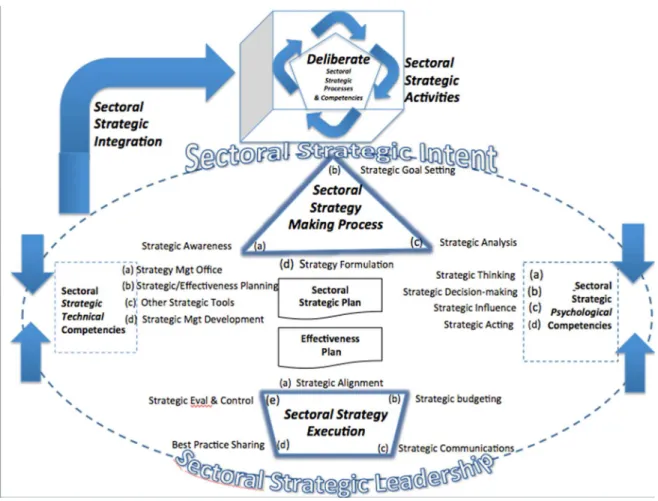
Figure 5. Model of sectoral strategy processes and competencies. ...45
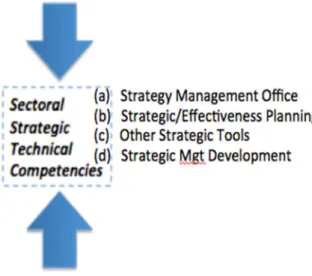
Figure 6. Sectoral strategic technical competencies. ...46
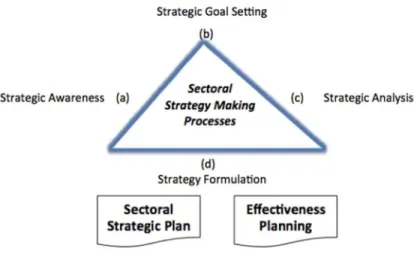
Figure 7. Sectoral Strategy Making Processes. ...48
Figure 8. Model of sectoral strategy processes and competencies. ...52
Figure 9. Strategic management models.. ...53
Figure 10. Matrix of public administration strategic management models. ...55
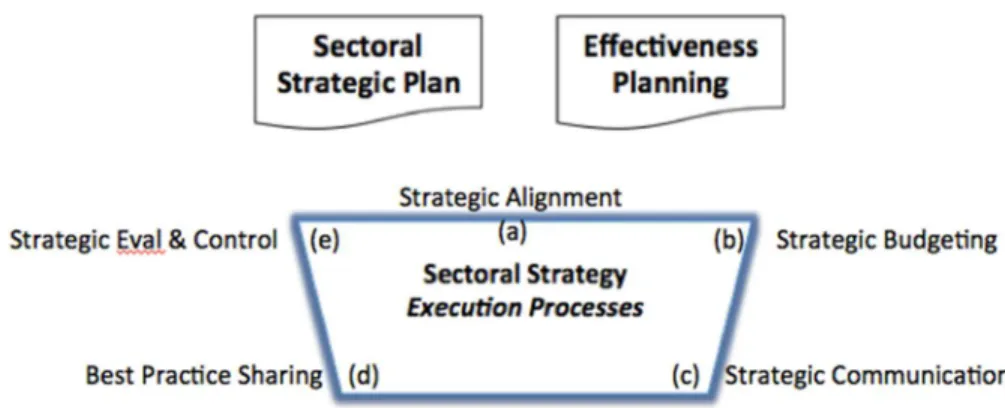
Figure 11. Graphic of Sectoral Strategy Execution Processes. ...58
Figure 12. Sectoral strategic integration aspect of strategic leadership. ...62
Figure 13. Model of sectoral strategy competencies. ...65
Figure 14. Sectoral strategic psychological competencies. ...67
Figure 15. Model of cognitive complexity. ...70
Figure 16. Model for leadership development planning. ...72
Figure 17. DELTA PDP Model for sectoral strategic development interventions. ...73
Figure 18. Strategy Holism Framework. ...85
Figure 19. MOST model...90
Figure 20. Strategy Research Continuum. ...97
Figure 21. Stakeholder Theory and the Nature of Strategy Continuum. ...98
Figure 22. The 3 practical P's of the MOST model. ...99
Figure 23. Intra MOST model elements. ...102
xii
Figure 25. Model of quasi-mixed methods mono-strand design. ...113
Figure 26. Model for Strategy Research Dissertation Profiling ...117
Figure 27. Picture of Section 6B of Content Analysis Form. ...131
Figure 28. Picture of Section 6C of Content Analysis Form. of education levels.. ...132
Figure 29. Picture of Section 6D of Content Analysis Form. ...134
Figure 30. Picture of Section 8A of Content Analysis Form. ...136
Figure 31. Picture of Section 8B of Content Analysis Form. ...137
Figure 32. Dissertation Variables for Research Question #1. ...138
Figure 33. Variable Categories and Data Analysis Plan for Question #2. ...139
Figure 34. Variable Categories and Data Analysis Plan for Question #3A ...141
Figure 35. Variable Categories and Data Analysis Plan for Question 3B . ...142
Figure 36. Variable Categories and Data Analysis Plan for Question 3C...143
Figure 37. Model of Dissertation Source Variables ...150
Figure 38. Graphic of Research and Dissertation Subject Variables. ...160
xiii
List of Tables
Table 1. Strategy Resarch Type and Focus Categories ...4
Table 2. Strategy Levels (Adapted from Taylor, 1990) ...35
Table 3. Strategy Making Sub-process Questions (Adapted from Kaplan and Norton, 2008) ...57
Table 4. Efficacy Categories Defined (Adapted from Hannah and Avolio, 2014) ...80
Table 5. Strategy Holism Framework and Strategy Points of View ...88
Table 6. Hierarchical Paradigm of an Educational Approach ...96
Table 7. Two Lower Levels of Practical Strategy Research ...100
Table 8. Two Levels of Hybrid and Academic Strategy Research ...103
Table 9. Sample Identification ...115
Table 10. Completed Dissertations by Institution, Period 1 and Period 2 ...148
Table 11. Sector of Source Institution...151
Table 12. Size of Source Institution ...152
Table 13. Research Intensity of the Source Institution ...153
Table 14. CPED Membership Status ...155
Table 15. Degree Conferred on Student Researcher ...157
Table 16. Gender of the Student Researcher ...159
Table 17. Research Methodology Used by Student Researchers ...161
Table 18. Focus of Strategy Research ...163
Table 19. Sectors of the Student Researchers Subject(s) ...165
Table 20. Education Level of the Research Subject ...167
Table 21. Hierarchical Level of the Research Subject ...169
Table 22. Nature of Strategy Researched ...171
Table 23. Dissertation Strategy Research – Level 2 ...174
xiv
Table 25. Nature of Strategy Research and Gender of Student Researcher ...176
Table 26. Strategy Research and Degree Conferred on Student ...177
Table 27. Strategy Research and CPED Membership Status of Source Institution ...179
Table 28. Strategy Research and Sector of Source Institution...181
Table 29. Strategy Research and Size of the Source Institution ...184
Table 30. Strategy Research and Research Intensity of Source Institution ...186
Table 31. Dissertation Profile – Section 4E ...195
Table 32. Future Studies/Literature on Classified Dissertation Strategy Research ...207
1
CHAPTER 1 INTRODUCTION
Background
In the 21st century, education leaders in the United States at both the higher education and Pre-K-12 education levels are expected to acquire strategic leadership competencies (Darling-Hamond, Lapoint, Meyerson, Orr, & Cohen, 2007; Glanz, 2006; Jasparo, 2006; Morrill, 2007; Williams & Johnson, 2013). Strategic leadership refers to “a person’s ability to anticipate, envision, maintain flexibility, think strategically, and work with others to initiate changes that will create a viable future for the organization” (Ireland & Hitt, 2005, p. 63). Requiring a significant amount of time to comprehend (Martin, Aupperle, & Rongxin, 1996), strategic leadership competencies are complex and best mastered with an orchestration of interventions administered throughout an individual’s career trajectory (Hughes & Beatty, 2005; Parente, Staphan, & Brown, 2012; Van, McCauley, & Ruderman, 2010). The extant research indicates that leaders in the field of education tend to learn strategic leadership competencies through self-study rather than education leadership programs at colleges and universities (Martin, Aupperle, & Rongxin, 1996). In a recent study, VanDenBerghe found that at one community college, education leaders learned about strategy through on-the-job experiences (VanDenBerghe, 2010). At the Pre-K through grade 12 levels, states like Idaho are more proactive by funding and
facilitating training in strategic planning for school leaders (Idaho State Department of Education, 2016).
In the first decade of the 21st century, university-based educational leadership programs in the U.S., with the goal of preparing leaders at both higher education and pre-K-12 levels, have been the subjects of debate. For example, the president of Columbia University’s Teachers
2
College, Dr. Arthur Levine (2005), questioned the value of educational doctoral (PhD and EdD) programs. In the first decade of the 21st century, the transformation of doctoral programs in education has become an education reform strategy (Orr, 2006). By 2005, a majority of states in the U.S. (at the Pre-K-12 level) have adopted such leadership standards as the Interstate School Leaders Licensure Consortium (herein referred to as ISLLC) Standards for administrator certification and preparation programs (CCSSO, 2013). Program change initiatives were implemented in earnest toward the end of 2010. National foundations such as the Carnegie Foundation and the Wallace Foundation initiated programs that aimed at enhancing doctoral programs in education in the U.S (CPED, 2014; "SAELP Program," 2014). Given that the EdD degree is intended to be an applied degree and the PhD degree is meant to be a research degree, educational stakeholders attempted to distinguish between these degrees by making changes in doctoral education leadership programs (CPED Initiative, 2014).
Since 2005, several doctoral program coordinators have joined the Carnegie Project on the Education Doctorate Consortium (CPED) for the purpose of making changes in their
respective EdD programs. As of 2016, the CPED has more than 80 members (CPED, 2016). By joining the CPED, members are committed to making their programs more practically relevant (Perry, 2012). Currently, some institutions that confer a PhD in education are also seeking to distinguish the EdD from the PhD programs (Basu, 2012). For instance, in 2010, Harvard launched a new doctoral program in education that grants an EdLD degree (Helix Learning, 2013), and the university enrolled its final cohort of students in its longstanding EdD program (Basu, 2012) in 2013. In 2014, Harvard University enrolled its first cohort in the university’s new PhD in Education program (McCartney, 2012).
3
In the 21st century, faculty and administrative personnel in doctoral programs in education are expected to make program changes in order to more clearly reflect the
stakeholder’s expectations of doctoral curricula (Perry & Imig, 2008). One specific change is related to the doctoral education dissertation, which is typically a culmination of effort in doctoral programs. EdD program dissertations are expected to differ from PhD dissertations (Browne-Ferrigno & McEldowney, 2012; Osterman, Furman, & Sernak, 2014) since Ed.D dissertations follow a dissertation-in-practice model––that is, “a scholarly endeavor that impacts a complex problem of practice” (CPED, 2014)––and are expected to be more practically relevant to the field and to practitioners (Boyce, 2012; Willis & Inman, 2010) while PhD dissertations are expected to be more research oriented (Nelson & Calleen, 1994).
Statement of the Problem
In the second decade of the 21st century, many scholars have suggested that dissertations in education need to reflect three converging topics of interest to stakeholders in the education community, which are enumerated below. First, dissertations are expected to reflect the different foci between the two doctoral degrees (EdD vs. PhD). Second, doctoral programs, which prepare current and future education leaders, should reflect the education community’s interest in leaders in education acquiring strategic leadership competencies. Third, dissertations should reflect the education community’s interest in leadership development practices in general (Airola,
Bengtson, Davis, & Peer, 2014; Hill, 2005; Levarez & Keyes, 2007) and strategic capability development in particular (Brown, 2004). However, little is known about the degree to which these three converging topics are reflected in education dissertations.
4
With little empirical research that exists that systematically examines education strategy, it was necessary to create a framework to classify such research by type and focus (see Table 1). A specific definition of each type of strategy research is provided in Chapter 2.
Table 1
Strategy Research Types and Focus Categories
Type of strategy research
Category 1
Practical strategy research
Category 2
Academic strategy research
Type 1 Strategy content
Type 2 Strategy process
Type 3 Strategy-as-practice
Type 4 Strategy teaching
Type 5 Type 6
Strategy learning
Research of strategy research
In this dissertation, strategy research refers to research on a strategy-related topic of strategic importance. Specifically, strategy research can be classified as either practical (type 1, 2, or 3 strategy research, as listed in Table 1) or academically oriented (type 4, 5, or 6 strategy research, as listed in Table 1). Scholars who conduct strategy research seek to answer questions about a strategy related topic while scholars who conduct research about strategy research (i.e., meta studies) seek to answer questions about a collection of studies that are classified as strategy research in a certain period of time. As such, the aim of this dissertation is to meta-analyze a set
5
of strategy research in education settings as conducted by education scholars and published between the years 2005 and 2014.
Specifically, this dissertation sought to answer questions regarding the nature, timing, or extent of strategy teaching or the learning of strategy by future or current leaders in education. Given the education communities’ growing interest in imbuing education leaders with strategy related competencies, it is important that stakeholders understand how such competencies are imparted to its current and future leaders. For example, the faculty and administrators of Harvard University, in designing the new EdLD program, contemplated such teaching, as evidenced by three course in its new program that seek to develop student’s strategic competencies. These courses are as follows:
1. Leadership, Entrepreneurship and Learning;
2. Thinking Strategically about Education Reform; and
3. EdLD Leadership Workshops and Seminars (Harvard University, 2016).
Many university programs that do not have the resources of Harvard might be challenged in their ability to offer high-quality strategy curricula. Despite the education community’s interest in having leaders in education with strategy related competencies, little research exists to describe how such competencies are taught and are learned by current and future education leaders (VanDenBerghe, 2010).
While limited literature exists that describes and presents the findings of studies of programs offered in selective universities like Harvard that teach strategy related competencies, less selective institutions may also be experiencing strategy related teaching challenges. Such challenges include finding teachers qualified to teach strategy and developing strategy curricula that impart practical strategy related knowledge, skills, and abilities necessary to competently
6
practice strategy in a real educational setting. Although the business community has been teaching strategy since 1912, when Harvard University offered its first course in strategy, scholars in the business community today are “searching for a strategy to teach strategy” (Greiner, Bhambri, & Cummings, 2003, p. 402). Additionally, they are seeking to enhance the relationships among strategy researchers, teachers, and practitioners (Jarzakowski &
Whittington, 2008; Mahoney & McGahan, 2007).
Strategy is a difficult topic that takes a long time to master (Hughes & Beatty, 2005; Parente, Stephan, & Brown, 2012; Van, McCauley, & Ruderman, 2010). Given that strategic planning has been utilized in the education community starting around 1970 (Hinton, 2012), strategy is not new to the education community (Jasparo, 2006). As taught and practiced in the business community, it has evolved into a discipline that is referred to as strategic management (Barney, 2011; Cox, Daspit, McLaughlin, & Jones III, 2012). Notwithstanding the business community’s long-standing practice of including strategy in the curricula of programs designed for their future leaders, the stakeholders in the business community expect that such
competencies are learned both within institutions of higher education (herein referred to as “intra organizational”) and outside of higher education institutions through leader development
programs.
As strategic competencies are increasingly required core competencies for educational leaders in the 21st century (Darling-Hamond, Lapoint, Meyerson, Orr, & Cohen, 2007; Glanz, 2006; Jasparo, 2006; Morrill, 2007; Williams & Johnson, 2013), faculty and administrators of doctoral programs in education that seek to develop future education leaders need to consider the inclusion of strategy curricula into the curricula of their programs. Moreover, conducting a meta-analysis of strategy research can be useful for identifying gaps in strategy research and for
7
encouraging researchers to pursue a line of inquiry into the teaching and learning of strategy in educational settings. In the business community, researchers in the Strategy-as-Practice
International Network (herein referred to as SAP) have sought to link strategy research and education closer to the practice of strategy (Jarzakowski & Whittington, 2008). SAP scholars have pursued a line of research regarding strategy as something that people “do” as opposed to something that an organization “has” (Jarzablkowski, 2005; Johnson, 2007). Such scholars have been pursuing this SAP line of research with the aim of remedying what is perceived to be a problem in strategy education, which is the lack of balance in strategy teaching and practice (Jarzakowski & Whittington, 2008).
In addition to scholars in the business community, scholars in other disciplines have sought to pursue strategy research opportunities. Stone, Bigelow, and Crittenden (1999)
conducted a study of the practically-oriented strategy research and related literature as applied in not-for-profit organizations. Scholars from the public administration community conducted a review of strategy literature that discussed and described research conducted in governmental settings (Bryson, Frances, & Yang, 2010; Poister, Pitts, & Edwards, 2010). In the business community, strategy scholars periodically reviewed the strategy literature emanating from business-oriented scholars to encourage researchers to pursue or to profile and describe a particular stream of strategy research. Although scholars in the education community have examined strategy research, few studies have been conducted to describe and analyze the nature, timing, and extent of strategy-related teaching and learning in education settings. Much of the strategy research to date has been practically oriented. In order to conduct a meta-analysis of strategy research that allows for the classification of existing research and the inclusion of both
8
the practically and academically oriented lines, a framework that integrates both aspects is needed.
Purpose of the Study
The primary purpose of this dissertation was to explore and to describe strategy
dissertations in education doctoral programs. In order to achieve this goal, this dissertation used a profiling approach similar to that used by Shrivastava and Gaik (1989). However, those
researchers focused their study on practically oriented strategy research, and they did not narrow the scope of the study to a particular community. My dissertation aims to show how strategy related dissertation research conducted in the field of education has changed over time. Such dissertations are expected to reflect programmatic and curricular changes in response to the education community’s growing interest in education leaders’ acquisition of strategic competencies.
Conceptual Framework
The purpose of this study was to profile existing strategy research. Specifically, this dissertation presents a profile of dissertations classified as strategy related that were published from 2005 to 2014. The dissertations included in this study were produced from doctoral education programs in the United States. This dissertation was influenced Shrivastava and Gaik (1989), who created a profile that included summary statistics for four practically-oriented strategy-related variables. In their study, the strategy research variables were the tasks of strategic management as prescribed at the time the article was written. As of 1989, the tasks of strategy management were considered to be a) organizational goal formulation, b) environmental analysis, c) strategy formulation, and d) strategy implementation, evaluation, and control
9
Figure 1. MOST model.
Since 1989, the literature and research on strategy and related topics have evolved and expanded in scope. A conceptual framework was developed after a review of the strategy literature emanating from authors from three sectorally (for-profit, nonprofit, and
governmental) different communities (Figure 1). The acronym MOST was chosen for the name of the model of the conceptual framework for this study because the model and the letters that make up the MOST acronym facilitate a discussion of the important strategy related topics that are discussed in detail in Chapter 2. MOST represents the following:
Modified Open
Systems
10
Upon review of the MOST model, the traditional open systems elements are evident, including the environment, inputs, the organization, and outputs (Luneneberg, 2010). Modifications to the traditional open systems model are the three-dimensional box, the pentagon shape within the box, and the rectangle shape at the top of the box. Each of these modifications is discussed in detail in Chapter 2. Systems thinking was chosen as the approach to the strategy research model out of deference to the strategy literature, which suggests that strategic thinking requires systems thinking (Liedtka, 1998; Pisapia & Robinson, 2010).
For the purposes of this study and the MOST model, the traditional open systems model was modified to facilitate a discussion of four concepts. It is important to distinguish three categories of the dissertation’s variables that were subject to accumulation in the content analysis phase of this study, as discussed in Chapter 3. First, the demographic variables included
Dissertation Source Variables, including, among other levels, the institutional (University) level variables. For the purposes of this study, institutional source variables were the top-level
variables that were descriptive of an institution that houses a unit (a college or school) that confers degrees on student researchers. The unit level variables used were intra institutional related variables (such as a education college within a university). Finally, the student level variable of interest in this study was the gender of the student who conducted a study, which is detailed in the dissertation.
In this study, it was important to distinguish Dissertation Source Variables from
Dissertation Subject variables. The MOST model is a tool that is intended to facilitate strategic thinking about the subjects of strategic research. Dissertation Subject Variables were those variables of interest to student researchers in studies that focused on strategy related topics. The
11
MOST Model served as a tool to conceptualize five key subject-related strategy research variables. These variables were as follows:
1. Subject focus of strategy research; 2. Sector of the subject of strategy research;
3. Education level of the subject of the strategy research; 4. Hierarchical level of the subject of the strategy research; and 5. Nature of the Strategy Research.
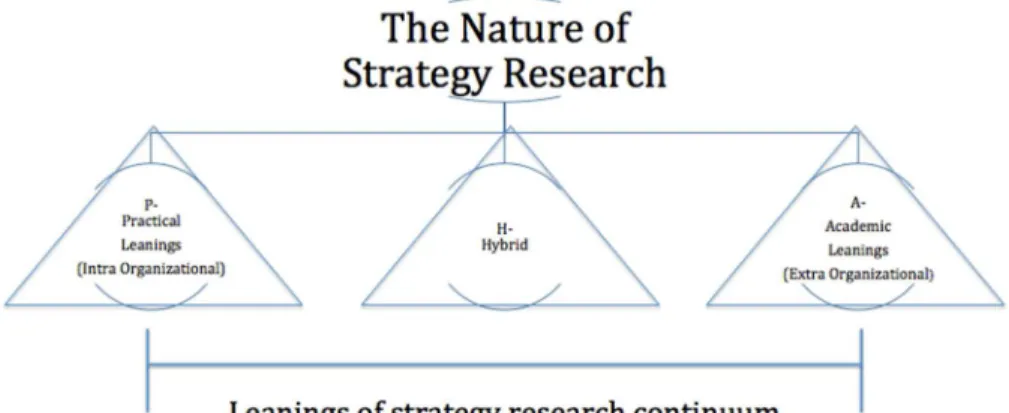
Each of the above listed variable categories is discussed in greater depth in Chapters 2 and 3. The nature of strategy research needs to be introduced briefly because of the relative importance of the category. This consideration leads to a discussion of the Nature of Strategy Research Continuum, which has been designed as a component of the MOST model but also as a stand-alone model for use in the study of strategy research (the research of strategy research). Along with other strategy components (e.g., the pentagon shape and the four circularly positioned arrows), this continuum is presented in Figure 1 and is a component of the MOST model presented below in Figure 2.
12
The strategy continuum is positioned at the top of the three-dimensional box, which is a component of the MOST model designed to depict the organization of interest, while the
pentagon shape and the four circularly-placed arrows are positioned within the three-dimensional box. The pentagon shape is discussed in greater detail in Chapter 2. For now, the discussion is limited to the Nature of Strategy Research Continuum, which is key to classifying strategy research in this dissertation and which is positioned graphically at the top of the three-dimensional box.
Before discussing this feature of the MOST model, the four circularly-placed arrows as graphically depicted in Figure 1 are useful for introducing the Nature of Strategy Research Continuum. The four arrows were adapted from the work of Pietersen (2010). The author placed great significance on strategic learning. In this dissertation, strategic learning is differentiated from learning about strategy. The differences between such concepts are accounted for in the Nature of Strategy Research Continuum. Practical strategy research is placed on the far left of the continuum and academic strategy research is placed on the far-right side. The practical side of the continuum includes research into strategy content as something an organization has (i.e., a strategy is something an organization has to achieve; some goal) and research into strategic processes or practices (Johnson, 2007). Strategic processes are those processes that an
organization has to make to execute a particular strategy while strategic practices are individual level activities which people do to make and execute strategy (Johnson, 2007). Strategic
learning, according to Pietersen (2010), is intra organizational learning that is deemed necessary to make and execute an effective strategy. This type of learning is differentiated from learning about strategy, which is done both intra and extra organizationally.
13
Teaching and learning about strategy is differentiated from the strategic learning anticipated by Pietersen (2010). The teaching and learning that occurs in extra organizational settings. For instance, a doctoral student taking a strategy course at a college of education doctoral program is differentiated from a leader who is learning about strategy intra
organizationally in a leader development program as part of a succession planning strategy. In the above comparison, a dissertation in which a student studies the strategy related teaching and learning that occurs at the university is an example of academically-oriented strategy research. Alternatively, a dissertation in which a student studies the strategy-related teaching and learning that occurs by a principal in a district leadership development program is an example of hybrid strategy research. In this example, the district has a strategy to develop principals and the principals are learning strategy in the program.
Research Questions
There are three major questions that guide this study. The first question focuses on the profile of the strategy dissertations produced from doctoral programs in education. Select dissertations published from 2005 through 2014 were the focus of the current inquiry. The following four categories of variables were examined in this study:
1. Dissertation Date and Period (Periods 1 and 2, defined below); 2. Dissertation Source Variables;
3. Methodological orientation of dissertations; and 4. Dissertation Subject Variables.
For the purposes of this dissertation, the ten-year period from 2005 through 2014 was divided into two separate five-years periods. Period 1 is referred to as the change period and it includes the years 2005 through 2009. This period starts with the publishing of Dr. Levine’s report, which
14
severely criticized doctoral programs in education (Levine, 2005). Not long after this report was issued, the CPED was formed and began accepting member universities whose stakeholders sought to make changes in their doctoral programs in education (Zambo & Zambo, 2013). The second period, Period 2, covers the years 2010 through 2014 and is referred to as the post change period. The year 2010 was chosen as the start of this period because it was the year when
Harvard University launched its new EdLD (Helix Learning, 2013).
In this study, Dissertation Source Variables are differentiated from Dissertation Subject Variables. Dissertation Source Variables are those variables that describe the source of the dissertations that are studied via various research methodologies. Dissertation Source Variables included the student researcher as the lowest level of source variable, the college or school as the middle source level variable (from which the student researcher has sought a doctoral degree in education), and the institutional level source variable (i.e., the university that housed a doctoral program).
As for the Dissertation Subject Variables, the MOST model aids in the consideration of these, including the following variable categories.
1. Subject of focus of strategy research; 2. Sector of the subject of strategy research;
3. Education level of the subject of the strategy research; 4. Hierarchical level of the subject of the strategy research; and 5. Nature of the strategy research.
Each of the variables is discussed in Chapter 2 in greater detail. The MOST model was used as a conceptual framework for this study to guide the formulation and answering of research
15
Research Question #1
How has the profile of strategy-related dissertations in doctoral programs in education in the United States changed from Period 1 (2005 through 2009) to Period 2 (2010 through 2014)?
Research Question #2
How has the strategy research as reflected in dissertations in education in the United States changed from Period 1 (2005 through 2009) to Period 2 (2010 through 2014)?
Research Question #3
Is there a relationship between any of the Dissertation Source Variables and the Nature of Strategy Research Continuum variables?
3a. Do relationships exist between the student researcher variable and the variables classifiable along the Nature of the Strategy Research Continuum?
3b. Do relationships exist between the unit level variables (CPED membership status and degree conferred on the student) and the Nature of the Strategy Research Continuum variables?
3c. Do relationships exist between the institution level variables and the Nature of the Strategy Research Continuum (practical, academic, or not classifiable) variables?
Significance of the Study
In the 21st century, education leaders are expected to have strategy related competencies at both the Higher Education and K-12 Education levels. However, little research exists
describing how current and future leaders in education learn such competencies and how such competencies are taught in the U.S. One study describes, via a case study approach, how one higher education institution in the U.K. developed education leaders through strategic
16
of research that served to highlight gaps in strategy research and related literature in education settings.
This study aimed to empirically examine strategy research using a holistic strategy framework. This framework was developed with reference to strategy literature from a myriad of disciplinary angles and sectors and was intended to be relevant not only for use in this study but also in future studies of strategy research both within and outside the education community. Finally, this study is intended to shed light on the need to design, redesign, and improve strategy curricula designed for current and future leaders in higher education and Pre-k-12 education.
17
CHAPTER 2
REVIEW OF LITERATURE Introduction
Although stakeholders from the business, public administration, and educational communities recognize that leaders in their communities should have some degree of mastery over strategic leadership competencies, the nature, timing, and extent of the teaching and
learning of such competencies in university-based leadership educational programs varies across the respective communities (Martin, Aupperle, & Rongxin, 1996; Stumpf & Mullen, 1991). A study of academic presidents by Martin, Aupperle, and Rongxin (1996) revealed that such presidents had limited strategic management experience and required limited prior training. The study revealed that while 90% of the academic presidents indicated that they had experience in formal strategic planning, 82% of them did not obtain such knowledge from a formal teaching experience but obtained it through self-study (Martin, Aupperle, & Rongxin, 1996). In a more recent study, the researcher concluded that at a community college, leaders learned to strategize through previous experience (VanDenBerghe, 2010). At the Pre-K-12 level of education, states like Idaho are taking a more proactive approach by providing funding to facilitate the training of leaders via an organization that is not an institution of higher education (Idaho, 2016).
No current studies in the education community appear to exist that counter the fact that the approach to teaching strategy to education leaders tends to be significantly different than the approach to teaching strategy as utilized in the business community to prepare business leaders. At the higher education level, the education community appears to rely on work experiences to develop strategic competencies in leaders, but at the Pre K-12 level, at least one state facilitates such competency development through training programs funded by state funds (Idaho, 2016). In
18
the business community, strategy as a course (formerly known as business policy) in business education programs can be traced to second decade of the 20th century at Harvard Business School (Thomas, 1983). Historically, strategic management (the current title for the applied strategy discipline) courses have been integrated into the business curriculum of future business leaders (Geiger, 2010).
In the public administration and education communities, experience with strategy can be seen as beginning in the later part of the 20th century. The U.S. Federal Government, in 1993, codified a mandate requiring government leaders to develop a capacity for strategic
management, and many states followed the federal lead (Streib, 2005). As Backoff, Wechler, and Crew (1993) pointed out, “Strategic management of public organizations has been one of the “hottest” topics of the past decade both in academia and in public management practice” (p. 127). At the federal level, this mandate was further strengthened and expanded in 2010, when President Obama signed the GPRA Modernization Act (herein referred to as the GPRAMA) of 2010 into law (White House, 2011). The GPRAMA amended the Government Performance Results Act of 1993 and requires, among other things, that governmental agencies periodically produce strategic plans and publish performance reports (Office of Inspector General, 2016). Although the education community (at least at the higher education level) has been using strategic planning as a tool since the 1970s (Hinton, 2012), the first decade of the 21st century was the period during which educational stakeholders began to consider strategic leadership and strategic management more widely (Hallinger & Snidvongs, 2008). While the education
community recognizes that educational leaders should have strategic leadership competencies at both the higher education (Freedman & Kochan, 2013; Man, 2010) and K-12 levels (Education Commission, 2005; Wolak, 2007), barriers may exist that impede the broader integration of
19
effective strategy-related courses into the educational programs designed for educational leaders. In this report, strategic leadership and strategic management literature from scholars in three sectors (the for-profit, non-profit, and public sectors) and from scholars in the education industry were considered in sufficient detail as to allow the reader to gain an understanding of the totality of sectoral strategic leadership competencies as taught, learned, and practiced to date.
In addition, the need to conduct meta-studies of strategy research emanating from scholars in the education community was highlighted. Scholars from the business and public administration communities periodically conducted meta-studies of strategy research by scholars in their respective communities. This research is useful, among other things, for identifying gaps in strategy research and for encouraging researchers to conduct research in a particular strategy-related topic of interest to the community. In conducting the present study, gaps in strategy research emanating from scholars in the education community were expected. Of particular interest in the present study was the teaching of strategy to and the learning of strategy by future leaders in education.
In order to achieve the aims of this study, a conceptual framework was developed to facilitate the development of a Dissertation Profile, which is attached as appendix C. An updated profile was necessary because the benchmark study conducted by Shrivastava and Gaik (1989) did not accommodate the multi-sectoral strategy literature published since 1989, when their article was published. With the development of the above-mentioned conceptual framework in mind, Chapter 2 is organized into four sections. In the first section, the reader is introduced to the concept of the sectoral enterprise and to select strategy-related competencies. This introduction is achieved with reference to a model of a sectoral enterprise and with reference to an updated Stumpf and Mullen (1991) strategic leadership competencies model. In the second section of this
20
chapter, the Stumpf and Mullen (1991) strategic leadership competencies model is made current by considering post-1991 strategy related literature from business, public administration,
organizational behavior, and educational communities. Such literature is used to augment the Stumpf and Mullen (1991) model and to make it contemporaneously relevant. Also, in the second section of Chapter 2, strategic planning and strategic management are distinguished. In the third section of this review of the strategy literature, academically-oriented strategy topics are introduced and the remainder of sectoral strategy-related competencies are discussed. In the final section, a holistic strategy framework is introduced and its intended use in the study is discussed.
Introduction to the Sectoral Enterprise and Strategic Competencies
In this section, the concepts of sectoral enterprise and the strategic leader are introduced. A sectoral strategic leader is expected to have strategy related competencies that include, among other things, knowledge of strategy content, strategic processes, technical strategy-related competencies, and psychological strategy-related competencies (Stumpf & Mullen, 1991). Each of these competency areas are discussed in the pages that follow and are embodied in the applied discipline, which is referred to as strategic management (Cox, Daspit, McLaughlin, & Jones III, 2012). Although the roots of strategic management as a discipline can be traced to the early 20th century (Thomas, 1983), the starting point of this section of the literature review is 1991, which is the year that Stumpf and Mullen’s (1991) article, titled “Strategic Leadership: Concepts, Skills, Style and Process,” was published. In the article, Stumpf and Mullen (1991) presented and discussed a strategic leadership competency model. The Stumpf and Mullen (1991) model
presented four elements of strategic leadership competencies by depicting the elements as four legs of a table upon which a business plan rests. In this literature review, the literature that that served to update these strategy-related competencies is discussed. In addition, the Stumpf and
21
Mullen (1991) table model of strategic leadership competencies is updated using a literary evolutionary walk forward approach, which resulted in a revised model of strategy-related competencies that can accommodate sectoral differences.
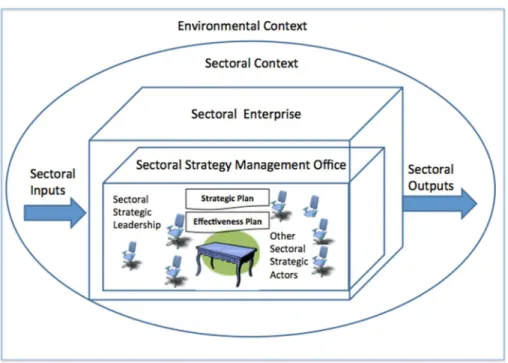
Before discussing competency modeling, a model of a sectoral enterprise is introduced with the aim of distinguishing strategy as something that an organization “has” from the concept of strategy being something that people “do,” as anticipated by contemporary strategy research, which is identified as strategy-as-practice (Johnson, 2007).
Figure 3. Sectoral enterprise as an open system.
Figure 3, above, depicts the sectoral enterprise as a system and updates the Stumpf and Mullen (1991) model of strategic leadership competencies. The original Stumpf and Mullen (1991) strategic leadership competency model was augmented in Figure 1 to includea)
consideration of the environment and strategic management tools, b) consideration of industrial and sectoral contexts, c) consideration of sectoral strategic enterprises, resources, and expected
22
outcomes, d) consideration of strategic leadership competencies, and e) consideration of a strategy management office and the balanced scorecard.Each of the above listed augmentations to the Stumpf and Mullen (1991) is considered throughout this chapter.
It is important to mention here that the model of a sectoral enterprise, which was presented as Figure 3, serves two purposes. First, the systems graphic and approach facilitates the discussion of a complex subject that “requires significant time to understand” (Martin, Aupperle, & Rongxin, 1996, p. 147). A systems approach was chosen to give deference to a growing body of scholarly work in the area of strategic thinking (Pisapia, 2012) that anticipates the utilization of systems thinking (Liedtka, 1998). The second purpose for including Figure 3 is that the systems-based conceptual framework is useful for identifying and organizing industrial and sectoral features that are unique to the education industry and that may affect the teaching, learning, and practice of strategy-related competencies. In discussing the unique features of the education industry, the notion of the sectoral diversity of the education industry is considered in section two of this chapter.
According to the strategy literature, which is discussed throughout this dissertation, each sector has unique features that impact the strategic management process and practice elements when adapted for use in each of the sectors (i.e., the for-profit sector, non-profit sector, and governmental sector) (Nutt & Backoff, 1993). Given this multi-sectoral consideration, the word “sectoral” was added to the labels set forth in Figure 3 (above) and it is added to other strategy-related terms determined to be relevant and applicable in any sectoral setting. Notwithstanding such universal application, sectoral differences that affect the deployment of strategic
23
In the pages that follow, each augmentation of the original Stumpf and Mullen (1991) model is considered, starting with the environment. The environment is one of five elements (inputs, the black box, outputs, the environment, and feedback) of an open system (Lunenburg, 2010). Figure 3 was designed with each element in mind. For this literature review, the
environment was considered first. In starting with the environment, an external-to-internal sequential approach to discussing the model open systems theory was utilized to facilitate the strategy discussion in this chapter, which ends by opening the black box. Opening the figurative black box facilitates a discussion of sectoral strategy-related competencies that a sectoral leader must master to be an effective strategic leader. For the purposes of this dissertation, an external-to-internal approach was also adopted to present and discuss the unique features of the education industry, which must be considered by current and future educational strategic leaders and other interested stakeholders. This consideration begins with the environment and the sectoral context. While the original Stump and Mullen (1991) model does not specifically account for the
environment or sectoral contexts in their strategic leadership competencies model, their singular focus on the strategic leaders of for-profit enterprises allowed the authors some liberty to focus on only one sector (the for-profit sector) and to have unwritten expectations regarding the importance of environment to strategic leaders.
The Environment
“According to the two most accepted views of strategy, competitive advantages result either from attractive positions of a company in an industry or from distinctive resources of that company” (Zahn, 1999, p. 1). While the resource aspect of the Zahn (1999) quote is considered later in this chapter, the industrial aspect of the quote is an element of the environment that is
24
discussed in this section. Strategy professionals consider the environment to be “a major source of uncertainty for strategic decision makers in charge with coping with emerging opportunities and threats” (Vecchiato, 2012, p. 387). The term environment “includes the social, political, and economic forces that impinge on the organization” (Lunenburg, 2010, p. 3) and is not adequately described until it is classified using environmental scanning. Environmental scanning is one tool in a strategic leader’s toolbox that can be used to gain a strategic understanding of external influences that allow such leaders to respond in ways that positively affect an organization’s quest for
survival and success (Albright, 2004). It is important to note that environmental scanning is one of many tools available to strategic leaders “to support decision making within strategic
management” (Spee & Jarzabkowski, 2009, p. 224). Throughout this dissertation, various strategic tools are introduced and discussed with the aim of putting a spotlight on those tools that have become practically relevant as confirmed by empirical studies since Stumpf and Mullen (1991) presented their strategic leadership competency model.
While environmental scanning was widely used before 1991 (Lenz & Engledow, 1986), the need to include the environment in the augmented Stumpf and Mullen (1991) model emerged from contemporary thinking that strategizing requires systems thinking (Zahn, 1999) and that uses environmental scanning and systems thinking as compatible tools. In addition to the use of
environmental scanning by for-profit professionals, such scanning is considered to be a requisite to the successful management of public and non-profit sectorally-oriented organizations (Morrison, 1992). For example, for some time, educational scholars have recognized that the “successful management of colleges and universities depends upon the ability of senior leaders to adapt to a rapidly changing external environment” (Morrison, 1992, p. 86). Morrison (1992) recognized that environmental scanning is useful in that it enables decision-makers to understand the external
25
environment of an organization and that such scanning can aid in the planning and decision-making processes.
Fahey and Narayanan (1986) identified three environmental levels that can be scanned. These levels are the task environment, the industry environment, and the macro environment (Fayhey & Narayanan, 1986). The macro environment is the broadest level, and the environmental scanning of such an environment contemplates identifying changes in social, technical, economic, environmental, and political factors that directly or indirectly impact any or all-organizational categories (Morrison, 1992). At the other extreme, the task environment is institution-specific in that the task environment relates to a particular college, university, or K-12 institution. As a result, unique features of an individual institution that are not noteworthy for this report are relevant to particular institutions’ strategic initiatives. Of particular importance in this chapter are factors that can impact all education institutions, such as industrial factors.
Industrial versus Sectoral Contexts
In this dissertation, the terms industry and sector are differentiated. The industrial aspect of the environment was of particular interest in this report due to the numerous distinct education industrial features that impact strategic educational leaders in ways other strategic leaders do not encounter. First, the education industry is “near the top of the national political agenda”
(Lunenburg, 2010, p. 3) although its issues and unique education features are best considered along industrial lines. While scholars and practitioners, on an interchangeable basis, bandy about the terms industrial, sectoral, and sector, such terms have distinct meanings in this dissertation. The terms sector and sectoral take on the meaning that is derived from “different ownership types: for-profit, private nonfor-profit, and public (government-owned)” (Hansmann, 1996, p. 245). For the purposes of this report, the term industrial takes on the meaning anticipated by The Malcom
26
Baldridge National Quality Award (Mendel, 2013), which has adopted the NAICS 2012 industrial classification system. While the NAICS 2012 classifies the education industry along seven
categories, this dissertation focuses on two of the seven categories, which are Higher Education and K-12 Education. In considering the distinct features of the education industry, the two levels (Higher Education and K-12) are considered separately.
Sectoral contexts. When considering K-12 and higher education in the United States, the sectoral diversity of the industry (Hansmann, 1996) is a distinctive feature. The Stumpf and Mullen (1991) strategic leadership competencies model did not consider sectors other than the for-profit sector. Significant sectoral expansion of strategic management practices began with the enactment of the Government Performance and Results Act of 1993. With this Act, the sectoral expansion of strategic management processes became a reality, as the federal government
mandated that federal agencies “develop strategic plans and tie them to budgets and performance measures” (Streib, 2005, p. 45). The 1993 Act was enhanced when President Obama signed the GPRA Modernization Act of 2010 into law. According to Streib (2005), states followed the lead of the federal government by issuing mandates similar to the federal strategic management mandates. In addition to the legal mandates, which result in increased scrutiny of public sector organizations, the public and the press are calling for a similar increased scrutiny of non-profit sector
organizations (Stone, Bigelow, & Crittenden, 1999). Given the expansion of sectoral interest in strategic management, the Stump and Mullen (1991) model was augmented to include sectoral contextual distinctions. This augmentation was particularly necessary in light of the sectoral diversity of the education industry.
A key education industry uniqueness feature regards the sectoral diversity of both Higher Education and K-12 institutions (Hansmann, 1996). It is important to understand this uniqueness
27
because of the significant impact that such uniqueness has on educational leaders regardless of institutional level. Ultimately, education leaders may assume responsibilities to lead an educational organization that may be categorized as either a for-profit, a non-profit, or a governmental sector organization. In order to gain some perspective on the sectoral diversity of the education industry, it is useful to consider some demographic data on American education. At the higher education level, “of the 18 million undergraduate students at degree-granting institutions in the United States in fall 2010, some 76% attended public institutions, 15% attended private nonprofit institutions, and 10% attended private for-profit institutions” (Education Department, 2012). In 2012, the education K-12 level consisted of 71% public schools, 4% charter schools, and 25% private schools (Education Department, 2012). The sectoral situation at the K-12 level is not entirely clear given that privatizing activities fall into two categories. Only a small number of K-12 schools are owned by for-profit enterprises. The bulk of for-profit activity in the K-12 level is conducted by Education Management Organizations that are hired to manage public district schools or charter schools (Molnar & Garcia, 2007).
The impact of this sectoral diversity on the education industry is significant in that future leaders may seek employment in a for-profit, non-profit, or public organization and that, in order for them to be successful in the leadership position, such leaders must understand sectoral
differences and how such differences may impact strategy. As discussed throughout this
dissertation, there are significant strategic sectoral differences in educational organizations when considering an organizations’ sectoral orientation (for-profit, non-profit, or public). It is important to note here that research into public and private organizational differences support a model (core approach) that “emphasizes fundamental differences between public and private organizations” (Scott & Falcone, 1998, p. 129). A key distinction of the education industry is evident at the
28
environmental level due to the sectoral distinctiveness features discussed in this section. Constraints exist with regard to public organizations, which “result in greater oversight, less autonomy, and reduced authority among public managers, which lead to higher levels of formalizations, red tape, and bureaucratization” (Scott & Falcone, 1998, p. 129), and which, consequently, distinguished public sector from private sector enterprises. In addition to these constraints, the systems thinking approach was used in this dissertation to discuss sectoral outputs that account for major differences between the for-profit, not-for-profit, and governmental sectors and that establish why sectoral difference are so meaningfully different. Specific instances of such features and specific education industrial distinctiveness features are discussed in the pages that follow.
K-12 industrial uniqueness features. At the K-12 level of the education industry, the autonomy of schools and school districts is constrained severely, and the accountability
requirements are significant and potentially confusing. For example, the accounting standards of public and private enterprises differ significantly. This creates challenges for all stakeholders in K-12 education. While some may think that it is not important for leaders to possess such financial knowledge, other stakeholders believe that lack of such knowledge should be a red flag in the educational leader hiring process (Witt & Kieffer, 2013). Private institutions adhere to financial accounting standards issued by the Financial Accounting Standards Board (FASB) while public institutions and school districts adhere to standards issue by the Government Accounting Standards Board (GASB) (Cottrell & Baker, 2013). In addition to differences in accounting standards, public and private institutions are seemingly at polar opposites with consideration to autonomy and accountability. Private school principals are more likely to think that they have more influence over their environments than do public school principals (National Center, 1997). An example of
29
this control regards common core. It is required for public schools but optional for private schools (Robelen, 2012). “The state board of education controls many of the strategic factors that are crucial to the operations of the local school board” (Valentine, 1991, p. 21). State governments, through certification requirements, regulate faculty and administrators (Valentine, 1991), and “public schools are more likely than private schools to require teacher certification” (National Center, 2006, p. 1).
Higher education industrial uniqueness features. Public and private sectoral differences are also evident in higher education, but the differences are mitigated by certain requirements common to all sectoral higher education institutions. Before discussing this mitigating factor, key differentiating factors warrant discussion. First, the same issue with regard the financial accounting differences for public and private institutions exists at the higher education level of the education industry (Cottrell & Baker, 2013). Additionally, the need for for-profit organizations to earn a profit and to enhance shareholder value is a primary sectoral differentiator. Given this pressure to turn a profit, only a few publically-traded education institutions still exist (Smith, 2016).
Notwithstanding the sectoral differentiators, higher education institutions are considered to be interdependent organizations in that they are influenced heavily by external organizations such as accrediting agencies. Such agencies seek to ensure the quality of institutions, but they tend to make them more standardized and to emphasize what they feel is necessary for an institution (ASHE-Eric, 2001). Regardless of the sectoral orientation of institutions of higher education, accreditation affects education leaders’ and other stakeholder’s ability to strategically change to meet the dynamic nature of the environment. Although organizations other than higher education institutions do not have the constraints that come with meeting accreditation standards, other
30
sectoral realities serve as constraints, some of which are discussed in the pages that follow as the black box is opened to discuss the inner workings of a sectoral enterprise that impact strategy.
Inputs, the Black Box, and Outputs
With the completion of the discussion of the environment and sectoral contexts, the discussion of the sectoral enterprise as graphically depicted in Figure 3 can move forward to consider the sectoral strategic inputs by figuratively opening the black box (the graphic depiction of the Sectoral Enterprise) and by considering sectoral outcomes. Before proceeding with these topics, sectorally-oriented definitions of strategic management must be considered to pave the way for the discussion. Given the multi-sectoral approach utilized in this dissertation to consider
strategic leadership competencies, which include understanding the strategic management processes (Stumpf & Mullen 1991), definitions of strategic management were sought out in the literature from strategic management scholars from each of the three sectors. A definition from a textbook utilized in strategic management courses designed for future business leaders (Geiger, 2010) is as follows: “Strategic management is a set of managerial decisions and actions that determines the long-run performance of a corporation. It includes environmental scanning (both external and internal), strategy formulation (strategic or long-range planning), strategy
implementation, and evaluation and control. Strategic management incorporates such topics as strategic planning, environmental scanning, and industry analysis” (Wheelen & Hunger, 2010, p. 5). The above definition is structured to match the elements of a model of strategic management that was utilized in an author’s textbook. While this definition was useful for identifying such process elements, it does not give appropriate deference to strategic leaders, the enterprises that they lead, or the specific expected outcomes of their leadership.
31
Another more sectorally-specific definition of strategic management is as follows: “Strategic management deals with the major intended and emergent initiatives taken by general managers on behalf of owners, involving utilization of resources to enhance the performance of firms in their respective environments” (Nag, Hambrick, & Chen, 2007, p. 944). The above for-profit industry-oriented definition of strategic management clearly focuses on the expectations of investors, which is a concept that is foreign to those contemplating the governmental and non-profit sectors. In a text written by a not-for non-profit sector author, the author wrote that strategic management “denotes the whole processes of innovation, strategic analysis, formulation, and implementation, emphasizes the continuous nature of the process, and makes it much more likely that any strategies which are decided on will actually be implemented” (Courtney, 2002, p. 8). According to another author in the public sector community, strategic management in the public sector is defined as “the appropriate and reasonable integration of strategic planning and
implementation across an organization (or other entity) in an ongoing way to enhance the fulfillment of its mission, meeting of mandates, continuous learning, and sustained creation of public value” (Bryson, 2011, p. 25).
In considering each sectorally-oriented definition, there are certain commonalities, notwithstanding significant sectoral differences. First, each definition anticipates that strategic management is more than strategic planning. This aspect of the definition is discussed in detail in section two of this report. In order to work as an effective definition, strategic management should consider the “who,” “what,” “when,” “where,” “why,” and “how” terms as they relate to strategy. Some key terms must be defined for this discussion to continue. Strategy is “a central integrated, externally oriented concept of how the business will achieve its objectives” (Hambrick &
32
attractive destinations, but without explaining how to get there” (Chakravarthy & White, 2002, p. 183). Strategy content refers to strategic “content of decisions regarding goals, scope and/or competitive strategies of corporations or of one or more of their business units” (Fahey &
Christensen, 1986, p. 168). Strategy process refers to “how strategies are formed, implemented and changed” (Chakravarthy & White, 2002, p. 182). In the second section of this chapter, the “when” and “how” of strategy are considered. In the pages that follow, strategy is considered by reference to “who,” “what,” “where,” and “why.”
Systems Outputs and the “Why” of Strategy
Sectoral outcomes are those sectorally-specific outcomes that for-profit, not-for profit, and public organizations, respectively, are expected to realize as a result of the successful deployment of sectoral strategic leadership and management. It is important to note here that the objective of strategic management and strategic leadership (Stumpf & Mullen, 1991) is “to influence others to voluntarily make day-to-day decisions that enhance the long-term viability of the organization while at the same time maintaining the short-term financial stability” (Rowe, 2001, pp. 81-82). This concept is sectorally neutral and does not stipulate specific sectorally-oriented outcome expectations, so further clarification is required. In the for-profit sector, the objectives of strategic leadership and strategic management are “strategic competitiveness and above-average returns” (Ireland & Hitt, 2005, p. 63). This expectation of above-average returns is unique to for-profit sectoral enterprises in that returns must be considered from two perspectives: the owners’ and the enterprises’. While some scholars place significance on revenue maximization at nonprofit
organizations, such maximization attempts are not comparable with the powerful profit motive that exists for for-profit executives and stakeholders, notwithstanding that some scholars take an