University of South Carolina
Scholar Commons
Theses and Dissertations
2018
Healthy Motivations for Moms-To-Be (Healthy
MoM2B) Study: A Mobile Health Intervention
Targeting Gestational Weight Gain among U.S.
Women
Alicia Anne Dahl
University of South Carolina
Follow this and additional works at:https://scholarcommons.sc.edu/etd
Part of thePublic Health Education and Promotion Commons
This Open Access Dissertation is brought to you by Scholar Commons. It has been accepted for inclusion in Theses and Dissertations by an authorized administrator of Scholar Commons. For more information, please [email protected].
Recommended Citation
Healthy Motivations for Moms-To-Be (Healthy MoM2B) Study: A Mobile Health Intervention Targeting Gestational Weight Gain among U.S. Women
by
Alicia Anne Dahl
Bachelor of Science Juniata College, 2011
Master of Science University of Delaware, 2013
Submitted in Partial Fulfillment of the Requirements
For the Degree of Doctor of Philosophy in
Health Promotion, Education, and Behavior
Norman J. Arnold School of Public Health
University of South Carolina
2018
Accepted by:
Gabrielle Turner-McGrievy, Major Professor
Sara Wilcox, Committee Member
Jihong Liu, Committee Member
Rachel E. Davis, Committee Member
ii
Copyright by Alicia Anne Dahl, 2018
iii
Dedication
The words of this dissertation are dedicated to the people, opportunities,
interactions, and pure leaps of faith that led me here. The spaces between each word are
dedicated to the Dr. Dahl fan club because you kept me going and focused on the goal. A
special dedication is for my parents and siblings for encouraging this journey and seeing
me through. Thank you for always welcoming me home with open arms. More
importantly, thank you for sharing me with the world. Each time I moved states for more
education, I gained new friends, learned to understand the world through a broader lens,
and began to find my voice. I am a better person because of it. To the love of my life,
Trenton, thank you for providing endless love, confidence, and support over these four
years. You heard every idea I had and provided the space for me to work and focus when
I needed it. Thank you. I am beyond excited to begin the next part of our lives together.
Finally, the last page of this dissertation is dedicated to myself for setting ambitious
iv
Acknowledgements
This study was partially funded by grants from the Department of Health
Promotion, Education, and Behavior, a research grant from the Prevention Research
Center, and a Summer Sponsorship award through the TecHealth Center within the
Arnold School of Public Health at the University of South Carolina. Several study-related
activities were partially funded through Magellan Grants awarded through the Office of
Undergraduate Research at the University of South Carolina.
I would like to extend the utmost gratitude to my mentor, Dr. Gabrielle
Turner-McGrievy for her enthusiasm, constructive feedback, and endless support throughout my
doctoral program. I would also like to thank my mentors, Drs. Sara Wilcox and Jihong
Liu who first introduced me to the Health in Pregnancy and Postpartum (HIPP) Study and
inspired this dissertation. Thank you for the opportunity to work on the HIPP Study and
for your continued support throughout my doctoral education. Thank you to Dr. Rachel
E. Davis, who provided a refreshing perspective on the project from start to finish.
This project would have taken a decade to complete if it wasn’t for the help of
several eager students who volunteered and assisted with different aspects of the project.
To Courtney Cooper, Rachel Desch, Shannon Mellon, Riley Griffin, and Marilyn Wende,
tremendous thanks for your creative thoughts, dedication, and time. Lastly, I would like
to thank all the women who participated in the Healthy Motivations for Moms-to-be
v
Abstract
INTRODUCTION: Almost one-half of all pregnant women in the U.S. exceed the
Institute of Medicine’s (IOM) gestational weight gain (GWG) guidelines. Healthy GWG
is critical for reducing adverse health outcomes associated with excessive GWG for the
mother and infant. Electronic health (e-health) interventions delivered through mobile
apps and websites hold potential as readily available resources for targeting health
behaviors and monitoring GWG during pregnancy. The development of the Healthy
Motivations for Moms-To-Be (HM2B) intervention was informed by health behavior
theories, a systematic review of existing in-person and technology mediated interventions
(Aim 1 of this dissertation), and results of an online needs assessment (Aim 2) of
pregnant women’s weight-related knowledge, behaviors, interests in various e-health
intervention components. Participants were randomized to receive one of two
intervention conditions (Aim 3). Participants in the Healthy Eating and Physical Activity
(HEPA) condition received targeted GWG goals (based on pre-pregnancy Body Mass
Index (BMI)), as well as evidence-based behavioral strategies to encourage healthy
GWG, while the comparison condition received content related to Stress Reduction and
Management (SRAM) techniques to reduce overall stress levels during pregnancy.
Participants used a study website to track individual health behaviors and outcomes
respective of their study conditions, access informational podcasts, and read weekly tips
vi
addition, participants were assigned to a group of 8-10 other pregnant women and
virtually connected through a commercially-available free mobile app called MakeMe,
for 12 consecutive weeks. Each week, participants were provided a behavioral goal to
aim for on 5 of the 7 days during the week. Social support elements (i.e., comments and
“thumbs up” to teammates’ activity) were included in the mobile app to encourage
participation, social support, and maintenance of the behavioral goal. The purpose of this
study was determine the impact of a mobile health intervention, Healthy Motivations for
Moms-To-Be (HM2B), targeting healthy eating and physical activity (HEPA) on GWG
and increase the proportion of women who gain within the Institute of Medicine’s (IOM)
guidelines for healthy gestational weight gain (GWG).
METHODS: Healthy pregnant women (N=140) living in the U.S. were recruited through
social media to participate in a randomized controlled electronic health intervention,
which consisted of a mobile app for facilitating group-based healthy behavior challenges
and a website for tracking health outcomes (i.e., GWG). The intervention condition
targeted HEPA behaviors during pregnancy, while the comparison condition focused on
stress reduction and management during pregnancy. Pre-pregnancy weight and weight at
delivery were self-reported to determine GWG in relation to IOM guidelines. Participants
completed online surveys at baseline (<20 weeks) and upon completion of the 12 week
group-based intervention. Surveys included the Rapid Eating Assessment for
Participants-Shortened (REAP-S) scale for measuring typical dietary intake.
RESULTS: Participants who completed their delivery outcomes survey were included in
the analysis (n=87). The sample was predominately white (81.6%) and highly educated
vii
there was a promising but not significant difference in the proportion of women gaining
adequate weight in the intervention versus comparison group (36% vs. 25%) or in the
proportion of women who exceeded IOM guidelines (43% vs. 53%, respectively,
p=0.42). There was a significant difference observed in post-intervention healthy eating
behaviors reported between groups (F (1,87)=4.07, p=0.047), where HEPA participants
reported healthier eating scores on the Rapid Eating Assessment for Participants (REAP)
scale.
CONCLUSIONS: Although the effect of the intervention on reducing excessive GWG
was not significant, the HM2B study demonstrated potential in facilitating healthy
behavior change through group-based goal setting and self-monitoring using a mobile
app. Future studies should explore opportunities for increasing user engagement and
viii
Table of Contents
Dedication ... iii
Acknowledgements ... iv
Abstract ... v
List of Tables ... xi
List of Figures ... xiii
Chapter 1: Introduction ... 1
1.1 Problem Identification ... 1
1.2 Broad Objectives of the Present Study ... 2
1.3 Conceptual Model ... 3
1.4 Specific Aims and Hypotheses for Proposed Dissertation Research ... 8
1.5 Justification for the Research ... 11
Chapter 2: Background and Significance ... 14
2.1. Gestational Weight Gain Recommendations ... 14
2.2. Associated Risks of Excessive Gestational Weight Gain ... 15
ix
2.4. Use of Mobile Technology in Health Behavior Interventions ... 26
2.5. Significance ... 35
2.6. Innovation ... 37
2.7. Summary of the Current Status of Problem ... 38
Chapter 3: Methods ... 41
3.1. Overview ... 41
3.2. Study Setting ... 42
3.3. Aim 1: Systematic Review... 42
3.4. Aim 2: Needs Assessment ... 43
3.5. Aim 3: HM2B Intervention ... 45
Chapter 4: Results ... 66
4.1. Tapping technology for interventions targeting healthy gestational weight gain: A systematic review ... 66
4.2. What (Pregnant) Women Want: Results from a Web-based Needs Assessment of Weight-Related Information Gaps and e-health Intervention Features for Pregnant Women in the U.S. ... 113
4.3. The Healthy Motivations for Moms-To-Be Study: A Randomized Controlled e-Health Intervention to Reduce Excessive Gestational Weight Gain during Pregnancy ... 136
Chapter 5: Discussion ... 163
5.1. Major Findings and Implications ... 163
x
5.3. Future Directions ... 171
5.4. Concluding Remarks ... 174
References ... 176
Appendix A: Needs Assessment IRB Approval Letter ... 195
Appendix B: Needs Assessment Survey ... 197
Appendix C: Healthy Motivations for Moms-To-Be IRB Approval Letter ... 207
Appendix D: Healthy Motivations for Moms-To-Be Recruitment Text ... 210
Appendix E: HM2B Eligibility Screener ... 213
Appendix F: HM2B Baseline Survey ... 216
Appendix G: HM2B Orientation Instructions ... 242
Appendix H: HM2B Final Survey ... 249
xi
List of Tables
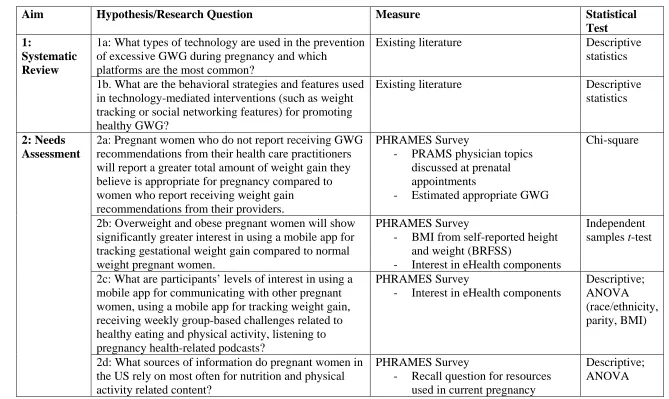
Table 3.1. List of research hypotheses and analyses conducted ... 55
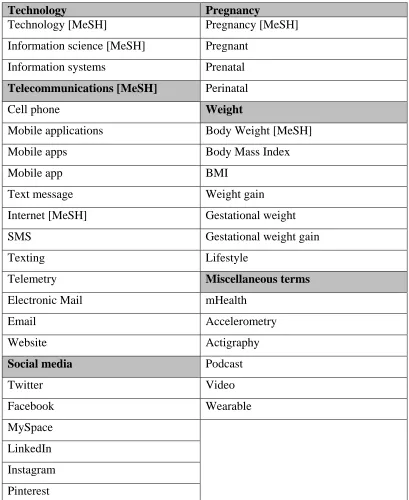
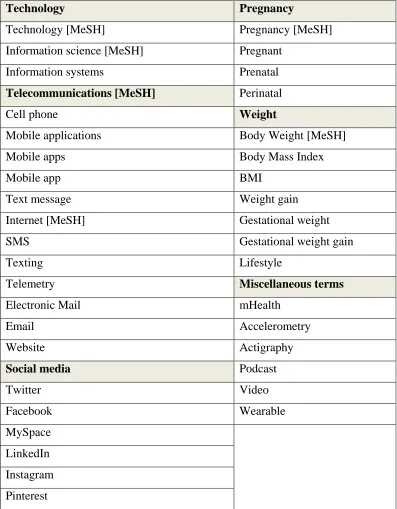
Table 3.2. Systematic Review Search Terms ... 58
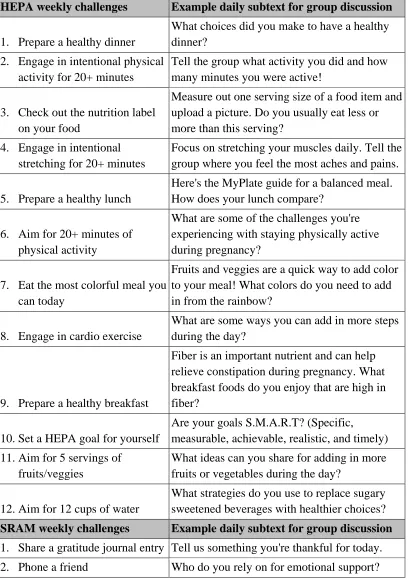
Table 3.3. List of the group-based behavioral challenges for participants ... 59
Table 3.4. List of podcast topics by intervention condition ... 61
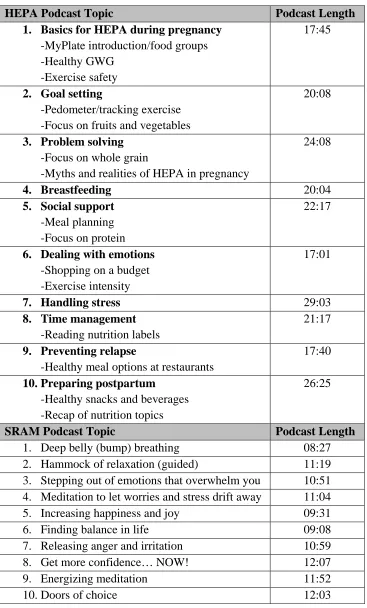
Table 4.1. Search terms used in combination to identify eligible studies ... 89
Table 4.2. Inclusion criteria for selected studies ... 90
Table 4.3. Intervention details and primary outcomes measured ... 96
Table 4.4. Weight-related outcome measures ... 106
Table 4.5. Significant weight related outcomes observed and the technology-based intervention components used. ... 110
Table 4.6. Technology-supported behavioral strategies used in the interventions ... 111
Table 4.7. Sample characteristics of participants who completed the online survey (n=329) ... 129
xii
Table 4.9. List of the group-based behavioral challenges for participants ... 155
Table 4.10. Baseline demographic characteristics of the analyzed sample (n=87) .... 158
Table 4.11. GWG outcomes by intervention condition ... 159
xiii
List of Figures
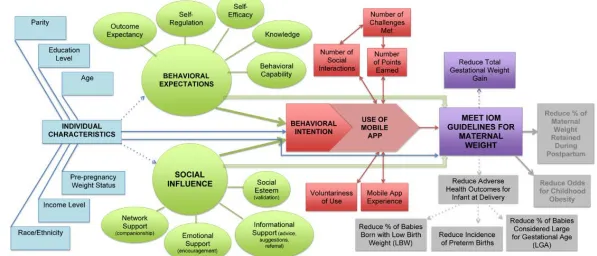
Figure 1.1. Conceptual Model ... 13
Figure 3.1. Screenshot of the MakeMe app home screen where participants can join the challenge by entering a five digit code ... 62
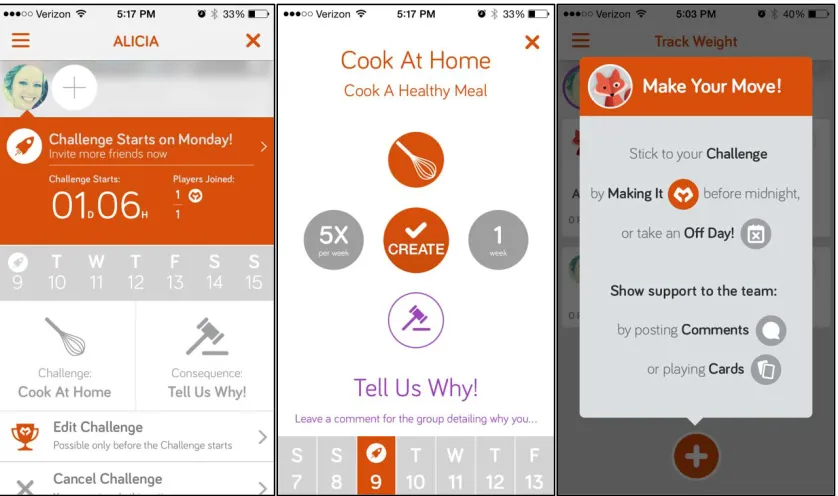
Figure 3.2. MakeMe app features and user-end screenshots of challenge participation, starting with a home page, description of the challenge, and log prompt. ... 63
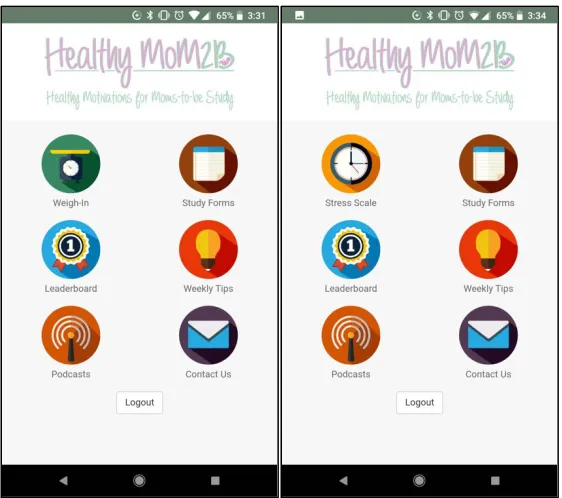
Figure 3.3. HM2B website user-end screenshots of the home screens for HEPA and SRAM, respectively ... 64
Figure 3.4. HM2B weigh-in screens for the HEPA intervention group participants only ... 65
Figure 4.1. PRISMA flow diagram for study eligibility and inclusion ... 112
Figure 4.2. Percentage of participants who estimated GWG according to IOM
recommendations by recalled discussions with providers around GWG (n=324) ... 132
Figure 4.3. Percentage of participants interested in weight-related topics versus percentage of participants who reported provider discussions about those topics
(n=324) ... 133
Figure 4.4. Percentage of participants using various resources for nutrition and
physical activity information during pregnancy (n=324) ... 134
Figure 4.5. Percentage of participants reporting an interest in proposed e-Health
intervention features by parity. (n=324) ... 135
Figure 4.6. Flow chart of participant recruitment and randomization ... 161
1
Chapter 1: Introduction
1.1 Problem Identification
Upwards of one-half (46-50%) of pregnant women in the United States exceed the
IOM recommendations for healthy gestational weight gain (GWG).1–4 Excessive weight
gain during pregnancy has been linked to several adverse maternal and infant health
outcomes such as hypertension,5,6 cesarean delivery,5–7 and large-for-gestational age
infants.5–7 There are long-term weight-related impacts for the mother and child due to
excessive GWG as well. Mothers are at increased risk for postpartum weight retention7–11
and children are more likely to have greater adiposity in infancy and childhood.12,13
Obesity is a growing public health problem and pregnancy may be a critical period for
reducing the prevalence of obesity among women and children.14,15
The IOM recommends the communication of risks associated with excessive GWG
during prenatal care3; however, providers often report barriers to addressing weight gain
during pregnancy, such as low patient-provider morale, inadequate time for incorporating
weight counseling into prenatal appointments, and lack of knowledge of current
recommendations or nutritional guidance.16–21 To reduce excessive GWG and alleviate
provider burden, several behavioral interventions have targeted diet and exercise lifestyle
behaviors for pregnant women, yielding success in reducing the proportion of women
with excessive GWG by an average of 20%.22,23
The field of e-health refers to technologies that are developed or used to deliver or
2
and social media are accessible platforms for prenatal information delivery to many U.S.
women, with 94% of U.S. women owning a cellphone, 75% owning a smartphone,24 and
73% using social media.25 The accessibility of communicating health information over
mobile platforms is promising in terms of reducing participation burden, however the
application of e-Health to GWG is understudied.26,27
1.2 Broad Objectives of the Present Study
The goal of the present study is to evaluate the effectiveness of the Healthy
Motivation for Moms-To-Be (HM2B) intervention in helping pregnant women adhere to
IOM GWG guidelines by: (1) disseminating an intervention remotely through technology
to increase accessibility; and (2) incorporating behavioral intervention strategies to
enhance social support. There are very few evidence-based mobile apps available for
nutrition and PA during pregnancy28 and this e-Health intervention may alleviate the
burden on physicians and clinical staff in providing weight counseling and monitoring
health status of patients.29
This research project is part of a broader research agenda that posits healthy
GWG may be achieved through behavioral intervention and may potentially reduce
adverse maternal and infant health outcomes associated with excessive weight gain
during pregnancy. The purposes of this proposed research are to examine the use of a
mobile application (mobile app) for collaborative group-based health behavior challenges
and a mobile website for self-monitoring and health-related pregnancy resources for
pregnant women living in the United States. The overall goal of the proposed research
project is to provide women with target GWG goals aligned with the IOM guidelines and
3
primary research hypothesis for this project is that the HM2B intervention will help a
significantly greater proportion of women stay within IOM guidelines for GWG versus
women assigned to the comparison group, and similarly, the intervention group will gain
less weight than the comparison group. Secondary exploratory analyses will examine the
effect of the intervention on infant birth weight outcomes.
The expected outcomes of this research are 1) a critical review of the uses of
technology within interventions disseminating health-related information to pregnant
women, 2) an understanding of health information needs and technology uses of pregnant
women and the potential for using mobile technology to disseminate weight-related
information, 3) identification of health behavior strategies, such as informative podcasts
or group-based challenges, that are associated with pregnant women achieving healthy
GWG and 4) an exploratory summary of the intervention’s effect on infant health
outcomes, such as preterm birth status, low birth weight, and large-for-gestational age
(LGA).
1.3 Conceptual Model
Figure 1.1 will be used to describe the relationship between inputs of the mobile
app (i.e., individual characteristics, social influence, behavioral expectations, and
behavioral intention) and outcome measures (i.e., IOM guideline adherence, amount of
weight gained during pregnancy, and infant’s birth weight). By using a diverse and broad
population, there is a need to consider individual characteristics that may influence
participation in the research study. Age will play an important role in the research study,
as mothers experience pregnancy differently depending on age group. For HM2B, the
4
Within this age range, it’s possible that there will be variability in behavioral
intention to change, behavioral expectations (what outcomes the individual believes to be
achievable), and/or how influential their social roles are depending on participants’ age.
Weight status of participants upon entering the study will influence the targeted IOM
guidelines for GWG. Based on participants’ BMI upon entry into the study and goals
generated to reflect the IOM guidelines, there may be variation in participants’
willingness to engage in the social aspects of the intervention due to fear or
embarrassment, as well as behavioral hesitations for participants to log their weight on a
weekly basis (self-monitoring).
A comparison of behavioral expectations, social influence, behavioral intention to
change, use of mobile app features, and/or average amount of weight exceeding IOM
guidelines by dichotomized pre-pregnancy weight status groups: normal and
overweight/obese. Education level, household income, and race/ethnicity have been
shown to influence weight status, so these factors will be considered in data analyses, if
the sample is diverse enough. Lastly, since this is a national sample, geographical
location of participants’ residence may play a role in behavioral expectations, social
influence, behavioral intention, mobile app use, and average amount of gestational weight
gained.
Rooted in Unified Theory of Acceptance and Use of Technology (UTAUT),30
Behavioral Expectations and Social Influence have been included in the model.
Behavioral Expectations reflect many of the cognitive factors included in the Social
Cognitive Theory: knowledge, self-efficacy, self-regulation, and expectancies related to
5
contribute to the overall expectations a participant sets regarding weight gain during
pregnancy. Outcome and behavior expectancies address a woman’s perception of the
IOM guidelines and beliefs in appropriate, healthy gestational weight gain. These
expectations may contribute to overall behavioral intention to perform a behavior, or the
expectations may be reflected directly in the amount of weight gained during pregnancy.
Social Influence is comprised of one’s social network support (i.e., relationships,
companionships), emotional support through their social circles (i.e., encouragement,
motivation), informational support provided by social group members (i.e., advice,
suggestions, referrals), and social esteem which can be described as one’s comfort within
a social group (i.e., validation, sense of belonging).30–33 Social Influence may directly
impact one’s total amount of weight gained throughout pregnancy, or it may play into
one’s behavioral intention to change.
Behavioral Intention is the most important component of this model because
one’s intention is the driving force behind whether an action is made.33 For the purpose of
our study, we plan to look at how one’s behavioral intention influences their use of the
mobile app. Technology attitudes are included in the model to address voluntariness of
app use, experiences with mobile health app, and number of social interactions,
challenges achieved, and points earned.30,34 For instance, if one participant successfully
met all of the weekly challenges, she will have earned more engagement points than a
participant who only participated in five challenges. The interactions that happen within
the social app group and the number of points earned may serve as a continuous
reinforcement for using the app. Similarly, there may be a two-way relationship observed
6
mandatory, continued use may be sustained by experience with the mobile app and
challenges provided. It is possible that the better a participants’ mobile app experience is,
the more likely a participant will continue to use the app throughout the program. These
attitudes may influence how much effort a participant contributes to the weight tracking
feature of the app, interactions on discussion boards, and overall usage of the app.
Furthermore, existing attitudes about technology can influence one’s goal performance,
social interactions, or utilization of facilitating conditions. For instance, someone may
utilize the app to read the weekly challenge, but not track weight gain progress because of
discomfort with sharing that information electronically.
This conceptual model includes goal-oriented performance and effort
expectancies, social influence, and facilitating conditions such as accessibility and
availability of resources within the environment. These components of the model address
the behavioral expectations of participants when provided targeted IOM guidelines. The
ability to comment or provide social support to group members will generate a social
network of expectant mothers who may have ideas or experiences to share. Ideally, the
expectations of meeting IOM guidelines combined with social influence from peers will
generate motivation towards behavioral intention to track one’s weight. Additionally, by
providing this intervention through a mobile platform, we are increasing accessibility
opportunities, which is a facilitating condition for this intervention. By using the
commercially available mobile app, MakeMe,35 downloaded from iTunes or Google Play,
the participants will be invited to join a weekly health challenge with their groups. The
app allows for progress tracking and photo or written descriptions of the completed
7
reduce the average amount of maternal weight gained during pregnancy. Depending on a
participant’s experience using the mobile app and participating in challenges, there may
be variability in adherence to the intervention components and ultimately, their success
with meeting IOM recommendations.
The impact variable is to reduce the proportion of women exceeding IOM
GWG recommendations, and as a result, lower the mean total gestational weight gain,
with the overall goals of reducing adverse health outcomes of pregnant women. This
study will also examine the impact of the intervention on changing diet and physical
activity behaviors. This study will also request the infant data: birth date, length, and
weight to determine prematurity and birth weight status, which are documented birth
outcomes associated with excessive gestational weight gain during pregnancy,36 for
exploratory secondary analyses. The HM2B sample size is not adequate enough to draw
significant conclusions regarding GWG and birth outcomes, but the exploratory
secondary analyses will be used to determine any differences in birth outcomes among
intervention and comparison groups. These exploratory analyses address the Life Course
concepts regarding long-term impacts of GWG in relation to fetal health outcomes,
childhood obesity for the offspring, and maternal postpartum weight retention.37,38
Other potential infant health outcomes of this study include reduced risk for
long-term or latent adverse health outcomes, such as possible predisposition to obesity in
adulthood for the offspring. Additionally, mothers in the intervention group may retain
less weight during the postpartum period compared with the control group. However, due
8
1.4 Specific Aims and Hypotheses for Proposed Dissertation Research
1.4.a. Aim 1: Systematic Review
The purpose of Aim 1 was to conduct a systematic review of technology-mediated
interventions (e.g. mobile apps, websites, text messaging) for the prevention of excessive
GWG during pregnancy, regardless of gravida. The focus of this review was on
interventional delivery practices during pregnancy, types of technology used, and
successful strategies for promoting healthy GWG. Additionally, a subset review of
studies focused on population demographics (ie., race and parity) was conducted.
Research Question 1a: What types of technology are used in the prevention of
excessive GWG during pregnancy and which platforms are the most common?
Research Question 1b: What are the behavioral strategies and features used in
technology-mediated interventions (such as weight tracking or social networking
features) for promoting healthy GWG?
1.4.b. Aim 2: Formative Research
The purpose of Aim 2 was to analyze data from a needs assessment collected in
April 2016 via an online survey of a national sample of pregnant women (n=445)
regarding weight-related knowledge and behaviors, sources of prenatal health
information, and interest in participating in a mobile health intervention. The sample for
Aim 2 was not limited to parity or BMI to determine a realistic sample to recruit and
focus the intervention on. Collecting input from pregnant women who have been
pregnant before helped to capture opinions on pregnancy and weight-related topics from
experienced moms, who may have retrospective input regarding health information needs
9
recruitment strategies, health information needs of pregnant women in the U.S., and was
used to determine the demographics of the HM2B target sample.
Hypothesis 2a: Pregnant women who do not report receiving GWG
recommendations from their health care practitioners will report a greater total
amount of weight gain they believe is appropriate for pregnancy compared to
women who report receiving weight gain recommendations from their providers.
Hypothesis 2b: Overweight and obese pregnant women will show significantly
greater interest in using a mobile app for tracking gestational weight gain
compared to normal weight pregnant women.
Research Question 2c: What are participants’ levels of interest in using a mobile
app for communicating with other pregnant women, using a mobile app for
tracking weight gain, receiving weekly group-based challenges related to healthy
eating and physical activity, listening to pregnancy health-related podcasts?
Research Question 2d: What sources of information do pregnant women in the US
rely on most often for nutrition and physical activity related content?
1.4.c. Aim 3: Intervention Outcomes
The purpose of Aim 3 was to develop and assess the impact of a mobile health
intervention on GWG of pregnant women receiving a healthy eating and physical activity
(HEPA) focused intervention versus a comparator group receiving a non-nutrition/PA
focused health promotion program. Participants were randomly assigned to their groups
and remained in the same group from baseline (< 20 weeks pregnant) through delivery
(~40 weeks pregnant). The e-Health intervention was disseminated using a commercially
10
participants submitted their self-reported weight to their personal profile on our study
website, where they could also access 10 informational podcasts, weekly pregnancy tips,
and view a GWG chart of plotted weigh-in data points (intervention only). After delivery,
participants self-reported the infant measurements (length and weight), as well as
birthdate and gender. Objective measures of maternal weight were collected through
photo verification of the participants’ scale display at three time points: baseline,
32-weeks, and post-delivery.
Hypothesis 3a1: The intervention group will have lower total GWG and a greater
proportion of women with total GWG within IOM guidelines versus the
comparison group at delivery.
Hypothesis 3a2: Motivation to change behaviors (i.e., healthy eating, sleep,
physical activity) will be significantly improved through the group-based
challenges of the respective groups.
Research Question 3a3: Did infant birth weight significantly differ between
intervention and comparison groups?
A second component of Aim 3 tested the usability and feasibility of a mobile app
for a GWG intervention. To determine the best approach to disseminating a mobile health
intervention through group-based challenges, we collected feedback on the preference of
challenges tested during the study and the process of receiving and engaging with weekly
challenges through the mobile app. For this study, data recorded by trained researchers
included: total group points, individual points, number of group challenges met, number
11
and content of comments. An “engagement score” was calculated for each participant and
averaged together with teammates’ scores for group level analyses. Additionally, we
collected process and content feedback from participants at the end of the pilot study
regarding the weekly group-based challenges.
Hypothesis 3b1: The mean engagement, satisfaction, and intent to continue use
scores will not significantly differ between the intervention and comparison
groups indicating overall interest in using the mobile app and participating in a
mobile health group-based challenge, regardless of health topics.
Hypothesis 3b2: The level of engagement in the group-based challenges will be
significantly negatively associated with amount of weight gained in the
intervention group versus the comparison group.
Hypothesis 3b3: The number of podcasts listened to and overall engagement score
will be significantly positively associated with meeting IOM guidelines for the
intervention group participants versus the comparison group.
Research Question 3b4: Did participants find the mobile app user-friendly?
Research Question 3b5: Which topics and challenges were participants most
interested in related to behavior change?
1.5 Justification for the Research
The proportion of U.S. women exceeding recommendation for healthy GWG has
steadily increased in the past decade. The HM2B intervention will contribute to the field
of health promotion by responding to the IOM and ACOG’s recommendations for action
to provide targeted messaging and reinforcement strategies that encourage adherence to
12
nutrition and PA behavioral strategies to an at-risk population (pregnant women) and by
collecting weight measurements over pregnancy and at delivery. Furthermore, HM2B
will be delivered through a commercially available mobile app, increasing opportunities
for accessibility, study participation, and increased generalizability.
This research project will also contribute to the field of mobile health, using
technology to disseminate health promotion information and deliver interventions to an
at-risk population. HM2B is grounded in health behavior and communication theories
and will be the first of its kind to test the effectiveness of a completely
remotely-delivered behavioral intervention on weight management for pregnancy, not limited by
geographical area. Additionally, HM2B will identify behavioral strategies for promoting
prenatal health information through a mobile intervention. While there are mobile apps
available with GWG tracking features, few are grounded in health behavior theory and
provide comprehensive behavioral reinforcements.28 The HM2B intervention is an
attempt to provide an evidence-based approach to self-monitoring GWG while alleviating
the burdens of in-person intervention delivery. Finally, this research may potentially
reduce adverse health outcomes associated with overweight and obesity for the mother
13
14
Chapter 2: Background and Significance
2.1. Gestational Weight Gain Recommendations
Obesity is a complex public health issue affecting an estimated 40.5% of adult
women in the United States.14 In an effort to address growing concerns regarding obesity,
the Institute of Medicine (IOM) developed a set of GWG recommendations based on
pre-pregnancy body mass index (BMI).40,41 The IOM guidelines were revised in 2009 to
provide practitioners BMI-specific weight gain ranges, including trimester weight gain
rates.40 For women entering pregnancy underweight (BMI below 18.4 kg/m2), the
guidelines suggest a range of 28-40 pounds for healthy GWG, while normal weight
women (BMI between 18.5-24.9 kg/m2) are recommended to gain 25-35 pounds.3 For
overweight women (BMI=25.0-29.9) the recommended total weight gain range is 15-25
pounds, with a 0.6 pounds/week rate of weight gain in the second and third trimesters.3,40
Obese women (BMI>30) are recommended a total weight gain range of 11-20 pounds,
with a 0.5 pounds/week rate of weight gain in the second and third trimesters.3,40 The
healthy GWG guidelines for women carrying twins or multiples also vary based on
pre-pregnancy BMI.3
About one-half (46%) of all pregnant women in the United States exceed the
Institute of Medicine’s (IOM) 2009 recommendations for weight gain during pregnancy,
15
and obese women are nearly two times more likely to exceed IOM recommendations for
GWG.3,4,17
2.2. Associated Risks of Excessive Gestational Weight Gain
Excessive GWG has been positively associated with increased risk of gestational
diabetes, hypertensive disorders such as preeclampsia, and permanent postpartum weight
retention.8,11,39,42–47 Overweight and obese women are at increased risk of excessive
gestational weight gain (GWG) and postpartum weight retention compared to normal
weight women.8,11,43 Furthermore, excessive gestational weight gain among overweight
and obese women has been associated with increased odds of postpartum weight
retention (OR=1.07, 95%CI=1.02-1.12).7 Adverse obstetric health outcomes associated
with excessive GWG include increased rate of failed induction, operative vaginal
deliveries, cesarean delivery,48,49 stillbirth,50 and antenatal and postpartum depression.51
Excessive GWG is also positively related to adiposity among offspring7,36,39,52,53 and may
be prevented or reduced through diet or exercise, or a combination of interventions.23 For
the infant, there are both short- and long-term health consequences associated with
excessive gestational weight gain during pregnancy which include: preterm birth, fetal
growth, infant mortality, birth defects, birth weight, stillbirth, neonatal body composition,
infant weight gain, breastfeeding initiation and maintenance, childhood obesity, type 2
diabetes, and neurodevelopment.39
2.3. Expert Recommendations and Past Intervention Strategies
As stated in the section above, the IOM provided evidence-based
recommendations for weight gain during pregnancy, by trimester and an overall
amount.3,40 While it would be ideal to raise awareness and reduce overweight and obesity
16
pregnancies are unintended22 so conducting studies during the preconception window has
proved challenging due to retention, chance of unintended pregnancy, infertility, and
several other factors.56 Patterns of excessive GWG in the first half of pregnancy have
been associated with greater risk of unfavorable infant health outcomes, such as
large-for-gestational-age (odds ratio: 2.5, 95% CI: 2.1-3.1, p<0.001).57 Therefore, interventions
for increasing weight-related knowledge and changing weight-related behaviors in early
pregnancy has been a main focus of public health efforts.57 Interventions targeting the
first trimester are optimal, as excessive weight gain during the first trimester is predictive
of excessive GWG for the entire pregnancy, especially among overweight and obese
women (90% probability of excessive GWG).58
The IOM suggestions for action include that prenatal health care practitioners
should offer counseling on dietary intake and physical activity tailored to their life
circumstances.40 In agreement, ACOG recommends that a discussion between the health
care practitioner and patients regarding appropriate weight gain and diet and exercise
should occur at the initial prenatal appointment and periodically throughout pregnancy.39
Providing GWG guidelines at the initial prenatal appointment is particularly crucial in an
effort to reduce the nearly two-thirds of overweight and obese pregnant women
exceeding IOM recommendations.59
Significant findings show that overweight and obesity, and in some cases,
excessive gestational weight gain, are associated with adverse health outcomes for the
mother and infant. Insulin resistance and gestational diabetes risks are significantly
increased when a woman enters pregnancy with an obese BMI.43,60 In the long-term,
17
seven-fold.61 Similarly, relative risk for developing gestational hypertension is 1.7 for
overweight and 2.2 for obese women in relation to normal weight women.62 Preeclampsia
among obese women is twice as prevalent compared to normal weight women, and
prevalence increases three times as much among obese women.63
Several reviews of literature have concluded that there is moderate to strong
evidence to support the association of excessive gestational weight gain with postpartum
weight retention.8,11,43 In the systematic review by Siega-Riz et al. (2009), the authors
found moderate, consistent evidence of higher postpartum weight retention among
women who exceeded IOM guidelines for GWG in the short term (<12 weeks9,64–66) as
well as in the long-term (6-18 months9,45,64,67–69) postpartum period.43 Furthermore,
excessive GWG during pregnancy has been shown to elevate risks of overweight or
obesity in offspring (27 to 73%), compared to those who meet IOM guidelines.12,52,70
Weekly goal setting71 and use of technology for monitoring nutrition behaviors72,73 are
potential strategies for reducing weight retention in the postpartum period for mothers.74
While the relationship between BMI during pregnancy and the long-term
consequences of developing one or more of the aforementioned health conditions is well
documented, little is known about the associations between increasing GWG and health
conditions mainly due to inconclusive findings,43 with the exception of postpartum
weight retention.58,74 To reduce excessive GWG and postpartum weight retention,
recommendations for behavioral modification during pregnancy and postpartum include
nutrition counseling, regular physical activity, and goal setting.71,74
2.3.a. Gestational Weight Gain Interventions
Behavioral lifestyle interventions have been used as a method for weight loss and
18
GWG that draw on similar behavioral strategies seen in weight loss interventions. In a
systematic review by Flynn et al. (2004),7513 randomized controlled trials provided
dietary interventions to overweight and obese pregnant women, and within those, eight
studies aimed to reduce GWG through dietary modification and physical activity.76–83
Intervention delivery varied from nutrition brochures,79,83 a diet plan provided to
participants to follow independently78,80 to 10 one-hour consultations with a Registered
Dietitian.82 Only one study from this review was conducted among obese women in the
United States,77 and only two studies included overweight women in their samples76,78
indicating a gap in the literature around effective weight-related intervention strategies
for pregnant women of different BMI statuses in the U.S.,75 which the HM2B study aims
to address. Furthermore, Flynn et al.’s systematic review identified several
methodological variations across the selected interventions and therefore the authors were
unable to provide clinical guidelines for addressing GWG through behavioral
modification among overweight and obese pregnant women.75
Likewise, a Cochrane Review of interventions for preventing excessive GWG
during pregnancy selected 27 studies of nearly 4,000 women for analysis but could not
draw statistically significant conclusions due to inconsistent results and/or
methodological differences.22 Within this review by Muktabhant et al. (2012),22 only two
studies with a total of 247 women showed a positive treatment effect associated with
behavioral counseling versus standard care in a pooled analysis (RR 0.72, 95% CI:
0.54,0.95, I2=0%).84,85 In one of those studies shown to have a positive treatment effect,
Polley et al.(2002) employed a stepped-care behavioral intervention where normal and
19
and exercise education, and materials for tracking their GWG (such as weight gain
graphs) and if women exceeded weight gain goals, a more intense individualized
counseling session was introduced.85 Normal weight women receiving the intervention
were significantly less likely to exceed IOM guidelines compared to the standard care
group (33 vs 58%, p<0.005), however more overweight women in the intervention (59%)
exceeded recommendations for GWG compared to their standard care counterparts (32%,
p=0.09).85 At their first postpartum clinic visit, there was no significant intervention effect
found on postpartum weight retention of normal or overweight participants compared to
participants in a usual care group.85
In the second effective intervention, a randomized controlled trial by Phelan et al.
(2011), was called Fit for Delivery and provided intervention participants (N=401
normal, overweight, and obese pregnant women) with an individualized counseling
session with a trained interventionist to discuss appropriate GWG targets, weight gain
charts, physical activity, and nutrition in an attempt to prevent excessive GWG and
postpartum weight retention.84 Intervention participants also received brief supportive
phone calls with the dietitian on three occasions during the study as well as body-weight
scales, food records, and pedometers to promote behavior change and program
adherence.84 Overweight and obese women in this intervention did not show a significant
reduction in excessive GWG compared to their standard care counterparts (OR to exceed
IOM recommendations: 0.1.4, 95% CI: 0.70, 2.7, p=0.33), whereas normal weight
women in the intervention did see a significant reduction versus standard care (OR: 0.38,
95% CI: 0.20, 0.87, p=0.003).84 When participants exceeded IOM guidelines for GWG,
20
weight at 12 months postpartum compared to the control participants who exceeded IOM
guidelines which indicates that although the intervention may not have prevented all
women from exceeding IOM guidelines, there was some behavioral effect that transferred
to postpartum weight loss.86
Of the two major reviews outlined in this section, neither were able to draw
conclusions regarding intervention effects for reducing excessive GWG. This presents a
challenge when providing standards of care recommendations for health care
practitioners regarding GWG guidelines and best practices for behavioral modification.
Although the reviews provided little guidance for best practices, the studies included
several behavior change strategies for encouraging and reinforcing weight-related health
behaviors in the prevention of excessive GWG.
2.3.b. Behavioral Strategies Used to Target Healthy Gestational Weight Gain
Multiple systematic reviews and meta-analyses have been conducted in the topic
area of GWG, however most findings were inconclusive due to large variation in
methodologies.8,11,22,23,43,75 While these findings do not draw clear recommendations for
best practices, specific behavioral strategies within the studies have shown promising
intervention effects. This section will review several intervention strategies used and
outcomes observed.
2.3.b.1. Dietary Counseling
A popular method for supporting weight-related behavioral change is dietary
counseling. Several studies employed Registered Dietitians or food technologists to
administer diet-related counseling, ranging from brief five minute sessions to hour-long
consultations or group-based counseling.77,78,80–82,87 Other studies provided
21
practitioners, such as nurses and midwives.76,77,83 Often times, dietary interventions
combined a variety of behavioral tools such as education materials or food diaries along
with their counselling.
For example, a randomized controlled study of obese pregnant women in
Denmark (N=35) found that GWG to 13-15 pounds was effective when the intervention
group received 10 one-hour sessions with a Registered Dietitian during pregnancy
compared to a control group that did not receive one-on-one counseling.82 This
intervention provided obese pregnant women with dietary intake recommendations and
specific macronutrient composition of their diets to inform healthy eating behaviors.82
Similarly, another study conducted among obese Swedish pregnant women found that an
intervention that provided participants with a 30-minute individual visit with a midwife
each week, where the participant received motivational discussions on how to change
behavior and learn about strategies specific to her needs led to significantly lower GWG
(7.52 kg, SD=15.40) compared to a control group (9.78 kg, SD=16.24, p=0.001), after
adjusting for socio-demographic variables.88 By providing women with specific
recommendations on how to manage their GWG guidelines, these studies indicate that
IOM guidelines may be achieved.
2.3.b.2. Physical Activity
Evidence suggests that physical activity has an important role in weight
management during pregnancy, specifically for preventing excessive GWG.23 However,
the effects of dose and exercise type on GWG are inconclusive.89 Some interventions are
designed to expand the nutrition counseling sessions to include physical activity content
and measure activity as an outcome related to weight gain control.79
22
into a randomized controlled trial through a community-based exercise program of
walking, aerobics, stretching, and strength exercises practiced three to five times per
week and two individual counseling sessions and dietary interviews with a Registered
Dietitian, while the control group received educational materials regarding nutrition and
physical activity during pregnancy.90 Results indicated that the participants enrolled in
the intervention group had a descriptively lower mean weight gain (14.1 kg, SD=6.0)
compared to the control group participants (15.2 kg, SD=5.9), but this finding was not
statistically significant.90 However, physical activity levels were significantly higher two
months after enrollment among intervention group participants (Physical Activity
Index=1.85, SD=0.44) compared to the control group participants (1.45, SD=0.72) which
may have been a result of community engagement, social support, or availability of
fitness opportunities.90 This study indicates a need for targeted interventions that meet the
needs of the population, identified through conducting needs assessments and pilot
studies to inform future research, or qualitative interviews with pregnant women within a
community.90,91
2.3.b.3. Informational/Behavioral Tools
Health care providers are often charged with the task to communicate and monitor
GWG. When reviewing the literature around health care practitioners’ role in preventing
excessive GWG, one concern shared by providers was the need for tools or educational
materials to address GWG during prenatal appointments.17 In response, a study by Marsh
et al. (2014) supplied health care practitioners with a tool to promote weight loss in the
preconception period, but no findings were reported on the use of and effectiveness of the
tool in practice.55 Likewise, another study examined the efficacy of an intervention that
23
with an optional 2-hour orientation program to understand the use of the materials,
however outcomes of the clinical component were not reported.45 Overall, the literature
was inconclusive on whether supporting materials would lead to an increase in
conversations with patients and their awareness and understanding of GWG
recommendations. Supporting materials or interventions may also help to address the
providers in recommending accurate weight guidelines92, as one study found that when
participants received weight gain advice (41.7%), overweight/obese women received
incorrect weight gain guidelines advising too much weight (22.2%) compared to normal
weight women (2.3%, p<0.001).93
A study based in upstate New York targeted pregnant women who were classified
as having a normal or overweight BMI with a health education intervention that provided
five newsletters on pregnancy related information on nutrition, GWG, and physical
activity.45 The study found that among low-income women, more women in the control
condition receiving no educational component (52%) gained an excess amount of weight
during pregnancy compared to women in the intervention group (33%) and of the
low-income subgroup, overweight women in the intervention group were less likely to retain
more than 2.27 kg compared to other income and BMI classifications (OR=0.24, 95% CI:
0.07-0.89).45
A food diary, pedometer, and written education materials were provided as part of
a lifestyle modification program to improve healthy eating and exercise among obese
pregnant women in New York City in an effort to reduce excessive GWG and adverse
pregnancy outcomes.94 Results of this study showed significantly less weight gained
24
compared to obese women in the control groups (34.00 lbs., SD=16.58, p=0.003).94 The
intervention was effective in some sub-groups such as obese women, but not all BMI
classifications.94
2.3.b.4. Group-Based Challenges
Several of the interventions discussed earlier highlight the positive impact of
one-on-one health coaching sessions or group-based education regarding weight gain,
nutrition, and physical activity during pregnancy.82,85,88,90,95–98 As the Social Cognitive
Theory31 and Theory of Planned Behavior and Reasoned Action (TPB/RA)33 posit, social
norms play a role in an individual’s health behavior change, while the Unified Theory of
Acceptance and Use of Technology expands on this by indicating a direct relationship
between social influence and behavioral intention, and behavioral intention has a direct
relationship to behavior as demonstrated by both TPB/RA and UTAUT.30
Capitalizing on social networks or group-based interventions may increase the
social connections and support that have been shown to positively influence one’s
behavioral intention. Therefore, a potential strategy to reduce intervention resources and
accessibility concerns associated with individual or group-based counseling would be to
create and facilitate group-based health-related challenges within a mobile platform.
Using a commercially available, free mobile app, or online social network, participants
with access to a smartphone or computer can be connected to other pregnant women to
engage in health-behavior challenges targeted at nutrition and physical activity needs
during pregnancy. Although this type of intervention has not been conducted specifically
with overweight and obese pregnant women, several studies have examined the use of
25
Health behavior challenges have been explored through online networks, but not
specifically among pregnant women online. Although pregnancy-specific challenges
have not been studied, health behavior change can be achieved remotely, through social
networks and may be a viable option for the online community of pregnant women.99,100
In a study using Twitter to promote a core-strengthening exercise challenge
(#PlankADay), male and female (non-pregnant) users online were connected to
participate in daily physical activity (planking).101 Of the 277 participants in the
challenge, 105 completed surveys about their experience.101 Engagement in the challenge
was measured by 72% of participants tweeting their planks daily for 1 month and 47%
continuing for 8 or more weeks.101 The challenge-based experience of #PlankADay
increased participant enjoyment of core exercises (M=7.05, SD=2.2) since before the
challenge (M=4.52, SD=3.0) (t(101)=9.98, p<0.001) and tweeting about their planks
increased their motivation (88%).101 Furthermore, 82% of participants indicated that
having other Twitter followers respond to their #PlankADay tweets, improved their
motivation.101
Similarly, another study used social media (Facebook) to challenge male and
female (non-pregnant) users to participate in physical activity races (i.e., running,
walking, cycling, triathlons) and found that participants reported a greater mean number
of races completed and total mileage covered in the year of the social media challenge
(#13-in-2013) compared to their records the previous year.102 The use of a social media
physical activity challenge showed a reduction in self-reported body weight at the end of
the challenge.102 Competition through these social media challenges was a motivation for
26
To increase social network interactions and support, the challenge-based concept
for health promotion may be beneficial for weight management of pregnant women as
well. This concept will be tested through the HM2B intervention to increase healthy
eating habits and physical activity by weekly group challenges where users can track
their achievements through a commercially available, free mobile app called MakeMe.35
The app was freely available in the iTunes and GooglePlay store until December 2018
and rewarded participation and challenge completion through a points-based system, a
motivational tool that has shown to increase and maintain participation in weight-related
interventions.32,100
A systematic review of lifestyle interventions found five studies48,82,85,86,103 using
goal-setting strategies for preventing excessive gestational weight gain.71 GWG was
lower in the intervention group compared to the standard care group for three studies in
the review.48,86,103 Regarding goal setting components within the interventions, no overall
purpose goals/reasons for managing weight during pregnancy were provided, but targeted
goals based on weight gain guidelines were established in all of the
interventions.48,82,85,86,103 Additionally, all five studies provided weight monitoring
throughout the intervention, use of weight gain graphs, verbal feedback and all but one48
provided self-monitoring tools such as body weight scales, food records, and pedometers,
making it difficult to determine which components were effective.48,82,85,86,103 Only one
study82 provided a theoretical foundation for goal setting in the intervention design,
indicating a greater need for theory based interventions targeting GWG.71
2.4. Use of Mobile Technology in Health Behavior Interventions
ACOG provides recommendations for practitioners to advise women about GWG,
27
throughout the pregnancy.39 A limitation to reducing excessive GWG in previous studies
was that weight and nutrition counseling and education was often not provided through
prenatal appointments due to time constraints or physician burden18 or because many
women do not qualify or participate in additional educational programs such as WIC.104–
107 The aforementioned pregnancy intervention studies included individual counseling
sessions that tend to be labor-, resource-, and cost-intensive.108 In order to identify
opportunities to expand the reach and scope of these studies, additional modes of
intervention delivery should be explored. One solution to this problem is introducing
technology-mediated interventions to disseminate nutrition and weight counseling to
pregnant women.109
Technology provides a solution to participation challenges associated with
in-person behavioral interventions such as work schedules, lack of transportation, and
childcare for older children.99 Mobile apps, websites, text messaging, and social media
are accessible platforms for prenatal information delivery to many U.S. women, with
94% of U.S. women owning a cellphone, 75% owning a smartphone,110 and 73% using
social media.25 The accessibility of communicating health information over mobile
platforms is promising in terms of reducing participation burden, however most
technology-mediated interventions rely on phone calls and text messaging rather than
mobile apps or websites for content delivery.26,27 Internet websites, text messaging, and
mobile apps have been identified as viable resources for a diverse population of
racial/ethnic and socioeconomic groups.99,111
In a recent review of 87 mobile apps available on the marketplace using “weight”
28
provided accurate GWG guidelines and fewer (<10%) had nutrition and physical activity
guidance for achieving healthy GWG.28 Despite the availability of apps advertising
pregnancy weight-related content and features, current apps are inadequate to support
healthy weight monitoring during pregnancy.28 Furthermore, practitioners are concerned
with the source and reliability of pregnancy-related health information shared via
commercially available apps28,112,113 creating an additional barrier to supplementing
prenatal care and GWG monitoring with technology.
On the practical side of health promotion, practitioners could use these
technology-based resources as a supplement to their prenatal care17,114 and stimulate
patient engagement and participation in weight counseling.97 Furthermore, studies have
used technology as a way to connect participants through a social network, which can
provide social support, information, motivation, a sense of accountability, greater
adherence, and a place to share personal testimonies.115–118
Women may seek information through technology-based resources because of the
lack of discussion, counseling, or education around nutrition and weight provided in
prenatal care visits.17,18 In a descriptive study examining the use of online resources
during pregnancy, most pregnant women reported accessing the Internet for information
related to their pregnancy, childbirth, or expected baby’s development (84%) and over
half of the women (54%) used online resources at the beginning of pregnancy compared
to the end (17%).119 Most women (65%) reported their online sources as highly reliable,
but this was driven by women being selective in finding Internet resources related to
pregnancy information, through confirmation of information with other websites or
29
The concern of practitioners regarding misinformation provided through these
outside sources is valid120; however, the need for additional resources addressing
nutrition, physical activity, and appropriate GWG for pregnant women is important as
well, especially during early pregnancy.57,119 In order to address these concerns,
additional research is needed to understand the quality of information, how it is accessed,
and the impact of improving diet and physical activity on GWG and health-related
behaviors.26,119 Furthermore, bridging the gap between provider and patient
communication is vital for providing women with health recommendations and reliable
resources, which may be achieved through the implementation of technology-based
resources in prenatal settings.
2.4.a. Websites
The Internet serves as an accessible platform for women to seek information
related to pregnancy. Mothers tend to seek information through websites and interactive
forums like blogs and chat groups. This has the potential to lead to misinformation, a
major concern of practitioners.120 One study addressed the need for process evaluations to
be conducted in order to understand the effectiveness of online interventions. The study
found that greater intervention dose received or higher engagement with the intervention
led to improved health outcomes.121 Additionally, weight-tracking tools are commonly
used features of online weight-related interventions.121
Several studies conducted in the Netherlands evaluated the use of websites
targeting pregnant women. One such eHealth program was developed for pregnant
women (N=488) in midwifery care to provide using a website containing quizzes with
questions tailored to their current stage of pregnancy and five different topics (nutrition,
30
not access any information once registered on the website.122 The most useful topics
provided through the website were gestational age-specific pregnancy information,
nutrition, safety, and lifestyle, according to participants.122 The authors suggest that
eHealth programs are feasible to be implemented into midwifery care122; however, the
low utilization of the midwifery care platform in the United States suggests that
additional research is needed for integration of eHealth in our prenatal health care
approach.
2.4.b. Email
An email-based program in the Netherlands called “Hello World” provided
pregnant women with pregnancy-related quizzes tailored to gestational age and healthy
lifestyle promotion.123 Women with lower education showed greater appreciation for the
program (52%) compared to women with higher education levels (44%).123 Program
reach and use were evaluated and indicated a positive association between the number of
quizzes taken by women and their reported healthy lifestyle behaviors (i.e., smoking, fruit
and vegetable intake, and physical activity).124 However, this evaluation was limited due
to underrepresentation of immigrants and low-educated women in the study population as
well as a low target population reach (4%). While many behavioral interventions use
email to communicate with participants regularly, the “Hello World” intervention was the
only one to test email as an intervention delivery mode.
2.4.c. Mobile Phones
2.4.c.1. Text messaging
Mobile phone technology has revolutionized the way people communicate on a
regular basis. Short messaging services (SMS), commonly referred to as “text
31
Cormick et al. (2012) investigated the interest of text messaging interventions among
pregnant women conducted in Argentina and found that 95.9% of participants (N=146)
were willing to receive one-way health related text messaging during their pregnancy and
55.5% of participants asked for texts to begin within their first trimester.111 Participants
indicated their ideal dosage of informational text messages would be 1-3 times per week
(82.8%).111 In the same study, only 87% of women were willing to receive phone calls
during pregnancy.111 Regarding the content of text message-based interventions for
pregnancy, women indicated high levels of interest in receiving information about
pregnancy and newborn diet (90% and 91%, respectively) but showed less interest in
physical activity during pregnancy (73%).111
A feasibility study was conducted in England to evaluate a project called
MomTech, which addressed maternal obesity management during pregnancy through
one-way text-messaging health behavior change techniques that were predetermined and
selected by participants to receive.72 The intervention used personalized support and
praise and behavior change strategies to encourage and motivate women to achieve a
healthy weight gain during pregnancy.72 Obese women who participated in the
text-messaging intervention gained less weight during pregnancy than the control group (6.65
kg and 9.74 kg, respectively) and were less likely to exceed the Institute of Medicine’s
(IOM) guidelines for GWG (28% and 50%, respectively).72 A limitation to this study was
the small sample size (N=14) and lack of diversity across participants which requires
further investigation.72
Similarly, another study piloted a two-way text-messaging intervention aimed at
32
behaviors were targeted to increase physical activity, avoid unhealthy foods, and increase
daily fruit and vegetable intake.98 The control group received “Text4Baby,” which
provides general pregnancy info via one-way text messaging and is not diet/exercise
specific.98 The pilot study found no differential treatment effect for physical activity level
or nutrition scores, however the control group gained more weight by 40 weeks
pregnancy compared to the intervention arm (6-7 pounds).98 Regarding feasibility and
acceptability, the authors found that 86% of participants in the intervention (PregCHAT)
arm read and responded to texts and the majority (71%) said they would recommend the
PregCHAT program to a friend.98
2.4.c.2. Mobile apps
Mobile apps provide a convenient, readily available, and personalized resource
for women during pregnancy.125 Smartphones are a popular device for Internet access
among pregnant women.99 Mobile health-based interventions could be used as a parallel
or supplemental tool for prenatal and perinatal care114 and have been received by
pregnant women as a preferred method (89%) of receiving information compared to
websites.99 A study found that pregnant women were more likely to access mobile apps
for journaling compared to paper and pen, but found no significant differences in blood
pressure, weight gain throughout pregnancy, or birth weight between the methods.97
While accessibility seems favorable for mobile apps, the content of apps available
for pregnant women tend to focus around fetal or infant development, symptoms related
to the pregnancy, and fetal heart rate monitoring,125 rather than behavioral strategies for
healthy weight gain. Additionally, there is an abundance of commercially available
weight-related, physical activity, and nutrition mobile apps to choose from, as well as