Educational
Psychology
Services (England):
Current Role, Good Practice and Future Directions
The Research Report
Diana Kelly
Consultant and Lead Researcher
and
Carol Gray
FOREWORD
This research contributed to the findings summarised in a document being published in parallel: “Educational Psychology Services (England): Current Role, Good Practice and Future Directions – Report of the Working Group”.There is
therefore material which is common to both documents.
INDEX
Pages
Executive summary
Background 1
Aims of the research 2
Methodology 2
Key findings 3
Current range of educational psychology services 3
Future priorities 6
Opportunities and barriers 8
Principles to underpin future directions emerging from the
research findings 8
Good practice 9
Conclusion 10
Section 1: Introduction
1.1 Background 11
1.2 Context 12
1.3 Aims and objectives of the research 12
1.4 The scope of this research report 13
Section 2: Methodology
2.1 Postal questionnaires 15
2.2 LEA case studies 17
2.3 Submissions from interested parties 19
2.4 Seminars and conferences 19
Section 3: Current role of the educational psychology service 3.1 Structure of an educational psychology service and
staffing levels 20
3.2 Time spent by educational psychologists on school premises 24
3.3 The school perspective 26
3.4 The LEA perspective 30
3.5 Time spent on Stages 4 and 5 of the Code of Practice 39
3.6 Strengths and limitations of the current role in the light
Section 4: Outcome of research into the future role of the educational psychology service
4.1 Early years perspective 44
4.2 Schools’ perspective 46
4.3 Parents’ perspective 56
4.4 LEA perspective 59
4.5 Multi-agency perspective
A) Health 63
B) Social Services 67
4.6 Educational psychologists’ perspective 71
4.7 Work currently carried out by the educational psychology
service which is not seen as a priority for the future 75
4.8 Work not carried out by the educational psychology
service which is seen as priority for the future 76
Section 5: Opportunities and barriers
5.1 LEA policies and structures 77
5.2 User expectations of an educational psychology service 78
5.3 Disposition of the LEA towards the educational psychology
service and its work 79
5.4 Model of service delivery adopted by the educational
psychology service 79
5.5 Leadership 79
5.6 Clarity of service 80
5.7 Clarity of role in relation to other support services 82
5.8 The attitude and perception of schools towards the
educational psychology service and its role 84
5.9 The availability of resources to support a wider role 84
5.10 Training and skills to support a wider role 85
References 86
Annexes
Annex A: Membership of the working group 87
Annex B: LEAs who participated in the case studies 88
Annex C: Roles of interviewees 89
Annex D: Number of educational psychologists in LEAs in England
Figures
Figure 1 LEAs participating in educational psychology service survey 14
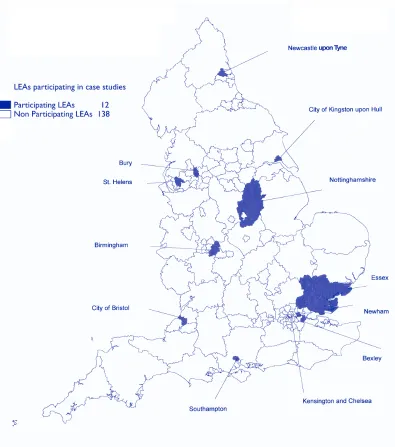
Figure 2 LEAs participating in case studies 16
Figure 3 Number of educational psychologists (fte) per LEA in England:
April 1998-March 1999 21
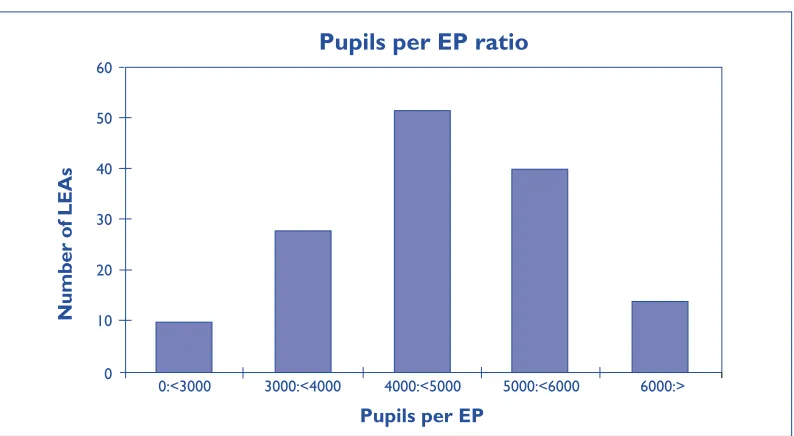
Figure 4 Pupils per educational psychologist ratio 22
Figure 5 Children aged 0–19 per educational psychologist ratio 23
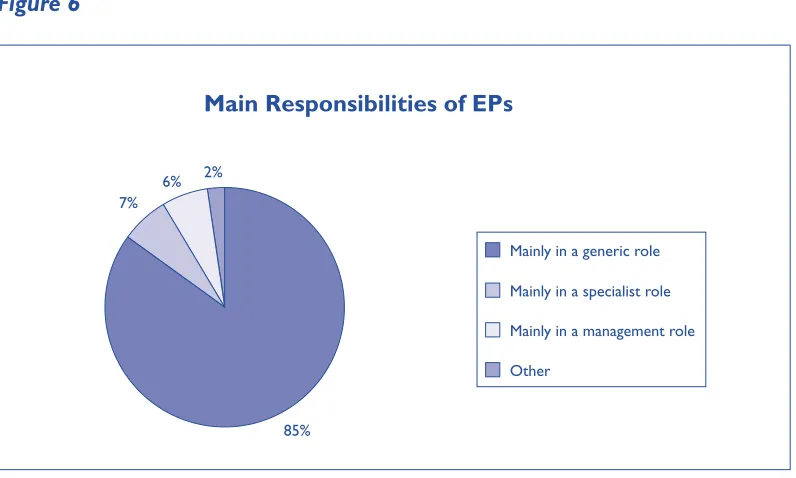
Figure 6 Main responsibilities of educational psychologists 23
Figure 7 Average educational psychologist time funded by the LEA
received on school premises from April 1998-March 1999 25
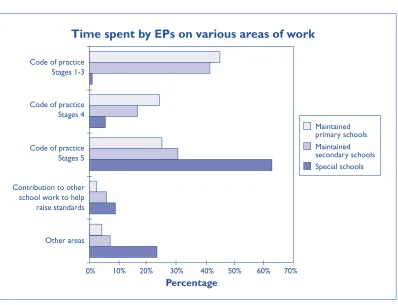
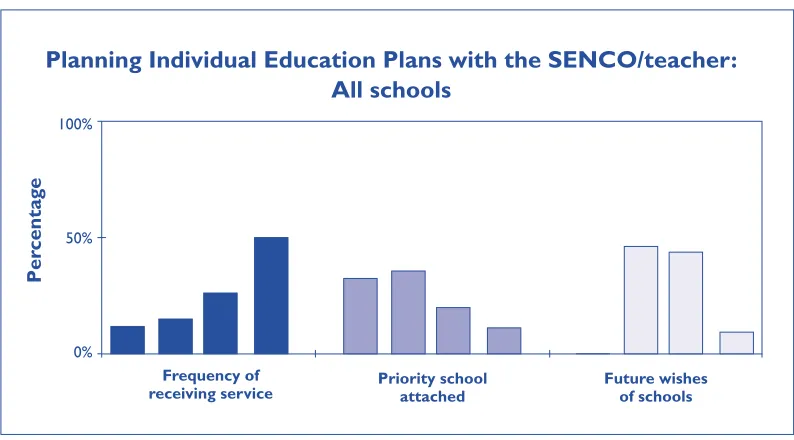
Figure 8 Time spent by educational psychologists on various areas of work 25 Figure 9 Planning Individual Education Plans with the SEN
co-ordinator/teacher 28
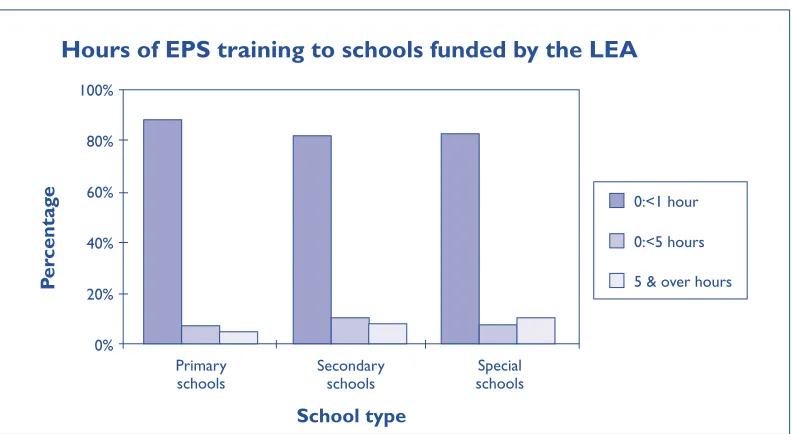
Figure 10 Hours of educational psychology services training to schools
funded by the LEA 30
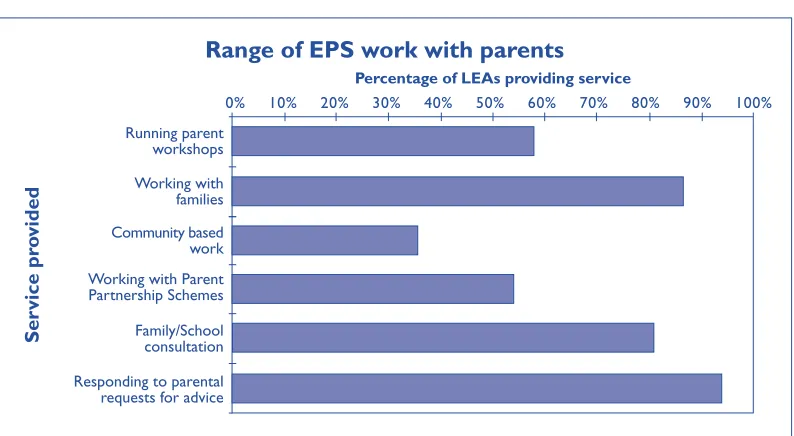
Figure 11 Range of work with parents 34
Figure 12 Range of training services provided by educational psychology
services per LEA 37
Figure 13 Range of services provided at LEA level by educational
psychology services 38
EXECUTIVE SUMMARY
Background
This research was undertaken by the Department for Education and Employment (DfEE) during 1999. It is the first major study of the current work and future direction of educational psychology services in England since the Summerfield Report in 1968 which reviewed the role and training of educational psychologists. Quantitative and qualitative data were collected from all Local Education Authorities (LEAs), a sample of mainstream and special schools and groups of parents, health and social services professionals and educational psychologists.
A working group (Annex A), established to consider the future role and training of educational psychologists in the context of the Government’s vision for raising achievement of children with special educational needs (SEN), has drawn upon the research to publish a report in July 2000 to Ministers:Educational Psychology Services (England) Current Role, Good Practice and Future Directions – Report of the Working Group.
In recent years educational psychologists have become increasingly involved in the process of statutory assessment of children’s special educational needs, although their training is to apply psychology to promote the attainment and healthy
emotional development of all children and young people from 0-19 years.This was recognised in the Green Paper, October 1997 Excellence for all children: meeting special educational needs, where the Government made a commitment to exploring ways of changing the balance of work of educational psychologists towards earlier intervention and support when the child’s needs are first identified so that their expertise is used more effectively.
In completing the first phase of work, the group has also set a forward agenda:
● To map the linkages between educational psychology services and local and
national strategies such as behaviour support plans, learning mentor schemes and the emerging Connexions Service for youth support.
● In the light of this, to review educational psychology training.
Aims of the Research
To:
1) Determine the current scope and balance of work of educational psychology services in England.
2) Elicit views on future priorities and directions for the educational psychology service (in the light of the changing context of SEN and key Government initiatives to improve LEA and school effectiveness).
3) Identify barriers to effecting a shift in the balance of educational psychologists’ work.
Methodology
To meet the research objectives, both quantitative and qualitative data needed to be collected from a wide group of representatives who use the educational psychology service as well as educational psychologists themselves.
Following the initial task of considering the responses to the Green Paper consultation, the research involved three major elements:
i) Postal questionnaires.
ii) LEA case studies.
iii) Submissions from interested parties.
Two postal questionnaires were drawn up, one for all LEAs for a combined response from the LEA/educational psychology service and one for a random sample of 500 schools which included 100 special schools.
questionnaires. 234 people were interviewed during 87 group interviews over a period of 8 weeks.
Educational psychologists, training providers and other interested parties were invited to send in submissions on both the future role and training of educational psychologists.
Other sources of data collection also contributed:
● Information from seminars on the work and training of educational psychologists
at three DfEE regional SEN conferences.
● Responses from issues discussed at the Association of Educational Psychologists’
regional meetings.
● A summary of discussions held at the national conference of Principal
Educational Psychologists.
Findings from all the sources were analysed by the researchers and Analytical Services at the DfEE.
Key findings
● Current range of educational psychology services. ● Future priorities.
● Opportunities and Barriers.
● Principles to underpin future directions emerging from the research findings. ● Good practice.
Current range of educational psychology services
2) All educational psychology services in England are part of the LEA and are managed by a Principal Educational Psychologist who reports to a second or third tier LEA officer.A few LEAs do not have an educational psychology service of their own as such, but instead ‘buy into’ a neighbouring LEA’s service. In some LEAs the educational psychology service is part of a wider LEA support service which includes other advisory and support staff. Where educational psychology services see themselves as operating independently of the LEA, there are tensions with LEA officers and this tends to lead to educational psychologists finding themselves marginalised from the wider LEA strategy.
3) Many educational psychology services are already involved in work which contributes to raising standards of achievement and supporting Government policies on inclusion and social inclusion.However, much depends on LEA policies and structures in determining how clearly educational psychology services are linked to the LEA wider strategy. Where the Principal Educational Psychologist is respected as an individual across the LEA and has a broader management role within the LEA, this tends to result in the service having a higher profile and being involved in wider LEA policy and initiatives.
4) There is a wide variation in staffing levels across educational psychology services and whilst there is some correlation between staffing ratio and service delivery, it is clear that services with similar resources can vary significantly in terms of the quality and range of provision.The areas of work which did appear to be influenced by the staffing ratio were training, research and development and to a lesser extent working at the level of the LEA .
5) There is some mismatch between what educational psychology services think they should be doing and what users perceive as their role.Some educational psychology services have developed Service Level Statements in consultation with users of the service to provide schools and other users with a clear statement of the service they can expect.These include a mechanism for regular evaluation of the service to avoid educational psychologists working autonomously and to achieve consistency within service.
7) There is common concern over the lack of clarity of the respective roles of the LEA advisory service; support services; educational psychology service; schools and agencies in the locality and the extent to which they are willing to work collaboratively.Schools feel there is an unnecessary duplication of roles of different support services within the LEA. Where the services of educational psychologists, advisory teachers, assessment teachers and behaviour support teachers are combined into one service, there is clarity over respective roles and distinctive contribution.
8) Many educational psychology services are engaged in multi-agency work but there are wide variations in their activities and a lack of clarity about their prime function amongst some users of the service.Whilst there are some services which have developed their work with other agencies, others do not see this as a priority.This has led to inconsistencies of service across the educational psychology service.
9) LEAs see educational psychologists as key agents for change.There are many creative projects and developments which have been initiated and driven forward by educational psychology services. However, there are some educational psychology services who continue to see themselves as reactive and focused on statutory assessment work and the DfEE as the key to a change to more proactive work .
10) Educational psychologists want to see a greater emphasis on their role in problem solving and preventative work at a range of levels but, on the whole, they do not market the functions they could undertake.This limits school and agency perspective of the breadth of their service.There are many positive reports on the value of educational psychologists but services need to have and promulgate a clear view about where and how they can add value.
11) Where educational psychology services work with schools to empower teachers and develop their knowledge and skills this helps to free up educational psychologists to undertake more preventative work. However, lack of educational psychologist time available militates against schools involving them in more preventative work at the earlier stages of the Code as envisaged by the SEN Programme of Action.
12) Time spent on stages 4 and 5 of the Code of Practice by educational
psychologists can be reduced where the LEA and the educational psychology service work together on strategies,e.g the LEA establishing clear
13) Parents value educational psychologists and see them as a key link to schools and other agencies.They appreciate home visits and the time spent with them explaining their child’s needs and how they, as parents, might help to support their child at home. Unfortunately, parents do not always understand the role of the educational psychologists and this has led to a reluctance to agree to their child being seen by an educational psychologist. Where educational psychology services work with the local Parent Partnership Service to provide parent workshops these are well regarded and help parents understand the role of an educational psychologist.
14) There are recruitment difficulties in many parts of the country which affect service delivery.One educational psychology service has been proactive in setting up a scheme for appointing assistant educational psychologists as part of a training pathway to a full qualification.
Future priorities
1) There was a great deal of consensus between LEAs, educational psychologists and users of the service about future priorities.All agree that there is a need for educational psychologists to have a continuing role in working with children with special educational needs and in supporting schools in their work with these children.
2) All users are committed to a greater focus on preventative rather than reactive work whilst recognising that statutory assessment targets have to continue to be met.Not surprisingly, LEAs see educational psychologists’ work related to the LEA statutory functions as a continuing priority.
3) Consultation and problem solving is seen as an important aspect of educational psychology services’ work in the future and a key in helping them to shift the balance of their work.
4) Early years work is regarded as high priority.Without exception, users of the service were committed to further developing these areas of work with the educational psychology service. Primary schools want to see a greater focus of educational psychologists on early years preventative work and more advice on pupils prior to their admission.
5) Parents want direct access to educational psychologists and readily available information on their role.
7) Users continue to see it is appropriate for educational psychology services to be part of the LEA.Educational psychologists have an important role in supporting the Government’s education agenda and can make a more effective contribution if they are working within the LEA structure and remain as a central service funded by the LEA.
8) Schools are also clear that they want more support from their educational psychology service at the early stages of interventionwhen a child’s needs are first identified but not at the expense of advice and support for children with the most complex needs.
9) Schools generally want access to a range of educational psychology services which are available on an ad hoc basisalthough predictably they want regular services relating to supporting schools in the assessment and intervention at different stages of the Code of Practice.
10) Special schools and health professionals are strong advocates of educational psychologists developing specialisms, particularly where the LEA’s policy for inclusion has led to mainstream schools supporting children with increasingly complex needs.
11) Almost all schools said they want more educational psychologist timeand that they would buy more support if they could. Schools also want consistency in the service, and the same quality of support from individual psychologists irrespective of personalities.
12) Almost all schools see behaviour management and support as a priority. Health professionals also see a greater need for school based counselling services to support children’s emotional development.
13) Where schools and agencies have seen the benefits of collaborative working between clinical psychologists, child psychiatrists and educational psychologists they value itand want it to increase and be formalised rather than rely on the initiative of individuals.
14) Social Services and Health want to see a formalised structure for enabling joint assessments, planning, provision and training with educational
15) Social Services see a key role for educational psychologists in working with a wider cross section of looked after childrento ensure that there are closer links between a child’s education and care plans.
Opportunities and barriers
Several key issues that can operate as either opportunities or barriers in moving towards a shift in the balance of their work were identified by educational psychology services and their users during the research, such as:
● The extent to which users have different expectations of the service.
● The attitudes and perceptions of schools towards the educational psychology
service and its role.
● LEA policies and structures.
● Models of service delivery adopted by individual services.
● The training and skills needed to support a wider role in the LEA . ● The nature of other support services and agencies in each area and their
enthusiasm for collaborative working.
● Variations in the availability of resources to local authorities through Standard
Spending Assessment (SSA) to support a broadening of the educational psychologist role.
● The response of individual LEAs to the enhanced freedom under Fair Funding
regulations to delegate resources for educational psychology services to schools.
Principles to underpin future directions emerging from the research findings.
1) The service should focus upon those tasks requiring the particular expertise of educational psychologists.
2) The service should have clear aims and objectives and a method for evaluating performance.
3) The educational psychology service should have a published service level statementwhich takes into account the views of service users.
6) Statutory assessment work should be retained centrally by the LEAand kept separate from buy-in arrangements.
7) There should be mechanisms to give schools greater influenceover the services they receive from an educational psychology service.
8) There should be continued scope for educational psychology services to challenge school practice if circumstances warrant it.
9) Parents and other agencies should continue to have direct access to educational psychology services.
10) Individual educational psychologists should develop particular specialisms to support schools, parents, early years providers and LEA officers in specific multi-agency initiatives and casework.
11) LEAs/educational psychology services should seek to formalise a structurewith health and social services for co-ordinating joint planning and provision including mult-agency assessment.
12) The educational psychology service should seek to empower other professionalsin the education service e.g. through training to reduce reliance on educational psychologists and thereby maximise use of their professional skills.
13) The service should keep up to date with applied psychology, developing new techniques and approaches to meet emerging local needs.
Good practice
Educational psychology services were invited via the questionnaire and case studies to provide examples of good practice (see good practice examples in Section 4), including the type of work they had been able to undertake as a result of achieving a reduction in the amount of time spent on work at stages 4 and 5.
Work at the level of the LEA included:
● Multi-agency lead roles.
● Increased collaboration with other agencies.
● Action research and evaluation of the quality and effectiveness of provision. ● Strategic work across the LEA .
At school level these had resulted in more time available for:
● Preventative work. ● Problem solving. ● INSET.
● Work in promoting inclusion and social inclusion.
● Project work targeted towards school issues and concerns. ● Work with parents.
Conclusion
It is clear from the postal survey and case studies that the contribution of
1. INTRODUCTION
1.1 Background
In July 1997 the Government published its education White Paper Excellence in schoolswhich focused on raising standards and working in partnership to improve the quality of education and help pupils to achieve.
In October 1997, the Green Paper Excellence for all children: meeting special educational needsset out the Government’s vision for raising the achievement of children with special educational needs (SEN).The Green Paper recognised the wide ranging responsibilities of educational psychologists. In doing so it observed that the growing pressure for statements has led to educational psychologists spending more of their time carrying out statutory assessments at the expense of providing early intervention and support when the child’s needs are first identified. The Green Paper made a commitment to explore ways of changing the balance of educational psychologists’ work to ensure their expertise is used more effectively.
In its follow up report to the Green Paper,Meeting Special Educational Needs: A Programme of Actionpublished in November 1998, the Government established a working group to consider the future role and training of educational psychologists.
The working group’s terms of reference are set out below.
Terms of reference
To advise Ministers on the future role and training of educational psychologists, taking account of the outcome of the consultation on the Green Paper,Excellence for all children: meeting special educational needs, and the current and likely future context within which educational psychologists will be working.To that end:
To produce a draft agreed description of the future role of educational psychology services for consultation, and advise on best practice by:
– surveying current research and collecting evidence, seeking widely the views of educational psychologists, on the current and possible future role of educational psychologists;
– examining the interface between the educational psychologist’s role and that of others who work closely with them, including classroom teachers, SEN co-ordinators and LEA support services;
To consider future training needs of educational psychologists in order to fulfil the requirements of the role and to advise on future training developments, both initial training and continuing professional development.
This report describes the research and outcomes of data collection that supported the working group’s consideration of the first of these objectives.
The focus of this research is on the role of an educational psychology service rather than the role of an individual educational psychologist, and the range of functions that stakeholders and service users expect from an educational psychology service, recognising that not every individual educational psychologist within a service will be expected or be able to provide that full range of functions.
1.2 Context
In carrying out this research, it was important to explore the possible future role of educational psychologists not only within the changing context of SEN but within the changing context of key initiatives introduced by the Government in support of its education agenda to improve school and LEA effectiveness and policies to promote inclusion of SEN pupils and wider social inclusion.
These include:
a) Education Development Plans.
b) Early Years Development and Childcare Plans.
c) Behaviour Support Plans.
d) Literacy and Numeracy Strategies.
e) New Code of Practice.
At the same time it is important to see educational psychology services in the context of new Government strategies such as Learning Mentors and Connexions Service.
There is also a range of health and social services initiatives which impact on the work of the educational psychology services notably children’s services plans and child and adolescent mental health services.
1.3 Aims and objectives of the research
ii) Elicit views on future priorities and directions
(in the light of the changing context of SEN and key Government initiatives to improve LEA and school effectiveness).
iii) Identify barriers to effecting a shift in the balance of educational psychologists’ work .
Objectives
i) To establish the current range of educational psychology services; the relative proportions of time educational psychology services are engaged in each aspect of their service; which of the functions LEAs and schools find most valuable and what educational psychology services are already doing to provide the type of services envisaged for the future.
ii) To establish LEA, educational psychologist and schools’ views on additional activities educational psychology services might undertake in the future to support both the Government’s objectives for SEN and the wider standards agenda and how far these activities are already being undertaken.
iii) To identify what factors are associated with the variation across LEAs in the range of work undertaken by educational psychologists; what barriers there are to effective local provision; what scope there is currently for local flexibility/creativity and, where this exists, how this has been effected.
iv) Specifically where educational psychology services have been successful in reducing the proportion of time spent on statutory assessments, how this has been achieved.
The working group were keen to ensure that a full range of views was considered from educational psychology service users; educational establishments; LEA officers; parents; health and social services, and that these should be set alongside the views of educational psychologists.
1.4 The scope of this research report
The research report highlights the main findings on the current and future role of educational psychology services which are contained within the Executive Summary.
psychology services as they attempt to shift the nature of their work and these are considered in Section 5.
2 METHODOLOGY
To meet the research objectives, both quantitative and qualitative data needed to be collected.
The initial task was to consider the responses to the Green Paper consultation which specifically addressed the issue of the future role and training of educational psychologists. Whilst these gave a broad insight into the current work being carried out by educational psychologists, they showed little in the way of detail on the nature and range of services currently provided across the country or on future work priorities.
It was proposed, therefore, that there should be three main elements to the research:
i) Postal questionnaires.
ii) LEA case studies.
iii) Submissions from interested parties.
2.1 Postal Questionnaires
Two postal questionnaires were drawn up (Annex E); one for all LEAs (150 in total) for a combined response from the LEA/educational psychology service; and one for a random sample of 500 schools (200 primary, 200 secondary and 100 special schools). In the interests of reducing the burden on LEAs and schools, most of the questions required only a tick although there were sections for respondents to provide further comments and attach relevant key documentation.The school questionnaire was piloted in 8 schools and the LEA questionnaire piloted in a London borough. Both were revised to take account of comments made by respondents before they went out.
144 LEA/educational psychology services responded – a response rate of 96% and 348 schools responded to the school questionnaire – a response rate of 70%.
The DfEE’s Analytical Services Division analysed the responses and produced:
i) a set of charts from responses to the school questionnaire showing the cross tabulation of frequency of receiving services from April 1998 to March 1999 with the priority the school attached to the services in the same period; this data was based on completed questionnaires from 348 schools (128 primary, 152
secondary, 68 special)
ii) a set of charts from responses by LEA/educational psychology services showing the frequency and range of different activities undertaken by educational psychology services; and
2.2 LEA Case Studies
The questionnaires were followed up by 12 LEA case studies comprising interviews with groups from the LEA/educational psychology service, schools, parents with children with special educational needs, Health and Social Services to explore the qualitative areas of educational psychology work to enhance the quantitative information that came from their responses. LEAs were selected for case studies from their responses to the postal questionnaire based on criteria drawn up by the working group to reflect the range of educational psychology services that exist across the country and to help identify good practice in provision, particularly in the areas of social inclusion; raising standards and multi agency working. Particular care was taken to include a breadth of regions to ensure that the data represented a cultural mix of the population supported nationally by educational psychology services. (Annex B: LEAs who participated in the case studies).
Interviews took place between May and July 1999 and took approximately 2 days to complete per LEA.The case study arrangements and topic guidelines were developed in consultation with the working group.The topic guidelines were divided into subheadings with key questions followed by a number of prompts to enable the researchers to probe further into those areas which might not be addressed by the interviewees’ initial response. Questions were also customised according to the information made available by the LEA prior to the interviews.
Before each LEA visit the following documents were studied by the researchers:
● Education Development Plan.
● Early Years Development and Childcare Plans. ● Social Inclusion and Behaviour Support Plans.
The LEA was also invited to send additional information that they wished the researchers to read before the interviews and every LEA did this.The following are examples of the additional literature provided:
● Educational psychology services Service Level Statement.
● Educational psychology services Training and Development Plans. ● Educational psychology services Business Plan.
● SEN Handbook .
● Educational psychologist pamphlets to schools. ● Educational psychologist initiatives within the LEA .
● OFSTED information.
Interviews were timed and tape recorded.The interviewers also took detailed notes. Feedback was offered at the end of each visit and on most occasions this was taken up.
In the majority of case study visits the principal educational psychologist was the point of contact for all the arrangements which involved setting up the interviews; arranging rooms and providing maps. In some cases they even provided transport and meals.They also co-ordinated the despatch of additional literature to the interviewers.
Interview schedules were arranged with the following groups:
LEA officers: usually the Director or Assistant Director of Education plus another LEA officer eg. the Education Officer for SEN
represented by the Principal Educational Psychologist and all or some of the educational psychologists
Schools: two schools per LEA – a primary/secondary/special school
selected by the DfEE random process Headteacher
SEN co-ordinator or another member of staff (where appropriate)
Health: usually a community paediatrician from the Child Health Service
and a senior paediatric therapist eg. speech and language therapist, school nurse, psychotherapist
Social Services: usually represented by the Assistant Director Children and Families and Team Managers – Children with Disabilities Team or Looked after Children
Parents: having the following
– a child with a statement of special educational needs
– a child at stage 3 of the Code of Practice (fair amount of contact with an educational psychologist)
– experience of an SEN Tribunal
– a child who is going through the statementing process now
– experience of other contact with the educational psychology service over a period of time eg for training
were interviewed in 8 of the 12 LEAs (67%). A total of 27 LEA officers, 21 Health representatives, 20 Social Service representatives, 23 school staff , 68 parents and 75 educational psychologists were interviewed.
The recorded interviews were analysed by the researchers.
2.3 Submissions from interested parties
Educational psychologists, training providers and other interested parties were invited to send in submissions on both the future role and training of educational psychologists.The Association of Educational Psychologists (AEP) and the British Psychological Society encouraged members to submit their views. A total of 80 submissions were received. 5I of these, which arrived before the 21 April 1999, were analysed by the School of Education at the University of Birmingham. All submissions received after this date were considered by the researchers at the DfEE and taken into account in the report.
2.4 Seminars and conferences
There were other sources of data collection which contributed to the research:
i) The DfEE organised three SEN regional conferences in March 1999 at Bristol, London and Leeds to promote the SEN Programme of Action. One workshop at each of these conferences focused on the work and training of educational psychologists.
ii) The AEP held a number of regional meetings across the country to discuss the issues facing the profession and submitted a formal response to the group on the basis of these discussions.
3 CURRENT ROLE OF THE EDUCATIONAL
PSYCHOLOGY SERVICE
Information in this section is drawn from the postal questionnaires, the case study interviews and DfEE statistics to determine:
● The structure and staffing levels of educational psychology services across
England.
● Time spent by educational psychologists on school premises.
● Schools’ perspective on the current role of the educational psychology service. ● LEAs’ perspective on the current role of the educational psychology service. ● The proportion of time spent by educational psychologists on stage 4 and 5
of the Code of Practice.
● Strengths and limitations of the current role in the light of Government priorities.
3.1 Structure of an educational psychology service and
staffing levels
All educational psychology services across the country are part of the LEA, although some services are bought in from neighbouring authorities. A Principal Educational Psychologist manages the service and is, in most cases, accountable to either a second or third tier officer within the LEA management structure. In the significant majority of cases, educational psychology services comprise educational
psychologists with some administrative support. However, Essex LEA has appointed assistant educational psychologists prior to their transition to training, to work in partnership with qualified educational psychologists focusing on stage three level of intervention in schools. In some LEAs the educational psychology service is part of a wider LEA support service which includes other advisory and support staff.
Statistics collected by the DfEE on the number of educational psychologists show that as at January 1999 there were 1817 full time equivalent (fte) educational psychologists employed by LEAs in England (Annex D).
There are wide variations in staffing levels across the country. From the
Figure 3
3.1.1 Staffing Ratio
An analysis was made of the number of educational psychologists in a service by:
a) the location of the Service (London, North, Midlands or South)
b) the school population
c) the population aged 0-19 years.
a) The location of the Service
London LEAs had a more generous staffing ratio than LEAs located in other parts of the country. For example, London LEAs had an average of 3,200 pupils in mainstream schools per educational psychologist compared with an average of 4,700 pupils per educational psychologist in the North and Midlands and 4, 400 pupils per educational psychologist in the Southern LEAs.
b) School population
The ratio of educational psychologists to pupil population varied from 2,628 to 7,785.The case study LEAs were reasonably well distributed across the range but with a slightly stronger emphasis on those with a more generous staffing ratio.
Number of EPs (fte) per LEA in England, April 1998 – March 1999
Number of EPs (fte)
Number of LEAs
0<6 6<12 12<18 18 & over 70
Figure 4
Analysis of the questionnaire responses show that there was some correlation between the range of services provided and the staffing ratio but only in certain areas of work.There was very little difference in the number of services provided within schools across different sized services. Whilst those services with a lower than average ratio of educational psychologists were slightly less likely to be working with parentsof pre-school children or school age children, there was no significant difference between those services with an average and above average staffing ratio. Similarly the staffing ratio did not appear to have any influence on the extent to which services were working at a multi agency level.The areas of work which did appear to be influenced by the staffing ratio were training, researchand development– including project work – and to a lesser extent, working at the level of the LEA (see 3.4.4).
c) 0-19 years staffing ratio
Analysis of the staffing ratio in relation to the population of those aged 0-19 years shows a similar pattern to that of the school population.The ratio of educational psychologists to the number of children aged 0-19 years ranged from 4,041 to 11,171, with 14 LEAs having a ratio below one educational psychologist per 5,000 children aged 0-19.The Warnock Report recommended a staffing ratio of 1: 5000 children aged 2-19 as the minimum likely to be adequate. However, it should be acknowledged that the data only allows an analysis of the staffing ratios and does not allow for any analysis of the quality of services provided.
Pupils per EP
Pupils per EP ratio
Number of LEAs
0:<3000 60
50 40 30 20 10
0
6000:> 5000:<6000
Figure 5
3.1.2 Main responsibilities of educational psychologists
Services responding to the questionnaire said that 85% of their educational psychologists were working mainly in a generic role and around 7% were working in a mainly specialist role. A further 6% reported working primarily in a managerial role. 2% came under “other”.
Figure 6
Within the 2% categorised as ‘other’ was an inseparable mix of responsibilities which included tutoring; standard fund projects; education action zone roles; portage; and joint appointments with other agencies.
Main Responsibilities of EPs
Mainly in a generic role Mainly in a specialist role Mainly in a management role Other
7%
6% 2%
85%
Number of children aged 0-19 per EP
Children aged 0-19 per EP ratio
Number of LEAs
0:<5000 45
40 35 30 25 20 15 10 5 0
9000:> 7000:<8000
6000:<7000
[image:30.595.101.499.453.692.2]Those working in a generic role tend to support a patch of schools, usually organised on the basis of the pyramid model (a secondary school plus its feeder primary/nursery schools).The number of schools per patch varied considerably across the case studies, from around 8 to 30 schools.
3.1.3 Management structure
The majority of educational psychology services employ both main grade and senior educational psychologists.The role of the senior educational psychologist varies, but they will usually have managerial responsibility for main grade educational psychologists or a specialist role which is sometimes jointly funded eg with social services for looked after children, or in some cases both responsibilities. A principal educational psychologist manages the service and may be assisted by an assistant principal educational psychologist.There did not appear to be any key factor, such as size that determined whether a service employed an assistant principal.The role of the principal educational psychologist and its impact on service provision is discussed in Section 4. In many LEAs, senior educational psychologists provide professional support to more junior colleagues on a regular basis in
acknowledgement of the sometimes stressful nature of their work.
3.2 Time spent by educational psychologists on school
premises
48% of educational psychologists’ time is spent on school premises on the basis of an average of 12 educational psychologists per service working 37 hours per week for 36 weeks per year (the time when schools welcome visits ie. most schools do not want visits in the first or last weeks of term).This is comparable with a recent study of time allocation undertaken by Imich (1999) which concluded that 47% of educational psychologist time available for school visits was spent in schools. It should be acknowledged that this does not represent the full amount of time that services spend on school related work as report writing, home visits and liaison with other agencies will often be school related but take place away from school premises.Those educational psychology services which spent a greater proportion of time on school premises during the last year were contributing to wider school development to a greater extent than those which spent less time in schools.
Figure 7
Of the total time spent on school premises, about 90% is spent on work related to children on the SEN Code of Practice stages 1-5.The remaining 10% of educational psychologists’ time on school premises is devoted to other school work which contributes to raising standards. In special schools this includes attending reviews and undertaking assessments.
Figure 8
Percentage
Time spent by EPs on various areas of work
Maintained primary schools Maintained secondary schools Special schools Code of practice
Stages 1-3
Code of practice Stages 4
Code of practice Stages 5
Contribution to other school work to help raise standards
Other areas
0% 10% 20% 30% 40% 50% 60% 70%
Type of school
Average EP time funded by the LEA received on school premises from April 1998 to March 1999
Hours
35 30 25 20 15 10 5 0
[image:32.595.100.498.437.742.2]Visits to schools are usually organised on a sessional basis, with one session equating to half a day. For primary schools this equates to fewer than two visits per term and for secondary and special schools, equates to just over three visits per term, but there are considerable variations according to schools’ individual circumstances. Across the case studies, the number of school visits per term varied significantly from one visit to six or seven. In part, this also relates to:
i) the ratio of educational psychologists to school population;
ii) the way in which the service chooses to allocate their time to schools; and
iii) the model of service delivery.
This will be discussed in Section 4
3.3 The school perspective
In considering the data, it is important to note that responses to the school questionnaire were based on schools’ experiences of individual educational
psychologists within a service; responses are not necessarily indicative of the range of services provided across an educational psychology service. Case studies revealed that on the whole educational psychology services were not active in marketing the functions they could undertake, which limited school and agency perspective of the breadth of their service. In some cases this was because educational psychologists were concerned that marketing would create a demand for help beyond their resources.
Services received by schools: April 1998 – March 1999
i) Early intervention
● work with parents
ii) Code of Practice work
● observation and assessment
● advice and support for pupils at COP 1–3 ● planning Individual Education Plans (IEPs) ● work with teachers
iii) Behaviour support
● counselling and therapeutic work
3.3.1 Early intervention
Work with parents
Over 50% of primary and secondary schools said that, in their knowledge, their educational psychologist had worked with parents during the past year, but the majority said that this had happened less frequently than once a term. (It should be noted that all educational psychologists are bound by professional codes of ethics to consult with parents whenever they are involved with a child.)
Liaison and work with parents was far less likely to have taken place where the pupils were in special schools than where they were in mainstream schools. Almost all schools said that their educational psychologist had not run parent workshops or carried out community based work to promote family involvement in the last year. However in some of the case study areas the educational psychology service had been involved in parents’ workshops through the Parent Partnership Service and it may be that elsewhere this service was being provided but schools were not aware of it.
3.3.2 Code of Practice Work
The areas where schools reported receiving educational psychologist support in the last year were those related to work with children at the stages of the SEN Code of Practice.
a) Observation and Assessment
Over 80% of primary and secondary schools said they had received support from their educational psychologist in relation to the assessment of children at stages 4 and 5 of the Code of Practice. Around 50% of schools said that they had received this service either termly or more than once a term.
Observation and assessment of children with learning and communication or behavioural difficulties was also one of the more commonly reported functions carried out by educational psychology services in schools, with 85% of the total of all primary, secondary and special schools saying that they had received this service.
b) Advice and support for pupils at COP 1–3
service in the past year.The survey indicated that more secondary than primary schools receive this support.
c) Planning IEPs
[image:35.595.99.496.317.537.2]50% of all schools said that they had received educational psychologist input to planning IEPs, although for many this was infrequent, whilst 50% said they had not. It may be that five years on from the introduction of the Code of Practice, teachers and SEN co-ordinators are sufficiently proficient at planning IEPs for them not to require advice and support from their educational psychologist, particularly for children with less complex needs.There is some evidence from the case studies to support this, although from the questionnaire responses about 45% of schools said they wanted this support on an ad hoc basis and about 45% on a regular basis.
Figure 9
d) Working with teachers
Over 50% of schools said that their educational psychologist had worked with teachers to devise appropriate strategies for addressing individual pupils’ needs.
3.3.3 Behaviour support
Counselling and therapeutic work
Planning Individual Education Plans with the SENCO/teacher: All schools
Frequency of
receiving service Priority schoolattached Future wishesof schools
Per
centa
g
e
100%
50%
undertaken direct work within the classroom with individual pupils or groups of pupils. However, over 50% of schools said that their educational psychologist had worked with teachers to devise appropriate strategies for addressing individual pupil needs.
3.3.4 Wider school development
a) Consultation and problem solving with school staff
SEN co-ordinators were much more likely to have received this support than headteachers. Over 50% of primary and secondary schools said that their
educational psychologist had not engaged in consultation and problem solving work with the headteacher over whole school issues but this may have been for a variety of reasons some of which were identified in the case studies eg. other LEA services available to do this.
The majority of schools said that their educational psychologist had engaged in consultation and problem solving work with the SEN co-ordinator over the past year. Secondary schools had received this support more frequently than primary schools with 50% saying they had received it more than once a term compared to 30% of primary schools.The vast majority of schools said that the educational psychology service had not provided guidance and support to Learning Support Assistants (LSAs) on pupil learning or targeted teaching.
b) Contribution to school development
Secondary schools were more likely than either primary or special schools to have had educational psychologist input to school policies and development plans. Few schools reported having assistance from their educational psychologist in bringing about organisational change. A small minority of schools reported educational psychologist involvement in target setting beyond the individual level; project work on school inclusion; developing pastoral schemes or curriculum development initiatives.The main area where schools said that educational psychologists had been involved in wider school work was in the development of behaviour management techniques. Around 50% of all schools said they had received this service from their educational psychologist working with other agencies to provide a unified service to the school.
3.3.5 Training
Figure 10
Very few schools had reported seeking or receiving training directly funded from their school budget.
3.4 The LEA perspective
LEA responses to questions on the current role of the educational psychology service fell within the following five areas:
● Early Years.
● Services to schools.
● Research and Development. ● Working at the level of the LEA.
● Working with council services and other agencies.
Services less frequently reported included: running parent workshops; community based work to promote family involvement; direct intervention/modelling
demonstrated in class with a pupil or groups of pupils; involvement in literacy programmes, and crisis support following a traumatic incident. However, between half and three quarters of educational psychology services reported providing at least one of these services between April 1998 and March 1999.
Hours of EPS training to schools funded by the LEA
School type
P
e
rcenta
g
e
100% 80% 60% 40%
20% 0%
0:<1 hour 0:<5 hours 5 & over hours
Primary schools
Special schools Secondary
3.4.1 Early years
Working with and for parents of pre-school children
Almost all educational psychology services said that they had worked with parents of pre-school children in the last year in the following ways:
● consultation and developmental assessment of children, including multi-agency
assessment and intervention;
● consultation over diagnosis and implications for children with complex SEN; ● advising on behaviour management;
● giving advice and support towards securing an appropriate school placement;
and
● working with therapists and early years providers.
A large number of educational psychology services were involved in work with playgroups, nurseries, portage services and child development centres.
3.4.2 Services to schools
It is worth noting that educational psychology services reported providing a somewhat wider range of services to schools than schools reported receiving. This will be because the range of services provided by an individual educational psychologist to a school will be largely determined by the particular issues and circumstances facing that school and by the competence and experience of the educational psychologist. So, whilst the service as a whole may have provided this range of services in the past year, individual schools may have only received a limited number of these services.
Services to schools: April 1998 – March 1999
i) Early intervention
● early years preventative work;
● advice to school staff prior to pupil’s admission; ● advice to school staff on early intervention; and ● liaison and working with parents in school.
ii) Code of Practice work
● advice and support to teachers on COP stages of support 1-3; ● observation and assessment of children with learning and
communication difficulties;
● consultation on curriculum planning and differentiation for individual or
groups of pupils;
● planning IEPs with the SEN co-ordinators and teachers;
● working with teachers to devise appropriate strategies for addressing
individual pupil needs; and
● assessment of Code of Practice stages 4 and 5.
iii) Behaviour support
● reviews with school staff working with children at risk of exclusion; ● observation and assessment of children with behavioural difficulties; ● counselling and therapeutic work .
iv) Wider school development
● consultation and problem solving with the Headteacher over whole
school issues;
● consultation and problem solving with the SEN co-ordinator over
groups of pupils; and
● contribution to multi-agency planning.
v) Training
● guiding Learning Support Assistants on pupil learning and targeted
teaching.
vi) Other
i) Early intervention
a) Early years preventative work
Around 90% of educational psychology services reported providing this support as part of their service to schools. However, 80% of primary schools and 75% of special schools said that they did not receive support in early years preventative work between April 1998 and March 1999.This may have been because schools had to prioritise need and this was not negotiated within their time allocation.
b) Advice to school staff prior to pupil’s admission
The majority of educational psychology services reported providing advice to school staff prior to the admission of pupils with special educational needs. However, 75% of schools said they had not received this service during the year under review. Of those who did receive it, 50% were secondary schools, 40% were special schools and 10% primary schools. In one LEA, the educational psychologist with the brief for an early years service was reviewing the most effective way of ‘handing over from early years to school’ as there was no formal mechanism for doing so or who should be doing it:“At the moment I would say that I would do that… certainly with children at stage 3 but there have been some discussions with the pre-school teaching service… about their potential role in that respect.”
c) Advice to school staff on early intervention
95% of educational psychology services said that they provided this service although less than 40% of schools reported receiving this support. Of these, more secondary schools than primary or special schools reported receiving this service.
d) Working with parents of children of school age
Figure 11
ii) Code of Practice
a) Advice and support to teachers on COP stages of support 1-3
95% of educational psychology services said they had provided advice to teachers in support of pupils at COP stages 1 or stage 2 either through direct contact on an ad hoc basis when the teacher requested it or through termly planning meetings where individual children were brought to the attention of the education psychologist. However, there were concerns from some educational psychologists: “there are cases coming through at stage 4 which have had very little intervention from us and being brutally honest they have had very little from school.” Responses highlighted that where the LEA had a clear policy on the expectations of school intervention and a service level statement on LEA/educational psychology service intervention combined with a high delegation of SEN funding there was less incentive to proceed through to COP stages 4 and 5 and more emphasis on higher quality intervention at stages 1-3.
b) Observation and assessment
All LEAs, both in their responses to the questionnaire and at interviews, said they currently undertook observation and assessment of children with learning and communication difficulties but many of the case study LEAs said they placed less reliance nowadays on psychometric testing. “...relatively few of the psychometric assessment skills that I learnt as a trainee am I using now.”
Range of EPS work with parents
Ser
vice pr
o
vided
0% 10% 20% 30% 40% 50% 60% 70% 80% 90% 100% Running parent
workshops
Community based work Working with families
Working with Parent Partnership Schemes Family/School consultation Responding to parental requests for advice
c) Consultation on curriculum planning
90% of LEA/educational psychology services reported the service had worked with school staff on planning curriculum differentiation for individual or groups of pupils including work with very able pupils.
d) Planning IEPs
Almost all the LEAs/educational psychology services (99%) reported that they had worked with SEN co-ordinators and/or teachers in planning IEPs although 50% of schools said they had not received this support. Neither the LEA or schools attached high priority to this direct input although SEN co-ordinators did involve educational psychologists in contributing to training sessions for staff in school.
e) Working with teachers to devise appropriate strategies
f) Assessment of pupils at COP stages 4 and 5
All the LEAs/educational psychology services said that they had provided this
support during the year April 98 – March 99. Not surprisingly, the LEA attached high priority to the educational psychology service input to the assessment of pupils at COP stages 4 and 5. However, around 25% of schools reported receiving this input less than once a term and 20% of schools said that they had not received this service at all during the year reviewed as they did not have children in need of this service.
iii) Behaviour support
a) Reviews with school staff working with children at the risk of exclusion
Almost all educational psychology services (95%) said that they had worked with schools on the development of behaviour management techniques whilst 75% of services reported working with schools on projects focusing on increasing social inclusion.
b) Observation and assessment
c) Counselling and Therapeutic work
90% of eduacal psychology services had provided this service during the year under review. Some educational psychologists worked as part of a multi disciplinary team to provide a counselling service to secondary schools whilst others provided this as part of their general service to schools. 75% of LEAs said that they considered this service to be medium to high priority.
iv) Wider school development
a) Consultation and problem solving with Headteacher over whole school issues
b) Consultation and problem solving with the SEN co-ordinator
Although 95% of educational psychology services reported undertaking these functions, the majority of schools said that it was the SEN co-ordinator rather than the headteacher who had received this support particularly in response to the needs of groups of pupils.
The majority of educational psychology services reported assisting schools with organisational change and working with staff to design policies and development plans. Fewer than 50% of services reported carrying out work related to target setting beyond the individual pupil level and working with schools on curriculum development initiatives.
c) Contribution to multi agency planning
All the LEAs/educational psychology services said that they had contributed to multi agency planning and reviews with school staff and almost all (98%) attached a high priority to this input.
v) Training
Educational psychology services reported providing an average of 25 hours of LEA funded training in the year April 1998 – March 1999.This covered the range indicated in Figure 12, including training for health authorities and social services.
Figure 12
vi) Other
a) Assessment of exam concessions
Almost all (98%) of educational psychology services reported carrying out
assessment of examination concessions, mainly in secondary schools (80%) although some were in special schools (18%). 2% of primary schools had reported receiving this support less than once a term (see 4.7 for further comments on this).
b) Critical incident response
About 80% of educational psychology services reported providing crisis support to the headteacher, pupils and staff following a traumatic incident during the year from April 1998 – March 1999. It is difficult to get a true picture of the impact of this service due to the range of incidents and the ad hoc nature of need. However, where schools had required support from the LEA following a traumatic incident involving the school (either as a whole or individual pupils), it was clear that an educational psychologist had been considered a key member of the team.
Range of training services provided by the EPS per LEA
Ser
vice pr
o
vided
To teachers on specific educational needs
To teachers on specific strategies To teachers on classroom management etc.
To parents on specific strategies To governors on school SEN management etc. To LSAs
Percentage of LEAs providing service
To schools’ staff development days
To SENCOs To schools senior management
To the Health Authority and Trusts To Social Services
3.4.3. Research and Development
Around 50% of services said they had undertaken research projects between April 1998 and March 1999, either to assess the effectiveness of SEN provision or evaluate school or LEA initiatives. Just over 50% of services said they had initiated LEA research projects.The majority of services also reported being involved in developing and implementing LEA policies on pupil achievement and working with other LEA officers to evaluate and develop provision. 66% of services said they had been involved in reviewing cross-LEA provision and in planning provision to support inclusion. Some of these projects had been funded through the Government’s Standards Fund programme.
[image:45.595.102.496.297.632.2]3.4.4 Working at the level of the LEA
Figure 13
Almost all services said they had provided policy advice to the Chief Education Officer or Education Committee and had contributed to an authority wide review of the service, whilst only 50% of services said they had assisted the LEA in
Range of services provided at LEA level by the EPS
Ser
vice pr
o
vided
Policy advice to the CEO committee
Assisting in LEA organisational change Contributing to authority-wide service review
Training for teachers and SENCOs Training for school governors Attendance at annual reviews
Percentage of LEAs providing service
Providing evidence at SEN tribunals
Critical incident/ crisis response Supporting LEA in local conciliation
0% 20% 40% 60% 80% 100% 120%
In line with guidance in the Code of Practice. Almost all services said they had been involved in annual reviews and SEN Tribunals.
Figure 14
3.4.5 Working with council services and other agencies
Most services said they had worked with social services between April 1998 and March 1999 on child protection issues and issues around looked after children, but fewer than 50% said they had been involved in work with youth justice teams or family centres. In terms of work with health services, the majority of services said they had worked with health authorities and trusts on child development issues, speech and language work and child and adolescent mental health services. Around 75% of services said they had worked with early years partnerships and 50% of services had worked with the further or higher education sectors to support students.
3.5 Time spent on Stages 4 and 5 of the Code of Practice
Around 40% of educational psychology services said that the proportion of time spent working with children at stages 4 and 5 of the SEN Code of Practice had increased over the last 5 years; 25% said work at stages 4 and 5 had remained relatively stable and 35% said that the time spent on stages 4 and 5 work had decreased.
Where services reported that the proportion of educational psychologists’ time spent on stages 4 and 5 had reduced, they were asked for information on how this had been achieved.
Attendance at Annual Reviews
Priority LEA attached
150%
100%
50%
0% Provided
service
Future Wishes of LEAs
High Medium Low Not
needed Provideon a regular basis
Provide on an ad hoc basis
Responses fell under two headings:
i) as a result of LEA action;
or ii) as a result of action by the educational psychology service.
i) LEA action
This included:
● establishing clear expectations in terms of school provision and funding for children
with special needs and providing criteria for initiating a statutory assessment.
Evidence from case studies shows that where schools have a clear understanding and expectation of the general level of need and support required by a child at each stage of the Code of Practice, this helps to reduce school and parental demands for statutory assessment work.There is less incentive for schools to request a statutory assessment where the LEA has already delegated a significant element of stage 4 and 5 funding to schools and additional resources are therefore not so available.
● Putting significant resources into non statutory support through the provision of
enhanced support services, which in some cases, but not all, has included an enhanced educational psychology service.
Again, it was clear from the case studies that where additional resources had been put into non statutory support, including educational psychology services, schools felt that they had more support available to help them with children at the earlier stages of the Code and this resulted in fewer requests for statutory assessments.
● LEA policies in respect of educational psychologist working practices to reduce the
amount of educational psychologist time devoted to stage 4 and 5 work .
For example where there is a policy to reduce the involvement of the educational psychology service in drafting statements and increase its involvement in wider preventative work, there has been a reduction in the need for statutory assessment or a statement.
ii) action by educational psychology services
● a reduction in the amount of educational psychologist’s work with special schools; ● more project based work focusing support where it is most needed;
● a greater emphasis on early intervention and preventative work;
● empowering teachers and SEN co-ordinators through training and support; ● using the Standards Fund to increase educational psychologist involvement in key
LEA initiatives eg. social inclusion at earlier stages of intervention; and
● the establishment of specialisms within the service.
A proportion of the 35% of services who said that they had achieved a reduction in the amount of educational psychologist’s time devoted to stage 4 and 5 work had done so by:
● establishing greater clarity in the role of the service, for example, through the
development of a service level statement for service users;
● the publication of guidelines on educational psychologist practice at stages 1-3; and ● the provision of information to schools on the role of the educational