University of South Carolina
Scholar Commons
Theses and Dissertations
2017
Association between Diabetes and Cancer in
Indian and US Populations using Longitudinal
Study Design
Shraddha S. Vyas
University of South Carolina
Follow this and additional works at:https://scholarcommons.sc.edu/etd Part of theEpidemiology Commons
This Open Access Dissertation is brought to you by Scholar Commons. It has been accepted for inclusion in Theses and Dissertations by an authorized administrator of Scholar Commons. For more information, please [email protected].
Recommended Citation
ASSOCIATIONBETWEENDIABETESANDCANCERININDIANANDUS POPULATIONSUSINGLONGITUDINALSTUDYDESIGN
by
Shraddha S. Vyas
Bachelor of Homoeopathic Medicine and Surgery Maharashtra University of Health Sciences, India, 2009
Master of Science in Public Health University of South Carolina, 2013
Submitted in Partial Fulfillment of the Requirements
For the Degree of Doctor of Philosophy in
Epidemiology
Norman J. Arnold School of Public Health
University of South Carolina
2017
Accepted by:
James Hébert, Major Professor
Angela Liese, Committee Member
Jiajia Zhang, Committee Member
Nitin Shivappa, Committee Member
Prakash Gupta, Committee Member
ii
iii
DEDICATION
To my parents, family members and all those who believed in me. This journey
would be impossible without your support and advice. Thank you for everything you
have given me. Dad and Mom, your enthusiasm to study and learn new things has always
iv
ACKNOWLEDGEMENTS
This work would not have been possible without the constant support and advice of Dr.
James Hebert. Thanks for being patient and providing ideas and suggestions throughout
my PhD process. I am especially indebted to Dr. Hebert, my committee chair. I would
also like to thank Dr. Liese and Dr. Zhang for their invaluable comments and inputs and
suggestions. Thank you as well to Drs. Prakash Gupta and Nitin Shivappa for all your
help and encouraging me throughout my dissertation process. I thoroughly enjoyed and
learned a lot working with all of you. I would also like to mention a special thanks to
Thomas G. Hurley. I learned a lot throughout my graduate assistantship and hope to
continue receiving this knowledge and guidance in future too.
Pallavi Balte, you are one of the smartest person, I have met in my life. Thank you for
always motivating me to complete and follow my dreams. It makes me very happy to
have a friend and roommate like you. Thanks to Nirav, Sapana, Krutica and Roshni, for
being there for me during my entire PhD process and being so patient with me.
My process would not feel complete without the mention of my classmates and work
roommates Marsha, Bunmi and Maria. All you guys are awesome and have always been
a source of inspiration and helpful. I am extremely glad you all are my friends. My
friend-cum sister-Katie, you are the nicest person and it has been a true pleasure to be
your friend. Special thanks to my friends, Anusha, Bojitha, Tanya and Vinya who have
v
caring. You all are some of the strongest people I have ever met. I am sure these
friendships are never-ending and will become stronger with time.
I cannot thank enough my family members who are important to me in the pursuit of my
PhD. Thanks to my parents, who have been with me everyday, every hour of my life,
shared my happiness and tears and for just being my parents. Another set of thanks to my
brother (Bhai), and sister-in-law for being constantly supportive. Finally; Vedanshi, my
love; my niece, for always somehow bringing a smile on my face. You are and always
will be very special to me.
Thank you everyone for your constant love, encouragement and support. This process
vi
ABSTRACT
Background: There isgrowing evidence of association between diabetes and cancer. No
studies have been conducted in India evaluating this association. With the current
epidemiologic, nutritional and economic transition in India, it becomes extremely
important to examine this association in an Indian population. Additionally, difference in
association exists based on different cancer subtypes. Research has shown that diabetes is
associated with an increased risk of colorectal cancer. However most of these studies
suggest detection bias to be one of the probable reasons for this association. Additionally,
the common risk factors shared by both these conditions are considered to one of the
reasons in the association. Furthermore, very few studies have assessed the association
between duration of diabetes and either CRC risk or disease aggressiveness. Even more
rarely have studies confirmed the status of type 2 diabetes mellitus (T2DM) while
determining the diabetes-CRC association.
Methods: For our first objective, we used the Mumbai Cohort Study (MCS)- a
longitudinal study.Diabetes information was collected at baseline and cancer information
was received via follow-up questionnaire and confirmed using cancer registry. We also
evaluated the association between diabetes and cancer subtypes after creating matched
datasets for each cancer subtype. We used Cox Proportional model for cancer incidence
and conditional logistic regression for cancer subtypes. For our second and third question,
vii
information was self-reported and collected at baseline and using one of the follow-up
questionnaires-supplemental questionnaires. The cancer information was collected using
annual survey questionnaire (ASU) administered every year and confirmed using medical
records. For our second aim final analysis we use cox proportional hazards model. To
evaluate the notion of detection bias, we conducted stratified analysis. In our final
question, the diabetes duration was calculated using information on age at diabetes
diagnosis. We fit a Cox proportional hazards model for cancer incidence and conducted
logistic regression analysis for cancer grade and stage.
Results: In the MCS, we did not observe any significant associations between diabetes
and all cancer incidence and cancer subgroups. However the association was in the
expected direction. The hazards of all cancer incidence was 1.06 (95%CI=0.75, 1.62)
among persons with diabetes as compared to people without diabetes. Among cancer
subtypes, there was an increased risk of ‘lip/oral/pharyngeal cancer’ (OR=1.83;
95%CI=0.86, 3.86) and ‘respiratory tract cancer’ among people with diabetes (OR=1.28;
95%CI=0.53, 3.13) respectively. Inverse direction was observed for ‘digestive organ
cancer and ‘breast/prostate/uterine/cervical cancer’ among people with diabetes
compared to people without diabetes (OR=0.59; 95%CI=0.27, 1.32) and (OR=0.66;
95%CI=0.24, 1.84) respectively, but none of these associations reached statistical
significance. For our second aim, we observed a 33% higher risk of CRC among people
with diabetes as compared to people without diabetes. After stratifying the results by
screening arm, we still found a higher risk among both the screening arms, (HR=1.41,
95%CI=1.13, 1.76) among the control arm (HR=1.22, 95%CI=0.94, 1.58). After
viii
In our final aim, we observed that participants with >10 years of diabetes had a higher
risk (HR=1.37; 95%CI: 1.06, 1.77) of CRC incidence compared people without diabetes.
An apparently smaller effect was observed among people with <10 years of diabetes
duration (HR=1.13; 95%CI: 0.89, 1.43); however, it was not significant. We did not find
significant results in the association between cancer aggressiveness and diabetes.
Conclusion: In Indian population, our findings appear to show a higher hazards of all
cancer incidence, lip/oral/pharyngeal and respiratory tract cancer among people with
diabetes compared to people without diabetes. They direction of the association is
consistent with previous study results. However the association is not significant. Future
studies needed to explore this association in detail. Secondly, in the PLCO data, our
findings showed an association between diabetes and increased risk of colorectal cancer.
Detection might not be the reason for this association. Further studies should include
information on other factors like diabetic medications. For our final aim, the CRC risk
was higher among people with longer duration of diabetes, even after accounting for the
ix
TABLE OF CONTENTS
Dedication ... iii
Acknowledgements ... iv
Abstract ... vi
List of Tables ... xi
List of Figures ... xii
List of Abbreviations ... xiii
Chapter 1: Introduction ...1
Statement of Problem ...1
Purpose and Objective ...4
Significance of Research ...7
Study Outline ...9
Chapter 2 Background and Significance...10
Cancer Statistics ...10
Risk Factors in relation to Colorectal Cancer ...11
Diabetes and Colorectal Cancer Risk ...13
Purpose of the Study ...17
Addressing the existing gaps ...17
Chapter 3 Methods ...20
Introduction ...20
x
AIM 1 ...22
AIM 2 ...25
AIM 3 ...28
Chapter 4 Association between Diabetes Mellitus and Cancer and Cancer Subtypes In Indian Population ...33
Abstract ...33
Introduction ...35
Methods...36
Results ...40
Discussion ...41
Chapter 5 Association between Diabetes and Colorectal Cancer Incidence- A Longitudinal Study in the US Population ...49
Abstract ...49
Introduction ...51
Methods...52
Results ...56
Discussion ...57
Chapter 6 Duration of Diabetes and Colorectal Cancer Incidence – In a Longitudinal Study ...69
Abstract ...69
Introduction ...71
Methods...72
Results ...76
Discussion ...77
Chapter 7 Summary ...85
xi
LIST OF TABLES
Table 4.1 Descriptive Statistics for the overall population by diabetes mellitus status,
Mumbai Cohort Study, Mumbai Maharashtra, 1991-2003 ...43
Table 4.2 Unadjusted model - HR (95%CI) for all cancer incidence by diabetes mellitus, Mumbai Cohort Study, Mumbai Maharashtra, 1991-2003 ...44
Table 4.3 Distribution of cancer subtypes across four categories of cancer, Mumbai Cohort Study, Mumbai Maharashtra, 1991-2003 ...45
Table 4.4 Conditional OR (95%CI) for cancer subtypes in relation to diabetes mellitus, Mumbai Cohort Study, Mumbai Maharashtra, 1991-2003 ...46
Table 5.1 Descriptive statistics of the PLCO population by diabetes status ...60
Table 5.2 Unadjusted HR (95%CI) for CRC by diabetes ...62
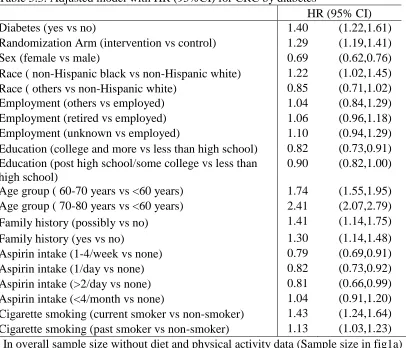
Table 5.3 Adjusted model with HR (95%CI) for CRC by diabetes...62
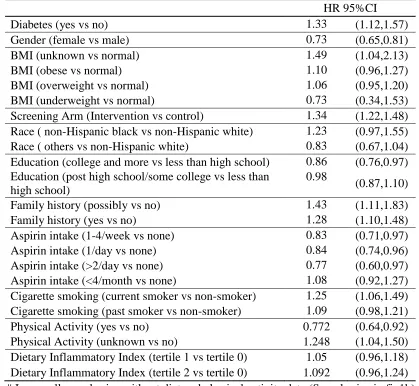
Table 5.4 Adjusted model with HR (95%CI) for CRC by diabetes...63
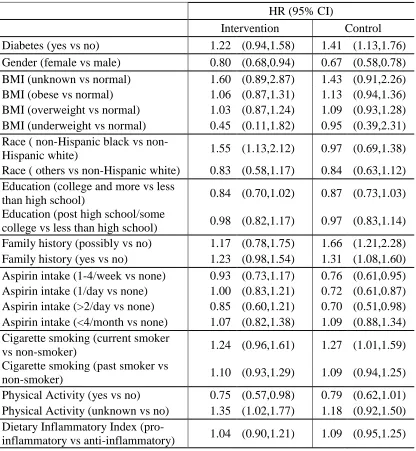
Table 5.5 HR (95% CI) for CRC in relation to diabetes stratified by screening arm ...64
Table 5.6 Adjusted model with HR (95%CI), stratified by BMI ...65
Table 5.7 Adjusted model with HR (95%CI), stratified by BMI including diet data ...66
Table 6.1 Descriptive statistics by diabetes duration, PLCO, 1993 to 2009 ...80
Table 6.2 HR (95%CI) for CRC incidence by diabetes duration, PLCO, 1993 to 2009 ...82
Table 6.3 OR (95%CI) for cancer aggressiveness – stage by duration of diabetes ...82
xii
LIST OF FIGURES
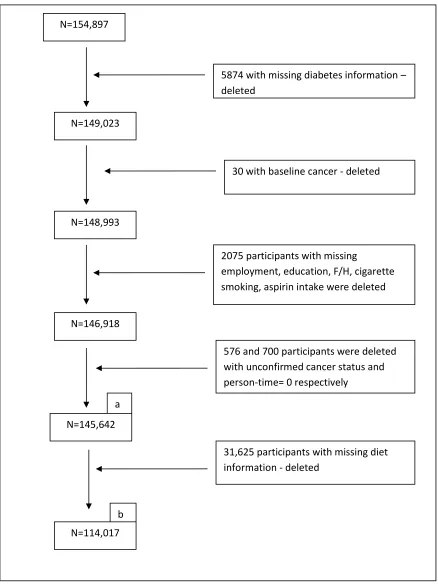
Figure 5.1 Consort diagram for the final analytic dataset ...59
Figure 6.1 Sample size used for calculating the diabetes duration ...78
xiii
LIST OF ABBREVIATIONS
ADA ... American Diabetes Association
BMI ... Body Mass Index
CDC ... Early Treatment Failure
CRC...Colorectal Cancer
DII ... Dietary Inflammatory Index
HDI ... High Development Index
ICD ... International Classification of Disease
IGF-I ... Insulin-like Growth Factor-I
MCS ...Mumbai Cohort Study
PLCO ... Prostate Lung Colorectal Ovarian
SEER ... Surveillance, Epidemiology, and End Results
1
CHAPTER
1
INTRODUCTION
Statement of Problem:
Type 2 Diabetes Mellitus (T2DM) and cancer are both among the top 10 leading
causes of mortality (1-3). Though to differing extents, both of these diseases can be
prevented and controlled by appropriate healthy lifestyle and behavioral changes.
Cancer is a major public health problem and has been studied in many different
populations worldwide; however, the incidence, mortality and therefore prevalence of
different types of cancer varies across these populations (1, 4). Traditionally, cancer has
been considered to be a disease of more developed countries; i.e., those with high
development index (HDI). However, recently there has been a change in the trend of
these diseases. A decrease in colorectal cancer incidence was observed in the US based
on the SEER data (4).
Many developing countries are now experiencing increasing rates of “diseases of
affluence” such as cancer and diabetes, while existing communicable diseases also
present a public health problem (5-10). Some of these countries’ relatively low cancer
rates might reflect deficiencies in existing country-wide surveillance systems. Also, the
developing world is going through an economic and nutrition transition with increased
2
increased stress leading to a rise in rates of chronic diseases such as diabetes, cancer and
heart diseases (1, 4, 5, 7-9, 11-15).
It is the one of the commonly diagnosed cancer among both males and females
(16-18). Based on Globocan estimations worldwide, CRC ranks third among males, and
second among females (19). Around 1.2 million Americans are living with a diagnosis of
CRC. There has been a decrease in the incidence of CRC since mid-1980s due to
identification and removal of adenomatous polyps screening (17). Despite improvements
in screening techniques; compared to other cancers, incidence and prevalence of CRC
remains high. CRC remains one of the top 3 causes of cancer deaths in both men and
women (20). Lung cancer ranks the first in both followed by breast cancer among
females and prostate cancer among males.
In 2010, the expenses for cancer care in the United States were around $125
billion (21, 22). These costs can be reduced by improving access to screening available
facilities to everyone, educating people about it and improving dietary and lifestyle
habits. The risk factors linked with CRC include higher age, unhealthy dietary habits,
physical inactivity, obesity, smoking, alcohol use, personal history of polyps, and family
history of CRC, (17, 22-27). Studies also have shown that T2DM is associated with
increased risk of CRC (3, 28-44).
T2DM is a type of diabetes, characterized by hyperglycemia due to either
inadequate insulin secretion or its utilization or both. Worldwide, T2DM rates are
increasing rapidly (45-47). The estimated prevalence of T2DM was 9% in 2014 in 18+
3
prevalence of T2DM is estimated to almost double in 2030 (4.4%) from that observed in
2000 (2.8%) (46, 47). At the same time, and especially in Asia, T2DM is emerging as an
epidemic (46-51).
Diagnosed diabetes accounts for an estimated $245 billion cost to U.S. society
consisting of $176 billion direct and $69 billion in reduced productivity (52). Besides
this, chronic long-term diabetes is associated with functional damage of several other
organs especially kidneys, eyes and organs of the cardiovascular system (53-56).
Existing research suggest an association between T2DM and cancer (3, 28-30,
33-35, 37, 39, 41-44, 57-64). Both these diseases place a burden on individual health and the
nation’s overall health and economic status. Among all the cancers, CRC is the most
strongly associated with T2DM (57, 58, 60, 64-66). Many known risk factors are
common to both these diseases; for example, obesity, unhealthy diet and physical
inactivity (3, 28-30, 33-35, 37-42, 67-74). Various patho-physiological mechanisms have
been hypothesized to explain the association between T2DM and CRC. Diabetes can
have an influence on colorectal cancer through these mechanisms: hyperinsulinemia,
chronic inflammation and hyperglycemia (3, 17, 29, 33, 36, 37, 39, 42, 44, 61, 75, 76).
Insulin and Insulin-like growth factor (IGF-I) have a proliferative effect of the colonic
epithelium leading to mutations. Thus insulin plays a role in initiation and progression of
colon carcinogenesis. Research is even conducted on the diabetic medication use and its
impact on risk of cancer. Inconsistent findings are seen among users of subcutaneous
injections of insulin and insulin analogs. Few studies suggest an increased risk especially
with long-acting drug glargine while some suggest no association (77-81). Insulin
82-4
84). Apart from hyperinsulinemia, chronic low grade inflammation is one of the reasons
for the association between T2DM and CRC. (36, 43). Inflammation has also been
shown to predict development of T2DM (85-90). Elevated levels of inflammatory
markers; C-reactive protein and IL-6 were observed among diabetics (65, 91-94).
Inflammatory cytokines like TNF-α, IL-6, stimulate insulin sensitivity, continuing
low-grade inflammation, insulin resistance and thereby playing a role in carcinogenesis (95,
96).
Diet and physical activity also are shown to affect insulin levels (61, 67-69,
97-101). All these factors have pro/anti inflammatory effect on the body depending on the
adapted lifestyle. Unhealthy diet and low levels of physical activity have a
pro-inflammatory effect on the body (102-112). These factors have also have been shown to
exert an effect on colorectal carcinogenesis through inflammation-related pathways
(113-121). Thus, it is important to understand this aspect of association.
Purpose and Objectives
Several studies have examined the association between CRC and diabetes (3,
28-44, 61, 76). Most of these studies have been conducted in developed countries, where the
CRC rates are higher. Not many studies have been conducted in developing countries
especially in a country such as India, which is currently experiencing dramatic
demographic, economic, epidemiologic and nutrition transitions (5, 8, 9, 13-15, 122,
123). Besides this, none of the studies have checked for the role of inflammation through
diet in this association. Studies including diet as a confounder have focused only on a few
5
and red meat consumption.(3, 29, 37, 38, 42, 44, 124, 125) There are dietary items that
also have been shown to be associated with CRC via its inflammatory effect. Therefore, it
is important to study this effect, too. Secondly, many previous studies have mentioned the
possibility of diagnostic bias existing in this association. Through our study, we will try
to address these gaps in this association.
With our first objective, we will determine the association between diabetes
(T2DM) and all cancer incidence in an Indian database (MCS. India is a diverse country
in terms of religion, culture, and lifestyle behaviors. Currently, diabetes is increasing at
an alarmingly rate in India (48-50). Although, compared to Western countries, the cancer
rates are lower in India; they are still high and are on an increasing trend. Additionally,
with the current ominous changes in above-mentioned lifestyle factors, it is likely that
cancer rates will increase. Thus, it becomes important to determine the association
between diabetes and cancer incidence in India.
Besides changes in lifestyle factors leading to the increase in chronic disease rates
the Indian population is more susceptible to metabolic syndrome (126-131). Metabolic
syndrome is characterized by higher blood pressure, abdominal obesity, abnormal
cholesterol levels, higher blood sugar, pro-inflammatory state (132). Worldwide, the
Indian population is shown to be prone to metabolic syndrome and having a higher risk
of developing T2DM (130). We will evaluate for the potentially confounding effect of
BMI in this association. Similar to race and ethnicity in the USA, (caste) religion also can
have an effect on this association as considerable differences exist by religion in the
dietary, physical activity, and other lifestyle habits. Therefore we will adjust these
6
In our second objective, we will use Prostate Lung Cancer Ovarian Screening
Trial – a longitudinal US database to determine the association between T2DM and CRC.
We will include all of the important potential confounders – including a variety of
socio-demographic variables, BMI, physical activity, and duration of T2DM. Based on the
literature, it is known that diet and inflammation play an important role in this
association. Most of the studies focusing on diet have included only few dietary items
that do not represent a complete measure of diet. In this study, we will include DII that
calculates the inflammatory score based on total dietary intake. Thereby, we will check
for impact of inflammation through diet (using the DII) on the association between
T2DM and CRC incidence. As seen in most of the studies, one of the important biases
determined in all studies was diagnostic bias; in our project we will include screening as
one of the confounders. Fortunately, the PLCO is a screening trial and thus has
information on screening for 4 cancers (prostrate, lung, colorectal and ovarian cancer).
In our third objective, we will use duration of T2DM as our main exposure and
examine its effect on CRC incidence, whereby the study will be restricted to participants
having diabetes at baseline. We will also explore the association between T2DM
duration and CRC grade and stage. For this question, we will use the PLCO database.
Cancer grade is based on the ICD-O-2 (International Classification of Disease for
Oncology 2nd Edition). In this part of the dissertation we will again determine effect
modification caused by DII.
For all our aims involving cancer incidence and time-to-disease as the outcome,
7
AIM 1: To determine the association between diabetes (T2DM) and all cancer incidence
in an Indian database (MCS)
Hypothesis: Participants with T2DM have a higher risk of cancer incidence after
controlling potential confounders. Religion and BMI also has an impact on this
association. Additionally, diabetes is also associated with cancer subgroups.
AIM 2: To determine the association between T2DM and colorectal cancer incidence in
PLCO screening trial database
Hypothesis 1: Participants with T2DM have a higher risk of CRC incidence after
adjusting for potential confounders.
Hypothesis 2: DII influences the association between T2DM and CRC incidence.
Hypothesis 3: Screening modifies the association between diabetes and CRC
AIM 3:To examine the effect of duration of diabetes with colorectal cancer incidence
and grades and stages of cancer.
Hypothesis 1: With an increase in the duration of T2DM there is an increased risk of
CRC incidence.
Hypothesis 2: With increasing duration of diabetes, a higher stage of CRC is observed.
Significance of Research:
Our overall findings will contribute to current knowledge regarding the
association between T2DM and cancer. With our first aim, we are determining this
8
country such as India, because the rates of T2DM are increasing at an alarming rate and it
is in an epidemiological transition phase. Findings of the study will demonstrate the
importance of this association and the probable reasons that need to be studied in future
studies that will inform steps that would need to be taken among diabetics to reduce the
likelihood of colorectal cancer (and other inflammation -related conditions). An obvious
strength of this work is that it is a prospective study conducted in Mumbai – a culturally
diverse and densely populated city.
In our 2nd aim, we will be studying the association in US database – PLCO - a
cohort study. This study was a screening trial; therefore, for this study; we will use
information on screening. This can help in avoiding diagnostic bias that is one of the
commonest biases many previous studies. Besides that, we will be using DII - a technique
that quantifies the inflammatory potential of diet. As inflammation plays a vital role in
this association, utilizing DII provides a new angle to the existing knowledge about diet
and its role in the association. As both of these diseases have common risk factors, we
will be controlling for the potential confounders.
As shown by a few of the previous studies, duration of T2DM also has an impact
on CRC. As a part of my 3rd aim, we will be looking at the duration of T2DM and its
impact on CRC incidence, disease grade and stage. Results from this study will help in
understanding if longer duration of diabetes has an impact on the development, grading
and staging of CRC. The main exposure used here; i.e., diet-related inflammation, has
rarely been checked for in the previous studies. Again, in this study we will include DII
9
influence on diabetes. This dietary effect also may be due to the inflammatory effect of
diet. Therefore, it is more important to understand this association in greater detail.
Most of the previous studies have not utilized diet for their analysis and the
studies including it have only used restricted groups of foods. In our study, including DII
is innovative and will lead to meaningful improvements in our understanding of
colorectal carcinogenesis.
Study Outline
In Chapter 2, we will provide details on the past studies conducted worldwide
determining the association between diabetes and CRC. We also will briefly mention
previous study results providing background and support on the association and the
factors being controlled. For the Chapter 3, we will provide details on the two databases
being used in our study, the data collection techniques and our selected analytical
methods. In chapter 4, we will include our first manuscript based on our first aim,
followed by Chapter 5 and 6, based on the manuscripts for aim 2 and 3, respectively.
Chapter 7 will include information on the overall discussions and conclusions for the
study. In Chapter 7, I also will discuss what I have learned in the process of conducting
this dissertation research, describe the scope for further research in this area, and provide
10
CHAPTER
2
BACKGROUND AND SIGNIFICANCE
Cancer Statistics
One of the leading causes of morbidity and mortality worldwide is cancer. The
estimated number of new cases of cancer is 15 million worldwide. Regional disparities
exist across different types of cancer and affect population subgroups differentially.
Colorectal cancer (CRC) is one of the top four cancers seen in both males and females
(4). Among all cancers, it is the 3rd most common (1, 18). It is also the fourth leading
cause of cancer mortality (18). It is well-documented that quality of life is impaired in
cancer patients, especially after receiving cancer treatment (133-136). Five-year
mortality for CRC patients is around 40% (22). There are treatment differences based on
disease stage and grade. Clearly, this affects associated costs.
5-10% of CRC cases are due to hereditary causes, but most of the other cases are
due to modifiable causes (24). While CRC incidence rates have been high in developed
countries for some time, an overall increase in CRC incidence rates is observed in low-
and middle-income countries (1, 7). The CRC rates are also increasing rapidly in Asia,
especially in Eastern Asia, for example, in countries like China, Japan, and Singapore a
two- fourfold increase has been observed in the past few years (10). Contrary to this, a
decrease in the CRC incidence rates is seen in especially the previous high-risk places
11
polyps(1). To develop an optimum prevention strategy, it is important to understand the
risk factors and underlying pathology of the disease in further detail.
A number of CRC risk factors– modifiable and non-modifiable have been
identified. For example, CRC is more commonly observed among older age groups.
People with a personal history of inflammatory bowel disease, diabetes and a family
history of CRC and or adenomatous polyps are at a higher risk of developing CRC.
However, there are many risk factors that can be changed to reduce the risk of CRC.
These include diet, physical activity, smoking, alcohol use and obesity. These risk factors
are also common for type 2 diabetes.
Risk factors in relation to Colorectal Cancer
Physical Activity and Colorectal Cancer
Many studies have examined this association. It was found that physical inactivity
is related to increased risk of CRC (61, 74, 118, 119, 137, 138). These results are
consistent with what is observed worldwide. Sedentary lifestyle also is associated with
obesity, which is another risk factor for CRC (38, 73, 139, 140). Besides this, physical
activity also protects against inflammation and insulin resistance (101-103, 105, 114,
141), both of which also are linked with T2DM (103). Most of these studies included self
reported questionnaire data on physical activity. These questionnaires include
12
Diet and Colorectal cancer
Diet is one of the important factors linked with CRC. Different dietary
components have differential effects. Inconsistent results have been have been seen
between red meat intake and risk of CRC (142-144). However, most of these studies
have observed an increased risk of CRC with increased intake of red meat (145-147).
Studies determining effect of fish consumption on CRC also showed mixed results;
however, most of these studies demonstrated beneficial effects of fish consumption on
CRC risk (44, 145, 146, 148-150). Dietary fiber, whole foods, and fruit and vegetable
intake are associated with reduced risk of CRC (113, 117, 151, 152). Literature suggests
that most of these dietary factors have an impact on CRC risk through
inflammation-related pathways (107). Diets high in total calories and saturated fat and with low levels
of dietary fiber leads to insulin resistance, which is associated with both T2DM and CRC
(82). Several types of diets have shown to have distinct effects on risk of CRC and other
chronic diseases. Western diet is associated with increased inflammation, while
Mediterranean and Macrobiotic diets are associated with decreased inflammation (106,
110, 112, 153). Mediterranean diet consists of higher intake of fruits and vegetables,
olive oil, nuts and seeds (106, 110, 154-158). Macrobiotic diet is based on a high intake
of vegetables and beans and whole grains and low intake of sweeteners, and fruits (159,
160). These patterns include components that are linked with lower inflammation,
13
Alcohol intake, Smoking and CRC risk
Alcohol intake may have either a positive or negative effect on CRC risk
depending on the amount (dose) of intake (23, 27, 38, 138, 168, 169). Higher intake is
associated with increased risk (38, 138, 168, 169). Most of the studies observed that
smokers have a higher risk of CRC (26, 170-172).
Diabetes and CRC risk
As mentioned earlier, CRC also is considered to be one of the important risk
factors for CRC. Studies have shown an increased risk of CRC among diabetics (3,
28-35, 37, 39-44, 61).
Meta-Analysis and Review Studies
A meta-analysis by De Bruijin, included 20 studies examining the association
between T2DM and breast and colorectal cancer risk and mortality, of which 6
prospective studies had CRC incidence as their main outcome. Results from these studies
suggest that people with diabetes are at increased risk of CRC compared to non-diabetics
(31). Shikata et al. in their review study also summarized similar results regarding the
association (66). People with T2DM are at increased risk of developing and dying from
CRC. These results are consistent across studies conducted in different geographical
regions. However not all studies produce consistent information on all the potential risk
factors including, diet and physical activity. Another meta-analysis conducted by Deng,
based on studies conducted from 1966 to 2011 included 24 case-control and cohort
studies (32). This review demonstrated 26% higher risk of CRC among diabetics as
14
was observed in case-control studies compared to cohort studies.. The three important
confounders having a positive association in the risk between diabetes and CRC risk are
BMI, physical activity and tobacco use. The review also demonstrated the importance of
insulin therapy on CRC incidence. The results of another meta-analysis consisting of 25
studies suggested a strong positive association (37). No significant difference in this
association was observed between males and females. Higher incidence rates were
observed among case-control studies than in cohort studies. Besides these reviews and
meta-analysis, there have been various case-control and cohort studies conducted
worldwide.
European Studies / Australian:
The European studies also suggest an increased risk of CRC among diabetics as
compared to non-diabetics (29, 37, 76). Some of the studies evaluated the association
separately for colon and rectal cancer. Most of these studies showed an increased risk of
colon cancer associated with diabetes; however, mixed results were observed with rectal
cancer (29, 37, 62, 76). One study, conducted in Scotland, found an increased association
with colon cancer but detected no association with rectal cancer (62). Some of the studies
showed an increase risk in both colon and rectal cancer. Physical activity, one of the
important risk factors, was evaluated by most of these studies and some of these results
were consistent with the previous literature showing a higher risk associated with low
physical activity (37, 61). The study by La Vecchia et al. suggested no association with
leisure-time physical activity (29). Total energy intake, dietary fiber and fat intake were
some of the important dietary factors considered in the Italian study, and the results did
15
included information on some of the important confounders. Dietary data were lacking in
most of these studies except for the study by La Vecchia (29). The retrospective cohort
study conducted by Yang et al. focused only on insulin therapy (30). Only one study has
been conducted in Australia that showed an increased risk of colon cancer, higher among
males compared to females (60).
American Studies:
Many studies evaluating this association have been conducted in the US (3, 34,
44, 84, 124). Although the rates are decreasing, the US still ranks high in sex-specific,
lung, pancreatic and colorectal cancer rates. Western populations are at a higher risk for
different cancers especially due to unhealthy lifestyle behaviors. Red meat intake, alcohol
consumption, low physical activity, and higher smoking rates are some of the factors
strongly linked with CRC , majorly contributing towards the increase in risk (37, 38, 44,
61, 74, 113, 118, 119, 137, 138, 145-147, 170-173). However, recent trends suggest
decrease in the incidence and mortality of CRC (18, 174). This is attributed to the
improved and timely implementation of screening techniques leading to early detection
of risk factors and thereby early treatment (59, 125, 175-177).
Based on our literature search, all US studies have suggested an increased risk of
CRC in association with T2DM. Studies focusing only on women found results similar to
those seen in general population; i.e., an increased risk of CRC among diabetics as
compared to non-diabetics (33, 34, 39). However, some of the studies comparing the
association between the two sexes, showed a higher risk among males as compared to
16
detected among men. Subsite specific risk also showed no association in men; however,
among women it demonstrated a higher risk of proximal colon cancer compared to
controls (124). Physical activity was controlled in most of the studies (3, 28, 33, 34, 37,
38, 42, 44). As obesity is one of the important confounders, most of the studies adjusted
for BMI. Many studies adjusted for diet. However, fruits and vegetables were the only
items adjusted consistently in most of these studies (28, 33, 37, 38, 44, 84, 124). Some of
these studies also adjusted for red meat consumption, which is linked with higher risk of
CRC (28, 33, 34, 44, 124).
Some studies also considered duration of diabetes and examined its association
with CRC risk. There was no specific trend observed in the association. Few of the
studies suggested a stronger association among subjects with increased duration of
diabetes, while one study showed participants in the intermediate duration of diabetes had
a stronger association compared to the longest duration and minimum duration diabetics
(28, 29, 34).
Asian Studies:
There are very few Asian studies assessing the association between T2DM and
CRC. Most of these studies have been conducted in Japan and China and between the
years 1988-2003. However, all of these studies showed an increased risk of colon cancer
among diabetics as compared to non-diabetics. Both studies conducted in Japan were
cohort designs. The study by M.Inoue consisted information on medical history of major
diseases, smoking and alcohol habits, BMI, physical activity and food intake frequency
17
and drinking habits and other demographic variables only (57, 65). An ecological study
based on data from 170 countries and a population-based risk analysis was conducted in
China by X.Ren (41). In this study, a higher risk of colon cancer was observed among
diabetics. However, no association was found with rectal cancer. An increased risk of
colon cancer was observed among both males and females in the prospective study
conducted by Seow et al.(42). This association remained consistent among individuals
with high calorie intake and low physical activity. Using stratified analysis, they also
found an association between diabetes and CRC among people with lower BMI levels
compared to Western population. In another study conducted in Japanese population by
Kiyonori et al, strong increased risk of cancer of pancreas among men and stomach,
colorectum and corpus uteri among females was observed among diabetics (58). Family
history of diabetes also was associated with an increased cancer risk. High rates were
observed for colorectal cancer among both men and women. However, due to the
case-control study design, it was difficult to determine the causality in the association.
Purpose of the study
As mentioned previously, both T2DM and CRC have common risk factors. In
evaluating the association between T2DM and CRC, it is important to understand the role
of, and account for these risk factors that may function as potential confounders. Besides
obesity, the majority of previous studies have been unable to account for some of the
important confounders. Diet (dietary factors) and physical activity were controlled for in
very few studies. Through our study, we want to overcome this limitation and include all
18 Addressing the existing gaps
Diet: Studies examining dietary factors included individual food items and/or dietary
ingredients. The major dietary factors included in these studies were fruits and vegetable
and total calorie intake (3, 28, 33, 34, 37, 38, 42, 44, 84, 124). Red meat and dietary fat
intake also was studied by the authors and it was found to be associated with increased
risk of CRC in some of these studies (28, 33, 34, 37, 124). However, not all studies
included important dietary covariates. Most of these dietary factors are associated with
cancer due to its inflammatory effect on body.
It is important to understand that overall diet can have differential impact on
health as compared to individual dietary ingredients. We know that diet, through
inflammatory pathways, is associated with cancer (115, 116, 120, 165). Inflammation
also is known to be associated with T2DM (87, 88). Besides this, unhealthy dietary habits
i.e. diets high in fat, sugar intake and overall consisting of higher pro-inflammatory
components also are related to obesity which is one of the risk factors for both T2DM and
cancer. Diet plays a major role in the development and progression of T2DM, too.
Therefore, in our study we will be utilizing the dietary inflammatory index (DII) -
a unique tool developed to calculate the overall inflammatory potential of diet. DII scores
are based on up to 45 food parameters. The index has been validated using different
methods of dietary data collection (24-hour recalls and 7DDR) (115). Various studies
using DII have found that higher pro-inflammatory scores are associated with higher risk
of colorectal cancer (115, 116, 120) The current ongoing research also has shown that it
19
Diagnostic Bias: Diagnostic bias was one of the concerns raised in most of the
above-mentioned studies (30, 34, 60). People with diabetes might have a higher probability of
visiting doctor’s clinic, thereby getting screened for other diseases too. A lot of these
studies were unable to resolve this bias. For this part of our project, we are using data
from the Prostate Lung Colorectal Ovarian Cancer Screening Trial (PLCO), a screening
trial. The PLCO study was conducted to determine if screening tests reduces mortality
from prostate, lung, colorectal, and ovarian cancer. At the beginning of the study the
participants were randomized on screening tests for each cancer. We can utilize this
information on screening and try to address the problem of diagnostic bias.
Indian Study: Based on the past research conducted in this area, it was observed that no
studies have been conducted in India. India is a culturally diverse country with lot of
variations in their overall dietary and lifestyle behavior (14, 178). More than 60% of
diabetics worldwide are in Asia, of which around 50% are in India and China combined.
Recent trends have shown an increasing prevalence of diabetes in India (6, 46, 49). With
the ongoing nutrition and lifestyle transition, there is higher probability of developing
chronic diseases, as observed in Western countries. Besides complications, T2DM also is
associated with increased risk of colorectal cancer. With the recent trend, there is
20
CHAPTER 3
METHODS
Introduction
For all analyses, we will be using either the Mumbai Cohort Study (MCS) and
Prostate Lung Colorectal or the Ovarian Cancer Screening Trial (PLCO) databases. AIM
1: To determine the association between diabetes (T2DM) and all cancer incidence in an
Indian database (MCS). We will also determine the association between diabetes and
cancer subtypes. AIM 2: To determine the association between T2DM and colorectal
cancer incidence in PLCO screening trial database. AIM 3 To examine the effect of
duration of diabetes with colorectal cancer incidence and grades and stages of cancer.
The details are mentioned below.
Databases Used:
Mumbai Cohort Study (MCS)
MCS was conducted in Mumbai (formerly known as Bombay) in Maharashtra.
Mumbai is a densely populated city that is divided into three parts: the main city,
suburbs, and extended suburbs. The recruitment of participants was conducted from
1991-1997 and follow-up was done from 1997-2003. The study was restricted to the
main city and recruited individuals over 35 years of age. The voters list was used as the
21
years. The apartments serving the upper-middle class and upper-class housing complexes
were gated communities and were not easily accessible to the interviewers, therefore they
were excluded from the study (179). Only people located in the study area were eligible
to be recruited into the study. The interviewers conducted face-face interviews in the
participant’s home using structured questionnaires. Handheld computers (electronic
diaries) were utilized for this purpose. All the interviews were conducted in local
languages (e.g., Marathi, Hindi) but the information was recorded in English. All the
procedures regarding participant recruitment and ethical treatment of human subjects
were approved by the Indian Council of Medical Research (ICMR) (179-181).
Follow-up: A house-to-house follow-up was conducted on average of 5.5 years
after the initial survey. A list of names and addresses of the participants was provided to
the field investigators for re-interviewing the participant. If the participant was dead,
information regarding the date and place of death was recorded with utmost care and
accuracy. Participants who permanently migrated to another place were considered as
withdrawn from the study and the date of migration was noted. Participants not available
at the particular time and/or not available for re-interview after multiple visits, were
censored at the date of revisit. Re-interviews were conducted during 1997-2003 (181).
Prostate Lung Colorectal Ovarian Cancer Screening Trial (PLCO)
The PLCO is a multicenter cancer screening trial (182). It was a randomized trial
conducted with the main aim to determine if screening examinations can reduce the
mortality of prostate, lung, colorectal, and ovarian cancer. Participants were enrolled and
22
procedures (for colorectal cancer – flexible sigmoidoscopy). . Participants were aged 55
years to 74 years. The exclusion criteria included history of prostate, lung, colorectal or
ovarian cancer, ongoing cancer treatment for any cancer except basal-cell or squamous–
cell cancer. People who had surgical removal of their entire prostate, entire colon or one
lung were ineligible. People participating in other cancer screening or prevention trials
also were excluded. Eligible participants were required to provide signed informed
consent. All participants completed a baseline questionnaire, including information of the
demographics, medical history, personal/family and past and history. Other information
included screening data, dietary data, health status, collection of blood samples. An
additional supplemental questionnaire was administered in 2006. This questionnaire
consisted of similar information as collected in the baseline questionnaire with few
additions (183).
Aim 1: To determine the association between diabetes (T2DM) and all cancer
incidence in an Indian database (MCS)
Question 1: To determine the association between diabetes and cancer incidence
adjusting for potential confounders like BMI and religion
Question 2: To determine the association between diabetes and cancer subtypes
Study Population: The manuscript will be based on the information collected from the
MCS. As mentioned earlier, this study was conducted in Mumbai.
Main Independent variable: Our main independent variable was T2DM. The
information on diabetes mellitus was collected at baseline using the baseline survey. The
23
from any major disease in the past years (Y/N)___ If ‘Y’ then, disease name. Although it
is a self-reported questionnaire, the information was collected and entered by the
interviewer.
Dependent variable:
Cancer incidence is defined as the occurrence of any new cases of cancer in the
defined population during that specified time period. Cancers registered and first
diagnosed between 1st January and 31st December of that particular year were considered
incident cases for that year. Cancer cases also were selected if information was available
only through death certificate.
The Population Based Cancer Registry (PBCR) of Mumbai established in June
1963 was the first such registry in India. Information was collected from cancer patients
who were registered in 150 government hospitals/ institutions and private hospitals or
nursing homes in Mumbai under the care of specialists. Cases were excluded if they
came under code ‘0’ = benign or ‘1’= uncertain if benign or malignant borderline
malignancy or ‘2’=carcinoma in situ. Besides this, patients in whom cancer was ruled out
or was not diagnosed were also removed. The World Health Organization coding system
with the code number C00-97 as published in manual of the International Classification
of Diseases, Injuries, and Cause of Death was used (184) .According to a paper published
by International Agency for Research Cancer, the data collected by PBCR Mumbai meets
the standards for completeness and reliability (185).
The data from the Mumbai Cohort Study and PBCR were combined using the
24
all the newly developed cancer cases ≥35 years developed from 1991-2003 was
abstracted from PBCR.
Covariates:
We will check for all available covariates including age, sex, education,
employment, marital status, body mass index, smoking status in the association. We will
check for any interaction for BMI or religion.
Inclusion/ Exclusion Criteria:
Participants with missing information on diabetes and positive history of cancer at
baseline will be excluded from the study.
Statistical Analysis:
Based on the aforementioned criteria, our analytic sample consists of 95,220 MCS
participants. Descriptive statistics were calculated using chi-sq test for the categorical
variables and t-test for the continuous variables. For our main analysis, we used Cox
proportional hazards model examining cancer incidence among diabetics and
non-diabetics. Follow-up/Person years were calculated using the date of recruitment through
31st December 2003 until the date of re-interview, death, migration or cancer incidence.
We checked for proportional hazards assumptions using both; graphical, and Schoenfeld
residual method (186, 187). Based on this we conducted sequential modeling with first
model representing the crude model; second model stratified by BMI (strata variable), the
third model including BMI in the final model to check if BMI also has an impact on
25
We adjusted for age, gender, native speech (including North Indian and South
Indian languages), education (secondary/ college, primary/middle, uneducated),
employment (employed, retired, unemployed, unknown), tobacco use (current user,
past-user, never-user), BMI (overweight/obese, normal, underweight) and religion (Hindu,
Muslim, others).
We grouped the diagnosed cancers into sub-categories ‘lip, oral-cavity and
pharynx’ (C00-C14), ‘digestive organs cancers’ (C15-C26), ‘respiratory tract cancer’
(C30-C39), ‘breast, cervical, uterine, prostrate cancer’ (C50,C51-C55, C61), and others
based on the ICD10 coding. For the initial analysis, we conducted a chi-sq test for each of
these cancer subtypes (cancer subtype/ no cancer) by diabetes (yes/no) using the overall
dataset. Following this, we conducted matching based on age, gender and person-time for
each for these four cancer groups. The ratio used for matching was 1:4 for the ‘lip,
oral-cavity and pharynx’ (N=1230), ‘digestive organ cancer’ (N=1692) and ‘respiratory tract
cancer’ (N=875) and 1:3 for ‘breast, cervical, uterine, prostrate cancer’ (N=1106). We
conducted conditional logistic regression to determine the association between diabetes
mellitus and cancer subtypes.
Aim 2: To determine the association between T2DM and colorectal cancer incidence
in PLCO screening trial database
Question 1: To evaluate the association between diabetes and CRC incidence adjusting
for potential confounders
Question 2: Check if BMI, screening modify the relationship between diabetes and
26
Study Population:
We will use the Prostate Lung Colorectal Ovarian Cancer Screening Trial data for
this project.
Main Independent Variable:
In this study, information on diabetes and 16 others diseases was collected using
the baseline questionnaire and also via supplemental questionnaire that was one of the
follow-up questionnaires. For this project we will use the baseline data. The question
used to collect this information – ‘Has a doctor ever told you that you have any of the
following conditions’. It is a binary variable (yes/no).
Main Dependent Variable:
Colorectal cancer incidence is our main outcome. These data were collected using
mailed annual study update (ASU) questionnaire that was mailed yearly around each
anniversary of the participant’s randomization date. The ASU questionnaire consisted
information on type and date of diagnosed cancer in the past year. Non-respondents were
contacted again by the study staff via mail and telephone. Information on cancer
incidence was verified using medical records.
Covariates:
The baseline questionnaire consisted of information on socio-demographic,
anthropometric, and personal medical history. Dietary data were collected twice
throughout the course of the study. At baseline the data was collected only in the
27
and control arms. We used the dietary inflammatory index (DIITM), a tool used for
calculating the inflammatory level of food. DII was determined using the diet history
questionnaire (DHQ) administered to both the screening arms Around 118,804
participants have information on diet. The DII is based on 45 food parameters (188). In
our study it was calculated based on the 37 parameters available in the DHQ.
Inclusion/ Exclusion Criteria:
Participants with missing data on diabetes status at baseline will be excluded.
Statistical Analysis:
Figure1 provides the information used for creating the final analytic dataset.
Baseline characteristics were estimated by diabetes status. Person-time (in days) were
calculated from the baseline date to the date of cancer incidence or the latest completion
date of ASU, death, or 13 year of cut off, whichever occurred first. We adjusted for sex,
age (<60 years, 60-70 years, >70 years), BMI (<25, 25–29.9, and 30 kg/m2 and
unknown), education (≥college, post high school/some college, <high school), family
history of cancer (yes, no, missing), aspirin intake (>2/day,1/day, 1-4/week, <4/month
and none), cigarette smoking (current, former, non smoker), DII in tertiles (2.74,
<-0.39, >=-0.39). For all our analytical models using Cox proportional hazards model, we
checked for the proportional hazards (PH) assumption. Once satisfied, we fit these
models estimate hazards ratios and 95% confidence intervals controlling for important
covariates.
For our initial analysis, we did not include the diet information as a covariate. For
28
satisfy the PH assumption. For our further analysis, participants with a person-time of 0
were deleted from the study. Also, only participants with a confirmed cancer status
(yes/no) were included in the study.
Separate analyses were conducted by stratifying the models by the intervention
arm and BMI to check if screening and BMI modified the association between diabetes
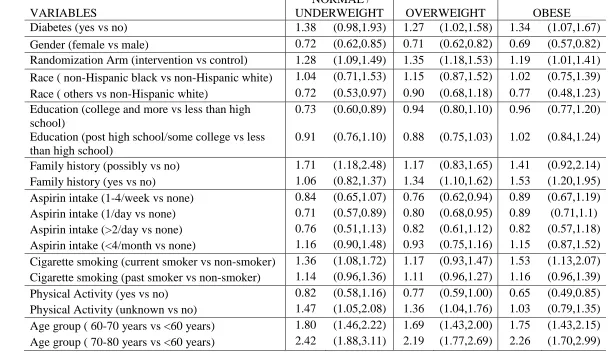
and CRC. BMI was re-categorized into (normal/underweight, overweight and obese) for
stratified analysis. While checking for BMI, we conducted the analysis, initially with the
overall data (N=145,642) and again in the dataset with dietary data (N=114,017), as
shown in Figure1. Physical activity was collected using the baseline dietary and the
supplemental questionnaire (SQX). However the baseline information was collected only
in the intervention arm. We also performed sensitivity analysis, removing people with
missing physical activity data (as per the SQX administered in 2006). Sensitivity analysis
was also conducted restricting to participants with person-time of more than1 year and 2
years with sample sizes of (N=113,689) and (N=113480) respectively.
Aim 3: To examine the effect of duration of diabetes with colorectal cancer
incidence and grades and stages of cancer
Question 1: To assess the association between duration of diabetes associated with
colorectal cancer incidence adjusting for the potential confounders
Question 2: To check if duration of diabetes is related to cancer aggressiveness (cancer
stage and grade)
Study Population: We will use the Prostate Lung Colorectal Ovarian Cancer Screening
29
Main Independent Variable:Duration of diabetes
The baseline (BQX) and supplemental (SQX) questionnaires were used to
determine this variable. The BQX and SQX were administered at baseline and years
2006-2008 respectively. BQX included the question “Did the participant ever have
diabetes?” and the SQX used the question “Were you ever diagnosed with diabetes?”
The SQX also included information on the age at diagnosis of diabetes with 4 categories
(<50 years, 50-59years, 60-69years and >70years).
Participants with missing information on diabetes in both BQX and SQX were
deleted. The overall sample with a valid SQX consists of 103,758 participants. For the
estimation of duration of diabetes variable, we included participants who mentioned yes
for diabetes in the SQX. Among the participants who mentioned yes for diabetes in the
SQX (N=13,675), 12,927 participants answered the question regarding the age at
diagnosis. For the final calculation, we subtracted the mean of the range for the 50-59
years (i.e., 54.5 years) and 60-69 years (i.e., 64.5 years) from the age of the participant
when the SQX was answered. For the last category (>70 years), we will use the mean of
70 years and the highest age of the participant during the SQX i.e. (87 years) (i.e. 78.5)
and subtract it from the age of participant. Using this method, we get negative values for
some of the participants for the calculated variable. As duration of diabetes cannot be less
than 0, we convert these numbers to 1 (minimum possible value). Figure1 gives the
distribution of the participants used for determining the diabetes status. Based on this
information the variable diabetes duration was categorized into ‘no diabetes’,
30
Main Dependent Variable: Colorectal Cancer (CRC) incidence, stage, and grade
CRC incidence data were collected using Annual Study Update Questionnaire
(ASU) administered annually. The incidence, stage and grade of CRC were confirmed
using medical records. For the final analysis, participants with confirmed status of CRC
(yes/no) were included. CRC grades I and II were combined and considered low grade
while grade III and IV were grouped together as high grade. For determining CRC stage,
we used information combining the clinical and pathologic stage of CRC and similar to
grade, stage I and II were combined and stage III and IV were combined. Accordingly,
the sample size was 1032 and 1073 for CRC grade and CRC stage as outcomes
respectively.
Statistical Analysis:
Descriptive statistics (chi-sq for categorical and t-test for continuous variables)
were calculated for participants by their diabetes duration. For CRC incidence, the
following exclusion criteria were used. Participants with missing data on the variable
‘age at diagnosis’ in the SQX, missing information on education, an invalid SQX were
deleted. Person-years were calculated from the day of entry in the trial to CRC diagnosis,
or last day of remaining free from cancer and/or death of the participant. Cox
proportional hazard model was used to estimate hazards ratio and 95% Confidence
interval (CI) of CRC incidence by diabetes duration.
We adjusted for age (when SQX was answered), race (Hispanic white,
non-Hispanic black and others), screening arm (intervention, control group), BMI(<25, 25–
31
retired and others), education (graduate and more, high school/some college, and less
than high school), aspirin intake in past 12 months (≤1/week, ≥2/week, none, unknown),
smoking status (current smoker, past smoker, non-smoker and unknown), family history
of colorectal cancer (yes, no, missing) and DII (dietary inflammatory index) score,
physical activity (active –yes, no, missing).DII is a tool measuring the inflammatory level
of food. It is calculated using up to 45 food parameters, and based on availability of these
parameters. In our study it was based on 37 parameters, which is at the upper end of
what is available from structured questionnaires such as food frequency questionnaires
(FFQ). The details regarding DII have been provided elsewhere (188). We checked the
proportional hazards (PH)-assumptions for diabetes duration and other covariates. As
BMI did not satisfy the PH-assumption, we conducted stratified analysis. Figure 2
provides the final sample used for analysis (N= 83,904).
For CRC stage and grade as the outcomes, the data were restricted to participants
with information on stage and grade, respectively. Further, the people with missing data
on aspirin intake and cigarette smoking were deleted. Logistic regression was used to
estimate odds ratio (OR) and 95% confidence interval (CI) for CRC stage and grade by
duration of diabetes.
Sensitivity analysis was conducted, deleting participants with diagnosis of CRC
32
Overall Strengths and Limitations:
Strengths: Through our first aim we will be determining the association in India using a
longitudinal database, where the question has not yet been studied. The study design will
also help in determining the temporal sequence of the association.
In our Aim 2 and Aim 3, we are using a US national database (PLCO trial). In the
PLCO data, we have information on screening for colorectal cancer. Most of the previous
studies have diagnostic bias as one of the main limitations. Through this study, we will
try to address this problem. We will also be looking at the impact of duration of diabetes
with cancer incidence and aggressiveness. We will include DII – a new concept
especially in this association. In the existing literature it was observed that only few
dietary ingredients were included in the models, while in our study, the dietary
component included, is based on the total dietary intake.
Limitations: In both the study databases, diabetes is self-reported. In the MCS,
although the data for self-reported, it was entered by the interviewer and in the PLCO
database, one of the follow-up questionnaires includes data on diabetes and its duration.
We will validate the data using these two questionnaires. For our MCS study, we do not
Shraddha Vyas, Angela Liese, Jiajia Zhang, Nitin Shivappa, Prakash Gupta, James R Hebert. To be submitted to International Journal of Epidemiology
33
CHAPTER 4
ASSOCIATION BETWEEN DIABETES MELLITUS AND CANCER AND
CANCER SUBTYPES IN INDIAN POPULATION
Abstract
Background: There isgrowing evidence of association between diabetes and cancer. No
studies have been conducted in India evaluating this association. With the current
epidemiologic, nutritional and economic transition in India, it becomes extremely
important to examine this association in an Indian population.
Method: We used Mumbai Cohort Study- a longitudinal study for this purpose. Diabetes
information was collected at baseline and cancer information was received via follow-up
questionnaire and confirmed using cancer registry. We also evaluated the association
between diabetes and cancer subtypes after creating matched datasets for each cancer
subtype. We used Cox Proportional model for cancer incidence and conditional logistic
regression for cancer subtypes.
Results: We did not observe any significant associations between diabetes and all cancer
incidence and cancer subgroups. However the association was in the expected direction.
The hazard of all cancer incidence was 1.06 (95%CI=0.75, 1.62) among persons with
diabetes as compared to people without diabetes.. Among cancer subtypes, there was an
34
‘respiratory tract cancer’ among people with diabetes (OR=1.28; 95%CI=0.53,3.13)
respectively. Inverse direction was observed for ‘digestive organ cancer and
‘breast/prostate/uterine/cervical cancer’ among people with diabetes compared to people
without diabetes (OR=0.59; 95%CI=0.27, 1.32) and (OR=0.66; 95%CI=0.24, 1.84)
respectively, but none of these associations reached statistical significance.
Conclusion: Our findings appear to show a higher hazards of all cancer incidence,
lip/oral/pharyngeal and respiratory tract cancer among people with diabetes compared to
people without diabetes. They direction of the association is consistent with previous
study results. However the association is not significant. Future studies needed to explore
35 Introduction
Apart from the diabetic complications like diabetic foot, diabetic ketoacidosis,
diabetes has also been linked with other chronic diseases like hypertension, other
cardiovascular diseases (189-192). Several studies have shown an association between
diabetes mellitus and cancer. Literature suggests an increased risk of colorectal cancer
(28-40, 42, 61, 76, 124), breast cancer (31, 193-195), liver cancer (196, 197), and
pancreatic cancer (198-200) among people with diabetes. On the other hand people with
diabetes are associated with a lower risk of prostate cancer (59, 201, 202). Besides
sites-specific mechanisms for certain cancers like pancreatic and liver cancer,
hyperinsulinemia, chronic inflammation and hyperglycemia are the suggested pathways
in this association (28, 31-33, 43, 58, 95, 193, 194, 196, 198).
To date, most of these studies determining the association between diabetes
mellitus and cancer are in the Western nations (29, 30, 33, 37, 39, 40, 57, 61-64, 66, 193,
194, 202-207). None of these studies are conducted in India, which is currently
experiencing dramatic demographic, economic, epidemiologic and nutrition transitions
(5, 8, 9, 13-15, 122, 123) and diabetes is developing the status of an epidemic. India is
also a diverse country in terms of religion and culture and people in different religions
have a different dietary and lifestyle habit that have also linked with these diseases.
Globally the Indian population is more prone to metabolic syndrome (128-130). Indians
are also at a higher risk of diabetes mellitus, CVD, dyslipidemia, even at a lower or
normal BMI (208-210). Similar results are seen among Asian Indians worldwide.
Although, compared to Western countries, the cancer rates are lower in India; they are