1
TIPPING POINT OF RESISTANCE: A MULTI-CASE STUDY OF THE INFLUENCE OF SCHOOL CULTURE ON CLASSROOM POSITIVE BEHAVIOR INTERVENTIONS AND
SUPPORT PRACTICES by
Angela R. Shoemake Liberty University
A Dissertation Presented in Partial Fulfillment Of the Requirements for the Degree
Doctor of Education
Liberty University August, 2014
2
TIPPING POINT OF RESISTANCE: A MULTI-CASE STUDY OF THE INFLUENCE OF SCHOOL CULTURE ON CLASSROOM POSITIVE BEHAVIOR INTERVENTIONS AND
SUPPORT PRACTICES by Angela R. Shoemake
A Dissertation Presented in Partial Fulfillment Of the Requirements for the Degree
Doctor of Education
Liberty University, Lynchburg, VA August, 2014
APPROVED BY:
Rollen Fowler, Ph.D., Committee Chair
Travis Bradshaw, Ph.D., Committee Member
Monica Hughes, Ed.D., Committee Member
3
TIPPING POINT OF RESISTANCE: A MULTI-CASE STUDY OF THE INFLUENCE OF SCHOOL CULTURE ON CLASSROOM POSITIVE BEHAVIOR INTERVENTIONS AND
SUPPORT PRACTICES ABSTRACT
Public schools have seen an increase in the use of school-wide positive behavior intervention supports (SWPBIS) to address the emotional and behavioral needs of students. While SWPBIS is a validated, evidence-based practice, teachers often resist the use of this proactive intervention model claiming that they do not have the time or skills to develop interventions to address the students’ challenging behaviors. The purpose of this instrumental multi-case study was to systematically explore and compare the personal experiences of staff who ended their resistance to SWPBIS and successfully implemented at the classroom level. A Georgia middle school implementing SWPBIS at the operational level with identified staff who successfully made the paradigm shift to embrace SWPBIS was selected for this study using maximum variation of sampling. Site selection was based on school size, geographic location, Title I status, and inclusion practices. Triangulated data collection methods included semi-structured interviews, Collaborative School Culture Survey (CSCS), direct observations, and field notes. Initial data analysis used research questions as themes along with open coding of emergent themes. Pattern matching techniques allowed cross analysis within case findings using replication techniques and worksheets provided by Stake (2006). Teachers indicated a willingness to turn from resistance to SWPBIS when their administration models the tenants of SWBPIS. The greatest professional development need existed in understanding the basic principles of ABA. Recommendations for future research are given.
4
Keywords: School-Wide Positive Behavior Supports, school culture, teacher resistance, classroom management, instrumental multi-case study.
5
Acknowledgments
With an overflowing heart, I dedicate this research to each relationship that has sustained my efforts and perseverance. First, thank you to my precious daughter who spontaneously lessened the mental and emotional discomforts of prolonged study by cleaning our home without complaint, understanding when we had to sacrifice time together and missed opportunities over the past four years. Second, thank you to my cherished husband and three boys for helping me keep a balance, remaining beside me, and reminding me that this project is merely part of our journey to be enjoyed. Third, thank you to my participants for your transparency and willingness to share your experiences with me. Fourth, thank you to my friends and extended family for your patience and understanding that our time apart is celebrated as a continued connection through this process. Last and in no manner the least, I fully acknowledge and genuinely appreciate the consistency of encouragement, immense investment of time, and constructive feedback gifted to me by my dissertation chair and research consultant as well as my dissertation committee. You each hold my deepest respect and a large stake in this victory. Without you, this project would not have reached fruition. Abundant grace and love to all of you.
6 Table of Contents ABSTRACT ... 3 Acknowledgments ... 5 Table of Contents ... 6 List of Tables ... 11 List of Figures ... 12 List of Abbreviations... 13
CHAPTER ONE: INTRODUCTION ... 14
Background ... 17
School-Wide Positive Behavior Interventions and Supports ... 18
Situation to Self ... 21
Problem Statement ... 22
Purpose Statement ... 25
Significance of the Study ... 26
Research Questions ... 29
Research Plan... 32
Delimitations... 36
Summary... 36
CHAPTER TWO: LITERATURE REVIEW... 38
Method for Finding Relevant Articles Included in the Literature Review... 38
Theoretical Framework ... 42
7
Applied Behavior Analysis ... 46
Review of the Literature ... 48
Prevalence of Student Risk Factors that Impair Behavior ... 49
Child Abuse ... 49
Mental Health ... 50
Poverty ... 52
Georgia’s Approach to Challenging Behavior ... 54
General Education Classroom ... 55
School-wide Positive Behavior Supports ... 57
SWPBIS: Evidence-Based Practice ... 58
SWPBIS: Phases of Implementation ... 61
School Culture ... 64
“Culture” Defined ... 64
Collaborative “Effective” Culture ... 65
School Culture as a Barrier to SWPBIS Implementation ... 67
Strategic Support Structures ... 68
Teachers ... 68
Administration ... 68
Summary... 69
CHAPTER THREE: METHODOLOGY ... 71
Design... 72
Research Questions ... 76
8
Research Site Selection ... 78
State ... 78
District ... 81
Participant Selection... 85
Procedures ... 88
The Researcher’s Role ... 91
Data Collection ... 91
Interviews ... 92
Surveys/Instruments ... 95
Observations ... 99
Data Analysis ... 100
Within Case Analysis ... 101
Across Case Analysis ... 105
Trustworthiness ... 107
Credibility ... 108
Transferability ... 108
Dependability and Confirmability ... 108
Ethical Considerations... 109
Confidentiality ... 110
Informed Consent ... 110
CHAPTER FOUR: FINDINGS ... 112
Situation of Case ... 114
9
Demographic Description of Participants ... 118
Interviews ... 125 Additional Interviews ... 134 Surveys... 138 Observations ... 140 Triangulation ... 141 Summary... 141
CHAPTER FIVE: DISCUSSION AND RECOMMENDATIONS ... 143
Summary of Findings ... 143
Site Demographic Overview ... 144
Participant Overview ... 144
Key Themes ... 145
Support for Key Findings Indicated by the CSCS ... 146
Support for Key Finding Indicated by the Observation... 147
Discussion of Findings ... 147 Research Question 1 ... 150 Research Question 2 ... 150 Research Question 3 ... 153 Implications ... 154 Limitations ... 155
Recommendations for Future Research ... 157
Conclusion ... 158
10
Appendix A: Informed Consent for Adults ... 178
Appendix B: Collaborative School Culture Survey ... 179
Appendix C: Worksheet 1. Case Study Graphic... 181
Appendix D: Worksheet 2. The research questions or Themes of the multi-case study and Factors that might be used in a more quantitative study ... 182
Appendix E: Coding Outline and Start List of Codes ... 183
Appendix F: Pre-structured Case Outline ... 184
Appendix G: Worksheet 3. Analyst’s Notes while reading a case report Case ID... 186
Appendix H: Worksheet 4. Estimates of Ordinariness of the Situation of Each Case and Estimates of Manifestation of Multicase Themes in Each Case ... 205
Appendix I: Worksheet 5. A Map on which to make Assertions for the Final Report ... 208
Appendix J: Worksheet 6. Multi-case Assertions for the Final Report ... 213
Appendix K: Worksheet 7. Planning the Multi-case Final Report ... 214
Appendix L: Permission to use Collaborative School Culture Survey ... 216
Appendix M: Environmental Inventory ... 217
11
List of Tables
Table 1. Additional Criteria for Schools Identified as Implementing at an Operational
Level ... 79
Table 2. Fully Operational Districts Solicited for Participation ... 82
Table 3. Demographics of participants identified as having turned from resistance ... 87
Table 4. Standardized Open-Ended Interview Questions ... 93
Table 5. Factor Definitions and Coefficient Alphas for the Collaborative School Culture Survey ... 98
Table 6. Murray County Demographic Data by Household Type ... 115
Table 7. Demographic Description of Murray County and Georgia ... 116
Table 8. Participant Screener Survey Item Responses ... 118
Table 9. Demographics of All Study Participants ... 120
Table 10. Demographics of participants identified as having turned from resistance ... 124
Table 11. Brief Participant Description... 125
Table 12. Summary of Priori Codes and Frequency of Themes among Initially Resistant Teachers ... 126
12
List of Figures
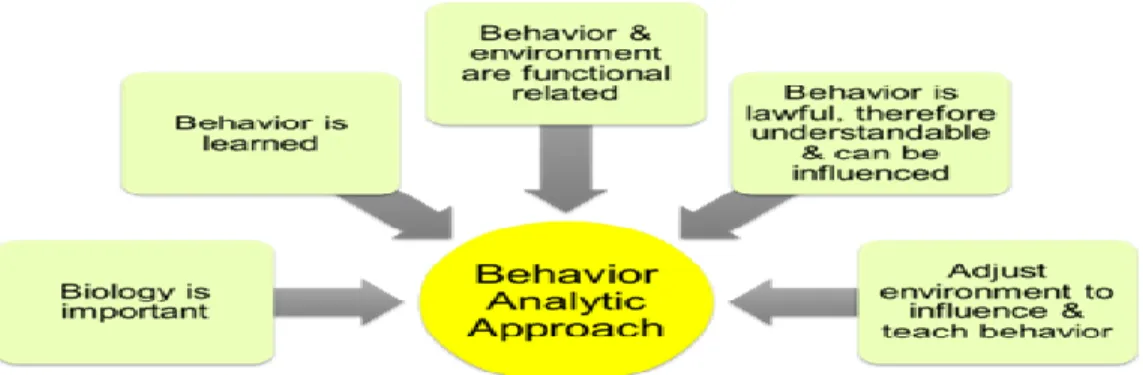
Figure 1. Theoretical framework for the behavior analytic approach... 19
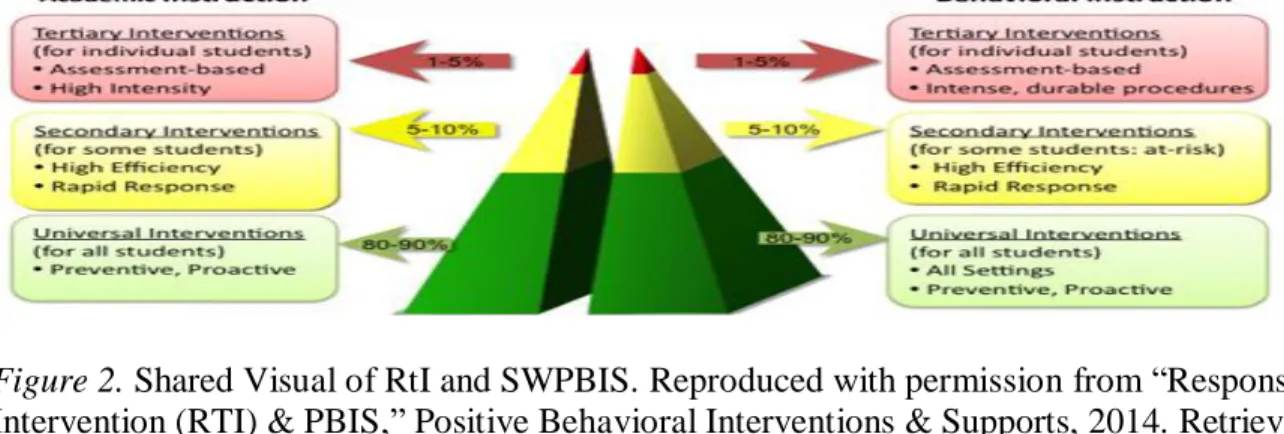
Figure 2. Shared Visual of RtI and SWPBIS.. ... 20
Figure 3. CSCS Central Tendencies of Participants’ responses. ... 138
13
List of Abbreviations Classroom Management Self-Assessment Tool (CMSAT) Collaborative School Culture Survey (CSCS)
Department of Education (DOE)
Georgia Department of Education (GADOE)
Georgia Network of Educational and Therapeutic Supports (GNETS) Individuals with Disabilities Education Act (IDEA)
No Child Left Behind (NCLB)
Positive Behavior Interventions and Supports (PBIS) Response to Intervention (RtI)
Response to Intervention for Academics (RtI-A) Response to Intervention for Behavior (RtI-B)
14
CHAPTER ONE: INTRODUCTION
Fueled by federal legislation, including both the No Child Left Behind Act of 2001 (NCLB), and the Individuals with Disabilities Act of 2004 (IDEA, 2004), two major multi-tiered programs have begun to make way in schools across the nation. First, response to Intervention for academics (RtI-A), and Response to Intervention for behavior (RtI-B), have emerged as a tiered approach to maximize student academic success and minimize behavior through screening and progress monitoring of student responses to targeted interventions driven by individual student needs in the general education setting (National Center for Response to Intervention, 2012; Reinke, Herman & Stormont, 2013). Second, supported by studies illuminating the negative relationship between student behavior and academic achievement (see for example, Lassen, Steele, & Sailor, 2006; Reinke et al., 2013; Sugai, 2007), the use of school-wide positive behavior intervention supports (SWPBIS) is quickly growing as a system wide approach in revamping classroom practices to monitor student responses to teaching strategies that promote positive, pro-social, behavior-protective factors in an effort to improve student achievement, post-secondary outcomes, and long term quality of life (Albin et al., 2010; Fairbanks, Sugai, Guardino, & Lathrop, 2007; George, White, & Schlaffer, 2007; Hieneman, Dunlap & Kincaid, 2005; Lohrmann, Martin, & Patil, 2013; Tillery, Varjas, Meyers, & Collins, 2010).
SWPBIS, a system approach aimed at prevention and tiered interventions, incorporates the shared components of RtI-A and RtI-B, which are growth-oriented interventions driven by assessment data, implemented with fidelity, and monitored for effectiveness as determined by a student’s responses to the interventions (National Center for Response to Intervention, 2012; Solomon, Klein, Hintze, Cressey, & Peller, 2011; Sugai & Horner, 2009).
15
Accepted as common practice, dealing with student behavior is often immersed in identifying “problems” with the student without considering the environmental context in which a behavior occurs (Sailor, Stowe, Turnbull, & Kleinhammer-Trammill, 2007) or the role of the teacher in initiating/maintaining inappropriate behavior (Long, Wood, & Fescer, 2001). These practices are often exacerbated by deficient teacher classroom management skills illuminated in the negative reinforcement teachers receive for imposing aversive punishments and exclusionary practices with progressive frequency, intensity, and duration (Anderson, 2009; Lassen et al. 2006), all of which have been proven ineffective in increasing desired behavior. In fact, these practices serve to encourage the undesired student behavior (Alvarez, 2007; Long, 1995; Marchant et al., 2009; Noguera, 1995), thereby unintentionally diminishing the integrity of classroom instruction (Blum & Cheney, 2009).
Not surprisingly, teachers identify discipline as a top concern and cite their lack of knowledge about effective classroom management practices, including SWPBIS and the
application of behavior management techniques (O’Neil & Stephenson, 2012; Reinke, Stormont, Herman, Puri, & Goel, 2011), as the broadest and most critical barrier to teaching and learning efforts (Chitiyo & Wheeler, 2009; Kincaid, Childs, Blasé, & Wallace, 2007; Reinke et al., 2013). Despite these concerns, many teachers tend to resist the implementation of preventative positive behavior supports primarily due to a lack of on-site support and practical know how (Bambara, Nonnemacher, & Kern, 2009; Bambara, Goh, Kern, & Caskie, 2012).
While teacher resistance to implementation at the classroom level has been the focus of much research (see for example, Bambara et al., 2009; Bambara et al., 2012; Blum & Cheney, 2009; Dunlap, Iovannone, Wilson, Kincaid, & Strain, 2010; Kincaid et al., 2007; Reinke et al., 2013; Saville, Lambert, & Robertson, 2011), minimal attention is given to what is needed to
16
coach the paradigm shift from resistance to embracing and implementing SWPBIS; attention is also lacking in regards to the influence of school culture on classroom management practices (Fallon, O’Keefe, & Sugai, 2012; Peshak-George & Kincaid, 2008; Sugai, O’Keefe, & Fallon, 2012). Thus, the purpose of this instrumental multi-site case study was to systematically explore and compare the personal experiences of staff that have turned from resistance to positive
behavior supports and the influence of school culture on making the paradigm shift to
implementation and practicing SWPBIS at the classroom level. For the purpose of this study, teacher resistance was generally defined as self-reported unwillingness to engage as an active participant in the PBIS implementation process at the classroom level.
First, it is important to understand the intrinsic nature of the particular culture, or context, in which resistant behavior occurred prior to taking on a larger scope of inquiry; ergo, the
research site and cases served as an exploratory model of the phenomenon under study. Understanding the particulars of each case was important solely for the purpose of developing and understanding the more general phenomena of transforming from resistance to
implementation which came from comparisons of case findings across cases, making this research well-suited as an instrumental multi-case study. By illuminating how school personnel actually experienced a transformation in their attitudes, this study strove to identify strategic support structures previously unknown to SWPBIS implementers. Participants’ reports
regarding the reason(s) why they were resistant to implementing SWPBIS and what was pivotal to their transformation from resistance to adoption of SWPBIS may help future implementers glean insight into how to predict and prevent teacher resistance to other change initiatives in education.
17
Background
The primary goal of educational institutions has become bi-dimensional to include a focus on both academics and behavior (IDEA, 2004; Sugai, 2007; Tillery et al., 2010). Previous research and common knowledge indicate that students who perform well on standardized tests spend more time in class engaged in tasks than do their lower-performing peers (Sailor et al., 2007). Misbehaving students are often removed from the classroom for extended periods of time without scientific support for doing so (Mathur, 2007) and without employing interventions aimed at preventing, teaching, and expecting appropriate behavior in schools (Clonan, 2007; Lohrmann, Forman, Martin, & Palmieri, 2008; Noguera, 1995). Most teachers lament having to deal with challenging student behavior and report negative student behavior as a primary reason for leaving education much sooner than anticipated at the onset of their teaching career (Chitiyo & Wheeler, 2009; Reinke et al., 2013). Students who exhibit challenging behavior often
experience difficulty keeping a job, engage in drug use, and show higher dropout and incarceration rates (Flower, McDaniel, & Jolivette, 2011). Striving to address these issues, SWPBIS, encompassing RtI-B, produces generalizable results across settings in improving the quality of life of individuals with challenging behavior (Albin et al., 2010; Carr et al., 1999). Moreover, SWPBIS has gained exponential adoption both nationally and internationally by proactively responding to and dealing with challenging behavior through data-driven decision making, resulting in more positive post-secondary outcomes for students (George et al., 2007; Tillery et al., 2010; Lohrmann et al., 2013; Reinke et al., 2013; Solomon et al., 2011; Sugai, 2013).
In January 2014, the U.S. Department of Education published federal guidelines for improving school climate and reducing problem behaviors. Three guidelines of relevance to this
18
study were aimed at: purposefully creating a positive climate and process of prevention, clear and positively-framed expectations, and equity in implementation and continuous improvement (U.S. Department of Education, 2014), each of which are basic tenants of SWPBIS. The Governor’s Office of Student Achievement for the State of Georgia followed the federal directive with the distribution of a memo to Georgia schools in January indicating that youth who appear before the court on school-related charges will not be adjudicated without documentation of a functional behavior assessment having been conducted and documented interventions having been implemented to teach replacement behaviors. In addition, Georgia redefined the definitions of state reportable behaviors to align with federal definitions and better meet the federal requirements outlined in Safe and Drug Free Schools.
School-Wide Positive Behavior Interventions and Supports
Essentially, RtI requires progressive interventions of increasing frequency, intensity, and duration in order to bring about the desired outcome. More importantly, RtI requires
documentation of the implemented intervention’s frequency, intensity, and duration coupled with documentation (progress monitoring) of student responses to the interventions implemented. The National Center for Response to Intervention (2012) defined RtI as:
Response to Intervention integrates assessment and intervention within a multi-level prevention system to maximize student achievement and to reduce behavioral problems. With RTI, schools identify students at risk for poor learning outcomes, monitor student progress, provide evidence-based interventions and adjust the intensity and nature of those interventions depending on a student’s responsiveness, and identify students with learning or other disabilities. (p. 2)
19
Mirroring the essential components of RtI’s individual student approach, SWPBIS is a system approach to school improvement based on valued outcomes of high quality leadership, high quality instruction, and continuous student support geared toward preventing behavior that disrupts the teaching and learning process for student groups school-wide.
The prevention strategies used in SWBPS or SWPBIS are grounded in research-based practices such as applied behavior analysis (see Figure 1) and valid instructional practices to develop interventions matched to student need (Horner, Sugai, & Anderson, 2010; Bambara et al., 2009; Tillery et al., 2010), as well as procedures for more effective teacher practices through data-driven decision making (Bradshaw, Koth, Thornton, & Leaf, 2008; Stormont, Reinke, & Herman, 2011; Sugai, 2007). Proven effective in schools and other settings when implemented with consistency and fidelity (Albin et. al., 2010; Carr et. al., 1999; Hieneman et al., 2005; Peshak-George & Kincaid, 2008), the ultimate goal of SWPBIS is to improve the long-term quality of life of individuals and their families by preventing undesired behaviors and providing direct instruction of socially appropriate behaviors (Solomon et al., 2011).
Figure 1. Theoretical framework for the behavior analytic approach. Reproduced with
permission from Implementing School-wide Positive Behavior Support: Tier 1 Overview, by G. Sugai, 2013, OSEP Center on PBIS. Center for Behavioral Education and Research, University of Connecticut. Retrieved from
http://www.pbis.org/common/cms/files/pbisresources/SWPBIS_Getting_Started_ver_27_28_Au g_2013_HAND.ppt.
20
SWPBIS Triangle. The adopted visual representation of progressive prevention
interventions is a three tiered triangle and is shared between SWPBIS and RtI (Figure 2). Tier I (the base) represents the universal level of prevention aimed at all students, to which 80-90% of the student population are responsive. Tier II represents 10-15% of the student population who exhibit higher frequency and intensity behavioral problems. More intensive targeted intervention such as small group social skills instruction, or daily check-in, check-out monitoring is common at this level. The vertex represents 1-5% of the student population. Interventions at this level are the most specific and intensive. While data are often collected weekly in Tier I, data collection is more frequent, day-to-day, in Tier II. Class-by-class monitoring of student behavior is typical of Tier III (George et al., 2007; Lassen et al., 2006; Sailor et al., 2007; Sugai, 2007).
Figure 2. Shared Visual of RtI and SWPBIS. Reproduced with permission from“Response to Intervention (RTI) & PBIS,” Positive Behavioral Interventions & Supports, 2014. Retrieved from http://www.pbis.org/school/rti.aspx.
Despite the federal mandates and proven ineffectiveness of traditional practices (Alvarez, 2007; Long, 1995; Noguera, 1995), many teachers resist the implementation of preventative behavior supports in the classroom (Bambara et al., 2009; Bambara et al., 2012) while continuing to identify behavior management as the most critical barrier to teaching and learning efforts (Chitiyo & Wheeler, 2009; Flett & Hewitt, 2013; Reinke et al., 2013). Resistance to SWPBIS at the classroom level has been the focus of much research (Bambara et al., 2009; Bambara et al.,
21
2012; Blum & Cheney, 2009; Dunlap et al., 2010; Lohrmann et al., 2013) with an emphasis on why teachers resist. In fact, evidence suggest that teachers regard the two most prevalent barriers to garnering support for full implementation of SWPBIS to be the existing school culture, and professional development needs exceeding resources available to coach the
paradigm shift (Bambara et al., 2009; Bambara et al., 2012; Caldarella, Shatzer, Gray, Young, & Young, 2011; Lohrmann et al., 2013; Pyle, 2011). Minimal attention has been given, however, to understanding the influence of school culture on classroom management practices (Fallon et al., 2012; Sugai et al., 2011) and what it takes to get resistant staff to commit (Lohrmann et al., 2013). This study was aimed at filling the gap in current research to discover how existing school cultures influence teacher willingness to actively participate in implementation efforts and what structures can be established to predict and prevent resistance for future implementers.
Situation to Self
My previous experiences in the classroom as a lead behavior therapist and reading specialist, as well as my experiences outside the classroom—across counties—as the curriculum coach for GNETS facilities influenced the development of this topic and study. Within a
Georgia middle school general education setting, I served as the on-site parent liaison, Title I instructional coach, RtI intervention data collection support, behavior support coach, and I assisted staff in interpreting student performance data. As a side interest, I have privately served families as a consultant working to implement positive behavior supports for specific children exhibiting challenging behaviors across child care facilities/settings. Relevant professional activities included implementing SWPBIS over a five-year period, partnering with a colleague to develop a cost-effective intervention and behavior database, and serving as a special educator in targeted classrooms experiencing significant behavior management concerns. I have also
22
presented the intervention database at the state level, and I plan to also present it at the national level. With that said, I disclose at the onset of this research that I fully embrace the tenets of RtI and SWPBIS at each of the three Tiers and have first-hand knowledge of the ill preparedness of even the most stellar educators in dealing with challenging behavior, as well as the influence a school’s culture can have on the implementation of change initiatives; particularly SWPBIS. To ensure accuracy of data interpretation and that open coding procedures have not been influenced by my own, albeit unconscious, preconceptions, I utilized an external auditor, frequent member checks, and continuous data analysis and code refinement.
Problem Statement
In the United States, one in five middle school-aged adolescents cross the criteria threshold for diagnosis of mental disorders (anxiety, mood disorder, attention
deficit-hyperactivity disorder, behavior disorders, conduct disorder, and oppositional defiant disorder) that cause severe lifetime impairment (Flett & Hewitt, 2013; Merikangas et al., 2010). Less than half of these adolescents ever receive treatment, and those who do seek intervention services report having less than six intervention sessions (Merikangas et al., 2011). It is important to note, moreover, that families living in the American South are less likely to seek treatment services for their child’s behavior/mental health compared to those living in the western regions of the United States (Flett & Hewitt, 2013; Merikangas et al., 2011). Thus, students—both within and outside of the south—with significant negative behaviors that disrupt the teaching and learning process are sitting in classrooms with insufficient support to optimize their educational experience even under normal circumstances (Reinke et al., 2011). Opportunities to improve the lifelong outcomes for all students abound in general education settings and should include research-based effective practices for behavior (Flower, McDaniel, & Jolivette, 2011).
23
In Georgia, a separate system known as the Georgia Network for Educational and Therapeutic Supports (GNETS) is fully funded to provide special education services under the federal emotional and behavioral disorder (EBD) eligibility criteria to children ages 3-21 who have made limited academic gains and who exhibit chronic behavior that may warrant residential or more restrictive placements. For those served though GNETS, effective strategies such as highly structured classrooms that embed positive behavior management techniques and low pupil-to-teacher ratios are standard practice. Less than one-half of one percent of students identified under EBD criteria are eligible for GNETS placement. The push for inclusion and lack of resources thus inevitably keeps students with significant behaviors that fragment the teaching and learning process inside the general education setting classroom without needed services.
Students served through GNETS are most often housed in separate facilities and provided services by separate staff. While small group instruction in a GNETS classrooms is an effective instructional strategy, housing these small groups in separate facilities does not support students exhibiting challenging behavior in larger general education settings, inadvertently denying them access to non-disabled peers, typical peer social interactions, and more importantly, highly qualified educational practitioners (Forness, Kim, & Walker, 2012; Hieneman et al., 2005). One conflict that emerges from the segregation of students with severe behaviors stems from the lack of scientific research to support exclusion coupled with the mounting evidence of the intense services this student population desperately needs (Mathur, 2007).
Learning and behavior are now best understood to be inextricably linked to each other; yet, educators often misinterpret or fail to recognize the influence they have on student behavior (Lohrmann et al., 2008; Lohrmann et al., 2013; Long et al., 2001). Thus, collectively sharing a
24
predisposition toward exclusionary practices helps teachers feel in control rather than
empowering students to be in control or becoming resilient enough to overcome the adversity they face (Marchant et al., 2009; Tillery et al., 2010). Exclusionary practices are a common approach to behaviorally challenging students, but are directly antithetic to the tenets of SWPBIS—the intended long-term change language of RtI (Burns, Riley-Tillman, &
VanDerHeyden, 2012), and the overall purpose of meaningful education. Establishing PBIS in school environments provides trajectories for students into lives as resilient, productive citizens equipped with the social emotional skills to resolve conflict, self-advocate, problem solve, and experience improved quality of life (Bambara & Lohrmann, 2006; Carr et al., 2002). For teachers, reducing the frequency, intensity, and duration of disruptive behaviors helps to ensure maximized instructional time, closes the achievement gap, supports flex grouping, and allows the attention of teachers and other students to remain where it needs to be, on teaching and learning in the classroom.
The problem at hand is that there exists little to no information to help us understand the influence of school culture on adopting SWPBIS (Fallon et al., 2012). By gathering information on this issue, this study strove to discover ways to address teachers’ technical assistance needs related to classroom management and to identify a means for overcoming teacher resistance to SWPBIS. In order to gain insight into how to establish effective means of overcoming teacher resistance, a comprehensive exploration of teacher resistant behavior within the cultural and contextual situation of the school and classroom is necessary (Sugai et al. 2012). By recruiting school personnel who have actually experienced a transformation in their attitudes, this study was aimed at identifying tacit strategic support structures. Through participants’ reports on the reason why they were resistant and what was pivotal to their transformation, the researcher
25
aimed to glean insight into how to construct strategic support structures that aid in predicting, preventing, and overcoming resistance to implementation at the classroom level for both current and future SWPBIS implementers (Bambara et al., 2009; Fallon et al., 2012; Tillery et al., 2010).
Purpose Statement
The purpose of this instrumental multi-case study was to systematically explore and compare the experiences of teachers who turned from their resistance to SWPBIS to successfully implement universal interventions at the classroom level, as well as the cultural conditions that supported the transformation within and across settings. Georgia middle schools identified from the Georgia Department of Education (GADOE) 2012-2013 list of schools implementing
SWPBIS at an operational level were selected and solicited as case sites for participation (see Georgia Department of Education 2012-2013 list of schools implementing, n.d.). Within the case site, eight nested cases (i.e., participating teachers) were selected using purposive, criterion and maximum variation sampling methods (Merriam, 2009). While on site conducting
interviews, three administrators were added as a separate group of nested cases. With the help of an on-site administrator, the researcher used a case-selection process to solicit teachers for voluntary participation. A structured questionnaire was sent to their work email asking the following question:
As a classroom teacher, how would you describe your willingness to engage as an active participant in positive behavior support implementation efforts?
1. I have always actively participated in PBIS implementation efforts in my classroom. 2. I initially resisted implementation of PBIS tenets such as providing reinforcement for
desired behaviors in my classroom. However, since that time, I have become an active participant in implementing the tenets of PBIS in my classroom.
26
3. I am resistant to PBIS implementation efforts in my classroom.
Only teachers selecting the “I initially resisted implementation…” response choice were invited to participate in this study. Eight teachers with this response were selected from within the case site to compose a participant group of teachers. Responses with choice one and three were excluded from the participation selection pool since the focus of this study was to
understand the experiences of teachers who turned from resistance to SWPBIS to embracing and implementing it in their classrooms.
Illuminating school personnel who have actually experienced a transformation in their attitudes, this study had the potential to identify effective means of overcoming teacher
resistance. Existing school cultures have been found to be one of the most influential factors of implementation as both enablers and barriers (Lohrmann et al., 2008; Peshak-George & Kincaid, 2008). Organizational culture and resistance to change initiatives have been studied in other disciplines such as business with limited focus on the influence of culture on the adoption of school improvement initiatives (Fallon et al., 2012). Thus, a comprehensive exploration of teacher resistant behavior within the cultural and contextual situation of the school and classroom is necessary (Sugai et al., 2012).
Significance of the Study
A meta-analysis and other current research in the field of school-wide positive behavior supports indicated that the most prominent weakness in the field of SWPBIS research is the over-use of single-case study design, and that SWPBIS research is conducted at the elementary level four times more often than in middle or high schools (Kincaid et al., 2006; Lassen et al., 2007; Lohrmann et al., 2008, 2013; Marchant, 2009; Pyle, 2011; Solomon et al., 2011). In support of previous findings, the review of literature for this study found seven studies that
27
addressed the reasons teachers resist implementation (Bambara et al., 2009, 2012; Blum & Cheney, 2009; Chitiyo & Wheeler, 2009; George et al., 2007; Handler et al., 2007; Kincaid et al., 2007; Lohrmann et al., 2008, 2013). However, no studies of any design were found to examine how the individual teachers were able to turn from resistance to embracing SWPBIS within the context of school culture. Several researchers included this topic as a recommendation for future research aimed at increasing the generalizability of SWPBIS as an evidence-based practice (cf. Bambara et al., 2012; Blum & Cheney, 2009; Caldarella et al., 2011; Lohrmann et al., 2013; Reinke et al., 2011; Stormont et al., 2011).
To empirically strengthen existing knowledge and broaden the field of SWPBIS, a multi-case design was selected and conducted at the middle school level. Recommendations for future research to fill the gaps in SWPBIS literature point to understanding the factors associated with the pivotal turning point of teacher resistance and the influential factors of school culture on classroom level practices at each grade level, as well as the demographic differences between implementers (Fallon et al., 2012; Lohrmann et al., 2013; Reinke et. al., 2013; Sugai & Horner, 2009).
When establishing a theoretical frame, decisions that bind the focus of the study are made, such as choice of design, research questions, data collection sources, and data analysis methods (Creswell, 2013; Merriam, 2009). The overarching theory that supported this study was Skinner’s (1953) behaviorism. An extension of behavioral theory and a theoretical undergirding of the study was applied behavior analysis (ABA, see Figure 1), which views behavior as
something that is learned for application within a social context or condition and can be replaced with more socially acceptable, effective, mature responses (Carr et al., 1999; Sailor et al., 2007). This study focused on understanding what motivates teachers resisting PBIS to embrace and
28
implement it, and the cultural influences within the school’s social context that support the transformation.
To enhance the theoretical application of SWPBIS, Bambara et al. (2012) suggested that researchers “collect information on professional’s experiences implementing SWPBIS relative to school characteristics (e.g., grade level, school size, geographic location, inclusion practices) and school-wide applications of SWPBIS at the universal level for finer analysis” (p. 239). Thus, maximum variation sampling methods applied to site selection in this study assisted in identification of critical variables associated with school size and geographic location.
Maximum variation sampling methods applied to participant selection allowed for identification of critical variables associated with teacher demographics, years of experience, grade level, and inclusion practices as well. Given that there is a solid gap in current literature, it is critical to gain insight into how teachers make the shift from resistance to implementation of SWPBIS at the classroom level, given that this is where the greatest potential for impact exists. This study aimed to contribute further knowledge in this area to aid current and future implementers in developing strategies that promote fidelity as part of the implementation process.
To increase the generalizability and breadth of SWPBIS as an evidence-based practice, this study was designed to capture the experience of teachers who turned from resistance to acceptance of SWPBIS within the confounding influences of different school cultures that are identified as already implementing SWPBIS at an operational level. Given the high frequency of single-case study use in current research, conducting this study in a middle school with school staff of varied age, years of experience, gender, and inclusion practices aimed to expand
29
Selecting a middle school as a research site helped to balance the four-to-one ratio of elementary school to middle and high school research site selection in existing SWPBIS research.
Considering that no SWPBIS studies of any design were found to examine teachers’ experiences with turning from resistance to embracing SWPBIS within the context of school culture (Bambara et al., 2012; Blum & Cheney, 2009; Caldarella et al., 2011; Lohrmann et al., 2013; Reinke et al., 2011; Stormont et al., 2011), focusing the study to examine teachers’ experiences aimed to broaden current research in the field of SWPBIS. Highlighting recurring themes and issues identified by teachers as impedances to implementation allowed future implementers to make informed decisions on how to structure the presentation of SWPBIS and facilitate successful implementation (Lohrmann et al., 2008; Peshak- George & Kincaid, 2008). By limiting the selection of participants to school personnel who have actually experienced a transformation in their attitudes, this study had the potential to identify strategic support structures previously unknown to SWPBIS implementers. Based on participants’ reports
regarding the reason(s) they were resistant to implementing SWPBIS and the factors that brought about their transformation from resistance to adoption of SWPBIS, this study hoped to glean insight into how to predict and prevent teacher resistance to other change initiatives in education. Reporting “sufficient descriptive data” (Merriam, 2009, p. 225) from the accumulated findings of this study and previous research, transferability from this study to other situations and
practitioners was increased.
Research Questions
Given the existing gap in research literature, the focus of the study was to answer the following research questions:
30
Research question 1: What individual personal factors and experiences do school personnel give to explain their paradigm shift from resistance to acceptance of SWPBIS?
Question 1 was designed to capture the essence of what was pivotal in the individual experiences of having turned from resistant to SWPBIS implementation, which is the central phenomenon under study in the current investigation and was recommended for exploration by Bambara et al. (2012); as well as Lorhrmann et al. (2013). Data was collected for question one in the form of a face-to-face interview. As data was collected, demographic descriptors were listed on each interview face sheet to form initial categorical codes that were used descriptively in analysis and reporting. Enumeration of word occurrence (frequency of word in text) was used to identify emergent themes in the voice and language of participants reporting having made the transformation away from resistance. For example, if eight teachers identified collegial support as an influential factor in their paradigm shift, then that information was sorted under number of years of experience, teacher gender, and education level, to determine patterns that emerged between and among participants. Participant responses were transcribed, analyzed, and coded as patterns emerged within and across cases through interim analysis.
Research question 2: What are subsequent implications for strategic implementation support structures?
Question two was designed to elicit detailed information from participants regarding what they believed to be important to supporting the SWPBIS implementation efforts of other teachers. This information was collected in the face-to-face interviews, transcribed, analyzed, and coded as themes emerged from the transcribed text. For example, if eight participants reported having the opportunity to witness classroom interventions in a college classroom, then a potential emerging theme was teacher partnership or teacher collaboration. When identified and
31
addressed appropriately, factors that impede implementation can be structured to facilitate successful implementation (Lohrmann et al., 2008; Peshak-George & Kincaid, 2008), thereby supporting the need for question two.
Research question 3: What school cultural factors are important to understand in predicting, and preventing resistance to universal intervention implementation?
Question three was designed to identify school-based cultural factors inherent in middle schools that could circumvent resistance (Lohrmann et al., 2013) and are critical to
implementation success. Ten of the cited 27 barriers to SWPBIS implementation were directly related to current shared practices and beliefs (Bambara et al., 2012), which is the simplest definition of culture (Fallon et al., 2012) and was foundational to the purpose of this study.
Participating staff from the school site were administered the CSCS (Gruenert & Valentine, 1998) in order to assess their perceptions about cultural factors operating at their school. Item responses were revisited in face-to-face interviews with participants to provide a deeper level of interview questioning and to solicit richer descriptions of the influence of school culture on the transformation experience. For example, teachers indicating collaborative
leadership as highly influential to the transformation were asked to give an example of types of activities that were made available to them that supported their transformation. Research suggest that failed initiatives may be the result of fragmented or subculture values that impede
improvement (Lindahl, 2006), such as inertia, or opposition that preexists within an
organization’s culture (Neagu & Nicula, 2012). In contrast, these same studies emphasize the ability of the organization to work collaboratively as the single most influential condition
impacting implementation efforts (Gruenert & Valentine, 1998; Lindahl, 2006; Neagu & Nicula, 2012).
32
Research Plan
This study was a holistic-inductive naturalistic inquiry, aimed at illuminating discovered relationships between the how and why (Merriam, 2009; Yin, 2009) of teachers having turned from resistance to embracing SWPBIS. The study aimed to specifically highlight the influence of school culture on the SWPBIS implementation practices of teachers at the classroom level within the real life context of a situation (Stake, 2010) or “bounded system” (Smith, 1978). Stake (2006a) described the power of case study to lie in the researcher’s situational
attentiveness and the purpose of multi-case research to illuminate contextual problems while constructing experiential knowledge. Hence, the most appropriate research approach for adding confidence and generalizability of findings is a multi-case study design (Creswell, 2013; Stake, 2010; Yin, 2009). To this end, a defined set of interview and probing questions were constructed for use in this study in order to support or influence comparisons of findings across cases,
making this study instrumental to the field of SWPBIS.
The selection of research sites and participants is critical to identifying rich resources. To get at the heart of the phenomenon under study, middle schools that met the pre-established state criteria and were identified as fully operational in SWPBIS implementation were contacted for participation as research sites. At the time of the study, there were 75 schools identified as implementing SWPBIS at an operational level on the 2012-2013 GADOE SWPBIS
implementers list located on the Georgia Department of Education Website. Of the 75 operational schools, 17 were identified as middle schools, and they represented 10 counties across the state of Georgia. Counties listed as implementing at an operational level that did not indicate participation by a middle school were not considered as potential participants as they did not meet the participation criteria set forth in this study of being an operational middle school.
33
For this reason, purposeful sampling (Patton, 2002) of multiple cases—defined as the bounded schools—that varied by school size, geographic location, student population demographics, and Georgia school status designation, provided maximum variation to increase the potential
transferability of this study’s findings. Sampling sites with purpose allows for the greatest opportunity to capture recurring or shared experiences within and among the sites and cases under study.
The selection of participants who turned from resistance to SWPBIS constrained the focus of the study to the “quintain” (Stake, 2006a, p. 4), or phenomenon of interest. Cases (teachers) that identify themselves as initial resisters with at least 5 years of teaching experience and have been on site for at least three years were solicited for participation via an initial survey. As an incentive for participation, those accepting solicitation for participation had their name placed in a hat for a drawing to receive one of six gift cards valued at either: $5, $10, or $15. Participants who completed the study had an opportunity to win a $50.00 gift card. Variation by teacher demographic descriptors such as age, grade level, race, gender, and number of years’ experience as an educator increased the analytical transferability of the empirical research findings in the field.
Following initial introductions, potential participants received a link to an online survey via email that included a statement of consent to participate, a brief description of the study’s purpose, an explanation of how participant data would be kept private and secured, a statement of the risk/benefits to the participants, an explanation of how the participant would be
compensated, and an option to withdraw without penalty (Bickman & Rog, 2009; Stake, 2010; Yin, 2009). As part of the initial participant selection pool survey, following acceptance of informed consent, a preliminary questionnaire aimed at gathering demographic data of accepting
34
participants was presented that included the researcher’s contact information to schedule a face-to-face interview. At the time of face-face-to-face interview scheduling, participants were given a link to an online version of the CSCS to be completed prior to the scheduled interview time.
The data collection process included multiple forms of evidentiary artifacts as
recommended by Merriam (2009), Stake (2010), and Yin (2009). Data collection was in the form of face-to-face interviews, a CSCS survey, and observations of participants within their site. The interview questions were piloted with critical colleagues following IRB approval to ensure clarity of intent and ease of understanding. Interviews were conducted face-to-face using the piloted research questions and were audio taped with anticipated time to complete at
approximately 45-60 minutes. Moreover, I took field notes as the interviews transpired, in which I recorded casual observations, additional questions, thoughts, or ideas as they were presented. Verbatim transcription occurred following each interview with interim analysis running
concurrent with data collection.
Data analysis began with a pre-established set of themes identified from the research questions (see Appendix D). Transcribed text was cut and clustered into units of meaning under each theme and marked with a code or descriptor that were established later as categories (see Appendix E), which is a data entry and storage procedure for qualitative data (Miles &
Huberman, 1994; Miles, Huberman, & Saldana, 2014). Each code was added to a master list of codes with detailed descriptors for each code. The list was further analyzed at a later time for themes within each initial code and broken down into smaller units of analysis (Merriam, 2009). Demographic descriptive data of participants was reported in table form and used to construct relationships between data and participant characteristics that could easily be compared across
35
cases. This process allowed me to discover influential factors that are needed to ensure successful implementation with specific practitioner characteristics.
In line with the criteria of trustworthiness in qualitative research as prescribed by Lincoln and Guba (1985), Creswell (2013), Rossman and Rallis (2003), and Yin (2009, 2012),
establishing the credibility and dependability of this multi-case study was achieved using measures such as multiple methodology for sampling of participants, multiple sources of data collection, and multiple sources of analysis as identified in Bickman and Rog (2009), Lincoln and Guba (1985), Patton (1990), Stake (2010), and Yin (2012). Trustworthiness in qualitative research is comparable to validity and reliability of quantitative research (Patton, 1990).
Within any study, the issue of ethical conduct on behalf of the researcher must be considered (Creswell, 2013; Moustakas, 1994; Rossman & Rallis, 2003). Stake (2010, p. 29) stated that qualitative studies involve “the issues of other human beings,” noting that “privacy is always at risk [and] entrapment is regularly a possibility.” The protection of participants’ confidentiality and the acquisition of informed consent were consequently fundamental to this research. Confidentiality was ensured by replacing personally identifiable information with alphanumeric identifiers. For example: “School 1, Case A” represents a participant from the first site. “School 1, Case B” represents the second participant from the same site, etc.
Ethical considerations are the pillar of quality research and they guided this study from inception to conclusion. I maintained the integrity of participants and their confidentiality at all times. Data reporting was conducted in aggregate to further protect those informing the study. Most importantly, abided by the requirements for research set forth by the Internal Review Board.
36
Delimitations
Delimitations of this study were that only middle schools identified on Georgia’s 2012-2013 lists of schools implementing SWPBIS at an operational level were solicited for
participation as bounded systems or situations wherein each case exists. This decision was made to narrow the focus of the study to those sites most capable of informing the current study. Middle schools that were implementing below the operational level or were not identified as a Georgia middle school implementing at the operational level were excluded from the study as implementation efforts were expected to be inconsistent in schools where the SWPBIS change initiative was emerging. Within the research site, only staff self-reporting a turn from resistance to adoption of SWPBIS at the classroom level, having five or more years of experience, and having been on site for at least three years were approached as potential participants in this study.
Summary
Growing numbers of public schools are adopting SWPBIS as an innovative strategy to improve outcomes for students. Disruptive student behavior is common to the field of education, and leads many educators to leave the field sooner than anticipated. In fact, recent research shows the prevalence of behavior disorders to be greater than the number of students actually identified. Despite the wealth of research supporting SWPBIS as an effective evidence-based strategy for reducing problem behavior, many teachers continue to resist implementation. To understand how to predict, prevent, and overcome teacher resistance to SWPBIS
implementation, this study engaged teachers who have successfully made the paradigm shift away from resistance and explored the influence of the existing school culture in supporting the shift toward adoption. The researcher hoped that understanding how and why resistant teachers
37
were able to make the transformation would provide insight for implementers in predicting, preventing and overcoming resistance from educators.
To structure a study of this magnitude, a strategic approach to existing literature, a review of current research, and a solid grounding in theory are necessary. Conceptualizing a study in this way guides the extensive review of literature to form a general understanding of the problem and support the research questions proposed as the focus of the study. Chapter two addresses the strategy behind the approach to locating current literature in the field of SWPBIS, the prevalence of risk factors associated with problem behavior, Georgia’s approach to challenging student behavior, components of school culture, and the currently identified strategic support structure for SWPBIS implementers.
38
CHAPTER TWO: LITERATURE REVIEW
To gain insight into how to establish effective means of overcoming teacher resistance to implementing SWPBIS at the classroom level, a comprehensive exploration of teacher resistant behavior within the cultural and contextual situation of the school and classroom is necessary prior to performing a larger cross-case inquiry (Sugai et al., 2012). The purpose of this instrumental multi-case study was to systematically explore the experiences of teachers who have turned from their resistance to SWPBIS to successfully implement universal interventions at the classroom level, as well as the existing cultural conditions that supported the
transformation from resistance to adoption.
Method for Finding Relevant Articles Included in the Literature Review To address the issue of teacher resistance to SWPBIS and to substantiate the need to explore the quintain of teacher resistance to implementation within the complex and confounding school culture, a review of both qualitative and quantitative studies was conducted using Liberty University’s computer-based Summon online library. In order to find relevant studies, a search of the top multidisciplinary databases was conducted. These databases include: Academic Search Complete, Academic One File, Lexis Nexis Academic, Proquest, JSTOR, and Science Direct College Edition, with dissertations and thesis as potential results. Keywords and title searches yielded a significant number of articles. Using the keywords “School-Wide Positive Behavior Supports,” or “positive behavior support implementation,” within parameters of peer-reviewed scholarly journals revealed 568,720 articles. Limiting results to full text availability reduced the results to 361,360. Decreasing the search publication date range to 2000-2013 reduced the number of results to 303,673. Modifying the publication date range to 2009-2013 resulted in 123,583 results. Further modifying the keyword search terms to include “resistance
39
and teachers” exposed 26,094 results. Using “resistance,” “positive behavior support,”
“teachers,” and “general education” as additional search modifiers resulted in 20,034 results. A second search using only the term “school-wide positive behavior supports” in full text
availability of scholarly, peer-reviewed articles published between 2009 and 2014 resulted in 2,479 articles. Adding “school climate” or “school culture” as advanced search modifiers yielded 437 results. Within these results, adding “teacher” or “classroom and resistance” resulted in 82 articles. A third search using “SWPBIS,” or “PBIS and barriers” as modifiers yielded 11 additional articles.
In regards to school culture, a Summon search of the top multidisciplinary databases was conducted using the keywords “school culture” and “survey” with research parameters of
scholarly peer-reviewed, full text availability, and written in English. The results of this search provided 30,579 items. When the term “effective” was added to the title field of the search, 96 results were shown. Given the vast difference in search results, a second search was conducted using full text availability, scholarly peer-reviewed, with search terms “effective school culture” and “survey.” The results of this search yielded 8,124 articles. The search was refined to include “student achievement” as a modifier and resulted in 15 publications meeting the search parameters. Review of all 15 publications resulted in the selection of one survey in which measured factors were aligned with the tenets of SWPBIS implementation.
Coupled with these searches, a manual search examined the text and reference pages of relevant publications found in the computer search. A search by author name was conducted on the most frequently cited researchers, namely, Sugai, Kincaid, Horner, and Bambara to check for additional research associated with the SWPBIS variable of interest in the online library
40
populated in order of relevance. In considering the order of relevance generated using keywords “effective school culture and survey” with student achievement in the title, Gruenert (2005) was listed first and author search was conducted using his name. Articles were included in this review if they met any of the following criteria:
1. The article addressed the topic of SWPBIS implementation strategies, barriers to the implementation, lessons from the field of PBIS, teacher attitudes towards SWPBIS, teacher retention, and student behavior, or classroom behavior support practices, either individually or in combination.
2. The article addressed organizational culture, readiness for and resistance to change, and characteristics of effective school culture, or organizational change impedances, either individually or in combination.
3. The article addressed the development or implementation of SWPBIS or organizational change processes in other settings.
4. The article addressed or utilized a means of assessment examining multiple facets of the SWPBIS process or was potentially useful in generating data pertinent to a study correlating the influence of organizational culture on change initiative processes meeting with success.
5. The article presented validated measures of school culture or was potentially useful in generating data pertinent to a study correlating the influence of organization culture on change initiative processes.
Articles culled were compared based on study properties, and organized by topic relevance: Prevalence of students with challenging behavior severe enough to impede the teaching and learning process and the under treatment of adolescents in general as well as in the
41
south, were topics of most relevance. The ensuing idea of SWPBIS as an evidence-based practice resulting in positive long-term outcomes and the phases of SWPBIS implementation were followed by the importance of school culture. A solid behavior analytic definition of school culture brought to light the complex influence of school culture and subcultures on the SWPBIS implementation process and overall organizational health. The next topics explored were teacher perceptions of preparedness and training needs for implementation with fidelity. These ideas were followed by what is currently known in regards to barriers and enablers of implementation efforts. A logical flow into what has been sustaining factors, resolutions to barriers, and recommendations that led to the aim of this study looks directly into the experiences of teachers who have let go of traditional philosophies and adopted SWPBIS in their classrooms.
Given the complexity of the SWPBIS initiative, schools often face common impedances to implementation (Handler, Rey, Connell & Their, 2007). According to Lohrmann et al. (2008), and Peshak-George and Kincaid (2008), when sufficiently secured, these same contributing impedance factors become the pillars of successful implementation. Fundamental to the success of any deployed initiative is the establishment of a supportive, collaborative culture within the organization (Bambara et al., 2012; Fallon et al., 2012; Gumuseli & Eryilmaz, 2011; Lohrmann & Bambara, 2006; Neagu & Nicula, 2012), defined for this study as each school. Application of collaborative culture was explained well by Mark Wilson, superintendent of Morgan County School System in Georgia, speaking in a GADOE (2008) webinar wherein he described the school as a body (http://www.gadoe.org/Curriculum-Instruction-and-Assessment/Special-Education-Services/Documents/Recorded%20Webinars.pdf). In order to operate as a unified body, a characteristic deemed essential to collaborative school culture (Neagu & Nicula, 2012), leadership—internal and external—must recognize each of the three basic “body” parts: the
42
head, the heart, and the hand. The head is the cognitive piece or the curriculum, which encompasses the “what” that gets taught. The heart is the undercurrent, encompassing the cohesive “how” we teach. The hand is the observable experience of both the heart and head working collaboratively and consistently to cultivate success and achieve the goal of educating students through shared attitudes and beliefs; ergo, the collaborative culture.
Of interest to this study is the influence of school culture on PBIS implementation efforts of teachers at the classroom level. To gain greater insight into the focus of this research, a theoretical framework was established to support the review of literature in regards to school culture, SWPBIS, identified barriers to implementation, and strategic support structures that have been found effective in the deployment of other department of education initiatives.
Theoretical Framework
The relationship between effective instruction and effective classroom behavior management techniques has been recognized for centuries by philosophers such as Comenius and Mann (Gutek, 2011), and by researchers (Axelrod, Moyer, & Berry, 1990; Horner et al., 2010; Kauffman, 1999; Sailor et al., 2007). Philosopher Johann Amos Comenius’s school improvement plan of the 1600s, as described in Gutek (2011), was grounded in the idea that “schools were made for children—children are not made for schools” (p. 135). Horace Mann (cited in Gutek, 2011, p. 241) highlighted the need for teachers to embody expert knowledge in content, instructional methods, and classroom management that recognizes that student interest is more motivating than fear. For these philosophers and others, teaching valued behaviors such as “hard work, effort, honesty, diligence… respect for property and reason” (Gutek, 2011, p. 239), along with personal responsibility embedded in academics was critical for educated citizenry and peaceful humankind (Gutek, 2011; Horner et al., 2010; Sailor et al., 2007).
43
Remaining current with effective research-based instructional practices within the field of education demands acknowledgment of the psychological processes that simultaneously occur with and in support of learning and readiness to learn. When academic learning does not occur, psychological assessments can be utilized as screeners to aid in determining the root cause of learning inhibiters and potential interventions for continued academic growth to ensue. When behavior prevents learning, functional behavior assessments (behavior analysis) are initiated to determine the purpose of the behavior and potential interventions (teaching of replacement behaviors) that support learning and behavior specific to environmental context or situation. Academic achievement and positive behaviors go hand in hand, reciprocally impacting one another. Yet, interventions are often withheld until problem behaviors become pervasive, making successful interventions unlikely in a situation that could have been prevented
(Kauffman, 1999). It is possible that classroom teachers minimize the usefulness of PBIS and resist implementation in favor of more punitive exclusionary practices simply because they are unaware of the prevalence and severity of multiple student risk factors, many of which are untreated and increasingly common in their classrooms (Gonzalez, Gutkin, Nelson & Shwery, 2004). Furthermore, American culture advocates for the rights of individuals, including children, to be protected, often placing higher value on personal freedoms over the common welfare of the whole (Kauffman, 1999), which inadvertently causes communication barriers. Barriers to communication, such as confidentiality of student records, and privacy protections bind critical information—or at best inhibit sharing of information—that may motivate teachers to implement interventions with greater fidelity.
When establishing a theoretical frame, decisions that bind the focus of the study are made such as choice of design, research questions, data collection sources, and data analysis methods
44
(Creswell, 2013; Merriam, 2009). The overarching theories that support this study are Skinner’s (1953) behaviorism, under which is applied behavior analysis, which undergirds the focus of this study in understanding what motivates teachers resisting PBIS to embrace and implement. Behaviorism
By emphasizing the connection between what is happening socially in the environment before, during, and after a learned behavior becomes of interest, behaviorism posits that a change in one influences change in the other. Skinner (1953) developed this idea as operant
conditioning. Operant conditioning assumes that all behavior is learned, serves a purpose, and is influenced by positive or negative reinforcements. Thus, using the idea of operant conditioning, teaching individuals to replace negative behavior with more appropriate, long-term protective behaviors is possible (Miller, 2002; Moore, 2011; Sugai, 2007).
An example of operant conditioning could be described in the following scenario. A student blurts out repetitively despite posted, taught, and retaught expectations. Following this behavior, the teacher stops teaching and addresses the student. The consequence for blurting out was twofold: the teacher stopped instruction, thus negatively reinforcing the behavior (if the function of the behavior was task avoidance), or positively reinforcing the behavior by giving one-on-one teacher attention (if the goal was to gain adult attention). In either case of response, the blurting out behavior was reinforced to continue. The idea of behavior management in the classroom is complex and warrants development. To change a behavior, environmental reinforcements must change.
Positive behavior supports are an extension of behaviorism in systematically teaching and reinforcing desired behaviors. Moore (2011) stated, “A comprehensive science of behavior is concerned with accounting for, predicting, controlling, influencing, explaining, and
45
understanding behavior. This is the province of behavior analysis” (p. 460). The goal is to acknowledge appropriate behaviors and reinforce those desired behaviors while ignoring or extinguishing undesirable [maladaptive coping] behaviors (Miller, 2002; Moore, 2011). The philosophic argument of Robert Owen that “character is taught, developed and shaped by the environment in which we function” succinctly summarizes the basic tenets of SWPBIS (Gutek, 2011, p. 252, emphasis added). Investing in desired behaviors by explicitly teaching
expectations, routinely reviewing expectations, supporting and rewarding proximity as behavior is shaped, and reinforcing those who are meeting behavior expectations, is necessary to develop the character of students and promote societal values through education.
While traditionally focused solely on the student, behavioral interventions have evolved to encompass a broader view of behavior in context of the environment in which it occurs (Conroy, Daunic, Haydon, & Stichter, 2008; Handler et al., 2007; Sugai, 2007). Of increasing interest is the role of the teacher in predicting, influencing, and reinforcing positive behavior within the context of the classroom in schools that have adopted a school-wide approach (Blum & Cheney, 2009; Chitiyo & Wheeler, 2009; Stormont et al., 2011; Sugai, 2007). With a goal of shifting teacher beliefs and resistant behavior that undermines instructional best practices, SWPBIS will only be sustainable when implemented with fidelity at the classroom level where reluctance to implementation continues to surface as an impedance to school-wide efforts in the form of teacher resistance (Bambara et al., 2009; Bambara et al., 2012; Dunlap et al., 2010; Reinke et al., 2013). For the purpose of this research, a basic assumption is that children and even adults will engage in desired behavior when they are reinforced for doing so, essentially extending the tenets of SWPBIS from students to staff.