VOLUME 5 ISSUE 10 FEBRUARY 2017 ISSN 2050-4349
Can Health-care Assistant Training improve the
relational care of older people? (CHAT) A development
and feasibility study of a complex intervention
Antony Arthur, Clare Aldus, Sophie Sarre, Jill Maben, Heather Wharrad,
Justine Schneider, Garry Barton, Elaine Argyle, Allan Clark,
improve the relational care of older
people? (CHAT) A development and
feasibility study of a complex intervention
Antony Arthur,
1,2
* Clare Aldus,
1,2
Sophie Sarre,
3
Jill Maben,
3
Heather Wharrad,
4
Justine Schneider,
5
Garry Barton,
2,6
Elaine Argyle,
4
Allan Clark,
2,6
Fiona Nouri
4
and Caroline Nicholson
3
1
School of Health Sciences, Faculty of Medicine and Health Sciences,
University of East Anglia, Norwich, UK
2
Norwich Clinical Trials Unit, Faculty of Medicine and Health Sciences,
University of East Anglia, Norwich, UK
3
Florence Nightingale Faculty of Nursing and Midwifery, King
’
s College London,
London, UK
4
School of Health Sciences, Queen
’
s Medical Centre, Faculty of Medicine and
Health Sciences, University of Nottingham, Nottingham, UK
5
School of Sociology and Social Policy, University of Nottingham, Nottingham, UK
6Norwich Medical School, Faculty of Medicine and Health Sciences, University of
East Anglia, Norwich, UK
*Corresponding author
Declared competing interests of authors:At the time of the study, Antony Arthur was a member of the National Institute for Health Research Health Services and Delivery Research commissioning board and Jill Maben was a member of the National Institute for Health Research Health Services and Delivery Research researcher-led panel.
Published February 2017
DOI: 10.3310/hsdr05100
ISSN 2050-4349 (Print) ISSN 2050-4357 (Online)
This journal is a member of and subscribes to the principles of the Committee on Publication Ethics (COPE) (www.publicationethics.org/). Editorial contact: [email protected]
The full HS&DR archive is freely available to view online at www.journalslibrary.nihr.ac.uk/hsdr. Print-on-demand copies can be purchased from the report pages of the NIHR Journals Library website: www.journalslibrary.nihr.ac.uk
Criteria for inclusion in theHealth Services and Delivery Researchjournal
Reports are published inHealth Services and Delivery Research(HS&DR) if (1) they have resulted from work for the HS&DR programme or programmes which preceded the HS&DR programme, and (2) they are of a sufficiently high scientific quality as assessed by the reviewers and editors.
HS&DR programme
The Health Services and Delivery Research (HS&DR) programme, part of the National Institute for Health Research (NIHR), was established to fund a broad range of research. It combines the strengths and contributions of two previous NIHR research programmes: the Health Services Research (HSR) programme and the Service Delivery and Organisation (SDO) programme, which were merged in January 2012.
The HS&DR programme aims to produce rigorous and relevant evidence on the quality, access and organisation of health services including costs and outcomes, as well as research on implementation. The programme will enhance the strategic focus on research that matters to the NHS and is keen to support ambitious evaluative research to improve health services.
For more information about the HS&DR programme please visit the website: http://www.nets.nihr.ac.uk/programmes/hsdr
This report
The research reported in this issue of the journal was funded by the HS&DR programme or one of its preceding programmes as project number 12/129/10. The contractual start date was in January 2014. The final report began editorial review in February 2016 and was accepted for publication in September 2016. The authors have been wholly responsible for all data collection, analysis and interpretation, and for writing up their work. The HS&DR editors and production house have tried to ensure the accuracy of the authors’report and would like to thank the reviewers for their constructive comments on the final report document. However, they do not accept liability for damages or losses arising from material published in this report.
This report presents independent research funded by the National Institute for Health Research (NIHR). The views and opinions expressed by authors in this publication are those of the authors and do not necessarily reflect those of the NHS, the NIHR, NETSCC, the HS&DR
programme or the Department of Health. If there are verbatim quotations included in this publication the views and opinions expressed by the interviewees are those of the interviewees and do not necessarily reflect those of the authors, those of the NHS, the NIHR, NETSCC, the HS&DR programme or the Department of Health.
© Queen’s Printer and Controller of HMSO 2017. This work was produced by Arthuret al.under the terms of a commissioning contract issued by the Secretary of State for Health. This issue may be freely reproduced for the purposes of private research and study and extracts (or indeed, the full report) may be included in professional journals provided that suitable acknowledgement is made and the reproduction is not associated with any form of advertising. Applications for commercial reproduction should be
Health Services and Delivery Research
Editor-in-Chief
Professor Jo Rycroft-Malone Professor of Health Services and Implementation Research, Bangor University, UK
NIHR Journals Library Editor-in-Chief
Professor Tom Walley Director, NIHR Evaluation, Trials and Studies and Director of the EME Programme, UK
NIHR Journals Library Editors
Professor Ken Stein Chair of HTA Editorial Board and Professor of Public Health, University of Exeter Medical School, UK
Professor Andree Le May Chair of NIHR Journals Library Editorial Group (EME, HS&DR, PGfAR, PHR journals) Dr Martin Ashton-Key Consultant in Public Health Medicine/Consultant Advisor, NETSCC, UK
Professor Matthias Beck Chair in Public Sector Management and Subject Leader (Management Group), Queen’s University Management School, Queen’s University Belfast, UK
Dr Tessa Crilly Director, Crystal Blue Consulting Ltd, UK
Professor William McGuire Professor of Child Health, Hull York Medical School, University of York, UK
Professor John Norrie Chair in Medical Statistics, University of Edinburgh, UK
Professor John Powell Consultant Clinical Adviser, National Institute for Health and Care Excellence (NICE), UK Professor James Raftery Professor of Health Technology Assessment, Wessex Institute, Faculty of Medicine, University of Southampton, UK
Dr Rob Riemsma Reviews Manager, Kleijnen Systematic Reviews Ltd, UK
Professor Helen Roberts Professor of Child Health Research, UCL Institute of Child Health, UK
Professor Helen Snooks Professor of Health Services Research, Institute of Life Science, College of Medicine, Swansea University, UK
Professor Jim Thornton Professor of Obstetrics and Gynaecology, Faculty of Medicine and Health Sciences, University of Nottingham, UK
Please visit the website for a list of members of the NIHR Journals Library Board: www.journalslibrary.nihr.ac.uk/about/editors
Editorial contact: [email protected]
Professor Jonathan Ross Professor of Sexual Health and HIV, University Hospital Birmingham, UK Dr Eugenia Cronin Senior Scientific Advisor, Wessex Institute, UK
Professor Martin Underwood Director, Warwick Clinical Trials Unit, Warwick Medical School, University of Warwick, UK
Professor Geoffrey Meads Professor of Health Sciences Research, Health and Wellbeing Research Group, University of Winchester, UK
Ms Tara Lamont Scientific Advisor, NETSCC, UK
Dr Catriona McDaid Senior Research Fellow, York Trials Unit, Department of Health Sciences, University of York, UK
Abstract
Can Health-care Assistant Training improve the relational
care of older people? (CHAT) A development and feasibility
study of a complex intervention
Antony Arthur,
1,2* Clare Aldus,
1,2Sophie Sarre,
3Jill Maben,
3Heather Wharrad,
4Justine Schneider,
5Garry Barton,
2,6Elaine Argyle,
4Allan Clark,
2,6Fiona Nouri
4and Caroline Nicholson
31School of Health Sciences, Faculty of Medicine and Health Sciences, University of East Anglia,
Norwich, UK
2Norwich Clinical Trials Unit, Faculty of Medicine and Health Sciences, University of East Anglia,
Norwich, UK
3Florence Nightingale Faculty of Nursing and Midwifery, King’s College London, London, UK 4School of Health Sciences, Queen’s Medical Centre, Faculty of Medicine and Health Sciences,
University of Nottingham, Nottingham, UK
5School of Sociology and Social Policy, University of Nottingham, Nottingham, UK
6Norwich Medical School, Faculty of Medicine and Health Sciences, University of East Anglia,
Norwich, UK
*Corresponding [email protected]
Background:Older people account for an increasing proportion of those receiving NHS acute care. The quality of health care delivered to older people has come under increased scrutiny. Health-care assistants (HCAs) provide much of the direct care of older people in hospital. Patients’experience of care tends to be based on the relational aspects of that care including dignity, empathy and emotional support.
Objective(s):We aimed to understand the relational care training needs of HCAs caring for older people, design a relational care training intervention for HCAs and assess the feasibility of a cluster randomised controlled trial to test the new intervention against HCA training as usual (TAU).
Design:(1) A telephone survey of all NHS hospital trusts in England to assess current HCA training provision, (2) focus groups of older people and carers, (3) semistructured interviews with HCAs and other care staff to establish training needs and inform intervention development and (4) a feasibility cluster randomised controlled trial.
Setting:(1) All acute NHS hospital trusts in England, and (2–4) three acute NHS hospital trusts in England and the populations they serve.
Participants:(1) Representatives of 113 out of the total of 161 (70.2%) NHS trusts in England took part in the telephone survey, (2) 29 older people or carer participants in three focus groups, (3) 30 HCA and 24‘other staff’interviewees and (4) 12 wards (four per trust), 112 HCAs, 92 patients during the prerandomisation period and 67 patients during the postrandomisation period.
Interventions:For the feasibility trial, a training intervention (Older People’s Shoes™) for HCAs developed as part of the study was compared with HCA TAU.
Main outcome measures:Patient-level outcomes were the experience of emotional care and quality of life during patients’hospital stay, as measured by the Patient Evaluation of Emotional Care during
Hospitalisation and the EuroQol-5 Dimensions questionnaires. HCA outcomes were empathy, as measured by the Toronto Empathy Questionnaire, and attitudes towards older people, as measured by the Age Group Evaluation and Description Inventory. Ward-level outcomes were the quality of HCA–patient interaction, as measured by the Quality of Interaction Scale.
Results:(1) One-third of trust telephone survey participants reported HCA training content that we considered to be‘relational care’. Training for HCAs is variable across trusts and is focused on new recruits. The biggest challenge for HCA training is getting HCAs released from ward duties. (2) Older people and carers are aware of the pressures that ward staff are under but good relationships with care staff determine whether or not their experience of hospital is positive. (3) HCAs have training needs related to‘difficult conversations’with patients and relatives; they have particular preferences for learning styles that are not always reflected in available training. (4) In the feasibility trial, 187 of the 192 planned ward observation sessions were completed; the response to HCA questionnaires at baseline and at 8 and 12 weeks post randomisation was 64.2%, 46.4% and 35.7%, respectively, and 57.2% of eligible patients returned completed questionnaires.
Limitations:This was an intervention development and feasibility study so no conclusions can be drawn about the clinical effectiveness or cost-effectiveness of the intervention.
Conclusions:The intervention had high acceptability among nurse trainers and HCA learners. Viability of a definitive trial is conditional on overcoming specific methodological (patient recruitment processes) and contextual (involvement of wider ward team) challenges.
Future work:Methods to ease the burden of questionnaire completion without compromising ethics or methodological rigour need to be explored.
Trial registration:Current Controlled Trials ISRCTN10385799.
Funding:This project was funded by the National Institute for Health Research (NIHR) Health Services and Delivery Research programme and will be published in full inHealth Services and Delivery Research; Vol. 5, No. 10. See the NIHR Journals Library website for further project information.
ABSTRACT
NIHR Journals Library www.journalslibrary.nihr.ac.uk
Contents
List of tables xiii
List of figures xv
List of boxes xvii
List of abbreviations xix
Plain English summary xxi
Scientific summary xxiii
Chapter 1Introduction and background 1
Introduction 1
The care of older people in hospital 1
Relational care 1
The clinical support workforce 2
The work of health-care assistants 2
Health-care assistant skill development 3
Interventions to improve relational care 3
Summary 4
Chapter 2Methodological overview 5
Introduction 5
Aims of the study 5
Overview of study 5
Phase 1 5
Phase 2 6
Methodological frameworks 7
The changing context of health-care assistant training 7
Study management 8
Public and patient involvement in the CHAT study 9
Presubmission of the grant 9
Recruitment and study documents 10
Focus groups 10
Intervention development 10
Study oversight 10
Feedback and reflection on the process of public and patient involvement in the
CHAT study 10
Summary 11
Chapter 3A national telephone survey of current provision of health-care
assistant training in relational care for older people 13
Introduction 13
Telephone survey: methods 13
Purpose 13
Recruitment 13
Data collection 14
Data management, coding and analysis 15
Ethical considerations and ethics approvals 15
Telephone survey: findings 15
Sample 15
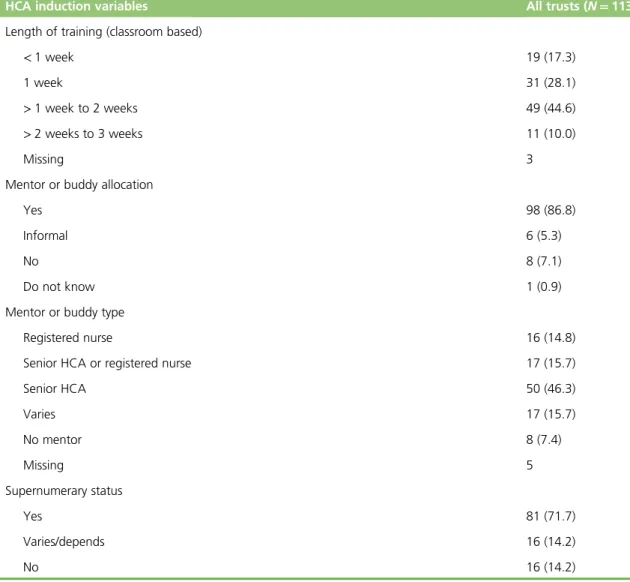
Structure of health-care assistant induction training 16
Content of health-care assistant induction training 16
Challenges of training health-care assistants 17
Training beyond induction 19
Summary 19
Chapter 4A qualitative investigation into the training needs of health-care
assistants with respect to relational care of older people 21
Introduction 21
Focus groups: methods 21
Purpose 21
Setting and eligibility 21
Recruitment 21
Data collection 22
Data management, coding and analysis 23
Ethical considerations and ethics approvals 23
Interviews with health-care assistants and other staff: methods 24
Purpose 24
Setting and eligibility 24
Recruitment 24
Data collection 24
Data management, coding and analysis 25
Ethical considerations and ethics approvals 25
Focus groups: findings 26
Sample 26
What is relational care? 27
Experiences of relational care beyond health-care settings 29
Patients’and carers’expectations of staff when first arriving on a ward 30
What patients and carers want staff to know about them 30
Recommendations for health-care assistant training in relational care 31
Interviews with health-care assistants and other staff: findings 32
Sample 32
Experiences of health-care assistant training with respect to relational care at the
three trusts 32
What is relational care for older people in acute care settings? 33
Recommendations for health-care assistant training in relational care 37
Summary 38
Chapter 5Intervention development 39
Introduction 39
Intervention development: inputs 39
Findings from focus groups of older people and staff interviews 39
Reviews of research evidence 39
Initiatives and tools to improve relational care 41
Life-story work 42
Learning from customer care 43
CONTENTS
NIHR Journals Library www.journalslibrary.nihr.ac.uk
Intervention development: process 44
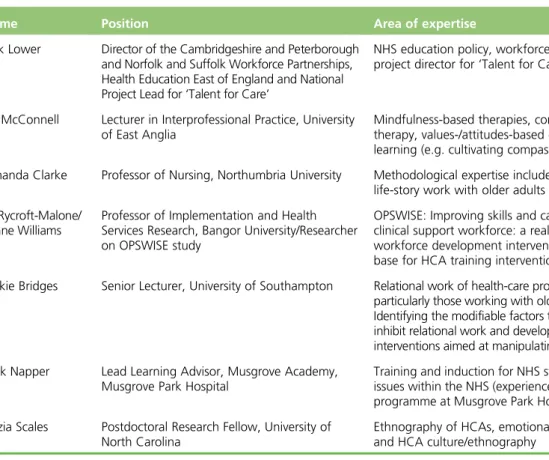
Panel of expert witnesses 44
Intervention development workshops 46
Theoretical teaching and learning frameworks 46
Content development, review, production and editing 48
Intervention development: product 48
Structure and mode of delivery ofOlder People’s Shoes 48
Content ofOlder People’s Shoes 51
Training materials 52
Training the trainer 52
Summary 53
Chapter 6A pilot and feasibility cluster randomised controlled trial of a training
intervention for health-care assistants 55
Introduction 55
Feasibility trial: methods 55
Purpose 55 Design 55 Eligibility 55 Recruitment 57 Baseline measures 57 Allocation of interventions 58 Interventions 59
Outcomes and other measures 59
Sample size 60
Data management 60
Data analysis 60
Ethical considerations and ethics approvals 62
Feasibility trial: findings 62
Trial participation 62
Groups at baseline 64
Inter-rater reliability and Quality of Interaction Scale 67
Outcomes and sensitivity analysis 67
Health-care assistant–patient contact time 73
Quality of life using the EuroQol-5 Dimensions 74
Hospital stay 76
Summary 76
Chapter 7Process evaluation of the intervention and trial process 79
Introduction 79
Process evaluation: methods 79
Purpose 79
Observations of training 79
Evaluation forms from health-care assistants participating in the training intervention 79
Interviews with trainers who deliveredOlder People’s Shoestraining 80
Interviews with health-care assistants receivingOlder People’s Shoestraining 80
Process evaluation: findings 80
Sample 80
Findings related to the intervention 81
Findings related to trial participation 87
Chapter 8Discussion and conclusions 89
Introduction 89
Overview of findings 89
Training needs of health-care assistants for delivering relational care to older people 89
Development of a health-care assistant training intervention 90
Feasibility of a definitive cluster randomised controlled trial 90
Limitations of the research 93
Implications for practice 94
Recommendations for future research 95
Conclusions 95
Acknowledgements 97
References 99
Appendix 1Structured telephone interview schedule 107
Appendix 2Focus group participant expression of interest form 109
Appendix 3Focus group participant information sheet 111
Appendix 4Focus group delivery guide 113
Appendix 5Focus group topic guide 115
Appendix 6Staff interview participant information sheet 117
Appendix 7Staff interview expression of interest form 121
Appendix 8Topic guide for staff member interviews 123
Appendix 9Excerpts from trainee course book 127
Appendix 10Excerpts from trainer guide 133
Appendix 11Guide for researchers trainingOlder People’s Shoestrainers 145
Appendix 12Health-care assistant trial participation information sheet 151
Appendix 13Patient trial participant information sheet 155
Appendix 14Health-care assistant questionnaire 159
Appendix 15Patient questionnaire 165
Appendix 16Sensitivity analysis for health-care assistant outcomes at 8 weeks
using cluster summary approach (intention to treat) 173
Appendix 17Sensitivity analysis for health-care assistant outcomes at 12 weeks
using cluster summary approach (intention to treat) 175
Appendix 18Sensitivity analysis for patient outcomes using cluster summary
approach (intention to treat) 177
CONTENTS
NIHR Journals Library www.journalslibrary.nihr.ac.uk
Appendix 19Older People’s Shoestraining intervention observation template 179
Appendix 20Older People’s Shoeshealth-care assistant learner evaluation form 181
Appendix 21Trainer interview participation information sheet 183
Appendix 22Trainer interview topic guide 189
Appendix 23Health-care assistant learner interview participant information sheet 191
Appendix 24Health-care assistant learner interview topic guide 195
Appendix 25Observed fidelity to training intervention 197
Appendix 26Summary of lessons for improving the training intervention from
List of tables
TABLE 1 Description of size, acute trust type, survey period and role of key
contact for responders and non-responders to acute NHS telephone survey 16
TABLE 2 Structure of HCA induction training reported by acute NHS trust
telephone survey respondents 17
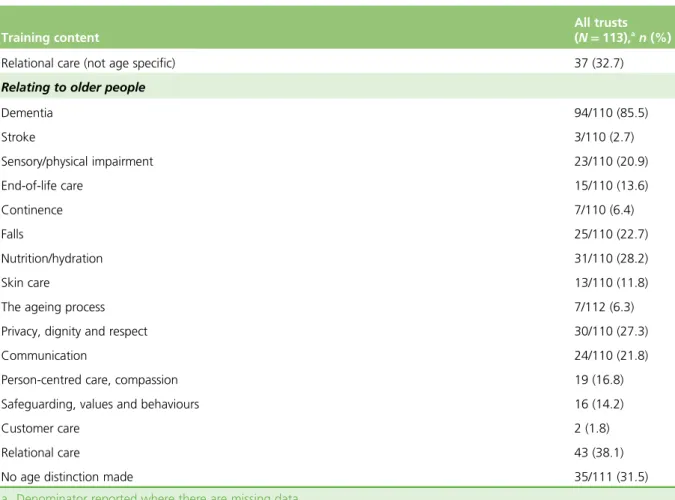
TABLE 3 Topics covered during HCA induction training reported by acute NHS
trust telephone survey respondents 18
TABLE 4 Challenges of providing HCA training reported by acute NHS trust
telephone survey respondents 18
TABLE 5 Content of focus group discussions 23
TABLE 6 Research questions and interview topics for HCAs and other staff members 26
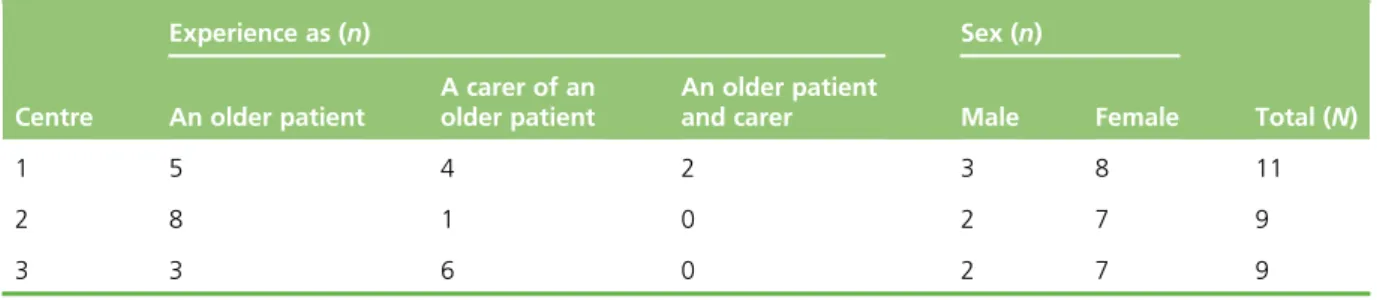
TABLE 7 Description of focus group participants 27
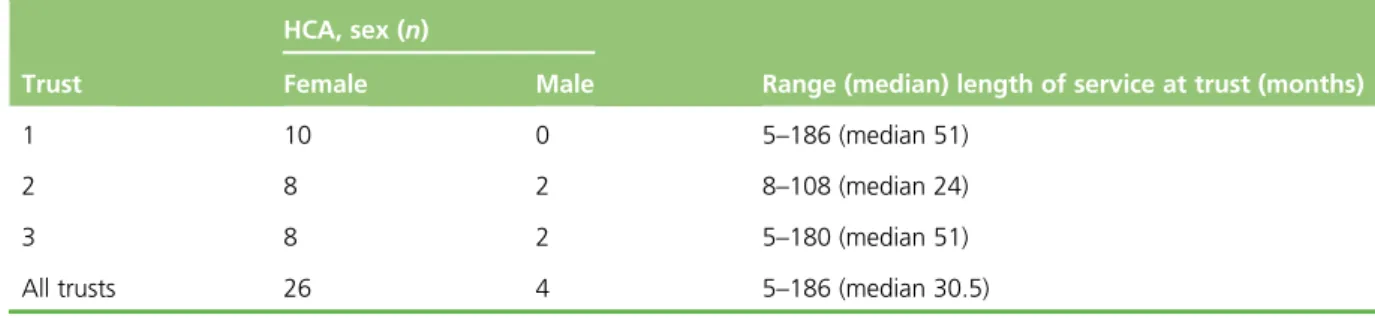
TABLE 8 Sex and length of service for HCA interview sample by trust 32
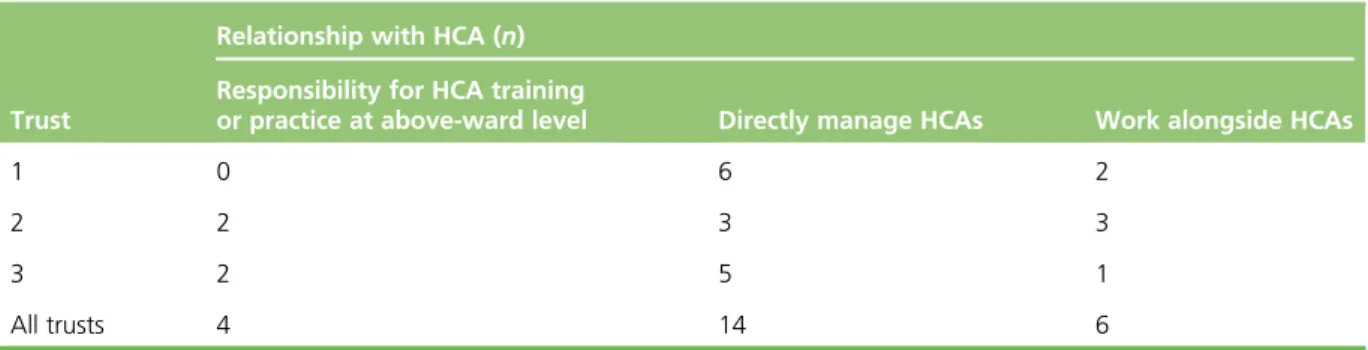
TABLE 9 Relationship with HCA workforce for OS member interview sample by trust 33
TABLE 10 Implications for the content of HCA training on relational care for
older patients in an acute setting based on the perspectives of older people and
hospital staff 40
TABLE 11 Advantages and disadvantages of life-story instruments (summary of
findings from McKeownet al.and Clarkeet al.) 43
TABLE 12 Experts interviewed by panel to inform the content, structure and
form of the training intervention 44
TABLE 13 Intervention development workshops 46
TABLE 14 Application of Carver’s theoretical framework for experiential learning
to HCA training intervention 47
TABLE 15 Day 1 ofOlder People’s Shoestraining 49
TABLE 16 Day 2 ofOlder People’s Shoestraining 50
TABLE 17 Older People’s Shoesand TAU wards at baseline in terms of QUIS
sessions, interaction ratings and interactions per session 66
TABLE 18 The HCAs working inOlder People’s Shoesand TAU wards at baseline
in terms of sex, length of experience, AWES, TEQ and AGED inventory scores 66
TABLE 19 Patients discharged fromOlder People’s Shoesand TAU wards during
TABLE 20 Kappa for each two-way comparison of observers’interaction ratings 67
TABLE 21 Agreement between paired observer ratings 68
TABLE 22 Older People’s Shoesand TAU ward observation sessions at follow-up
in terms of interaction ratings and interactions per session 69
TABLE 23 Comparison of HCA outcomes at 8 weeks betweenOlder People’s
Shoesand TAU wards (intention-to-treat analysis) 69
TABLE 24 Comparison of HCA outcomes at 8 weeks betweenOlder People’s
Shoesand TAU wards (per-protocol analysis) 70
TABLE 25 Comparison of HCA outcomes at 12 weeks betweenOlder People’s
Shoesand TAU wards (intention-to-treat analysis) 70
TABLE 26 Comparison of HCA outcomes at 12 weeks betweenOlder People’s
Shoesand TAU wards (per-protocol analysis) 71
TABLE 27 Outcome data for patients 72
TABLE 28 Unit costs attached to different items of resource use, with associated
source/assumptions 72
TABLE 29 Intervention training costs 73
TABLE 30 Resource use analysis of observed HCA patient interactions 74
TABLE 31 Health-care assistant questionnaire data: change in interaction time at
the 8-week follow-up 75
TABLE 32 Health-care assistant questionnaire data: change in interaction time at
the 12-week follow-up 75
TABLE 33 EuroQol-5 Dimensions scores 77
TABLE 34 Length of stay summary 77
TABLE 35 Examples of written feedback from HCA evaluation forms 81
TABLE 36 Examples of verbal feedback from HCA interviews 81
TABLE 37 Responses to training evaluation forms 82
LIST OF TABLES
NIHR Journals Library www.journalslibrary.nihr.ac.uk
List of figures
FIGURE 1 Overview of CHAT study components and processes 6
FIGURE 2 Policy-related events and CHAT study timeline 8
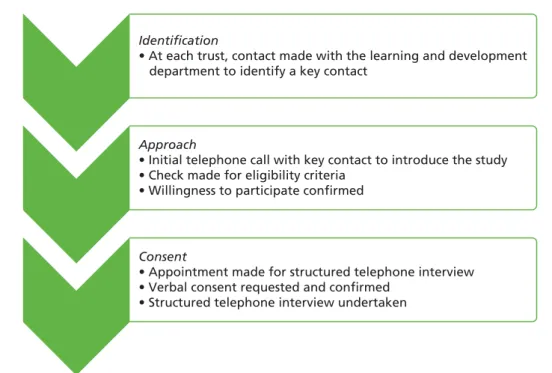
FIGURE 3 Telephone survey recruitment process 14
FIGURE 4 An example of one of the decision tools used to inform structure and
content with inputs 47
FIGURE 5 The CHAT study pilot cluster randomised trial design and target
recruitment 56
FIGURE 6 Flow of HCA participants through the feasibility trial 63
FIGURE 7 Flow of patients through the feasibility trial 65
FIGURE 8 Histogram of the difference in the number of interactions observed
List of boxes
BOX 1 Implications from the OPSWISE study for the design and delivery of
workforce development interventions and programmes for clinical support staff
working with older people 41
BOX 2 Learning points from retail organisations for customer care for the HCA 44
List of abbreviations
ACE Active Caring for Everyone
AGED Age Group Evaluation and
Description
AWES Assessment of Work Environment
Scale
CHAT Can Health-care Assistant Training
improve the relational care of older people?
CI confidence interval
EQ-5D EuroQol-5 Dimensions
EQ-5D-5L EuroQol-5 Dimensions, five-level version
EQ-VAS EuroQol visual analogue scale
HCA health-care assistant
IT information technology
OPSWISE Older People’s Services and Workforce Interventions: a Synthesis of Evidence
OS other staff
PEECH Patient Evaluation of Emotional
Care during Hospitalisation
PPI public and patient involvement
PPIRes Public and Patient Involvement
in Research
QUIS Quality of Interaction Scale
SD standard deviation
TAU training as usual
Plain English summary
H
ealth-care assistants (HCAs) provide much of the direct care to older people in hospital. Relational care is a term that describes elements of care such as respectful communication, maintaining dignity and polite forms of address. We set out to design a training course for HCAs to improve the relational care of older people. To understand what training is currently given to HCAs, we conducted a telephone survey of acute NHS hospitals in England. To establish what older people, HCAs and other staff who work with HCAs believe should be included in HCA training, we undertook group interviews with older people and individual interviews with HCAs and other staff. We found existing training to be highly variable, and focused on new rather than existing staff, with relational care not given a high priority. We producedOlder People’s Shoes, a training package designed to get HCAs to consider ways to get to know older people and understand the challenges that older patients face. To see whether or not we could formally test this new training for HCAs, we conducted a small experiment in which six wards from three hospitals were allocated the training and six wards were not. We wanted to see whether or not wards, HCAs and older patients would take part in the study and whether or not we could obtain the information needed to measure any difference the training might make. We successfully recruited wards, HCAs and patients. We concluded that a larger study would be possible, but changes would be needed to capture sufficient information (data).
Scientific summary
Background
Those aged>75 years now account for 24% of all hospital admissions, an increase of 57% over the previous decade, with the average hospital stay for this age group simultaneously decreasing from 15.2 to 9.4 days. The quality of health care delivered to older people has come under increased scrutiny. There is evidence that patients judge the quality of the care they receive in terms of the relational aspects of care that include dignity, empathy and emotional support as distinct from functional or transactional aspects of care. Health-care assistants (HCAs) take on an increasing proportion of the direct care of older people in hospital but, until recently, their training needs have been overlooked.
Study aims
We aimed to:1. understand the values-based training needs of HCAs in maintaining the dignity of, and affording respectful care to, older patients in acute NHS settings
2. develop a values-based training intervention for HCAs designed to address the needs of older patients for high-quality relational care
3. assess the feasibility of a cluster randomised controlled trial to compare the performance of the
developed training intervention for HCAs with current training in improving the care of older patients in acute NHS settings.
Methods
Telephone survey
We conducted a telephone survey of all NHS trusts in England to understand what training as usual (TAU) looked like for HCAs caring for older people in hospitals in England. We wanted to establish the structure, content and variability of HCA training and, in particular, training in providing relational care of older patients in hospital. Respondents to the survey were those responsible for HCA training within their trust.
Focus groups and interviews
We conducted focus groups of older people (or their carers) with recent experience of hospital care. The purpose of the focus groups was to understand the care experiences of older people and their expectations of the training HCAs should receive. We conducted semistructured interviews with HCAs and other hospital staff undertaken in each of the three study centres. The purpose of the interviews with HCAs and members of staff who worked alongside them was to gain insights into staff perceptions of the challenges that HCAs face in caring for older people in hospital and to explore interviewees’perceptions of training needs in this area of care.
Intervention development
A new training intervention for HCAs to improve the relational care of older people was developed:Older People’s Shoes™. The training intervention drew on several sources: focus group and interview data, existing evidence from the literature, an expert panel and learning about the customer care practices of four retail organisations.
Feasibility cluster randomised controlled trial
We conducted a feasibility cluster randomised controlled trial and process evaluation. The feasibility trial compared TAU for HCAs with the new HCA training in relational care of older people,Older People’s Shoes. The unit of randomisation was the hospital ward. Outcomes were assessed at the level of the ward, HCA and patient. Patient-level outcomes were the experience of emotional care and quality of life during their hospital stay as measured by the Patient Evaluation of Emotional Care during Hospitalisation (PEECH) questionnaire and the EuroQol-5 Dimensions (EQ-5D™; EuroQoL Research Foundation, Rotterdam, the Netherlands). HCA outcomes were empathy, measured by the Toronto Empathy Questionnaire (TEQ), and attitudes towards older people, measured by the Age Group Evaluation and Description (AGED) inventory. Ward-level outcomes were the quality of HCA–patient interaction measured by the Quality of Interaction Scale (QUIS). The purpose of the feasibility trial and the process evaluation was to determine the feasibility and viability of a definitive trial.
Process evaluation
The process evaluation was conducted in parallel with the feasibility trial. This consisted of observations of the delivery of the intervention, follow-up interviews with trainers and HCA learners and learners’ evaluation following training.
Results
Telephone survey
A total of 113 of the 161 acute hospital trusts in England took part in the telephone survey. One-third of interviewees reported content within their HCA training induction programme that we considered to be relational care. Only two respondents said that their trust covered the subject of‘customer care’, whereas the majority reported the inclusion of dementia care in HCA induction programmes. Reported challenges in training HCAs were related to resource limitations, engaging ward managers and the diverse nature of the HCA workforce. The most frequently cited challenge for delivering training to the HCA workforce was getting staff released from wards to attend. Emphasis was placed on induction and much less on ongoing training, which is typically devolved to ward managers.
Focus groups and interviews
Older people and those who care for older people broadly agreed on the ways that HCA training in relational care could improve the experiences of patients and HCAs. Older people and their carers stressed the importance of HCAs not stereotyping older people, and friendly, approachable staff who were good listeners made a huge difference to patient experience. HCAs and staff who work with and alongside them highlighted the need to learn how to have difficult conversations with patients and relatives and how to avoid projecting work-related stress. Both groups agreed that relational care needs to be incorporated into other physical care tasks, and that care can only be personal and individual if the person being cared for is known as an individual rather than as a patient.
Older people and their carers, as well as care staff, felt strongly that, to be effective, HCA learning should be rooted in real patient experiences. Simulating the experience of being an older patient in hospital was considered a potentially powerful learning tool but few HCAs had had the opportunity to try this. HCAs wanted learning to build on the assets they bring to the care of older people.
Intervention development
We developed a HCA training intervention,Older People’s Shoes, through a process of synthesising evidence from data collected within phase 1 of the Can Health-care Assistant Training improve the relational care of older people? (CHAT) study, together with other inputs from recognised experts in relevant fields, existing evidence and, more specifically, life-story work and learning from retail sector organisations. We also investigated the content of current initiatives in order to learn from existing tools to avoid overlap and to situate our intervention in the broader context of related initiatives. Carver’s
SCIENTIFIC SUMMARY
NIHR Journals Library www.journalslibrary.nihr.ac.uk
framework, which proposes four key elements to experiential education, provided a theoretical basis for the design of the training package. The product was refined through a series of intervention development workshops.Older People’s Shoesis a 2-day training course for HCAs caring for older people, delivered by a trainer. Each day comprises three units: (1) getting into older people’s shoes, (2) getting to know older people and (3) learning from customer care. Learning from each unit on the first day consolidated and built on the second day, approximately 1 week later. Materials created as part of the CHAT study and required to deliver the intervention include a trainee course book, a trainer guide and a website.
Feasibility cluster randomised controlled trial
A pilot cluster randomised controlled trial was conducted on 12 wards in three NHS trusts to assess the feasibility of a definitive trial to compare the newly developed HCA training package (Older People’s Shoes) with‘HCA TAU’. Clusters were wards within three acute NHS hospital trusts in England, with outcomes observed at the level of ward, HCA and patient. Ward-level outcomes were observations of the quality of HCA and patient interactions using QUIS. HCA outcomes were empathy as measured by the TEQ and attitudes towards older people measured by the AGED inventory. We measured patient-reported quality of life using the EQ-5D and patient-reported experience of care in hospital using the PEECH questionnaire. Twelve wards took part in the study and six were randomised to each arm of the trial (Older People’s Shoesor TAU). We conducted 91 observation sessions during the 4-week baseline period and a further 96 observation sessions between weeks 9 and 12 post randomisation. We recruited 112 HCAs, of whom 72 completed a baseline questionnaire, 52 completed the first follow-up questionnaire and 40 completed the second follow-up questionnaire. Of 159 eligible patients recruited at baseline and follow-up period, 88 patients returned completed questionnaires. The total estimated cost of the training was £818.20 per HCA, equivalent to an estimated cost of £14.04 per patient.
Although not looking for evidence of effect, the direction of effect at 8 weeks, and to a lesser extent at 12 weeks, for HCAs was in favour of theOlder People’s Shoesintervention. There was no evidence that mean interaction ratings differed betweenOlder People’s Shoesand TAU wards. After adjustment for baseline differences, the direction of effect was towards more positive TEQ and AGED inventory scores for HCAs working inOlder People’s Shoeswards than for those working in TAU wards. Based on questionnaires completed by patients, the PEECH score, measuring the level of care received, was similar in both arms of the trial and also similar to the scores among those patients who completed questionnaires during the baseline period.
Process evaluation
In course evaluation forms and at interviews, HCAs receivingOlder People’s Shoestraining reported the training intervention to be a highly positive experience. In interviews, HCAs who had undertaken training also described changes to their approach to working with older people and in the way they thought about their work and older patients. Observations of intervention delivery suggested that, although fidelity was generally good, there was an occasional tension between the need to avoid deviating from the trainer guide and the desire to ensure that training delivery was engaging. Trainers and HCA learner interviewees reported that the 2-day structure worked well and that the practical and interactive elements of theOlder People’s Shoesintervention were popular with HCA learners and trainers alike. Opinion was divided about particular activities, with the customer care unit the most contentious. The majority of HCA interviewees were able to give examples of changes they had made since attending the training. Trainers enjoyed the experience, although some would have liked more time to prepare. Three trainers felt that one person could deliver the training but two were optimal. In terms of feasibility issues, there was variation between centres and wards in the arrangements made for releasing HCAs to attend the training, but HCAs were keen to attend. Ward observations using QUIS were acceptable to the HCAs interviewed and, although the questionnaires were acceptable, the need to‘generalise’in order to complete the AGED inventory scale was reported as difficult by some.
Conclusions
Based on our findings we draw the following conclusions:
1. Training of HCAs in delivering relational care is highly variable between employing NHS hospital trusts. Most training is received at induction and training thereafter tends to be devolved to ward-level mentorship. The needs of older people are addressed in HCA training, but training in relational care does not appear to be a priority. For those with trust-level responsibility for HCA training, getting staff to be released from ward duties is a challenge.
2. For older people and their relatives, their experience of hospital care is shaped by the relationships that they have with the staff who care for them. They are aware of the competing demands placed on staff and the pressures they are under, but being in hospital can generate a feeling of powerlessness that often prevents older patients asking for help.
3. HCAs and other staff are keen to extend their learning in relational care. Training should address HCA learning needs including having difficult conversations with patients and relatives, and ways to manage, and not project, work-related stress. HCAs acknowledge that their work is more rewarding when they have greater knowledge about the lives of the people they care for.
4. A training intervention (Older People’s Shoes) was designed to meet the learning needs of HCAs in delivering high-quality relational care of older people. A transparent process of intervention development was undertaken. Structure and content were informed by the older people and their relatives, HCAs, staff working alongside HCAs, experts in relevant fields and learning theory.
5. Older People’s Shoeswas received positively by trainers and HCA learners and appears to meet a need, particularly for established HCAs, that is not met in other training provided by employing trusts. 6. The estimated per patient cost of a HCA receiving training inOlder People’s Shoestraining is relatively
small (£10.00–20.00) when considering the average cost of a hospital stay for patients from this population (approximately £2000).
7. Drawing on lessons from the present study, we propose that a definitive cluster randomised controlled trial of theOlder People’s Shoesintervention would be viable if the following methodological and contextual aspects were addressed.
¢ Although the focus on HCAs was considered a strength, greater awareness of this HCA-targeted intervention among ward managers and other ward staff members will reinforce messages about relational care in the work place following intervention delivery. Ward manager involvement should extend beyond permission for ward participation.
¢ Greater involvement of ward managers is likely to improve recruitment. Ward- and patient-level outcomes are relevant only if a high proportion (>80%) of the HCAs within each ward are recruited and‘treated as intended’within the trial.
¢ Greater commitment and recruitment may be secured with a waiting list design, whereby all wards (and HCAs) recruited are confident of ultimately receiving the intervention.
¢ Ward managers need to be confident that they can secure backfill for staff to be released for training. Although trusts supported the CHAT study, it was not always clear how funds agreed for backfill could be secured by ward managers.
¢ HCAs are willing to participate, but are reluctant to complete questionnaires at three time points. The AGED inventory appears to be a discriminatory measure, but completion is suboptimal. ¢ More extensive training is needed for observers using QUIS. Where discrepancies occur between
paired observers, this is typically when (and whether or not) one interaction ends and another begins rather than in the rating of the quality of the interaction.
¢ The use of trust-based research nurses to recruit patients has the advantage of impartiality, as they are separate from both the research and ward teams. However, the additional layer this creates in communicating with an already hard to access population needs to be addressed.
¢ Patients are willing to participate but questionnaire completion is burdensome. Methods of completion used by other studies to secure patient questionnaire completion (e.g. prior to discharge, using interviewers and/or proxies) need to be explored.
SCIENTIFIC SUMMARY
NIHR Journals Library www.journalslibrary.nihr.ac.uk
Trial registration
This trial is registered as ISRCTN10385799.
Funding
Funding for the study was provided by the Health Services and Delivery Research programme of the National Institute for Health Research.
Chapter 1
Introduction and background
Introduction
Our study set out to develop a training intervention for health-care assistants (HCAs) that could improve the relational care provided to older people in hospital. We examined whether or not such an intervention could be tested in a cluster randomised controlled trial. This chapter describes the context and background to the Can Health-care Assistant Training improve the relational care of older people? (CHAT) study. In this chapter we also consider the structure and role of the HCA workforce and the needs of the older people they care for. We describe how we use the term‘relational care’with reference to our study and briefly review previous attempts to evaluate interventions to improve the quality of relational care. Elsewhere in this report (seeChapter 2) we describe how the wider context of our study has changed over the period that the study was designed and conducted, particularly in relation to the Francis report1and the
Cavendish review.2The ways in which we drew on specific literature to influence the training intervention
we developed and tested is presented inChapter 5.
The care of older people in hospital
Those aged>75 years now account for 24% of all hospital admissions, an increase of 57% over the previous decade, with the average hospital stay for this age group simultaneously decreasing from 15.2 to 9.4 days.3The quality of health care delivered to older people has come under increased scrutiny. A report
by The King’s Fund cited 32 initiatives from statutory bodies, charities and campaign groups drawing attention to deficiencies in how older people are cared for.4The King’s Fund’s Point of Care programme
was a response to a more general concern about‘not getting the basics right’in the care for older people.5,6
In a NHS inpatient survey nearly one-fifth of respondents did not feel that they were always treated with respect and dignity.7Attitudes of staff is the second highest area of concern within complaints made to
the NHS.8When the Care Quality Commission reviewed‘the state of health and adult social care services’
in 2012, they found that many providers were‘struggling in areas such as dignity and respect, nutrition, care and welfare’.9The devastating impact that deficiencies in care delivery can have on individuals can be
seen in the Patients Association’s report10of 13 cases of care failures.
Relational care
The focus of the CHAT study was the relational care provided to older people in hospital. Relational aspects of care include dignity, empathy and emotional support as distinct from functional or transactional aspects of care, such as access to services, waiting times, food and noise levels.11As most health-care
interactions involve both transactional and relational elements, it follows that attempts to improve the quality of care have to go beyond methods that address only the transactional aspects of care and examine ‘how staff relate to patients, their mind sets, attitudes and feelings’.12
In a synthesis of qualitative evidence of older patients’and relatives’experiences of hospital care,13it was
the relational aspects of care that affected whether care experiences were perceived as good or bad. Three themes that underscored older people’s understanding of relational care were identified: older people’s need for reciprocity (‘connect with me’), maintaining their identity (‘see who I am’) and sharing decision-making (‘include me’). Evidence from survey data is consistent with this. NHS patients responding to surveys report that emotional support, empathy and respect are the aspects of care that they consider most important.14
For Nolanet al.,15it is relationships‘between patients, their families, staff from all disciplines, and the
wider community’that lie at the heart of health care. In shifting attention towards‘relationship-centred’ care rather than person-centred care, emphasis is placed on care interactions (two-way) rather than on an oversimplified view of individual needs (one way). Although few would argue against patient-centred or relationship-centred care being of fundamental importance in how patients are cared for, there is a lack of clarity among staff at all levels as to what this actually means in practice.16Abstract concepts need to be
operationalised in a way that is meaningful to staff at all levels.
In deconstructing‘dignified care’, respectful communication was found to be a key element.5In a review
of studies of physician–patient communication, physician qualities such as empathy, friendliness, courtesy and listening were associated with positive patient outcomes.17Hospital patients report that preservation
of dignity requires respectful communication and forms of address18and, for older patients in particular,
the need for staff to show an interest in them, kindness, timeliness and attention to‘the little things’.19
In attempts to help health-care organisations focus on the experience of users, there have been occasional examples of organisations outside the public sector working with NHS organisations to develop‘customer focus’, such as the work undertaken between Musgrove Park Hospital and John Lewis (Michelle Jennings, Musgrove Park Hospital Customer Care Programme Partnership with John Lewis, 2012, personal
communication). Health-care staff are often uncomfortable with the notion of patients as consumers or customers,20and acute health-care staff often hold the view that hospitals are not the best place of care
for older patients, suggesting that care delivery is often provider led rather than user led.
Maintaining identity is a key element in how older people judge their interactions with paid carers,21and
both patients and their relatives comment on the importance of staff‘seeing the person behind the
patient’.6Life-story work is the process of gaining knowledge and information about an individual’s life that
staff can use to enhance the care they provide and evidence for its clinical effectiveness is predominantly qualitative.22Although life-story work was originally developed for people with dementia, it is increasingly
being used beyond dementia care settings and long-stay care settings.23In acute care settings, the
challenge is for staff to get to know older patients over increasingly shorter patient stays in hospital.
The clinical support workforce
Nurses have often been targeted as both the source of the problem and the solution to concerns about loss of dignity for patients in hospital.6However, within the NHS, HCAs have become an increasingly
important section of the workforce, particularly in relation to older people. The proportion of HCA time delivering direct and indirect patient care is approximately 60%, nearly twice that of registered nurses.24
In England, there are approximately 130,000 HCAs employed in NHS hospital and community services.25
Demographically, HCAs tend to differ from registered nurses, more closely resembling the ethnic diversity of the patient population they serve,24and are likely to be a more‘static’part of the workforce. Over half
(54.1%) are aged between 40 and 59 years, 15.8% are from ethnic minority backgrounds, 84.3% are female and most are on NHS pay band 2 (56.5%) or band 3 (36.0%).25
The work of health-care assistants
The problems of invisibility, marginalisation and subordination of the‘caring’work of nurses,26are likely
to be replicated in HCAs whose work often gets little recognition, even from other staff (OS) groups.27
Case studies28and observational data29suggest that HCA work in hospital is predominantly‘bedside’
or involving routine technical tasks directly or indirectly related to patient care. Daykin and Clarke’s observational study30of relationships between NHS hospital ward nurses and HCAs, identified a‘strongly
hierarchical’organisation of care, with nurses having greater variety in their work, but often prevented from attending to patients by their responsibilities for administering medication and doing paperwork.
INTRODUCTION AND BACKGROUND
NIHR Journals Library www.journalslibrary.nihr.ac.uk
HCA work by contrast tended to be concerned largely with physical aspects of care, often at the expense of negotiation or conversation with patients. In a survey of 1893 HCAs,31when asked about the duties
they performed, respondents reported talking to/reassuring patients and relatives (97%); making beds (86%); bathing patients (83%); telephone liaison with patients, relatives or other departments (83%); patient observations (82%); and feeding patients (79%).
Ethnographic observational data of HCAs working in dementia wards suggest that support in carrying out such a challenging role is drawn from the formation of close-knit groups of HCAs who are sometimes disconnected from the wider ward team,32resulting in HCAs feeling alienated from the organisation
in which they work.33Although the proximity to patients means that HCAs gather a lot of information
about patients in their care, there are not always clear mechanisms to transfer knowledge from HCAs to nurses.28,29Schneideret al.27also found evidence of variable communication between HCAs and the wider
ward team about patient care, with HCAs feeling‘at risk’if they stepped outside the boundaries of their role.
Health-care assistant skill development
Training for HCAs has hitherto been ad hoc, variable and marked by a tendency to focus on tasks and competencies, with little attention paid to relational care. Although investments in staffing and work environments are prerequisites for high-quality care,19,34historically HCAs have been viewed as the
‘untrained workforce’, leading to an assumption that they are without training needs.35HCAs and nurses
are largely in favour of more formal training for HCAs, although a blurring of role boundaries is of concern to both staff groups.36Among employing organisations there is a lack of consistency in HCA training and
how HCAs interface with registered nurses.37Moreover, it appears that HCAs often lack confidence in
pursuing the few training opportunities available to them.24,27
Belatedly, and perhaps driven by economic imperatives, skill development of the support workforce has started to receive much greater attention. From an employer’s point of view, by developing the skills of HCAs and creating a better career pathway, there are economic benefits, as any increase in the proportion of the support workforce is‘likely to be rewarded with significant financial returns’.38TheShape of Caring:
A Review of the Future Education and Training of Registered Nurses and Care Assistantsmade a number of recommendations about the support workforce, specifically the need to value the care assistant role, widening access to enable HCAs who may wish to pursue a career in nursing and increasing the quality of education for HCAs.39The Council of Deans for Health40have noted that, although there are an increasing
number of initiatives in training and role development for HCAs, there are problems of variability in access and quality, poor communication between employers and education providers, and a workplace culture that often affords low priority to the personal development of HCAs.
Interventions to improve relational care
The following is not a systematic review of interventions to improve the quality of relational care.
Interventions within the studies that we have identified all share a broad aim of seeking to improve relational care, person-centred or relationship-centred care and better communication or increased empathy on the part of health-care personnel looking after older people in hospital or care home settings. However, they are highly variable in the nature of the interventions studied and the target populations of those giving and receiving care. Many interventions that have been studied were designed to improve care for older people with dementia who make up a significant proportion of the older population in hospital and care homes.
Evaluations identified were typically small in scale and without a control group. Measurement of patient or resident outcomes was rare but one exception was a small study undertaken in a Dutch nursing home setting.41Nursing aids were individually trained to communicate effectively with residents by using positive
speech and biographical statements. Although there were no direct effects of the intervention on the problem behaviours or psychopathology of residents, caregiver distress was reduced.
Bryanet al.42asked 157 participants in a course on communication to rate various aspects of their
competence. The workshop package focused on the care worker’s own communication skills, ways to enhance these skills, different communication impairments, effects on interaction and practical ways to help. It included exercises, discussion and video material. Participants rated themselves before and after the workshop and reported an increase in confidence, reduced frustration and greater recognition of the need to allow more time to communicate with some individuals. Participants also felt that their attitudes towards and their ability to care for older people with communication difficulties had improved as a result of the training.
A review of 12 trials of interventions to enhance communication in dementia care in various care settings43
concluded that communication skills training in dementia care can improve quality of life and well-being of people with dementia and increase the quality of interactions between staff and people with dementia. The reviewers suggested that organisational features, such as incentives and‘booster’sessions for participants, might improve the sustainability of positive effects from communication interventions. In a Cochrane systematic review,44some evidence was found that reminiscence therapy for people with dementia improves
mood, cognition and staff knowledge of patient backgrounds and relieves caregiver strain, but trials are few and often small. When compared with communication skills training, a story-sharing intervention for nursing home residents and nurse aides improved mutuality and empathy.45A qualitative study of the introduction
of a biographical approach to care in a general hospital setting found that relationships were strengthened between staff and patients and staff and relatives.46
In a pilot study set in two nursing homes, nursing assistants received a multicomponent intervention to increase awareness of person-centred care using video-taped biographies of residents and video-tapes of resident–carer interactions. Following training, residents’perceptions of relationship closeness were increased. Nursing assistants’perceptions of satisfaction and closeness, and resident satisfaction also increased.47To determine the impact of a HCA education programme on the quality of care for older
people living in a residential home in New Zealand a pre- and postintervention evaluation study was undertaken. The proportion of observations of resident care conducted after the training that were considered‘appropriate and adequate’increased.48
Summary
Older people make up a large and increasing proportion of NHS hospital patients. There have been growing concerns about suboptimal standards of care that disproportionately affect older patients. Relational care can be understood as the way in which staff relate to patients as distinct from the transactional elements of care interactions. There is evidence that older people and their relatives judge their experience of hospital care in terms of how staff‘connect with them’, help maintain their identity and involve them in decisions about their care. Although health-care staff are often uncomfortable with the notion of patients as‘customers’, many of the things that older people believe are important (courtesy, respectful communication and attending to‘the little things’) have a clear overlap with good customer care provided in non-health-care settings.
Health-care assistants deliver an increasing amount of the direct care of older patients in hospital. There is inconsistency in training and expectations, variability in roles and responsibilities within the ward setting and uncertainty about the interface between HCAs, the wider clinical team and visitors or relatives. Greater attention has recently been paid to the role of the HCA and their training needs. The evidence base for training interventions for HCA training in relational care is characterised by small-scale studies with a focus on dementia, and outcomes of acceptability rather than efficacy that are measured at caregiver level rather than the level of patients or care home residents.
INTRODUCTION AND BACKGROUND
NIHR Journals Library www.journalslibrary.nihr.ac.uk
Chapter 2
Methodological overview
Introduction
This chapter provides an overview of the CHAT study, its aims and the structure of the report. We describe the two phases of the CHAT study and how these relate to and inform each other. The methodological frameworks used in relation to each of the study elements are described and justified. We also report study oversight arrangements and how public and patient involvement informed the study from outset to completion.
Aims of the study
The original aims of the study were to:
1. understand the values-based training needs of HCAs in maintaining the dignity of, and affording respectful care to, older patients in acute NHS settings
2. develop a values-based training intervention for HCAs designed to address the needs of older patients for high-quality relational care
3. assess the feasibility of a cluster randomised controlled trial to compare the performance of the
developed training intervention for HCAs with current training in improving the care of older patients in acute NHS settings.
Overview of study
The study was conducted in two sequential phases across three study centres. Phase 1 (scoping and intervention development) was designed to address aims 1 and 2, and phase 2 (feasibility cluster
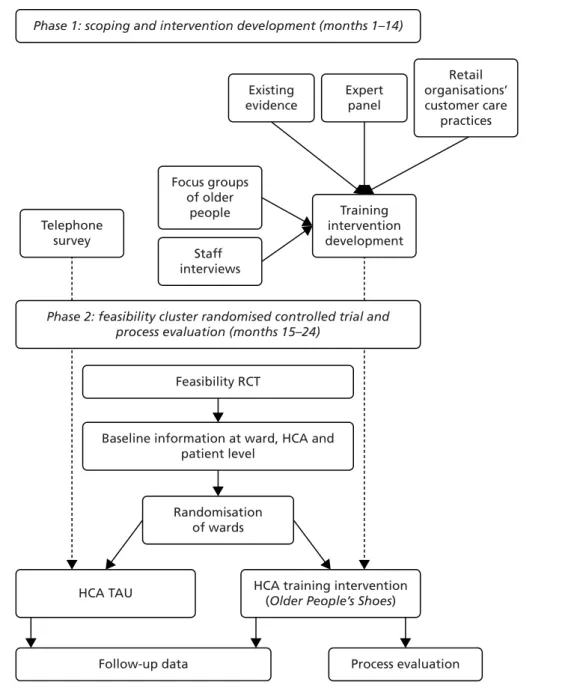
randomised controlled trial and process evaluation) addressed aim 3. The overall study design is illustrated inFigure 1and described in the following sections.
Phase 1
We conducted a telephone survey of all NHS trusts in England to understand what training as usual (TAU) looked like for HCAs caring for older people in hospitals in England. We wished to establish the structure, content and variability of HCA training and, in particular, training in providing relational care of older patients in hospital. Respondents to the survey were those responsible for HCA training within their trust. The methods and findings from the telephone survey are reported in detail inChapter 3.
The qualitative component of phase 1 comprised focus groups of older people (or their carers) with recent experience of hospital care, together with interviews of HCAs and other hospital staff undertaken in each of the three study centres. These methods and findings are described and reported inChapter 4. The purpose of these focus groups was to understand the care experiences of older people and their expectations of the training HCAs should receive. The purpose of the interviews with HCAs and members of staff who worked alongside them was to gain insights into staff perceptions of the challenges that HCAs face in caring for older people in hospital and to explore interviewees’perceptions of training needs in this area of care. A new training intervention for HCAs to improve the relational care of older people was developed as part of the study. The process of creating this training intervention,Older People’s Shoes™, is described in
evidence from the literature, an expert panel and learning about customer care practices of four retail organisations.
Phase 2
The second phase of the CHAT study was a feasibility cluster randomised controlled trial and process evaluation. This compared TAU for HCAs with the new HCA training in relational care of older people, that is, theOlder People’s Shoesintervention. The unit of randomisation was the hospital ward. Outcomes were assessed at the level of ward, HCA and patient. The purpose of the feasibility trial and the process evaluation was to determine the feasibility and viability of a definitive trial. Methods are described and findings reported inChapter 6.
The process evaluation was conducted in parallel with the feasibility trial. This consisted of observations of the delivery of the intervention, follow-up interviews with trainers and HCA learners, and learners’ evaluation following training. The process evaluation is reported inChapter 7.
Phase 1: scoping and intervention development (months 1–14)
Existing evidence Expert panel Retail organisations’ customer care practices Focus groups of older people Staff interviews Training intervention development Telephone survey
Phase 2: feasibility cluster randomised controlled trial and process evaluation (months 15–24)
Feasibility RCT
Randomisation of wards
Baseline information at ward, HCA and patient level
HCA training intervention (Older People’s Shoes) HCA TAU
Process evaluation Follow-up data
FIGURE 1 Overview of CHAT study components and processes.
METHODOLOGICAL OVERVIEW
NIHR Journals Library www.journalslibrary.nihr.ac.uk
Methodological frameworks
Owing to the nature of the study design and the range of methods used to address the aims, we drew on a number of methodological frameworks to inform our study. The HCA training intervention developed as part of this study and the feasibility testing of it as part of a trial was informed by the most recent guidance on the development and evaluation of complex interventions.49Of the four stages (or elements)
of the process from development through to implementation of a complex intervention, the focus within our study was on development (phase 1 of the CHAT study) and feasibility/piloting (phase 2). Our aim was to follow this guidance when possible, up to but not including a definitive evaluation:
Best practice is to develop interventions systematically, using the best available evidence and appropriate theory, then to test them using a carefully phased approach, starting with a series of pilot studies targeted at each of the key uncertainties in the design, and moving on to an exploratory and then a definitive evaluation.
Medical Research Council,49p. 8
In designing the feasibility study for a randomised controlled trial we used Kirkpatrick’s four-level evaluation model,50and measured outcomes at each level: reaction (measured by course evaluation), learning (change
in empathy and in stereotypical attitudes towards older people), transfer (observations of relational care delivery) and results (patient experience of the relational care they receive). The measurement of distal outcomes of health-care training is challenging. In the Older People’s Services and Workforce Interventions: a Synthesis of Evidence (OPSWISE) study for clinical support workforce developments,51of the 76 papers
identified, only two were reports of randomised controlled trials (Kuskeet al.52and Clareet al.53) and only
one observed level 4 (care home resident) outcomes.53
The Kirkpatrick training evaluation model has been criticised for a lack of attention to the environment in which trainee skills are practised.54This was in part addressed by the phase 2 process evaluation for which
we drew on recently published guidance.55A range of methods was used to inform our understanding
of the different contexts in which the training intervention was delivered, the process of intervention delivery and the mechanisms of impact.
The changing context of health-care assistant training
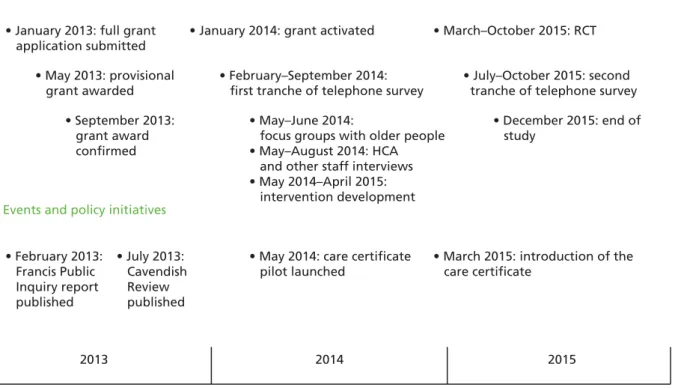
Between submission of the grant application for this study in January 2013 and the end of the study period in December 2015, the landscape of health-care delivery generally, and the care of older people and the work of HCAs specifically, underwent a number of changes. Our study needs to be understood in the light of certain events and reactions to those events, which occurred during this period (Figure 2).
In February 2013, the Francis report1into the failings in care at Mid Staffordshire NHS Foundation Trust was
published. A number of the findings of the public inquiry were particularly relevant to the present study. These included the observation that failings occurred predominantly on wards for older people’s care. The work and training of HCAs was also subject to scrutiny, with Francis highlighting the inconsistency between employers in how HCAs are trained and the lack of a common standard against which to assess competence. There was a clear acknowledgement that HCA work requires skill and training.
Francis recommended that‘the aptitude and commitment of candidates for entry into nursing to provide compassionate basic hands-on care to patients should be tested by a minimum period of work experience, by aptitude testing and by nationally consistent practical training’.1This referred specifically to aspiring
nurses and not to HCAs, but resulted in pre-nursing students being recruited as HCAs within a number of trusts during the survey period as part of the pre-nursing experience pilot.56
Perhaps the most important outcome of the Francis report, with respect to this study, was that a review of training and recruitment of health and social care support workers was immediately recommended by the