PUTTING ‘PRE’ IN ‘SCHOOL’:
THE INSTITUTIONALIZATION OF PRESCHOOL IN ELEMENTARY SCHOOLS
Michael H. Little
A dissertation submitted to the faculty of The University of North Carolina at Chapel Hill in partial fulfillment of the requirements for the degree of Doctor of Philosophy in the School of
Education (Policy, Leadership, and School Improvement).
Chapel Hill 2018
iii ABSTRACT
Michael Little: Putting ‘Pre’ in ‘School’:
The Institutionalization of Preschool in Elementary Schools (Under the direction of Lora Cohen-Vogel)
This study examines whether the physical location of Pre-K programs—whether in elementary school buildings or stand-alone centers—leads to differences in student outcomes in elementary school. Over the past several decades, public investment in Pre-K programming has burgeoned. According to the National Institute for Early Education Research, 32 percent of all four-year-olds in the United States attend state-funded Pre-K programs (Barnett et al., 2016). As Pre-K programs are taken to scale across the United States, a key concern is ensuring that programs are high-quality and provide significant and persistent effects on children’s school readiness and early schooling outcomes. Researchers are working to identify the components that predict high-quality and effective Pre-K programs, including components such as teacher
credentials and measures of classroom quality, so that policies can better promote high-quality programs. Unfortunately, research to date has revealed few consistent and reliable proxies for high-quality Pre-K programs. My dissertation seeks to further investigate potential components of high-quality Pre-K programs by studying the physical location of Pre-K settings—namely,
iv
combination of quantitative and qualitative data enable me to provide a holistic analysis of the phenomena of the physical location of Pre-K programs by providing estimates of the effects of setting type on a range of student outcomes and also providing evidence on the potential reasons for the observed relationships.
In the quantitative portion of this dissertation, I used nationally-representative data from the Early Childhood Longitudinal Study- Kindergarten Cohort of 2011 to estimate the impacts of school-based versus non-school-based Pre-K on a range of academic and social-emotional outcomes from kindergarten entry through the third grade. Enabled by the robust set of covariates available in the dataset, I use new propensity score weighting methods that ensure balance on observables between treatment and control groups. In the qualitative portion of this dissertation, I collected data from a convenience sample of elementary school administrators and teachers in central North Carolina to provide in-depth information about the physical location of Pre-K programs. Finally, I concluded my analysis by considering the merged quantitative and qualitative data to explore areas of convergence and divergence.
From the quantitative analysis, I find little evidence that school-based Pre-K is predictive of differences in student outcomes in kindergarten through third grade. However, I do find suggestive evidence that co-location—wherein students who attend Pre-K in an elementary school building and remain in that building—have superior outcomes when compared to students who move to attend another elementary school after Pre-K. These findings largely cluster in the academic achievement domains. From the qualitative analysis, I find that there is significant variability between elementary schools in the extent to which schools engage with Pre-K
v
vi
ACKNOWLEDGEMENTS
Many individuals and institutions have supported me in my academic career and in the completion of this dissertation. First, I would like to thank my husband, Dexter, who has stood by me throughout this process. Thank you for always offering support and encouragement. I would also like to thank my family—your steadfast interest and engagement in my work kept me motivated and focused on my goals. To my advisor, Lora, I cannot thank you enough. You put your students first, you advocate for them, and you let them know that you care. Beyond
teaching me about education policy and developing my writing skills, you taught me how to be a good citizen in the academic community. Finally, to my other committee members, Eric, Kirsten, Matt, and Thad, thank you. Your varied areas of expertise have been immeasurably helpful in ensuring that all aspects of my dissertation are sound and something that I can be proud of.
In addition to these individuals, I would like to thank the Royster Society of Fellows for the extremely generous financial assistance provided throughout my graduate studies. The
vii
TABLE OF CONTENTS
LIST OF TABLES ... x
LIST OF FIGURES ... xi
CHAPTER 1: INTRODUCTION ... 1
Statement of Purpose ... 2
Significance ... 3
Research Questions... 7
Roadmap ... 7
CHAPTER 2: REVIEW OF THE LITERATURE ... 9
Introduction ... 9
The Early Childhood Education Landscape ... 9
The Effects of Pre-K on Student Outcomes ... 12
Meta-Analytic Findings ... 12
Model Programs ... 15
Head Start ... 18
State and Local Pre-K ... 22
Subgroup Effects of Pre-K ... 28
Fadeout of Pre-K Treatment Effects ... 29
The Skill Building Explanation ... 30
The Foot-in-the-Door Explanation ... 33
The Sustaining Environments Explanation ... 35
The P-3 Approach ... 37
Summary ... 38
Dimensions of Pre-K Program Quality ... 39
Structural Dimension ... 40
Process Dimension ... 41
Temporal Dimension ... 42
School-Based Pre-K Programs and Effects ... 43
viii
Chicago Child-Parent Centers ... 45
Head Start Programs ... 45
Schools of the 21st Century ... 47
Magnuson et al. (2007) ... 49
CHAPTER 3: CONCEPTUAL FRAMEWORK ... 52
Introduction ... 52
Program Quality ... 52
Alignment ... 54
Bringing it All Together ... 57
School-Based Pre-K and Co-location as a Facilitator of Program Quality and Alignment .. 57
Research Questions and Hypotheses ... 57
CHAPTER 4: METHODOLOGY ... 60
Study Design ... 60
Why Mixed Methods? ... 60
The Convergent Parallel Design ... 61
Design Components ... 62
Quantitative Analysis ... 63
Data Source ... 63
Measures ... 65
Analysis ... 71
Qualitative Analysis ... 79
Sample ... 79
Data Collection Procedures ... 82
Data Analysis ... 83
Merged Data Analysis ... 84
CHAPTER 5: RESULTS ... 86
Quantitative Analysis Results ... 86
Descriptive Results ... 86
Independent Variable One: School-Based Versus Non-School-Based Pre-K ... 86
Independent Variable Two: Co-location Versus Movers Versus Non-School-Based Pre-K 87 Subgroup Analysis ... 88
ix
Benefits and Challenges of School-Based Pre-K ... 109
Collaboration and Vertical Alignment ... 113
Leadership ... 118
Merged Analysis Results ... 121
CHAPTER 6: DISCUSSION ... 123
Discussion of Findings and Existing Literature ... 123
Quantitative Findings ... 123
Qualitative Findings ... 125
Implications for Policy and Practice ... 127
Limitations and Directions for Future Research ... 129
Appendix A: Balance Statistics ... 131
Appendix B: Post Interaction Form (PIF) ... 132
Appendix C: Interview Guide ... 133
x
LIST OF TABLES
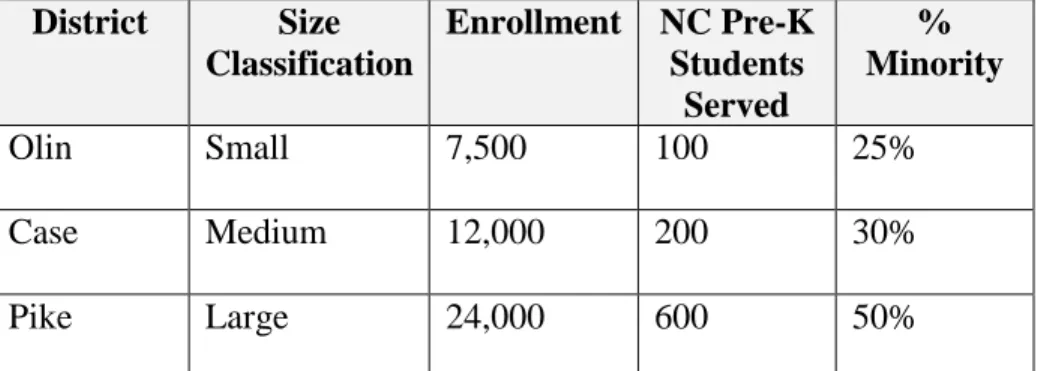
Table 4.1 Description of Qualitative Sample Counties ………...79
Table 4.2 Joint Display Table ………..84
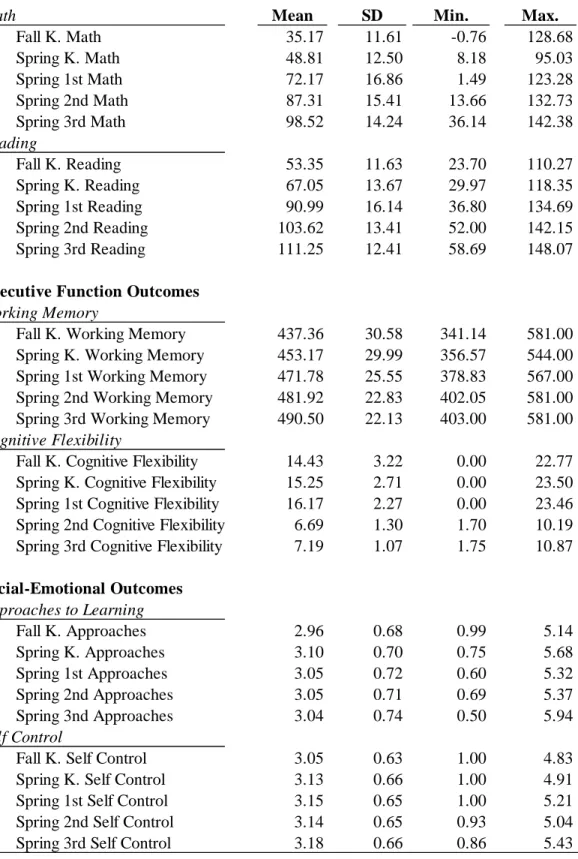
Table 5.1 Summary Statistics ………...92
Table 5.2 School-Based Pre-K Main Effects ………....95
Table 5.3 Co-Location and Movers Main Results ……….…...98
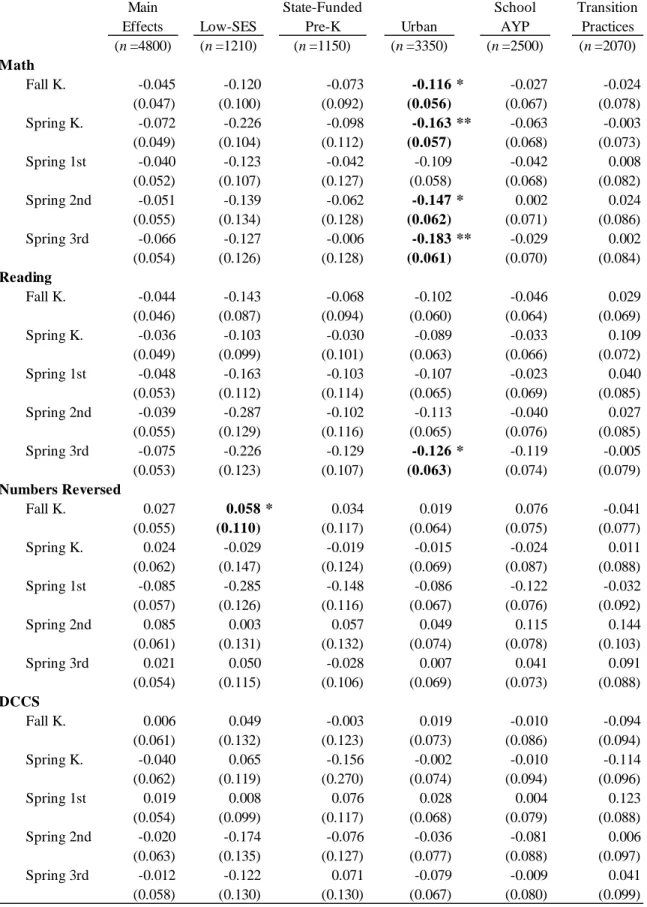
Table 5.4 School-Based Pre-K Subgroup Effects ……….…99
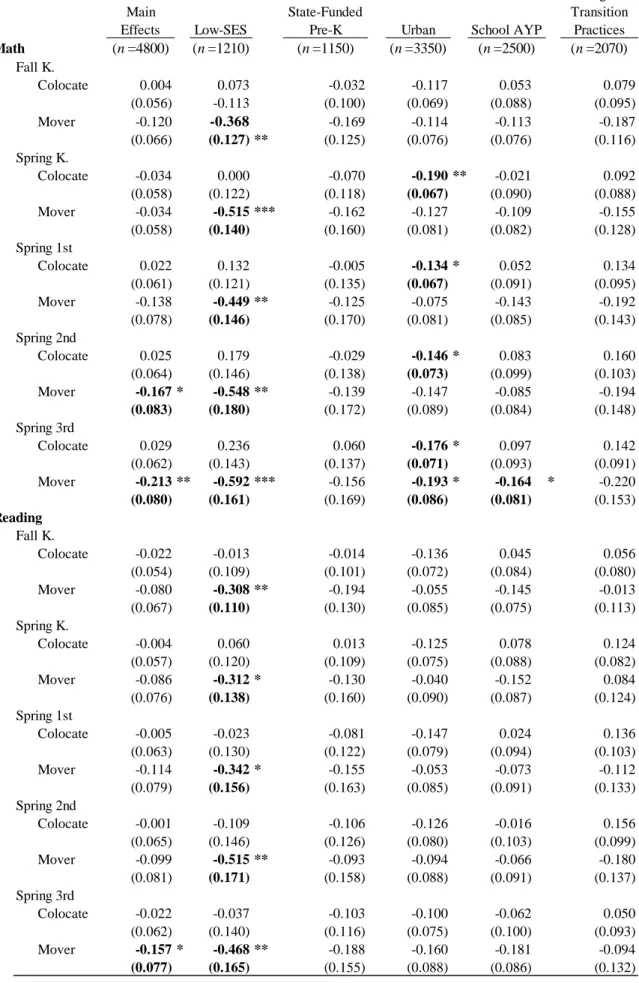
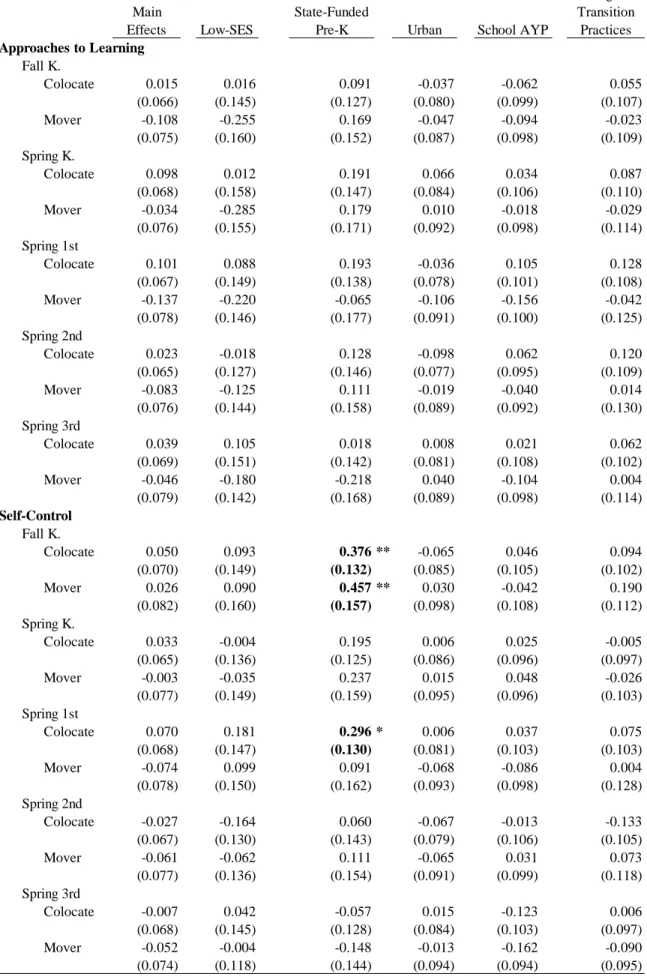
Table 5.5 Co-Location and Movers Subgroup Effects ……….102
xi
LIST OF FIGURES
Figure 2.1 Average Impact of Early Child Care Programs at End of Treatment ……12 Figure 4.1 Research Design Procedural Diagram ………...61 Figure 4.2 Independent Variable Structure ……….65
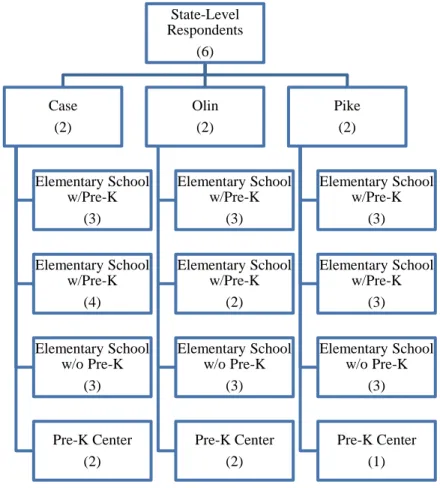
Figure 4.3 Qualitative Sample ……….83
1
CHAPTER 1: INTRODUCTION
Research shows that high-quality Pre-K, where Pre-K is defined as center-based
education for three and four year olds, is a promising intervention that boosts children’s school readiness (see Kholoptseva, 2016, for a comprehensive meta-analysis), ameliorates school readiness gaps (Reardon & Portilla, 2016), improves health outcomes in later life (e.g., Reynolds et al., 2007), and pays dividends to society through reduced incarceration rates, for example (Deming, 2009; Heckman et al., 2010). Many of these promising findings, however, come from a series of small experimental interventions that took place over 40 years ago, most notable, the Perry Preschool Project in Ypsilanti, Michigan and the Carolina Abecedarian Study in Chapel Hill, North Carolina. Since that time, publicly-funded Pre-K programs have been brought to scale in states across the country; today, nearly 32 percent of 4-year-olds are served through publicly-funded Pre-K programs (Barnett et al., 2017). Unfortunately, these programs often do not provide the promising impacts of the smaller, experimental interventions (Bailey et al., 2017; Yoshikawa et al., 2013). While many have shown initial, positive impacts on child outcomes, the impacts do not reliably persist into elementary school—a pattern referred to as the fade-out effect—and their long-term effects are unknown because states and localities have delivered
these programs for a relatively short time (Bailey et al., 2017).
Researchers have been working in recent years to help identify the components that constitute high-quality Pre-K programs—components that help to overcome fade-out and instead sustain Pre-K effects. Researchers have focused on a range of components—including structural
2
components, such as the quality of teacher-child interactions (Claessens et al., 2014), and
temporal components, such as the number of years or hours per day that a child attends Pre-K (Marcus-Jenkins et al., 2016; Reynolds et al., 2014). One understudied component relates to the
physical location of Pre-K settings—namely, whether or not Pre-K programs are located in
school buildings or stand-alone centers.
Statement of Purpose
The purpose of this dissertation is to shed light on the relative effectiveness of school-based versus non-school-school-based Pre-K on a range of child outcomes, including academic achievement and social-emotional learning, in elementary school as well as to provide
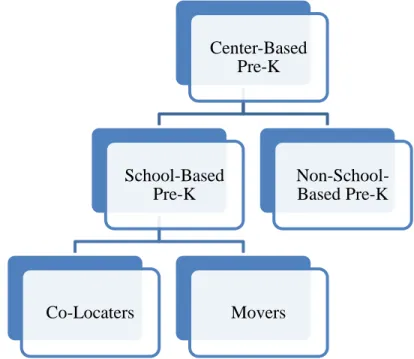
information about the potential reasons for the observed relationships. In addition to the relative effectiveness of school-based versus non-school-based Pre-K, I also examine the role of co-location for K attenders, where co-co-location refers to children who attended school-based Pre-K and remained in that same school for kindergarten or longer. Drawing on theoretical and empirical literatures that suggest that high-quality Pre-K and alignment across the early grades are important for early learning, I hypothesize that school-based Pre-K is more beneficial for child outcomes than non-school-based Pre-K. I further hypothesize that Pre-K benefits will be most persistent for co-locaters.
Theoretical and empirical literatures point to the importance of aligned and coherent education in the early grades. As highlighted in the introduction, Pre-K effects often fade rapidly once children move into elementary school. The reasons for fade out, elaborated upon in
school-3
based Pre-K programs may be of higher-quality than non-school-based Pre-K settings and that school-based Pre-K programs are more aligned to elementary school in terms of instruction. Second, evidence suggests that co-location may facilitate practices that promote vertical alignment and better sustainment of Pre-K effects, such as easing the transition to kindergarten for children and enabling teacher collaboration across the Pre-K to kindergarten grade span. In sum, I expect school-based Pre-K and co-location to help facilitate a more aligned, coherent educational experience for children that helps promote consistent learning gains and mitigate the fade-out effect.
Significance
As the first study to formally investigate the relative effectiveness of school-based versus non-school-based Pre-K, this dissertation makes a number of important contributions to the field of early childhood education. These contributions can be seen as research, methodological, and policy contributions, respectively. I detail each in the sections below.
Research Contributions
From a research perspective, this study helps to extend the field’s current work to
4
The study is also one of the first to qualitatively examine the practical, on-the-ground implications of providing Pre-K education within elementary school contexts (Desimone et al., 2004). This study probes the extent to which Pre-K is actively integrated into elementary school cultures, potential divisions that exist, and the factors that may promote or inhibit children from experiencing a high-quality, aligned early learning experience. It is this focus on alignment and coordination in the early grades that is the third key research contribution of this study— a focus on school-based-Pre-K as a means to mitigate the fadeout of Pre-K effects.
It is common for Pre-K program effects to rapidly fade— especially on cognitive and academic outcomes— once children enter elementary school (Bailey et al., 2017; Duncan & Magnuson, 2013). In addition to examining the relative effectiveness of school-based versus non-school-based Pre-K, this study explores the potential benefits of co-location. Here, the theory is that co-location will foster aligned and coordinated instruction that continually pushes children’s development (Vgotsky, 1997). While the role of subsequent schooling experiences has been theoretically noted as a potential key factor in the sustainment of Pre-K treatment effects (Bailey et al., 2017), this study will be one of the first to empirically test the theory.
Methodological Contributions
5
and then integrated at the end of the analysis, I demonstrate the utility of a mixed design for the early childhood education field. This design allows me, in a single study, to not only probe questions about the effects of school-based Pre-K attendance on student outcomes in elementary school, but also why these observed relationships may exist.
The second key methodological contribution is my use of propensity score analysis methods in the quantitative portion of the study. Since the 1980s, propensity score analysis has been a popular methodological tool to construct treatment and control groups as a function of observable covariates (Kainz et al., 2017). In order for propensity score analysis to be successful, the propensity score procedures must yield high-levels of balance on covariate measures between the treatment and control groups (Ho et al., 2007). In recent years, new estimation techniques, including machine learning, have helped to nearly ensure that analysts can achieve high levels of covariate balance. I explore a range of these techniques in my analysis in order to select the method that achieves the highest levels of covariate balance. Specifically, I use Entropy Balancing to derive my propensity score weights.
Policy Contributions
This study provides the first guidance to a simple question: What type of Pre-K setting is most beneficial for children on both academic and non-academic outcomes in elementary
school? As Pre-K programs continue to be expanded by policy makers in states and
6
Similarly, this study also explores the benefits of co-location. The findings related to this second research question help inform policymakers as they consider the logistics of assigning children to Pre-K programs. For example, if remaining in the same school building yields more persistent Pre-K effects, policymakers should consider assigning children to Pre-K programs that are located in schools where they are most likely to attend elementary school. Evidence from North Carolina suggests that assignment to Pre-K programs often does not consider the residence of children’s families and their likelihood of attending a certain elementary school (Cohen-Vogel, 2017). This study helps to clarify the extent to which co-location matters and illuminate the ways in which policymakers can respond in order to promote the sustainment of Pre-K effects.
Beyond basic evidence about “what works” with respect to the relative effectiveness of school-based versus non-school-based Pre-K and the role of subsequent attendance patterns, this study also provides evidence about the practical realities of locating Pre-K programs within elementary schools. The qualitative portion of this study explores potential “active ingredients” that help explain why school-based Pre-K and co-location may provide beneficial experiences for young children. As I find quantitatively, location of Pre-K programs in and of itself is likely not enough. Rather, the location of programs is a facilitator (or inhibitor) of practices within schools that yield differential student outcomes. This study helps illuminate what these specific elements are. In sum, this study not only provides evidence about where to locate Pre-K
7 Research Questions
As I will detail in subsequent chapters, my dissertation seeks to answer to the following five research questions:
1) Do children who attend school-based Pre-K have different academic and social-emotional outcomes in elementary school than children who attend non-school-based Pre-K?
2) Do children who co-locate—those who remain in the same elementary school where they attended Pre-K—have different academic and social-emotional outcomes than children who switch to a different elementary school after Pre-K or attend non-school-based Pre-K? 3) For both Research Questions One and Two, do the observed relationships vary across subgroups of interest? Specifically, do the results vary by socioeconomic status, Pre-K funding type, urbanicity, school quality, and measures of P-3 vertical alignment?
4) In what ways are Pre-K programs different when located in elementary schools versus stand-alone centers and how might co-location foster alignment and continuity?
5) What are the areas of alignment and misalignment between the quantitative findings for Research Questions One, Two, and Three and the qualitative findings for Research Question Four?
Roadmap
In the sections that follow, I begin in Chapter 2 with a review of the empirical literature related to Pre-K education, including consideration of the fadeout of Pre-K treatment effects and current evidence on school-based Pre-K. In Chapter 3, I formally outline my conceptual
framework for the study, detailing how a combination of increased program quality and
8
9
CHAPTER 2: REVIEW OF THE LITERATURE Introduction
The purpose of this chapter is to provide an overview of the literature that has relevance for my proposed study of the effects of school-based Pre-K and co-location on child outcomes in elementary school. I begin by providing a brief overview of the early childhood education landscape in the United States and situate Pre-K education within this landscape. Next, I provide a review of the research on the effectiveness of Pre-K education on student outcomes. Here, I include meta-analytic research findings as well as research on early model Pre-K programs, Head Start, and state and local Pre-K programs. I then provide a review of research on how the effects of these programs varies based on different subgroups.
Having put Pre-K into context and reviewed research on its effectiveness, I then review literature on the “fadeout” of Pre-K treatment effects and the common explanations for why fadeout occurs. Next, I detail what research has revealed about predictors of Pre-K program quality (e.g., structural factors, such as teacher degrees; and process factors, such as teacher-child interactions). Finally, I consider research directly focused on the topic of school-based Pre-K. I begin by providing an overview of programs (past and present) that include school-based Pre-K and then follow by reviewing research on the effectiveness of these programs, where applicable.
The Early Childhood Education Landscape
10
recent analysis by the Child Care Resource Center (CCRC) found that the average cost of center-based Pre-K in the United States per year is approximately $8,000 (CCRC, n.d.). Enrollment rates are highest for children from high-socioeconomic families, due in large part to the high costs of these programs. About half of the four-year-olds who attend center-based Pre-K are served by private programs and the other half are served by public programs. The three primary types of public programs include: Head Start, State/Local Pre-K, and childcare subsidies funded through the Child Care Development Block Grant.
Head Start
Founded in 1965 as part of President Lyndon B. Johnson’s War on Poverty, Head Start is a federal Pre-K program that serves low-income children and their families (Kalifeh et al., 2011). Head Start is a holistic program that generally serves three- and four-year-old children in center-based settings and focuses on (1) early learning, (2) health, and (3) family well-being (Office of Head Start, n.d.). In fiscal year 2015, the Office of Head Start was appropriated approximately $8.6 billion to run the program. In the 2015-16 academic year, Head Start served 8 percent of both three- and four-year-olds in the United States. As state and local Pre-K programs have been taken to scale in recent decades, which primarily serve four-year-olds, Head Start has shifted to serve a higher proportion of three-year-olds. Children are eligible for Head Start based on family income below poverty thresholds that vary by state, homelessness, use of public assistance through Temporary Assistance for Needy Families (TANF) or Supplemental Security Income (SSI), and placement in foster care (Office of Head Start, n.d.).
11
There are currently 59 public state or local Pre-K programs operating in 43 states and Washington D.C. Unlike Head Start, state and local Pre-K programs tend to offer care only to four-year-old children in the year before kindergarten entry. Most programs are targeted— meaning they serve a subset of children, not all—based on family income and other risk factors, such as disability. But, differences across communities as well as differences in where income targets are set mean that access varies significantly across programs. For example, the Pre-K program in Washington D.C. serves over 80 percent of four-year-olds while the state-funded Pre-K program in Minnesota serves approximately one percent of four-year olds, representing the highest and lowest enrollment rates, respectively. Notably, the most recent expansions of Pre-K have taken place at the local level in urban areas, including universal Pre-K in New York City and Seattle in 2014 (Barnett, et al., 2016). Approximately 32 percent of all four-year-olds and five percent of all three-year-olds in the United States are served by state and local Pre-K programs for a total cost of approximately $7.4 billion (Barnett et al., 2016).
Child Care Subsidies
12
The Effects of Pre-K on Student Outcomes
Meta-Analytic Findings
I begin this section by focusing on aggregate findings across studies of the impacts of Pre-K on child outcomes. The scientific literature on the effectiveness of Pre-K interventions has become mature enough to enable meta-analysis, a method of combining effect estimates across studies to draw broader conclusions about impacts. The most recent and comprehensive meta-analytic studies come from a database of 84 studies of Pre-K interventions from 1960 to 2007 assembled by the National Forum on Early Childhood Policy and Programs (Duncan & Magnuson, 2013).
13
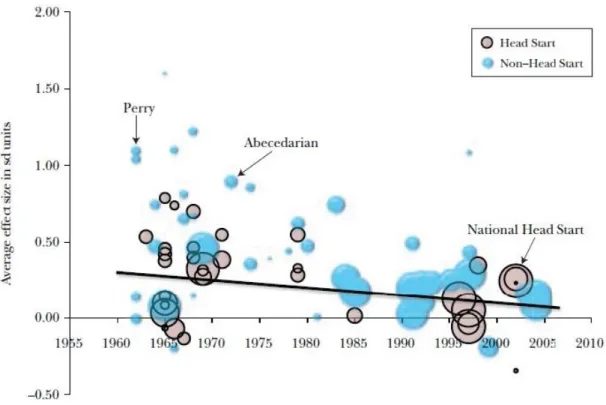
Figure 2.1 Average Impact of Early Child Care Programs at End of Treatment.
Reproduced from Duncan, G. J., & Magnuson, K. (2013). Investing in preschool programs. The Journal of Economic Perspectives, 27(2), 109-132.
There are a few key lessons that Figure 2.1 reveals. The largest impact programs tend to be smaller in terms of the number of children served and include model programs such as Perry Preschool and Carolina Abecedarian. Relatedly, the smallest program impact estimates come from larger programs, such as state-level Pre-K programs and Head Start.
Another key lesson is that the magnitude of effect sizes has decreased over time. This latter finding is likely attributable to the shifting counterfactual conditions over time. A
14
shifts may have improved the counterfactual experience for children, including use of other forms of childcare, higher-quality home environments, and more comprehensive social safety net programs (Duncan & Magnuson, 2013; Kline & Walters, 2016).
All of the aforementioned impact estimates are focused on the effects of treatment at the end of the program, often measured in the Spring of Pre-K or the Fall of kindergarten. The meta-analytic findings for longer-term schooling outcomes suggest persistent impacts of Pre-K on cognitive and achievement outcomes, but the magnitude of these effects fades over time. Specifically, Duncan and Magnuson (2013) find that program effect sizes, on average, decrease by approximately 0.03 standard deviations per year, and positive, statistically-significant effects remain for 10 years after the program ends. While statistically significant impacts may persist for 10 years, the largest drops in impact estimates occur in the first few years following treatment and the remaining impacts are small.
This finding of attenuation and eventual elimination of Pre-K treatment effects on cognitive and achievement outcomes, while also leading to long-term life outcomes such as improved educational attainment and lower crime incidence (Barnett et al. 2011), raises the question of whether or not Pre-K interventions are generating long-term effects through other outcomes, such as special education placement or conscientiousness, for example. Unfortunately, the studies in the meta-analytic database vary too extensively in the alternative outcomes
15 Model Programs
Perry Preschool
The Perry Preschool Project began in 1962 in Ypsilanti, Michigan with 162 high-risk African-American children. Of the 162 children, 58 received the program and 65 were in the control condition. The treatment was the provision of a high-quality center-based educational approach focused on academic and social development. Children attended the program five days a week for two and a half hours a day for two years. Additional services included weekly home visits by teachers and monthly parent group meetings. Data collection waves, which included a combination of child assessments and parent/participant surveys, occurred annually between the ages of four and 11, and then at ages 14, 15, 19, 27, and 40 (Belfield et al., 2006).
In terms of cognitive and achievement effects, the Perry Preschool program generated immediate, positive effects for treatment participants that quickly faded away. On the Stanford-Binet IQ test, treatment subjects performed nearly a standard deviation above control subjects at the end of the program, but this benefit faded and became statistically insignificant by the time subjects were eight years old (Schweinhart et al., 1980, 2005). Achievement outcomes, such as the Peabody Picture Vocabulary Test (PPVT), generally followed a similar pattern, where there were short-term benefits that faded to insignificance by six to nine years of age. A notable exception is the California Achievement Test (CAT) scores, which initially faded but positive, significant effects re-emerged for treatment subjects at the age of nine and ten and this benefit persisted through the age of 14 (Schweinhart et al., 1980, 2005).
16
(1.3 years), and were 44 percent more likely to graduate from high school than control participants. While not directly a schooling outcome, the effects of treatment on crime
involvement are particularly notable and generate the vast majority of returns to the program in cost-benefit studies (Belfield et al., 2006). Treatment participants were 46 percent less likely than control participants to have served time in jail or prison and were 33 percent less likely to be arrested for a violent crime (Schweinhart et al., 2005).
Carolina Abecedarian
The Carolina Abecedarian study, like Perry Preschool, is one of the oft-cited early Pre-K experiments. Abecedarian included a total of 111 participants, with 57 children receiving the treatment condition and 54 children receiving the control condition. The program began in 1972 and treatment consisted of comprehensive early education services from infancy through age five (excluding the K-2 follow-on supplement that was re-randomized in kindergarten). The program provided year-round, full-time, center-based care that included transportation, low child-teacher ratios, health and social services, and parental outreach services. Compared to Perry,
Abecedarian was a more comprehensive and intensive treatment program (Ramey & Campbell, 1972).
Since the study began in 1972, there have been numerous follow-ups with study
participants. A distinguishing factor of the Abecedarian study is that its impacts on cognitive and achievement outcomes were more prominent and persistent than in Perry Preschool. At
17
Psychoeducational Battery. At age 12, achievement differences between treatment and control groups was approximately 0.40 standard deviations for both mathematics and reading
achievement (Campbell & Ramey, 1994).
The Carolina Abecedarian program also generated a host of impacts on non-cognitive or non-academic outcomes during the schooling years (Campbell et al., 2012). In middle
adolescence, children who participated in the treatment condition were less likely to be retained a grade and were less likely to have been assigned to special education (Campbell & Ramey, 1996). Children who participated in the treatment condition, by 21 years of age, completed more years of school and were more likely to enroll in college (Campbell et al., 2002). Other outcomes include higher likelihood of holding a job and lower likelihood of teen parenthood and drug use (Campbell et al., 2002; Pungello et al., 2010).
Chicago Child-Parent Centers (CPC)
The CPC is often grouped as an early model program but it is distinct in that it is (1) not a randomized control trial and (2) operated and continues to operate at a much larger scale than both Perry and Abecedarian. While the primary focus of the CPC program is the Pre-K
18
A number of longitudinal evaluations of the CPC have been conducted over the years and have revealed positive effects on a range of academic and non-academic outcomes. In terms of cognitive and academic outcomes, Reynolds (1994) finds that children who participated in the program scored higher on assessments of math and reading achievement in the fifth grade. By the seventh grade, however, only the positive achievement effects for reading (0.43 SD)
remained, though the insignificant effect size for math was 0.28 standard deviations (Reynolds & Temple, 1998). Summarizing the effects on non-cognitive and non-achievement outcomes from previous evaluation studies for a cost-benefit analysis, Reynolds et al. (2007) finds that children who participated in CPC were less likely to receive special education services in school (-11 percent), be retained (-15 percent), be arrested (-8 percent), and were more likely to complete high school (+11 percent) and attend college (+7 percent).
Head Start
As described in the introduction, Head Start, founded in 1965, is the largest and longest-lasting scaled-up Pre-K program in the United States. A wealth of evidence suggests that Head Start has positive, short-term effects on cognitive, social-emotional, health, and parenting
outcomes (Lee et al. 1988; McKey et al., 1985; Puma et al., 2010). The evidence on the effects of Head Start can be divided into two primary groups: research from the Head Start Impact Study, a randomized control trial evaluation of Head Start that began in 2002, and other evaluation
19
child outcomes are accounted for. These authors find that at age six, children who attended Head Start scored significantly higher on vocabulary and reading tests than their siblings who did not. Another study by Deming (2009) also used the sibling-fixed effects model and examined a host of young adult outcomes and finds that Head Start participants gain 0.23 standard deviations on a summary index of these outcomes, with particularly strong effects for the most economically-disadvantaged children. These effects, on grade repetition, disability placement, high school graduation, and college attendance, are about 80 percent as large as gains from the smaller Perry Preschool and Carolina Abecedarian model programs.
A study by Garces et al. (2002) provides evidence specifically on later-schooling
outcomes of Head Start on children who participated in the program in 1980 or earlier. Using the Panel Study of Income Dynamics and estimating effects using a sibling-fixed effects approach, the authors find that, for white students, Head Start attenders were more likely to complete high school and enroll in college. For example, white children who attended Head Start were 30 percent more likely to complete high school than their siblings who did not attend Head Start. However, this effect was not present for other racial subgroups. Garces et al. (2002) also finds that Head Start attenders were less likely to be booked or charged with a crime in school, and this effect was mostly driven by Black Head Start attenders. Specifically, the authors find that Black Head Start attenders were 12 percent less likely than their siblings who did not attend Head Start to be booked or charged with a crime by their early twenties, when the outcome data were collected from participants.
20
this study found positive effects of Head Start on high school completion, but they found positive effects for White and Black children. Additionally, Ludwig and Miller (2005) found that a 50-100 percent increase in Head Start funding is associated with an increase in the likelihood of attending some college of about 15 percent.
More recent evidence on the effectiveness of Head Start comes from the Head Start Impact Study (HSIS) that began in 2002. The HSIS is a nationally-representative randomized control trial that included both 3- and 4-year old cohorts. The HSIS found positive impacts of Head Start on academic outcomes at the end of the Head Start program ranging from 0.15 to 0.30 standard deviations, but there were no positive effects detected after kindergarten. In terms of social-emotional impacts, the study found no impacts immediately following Head Start or at the end of kindergarten. By the end of third grade, the effects of Head Start on social-emotional outcomes were mixed, with participants having lower levels of problem behaviors and aggression, but more emotional symptoms and poorer student-teacher relations (Puma, 2010, 2012).
The aforementioned program estimates from the HSIS report the average effects of Head Start on participant outcomes. A series of studies have used the HSIS data to study the
21
deviation at the bottom of the distribution and a quarter of a standard deviation at the top of the distribution. They also find pronounced benefits of Head Start for Hispanic students and students with limited English proficiency.
In the second study from the HSIS, Bloom and Weiland (2015) extend the work of Bitler et al. (2014) to investigate variation in program effects across program sites in addition to variation across individual children and policy-relevant subgroups. First, and consistent with Bitler et al. (2014), Bloom and Weiland (2015) find that Head Start serves a compensatory role, where program effects are largest for children at the bottom of the cognitive outcome
distribution. Additionally, Bloom and Wieland (2015) find that Head Start effects are largest for dual language learning and Spanish-speaking students. Probing alternative explanations for why there were such pronounced effects for this subgroup, the authors argue it is due to their limited prior exposure to English, not systematic difference in counterfactual conditions.
Turning to Bloom and Weiland’s (2015) analysis of variation in effects across Head Start program sites, they find a significant amount of variation in Head Start program effectiveness across five of the six outcomes studied. They note that their study, “verifies what has been hypothesized for decades: that this large-scale, nationally funded, locally implemented program (with 1,800 grantees and 16,000 centers at present) produces results that vary widely relative to those of competing local alternatives” (p. 30). For example, they find standard deviations of program effect estimates to range from 0.12 to 0.25 for the five significant outcome measures.
22
and is statistically significant, which means that the average impact estimate masks significant heterogeneity. Indeed, there are many sites where Head Start has large, positive effects on regulation and there are many sites where Head Start has large, negative effects on
self-regulation. Conversely, Head Start has a large, significant grand mean effect on the outcome of numeracy, but there is little or no observable cross-site variation in program effects for this outcome (Bloom & Weiland, 2015).
State and Local Pre-K
Evaluations of state and local Pre-K programs are the most recent addition to the body of literature on Pre-K effects because they are the newest form of program. Most of the evidence comes from a small subset of states that have established Pre-K programs, including Florida, Georgia, North Carolina, Oklahoma (Tulsa), and Tennessee. There is also recent evidence on Boston’s Pre-K program. In addition to state- and local-specific evaluations, there is also some evidence on Pre-K effectiveness nationally through analysis of nationally-representative datasets, such as the ECLS-K. I begin by first detailing the state- and local-specific evaluations.
Florida
Two studies have examined the effectiveness of the Florida Pre-K program on children’s later schooling outcomes. The first study by Figlio and Roth (2009) used an instrumental
variables approach to estimate the effects of the program on disciplinary outcomes in
23
However, this advantage was erased by the third grade because retention rates for children who attended Pre-K accelerated to parity in grades one through three (Miller & Bassok, 2017).
Georgia
A study by Fitzpatrick (2008) examined the effects of Georgia’s Pre-K program on a range of outcomes measured in fourth grade. Using a difference-in-differences approach, Fitzpatrick finds positive effects of the program on academic achievement. Specifically, the program is associated with positive, though small, effects on math (0.03 SD) and reading (0.01 SD) National Assessment of Educational Progress (NAEP) scores. Additionally, the study revealed that students who participated in the Pre-K program were more likely to be at grade level for their age in the fourth grade.
North Carolina
A series of recently published studies have evaluated the effects of two early education initiatives in North Carolina: Smart Start and More at Four. More at Four, now known as NC Pre-K, is the state’s Pre-K program that was established in 2001. Smart Start is a birth through age four program focused building community supports to ensure children enter school healthy and ready to learn. Where possible, I focus only on the NC Pre-K results, but it is challenging to disentangle the programs as these studies focus on the impacts on all students, not just those that were directly involved in each program (Dodge et al., 2017).
24
authors translate the magnitude of the effects of the program to the equivalent of two to four months of instruction in the third grade. Another paper in this line of research by Dodge et al. (2017) extended the 2014 paper by examining math and reading achievement through fifth grade as well as including outcomes of grade retention and special education placement. In terms of achievement, the authors find stable effects for both math and reading that approximate 0.20 standard deviations. Notably, the effects did not appear to fade between grades three through five. Finally, Dodge et al. (2017) also find that NC Pre-K was associated with a lower likelihood of being placed into special education as well as being retained.
The third study in this line of research evaluating the NC Pre-K program is by Mushkin et al. (2015) and uses the same methods and data as the previous two studies. In this study, the authors estimate the impact of NC Pre-K on the likelihood that students are placed in special education in the third grade. The results suggest that for every $100 invested in the NC Pre-K program, the odds of a child being placed in special education in third grade are reduced by 3.47 percent. Note again that these North Carolina studies report the effects of the program on all students, not just those participating directly in the NC Pre-K program (or Smart Start).
Oklahoma (Tulsa)
25
on eighth grade achievement and non-academic outcomes. The study revealed positive, albeit smaller, effects on math (0.13 SD) and null effects on reading. It also indicated that attending the Tulsa Pre-K program was associated with lower odds of being retained (OR=0.60) and being chronically absent (OR=0.54).
Tennessee
While the research is not yet published in a peer-reviewed publication, a recent
evaluation by Lipsey, Farran, and Hofer (2016) has gained significant notoriety so I detail it here. This study reports on the third grade follow-up of a statewide evaluation of the Tennessee Pre-K program. The evaluation used a randomized control trial (RCT) approach by randomly assigning children to attend the Pre-K program in settings where demand for Pre-K exceeded supply. The design is desirable because the process of randomization helps to ensure that treatment and control group participants are equal on all measures except for the treatment— TN Pre-K. At the end of the Pre-K year, Lipsey et al. (2016) find large, positive effects of Pre-K on achievement (0.32 SD), grade preparedness (0.22 SD), interpersonal skills (0.19 SD), and work-related skills (0.20 SD). However, by the end of the third grade, all positive effects on non-academic outcomes are insignificant and the effects on achievement are negative (-0.13 SD).
Boston
Research by Weiland and Yoshikawa (2013) evaluates the effectiveness of the Pre-K program in Boston. Their impact evaluation used an age-eligibility cutoff regression
26
SD), the two domains targeted by the intervention, and smaller but significant impacts on emotional development (0.19-0.03 SD) and executive functioning (0.20 SD). Additionally, subgroup analyses revealed more positive benefits of the program for Hispanic students. However, unlike much of the research previously detailed (e.g., Bitler et al., 2014; Gormley et al., 2005), the authors do not find differential effects for socio-economically disadvantaged children.
National Pre-K Evidence
Having discussed the state-specific evaluations, I now detail two studies that leverage the nationally-representative ECLS-K dataset to estimate the effects of Pre-K on schooling
outcomes. Magnuson et al. (2007) analyzed data from the first cohort of the ECLS-K, which followed a sample of children who attended kindergarten in the 1998-99 academic year. These authors use a range of identification strategies, including instrumental variables and propensity score matching. At kindergarten entry, they find positive effects of Pre-K on reading (0.12 SD) and math (0.10 SD) assessment outcomes. They also find that Pre-K is associated with lower self-control (-0.07 SD) and higher levels of externalizing problem behaviors (0.11 SD). Looking at the same outcomes in the Spring of first grade, Magnuson et al. (2007) finds null effects on both math and reading achievement, but persistence of the negative effects on social-emotional outcomes (self-control -0.13 SD; externalizing problem behaviors 0.21 SD).
27
but null effects by the end of first grade. Math outcomes include positive effects in the Fall of kindergarten (0.08 SD), but no significant effects thereafter. Social-emotional effects include positive effects on externalizing problem behaviors that are stable at approximately 0.11 standard deviations across the three time points (positive effects suggest higher levels of problem
behaviors, which is a practically negative result). The authors also examined teacher-reported self-control and found that Pre-K participation was associated with lower levels of self-control in the Spring of kindergarten (-0.10 SD) and first grade (-0.10 SD).
Conclusion
Overall, there is significant variability in the different types of Pre-K program types that children may attend. In addition to differences in program types, there is also a lot of variation across state contexts and the populations of children that these programs serve. As a result, it is difficult to draw simple, clear-cut conclusions from research that examines these diverse programs and contexts. With this caveat in mind, there are some key lessons. In general, Pre-K programs have positive, albeit short-term effects on children’s cognitive and achievement outcomes. In some cases, effects on cognitive and achievement outcomes persist through
elementary school and middle school, though there is significant variability in this finding across studies. During elementary and middle school, Pre-K effects generally persist on outcomes such as grade retention and special education placement. While the majority of the long-term evidence is from early model programs, these effects include lower crime incidence, better health
28
Subgroup Effects of Pre-K
Thus far, I have focused on the average treatment effects of Pre-K programs on children’s schooling outcomes. There is a related line of research that has examined if Pre-K programs may be differentially effective for different subgroups of children. There are three key subgroups that researchers have examined consistently in the literature: race, income/SES, and gender. I now turn to highlight the key findings for each subgroup.
A recent review by Ladd (2017) detailed the consensus findings on the differential effects of Pre-K on children from different income/SES strata and racial and language subgroups. Ladd (2017) focused on 13 studies of Pre-K effectiveness that included subgroup analyses and used rigorous identification strategies that enable causal estimates. In terms of race/ethnicity, the subgroup that appears to benefit the most from Pre-K is Hispanic children. These subgroup differences are apparent in the short term (Gormley, 2008; Weiland & Yoshikawa, 2013), as well as later in elementary school (Muschkin et al., 2015; Ladd et al., 2014 ). Ladd (2017) offers two possible reasons for this positive finding for Hispanic students. First, Hispanic students are the least likely subgroup to attend Pre-K, so it is likely that the contrast between Pre-K and
counterfactual experience is stark (i.e. Pre-K or home care versus Pre-K or other center-based care). Second, the positive benefits of Pre-K for Hispanic children may also be related to
exposure to the English Language. Gormley (2008) found in Tulsa, for example, that English test gains were largest for Hispanic students whose parent spoke Spanish at home or were born in Mexico.
29
students, the positive effects of Pre-K on social-emotional skills persisted though the third grade (Lipsey et al., 2016). However, in terms of cognitive and achievement effects, studies show both positive (Gormley et al., 2005) and null effects (Ladd et al., 2014; Weiland & Yoshikawa, 2013) for Black students. Thus, a clear signal about the differential effects of Pre-K for Black students is inconclusive.
In terms of income or SES, studies generally show more positive effects for lower-income/SES children. These positive effects for economically-disadvantaged children have been shown in studies of Head Start (Bitler et al., 2014; Deming, 2009), Tulsa’s Pre-K program (Gormley, 2005), North Carolina’s Pre-K program (Dodge et al., 2017; Ladd et al., 2014), as well as the nationally-representative Early Childhood Longitudinal Study (Bassok, 2010; Magnuson et al., 2007).
In terms of gender, there are mixed results regarding the differential effects of Pre-K on child outcomes. A recent meta-analysis by Magnuson et al. (2016) that draws on the database of studies mentioned earlier in this paper finds few significant differences between male and females in terms of Pre-K effects. On cognitive and achievement outcomes, the authors find a statistically significant but very small benefit for girls relative to boys (0.03 SD). In terms of other school outcomes, which is a composite that combines special education placement and grade retention into a single measure, there are large differences between males and females. Specifically, the difference in the effect size for the benefits on other school outcomes between males and females is 0.56 standard deviations.
Fadeout of Pre-K Treatment Effects
30
effects immediately following treatment with a geometric decline in effects thereafter. Averaging across studies in the meta-analytic database detailed in the previous section, Bailey et al. (2017) found that effects of Pre-K on student cognitive outcomes was 0.23 standard deviations at the end of treatment, 0.10 standard deviations after one year, 0.09 standard deviations after two years, and statistically insignificant thereafter. As noted earlier, Duncan and Magnuson (2013) estimate initial program impacts of 0.35 standard deviations. Longitudinally, they estimate that program effect sizes, on average, decrease by approximately 0.03 standard deviations per year, and positive, albeit small statistically-significant effects remain for 10 years after the program ends. Despite some difference in estimates between these two studies, the general trend, for achievement and cognitive outcome measures, is a rapid fadeout in the magnitude of Pre-K treatment effects, though small, statistically significant effects persist for ten years, on average.
What explains Pre-K fadeout? Researchers from disciplines spanning economics and developmental psychology have offered a range of explanations. In this section, I detail three central explanations that have emerged in the literature surrounding Pre-K fadeout effects: (1) skill building, (2) foot-in-the-door, and (3) sustaining environments explanations.
The Skill Building Explanation
31
stage increase the productivity of investment at later stages. This component implies the need for early human capital investments to be followed by later investments in order for early
investments to be productive. In the words of Cuhna and Heckman (2007), “Together, dynamic complementarity and self-productivity produce multiplier effects which are the mechanisms through which skills beget skills and abilities beget abilities” (p. 35). In terms of Pre-K fadeout, this perspective suggests that early investments (e.g., Pre-K quality) will make later investments (e.g., K-12 school quality) more productive and, conversely, early investments are less likely to be productive if they are not followed by subsequent investments.
A recent study by Jackson and Johnson (2017) provides empirical support for the Cuhna and Heckman (2007) skill building model. Jackson and Johnson (2017) study the interactive and synergistic effects of the early human capital investment of Head Start and later human capital investment of school finance reforms that led to higher school funding. The authors find that both investments—increases in Head Start and K-12 school funding—independently provide positive effects on outcomes such as educational attainment and earnings. However, when the two investments are coupled, the effects are even larger. For example, a $1000 per pupil increase in Head Start funding increases education attainment by 0.096 years and increases adult wages by 1.9 percent. However, for this same increase in Head Start funding, if followed by K-12 spending at the 75th percentile of the distribution, educational attainment increases by 0.22 years and adult wages increase by 5.6 percent (Jackson & Johnson, 2017).
Bailey et al. (2017) have extended the work of Cuhna and Heckman (2007) to suggest that the skills being built themselves should be considered. Bailey et al. (2017) suggests that interventions should target “Trifecta Skills”, namely skills that are (1) malleable, (2)
32
that can be altered by the provision of some treatment, such as math and literacy skills, as opposed to less malleable skills, such as conscientiousness. Bailey et al. (2017) stress that malleability is not dichotomous, with some skills susceptible to intervention and others not; rather, some skills are more likely to be influenced by treatments than others.
In addition to the malleability of skills, skills targeted by an intervention are likely to be sustained if the treatment targets skills that are fundamental. Fundamental skills, as defined by Bailey et al. (2017), are skills “upon which later skills are built, and that influence positive life outcomes, such as attainment or labor market success” (p. 13). Examples of fundamental skills include academic motivation, social skills, and self-regulation, for example. This element of the trifecta skills aligns with Cuhna and Heckman’s (2007) notion of self-productivity. Again, fundamentality does not operate independently from malleability. For skills to be sustained well beyond a given treatment intervention, the treatment should focus on skills that are both
malleable and fundamental.
The third factor that Bailey et al. (2017) assert is critical for the sustainment of intervention treatment effects is that the skills targeted should be skills that do not readily
develop in counterfactual conditions. For example, basic academic skills develop quite rapidly in counterfactual conditions. Hill et al. (2008) found that on nationally-normed reading and
mathematics assessments, children gained over a standard deviation between kindergarten and first grade alone. So, despite the fact that basic academic skills are both malleable and
33
attenuated by first grade as children in the counterfactual condition have an opportunity to rapidly develop these skills.
To summarize, the skill building perspective as outlined by Cuhna and Heckman (2007) suggests that skill building is a dynamic and complementary process wherein early skills predict later skills and the productivity of later skills are a function of earlier skills. However, this perspective is limited in that it refers to skills in a general sense and does not provide guidance on the specific types of skills that should be targeted. Bailey et al. (2017) address this limitation and detail criteria about the skills themselves that are likely to be sustained after some
intervention. In order for intervention treatment effects to be sustained, interventions should target “trifecta skills,” which are (1) malleable, (2) fundamental, and (3) unlikely to develop in counterfactual conditions.
The Foot-in-the-Door Explanation
The second common explanation for the fadeout phenomenon is the Foot-in-the-Door (FITD) perspective that focuses on the precise timing of the intervention. The FITD perspective focuses on developmental timing and posits that intervention impacts are most likely to persist when applied at critical periods or junctures in development (Bailey et al., 2017). Interventions that seek to delay the onset of certain behaviors in the teenage years are common examples of this perspective, such as pregnancy prevention and drug-use prevention. The theory
34
While many FITD interventions described in the literature take place in middle and late adolescence, examples from Pre-K interventions focus on special education placement and grade retention. Findings from the meta-analytic database described above indicate that, across all included studies, the effects of Pre-K on reducing placement in special education and grade retention are between 0.3 and 0.4 standard deviations (Bailey et al., 2017). It is possible that it is through these mechanisms that some Pre-K interventions have lasting effects, especially in terms of long-term effects such as graduation rates and postsecondary enrollment. If Pre-K makes children more likely to get onto a mainstream academic trajectory early, it is possible to see how this FITD intervention can have effects that cascade over time.
It is difficult, however, to disentangle FITD and skill building processes in Pre-K
interventions because the processes are likely simultaneously operating. However, there is some empirical evidence to support the FITD perspective from Deming’s (2009) analysis of Head Start data. Deming (2009) used a sibling fixed effects identification strategy that compared variation in child outcomes within siblings who did and did not attend Head Start. The findings indicate fadeout of Head Start treatment on children’s cognitive assessment scores but positive,
significant, and longitudinal effects of Head Start on both grade retention and placement into special education.
The FITD perspective is related to the skill building perspective in that it represents a developmental cascades perspective wherein intervention effects last over time and interact with subsequent development stages. They differ, however, in how directly they influence
35
they alter transitory skills at an opportune time that alters an individual’s developmental trajectory (Bailey et al., 2017).
The Sustaining Environments Explanation
The third explanation for fadeout of Pre-K treatment effects is the sustaining environments explanation, which asserts that the quality and supportiveness of a child’s
36
schools than white Head Start students. Finally, when stratifying by measures of school quality (school mean reading assessment performance), which enables comparisons of differential fadeout based on race while controlling for school quality, the authors found that black and white Head Start attenders performed similarly. A more recent study by Zhai et al. (2012) conducted a similar analysis and found persistence of Head Start effects only for children who subsequently attended higher-quality schools. The key implication of these two studies is suggestive evidence that Head Start fadeout occurs, at least in part, due to inferior subsequent schooling experiences of poor children.
A recent study by Swain et al. (2016) used data from the Tennessee Pre-K randomized control trial to examine the extent to which the quality of early-elementary teachers moderated the persistence of Pre-K effects. Linking student-level data from the Pre-K evaluation with records of teacher observation scores from the state’s formal evaluation program, the authors found small, positive interactions between teaching quality and state Pre-K attendance on some cognitive measures. Additionally, the authors find that the interaction effects are largest for children with limited English skills and who entered Pre-K scoring in the bottom portion of the assessment performance distribution.
37
instruction in the early grades. Similar studies by Claessens et al. (2014) and Engel et al. (2014) focused on advanced versus basic content coverage in kindergarten and found that advanced content coverage was beneficial for both mathematics and reading achievement outcomes in kindergarten for all students, regardless of prior Pre-K attendance. A paradoxical implication of these studies by Claessen’s et al. (2014), Engel et al. (2014), and Magnuson et al. (2007) is that higher-quality education in the early elementary grades actually facilitates the erasure of Pre-K treatment effects because the non-treated children in the sample classes are able to “catch up”. In sum, the subsequent environments perspective stresses the importance of the quality of subsequent educational contexts for the sustainment of Pre-K effects. A few studies, though not all (Jenkins et al., 2016), provide some empirical support for this perspective. There is some evidence that the structural factors (e.g. class size) and instructional factors (e.g. content
coverage, teacher quality) in early elementary schools are important moderating factors of Pre-K treatment effect persistence. If interventions that are not targeted at the “right” developmental stage or not coupled with later supports (e.g., high quality instruction) at least in part explain why the Pre-K effect fades after Pre-K, attention to possible strategies that correct these problems may help to extend the effect. Arguably, these strategies have been embedded in reform efforts that together have been called the P-3 approach (Manship et al., 2016; Takanishi, 2016).
The P-3 Approach
38
aforementioned fadeout explanations apparent in the P-3 approach. For example, skill building is represented by a focus on improving the quality of both the Pre-K experience as well as later schooling experiences. Foot-in-the-door is represented by efforts, for example, to screen and identify children with disabilities early so that appropriate supports can be tailored. Finally, sustaining environments is represented in efforts to align instruction so that early gains are built upon in later grades. Returning to the paradoxical findings from studies that related later school quality to Pre-K persistence, these P-3 strategies are intended to help ensure steady gains for all students by promoting individualized instruction that keeps children operating in their “zone of proximal development,” which is the notion that learning takes place when instruction is focused near or just beyond the child’s envelope of knowledge (Vgotsky, 1997).
Summary
There are a number of theoretical explanations for the persistent problem of Pre-K treatment effect fadeout with limited empirical support for each explanation. However, the focus on Pre-K fadeout and the explanations for its existence is novel and we need to know a lot more. The fact that there is at least some empirical support for each of the three perspectives suggests that all likely play a role in the persistence of Pre-K treatment effects. A challenge for
39
Dimensions of Pre-K Program Quality
The purpose of this section of the literature review is to detail what is known about components of Pre-K program quality and contextualize school-based Pre-K as a potential new component that warrants inquiry. Thus far, the review of the literature has focused on the effects of different Pre-K programs on child outcomes, without regard to how these programs may vary in important ways based on their quality. Pre-K program quality has been classified in different ways in the literature (Pianta, 2016), but these classifications often include three key categories. The first is structural quality, which includes elements such as class size and teacher
qualifications, and can be seen as providing the precursors necessary for enriched teacher-child interactions. Second, process quality features are more proximal to the learning process and often include observational measures of classroom practices, such as the warmth of teacher-child interactions. Third, the temporal dimension of Pre-K program quality is concerned with dosage of Pre-K treatment, whether it be one versus two years of Pre-K or the number of hours per day that a child attends Pre-K, for example.
40 Structural Dimension
Class size and teacher-child ratio is one area of structural quality that has received a lot of attention from researchers and a general consensus has emerged. In a recent review of the
literature, Pianta et al. (2016) argues that class sizes above 20 are generally associated with poorer child outcomes for children. However, there is no consensus about a precise, optimal class size or teacher-child ratio. For example, studies that have experimentally varied class size ratios in Pre-K did not identify differential student outcomes, though the range of ratios that were varied were all quite small (1:5-9) (Farran, 2017).
In terms of teacher degree and certification, there is little evidence of a link with
improved child outcomes in Pre-K. A study by Mashburn et al. (2008) examined three credential measures and found no link with student outcomes. The authors included measures of the Pre-K teacher having a bachelor’s degree, the field of the teacher’s degree being in child development, and if the teacher’s assistant had a Child Development Associated (CDA) credential. In another study, researchers aggregated data from seven different Pre-K effectiveness studies to examine the relationship between Pre-K teachers having a bachelor’s degree and a range of child
outcomes in Pre-K (Early et al., 2007). Again, the authors found no link between teacher degree and child outcomes.
41
to use comprehensive early learning and development standards. Mashburn et al. (2008) find no link between the aggregate number of NIEER benchmarks met and child outcomes in Pre-K. The second global measure, the ECERS-R, includes measures of the Pre-K classroom environment, such as physical space, different play center activities available, and furnishings for relaxation and comfort. For this measure, Mashburn et al. (2008) find that the scale is largely unrelated to child outcomes except for oral and written language outcomes.
Process Dimension
While structural quality features of Pre-K programs are generally unrelated to child outcomes, there is more consistent evidence that process measures are related to child outcomes (Farran, 2017). One common measure of Pre-K classroom processes that has been examined is the Classroom Assessment Scoring System (CLASS) (Pianta et al., 2007). The CLASS provides a measures of the quality of two global domains of teacher-child interactions: instructional support and emotional support. There are seven different scales from the CLASS that comprise these two global domains. Instructional support includes scales that capture concept
development, which are strategies used by teachers to promote higher-order thinking and problem solving, and quality of feedback, which capture the verbal evaluation provided to children about their work, comments, and ideas. The emotional support scale includes scales that capture whether or not the classroom climate it positive or negative, teacher sensitivity, control level the teacher has over classroom activities, and behavior management strategies.
42
published by Mashburn et al. (2008). The authors find no relationship between the quality of the emotional support component of the CLASS and student outcomes but they do find that the quality of instructional interactions is positively associated with multiple measures of academic and language development but not with measures of social-emotional outcomes.
Temporal Dimension
The third and final dimension of Pre-K quality that I examine in this section is related to the time or dosage of Pre-K treatment. More specifically, this dimension has been
operationalized in two different ways in the literature. The first concerns whether or not one or two years of Pre-K (including combinations of Pre-K and Head Start) is more beneficial for child outcomes. The second concerns dosage in terms of the number of hours per day or week that a child attends Pre-K. In general, the evidence supports the claim that more time in Pre-K is associated with higher student outcomes, especially for low-income children (Berhman et al., 2004; Hill et al., 2003; Marcus-Jenkins, 2016).
43
In addition to the years of Pre-K a child experiences, the amount of hours per day or week is also associated child outcomes. In general, researchers have operationalized Pre-K attendance into part-time and full-time. Full-time Pre-K is commonly categorized as a child attending Pre-K at least 20 hours per week. Numerous studies have used this categorization and have found that full-time Pre-K is associated with higher child outcomes than part-time Pre-K (Loeb et al., 2007; Magnuson et al., 2004; Gormley & Gayer, 2005), though others have found no relation (Pianta et al., 2005). Again, studies of duration of Pre-K during the day have also found that, while providing benefits to a host of academic and cognitive outcomes, increased dosage is linked with increases in problem behaviors (Loeb et al., 2007). Interestingly, one study found that for children who attended school-based Pre-K, the adverse effects of Pre-K on
problem behaviors was not observed despite being observed for all Pre-K attenders (Magnuson et al., 2007).
School-Based Pre-K Programs and Effects