Scholarship@Western
Scholarship@Western
Electronic Thesis and Dissertation Repository
7-20-2016 12:00 AM
Does Sleep Enhance the Consolidation of Implicitly Learned
Does Sleep Enhance the Consolidation of Implicitly Learned
Visuo-Motor Sequence Learning?
Visuo-Motor Sequence Learning?
Jeremy Viczko
The University of Western Ontario
Supervisor Adrian Owen
The University of Western Ontario Graduate Program in Psychology
A thesis submitted in partial fulfillment of the requirements for the degree in Master of Science © Jeremy Viczko 2016
Follow this and additional works at: https://ir.lib.uwo.ca/etd
Part of the Cognitive Psychology Commons
Recommended Citation Recommended Citation
Viczko, Jeremy, "Does Sleep Enhance the Consolidation of Implicitly Learned Visuo-Motor Sequence Learning?" (2016). Electronic Thesis and Dissertation Repository. 3873.
https://ir.lib.uwo.ca/etd/3873
This Dissertation/Thesis is brought to you for free and open access by Scholarship@Western. It has been accepted for inclusion in Electronic Thesis and Dissertation Repository by an authorized administrator of
Sleep has been shown to facilitate the consolidation (i.e., enhancement) of simple explicit (i.e., conscious) motor sequence learning (MSL). It remains unclear the degree to which this applies to implicit (i.e., unconscious) MSL. Employing reaction time and response generation tasks, we investigated the extent to which sleep is involved in consolidating implicit MSL, specifically whether the motor or the spatial cognitive representations of a learned sequence are enhanced by sleep, and whether these changes support the development of explicit sequence knowledge across sleep but not wake. Our results indicate that spatial and motor representations can be behaviourally dissociated for implicit MSL. However, neither representation was preferentially enhanced across sleep nor were developments of explicit awareness observed. These results suggest that like explicit MSL, implicit MSL has dissociable spatial and motor representations, but unlike explicit sequence learning, implicit motor and spatial memory consolidation is independent of sleep.
Keywords
Acknowledgments
First and foremost I would like to acknowledge and thank my supervisors Drs. Adrian Owen and Stuart Fogel, without whom I would not have had the opportunity to be a part of such an amazing research team, and whose thought, time, and mentorship have helped me become a stronger scientist across all aspects of research. I would also like to thank those who provided other
important support helping me conduct this research, particularly Laura Ray who was instrumental in helping me solve all sorts of technical problems, help run data, and proofread on short notice when I was in a crunch. I would also like to thank the wonderful and eager volunteers, Juweiriya Ahmed and Orli Bogler, who bravely took on some of the overnight recording sessions for me throughout the lengthy data collection phase of this study.
Next, I would like to thank the special group of labmates and peers, who are now known better to me as some of the greatest of friends anyone could ask for. Without being able to share with you the laughs, adventures, and general feelings of crisis native to graduate-studies, I would not have been able to accomplish what I have. So to my “lab-sisters” Valya Sergeeva, Kathleen Lyons, and Avital Sternin, who embarked on the Masters journey in the Owen lab at the same time as me - I’m very glad to have had the pleasure and privilege of working with such inspirational and
hardworking friends through it all, thank you. This does not just apply to those three incredible human beings, but to the rest of my friends across labs who also inhabited the graduate-students’ Cubicle Town of the first floor Brain and Mind Institute (in no particular order); Dan Glizer, Rae Gibson, Brian Robertson, Tram Nguyen, Max Silverbrook, Evan Houlding, Aaron Gibbings …et al. (2015-2016)! I would like to send an extra special thank you to Natalie Osborne whose
thoughtfulness and care kept me on point, and whose sushi-bearing, late-evening office visits saved me from an exclusively Veggie Straw™-based diet for the writing of this thesis.
Table of Contents
Abstract ... ii
Acknowledgments ... iii
Table of Contents ... iv
List of Tables ... viii
List of Figures ... ix
List of Appendices ... xi
List of Abbreviations ... ix
INTRODUCTION ... 1
Preface ... 1
Chapter 1 – The Characteristics of Sleep ... 3
Architecture of Sleep ... 3
NREM1 ... 4
NREM2 ... 4
NREM3 ... 5
REM ... 6
Regulation of Sleep ... 7
Chapter 2 – Learning, Memory, and Sleep ... 10
Learning, Memory, and Neuroplasticity ... 10
The Synaptic Homeostasis Hypothesis: Sleep is for downscaling ... 11
The Active System Consolidation Hypothesis: Sleep is for reactivation ... 12
Declarative and Procedural Memory Systems ... 16
The Dual-Process Hypothesis ... 17
Declarative memory and SWS ... 17
Procedural memory and REM ... 18
Reappraisal of Sleep and Memory Systems ... 19
NREM ... 20
REM ... 21
Dynamics and Interactions of Memory Systems and Sleep Stages in Procedural Learning ... 22
Chapter 4 - Focus of the Present Study ... 26
Does Sleep Consolidate Implicit Motor Sequence Learning? ... 26
Experimental Aims of the Study ... 28
Hypothesis 1 ... 28
Hypothesis 2 ... 29
Hypothesis 3 ... 29
Hypothesis 4 ... 29
Hypothesis 5 ... 29
Hypothesis 6 ... 29
METHOD ... 30
Ethics ... 30
Participants ... 30
Behavioural Tasks ... 31
Serial Reaction Time Task ... 31
SRTT Representation Testing ... 33
Awareness Report ... 34
Generation Task ... 34
Similarity Report ... 36
Psychomotor Vigilance Task ... 36
Physiological Recordings ... 36
Screening Night ... 37
Overnight Experimental EEG ... 37
Experimental Design ... 39
Control Session ... 40
Training Session ... 40
Post-Interval and Long-term Retest Sessions ... 41
Statistical Analysis ... 41
Control Measures ... 41
SRTT ... 42
Generation Task ... 42
Implicit and Explicit Awareness ... 43
Sequence Representation Transfer ... 43
Similarity Report ... 44
Sleep ... 44
Sample ... 45
RESULTS ... 46
Control Measures ... 46
SRTT Representation Tests ... 49
Similarity ratings ... 52
Trained Hand Sequence Generation ... 54
Untrained Hand Sequence Generation ... 55
Sleep EEG ... 60
DISCUSSION ... 61
Implicit and Explicit Awareness at Training ... 62
Offline Memory Changes across Experimental Intervals ... 62
Training Sequence ... 62
Spatial and Motor Representations ... 63
Spatial representation ... 64
Motor representation ... 65
Awareness ... 66
Familiarity ... 67
Generalization ... 67
Sleep Architecture and Implicit Memory Consolidation ... 69
Conclusions ... 70
References ... 71
Appendices ... 91
List of Tables
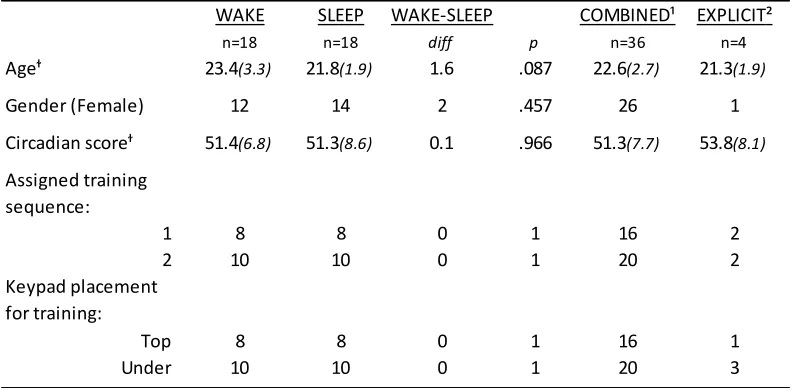
Table 1: Demographic and experimental assignment distributions across groups ... 46
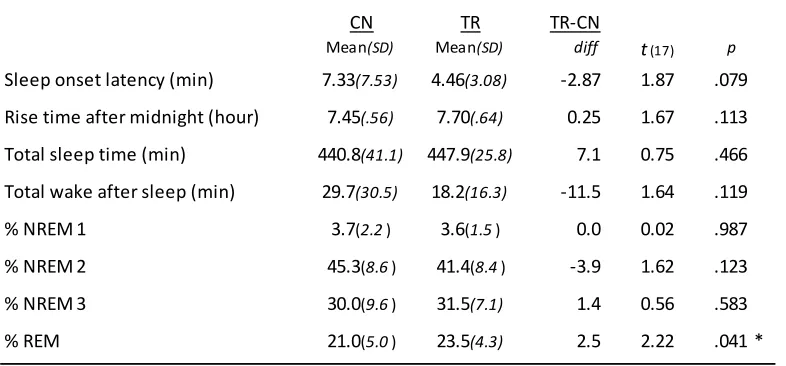
Table 2: Sleep measures between recording nights ... 47
Table 3: SRTT training reaction times by block ... 48
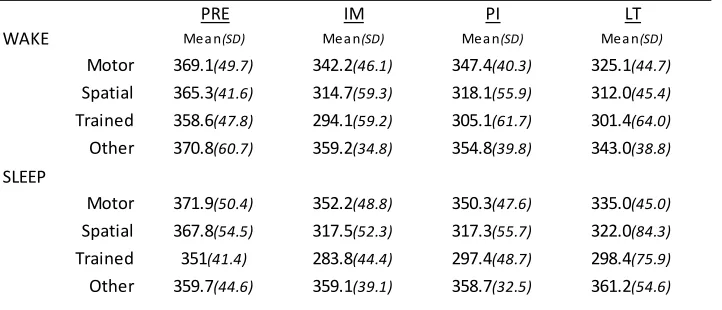
Table 4: SRTT Representation test reaction times across sessions ... 50
Table 5: Pairwise comparisons between representation test reaction times across sessions ... 51
Table 6: Total representation test reaction times and pairwise comparisons across sessions ... 51
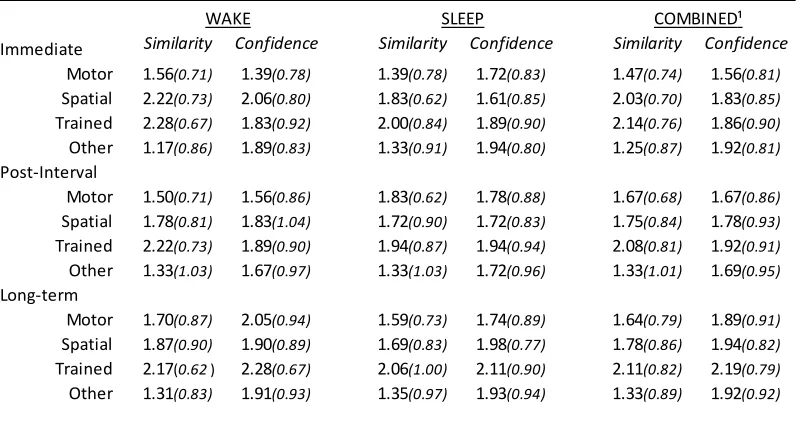
Table 7: Group similarity and confidence ratings across representation tests ... 52
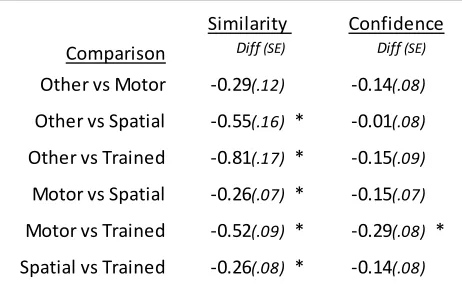
Table 8: Pairwise comparisons between similarity ratings of representation tests and confidence ratings ... 53
Table 9: Triplet generations across session and instruction type for Wake, Sleep, Combined, and Explicit groups ... 59
List of Figures
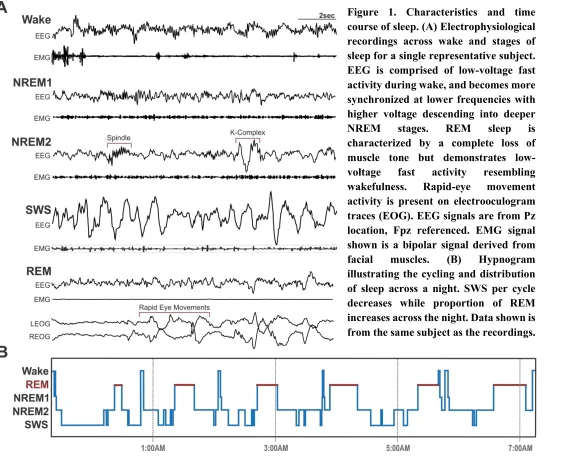
Figure 1. Characteristics and time course of sleep ... 8
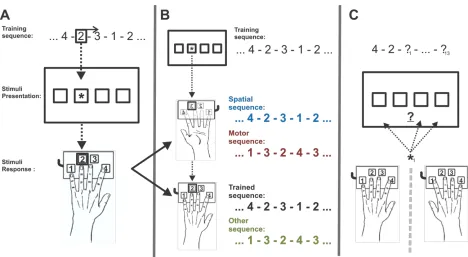
Figure 2. Behavioral tasks ... 38
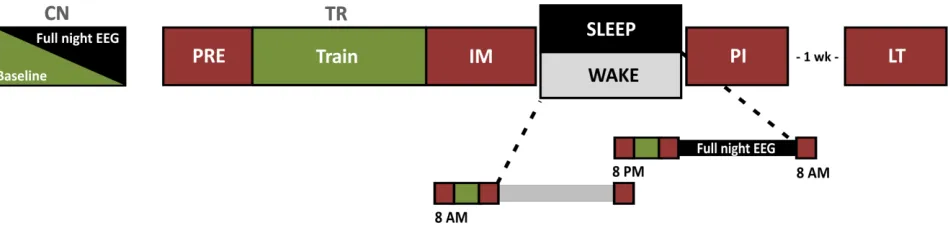
Figure 3. Experimental design ... 40
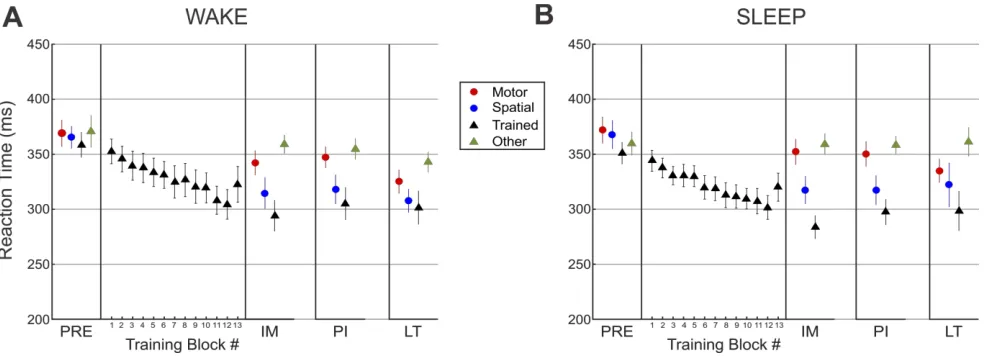
Figure 4. Overview of SRTT task performance across sessions for intervals of wake and sleep ... 48
Figure 5. Combined group SRTT performance and representation similarity rating ... 53
Figure 6. Trained hand performance of inclusion and exclusion generation task across testing sessions ... 55
Figure 7. Untrained hand generation performance for each triplet type across inclusion and
exclusion instructions for combined group data ... 56
List of Appendices
Appendix A: Questionnaire Battery ... 90
Appendix B: Recruitment Materials ... 112
Appendix C: Sleep Diary ... 117
Appendix D: Letter of Information ... 120
List of Abbreviations
ASRT Alternating serial reaction time task CN Control session
EEG Electroencephalography EMG Electromyogram
EOG Electrooculogram
fMRI Functional magnetic resonance imaging
HPC Hippocampus
HPC-SWR Hippocampal sharp-wave ripple IM Immediate post-training test LT Long-term retest session MSL Motor sequence learning NREM Non-rapid eye movement sleep PI Post-interval retest session PRE Pretraining test
PVT Psychomotor vigilance task REM Rapid eye movement sleep
SDMC Sleep-dependent memory consolidation SHY Synaptic Homeostasis Hypothesis SLEEP Sleep interval experimental condition SRTT Serial reaction time task
SWA Slow-wave activity SWS Slow-wave sleep TR Training session
“It is a common experience that a problem difficult at night is resolved in the morning after the committee of sleep has worked on it.” -John Steinbeck, Sweet Thursday (1954)
Preface
About 1/3 of our life is spent asleep, yet we are only now uncovering the purpose and importance of sleep. While the benefits of sleep may go unnoticed during the bustle of our daily activities, it is in the absence of good sleep that its importance to optimal functioning is perhaps most appreciated. Acutely, sleep disruption has detrimental effects on mood (Garavan et al. 2001), vigilance (Carrier and Monk 2000), and cognitive function (Killgore, 2010; Walker, 2008). Chronic sleep disruption has been associated with increased risk and symptomology of psychiatric disorders (Alvaro, Roberts, & Harris, 2013), cancer (Kakizaki et al., 2008; Thompson et al., 2011), as well as metabolic
(Knutson & Van Cauter, 2008), cardiovascular (Buxton & Marcelli, 2010), and degenerative disease (Pace-Schott & Spencer, 2011; Xie et al., 2013). On the other hand, adequate sleep is associated with mood regulation, increased vigilance, physical and mental restoration, and longevity (Tufik,
Andersen, Bittencourt, & Mello, 2009).
However, one of the most important functions of sleep is for supporting learning and memory. A period of sleep, compared to wake, is known to enhance and transform labile memories into enduring long-term storage, enhances performance of newly learned skills, and can even promote conscious insight into otherwise unconscious knowledge. These enhancements in memory and skill
performance after sleep are a phenomenon collectively referred to as sleep-dependent memory consolidation (SDMC). Sleep has been found to be particularly important for motor procedural SDMC, in particular when learned explicitly. Interestingly, sleep does not simply enhance all aspects of learning and memory equally. Rather, sleep preferentially supports the consolidation of
conscious knowledge of the skill. This may help to elucidate whether sleep is involved in the consolidation of implicit MSL, for which there are unresolved inconsistencies in the literature.
Chapter 1
–
The Characteristics of Sleep
Sleep is defined as a reversible state of reduced behavioural responsiveness accompanied by a reduction of conscious awareness of the external environment. However, sleep is not simply a quiescent state. Rather, sleep is more recently becoming regarded as a dynamic, altered state of consciousness that actively supports a wide variety of biological functions, physical and mental wellbeing, and, in particular, memory consolidation. However, the question of why we sleep remains a topic of hot debate. Modern theories account for sleep as process of restoration (Thomson & Oswald, 1977), thermoregulation (McGinty & Szymusiak, 1990), energy conservation (Berger & Phillips, 1995), immune-regulation (Bollinger et al., 2009), and also include developmental (Roffwarg, Musio & Dement, 1966) and learning theories (see Doyon, Korman, et al., 2009; Fogel & Smith, 2011; Maquet, 2001; Rasch & Born, 2013; Smith, 2001; Stickgold & Walker, 2013; Stickgold, 2013; Tononi & Cirelli, 2014 for reviews).
The following sections describe sleep in terms of behaviour and electroencephalography (EEG), the gold standard for categorizing sleep according to the characteristic and distinct neural oscillations of the sleeping brain. Although EEG techniques were originally pioneered by Hans Berger (1924) who is also credited with the discovery of alpha and beta frequency waves during waking rest, EEG was then first applied continuous sleep in 1950’s (Aserinski & Kleitman, 1953) who alongside William Dement (Dement & Kleitman, 1957) and Michel & Jouvet (1959) are credited with the discovery of REM sleep.
Architecture of Sleep
At the broadest level, sleep is classified into non-rapid eye movement (NREM) and rapid eye movement sleep (REM). NREM is further subdivided into three stages; NREM stage 1
REM sleep. Figure 1 illustrates a typical time-course of sleep stage transitioning across a full night’s sleep. Each ultradian sleep cycle lasts approximately 90 min. In infancy most of sleep is spent in REM, but into childhood, the proportion of REM is reduced as the amount of SWS increases, reaching maximal amounts before decreasing into puberty. With increasing age, the number of cycles, depth and efficiency of sleep decrease, accompanied by tendencies for earlier bed and rise times (for a review see Ohayon, Carskadon, Guilleminault, & Vitiello 2004).
NREM1.NREM1 is the first and “lightest” stage of sleep following wakefulness, marked by
less than 50% alpha activity and its EEG features vertex sharp waves and low voltage, mixed frequency EEG marking the transition from wake to sleep. NREM1 accounts for approximately 5% of a total night’s sleep. Vivid visual hypnogogic imagery occurs during NREM1, and there is evidence suggesting NREM1 dream mentation may be associated with memory processing (Lahl, Wispel, Willigens, & Pietrowsky, 2008; Stenstrom, Fox, Solomonova, & Nielsen, 2012; Wamsley, Perry, Djonlagic, Reaven, & Stickgold, 2010).
NREM2. As sleep progresses to more profound stages, as in NREM2, the EEG becomes more
synchronized, electromyogram activity decreases and the arousal threshold for the external stimuli (e.g. external noise) rises. NREM2 typically occupies about 45% to 55% of the night’s total sleep (Carskadon & Dement, 2011). Aminergic tone and cholinergic tone are reduced as compared to wake (Stickgold et al. 2001; Smith et al. 2004 for review). Positron emission tomography studies (Andersson et al. 1998; Braun et al. 1997; Hofle et al. 1997; Kajimura et al. 1999; Maquet et al. 1997) show that cerebral blood flow (CBF) significantly decreases during NREM as compared to wakefulness and REM across a variety of distributed cerebral networks, including the pontine, midbrain, thalamus, cerebellar, cingulate, basal ganglia, prefrontal,
precuneate, and mesial temporal lobe cortices. Despite the comparative drop in overall metabolic rate NREM2 increases above waking levels of neural activity are observed during the events which characterize NREM sleep such as sleep spindles and slow waves.
Timofeev, Steriade, & Sejnowski, 2000, 1999). Although, recent evidence suggests spindles are initiated cortically (Bonjean et al., 2011). Furthermore, it has been proposed that two types of sleep spindles exist: fast and slow spindle types (Schabus et al., 2007; Zeitlhofer et al., 1997). Slow spindles are distributed over the frontal regions and occur at a frequency of ~11-13.5Hz (Werth, Achermann, Dijk, & Borbély, 1997), while fast spindles are predominantly located over the central and parietal regions, recruit hippocampal activity (Schabus et al., 2007), and occur at a frequency of ~13.5-16Hz (De Gennaro, Ferrara, & Bertini, 2000).
In general, sleep spindles are thought to serve several functions, such as protection from external stimuli (Cote, Epps, & Campbell, 2000; Steriade, 1994), as well as optimal consolidation of procedural (e.g., skills, reasoning and rule-learning) and declarative (e.g., facts, figures and events) memory (Barakat et al., 2013; Fogel & Smith, 2006, 2011; Fogel et al., 2014; Lafortune et al., 2014; Mander et al., 2014). Sleep spindles, and in particular fast spindles, have also been suggested to play an active role in the sleep-dependent consolidation of new learning which is discussed in more detail throughout the following chapters (Bergmann et al., 2008; Rosanova & Ulrich, 2005; Steriade, 2005).
Another marker of NREM2, is the K-complex. K-complexes are slow frequency, large amplitude cortical events that consist of a negative sharp wave (> 100 μV), followed by a slower positive component (after ~350 to 550ms), and terminate with a final negative peak occurring around 900ms. Typically K-complexes last for ~ ≥0.5 seconds and are maximal at frontal derivations (Roth, Shaw, & Green, 1956) . They are thought to be generated in the thalamus, although their morphology and propagation across the scalp are influenced by cortical cells (Amzica &
Massimini, 2002). While the functions of K-complexes are still unknown, some studies suggest that K-complexes appear as partial (i.e., subthreshold excitatory) phasic arousal events from endogenous information processing (Davis, Davis, Loomis, Harvey, & Hobart, 1937; Halász, Terzano, Parrino, & Bódizs, 2004; Roth et al., 1956), or from exogenous sensory processing (i.e.,external stimuli; Dang-Vu et al., 2011) breaching the tonic suppression of sleep.
Alternatively others hypothesize the K-complex serves as an inhibitory process that protects sleep from arousal from external stimuli (Crowley, Trinder, Kim, Carrington, & Colrain, 2002; Nicholas, Trinder, & Colrain, 2002; Wauquier, Aloe, & Declerck, 1995).
sleep time, and predominates the first half of the night (Carskadadon & Dement, 2011). During this stage, electromyogram activity remains low. As well, awareness of external environment is at its lowest. Slow Wave Activity (SWA), or delta waves, are the most prominent markers of SWS and have a frequency of ~0.5-2 Hz and a large peak-to-peak amplitude of at least 75 μV (Iber et al., 2007). Delta waves are thought to reflect large-scale synchronous firing of thalamo-cortical networks (Steriade, 2006). At the cellular level, this corresponds to the synchronous fluctuation of membrane potentials from relatively hyperpolarized levels to suprathreshold levels (Steriade, McCormick, & Sejnowski, 1993). Progression of sleep cycles throughout a night results in decreases in SWS amplitude and duration, with slow waves typically propagating with an anterior-to-posterior areas (Greenberg & Dickson, 2013; Massimini, Huber, Ferrarelli, Hill, & Tononi, 2004). SWS also plays a critical role in SDMC of certain types of memories, in
particular declarative and associative and memory (which is further discussed in Chapter 3 – Memory Systems and Sleep), and has also been implicated in the maintenance of neural synaptic homeostasis (detailed in Chapter 2 – Learning, Memory, and Sleep).
REM. REM occupies ~ 20% of total sleep with little change form young-to-late adulthood (Ohayon et al., 2004). Paradoxically, REM sleep EEG resembles that observed during conscious wakefulness (Chow et al., 2013). The wake-like EEG of REM sleep is characterized by mixed frequency, low amplitude desynchronized oscillations, including increases in alpha, beta, and gamma coupled to theta waves (Achermann & Borbély, 1998). The most prominent markers of REM sleep are the rapid, conjugate, horizontal eye movements, recorded by the
electrooculogram (EOG). Animal (Callaway, Lydic, Baghdoyan, & Hobson, 1987) and human (Peigneux et al., 2001; Fernández-Mendoza et al., 2009) studies suggest that rapid eye
movements are associated with the occurrence of phasic endogenous wave forms expressed in the pons (P), geniculate nuclei of the thalamus (G), and the occipital cortex (O). Such waves have been termed “PGO waves”. In turn PGO waves are thought to trigger cellular processes thought to favor brain plasticity during REM sleep (Datta, 1999).
Phillips, 1998), has been suggested to be a putative mechanism underlying dreaming activity and emotional memory processing (Schwartz & Maquet, 2002). A near silencing of the
noradrenergic system during REM is accompanied by a significant muscle atonia of the major muscle groups (Chase & Morales, 1990; Vazquez & Baghdoyan, 2001). Despite this paralysis, phasic muscle twitches do occur throughout REM sleep. The muscle atonia of REM sleep has been proposed as an adaptive mechanism to protect against physically acting out dreams, which are characteristically vivid and narrative in nature, while dreaming mentation in NREM is typically briefer and more thought-like in nature (Llewellyn, 2013). The consequences of diminished REM atonia are observed in parasomnias, such as REM sleep behavior disorder, whereby individuals sometime violently act out their dreams. Like SWS, REM sleep has also been implicated in SDMC, particularly for complex procedural learning and processing emotionally salient memories (further discussed in Chapter 3).
Regulation of Sleep
Timing, initiation, onset and depth of sleep are widely thought to be determined by the interaction of two processes: homeostatic sleep pressure, termed Process S, and circadian rhythms, termed Process C (Borbély, 1982; Borbély, Daan, Wirz-Justice, & Deboer, 2016). Anatomically the suprachiasmatic nuclei of the hypothalamus is widely considered the ‘master clock’ orchestrating the circadian timing (the peaking and troughing) of important endogenous processes including core temperature regulation, metabolic activity, arousal, and relatedly, propensity for wake (Borbély et al., 2016; Saper, Fuller, Pedersen, Lu, & Scammell, 2010). Mammalian circadian rhythms demonstrate limited flexibility and in actuality a near, not exact,
24hr period. As such, the circadian biological rhythms are realigned daily according to external environmental cues, or “zeitgebers” (i.e., “time givers”), such as ambient light.
the duration, and power of the SWA, and decreases latency to SWS onset (Borbély et al., 2016). Thus, with longer periods of wake, initial progression into SWS occurs faster and is emerges as a more intense and deeper sleep.
1
Figure 1. Characteristics and time course of sleep. (A) Electrophysiological recordings across wake and stages of sleep for a single representative subject. EEG is comprised of low-voltage fast activity during wake, and becomes more synchronized at lower frequencies with higher voltage descending into deeper
NREM stages. REM sleep is
characterized by a complete loss of muscle tone but demonstrates
low-voltage fast activity resembling
wakefulness. Rapid-eye movement
activity is present on electrooculogram traces (EOG). EEG signals are from Pz location, Fpz referenced. EMG signal shown is a bipolar signal derived from
facial muscles. (B) Hypnogram
In terms of regulating sleep, circadian arousal is highest in the early evening maintaining wakefulness in the face of peaking sleep pressure accumulation. Sleep onset begins when the homeostatic sleep pressure has accumulated and circadian arousal begins to decline, typically in the mid-to-late evening, when zeitgebers such as dim light, trigger the release of melatonin to promote sleep. The first half of the night contains mostly SWA. The arousal system reaches a trough in the early morning hours, as sleep pressure non-linearly dissipates (reflected in less SWA and more REM per sleep cycle) across the sleeping period. At the time of sleep offset, mid-to-late morning, sleep pressure is diminished and the circadian arousal system starts to ascend. Thus, process S and process C work in opposition to maintain consolidated episodes of wake and sleep (Borbély et al., 2016; Dijk & von Schantz, 2005; Van Dongen & Dinges, 2003).
Chapter 2
–
Learning, Memory, and Sleep
Learning, Memory, and Neuroplasticity
The three basic stages in memory processing include encoding, consolidation, and retrieval (Abel & Lattal, 2001). Consolidation is considered to be an ‘offline’ process, meaning the memory continues to be gradually processed even after the ‘online’ encoding phase, in the absence of continued practice. Consolidation can be further subdivided into the processes of stabilization and integration. Stabilization occurs in a short window of time after encoding, on the order of minutes to hours, during which time the newly acquired memory becomes stable enough to resist interference (Brawn, Fenn, Nusbaum, & Margoliash, 2010; Diekelmann & Born, 2010b; Walker, 2005). Integration happens on the timescale of days to years and describes the processes of distributing or assimilating the short term memory into a longer-term memory where it is eventually stored in distributed neocortical networks for long-term memory retrieval (Giuditta, 2014; Marshall & Born, 2007; Rasch & Born, 2013; Sirota & Buzsáki, 2007; Squire, 2009; Takehara-Nishiuchi & McNaughton, 2008; Tononi & Cirelli, 2014). The processes of encoding and consolidation are presumed to be supported by a combination of complementary, independent and overlapping neuroanatomical structures including the hippocampus, striatum, and cortico-thalamic circuitry (detailed later in this section and the following chapter).
Importantly, acquired memory traces may be stabilized, enhanced, strengthened, or transformed during the process of consolidation (Albouy et al., 2015; Diekelmann & Born, 2010b; Landsness et al., 2009; Stickgold & Walker, 2013). Furthermore, depending on the type of memory, this ‘offline’ consolidation can occur dependent, or independent of sleep (i.e., across post-learning periods of wake). However, when SDMC occurs it uniquely demonstrates rapid and robust memory enhancements, more-so than as compared to wake, or passage of time alone.
Briefly, the process takes place as interaction between individual neurons. Importantly, for neurons to modify signalling connectivity with other neurons in proximal or distal networks, the neurons involved have to be significantly co-active within a short-time frame (within tens of milliseconds). Depending on the timing of pre and post-synaptic firing of neurons, the signal efficacy between neurons can either be potentiated (increased), or depressed (decreased). When these changes occur in a lasting way between neurons, these physiological processes are referred to as, respectively, long-term potentiation or long-term depression. In particular, long-term potentiation (Hebb, 1949) is widely thought to be the major cellular mechanism underlying learning and memory (Markram, Gerstner, & Sjöström, 2011). Thus, neuroplasticity, and memory processing, are thought to be activity-dependent processes.
The Synaptic Homeostasis Hypothesis: Sleep is for downscaling
The brain is comprised of very energy expensive tissue (Aiello, Wheeler, & Chivers, 1995; Hyder, Rothman, & Bennett, 2013). At a neurobehavioral level, repeatedly performing an action or repeated perceptual exposure to stimuli results in potentiation of large populations of neurons. This potentiation comes at a metabolic cost. The process of synaptic genesis, modification, maintenance, and, increased excitability of neurons results in significant energy demands. This, combined with limited inter-cranial space and cellular resources means that continuous
potentiation is neither sustainable nor feasible to encode and sustain memory. One influential theory of the function of sleep is for the homeostatic regulation of the accumulated synaptic potentiation during episodes of prior wakefulness. This synaptic homeostasis hypothesis (SHY; Tononi & Cirelli, 2003, 2006, 2014), asserts that sleep is the price payed for plasticity. More specifically, SHY proposes that while wake results in net increases in synaptic strength, SWA uniformly downscales/depresses synaptic strength. With this global downscaling, the weakest synaptic connections are pruned, whereas the stronger connections, which are the result of learning, survive the downscaling process. SWS then is the process that increases the signal-to-noise ratio for the important (or at least statistically regular) network activity, and allows for new learning synaptic potentiation for the period of subsequent wakefulness.
Pfister-Genskow, Faraguna, & Tononi, 2008), cellular (Cirelli, Gutierrez, & Tononi, 2004), structural (Bushey, Tononi, & Cirelli, 2011; Maret, Faraguna, Nelson, Cirelli, & Tononi, 2011), and behavioral (Huber et al., 2006; Huber, Ghilardi, Massimini, & Tononi, 2004; Vyazovskiy & Tobler, 2008; Vyazovskiy, Borbély, & Tobler, 2000) approaches (for a review see Tononi & Cirelli, 2014). One of the most striking contributions of SHY research have been observations that homeostatic SWA activity occurs not just on a global cortical scale, but also emerges prominently over the local cortical regions (Krueger & Tononi, 2011; Vyazovskiy & Tobler, 2008b; Vyazovskiy et al., 2011, 2000). For example, Huber et al., (2004) demonstrated that after a motor adaption task involving the right partial cortex, subsequent increased SWA over that cortical region was observed, and was correlated with post-sleep improvement. By contrast, arm immobilization lead to a decrease in somatosensory and motor evoked potential in the
contralateral sensorimotor cortices, and decreases SWA over those cortical regions (Huber et al. 2006).
Although SHY provides an elegant account for a variety of sleep and learning related
phenomena, it is not without criticisms (Frank, 2015; Frank, 2012) including limited accounts for subcortical activity (such as in the hippocampus; Buzsaki et al. 2002), a role for REM sleep, and for contrary findings indicating that SWS has the capacity to potentiate synapses (Aton et al., 2013; Seibt et al., 2012; Steriade & Timofeev, 2003; Timofeev, 2011). The homeostatic hypothesis entails a mechanism of non-Hebbian plasticity, by which activity-dependent downscaling indirectly enhances memory processes. Other theories propose, conversely, that sleep is a time for increased Hebbian-plasticity in which cerebral activity directly contributes to memory consolidation, reviewed in the following section.
The Active System Consolidation Hypothesis: Sleep is for reactivation
Hypothesis (for review see: Rasch & Born, 2013) proposes that reactivations which occur during SWS potentiate memory representations, whereas REM sleep acts to integrate, or transform, acquired memories into a long-term storage system (i.e., actively, memory traces are transferred between short and long-term memory brain systems). The hippocampus (HPC) is thought to be the primary structure in the immediate acquisition and short-term storage of memories, whereas the neocortex is where long-term memories are integrated into, and stored across existing distributed networks.
Consistent with a previously proposed hypothesis ('the Sequential Hypothesis,' for a reviews see; Ambrosini & Giuditta, 2001; Giuditta, 2014) the Active System Consolidation Hypothesis implicates necessity of both NREM and REM, and specifically that their iterative, sequential nature is complementary and crucial in the process of SDMC. An extensive body of research supports this hypothesis (for other reviews see: Diekelmann & Born, 2010b; Ellenbogen, Hu, Payne, Titone, & Walker, 2007; Lewis & Durrant, 2011; Ribeiro & Nicolelis, 2004; Ribeiro, 2012). Some of the earliest evidence in support of this came from a study on texture
discrimination learning in humans whereby performance was best predicted by the proportion of early night SWS and late night REM (as opposed to solely SWS or REM; Stickgold, Whidbee, Schirmer, Patel, & Hobson, 2000). As well, from rodents trained on a two-way avoidance task, where the sequencing order, and time spent in NREM-REM transitional states predicted performance improvements (Ambrosini & Giuditta, 2001).
Additionally, a primary characteristic of the Active System Consolidation model is that it
stipulates that memories are discriminately, not globally, selected and tagged for sleep dependent consolidation, based on a variety of factors such as emotional salience (Hu, Stylos-Allan, & Walker, 2006; Nishida, Pearsall, Buckner, & Walker, 2009), task difficulty (Kuriyama, Stickgold, & Walker, 2004), the mass or arrangement of training (Brawn et al., 2010), motivation (Fischer & Born, 2009), self-relevance (Wilhelm et al., 2011), or how explicit (Robertson, Pascual-Leone, & Press, 2004) or intentional (Rauchs et al., 2011) the memory formation was. Thus, in contrast to SHY, sleep’s role in memory consolidation is not viewed as a global phenomenon, encompassing all types of memory. Rather, the role of sleep is more
& Schacter, 1985; Squire & Zola, 1996; Tulving, 2002), a point which is further expanded on later (in Chapter 3 – Memory Systems and Sleep).
One of the primary mechanisms thought to promote reactivation consolidation are hippocampal sharp-wave ripples (HPC-SWRs; large amplitude negative EEG deflection, coupled with 100-200Hz oscillation, lasting 40-100ms, in HPC; Buzsáki, 2015). HPC-SWRs occur in phase together with NREM sleep spindles and SWS up-states and are believed to reflect HPC-neocortical communicative processing (Siapas & Wilson, 1998) in human (Bragin, Engel, Wilson, Fried, & Buzsáki, 1999; Le Van Quyen et al., 2010) and animal research (Buzaki, Pentfonen, Nadasdy, & Bragin, 1996; Sirota, Csicsvari, Buhl, & Buzsáki, 2003). Strong support for memory reactivation during sleep comes from in vivo rodent literature which has
demonstrated ensembles of neurons replay the same patterns of activity as during laboratory training tasks in both NREM (Bendor & Wilson, 2012; Skaggs & McNaughton, 1995; Wilson & Mcnaughton, 1994) and REM (Louie & Wilson, 2001; Poe, Nitz, McNaughton, & Barnes, 2000) sleep.
Due to the depth of the HPC, HPC-SWRs are not visible on scalp-recorded EEG (although see Le Van Quyen et al., 2010, for a recent study investigating HPC-SWRs recorded from depth electrodes in patients with Epilepsy). While access to direct HPC recording is limited to deep probe implants (e.g., in the case of epileptic intervention), sleep spindle activity is easily
recorded from surface EEG. Importantly, spindle activity is time-locked to HPC-SWRs (Siapas & Wilson, 1998; Sirota et al., 2003), and thus, spindles are also thought to be involved as mechanism of reactivation processing. Across multiple studies spindle activity has been associated with a wide array of sleep-dependent improvements in both declarative and
procedural tasks (Barakat et al., 2013; Fogel & Smith, 2006, 2011; Fogel et al., 2014; Lafortune et al., 2014; Mander et al., 2014). For example, in one study (Saletin, Goldstein, & Walker, 2011), while memorizing a word list, words were cued either to be forgotten or remembered. Spindle density in this study was strongly correlated with better performance relative to the word cue directions (to either remember or forget). In support of Active System Consolidation
Finally, there is also evidence that SWA is implicated in memory reactivation and selection for consolidation process (Wilhelm et al., 2011). In a study exploring the causal relationship between sleep and memory (Rasch, Büchel, Gais, & Born, 2007), an odor cue was presented during a card matching game, and was re-presented during subsequent SWS or REM sleep. When the specific odor presented matched with the training odor was presented during SWS (but not REM sleep) gains in post-sleep memory performance were observed, with the odor cue thought to further enhance the underlying reactivation of the memory traces during sleep. Similar results have been obtained with auditory cueing (Rudoy, Voss, Westerberg, & Paller, 2009) and transcranial magnetic stimulation (Marshall, Helgadóttir, Mölle, & Born, 2006) during sleep. Thus, HPC-SWRs, spindles, and SWA have received support which, together, indicate NREM to be a state of reactivation, particular to networks recruited in the learning. This in in contrast to neurophysiological activity during REM sleep, where activity within-and-between networks activation is less constrained, possibly promoting a state of higher association and integration of information (Chow et al., 2013).
In summary, competing theories for sleep are not mutually exclusive, and likely characterize complementary memory functions ongoing during sleep, as evidenced by both selective potentiation (e.g., Chauvette, Seigneur, & Timofeev, 2012) and synaptic downscaling (e.g., Bushey, Tononi, & Cirelli, 2011; Gilestro, Tononi, & Cirelli, 2009) observed from sleep. Recent theories have sought to articulate the dual effects of reactivation potentiation and downscaling as previously discussed (e.g., The “Boom and Bust” model; Frank, 2015). However, no studies have provided evidence to support both processes taking place in parallel. While the
Chapter 3
–
Memory Systems and Sleep
Declarative and Procedural Memory Systems
A traditional distinction in long-term memory from a neuropsychological perspective is between declarative and non-declarative memory systems (Graf & Schacter, 1985; Peigneux et al., 2001; Squire & Zola, 1996; Tulving, 2002). Declarative memory refers to both semantic (i.e.,
associations or facts) and episodic knowledge (i.e., events). Declarative memory can be thought of as the ‘what/where’ type of knowledge. A key feature of declarative memory, is that it is knowledge that can be articulated and recalled. It is therefore explicit in nature and is under conscious control and awareness. Classically, non-declarative memories are also referred to as procedural memories; and represent the ‘how-to’ type of knowledge. Procedural memories are memories for perceptual and motor skills, probabilities, as well as rule learning. Unlike
declarative memories, procedural memory can be either explicitly or implicitly (i.e.,
unconsciously) acquired. Declarative memories are rapidly encoded (e.g., single-trial learning) and flexible whereas procedural memories are typically established gradually through repetition and are of a more rigid memory representation (e.g., ‘practice makes perfect’).
The Dual-Process Hypothesis
The Dual-Process Hypothesis proposed that SWS sleep serves to support declarative memories and REM sleep supports the consolidation of procedural memory (Steffen Gais & Born, 2004; Peigneux, Laureys, Delbeuck, & Maquet, 2001; Plihal & Born, 1997; Smith, 2001). Much of the initial support for this theory came from studies evaluating the effects on pre-and post-interval memory retrieval after selectively depriving SWS or REM with awakenings during the early or later half of the night (called the ‘night-half paradigm’), as well as from brain imaging studies recording (with EEG or fMRI) intervening periods sleep versus wake. Below, some classic neuroimaging and behavioural research results are briefly summarized, and serve to provide an initial overview of the relationship between sleep stages and types of learning, before moving towards a more nuanced and perhaps more powerfully predictive models of sleep and memory systems, and ultimately towards the focus of the present study.
Declarative memory and SWS. Some of the first evidence linking SWS to the processing of
declarative memory came from single and multiple neuron recordings in rodents performing hippocampal-dependent spatial learning tasks. This series of studies demonstrated that
hippocampal activity observed during learning was replayed during post-task sleep (Kudrimoti, Barnes, & McNaughton, 1999; Pavlides & Winson, 1989; Wilson & Mcnaughton, 1994). This finding was replicated in human studies employing fMRI and virtual reality route-learning, in which the overnight activation of the HPC also correlated with navigation performance post-sleep (Peigneux et al., 2004). In addition to spatial learning, (Peigneux et al., 2004; Plihal & Born, 1999) other forms of declarative learning have implicated SWS in SDMC, including word-pair list memorization and word-paired-stimuli association tasks (Plihal & Born, 1997; Yaroush, Sullivan, & Ekstrand, 1971). The relationship between SWA in SWS was found to be a causal one. In a study by Marshall et al. (2006) they were able to potentiate SWS SWA with oscillating slow frequency (.75 Hz) direct current stimulation, which resulted in a boost in word-pair
memory recall, but for not a procedural finger sequencing task. Taken together this, and much of the replay/reactivation evidence previously cited (see Chapter 2- The Active System
essential for supporting the consolidation of declarative memories.
Procedural memory and REM. With regards to fine motor or sensorimotor skill learning,
classical procedural learning paradigms that have been associated with increases in REM include motor adaption tasks such as mirror tracing (Plihal & Born, 1997; Smith, Nixon, & Nader, 2004), rotary pursuit, and finger tap sequencing (Fischer, Hallschmid, Elsner, & Born, 2002). REM-recruiting perceptual tasks include the visual discrimination task (Karni, Tanne,
Rubenstein, Askenasy, & Sagi, 1994; Stickgold et al., 2000) and visual adaptation with prism glasses (De Koninck & Prévost, 1991, although cf.; Allen, Oswald, Lewis, & Tagney, 1972; Zimmerman, Stoyva, & Reite, 1978). Reasoning and complex rule learning have also been associated with REM sleep, in tasks such as the Tower of Hanoi (Smith et al., 2004). Finally, probabilistic learning represents another form of procedural learning, where sets of associations are complex, not completely deterministic, and as such, information must be accrued across many trails. The weather prediction task (Djonlagic et al., 2009; Knowlton, Squire, & Gluck, 1994) and artificial grammar learning (Gómez, Bootzin, & Nadel, 2006) are examples of probabilistic learning and have been associated with recruiting REM sleep activity, leading to hypotheses that REM sleep serves to integrate and extract rules from these structures and types of learned information.
Of particular relevance to this study are some of the early imaging studies of the serial reaction time task (SRTT). The SRTT is a classic and extensively used visual-motor sequencing task which has been employed to explore the acquisition and processing of implicit procedural memory (Cleeremans & McClelland, 1991; Destrebecqz & Cleeremans, 2001; Destrebecqz et al., 2005; Fischer, Drosopoulos, Tsen, & Born, 2006; Fu, Bin, Dienes, Fu, & Gao, 2013; Fu, Fu, & Dienes, 2008; Jiménez & Vázquez, 2005; Knopman & Nissen, 1987; Maquet et al., 2000; Schwarb & Schumacher, 2012; Wilkinson & Shanks, 2004). For the SRTT, a visual cue can appear at any one of four positions arranged horizontally on a computer screen. Participants have a key to press spatially corresponding to each cue location, with a designated finger assigned for each key. Participants must press the correct key as quickly and accurately as possible
pattern of either probabilistic grammar rules or a repetitive, complex and deterministic sequence. Over repeated blocks of practice, reaction times decrease as the participant unknowingly learns the pattern of sequencing. A transfer block is then administered in which the practice sequence is slightly modified, or a new sequence is presented, resulting in reaction times increases. The transfer block is followed a by re-administration of the learned sequence, in which reaction times recover to quicker speeds. This demonstrates learning specificity over general task
improvements. Finally, the participants are probed for awareness, with the gold-standard of explicit sequence awareness being a verbal report. Alternatively, or in combination with the gold-standard, are behavioural tests such as cued and free generation tests, whereby the participants are asked to finish or recreate the previously learned sequence. Increasing the stimulus interval between cues (<250ms) has been shown to increase development of explicit sequence awareness, however the SRTT is typically very successful in training sequences below the level of conscious awareness (Destrebecqz & Cleeremans, 2001; Fu et al., 2008). In a series of imaging studies using positron emission tomography (Destrebecqz et al., 2005; Maquet et al., 2000; Peigneux et al., 2000, 2003), training of the SRTT with probabilistic grammar, in contrast to random sequences, was found to activate the prefrontal cortex, striatum and cuneus regions of the brain, with the striatum and cuneus areas also significantly active during REM stage of the post-learning sleep scans. Furthermore, the reactivation of learning areas in REM predicted reaction time improvements post-sleep. Thus, these studies provided initial evidence suggesting that sleep, particularly REM sleep, may play an important role in the consolidation of implicit motor sequence learning.
Reappraisal of Sleep and Memory Systems
While the results reviewed to this point lend support for the Dual Process Model, with many of these findings replicated since, as research has continued to examine different tasks and different aspects of how sleep supports consolidation in these memory systems, many results have
Chapter 2 - The Active System Consolidation Hypothesis: Sleep is for reactivation), which take into account the nature of the memory representation and the processes supporting memory performance. Below, more recent neuroimaging and behavioural research results are briefly reviewed, re-painting over the earlier hypotheses of sleep stage and memory mapping, and illustrating the lay of contemporary sleep and memory landscape.
NREM. Largely the association between SWS, declarative memory, and
hippocampal-dependent learning has held. In fact, now an impressive host of animal and human literature has arguably established SWA as necessary for the consolidation of many forms of declarative memory including verbal and non-verbal association (Alger, Lau, & Fishbein, 2012), and spatial learning as discussed throughout this work. Gaetan, Marie, Laure, & Karim (2013) recently and compelling demonstrated the tight relationship between SWA and spatial memory processing. In their study they used an in vivo method for online detection of HPC place-cell firing, in mice, to record and map place-cell firing during navigation of an open new environment. Firing of the mapped place-cells was then paired with stimulation of the medial forebrain bundle ( a reward system in the rodent brain) during subsequent sleep. This intervention resulted in animals spending 4-5 times more time exploring the artificially created a place-preference memory post sleep, as compared to sham controls, which strongly demonstrates SWS role in spatial memory consolidation. Beyond the established role for declarative memory consolidation, currently SWS is also now believed to support synaptic homeostasis (see The Synaptic Homeostasis Hypothesis: Sleep is for downscaling) and prospective memory function (Dickson, 2010; Diekelmann & Born, 2010a; Marshall & Born, 2007; Tononi & Cirelli, 2006, 2014; Wilhelm et al., 2011).
in the consolidation of procedural memory.
However, behavioural and neuroimaging research have also emerged implicating NREM2 spindles in the SDMC of declarative memory (Fogel & Smith, 2011; Mander et al., 2014;
Mander, Santhanam, Saletin, & Walker, 2011; Saletin et al., 2011; Tamminen, Payne, Stickgold, Wamsley, & Gaskell, 2010). Particularly, spindles as a mechanism for HPC-neocortical dialogue are thought to promote SDMC. As an example, Bergman et al. (2012), in a combined EEG/fMRI study, trained participants on a face-scene pairing task. During the imaging of a subsequent nap, they observed reactivations during NREM sleep of the hippocampal and neocortical brain areas known to be involved in the task. These reactivations were time locked to spindles and the strength of the reactivation co-varied with the spindle amplitudes, providing compelling evidence that spindles are involved in HPC-neocortical reactivation for declarative SDMC. In summary, spindle activity and NREM2 are now appreciated as playing unique and crucial roles in SDMC of both procedural and declarative memory. The exact neuropsychological
characteristics of learning that are required and underpin the involvement of spindles and NREM2 processing has yet to be determined, and is an area of intense ongoing investigation, present study included.
REM. The factors underlying REM-dependent SDMC are less clear, and there have been many
mixed results across decades of research. While previous evidence favors a role for REM in procedural but not declarative memory consolidation, the relationship between types of learning and REM SDMC are also complex, and recruitment of REM appears to be heavily dependent on task demands and conditions (Diekelmann, Wilhelm, & Born, 2009; Fogel, Ray, Binnie, & Owen, 2015). For example REM is now thought to be significant in emotional memory
As previously noted, the idea that REM ubiquitously supports motor procedural learning is not supported in light of more recent research indicating that NREM2 and spindles may provide better predictive markers of memory consolidation (Albouy, Fogel, et al., 2013; Barakat et al., 2013; Fogel & Smith, 2006; Fogel et al., 2014; Lafortune et al., 2014; Mander et al., 2014; Nishida & Walker, 2007; Saletin et al., 2011). This disparity is still an area of ongoing research. Seemingly, what appears to account for recruitment of NREM or REM are the level of
complexity of the procedural learning, and the level of skill mastery. Factors involved in the complexity of learning include the length and difficulty of skill (e.g. longer and more
challenging motor sequences), and whether the learning occurs explicitly or implicitly
(Robertson et al., 2004). The simpler the task, and the more explicitly the learning occurs, the more likely that NREM SDMC will occur (Fogel & Smith, 2006; Robertson et al., 2004; Smith, Aubrey, & Peters, 2004). The current understanding of this relationship is that the more explicit in nature the learning is, the more hippocampal activity is subtending to both the acquisition and subsequent enhancement of the memory during consolidation (Robertson et al., 2004; Yordanova et al., 2008). On the other-hand, when the procedural learning is more cognitively complex, REM sleep consolidation is hypothesized to primarily play an integrative (rather than direct enhancement per se) role for consolidation (Barsky, Tucker, & Stickgold, 2015; Fogel, Smith, & Cote, 2007; Peters, Smith, & Smith, 2007; Smith, Aubrey, et al., 2004; Smith, 2001). This is to say that recruitment of REM is related to the difficulty of a task, which may be task-dependent, related to initial skill level, or to (un)familiarity of task demands. Then, depending on the amount of prior experience, REM is involved in the reorganization and integration of schemas (i.e., pre-existing knowledge representations); such that if a new schema needs to be built for unfamiliar complex information, REM will be recruited (Lewis & Durrant, 2011; Peters et al., 2007).
Dynamics and Interactions of Memory Systems and Sleep Stages in
Procedural Learning
To isolate learning in terms of single memory systems, or link a process of memory
processes, and this seems particularly true for procedural memories, which may account for many discrepancies particular to the procedural learning and sleep literature over the years (Albouy, King, Maquet, & Doyon, 2013; Rickard, Cai, Rieth, Jones, & Ard, 2008; Song, Howard, & Howard, 2007). As an example, a recent study by Fogel, Ray, Binnie, and Owen (2015) demonstrated that across days of mastering the Tower of Hanoi, a classic procedural reasoning task, NREM and spindle activity was increased during the initial days of learning. Then at the end of training, after the sessions when the participants had peak performance and mastery of the task, significant increases where observed in overnight REM duration, and changes in the quality of NREM spindles were observed. These results suggest that the nature of a memory and SDMC change over time, and that likely both NREM and REM work together (as per Active System Consolidation Hypothesis) in a complementary sequential fashion over multiple nights to fully serve memory processing (Diekelmann, Wilhelm, Wagner, & Born, 2013; Lewis & Durrant, 2011). Furthermore, an understanding of learning and SDMC as dynamic, ongoing processes carries implications for the careful consideration of study design and interpretation. Factors such as baseline proficiency and acquisition rates of skills, or previous task-related experiences may alter the timeline and observations of sleep-dependent effects across different methodological approaches (such as single or multiple nights of training and recording).
At present, procedural learning in even the most classic laboratory procedural tasks, such as the sequential finger tap and SRTT, are understood to involve multiple memory systems encoding different aspects of information across both distinct and shared networks over the course of training (Schendan, Searl, Melrose, & Stern, 2003; Willingham, Salidis, & Gabrieli, 2002). A recent series of behavioural and imaging studies (Albouy, King, Maquet, & Doyon, 2013; Albouy et al., 2008, 2015; Albouy, 2013) have demonstrated that, during visuo-motor sequence learning, both striatal and hippocampal networks are recruited, and interact competitively across training sessions. Their results have revealed a competitive interaction, whereby the
hippocampus is primarily active early in MSL, and across training, as performance becomes more automated, hippocampal activation is reduced in favor of striatal activation (Albouy, King, et al., 2013; Albouy et al., 2008). Thus, across learning, different neural substrates are
Central to the present work, Albouy et al. (2013) behaviorally dissociated spatial and motor components from a learned simple motor sequence. The spatial representation, which is variously referred to as the “extrinsic”, “effector-independent”, or “allo-centric” representation (Albouy, et al., 2013; Cohen, Pascual-Leone, Press, & Robertson, 2005; Wiestler, Waters-Metenier, & Diedrichsen, 2014; Witt, Margraf, Bieber, Born, & Deuschl, 2010), refers to the sequence of events mapped in space and time, regardless of body part or orientation involved. On the other hand, the motor representation, also referred to as “intrinsic”, “ego-centric”, or “self-referent” representation, refers to the sequence as understood in terms of the series of muscle movements. In order to assess the strength of each representation participants were trained with a response pad on a short explicit finger tapping sequence (Albouy, Fogel, et al., 2013). After training on a particular sequence the response pad was turned upside-down, thus switching keypad and hand coordinates. Participants then performed a sequence that was the same finger motor movements as the training sequence, which resulted in different spatial sequencing of keypresses, or performed a sequence that preserved where, spatially, the sequence events occurred but which consequently resulted in a different sequence of movement finger movements, relative to the initial training sequence. They found that, after a nap, gains in performance were limited to the spatial representation performance, and that these gains were related to the amount of NREM2 and spindle activity during the nap. In contrast, the motor representation sequence performance was merely maintained, independent of an interval of sleep wake. Thus, this behavioural dissociation indicated that the acquisition and consolidation of motor sequence memory involves two distinct mechanisms for cognitive spatial and motor representations, which also rely differentially on distinct neural substrates and on sleep for consolidation.
contrast, HPC activity was related to performance improvements, but only after the post-training nap (as opposed to an equal period of quiet wake). Collectively, these results indicate that that the HPC and the striatum support, respectively, the spatial (allocentric) and motor (egocentric) representations of a motor sequence during the learning process, with hippocampal activity related to SDMC. This is in alignment with previous literature implicating hippocampal and associative cortical networks in spatial coordinate response learning (Bohbot, Lerch,
Thorndycraft, Iaria, & Zijdenbos, 2007; Doeller, King, & Burgess, 2008; Iaria, Petrides, Dagher, Pike, & Bohbot, 2003) and sleep-dependent consolidation (Albouy et al.,2013; Cohen, Pascual-leone, Press, & Robertson, 2005; Ferrara et al., 2008; Witt et al., 2010). This is also consistent with literature implicating striatal and motor-cortical network recruitment for motoric aspects of skilled MSL, and a sleep-independent stabilization of motor memory traces over time (Doyon, Bellec, et al., 2009; Doyon, Korman, et al., 2009; Hikosaka, Nakamura, Sakai, & Nakahara, 2002; Nakahara, Doya, & Hikosaka, 2001; Nettersheim et al., 2015).
Chapter 4
–
Focus of the Present Study
The previous chapters provide evidence suggesting that memory processes are dynamically subtended to by multiple neural systems and across multiple states, including wake, sleep, and particular stages and features of sleep. Depending on the type of information and conditions under which the learning occurs, factors such as the complexity of the information, whether the learning is conscious and intentional, levels of motivational or emotional salience, or whether there are spatial or motor aspects – determine the recruitment of different neuro-substrates during acquisition, memory consolidation, and memory retrieval. In summary, and with regard to MSL, when the motor skill is simple and explicitly known, a hippocampal-dependent spatial
representation is behaviourally dissociable, as is a motor movement-based striatal-dependent representation. Enhancement of the spatial, but not the motor cognitive representation, is sleep-dependent, an effect which may also underlie and account for the considerable host of studies describing SDMC of MSL enhancement after a period of sleep. However, while there is a strong case for explicit MSL, the literature is far more disparate with regards to implicit MSL SDMC.
Does Sleep Consolidate Implicit Motor Sequence Learning?
At present, there is little consensus about whether newly learned implicit motor sequences are enhanced over a period of sleep as compared to wake. While some earlier studies using classical tasks, such as the SRTT, have provided evidence of SDMC for implicit motor learning,
Cohen, Pascual-leone, et al., (2005) trained participants on a deterministic sequence SRTT protocol, then tested SRTT performance on the untrained hand with either a spatially preserved sequence, or a motor movement preserved sequence across a period of sleep or wake. They observed that motor-preserved performance was enhanced over the course of the day, while spatially preserved performance was enhanced over a period of sleep. Also using the SRTT paradigm, Fischer et al. (2006) examined whether a period of sleep versus wake facilitates the development of awareness of implicitly learned motor sequences, as has been shown to occur for other types of implicit learning such as for rule (Wagner, Gais, Haider, Verleger, & Born, 2004; Yordanova et al., 2008), inferential (Ellenbogen et al., 2007), grammar learning (Gómez et al., 2006), and gist extraction (Payne et al., 2009). To measure changes in awareness of the trained sequence after an interval of sleep or wake, participants completed a generation task where they were asked to recreate the previously learned sequence (Fischer et al., 2006). No increase in SRTT performance (i.e., reduction in reaction times) was identified across either consolidation interval. However, a gain in explicit awareness was observed after sleep, but not wake,
indicating a significant increase in the participants’ ability to correctly generate the training sequence following sleep. In contrast, across an interval of wake, sequence generations remained at chance. This has been taken to indicate that SDMC operates on implicit MSL to the end that it develops explicit awareness of implicitly learned motor sequences.
Other studies using a modified version of the SRTT, the Alternating Serial Reaction Time Task (ASRT; Howard & Howard, 1997), have challenged whether SDMC occurs for implicit
Here we propose that a potential underlying factor, which may elucidate whether sleep is involved in memory consolidation of implicit-learned motor sequences, is the level of
engagement of hippocampal and striatal activity recruited across learning (Nemeth et al., 2010; Robertson et al., 2004; Spencer, Sunm, & Ivry, 2006); which, at the cognitive and behavioural level, would be indicated by performance differences of dissociated spatial and motor
representations of an implicitly learned visual-motor sequence. Importantly, neuroimaging evidence indicates that implicit MSL, similar to explicit MSL, also initially recruits hippocampal activity in addition to the more established striatal network involvement (Albouy et al., 2008; Cohen et al., 2005; Poldrack et al., 2001; Schendan et al., 2003; Willingham & Goedert-Eschmann, 1999). The rationale building from this is that the same interactions between dissociable spatial and motor representations and sleep, as described by Albouy et al. (Albouy, King, et al., 2013; Albouy et al., 2008, 2015; Albouy, Sterpenich, et al., 2013), may likewise be characterised in the unconscious learning of more complex motor sequences. An evaluation of this proposition may help to better understand and account for the nature and extent of SDMC for implicit MSL.
Experimental Aims of the Study
The present work aimed to explore a specific interaction between implicit learning and sleep, and answer the question - does sleep enhance the explicit awareness and generalization of an implicitly learned motor sequence? More specifically, the overall aim of this study was to investigate whether sleep would differentially facilitate dissociable spatial and motor-referent cognitive representations of implicitly learned visual-motor sequences, as has been observed in the case of explicit visual-motor sequence learning. In this way, this would allow us to ascertain whether the SDMC of the spatial representation was associated with sleep-dependent development of
conscious awareness and skill transfer across hands.
The current study employed a modified version of the SRTT, with a manipulation based on Albouy, Fogel, et al., (2013), whereby spatial and motor representations could be behaviourally dissociated from an initial training sequence. Awareness over time was assessed by a
also used to probe skill generalization across hands. To test sleep versus time-dependent effects of offline consolidation and awareness change, measurements were taken before and after either night of sleep or a across a day of wake, as well as one week after training. EEG recordings were taken during overnight intervals to characterise the learning-dependent changes in sleep, and sleep features associated with post-sleep changes in task performance. Following from this approach were six experimental hypotheses:
Hypothesis 1. Similar to explicit MSL, implicit sequence learning would demonstrate
behaviourally dissociable spatial and motor components.
Hypothesis 2. Only the spatial representation would show sleep dependent gains in performance,
while the motor representation would show gains across wake.
Hypothesis 3. As compared to a novel sequence, the implicitly learned sequence would be
recognized as highly familiar, and if sleep is specifically involved in consolidating the spatial representation (e.g., Hypothesis 2), the spatial component of the sequence will be rated as more similar to the training sequence than the motor representation.
Hypothesis 4. The performance gains in the spatial component of the task will be associated with an increase in awareness of sequence knowledge, specific only across intervals containing sleep. This would be reflected in better sequence generation performance and increases in the similarity ratings for the both the training sequence and spatial-representation sequence across sleep but not wake.
Hypothesis 5. Sleep dependent gains in the spatial representation will generalize into spatial-referenced sequence generations when skill transfer is tested across hands.
Hypothesis 6. The increases in spatial representation performance and awareness post-sleep
METHOD
Ethics
All participants gave informed written consent. This research was approved by Western University’s Research Ethics Board. Participants were compensated financially for study participation.
Participants
Participants between the ages of 20 to 35 were recruited through advertisements posted around the university campus. An initial telephone interview was used to exclude participants for left- handedness (Edinburgh Handedness Inventory, Oldfield, 1971), hand mobility problems,
atypical sleep patterns (sleep time outside the approximate hours of 10:00PM to 9:00 AM), shift work, head injury, regular cigarette smoking, use of medications known to affect sleep, and history of chronic pain. In addition, participants with professional training as a musicians or typists were excluded. Participants were required to abstain from drug use, caffeine, nicotine, and alcohol at least three days prior to, and throughout the duration of the study. Participants were asked keep consistent sleep routines throughout the study duration, which was confirmed by Actiwatch and sleep diaries.
Participants who met the criteria of the telephone interview (seeAppendix B) underwent a sleep disorder screening night, during which standard polysomnographic recordings (including
see Appendix A for questionnaire battery). For participants assigned to the experimental condition with multiple overnights in the lab, the screening night also served as an acclimatization night (see Experimental Design, Figure 3).
Fifty-one participants met the criteria for the study. Of this, seven participants dropped out after prior to completing the study. One participant was excluded for a history of depression
(identified after screening), and another for failing to comply with directions throughout the study. Two participants did not complete the final retest session, but had completed the control and first experimental session. Their data was included for these sessions, with missing data from the final session generated with multiple imputation (see Results). Thus, data from 42
participants (female n = 28) between 20-35 years of age (M = 22.9, SD = 3.3) were included in the analyses. Of these, 20 were assigned into the overnight interval experimental condition (SLEEP condition), and 22 were assigned to the across-day, wake-interval, testing interval (WAKE condition).
Behavioural Tasks
Serial Reaction Time Task. The Serial Reaction Time Task (SRTT; Nissen & Buller, 1987) is
buttons and screen cues. In a 25 sec rest interval before each block, directions were displayed onscreen instructing where to place the keypad and which hand to use (e.g., “Left Hand/Keypad Up”). Participants were given a wrist support to prevent fatigue when completing blocks with the keypad on the table underside. Participants were video monitored to ensure compliance with the task instructions.
For the SRTT participants were instructed to “respond as quickly and accurately as possible” to the appearance of a yellow ‘*’ cue, by pressing the corresponding key to which square the cue appeared in (Figure 2, panel A). The cue remained until one of the four keys were pressed, after which, the cue would disappear and then reappear in one of the four squares after a 120ms inter-stimulus interval. Unbeknownst to the participants during SRTT training blocks there was a repetitive underlying pattern determining the location of the cue. Auditory feedback was only was given if the incorrect key was pressed, by the sounding of a short tone.
The position where the cue appeared, the identity of the participant keypress, whether the key pressed was correct or not, and the reaction time between cue onset and the keypress were recorded. Decreases in average reaction time across SRTT blocks of training on a repetitive sequence indicates the extent that sequence knowledge has been acquired. Reductions in reaction times considered to be indicative of improvements in sequence learning, rather general task improvement, by the presentation of an SRTT block containing a novel sequence which results in an increase-to-baseline of reaction time performance.
SRTT Sequences. Two second-order 12-item sequences (Seq1 = 3-4-2-3-1-2-1-4-3-2-4-1; Seq2