University of South Carolina
Scholar Commons
Theses and Dissertations
2018
The Impact of False Positive Mammography
Results on Breast Cancer Screening Intention
Among Black Women
Deeonna E. Farr
University of South Carolina
Follow this and additional works at:https://scholarcommons.sc.edu/etd Part of thePublic Health Education and Promotion Commons
This Open Access Dissertation is brought to you by Scholar Commons. It has been accepted for inclusion in Theses and Dissertations by an authorized administrator of Scholar Commons. For more information, please [email protected].
Recommended Citation
Farr, D. E.(2018).The Impact of False Positive Mammography Results on Breast Cancer Screening Intention Among Black Women.
The Impact of False Positive Mammography Results on Breast Cancer Screening Intention Among Black Women
by
Deeonna E. Farr
Bachelor of Science Cornell University, 2001
Master of Public Health George Washington University, 2005
Submitted in Partial Fulfillment of the Requirements For the Degree of Doctor of Public Health in
Health Promotion, Education, and Behavior The Norman J. Arnold School of Public Health
University of South Carolina 2018
Accepted by:
Heather M. Brandt, Major Professor Daniela B. Friedman, Committee Member
Cheryl A. Armstead, Committee Member Swann A. Adams, Committee Member
iii DEDICATION
“If I have seen further it is by standing on the shoulders of giants.” – Sir Isaac Newton I dedicate this to the people who supported my dreams, even when I doubted they would come to fruition. In past two years, I have experienced some of the greatest
accomplishments of my professional life and most difficult challenges of my personal life. Were it not for the efforts and “shoulders” of the people listed below (and countless unnamed others); I would not have completed this work.
I dedicate this to my mother, Sondra L. Farr, who passed away during the summer of 2017. Sondra was the type of woman who made up special homework for me to
ACKNOWLEDGMENTS
I would like to express my gratitude to everyone who supported this work. First, I would like to thank my dissertation committee members: Drs. Heather M. Brandt,
Daniela B. Friedman, Cheryl A. Armstead, and Swann A. Adams. I would not have made it through this process without your insight and support. I would also like to thank the survey respondents for their willingness to share their experiences. I am very grateful to the following for their assistance with this project: Drs. Douglas Bull, Jeanette Fulton, Alene Amick, Joy Smith, Sheri Alston, Andria “Teri” Harris, Julie Riley, Jack Morris, Michelle Cullum, Ashleigh Hentz, Carol Milhouse, Sydney Waterhouse, Madison Jeter, and Monica Samtani.
This project was supported by the 2016/2017 American Association of University Women (AAUW) American Dissertation Fellowship, the University of South Carolina’s 2015-2016 Support to Promote Advancement of Research and Creativity (SPARC) Graduate Research Grant, the South Carolina Cancer Alliance (SCCA), the South
Carolina Department of Health and Environmental Control’s (SC DHEC) South Carolina Comprehensive Cancer Control Program (SC CCCP), and the University of South
v
ABSTRACT
Extensive research indicates that false-positive mammograms (FPM) have been associated with negative psychosocial and cancer-related beliefs, but only a handful of studies examine Black women’s reactions to this experience. Additionally, these studies do not investigate how organizational and provider-level factors in concert with
individual patient characteristics shape Black women’s experiences and reactions to FPM results. The purpose of this study was to determine the impact of organizational, provider, and individual-level factors on the processes and outcomes associated with FPM results in Black women. This study had two specific aims:
1) To describe, using a mixed methods approach, the organizational and provider-level characteristics of mammography facilities and their impact on Black women’s FPM experiences and outcomes.
2) To determine, through quantitative methods, the relationship between receiving a FPM result and future mammography intention among Black women.
characteristics, breast cancer (BrCa) screening history, emotional states, coping behaviors, cancer-related beliefs and attitudes in Black women with FPM and normal results. Black women aged 40+, breast cancer free, who completed screening
mammograms from January to August 2016 at one of the previously mentioned screening centers were eligible to participate. Women who received a FPM result were selected as cases, matched controls were selected from women screened on the same day and site but had normal mammograms. Patient surveys were administered from July 2016 to January 2017. Of the 132 patient surveys returned, 117 met the criteria for study inclusion.
No facility, provider, or patient factors were associated with two types of satisfaction: general and provider interpersonal style. FPM status was one of several patient characteristics associated with lower levels of satisfaction with convenience and provider information communication. Facility and provider-level factors had negative and positive effects on satisfaction with provider competence. Satisfaction with the clinical environment was also influenced by facility characteristics. FPM status was only
associated with a higher perception of barriers to mammography, and perceived barriers were associated with a lower intention to complete mammography. Afrocentric coping behaviors moderated the perception of mammography barriers for women with FPM results, weakening this relationship.
vii
TABLE OF CONTENTS
DEDICATION ... iii
ACKNOWLEDGMENTS ... iv
ABSTRACT ...v
LIST OF TABLES ...x
LIST OF FIGURES ... xi
CHAPTER 1: INTRODUCTION ...1
CHAPTER 2: BACKGROUND AND SIGNIFICANCE ...8
CHAPTER 3: METHODOLOGY ...35
CHAPTER 4: RESULTS ...59
4.1 Contributions of Mammography Facility, Provider, and Patient Characteristics on Mammography Satisfaction Among Black Women by Mammography Outcome ...60
4.2 False-Positive Mammography and Mammography Screening Intentions Among Black Women: The Influence of Emotions and Coping Strategies ...84
CHAPTER 5: SUMMARY, IMPLICATIONS, AND RECOMMENDATIONS ...107
REFERENCES ...127
APPENDIX A: Palmetto Health Institutional Review Board and Administrative Research Review Approval Letters ...148
APPENDIX B: Semi-Structured Organizational Assessment Form ...154
ix
LIST OF TABLES
TABLE 2.1 2012-2013 Breast Cancer Incidence and Mortality by Race and Location ...12 TABLE 4.1 Mammography Facility Characteristics by Site ...78 TABLE 4.2 Provider Perceptions of Patient Screening Experiences by Site ...79 TABLE 4.3 Demographic and Screening Characteristics of
Patient Survey Respondents ...80 TABLE 4.4 Patient Survey Respondents’ Mammography Satisfaction and
Communication Scores by Site ...81 TABLE 4.5 Bivariable Logit Models Describing Associations with High Levels of
Mammography Satisfaction Among Black Women ...82 TABLE 4.6 Demographic, Screening, and Psychosocial Characteristics of Black Women Completing Screening Mammography by Outcome ...103 TABLE 4.7 Multiple Regression Models Describing Influences on Breast Cancer
Screening Beliefs ...104 TABLE 4.8 Multiple Regression Models Describing Influences on Breast Cancer
xi
LIST OF FIGURES
FIGURE 2.1 Map of South Carolina Department of Health and
Environmental Control Regions and Central Offices ...10
FIGURE 2.2 Map of Columbia Metropolitan Statistical Area ...11
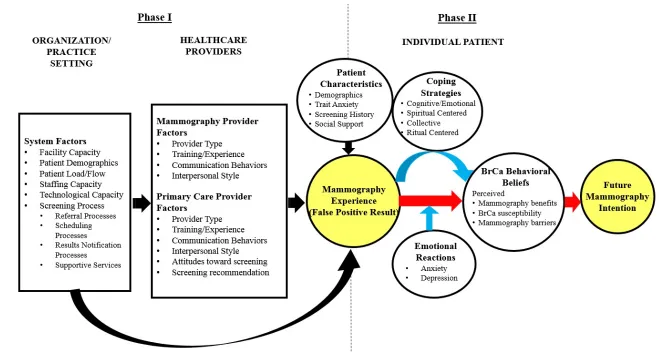
FIGURE 3.1 Conceptual Model ...37
FIGURE 3.2 Locations of Participating Mammography Facilities in Richland County, South Carolina ...42
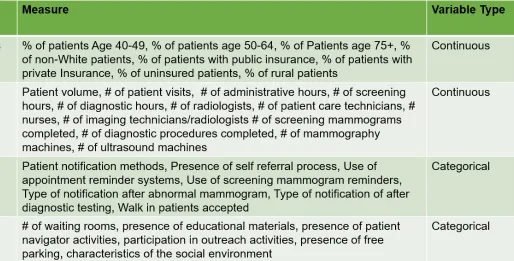
FIGURE 3.3 Organizational Level Measures ...44
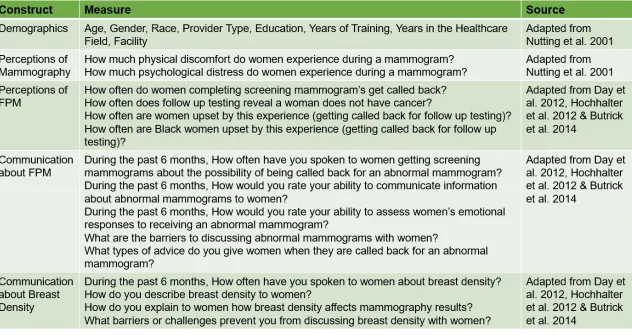
FIGURE 3.4 Provider Survey Measures ...45
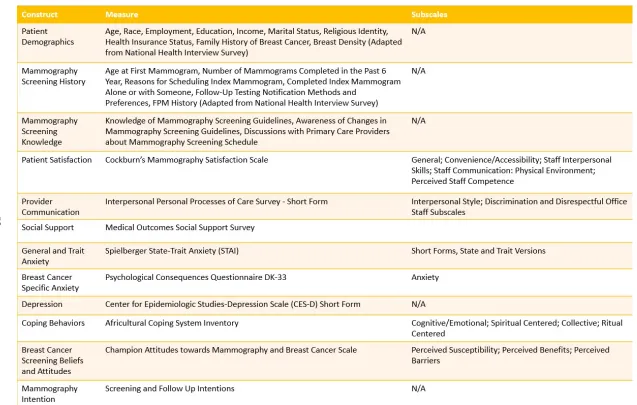
FIGURE 3.5 Patient Survey Measures ...52
CHAPTER 1
INTRODUCTION
1.1.Breast Cancer Burden
Despite steady declines in overall cancer mortality during the past three decades, cancer remains the second leading cause of death in the United States.1 The burden of cancer varies by gender as a result of sex-specific cancers such as BrCa. BrCa is the most commonly diagnosed cancer in American women and the second leading cause of cancer deaths in this population.1 In 2015, it is estimated that 40,290 American women died of BrCa.2 BrCa mortality rates have increased by 0.4% per year in the United States until 1989, when BrCa mortality began a steady decline which continues to this day.2 Advances in the science and adoption of breast conservation surgery, adjuvant chemotherapy, and tumor detection resulted in a 36% decrease in overall BrCa death rates between 1989 and 2012.2,3 Due to the enduring presence of racial disparities through the breast cancer continuum, BrCa mortality has decreased at a much slower rate among Black women.
1.2 Racial Disparities in Breast Cancer Burden
2
of interconnected biological, economic, social, cultural, and health system factors.2,4–7
Racial differences in BrCa incidence trends, disease progression, and treatment are the primary drivers of Black women’s increased BrCa mortality.8–10 Between 1992 and 2012, BrCa incidence rose by 0.4% annually for Black women while remaining constant in White women.2 In contrast to the historically higher BrCa incidence rates for White women 50 years of age or older, Black and White women in this age group now have similar rates (125.1 and 128.3 per 100,000 women, respectively).1 These trends in combination with the fact that Black women are more likely to be diagnosed with larger and advanced staged tumors have negative implications for treatment success and subsequent mortality in this population.11–13
BrCa treatment-related disparities encompass issues related to Black women’s access to appropriate therapies and treatment delays.8,14–16 Treatment delay consists of two components: delays in initiating treatment post receiving a diagnosis of BrCa and delays in completing diagnostic testing after symptom detection or notification of an abnormal screening test (diagnostic delays).17,18 Diagnostic delay has emerged as a significant behavioral factor explaining poor BrCa prognosis in Black women through its contribution to advanced tumor stage at diagnosis and the influence on the timeliness of the start of treatment.15,16,19–21 Black women are less likely to complete diagnostic testing within the desired 60-day window than their White counterparts.16–18,20,22,23 Much
1.3 Contributions to BrCa Diagnostic Delay in Black Women
Of the many determinants of diagnostic delay among Black women, individual-level factors have received the most attention.24,25 Sociodemographic characteristics that impact healthcare access including: income, health insurance, and employment status, have been most frequently cited as leading to diagnostic delay.16,20,24,25 Lack of
knowledge regarding BrCa screening, attitudes such as fear, and cancer-related beliefs like cancer fatalism, have also been thought to affect Black women’s motivation to complete follow-up testing.20,24,25 Clinical aspects of the BrCa screening population include: non-adherence to mammography screening guidelines and self-detection of tumors as opposed to mammography are also associated with diagnostic delays.16,19,26–28
1.4Previous Mammography Screening Experiences and Diagnostic Delay
Prior research on the characteristics associated with follow-up delay in Black women has paid little attention to Black women’s previous screening experiences and their potential to influence the completion of diagnostic testing. Outside of studies of racial discrimination and mistrust in the clinical encounter, virtually no efforts have quantitatively linked past mammography experiences to Black women’s attitudes towards diagnostic testing.29–33 Black women’s history of FPM results may be an importan,t but understudied aspect of their screening experience.
4
with higher levels of cancer anxiety were less likely to complete their diagnostic follow-up within the recommended 90-day window.35 Both studies indicate a possible
connection between prior FPM results and mammography delay in Black women.
1.5 False-Positive Mammography Results
A FPM result is defined in health research literature as a screening mammogram that requires additional follow-up testing, but does not lead to a cancer diagnosis.36–38
Clinically, FPMs correspond to a Breast Imaging-Reporting and Data System (BI-RADS) classification of 0 (i.e., additional imaging evaluation and/or comparison to prior
mammograms in needed), 3 (i.e., probably benign finding), 4 (i.e., suspicious abnormality) or 5 (i.e., highly suggestive of malignancy) that is confirmed as non-malignant through one or more of the following procedures: diagnostic mammogram, ultrasound, breast MRI, or biopsy.39 Normal mammograms are classified as BI-RADS 1 or 2.40
Anywhere from 5-10% of mammograms each year result in a FPM, but
cumulatively a woman has a 20-65% chance of receiving a FPM result depending on the age at which she initiates screening (40 or 50 years old), her screening schedule (annual vs. biennial), and her risk for FPM.41–44 Younger women (age 40-49), women with heterogeneously dense breasts, those with a family history of BrCa, and previous FPM results are at increased risk of receiving a FPM result.45 FPM rates are generally the same for Black and White women, but facility and provider characteristics have been
documented to affect the prevalence of FPM in various racial groups.45–48 National data
Recommended mammography screening intervals have been lengthened in part due to potential harms to women as a result of FPM.50–52
1.6 Impact of FPM Among Black Women
FPM results may lead to potentially negative patient-level outcomes, such as additional financial costs due to follow-up testing, impaired daily function, negative emotional states, and reduced levels of future BrCa screening intention and behavior.37,38
What, if any, effects FPM results may have on Black women’s satisfaction with their mammography experiences, BrCa related beliefs and attitudes, and/or future screening and follow-up behaviors is largely unknown due to the lack of research on FPM in this population.
Black women in the United States inhabit different social, environmental,
economic, and cultural contexts than White women. As such these contexts impact Black women’s BrCa risk and knowledge.53–56 Black women’s access to cancer screening services is impacted by the quality of facilities and providers through residential segregation.48,57,58 Extensive literature exists to describe the communication challenges Black women face while navigating the healthcare system.59–62 The actions Black women
employ in the face of these challenges are shaped by cultural and social norms for
behavior within and outside the Black community. Thus, their experiences and outcomes cannot be fully represented by research consisting of predominately White participants.63 Being that “Black women are not White women plus color, or Black men, plus gender”64, research studies centered on Black women’s experiences and grounded in relevant
6
1.7 Specific Aims
The purpose of this study was to determine the impact of organizational, provider, and individual-level factors on the processes and outcomes associated with FPM results in Black women. The study was conducted in two phases and had two specific aims:
Specific Aim 1: To describe, using a mixed methods approach, the organizational
and provider-level characteristics of mammography facilities and their impact on Black women’s FPM experiences and outcomes.
Research Question 1.1. What organizational, provider, and patient-level characteristics predict high levels of satisfaction with their clinical encounter among Black women experiencing a FPM result?
Specific Aim 2: To determine, through quantitative methods, the relationship
between receiving a FPM result and future mammography intention among Black women.
Research Question 2.1. What is the relationship between receiving a FPM result and BrCa behavioral beliefs (perceived benefits of mammography, perceived BrCa susceptibility, and perceived barriers to mammography screening) among Black women?
Research Question 2.1.a. Do Black women’s emotional states explain the relationship between a FPM result and BrCa behavioral beliefs (perceived benefits of mammography, perceived BrCa susceptibility, and perceived barriers to mammography screening)?
susceptibility, and perceived barriers to mammography screening) vary by the coping strategy employed?
Research Question 2.2. What is the relationship between BrCa behavioral beliefs (perceived benefits of mammography, perceived BrCa susceptibility, and perceived barriers to mammography screening) and the intention to complete future mammography screening?
8 CHAPTER 2.
BACKGROUND AND SIGNIFICANCE
This chapter provides background on recent epidemiological and behavioral trends as they relate to BrCa burden among Black women and potential influences on these trends.
2.1 Cancer in Black Women
Cancer is the second leading cause of death among American women.66 It is estimated that BrCa was responsible for 19% of cancer deaths in 2016, making it the second leading cause of cancer deaths among Black women in that year.67 BrCa is also the most prevalent cancer among Black women as it represents an estimated 32% of cancer incidence for this group in 2016.67
2.2Epidemiology of Breast Cancer in Black Women
2.2.1 Racial trends in breast cancer burden in the United States
In the United States, Black women have disproportionately higher BrCa mortality rates than any other racial and ethnic group.2 This trend began in the late 1990’s due to a slower decline in Black women’s BrCa mortality relative to White women (1.4% and -1.8% percent annual change, respectively).67 Between 2010 and 2014, BrCa mortality rates were 30.0 per 100,000 in Black women and 21.1 per 100,000 among White women which represents a 42% higher death rate for Black women.1
BrCa incidence rates were highest in Black women under the age of 40, but higher among White women over the age of 50.69,70 Recently, BrCa incidence in Black and White women over the age of 50 has converged.2,7,71 Current five-year incidence rates (2009-2013) are essentially the same for Black and White women (125.1 and 128.3 per 100,000, respectively). Higher BrCa incidence among Black women over 50 has the potential to increase BrCa mortality, thus widening the current racial disparity in BrCa burden. This trend is especially notable in the Southern US, with South Carolina serving as a typical example.7
2.2.2 Racial Trends in Breast Cancer Burden in South Carolina
South Carolina contains 46 counties which are organized into four regions by the South Carolina Department of Health and Environmental Control (See Figure 2.1). The Columbia, SC MSA includes Richland, Lexington, Saluda, Fairfield, Kershaw, and Calhoun counties and is largely located within South Carolina Department of Health and Environmental Control’s Midlands region (See Figure 2.2). The most recent five-year average (2009-2013) of BrCa incidence in the Columbia SC MSA was 132.0 per 100,000 which is above the Midlands region average of 127.8 per 100,000 or the state average of 127.2 per 100,000.72 BrCa mortality in the Columbia, SC MSA (23.7 per 100,000) was similar to the regional and statewide mortality rates (22.8 and 22.4 per 100,000) during that time period.72
10
11
12
geographic location for 2012 and 2013 are presented in Table. 2.1. Black women in the Columbia, SC MSA had higher rates of BrCa incidence (139.5 and 130.0 per 100,000) and mortality (31.8 and 20.3 per 100,000) compared to White women.72 The Columbia, SC MSA will require special attention to ensure that BrCa inequities do not widen.
Table 2.1 2012-2013 Breast Cancer Incidence and Mortality by Race and
Location72–74
Location Incidence (Per 100,000) Mortality (Per 100,000) White Black White Black Columbia MSA 130.0 139.5 20.3 31.8 DHEC Midlands 125.2 134.6 20.3 29.4 South Carolina 128.2 127.9 19.3 28.5 United States 124.3 122.1 20.5 28.8
2.3Contributions to Increased Breast Cancer Burden Among Black Women
Upon diagnosis, differences in disease severity also drive increased BrCa mortality experienced by Black women.9,15,19,78–81 Black women are more likely to be diagnosed with stage II, III and IV tumors compared to White women.15,19,78,82 After controlling for socioeconomic and biological factors, delays in breast cancer diagnosis and treatment have been documented as significant contributors to advanced staged breast cancer in Black women.10,15,16,27,80,83–85
2.4Racial Inequities in Breast Cancer Screening
Recent data from the 2015 National Health Interview Survey indicated that Black women complete screening mammograms at somewhat higher rates than White women (69.7% and 65.8%, respectively).66 Behavioral Risk Factors Surveillance System data from 2014 reports similar screening trends in South Carolina with 81.4% of Black women reporting use of screening mammography compared to 74.4% of White women.86 Despite higher initial screening rates, Black women are less likely to complete follow-up screening tests if their initial mammogram reveals an abnormality.15,16,27,83,85
2.5Addressing Mammography Follow-Up Among Black Women
Delayed mammography follow-up in Black women has been attributed to lower levels of BrCa knowledge, BrCa related attitudes and beliefs, socioeconomic factors, and issues related to healthcare access.24,87,88 Recommended client-oriented approaches for increasing BrCa screening include: small media, group and one-on-one education
14
been implemented in South Carolina and have had positive impacts on BrCa screening among Black women in the state.
2.5.1 Evidence-based Strategies to Improve Mammography Follow-Up Among
Black Women
The Black Corals program was developed by the St. James-Santee Family Health Center in collaboration with the South Carolina Department of Health and Environmental Control in 2008.95,96 Community-based group education sessions provided education about BrCa risk factors, symptoms, detection and screening resources.95,96 Together with a media campaign, client and provider reminders, the program lead to increased screening rates and a reduction in the rates of missed appointments.95,96
Around the same time, a statewide lay education program was developed by the National Cancer Institute-funded Community Network Program Center in South
Carolina, the South Carolina Cancer Disparities Community Network-II (SCCDCN-II).97–99 The SCCDCN-II was a partnership between academic researchers and members of a statewide Black faith organization.100 Together, members of the SCCDCN-II implemented the South Carolina Witness Project, an evidenced-based group education program that is culturally tailored to provide BrCa education to Black women.101,102 Women in the program demonstrated increased BrCa knowledge, decreased cancer fatalism, and increased screening intentions after participating in the community education sessions.103
The NBCCEDP consists of several activities such as the building of an infrastructure to support the delivery of and reimbursement for BrCa screening and diagnostic services, the provision of education and outreach services to support the recruitment of eligible women, and the delivery of case management services and patient navigation to support women as if they receive abnormal results.91,104 In South Carolina, the NBCCEDP funds the Best Chance Network (BCN) which is administered by DHEC’s Division of Cancer Prevention and Control.91,105 Since 1991, BCN has provided BrCa and cervical cancer screening services to South Carolina residents aged 40-64 with incomes at or below 200% of the federal poverty level.91,105
The NBCCEDP has made significant progress in providing BrCa screening and diagnostic procedures to low income women and women of color, but the program’s efforts alone are not enough to reduce the BrCa burden in Black women. A comparison of BrCa burden among NBCCEDP and non-NBCCEDP participants indicate that Black participants were more likely to have late staged disease compared to Black women who did not participate in the program.106 Across all groups of program participants, Black women and women residing in the South were also more likely to present with late staged disease.106 While the NBCCEDP has reduced participants’ time from initial screening to diagnosis (diagnostic interval) between 1996 to 2005, Black women and other women of color continue to have longer diagnostic intervals than White women.92
Patient navigation is another strategy that has been used address disparities in BrCa screening and diagnostic follow up.93,94 As described by Dr. Harold Freeman, who
developed this model to address cancer disparities in Harlem in the 1980s, patient
16
population they serve.93,107 These lay persons are trained to assist patients in “navigating”
the healthcare system and overcoming the various cultural, social, systemic, and logistical barriers that prevent patients from getting the recommended cancer care.93,107
The NBCCEDP is one of many programs which incorporates the use of patient navigation to improve cancer care among Black women.104,108 While patient navigation has been effective in reducing delays in the resolution of abnormal screening results; Black participants continue to display longer diagnostic follow-up intervals compared to their White counterparts even after controlling for factors such as the number of barriers to diagnostic resolution or health insurance type.17,109–111
2.6Influence of Screening History on Black Women’s Screening Behaviors
Despite these programs, racial inequities in the time between BrCa detection and diagnosis persist.15,16,79,83,85,92,109 The enduring nature of BrCa screening inequities points to gaps in understanding how various factors influence BrCa screening behaviors in Black women. Much of the research on this phenomenon examines BrCa screening knowledge, cultural beliefs, structural/logistical barriers to screening, but few studies have examined the role of past screening history.24,87,88,112 One screening outcome that
has received little attention, but may hold the key to explaining delayed follow-up among Black women, is receiving a FPM.
women with abnormal screening mammograms.35 Women who completed
mammography follow-up after the 90-day window were more likely to have had an abnormal mammogram in the past, displayed higher levels of anxiety compared to those completed follow-up within the window, or had a screening mammogram designated as incomplete or inconclusive compared to those designated as highly suspicious or
potentially malignant (BI-RADS 0 vs 4/5).35 Both studies indicate a possible connection
between prior abnormal mammograms and mammography delay in Black women.
2.7 Definition and Epidemiology of False Positive Mammograms
FPM is the term used in public health research to describe a screening
mammogram with an abnormal result that is confirmed as non-malignant through one or more of the following procedures: diagnostic mammogram, ultrasound, breast MRI, or biopsy.37,113,114 Clinically, FPM results correspond to a BI-RADS classification of 0 (Incomplete - additional imaging evaluation and/or comparison to prior mammograms in needed), 3 (Probably benign finding), 4 (Suspicious abnormality) or 5 (Highly suggestive of malignancy).39 Normal mammograms are classified as BI-RADS 1 or 2.39
Anywhere from 5-10% of mammograms each year result in a FPM, but
cumulatively a woman has a 20-65% chance of receiving a FPM result depending on the age at which she initiates screening (anytime between 40 and 50 years of age) and her screening schedule (annual vs. biennial).37,41–43,114,115 FPM may lead to potentially negative outcomes, such as additional financial costs due to follow-up testing, impaired daily function, negative emotional states, and potentially reduced BrCa screening
18
2.7.1 Influences on False Positive Mammography Rates
Biological patient characteristics, such as older age, breast density (as measured by BI-RADS density classification), being premenopausal, having a family history of BrCa, and for women in the 40-59 age range a low BMI, have been associated with increased likelihood of receiving FPM results.45,114,118 Several aspects of a patient’s previous screening history also lead to future FPM results: having a FPM result in the past, if this the patient’s first or subsequent screening mammogram of her BrCa screening life, the availability of previous mammography images, and shorter screening
intervals.45,114,118,119
Provider and facility characteristics also drive FPM rates, but is not entirely clear how these factors influence FPM rates at the mammography facilities Black women use.46,120–125 Radiologists who were older, male, with more clinical experience, or read less than 1,500 scans annually had lower FPM rates.47,122,123,125 Additionally, completing a breast imaging fellowship and reporting concerns about malpractice was associated with higher FPM rates among radiologists.47,122 One study documented radiologists recalling Black women for additional testing at higher rates than White women, but it not entirely clear if this is related to variations in screening history between Black and White women.124 Facility-level characteristics, such as providing radiologists with audit data, the presence of on-site diagnostic, specialized imaging procedures, and interventional services, were also related to higher FPM rates.120–122
certification.126,127 Yet, Black women are less likely to attend facilities with the
previously mentioned credentials when compared to White women.128 Recent studies have demonstrated that mammography facilities that serve higher percentages of women of color have higher FPM rates, even after adjusting for patient characteristics .46,120 Together, this evidence points to an interplay between Black women’s screening history and BrCa screening environments leading to higher levels of FPM results, but the ways in which these dynamics impact Black women’s emotions, beliefs, and behaviors around BrCa has been left out of research on FPM results.
2.8Current Research on False Positive Mammography Outcomes
2.8.1 Populations Studied
Studies of this phenomenon begin appearing in the late 1980’s after notable rise in mammography screening rates (and preceding a subsequent recommendation for women ages 40-49 not to participate in screening mammography).129,130 Multiple reviews of FPM studies were published between 1997 and 2010.37,38,131–133 Research on FPM has been conducted primarily with homogeneous samples of European women.37,38,43,131,133–144 Research on the impact of FPM among American women includes samples of primarily White, middle to high income, college-educated women.37,38,43 Only a handful of American studies include Black women and examine the impact of FPM by race.35,43,115,145–155
2.8.2 Explanatory Mechanisms
20
including anxiety and depression.43,115,131,147–149,151,153,155–157 DeFrank et al. (2012)
prospectively followed women presenting for mammography to determine how/if emotions and BrCa screening beliefs influenced mammography behavior. In this study, women with FPM results were more likely to experience delays in the completion of their next mammogram and that a mammography recommendation from a provider mediated subsequent mammography completion in this group.43 Women receiving a FPM result
were less likely to complete their next scheduled mammogram, but receiving a recommendation from provider reversed this trend.43
2.8.3 Study Design
The majority of FPM studies use national or site-based screening cohorts for study, but the rarity of FPM results in a given screening year makes the use of a case-control design a less time and resource intensive option.37,43,158–171 Of the handful of case-control studies conducted, only one study by Lowe mentions the selection of matching controls to create a sample in which demographic characteristics are comparable in women with FPM and normal mammography results.115,151,172–177 The lack of unmatched case-control studies presents doubts as to the validity of FPM study outcomes as findings maybe a result of demographic differences between cases and controls.
one-third of these studies provide information on the longer term impact of FPM results (greater than 6 months after receipt of results) and report differences between women with FPM and normal results.37,43,165,166,169,170,175,177,178,181
2.8.4 Outcomes Assessed
2.8.4.1Emotions
Anxiety was the most commonly assessed outcome across all studies of this phenomenon.37,38,131–133 General anxiety was consistently measured with one of three standardized measures the Hospital Anxiety and Depression Scale, the Spielberger State-Trait Anxiety Scale-State Subscale, or the General Health Questionnaire.37,38,182–184 While standardized measures have detected higher levels of anxiety among women with FPM results, these differences were largely not statistically significant.37,38 On the contrary, a
substantial number of studies using ad hoc measures of general anxiety report statistically significant differences.37,38 BrCa specific-anxiety has been measured by a combination of investigator developed measures and the anxiety subscale of the Psychological
Consequences Questionnaire (PCQ).38,179 The association of elevated levels of BrCa specific-anxiety and FPM results persists no matter what assessment was employed.37,38
Emotions similar to anxiety, including worry, fear, and intrusive thoughts have been examined to a much lesser extent and with largely single item questions developed for individual studies.37,38 As with BrCa anxiety, measures of worry and fear that are specific to breast cancer document higher levels of these emotions among women with FPM results.37,38
22
to measure the potential depression among women with FPM results, including: the Hospital Anxiety and Depression Scale, the Hopkins Symptom Checklist, the Depression subscale of the General Health Questionnaire, the K-6 Questionnaire, the Beck
Depression Inventory, and the Short Form of the Center for Epidemiologic Studies Depression Scale.37,38,183–188 Yet, the literature on this topic displays a lack of association between FPM results and depression.37,38
Various aspects of psychological distress and somatization in response to FPM results have been documented with mixed results.37,38 Physical, emotional, and social distress, as measured by the PCQ, has consistently been associated with FPM status, but other scales have not yielded the same results.37,38 There is no clear consensus regarding the relationship between physical complaints and FPM status given the different types of complaints assessed by each scale.37,38
2.8.4.2Breast Cancer Beliefs
Despite the role of BrCa related beliefs and intentions in understanding BrCa screening behavior, less than a third of studies investigate the potential impact of
receiving a FPM result on BrCa screening beliefs and attitudes.43,112,149,153,163,167,168,178,189– 191 Components of the health belief model have been assessed in various studies with
perceived BrCa susceptibility being the most frequently examined
al. (2017) revealed the influence of FPM status on perceived susceptibility varied by race, with higher levels among Latinas and no differences among White women.191
Only four studies measured perceived benefits of mammography, but neither used a standardized scale.37,43,177,178 DeFrank et al.’s (2012) study of FPM results and
subsequent mammography behavior found that FPM status was associated with more time thinking about the benefits of mammography.43 Gram et al. (1990) and Brett et al.
(2001) found no association, while Lerman et al. (1991) did not report an analysis of these factors.151,177,178 Pisano et al. (1998) and DeFrank et al. (2012) were the only studies to examine how the perception of barriers to mammography may vary by mammography outcome, and neither detected a statistically significant relationship.43,149
2.8.4.3Breast Cancer Screening Intentions and Behavior
Screening intention is an important precursor to mammography screening, but this concept only been measured in two studies to date.163,192 Lerman et al. (1991) found that FPM was associated with increased mammogram screening intention, in contrast to Brett et al. (1998) which found no association.163,192 These mixed findings do not extend to the impact of FPM results on BrCa screening behaviors. FPM status has overwhelmingly been associated with higher rates of breast self-examination rates.37,166,167,169 The impact of FPM status on subsequent mammography screening varies by region, with FPM status reducing the likelihood of White European women completing mammograms and
increasing the likelihood of mammography completion among American women.37 FPM status did not affect mammography behavior among Canadian women.37 Regional
24
behavior speaks to the influence of additional factors on this relationship, specifically health system characteristics.
2.8.5 Influences on False Positive Mammography Outcomes
2.8.5.1Mammography Satisfaction and False Positive Mammography
Much of the research on mammography satisfaction has been conducted in
international settings and centers on the influence of patient-level characteristics like age, education, and income.89,193 Facility features, such as the patient volume, payer mix, geographic location, clinical environment, and provider-level factors, including the communication of information about the screening process, and perceived staff competence, are described as having an important effect on satisfaction in several qualitative studies, but quantitative analyses of these characteristics are limited.194–196
Both Ong et al. (1997) and Brett et al. (2001) examined how the receipt of FPM results relate to mammography satisfaction.158,178 Ong et al.’s (1997) analysis found relationships between increased anxiety displayed by women with FPM and poor communication, the need for additional information about screening outcomes, and difficulty understanding screening results.158 In the case of Brett et al. (2001) no information was given about the
measure of satisfaction, but incomplete/poor communication about screening results and longer wait times were associated with dissatisfaction with the clinical encounter among women with FPM results.178
2.8.5.2Coping Behaviors and False Positive Mammography
Black women, White women, and Latinas from multiple countries reported their anticipated coping styles in addition to the number of mammograms completed in the past 10 years.198 Avoidant coping behaviors were found to be associated with lower mammography rates among Black American women, but the direction of this association differed within racial groups (Blacks from the Caribbean) and between racial groups (Blacks vs Latinas).198
A single study by Chen et al. (1996) sought to determine the effect of various coping behaviors on psychological stress experienced by women with FPM results.180 Coping strategies appear to be assessed using an early version of the Ways of Coping Scale, which measures primary, secondary and tertiary coping responses.180,199 Chen used stepwise regression to determine what characteristics mediate/explain the connection between FPM results and negative psychosocial outcomes.180 Problem-focus engagement behaviors (confronting an issue) were related to lower levels of psychological distress, while neuroticism, as measured by Eysenck’s Personality Inventory, was associated with higher levels of distress.180
Conceptualizations of coping behaviors have their roots in the transactional model of stress and coping.200 This model stipulates that multiple interdependent processes are generated when an individual encounters a stressor.200 In the case of FPM result, the characteristics of the event are evaluated during the primary appraisal process, which may generate an initial emotional response such as anxiety.200,201 Simultaneously,
26
behavior.200,201 Individual characteristics including personality traits and cultural
differences in social contexts and emotional expression can greatly impact this process.201 Personality traits have been shown to impact appraisal outcomes with negative traits such as neuroticism leading to potentially less productive avoidant-style coping behaviors.202 Additionally, the meaning and usage of coping behaviors vary across racial and ethnic groups and in response to different events.203–205 Black American culture has
retained an emphasis on collectivism, religion, and spirituality thus shaping Black women’s coping strategies .203–206 The use of culturally appropriate coping assessments such as the Africultural Coping Systems Inventory (ACSI) may be necessary to
accurately describe Black women’s coping behaviors in the face of a FPM result.204,206
2.9 Gaps in Research on False Positive Mammography Results
All of the systematic reviews conducted on this topic have described weakness related to measurement and external validity.37,38,131,133 Additional challenges present in FPM studies include: a lack of research on explanatory mechanisms and an
overemphasis on individual-level factors (to the exclusion of the healthcare environment).
2.9.1 Issues with Study Design and Measurement
BrCa anxiety: the PCQ and the revised version of the measure (PCQ-DK33) have been used almost exclusively in European studies, so the psychometric properties of this measure with American women is unknown.207 Reliance on cohort designs, self-report data, and the small numbers of women with FPM results are methodological limitations of this body of work.133 Even more recent work while well designed, uses unstandardized measures and/or and has failed to generate mechanisms describing the link between FPM results and BrCa screening behaviors .43,115
2.9.2 Issues with External Validity
All of the studies mentioned thus far provide important information regarding the outcomes of receiving a FPM result, but many of them are not generalizable to American populations, including Black women. The impact of FPM on the screening behaviors of Black women has been largely ignored as the majority of research on this topic has been conducted primarily with homogeneous samples of European women.37,38,43,131,133–144 Research on the impact of FPM results among American women include primarily White, middle to high income, college-educated women.37,38,43 Only a handful of American studies include Black women and examine the impact of FPM by race.35,43,115,145–155
2.9.2.1False Positive Mammography in Black Women and Other Women of Color
28
Black women without a history of FPMs.35 Additionally, Black women in this study with
higher levels of cancer anxiety were less likely to complete their diagnostic follow up within the recommended 90 day window.35
When comparing the effects of FPM in non-White and White women, Gibson et al. (2009) found no difference in anxiety levels overall, but upon reviewing outcomes by race, non-White women exhibited significantly higher levels of anxiety if they had received a FPM result.150 Across racial categories, women in the FPM group with higher anxiety scores were more likely to display depressed mood.150 Black women only
comprised 0.20% of the sample, so it is likely that these results were driven by the Latino women in the study.150
Alderate et al. (2006) reports that Asians were less likely than Whites and Blacks to be depressed in the 3-7 months post receipt of FPM result.145 The study also revealed that women who reported weekly attendance at religious services during that time were less likely to experience depression, but this and other factors correlated with increased depression (having a disability) were not examined separately for each racial group.145 Alderate et al. (2006) also included women whose abnormal results were revealed to be malignant, so it is questionable how well this study describes the effects of FPM across racial and ethnic groups.145
do not describe the mechanisms by which emotional states, knowledge, attitudes, and beliefs influence mammography intention following the receipt of a FPM result in Black women.
2.9.3 Inattention to Mechanisms Explaining the Outcomes of False Positive
Mammography
Except for Lidbrink et al. (1995) and Molina et al (2014), none of the previous literature on this topic examined what factors mediated psychosocial outcomes of receiving FPM results nor have they empirically tested mechanisms connecting various psychosocial outcomes of FPM results with future mammography intention.43,115,131,147–
149,151,153,155–157 As psychosocial factors such as emotion, personality traits, and stress
response are embedded in cultural contexts, it is important to examine the impacts of these factors within a specific cultural group in order to explain their effects on health behaviors.208 Blacks and members of other more collectivist cultures have been shown to rely more heavily on external resources leading to potentially different reactions and outcomes than Whites in similar situations.203,206 Incorporating examinations of culturally-specific coping strategies, such as the Africultural Coping Systems
Framework, in response to the receipt of FPM results and can provide important insights as to how Black women respond to this phenomenon.206
2.9.4 Inattention to the Influence of Socioecological Contexts of the Healthcare
System
30
Black women are well documented and include: BrCa knowledge, beliefs and attitudes.24,211 In FPM research conducted with US women (primarily White), trait anxiety, mood states such as general and BrCa specific anxiety, depression, and coping styles have been found to be associated with FPM status.43,115,131,147,148,151,153,155,156 Yet, only a handful studies have empirically tested the mechanisms linking psychosocial outcomes to mammography screening behavior.43,169,178
Health system factors shape clinical encounters directly through impacting patient experiences and indirectly by shaping provider practice.212,213 Appointment availability, referral processes, norms of provider and staff behavior, the method and manner that mammography results are communicated, all impact on women’s mammography experiences and their satisfaction with these experiences.156,213–215 Facility-level factors
including but not limited to patient volume, payer mix, facility capacity, can impact providers’ behaviors such as the duration and type of communication they are able to engage in during a visit.35,213–220 Despite theoretical and empirical knowledge of the multilevel influences on mammography and mammography satisfaction, few studies have explored these combined influences on mammography or FPM outcomes.215,221 As with
investigations of FPM outcomes, mammography satisfaction among Black American women has received little attention outside of evaluations of patient navigation programs.195,222,223 This dissertation research is novel as it employs quantitative and qualitative research methods to explore and explain the interaction of various
2.10Statement of the Problem
Black women are less likely to complete the entire BrCa screening process, as they are less likely to return when recalled for a mammogram leading to delays in diagnosis and treatment.15,16,19,27,83–85,224,225 Understanding what factors influence Black women’s behavior during the BrCa screening process can make important contributions toward reducing racial inequities in breast cancer burden, yet we do not know how Black women’s BrCa screening behaviors are impacted by their experiences with different BrCa screening pathways, such as receiving a FPM result.
The concept of intersectionality along with the frameworks of critical race theory and womanism can be applied to this issue to determine how the unique features of Black women’s lives shape their health outcomes via their physical and social environments.226– 229 Intersectionality highlights the fact that groups such as Black women face multiple
intersecting categories of marginalization that shape their life experiences.229 As a result, Black women face different barriers due to the way that racism impacts the perceptions of their womanhood and vice versa.229 Womanism offers a balance to the concept of
intersectionality by emphasizing the different sources of strength that Black women can tap into as they combat racism, sexism, and other potential sources of
disenfranchisement.226,230 Critical race theory ties these two perspectives together by recommending that studies of health issues in marginalized groups, such as Black women, center their experiences and voices, and accounts of the social and cultural characteristics that are unique to their lives.
32
are diagnosed with BrCa at younger ages due to accelerated aging as result of exposure to discrimination (the Weathering Hypothesis).231 Additional evidence also links
discrimination with increased BrCa incidence in Black women.232 Discrimination in the form of institutional racism restricts Black women’s access to heath promoting resources through residential segregation.233,234 Research indicates that Black women are less likely to live near mammography facilities and/or facilities that demonstrate high-quality BrCa screening services, which may also impact tumor stage at diagnosis.128,233 Racial
segregation has also been shown to impact Black women’s mammography follow-up times.235
These challenges do not end once Black women access healthcare facilities. Due to historical abuses and past experiences with discrimination, Black women may be hesitant to trust providers leading to lower levels of satisfaction and worse healthcare outcomes.31,222 Studies of healthcare provider behavior demonstrate the persistence of implicit bias and its negative influence on providers’ communication and interactions with Black women.59,61,62,236
influence of family and community relationships also has potential implications for overcoming the deficits in health promotion resources and knowledge that so many Black women must overcome to improve their health.63,237,238
These features of Black women’s lives underscore the need for research devoted to the discovery of deep cultural factors that underlie health and lead to the development of culturally competent solutions.65,239,240 Much health research uses primarily White
populations for theory and intervention development, and the cultural assumptions embedded in such work are often not applicable to Blacks.241,242 Increasing racial equity in cancer control, and specifically BrCa burden, requires conducting research with Black populations to examine the multilevel factors that contribute to racial inequities they experience.243
2.11Study Purpose
The purpose of this study was to understand the processes associated with FPM results and their impact on BrCa screening intention in Black women using a mixed methods study design. This study had two specific aims:
1) To describe, using a mixed methods approach, the organizational and provider-level characteristics of mammography facilities and their impact on Black women’s FPM experiences and outcomes.
2) To determine, through quantitative methods, the relationship between receiving a FPM result and future mammography intention among Black women.
34
CHAPTER 3 METHODOLOGY
This chapter contains a description of the conceptual model guiding the study. Details of the study design, data collection methods, sources, and measures are all provided in this chapter. The connections between the conceptual model, specific aims, data collected and analyses conducted are also explained in this chapter. The purpose of this study was to determine the impact of organizational, provider, and individual-level factors on the processes and outcomes associated with FPM results in Black women.
3.1Overview of Study Design
This study had two specific aims:
1) To describe, using a mixed methods approach, the organizational and provider-level characteristics of mammography facilities and their impact on Black women’s FPM experiences and outcomes.
2) To determine, through quantitative methods, the relationship between receiving a FPM result and future mammography intention among Black women.
36
FPM experiences, and providers’ communication about these topics were assessed using the survey tool.
Phase 2 of the study consisted of the administration of a survey via postal mail to a cohort of Black women completing screening mammograms at one of the five
participating mammography facilities. Cases and controls were selected from medical records and sent a packet containing a paper survey and a medical record release form. Patient sociodemographic information, mammography experiences, emotional states, and coping behaviors were assessed via survey. Medical records were requested for women returning a signed release form and used to confirm mammography screening history and final screening results. Phase 2 was linked to Phase 1 data and the resulting dataset was used to answer research questions for both Phases of the study.
3.2 Conceptual Model
This research study was guided by the conceptual model presented in Figure 1. The model is based on empirical evidence and components of the multilevel context of cancer care model for abnormal mammograms, the transactional model of stress and coping, and the health belief model.200,244–246 Figure 3.1 depicts how organizational
factors directly and indirectly through provider interactions impact women’s
37
38
created by receiving a FPM will shape their beliefs about BrCa screening and
subsequently their attitude towards completing screening and follow-up procedures in the future. Coping strategies will also be generated and will have a moderating effect on BrCa behavioral beliefs.
The multilevel context of cancer care model for abnormal mammograms informs the framework by indicating the various levels of influence that impact mammography screening behavior: organization/practice setting, healthcare providers, and individual patients.244 Study variables are displayed in the conceptual model under their
corresponding socioecological level. The model describes the various steps from the completion of the screening test to initiating diagnostic testing and the referral to treatment, if needed. Multiple tasks are required to resolve this process and this model describes how factors at the organizational, provider, and individual level can affect the successful completion of each task in the follow-up process.
Each mammography facility has an organizational structure, resources, and communication pathways which influence its day-to-day operations. A portion of these factors (capacity, patient demographics, patient load, scheduling and notification processes) are included in the “Organization/Practice Setting” section of the conceptual model. Mammography facilities have a direct impact Black women’s mammography experiences through system level factors and indirectly through health providers.
Through their training, communication behaviors, attitudes towards
providers influence Black women’s mammography experiences through similar factors, but primary care providers also have the responsibility of recommending mammography screening. Healthcare providers’ characteristics are listed by provider type under the “Healthcare Provider” heading in the conceptual model.
Relationships between several individual patient characteristics are displayed in the “Individual Patient” section of the conceptual model. A variety of individual level factors interact to shape how women perceive the mammography experience and their responses to that experience. Demographic characteristics, such as age, education, marital status, employment status, income, and health insurance status impact not only where women access BrCa screening services, but how they are treated during the clinical encounter. Other factors such as the presence of an anxious personality and/or levels of social support can shape how women react to the mammography experience. A woman’s BrCa screening history and her previous experience with receiving a FPM results are additional factors that will impact her perception of her current mammography
experience and thus impact her beliefs about mammography, BrCa screening, and cancer prevention, in general. It is these BrCa related beliefs that impact a woman’s intention to complete future screening procedures and/or follow-up on future inconclusive results. A reduction in mammography intention will lead to lower rates of initial mammography screening and mammography follow-up. Delays in diagnosis and detection can lead to increased rates of advanced stage BrCa and BrCa mortality.
40
and coping states that people complete primary and secondary appraisals which inform the actions they take when confronted with stressful events.200,201,245
Primary appraisal generates emotions, but the types of emotions generated depend on the features of the event.201 Receiving a FPM result is an external event that is
relevant, significant, and uncontrollable, which are characteristics typically lead to fear and/or anxiety.201 A secondary appraisal takes place where the individual adopts a coping
strategy to deal with the event.200,245 While the appraisal process is described in a linear fashion, in practice is it not.200,201 As new information is obtained new appraisals are made, new emotions are generated, and new coping behaviors maybe adopted.200,201 Additionally, coping behaviors can influence new appraisals and beliefs related to the event in question.200,201 In the context of FPM results, new appraisals maybe be generated
at each point in the process, the employment of coping behaviors has the potential to change a women’s attitude toward the behavior (benefits and barriers to mammography) and her susceptibility to BrCa. These constructs of the health belief model have been shown to impact future mammography intention in Black women, thus if FPM impacts mammography intention it likely through these beliefs.88,189,247
3.3Specific Aim 1
To describe, using a mixed methods approach, the organizational and provider-level characteristics of mammography facilities and their impact on Black women’s FPM experiences and outcomes.
Hypothesis 1.1. Mammography facilities with lower screening capacities, higher diagnostic capacity, which employ more patient management systems, have fewer “patient friendly features” in their clinical environments, and have more providers reporting low perceptions of women’s distress about FPM will lead to higher levels of satisfaction with the clinical encounter among Black women experiencing a FPM result.
3.3.1 Setting
This research study was conducted in collaboration a leading provider of
mammography services in the Columbia, SC MSA which diagnoses roughly 70% of the total BrCa population in the area.79 The Columbia, SC MSA consists of the city of Columbia and its surrounding counties with an estimated population of 776,794 (of which 66,358 were Black women over the age of 35) in 2013.248 Screening
mammography is offered in four in ambulatory care centers and via a mobile mammography van servicing communities across the state (See Figure 3.2).
Between June 2013 and June 2014, 38,500 women completed screening mammograms in the health system. Across the system, 2,456 (6.3%) women were recalled for additional follow-up testing, and 248 women were diagnosed with cancer. Approximately 30% of women with FPM results were Black, 29% were in the 40-49 age range, 36% were in the 50-64 age range, and 16% were 65 and older. A little over 50% of women completing screening mammograms lived within the city of Columbia, and 90% of them resided in the Columbia MSA.
3.3.2 Data Sources and Collection Methods
42
February 22, 2016 and the Palmetto Health Administrative Review approval was granted on February 26, 2016 (See Appendix A). Participant observations, key information interviews, provider surveys, and screening record reviews were conducted during Phase I. Participant observations and key informant interviews began March 2016 and
concluded August 2016. Provider surveys were fielded from April 2016 to August 2016. Screening records were collected from June 2016 through October 2016. Organizational measures and provider survey domains are presented in Figures 3.4 and 3.5. The
variables incorporated in Phase I analyses and the methods used to collect this data are described below.
Observations. Patient and clinical settings were observed at each mammography
facility for one to three hour sessions to capture information about each facility’s processes and procedures. Observations were unstructured. Patient-provider, patient-patient, and provider-provider interactions were recorded during observations.
Descriptions of the physical surroundings were also captured during observations. Times and locations (waiting rooms vs clinical care areas) were rotated to gain a comprehensive view of site procedures. Observations were recorded via handwritten or electronic notes. Observation notes were manually transcribed and imported along with electronic notes to NVivo 11.
Key informant interviews. Interviews were conducted with imaging supervisors
44
45
46
interview form (See Appendix B) and the resulting information was recorded in a Microsoft Excel spreadsheet.
Retrospective mammography screening data. Demographic information (date
of birth, race, health insurance product and zip code) and mammography screening outcomes (procedure, procedure date, procedure type, BI-RADS rating, and facility) for women completing screening mammograms from January 2016 to August 2016 were requested from the Palmetto Health Radiology Department on a monthly basis. Data was imported into STATA 13 for data management and analysis. Visits were matched
medical record number to create a visit history for each patient. Data were analyzed in aggregate to generate facility characteristics such as patient volume, and patient demographics.
Mammography provider surveys. Physicians and staff members at all 5
facilities (n=46) were asked to complete a survey about their experiences with
mammography screening and their perceptions of women’s mammography experiences (See Appendix C). All individuals designated as having patient contact and who worked in a Palmetto Health mammography facility for at least six months prior to the start of the study were eligible to participate in the survey. Participants were recruited using e-mail, flyers, word of mouth, and project presentations at staff meetings. Survey participants were entered into a giveaway to receive one of 10 $25 gift cards after the survey was concluded.
during their evaluation of influences on primary care providers.213 Items from national
surveys of provider communication regarding dementia and aging and studies of genetic counselors’ communication with patients of different were adapted to assess
communication from the providers’ perspectives.249–251 These items assessed providers’ perceptions of the FPM experience and how providers communicate about this
experience. Staff members completed surveys online or using paper survey packets that were returned via postal mail. Survey results were imported into STATA 13 and NVivo 11 for interpretation.
3.3.3 Data Management
A data dictionary was developed, and the facility data (observation, key informant interview, medical records, and provider survey data) were entered into a password protected spreadsheet using numeric codes. Data for each site were entered using an identification number. The data file was uploaded into STATA 13 and merged by site with the patient survey data collected in Phase 2. All notebooks and paper surveys were stored in a locked file cabinet in a locked office at the University of South Carolina. All electronic files were stored on password protected laptop in a locked office at the University of South Carolina.
3.3.4 Data Analysis
All organizational and provider variables were numerically coded and entered into spreadsheet and analyzed in STATA 13.252 Means and frequencies for organizational and provider level measures were calculated and chi-square tests and ANOVA were used to detect any statistically significant differences in organizational and provider
48
insured patients, non-White patients, hours of operations, screening procedures and diagnostic were calculated and used as a cut point to categorize facilities as high or low for each variable. Features of the clinical environment such as a dedicated waiting room for follow-up patients, the presence of educational materials, screening navigation, outreach activities, and free parking were marked as present or absent. Providers’ responses regarding their perceptions of patient’s physical discomfort, psychological discomfort, and distress about screening and FPM were averaged for each facility.
Associations between organizational, provider level data, and patient satisfaction data collected in Phase 2 were assessed using linear regression for continuous variables and ANOVA for categorical variables. The primary analysis for Specific Aim 1 consisted of bivariate logistic regression models to determine the influence of facility, provider, and patient characteristics on satisfaction with mammography by mammography outcome (FPM status vs. normal).
3.4 Specific Aim 2
To determine, through quantitative methods, the relationship between receiving a FPM result and future mammography intention among Black women.
Research Question 2.1. What is the relationship between receiving a FPM result and BrCa behavioral beliefs (perceived benefits of mammography, perceived BrCa susceptibility, and perceived barriers to mammography screening) among Black women?
Research Question 2.1.a. Do Black women’s emotional states explain the relationship between a FPM result and BrCa behavioral beliefs (perceived benefits of mammography, perceived BrCa susceptibility, and perceived barriers to mammography screening)?
Hypothesis 2.1.a. Anxiety and depression will each independently explain the relationship between receipt of FPM results and BrCa behavioral beliefs.
Research Question 2.1.b. Does the relationship between receipt of FPM results and BrCa behavioral beliefs (perceived benefits of mammography, perceived BrCa susceptibility, and perceived barriers to mammography screening) vary by coping strategy employed?
For Black women with FPM results, women engaging in high levels of
cognitive/emotional, collective, and spiritual coping behaviors will have a positive effect on BrCa behavioral beliefs. Specifically, Black women with FPM results who engage in high levels of cognitive/emotional, collective, and spiritual coping behaviors will report higher levels of perceived mammography benefits, lower levels of perceived
mammography barriers, and lower levels of perceived BrCa susceptibility.
Research Question 2.2. What is the relationship between BrCa behavioral beliefs (perceived benefits of mammography, perceived BrCa susceptibility, and perceived barriers to mammography screening) and intention to complete future mammography screening?
50
susceptibility will display increased intention to complete future mammography screening.
3.4.1 Study Design
A survey was designed and fielded to collect data from women completing
screening mammograms for Phase 2 (See Appendix D). Given the low number of women in the population with the desired characteristic (FPM represented 6% of the screening patients between June 2013 and July 2014) a case-control study design was employed to maximize the number of participants with FPM results. Black women aged 40 and older (evidence indicates that many women were still following the American Cancer Society’s pre-2015 BrCa screening guidelines and were completing screening mammograms
between the ages of 40-45),253 BrCa free for 5 years or more, no evidence of serious
mental illness, and whose final mammography results were confirmed as benign were eligible to participate. Patient survey participants were entered into a separate giveaway for a chance to win one of 10 $25 gift cards at the conclusion of Phase 2.
3.4.1.1 Sampling
Women whose screening mammograms were classified as BI-RADS Category 0 were selected as cases.39 A control participant was selected from eligible women whose screening mammogram was classified as BI-RADS Category 1 (Negative) or Category 2 (Benign) and occurred on the same day and at the same facility as her matched case.39
3.4.1.2 Sample Size