Electronic Theses and Dissertations Theses, Dissertations, and Major Papers
9-28-2018
Development of a Model for Determining Factors Affecting Safety
Development of a Model for Determining Factors Affecting Safety
Performance in the Saudi Arabian Construction Industry Using
Performance in the Saudi Arabian Construction Industry Using
Structural Equation Modelling (SEM)
Structural Equation Modelling (SEM)
Majed Moosa
University of Windsor
Follow this and additional works at: https://scholar.uwindsor.ca/etd
Recommended Citation Recommended Citation
Moosa, Majed, "Development of a Model for Determining Factors Affecting Safety Performance in the Saudi Arabian Construction Industry Using Structural Equation Modelling (SEM)" (2018). Electronic Theses and Dissertations. 7546.
https://scholar.uwindsor.ca/etd/7546
Development of a Model for Determining Factors Affecting
Safety Performance in the Saudi Arabian Construction
Industry Using Structural Equation Modelling (SEM)
By
Majed Hassan Moosa
A Dissertation
Submitted to the Faculty of Graduate Studies
through the Industrial and Manufacturing Systems Engineering Graduate Program in Partial Fulfillment of the Requirements for
the Degree of Doctor of Philosophy at the University of Windsor
Windsor, Ontario, Canada
2018
Structural Equation Modelling (SEM)
by
Majed H. Moosa
APPROVED BY:
__________________________________________________ D. Alwerfalli, External Examiner
Lawrence Technological University
_________________________________________________ D. Andrews
Department of Kinesiology
________________________________________________ Z. Pasek
Department of Mechanical, Automotive and Materials Engineering
__________________________________________________ M. Wang
Department of Mechanical, Automotive and Materials Engineering
__________________________________________________ L. Oriet, Advisor
Department of Mechanical, Automotive and Materials Engineering
DECLARATION OF CO-AUTHORSHIP / PREVIOUS PUBLICATION
I. Co-Authorship
I hereby declare that this thesis incorporates material that is result of joint research, as follows:
Chapters 2-8 of the dissertation were co-authored with my advisor, Dr. Leo Oriet. In all cases, the key ideas, primary contributions, method design, data collection, data analysis, interpretation, and writing were performed by the author, and the contribution of co-author was primarily through the supervision of the study on conducting the research methodically, refinement of ideas and editing of the manuscript.
I am aware of the University of Windsor Senate Policy on Authorship and I certify that I have properly acknowledged the contribution of other researchers to my thesis and have obtained written permission from each of the co-author(s) to include the above material(s) in my thesis.
I certify that, with the above qualification, this thesis, and the research to which it refers, is the product of my own work.
II. Previous Publication
This thesis includes four original papers that have been previously published/submitted for publication in peer reviewed journals, as follows:
Thesis
Chapter Publication title/full citation
Publication status*
Chapter [2&3]
Moosa, M. (2015). Factors causing construction accidents. In The (NOISH) 6th National Occupational Injury Research Conference (NOIRS 2015). Kingwood, WV USA.
Published
Chapter [2]
Moosa, M.; Oriet. L. (2016). Deaths, Accidents, and Injuries: Measuring Perceptions of Personal Safety in Saudi Arabia's Workplaces. In 29th WSO International EOSH Professional Development Symposium. Houston, TX USA.
Published
Chapter [4]
Moosa, M.; Oriet, L. (2017). A Conceptual Framework to Measure Safety Performance in Construction Using Leading Indicators, In 30th Annual WSO International
Environmental & Occupational Safety & Health Professional Development Symposium. Las Vegas, NV USA
Chapter [2-8]
Moosa, M., Oriet, L. (2018). Factors Affecting Safety Performance in the Construction Industry: An Empirical Study Using Structural Equation Modeling (SEM). Manuscript submitted for publication in
International Journal of Occupational Safety and Ergonomics (JOSE)
Submitted
I certify that I have obtained a written permission from the copyright owner(s) to include the above published material(s) in my thesis. I certify that the above material describes work completed during my registration as a graduate student at the University of Windsor.
III. General
I declare that, to the best of my knowledge, my thesis does not infringe upon anyone’s copyright nor violate any proprietary rights and that any ideas, techniques, quotations, or any other material from the work of other people included in my thesis, published or otherwise, are fully acknowledged in accordance with the standard referencing practices. Furthermore, to the extent that I have included copyrighted material that surpasses the bounds of fair dealing within the meaning of the Canada Copyright Act, I certify that I have obtained a written permission from the copyright owner(s) to include such material(s) in my thesis.
ABSTRACT
As large-scale infrastructure investments drive rapid growth, the Saudi construction
industry is among the largest in the region—and, for workers, among the most dangerous
industries on the planet. Using a quantitative survey measure adapted from the Ontario
Leading Indicators Project (OLIP) and administered to a small (n = 276) sample of
individuals who currently work in the industry, this study aimed to contribute to
empirical understandings of hazards, sources of risk, and perceptions of safety in this
unique context. A multivariate safety performance model was developed based on a
systematic literature review and with an eye to ensuring compatibility with the structure
of the adapted OLIP measure. The model's key variables were OHS Planning; OHS
Policy; OHS Promotion; Communication & Awareness; OHS Training; Control,
Monitoring, & Review; OHS Leadership; Safety Climate; Hazard Management; and
Safety Performance.
The survey data revealed a strong consensus expressing negative views of every
safety dimension and variable tested, with only tiny minorities selecting
positively-valenced responses. Using the survey data as a substrate, correlation analysis found
significant relationships between all individual variables. In order to test the descriptive
power of the model as a whole, a structural equation modeling (SEM) technique was used
in order to assess the correspondence between the relationships constituting the model
and their significance relative to empirical data. This analysis found that Hazard
Management, OHS Training, and OHS Promotion had no significant impact on Safety
no significant impact on Safety Performance, when evaluated in the context of the model
as a whole.
This result, which is attributed to significant reciprocal relationships between
individual variables balancing one another out in the multiple regression analysis, is not
consistent with previous findings in the scholarly literature. It is possible that this result
reflects a limitation in the model or in the underlying data, and further scholarly attention
is recommended. Overall, however, the need to take urgent steps to improve the safety
landscape of the Saudi construction industry, even in the absence of further empirical
study of the topic, is stressed throughout the study. Attention from scholars,
policymakers, and organizational leaders is indicated.
DEDICATION
With all my heart, I dedicate this dissertation to my darling mother, Fatimah
AL-Showkani; my aunty, Asmaa AL-Showkani who I call mom, and who looked after me all
through my childhood till today; and my father, Hassan Moosa. They all had a part to
play in who I have become today. I have turned to each one of them for inspiration,
morale, and support spiritually, emotionally, and financially.
A special dedication to my wife, Hams, who has shown me so much love and
support all through this process. I thank you for always being patient with me.
To my two amazing kids, Joanne and Lamar. Because of you, I am a stronger,
better and a more fulfilled version of myself than I was before I had you. I love you both
endlessly.
To my sister, brother, relatives, mentor, teachers, friends, and classmates. Your
words of advice and pearls of wisdom were a great factor in the successful completion of
ACKNOWLEDGEMENTS
During the final years of my study, a lot of people walked with me, guided me
through every path, opened the gates of opportunities for me, and showed me which
doors to open. This dissertation would not have materialized if not for the input of these
individuals and organizations. I am saying a big thank you to each of these individuals,
because I couldn’t have done this without them.
I also wish to extend my deepest respect and appreciation to my advisor, Dr. Leo
Oriet, for his unwavering support, professional advice, and mentorship throughout this
project. First of all, a big thank you for everything you did! You had a lot of faith in me
and you never stopped encouraging me throughout this process. The kind of help and
support you provided was just what I needed to successfully complete this study. I will
also like to give special thanks to Dr. David Andrews, Dr. Michael Wang, and Dr.
Zbigniew Pasek for their professional guidance and support over the years.
I would like to offer thanks to the Institute for Work & Health (IWH) in Ontario
for permitting me to make use of their OLIP survey for my study.
I would also like to take advantage of this opportunity to appreciate my beloved
TABLE OF CONTENTS
DECLARATION OF CO-AUTHORSHIP / PREVIOUS PUBLICATION ... III ABSTRACT ... V DEDICATION ... VII ACKNOWLEDGEMENTS ... VIII LIST OF TABLES ... XIV LIST OF FIGURES ...XVII LIST OF APPENDICES ... XVIII LIST OF ABBREVIATIONS/SYMBOLS... XIX
CHAPTER 1: INTRODUCTION ... 1
1.1. BACKGROUND ... 1
1.2. SIGNIFICANCE ... 1
1.3. PROBLEM STATEMENT ... 3
1.4. AIMS AND OBJECTIVES ... 5
1.5. RESEARCH QUESTIONS ... 6
1.6. RESEARCH STEPS ... 7
CHAPTER 2: SAFETY IN THE KINGDOM OF SAUDI ARABIA (KSA) ... 9
2.1. OVERVIEW ... 9
2.2. THE COUNTRY ... 9
2.2.1. INTRODUCTION ... 9
2.2.2. VISION 2030 ... 10
2.2.3. ECONOMY ... 11
2.2.4. SOCIOCULTURAL DEVELOPMENT ... 13
2.3. CONSTRUCTION INDUSTRY IN KSA ... 14
2.4. SAFETY IN KSA ... 17
2.6. SAFETY REFORM ... 26
2.6.1 THE COUNCIL OF MINISTERS OF KSA: ... 27
2.6.2. OCCUPATIONAL SAFETY AND HEALTH 2020 ... 28
2.6.3. OCCUPATIONAL SAFETY AND HEALTH INITIATIVE IN INDUSTRIAL ACTIVITIES ... 29
CHAPTER 3: LITERATURE REVIEW ... 31
3.1. INTRODUCTION ... 31
3.2. THEORETICAL CONSIDERATIONS: THE CONCEPT OF SAFETY ... 31
3.3. THEORIES OF ACCIDENT CAUSATION ... 33
3.3.1. DOMINO THEORY ... 33
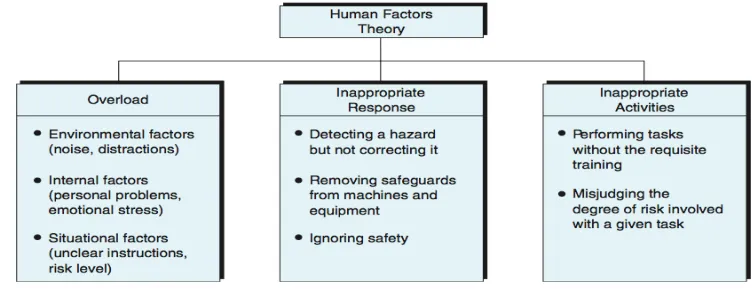
3.3.2. HUMAN FACTOR THEORY ... 36
3.3.3. ACCIDENT/INCIDENT THEORY ... 38
3.3.4. SYSTEM THEORY ... 39
3.3.5. COMBINATION THEORY ... 41
3.3.6. BEHAVIOURAL THEORY ... 42
3.3.7. MANAGEMENT FAILURES AND ACCIDENT CAUSATION ... 44
3.4. SAFETY PERFORMANCE ... 46
3.5. SAFETY CULTURE ... 48
3.6. SAFETY SYSTEM ... 55
3.7. CHARACTERIZING SAFETY PRACTICE AND PERFORMANCE ... 58
3.7.1. SAFETY INDICATORS ... 58
3.8. OPPORTUNITIES FOR IMPROVEMENT ... 67
CHAPTER 4: RESEARCH METHODOLOGY ... 70
4.1. INTRODUCTION ... 70
4.2. CONCEPTUAL MODEL ... 70
4.3. RESEARCH HYPOTHESES ... 79
4.5. STRUCTURAL EQUATION MODELING (SEM) ... 83
4.5.1. WHAT IS SEM? ... 83
4.5.2. PREPARATION AND SAMPLE SIZE DATA ... 85
4.5.3. SEM PROGRAM ... 87
CHAPTER 5: DATA COLLECTION PROCEDURES ... 89
5.1. INTRODUCTION ... 89
5.2. QUANTITATIVE RESEARCH ... 90
5.3. POPULATION AND SAMPLE ... 91
5.3.1. POPULATION. ... 91
5.3.2. POTENTIAL RESPONDENTS. ... 91
5.4. QUESTIONNAIRE DESIGN ... 94
5.4.1. THE QUESTIONNAIRES. ... 94
5.4.2. QUESTIONNAIRE TESTING AND PILOT STUDY ... 97
5.4.2.1. PRE-TESTING. ... 97
5.4.2.2. PILOT STUDY. ... 98
5.4.3. LANGUAGE TRANSLATION... 99
5.5. SAMPLING PROCEDURAL OVERVIEW ... 99
5.5.1. AGREEMENT STAGE. ... 99
5.5.2. CONSENT STAGE. ... 101
5.6. ETHICAL CONSIDERATION ... 103
CHAPTER 6: PRIMARY DATA ANALYSIS ... 104
6.1. INTRODUCTION ... 104
6.2. DATA MANAGEMENT ... 104
6.2.1. MISSING DATA. ... 105
6.2.2. OUTLIERS SCREENING. ... 106
6.3. DESCRIPTIVE STATISTICS ... 110
6.3.1. COMPANY SIZE. ... 110
6.3.2. WORK EXPERIENCE AT THE COMPANY. ... 110
6.3.3. EMPLOYEE’S ROLE. ... 110
6.3.4. AVAILABILITY OF SAFETY REPRESENTATIVE/ COMMITTEE. ... 111
6.4. FACTOR ANALYSIS RESULTS ... 112
6.4.1. RELIABILITY... 112
6.4.1.1. INTERNAL CONSISTENCY. ... 113
6.4.1.2. ITEM-TO-TOTAL CORRELATIONS ... 115
6.4.2. MEASUREMENT SCALE VALIDITY ... 116
6.4.3. EXPLORATORY FACTOR ANALYSIS (EFA) ... 117
6.5. CONFIRMATORY FACTOR ANALYSIS (CFA) ... 133
6.5.1. CONVERGENT VALIDITY. ... 134
6.5.2. DISCRIMINANT VALIDITY. ... 136
CHAPTER 7: MODEL ASSESSMENT AND RESULTS ... 139
7.1. INTRODUCTION ... 139
7.2. STRUCTURAL EQUATION MODELLING (SEM) OVERVIEW ... 139
7.3. MEASUREMENT MODEL ASSESSMENT... 142
7.3.1 MEASUREMENT MODEL RESULTS. ... 144
7.3.2. CORRELATION ANALYSIS. ... 149
7.4. STRUCTURAL MODEL ... 149
7.4.1. STRUCTURAL MODEL RESULTS. ... 151
7.5. MATHEMATICAL MODEL EQUATIONS ... 152
7.6. HYPOTHESES TESTING ... 155
CHAPTER 8: DISCUSSION AND CONCLUSION ... 161
8.1. INTRODUCTION ... 161
8.2.1. RESEARCH QUESTION ONE... 162
8.2.2. RESEARCH QUESTION TWO ... 167
8.2.3. RESEARCH QUESTION THREE ... 169
8.3. SUMMARY OF FINDINGS AND RECOMMENDATIONS ... 173
8.4. RESEARCH CONTRIBUTION ... 176
8.5. LIMITATIONS ... 177
8.6. FUTURE WORK ... 178
8.7. CONCLUSION ... 179
REFERENCES/BIBLIOGRAPHY ... 181
APPENDICES ... 194
LIST OF TABLES
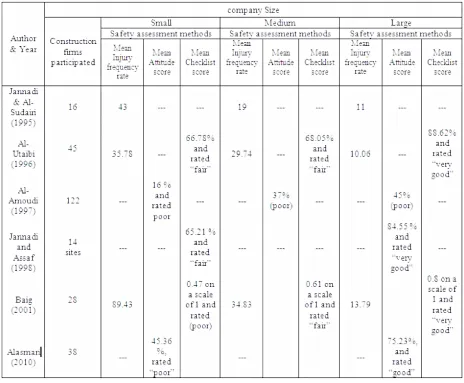
TABLE 2. 1: 2008 COMPARATIVE STUDY (ALASAMRI, CHRISP, & BOWLES, 2012) .. 18
TABLE 2. 2: NUMBER AND PERCENTAGE OF WORK INJURIES DISTRIBUTED BY ECONOMIC ACTIVITIES IN THE KINGDOM OF SAUDI ARABIA ... 20
TABLE 3. 1: SAFETY PERFORMANCE STUDIES (ALASAMRI, CHRISP, & BOWLES, 2012) ... 48
TABLE 6. 1: DESCRIPTIVE STATISTICS FOR COOK’S DISTANCE ... 107
TABLE 6. 2:SKEWNESS AND KURTOSIS STATISTICS FOR ALL VARIABLES ... 109
TABLE 6. 3: DEMOGRAPHIC ANALYSIS ... 111
TABLE 6. 4: RELIABILITY RESULTS ... 115
TABLE 6. 5: CODING AND FACTOR LOADING OF SAFETY PERFORMANCE (SP)... 119
TABLE 6. 6: CORRELATION MATRIX FOR SAFETY PERFORMANCE (SP) SCALE ... 120
TABLE 6. 7: KMO AND BARTLETT'S TEST FOR SAFETY PERFORMANCE (SP)... 120
TABLE 6. 8: CODING AND FACTOR LOADING OF SAFETY LEADERSHIP (LD)... 121
TABLE 6. 9: CORRELATION MATRIX FOR SAFETY LEADERSHIP (LD) SCALE ... 121
TABLE 6. 10: KMO AND BARTLETT’S TEST FOR SAFETY LEADERSHIP (LD) ... 122
TABLE 6. 11: CODING AND FACTOR LOADING OF SAFETY CLIMATE (SC) ... 123
TABLE 6. 12: CORRELATION MATRIX FOR SAFETY CLIMATE (SC) SCALE ... 123
TABLE 6. 13: KMO AND BARTLETT'S TEST FOR SAFETY CLIMATE (SC) ... 123
TABLE 6. 15: CORRELATION MATRIX FOR HAZARD MANAGEMENT (HZ) SCALE .. 124
TABLE 6. 16: KMO AND BARTLETT'S TEST FOR HAZARD MANAGEMENT (HZ) ... 125
TABLE 6. 17: CODING AND FACTOR LOADING OF OHS PLANNING (PL) ... 125
TABLE 6. 18: CORRELATION MATRIX FOR OHS PLANNING (PL) ... 126
TABLE 6. 19: KMO AND BARTLETT'S TEST FOR OHS PLANNING (PL) ... 126
TABLE 6. 20: CODING AND FACTOR LOADING OF OHS POLICY (PO) ... 127
TABLE 6. 21: CORRELATION MATRIX FOR OHS POLICY (PO) ... 127
TABLE 6. 22: KMO AND BARTLETT'S TEST FOR OHS POLICY (PO) ... 127
TABLE 6. 23: CODING AND FACTOR LOADING OF OHS PROMOTION (PR) ... 128
TABLE 6. 24: CORRELATION MATRIX FOR OHS PROMOTION (PR) ... 128
TABLE 6. 25: KMO AND BARTLETT'S TEST FOR OHS PROMOTION (PR) ... 129
TABLE 6. 26: CODING AND FACTOR LOADING OF OHS TRAINING (TR) ... 129
TABLE 6. 27: CORRELATION MATRIX FOR OHS TRAINING (TR) SCALE ... 130
TABLE 6. 28: KMO AND BARTLETT'S TEST FOR OHS TRAINING (TR) ... 130
TABLE 6. 29: CODING AND FACTOR LOADING OF INTERNAL COMMUNICATION AND AWARENESS (CA) ... 131
TABLE 6. 30: CORRELATION MATRIX FOR INTERNAL COMMUNICATION AND AWARENESS (CA) ... 131
TABLE 6. 31: KMO AND BARTLETT'S TEST FOR INTERNAL COMMUNICATION AND AWARENESS (CA) ... 131
TABLE 6. 33: CORRELATION MATRIX FOR CONTROL, MONITORING AND REVIEW (CR)
SCALE ... 132
TABLE 6. 34: KMO AND BARTLETT'S TEST FOR CONTROL, MONITORING AND REVIEW (CR) ... 133
TABLE 6. 35: CONVERGENT VALIDITY RESULTS ... 136
TABLE 6. 36: DISCRIMINANT VALIDITY RESULTS ... 138
TABLE 7. 1: RECOMMENDED FIT INDICES ... 143
TABLE 7. 2: SUMMARY OF RECOMMENDED FIT INDICES ... 144
TABLE 7. 3: FACTOR LOADINGS AND FIT INDICES ... 145
TABLE 7. 4: GOODNESS-OF-FIT INDICES FOR MEASUREMENT MODEL ... 147
TABLE 7. 5: CORRELATION ANALYSIS ... 149
LIST OF FIGURES
FIGURE 1. 1: RESEARCH DESIGN ...8
FIGURE 2. 1: LOCATION OF THE KSA ... 10
FIGURE 2. 2: AVERAGE (%) OF WORK INJURIES BY ECONOMIC ACTIVITIES IN SA BETWEEN 2006 AND 2014 ... 19
FIGURE 2. 3: SAFETY ADMINISTRATIVE STRUCTURE IN KSA... 22
FIGURE 3. 1: DOMINO THEORY OF ACCIDENT CAUSATION ... 35
FIGURE 3. 2: HUMAN FACTORS THEORY ... 37
FIGURE 3. 3: FIGURE A3: SYSTEMS THEORY ... 40
FIGURE 3. 4: GRAPHICAL REPRESENTATION OF SAFETY CLIMATE AS A LEADING AND LAGGING INDICATOR ... 66
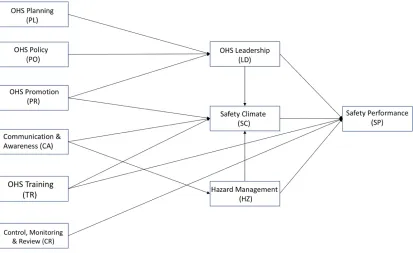
FIGURE 4. 1: CONCEPTUAL SAFETY PERFORMANCE MODEL ... 74
FIGURE 4. 2: STRUCTURAL EQUATION MODELLING (SEM) STEPS ... 81
LIST OF APPENDICES
Appendix A: Frequency Tables ……….………194
LIST OF ABBREVIATIONS/SYMBOLS
Abbreviation Full Form
AMOS Analysis of Moment Structures AVE Average Variance Extracted
CA Internal Communication & Awareness CFA Confirmatory Factor Analysis
CR Control, Monitoring & Review CR Composite Reliability
EFA Exploratory Factor Analysis
HZ Hazard Management
ILO The International Labour Organization IWH The Institute for Work and Health in Ontario KMO Kaiser-Mayer-Olkin
KSA The Kingdom of Saudi Arabia
LD OHS Leadership
OHS Occupational Health and Safety
OHSMS Occupational Health and Safety Management System OLIP Ontario Leading Indicators Project
OPM The Organizational Performance Metric
PL OHS Planning
PO OHS Policy
PR OHS Promotion
SC Safety Climate
SEM Structural Equation Modelling SP Safety performance
CHAPTER 1: INTRODUCTION
1.1. Background
On September 11, 2015, thousands of Muslims from around the world gathered at
Mecca’s Grand Mosque in Saudi Arabia, Islam’s holiest site, as part of the annual Hajj
pilgrimage. However, what was meant to be a deeply religious experience for those
pilgrims, soon became traumatic. Thunder and high winds plagued a massive crane,
unbalanced and unstable as it towered above the thousands of people standing near its
base, gathering to pray. In one swift and devastating moment, it toppled, killing 107
people and injuring hundreds more. Despite claims that the crane was installed correctly,
the construction company, Saudi Bin Laden Group, was suspended, and the safety
conditions that caused the accident were placed under investigation. (Dunn & Charlton,
2015). Many critics noted that, although the company was one of the largest and most
experienced in the region – and received a significant portion of government funds for the
project – the accident was the result of negligence. In fact, a royal investigation found
that the company was responsible for this tragedy as it “had not respected the norms of
safety” at the construction site (France, 2015). Another resource claims that the incident
occurred because the crane was “in a wrong position [and] in violation of the
manufacturer’s operating instructions” (Al Omran, 2015).
1.2. Significance
Several research studies have already been conducted in order to evaluate
improvement of Saudi Arabia’s construction productivity procedures. Abdallah (1995)
productivity and safety management in construction. This is because it provides the basis
for a detailed study and analysis. Moreover, Jannadi and Al-Sudairi (1998) measured
safety performance in the Saudi Arabian construction industry. They concluded that the
best safety performance can be found in larger construction firms. They also found that a
construction site’s level of safety depends upon project size: large projects, constructed
by large international firms, have much better safety records than smaller projects. This is
because most international firms use their own safety standards. As noted in the literature
review, dynamic multivariate models of safety performance are few and far between. A
major contribution of the present study is to synthesize original data with secondary
research focused on establishing correlations and descriptively characterizing
perspectives and insights in safety practices, in order to codify a novel system dynamics
model relating a number of diverse factors to safety performance.
Most importantly, this study is significant because it will explore many new
topics at the forefront of the Kingdom of Saudi Arabia’s burgeoning construction
industry. These topics focus on a need for a local safety code that meets the construction
industry’s safety and health requirements, while simultaneously acknowledging that
formal prescriptions of this nature represent a necessary but insufficient condition for the
development of a safety process that delivers world-class results. This study, therefore,
has been designed specifically to have significance beyond the official policy formulation
process, but to be relevant for organizational decision-makers and trainers, as well, to
1.3. Problem Statement
The construction industry is one of the most dangerous sectors worldwide due to
its work environment. Unlike other industries, especially manufacturing, construction
sites change according to a plethora of factors, such as contract requirements and weather
conditions. The construction work environment directly and seriously impacts people’s
health and safety. The International Labour Organization (ILO) estimates that there are
over 2.3 million fatalities per year caused by occupational accidents and work-related
diseases worldwide (ILO, 2015). Moreover, the ILO reported that, in addition to these
fatalities, the number of non-fatal occupational accidents that entail at least four days
away from work reached over 313 million in 2010 (ILO, 2015). Therefore, it is vital that
the construction industry strictly prioritize safety along with other important factors, such
as a project’s quality, cost, and schedule (Karahalios, 2005).
There are also many behavioural components to safety that could increase the
probability of accident occurrence. Creating patterns of behaviour that are conducive to
safety can be effectively accomplished by embedding desired behaviours within larger
value systems. For this reason, safety is not only an issue of procedure, but also one of
culture. Indeed, according to Alasamri, Chrisp, and Bowles (2012), safety culture is one
of the major driving forces behind the high injury rates in the construction industry
worldwide. Thus, the authors argue that “improving safety culture is necessary to reduce
the number of injuries and fatalities on construction sites internationally” (p. 475). This
is, perhaps, more true for Saudi Arabia and the rest of the Arab world: Saudi Arabia’s
region compared to other gulf countries such as the United Arab Emirates (UAE)
(Alasamri, Chrisp, & Bowles, 2012).
By improving our understanding of safety performance and culture in the Saudi
construction industry, it should be possible to set the stage for a major change guided by
industry best practices. Fortunately, scholarly literature on safety performance within this
industry is rapidly growing in scope and quality. The proposed study will help prevent
Saudi Arabia’s construction industry tragedies by contributing to the growing body of
scholarly literature on Saudi Arabia’s safety performance. This study will address the
problem of the demand for improved safety practices in Saudi Arabia’s construction
industry.
The study will examine the many complex factors that may play an important role
in the growth and development of Saudi Arabia’s construction industry safety culture
from an industrial engineering perspective. It will investigate the factors that influence
the country’s safety performance with an approach involving a model based on
quantitative surveys carried out by the Ontario Leading Indicators Project (OLIP), which
is being conducted by the Institute for Work and Health in Ontario.
Using collected data, the factors of Saudi Arabia’s safety performance will be
synthesized to develop a practical model that describes the functional relationships that
shape safety performance. The safety performance model will be novel and multivariate,
tailored specifically to the Saudi context. It will make a topical, meaningful contribution
to the growing body of literature on safety in Saudi Arabia’s construction industry.
management, and the model will lay a foundation for future research on the topic of
safety performance.
1.4. Aims and Objectives
This dissertation is designed to address the considerable need for improved safety
practices in Saudi Arabia’s construction industry through an investigation comprising
quantitative data collection as well as mathematical modelling and data analyses. By
examining quantitative data regarding accident rates and drawing connections between
complex variables using a mathematical model, it aims to analyze safety performance
from a systems-oriented industrial engineering perspective. The overarching aim of this
study, therefore, is to improve safety performance and practices in the Saudi construction
industry by way of an in-depth analysis.
Accomplishing this will require meeting the following four objectives:
§ Evaluate and measure the attitudes and perceptions of current safety practices
among workers in Saudi Arabian’s construction industry using a quantitative
survey.
§ Develop a conceptual safety performance model and then refine, and evaluate
it in light of the study’s findings.
§ To find and investigate the proposed factors that impact the safety
performance of the construction industry in Saudi Arabia.
§ To provide recommendations for stakeholders to achieve successful safety
These objectives are designed to facilitate the development of a general model
based on a narrow but deep case investigation, in the interest of exploring the range of
accident causation factors relevant to diagnosing and modelling organizational safety
performance in the Saudi construction industry. Each strategy for data collection and
analysis seeks to evaluate the contribution of factors identified in previous studies (e.g.,
mainly, the OLIP components) to facilitate the articulation of a multidimensional,
systems-based understanding of safety performance in the Saudi Arabian construction
industry. Ultimately, the study will seek to identify strategic strengths and opportunities
within the construction industry’s safety performance, allowing for the recommendation
of specific actions, initiatives, or systems to improve Saudi Arabian construction site
safety.
1.5. Research Questions
As indicated above, the proposed study is primarily concerned with evaluating
safety in Saudi Arabia’s construction industry and seeks to make modest contributions to
the develop and engineering of improved safety processes in this important and
rapidly-growing industry. Specifically, the research will be guided by three core questions:
§ What is the current state of safety processes and practices in the Saudi
construction industry?
§ What measures can be implemented with a reasonable expectation of
improving safety performance along the dimensions of safety management
§ How do we capture the factors affecting safety performance in the Saudi
Arabian construction industry with maximum effectiveness using the
proposed Safety Performance Model?
Any serious attempt to address the fundamental problem of improving safety
practices requires engagement with the broad and diverse array of factors that shape
safety performance. It is because of the broad, multidimensional, and interdependent
nature of this web of factors (many of which are typically segregated into distinct
academic disciplines) that an industrial engineering perspective attuned to the demands of
working with and modelling complex and dynamic systems —translating continuously
between theory and practice, between the abstract and the pragmatic — is uniquely
appropriate with respect to generating insights in this domain. Engaging directly with this
process through the development of a safety performance model has the potential to
provide a means by which to integrate research and test possible approaches to improving
safety in this industry.
1.6. Research Steps
As suggested by the research objectives described above, this study utilizes a
unique, multi-pronged research methodology. This methodology relies on the ability to
obtain and integrate data to yield an empirical basis for the development of a process
model describing the relationships between a broad array of factors implicated in
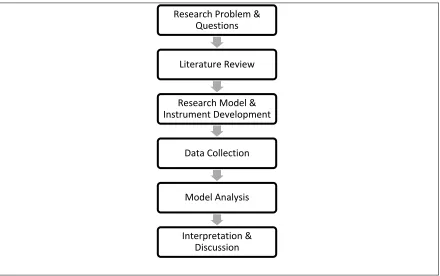
determining organizational safety performance. A summary of the research design is
Figure 1. 1: Research Steps Research Problem &
Questions
Literature Review
Research Model & Instrument Development
Data Collection
Model Analysis
CHAPTER 2: SAFETY IN THE KINGDOM OF SAUDI ARABIA
2.1. Overview
This chapter presents a description of the general safety practice in the Kingdom
of Saudi Arabia (KSA) with a major focus on current safety reforms. A detailed
description of safety practice, and the organizations governing safety practices and their
roles are presented as a profile, since this research addresses a component of safety
performance in KSA. As a starting point for the chapter, the basic information about the
country such as geographic location, population, ethnic and religious composition,
economic and social statuses, and its administrative structure are presented before
presenting the safety profile.
2.2. The Country
2.2.1. Introduction
The kingdom of Saudi Arabia is an independent country located in the Middle
East. It has a strategic location as it centres three contents, Asia, Africa and Europe
(Figure 2.1). It connects the East and West through its central location on the traditional
and international trade routes. The population of the KSA is estimated according to the
results of population characteristics (2017) with 32,552,336 people, compared with
31,742,308 in the demographic survey (2016), with an average annual growth rate of
(2.52%). The population is divided by sex by 57.48% for males and 42.52% for females
in 2018 (Stats, 2017). Arabic is the official language. However, English language is
into 13 provinces. Riyadh is the capital city, with a population of over four million
people. Other important cities are Mecca and Medina, as they are the first and second
holiest cities in Islam, respectively.
Figure 2. 1: Location of the KSA
(source: http://www.maps-of-the-world.net)
2.2.2. Vision 2030
The progress of the Kingdom of Saudi Arabia is not new. The modernization has
been significantly steady, with each generation building on the work of its
antecedents/predecessors. Through utilization of wealth generated from the natural
resources of the Kingdom, help both the economic and social activities of the nation,
continuous efforts have been made to improve the lives of the people of Saudi Arabia.
The different measures of human development – for example per capita income, infant
mortality, life expectancy, and literacy etc. – have significantly improved in a very short
period of span (MOFA, 2017). However, this new generation brings forth a new set of
and development. In April 2016, the Saudi Crown Prince Mohammed bin Salman
unveiled the Saudi Vision 2030. This is an ambitious program of advancement of the
Kingdom of Saudi Arabia. The focus of Vision 2030 is to strengthen Saudi Arabia’s as an
investment powerhouse located in the centre of the Arab world with powerful linkages to
Africa, Europe, and Asia.
This ambitious Vision 2030 package of social, political, and economic
progression is erected around three pillars – an ambitious nation, a vibrant society, and a
thriving economy. The focus is on building on the strengths of Saudi Arabia and to
develop it into an an investment powerhouse that is situated in the centre of Arab world,
thus acting as a regional hub connecting three continents. The Kingdom seeks to achieve
a total of 24 specific goals within Vision 2030 through political, societal and economic
development. In order to attain the proposed goals, Vision 2030 articulates 18
commitments – with detailed focus towards manufacturing, education, renewable energy,
culture, e-governance, and entertainment (MOFA, 2017).
2.2.3. Economy
In order to achieve the targets of sustainability, Saudi Arabia needs to diversify
beyond just oil and gas, which have been the most potent economic pillars historically. In
order to diversify, additional investments are being made into different sectors for
expansion. This new development poses significant challenges, but Saudi Arabia plans in
place to overcome them. There has been an annual growth of 4% in the Saudi economy
in the past 25 years; this has contributed to the creation of millions of new jobs.
However, the objective is to have an even better world economic ranking by 2030, even
in light of the obstacles emerging from the economic deceleration globally and the
consequence of structural economic rehabilitations. In order to achieve the desired target,
there is a need to devote significant resources that would aid in diversifying the economy,
tap into the capabilities of economic sectors that show promise, and privatize some
government services to improve quality.
In order to foster increased foreign direct investment, changes have been made to
the regulations pertinent to the economic sector. The regulators and power corridors have
rehabilitated their stress on small and medium-sized enterprises (SMEs). Additionally,
the education system in Saudi Arabia is now increasingly focused on mapping the skills
gap through training students and professionals for the challenging job market. Vision
2030 has led to an increase in the foreign investment in Saudi Arabia. KSA has been
considered an appealing place for investors due to the availability of primary partnership
opportunities in many industries, such as healthcare, manufacturing and many more.
Employment opportunities for Saudi women have also increased because of the proposed
initiatives for economic growth (MOFA, 2017). One of the leading economic initiatives
undertaken by the Saudi government is the transformation of Aramco from an oil,
focused organization into an industrial conglomerate. Additionally, Aramco, with its
partial privatization, would help change the Kingdom’s Public Investment Fund into the
largest sovereign wealth fund in the world. This fund seeks to make investment into the
2.2.4. Sociocultural Development
Another important focus of the Vision 2030 is to foster a society where everyone
will have a healthy lifestyle, enjoy a good quality of life, and expanded cultural
opportunities. The role of Saudi women in the country’s political, economic, and social
development is also recognized in the initiatives of the Kingdom. It should be noted that
women comprise more than the half of the total graduates from Saudi universities. This
large number shows that the KSA has assured that they will extend efforts to invest in
their citizens’ capabilities and talents, which will result in strengthen their own future and
contribute to the country’s development, both socially and economically (MOFA, 2017).
The whole development drive in Saudi Arabia is not a one-time arrangement, but rather a
continuous process. The growth and development initiatives undertaken by the Saudi
government are part of a long-term agenda, which is focused on going beyond
replenishing sources of income that are declining. All these efforts are being made to
open new avenues of economic growth and generate income, move Saudi Arabia beyond
just oil, and help create a more dynamic economy that will not be just the subject to
commodity price instability. Moving away a reliance on oil related products, the
initiatives will help provide opportunities to the public – this will help unlock various
talents, potentials, and dedication of young men and women. These efforts will result
top-class governmental services that would efficiently and effectively meet the requirements
2.3. Construction Industry in KSA
High living standards in Saudi Arabia have generated many manufacturing and
building employment opportunities. The Kingdom has seen an unprecedented boom in
the construction sector throughout the last two decades, which has become one of the
fastest-growing in the Middle East region (Alasamri, Chrisp, & Bowles 2012). Saudi
Arabia represents the largest construction market in the Middle East and one of the fastest
growing construction markets in the world. Key development areas include improving
infrastructure, transport, education, and real estate, all of which will require
construction-related activity (MOFA, 2017). The growth of towns has accelerated as a result of a large
and growing population. Sizeable and complex projects have been built, attracting
consultants and contractors from all over the world. Indeed, Saudi Arabia’s construction
industry is at a critical stage in its development, and its growth trajectory is likely to
rapidly accelerate in the near future. The industry’s compound annual growth rate is
expected to reach nearly 11% in the next three years; and its added value increased by
nearly 10% in 2012 (PR Newswire, 2014). The Saudi Arabian General Investment
Authority (SAGIA) plans to invest over $100 billion in transportation projects during the
coming ten years (MOFA, 2017).
A report by BMI Research announced that the construction market in KSA is
expecting to double within the next seven to eight years, from $45.33 billion in 2016, to
about $96.52 billion in 2025. Sophisticated construction technologies, such as 4D
Building Information Models (BIM), will be implemented and used to help Saudi
participation and productivity, and at the same time, to reduce overall costs (MOFA,
2017).
This organic growth, which is related to demographic and socioeconomic
developments, is being increasingly augmented by government policies, such as a 2013
mortgage law designed to expand the country’s real estate market, as well as
comprehensive national initiatives designed to enhance energy and transportation
infrastructures (PR Newswire, 2014). In Saudi Arabia, government policies of this kind
have a long history of encouraging rapid growth in the construction industry, which has
been the foremost recipient of state funding for three consecutive National Development
Plans. This monetary support is not surprising, considering the fact that the Saudi
construction industry “employs 15% of the total labour force” and accounts for
approximately one fifth of gross domestic product (GDP) (Jannadi & Bu-Khamsin, 2002,
p. 539).
The construction industry of the Kingdom of Saudi Arabia has the potential to
make a major contribution to the Kingdom’s construction production and business,
working towards modern and innovative safety systems. Past investment projects are
quickly becoming enormous investments today. Major cities, such as Riyadh and Jeddah,
are now developing new malls, towers, and roads. However, perhaps the most ambitious
project currently underway can be found in Rabigh, 100 km north of Jeddah. It is where
the King Abdullah Economic City (KAEC) is being built, one of six economic cities
unveiled by King Abdullah as part of a massive program of building work that will
These new projects and opportunities are not without challenges. The growth of
its construction industry includes development projects for public and private building
facilities and major infrastructure. As these construction projects are completed,
protection and safety management issues have been raised that draw attention to the
responsibilities of maintenance contractors and building owners (Al-Hammad &
Abdul-Mohsen, 1995). Many of the consultants and contractors that have recently moved to the
Kingdom appear to lack a sufficient understanding of the unique social, cultural, and
physical environments of Saudi Arabia. This situation, coupled with inexperienced
building owners, has led to inadequate designs resulting in many changes to plans,
specifications, and contract terms (Arain, Low Sui, & Assaf, 2006).
In Saudi Arabia, construction processes are typically based on several
international codes. A significant major portion, however, do not follow any standard.
Consequently, several problems have arisen that are related to reinforced concrete
buildings and are now unavoidable. Although the number of reported collapsed buildings
is minute, strength and durability problems are very common. The consequences of these
issues vary from high maintenance costs to the entire collapse or utility loss constructed
buildings. It is essential that the country improve its safety performance with a
consideration of safety-related factors such as leadership, training and education,
planning, communication, design, and hazard management. Such a performance will
function to use a set of defined practice necessities that can ensure structural
serviceability and safety.
Jannadi’s observation that the Saudi construction industry “has had a poor
targets” is an understatement (2008, p. 776). Consider, for example, the most basic form
of construction: trenching and excavation. Jannadi’s comprehensive risk assessment of
Saudi’s widespread, fundamental construction practices for this form identified an
alarming array of potential risks, ranging from exposure and soil caving to trench failure
due to rainy weather, equipment operations, material handling, public accidents,
crossings of existing utilities, and more (p. 776).
2.4. Safety in KSA
Although it remains at a fairly early stage of development in many regards, over
the course of the last two decades, literature exploring safety culture in Saudi Arabia has
undergone impressive growth. Significant work remains to be done, however, with
respect to both refining and developing this body of scholarship as well as improving
actual safety practices and records within the country.
Between 2004 and 2010, more than 260,000 serious accidents occurred in the
industry; over 2,000 of these accidents claimed employee‘s lives, yielding “an annual
average death rate of 28.3 per 100,000 employees” (Alamsari, Chrisp, & Bowles, 2012,
p. 475). While data collection and reporting methods vary substantially from country to
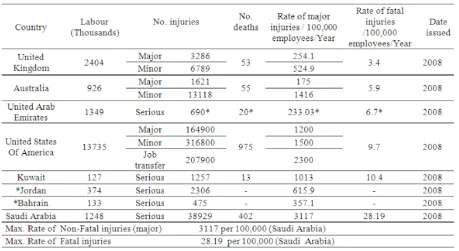
country, their comparative analysis, as shown in Table 2.1 , revealed that out of a sample
of construction industries in the United Kingdom, the United Arab Emirates, the United
States, Saudi Arabia, Australia, Kuwait, Jordan, and Bahrain, Saudi Arabia has the
highest rate of major injuries as well as the highest rate of fatal injuries” (Alamsari,
Chrisp, & Bowles, 2012). The results show that Saudi Arabia is on top of the list with
indicate a very serious and disturbing situation. A widespread absence of safety culture
was implicated as a major driving force behind these high accident rates (p. 478).
Although the reporting system for injuries in Saudi Arabia is not effective, the
Saudi Arabian General Organization for Social Insurance (GOSI) collects these data and
annually provides statistics related to Saudi Arabian industries, including participants,
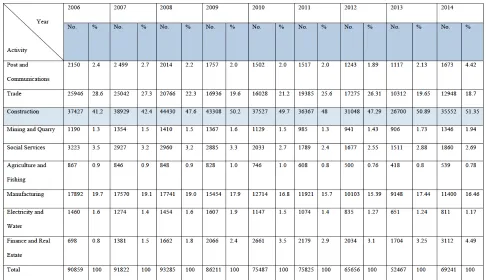
injuries, and reasons for those injuries. Table 2.2 presents the number and percentage of
work injuries distributed by economic activities in Saudi Arabia between 2006 and 2014.
Table 2. 1
Comparative Study
Source: (Alasamri, Chrisp, & Bowles, 2012)
Figure 2.2 clearly indicates that the injury rate for the construction industry is
extremely high, with an average of about 48% compared to the average injury
Figure 2. 2: Average (%) of work injuries by economic activities in Saudi Arabia
between 2006 and 2014
A pilot study conducted by the author, which provided preliminary findings that
guided the development of the present project, is also relevant here (Moosa, 2015). Using
a survey, the author sought to identify the leading contributing factors to construction
accidents in Saudi Arabia, as well as to gain an initial assessment of safety practices and
perceptions of accident causation. As expected, the results were in line with previous
scholarship on the topic, and indicated that attitudes toward safety practices — an
important component of overall safety performance — were the top factor contributing to
workplace accidents in this context. This strongly implies that improving the Saudi
construction industry's safety performance will mean beginning with attitudes regarding
safety and seeking to lay the groundwork for the development of a healthier and more
robust safety culture. The following subsection offers a more detailed consideration of
Table 2. 2
Number and percentage of work injuries distributed by economic activities in the Kingdom of Saudi Arabia
2.5. Safety Administrative Structure
The Kingdom of Saudi Arabia is witnessing a great development in the economic
and industrial field. This development was accompanied by the entry of many chemicals
and modern machines into industrial activity, which carries many chemical, mechanical,
physical and other risks.
The increase in the number of factories in the various fields of production, and the
doubling of the number of workers in these factories, has exacerbated the incidence of
Therefore, the importance of occupational health and safety in the Kingdom has
increased to cope with this steady expansion in the Saudi industrial sector. Safety
regulations aim at protecting the basic elements of production, the most important of
which is the human element, and regulations were issued concerning the protection of the
worker and compensation for injuries or risks of work in the Kingdom, and take all
precautions that protect workers and the establishment and increase production and push
Industrial and economic development. The Kingdom of Saudi Arabia has entrusted the
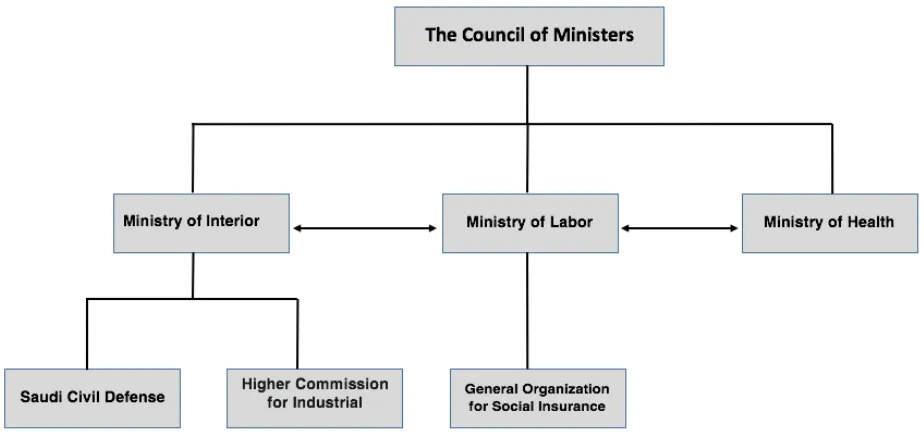
task of protecting workers and compensating for the occupational risks of several
government agencies as shown in Figure 2.3, the most important of which are:
§ Ministry of Labor
§ General Organization for Social Insurance
§ Ministry of Health
§ Ministry of Interior
§ Saudi Civil Defense
Figure 2. 3: Safety administrative structure in KSA
Ministry of Labor:
The Ministry of Labor, through labor inspectors, shall inspect the premises to
ensure the application of occupational safety and health measures in industrial
establishments to:
§ follow up the work environment through field trips to industrial
establishments.
§ follow up the existence of a medical file for each worker containing the
procedure of periodic medical examination and primary.
§ raise awareness of the concept of occupational safety and health through
issuing pamphlets and bulletins for occupational safety and undertaking
surprise field visits to facilities to ensure compliance with occupational
health and safety requirements.
§ ensure that employers provide occupational health and safety requirements
of medical services for workers and provide personal protective measures
to reduce occupational accidents in the work environment, and ;
§ participate in the preparation of regulations and legislation for
occupational health and safety at the level of the Kingdom with the
relevant authorities.
General Organization for Social Insurance:
§ Treatment and payment of compensation for occupational injuries through the
Occupational Hazards Branch.
§ Participate in the preparation of regulations and legislation for occupational
health and safety at the level of the Kingdom.
§ Develop and update the occupational diseases table in accordance with
international regulations and legislation in this field.
§ Follow up the availability of occupational health and safety requirements in
establishments through field visits.
§ Spread the culture of safety and awareness of the importance of applying
safety requirements within industrial establishments to reduce the incidence of
degrading injuries, through special means and media, holding conferences and
§ Prepare the annual statistical book of occupational injuries in the Kingdom.
§ Prepare brochures and brochures to raise awareness of occupational hazards.
§ Attract and qualify medical and engineering personnel specialized in the field
of occupational health and safety.
§ Conduct field studies on the damage of some chemicals and some modern
equipment and devices.
§ Make environmental measurements necessary to ensure a healthy and healthy
work environment.
Ministry of Health:
The Ministry of Health implements the occupational safety and health programs
in its health facilities through the implementation of the medical waste program, the
radiation protection program and the infection control program. The Ministry participates
with the relevant authorities (Ministry of Labor and General Organization for Social
Insurance) in the development and follow-up of occupational health and safety programs
and occupational medicine.
Ministry of Interior:
Ministry of Interior is responsible for both the Saudi Civil Defence and Higher
Commission for Industrial Security:
The Saudi Civil Defence:
The Saudi Civil Defence is a set of measures and actions necessary to protect the
various accidents, relief of the affected people, safety of transport, communications and
work flow in public facilities, and protection of national sources of wealth in times of
peace and war. For its safety participation, the major responsibility is the organization of
rules and means of industrial safety and security.
Higher Commission for Industrial Security:
In view of the importance of petroleum, industrial and service facilities in the
Kingdom of Saudi Arabia, the Kingdom considered the need to establish a supreme body
for industrial security to develop appropriate policies and plans to protect these facilities
in the areas of security, safety and fire prevention to ensure continuity of work and
production under all circumstances. It is governed by the Ministry of Interior. The most
important responsibilities of the High Commission for Industrial Security:
§ Implement the decisions of the Board of Commission;
§ Coordinate between petroleum, industrial, service and security
establishments to activate the requirements of security protection,
industrial safety and protection from fire;
§ Conduct comprehensive field surveys of all facilities under the supervision
of the Commission to implement the instructions and requirements of
security, safety, fire protection and follow-up implementation;
§ Set the technical, engineering, regulatory and procedural instructions for
the requirements of safety, safety and fire protection in all establishments
§ Supervise and follow up on the establishment of departments for industrial
security work in all facilities;
§ Organize seminars, exhibitions and conferences aimed at developing and
improving various areas of industrial security and qualifying employees to
keep abreast of modern techniques and theories and to identify the dangers
and environmental and industrial effects inside and outside;
§ Develop contingency and evacuation plans that are commensurate with the
circumstances and specificity of each facility and follow up the conduct of
phantom experiments to ensure their suitability;
§ Participate in the committees concerned with the establishment of security
and safety precautions for facilities and facilities not under the supervision
of the High Commission for Industrial Security, and
§ Provide information base on all types and quantities of chemical,
radioactive materials, and their places of existence to ensure the safety and
transportation of these materials.
2.6. Safety Reform
The matter of occupational safety and health in the Kingdom faces several
challenges. The current strategy of the Ministry of Labor aims at creating a unified
national OSH system to promote awareness, reduce accidents and work injuries, maintain
capacity and resources, improve legislation and regulations, apply inspection and
The multiple roles and responsibilities in the area of occupational safety and
health lead to the overstrain of the private sector, wasting time and wasting national
resources. Developing the field of safety helps reduce the costs of work injury and helps
in creating an attractive environment for all employees. However, there is a lack of
statistics, but what exists is helping to walk on the right path to develop the field of
occupational safety and health. There are few, but effective, government initiatives to
develop the field of occupational health and safety, the most important of which are:
§ The Council of Ministers’ initiative;
§ The National Strategic Program for Occupational Safety and Health; and
§ The Occupational safety and health initiative in industrial activities.
2.6.1 The Council of Ministers of KSA:
On October 17th, 2016, the Cabinet of KSA approved a number of financial and
procedural arrangements relating to security and safety projects in the country, including:
1 – Verification of the Government agencies, when executing their projects, their
compliance with instructions and regulations of the safety and security set forth in the
concerned regulations and instructions and to commit themselves to the following
(spa.gov.sa, 2016):
§ Never pay any current or final dues except after a certificate by the consultant
office affirming the commitment to the instructions of security and safety is
§ Never start new projects or those already bidden but not yet started, and no
down payment to be disbursed unless the project's security and safety plan is
submitted after having been approved by the supervising consultant or
government entity owning of the project, or both;
§ For the non-closed projects, or those being all-or-partly visited by the public,
such as appendices, alterations, repairs or projects related to roads and
transportation, the process of payment for them requires a certificate showing
that the contractor is committed to the regulations of security and safety or the
plan of security and safety approved by Civil Defense.
2 - The Ministry of Municipal and Rural Affairs has to review the classification's
system of contractors and its executive regulation as well as the main standards in force,
and study whether to add a clause requiring the contractor to be committed to the
requirements and systems of security and safety as a prime criterion in the classification
of contractors and fixing their classification degrees.
2.6.2. Occupational Safety and Health 2020
The national Strategic Program for Occupational Safety and Health 2020 is one of
the programs of the Ministry of Labor and Social Development in the National Transition
Program 2020, and one of the programs that contribute to realizing the vision of the
Kingdom 2030, in terms of finding suitable and quality employment opportunities for
national cadres. This initiative aims to establish occupational health and safety
the workforce to enhance productivity. Indeed, it has positive effects on the private sector
and the economy in general, such as:
§ Raise awareness of the importance of occupational health and safety and
promote a culture of prevention;
§ Enhance knowledge and capacity building for occupational health and safety;
§ Develop occupational health and safety regulations and legislation; and
§ Strengthen and carry out effective inspections and report injuries in the
workplace.
2.6.3. occupational safety and health initiative in industrial activities
The Ministry of Labor and Social Development launched the "Occupational
Safety and Health in the Industrial Activities" initiative as an applied model of the
National Program for Occupational Safety and Health, one of the programs included in
the National Transition 2020 Program (Aleqt, 2018).
The Ministry, in cooperation with the Job Creation and Unemployment Authority,
has built a strategic partnership with several occupational safety and health bodies in the
industrial activities, namely the Human Resources Development Fund (HEDAF), the
Ministry of Energy, Industry and Mineral Resources Agency representing Industrial
Affairs, the General Organization for Social Insurance, and the National Industrial
Council of Saudi Chambers. This initiative is important in building an attractive work
environment for the cadres, and contribute to enhancing the efficiency and effectiveness
of work on the bases and standards of occupational safety and health of the global
initiatives aimed at rehabilitating the work environment in the industrial sector by
creating quality jobs for young men and women. It will also help generate more related
CHAPTER 3: LITERATURE REVIEW
3.1. Introduction
The role that safety perception plays in understanding and predicting safety
performance is well known. In relation to safety performance and causes of accidents,
several theories and models have been created as core concepts in the field of safety. The
objective of the present study is to discover the factors that influence the responses of
workers to safety performance in the construction industry, and in addition, further
develop structural models to understand the roles played by Occupational Health and
Safety Management System (OHSMS) and leadership, safety climate, hazard detection
and control, and safety performance. This chapter presents a literature review of previous
research and theory in relation to the topic of this study.
3.2. Theoretical Considerations: The Concept of Safety
There are many definitions of safety. However, the most comprehensive
definition of safety is “a state in which hazards and conditions leading to physical,
psychological or material harm are controlled in order to preserve the health and
well-being of individuals and the community” (Maurice et al, 1998). In order to fully consider
safety in general, and its performance and culture, and safety systems, it is also necessary
to consider the very thing these structures are designed to prevent: accidents. Ultimately,
the fundamental and implicit claim underlying any discussion of safety culture, safety
frequency with which accidents occur will be reduced, accidents will be averted, and
accidents will not be caused. Thus, theories of safety are inextricably connected to human
error and theories of accident causation (Abdelhamid & Everett 2000; ILO, 2015).
Accordingly, one may ask why accidents happen and what their root causes are.
Interestingly, much like the cultural dimension of safety, models for
understanding accident causation are socially constructed; because of this, individuals
with different professional or cultural backgrounds commonly outline very different
chains of cause and effect leading to the same accident (Gherardi, Nicolini, & Odella,
1998, pp. 206–8). Engineers, for example, might present a narrative in which a lack of
organizational control combined with economic and time constraints degrade respect for
safety regulations, thus increasing the likelihood of human error and leading to an
accident. Comparatively, site managers might describe a less linear chain in which a
number of individual failings intersect and coalesce by chance, creating a situation from
which an accident arises (pp. 206-8).
In applied settings such as those that are industrial, formalized accident causation
models are often used, including the deterministic domino theory (analogous to the
engineer’s narrative presented above) and multiple causation models (analogous to the
site manager’s narrative). In turn, human error models are comprised of human factor
models, behavioural narratives, and the Ferrel Theory (it holds that accidents have
multiple causes, but that human error tends to play a decisive role) (Abdelhamid &
Everett, 2000, pp. 53-54). Perhaps the most widely accepted model for understanding
accident causation, however, is known as the sociotechnical approach. It holds that
factors (e.g. regulatory and governmental issues)” (Katsakiori, Sakellaropoulos, &
Manatakis 2008, pp. 1007-8). This sophisticated but complex approach takes an
exceptionally wide view, attempting to account for a diverse range of actors and risk
factors interacting between and across a wide range of scales. Consider, for example, the
recent study by Khosravi et al. (2015) assembling the factors that influence unsafe
behaviours and accidents on construction sites by way of a meta-analytic review: the
authors identify primary causal categories spanning scales from the societal to the
personal characteristics of individual workers. However, there is an important degree of
tension between theory, practice, and the collection and analysis of empirical data.
Theories of accident causation unavoidably inform research designs exploring the root
causes of accidents; in turn, these empirical data are often used not only to inform new
regulatory approaches, but also to refine theoretical models (Hinze, Pederson & Fredley,
1998).
3.3. Theories of Accident Causation
3.3.1. Domino Theory
During the early twentieth century, Herbert Heinrich, an accident prevention and
industrial safety official, conducted a study of 75,000 reported industrial accidents
(Goetsch 2014). As Raouf (2011) explains, Heinrich found that:
§ 88% of industrial accidents were a result of fellow workers’ unsafe acts;
§ 10% of industrial accidents were a result of a dangerous environment; and
Heinrich’s study formed the basis of his domino theory of accident causation.
While his research is now outdated, several theories of accident causation that are
accepted today have roots in his work, in particular his domino theory and ten axioms of
industrial safety. Heinrich’s ten axioms of safety were:
1. Injuries are caused by a succession of factors, and one of those factors is
the accident itself;
2. An accident can only be caused by an individual’s hazardous action or a
mechanical or physical threat;
3. The majority of actions occur due to the hazardous behaviours of
individuals;
4. Hazardous actions or conditions do not always instantly cause injuries or
accidents;
5. The reasons for an individual’s hazardous actions can provide direction
when choosing remedial actions;
6. The severity of accidents is a result of chance and the causes of such
incidents are, to a great extent, avoidable;
7. The most effective strategies to avoid accidents correspond with the most
effective strategies to improve quality and productivity;
8. Safety should be management’s responsibility as management will inspire
9. To prevent industrial accidents, supervisors are critical; and
10.While accidents result in direct costs such as hospital expenses, they also
result in hidden or indirect expenses.
Heinrich noted that to prevent accidents, it was necessary that decision makers
understand his ten points. He stated that accident prevention strategies that used all ten
would be the most effective (Goetsch 2014).
Figure 3. 1: Domino Theory of Accident Causation
His domino theory of accident causation worked in a fashion similar to that of
dominoes standing in a row; as one falls over, it topples additional dominoes until they
have all collapsed, as shown in Figure 3.1. He stated that five factors precede accidents
(Raouf, 2011):
1. Ancestry and social surroundings (undesirable personality traits that result
in hazardous behaviour are inherited or are a result of one’s social
2. Fault (people behave in hazardous manners and unsafe environments exist
as a result of undesirable personality traits);
3. Dangerous behaviour/physical or mechanical hazards (hazardous
behaviour and physical and mechanical dangers are direct sources of
accidents);
4. Coincidence (most injurious accidents are a result of workers falling or
moving objects hitting them); and
5. Injury (most accidents result in cuts and fractures).
The two main points of the domino theory are that injuries are a result of existing
factors and that removing the main causes of an accident (such as a hazardous behaviour
or environment) will counter the existing factors, thereby thwarting workplace injuries
(Goetsch 2014). The conceptual model designed for the study (Figure 4.1), discussed in a
later chapter, addresses these five factors in its consideration of the impact safety climate,
leadership, and hazard detection and training have on accident causation and prevention.
If one factor in the model is negatively impacted (for example, if inadequate safety
training occurs), then it is plausible that related variables will be impacted, thus causing a
succession of safety failures, ultimately leading to poor safety performance and/or a
workplace accident.
3.3.2. Human Factor Theory
Accidents are often caused by a chain of events involving human failure. Humans