SCIENCE TEACHER DEVELOPMENT AND THE LENS OF SOCIAL MEDIA: AN INVESTIGATION INTO THE IDENTITY AND INFLUENCES UPON THE DEVELOPMENT OF
ELEMENTARY PRE-SERVICE SCIENCE TEACHERS
Steven D. Wall
A dissertation submitted to the faculty at the University of North Carolina at Chapel Hill in partial fulfillment of the requirements for the degree of Doctor of Philosophy in the
School of Education (Culture, Curriculum and Change).
Chapel Hill 2015
Approved by: Janice L. Anderson Eileen R. Carlton Parsons Julie Justice
ii
iii
ABSTRACT
Steven D. Wall: Science Teacher Development and the Lens of Social Media: An Investigation into the Identity and Influences upon the
Development of Elementary Pre-Service Science Teachers (Under the direction of [Janice L. Anderson])
iv
PS-ESTs, and what interactions are occurring and what roles are they playing in the
v
vi
ACKNOWLEDGEMENTS
I would like to express my gratitude to my advisor, Dr. Janice Anderson, for her guidance, patience, and consistent expectations. Your constant reminder to ‘say what I mean and mean what I say’ continues to shape my communications with others. Your advice has guided me and helped me reason through the challenges of academic writing. The roads we have traveled have been both challenging and rewarding—I am thankful for where they have led.
I would like to thank Dr. Eileen Parsons. I am indebted to your willingness to take a chance on me. Gratitude seems insufficient in this moment, yet it will be carried throughout my career and will be shared with those I hope to serve. I humbly aspire to attain your constant dedication to the pedagogy associated with the doctorate and your expectations for excellence in writing.
vii
those who are daily in the trenches reminds me that what I do must always be ingrained with notions of praxis. To forget this would be a detriment to those we serve through scholarship and the daily responsibilities of pedagogy.
I would like to thank my parents. You were never surprised that I took the route I did. Your quiet support and your willingness to free me up by helping with the family or simply believing have been cherished. To have your acceptance of me was a source of strength that I one day hope to give to my children.
Thank you Chuck and Connie. You trusted me with a precious gift that I cherish. You supported us in so many ways with your precious time, wisdom, and commitment to our family. I know that you can be counted on and that all we need do is ask.
viii
TABLE OF CONTENTS
List of Tables………xii
List of Figures………xiii
List of Abbreviations………xiv
Chapter One: Introduction………..1
Introduction………..1
Research Questions………..3
Theorizing Identity: What is Science Teacher Identity?………..…4
Skills……….…………5
What is meant by social media?...6
Impact and Implications………9
Limitations of the Study………..10
Organization of this Dissertation………13
Chapter Two: Review of the Literature………15
Identity………19
Agency………20
Structure……….22
Interactions……….23
Individual Identity………..24
ix
Identity Involves Personal Beliefs………26
Identity Involves Personal Experiences………30
Structural Influences……….34
Cultural Contexts………..………34
Methods Coursework………37
Science Content………38
Interactions………39
Individual and Context Interactions………40
Individual and Science Content Interactions………...………41
Context and Science Content Interactions………..……….42
Social Media………..44
Teacher Education and Social Media………..………45
Community and Social Media……….49
Summary of Social Media Affordances for Teacher Education………...51
Chapter Two Summary……….53
Chapter Three: Methodology………..55
Purpose of Study………...55
Research Design………56
Researcher’s Positionality……….58
The Research Setting………60
Methods Course………...61
Blogging………..61
x
Data Selection………..65
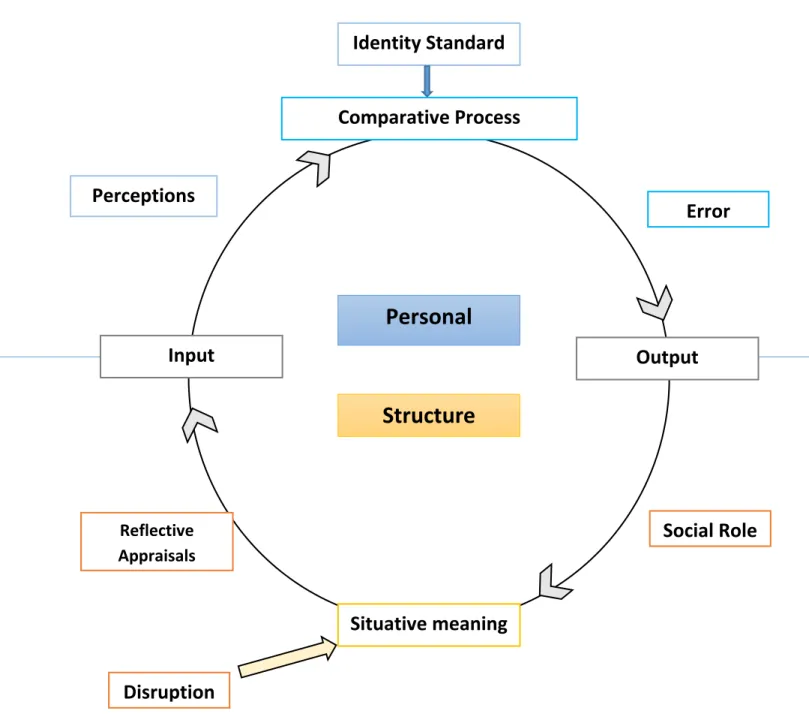
Perceptual Control Theory………67
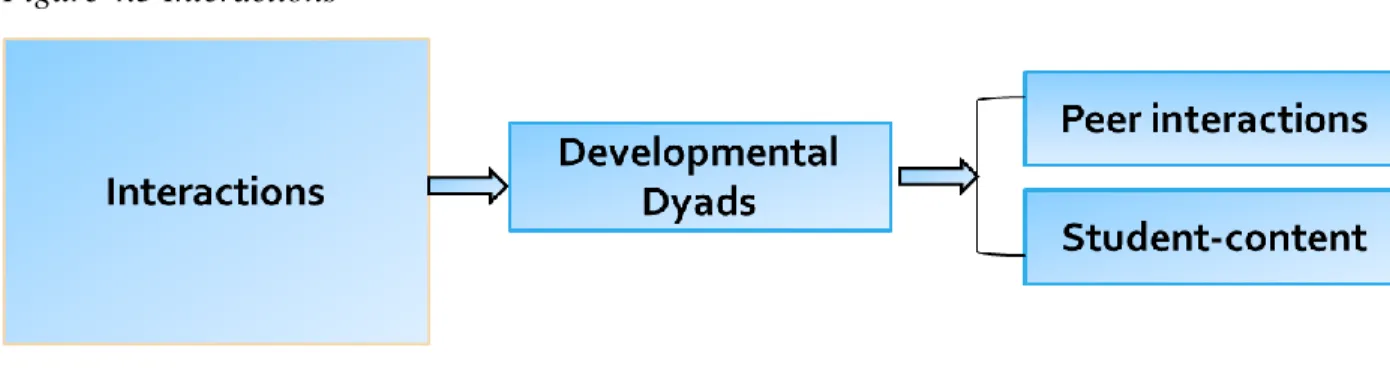
Developmental Dyads………..68
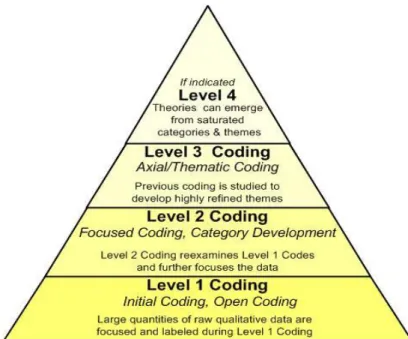
Constructivist Grounded Theory………..69
Analysis……….71
Summary………...74
Chapter Four: Findings………76
Personal Agency………78
Teacher’s Agency……….…78
Perceptions of self as teacher………79
Establishment of a type of classroom environment………..86
Critical Beliefs about teacher roles.……….….89
Prescriptive acts for students’ benefit……….98
Perceptions of Students………98
Students’ Misconceptions………100
The utility of science for student development………...103
Comparison and Dissonance………...105
Adaptation of Practice………..105
Structure………113
Situative Meaning.………...114
School subcultures………...……….114
Role of Science……….124
xi
Student Inputs………...127
Interactions………132
Developmental Dyads………..133
Peer Interactions………...134
Student-content interactions……….138
Student learners and methodology………..………..139
Summary of Findings in Chapter Four……….140
Chapter Five: Conclusions and Implications………..144
PS-EST Identity Standards.………..146
Structures…………..………...148
Situative Meaning………148
Social Influences….……….…150
Interactions………..….…...150
Peer Interactions………...……….….….151
Student-methodology interactions……….….….151
Implications……….……..…..152
Utilizing PS-ESTs Understanding of Science Teaching……….…153
Re-orienting PS-ESTs through Critiques of the Past………...……153
Uniting Facilitation with Explicit Strategies.……….……...…..155
The Role of Elementary Students………... 156
Recommendations for Science Teacher Preparation………156
Future Studies and Direction for Research………...157
xii
xiii
LIST OF TABLES
xiv
LIST OF FIGURES
Figure 1.1 Framework for Literature Review………..8
Figure 2.1 Literature Gap identified………18
Figure 3.1 Perceptual Control Theory……….…69
Figure 3.2 Grounded Theory Coding………..70
Figure 3.3 Research Design……….75
Figure 4.1 Personal Agency………78
Figure 4.2 Structure……….113
Figure 4.3 Interactions………133
xv
LIST OF ABBREVIATIONS CT Cooperating teacher
ERIC Education Resources Information Center F.O.S.S. Full Option Science System
JSTOR Journal Storage
NGSS Next Generation Science Standards NSTA National Science Teachers’ Association NOS Nature of science
PISA Program for International Student Assessment PS-EST Pre-service elementary science teacher
STEM Science, Technology, Engineering and Math UbD Understanding by Design
1
CHAPTER ONE Introduction
2
influences; and 3) recognition of the roles of interactions that are both illuminated and potentially enhanced by the increasing presence and influence of social networks (Luehmann & Borasi, 2011; Yang & Chang, 2012),
The undergraduate ESTs’ need for development as a teacher is subject to PS-ESTs’ perceptions (Burke, 2007; Burke & Stets, 2009; Powers, 2008) and challenges associated with professional environments (Baggott La Velle, McFarlane, John, & Brawn, 2004; Meier, 2012). Because the undeveloped potential of local school environments has an adverse effect on science teaching practices of new teachers (Baggott La Velle et al., 2004; Meier, 2012; Milner, Sondergeld, Demir, Johnson, & Czerniak, 2012), what occurs during the PS-ESTs’ enrollment in methods coursework becomes a crucial component in science teacher development (Marbach-Ad & McGinnis, 2008). PS-ESTs require an increased awareness of the challenges associated with acculturation to science (e.g. Aikenhead, 2001; Solano-Flores & Nelson-Barber, 2001), and though identity is tacitly alluded to in research focused upon science education (e.g. Sewell, St George, & Cullen, 2013; Smith & Jang, 2011; Suriel & Atwater, 2012), an increased emphasis is warranted.
3
elementary school contexts and the PS-ESTs’ own beliefs about their ability to teach science (Burke & Stets, 2009; Lawler, 2008), the context becomes a prominent influence upon how PS-ESTs approach science in the classroom. For example, if the school subculture places emphasis on science, the PS-EST who has a limited self-efficacy with science is more likely to teach in a way that conforms to the school culture. If the PS-EST has an already
established belief about and sense of self-efficacy with science, the school subculture is less likely to influence or hinder the PS-ESTs’ practice.
Recognizing that an important dialectic exists between contextual variables associated with science teacher education and the practices utilized by those preparing for careers as teachers, research conducted to understand more about PS-EST identities and their perceptions of teaching science at the elementary grade level during undergraduate
enrollment is necessary. By delving into the identity of PS-ESTs, effective strategies for enhancing PS-ESTs’ understanding of how to teach science can be illuminated. For this dissertation, such research is conducted with knowledge of twenty-first century variables that include PS-EST interactions with each other, the influence of social interactions through digital media, and the prominence of context, content, and the historical cultures of schools (Bourdieu & Passeron, 2000).
Research Questions
The goal of this dissertation is to investigate the development of PS-ESTs in a senior-level cohort and to interrogate variables that are perceived as influences on the PS-ESTs’ development as science teachers. This research also examines the social network generated by PS-ESTs blogging with each other. A specific effort is made to incorporate ideas
4
various interactions that occur between PS-ESTs and students and any other contextual agents. A major assumption is that twenty-first century media are important for the development of teacher education practices because they illuminate the science teaching identity of undergraduate elementary education majors. To contribute to future efforts attuned to this goal, this dissertation seeks to answer the following questions:
1. What is learned about the identity of PS-ESTs authored through social media? a. What is learned about PS-EST beliefs?
b. What is learned about the experiences of PS-ESTs?
2. What contextual influences are acknowledged by PS-ESTs? How do PS-ESTs process and utilize these influences?
3. What interactions are occurring? What roles do these interactions play in the development of PS-ESTs?
Theorizing Identity: What is Science Teacher Identity?
Science teacher identity has two distinct components: a personal comprehension of what conceptual learning entails and the recognition of when to use these skills to insure science learning by others (see Table 1.1). The first trait, content competency, includes both understanding the responsibilities associated with a science teacher’s role (e.g. Kuhn, 2000) as well as the personal beliefs associated with the role of scientific knowledge and practice. These two characteristics can be fluid, subject to influences such as contextual preferences for science learning and the individual’s perceptions or beliefs about the teacher’s role. The second component of a science teaching identity is helping students learn appropriate content and practices. This requires efforts to engage students and develop their critical thinking through science-based activities, authentic questions, scientific knowledge, scientific
5
2012). A set of skills accompany the traits, comprehension of content and helping students learn content and affiliated practices, that comprise a science teacher identity.
Skills. A major presumption for this dissertation is that science teacher identity is manifested in the activities of PS-ESTs engaged with undergraduate coursework. These include the use of appropriate content-neutral or content-specific skills (Appleton, 2008; Bhattacharyya et al., 2009; Hubbard & Abell, 2005) associated with student learning
(Zemba-Saul et al., 2000). Skills can be categorized as appropriate for any content teaching and learning or they can be associated with a specific content domain (Appleton, 2008; Shulman, 1987).
6
to student learning (Milner, Templin, & Czerniak, 2011); these skills are evaluated as beneficial because they help students accomplish desired academic goals (Nebel, 2010). Although important, data associated with this dissertation has minimal information about student academic goals and learning outcomes, though PS-EST reflections through blogging are acknowledged as sources of information about local students.
Table 1.1
Science Teacher Identity
Trait Example Reference
Impact the learning of others
-Use of appropriate cognitive or methodological skills Responsibility for the work of others
-Able to disseminate knowledge and practices to students in reliable manner
Jones & Carter, 2007; Loughran, 2007; Zemba-Saul et al., 2000; Roychoudhury & Rice, 2010
Content-neutral skill
-The use of authentic questions
-Ability to problem-solve around issues of pedagogy -Ability to impact the learning of students
Appleton, 2008; Bhattacharyya et al., 2009; Hubbard & Abell, 2005; Milner, Templin, & Czerniak, 2011
Content- specific skill
-Use of specific types of discourse
-Ability to create a classroom culture conducive to learning -Engagement of students with content
-Awareness and comprehension of the nature of science -Competencies with epistemic science content
Grier & Johnston, 2009; Kilic & Cakan, 2007; Holland et al., 1998; Abd-El-Khalick, 2001; Akerson et al., 2011; Quigley, Pongsanon, & Akerson, 2010
What is meant by social media?
In the twenty-first century, social media are computer-mediated tools that allow people to create, share, or exchange information, ideas, pictures, and videos in virtual communities and networks. Social media are Internet-based applications that build on the ideological and technological foundations of Web 2.0, and that allow the creation and
exchange of user-generated content (Kaplan & Haenlein, 2010). For this dissertation the idea of social media is focused on the use of blogging to publish personal reflections on
7
reflections. Blogging is the vehicle for data collection and not the focus of this inquiry. Blogging can be used as a means of enhancing communication among members of a public or private group by extending reflections to an audience consisting of peers (Anderson et al., 2013; Hanuscin, Cheng, Rebello, Sinha, & Muslu, 2012; Wolf, 2010). Blogging also
generates opportunities for unique interactions about struggles with teaching practices such as planning, decision-making associated with new experiences, content, and pedagogy (Yang & Chang, 2012). These interactions are the result of public authorship rather than
monologues or momentary reflections with an instructor; one intention of blogging is to extend conversations and minimize boundaries and chronological margins (Lieberman & Mace, 2009; Wolf, 2010).
Significance of the Research
Entire journals have been dedicated to understanding teacher education and its role in the development of future educators (e.g. Journal of Science Teacher Education, Journal of Teacher Education, Teaching and Teacher Education). A review of research literature
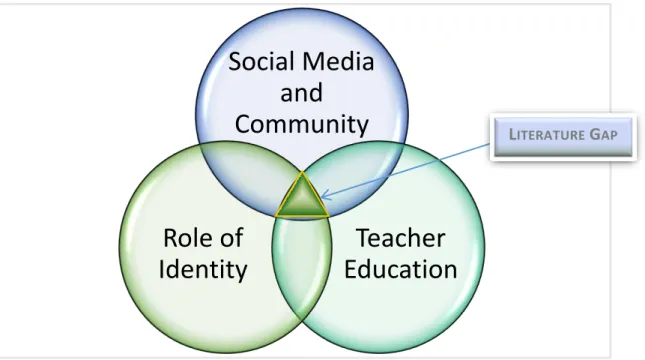
8
The conversation that this dissertation bounds occurs by specifically looking at components of PS-EST identities, the contexts that the PS-ESTs occupy, and the interactions that occur; these include interactions between individuals and contexts, individuals and content, and individual PS-ESTs with other PS-ESTs or contextual agents (e.g. CTs, instructors, students). While each literature component has received due attention through various research communities, this dissertation focuses on a synthesis that considers how these three distinct influences reveal the identity of the PS-ESTs.
9
Figure 1.1: Framework for literature review
Impact and Implications
This dissertation study is not about the use of social media, specifically blogging. Data analysis and reduction involves blogging, but the focal point is science teacher identity and how personal identities, methods courses, and field experiences influence the PS-ESTs’ development. The PS-ESTs’ acceptance and use of science is influenced by components of identity, including beliefs about the salience of accepted roles (Burke & Stets, 2009), and blogging is a vehicle that illuminates these identities. By focusing on the identity of the PS-ESTs, interactions involving individual PS-PS-ESTs, and contextual influences, assertions about the role of teacher education practices and improvement are possible. These roles involve: 1) observing and understanding the internal dynamics of PS-ESTs as individuals and members of a group that have specific roles (e.g. undergraduate, PS-EST); 2) the integration and mediation of contextual inputs as individual PS-ESTs enact perceived roles within a context;
Social Media
and
Community
Teacher
Education
Role of
10
and 3) the influence of contexts upon pedagogical practices that include PS-ESTs as participants in a group interacting through social media. This research can improve
understanding of PS-EST teaching identities and illuminate facets of social media use and the role of some experiences in the early career development of science teachers (Hilton, 2010; Windschitl, 2002).
Talking with one another about experiences beyond the scope of the academic classroom through socially mediated “transactional relationships” provides insights into PS-ESTs’ personal thoughts about teaching practices. Because elementary PS-ESTs are experiencing expectations for a new role, their own desires and discussion with each other afford access to new insights, including awareness of collaborative skills. By engaging PS-ESTs in reflections and critiques of themselves, their peers, and contextual experiences (Khan, 2005), this dissertation identifies influences on the development of elementary science teachers and provides ideas for the improvement of teacher education practices designed for their preparation. This study can orient teacher educators toward identity and its associated variables as a research lens, make recommendations for the improved use of social media in teacher education through the integration of identity-shaping factors in blogging practices, and make arguments for the development of meaningful pedagogical practices associated with science teacher education. This research can also encourage discussions about improving teacher education for twenty-first century learning environments (Hilton, 2010).
Limitations of the Study
11
order to frame the study, a limitation that became apparent was the lack of a uniform standard to evaluate qualitative similarities or differences in the development of PS-ESTs. An effort was made to produce a standard through the analysis of the extant literature. This standard involved looking at PS-ESTs, presuming levels of ability and subjectively
evaluating what their reflections and comments reveal about long-term perspectives of science teaching and pedagogy. Seeking to define what was revealed through these reflections and comments led to definition of variables associated with the development of PS-ESTs. However, the process had inherent limitations. First, the standards that were developed came from secondary analysis of published research. Second, the standards were not validated, and while these variables that comprised the standards represented acceptable observations, the ability to explore them was limited. Third, these standards for the
12
the PS-ESTs’ identity, the PS-ESTs are academic performers fulfilling a role as students (e.g. Wortham, 2006) or fulfilling a perceived expectation (Powers, 2005). Essentially the PS-ESTs’ responses may reflect the presence or development of an identity standard, but is more likely to represent an increased awareness of what it means to be a science teacher. To presume that findings represent an important shift in the development of the PS-ESTs lacks veracity and truthfulness based on the nature of the data.
Another limitation is that posts and reflections are presumed beneficial to the development of science teacher identity because they extend the science subculture of the methods course and field experiences by valuing communication related to science teaching. However research indicates that identity is contextually derived, and with PS-ESTs immersed in coursework where methodology is championed, discerning a difference between reflection on a common experience because of academic expectations and self-initiated reflection intended to demonstrate individual development is difficult.
Other, imposing challenges arise when considering the role of feedback from the community. Findings related to feedback are dependent upon PS-ESTs responding to one another. This is a challenge acknowledged by previous research that reveals PS-ESTs do not readily accept blogs as a valid means for academic discourse (Anderson et al., 2013).
Research indicates that this perception changes over the course of the academic year, but interactions among peers produce a lack of constructive criticism and are individualistic and reflexive rather than group-oriented and conversational (e.g. Harland & Wondra, 2011). The previously mentioned are viewed as constraints with respect to interactions. This constraint is significant when emphasis is placed upon social media as interaction, in much of the
13
feedback is contrary to the goals of using social media, a positive note is that posts authored in response to prompts can be individually beneficial because they represent an identity-driven personal critique related to the PS-EST.
Finally, given the nature of PS-EST posts and comments and how they reflect
practices common to inquiry learning such as observation and rational argument, any identity findings that were observed over the course of the blogging period were considered
provisional. The rationale for this stance was that PS-ESTs were in a scaffolded academic environment where characteristics were fostered by design. Due to the study’s focus on blogs and not what occurred outside the blogs, what happened beyond the scaffolded environment could not be gleaned from the data at hand. The development of long-term practices beyond the academic context was a clear desire, but did not involve observations beyond the context of the methods course or other academically-based practices.
Organization of this Dissertation
The purpose of this study is to understand the development of science teacher identity, and to determine possibilities for future practices. A specific focus is on learning about the PS-ESTs as they experience what occurs in their academic courses, field
experiences, and interactions with each other and other contextual agents.
In Chapter Two, there is a critical review of the literature related to identity, teacher education, and social media and community. Because this study is about the identity of PS-ESTs, bodies of research that examine pre-service teachers, influences upon their
14
education practices, and the use of social media. These reviews were aimed at informing readers by situating the current study in the context of previously conducted research.
In Chapter Three, the research design and methods that were used for this study are presented: specifically why a qualitative study was undertaken, why perceptual control theory was used to frame the data, and how grounded theory was used to shape the analysis process. The steps taken in collecting and analyzing the data, as well as the rationale behind these steps, are presented. Finally, the integrity of this study is explored by addressing standards for qualitative research.
Chapter Four looks at the findings revealed through the examination of PS-ESTs’ blogs. This chapter describes the beliefs and expectations of PS-ESTs, how they process what they are doing and learning during the teacher education experience, and the contextual influences and any interactions generated through the PS-ESTs activities (e.g. with each other,
instructors, CTs).
15
CHAPTER TWO Review of the Literature
Answering the primary research questions, “What is learned about the identity of ESTs authored through social media, what contextual influences are acknowledged by
PS-ESTs, and what interactions are occurring and what roles are they playing in the
development of PS-ESTs?” requires a review of various fields of research literature. To
address these questions, this dissertation was informed by extant theoretical literature and empirical studies on identity, elementary science teacher education, social media, and
community. This literature provided insights about individual identity, contextual influences, and interactions associated with the two, as well as an analytical lens beneficial to the study.
In order to find literature to inform this study, a variety of databases were used, including ERIC, Google Scholar, and JSTOR, and searches utilized terms associated with identity and elementary science teacher education. Social media and community were also considered. Key terms for the searches included elementary teachers, identity, pre-service teachers, science, science teacher identity, teacher identity. The second search included first
search terms in combination with terms pertaining to social media (e.g. blogging, digital media) and community (e.g. participatory practices, group processes, and communities of
practice). Most articles were selected from journals with a primary focus on science
16
Research on Science Teaching, Science Education, The Journal of Technology and Teacher
Education, Social Psychology Quarterly, The Journal of Computer-Assisted Learning, The
Journal of Computer-Mediated Communication, and Teaching and Teacher Education.
Results from the search were hand-checked and selected based on perceived significance to the goal of clarifying what defines a science teacher identity, the role of interactions, and trends deemed important to current science teacher education. Some articles contained research on the practices of in-service teachers, but a majority of them focused on PS-ESTs engaged in practices that included contexts such as labs, methods courses, and pre-service field experiences. Articles that gave prominence to PS-EST
responses to teaching practices were surveyed to gain insights into the interactions, affinities, and discourses of learning environments as well as the influence of teaching contexts and contextual agents.
For interactions, articles were considered that contained information and data about the affordances of social media—specifically current or potential uses of blogging and the influence and impact of participatory practices—such as peer interactions, cohorts shaped by group and/or community processes, and the influences of virtual spaces on behavior and learning in various academic contexts. Since a majority of the articles that were reviewed were published in journals pertaining to science teaching or teacher education practices, they were also reviewed to evaluate what practices and influences were common in teacher education courses. Trends that manifested were used to inform and bound analytical approaches to the data collected for the research questions.
17
community; both were seen as correlated enough to be considered as a single entity. This conflation provided opportunity for a new component of literary analysis: the role of community-oriented peer practices. This conflation was based on three premises. First, social media were perceived either as a means of self-communication through reflection (Killeavy & Moloney, 2010; Lankshear & Knobel, 2006) and academic participation
(Anderson et al., 2013) or a means for community interaction centered on peer achievement (Yang & Chang, 2012). Second, there was a scarcity of research that examined social media (e.g. blogging) in teacher education programs that prepare undergraduates to teach science. In a search of major publishing houses, such as Springer© a search using the keyword
blogging revealed 2,422 results for this form of social media. Of these 2,422 results, only 15
had some relation to education with a specific focus on educational and information
technology. Of these 15 articles, none specifically focused on blogging in teacher education. When the search was narrowed to look at specific science education journals, such as the Journal of Science Teacher Education, the Journal of Research on Science Teaching, or the
Taylor and Francis–published International Journal of Science Education, only one article with a focus on blogging was found. This lone article focused not on the role of blogging but the broader idea of digital fluency associated with increased usage of technology by youth (Hsi, 2007). A third reason for the conflation of blogging and community was that blogs are authored with the intent of community involvement or recognition by community members (Sawmiller, 2010). An ancillary rationale for this conflation was that this dissertation construed social media as a new component of teacher education associated with the
18
the functions of schools and learning, with science and mathematics education among contexts yet to be adequately explored (Luehmann & Borasi, 2011),
Though teacher education encompasses a large body of research, few articles specifically address the influence of individual identities on the development of science teachers. This limitation occurs even as research and awareness of identity is increasing (Akkerman & Meijer, 2011). Like teacher development and identity, a similar trend occurs with education and the use of social media. The gaps generated by synthesizing knowledge associated with this literature represent a unique, undeveloped area in science teacher
education research (see Figure 2.1). Based on the need to address this gap, the literature was reviewed to generate a bibliographic index and themes that could be applied to the analysis and reduction of data about the identity of prospective teachers within the context of blogging, a form of social media.
Figure 2.1: Literature gap identified
Social Media
and
Community
Teacher
Education
Role of
Identity
19
Identity
Researchers who study teacher identity have built their work on the presumption that being recognized by self or others as a certain kind of teacher is a foundation for teacher identity (Gee, 2000; Luehmann, 2007, 2008; Luehmann & Tinelli, 2008; Sutherland, Howard, & Markauskaite, 2010). Luehmann (2007) noted widespread features associated with identity. These features included identity as fluid (Enyedy, Goldberg, & Welsh, 2006), continuously constructed and reconstructed in social contexts (Holland, Lachicotte, Skinner, & Cain, 1998), and as constituted in the interpretations and narrations of individuals’
practices in certain roles (Lave & Wenger, 1991; Lemke, 2000; Sfard & Prusak, 2005). Similarly, notions of professional identity included the idea that it is a non-fixed entity reinterpreted through experiences, that it is formed through interactions between individuals in the context of practice, and that it involves human agency and sets of sub-identities
(Beijaard, Meijer, & Verloop, 2004). Moore’s (2008) research illuminated the complexity of a specific identity, science teacher identity; a science teacher identity integrated multiple, different perceptions of the world and the role of science teachers.
Science teacher identity is defined by the presence of content-specific skills and
knowledge (Guillaume, 1996; Luft & Patterson, 2002), awareness of sociocultural influences on teaching and learning, personal preferences to engage students in learning science, and individual generation of outcomes affiliated with science learning. Contextually, science teacher identity is bound by both the opportunity structures generated by content (Enyedy, Goldberg, & Welsh, 2006; Nilsson & Loughran, 2011; Weld & Funk, 2005) and the sociocultural contexts in which science teaching and learning occur.
20
personal agency (Cole, 1996; Daniels, 1996; Vygotsky, 1996; L. Vygotsky, 1978). Examples of contextual variables included elementary school classrooms, content knowledge
discourses among teachers or other professionals (Akerson, Buzzelli, & Eastwood, 2011; Baggott La Velle, McFarlane, John, & Brawn, 2004; Holland, Skinner, Lachicotte, & Cain, 1998; Howes, 2002), and race and culture (Parsons, 2008), and roles (Anderson et al., 2013). Examples of variables related to personal agency include beliefs about the teacher’s role (Book, Byers, & Freeman, 1983), the development of skills important to science teaching (Zemba-Saul, Blumenfeld, & Krajcik, 2000) and efforts to participate in environments that aid the development of appropriate understandings of science teaching (Barab, Barnett, & Squire, 2009).
Agency
Agentic influences or traits were defined as those that viewed the individual as the center of organizing or activity. These traits were not limited to activity and could involve a form of self-regulation or self-reflection that governed activity that occurred. Agency essentially encompassed individual influences and included traits associated with teachers. In the literature, agency involved the following categories: a) personal beliefs (Bryan & Atwater, 2002; Duffy et al., 2010); b) personal experiences (Loughran, 2007); c) independent
21
Table 2.1
Individual Traits
Definition or Trait
Pre-service Trait Experienced Trait Sources Pre -conce iv ed n otions (Role of Knowledge) Involves the nature of knowledge, including its validity, scope, and its foundations; influenced by the veracity of knowledge; subject to the belief of the individual; influences beliefsan individual holds about the nature of knowledge and its production
-Tacit and fixed
-Established by entrance into undergraduate practice -Knowledge and skill are secondary to interpersonal relationships
-Limited content understanding -Anxiety
-Self-doubt; lack of self-efficacy
-Produces highly
routinized/mimetic behavior -Knowledge is established; lacks ambiguity and unlikely to change
-Knowledge is derived from context versus personal expectation
-Prefers resolution versus unresolved questions -Absolutist -Multiplist
-Malleable -Established, but resolved to expand (breadth and depth) -Established content understanding; increased desire to establish content understanding -Interpersonal relationships are acknowledged, yet knowledge comprehension drives the nature of the relationship -High degree of self-efficacy
-Knowledge is truthful, yet tentative -Values unresolved questions as opportunity for inquiry -Evaluativist
Dweck, 2000; Hofer & Pintrich, 1997; Fajet, Bello, Leftwich, Mesler, & Shaver, 2005; Spector & Strong, 2001; Gunning & Mensah, 2011; Settlage, Southerland, Smith, & Ceglie, 2009; Appleton & Kindt, 2002; Beijaard, et al., 2004; Bianchini, 2000; Bleicher, 2007; Akerson, et al., 2011; Matkins & Bell, 2007; Smagorinsky, Cook, Moore, Jackson, & Fry, 2004; Howes, 2002; Nilsson & Loughran, 2011; Salter & Atkins, 2011; Varrella & Veronesi, 2004; Kuhn, et al., 2000; Chinn & Buckland, 2011; Joram, 2007
Be
li
ef
-Acceptance by the mind that something is true or real, often reinforced by an emotional or nonphysical sense of certainty -Can be negotiated -Generate personal expectations
-Benefit to teaching practice unclear
-Focus on teacher role based on relationships and well-being of students; minimizes content-oriented practices
-Contain naïve assumptions about teaching practice -Negotiated with context -For development as a teacher, rely upon a heavily scaffolded environment
-Produce hesitancy with new practices
-Diminished competency outside a scaffolded context -View coursework as academic versus training as professional -Unlikely to change until experience/personal preference dictates need -Influence perceptions -Generate personal expectations -Shape teaching practice -Focus on role of teacher as a guide and a facilitator of learning associated with the content domain -Capable of producing scaffolded environments for student learning -Embrace new practices and effectively evaluate their benefit -See academic work as a method of refining/improving practices
-Have recognized that change is a
component of development -Influence perceptions and dictate types of experiences that occur or that are sought
22
Southerland, Sowell, & Enderle, 2011; Moore,
Experie
nce
-Active involveme nt in an activity or exposure to events or people over a period of time that leads to an increase in knowledge or skill
-Generate beliefs
-Historical or contemporary -Type of experience influences perception;
-leads to development of preconceptions
-can be affiliated with science outside teaching (2nd career)
-Quality of experience makes a difference in practice and perception; generally prevalent with early experiences versus later
-Longevity of impact is subjective; later the experience the less likely it is to remain prominent
-Generate beliefs -Historical and contemporary are viewed as informative -Perceptions of own PCK influence the type of experiences that are sought -Quality of experience is evaluated, embraced, or discarded based on perception
-Longevity of impact is subjective because experience may have neutral value; largely based on whether experience adds value or increases work unnecessarily
Czerniak, Lumpe, & Haney, 1999; Hechter, 2011; Weld & Funk, 2005; Smith & Jang, 2011; Adamuti-Trache & Andres, 2008; Milford & Tippett, 2013; Marble, 2007; Bhattacharyya, Volk, & Lumpe, 2009; Jones & Carter, 2007; McDevitt, Troyer, Ambrosio, Heikkinen, & Warren, 1995; Grier & Johnston, 2009; Bautista, 2011; Ohana, 2004; Stets & Carter, 2011; Feldman, Divoll, & Rogan-Klyve, 2009; Velthuis, Fisser, & Pieters, 2013; Zemba-Saul,
Blumenfeld, & Krajcik, 2000; Feldman, et al., 2009; Milford & Tippett, 2013; Salter & Atkins, 2011; Meier, 2012; Luft & Patterson, 2002; Thomas 2011; Capobianco & Feldman, 2010
Structure
For this dissertation structure was defined as physical spaces, materials used, the discourse of contexts, the social, curricular, or even assessment practices affiliated with science education. Whether obvious or subtle, research indicates that influences on science teaching were generated, in part, by established roles and expectations (Burke & Stets, 2009; N. H. Kang, 2008). The idea of structure encompassed national standards (Aydeniz & Southerland, 2012; Eick, 2009; NRC, 1996; NSTA, 2000; Science, 1993, 2012), scientific methodologies, and expectations for how and why knowledge is disseminated (Eick, 2009; NRC, 1996; Taubman, 2009; Williams et al., 2008; Yager, 2005). These were incentives that were easily recognized and acknowledged components of science teaching, yet less
23
2008), group discourses (Gee, 2000), individual associations over time (Jackson & Seiler, 2013), and recognition by others (Luehmann, 2002; Luehmann & Tinelli, 2008; Luehmann & Borasi, 2011; Sutherland, Howard, & Markauskaite, 2010).
Table 2.2
Contextual Traits
Trait Sources
National Standards
AAAS, 1993, 2012; Aydeniz & Southerland, 2012; Eick, 2009; NRC, 1996; NSTA, 2000; Taubman, 2009
Methods for scientific knowledge creation and dissemination
Eick, 2009; NRC, 1996; Williams et al., 2008; Yager, 2005
Group affinities and discourses, recognition by group, role interpretation, contexts
Gee, 2000; Luehmann, 2002; Luehmann & Borasi, 2011; Luehmann & Tinelli, 2008; Sutherland, Howard, &
Markauskaite, 2010; Jackson & Seiler, 2013
Interactions
Using established conceptions of identity, an additional influence is noted, interactions. Interactions are based on the idea that structures and agency collide or
24
that produces an interpretation of that role or a force upon that role. One governing presumption is that at least two components interacting generate an influence that would shape practices or perceptions of the role.
Individual Identity
Individually, teaching identities involved several factor as previously discussed. This dissertation investigates personal beliefs and personal experiences about science content and science teaching (Beijaard, Meijer, & Verloop, 2004; Friesen & Besley, 2013) (See Table 2.3).
Identity Involves Preconceived Notions
Though abundant ideas exist for understanding the influence of preconceived notions about science content and science teaching, the work of Dweck (2000) and Schommer (1997) applies to practices generally associated with education because of the acceptance of two factors: individual malleability (Dweck, 2000) and belief systems that determine the
acceptance of new understandings (Hofer & Pintrich, 1997). These two factors are important for teacher education practices because they indicate sites for intervention such that the development of expertise in science content and science teaching through praxis is possible (Sandoval, 2005).
The research on science teacher education often reveals that PS-ESTs have both tacit and fixed expectations for science content and science teaching that are well established by the start of undergraduate work (Fajet, Bello, Leftwich, Mesler, & Shaver, 2005). Teaching is conceived of as a task involving affective, interpersonal relationships rather than a
25
understanding of the role of content, a degree of anxiety (Spector & Strong, 2001), and limited degrees of self-efficacy (Gunning & Mensah, 2011; Settlage, Southerland, Smith, & Ceglie, 2009). Angst is usually generated by self-doubt (Dweck, 2000) and a variety of bad experiences (Gunning & Mensah, 2011) that include the use of mimetic and worksheet-oriented practices that mirror what PS-ESTs have personally experienced or that occurred during their own undergraduate teacher education experiences.
Even though authentic science practices in which content knowledge is preeminent occur in academic coursework and field experiences are based on scientific norms like rational argumentation, inference, and skepticism (Appleton & Kindt, 2002; Beijaard et al., 2004; Bianchini, 2000; Bleicher, 2007), PS-ESTs maintain perceptions of the classroom as a place where knowledge and learning should not be ambiguous in nature, showing preferences for correct answers over unresolved questions, even when practice runs at science teaching produce ambiguous yet meaningful opportunities for students to embrace inquiry (Akerson et al., 2011; Bianchini, 2000; Matkins & Bell, 2007; Smagorinsky, Cook, Moore, Jackson, & Fry, 2004). These tendencies in PS-ESTs are contrary to traits typically associated with a science teacher identity, making a deliberate effort to transition PS-ESTs’ conceptions of knowledge and knowledge-based practices (Duit & Treagust, 1998; Leach & Scott, 2008; Miller, 2011; Vosniadou, 2008) one of the goals of teacher education.
26
(Joram, 2007) so that upon graduation, PS-EST practices are more aligned with scientific practices and pedagogies beneficial to student learning (Akerson et al., 2011; Enyedy et al., 2006; Yager, 2005). Upon induction into professional service, the PS-EST will ideally have habits that are key to a lifetime of development as a science teacher (Varrella & Veronesi, 2004). For this to occur, PS-ESTs must respond to the prompting of their scaffolded undergraduate courses by relinquishing already established presumptions about science teaching that tend to encumber beneficial dispositions (Varrella & Veronesi, 2004).
Differences observed among members of undergraduate cohorts can be linked to individuals’ preexisting views about science content and science teaching, including perceptions that align with the accepted canons and those that do not (Nussbaum et al., 2008). Both inconsistences in understanding and the misconceptions they often generate seem directly related to PS-ESTs’ level of anxiety, their expertise, the correctness of
understanding, and individual willingness to assimilate new conceptions previously not held (Kuhn et al., 2000). Hopefully, PS-ESTs will have strong conceptions of science regarding sources of knowledge and their associated values, yet realistically this does not occur (N. H. Kang, 2008; Tsai, 2004). Given the fact that PS-ESTs do not exhibit traits desirous of a science teacher, the role of teacher education programs is defined. Ideally, a sound program affords PS-ESTs an opportunity to develop new skills while also producing high degrees of self-efficacy with how to teach science in association with a focus on knowing content. Identity Involves Personal Beliefs
One of the challenges to changes in conception and practices are beliefs that often
27
to teaching, generating personal expectations about content knowledge and practices (Howes, 2002); they also lead to personal theories about knowledge and the process of knowing (Hofer & Pintrich, 1997). Beliefs are psychologically held and derived from personal experience or cultural sources of knowledge transmission (Bryan, 2002). They are not resolute, with indicators revealing that a belief can be negotiated (Warburton, 2005). When subjected to specific contexts, beliefs produce dispositions about what is experienced and whether or not it should occur in the manner that it does. These dispositions produce
disruptions because established practices conflict with what is accepted (Danielowich, 2012). For PS-ESTs, beliefs about teacher roles are established prior to enrollment in
undergraduate work, with the PS-ESTs’ ability as a science teacher requiring further
development (Warburton, 2005). Beliefs about teaching need to be conceptually challenged because of their basis in naïve assumptions (Abruscato & DeRosa, 2010; Miller, 2011), which stem from personal histories (Bryan, 2003; Fairbanks, 2010); if placed on a spectrum of expertise, they would primarily occupy a level of proficiency classified as novice (Ohana, 2004). Though some exceptions exist (Levin, Hammer, & Coffey, 2009; Warburton & Torff, 2005), the general trend is that PS-ESTs learning to teach science have novice-level ideas about classroom organization and practices (C. P. Brown, 2010; Erickson, 2007; Wiggins & McTighe, 2006) that undergo development during undergraduate and induction experiences (Hanuscin, 2013), but unless PS-EST beliefs about science learning and related practices are confronted, challenges will manifest upon induction into service.
28
(Baggott La Velle et al., 2004; Meier, 2012). Because of this contextual component to establishing or perpetuating belief-oriented practices, ideal PS-ESTs are ones whose views about the development and maintenance of effective practices (Allen, 2003, Bryan, 2002; Bryan, 2003; Fairbanks, 2010) are established prior to their introduction to contexts associated with their future roles as teachers.
PS-ESTs viewed as having beliefs conducive to effective teaching exhibit an ability to organize the classroom around meaningful practices intended to enhance learning (Duffy et al., 2010). Those needing development exhibit a preference for mimetic routines and rigid expectations (Levin et al., 2009), along with a perspective that learning science is not about pedagogical and content skills (Hubbard & Abell, 2005). Minimal beliefs result in limited self-efficacy, but are neither insurmountable nor construed as dislike of science. However, they do represent somewhat fixed perspectives (Yoon et al., 2006) that lead to self-doubt (Dweck, 2000). The PS-EST requires contexts that scaffold and model authentic science teaching experiences to help alleviate this self-doubt (Quinn, Anderson, Atwater, & Bell, 2011; van Zee, 2001).
Though scaffolded experiences are important in developing skill, PS-ESTs’ beliefs are deeply ingrained and strongly influenced by past personal experiences that occurred well before the beginning of academic coursework (Bautista, 2011; Bryan, 2003; Bryan &
29
This hindrance also produces a diminished competence in the PS-EST once they are beyond the scaffolding of academic courses (Bautista, 2011; Marbach-Ad & McGinnis, 2008; Matkins & Bell, 2007; Patchen & Crawford, 2011).
When PS-ESTs are exposed to experiences related to the teaching of science, a frame of reference for what successful teaching involves is developed (Kang, 2007; Tsai, 2004). However, change occurs only after the PS-ESTs integrate practices into their own repertoires as teachers. The immediacy of new knowledge about teaching makes it salient, yet if the PS-ESTs do not have a strong belief associated with the value of what is observed, what is integrated will be temporary. The PS-EST relies heavily on the academic classroom or the field experience to derive science teaching practices (Anderson et al., 2013; Sackes & Trundle, 2013), but these experiences are academically based and do not easily transfer because PS-EST beliefs that existed prior to the academic experience produce predispositions (Book, Byers, & Freeman, 1983; Wortham, 2006). These priors trigger other beliefs and perceptions about the roles and duties of students and teachers (Book, Byers, & Freeman, 1983; Moore, 2008), resulting in hesitation or doubt about ability to teach science when new experiences occur. Beliefs can also influence what is integrated, sometimes minimizing the value of what is observed in the academic classroom (Adamuti-Trache & Andres, 2008; Bautista, 2011; Warburton & Torff, 2005).
30
that are strongly held (Bryan, 2003) and unlikely to be altered by brief academic or field experiences (Akerlof & Kranton, 2010; Book et al., 1983; Jegede & Aikenhead, 1999; Jegede & Okebukola, 1991; Moore, 2008; Parsons, 2008). What endures in the PS-ESTs’ own practices is unlikely to change until a level of competence is present that promotes an
individual desire to change what is ineffective (Southerland, Sowell, & Enderle, 2011). This makes the role of teacher education and its ability to help PS-ESTs negotiate new beliefs vital to the practices and development of how to teach science for future classrooms, requiring research and development of practices specifically designed to address development.
Identity Involves Personal Experiences
31
Ambrosio, Heikkinen, & Warren, 1995), and aid in the production of teaching activities that enhance student content conceptions through thoughtful practices (Levin et al., 2009)
Types of experiences are varied and though not evidenced by all PS-ESTs do include individuals with science knowledge from a previous career (Grier & Johnston, 2009). Such individuals have a professional identity shaped by non-scholastic, work-related conceptions of science and exhibit distinct content advantages because their knowledge and
understanding is more developed through their careers (Grier & Johnston, 2009). This exposure helps PS-ESTs recognize that science teaching is a practice that transfers beyond the classroom (Bautista, 2011; Ohana, 2004; Stets & Carter, 2011). Though beneficial, the expertise derived from science-related careers does not guarantee the development of a science teacher identity because pedagogical skills unique to classroom science differ from those that are derived from lab-based or other science-related careers (Feldman, Divoll, & Rogan-Klyve, 2009; Grier & Johnston, 2009).
32
2005) can be overcome through the use of salient, contextual influences (Burke & Stets, 2009) (e.g. methods courses and field experiences).
Academic coursework is one of the most salient influences on PS-ESTs, and when designed to aid PS-ESTs’ conceptualization of science teaching, can produce some level of self-efficacy (Bautista, 2011; Czerniak et al., 1999; Milford & Tippett, 2013; Velthuis et al., 2013; Zemba-Saul, Blumenfeld, & Krajcik, 2000). For example, the methods course is designed by expert educators to provide experiences with the organization and integration of meaningful content, cognitive and physical practices, and the use of scientific discourse (Akerson et al., 2011; Bryan, 2003; Howes, 2002), which helps the PS-EST develop skills for engaging students in the use of inquiry, lab methods, scientific reasoning, the acquisition of and participation with content knowledge, and critical thinking. Good experiences such as these help individuals engage with methods because they aid conceptualizations of science as an empirical process, a creative activity, and an opportunity to make sense of the world (Milford & Tippett, 2013; Salter & Atkins, 2011; Velthuis et al., 2013). These good
experiences also influence attitudes toward science that minimize unnecessary routines while aiding conceptualization of science as part of everyday life (Nilsson & Loughran, 2011). Good experiences help individuals develop schema for future teaching practices, but PS-ESTs often lack such experiences, which in turn produces hesitancy or discomfort with science teaching (McDevitt et al., 1995; Meier, 2012).
33
activities and learning are designed with knowledge of beneficial practices in mind, there is little research that is focused on the identity of the PS-ESTs as they undergo these
experiences. Methods courses and field experiences provide good authentic opportunities for development (Luft & Patterson, 2002), yet the identities of the PS-ESTs are problematic because they produce values contrary to what aids the PS-ESTs’ development of how to teach science (Bautista, 2011; Milford & Tippett, 2013; Ohana, 2004; Thomas, 2011; Velthuis et al., 2013). Based on what is known from the existent literature, careful consideration of PS-EST identities warrant systematic study.
Table 2.3
Agency and Individualism
Tenet Reference
Identity is Individualistic Enyedy, et al., 2006; Gee, 2000; Luehmann &
Tinelli, 2008; Burke & Stets, 2009
Identity Involves Preconceived Notions
Dweck, 2000; Hofer & Pintrich, 1997; Fajet, Bello, Leftwich, Mesler, & Shaver, 2005; Spector & Strong, 2001; Varrella & Veronesi, 2004; Kuhn, et al., 2000; Chinn & Buckland, 2011; Joram, 2007
Identity Involves Personal Beliefs
Danielowich, 2012; Bryan, 2003; Ohana, 2004; Levin, Hammer, & Coffey, 2009; Burke & Reitzes, 1981; Stryker & Serpe, 1994; Book, Byers, & Freeman, 1983; Wortham, 2006; Southerland, Sowell, & Enderle, 2011
Identity Involves Personal Experiences
34
Structural Influences
An important component of teaching identity is the context PS-ESTs occupied. Contexts affiliated with the development of the PS-ESTs involve social, cultural, or curricular stimuli (See Table 2.4) with their salient influences generating expectations that frame the actions and expectations of the PS-ESTs as they go about preparations for field experiences or the accomplishment of other academic goals.
Cultural Contexts
PS-ESTs are influenced by experiences and practices that take place in contexts with established cultural histories (Bourdieu & Passeron, 2000) (see Table 2.4). These influences are the result of established expectations and encourage PS-ESTs to engage in accepted activities (Kincheloe, McKinley, Lim, & Calabrese Barton, 2006). Including individuals with STEM backgrounds (Grier & Johnston, 2009), these contexts are strong influences upon PS-EST practices and perceptions (Meier, 2012) for two reasons. First, each PS-EST is joining an affinity group/cohort with similar perceptions and limitations. Second, the contextual values beyond the methods course, typically associated with elementary school, are not known for their encouragement of science teaching practices (Baggott La Velle et al., 2004; Bautista, 2011; Hechter, 2011; Kincheloe et al., 2006; Settlage et al., 2009).
35
accommodate new and important perceptions of teaching and learning (Abruscato & DeRosa, 2010; Miller, 2011).
According to Bautista (2011), PS-ESTs adapt to the expectations of academic environments, which is an indication of receptivity to new ideas. Given the acknowledged limitations of PS-ESTs, these extrinsic influences and PS-ESTs’ willingness to adapt mean that the academic environment, characterized as having a strong science subculture,
encourages progress as a science teacher (Feldman et al., 2009; Forssell, 2009; Hansen, 2008). This evolution produces an identity typified by the use of practices beneficial to student learning (Barab, Barnett, & Squire, 2009; Feldman, et al., 2009; Matkins & Bell, 2007; McDevitt, et al., 1995; Spector & Paschal, 2001). Unfortunately, the influences that PS-ESTs are afforded during their academic careers are not paralleled in an elementary school culture, a limitation that is challenging because the role of context is important in defining roles and practices. Basically, the PS-EST is exposed to extremes. In the academic subculture, good provisional influences are generated through scaffolded academic
expectations regarding science and science teaching, while elementary school settings are collared with a culture defined by alternative values.
Elementary schools are generally defined by expectations of peers or colleagues that fail to encourage effective science teaching practices. This limitation often begins with the cooperating teacher (CT) (Rozelle & Wilson, 2012) tasked with the oversight and
36
Patterson, 2002), minimizing potential positive impacts with respect to science teaching on the PS-EST’s development. Rather than the somewhat messy and ambiguous practices associated scientific practices (Smagorinsky et al., 2004), CTs utilize routinized practices that marginalize skills inherent to science teaching.
CT’s classrooms are typically defined by a high frequency of mimetic and routinized classroom activities that are a result of personal preferences (Milner et al., 2012) or an emphasis upon standards-based assessment and instruction influenced by national discourses (Eick, 2009; Milner et al., 2012). Though PS-ESTs are known to offer critiques while engaged in such contexts, these critiques are often short-lived, lasting the span of the academic requirement that generates the interaction. Critique can also be subdued by
variables that extend beyond the CT’s control, such as an emphasis on teaching according to test scores (Aydeniz & Southerland, 2012; Taubman, 2009). Though critiques are a stance, indicating strong beliefs or perceptions, the lack of a meaningful experience does little for the maturation process associated with good science teaching (Bhattacharyya et al., 2009; Salter & Atkins, 2011; Weld & Funk, 2005). Instead, research indicates that the PS-EST is
indirectly pressured to mirror exemplified CT practices or the school’s cultural values (Eick, 2009; Yager, 2005) primarily because of the PS-ESTs’ lack of experience.
37
science subculture (Baggott La Velle et al., 2004; Gee, 2000) and the subsequent influential affinities associated with the subculture (e.g. focus on inquiry, hands-on science) are in contrast to methods courses that are specifically focused on science content and science teaching expectations designed to encourage the PS-EST’s use of them. These differences also mean that PS-ESTs who develop in academic environments legitimated by recognition of or affinity with science-based practices (Gee, 2000; April Luehmann & Tinelli, 2008) are not afforded the same in elementary school settings (Appleton, 2008; Hechter, 2011). For example, instead of participation that stimulates the organization of knowledge and practice based on science content, elementary schools often produce an environment that values other practices (Farland-Smith, 2011); this is a benefit for the development of some facets of teacher identity, but a hindrance, by omission, to the development of science teaching skill. Methods Coursework
38
lessons around specific content and goals for that content. Through designing and
implementing their own lesson plans, PS-ESTs learn to reflect upon and revise their practices by assessing what they are learning and what they have attempted. While PS-ESTs are engaged through classroom discussion and reflective writing on meaningful experiences, the participatory community featured in this study adds the new facet of using social media to interact, making the PS-ESTs’ individual thoughts and perceptions public and open to the critique of their peers; this interaction is prompted and done in lieu of asking students to produce reflection papers.
Science Content
Most methods courses cover science content concurrently with modeled pedagogy
(Santau, Maerten-Rivera, Bovis & Orend, 2014) with the goal of having PS-ESTs
demonstrate improvement on more difficult concepts. While emphasis may vary based on the methods course (e.g. environmental science vs. life science), outcomes are still bound by efforts to improve PS-ESTs’ science content knowledge. . Though inconsistencies exist with regards to the inclusion of content highlighted in national standards and in the linkages between course goals, activities, and assignments (Smith & Gess-Newsome, 2004), there is a profound effort to aid development, usually with a specific focus on key conceptualizations (e.g. climate change) (Matkins & Bell, 2007; Hestness, Randy McGinnis, Riedinger, Marbach-Ad, 2011). Trends in methods courses indicate intentional efforts to generate content understanding in PS-ESTs. Learning models couched within methods courses are producing conceptual understandings (Sackes & Trundle, 2014), and though the content area can vary, methods courses are working to develop content knowledge as a separate
39
Table 2.4
Summary of Literature Illuminating Contextual Influences
Context Reference
Content
Santau, Maerten-Rivera, Bovis & Orend, 2014; Smith & Gess-Newsome, 2004; Matkins & Bell, 2007; Hestness, Randy McGinnis, Riedinger, Marbach-Ad, 2011
Standards Gee, 2000; Settlage, et al., 2009; Taubman, 2009; Eick, 2009; Yager, 2005; Quinn, 2011
Cooperating Teachers Forbes, 2013; Sadler, 2006; Eick, 2009; Luft & Patterson, 2002
Academic Coursework and Space
Kincheloe, McKinley, Lim, & Calabrese Barton, 2006; Hechter, 2011; Sadler, 2006; Wortham 2006; Abd-El-Khalick, F., 2001; Tsai, 2004; Shulman, 1987
Interactions
Within scaffolded settings, three dyadic tensions exist that serve two important functions when considering identity: defining the science teacher’s role and fostering development (See Table 2.5). These tensions involve what was previously discussed:
individual identity and the structural influences of context and content (Steele, Brew, Rees, & Ibrahim-Khan, 2013). These tensions include various facets of the PS-ESTs’ academic cohort and teacher education practices. Content was considered separately from other influences normally included in the broad net of contextual structures because it provided specific emphases for classroom practices and roles.
Individual and Context Interactions
40
appropriate for elementary-aged learners; these contexts must also enable science teaching (Duffy et al., 2010). Through an overlap of these influences, a context that is rich with such content affinities and discourses populated by individuals who value and desire to teach produces opportunities for development. PS-ESTs with these positive inclinations are exposed to new ideas in the context and because of personal belief about content they feel compelled to integrate what is presented (Grier & Johnston, 2009). Such individuals, when placed in formative environments, develop because of the presence of values for science teaching and learning.
Though potential for this tension between individuals and contexts exists, PS-ESTs who have the aforementioned tendencies are uncommon, as are elementary school contexts with strongly established science education practices (Marbach-Ad & McGinnis, 2008; Meier, 2012). Instead of individual and contextual expectations that encourage development, the PS-ESTs are left to rely on questionable, formative experiences and beliefs produced through their own educational histories. This limitation is briefly assuaged by exposure to authentic science practices in academic coursework, but discontinues, or at least diminishes, upon the PS-ESTs’ departure from the academic context (e.g. Patchen & Crawford, 2011; Matkins & Bell, 2007). PS-ESTs do exhibit a willingness to develop practices because of group and contextual affinities in academic contexts (Barab, 2003; Lave & Wenger, 1991), but this willingness is lessened by PS-EST anxiety about science and transition into school environments that limit emphasis on science teaching.
Individual and Science Content Interactions
41
Theoretically strong or developing teacher identities are exemplified by practices that engage students in science through participation and learning that extends beyond knowledge
acquisition and rote memorization. When science teaching ability is present, the individual demonstrates both comprehension of content and the use of appropriate practices because of personal competency (e.g. Levin, et.al. 2009). PS-ESTs do not exhibit such traits, and tend to revert towards knowledge acquisition (e.g. Patchen & Crawford, 2011; Matkins & Bell, 2007) or align their practices with those of the school subculture, minimizing science teaching and learning (e.g. Baggotte La Velle, 2004).
PS-ESTs vacillate between a willing capability during academic classes to hesitancy and the use of what is comfortable in the local classroom or other non-academic learning contexts (Bryan, 2003; Forbes & Davis, 2008; Patchen & Crawford, 2011). The primary reason is that the PS-ESTs’ science teaching practices are not based on personal
comprehension of science content, but the provisional influences of academic settings (Anderson et al., 2013; Taranto, 2011). The “faux” expertise observed during academic coursework is produced by influences defined by what is salient for success (e.g. good grades) in the methods course. Instead of tendencies to reorient teaching practices to reflect those emulated or utilized during undergraduate work, PS-ESTs practice what they are comfortable with or what is made salient by the expectations of the professional contexts associated with local schools.
42
adapt to the scaffolding or objective influences found in academic settings, and on the other, they minimize the same practices because the unscaffolded context of a local classroom emphasizes different practices (e.g. Kirschner, Sweller, & Clark, 2006; Mayer, 2004; Salter & Atkins, 2011).
Context and Science Content Interactions
PS-ESTs’ ability to engage in authentic scientific practices outside of a stimulating context is challenged because the PS-ESTs are still developing the skill sets necessary for good science teaching (e.g. Matkins & Bell, 2007). Possibilities for change are based on the influence of professional environments infused with strong science content and related practices (Baggott La Velle et al., 2004). Such contexts value the importance of science and this importance is featured in discourses and practices (E.g. AAAS, 1990; 1993; 2012).