Neuropsychiatric Disease and Treatment
Dove
press
P e r s P e c T i v e s
open access to scientific and medical research
Open Access Full Text Article
Medication management during electroconvulsant
therapy
Monica Zolezzi
clinical Pharmacy and Practice, college of Pharmacy, Qatar University, Doha, Qatar
Abstract: Electroconvulsive therapy (ECT) has demonstrated to be highly effective and safe, even life saving for many psychiatric disorders such as major depression, bipolar disorder and schizophrenia. Most patients who require ECT are also on concurrent pharmacotherapy. As such, the objective of this article is to provide a review of the most recent literature focus-ing on the medications used durfocus-ing an ECT procedure and on the effects of concurrent psy-chiatric and non-psypsy-chiatric medications on the effectiveness and safety of ECT. The review also attempts to summarize the recommendations derived from existing documents to guide pharmacotherapy decisions for patients undergoing ECT. For this purpose, using electronic databases, an extensive search of the current literature was made using ECT and medications or drug classes as keywords.
Keywords: ECT, medications, drug interactions
Introduction
Several evidence-based documents on the use of electroconvulsive therapy (ECT)
indicate that it is a safe and effective treatment for a variety of psychiatric disorders.
1–3Although major depression refractory to antidepressant medications is the primary
indication for ECT, there is also significant evidence to support its use in other
psychiatric disorders such as catatonia, psychotic depression, mania, bipolar disorder
and schizophrenia.
1–3The goal of ECT is to produce a controlled and monitored seizure lasting from
30 to 90 seconds in duration to be considered therapeutic.
1,4–6Although the exact
mecha-nism of ECT is unknown, the induced seizure affects nearly every neurotransmitter
system, including
β
-adrenergic, serotonin, muscarinic, cholinergic, and dopaminergic
systems.
6,7Brain-derived neurotrophic factor may also play a role in the efficacy of
ECT.
8There are no absolute contraindications to ECT; nevertheless, ECT can induce
side effects and may be physically risky for certain individuals. As such, all patients
must be assessed prior to ECT for the presence of conditions such as cardiovascular
disease, space-occupying intracranial lesion with the evidence of elevated
intracra-nial pressure, recent cerebral hemorrhage or stroke, bleeding or otherwise unstable
vascular aneurysm, and severe pulmonary disease, as all of these can be associated
with increased risk of complications from the general anesthesia and induction of
seizure activity.
1ECT is considered safe with a mortality of
~
1/10,000 patients or
1/80,000 treatments.
6Most patients report some adverse cognitive effects during and
after a course of ECT, such as postictal confusion state (the result of both anesthesia
and the seizure), anterograde amnesia (decreased ability to retain newly acquired
correspondence: Monica Zolezziclinical Pharmacy and Practice, college of Pharmacy, Qatar University, PO Box 2713, Doha, Qatar
Tel +974 44 035 623 Fax +974 44 035 551 email [email protected]
Journal name: Neuropsychiatric Disease and Treatment Article Designation: Perspectives
Year: 2016 Volume: 12
Running head verso: Zolezzi
Running head recto: Medication management during ECT DOI: http://dx.doi.org/10.2147/NDT.S100908
Neuropsychiatric Disease and Treatment downloaded from https://www.dovepress.com/ by 118.70.13.36 on 25-Aug-2020
For personal use only.
Number of times this article has been viewed
This article was published in the following Dove Press journal: Neuropsychiatric Disease and Treatment
Dovepress
Zolezzi
information), and retrograde amnesia (forgetting recent
memories).
9However, objective tests indicate that cognitive
abnormalities caused by ECT are generally short lived. Acute
confusional states typically resolve 10 to 30 minutes after
the procedure, whereas anterograde amnesia resolves within
2 weeks after completing the course. Retrograde amnesia
recovers more slowly than anterograde amnesia.
10Permanent
memory loss is rare but can occur.
9,11Other adverse effects
include myalgias, headache, nausea, drowsiness, and
mus-culoskeletal weakness.
1,4–7Several parameters have the potential to influence the
induction of a well-organized seizure, which is critical for
ECT efficacy, such as electric stimuli, seizure threshold, and
medications, including those used during the ECT procedure
itself, as well as those regularly used to treat the individual’s
concomitant psychiatric or medical conditions.
12As such,
assessing all concurrent medications and monitoring for the
potential effects of these medications before, during, and
after the ECT procedure are recommended.
1–3,6,7This article
aims to review all the different classes of medications that
may be used in patients undergoing ECT and their influence
on ECT outcomes. Most of the available guidelines
describ-ing medications used in ECT are a decade old, and thus, an
update on this topic is warranted.
A review of the literature was undertaken using
Med-line (OvidSP), PubMed Central, and Google Scholar using
the keywords “electroconvulsive therapy”, “drug(s)”,
“medication(s)”, and “drug/medication interactions”. Only
studies with human subjects, reports written in the English
language and published after January 1, 2000, were included.
Additional references were identified from the
bibliogra-phies of published review articles regardless of the date
of publication and from ECT guidelines.
1–3In addition,
using the same electronic databases, separate searches were
undertaken using ECT and various drugs or drug classes as
keywords.
The findings have been summarized as 1) medications that
are used during the ECT procedure and 2) interactions
between regularly prescribed medications and
medica-tions used during the ECT procedure itself. Management
strategies for these medication interactions have also been
extracted from the retrieved articles whenever available to
help clinicians in making decisions about which medications
to taper or stop before the procedure, which medications can
safely be given just before the procedure, and which can be
continued during the course of ECT (or held until after each
treatment).
Medications during the ECT
procedure
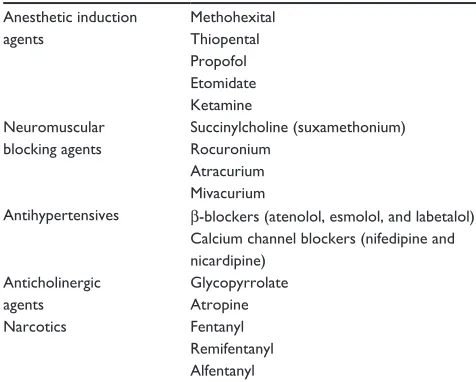
Table 1 lists common medications that patients may receive
during an ECT procedure. These include anesthetic induction
agents, anticholinergic agents, muscle relaxants,
antihyper-tensives, and narcotics.
Anesthetic agents and muscle relaxants are used to induce
a state of insensibility and to decrease the likelihood of bone
and soft tissue injury.
1Due to the brief nature of ECT, an ideal
anesthetic agent should rapidly induce hypnosis and allow for
rapid emergence from anesthesia without significantly
short-ening seizure activity or causing hemodynamic instability.
13,14Among the barbiturates, methohexital and thiopental, which
have minimal anticonvulsant properties compared with other
barbiturates, were considered as gold standard as ECT
anes-thetic induction agents, but due to recent worldwide shortages
of these agents, other drugs such as propofol, etomidate and
ketamine have become more widely used.
15–21The advantages of propofol over methohexital include
a quicker and smoother emergence from anesthesia and a
somewhat more favorable hemodynamic profile.
14–17Dis-advantages are its much greater anticonvulsant effect and
higher cost. Etomidate is an alternative particularly in patients
who have seizures of short duration or hard to elicit.
14,17,20Ketamine has shown to be slightly proconvulsant and has
intrinsic antidepressant properties. Disadvantages include
hypertension and occasional transient dissociative symptoms
on wake up.
17,19,21A recent systematic review concluded that
robust evidence to recommend a particular induction agent
for ECT is lacking and indicated that anesthetic agents should
Table 1 Medications during the ecT procedure
Anesthetic induction agents
Methohexital Thiopental Propofol etomidate Ketamine Neuromuscular
blocking agents
succinylcholine (suxamethonium) rocuronium
Atracurium Mivacurium
Antihypertensives β-blockers (atenolol, esmolol, and labetalol) calcium channel blockers (nifedipine and nicardipine)
Anticholinergic agents
Glycopyrrolate Atropine
Narcotics Fentanyl
remifentanyl Alfentanyl
Abbreviation: ecT, electroconvulsive therapy.
Neuropsychiatric Disease and Treatment downloaded from https://www.dovepress.com/ by 118.70.13.36 on 25-Aug-2020
Dovepress Medication management during ecT
be chosen on the basis of adverse effect profile, emergence,
and how these medications affect seizure duration.
18Opioids,
such as remifentanil and alfentanil, combined with anesthetic
agents have been used to increase the seizure duration by
an induction agent dose-sparing effect.
17,22–24Caffeine,
in the form of caffeine sodium benzoate intravenous injection
250–1,000 mg, and other methylxanthines have also been
administered prior to ECT to increase the seizure duration
but do not appear to reduce seizure threshold.
24However,
because the potential cardiac and other complications of
caf-feine use are known, this augmenting strategy is not generally
recommended, especially in the elderly.
24,25Muscle relaxation
during the application of the stimulus, as well as for the
duration of the motor portion of the seizure, prevents
mus-culoskeletal injury; this is especially important if the patient
has osteoporosis or a history of spinal injury.
1,6,7Because of
the short duration of ECT, succinylcholine (also known as
suxamethonium) is the drug of choice for neuromuscular
blockade.
1,17,26Succinylcholine is a depolarizing
neuromus-cular blocker with an ultrashort duration of action, slightly
less than that of the anesthetic agent. The duration of muscle
paralysis is, thus, very brief, and spontaneous respirations
return shortly after the seizure ends. In patients in whom its
use is contraindicated, rocuronium or other nondepolarizing
agents are alternatives.
1,26During ECT, significant changes in autonomic function
can occur. Initially a parasympathetic surge can result in
significant bradycardia, hypotension, and, in some cases,
brief asystole.
1,6Patients already on
β
-blockers may be at
risk of bradycardia if stimulation is given but a seizure is
not induced.
4,7To counteract the parasympathetic effect,
anticholinergic medications (eg, glycopyrrolate and
atro-pine) may be given, although this is not routinely required.
Glycopyrrolate is preferred over atropine since it does not
cross the blood–brain barrier, which reduces unwanted
cogni-tive effects after ECT.
6Following stimulus termination, the resulting seizure is
accompanied by a profound sympathetic surge, typically
associated with tachycardia and hypertension.
1,27Deleteri-ous sympathetic effects may be controlled with
β
-blockers
either pre- (atenolol) or intraprocedurally (labetalol and
esmolol).
13,17There is controversy, however, regarding
whether labetalol and esmolol reduce seizure duration.
28Sublingual nifedipine and intravenous nicardipine have been
used (although tachycardia can occur), as has diltiazem,
although it also may reduce seizure duration.
27Preopera-tive
α
-2 agonists, such as dexmedetomidine, also blunt the
hyperdynamic response as does glyceryl trinitrate, which
should be considered in patients at high risk of myocardial
ischemia.
17,27,28Interactions between regularly
prescribed medications and ECT
The majority of patients requiring ECT are likely to be
receiving concurrent regularly prescribed medications
for treating psychiatric, medical, and comorbid
condi-tions. Therefore, not surprisingly, drug interactions can
occur between psychotropic agents, drugs prescribed for
chronic medical conditions, anesthesia-inducing agents,
and other medications used for the ECT procedure itself.
These drug interactions can be classified into the following
categories: 1) interactions with medications used during
the ECT procedure, 2) interactions that affect the efficacy
of ECT (ie, suppressing seizure activity), and 3)
interac-tions that can increase the risks associated with ECT (eg,
increase risk of complications, such as prolonged seizures
and cardiotoxicity).
In general, medications that raise seizure threshold or
impede seizure propagation (interfere with induction or
spread of a robust seizure) should be avoided if possible,
or the dose decreased (eg, anticonvulsants and
benzodi-azepines). Cardiac medications, antihypertensives, and
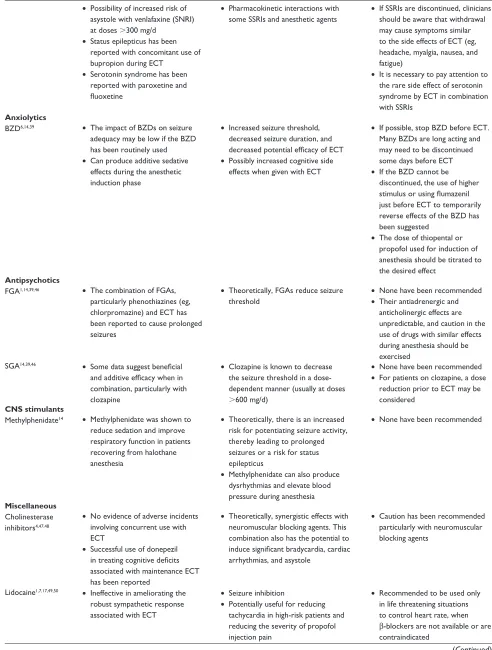
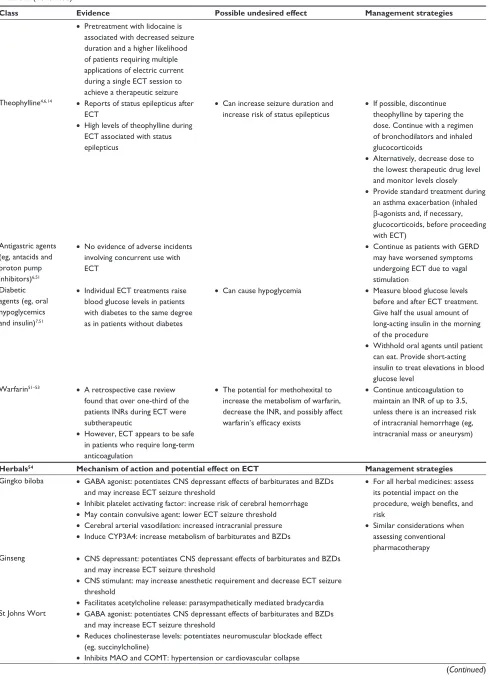
antigastric medications can typically be continued. Table 2
provides a summary of the most often reported drug
interac-tions based on the major classes of commonly used
medica-tions by patients undergoing ECT. For each specific drug
interaction, the possible undesired effect and how it can be
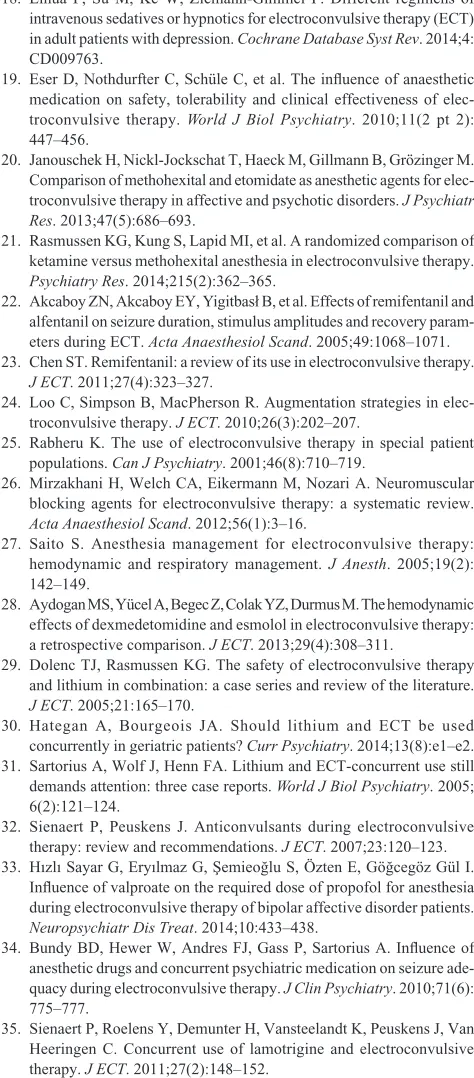
managed are also included for easy reference. There are no
studies exploring the effects of herbal medicines on ECT;
however, several direct and indirect mechanisms whereby
such use may impact the ECT procedure are also summarized
in Table 2.
Conclusion
Despite the vast potential for drug interactions in patients
receiving ECT, available evidence on those interactions
that are clinically significant is scarce, and it is almost
exclusively retrospective in nature, or derived from case
reports or case series. A summary of the existing evidence
as presented in this article can inform clinicians on the
potential and documented consequences of these
interac-tions, and assist them weighing the risks and benefits before
making decisions on the concurrent use of medications in
patients receiving ECT.
Neuropsychiatric Disease and Treatment downloaded from https://www.dovepress.com/ by 118.70.13.36 on 25-Aug-2020
Dovepress
Zolezzi
Table 2 Drug interactions reported in patients undergoing ecT
Class Evidence Possible undesired effect Management strategies
Anticonvulsants/mood stabilizers
Lithium6,29–31 • Combination has a significant risk of delirium, prolonged seizures, toxic lithium levels, and prolonged neuromuscular blockade
• combination not an absolute contraindication. in certain emergencies where the benefits clearly outweigh the risks, combined therapy could be considered
• case reports in elderly patients indicate that only 24 hours of holding lithium therapy might result in a lithium level sufficient to contribute to delirium after ecT
• Delirium, postictal confusion (the elderly may be at increased risk) • Prolonged seizure duration • increased lithium levels
• Prolonged action of neuromuscular blocking agents (eg, succinylcholine) • Potential serotonin syndrome
• Avoid combination if possible • if lithium cannot be discontinued,
give at a dose to maintain a blood level in the lowest therapeutic range and/or hold day before ecT • if patient is already taking lithium
without clear benefit, stop lithium before ecT. A washout period is unnecessary unless high blood level is present
• if lithium has provided clear benefit, lithium can be continued during index ecT, with close monitoring for unwanted adverse effects at the lowest possible therapeutic level
• Alternatively, substitute lithium for another mood stabilizer (eg, atypical antipsychotic) to provide protection against mania while ecT is being given for depression • Nondepolarizing neuromuscular
blockers should be administered in incremental and reduced doses and titrated to the degree of block required
vPA14,32–34 • Case reports of difficulty in eliciting seizures with patients on vPA
• Possible drug–drug interaction competing for protein binding, which can elevate vPA levels • Decrease in the propofol dose
required to induce anesthesia during ecT in the presence of vPA
• Seizure inhibition or difficulty in eliciting adequate seizures during ecT • Theoretically, the anticonvulsant
activity of vPA may interact with the efficacy of ECT
• Dose reduction or withholding doses (eg, the morning of, or the evening or morning prior to the ecT procedure)
• changing the anesthetic regimen (addition of remifentanyl to a lower dose of methohexital, or etomidate instead of methohexital), to produce adequate seizures cBZ14,32,33 • case reports show mixed results.
some indicate no negative effect of cBZ on ecT, and others report difficulty in eliciting seizures
• cBZ–ecT group compared to control group had a shorter duration of seizures and a higher stimulus dose when unilateral treatments were used • Development of moderately
severe postictal confusion has also been reported
• cBZ may prolong the action of succinylcholine (few clinical implications)
• Long-term cBZ demonstrated resistance to nondepolarizing neuromuscular blockers (except mivacurium)
• seizure inhibition
• Accelerated recovery and need for increased doses to achieve complete neuromuscular block (induce a mild upregulation of neuromuscular acetylcholine)
• Dose reduction or withholding doses (eg, the morning of, or the evening or morning prior to the ecT procedure)
• Neuromuscular blockade: if suxamethonium is contraindicated, mivacurium seems to be the preferred neuromuscular blocker in patients receiving cBZ therapy
(Continued)
Neuropsychiatric Disease and Treatment downloaded from https://www.dovepress.com/ by 118.70.13.36 on 25-Aug-2020
Dovepress Medication management during ecT
Table 2 (Continued)
Class Evidence Possible undesired effect Management strategies
LTG14,32,34,35 • case reports/series show minimal or no influence on seizures and/or seizure duration
• interaction with halothane; reducing effect of LTG on glutamate release, either at the receptor or via effects at the inactivated sodium channel • ecT attenuates the inhibitory
dose-dependent effects of LTG on synaptic transmission at a low frequency. Clinical significance remains unknown
• Theoretically, seizure inhibition • None have been recommended
Others: gabapentin14,32,34 and topiramate36
• No complications were found in two case reports using gabapentin • No interactions have as yet been reported between gabapentin or topiramate and the anesthetics used for ecT
• The use of topiramate for post-ecT headaches did not result in adverse ecT outcomes
• Theoretically, seizure inhibition • None have been recommended
Antidepressants
MAOi4,14,37–39 • No evidence of an interaction between ecT and MAOi use • A prospective study looked at
the risks associated with the combination of MAOis and ecT, no differences between the study and control groups were reported • Ketamine should be avoided as it
causes sympathetic stimulation. Propofol and etomidate can be used safely with MAOis
• Theoretically, risk of hypertensive crisis if combined with indirect acting sympathomimetics
• Usual recommendation for the combination of MAOi with other medications should be provided to avoid hypertensive crises • if the MAOi has not been
effective, a cautious approach when discontinuing the MAOi before ecT is recommended. There is no need for a washout period before starting ecT • if the medication has been helpful,
the MAOi can be continued. Alternatively, patients could be switched to a reversible MAOi (eg, moclobemide) as it carries a decreased risk
TcA4,6,14,39,40 • retrospective review of the literature found that the use of TcAs in combination with ecT was associated with better outcomes and shorter total seizure time than with ecT alone • No differences were found in
the measures of confusion and cardiac adverse effects, and there was even a trend toward fewer adverse effects in the groups receiving the ecT and TcA combination
• Theoretically, reduced seizure threshold and an increased risk of cardiotoxicity
• chronic therapy with TcAs depletes cardiac catecholamines, potentiating the cardiac depressant effects of anesthetic agents
• The TcA dose should be decreased if possible to minimize the likelihood of an exaggerated hypertensive response during ecT • Abrupt withdrawal of TcAs
should be avoided because of the risk of mainly cholinergic symptoms
• Best avoid TcA use in the elderly and in those with cardiac conditions
Others1,4,14,39–45 • Minimal effect on ecT-related seizure duration has been reported with ssris, sNris, or trazodone
• Theoretically, reduced seizure threshold with ssris and sNris • seizure length may increase when
ecT is administered during bupropion treatment
• some clinicians recommend bupropion discontinuation or dose reduction prior to ecT
(Continued)
Neuropsychiatric Disease and Treatment downloaded from https://www.dovepress.com/ by 118.70.13.36 on 25-Aug-2020
Dovepress
Zolezzi
Table 2 (Continued)
Class Evidence Possible undesired effect Management strategies
• Possibility of increased risk of asystole with venlafaxine (sNri) at doses .300 mg/d
• status epilepticus has been reported with concomitant use of bupropion during ecT
• serotonin syndrome has been reported with paroxetine and fluoxetine
• Pharmacokinetic interactions with some ssris and anesthetic agents
• if ssris are discontinued, clinicians should be aware that withdrawal may cause symptoms similar to the side effects of ecT (eg, headache, myalgia, nausea, and fatigue)
• it is necessary to pay attention to the rare side effect of serotonin syndrome by ecT in combination with ssris
Anxiolytics
BZD6,14,39 • The impact of BZDs on seizure adequacy may be low if the BZD has been routinely used • can produce additive sedative
effects during the anesthetic induction phase
• increased seizure threshold, decreased seizure duration, and decreased potential efficacy of ECT • Possibly increased cognitive side
effects when given with ecT
• if possible, stop BZD before ecT. Many BZDs are long acting and may need to be discontinued some days before ecT • if the BZD cannot be
discontinued, the use of higher stimulus or using flumazenil just before ecT to temporarily reverse effects of the BZD has been suggested
• The dose of thiopental or propofol used for induction of anesthesia should be titrated to the desired effect
Antipsychotics
FGA1,14,39,46 • The combination of FGAs, particularly phenothiazines (eg, chlorpromazine) and ecT has been reported to cause prolonged seizures
• Theoretically, FGAs reduce seizure threshold
• None have been recommended • Their antiadrenergic and
anticholinergic effects are unpredictable, and caution in the use of drugs with similar effects during anesthesia should be exercised
sGA14,39,46 • Some data suggest beneficial and additive efficacy when in combination, particularly with clozapine
• clozapine is known to decrease the seizure threshold in a dose-dependent manner (usually at doses .600 mg/d)
• None have been recommended • For patients on clozapine, a dose
reduction prior to ecT may be considered
CNS stimulants
Methylphenidate14 • Methylphenidate was shown to reduce sedation and improve respiratory function in patients recovering from halothane anesthesia
• Theoretically, there is an increased risk for potentiating seizure activity, thereby leading to prolonged seizures or a risk for status epilepticus
• Methylphenidate can also produce dysrhythmias and elevate blood pressure during anesthesia
• None have been recommended
Miscellaneous
cholinesterase inhibitors4,47,48
• No evidence of adverse incidents involving concurrent use with ecT
• successful use of donepezil in treating cognitive deficits associated with maintenance ecT has been reported
• Theoretically, synergistic effects with neuromuscular blocking agents. This combination also has the potential to induce significant bradycardia, cardiac arrhythmias, and asystole
• caution has been recommended particularly with neuromuscular blocking agents
Lidocaine1,7,17,49,50 • ineffective in ameliorating the robust sympathetic response associated with ecT
• seizure inhibition
• Potentially useful for reducing tachycardia in high-risk patients and reducing the severity of propofol injection pain
• recommended to be used only in life threatening situations to control heart rate, when β-blockers are not available or are contraindicated
(Continued)
Neuropsychiatric Disease and Treatment downloaded from https://www.dovepress.com/ by 118.70.13.36 on 25-Aug-2020
Dovepress Medication management during ecT
Table 2 (Continued)
Class Evidence Possible undesired effect Management strategies
• Pretreatment with lidocaine is associated with decreased seizure duration and a higher likelihood of patients requiring multiple applications of electric current during a single ecT session to achieve a therapeutic seizure Theophylline4,6,14 • reports of status epilepticus after
ecT
• High levels of theophylline during ecT associated with status epilepticus
• can increase seizure duration and increase risk of status epilepticus
• if possible, discontinue theophylline by tapering the dose. continue with a regimen of bronchodilators and inhaled glucocorticoids
• Alternatively, decrease dose to the lowest therapeutic drug level and monitor levels closely • Provide standard treatment during
an asthma exacerbation (inhaled β-agonists and, if necessary, glucocorticoids, before proceeding with ecT)
Antigastric agents (eg, antacids and proton pump inhibitors)6,51
• No evidence of adverse incidents involving concurrent use with ecT
• continue as patients with GerD may have worsened symptoms undergoing ecT due to vagal stimulation
Diabetic agents (eg, oral hypoglycemics and insulin)7,51
• individual ecT treatments raise blood glucose levels in patients with diabetes to the same degree as in patients without diabetes
• can cause hypoglycemia • Measure blood glucose levels before and after ecT treatment. Give half the usual amount of long-acting insulin in the morning of the procedure
• Withhold oral agents until patient can eat. Provide short-acting insulin to treat elevations in blood glucose level
Warfarin51–53 • A retrospective case review found that over one-third of the patients iNrs during ecT were subtherapeutic
• However, ecT appears to be safe in patients who require long-term anticoagulation
• The potential for methohexital to increase the metabolism of warfarin, decrease the iNr, and possibly affect warfarin’s efficacy exists
• continue anticoagulation to maintain an iNr of up to 3.5, unless there is an increased risk of intracranial hemorrhage (eg, intracranial mass or aneurysm)
Herbals54 Mechanism of action and potential effect on ECT Management strategies
Gingko biloba • GABA agonist: potentiates cNs depressant effects of barbiturates and BZDs and may increase ecT seizure threshold
• inhibit platelet activating factor: increase risk of cerebral hemorrhage • May contain convulsive agent: lower ecT seizure threshold • cerebral arterial vasodilation: increased intracranial pressure • induce cYP3A4: increase metabolism of barbiturates and BZDs
• For all herbal medicines: assess its potential impact on the procedure, weigh benefits, and risk
• similar considerations when assessing conventional pharmacotherapy Ginseng • cNs depressant: potentiates cNs depressant effects of barbiturates and BZDs
and may increase ecT seizure threshold
• cNs stimulant: may increase anesthetic requirement and decrease ecT seizure threshold
• Facilitates acetylcholine release: parasympathetically mediated bradycardia st Johns Wort • GABA agonist: potentiates cNs depressant effects of barbiturates and BZDs
and may increase ecT seizure threshold
• reduces cholinesterase levels: potentiates neuromuscular blockade effect (eg, succinylcholine)
• inhibits MAO and cOMT: hypertension or cardiovascular collapse
(Continued)
Neuropsychiatric Disease and Treatment downloaded from https://www.dovepress.com/ by 118.70.13.36 on 25-Aug-2020
Dovepress
Zolezzi
Table 2 (Continued)
Herbals54 Mechanism of action and potential effect on ECT Management
valerian • cNs depressant, GABA agonist, inhibits GABA uptake and metabolism: potentiates cNs effects of barbiturates and BZDs and may increase ecT seizure threshold Kava kava • cNs depressant, GABA agonist: potentiates cNs effects of barbiturates and
BZDs and may increase ecT seizure threshold
Abbreviations: BZD, benzodiazepine; CBZ, carbamazepine; ECT, electroconvulsive therapy; FGA, first-generation antipsychotics; LTG, lamotrigine; MAOI, monoamine oxidase inhibitor; sGA, second-generation antipsychotics; sNris, serotonin norepinephrine reuptake inhibitors; ssris, serotonin reuptake inhibitors; TcA, tricyclic antidepressant; VPA, valporic acid; CNS, Central Nervous System; GERD, Gastroesophageal Reflux Disease; INR, International Normalization Ratio; COMT, Catecholl-O-Amine Transferase; GABA, Gamma Amino-Butiric Acid.
Disclosure
The author reports no conflicts of interest in this work.
References
1. American Psychiatric Association. The Practice of Electroconvulsive Therapy: Recommendations for Treatment, Training, and Privileging. A Task Force Report of the American Psychiatric Association. 2nd ed. Washington, DC: American Psychiatric Publishing; 2001.
2. Guidelines for Health Authorities in British Columbia. Available from: http://www.health.gov.bc.ca/library/publications/year/2002/ MHA_ect_guidelines.pdf. Accessed January 24, 2016.
3. National Institute of Clinical Excellence (NICE). Guidance on the Use
of Electroconvulsive Therapy. NICE; 2003. Available from: https://
www.nice.org.uk/guidance/ta59. Accessed January 24, 2016. 4. Greenberg RM, Kellner CH. Electroconvulsive therapy: a selected
review. Am J Geriatr Psychiatry. 2005;13:268–281.
5. Sienaert P. What we have learned about electroconvulsive therapy and its relevance for the practising psychiatrist. Can J Psychiatry. 2011; 56(1):5–12.
6. Taylor S. Electroconvulsive therapy: a review of history, patient selection, technique and medication management. South Med J. 2007; 100(5):494–498.
7. Pandya M, Pozuelo L, Malone D. Electroconvulsive therapy: what the internist needs to know. Cleve Clin J Med. 2007;74(9):679–685. 8. Polyakova M, Schroeter ML, Elzinga BM, et al. Brain-derived
neu-rotrophic factor and antidepressive effect of electroconvulsive therapy: systematic review and meta-analyses of the preclinical and clinical literature. PLoS One. 2015;10(11):e0141564.
9. Rose D, Fleischmann P, Wykes T, Leese M, Bindman J. Patients’ per-spectives on electroconvulsive therapy: systematic review. BMJ. 2003; 326:1363.
10. Semkovska M, McLoughlin DM. Objective cognitive performance associated with electroconvulsive therapy for depression: a systematic review and meta-analysis. Biol Psychiatry. 2010;68:568.
11. Read J, Bentall R. The effectiveness of electroconvulsive therapy: a literature review. Epidemiol Psichiatr Soc. 2010;19(4):333–347. 12. Shah AJ, Wadoo O, Latoo J. Electroconvulsive therapy (ECT):
impor-tant parameters which influence its effectiveness. Br J Med Pract. 2013; 6(4):a634.
13. Ding Z, White PF. Anesthesia for electroconvulsive therapy. Anesth
Analg. 2002;94(5):1351–1364.
14. Naguib M, Koorn R. Interactions between psychotropics, anaesthetics and electroconvulsive therapy: implications for drug choice and patient management. CNS Drugs. 2002;16(4):229–247.
15. Galvez V, Hadzi-Pavlovic D, Smith D, Loo CK. Predictors of seizure threshold in right unilateral ultrabrief electroconvulsive therapy: role of concomitant medications and anaesthesia used. Brain Stimul. 2015;8(3):486–492.
16. Rasmussen KG. Propofol for ECT anesthesia a review of the literature.
J ECT. 2014;30(3):210–215.
17. Gordon K, Woloschuk DMM, Walus AN. Patients’ physical response to thiopental and alternative anesthetic agents in the setting of electro-convulsive therapy. Can J Hosp Pharm. 2014;67(6):447–452.
18. Lihua P, Su M, Ke W, Ziemann-Gimmel P. Different regimens of intravenous sedatives or hypnotics for electroconvulsive therapy (ECT) in adult patients with depression. Cochrane Database Syst Rev. 2014;4: CD009763.
19. Eser D, Nothdurfter C, Schüle C, et al. The influence of anaesthetic medication on safety, tolerability and clinical effectiveness of elec-troconvulsive therapy. World J Biol Psychiatry. 2010;11(2 pt 2): 447–456.
20. Janouschek H, Nickl-Jockschat T, Haeck M, Gillmann B, Grözinger M. Comparison of methohexital and etomidate as anesthetic agents for elec-troconvulsive therapy in affective and psychotic disorders. J Psychiatr
Res. 2013;47(5):686–693.
21. Rasmussen KG, Kung S, Lapid MI, et al. A randomized comparison of ketamine versus methohexital anesthesia in electroconvulsive therapy.
Psychiatry Res. 2014;215(2):362–365.
22. Akcaboy ZN, Akcaboy EY, Yigitbasł B, et al. Effects of remifentanil and alfentanil on seizure duration, stimulus amplitudes and recovery param-eters during ECT. Acta Anaesthesiol Scand. 2005;49:1068–1071. 23. Chen ST. Remifentanil: a review of its use in electroconvulsive therapy.
J ECT. 2011;27(4):323–327.
24. Loo C, Simpson B, MacPherson R. Augmentation strategies in elec-troconvulsive therapy. J ECT. 2010;26(3):202–207.
25. Rabheru K. The use of electroconvulsive therapy in special patient populations. Can J Psychiatry. 2001;46(8):710–719.
26. Mirzakhani H, Welch CA, Eikermann M, Nozari A. Neuromuscular blocking agents for electroconvulsive therapy: a systematic review.
Acta Anaesthesiol Scand. 2012;56(1):3–16.
27. Saito S. Anesthesia management for electroconvulsive therapy: hemodynamic and respiratory management. J Anesth. 2005;19(2): 142–149.
28. Aydogan MS, Yücel A, Begec Z, Colak YZ, Durmus M. The hemodynamic effects of dexmedetomidine and esmolol in electroconvulsive therapy: a retrospective comparison. J ECT. 2013;29(4):308–311.
29. Dolenc TJ, Rasmussen KG. The safety of electroconvulsive therapy and lithium in combination: a case series and review of the literature.
J ECT. 2005;21:165–170.
30. Hategan A, Bourgeois JA. Should lithium and ECT be used concurrently in geriatric patients? Curr Psychiatry. 2014;13(8):e1–e2. 31. Sartorius A, Wolf J, Henn FA. Lithium and ECT-concurrent use still
demands attention: three case reports. World J Biol Psychiatry. 2005; 6(2):121–124.
32. Sienaert P, Peuskens J. Anticonvulsants during electroconvulsive therapy: review and recommendations. J ECT. 2007;23:120–123. 33. Hızlı Sayar G, Eryılmaz G, Şemieoğlu S, Özten E, Göğcegöz Gül I.
Influence of valproate on the required dose of propofol for anesthesia during electroconvulsive therapy of bipolar affective disorder patients.
Neuropsychiatr Dis Treat. 2014;10:433–438.
34. Bundy BD, Hewer W, Andres FJ, Gass P, Sartorius A. Influence of anesthetic drugs and concurrent psychiatric medication on seizure ade-quacy during electroconvulsive therapy. J Clin Psychiatry. 2010;71(6): 775–777.
35. Sienaert P, Roelens Y, Demunter H, Vansteelandt K, Peuskens J, Van Heeringen C. Concurrent use of lamotrigine and electroconvulsive therapy. J ECT. 2011;27(2):148–152.
Neuropsychiatric Disease and Treatment downloaded from https://www.dovepress.com/ by 118.70.13.36 on 25-Aug-2020
Neuropsychiatric Disease and Treatment
Publish your work in this journal
Submit your manuscript here: http://www.dovepress.com/neuropsychiatric-disease-and-treatment-journal
Neuropsychiatric Disease and Treatment is an international, peer-reviewed journal of clinical therapeutics and pharmacology focusing on concise rapid reporting of clinical or pre-clinical studies on a range of neuropsychiatric and neurological disorders. This journal is indexed on PubMed Central, the ‘PsycINFO’ database and CAS,
and is the official journal of The International Neuropsychiatric Association (INA). The manuscript management system is completely online and includes a very quick and fair peer-review system, which is all easy to use. Visit http://www.dovepress.com/testimonials.php to read real quotes from published authors.
Dovepress
Dove
press
Medication management during ecT
36. Ye L, Karlapati SK, Lippmann S. Topiramate for post-electroconvulsive therapy headaches. J ECT. 2013;29(3):e49.
37. Dolenc TJ, Habl SS, Barnes RD, Rasmussen KG. Electroconvulsive therapy in patients taking monoamine oxidase inhibitors. J ECT. 2004; 20:258–261.
38. Attri JP, Bala N, Chatrath V. Psychiatric patient and anaesthesia. Indian
J Anaesth. 2012;56(1):8–13.
39. Peck T, Wong A, Norman E. Anaesthetic implications of psychoactive drugs. Contin Educ Anaesth Crit Care Pain. 2010;10(6):177–181. 40. Dursun SM, Patel JK, Drybala T, Shinkwin R, Drybala G, Reveley MA.
Effects of antidepressant treatments on first-ECT seizure duration in depression. Prog Neuropsychopharmacol Biol Psychiatry. 2001;25(2): 437–443.
41. Bernardo M, Navarro V, Salvà J, Arrufat FJ, Baeza I. Seizure activity and safety in combined treatment with venlafaxine and ECT: a pilot study. J ECT. 2000;16(1):38–42.
42. Masdrakis VG, Oulis P, Florakis A, Valamoutopoulos T, Markatou M, Papadimitriou GN. The safety of the electroconvulsive therapy- escitalopram combination. J ECT. 2008;24(4):289–291.
43. Dersch R, Zwernemann S, Voderholzer U. Partial status epilepticus after electroconvulsive therapy and medical treatment with bupropion.
Pharmacopsychiatry. 2011;44(7):344–346.
44. Okamoto N, Sakamoto K, Yamada N. Transient serotonin syndrome by concurrent use of electroconvulsive therapy and selective serotonin reuptake inhibitor: a case report and review of the literature. Case Rep
Psychiatry. 2012;2012:215214.
45. Klysner R, Bendsen BB, Hansen MS. Transient serotonin toxicity evoked by combination of electroconvulsive therapy and fluoxetine.
Case Rep Psychiatry. 2014;2014:162502.
46. Nothdurfter C, Eser D, Schüle C, et al. The influence of concomitant neuroleptic medication on safety, tolerability and clinical effective-ness of electroconvulsive therapy. World J Biol Psychiatry. 2006;7(3): 162–170.
47. Boman B. Concurrent use of ECT and cholinesterase inhibitor medica-tions. Aust N Z J Psychiatry. 2002;36(6):816.
48. Rao NP, Palaniyappan P, Chandur J, Venkatasubramanian G, Gangadhar BN. Successful use of donepezil in treatment of cognitive impairment caused by maintenance electroconvulsive therapy: a case report. J ECT. 2009;25(3):216–218.
49. Zahoor MU, Masroor R, Ali MW. Use of lignocaine or nitroglycerine for blunting of hemodynamic stress response during electroconvulsive therapy. Egypt J Anaesth. 2014;30(1):27–30.
50. Wajima Z, Yoshikawa T, Ogura A, Shiga T, Inoue T, Ogawa R. The effects of intravenous lignocaine on haemodynamics and seizure duration during electroconvulsive therapy. Anaesth Intensive Care. 2002;30(6): 742–746.
51. Tess A, Smetana GW. Medical consultation for electroconvulsive therapy. In: Auerbach AD, Park L, editors. UpToDate. Waltham, MA: UpToDate; 2015. Accessed December 15, 2015.
52. Mehta V, Mueller P, Gonzlez-Arriaza H, Pankratz S, Rummans T. Safety of Electroconvulsive therapy in patients receiving long-term warfarin therapy. Mayo Clin Proc. 2004;79(11):1396–1401. 53. Bleich S, Degner D, Scheschonka A. Electroconvulsive therapy and
anticoagulation. Can J Psychiatry. 2000;45:87.
54. Patra KK, Coffey CE. Implications of herbal alternative medicine for electroconvulsive therapy. J ECT. 2004;20:186–194.
Neuropsychiatric Disease and Treatment downloaded from https://www.dovepress.com/ by 118.70.13.36 on 25-Aug-2020