Abstract
CHANG, ALAN AN-LEI. Study of Particle Formation Using Supercritical CO2 as an
Antisolvent. (Under the direction of Dr. Ruben G. Carbonell.)
Particle design using supercritical CO2 has been of great interest in the
pharmaceutical, microelectronic, catalytic, and related industries over the past 10 years. There have been numerous papers and patents published on the processes studied in this work. The solubility of most drug compounds in carbon dioxide is very low, making it a very attractive antisolvent for particle formation at suitable ranges of temperatures and pressures. This dissertation explores the use of different CO2 antisolvent precipitation
system designs for the formulation of small crystalline drug particles of a given size, morphology, and uniformity, using the precipitation of acetaminophen from ethanol as an example.
In order to understand the precipitation process, the equilibrium concentration of acetaminophen in CO2 and CO2 plus ethanol were measured at a range of temperatures and
pressures in a high-pressure extraction system. This information is important in understanding the supersaturation of the drug at various precipitation conditions.
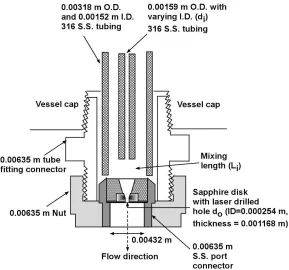
Several antisolvent processes were tested in order to determine their effectiveness in controlling the precipitation of acetaminophen from ethanol. The first system involved the use of solution enhanced dispersion by supercritical fluid (SEDS) patented by Hanna and York (WO9501221, 1994). This process uses a coaxial nozzle design where the solvent with the solute of interest is injected in the inner tube and the supercritical CO2 is injected in the
outer tube. The two streams mix at nearly constant pressure and temperature in a small volume region of the nozzle before exiting through the nozzle tip into a chamber maintained at a fixed temperature and pressure. The fast mixing process rapidly expands the solvent with CO2 in order to induce phase split of the solid drug particles. The chamber pressure is
maintained constant and nearly equal to the pressure in the nozzle.
the nozzle and vessel dimensions on system performance had not been studied previously. In addition, little work has been published on the effects of variables such as liquid solvent and CO2 flow rates, solute concentration, temperature, and pressure on particle size and
morphology.
A design of experiments (DOE) analysis was used to identify the more important process parameters that control particle size and morphology at the early stages of experimentation. With DOE, a 512 full factorial run was reduced to 32 runs by confounding primary variables with higher order interactions (Example: concentration + solution flow rate). The results of these experiments indicated that the most important factors in determining particle size and morphology are the concentration of acetaminophen in the solvent, the nozzle geometry (length of the mixing zone), and solution flow rate. These parameters were singled out for more detailed experiments aimed at determining the influence of these variables on particle size and morphology. A key feature of the experiments described in this dissertation is the use of online monitoring of the acetaminophen concentration at the exit to the capture vessel in order to determine how the supersaturation of the solute varied with time during the process. In this way, it was possible to determine the nozzle effectiveness in particle precipitation. In addition, the experiment performed in this dissertation recognized that the SEDS process is in essence a batch process and the effect of transients in co-solvent concentrations in the particle capture vessel on particle size and morphology were studied.
In addition to SEDS, the precipitation of acetaminophen from ethanol was carried out using a precipitation with compressed antisolvent (PCA) process, which is very similar to SEDS without the coaxial configuration. This system is simple to install and has been widely studied. The parameters that were important from the SEDS experiments were studied in the PCA to characterize their effects on particle size and morphology for this system. These results were compared to those obtained using the SEDS process. Both SEDS and PCA yielded equal particle size and morphology if designed properly. The major feature of this work was the emphasis on the design of an effective nozzle for the PCA application. Similar to the SEDS results, a good mixing volume along with adequate residence time for micromixing is the best nozzle design.
Biography
Alan Chang was born in Taipei, Taiwan in 1978. At the age of 3, he moved to the United States and lived there until the age of 8. Alan relocated again back to Taipei, Taiwan where he lived and studied Chinese until the age of 11. Alan and his family moved back to the United States and lived in Virginia Beach, VA for the next 17 years.
For his undergraduate study, he studied at the University of Virginia in Charlottesville, VA in the Chemical Engineering program. Between 1997 to 2000, Alan worked under the direction of Dr. Erik Fernandez to study the effects of column packing, pore sizes, and denaturation from salts of the Hofmeister series on Bovine Pancreatic Trypsin Inhibitor’s retention times in reverse phase chromatography.
In the fall of 2000, Alan entered the Ph.D. Chemical Engineering program at North Carolina State University in Raleigh, NC. Under the direction of Ruben G. Carbonell, his dissertation is in the area of process design for improving acetaminophen particle formulation using supercritical CO2 as an antisolvent.
Acknowledgements
I would like to thank my advisor, Dr. Ruben G. Carbonell, for his direction and advice on the project. I would also like to thank the National Science Foundation for funding my project for 6 years.
Thank you goes to all the friends that I met during my stay in Raleigh. It has been a crazy ride and I’ll forever remember the good times we had. I would like to especially thank Domenico Larobina for all his help with the project and also for those coffee breaks when we hit some road blocks in the research.
I cannot thank my mom and my grandmother enough. Without their help and guidance, I would not be where I am today. To my sister, thank you for your support and words of encouragement over the years. We have been through hard times, but I am glad that you were there with me during that period.
Table of Contents
List of Tables ... viii
List of Figures ... x
Chapter 1: Introduction ...1
1.1 Motivation...1
1.2 Benefits of carbon dioxide as an antisolvent ...2
1.3 Carbon dioxide antisolvent particle formation methods ...4
1.3.1 Rapid expansion of supercritical solutions (RESS) ...4
1.3.2 Particles from gas saturated solutions (PGSS)...5
1.3.3 Gas antisolvent (GAS) ...6
1.3.4 Supercritical antisolvent process (SAS)...8
1.3.5 Solution enhanced dispersion by supercritical fluids (SEDS) ...9
1.4 Aim and outline of the dissertation...11
1.4.1 Outline of the dissertation...11
1.5 References...13
Chapter 2: Thermodynamic and Crystallization Considerations ...21
2.1 Introduction...21
2.2 Thermodynamic concepts ...21
2.2.1 Carbon dioxide as an antisolvent ...21
2.2.2 Two component vapor-liquid for CO2 + ethanol ...22
2.2.3 Three component phase equilibrium...23
2.3 Crystallization mechanisms ...25
2.3.1 Nucleation kinetics...25
2.3.2 Primary homogeneous nucleation...26
2.3.3 Primary heterogeneous nucleation...28
2.3.4 Secondary nucleation ...29
2.3.5 Crystal growth...29
2.3.6 Crystal morphology ...32
2.4 References...34
Chapter 3: Study of the Solubility of Acetaminophen in High Pressure CO2 By Using Static Extraction Method ...36
3.1 Introduction...36
3.2 Equation of state for modeling equilibrium solubility...37
3.3 Experimental and analytical section ...42
3.3.1 Materials ...42
3.3.2 UV absorbance calibration curve...42
3.3.3 Static extraction process equipment...43
3.4 Results and discussion ...47
3.4.1 Initial system test ...47
3.4.2 Solubility of acetaminophen in pure CO2...49
3.4.4 Experimental precision and accuracy ...53
3.4.5 Peng Robinson EOS modeling and parameters ...54
3.5 Conclusion ...58
3.6 References...60
Chapter 4: Design of Experiments Applied to Screening Operating Variables for Solution Enhanced Dispersion by Supercritical Fluids (SEDS) ...62
4.1 Introduction...62
4.1.1 Design of experiments (DOE) ...63
4.2 Experimental and analytical section ...64
4.2.1 Materials ...64
4.2.2 SEDS System Design...64
4.2.3 Particle analysis ...66
4.2.4 Experimental design...68
4.3 Results and discussion ...71
4.3.1 Accuracy of the image tools analysis...71
4.3.2 Results from the DOE analysis ...71
4.4 Conclusion ...82
4.5 References...83
Chapter 5: Influence of the Operational Conditions on Particle Size and Morphology in a Conventional SEDS Process ...85
5.1 Introduction...85
5.2 Theoretical section ...87
5.3 Experimental and analytical section ...90
5.3.1 Materials ...90
5.3.2 Static extraction process ...90
5.3.3 SEDS particle design process and particle characterization ...90
5.3.4 Step tracer experiment ...94
5.3.5 Yield and loss of acetaminophen particles...94
5.4 Results and discussion ...95
5.4.1 Equilibrium concentration ...95
5.4.2 Step response to a tracer ...96
5.4.3 Effect of run time and initial conditions ...98
5.4.5 Effect of concentration...104
5.4.6 Effect of solution flow rate ...106
5.4.7 Effect of mixing length (Li) ...108
5.5 Conclusion ...113
5.6 References...115
Chapter 6: Introduction of PCA Process as a Comparison to a SEDS Process for Control of Microparticle Size and Morphology...118
6.1 Introduction...118
6.2 Experimental and analytical section ...119
6.2.1 Materials ...119
6.2.3 SEDS particle design process and particle characterization ...122
6.2.4 Yield and loss of acetaminophen particles...122
6.2.5 Surface coating to reduce powder adhesion...123
6.3 Results and discussion ...124
6.3.1 PCA particle design process ...124
6.3.2 PCA comparison to SEDS ...127
6.4 Conclusion ...129
6.5 References...130
Chapter 7: General Conclusion and Future Recommendations ...132
Appendix A: Peng-Robinson Matlab Code ...136
A.1 Binary vapor-liquid code for finding molar volume of the system...136
A.2 Binary vapor-solid or ternary vapor-liquid-solid code to find acetaminophen solubility ...138
Appendix B: Matlab Code for Calculating Acetaminophen Concentration and Particle Size...140
Appendix C: Chapter 4 Raw Data For The Design of Experiments...145
Appendix D: Exploring PCA Process Variables To Control Particle Size and Morphology...149
D.1 Introduction...149
D.2 Experimental and analytical section ...149
D.2.1 Materials...149
D.2.2 PCA particle design process and particle characterization ...150
D.2.3 Yield and loss of acetaminophen particles...151
D.2.4 Different surface coating materials ...151
D.3 Results and discussion ...153
D.3.1 Effect of different surface coating materials...153
D.3.2 Effect of different mixing nozzles ...155
D.3.3 Effect of collection vessel volume ...159
D.3.4 Effect of solution flow rate ...161
D.4 Conclusion ...162
D.5 References ...163
Appendix E: Using Supercritical CO2 Antisolvent Process to Rapidly Manipulate the Crystallinity of a Drug Compound ...164
E.1 Introduction ...164
E.2 Experimental and analytical section...168
E.2.1 Materials ...168
E.2.2 Precipitation process...168
E.2.3 Solubility of rapamycin in solvent modified CO2...169
E.2.4 Particle size and morphology analysis ...170
E.3 Results and discussion...171
E.3.1 Solubility studies ...171
E.3.2 Recrystallization of rapamycin with SEDS ...172
E.4 Conclusion...176
E.5 References ...177
Appendix F: Study of the Incorporation of Protein into Polymers Using Combination of Rapid Expansion of Supercritical Solutions and Solution Enhanced Dispersion by Supercritical Fluids ...179
F.1 Introduction...179
F.1.1 Types of morphology...180
F.2 Experimental and analytical section ...180
F.2.1 Materials ...180
F.2.2 Phase behavior studies...181
F.2.3 Encapsulation set-up...182
F.2.4 Analysis to observe encapsulation...183
F.2.5 Protein loading analysis ...184
F.3 Results and discussion ...185
F.3.1 Visual phase study ...185
F.3.2 Precipitation results ...185
F.4 Conclusion ...191
List of Tables
Table 1.1: Critical parameters for some common inorganics used for supercritical
technology...2
Table 3.1: Physical constants used in PREOS to model phase behavior... 54
Table 3.2: Best-fit values for the adjustable parameters used for the Peng Robinson equation of state ...56
Table 4.1: Factors and levels for DOE... 68
Table 4.2: DOE design template including fold over augmented runs... 69
Table 4.3: Aliases for 16 run DOE ... 72
Table 4.4: 32 DOE augmented run aliases... 72
Table 4.5: Analysis of Variance (ANOVA) table for different responses... 76
Table 4.6: Estimate of the direction and degree the factors have on the response ... 78
Table 5.1: Conditions for testing the effects of pre-equilibration and run time ... 98
Table 5.2: Percent loss and yield of acetaminophen for the start-up experiments ... 101
Table 5.3: Parameters used for the crystallization model ... 103
Table 5.4: Loss and yield of acetaminophen for effect of concentration experiments ... 106
Table 5.5: Loss and yield of acetaminophen concentration experiments ... 107
Table 5.6: Conditions for effect of Li on acetaminophen particle size ... 108
Table 5.7: Loss and yield of acetaminophen for effect of Li experiments... 110
Table 5.8: Loss and yield of acetaminophen for the effect of start-up experiment with Li = 7.5 mm ...112
Table 5.9: Loss and yield of acetaminophen during the experiment with and without a 2.54x10⁻⁴ m nozzle constriction with Li = 7.5 mm...113
Table 6.1: Conditions used for PCA experiments ... 124
Table 6.2: Yield and losses of acetaminophen for PCA particle design experiments ... 125
Table 6.3: Yield and losses of acetaminophen for the effect of different RT tube length... 127
Table 6.4: Yield and losses of acetaminophen for SEDS and PCA... 128
Table D.1: Run conditions for the tubing coating experiments of the PCA process ... 153
Table D.2: Percent loss and yield of acetaminophen for different surface coating materials ...154
Table D.3: Experimental conditions for the test of different nozzle designs... 157
Table D.4: Yield and loss of acetaminophen for PCA nozzle design experiments ... 158
Table D.5: Experimental conditions for PCA collection vessel size test ... 159
Table D.6: Yield and losses of acetaminophen for vessel volume experiments... 161
Table D.7: Conditions used for effect of solution flow rates in PCA process... 161
Table E.1: Solvents and conditions used for rapamycin phase studies... 171
Table E.2: Average particle size and morphology of SEDS treated rapamycin using 10 cm3 to 9 cm3 THF + hexane solvent mixture at 298 K and 8.27 MPa ...176
Table F.1: Conditions for lysozyme encapsulation experiments ... 186
Table F.2: Particle morphology due to collection chamber conditions ... 186
List of Figures
Figure 1.1: T-P phase diagram for pure CO2 [12]...3
Figure 1.2: RESS system design... 4
Figure 1.3: PGSS system design... 5
Figure 1.4: Sievers et al. [39] design for the production of proteins with PGSS without use of organic solvents...6
Figure 1.5: GAS system design ... 7
Figure 1.6: SAS system design ... 8
Figure 1.7: SEDS coaxial tubing design used for the present study... 10
Figure 2.1: CO2 + ethanol binary phase diagram for T < Tc,CO2 [4] and T > Tc,CO2 [3] ... 23
Figure 2.2: CO2 + solvent + solid ternary phase diagram above the critical pressure [2] ... 24
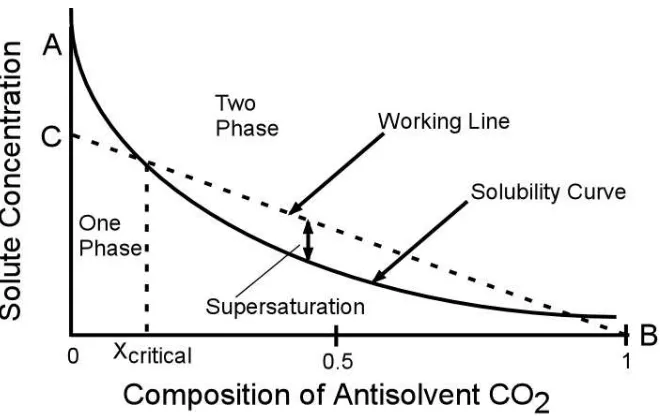
Figure 2.3: Typical solubility diagram for a CO2 antisolvent process... 25
Figure 2.4: Dependence of nuclear size on Gibbs free energy for different saturation ratios [7] ...27
Figure 2.5: Example of kink and step sites on crystal surface... 30
Figure 2.6: Crystal surface with distance h from the center to the surface edge and the respective surface energy
γ
[7]...32Figure 2.7: An example of a 3-D crystal with three types of faces: Flat (F), step (S), and kink (K) [7] ...33
Figure 3.1: Design differences between dynamic and static extraction methods ... 36
Figure 3.2: Chemical structure of acetaminophen ... 42
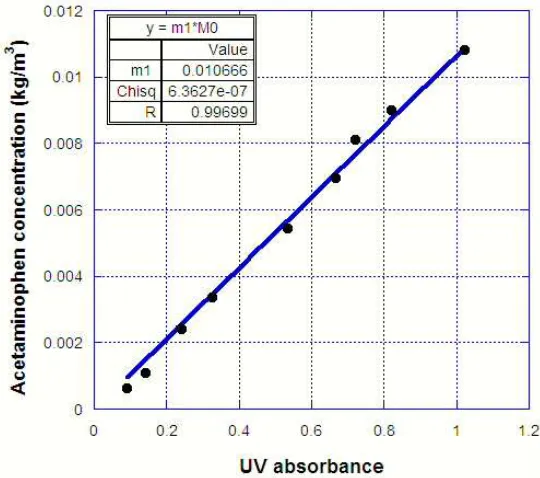
Figure 3.3: UV calibration curve for acetaminophen concentration in ethanol... 43
Figure 3.4: Static extraction experiment system... 44
Figure 3.5: High-pressure UV cell design ... 45
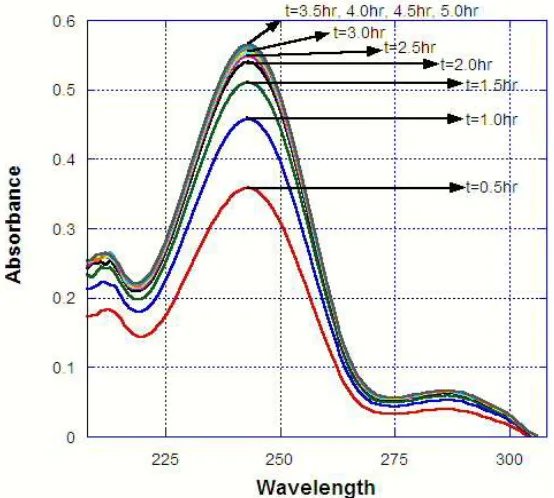
Figure 3.6: Example of change in online absorbance during a typical extraction experiment...46
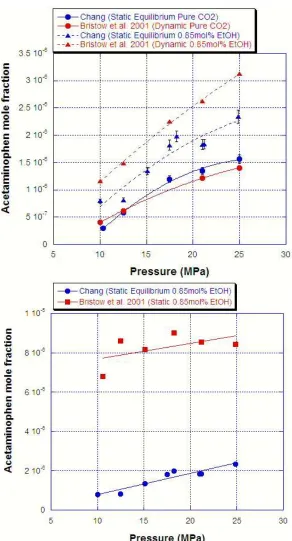
Figure 3.7: Comparison of current and literature experiments for acetaminophen in pure and 0.85 mol% ethanol modified CO2 at 313 K for dynamic and static extraction systems ...48
Figure 3.8: Comparison of the solubility of acetaminophen in pure CO2 as a function of pressure for different temperatures. ...50
Figure 3.9: Solubility isotherms for acetaminophen as a function of solvent density in pure CO2...51
Figure 3.10: Acetaminophen solubility as a function of pressure and ethanol mole fraction at T = 323 K...52
Figure 3.11: Solubility of acetaminophen at 323 K and 27.6 MPa as a function of different ethanol mole fractions ...53
Figure 3.12: Comparison of literature and PREOS calculated binary CO2 + ethanol phase diagram [16]...54
Figure 3.14: Experimental and PREOS calculated acetaminophen solubility in CO2 +
ethanol at T = 323 K and different pressures and ethanol mole fractions ...57
Figure 3.15: Acetaminophen solubility in ethanol modified CO2 at 27.6 MPa and 323 K with PREOS calculated results. ...58
Figure 4.1: Definition of mixing length, Li, for the SEDS process ... 63
Figure 4.2: Schematic of the SEDS apparatus ... 65
Figure 4.3: SEDS nozzle configuration ... 66
Figure 4.4: Particle size definition based on the Image Tool Program... 67
Figure 4.5: Experimental conditions of the DOE experiments relative to the location in the phase diagram, where x1 and y1 are the CO2 mole fractions in the liquid and vapor phases respectively...70
Figure 4.6: SEM image of 3µm polystyrene spheres... 71
Figure 4.7: SEM image of untreated acetaminophen particles ... 73
Figure 4.8: Actual by predicted plots for different responses... 75
Figure 4.9: Major axis, minor axis, elongation, and roundness as a function of supersaturation and Reynolds Number. ...81
Figure 5.1: SEM pictures of screw dislocation growth of acetaminophen ... 89
Figure 5.2: Static extraction set-up ... 90
Figure 5.3: SEDS system and coaxial nozzle configuration... 91
Figure 5.4: High-pressure UV cell design ... 93
Figure 5.5: Experimental acetaminophen solubility data at 323 K, 27.58 MPa, and ethanol mole fraction 0-0.01 used for obtaining best-fit parameters for the particle size model ...95
Figure 5.6: Change in ethyl-lactate mole fraction with respect to time for different CO2 flow rates...96
Figure 5.7: Change in ethyl-lactate mole fraction dilution with respect to time for different CO2 flow rates ...97
Figure 5.8: Particle sizes, concentration profile, and SEM as a function of time and different start-up conditions...99
Figure 5.9: Experiment and model fit for solubility of acetaminophen at 323 K and 27.58 MPa as a function of different ethanol mole fractions within the operating range...102
Figure 5.10: Experimental and simulated PSD and concentration profile of acetaminophen as a function of time ...103
Figure 5.11: Concentration profile plot, surface weighted average lengths, and SEM images of particle size and morphology for different acetaminophen concentrations ...105
Figure 5.12: Acetaminophen concentration profile plot and SEM image for different ethanol flow rates ...107
Figure 5.13: Acetaminophen concentration profile, surface weighted average of particle size with respect to Li, and SEM images of particle size and morphology for different Li...109
Figure 5.15: Acetaminophen concentration profile plot and SEM image for the effect of
no nozzle constriction and with nozzle constriction at Li = 7.5 mm ...112
Figure 6.1: PCA system set up... 120
Figure 6.2: New low volume tee nozzle for PCA process ... 121
Figure 6.3: Chemical structure for silane coupling agent ... 123
Figure 6.4: Acetaminophen concentration profile, particle size, and morphology as a function of run time for a PCA process with improved nozzle design...124
Figure 6.5: Acetaminophen concentration profile and particle size and morphology as a function of RT tube length for the PCA process...126
Figure 6.6: Acetaminophen concentration profile, particle size, and morphology for optimized SEDS and PCA ...128
Figure C.1: Major axis DOE analysis ... 145
Figure C.2: Minor axis DOE analysis... 146
Figure C.3: Elongation DOE analysis... 147
Figure C.4: Roundness DOE analysis... 148
Figure D.1: PCA system set-up ... 150
Figure D.2: Chemical formula of silane coupling agent... 152
Figure D.3: Low volume cross with 2.54x10⁻⁴ m I.D. for the PCA process... 153
Figure D.4: Acetaminophen concentration profile, SEM images, and particle size for different tube coatings for the PCA process ...155
Figure D.5: Different PCA nozzle designs ... 156
Figure D.6: Acetaminophen concentration profile, particle size, and SEM images as a function of different nozzle geometries for the PCA process...157
Figure D.7: Acetaminophen particle morphologies for PCA runs at different vessel volumes (3x10⁻⁶ m3 and 2.5x10⁻⁵ m3) and residence time tube length = 0.3429 m ...160
Figure D.8: Acetaminophen SEM images, particle size, and morphology analysis for different solution flow rates for the PCA process...161
Figure E.1: Examples of different polymorphs... 165
Figure E.2: Transition energy diagram between different states of solids [14]... 166
Figure E.3: Chemical structure of rapamycin ... 167
Figure E.4: SEDS system and coaxial nozzle configuration for rapamycin recrystallization experiments ...168
Figure E.5: Phase studies of rapamycin, CO2, and different organic solvents mixtures at room temperature and different pressures...172
Figure E.6: XRD data for original crystalline rapamycin vs. amorphous rapamycin made from THF solvent evaporation and RESS process ...173
Figure E.8: Comparison of the XRD of original rapamycin and SEDS treated rapamycin using 10 cm3 to 9 cm3 THF + hexane solvent mixture at 298 K and 8.27
MPa ...175
Figure E.9: SEM and optical microscope images of the original and SEDS treated rapamycin using 10 cm3 to 9 cm3THF + hexane solvent mixture at 298 K and 8.27 MPa ...175
Figure F.1: PBMA-b-PFOMA chemical formula... 180
Figure F.2: Examples of microsphere (left) and microcapsule (right)... 180
Figure F.3: Phase Equilibrium Apparatus (PEA) system ... 181
Figure F.4: SEDS + RESS set-up ... 182
Figure F.5: Lysozyme concentration calibration in water without buffer at 280nm ... 184
Figure F.6: SEM images for all lysozyme encapsulation runs ... 187
Figure F.7: Trypan blue stained lysozyme in PBMA-b-PFOMA under optical microscope ...189
Chapter 1: Introduction
1.1 Motivation
Particle formation technologies are important in the pharmaceutical industries, and in the production of photographic materials, ceramics, explosives, and dyes. The focus in drug formulation is to develop techniques that give more consistent and controlled particle size, morphology, and uniformity.
In current drug delivery technology, very small drug particles are of interest since they can travel faster to the target organ and distribute more evenly in the body. Furthermore, a patient’s drug dosage can be controlled by coating the drug with biodegradable polymer to allow for controlled release over a period of time [1, 2]. Controlling the size scale of drugs is crucial depending on the type of delivery routes. The particles should be around 0.1-0.3 µm for intravenous delivery, 1-5 µm for inhalation delivery, and 0.1-100 µm for oral delivery [3, 4].
Conventional methods for manipulating pharmaceutical particles include jet milling, spray drying, and emulsion techniques [5]. Jet milling uses particle-to-particle impact forces to break up the products into smaller pieces [6]. However, the jet milling process generally does not produce a uniform particle size distribution and running the process consumes a lot of energy [5]. Freeze drying results in particles of broad size ranges and usually require subsequent milling and sieving [7]. Spray drying usually gives particles of controllable size, but the extreme temperatures used during the operation can denature biological materials [7, 8].
Conventional drug particle precipitation uses organic solvents as antisolvents for precipitation or as emulsifiers for emulsion process [9]. Traces of residual organic solvents, such as methylene chloride, that may still be in the drug particles have motivated researchers to find alternative methods for particle formation. Organic solvent use should be limited for pharmaceutical manufacturing operations, based on United States Pharmacopeia (USP) standards [10, 11]. An alternative to reduce this problem is to use supercritical carbon dioxide (CO2) as an antisolvent to precipitate drug particles from solution since CO2 is
In order to successfully design a CO2 antisolvent process, it is important to
understand the effects of the operating parameters on particle characteristics. However, very few authors have explained experimental particle size and morphology results in light of current hydrodynamic, kinetic and thermodynamic theories [13-16]. Furthermore, the development of unique methodologies for optimizing these parameters to control particle size is essential. Thus far very few authors have been able to analyze particle nucleation and growth inside the precipitation vessel due to the extremely short time scale of drug precipitation. Online monitoring techniques to understand the fundamental mechanisms of dense gas precipitation are limited by the high-pressure environment [17]. The progression of the precipitation process is therefore hard to record and the effects of start-up and shut down of the process cannot be determined. This dissertation attempts to address these issues by demonstrating a technique for monitoring and determining the thermodynamic, fluid dynamic, and crystallization mechanisms that are important for designing and optimizing different CO2 antisolvent processes for the formulation of small crystalline drug products.
Furthermore, other applications for the use of CO2 antisolvent process in improving drug
crystallinity and drug encapsulation are presented.
1.2 Benefits of carbon dioxide as an antisolvent
Researchers have developed particle formation methods that utilize the unique properties of supercritical fluids. A fluid is said to be supercritical when the pressure and temperature are higher than its critical pressure (PC) and critical temperature (TC). Some of
the most common inorganics used for supercritical technology are listed in Table 1.1.
Table 1.1: Critical parameters for some common inorganics used for supercritical technology
TC (K) PC (kPa) Tb (K at 100 kPa)
Helium 3.31 110 3.2
Nitrogen 126 3400 77.4
Carbon Dioxide 304 7380 (gas-solid)
Water 647 22100 373
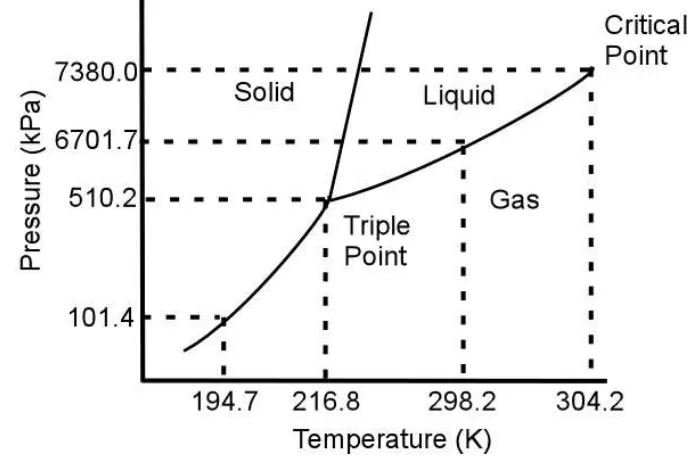
has a relatively mild critical temperature (304 K) and low critical pressure (7.38 MPa) [4, 12] and a very high volatility. A representative phase diagram of the CO2 system is shown in
Figure 1.1.
Figure 1.1: T-P phase diagram for pure CO2 [12]
In addition to these advantages, supercritical CO2 possesses fluid properties
intermediate between liquid and gas. Around the critical point, properties such as density, viscosity, solvency, diffusivity can all be manipulated by changing either pressure or temperature [12]. Supercritical CO2 has both a gas-like viscosity and a liquid-like density.
The low viscosity compared to other liquids such as water allows CO2 to have a faster
transport rate for particulate formation processes. The diffusion coefficient for CO2 into
solvent is very large compared to conventional liquid antisolvents [4, 18]. This results in rapid mixing to initiate nucleation inside the solvent droplets. A typical nucleation rate of a solute in a CO2 antisolvent process is on the order of 10-5 to 10-4 s [4].
Furthermore, for the application of particle design, supercritical fluids are desirable since they have controllable solvating power. By adjusting the pressure and temperature, CO2 can extract the organic solvent and dry the particles in a continuous and single step
process [12, 19]. Since supercritical CO2 create non-oxidizing and non-degrading
1.3 Carbon dioxide antisolvent particle formation methods
There are many different processes that use CO2 either as a solvent or an antisolvent
for particle formation applications [1, 11, 17, 20-22]. This section will review these processes and the applications with which they are normally associated.
1.3.1 Rapid expansion of supercritical solutions (RESS)
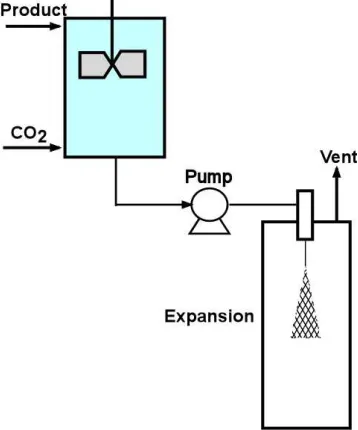
The process of rapid expansion of supercritical solutions (RESS) produces particles by spraying a supercritical solution with the dissolved solute through a nozzle into atmospheric conditions to rapidly expand the supercritical fluid, resulting in a highly supersaturated solution and rapid precipitation [23]. The resulting high-pressure drop creates very high jet velocity to atomize the droplets. A diagram of the process is seen in Figure 1.2.
Figure 1.2: RESS system design
There are many applications using this type of process for coatings [24-27], microparticle processing of polymers and drugs [28-36], and encapsulation of the drug with a polymer [37, 38]. The benefit of RESS is that it is fairly simple and requires only the use of one capillary nozzle for the expansion process.
of a crystalline drug such as acetaminophen is only soluble up to 0.005486 kg/m3 in high pressure CO2 with a density of 854.07 kg/m3, which will make the RESS process highly
unprofitable. Since most small molecules, proteins, and biodegradable polymers are not very soluble in supercritical CO2 [4], there would be a need to use harmful organic co-solvents in
order to enhance the solubility of the target drug. Furthermore, there has not been much success with the encapsulation of drugs in a polymer matrix with RESS due to the difficulty in dissolving two components in supercritical CO2 and controlling the different time scales
needed for sequential precipitation of the drug and polymer.
1.3.2 Particles from gas saturated solutions (PGSS)
The particles from gas saturated solutions or PGSS process involves injecting supercritical CO2 into either a melted or liquid-suspended substance first, which leads to a
gas saturated suspension. The suspension is then expanded through a nozzle to produce fine particles similar to spray drying. PGSS can formulate drugs that normally do not dissolve in CO2, which expands the number of compounds that can be treated by this technique. This
process however is more promising for making particles from materials that normally absorb CO2 at high levels such as polymers [11]. A diagram of the PGSS system is shown in Figure
1.3.
Sievers et al. [39] patented a similar process for preparation of protein particles that allows the proteins to dissolve in water without the use of organic solvents.
Figure 1.4: Sievers et al. [39] design for the production of proteins with PGSS without use of organic solvents
The CO2 at high pressure is mixed with water at a low volume tee, which forms an
emulsion before expanding to atmospheric pressure and high temperature to form drug particles. A problem with this design is that water under contact with CO2 will form
carbonic acid from CO2 and lower the pH to as low as 3 [40], which may potentially denature
proteins and other sensitive pharmaceutical compounds. Another problem is that this process prevents encapsulation of the drug since most biodegradable polymers are not water-soluble [12].
1.3.3 Gas antisolvent (GAS)
The gas antisolvent (GAS) process uses a dense gas such as CO2 as an antisolvent to
precipitate out the drug from a batch solution. In order for the process to work, CO2 needs to
be appreciably miscible with the solvent and the drug needs to be insoluble with CO2 at the
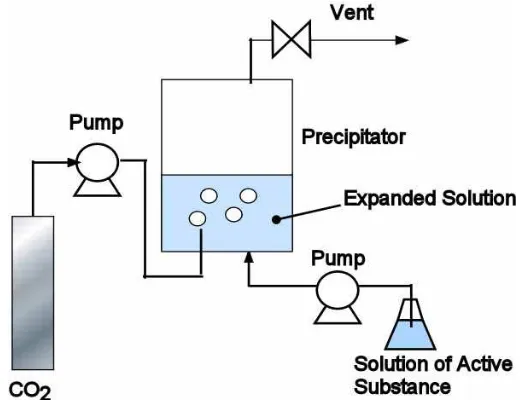
operating pressure and temperature range. The precipitator is initially filled with a solution at a certain drug concentration and temperature. The rapid injection of compressed CO2 into
very fast and results in smaller and more uniform particles as compared to conventional processes such as “salting out” that uses either electrolytes or non-electrolytes. Furthermore, the GAS process has also been shown to retain the biomolecular activity of proteins such as lysozyme, meaning that the process is suitable for sensitive biomolecules [17, 41]. A diagram of the GAS process is shown in Figure 1.5.
Figure 1.5: GAS system design
GAS is more versatile than RESS since the process does not rely on the solubility of the compound in compressed CO2. Particle formulations of a variety of drug and polymer
compounds that are normally not significantly soluble in pure CO2 have been demonstrated
with the GAS process [13, 42-48]. Several works have also demonstrated GAS fractionation for different compounds ranging from small molecule drugs to macromolecules [49-53]. Very few authors have attempted to use GAS for encapsulation of drug in a biodegradable polymer because of the difficulty in controlling the time scales of precipitation of the drug and the polymer. GAS encapsulation has been done by either preparing the polymer separately from the drug precipitation or by using a semi-continuous GAS process, where the solution carrying the drug and polymers are sprayed into a CO2-filled tank [54, 55].
the system was injected with carbon dioxide in the two-phase region where there is liquid and vapor antisolvent present inside the vessel [13]. Another problem to consider with GAS is the long loading and unloading time between each experiment.
1.3.4 Supercritical antisolvent process (SAS)
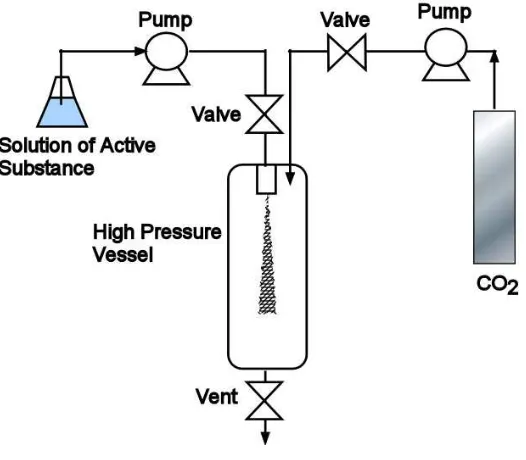
Supercritical antisolvent process (SAS) is a semi-continuous process in which the solution with the product is sprayed through a specially designed nozzle into condensed gas in a pressurized vessel [56]. The nozzle in SAS disperses the solution into the condensed gas phase inside the vessel to enhance mixing and mass transfer. SAS is also referred to as aerosol solvent extraction system (ASES) or precipitation with compressed antisolvent (PCA). A diagram of the SAS process is shown in Figure 1.6.
Figure 1.6: SAS system design
Similar to the GAS process, the CO2 needs to be miscible with the solvent in order to
precipitate the drug. Controlling how the solution disperses into compressed CO2 to initiate
precipitation is important in controlling the particle size and morphology. Some authors have designed either different nozzle configurations or added ultrasound vibration at the nozzle tip to enhance the mixing and diffusion of CO2 into the solution to initiate
being sprayed inside the vessel. The ease in changing the system configuration to tune the product characteristics is what makes SAS very attractive.
Thus far in the literature, SAS seems to offer the best particle formation method due to its capability to produce smaller and more uniform particles compared to the GAS process as a result of the enhanced mixing between the antisolvent and drug solution [1, 17, 59]. The semi-continuous nature of the process allows for generation of large amounts of drug products without the need to stop the system, which makes SAS an attractive manufacturing process compared to GAS. Furthermore, the solvent inside the vessel is constantly extracted and removed from the system during the experiment to give SAS an added advantage to the more time consuming drying associated with the GAS process [17]. The presence of less solvent inside the vessel during the SAS experiments compared to GAS generally results in less agglomeration of the particles. Both GAS and SAS are milder processes for preventing drug degradation and loss of activity for biomolecules as compared to conventional organic solvent “salting out” methods [60].
SAS has been used in processing different materials such as pigment powders [61], semiconductor precursors [62], and inorganic crystals [63]. Single component particle design for many pharmaceutical compounds have been widely studied with varying results with respect to morphology and particle size [64-68]. The particular focus for single component precipitation is in controlling polymer morphology and shape with SAS process for use in controlled release applications [69-76]. Due to the ease of separating the time scale of precipitation for the drug and the polymer by either changing the nozzle design or by adding multiple injection nozzles, many authors have shown that the drugs can be encapsulated in a single process at appreciable amounts [77-80].
1.3.5 Solution enhanced dispersion by supercritical fluids (SEDS)
Solution enhanced dispersion by supercritical fluids (SEDS) was developed by Hanna and York [81, 82] to improve on the idea of SAS by changing the design of the nozzle to enhance mixing of the solution and to control microparticle formation. The system borrows from the benefits of SAS in that the drug of interest does not need to be dissolved in CO2 and
The uniqueness of SEDS rests in the design of the nozzle, which uses the idea of coaxial tube geometry to simultaneously deliver the solution and the antisolvent. A diagram of this configuration taken from experiments conducted in this dissertation is depicted in Figure 1.7.
Figure 1.7: SEDS coaxial tubing design used for the present study
Prior to spraying the particles into the pressurized precipitation vessel through a nozzle constriction, the solvent carrying the product mixes rapidly with the supercritical fluid in a small volume area called the mixing length (Li). The mixing length is believed to
enhance mixing and initiate nucleation before the particles are sprayed into the collection vessel [81, 82]. Furthermore, Hanna and York explained that the design would allow for better control of parameters such as temperature, pressure, and flow rate at the point of nucleation inside the mixing length.
drugs and polymers by adjusting the temperature, pressure, flow rate, and concentration [84-87].
1.4 Aim and outline of the dissertation
This dissertation explores the use of CO2 as an antisolvent in particle formation
processing of pharmaceutical compounds. SEDS and PCA were constructed and studied to determine their efficacy in controlling particle size and morphology of a crystalline drug, acetaminophen, dissolved in ethanol. A methodology of studying how different design variables affect the outcome of the particles is presented, including models that describe the thermodynamic and crystallization kinetics of the system.
1.4.1 Outline of the dissertation
Following this introduction, Chapter 2 presents thermodynamic and crystallization theories commonly used in the study of drug crystallization. Chapter 3 deals with the concept of phase equilibrium of the drug in carbon dioxide. The effect of pressure and temperature along with the use of a co-solvent is explored. The data for the solubility of the acetaminophen in ethanol was collected using a high-pressure extraction system, which was custom designed and constructed. The solubility data was used to determine the adjustable parameters for Peng Robinson equation of state in order to estimate the solubility of the drug outside of the experimentally measured range.
Chapter 4 introduces SEDS processing of acetaminophen microparticles by using statistical design of experiments (DOE) as a preliminary step to isolate the important variables to explore. The variables tested from the DOE experiments are used in Chapter 5 to explore how the operational conditions affect particle size, shape, and uniformity of acetaminophen. Chapter 5 also describes how the acetaminophen concentration change in the collection vessel was measured and how this information was used to determine the nozzle effectiveness.
1.5 References
1. Jung, J. and M. Perrut, "Particle Design Using Supercritical Fluids: Literature and
Patent Survey". Journal of Supercritical Fluids, 2001. 20: p. 179-219.
2. Morlock, M., H. Koll, G. Winter, and T. Kissel, "Microencapsulation of
rh-erythropoietin, Using Biodegradable poly(D,L-lactide-co-glycolide): Protein Stability and the Effects of Stabilizing Excipients". European Journal of Pharmaceutics and
Biopharmaceutics, 1997. 43: p. 29-36.
3. Subramaniam, B., R.A. Rajewski, and K. Snavely, "Pharmaceutical Processing With
Supercritical Carbon Dioxide". Journal of Pharmaceutical Sciences, 1997. 86: p.
885-890.
4. York, P., U.B. Kompella, and B.Y. Shekunov, Supercritical Fluid Technology for
Drug Product Development, ed. J. Swarbrick. Vol. 138. 2004, New York, NY:
Marcel Dekker, Inc.
5. Beckman, E.J., "Supercritical and Near Critical CO2 in Green Chemical Synthesis
and Processing". Journal of Supercritical Fluids, 204. 28(2-3): p. 121-191.
6. Louey, M.D., M. Van Oort, and A.J. Hickey, "Aerosol Dispersion of Respirable
Particles in Narrow Size Distributions Produced by Jet-Milling and Spray Drying Techniques". Pharmaceutical Research, 2004. 21(7): p. 1200-1206.
7. Mujumdar, A.S., Handbook of Industrial Drying. 1987: Marcel Dekker, Inc. 295-323. 8. Rogers, T.L., K.P. Johston, and R.O. Williams, "Solution Based Particle Formation
of Pharmaceutical Powders by Supercritical or Compressed Fluid CO2 and
Cryogenic Spray-Freezing Technologies". Drug Development and Industrial
Pharmacy, 2001. 27(10): p. 1003-1015.
9. van de Weert, M., W.E. Hennink, and W. Jiskoot, "Protein Instability in
Poly(Lactic-co-Glycolic Acid) Microparticles. Pharmaceutical Research, 2000. 17(10): p.
1159-1167.
10. Ruchatz, F., P. Kleinebudde, and B.W. Muller, "Residual Solvents in Biodegradable
Microparticles. Influence of Process Parameters on the Residual Solvent in Microparticles Produced by the Aerosol Solvent Extraction System (ASES) Process".
Journal of Pharmaceutical Science, 1997. 86(1): p. 101-105.
11. Reverchon, E. and G. Della Porta, "Supercritical Fluids-Assisted Micronization
Techniques. Low Impact Route for Particle Production". Pure and Applied
12. McHugh, M.A. and V.J. Krukonis, Supercritical Fluid Extraction. 2nd ed. 1994, Newton, MA: Butterworth-Heinemann.
13. Thiering, R., F. Dehghani, A. Dillow, and N.R. Foster, "The Influence of Operating
Conditions on the Dense Gas Precipiation of Model Proteins". Journal of Chemical
Technology and Biotechnology, 2000. 75: p. 29-41.
14. Shekunov, B.Y., M. Hanna, and P. York, "Crystallization Process in Turbulent
Supercritical Flows". Journal of Crystal Growth, 1999. 198/199: p. 1345-1351.
15. Shekunov, B.Y., J. Baldyga, and P. York, "Particle Formation by Mixing With
Supercritical Antisolvent At High Reynolds Numbers". Chemical Engineering
Science, 2001. 56: p. 2421-2433.
16. Bristow, S., T. Shekunov, B.Y. Shekunov, and P. York, Analysis of the
Supersaturation and Precipitation Process with Supercritical CO2. Journal of Supercritical Fluids, 2001. 21: p. 257-271.
17. Thiering, R., F. Dehghani, and N.R. Foster, "Current Issues Relating to Anti-Solvent
Micronisation Techniques and Their Extension to Industrial Scales". Journal of
Supercritical Fluids, 2001. 21: p. 159-177.
18. Mawson, S., S. Kanakia, and K.P. Johnston, "Coaxial Nozzle for Control of Particle
Morphology in Precipitation with a Compressed Fluid Antisolvent". Journal of
Applied Polymer Science, 1997. 64: p. 2105-2118.
19. Kamihira, M., M. Taniguchi, and T. Kobayashi, "Removal of Organic Solvent from
Antiobiotics with Supercritical Carbon Dioxide". Journal of Fermentation
Technology, 1987. 65(1): p. 71-75.
20. Reverchon, E., "Supercritical Antisolvent Precipitation of Micro- and nano-particles. Journal of Supercritical Fluids, 1999. 15(1): p. 1-21.
21. Reverchon, E. and G. Della Porta, "Particle Design Using Supercritical Fluids". Chemical Engineering & Technology, 2003. 26(8): p. 840-845.
22. Reverchon, E., "Supercritical Antisolvent Precipitation of Micro- and Nano-
Particles". Journal of Supercritical Fluids, 1999. 15: p. 1-21.
23. Debenedetti, P.G., J.W. Tom, X. Kwauk, and S.D. Yeo, "Rapid Expansion of
Supercritical Solutions (RESS): Fundamentals and Applications". Fluid Phase
Equilibria, 1993. 82: p. 311-321.
the Rapid Expansion of Supercritical Solutions (RESS) Process. Part 1: Experimental Results". Industrial & Engineering Chemistry Research, 2001. 40(26): p. 6118-6126.
25. Henon, F.E., R.G. Carbonell, and J.M. DeSimone, "Effect of Polymer Coatings from
CO2 on Water-Vapor Transport in Porous Media". AICHE Journal, 2002. 48(5): p. 941-952.
26. Franklin, R.K., J.R. Edwards, Y. Chernyak, R.D. Gould, F.E. Henon, J.M. DeSimone, and R.G. Carbonell, "Formation of Perfluoropolyether Coatings by the Rapid
Expansion of Supercritical Solutions (RESS) Process. Part 2: Numerical Modeling".
Industrial & Engineering Chemistry Research, 2001. 40(26): p. 6127-6139.
27. Montero, G.A., B.R. Harris, R.G. Carbonell, and J.M. DeSimone, "Progress in
Research of Rapid Expansion of Supercritical Solutions (RESS) Technique of Droplet Formation of Perfluoropolyether for Coating Application". Polymeric Materials
Science and Engineering, 2001(84): p. 270-271.
28. Young, T.J., S. Mawson, and K.P. Johnston, "Rapid Expansion From Supercritical to
Aqueous Solution to Produce Submicron Suspensions of Water-Insoluble Drugs".
Biotechnology Progress, 2000. 16: p. 402-407.
29. Domingo, C., E. Berends, and G.M. van Rosmalen, "Precipitation of Ultrafine
Organic Crystals from the Rapid Expansion of Supercritical Solutions Over a Capillary and a Frit Nozzle". Journal of Supercritical Fluids, 1997. 10: p. 39-55.
30. Reverchon, E., G. Donsi, and D. Gorgoglione, "Salicylic Acid Solubilization in
Supercritical CO2 and Its Micronization by RESS". Journal of Supercritical Fluids, 1993. 6(4): p. 241-248.
31. Charoenchaitrakool, M., F. Dehghani, N.R. Foster, and H.K. Chan, "Micronization by
Rapid Expansion of Supercritical Solutions to Enhance the Dissolution Rates of Poorly Water-Soluble Pharmaceuticals". Industrial & Engineering Chemistry
Research, 2000. 39(12): p. 4794-4802.
32. Alessi, P., A. Cortesi, I. Kikic, N.R. Foster, S.J. Macnaughton, and I. Colombo,
"Particle Production of Steroid Drugs Using Supercritical Fluid Processing".
Industrial & Engineering Chemistry Research, 1996. 35(12): p. 4718-4726.
33. Tom, J.W., P.G. Debenedetti, and R. Jerome, "Precipitation of Poly(L-lactic acid)
and Composite Poly(L-lactic acid)-Pyrene Particles by Rapid Expansion of Supercritical Solutions". Journal of Supercritical Fluids, 1994. 7(1): p. 9-29.
34. Tom, J.W. and P.G. Debenedetti, "Formation of Bioerodible Polymeric Microspheres
and Microparticles by Rapid Expansion of Supercritical Solutions". Biotechnology
35. Lele, A.K. and A.D. Shine, "Morphology of Polymers Precipitated from a
Supercritical Solvent. AIChE Journal, 1992. 38(5): p. 742-752.
36. Bettini, R., A. Rossi, E. Lavezzini, E. Frigo, I. Pasquali, and F. Giordano, "Thermal
and Morphological Characterisation of Micronized Acetylsalicylic Acid Powders Prepared by Rapid Expansion of a Supercritical Solution". Journal of Thermal
Analysis and Calorimetry, 2003. 73: p. 487-497.
37. Mishima, K., K. Matsuyama, D. Tanabe, S. Yamauchi, T.J. Young, and K.P. Johnston, "Microencapsulation of Proteins by Rapid Expansion of Supercritical
Solution with a Non-Solvent". AIChE Journal, 2000. 46(4): p. 857-865.
38. Matsuyama, K., K. Mishima, K.I. Hayashi, I. Hideharu, H. Matsuyama, and T. Harada, "Formation of Microcapsules of Medicines by Rapid Expansion of
Supercritical Solution with a Nonsolvent". Journal of Applied Polymer Science,
2003. 89: p. 742-752.
39. Sievers, R.E., U. Karst, P.D. Milewski, S.P. Sellers, B.A. Miles, J.D. Schaefer, C.R. Stoldt, and C.Y. Xu, "Formation of Aqueous Small Droplet Aerosols Assisted by
Supercritical Carbon Dioxide". Aerosol Science and Technology, 1999. 30: p. 3-15.
40. Holmes, J.D., K.J. Ziegler, M. Audriani, C.T. Lee, P.A. Bhargava, D.C. Steytler, and K.P. Johnston, "Buffering the Aqueous Phase pH in Water-in-CO2 Microemulsions". Journal of Physical Chemistry B, 1999. 103: p. 5703-5711.
41. Winters, M.A., D.Z. Frankel, P.G. Debenedetti, J. Carey, M. Devaney, and T.M. Przybycien, "Protein Purification with Vapor-Phase Carbon Dioxide".
Biotechnology and Bioengineering, 1999. 62(3): p. 247-258.
42. Berends, E.M., O.S. Bruinsma, J. de Graauw, and G.M. Van Rosmalen,
"Crystallization of Phenanthrene From Toluene With Carbon Dioxide by the GAS Process". AICHE Journal, 1996. 42(2): p. 431-439.
43. Fusaro, F., M. Mazzotti, and G. Muhrer, "Gas Antisolvent Recrystallization of
Paracetamol from Acetone Using Compressed Carbon Dioxide as Antisolvent".
Crystal Growth & Design, 2004. 4(5): p. 881-889.
44. Muhrer, G., M. Mazzotti, and M. Muller, "Gas Antisolvent Recrystallization of an
Organic Compound. Tailoring Product PSD and Scaling-Up". Journal of
Supercritical Fluids, 2003. 27(2): p. 195-203.
45. Yeo, S.D. and A. Akgerman, "Formation of Microparticulate Protein Powders Using
a Supercritical Fluid Antisolvent". Biotechnology and Bioengineering, 1993. 41(3): p.
46. Cocero, M.J. and S. Ferrero, "Crystallization of b-Carotene by a GAS Process in
Eatch. Effect of Operating Conditions". Journal of Supercritical Fluids, 2002. 22(3):
p. 237-245.
47. Randolph, T.W., A.D. Randolph, M. Mebes, and S. Yeung, "Sub-Micrometer-Sized
Biodegradable Particles of Poly(L-Lactic Acid) via the Gas Antisolvent Spray Precipitation Process". Biotechnology Progress, 1993. 9: p. 429-435.
48. Warwick, B., F. Dehghani, N.R. Foster, J.R. Biffin, and H.L. Regtop, "Synthesis,
Purification, and Micronization of Pharmaceuticals Using the Gas Antisolvent Technique". Industrial & Engineering Chemistry Research, 2000. 39(12): p.
4571-4579.
49. Bothun, G.D., K.L. White, and B.L. Knutson, "Gas Antisolvent Fractionation of
Semicrystalline and Amorphous Poly(Lactic Acid) Using Compressed CO2". Polymer, 2002. 43: p. 4445-4452.
50. Shishikura, A., K. Kanamori, H. Takahashi, and H. Kinbara, "Separation and
Purification of Organic Acids by Gas Antisolvent Crystallization". Journal of
Agricultural and Food Chemistry, 1994. 42(9): p. 1993-1997.
51. Liou, Y. and C.J. Chang, "Separation of Antracene from Crude Anthracene Using
Gas Anti-Solvent Recrystallization". Separation Science and Technology, 1992.
27(10): p. 1277.
52. Chang, C.J., A.D. Randolph, and N.E. Craft, "Separation of b-Carotene Mixtures
Precipitated From Liquid Solvents with High-Pressure Carbon Dioxide".
Biotechnology Progress, 1991. 7(3): p. 115-129.
53. Muhrer, G. and M. Mazzotti, "Precipitation of Lysozyme Nanoparticles from
Dimethyl Sulfoxide Using Carbon Dioxide as Antisolvent". Biotechnology Progress,
2003. 19(2): p. 549-556.
54. Elvassore, N., A. Bertucco, and P. Caliceti, " Production of Insulin-Loaded
Poly(ethylene glycol)/Poly(l-lactide) (PEG/PLA) Nanoparticles by Gas Antisolvent Techniques". Journal of Pharmaceutical Sciences, 2001. 90(10): p. 1628-1636.
55. Koushik, K. and U.B. Kompella, "Preparation of Large Porous Deslorelin-PLGA
Microparticles with Reduced Residual Solvent and Cellular Uptake Using a Supercritical Carbon Dioxide Process". Pharmaceutical Research, 2004. 21(3): p.
524-535.
56. Bleich, J., B.W. Muller, and W. Wasmus, "Aerosol Solvent Extraction System-A New
Microparticle Production Technique". International Journal of Pharmaceutics, 1993.
57. Jarmer, D.J., C.S. Lengsfeld, and T.W. Randolph, "Manipulation of Particle Size
Distribution of Poly(L-Lactic Acid) Nanoparticles with a Jet-Swirl Nozzle During Precipitation with a Compressed Antisolvent". Journal of Supercritical Fluids, 2003.
27: p. 317-336.
58. Chattopadhyay, P. and R.B. Gupta, "Production of Antiobiotic Nanoparticles Using
Supercritical CO2 as Antisolvent with Enhanced Mass Transfer". Industrial and Engineering Chemistry Research, 2001. 40: p. 3530-3539.
59. Fusaro, F., M. Hanchen, M. Mazzotti, G. Muhrer, and B. Subramaniam, "Dense Gas
Antisolvent Precipitation: A Comparative Investigation of the GAS and PCA Techniques". Industrial & Engineering Chemistry Research, 2005. 44: p. 1502-1509.
60. Winters, M.A., B.L. Knutson, P.G. Debenedetti, H.G. Sparks, T.M. Przybycien, C.L. Stevenson, and S.J. Prestrelski, "Precipitation of Proteins in Supercritical Carbon
Dioxide". Journal of Pharmaceutical Sciences, 1996. 85(6): p. 586-594.
61. Hong, L., J.Z. Guo, Y. Gao, and W.K. Yuan, "Precipitation of Microparticulate
Organic Pigment Powders by a Supercritical Antisolvent Process". Industrial &
Engineering Chemistry Research, 2000. 39: p. 4882-4887.
62. Reverchon, E., G. Della Porta, A. Di Trolio, and S. Pace, "Supercritical Antisolvent
Precipitation of Nanoparticles of Superconductor Precursors". Industrial &
Engineering Chemistry Research, 1998. 37: p. 952-958.
63. Yeo, S.D., J.H. Choi, and T.J. Lee, "Crystal Formation of BaCl2 and NH4Cl Using a
Supercritical Fluid Antisolvent". Journal of Supercritical Fluids, 2000. 16(3): p.
235-246.
64. Reverchon, E., G. Della Porta, and M.G. Falivene, "Process Parameters and
Morphology in Amoxicillin Micro and Submicro Particles Generation by Supercritical Antisolvent Precipitation". Journal of Supercritical Fluids, 2000. 17: p.
239-248.
65. Reverchon, E., I. de Marco, and G. Della Porta, "Rifampicin Microparticles
Production by Supercritical Antisolvent Precipitation". International Journal of
Pharmaceutics, 2002. 242: p. 83-91.
66. Wubbolts, F.E., O.S.L. Bruinsma, and G.M. van Rosmalen, "Dry-Spraying of
Ascorbic Acid or Acetaminophen Solutions with Supercritical Carbon Dioxide".
Journal of Crystal Growth, 1999. 198/199: p. 767-772.
67. Subra, P., C.G. Laudani, A. Vega-Gonzalez, and E. Reverchon, "Precipitation and
68. Bustami, R.T., H.K. Chan, F. Dehghani, and N.R. Foster, "Generatioin of
Micro-Particles of Proteins for Aerosol Delivery Using High Pressure Modified Carbon Dioxide". Pharmaceutical Research, 2000. 17(11): p. 1360-1366.
69. Reverchon, E., G. Della Porta, I. De Rosa, P. Subra, and D. Letourneur. "Biopolymer
Micronization by Supercritical Antisolvent Precipitation: The Influence of Some Process Parameters". in 5th Conference on Supercritical Fluids and their Applications. 1999. Verona, Italy.
70. Reverchon, E., G. Della Porta, I. De Rosa, P. Subra, and D. Letourneur,
"Supercritical Antisolvent Micronization of Some Biopolymers". Journal of
Supercritical Fluids, 2000. 18: p. 239-245.
71. Sarkari, M., I. Darrat, and B.L. Knutson, "Generation of Microparticles Using CO2
and CO2-Philic Antisolvents". Materials, Interfaces, and Electrochemical Phenomena, 2000. 46(9): p. 1850-1859.
72. Perez de Diego, Y., H.C. Pellikaan, F.E. Wubbolts, G.J. Witkamp, and P.J. Jansens,
"Operating Regimes and Mechanism of Particle Formation During the Precipitation of Polymers Using the PCA Process". Journal of Supercritical Fluids, 2005. 35: p.
147-156.
73. Benedetti, L., A. Bertucco, and P. and Pallado, "Production of Micronic Particles of
Biocompatible Polymer Using Supercritical Carbon Dioxide". Biotechnology and
Bioengineering, 1997. 53: p. 232-237.
74. Elvassore, N., M. Baggio, P. Pallado, and A. Bertucco, "Production of Different
Morphologies of Biocompatible Polymeric Materials by Supercritical CO2 Antisolvent Techniques". Biotechnology and Bioengineering, 2001. 73(6): p. 449-457.
75. Bodmeier, R., H. Wang, D.J. Dixon, S. Mawson, and K.P. Johnston, "Polymeric
Microspheres Prepared by Spraying Into Compressed Carbon Dioxide".
Pharmaceutical Research, 1995. 13: p. 1221.
76. Mawson, S., S. Kanakia, and K. Johnston, "Metastable Polymer Blends by
Precipitation with a Compressed fluid anti-solvent". Polymer, 1997. 38(12): p.
2957-2967.
77. Young, T.J., K.P. Johnston, K. Mishima, and H. Tanaka, "Encapsulation of Lysozyme
in a Biodegradable Polymer by Precipitation with a Vapor-over-Liquid Antisolvent".
Journal of Pharmaceutical Sciences, 1999. 88(6): p. 640-650.
78. Tu, L.S., F. Dehghani, and N.R. Foster, "Micronisation and Microencapsulation of
Pharmaceuticals Using a Carbon Dioxide Antisolvent". Powder Technology, 2002.
79. Elvassore, N., A. Bertucco, and P. Caliceti, "Production of Protein-Loaded Polymeric
Microcapsules by Compressed CO2 in a Mixed Solvent". Industrial and Engineering Chemistry Research, 2001. 40: p. 795-800.
80. Bleich, J. and M. Muller, "Production of Drug Loaded Microparticles by the Use of
Supercritical Gases with the Aerosol Solvent Extraction System (ASES) Process".
Journal of Microencapsulation, 1996. 13(2): p. 131-139.
81. Hanna, M. and P. York, "Method and Apparatus for the Formation of Particles". World Intellectual Property Organization, 1994. Patent WO95/01121.
82. Hanna, M. and P. York, "Method and Apparatus for the Formation of Particles". World Intellectual Property Organization, 1995. WO 96/00610.
83. Moshashaee, S., M. Bisrat, R.T. Forbes, H. Nyqvist, and P. York, "Supercritical
Fluid Processing of Proteins I: Lysozyme Precipitation From Organic Solution".
European Journal of Pharmaceutical Sciences, 2000. 11: p. 239-245.
84. Ghaderi, R., P. Artursson, and J. Carlfors, "A New Method for Preparing
Biodegradable Microparticles and Entrapment of Hydrocortisone in DL-PLG Microparticles Using Supercritical Fluids". European Journal of Pharmaceutical Sciences, 2000. 10: p. 1-9.
85. Ghaderi, R., P. Artursson, and J. Carlfors, "Preparation of Biodegradable
Microparticles Using Solution Enhanced Dispersion by Supercritical Fluids (SEDS)".
Pharmaceutical Research, 1999. 16(5): p. 676-681.
86. Velaga, S.P., R. Ghaderi, and J. Carlfors, "Preparation and Characterisation of
Hydrocortisone Particles Using a Supercritical Fluids Extraction Process".
International Journal of Pharmaceuticals, 2002. 231: p. 155-166.
87. Rehman, M., B.Y. Shekunov, P. York, and P. Colthorpe, "Solubility and
Precipitation of Nicotinic Acid in Supercritical Carbon Dioxide". Journal of
Chapter
2:
Thermodynamic
and
Crystallization
Considerations
2.1 Introduction
This chapter introduces the thermodynamic and kinetics concepts relevant to the formation of drug particles using CO2 antisolvent processes.
2.2 Thermodynamic concepts
2.2.1 Carbon dioxide as an antisolvent
As described in the previous chapter, the SAS process involves the continuous mixing of antisolvent with a solution in order to initiate precipitation. Understanding the phase behavior of the system as more antisolvent is applied to a solution at a given temperature and pressure is important in designing the precipitation process.
The change in the solute chemical potential between the fluid and solid phases is the driving force for crystallization. The phase transition is driven by the difference in the chemical potential of the solute between the fluid phase and the pure component solid phase. Negative change in chemical potential indicates the transition from the phases is spontaneous whereas positive change in free energy indicates that the transition is not thermodynamically possible on a macroscopic scale. When the change in free energy is zero, the system is in thermodynamic equilibrium.
The solute chemical potential in the fluid phase, µ3, is related to the solute mole fraction x3 by the expression [1]
=
−
* 3 * 3 3 3 * 3 3ln
x
x
RT
γ
γ
µ
µ
, (2.1)of the antisolvent can dilute the mixture and decrease the chemical potential due to the reduction in the solute mole fraction, x3. However, as the antisolvent is added, the
equilibrium concentration x3* is also reduced significantly. Adjusting the temperature and pressure can also change the chemical potential.
The difference in the chemical potential is typically defined in terms of a dimensionless quantity called the supersaturation, S. Equation 2.1 can be written as
= − = * 3 * 3 3 3 * 3 3 ln ln x x RT S
γ
γ
µ
µ
(2.2) or
=
* 3 * 3 3 3x
x
S
γ
γ
. (2.3)
In another words, the supersaturation is directly proportional to the degree by which the solute concentration in solution exceeds the equilibrium concentration at a given temperature and pressure. For very low concentrations of a nonvolatile solute (typically below 10-4 mole fraction), the ratio of the activity coefficients is approximately equal to 1 and the supersaturation can be defined by the expression [2]
≡ ) , , ( ) , ( 2 * 3 3 x P T x T x x
S , (2.4)
where x2 is the solvent mole fraction in the mixture.
2.2.2 Two component vapor-liquid for CO2 + ethanol
The success of an antisolvent process rests on how well the CO2 is mixed with the
solvent to reduce the solvency. The miscibility between the two fluids is essential in determining the necessary operating conditions and is dependent on the temperature, pressure, and composition. For a binary system of CO2 and co-solvent, a P,x phase diagram
Figure 2.1: CO2 + ethanol binary phase diagram for T < Tc,CO2 [4] and T > Tc,CO2 [3]
The phase diagrams in Figure 2.1 show CO2 + ethanol phase equilibrium above and
below the critical temperature of carbon dioxide. For subcritical conditions (T < Tc,CO2), the
coexistence region contains both vapor and liquid phases between the saturation of the two components (Psat) below the liquid line. Outside the coexistence region, only a single phase
exists as either liquid or vapor depending on the mole fraction of CO2.
Above the critical temperature, the carbon dioxide saturation pressure does not exist (PCO2 sat). The liquid line for the phase envelope ends at the mixture critical pressure (Pc, mix).
The mixture critical point is fixed by temperature, pressure, and composition (xC). Above the mixture critical pressure there exists either a single liquid phase to the left of xC or a supercritical fluid phase to the right.
2.2.3 Three component phase equilibrium
As mentioned in Chapter 1, there are many compounds that are not soluble in supercritical CO2 and therefore the antisolvent process involves adding CO2 to shift the
Figure 2.2: CO2 + solvent + solid ternary phase diagram above the critical pressure [2]
There could be as many as four phase boundaries depending on the composition of the system when operating above the mixture critical pressure: 1) homogeneous liquid phase, 2) solid-liquid phase, 3) solid-vapor phase, and 4) homogeneous vapor phase [2]. The dotted arrows represent the working line for the different antisolvent processes described in Chapter 1. For the RESS process, in which the solid is first dissolved in the CO2 phase, the
solute rapidly separates out from the homogeneous supercritical fluid phase into the solid-vapor phase. For the SEDS/SAS process, the solute is present in a liquid organic solvent. As the concentration of antisolvent CO2 is added, the crystallization pathway traverses from a
homogeneous liquid phase to a S-L and a S-V phase.
Generally the SEDS/SAS antisolvent process contains a large excess of the antisolvent CO2. Therefore, a phase diagram of solute concentration plotted as a function of
mole fraction of CO2 relative to liquid solvent can be used to describe the antisolvent process