A s t u d y of A8 a n d A2 m i g r a n t s i n
N o t ti n g h a m
S c ullio n, L, M o r r i s, G a n d S t e e l e , A
T i t l e A s t u d y of A8 a n d A2 m i g r a n t s i n N o t ti n g h a m
A u t h o r s S c ullio n , L, M o r r i s, G a n d S t e el e, A
Typ e M o n o g r a p h
U RL T hi s v e r si o n is a v ail a bl e a t :
h t t p :// u sir. s alfo r d . a c . u k /i d/ e p ri n t/ 9 2 6 2 /
P u b l i s h e d D a t e 2 0 0 9
U S IR is a d i gi t al c oll e c ti o n of t h e r e s e a r c h o u t p u t of t h e U n iv e r si ty of S alfo r d . W h e r e c o p y ri g h t p e r m i t s , f ull t e x t m a t e r i al h el d i n t h e r e p o si t o r y is m a d e f r e ely a v ail a bl e o nli n e a n d c a n b e r e a d , d o w nl o a d e d a n d c o pi e d fo r n o
n-c o m m e r n-ci al p r iv a t e s t u d y o r r e s e a r n-c h p u r p o s e s . Pl e a s e n-c h e n-c k t h e m a n u s n-c ri p t fo r a n y f u r t h e r c o p y ri g h t r e s t r i c ti o n s .
A study of A8 and A2 migrants in Nottingham
Final Report
Lisa Scullion, Gareth Morris and Andy Steele
Salford Housing & Urban Studies Unit
University of Salford
2
About the authors
Lisa Scullion is a Research Fellow in the Salford Housing & Urban Studies Unit (SHUSU) at the University of Salford. Gareth Morris is a Research Assistant in the Salford Housing & Urban Studies Unit (SHUSU) at the University of Salford. Andy Steele is Professor of Housing & Urban Studies and Director of the Salford Housing & Urban Studies Unit (SHUSU) at the University of Salford.
The Salford Housing & Urban Studies Unit is a dedicated multi-disciplinary research and consultancy unit providing a range of services relating to housing, regeneration and urban and community policy to public and private sector clients. The Unit brings together researchers drawn from a range of disciplines including: social policy, housing management, urban geography, environmental management, psychology, social care and social work.
Salford Housing & Urban Studies Unit (SHUSU) The University of Salford
Business House University Road Salford, M5 4WT United Kingdom
3
Team members and project steering group
Core team members
Dr Lisa Scullion Gareth Morris
Professor Andy Steele
Community interviewers
Joanna Bejger Konrad Biwojno Igor Brudnowski Ewelina Drynda Brigita Givgova
Aleksandra Gockowiak Alex Krasevskis
Kornelia Miszler Beata Polanowska Zuzanna Sadecka Kamila Szwalbe Joanna Tkacz
Barbora Urbancsokova Ewa Wolny
Steering group
Kevin Bartlett One Nottingham
Vincent Bryce Nottingham City Council
Mick Chilton Nottinghamshire Fire & Rescue Service
Lisa Crouch Nottinghamshire Police
Simon Down Nottingham City Council
Claudette Dyce Nottingham City Council Graham Gardner Nottingham City Council Terry Humphries Nottingham City Council
Dan Lucas Nottingham City Homes
Zbyszek Luczynski Nottingham City Council
June Maw Nottingham City Council
Cathy McGoran Nottinghamshire Fire & Rescue Service
Vicky Myers Nottingham City Homes
Gary Nuttall Nottingham City Council Steve Perry Nottingham City Council
Jean Robinson NHS Nottingham City
Amy Smith Nottingham City Council
4
Acknowledgements
This study was greatly dependent upon the time, expertise and contributions of a number of individuals and organisations, without whom the study could not have been completed. The project steering group provided guidance and information throughout the project and thanks must go to them for their support.
Thanks are also due to the stakeholders who took the time to participate in the study and provided invaluable information. In particular we would like to thank the following: St. Augustine’s RC Primary School; Basic Educational Guidance in Nottinghamshire (BEGIN); Dawson’s Bakery; Djanogly City Academy; Elliott Durham Secondary School; Forest Fields Primary School; GRA; Greenwood Junior School; Jesse Boot Primary School; the Libraries Social Inclusion Team; Manning Comprehensive School; St. Mary’s RC Primary School; New College Nottingham; Nottingham City Council; Nottingham Volunteer Centre; Nottinghamshire Police; the Polish Catholic Church; Sign Post to Polish Success; SMRD Retail Ltd; Sneinton Health Centre; Sure Start; Trinity Secondary School; and, Walter Halls Primary School.
We are particularly indebted to Nottingham City Council Children’s Services Asylum Seeker/Refugee Support Team and all of our community interviewers whose
continued efforts enabled so many interviews to be undertaken for the study.
Finally, special thanks must, of course, go to the many migrant workers and migrant children who found the time to talk to us and answer our questions in a full, honest and patient manner. It is hoped that this report is able to accurately reflect their experiences and needs.
This report is based on research undertaken by the study team and the analysis and comment thereafter does not necessarily reflect the views and opinions of the
5
Executive summary
The study
In recent years, there has been an increasing focus on the migration of people from A8 and A2 countries1. It is now recognised that local authorities need to understand the composition and needs of their local population in order to be able to plan and deliver services effectively, as well as being able to respond to any issues relating to community cohesion2. Consequently, local authorities are making efforts to find out about the experiences and needs of these new and emerging communities.
The research was commissioned by Nottingham City Council and One Nottingham in August 2008 and was conducted by a team of researchers from the Salford Housing & Urban Studies Unit at the University of Salford. The study was greatly aided by research support from Nottingham City Council Children’s Services Asylum
Seeker/Refugee Support Team, as well as a number of community interviewers. The project was managed by a steering group composed of officers representing
Nottingham City Council, One Nottingham, Nottingham City Homes, NHS Nottingham City, Nottinghamshire Fire & Rescue Service, Nottinghamshire Police and Basic Educational Guidance in Nottinghamshire (BEGIN).
The main objective of this research was to explore the needs and experiences of A8 and A2 migrants living and working in Nottingham. There were two strands to the study:
1. Research with A8 and A2 migrants
The key areas of investigation with A8 and A2 migrants included:
• the number and geographical distribution of migrant workers in Nottingham;
• demographic information (including age, gender, nationality, religion, family status);
• language skills of migrant workers (including ESOL requirements);
• length of time in the UK/Nottingham;
• employment issues (including type, income, sector, location, official registration levels and match to qualifications);
• housing issues (including tenure, density of occupation and experiences of homelessness);
• health care issues (including take-up of services and particular health needs);
• benefit take-up of migrant workers;
• access to other goods, services and facilities (including council services);
• education take-up of migrant workers and their children;
• evidence of hate crime or discrimination;
• level of involvement in the local community (including contact with people from their home country and the indigenous population); and
• future intentions (including length of stay, employment, housing, family reunification).
1
Czech Republic, Estonia, Hungary, Latvia, Lithuania, Poland, Slovakia and Slovenia (A8 countries); Bulgaria and Romania (A2 countries).
2
6
2. Research with the children of A8 and A2 migrants
The research with children focused on the following key issues:
• overall satisfaction with their school;
• language skills;
• help they received when they started school (including language support);
• contact with people from their home country and the indigenous population;
• comparisons with schools and education in their home country;
• feelings of safety and experiences of discrimination; and
• suggestions for ways their life could be made better at school and in their local community.
The study was undertaken by conducting:
• a review of available literature, data and secondary sources;
• consultation with key stakeholders, including service providers and employers; and
• a total of 235 interviews with migrants from the following countries: the Czech Republic, Estonia, Hungary, Latvia, Lithuania, Poland, Romania and the Slovak Republic.
• a total of 158 interviews with migrant children from the following countries: Bulgaria, the Czech Republic, Lithuania, Poland and the Slovak Republic.
Main findings
The characteristics of the sample
• The sample included representatives from all A8 and A2 countries, with the exception of Bulgaria and Slovenia. The majority of respondents were Polish (75%), followed by Czech (8%) and Hungarian (7%). The sample also
included a number of people (7%) who identified themselves as Roma (most of which were Czech).
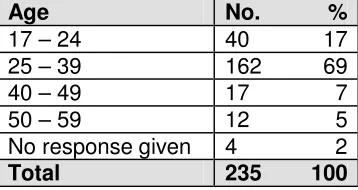
• The majority of respondents were aged 17 – 39 years (86%).
• 61% of the respondents were female and 39% were male.
• 47% of the sample was single; 33% were married; and 20% had a boyfriend/girlfriend.
• 88% of those who were married or had a partner indicated that their spouse/partner was currently living with them in Nottingham.
• 41% of the sample had dependant children; 90% of those with dependant children stated that their children were living with them in Nottingham.
7
• 20% of the sample had lived somewhere else in the UK before moving to Nottingham.
• The majority of people had chosen Nottingham because of social connections; for example, 38% had moved to Nottingham because they had family living in the city, while 35% had friends living there.
Chapters 5 and 6 provide a full discussion of the characteristics of the sample.
Qualifications and language skills
• The sample was diverse in terms of their skills and qualifications; 34% had degree level qualifications (including architecture, business/finance,
economics, engineering, environmental science, IT, law, marketing,
mathematics, political science, religious studies, social care, teaching, textiles), while a quarter had technical/vocational qualifications (including carpentry, electrician, economics, food technology, gardening, hairdressing/beauty therapy, IT, marketing, mechanics, metal work).
• 20% of people said that their ability to speak English was poor or very poor while 32% said their ability to write English was poor or very poor.
• 33% of respondents were either currently studying on an English language course or had already completed one, while 11% were on the waiting list for a course.
• 30% of respondents would like to study on an English language course but were not currently enrolled. The main reasons were not having enough time or not being able to attend because of working hours.
Chapter 7 of the report provides a full discussion of qualifications and language skills.
Employment
• 58% of respondents had a particular trade or skill from their home country. Looking at the last job in their home country, people were drawn from a range of occupational levels; 35% were previously working in the three highest classifications (managers and senior officials; professional occupations; and associated professional and technical occupations); 21% were working in skilled trades occupations; and 12% elementary occupations.
• 81% of respondents were currently in paid employment. There were slightly higher rates of employment amongst male respondents.
• 87% were currently working within the Nottingham urban area. The remaining respondents were working in other parts of Nottinghamshire.
8
• 59% of people had experienced a decrease in occupational level, 33% had stayed within the same occupational level and 8% had increased their occupational level.
• Eleven respondents were earning below the national minimum wage. The lowest paid worker in the sample was earning in the region of £1.68 and £2.94 per hour.
Chapters 8 of the report provide a full discussion of the findings in relation to employment.
Accommodation experiences
• 73% of respondents were living in the private rented sector and 9% in socially rented accommodation.
• 42% of respondents had found their current accommodation through friends and family.
• 11% of respondents indicated that three people were currently sharing a bedroom, while 1% indicated that four people were sharing a bedroom.
• 9% of respondents indicated that they, or people within their household, were sharing bedrooms with non-family members.
• 75% of respondents indicated that they were satisfied with their current accommodation.
• Five people had experienced homelessness since living in Nottingham.
• Just 2% of respondents did not know the different housing options available in Nottingham.
• 42% of respondents wanted to own their own home in the future, while 25% wanted to live in socially rented accommodation. Just 7% wanted to live in private rented accommodation in the future.
Chapter 9 of the report provides a full discussion of housing experiences.
Community and neighbourhood
• 77% of respondents were currently living in areas which had a mix of different national and ethnic groups; 66% of respondents felt that people from different backgrounds mixed well together.
• Nearly all respondents had some contact with people from their home country as well as with British people.
• 75% of people were fairly satisfied or very satisfied with their neighbourhood, while 38% had a fairly or very strong sense of belonging to their
9
• 35% of respondents wanted to move to a different area of the city. This was primarily because they wanted to live in ‘safer’ or ‘better’ areas of the city.
• 33% of respondents indicated that they had been victims of crime while living in Nottingham; 9% of respondents had experienced hate crime.
• 54% of respondents would recommend Nottingham as a place to live and work to friends and family in their home country.
Chapter 10 of the report provides a full discussion in relation to community involvement and engagement.
Access to services and facilities
• 83% of respondents were currently accessing a Doctor/GP, while 50% were accessing a dentist. The majority of respondents who did not currently access a GP/Doctor or dentist indicated that they would access health/dental care in their home country.
• 34% of respondents had children attending local schools or nurseries in Nottingham. Stakeholder consultation suggested that there may be a preference for children to attend local faith schools rather than non-faith schools.
• 99% of respondents had a mobile phone, compared to having a landline phone (29%); 81% had internet access.
• 49% of respondents were currently receiving benefits or tax credits. These were almost entirely child-related or in-work benefits.
• 24% of respondents had been provided with an interpreter during their contact with service providers.
• Respondents revealed a general lack of understanding with regards to what services were available and their entitlement to these.
Chapter 11 of the report provides a full discussion in relation to use of goods, services and facilities.
Children and families
• The majority of children who took part in the consultation were Polish (80%), followed by Czech (14%).
• 59% of the children were girls and 41% were boys.
• 63% were attending primary school while 37% were attending secondary school.
10
• The children revealed relatively low levels of English language skills prior to coming to the UK. Half of the children couldn’t speak English, while 40% could speak English, but only a little.
• 63% of children said that they had found it easy or very easy to learn English.
• The children themselves or their fathers were perceived to speak the most English within the household.
• 78% of children indicated that it was easy to make friends in Nottingham. The majority of children were friends with children from their home country and English children.
• 42% of children said that someone had been nasty or unfriendly to them because of their nationality.
• 87% of children said they had someone at school they could talk to if they had any problems.
• 69% of children indicated that they sometimes used their own language in the classroom. This was more likely to happen in primary than secondary schools.
• 71% of children indicated that the subjects they studied were different to those in their home country.
Chapter 12 of the report provides a full discussion of the findings from the consultation with children.
Future intentions
• 28% of respondents wanted to stay in Nottingham indefinitely; 27% intended to leave within five years; and 37% did not know how long they would stay.
• With regards to those who intended to leave, 57% would be returning to their home country; 22% intended to go to another country; and 16% intended to move to another part of the UK.
• 15% of respondents said they would be joined in the UK by other family members.
11
Conclusions
The following provides a summary of the main conclusions based on the findings of the survey.
Employment
The A8 and A2 migrants interviewed in Nottingham were diverse in terms of their skills and experiences. While there are many migrants who may prioritise finding a job and being able to earn money, regardless of what the job entails, there are also those who will actively seek occupational mobility. Migrant communities, in common with the rest of population, therefore need to be able to access information with regards to how best to utilise their individual skills and qualifications, as well as the employment opportunities that are available to them.
Previous research has often highlighted exploitation of migrant workers and issues in relation to recruitment agencies and gangmasters. Stakeholder consultation
suggested that there were gangmasters operating in the study area. The scale and nature of exploitation remains unclear and is an issue that would require further investigation.
Language barriers
Perhaps unsurprisingly, acquisition of English language remains a key issue for migrant communities. Both migrant workers and key stakeholders in this study made reference to issues of language, particularly in relation to English
improving employment prospects; language affecting engagement with the local community; and language creating a barrier to accessing services and facilities.
What has been highlighted is that people’s work and other commitments can mean that they are often unable or unwilling to access language courses. Issues such as long or irregular hours act as a barrier to accessing ESOL provision. However, costs and waiting lists can also discourage people from enrolling on courses. So, while some migrants will actively seek English
classes others simply want to learn a basic level of English that will enable them to ‘get by’, and this may be done with the help of friends and family. There is clearly a need to consider how to provide flexible learning opportunities,
particularly for those working long or anti-social hours. Stakeholder consultation revealed good practice in Nottingham with providers striving to tailor ESOL provision to the workplace (for example, offering the new ESOL for Work qualification). There is also a need to look at how employers can be
encouraged to build the language capacity of overseas employees, in the same way that they would provide other types of staff development courses.
Accommodation
There are three main issues to highlight in relation to accommodation. Firstly, there is an issue around accommodation standards and landlords operating in the private rented sector. There was evidence of people living in HMOs and some made reference to overcrowding issues. What was interesting to note was that poor
12
in this research. This is perhaps due to their acceptance of lower standards because of the more temporary nature of their stay or comparisons with their living
arrangements in their home country. Nottingham City Council has been working to address some of these issues through the work of the Nottingham HMO Action Zones. This involved identifying three areas of the city with high levels of HMOs and concerns about non compliance with HMO licensing regulations. These projects could be developed to target other areas of the city where there are known to be large migrant communities.
The second issues relates to homelessness/rough sleeping. Only a small proportion of the sample indicated that they had experienced homelessness/rough sleeping. With regards to the scale of homelessness amongst migrant workers we need to consider migrant workers understanding of the concept of homelessness, with perhaps a lack of understanding that homelessness goes beyond street
homelessness and rough sleeping. There were six people in our sample who did not have their own accommodation but rather were currently ‘staying’ with friends and family. People are more likely to rely on informal support (i.e. friends, family or other acquaintances) than the more formal support available to those who are experiencing or at risk of homelessness. The issue is not the need for greater provision in relation to homelessness, but rather a greater awareness of what support is available; an issue that applies not just to migrant communities but the whole population of Nottingham.
Finally, there is a need to consider the implications of people’s future accommodation aspirations. The majority of people expressed a preference for owner occupation while a quarter of the sample indicated that they would like to live in socially rented accommodation in the future.
Children and families
There are three main issues in relation to children and families. Firstly, there are issues of disruption, upheaval and attendance. Previous research has referred to disruption caused by mid-term arrivals. This study, however, has revealed additional issues; for example, stakeholder consultation suggested that parents often have a preference to send children to faith schools in Nottingham. This preference can be so strong that children will be removed from non-faith schools when places are available in a faith school. With regards to the issue of attendance, there is often a lack of understanding with regards to parent’s responsibility to ensure that children attend school and parents will sometimes take children out of schools to visit their home country. An Attendance Project has been created which looks at developing good practice around the induction and integration of new migrant communities, with the idea that appropriate and sensitive integration means that migrant children are more likely to attend.
Secondly, there was sometimes a lack of recognition from parents with regards to the additional support their children received in schools, particularly with regards to language support.
13
integration of migrants in the community and community cohesion. Indeed, having children in a local school provides common ground between migrant communities and the wider population.
Dissemination of information
One of the key issues emerging from the study is the lack of understanding or
knowledge of UK systems, particularly in relation to rights as well as responsibilities. One concern is that migrant communities often get advice from friends, relatives and other migrants, which in some cases can be inaccurate information.
What has also emerged from the research is that many different stakeholders and service providers are often undertaking an ‘advisory’ role that goes beyond the remit of their current job. There are examples from stakeholder consultation; for example, Children’s Services staff needed to understand immigration policy in order to answer queries from families, while GPs were providing information on the health care system as a whole during appointments. This is obviously not accounted for in the resources available to these services. Furthermore, some employers were playing a role in providing information, helping people with issues around tax, benefits, and filling in forms.
A number of local authority areas have developed ‘welcome packs’ for migrant communities and these can be tailored to each specific local area in terms of the information they provide. What is apparent is that there needs to be a more coordinated approach in Nottingham in terms of provision of information. It is clear that a number of agencies are undertaking this role, but this differs in terms of what information is provided and the languages it is available in. A group of ‘grass roots’ workers, drawn from a range of service provision areas in the city are currently working to share information and encourage more joined up working. They are also looking at how to develop a welcome pack. However, this will only be able to resolve some of the awareness issues and agencies need to consider different strategies to engage with migrant communities. The study has shown that the more ‘traditional’ places for disseminating information (such as churches), may not be appropriate for some of the migrant communities in Nottingham, highlighting a need to look at more innovative approaches. Given the large proportion of people who have access to computers and the internet there is a need to explore new ways of disseminating information taking advantages of people’s use of technology.
Community cohesion and involvement
14
Given that people tend to move to areas where they have existing social networks the current patterns of settlement are likely to continue with concentrations of migrants in particular areas of Nottingham. The study has revealed, however, that A8 and A2 migrants are also found in a number of other areas of the city (not just traditional migration areas). Consideration needs to be given to the impact on community cohesion in different areas of the city.
While this research has focused on the needs and experiences of migrant communities, there is a need to consider the ‘settled’ population in the receiving neighbourhoods and their perception of how the arrival of migrant communities has affected their neighbourhood. Understanding what some of the issues are for local people is perhaps one of the steps to being able to break down the barriers that can sometimes occur.
Future intentions
Unfortunately, it is difficult to predict future intentions, particularly with regards to a population whose migration is intrinsically linked to economic opportunities. A number of the people interviewed in this survey were unsure about their future intentions. It is also difficult to assess the impact of the current economic climate. A8 and A2 migrants are continuing to arrive in the UK and it does not appear that there will be a sudden exodus of migrants. Indeed, some of the data in this survey suggests that people may have longer-term intentions, particularly looking at
accommodation preferences for owner occupation, overall satisfaction with living in Nottingham, as well as the number of people who have brought children to the UK.
15
Contents
Executive Summary 5
List of tables, graphs and maps 17
Glossary 19
Section 1: Background to the study 21
Chapter 1: Overview 21
1.1 Background to the study 21
1.2 Study brief 22
1.3 Outline of the report 23
Chapter 2: Methods 25
2.1 Phase one: review of existing data and literature 25
2.2 Phase two: consultation with key stakeholders 25
2.3 Phase three: consultation with migrant workers 26
2.4 Phase four: consultation with migrant children 28
Chapter 3: Key issues from the evidence base 30
3.1 Introduction 30
3.2 Actual and perceived impacts 30
3.3 Employment 31
3.4 Language barriers 33
3.5 Housing 34
Chapter 4: Estimating the size of the migrant worker population 35
4.1 Introduction 35
4.2 Data sources 35
4.3 The national picture 39
4.4 What the data tells us about Nottingham 43
Section 2: Findings of the study 51
Chapter 5: Characteristics of the sample 51
5.1 Introduction 51
5.2 Nationality and ethnicity 51
5.3 Year of arrival 52
5.4 Age and gender 52
5.5 Religion 53
5.6 Marital status and number of dependants 53
5.7 Location of respondents 54
Chapter 6: Migration experiences 56
6.1 Introduction 56
6.2 Migration patterns prior to Nottingham 56
6.3 Reasons for living in Nottingham 56
6.4 Frequency of home visits 57
Chapter 7: Education and qualifications 58
7.1 Introduction 58
7.2 Qualifications 58
7.3 English language skills 59
16
Chapter 8: Employment 63
8.1 Introduction 63
8.2 Previous employment in home country 63
8.3 Employment experiences in Nottingham 66
Chapter 9: Housing 76
9.1 Introduction 76
9.2 Housing experiences in Nottingham 76
9.3 Homelessness/rough sleeping 82
9.4 Housing aspirations 84
Chapter 10: Community and neighbourhood 86
10.1 Introduction 86
10.2 Views on Nottingham 86
10.3 Community engagement 91
10.4 Perceptions of safety and security 93
Chapter 11: Access to goods, services and facilities 95
11.1 Introduction 95
11.2 Access to health care 95
11.3 Education for children 98
11.4 Benefit take-up 99
11.5 Other goods, services and facilities 99
Chapter 12: The experiences of migrant children 105
12.1 Introduction 105
12.2 Characteristics of children 105
12.3 Life in Nottingham 107
12.4 Experiences of schools in Nottingham 110
Chapter 13: Future intentions 115
13.1 Introduction 115
13.2 Intended length of stay in Nottingham 115
13.3 Future destination 115
13.4 Family reunification 117
Chapter 14: Conclusions and ways forward 118
14.1 Introduction 118
14.2 Employment 118
14.3 Language 119
14.4 Accommodation 120
14.5 Children and families 121
14.6 Dissemination of information 122
14.7 Community cohesion and involvement 123
14.8 Future intentions 123
Appendices
Appendix 1: Nottingham Migrant Workers Study Questionnaire 125
Appendix 2: Questionnaire for children and young people 157
Appendix 3: Ward and area map of Nottingham city 165
Appendix 4: Previous towns/cities 166
Appendix 5: BEGIN EU migrants research appendix 167
17
List of tables, graphs and maps
List of tables
Table 1: UK WRS approved applicants by quarter and year of application, May 2004 – December 2008
Table 2: NINo registrations to A8/A2 nationals, January 2002 – September 2008 Table 3: UK A2 approved applications, January 2007 – September 2008
Table 4: Geographical distribution of registered workers, May 2004 – December 2008 Table 5: Nottingham registered workers by nationality, May 2004 – December 2008 Table 6: Nottingham NINo registrations to A8/A2 nationals, Jan 2004 – September 2008 Table 7: Percentage of overseas nationals in Nottingham from A8/A2 countries
Table 8: Nottingham registered workers by age range, May 2004 – December 2008 Table 9: Nottingham registered workers by gender, May 2004 – December 2008 Table 10: Nottingham registered workers’ dependants, May 2004 – December 2008 Table 11: Nottingham registered workers by occupation, May 2004 – December 2008 Table 12: Nationality of respondents
Table 13: Year of arrival in the UK Table 14: Year of arrival in Nottingham Table 15: Age of respondents
Table 16: Religious beliefs
Table 17: Location of respondents by ward Table 18: Reasons for living in Nottingham
Table 19: How often do you visit your home country? Table 20: Highest level of educational qualification Table 21: Ability to speak English
Table 22: Ability to write English
Table 23: Understanding of spoken English Table 24: Understanding of written English
Table 25: English language courses - which of the following apply to you? Table 26: Do you have a particular trade or skill?
Table 27: How long have you spent in this trade/using these skills? Table 28: Employment rates prior to coming to the UK
Table 29: Last job in home country (Standard Occupational Classification, SOC)
Table 30: Last job in home country (Standard Occupational Classification, SOC) by gender Table 31: Currently in paid employment
Table 32: How long have you been without paid employment? Table 33: Current job (Standard Occupational Classification, SOC) Table 34: How did you find your current job?
Table 35: Security of employment
Table 36: Do you have a written contract of employment? Table 37: Official registration (WRS)
Table 38: Official registration (NINo) Table 39: Number of hours per week Table 40: Current weekly pay
Table 41: Deductions from pay
Table 42: Level of satisfaction with current job Table 43: Assistance needed to improve job
Table 44: Comparison between home country and current job (SOC)
Table 45: Comparison between home country and current job (SOC) – male respondents Table 46: Comparison between home country and current job (SOC) – female respondents Table 47: Number of homes
Table 48: Current tenure
18 Table 51: Number of bedrooms
Table 52: Does your home have enough space? Table 53: Overall satisfaction with current property
Table 54: What support would you expect from Nottingham City Council? Table 55: Awareness of specific support in Nottingham
Table 56: Future accommodation preference
Table 57: Would you recommend Nottingham as a place to live and work? Table 58: Reasons for living in their specific neighbourhood
Table 59: ‘Other’ reasons for living in their particular neighbourhood Table 60: Level of satisfaction with local area
Table 61: How strongly do you feel you belong to your neighbourhood? Table 62: Would you like to move to another area of Nottingham?
Table 63: Do you agree/disagree that your area is a place where people from different backgrounds mix well together?
Table 64: Contact with other people Table 65: Experiences of crime
Table 66: How safe or unsafe do you feel? Table 67: Use of health services
Table 68: How healthy do you consider yourself to be? Table 69: Where do you get help or support from? Table 70: Benefit take-up
Table 71: Use of selected services Table 72: Use of financial services Table 73: Communication and transport
Table 74: Why have you had no contact with Nottingham City Council? Table 75: What do you have contact with Nottingham City Council for? Table 76: Problems with contact with Nottingham City Council
Table 77: Were you able to use an interpreter? Table 78: Nationality of children
Table 79: Length of time in the UK Table 80: Length of time in Nottingham Table 81: Who speaks the most English? Table 82: Who are you friends with?
Table 83: What do you do when you are not at school? Table 84: Intended length of stay in Nottingham
Table 85: Future destination
Table 86: Will you be joined by other family members?
List of graphs
Graph 1: Nottingham registered workers by nationality, May 2004 – December 2008 Graph 2: English language skills
Graph 3: Comparison between home country and current job (SOC) Graph 4: Rent or mortgage level paid per month
Graph 5: Contact with other people
List of maps
Map 1: Location of respondents
19
Glossary
A2 Accession 2 – the countries which joined the European Union in January 2007 (Bulgaria and Romania)
A8 Accession 8 – the countries which joined the European Union in May 2004 (Czech Republic, Estonia, Hungary, Latvia, Lithuania, Poland, Slovakia and Slovenia)
APS Annual Population Survey
BEGIN Basic Educational Guidance in Nottinghamshire
CAB Citizens Advice Bureau
CBI Confederation of British Industry
DWP Department for Work and Pensions
EEA European Economic Area – European Union, plus Iceland, Liechtenstein and Norway
ESOL English for Speakers of Other Languages
EU European Union – Austria, Belgium, Bulgaria, Cyprus, Czech Republic, Denmark, Estonia, Finland, France, Germany, Greece, Hungary, Ireland, Italy, Latvia, Lithuania, Luxembourg, Malta,
Netherlands, Poland, Portugal, Romania, Slovakia, Slovenia, Spain, Sweden and the United Kingdom
GLA Gangmasters Licensing Authority
HA Housing Association
GP General Practitioner
HMO House in Multiple Occupation
HSE Health and Safety Executive
HSMP Highly Skilled Migrants Programme
IDeA Improvement and Development Agency for local government
IPS International Passenger Survey
IT Information Technology
LSC Learning and Skills Council
LEA Local Education Authority
LFS Labour Force Survey
NINo National Insurance Number
ONS Office for National Statistics
PLASC Pupil Level Annual School Census
SAWS Seasonal Agricultural Workers Scheme
SBS Sector Based Scheme
SHUSU Salford Housing & Urban Studies Unit
SOC Standard Occupational Classification
TU Trade Union
TUC Trades Union Congress
21
1.
Overview
This report presents the findings of a study looking at the needs and experiences of A8 and A2 migrants living and working in Nottingham. The research was
commissioned by Nottingham City Council and One Nottingham in August 2008 and was conducted by a team of researchers from the Salford Housing & Urban Studies Unit at the University of Salford. The study was greatly aided by research support from Nottingham City Council Children’s Services Asylum Seeker/Refugee Support Team, as well as a number of community interviewers. The project was managed by a steering group composed of officers representing Nottingham City Council, One Nottingham, Nottingham City Homes, NHS Nottingham City, Nottinghamshire Fire & Rescue Service, Nottinghamshire Police and Basic Educational Guidance in
Nottinghamshire (BEGIN).
1.1 Background to the study
The definition of migrant workers3
covers a wide group of people, including: foreign nationals who do not need a work visa; work permit holders; those on special workers schemes such as the Seasonal Agricultural Workers’ Scheme (SAWS); highly skilled workers; business people/investors; those on working holiday visas; and, those on other special visas, for instance, au pairs4. More simply, migrant
workers can be defined as individuals who arrive in the host country with the intention of finding employment5. What distinguishes them from other migrant groups is the perceived temporary nature of their movement.
In recent years, the term migrant worker has been increasingly associated with individuals from the new EU countries. In May 2004, ten countries joined the EU: Cyprus, Czech Republic, Estonia, Hungary, Latvia, Lithuania, Malta, Poland, Slovakia and Slovenia. From that date, Cyprus and Malta had full free movement and right to work throughout the EU, while the remaining eight countries (referred to as the A8) were subject to certain restrictions. In the UK, for example, the
government regulated access to the labour market through the Worker Registration Scheme (WRS), and restricted access to benefits6.
3
The terms ‘migrant worker’ and ‘economic migrant’ are often used to describe the same group of people. However, the term ‘economic migrant’ can have negative connotations; therefore we have chosen to use the term ‘migrant worker’ throughout this report.
4
IPPR (2004) Labour Migration to the UK, London: IPPR.
5
Zaronaite, D. and Tirzite, A. (2006) The Dynamics of Migrant Labour in South Lincolnshire, East Midlands Development Agency.
6
22
In 2007, the EU was also joined by Bulgaria and Romania (referred to as the A2). Nationals of these two countries were allowed gradual access to the UK labour market. Skilled workers were allowed access through the Highly Skilled Migrants Programme (HSMP)7, while for lower skilled workers quotas were set and restricted to specific schemes, such as the Seasonal Agricultural Workers Scheme (SAWS) or the Sector Based Scheme (SBS).
It is accurate to say that all areas of the UK have experienced migration of some kind, whether it is long-established migrant communities, dispersed asylum seekers and refugees, or, migrant workers. The focus of this study is on this latter group of
migrants, particularly those from the new EU or accession countries, who have come to dominate UK arrivals8. Local authorities are recognising the need to understand the composition and needs of their local population, in order to be able to plan and deliver services effectively, as well as being able to respond to any issues relating to community cohesion9.
1.2 Study brief
The main objective of this research was to explore the needs and experiences of A8/A2 migrants living and working in Nottingham. There were two strands to the study:
• research with A8/A2 migrant workers; and
• research with the children of A8/A2 migrants.
Research with A8/A2 migrants
The key areas of investigation with migrant workers included:
• the number and geographical distribution of migrant workers in Nottingham;
• demographic information (including age, gender, nationality, religion, family status);
• language skills of migrant workers (including ESOL requirements);
• length of time in the UK/Nottingham;
• employment issues (including type, income, sector, location, official registration levels and match to qualifications);
• housing issues (including tenure, density of occupation and experiences of homelessness);
• health care issues (including take-up of services and particular health needs);
• benefit take-up of migrant workers;
• access to other goods, services and facilities (including council services);
• education take-up of migrant workers and their children;
• evidence of hate crime or discrimination;
7
At the time of writing this report, HSMP was closed to new applicants and people had to apply as a highly skilled worker (see http://www.ukba.homeoffice.gov.uk/workingintheuk/tier1/hsmp/).
8
Audit Commission (2007) Crossing Borders: Responding to the local challenges of migrant workers, London: Audit Commission.
9
23
• level of involvement in the local community (including contact with people from their home country and the indigenous population); and
• future intentions (including length of stay, employment, housing, family reunification).
Research with the children of A8/A2 migrants
The research with children focused on the following key issues:
• overall satisfaction with their school;
• language skills;
• help they received when they started school (including language support);
• contact with people from their home country and the indigenous population;
• comparisons with schools and education in their home country;
• feelings of safety and experiences of discrimination; and
• suggestions for ways their life could be made better at school and in their local community.
1.3 Outline of the report
Section 1: background to the study
Chapter 1 provides a brief overview of why the research is necessary, as well as outlining the main aims of the study.
Chapter 2 presents details of the research methods involved in the study, including looking at the sampling strategy and sampling issues.
Chapter 3 provides background information drawn from selected secondary sources. This includes summarising what is currently known about the needs and experiences of migrant workers.
Chapter 4 outlines some of the official statistics available with regards to migrant workers, highlighting some of the inherent problems with using such data, as well as analysing the data for Nottingham.
Section 2: findings of the study
Chapter 5 looks at the characteristics of migrant workers in Nottingham, with regards to nationality, gender, age, martial status, household size and number of dependents.
Chapter 6 contains analysis of migration experiences of the sample. This focuses on where they had lived prior to Nottingham, as well as exploring the reasons for choosing Nottingham.
24
Chapter 8 offers an extensive analysis of the findings in relation to employment. This includes type of job, rates of pay, as well as providing comparisons between current and previous employment status.
Chapter 9 focuses on the issue of housing, exploring the types of property people are living in, awareness of housing options, views on conditions and future
accommodation aspirations. It also looks at experiences of homelessness.
Chapter 10 provides an analysis of issues relating to community relations, focusing on people’s sense of involvement with the local community and perceptions of safety and security.
Chapter 11 focuses on people’s level of engagement with and use of local facilities and services, including health care services, financial services and community services.
Chapter 12 offers an extensive analysis of the findings of the consultation with migrant children.
Chapter 13 examines the findings with regards to respondents’ future intentions and aspirations. This includes looking at intentions to stay in Nottingham and levels of family reunification.
25
2.
Methods
This study involved four separate but interrelated phases of data collection:
• phase one – review of existing data and literature;
• phase two – consultation with key stakeholders;
• phase three – consultation with migrant workers; and
• phase four – consultation with migrant children.
Each of these phases is described in more detail below.
2.1 Phase one: review of existing data and literature
This initial phase involved the review of a wide range of information relating to
migration and migrant workers from local, regional, national and international sources.
This phase involved identifying some of the key issues facing migrant worker communities with regards to employment, access to services, housing and general support, and issues around community cohesion. It also included analysis of some of the official statistics available relating to the migrant worker population, as well as outlining some of the inherent problems with using these data sources (see chapters 3 and 4).
2.2 Phase two: consultation with key stakeholders
This phase involved carrying out semi-structured telephone interviews with selected key stakeholders. This included service providers currently working with migrant communities as well as employers from Nottingham who were currently employing workers from the A8 and A2 countries.
Stakeholder consultation was vital in terms of providing information and insights around some of the key issues and problems facing migrant workers in Nottingham, as well as identifying areas of good practice that could inform the approach of the local authority and other relevant stakeholders. The addition of interviews with employers also provided a different perspective on some of the issues.
A total of sixteen interviews were carried out, drawn from the following service areas:
• health;
• recruitment;
• English for Speakers of Other Languages (ESOL) providers;
• Police;
• voluntary sector;
• employers; and
26
2.3 Phase three: consultation with migrant workers
This phase involved carrying out face-to-face interviews with migrant workers from a range of nationalities. The survey took place between October 2008 and February 2009.
The survey with migrant workers is discussed in greater detail below under three sections: questionnaire design; fieldwork and interviewers; and, sampling issues.
Questionnaire design
All interviews with migrant workers utilised a structured questionnaire, which contained the following sections:
• migration history;
• employment, education and training;
• housing;
• community and neighbourhood;
• access to goods, services and facilities;
• you and your family; and
• future intentions.
The questionnaire included a mixture of tick-box and open-ended questions. This mixed approach enabled us to gather quantifiable information, but also allowed for contextualisation and qualification by some narrative responses. A copy of the questionnaire can be found in Appendix 1 of this report.
Fieldwork and interviewers
The fieldwork for this study was carried out by two different types of interviewers: community interviewers and SHUSU fieldwork staff.
The recruitment and training of community interviewers was of crucial importance in engaging as effectively as possible with the migrant worker communities in
Nottingham. Indeed, this method has a number of benefits:
• it provides an opportunity for non-economic members of the communities, such as those with child care or family responsibilities or those currently unemployed, to be engaged in flexible employment;
• it provides an opportunity for people to acquire new skills or update existing skills, which could lead to new employment or training opportunities, as well as increase their capacity to participate in future research;
• it provides the opportunity for individual members of the communities to receive payment for their contribution to the study, which contributes to the economic stability of the communities;
27
• community interviewer involvement engenders a greater sense of ownership of the study and its findings. As such, the research is undertaken in
conjunction with the communities rather than the communities being seen as passive research subjects.
In order to standardise our fieldwork approach, each interviewer had to undergo a community interviewer training course. This course focused specifically on:
• an in-depth appreciation of the aims and objectives of the study;
• the necessary skills to complete the interviews and ensure consistency of approach in asking the questions and recording information across the fieldwork force;
• the importance of having a representative sample in terms of nationality, geographical location, gender, age, household type;
• issues of confidentiality; and
• interviewer safety.
The training also included familiarity with the questionnaire, with a particular emphasis on developing a shared understanding of the vocabulary and concepts used in the research. Each interviewer then had to demonstrate their understanding of the issues raised in the training session through practical use of the questionnaire.
Those who successfully completed the training and practical work were presented with a Certificate of Attendance from the University of Salford and could begin work as a community interviewer. Each questionnaire that was returned by the community interviewers was subject to strict quality control and appropriate feedback was given to the interviewers.
Community interviewers were identified and recruited with the assistance of the steering group. A total of fourteen interviewers worked on the project; eleven were female and three were male. The interviewers were from Poland, the Czech Republic, Hungary and Latvia and had the following language skills: Czech, Hungarian, Latvian, Lithuanian, Polish, Russian and Slovak.
In addition to the community interviewers involved in the research, SHUSU fieldwork staff also gained access to interviewees through the steering group and other key stakeholders. This combination of different interviewers provided a number of access routes to potential interviewees.
Sampling issues
In the absence of a comprehensive database which provides details of individuals’ addresses and nationality, it was necessary to take a flexible and pragmatic
28
The primary sampling method employed was ‘snowball’ sampling, whereby interviewers were encouraged to interview members of their own community or people they knew/were in contact with. Through these contacts, they were then introduced to additional participants. As highlighted above, the different nationalities of the community interviewers employed on the study, coupled with the interviewers from SHUSU, ensured that there were multiple access points to interviewees, therefore avoiding a potential bias in the sample.
2.4 Phase four: consultation with migrant children
This phase involved carrying out face-to-face consultation with migrant children. This took place between January and February 2009. It is discussed in greater detail below under three sections: fieldwork and interviewers; questionnaire design; and, sampling.
Fieldwork and interviewers
The consultation with migrant children was carried out by Nottingham City Council Children’s Services Asylum Seeker/Refugee Support Team, who worked with migrant children in a number of schools across the city. This Team had been involved in a previous study focusing on the needs of asylum seeking and refugee children in Nottingham10. This research had successfully employed a mixed methods approach involving the use of focus groups and questionnaires. A decision was made to follow a similar approach for the research with A8 and A2 migrant children. The consultation therefore involved a group session where a number of children came together to talk generally about their new life in Nottingham. They were then asked to complete a questionnaire. Two of the community interviewers (one Polish, one Czech) who were working on the survey with migrant workers provided language support in sessions, if required.
Questionnaire design
Similar to the interviews with migrant workers, the consultation with migrant children utilised a structured questionnaire. This questionnaire contained the following sections:
• you and your family;
• your friends;
• your school; and
• living in Nottingham.
Again, the questionnaire included a mixture of tick-box answers and open-ended questions. A copy of the questionnaire can be found in Appendix 2 of this report.
Nottingham City Council Children’s Services also produced a guidance document for schools explaining the purpose of the research, but also providing guidance on completion of the questionnaire.
10
29 Sampling
30
3.
Key issues from the evidence base
3.1 Introduction
This chapter provides background information with regards to what is currently
known about the experiences of migrant workers. It draws on a selection of previous research that has been carried out across different areas of the UK, highlighting some of the key issues that have emerged.
3.2 Actual and perceived impacts
Since the arrival of Jewish immigrants at the beginning of the twentieth century, immigration has been a feature of both the political and public agenda. There have always been calls to encourage or restrict entry to the UK, which have been aimed at different groups of migrants at different time periods. A common theme running throughout the debates, however, is the perceived need to defend the labour market and welfare opportunities of the domestic population, whilst balancing the need for economic growth. The arrival of migrant workers from the A8 and A2 countries in more recent years appears to be no different in terms of the public and political debates.
One of the key issues emerging is the discrepancy between actual and perceived
impacts of the arrival of migrants11. There have been concerns, for example, about the impact of migrant workers on the employment opportunities of the indigenous population. Previous research, however, has shown no evidence of adverse effects on either employment prospects or wage levels of native workers12, including the young and low skilled13.
Furthermore, there have been concerns with regards to the potential demands placed on social housing. Research highlights, however, that migrant workers are primarily concentrated in the private rented sector, with only a small proportion of social housing being allocated to foreign nationals14. Research suggests that those who have been in the UK for longer periods are more likely to access social housing; however, there is a general lack of awareness of housing options and entitlements, as well as a perception that the private sector is in some respects an ‘easier’ and more flexible option15. Furthermore, there is evidence that migrant communities have brought ‘hard to let’ private rented properties back into use16.
11
IPPR (undated) The reception and integration of new migrant groups, London: IPPR, emphasis added
12
Coats, D. (2008) Migration Myths: Employment, Wages and Labour Market Performance, London: The Work Foundation; Lemos, S. and Portes, J. (2008) The impact of migration from the new European Union Member States on native workers, London: Department for Work and Pensions.
13
Lemos, S. and Portes, J. (2008) The impact of migration from the new European Union Member States on native workers, London: Department for Work and Pensions.
14
Roney, J. (2008) Housing Report to the Migration Impacts Forum, 16th January 2008, Sheffield: Sheffield City Council.
15
Hunt, L., Steele, A. and Condie, J. (2008) Migrant workers in Rochdale and Oldham, Salford: University of Salford.
16
31
There is currently very little information about the impact of migration on public services. Indeed, it has been highlighted that such impacts are often difficult to quantify:
“Whilst one-off projects and small targeted initiatives are sometimes costed, pressures on mainstream services such as housing, education, information and advice services and measures to promote cohesion are, of necessity in the context of finite budgets, being absorbed by stretching other budgets, and therefore the financial impact is hidden.”17
Looking specifically at access to health care, however, research carried out in Scotland highlighted that the majority of migrants perceived the medical services in their own countries to be better18. As such, people indicated that they would
sometimes return home for medical or dental treatment. Furthermore, it was
suggested in another study of A8 migrants that 90% had not used medical or health services during their stay19.
With regards to schools, there are a number of potential impacts that have been identified, which include the need to provide translation/interpretation services; understanding cultural differences; pressures arising from mid-term arrivals; and the lack of records and assessments20. Research in South Lincolnshire, however, suggests that the arrival of migrant worker children into primary schools has enabled some schools to remain open, which would otherwise have been forced to close21.
In recent years the government has turned attention to the impacts of migration with the development of a Migration Impacts plan22. The plan focuses on how to
maximise the economic benefits of migration while attempting to minimise any pressures felt by communities and local service providers. This plan outlines three key areas of work: improving statistics; helping public services respond to migration; and supporting community cohesion.
3.3 Employment
Migrant workers have been vital for a large number of employers. They have filled significant gaps in the labour market, often undertaking work that the indigenous population is reluctant or unable to do23. The Chambers of Commerce North West, for example, carried out a survey of employers in the North West which highlighted that 40% of the businesses who took part in the survey had recruited migrant workers
17
Institute of Community Cohesion (2007) Estimating the scale and impacts of migration at the local level, London: Local Government Association (LGA), p. 5.
18
de Lima, P., Chaudhry, M. M., Whelton, R. and Arshad, R. (2007) A study of migrant workers in Grampian, Edinburgh: Communities Scotland.
19
Fife Research Coordination Group (2008) Migrant Workers in Fife - Survey 2007, Internet reference: http://www.fifedirect.org.uk/uploadfiles/publications/c64_MigrantWorkersSurveyKnowFifeFindingsV1_2 .pdf
20
Institute of Community Cohesion (2007) Estimating the scale and impacts of migration at the local level, London: Local Government Association (LGA).
21
Somerville, P. (2008) Migrant Workers in South Lincolnshire: A report for Community Lincs, Lincoln: University of Lincoln, Policy Studies Research Centre.
22
See http://www.communities.gov.uk/publications/communities/migrationimpact.
23
32
due to a shortage of skilled candidates, while 30% recruited because of a shortage of people with the necessary experience24. Furthermore, the survey suggested that a number of employers perceived there to be a better work ethic amongst migrant workers; indeed, some businesses reported improvements in the work ethic of existing staff as a result of recruiting migrant workers.
What is often acknowledged is that despite the range of skills and qualifications that people often have, there is a tendency to undertake work that is not commensurate with their previous occupation or status in their home country. It has been suggested that migrant workers are often found in low paid work, with limited occupational mobility25, or what have also been described as ‘3-D’ jobs (dirty, dangerous and degrading)26. This can be due to a need to find a job as soon as possible, as well as the often temporary nature of their employment, which can create a situation
whereby people ‘settle’ for particular jobs, despite the fact that they may be over-qualified.
A recent report by the Confederation of British Industry (CBI)27, however, suggests that the portrayal of migrant workers as working in lower-skilled and lower paid jobs may be overly simplistic. They suggest that the overall pattern is more complex, reflecting a range of demand from employers for different levels of skills.
Furthermore, research indicates that there is occupational mobility amongst migrant workers, particularly those who have been in the UK for longer time periods28.
There are issues around the lack of recognition of overseas qualifications, which can be a barrier to occupational mobility. The survey carried out by the Chambers of Commerce North West29, for example, revealed that 71% of the businesses they interviewed who employed migrant workers did not have procedures for recognising qualifications from home countries. There is evidence, however, that initiatives are being developed in order to recognise the skills of new migrants and assist with occupational mobility30. This includes skills recognition and vocational adaptation pathways, which have been piloted in five vocational areas: construction; general maintenance; social research; business administration; and health care31. These projects included carrying out skills audits of migrant communities and providing vocational ESOL.
24
Chambers of Commerce North West (2008) Migrant Workers Survey 2008: A survey examining the impact migrant workers have had on business in the North West, Warrington: Chambers of Commerce North West.
25
Markova, E. and Black, R. (2007) East European immigration and community cohesion, York: Joseph Rowntree Foundation.
26
Pai, H-H. (2004) ‘An ethnography of global labour migration’, Feminist Review, 77: pp 129-136.
27
CBI (2007) CBI evidence to House of Lords Economic Affairs Committee: the economic impact of migration, London: CBI.
28
Steele, A. and Hunt, L. (2008) Migrant workers in Bolton, Salford: University of Salford.
29
Chambers of Commerce North West (2008) Migrant Workers Survey 2008: A survey examining the impact migrant workers have had on business in the North West, Warrington: Chambers of Commerce North West.
30
Waddington, S. (2007) Routes to integration and inclusion: new approaches to enable refugee and migrant workers to progress in the labour market, NIACE.
31
Phillimore, J., Goodson, L., Hennessy, D., and Ergün, E., with Joseph, R. and Jones, P. (2007)
33
Another concern that is often highlighted in relation to migrant workers is that there can be a lack of regulation and care when people are in employment, which can lead to exploitation. There are widely acknowledged concerns over the role of
Gangmasters or other ‘agents’. Research carried out in South Lincolnshire32, for example, suggested that a number of deductions were made to workers wages when employed through Gangmasters or agencies; for example, for cleaning, internet use, work clothes, weekly administration, and cashing cheques. Concerns about
Gangmasters in particular led to the setting up of the Gangmasters Licensing Authority (GLA)33. The GLA regulates those who supply labour, or use workers, to provide services in agriculture, forestry, horticulture, shellfish gathering, and food processing and packaging34. The tragic deaths of the Chinese ‘cockle pickers’ in Morecambe Bay in 2004 highlights the danger posed when the proper checks and standards are not in place.
Research has also suggested limited Trade Union (TU) involvement amongst migrant workers35. Some Trade Unions, however, are trying to address these issues36 and the Trades Union Congress (TUC) published a leaflet entitled Working in the UK: your rights, for people from the A8 countries. This leaflet is available in all A8 languages and covers issues such as tax and National insurance, the National Minimum Wage, working time rights, health and safety protection, and Trade Union membership37.
3.4 Language barriers
Language is often highlighted as one of the key issues for new migrant communities. There are a number of studies, for example, that have focused on the importance of language for asylum seekers and refugees, particularly with regards to language being a vital tool of integration38. Such arguments, however, equally apply to all migrant communities. Acquisition of English language affects the types of jobs people can obtain and the wages they can command. Research suggests, for example, that fluency in English can increase the average hourly occupational wage by around 20%39.
32
Zaronaite, D. and Tirzite, A. (2006) The Dynamics of Migrant Labour in South Lincolnshire, East Midlands Development Agency.
33
Audit Commission website, Internet reference: http://www.audit-commission.gov.uk/migrantworkers/concerns.asp#employment
34
GLA website, Internet reference: http://www.gla.gov.uk/
35
Zaronaite, D. and Tirzite, A. (2006) The Dynamics of Migrant Labour in South Lincolnshire, East Midlands Development Agency; Scullion, L. and Morris, G. (2009) Migrant workers in Liverpool, Salford: University of Salford.
36
See, for example, the GMB Southern Region
(http://www.gmb-southern.org.uk/default.asp?pageid=80&mpageid=25&groupid=4) and UNISON (http://www.unison.org.uk/migrantworkers/).
37
http://www.tuc.org.uk/tuc/workingintheuk.pdf
38
Bloch, A. (2004) Making it Work: Refugee employment in the UK, Working paper 2 of the ‘asylum and migration’ working paper series, London: IPPR
39