Enterprise Resource Planning Systems Implementation and
the Implications for the Internal Audit Function
Hany Elbardan
A thesis submitted in partial fulfilment of the requirements of
Brunel University for the degree of
Doctor of Philosophy in Accounting
Brunel University – London
2014
Abstract
Corporate governance has received increased attention from both regulators and researchers in recent years resulting in highlighting the significance of the internal audit function (IAF). Another transformative force on the IAF has been the dissemination of enterprise resource planning (ERP) systems which have an impact on the legitimacy of the IAF if it is not suitably adapted. However, there is insufficient knowledge about the adaptations of the IAF which are required if it is to maintain its essential role in governance. This thesis extends our knowledge by exploring and theorising the adaptation of the IAF after ERP introduction. This thesis uses institutional theory as a lens through which to investigate how the IAF responds to the external governance pressures and the internal pressures of the control logic following the introduction of an ERP system. Data were gathered from two listed companies in the food and beverage sector and two large banks operating in Egypt, where one of each pair is an international company and the other is a national company. Interviews and focus groups were conducted with all stakeholders in addition to careful analysis of a number of internal and external documents related to the ERP and the IAF.
The study finds that governance pressures related to the IAF determine the legitimisation criteria for the IAF. There is little coercive governance pressure on the IAF in Egypt. However, international companies with operations in Egypt have introduced normative governance pressures as a result of their compliance with stock exchange rules in other jurisdictions. Therefore, mimetic behaviour has helped in transferring the IAF response to ERP implementation. ERP systems carry new control logics based on some interlinked assumptions, which have affected the IAF. The ERP system’s control logic is aligned with the corporate governance goals and objectives, but further alignment is needed to make the best use of the ERP system in enhancing internal control. The introduction of an ERP system produces uncertainty about the IAF’s activities, which motivates it to adapt by changing its practice and structure. The changes in the IAF are dependent on the strategic response adopted by the auditors, which range from acquiescence to defiance. These responses were found to change over time. The differences in responses result in different outcomes for the IAF adaptation. In the international companies the implementation of an ERP system motivates the IAF to be integrated and have a comprehensive scope, whereas in the national companies change was resisted and the role of the IAF was significantly diminished. The IAF’s legitimacy maintaining strategies depend on the coercive and normative governance pressures, which give directions about how to maintain legitimacy. This study offers an explanation of how information systems contribute to the IAF’s professional stability or change and of how macro-governance pressures can bind micro-IAF practice within organisations.
Dedication
This doctoral research is dedicated to the memory of my late father, to my mother, to my wife Mayy, my daughter Malak and to my son Yassin for their endless support.
Table of Contents
1. Introduction and Overview ... 1
1.1 Background to the Study ... 1
1.2 The Research Problem ... 2
1.3 Aim and Objectives ... 5
1.4 Significance and Scope of the Study ... 6
1.5 Structure of the Thesis ... 7
2. Review of the Literature ... 9
2.1 Introduction ... 9
2.2 ERP System as a Change Motive (IS Literature) ... 10
2.2.1 ERP System Concept ... 10
2.2.2 Organisational Change with ERP Implantation ... 12
2.2.3 ERP Introduces More Risks ... 13
2.2.4 ERP Affect the Control System ... 15
2.2.5 ERP Impact on Corporate Governance ... 17
2.3 IAF as a Governance Mechanism (Auditing Literature) ... 18
2.3.1 IAF Concept ... 19
2.3.2 IAF Related Governance Directions ... 20
2.3.3 The Governance Role of the IAF ... 21
2.4 ERP in Accounting and Auditing (AIS Literature) ... 26
2.4.1 ERP Impact on Management Accounting ... 27
2.4.2 ERP Impact on Financial Accounting ... 30
2.4.3 ERP Impact on Auditing ... 32
2.5 The legitimacy of accounting and auditing practice ... 36
2.6 The IAF Practice and Structure Aspects ... 37
2.6.2 Internal Audit Structure ... 40
2.6.3 Internal Audit Skills ... 41
2.6.4 Internal Audit Tools ... 41
2.6.5 Internal Audit Sourcing ... 43
2.6.6 Relations with IT Department ... 44
2.6.7 Internal Audit Team Size ... 44
2.6.8 Internal Audit Budget ... 45
2.6.9 Relation with External Auditor ... 45
2.7 Literature Gap and the Research Question ... 46
2.8 Institutional Theoretical Lens ... 50
2.8.1 New Institutional Theory ... 52
2.8.2 Institutional Isomorphism Pressures ... 54
2.8.3 Institutional Logics ... 55
2.8.4 Strategic Responses ... 59
2.8.5 Maintaining the Legitimacy of the IAF ... 60
2.9 Conclusions ... 62
3. Conceptual Framework for the Study ... 64
3.1 Introduction ... 64
3.2 Theoretical Perspective Adopted ... 65
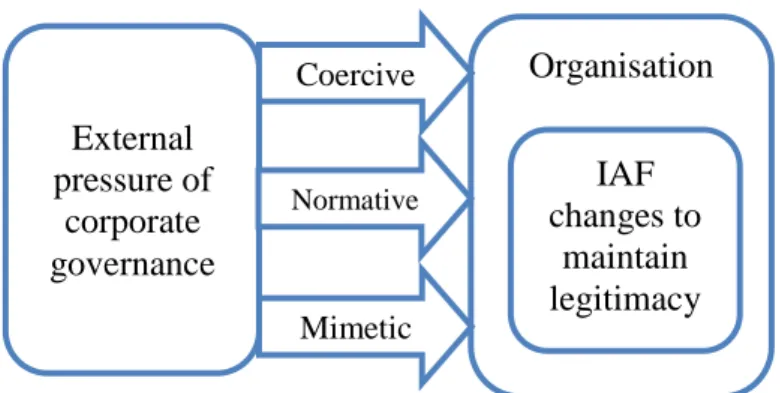
3.3 External Pressures of Corporate Governance ... 66
3.4 ERP Systems’ Logic ... 68
3.5 IAF Response and Adaptation ... 70
3.6 Conclusions ... 73
4. Methodology ... 75
4.1 Introduction ... 75
4.2 Research Paradigms ... 75
4.2.1 The Choice of Interpretive Paradigm ... 78
4.3 Qualitative Research Methodology ... 80
4.3.1 Justifications for using Qualitative Research ... 81
4.4 Selecting the Appropriate Case- Study Research Strategy ... 83
4.4.1 Justifying the Use of Case Study ... 83
4.4.2 Overcoming Case Study Limitation ... 87
4.4.4 Purposive Sampling ... 89
4.5 Empirical Research Process Design ... 92
4.5.1 Choosing Case Study companies ... 93
4.5.2 The Unit of Analysis ... 94
4.5.3 Case Study Protocol ... 95
4.5.4 The Role of the Researcher ... 96
4.6 Data Collection ... 96 4.6.1 Triangulation ... 97 4.6.2 Semi-Structured Interviews ... 98 4.6.3 Focus Groups ... 101 4.6.4 Documentary Evidence ... 102 4.6.5 Observation ... 103 4.7 Data Analysis ... 103
4.7.1 Qualitative Content Analysis ... 104
4.7.2 Within- and Cross-Case Analysis ... 108
4.7.3 The Role of Theory ... 109
4.7.4 Use of NVivo ... 110
4.7.5 Criteria for Findings Trustworthiness ... 111
4.8 Ethical Considerations ... 115
4.9 Conclusions ... 118
5. Findings from the Individual Case Studies ... 119
5.1 Introduction ... 119
5.2 Case Study 1 – The International Company (IC) ... 119
5.2.1 Background and Overview ... 119
5.2.2 IAF Related Governance External Pressures ... 120
5.2.3 Control Assumptions of the ERP System ... 126
5.2.4 Aligning Efforts ... 133
5.2.5 IAF Adaptation ... 138
5.2.6 Legitimacy of the IAF after ERP Implementation ... 153
5.2.7 Case study 1 conclusions ... 156
5.3 Case Study 2 – The National Company (NC) ... 158
5.3.1 Background and Overview ... 158
5.3.3 Control Assumptions of the ERP System ... 162
5.3.4 Aligning efforts among ERP, governance and the IAF ... 169
5.3.5 The IAF Adaptation ... 172
5.3.6 IAF Legitimacy after ERP Implementation ... 183
5.3.7 Case study 2 – Conclusions ... 187
5.4 Case Study 3 – National Bank (NB) ... 188
5.4.1 Background and Overview ... 188
5.4.2 IAF Related Governance External Pressures ... 190
5.4.3 Control Assumptions of ERP ... 195
5.4.4 Aligning Efforts among ERP, Governance and IAF ... 204
5.4.5 The IAF Adaptation ... 208
5.4.6 Legitimacy of the IAF after ERP Implementation ... 220
5.4.7 Case Study 3 – Conclusions ... 223
5.5 Case Study 4 – The International Bank (IB) ... 224
5.5.1 Background and Overview ... 224
5.5.2 IAF Related Governance External Pressures ... 226
5.5.3 Control Assumptions of ERP ... 228
5.5.4 Aligning Efforts among ERP, Governance and IAF ... 234
5.5.5 The IAF Adaptation ... 237
5.5.6 IAF Legitimacy after ERP Implementation ... 244
5.5.7 Conclusion of Case Study Four ... 246
5.6 Conclusions ... 248
6. Cross-Case Analysis and Discussion ... 249
6.1 Introduction ... 249
6.2 IAF Related Governance External Pressures ... 249
6.2.1 IAF Related Coercive Pressures ... 250
6.2.2 IAF Related Normative Pressures ... 251
6.2.3 IAF Related Mimetic Pressure ... 252
6.3 Control Assumptions of ERP ... 254
6.3.1 Automation ... 255
6.3.2 Centralisation ... 255
6.3.3 Continuous Timely Monitoring ... 255
6.3.5 Data Security ... 256
6.3.6 Integration ... 256
6.3.7 Multiple Methods of to Control ... 257
6.3.8 Preventive Controls ... 257
6.3.9 Standardisation ... 257
6.3.10 Transparency and Visibility ... 258
6.3.11 Compensating Controls ... 258
6.4 Aligning Efforts among ERP, Governance and IAF ... 261
6.4.1 Change Management ... 262
6.4.2 Re-engineering and Customisation ... 262
6.4.3 Internal Auditors’ Involvement in ERP Implementation ... 262
6.5 The IAF Adaptations ... 264
6.5.1 Scope of Services and Practice ... 264
6.5.2 The Structure of the IAF ... 265
6.5.3 Internal Auditors’ Skills ... 265
6.5.4 Internal Auditing Tools ... 266
6.5.5 The IAF Sourcing ... 266
6.5.6 Internal Auditors’ Relationship with the IT Department ... 266
6.5.7 The Size of the Internal Audit Team ... 267
6.5.8 The IAF budget ... 267
6.5.9 Internal Auditors’ Relationship with the External Auditor ... 267
6.5.10 The IAF Strategic Response ... 268
6.6 IAF Legitimacy after ERP Implementation ... 272
6.6.1 Ability of the IAF to Provide Control Assurance ... 273
6.6.2 The IAF Ability to Support Risk Management ... 273
6.6.3 The IAF Importance after Implementing ERP ... 274
6.7 Reflections on Findings... 276
6.7.1 IAF Related Governance External Pressures ... 277
6.7.2 Control Assumptions of ERP ... 278
6.7.3 Aligning Efforts among ERP, Governance and IAF ... 279
6.7.4 The IAF Adaptations ... 280
6.7.5 IAF Legitimacy after ERP Implementation ... 284
7. Conclusions ... 286
7.1 Introduction ... 286
7.2 Key Findings ... 286
7.3 Contribution of the study ... 291
7.3.1 Contributions to Theory ... 291
7.3.2 Contributions to Methodology ... 292
7.3.3 Contributions to Practice ... 293
7.4 Research Limitations ... 296
7.5 Recommendations for Further Research ... 298
References ... 300
8. Appendices ... 322
8.1 Appendix 1: Case Study Protocol ... 322
8.1.1 Introduction: ... 322
8.1.2 Case Study Protocol Outline: ... 322
8.1.3 Overview of the Case Study Research ... 322
8.1.4 The Research Instrument ... 324
8.1.5 Participant Information Sheet ... 326
8.1.6 Participant Consent Form ... 327
8.1.7 The letter from Alexandria University ... 328
8.2 Appendix 2: Interview Agenda ... 329
8.2.1 The Email Sent to Participants ... 331
8.2.2 Participant’s Personal Information Sheet ... 332
8.2.3 Interview Schedule by Interviewees ... 333
8.3 Appendix 3: The Categories and Coding Scheme ... 341
8.3.1 Corporate Governance Institutional Pressures ... 341
8.3.2 ERP Institutional Logics in Controlling Business ... 341
8.3.3 Alignment Efforts ... 342
8.3.4 The IAF Change ... 342
List of Tables
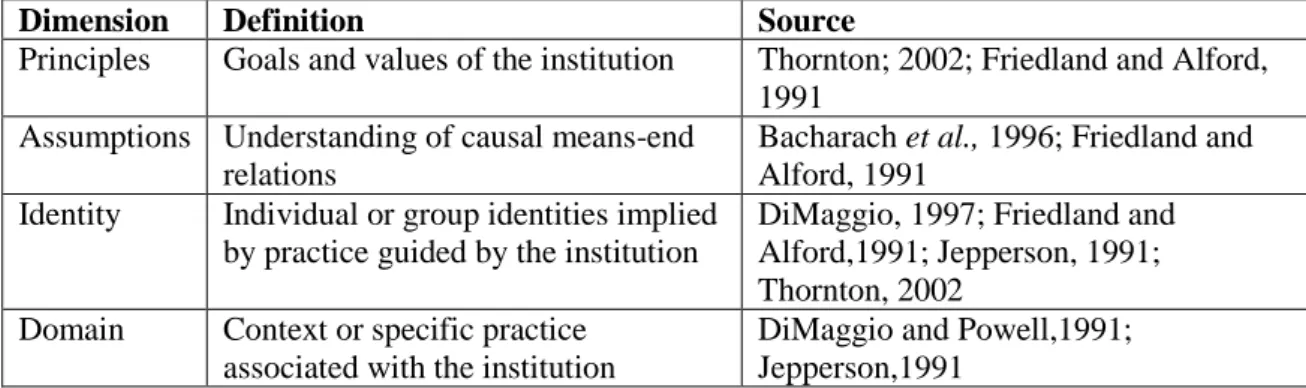
Table 3.2 Dimensions of institutional logic ... 69
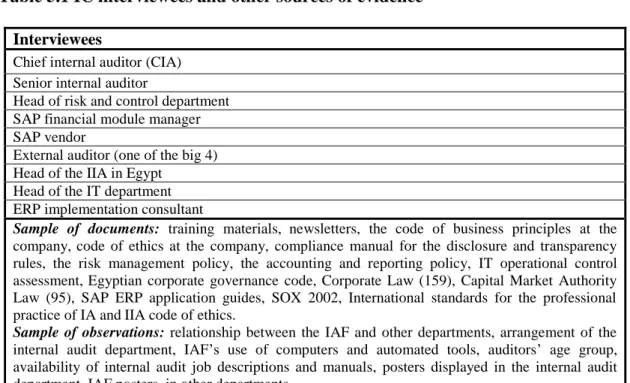
Table 5.1 IC interviewees and other sources of evidence ... 120
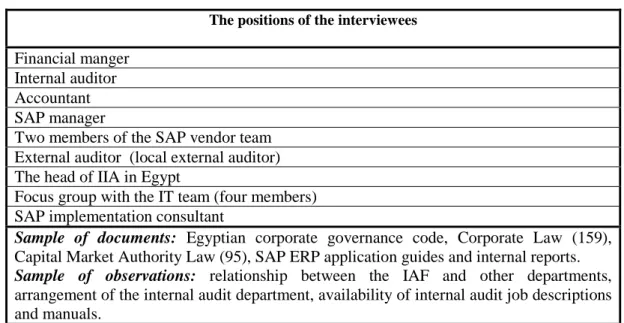
Table 5.2 NC interviewees and other sources of evidence ... 159
Table 5.3 NB interviewees and other sources of evidence ... 190
Table 5.4 IB interviewees and other sources of evidence ... 225
Table 6.1 Governance Institutional Pressures Matrix ... 253
Table 6.2 ERP systems’ control assumptions matrix ... 258
Table 6.3 ERP systems implementation aligning efforts Matrix ... 263
Table 6.4 The internal audit function adaptation and responses matrix ... 270
Table 6.5 The internal audit function legitimacy matrix ... 275
Table 6.6 Meta matrix ... 275
List of Figures
Figure 2.2 ERP system modules ... 11Figure 3.1. Governance pressures on organisations and IAF ... 67
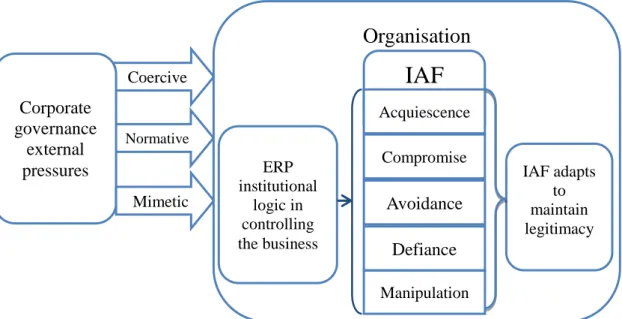
Figure 3.2. Conceptual framework for IAF adaptation ... 72
Figure 35.1 Case Study 1 – Summary of the main findings ... 158
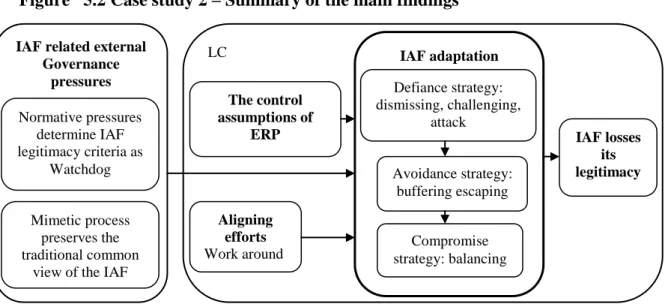
Figure 45.2 Case study 2 – Summary of the main findings ... 188
Figure 5.3 Case Study 3 – Summary of main findings ... 224
Figure 65.4 Case Study 4 – Summary of main findings ... 247
List of abbreviations
AIS Accounting Information SystemCAAT Computer-Assisted Auditing Techniques
CMBPC Continuous Monitoring of Business Process Controls COBIT Control Objectives for Information and related Technology
COSO Committee of Sponsoring Organisations of the Treadway Commission EBI Egyptian Banking Institute
ERM Enterprise risk management ERP Enterprise resource planning
ESAA Egyptian Society of Accountants and Auditors IAF Internal Audit Function
ICT Information and Communication Technologies IIA Institution of Internal Auditors
ISA International Standard on Auditing IT Information Technology
PwC PricewaterhouseCoopers SOX Sarbanes-Oxley Act
Acknowledgments
I begin my acknowledgements by expressing my utmost gratitude to Allah Almighty, who has been kind enough to bestow his mercy on me all along my life, for guiding and inspiring me during this research.
I am indebted to many individuals who have been of tremendous assistance to me while working on this dissertation. My greatest indebtedness must go to Dr Maged Ali who, from the day he accepted my PhD proposal, has been providing the greatest-possible guidance to me every moment with his valuable comments, patience, devoted time, thoughts and good wishes. I express my deepest gratitude to him. I would also like to offer my sincere appreciation to academic members at Brunel Business School; to my colleagues who supported me in innumerable ways during the doctoral programme and to my many friends and relations in Egypt who facilitated the arduous task of data collection.
My furthermost gratitude goes to my first teacher my late father who taught me how to think independently and to my mother for her constant love, support and prayer for me. My deepest appreciation goes to my wife and children for their constant tolerance, love, companionship and moral support which provided me with the resolve to complete this thesis. My appreciation goes to my sister and all my family members who have supported me with their good wishes and prayers.
Declaration
I Hany Elbardan declare that this research, its idea, analysis, findings and conclusions that are included in this PhD thesis are entirely developed by me for the purpose of this program only and have not been submitted for another qualification. Some of the material contained herein has been published in the following conference papers:
Elbardan, H, Ali, M. and Ghoneim, A. (2013) “The Dilemma of Internal Audit Function Adaptation – The Impact of ERP and Corporate Governance Pressures”, Journal
of Enterprise Information Management, Accepted for publication.
Elbardan, H. and Ali, M. (2013) “Internal Auditing Legitimacy and ERP Systems Implementation: An Institutional Case Analysis of a Multinational Bank”,
British Accounting and Finance Association Annual Conference, Newcastle
upon Tyne, UK, April.
Elbardan, H. and Ali, M. (2012) “Internal Audit Function Response to ERP Systems Implementation”, Americas Conference on Information Systems, Seattle, WA, USA, August.
Elbardan, H. and Ali, M. (2011) “Enterprise resource planning (ERP) systems implementation and the internal audit function change”, European Conference
1. Introduction and Overview
1.1 Background to the Study
This study focuses on changes in the internal audit function (IAF) following the introduction of an enterprise resource planning (ERP) system. ERP systems are cross-functional integrated systems consisting of software modules supporting operational activities such as accounting, control and human resources (Shehab et al., 2004). ERP systems were broadly implemented in many organisations to control diverse operations. ERP systems implementation implies new ways of designing functions, leads to new work procedures, changes job definitions and restricts flexibility in job tasks (Grabski et al., 2011). ERP systems are considered to be the most important and substantial IT infrastructure that interacts with the accounting functions in the last 15 years (Kanellou and Spathis, 2013). ERP systems have implicit in their design a new institutional logic for controlling business and information (Gosain, 2004). The IAF is one of the most interested functions in the IT infrastructure and its impact on the internal control system; therefore it has been affected by ERP systems implementation.
Corporate governance is defined as “the system by which companies are directed and controlled” (Cadbury Report, 1992, p. 15). Internal auditing is considered as an integral part of the corporate governance mosaic, which play a significant role in assuring an effective internal control system. The IIA (2004) recognizes the role of internal auditing in corporate governance. It asserts that the internal audit activity brings “a systematic, disciplined approach to evaluate and improve the effectiveness of risk management, control and governance processes.” This study focuses on the corporate governance rules and regulations related to the IAF and the role of the IAF in contributing to the governance process through assuring the internal control system, where internal controls promote efficiency, reduce risk of asset loss and help ensure the reliability of financial statements and compliance with laws and regulations (COSO, 2011).
The expanding opportunities for the IAF have been highlighted through the increased interest in better corporate governance practice (Ebaid, 2011). This claim is supported by real-life cases which elucidate clearly the implications of underestimating the role that the IAF can and should play (Boyle, 2012). The series of corporate collapses such as Enron and WorldCom resulted in a growing number of rules and regulations that made a radical redefinition of the nature of the internal control linking it with the
concept of risk. These risks are managed through accountability mechanisms, such as financial reporting, internal control and internal auditing (Sarens and Christopher, 2010). The increasing public interest in corporate governance has motivated organisations to strengthen their IAF (Radu, 2012). Egypt code of corporate governance (2005, p. 12) defines the aim of the IAF as “laying down systems for evaluating the means, methods and procedures of risk management within the corporation and for soundly implementing the rules governing corporate governance.” The Egyptian Code does not refer explicitly to the concept of internal control, unlike the codes of corporate governance in the UK and other countries.
Changes in the IAF have been broadly discussed in the literature (e.g. Boyle, 2012; Robson et al., 2007). Certainly, internal auditing has attracted the attention of the other governance actors (board of directors, audit committees and external auditors) who face external pressure for assurance about corporate governance practice. Internal auditing is receiving more attention than ever before (Boyle, 2012; Carcello et al., 2005). However despite the progress in the theoretical and empirical efforts to study IAF changes, in the governance and IT contexts and despite the consensus that asserts the role of the IAF as an actor in helping to tackle governance problems, there are important areas which have been overlooked and that need attention from both scholars and practitioners.
1.2 The Research Problem
The importance of having a sound internal control system has driven organisations to review their expectations of the IAF (Radu, 2012). Legislative and professional responses to financial scandals have highlighted internal auditing as a key function to support internal controls, risk management and corporate governance processes; therefore there are institutional pressures on organisations to maintain a developed IAF (Arena et al., 2006). Academic research as discussed by Gramling et al. (2004) has identified the IAF as being one of the cornerstones of corporate governance. Current auditing practice are criticised and particular perceptions are formed concerning the necessity for improved internal auditing practice (Kotb and Roberts, 2011).
Although the role of IT in organisations is perceived differently among different studies, the belief that IT is the motivator for change dominates in the information research community (Caglio, 2003; Orlikowski, 1992). Nevertheless the focus of the relevant literature has been on ERP systems in general; there is limited published scientific evidence on the implementation of ERP and its effects on accounting or auditing in
particular (Sutton, 2006; Granlund and Malmi, 2002). ERP systems have significantly changed methods of business data collection, storage, dissemination and use. ERP systems could act as a catalyst for IAF adaptation through affecting the internal control system within organisations. While the internal control objectives remain the same, the mechanisms of control are changed by implementing ERP systems. The traditional IAF, which looks only for errors, is insufficient after ERP systems implementation (Kanellou and Spathis, 2011; Madani, 2009). The traditional boundaries of internal auditing are challenged as ERP systems complicate the IAF (Saharia et al., 2008). The IAF needs to be revamped with the emerging technology and its relationship with all other parties also is affected (Paape et al., 2003).
With this level of acknowledged ambiguities and difficulties in mind, scholars repeatedly point out the inevitable need to adapt the IAF otherwise, its legitimacy might be threatened because of the growing complexity of the IT and governance demands. After ERP systems introduction, internal auditing is particularly laborious and the requirement for automation of auditing tasks was never more urgent (Tryfonas and Kearney, 2008). The ERP systems’ control principle could force auditors to change their way of conducting audits. They reassess their audit models and move toward a business process and IS control orientation. Auditing after ERP systems implementation is a very complex task as it needs a high level of technical knowledge and internal control becomes too difficult to be assessed by traditional auditors (Hunton, et al., 2004). It is essential for professional groups such as internal auditors to constantly update their knowledge and skills to maintain a grasp of their field or extend their expertise into new fields (Abbott, 1988). This professional development might include gaining some knowledge and skills of other professional groups (Caglio, 2003). Given that specialised IT knowledge is not traditionally part of the education for the internal auditors, this might encourage non-auditors to take over some of the internal auditor’s role, especially after ERP systems introduction.
In order to play a key role in corporate governance, the IAF needs to establish credibility and maintain legitimacy by demonstrating its capabilities for adding value. ERP systems give auditors a chance to look at how audit is performed and make improvements. In accordance with institutional theory (DiMaggio and Powell, 1991; Meyer and Rowan, 1977), failing to be equipped to respond to new challenges leads to legitimacy problems (Power, 2003). As confirmed by Suchman (1995), threats to legitimacy cause problems in gaining, maintaining or repairing legitimacy. In the case
of the IAF, failing to assure the effectiveness of internal controls would lead to legitimacy problems for auditors. Internal auditors and organisations are likely to be particularly interested in the role that adaptation may play in legitimising itself and its IAF in comparison to others. Therefore, investigating the adaptation at the individual organisational level may reflect not only considerations of efficiency and effectiveness, but also position the IAF in relation to other professions and other organisations.
Internal auditing practice is social constructions, where agreement among professionals is essential before something can be counted as legitimate practice by the profession. However, there is no agreement in the literature regarding the drivers for IAF change or the nature of the IAF adaptation after ERP system introduction.
ERP systems have an embedded logic that gives rise to new legitimisation rules which are then enacted as new practice and positions (Gosain, 2004). Thus, the way of working suggested by ERP functionalities may lead to the redefinition of the rights and obligations of internal auditors. With the implementation of ERP systems, the positions of professional groups should not be considered as fixed (Caglio, 2003). This may represent an opportunity for organisational actors to extend their knowledge to strengthen their professional legitimacy. However, such professional development may be matched by a movement in the opposite direction. Internal auditors may have to face the erosion of their preserve by other competing professional groups and the extent of this erosion depends on their ability to protect their occupational jurisdiction. Therefore, this study tries to explore the ambiguous and often inconsistent consequences for internal auditors deriving from the introduction of ERP systems.
Although there is considerable literature on the potential impacts of ERP systems on audit (Kanellou and Spathis, 2013; Grabski et al., 2011; Madani, 2009; Saharia et al., 2008; Hunton et al., 2004; Spathis and Constantinides, 2004), there is a scarcity of information on the key drivers of audit change (Robson et al., 2007) and the nature and direction of that change.
To date, research has pointed out the increased importance of the internal audit after ERP systems implementation. For example, Spathis and Constantinides (2004) find that the only notable change in accounting practice is related to the increased use of the IAF. Moreover, Kanellou and Spathis (2013) find that ERP systems often result in improved internal audit.
The insights gained to date have a number of limitations. First, there have been no previous studies that address the internal auditing adaptations as a response to ERP systems implementation (Kanellou and Spathis, 2011). Second, most of the studies regarding the IAF and ERP systems have taken place in the developed countries such as the USA and the UK (Kholeif et al., 2007; Ebaid, 2011), while ignoring developing countries where there is growing attention to the corporate governance process and a diffusion of ERP systems. ERP built-in practice and logic are derived from developed countries and so are not necessarily appropriate for developing countries but the previous literature has not explored this issue (Soh et al., 2000). Finally, according to Abdolmohammadi and Boss (2010), studies have focused on addressing the changes in external auditing while very few are driven by the internal audit view.
The IAF adaptations after ERP systems implementation, is an under-researched area that requires more attention (Grabski et al., 2011; Kanellou and Spathis, 2011; Nwankpa and Datta, 2012; Kanellou and Spathis, 2013). Moreover, Grabski et al. (2011) suggest that there is a lack of a strong theoretical base in ERP studies. However, there are different levels of analysis in research on ERP systems offering interesting new insights. Mignerat and Rivard (2009) suggest that there is room for contributions by applying institutional theory at sub-organizational levels such as groups, departments and functions. Therefore, the study responds to institutional theorists’ calls to understand how ISs contribute to functions change and stability.
Consistent with recent studies (e.g. Grabski et al., 2011; Kanellou and Spathis, 2013) and based on the literature analysis, this study finds a continuing need to bridge a knowledge gap stemming from the lack of a multilevel lens that explores the macro- and micro-institutional pressures on IAF adaptation. It is found that the field lacks in particular an empirically verified lens that can offer an in-depth understanding of the pressures that are associated with the IAF change and the nature of needed adaptations. Moreover, Rose and Kræmmergaard (2006) suggest that a research focus on change and actors’ perceptions of evolving conditions is likely to reveal new and challenging insights and contribute to AIS research.
1.3 Aim and Objectives
The purpose of this study is to explore, through using the institutional theoretical lens, the adaptation in the IAF’s practice and structure as a response to the new control assumptions carried by ERP systems and the increased IAF related governance
pressures, in order to maintain its legitimacy. The study aims to add to our knowledge of how ERP systems motivate adaptation in the IAF to maintain the acceptability of its role by its stakeholders as a corporate governance actor. This should contribute to our understanding of these issues and the development of a frame of references, which can be used to support the IAF adaptation.
The specific objectives of the study are:
To critically review the ERP literature related to the accounting and auditing field with particular focus on the IAF and to identify and evaluate governance factors influencing the IAF
To design an appropriate theoretical research framework
To make an informed decision about the appropriate research methods and analytic tools to be adopted
To verify the framework within the practical arena and to provide a novel contribution to the domain of ERP systems and IAF.
The study addresses one overarching research question:
How does the IAF respond to the external governance pressures and the internal ERP systems’ logic pressures in order to maintain its legitimacy as a governance mechanism?
This is broken down into a number of subsidiary questions:
RQ1. What is the macro-governance pressure associated with the IAF and how do these pressures direct the IAF practice and structure in the sub-organisational level?
RQ2. What are the control assumptions of ERP systems that have impact on the IAF and how do the participants perceive these assumptions?
RQ3. How has the alignment between ERP systems logic and governance been made?
RQ4. How does the IAF adapt after ERP system introduction and how does this relate to the governance pressures?
RQ5. How do these adaptations affect the legitimacy of the IAF?
1.4 Significance and Scope of the Study
Prior studies tend to agree about the need for IAF change after ERP systems implementation; however no sufficient evidence has been revealed about the nature and
study is expected to fill a gap that exists in prior research related to governance, ERP systems and the IAF. It makes a significant contribution to the academic IS and accounting literature as it addresses a topic that is timely and of interest not only to academics, but also to the audit practice community. It is a topic that has generated considerable discussion in both environments, as organisations spend major portions of their budgets on ERP systems and want to improve their governance process.
This study contributes to the knowledge of the relationship between ERP and internal auditing, which will be of value to any organisation considering ERP systems implementation and needing to know what are the proper internal audit practice and structure. Moreover, educational institutions will be interested in the results of this study as it will investigate the qualities which are required in the internal auditors in the ERP-based organisations. Regulators who issue the standards followed by internal auditors will benefit as well. Practitioners also need to know the kind of training, skills and knowledge they require before working in ERP-based organisations. Furthermore, the results of this study provide stimulus for consequent research in the field in order to further examine and account for the internal auditing benefits that can occur from ERP systems implementation as well as the effect of these benefits on the governance process.
This research contributes to the academic field through offering an empirically validated theoretical frame to analyse and explore the pressures affecting the IAF. Previous studies have failed to produce a multilevel holistic framework to understand the role of the macro- and micro-factors impacting the IAF arrangement. This research offers a lens to explore these factors and simultaneously produces a novel multifaceted framework for analysing the unsolved questions in the field. The research also contributes to advancing the field theoretically, practically and methodologically.
The scope of this research is restricted to the study of one particular mechanism of corporate governance (the IAF) and one particular information system (the ERP system) in one developing country (Egypt).
1.5 Structure of the Thesis
The remainder of the thesis is structured as follows. The next chapter provides a critical review of the relevant accounting, auditing and ERP literature and discusses institutional theory. It evaluates previous studies that have focused on the intersection
between the fields of accounting and information systems and develops a theoretical framework. It concludes by identifying gaps in the literature that are addressed by the study.
This is followed by Chapter 3, which presents the conceptual framework and discusses its main concepts, factors and sub-factors. The evolution of the framework is described to show its theoretical roots. The framework is based on the findings from the literature and the pilot stage.
The methodology is discussed in Chapter 4. It identifies the research paradigm and links it with the research design. It also explains and justifies the research methods used to select the cases and to collect and analyse the data.
Chapter 5: presents the findings from the analysis of the individual-case studies, while Chapter 6 provides a discussion of the findings from the cross-case analysis and highlights the lessons that emerged from the main findings of the study.
The final chapter draws conclusions and discusses the theoretical, practical and methodological contributions of the study. It ends with a discussion of the limitations of the research and identifies areas for further study.
2.
Review of the Literature
2.1 Introduction
The body of literature suggests that ERP systems are able to motivate adaptation in the work of many professional groups within organisations and may threaten their legitimacy if they are not suitably adapted. However, there is no sufficient evidence related specifically to the IAF. This chapter critically analyses the multi-disciplinary literature with a particular focus on the relationship between ERP and IAF, with a view to identifying gaps in the literature and a theoretical framework. In doing so, this chapter attempts to draw out the main directions and key themes in the field to cultivate a mature and solid understanding of the phenomenon.
This review starts by evaluating the IS literature related to the role of ERP systems in changing the working environment within organisations and functions, where the IAF is one of these functions. This review helps the examination of studies of the potential impacts on the risk-control landscape that is the main concern of the IAF. Then, the literature related to internal auditing as a governance function is reviewed, shows that the IAF need to adapt to maintain its legitimacy as a governance mechanism.
The AIS literature on the ERP systems impact on the accounting field is reviewed to draw a roadmap for studying the impact of ERP systems on the IAF. This helps in identifying the theories, methodologies and research strategies used in this area and makes suggestions appropriate to fill the research gap. Then, the literature on legitimacy in the accounting and auditing are reviewed to offer an understanding of the concept and how it can be studied.
In order to determine how the IAF adaptation can be investigated, the literature related to the aspects of the IAF which might change are reviewed, whether the changes are a response to IT pressures or to governance pressures. Significant gaps in the literature are addressed and the research question is stated. The institutional theoretical lens that is used to study the phenomenon is explained and justified through reviewing the relevant studies in the area. Finally, conclusions of the chapter are outlined.
2.2 ERP System as a Change Motive (IS Literature)
ERP systems play an essential role in the daily operations of modern business organisations. Generally, the influences of IT on the structure and practice of many professions have long been recognised. For professional groups, new advances in IT cause change in many aspects of their professional development (Walsham, 1998). The implementation of ERP systems implies by necessity new ways of designing tasks, jobs and work modules, communications within organisations and work structures and procedures (Kallinikos, 2004).
2.2.1 ERP System Concept
ERP systems are one of the most important innovations in the world of IT. It has become one of the most widespread IT solutions, which is the backbone of many big enterprises in the world (Alshawi et al., 2004). According to Chung and Snyder (2000), ERP systems have been developed to be highly configurable to accommodate the needs of diverse sectors of the economy such as the manufacturing and finance sectors. Therefore, ERP has attracted increasing attention from researchers and practitioners (Momoh et al., 2010).
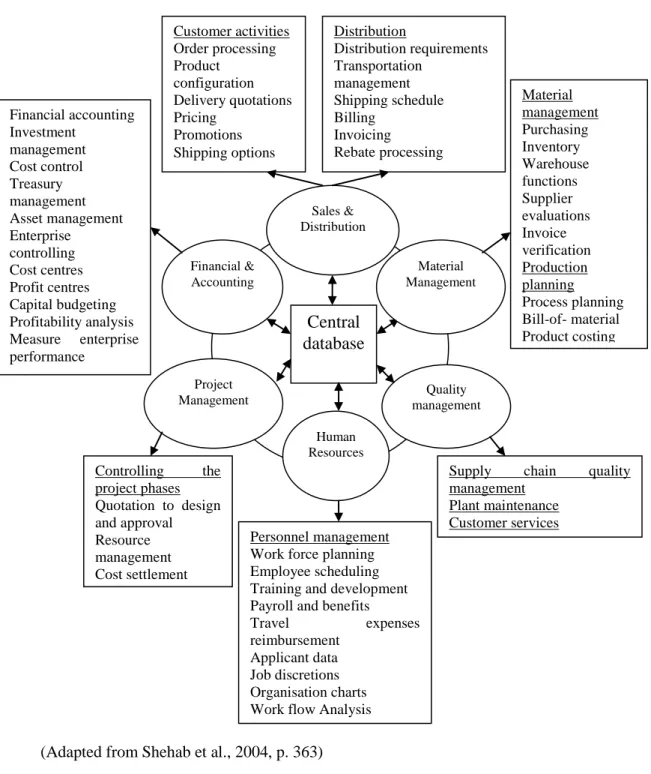
While ERP systems have gained relative prominence in the literature, there is dissent among academics on the nature and definition of ERP. For instance, Davenport (1998) defines it as a commercial software package that promises the seamless integration of all the information flowing through a company. Furthermore, Pawlowski et al. (1999) posit that ERP is not a term referring to a distinct object but rather an “umbrella term” referring to a range of similar products. Klaus et al. (2000) consider ERP as a development objective mapping all processes and data of an enterprise into a comprehensive integrative structure. According to Kumar and Van Hillsgersberg (2000), these systems are configurable IS packages that integrate information and information-based processes within and between functional areas. Moreover, Shehab et al. (2004) define ERP systems as business management systems that include integrated sets of comprehensive software, which used to manage and integrate all the business functions within an organisation. These sets usually consist of business applications for financial and cost accounting, sales and distribution, materials management, human resource and supply chain management. Others (e.g. Dillard et al., 2005; Trimi et al.,
2005) define ERP systems as enterprise wide packaged software applications that tightly integrate and manage information flows and business functions within and across organisation into a single system with a shared database. An overview of the ERP system structure which outlines the functional modules is presented in Figure 2.1. Figure 2.1 ERP system modules
(Adapted from Shehab et al., 2004, p. 363)
A central concept that can inform our understanding of the nature of ERP is that it is integrated information architecture, and this integration may vary in scale or scope (Chapman and Kihn, 2009). According to Granlund and Malmi (2002), the level of
Central database Material Management Quality management Financial & Accounting Human Resources Sales & Distribution Project Management Customer activities Order processing Product configuration Delivery quotations Pricing Promotions Shipping options Distribution Distribution requirements Transportation management Shipping schedule Billing Invoicing Rebate processing Material management Purchasing Inventory Warehouse functions Supplier evaluations Invoice verification Production planning Process planning Bill-of- material Product costing
Supply chain quality management Plant maintenance Customer services Financial accounting Investment management Cost control Treasury management Asset management Enterprise controlling Cost centres Profit centres Capital budgeting Profitability analysis Measure enterprise performance Controlling the project phases Quotation to design and approval Resource management Cost settlement Personnel management Work force planning Employee scheduling Training and development Payroll and benefits Travel expenses reimbursement
Applicant data Job discretions Organisation charts Work flow Analysis
systems integration is a continuum which goes from a collection of stand-alone systems to a completely integrated system, where a company that implements only a few modules of the ERP is somewhere in the middle of the continuum. In their case study, only the financial and accounting modules of the software had been implemented and they regard this as an ERP system.
Based on these different perspectives and for the purposes of this study, ERP systems can be defined as “Business management systems, which are module-based integrated software packages, control the seamless integrated information flow and process across functional areas within the organisation and include at least the financial and accounting module and any other module as a single system with a shared database”.
2.2.2 Organisational Change with ERP Implantation
ERP systems implementation involves broad organisational changes in business processes and significant implications for the management model, structure and individuals within organisations (e.g. Pawlowski et al., 1999; Maheshwari et al., 2010). Volkoff (1999) highlights the organisational changes brought about by ERP systems which can affect the social environment and reform the entire information infrastructure. Moreover, Robey et al. (2002) view ERP implementation as a dialectic process involving forces promoting and opposing change. Additionally, ERP has the ability to act as a force for radical social change (Lengnick-Hall et al., 2004).
Davenport et al. (2004) confirm that ERP imposes its own logic on organisations. Therefore, ERP implementation can be viewed as organizational-change projects. ERP is a kind of management innovation which involves the introduction of novelty and represents a particular force of organisational change. Furthermore, Pollock and Williams (2008) provide evidence that there is always a wide gap between system capabilities and the context specific requirements and practice of the implementing organisations. Therefore, several tensions and challenging discrepancies appear and need to be addressed after using these systems.
ERP systems are a significant factor in the users’ real lives. Different groups experience particular losses or gains from ERP implementation (Yeh and OuYang, 2010). Based on the socio-technical nature of the organisational change process that arises from ERP systems implementation, several researchers have identified the need to uncover the
dynamics of the organisational change process (e.g. Lyytinen and Newman, 2008). Organisational actors’ values need to be considered in ERP implementations. For organisational actors, both diversity and free choice of actions became more limited. They need to learn a new way of working, cooperating in a network system and understand how and why their processes have changed. These requirements meant that professional groups have to change how they think about their work and the types of relationships within and between organisations (Lengnick-Hall et al., 2004). According to Yeh and OuYang (2010), most ERP researchers have evaluated ERP implementation from a technological perspective and have paid less attention to managerial and human perspectives. Additionally, Davenport et al. (2004) suggest that organisations with highly advanced abilities to use information derived from an ERP have the potential to alter their job roles and change their organisational structures.
In this study, ERP systems are treated as independent products capable of initiating socio-technical organisational change process affecting the organisational actors’ practice and structures. This is not an uncontroversial stance, but it is a part of the debate in research on ERP systems (Kallinikos, 2004). Additionally, investigating ERP systems in these terms does not disregard the significance which the implementation process may have in reshaping these systems to the demands of certain organisations.
2.2.3 ERP Introduces More Risks
Many studies have discussed risks associated with ERP systems from different perspectives (e.g. Adam and O’Doherty, 2000; Klaus et al., 2000; Soh et al., 2000; Sumner, 2000; Ragowsky and Somers, 2002; Scott and Vessey, 2002; Al-Mashari, 2003; Huang et al., 2004; Shehab et al., 2004; Genoulaz et al., 2005; Trimi et al., 2005; Zafiropoulos et al., 2005; Ojala et al., 2006; Hakim and Hakim, 2010). Most of these studies agree that ERP systems are risky and mention that risks revolve around implementation, technicality and functionality.
ERP implementation necessitates some pivotal changes in organisations based on Re-engineering and customisation efforts. Mabert et al. (2001) found that these efforts cause risk of resistance to change, reluctance to learn new ways of doing jobs or reluctance to accept new responsibilities, while Wright and Wright (2002) assert that these changes increase the potential for control weaknesses and may result in financial statement errors or inaccurate internal information. Additionally, Hakim and Hakim
(2010) find that the main implementation risks include: organisational risks such as the degree of required changes and capabilities in process re-engineering; technical skills risks that include ability to attract and maintain qualified staff, optimal utilisation of internal employees, cross technical training and exchange of knowledge between groups; system risks that include identifying and understanding the changes required and user risks that include system comprehension by the users, coordination among departments and resistance to change.
According to Adam and O’Doherty (2000), ERP technical risks include the tight integration of application modules and data and privacy concerns. O’Leary (2000) suggests that the interdependent nature of ERP systems’ applications and the reliance on relational databases expose an organisation to different business interruptions than traditional systems. This is confirmed by Wright and Wright (2002) that ERP system presents risk due to the linked interdependencies of business processes and relational databases. They add that ERP systems increase security risks, which may increase financial-statement risk if access is not adequately and periodically monitored. O’Leary (2002) comments on Wright and Wright (2000) and asserts that there are key problems in the area of ERP systems controls and security. Hunton et al. (2004) provide evidence that ERP creates concerns about system security, database security and control risk because of process interdependency. So a security concern in one department may lead to jeopardizing the entire ERP system. Aloini et al. (2007) assert that ERP systems impose risk that an error in one part of the system brings down the entire system and disrupts the organisation’s business processes. Moreover, Hendrawirawan et al. (2007) suggest that integration increases the risk of fraud by users who have excessive authority.
Some authors (Adam and O’Doherty, 2000; Soh et al., 2000; Sumner, 2000) provide evidence that functional risks arise from the challenge of incompatibilities between systems and organisational needs in regard to processing procedures and the presentation format and the information content of the output. Although most ERP systems have been adapted to the specific business practice model, not all of them are necessarily appropriate for a specific organisation. These risks can lead to inappropriate access, missing validation procedures, inappropriate operational steps, inappropriate output formats and incorrect information content of input (Soh et al. 2000).
This review shows that ERP systems introduce more risks that are important to deal with and mitigate through proper control and audit and assurance functions. On one side, and building on Hakim and Hakim (2010) and Sumner (2000), it can be claimed that the improper adaptation, change and the improvement of capabilities and reengineering of the IAF after ERP systems implementation can be considered as organisational risks. Attracting and maintaining qualified internal auditing staff, optimal utilisation of internal auditors, inappropriate technical training and exchange of knowledge between auditors and other groups after ERP systems implementation can be considered as technical risks. System comprehension by auditors, coordination among audit department and other departments and resistance to changes can be considered as user risks.
According to Wright and Wright (2002), ERP increases the potential for control weaknesses. Therefore, it is important for those whose responsibility it is to provide assurance to be aware of these unique risks in planning and executing internal auditing. This will affect one of the main roles played by the IAF in providing assurance about the ability of the internal control systems to mitigate risks.
2.2.4 ERP Affect the Control System
Control-risk increases when advanced technology is implemented for accounting and IS. Traditional internal controls are insufficient in preventing or detecting errors for accounting systems with advanced IT (Huang et al., 2004). ERP systems are likely to shift the locus of control and related activities. The integrative nature of ERP systems affect many control issues such as control planning, control monitoring, authorisations, reconciliations, segregation of duties and risk assessments (Rikhardsson et al., 2005). However, there is a debate on the ambivalent nature of this change (Pawlowski et al., 1999; Rikhardsson and Kræmmergaard, 2005; Grabski et al. 2011). On the one hand, ERP may bring about relaxation of control (Davenport, 1998; Sia et al., 2002; Wright and Wright, 2002). On the other hand, it may tighten internal control (Elmes et al., 2005; Rikhardsson et al., 2005; Rajan and Saouma, 2006; Chapman and Kihn, 2009). For example, Sia et al. (2002) asserts that ERP results in expanding job scopes thus making the jobs of some employees more powerful than before, which directly contradicts the traditional control principle of segregation of duties in the auditing
literature. Wright and Wright (2002) confirm that with ERP implementation, controls and security aspects are going to change.
Moreover, some authors (e.g. Bae and Ashcroft, 2004; Madani, 2009) discuss that implementation risks could result in inadequate new business controls because of the reengineering process. During this process traditional controls could be eliminated without replacing them with new effective controls. Sayana (2004) finds that ERP systems are designed as configurable solutions that can operate in many countries and industries. This adaptability in the ERP can lead to internal control weaknesses by allowing options that were completely prohibited in the past. Sayana (2004) asserts that ERP systems enable data entered at one stage of the process to be forwarded to the next stage with implicit acceptance of its validity and there is often no re-verification at different stages. The impact on controls is that there is no room for checking along the way.
However, some studies (Poston and Grabski, 2001; Rikhardsson et al., 2005; Chapman and Kihn, 2009; Emerson et al., 2009) found evidence that ERP systems facilitate the automation of some control activities, reduce manual tasks and enable stricter controls. ERP systems effectively eliminate the idea of data flow and replace it with enterprise-wide data access, thereby enhancing data security, accuracy and integrity. ERP systems enable integrated information for greater visibility of employees’ activities (Elmes et al., 2005). Orlikowski (1991) argues that control is probably tighter as the range of opportunities for individual choice is constrained, simultaneously enhancing the hierarchical visibility of the remaining choices. The integrated business processes reduce errors (Soh et al., 2000; Mabert et al., 2001), result in data interdependency where data inconsistencies are clearly flagged (Sia et al., 2002) and facilitate the matching of documents (Chapman and Kihn, 2009). Rajan and Saouma (2006) confirm that the relative information advantage of the manager is a function of the implementation of ERP systems. In settings where the information generated by these systems can be monitored by the owner, more information is better as this help in solving the issue of the asymmetric information. O’Leary (2000) asserts that ERP systems enhance control through standardised information, enable standard operational processes and increase organisational formalisation and controls. ERP helps organisations control their activities by centralising information (Ragowsky and
Somers, 2002). Yeh and OuYang (2010) suggest that organisations need to learn how to manage and control the working environment of these systems.
Based on the previous debate, it can be stated that there is no clear understanding of the impact of ERP systems on the internal control system. This confusion about the impact of ERP systems on the internal control system affects the internal auditors’ ability to provide a reliable assurance about the control system. Therefore, internal auditors need a comprehensive view and adaptation to the new risk-control landscape after ERP systems implementation in order to gain the best results and add value to the governance practice.
2.2.5 ERP Impact on Corporate Governance
Corporate scandals such as Enron in the USA and HIH in Australia have reinforced the need to pay careful attention to corporate governance as a mechanism to ensure that the needs of governments and shareholder are met. There is no universally accepted definition of corporate governance. In the UK, the Cadbury Report (1992, section 2.5), describes corporate governance as the system by which companies are directed and controlled. According to the Egypt governance code, “Principles of corporate governance describe the rules, regulations and procedures that achieve the best protection of and balance between the interests of corporate managers, shareholders, and other stakeholders.” (p. 4) Hermanson and Rittenberg, (2003) expand the IIA’s definition of governance as follows:
Governance processes deal with the procedures utilized by the representatives of the organization’s stakeholders to provide oversight of risk and control processes administered by management. The monitoring of organizational risks and the assurance
that controls adequately mitigate those risks both contribute directly to the achievement of organizational goals and the preservation of organizational value. Those performing governance activities are accountable to the organization’s stakeholders for effective
stewardship. (Hermanson and Rittenberg, 2003, p. 27)
Based on these definitions, the governance framework includes policies, performance measurements and controls, which direct and align work towards achieving goals. The corporate governance efforts focus on improving transparency and accountability and clarifying the division of roles between management oversight and business execution. Where the scale and scope of ERP systems affect full business transformations, corporate governance becomes important. Carroll and Fitz-Gerald (2005) suggest that ERP systems raise the issue of corporate governance; however they focus on the impact
of the organisational governance on the ERP systems implementation. Chen (2009) suggests that ERP systems should be considered not only as IS, but also as a part of corporate governance systems and suggests that to leverage the value of ERP systems, organisations should consider the alignment of the internal control and audit function, corporate governance and Information Technology (IT) governance.
According to Chen (2009), governance issues are important topics in ERP research. Chen et al. (2012) conclude that after ERP implementation, the focus of internal control is shifted to cover the whole business operations not only the accounting operations. This will strengthen internal control to reinforce corporate governance. Furthermore, according to Grabski et al. (2011) ERP systems offer several benefits for risk management such as internal controls, an enhanced audit trail and compliance and governance extensions. They suggest that some critical areas deserving extended focus include the auditing in the ERP work environment especially the design of control systems and auditors’ expertise.
In order to achieve successful corporate governance, the governance structures and the governance practice should be aligned, so that the formal structures become an accepted part of practice within an organisation. ERP systems can narrow the gap between intentions and actions relating to governance processes that means the difference between the documented governance structure and the governance activities enacted in everyday organisational life.
2.3 IAF as a Governance Mechanism (Auditing Literature)
Almost two decades ago Kalbers and Fogarty (1995) found that a wide range of practitioner literature exists in the area of internal auditing, while academic literature on internal audit practice was relatively limited. Moreover according to Boyle (1993), academic literature on internal audit practice gave less attention to the well-structured research models that help the understanding of contemporary internal audit practice. Page and Spira (2004) confirm that the corporate governance requirements have an impact on the IAF. Carcello et al. (2005) suggest that internal auditing is enjoying prominence and attention unlike ever before.Nevertheless, according to Sarens and De Beelde (2006a) the existing literature, standards and practice advisors suggest that the internal auditing is influenced by
several variables such as governance rules and IT developments, therefore it needs more attention. IT cannot by itself enhance the effectiveness of corporate governance practice. The main efficiency factor depends on the way internal auditing changes its structure and practice and communicates as a response to the use of these technologies. Therefore, Allegrini et al. (2006) assert that the continuous evolution of internal auditing requires the synthesis of research findings and constant updating of the professional body of knowledge. Additionally, Sarens et al. (2011) suggest that there are promising research opportunities to critically evaluate whether the traditional internal audit activities are still sufficient to meet the contemporary needs of organisations.
2.3.1 IAF Concept
Just after the IIA establishment at 1940, internal auditing was perceived as an extension of external auditing and it was concerned strictly with accounting verification within organisations as assistance to external auditing (Kagermann et al., 2008; Bloom et al., 2009). Starting as a function primarily focused on protection against fraud and loss of assets, its scope was extended to include verifying almost all financial transactions and gradually moved from “audit for management” to an “audit of management” approach (Bailey et al., 2003). Lately, according to Bloom et al. (2009), internal auditors became management consultants examining not only accounting but also non-accounting functions.
After debate between practitioners, academics and the accountancy professions, the IIA (1999) defined internal auditing as “an independent, objective assurance and consulting activity designed to add value and improve an organization’s operations. It helps an organization accomplish its objectives by bringing a systematic, disciplined approach to evaluate and improve the effectiveness of risk management, control, and governance processes”. This definition highlights the valuable contribution of internal auditing. It is designed to add value and improve organisations’ operations. Such a perspective expands internal auditing’s working domain to include risk management and control and governance processes. Nagy and Cenker (2002) have investigated whether the new internal audit definition really reflects the day-to-day activities of the IAF. They found that the new definition describes the current practice.
2.3.2 IAF Related Governance Directions
Numerous standards and legal requirements address the internal audit process. In the USA, for example, these include the Sarbanes-Oxley Act (SOX, 2002), NYSE Listing Standards (SEC, 2003), COSO Internal Control Integrated Framework (COSO, 2011), COSO Enterprise risk management Integrated Framework (COSO, 2004), Control Objectives for Information and related Technology (COBIT) and the Public Company Accounting Oversight Board (PCAOB). The latter suggests that a complementary benefit of its standard is “encouraging companies to invest in competent and objective internal audit functions” (PCAOB, 2004, p. 10).
Prior the issuance of SOX (2002), external auditors had a main role in facilitating the implementation and auditing of internal control systems, including IT audits. However, this situation has changed after SOX (2002). First, SOX (2002, Section 404) puts the responsibility for internal control systems documentation and evaluation on the management, who have passed on much of the responsibility to the internal auditors. Second, external auditors are not allowed to provide certain services such as the financial internal audit outsourcing services (SOX, 2002, Section 201). So it becomes difficult for organisations to depend mainly on external auditors in providing guidance relating to IT audits. The responsibility for the IT audits has increasingly fallen on the internal auditors of the organisation.
While in the UK standards and guidance include the Turnbull Report (1999) that has the purpose of providing guidance on certain aspects especially those dealing with internal control, risk management and internal auditing. In Europe the European Confederation of Institutes of Internal Auditors (ECIIA) has adopted a strong position towards the internal audit role in corporate governance (Paape et al., 2003).
The Basel Committee issued three publications which merit the attention of the internal auditor especially the internal bank auditor:
Enhancing corporate governance in banking organisations (1999) addresses a
number of issues, such as risk management and audit functions
Internal audit in banks and the supervisor’s relationship with auditors” (2001)
emphasises the significant role of the internal auditor in the evaluation of internal control processes
The internal audit function in banks (2012) promotes a strong IAF within banks.
These standards and legal and professional directions pressurise organisations to maintain a sound IAF which adds value by enhancing governance. There are challenges for internal auditing profession and activities to significantly adapt to cope with the evolution of governance requirements (Bailey et al., 2003).
2.3.3 The Governance Role of the IAF
The increasing public interest in governance issues has resulted from the financial crisis and repeated financial scandals which have driven organisations to review their expectations of the IAF (IFAC, 2006). This raises the importance of the IAF as a key component of good corporate governance practice (Spira and Page, 2003). Internal auditing has established its position as essential within the corporate governance field (Paape et al., 2003). Gramling et al. (2004) point out that the IAF quality has an impact on the quality of corporate governance. The internal audit central role in corporate governance has gained increasing attention, because of its importance to the internal control and risk management. These are the two important aspects of corporate governance.
Such shifts have had the purpose of increasing the value-added by internal audit to organisations. However, Arena and Azzone (2009) point out that these changes require a redesigning of internal audit structure and activities. Selim et al., (2009) assert that the move away from a narrow scope of evaluating the effectiveness of internal controls towards a broader range of activities created opportunities for the profession to re-examine its structure and practice. Sarens (2009) points out that very few studies have investigated the relationship between internal audit and governance.
Carcello et al. (2005) examine the internal auditing changes during the time of the Enron and WorldCom financial disasters and the related focus on internal control and corporate governance. Their findings show that internal audit budgets, staffing levels, meetings and meeting length with the audit committee have increased noticeably from 2001 to 2002. They suggest that the IAF has changed in numerous ways during the time of the accounting scandals in the US. They encourage additional research to examine
changes in the mix of the internal audit’s activities and the structure of the IAF. Moreover, they encourage research on this topic in other countries.
The two main governance activities for internal auditing are “monitoring risks” and providing “assurance regarding controls” (Bailey et al., 2003; Hermanson and Rittenberg, 2003), therefore the next two subsections will discuss these activities.
IAF Role in Risk Management and ERP Impact
Risk assessment and risk management are major aspects of corporate governance. The responsibility of internal auditors is mainly risk assessment and assisting management with their responsibility for risk management (Cattrysse, 2005). Sarens (2009) points out that the internal audit’s role in monitoring and improving risk management has turned out to be an important contribution to corporate governance. There is evidence (e.g. Arena and Azzone, 2009) of the added-value from the active support of the internal auditors in risk management. Sarens and De Beelde (2006b) stress that top managers expect internal auditors to assist them in formalising risk management systems and gaining a reasonable level of awareness about risks and controls. In addition, Marshall and Magliozzi (2009) find that internal auditors have a strong desire to improve their knowledge and skills in enterprise risk management (ERM), despite their relatively high competency levels in these areas.
The legitimacy of the internal audit strongly depends on its capability to monitor and improve risk management that is clearly referred to in the definition of internal auditing (IIA, 1999). According to the IIA Position Statement (2009, p. 3), the internal auditor’s role in ERM is to “provide objective assurance to the board on the effectiveness of an organization’s ERM activities to help ensure key business risks are being managed appropriately and that the system of internal control is operating effectively”. The standards of internal auditing (IIA, 2009) present substantive changes designed to enhance the internal audit’s contribution in monitoring, assessing and reporting on the effectiveness of the risk management process. Moreover, Bloom et al., (2009)