Published online February 5, 2015 (http://www.sciencepublishinggroup.com/j/ajls) doi: 10.11648/j.ajls.20150301.17
ISSN: 2328-5702 (Print); ISSN: 2328-5737 (Online)
Genetic Engineering of Microalgae for Enhanced Biodiesel
Production Suitable Fuel Replacement of Fossil Fuel as a
Novel Energy Source
Fatemeh Nazari, Jamshid Raheb
*National Institute of Genetic Engineering and Biotechnology, Tehran, Iran
Email address:
[email protected] (F. Nazari), [email protected] (J. Raheb)
To cite this article:
Fatemeh Nazari, Jamshid Raheb. Genetic Engineering of Microalgae for Enhanced Biodiesel Production Suitable Fuel Replacement of Fossil Fuel as a Novel Energy Source. American Journal of Life Sciences. Vol. 3, No. 1, 2015, pp. 32-41. doi: 10.11648/j.ajls.20150301.17
Abstract:
Due to negative environmental influence and limited availability, petroleum derived fuels need to be replaced by renewable biofuels. Biodiesel has attracted intensive attention as an important biofuel. Microalgae provide various potential advantages for biodiesel production when compared with ‘traditional’ crops. Specifically, large scale micro algal culture need not compete for arable land, while in theory their productivity is greater. In consequence, there has been resurgence in interest and a proliferation of algae fuel projects. However, while on a theoretical basis, microalgae may produce between 10 and 100 fold more oil per acre, such capacities have not been validated on a commercial scale. There are a series of consecutive processes for biodiesel production with microalgae as feedstock, including selection of adequate micro algal strains, mass culture, cell harvesting, oil extraction and trans esterification. To reduce the overall production cost, technology development and process optimization are necessary. Genetic engineering also plays an important role in manipulating lipid biosynthesis in microalgae. Many approaches, such as sequestering carbon dioxide from industrial plants for the carbon source, using wastewater for the nutrient supply, and maximizing the values of byproducts, have shown a potential for cost reduction. This review provides a brief overview of genetic engineering of microalgae for enhanced biodiesel production.Keywords:
Biofuel, Biodiesel, Microalgae, Genetic Engineering1. Introduction
Modern society relies heavily on fossil fuels, which accounted for 88% of the global energy supply in 2007. On the basis of current fossil fuel reserves top reduction ratios, oil, natural gas, and coal could only last for approximately 40, 60, and 130 years, respectively(25,28). Bioenergy is one of the most important components to mitigate greenhouse gas emissions and substitute of fossil fuels. The need of energy is increasing continuously, because of increases in industrialization and population. The basic sources of this energy are petroleum, natural gas, coal, hydro and nuclear. The major disadvantage of using petroleum based fuels is atmospheric pollution created by the use of petroleum diesel. Petroleum diesel combustion is a major source of greenhouse gas (GHG). Apart from these emissions, petroleum diesel is also major source of other air contaminants including nox, sox, CO, particulate matter and volatile organic compounds. Biomass is one of the better sources of energy. Large scale introduction of biomass energy could contribute to
crops and animal fats account for only approximately 0.3% of the current demand for transport fuels. Increasing biofuel production on arable land could have severe consequences for global food supply. In contrast, producing biodiesel from microalgae is widely regarded as one of the most efficient ways of generating biofuels and also appears to represent the only current renewable source of oil that could meet the global demand for transport fuels. The main advantages of second generation micro algal systems are that they: (1) Have a higher photon conversion efficiency (as evidenced by increased biomass yields per hectare): (2) Can be harvested batch wise nearly all-year-round, providing a reliable and continuous supply of oil: (3) Can utilize salt and waste water streams, thereby greatly reducing freshwater use: (4) Can couple CO2neutral fuel production with CO2 sequestration: (5) Produce non-toxic and highly biodegradable biofuels. Current limitations exist mainly in the harvesting process and in the supply of CO2 for high efficiency production (23).This review provides a brief overview of the background and recent developments in Genetic engineering of microalgae for enhanced biodiesel production.
2. Biodiesel
Biodiesel is a nontoxic, biodegradable alternative fuel, less CO2 and nox emissions (25). Its a bio fuel that can be produced from different feed stocks, including grease, vegetable oils, waste oils, animal fats, and microalgae(10).Biodiesel derived from oil crops is a potential renewable and carbon neutral alternative to petroleum fuels (7).It is produced by a mono-alcoholic trans esterification process, in which triglycerides reacts with a mono alcohol (most commonly methanol or ethanol) with the catalysis of alkali, acids, or enzymes. It has combustion properties similartothoseofdiesel13and has been produced commercially orin backyard facilities to fuel vehicles(25,29).It has been well reported that biodiesel obtained from canola and soybean, palm, sunflower oil, algal oil as a diesel fuel substitute. Biodiesel fuel can be prepared from waste cooking oil, such as palm, soybean, canola, rice bran, sunflower, coconut, corn oil, fish oil, chicken fat and algae, which would partly decrease the dependency on petroleum based fuel(25).
3. Microalgae
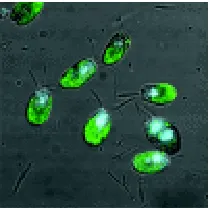
Algae are defined as any organisms which are plant-like and perform photosynthesis. Based on their morphology and size, algae are typically subdivided into two major categories; macroalgae and microalgae (microphytes). Macroalgae, for example kelps, are composed of multiple cells which organize to structures resembling roots, stems, and leaves of higher plants. Microalgae are commonly microscopic algae found in fresh water and marine systems (27). Microalgae a large and diverse group of unicellular are microscopic heterotrophic–autotrophic photosynthesizing organisms that inhabit many different types of environments, including freshwater, brackish water, and seawater (13,10)(Figure 1).
Alternative biofuel source have gained much attention these days because they have numerous advantages compared with lingo cellulosic feed stocks (11).
Accordingly, microalgae have the potential to synthesize 30fold more oil per hectare than terrestrial plants. They are currently widely used in industry in the synthesis of pigments and additives, as a source of protein, and in biofuel production (10). Microalgae are sunlight driven cell factories that convert carbon dioxide to potential biofuels, foods, feeds and high value bio actives and can provide several different types of renewable biofuels (7). Microalgae are a diverse group of prokaryotic and eukaryotic photosynthetic microorganisms that grow rapidly due to their simple structure. They can potentially be employed for the production of biofuels in an economically effective and environmentally sustainable manner. Microalgae have been investigated for the production of a number of different bio fuels including biodiesel, bio oil, bio gas, and bio hydrogen (29). To date, various thermochemical conversion routes of microalgae have been investigated. There are few reports on pyrolysis of microalgae (11).
Fig. 1. Confocal microscope image of the microalgae species Tetraselmissuecica, provided courtesy of Dr Emily Roberts, Swansea University (13).
4. Microalgae Species for Biodiesel
Production
More than 40,000 different species of microalgae have been identified, most of which have a high content of lipids, accounting for between 20 and 50% of their total biomass. More than 3000 different microalgae species, including those belonging to the Bacillariophyceae, Chlorophyceae, Cyanophyceae, Prymnesiophyceae, Eustigmatophyceae, and Prasinophyceae, with natural habitats in different parts of the country, were examined. A few of these algae were shown to be cultivable on a large scale, such as in a photo bioreactor or in ponds. Nonetheless, the production of biodiesel from microalgae has thus far been restricted to a few species, i.e., those for which the culture conditions in high biomass systems are known: the cyanobacteria Spirulinaplatensis (protein production), the chlorophyceaechlorella protothecoids (heterotrophic cultivation in photobioreactors for biomass), Tetraselmissuecica (food source in aquaculture hatcheries), and Haematoccocuspluvialis (pigment production).
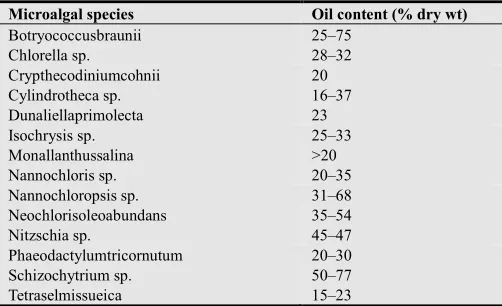
applications, these species are controversial sources of biodiesel because their cultivation requires the input of large amounts of freshwater (Spirulina, Chlorella, Haematoccocus) or because their oil content is too low to be of economic interest (Tetraselmis). Microalgae with a high content of fatty acids, neutral lipids, and polar lipids as well as a high growth rate in the natural environment have yet to be exploited for biodiesel, and the isolation and characterization of microalgae with the potential for more efficient lipid/oil production remain the focus of continuing research. Oil content of some microalgal species had shown in Table(1). A high content of fatty acids, as neutral lipids or triacylglycerols (tags), is found naturally in a group of microalgae, the dinoflagellates. Additionally, these organisms occasionally form explosive and extensive proliferations (blooms) in coastal waters all over the world (10).
Table 1. Oil content of some microalgalspecies.a
Microalgal species Oil content (% dry wt)
Botryococcusbraunii 25–75
Chlorella sp. 28–32
Crypthecodiniumcohnii 20
Cylindrotheca sp. 16–37
Dunaliellaprimolecta 23
Isochrysis sp. 25–33
Monallanthussalina >20
Nannochloris sp. 20–35
Nannochloropsis sp. 31–68
Neochlorisoleoabundans 35–54
Nitzschia sp. 45–47
Phaeodactylumtricornutum 20–30
Schizochytrium sp. 50–77
Tetraselmissueica 15–23
A Chisti, 2007 (7,27).
5. Biodiesel from Microalgae
Biodiesel derived from microalgal Among biomass, algae (macro and microalgae) usually have a higher photosynthetic efficiency than other biomass. Shay (26) reported that algae were one of the best sources of biodiesel. In fact algae are the highest yielding feedstock for biodiesel. It can produce up to 250 times the amount of oil per acre as soybeans. In fact, producing biodiesel from algae may be only the way to produce enough automotive fuel to replace current gasoline usage. Algae produce 7 to 31 time greater oil than palm oil. It is very simple to extract oil from algae. The best algae for biodiesel would be microalgae. Microalgae are an organism capable of photosynthesis that is less than 2 mm in diameter. Macroalgae, like seaweed, is not as widely used in the production of biodiesel. Microalgae has much more oil than macroalgae and it is much faster and easier to grow. Microalgae can provide several different types of renewable biofuels. These include methane produced by anaerobic digestionofthe algal biomass biodiesel derived from microalgal oil and photo biologically produced bio hydrogen. The idea of using microalgae as a source of fuel is not new but it is now being taken seriously because of the escalating price of petroleum and, more significantly, the emerging
concern about global warming that is associated with burning fossil fuels(25).
6. Microalgae Advantages for Biodiesel
Production
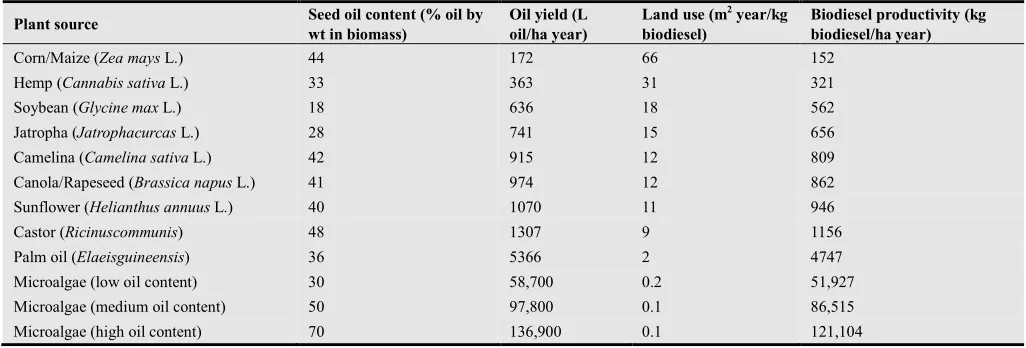
Many research reports and articles described many advantages of using microalgae for biodiesel production in comparison with other available feedstocks(Table 2). From a practical point of view, they are easy to cultivate, can grow with little or even no attention, using water unsuitable for human consumption and easy to obtain nutrients. Microalgae reproduce themselves using photosynthesis to convert sun energy into chemical energy, completing an entire growth cycle every few days. Moreover they can grow almost anywhere, requiring sunlight and some simple nutrients, although the growth rates can be accelerated by the addition of specific nutrients and sufficient aeration. Different microalgae species can be adapted to live in a variety of environmental conditions. Thus, it is possible to find species best suited to local environments or specific growth characteristics, which is not possible to do with other current biodiesel feedstocks (e.g. Soybean, rapeseed, sunflower and palm oil).
They have much higher growth rates and productivity when compared to conventional forestry, agricultural crops, and other aquatic plants, requiring much less land area than other biodiesel feedstocks of agricultural origin, up to 49 or 132 times less when compared to rapeseed or soybean crops, for a 30% (w/w) of oil content in algae biomass. Therefore, the competition for arable soil with other crops, in particular for human consumption, is greatly reduced.
Microalgae can provide feedstock for several different types of renewable fuels such as biodiesel, methane, hydrogen, ethanol, among others. Algae biodiesel contains no sulfur and performs as well as petroleum diesel, while reducing emissions of particulate matter, CO, hydrocarbons, and sox. However emissions of nox may be higher in some
engine types.
The utilization of microalgae for biofuels production can also serve other purposes. Some possibilities currently being considered are listed below.
Removal of CO2 from industrial flue gases by algae bio-fixation, reducing the GHG emissions of a company or process while producing biodiesel.
Wastewater treatment by removal of NH4+, NO3−, PO43−, making algae to grow using these water contaminants as nutrients[29] B. Wang, Y. Li, N. Wu and C.Q. Lan, CO2 bio-mitigation using microalgae, Applied Microbiology and Biotechnology79 (5) (2008), pp. 707–718. Full Text via crossref | View Record in scopuscited By in Scopus (47).
Combined with their ability to grow under harsher conditions, and their reduced needs for nutrients, they can be grown in areas unsuitable for agricultural purposes independently of the seasonal weather changes, thus not competing for arable land use, and can use wastewaters as the culture medium, not requiring the use of freshwater.
Depending on the microalgae species other compounds may also be extracted, with valuable applications in different industrial sectors, including a large range of
fine chemicals and bulk products, such as fats, polyunsaturated fatty acids, oil, natural dyes, sugars, pigments, antioxidants, high-value bioactive compounds, and other fine chemicals and biomass.
Because of this variety of high-value biological derivatives, with many possible commercial applications, microalgae can potentially revolutionize a large number of biotechnology areas including biofuels, cosmetics, pharmaceuticals, nutrition and food additives, aquaculture, and pollution prevention (18).
Table 2. Comparison of microalgae with other biodiesel feedstocks (4).
Plant source Seed oil content (% oil by wt in biomass)
Oil yield (L oil/ha year)
Land use (m2 year/kg
biodiesel)
Biodiesel productivity (kg biodiesel/ha year)
Corn/Maize (Zea mays L.) 44 172 66 152
Hemp (Cannabis sativa L.) 33 363 31 321
Soybean (Glycine max L.) 18 636 18 562
Jatropha (Jatrophacurcas L.) 28 741 15 656
Camelina (Camelina sativa L.) 42 915 12 809
Canola/Rapeseed (Brassica napus L.) 41 974 12 862
Sunflower (Helianthus annuus L.) 40 1070 11 946
Castor (Ricinuscommunis) 48 1307 9 1156
Palm oil (Elaeisguineensis) 36 5366 2 4747
Microalgae (low oil content) 30 58,700 0.2 51,927
Microalgae (medium oil content) 50 97,800 0.1 86,515
Microalgae (high oil content) 70 136,900 0.1 121,104
7. Microalgae Disadvantages for
Biodiesel Production
In spite of the mentioned many advantages, the major disadvantage of microalgae for biodiesel production is the low biomass concentration in the microalgal culture due to the light penetration limit, and also insufficient oil contents of microalgae cells. In addition to this, the small size of algal cells makes the harvest of algal biomasses relatively costly. Drying harvested algal biomass from high volume of water would be an energy-consuming process. In total, microalgal farming facility compared to a conventional agricultural farm is more complicated and costly. Nevertheless, these problems are expected to be overcome or minimized by technology development. Given the vast potential of microalgae as the most efficient primary producers of biomass, there is little doubt that they will eventually become one of the most important alternative energy sources. Some strategies have been suggested to develop biofuel production from microalgae as a cost effective industry. One of the new strategies is bio refinery or co-product strategy, in which a wide range of chemicals and biofuels from microalgae biomasses are produced by the integration of bioprocessing and environmental friendly chemical technologies. Other strategies involve designing new photo-bioreactors with high photosynthesis efficiency, applying cost-effective technologies for biomass harvesting and drying, such as chemical flocculation, biological flocculation, filtration, centrifugation and ultrasonic aggregation for biomass
harvesting, low-pressure shelf drying, drum drying, spray drying, fluidized bed drying, freeze drying and refractance window dehydration technology for biomass drying. However, the most efficient strategy suggested for enhancing biodiesel production from microalgae seems to be the genetic engineering of metabolic pathways associated with fatty acids production (27).
8. Biodiesel Production from Microalgae
Full-size image (50K)
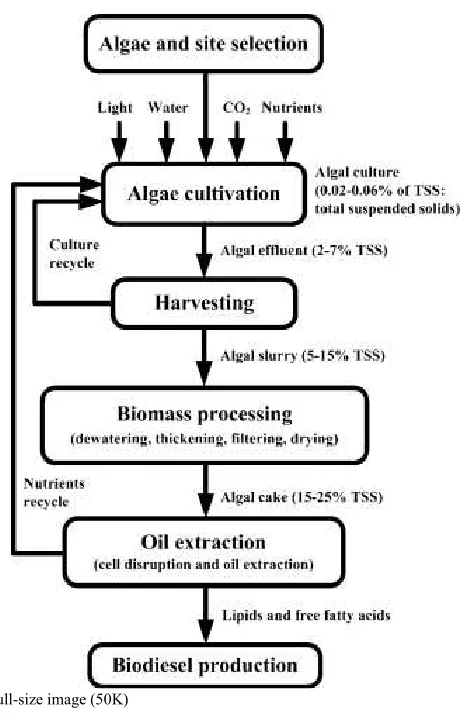
Fig. 2. Biodiesel production from microalgae. It shows a schematic representation of the algal biodiesel value chain stages, starting with the selection of microalgae species depending on local specific conditions and the design and implementation of cultivation system for microalgae growth. Then, it follows the biomass harvesting, processing and oil extraction to supply the biodiesel production unit (18).
9. Technical Progress in Microalgae
Significant advances in microalgal genomics have been achieved during the last decade. Expressed sequence tag (EST) databases have been established; nuclear, mitochondrial, and chloroplast genomes from several microalgae have been sequenced; and several more are being sequenced (20). A variety of transformation methods have been used to transfer DNA into microalgal cells. These methods include particle bombardment, agitation of a cell suspension in the presence of DNA and glass beads, agitation in the presence of DNA and silicon-carbide whiskers, electro poration, grobacterium infection, artificial transposons, viruses, and most recently Agrobacterium mediated transformation. Among those, micro projectile bombardment has been developed for transformation of microalgae chloroplast. The highest transformation rate has been achieved by the methods electroporation and also particle bombardment. The electroporation method is generally used in eukaryotic microalgae. Previous works showed that the expression efficiency of exogenous genes is mostly 0.1–0.9%
of soluble proteins in host cells of microalgae, therefore, the most new works are focused on enhancing gene expression in microalgae as heterologous hosts. It has been proven that transformation frequency is highly dependent on the case study species (27).
9.1. Microalgaegenetic and Metabolic Engineeringfor Biodiesel Production
Recent research efforts have concentrated on applying metabolic engineering and genetic methods to microalgae in order to develop organisms optimized for high productivity and energy value, in order to achieve their full processing capabilities (18). A different and complimentary approach to increase productivity of microalgae is via genetic and metabolic engineering (8). Genetic and metabolic engineering are likely to microlgae are an economical choice for biodiesel production, because of its availability and low cost. They have the greatest impact on improving the economics of production of microalgal biodiesel (22,12). Genetic modification of microalgae has received little attention (7,16). This has been recognized since the 1990s but little progress seems to have been made and genetic engineering of algae lags well behind that of bacteria, fungi and higher eukaryotes. Producing stable transformants of microalgae has proved difficult, although strategies for efficient transformation are being developed. Genetic and metabolic engineering in microalga has mostly focused on producing nonoil, high value bioactive substances. This situation is likely to change because of a strong reemerging interest in sustainably produced biofuels (8).
For example, Molecular level engineering can be used to potentially:
1. Increase photosynthetic efficiency to enable increased biomass yield on light;
2. Enhance biomass growth rate; 3. Increase oil content in biomass;
4. Improve temperature tolerance to reduce the expense of cooling;
5. Eliminate the light saturation phenomenon so that growth continues to increase in response to increasing light level;
6. Reduce photo inhibition that actually reduces growth rate at midday light intensities that occur in temperate and tropical zones; and
7. Reduce susceptibility to photo oxidation that damages cells.
In addition, there is a need to identify possible biochemical triggers and environmental factors that might favor accumulation of oil. Stability of engineered strains and methods for achieving stable production in industrial microbial processes are known to be important issues (31), but have been barely examined for microalgae (7,8).
9.2. Microalgae Genetic Engineering
Because of the usual absence of cell differentiation, microalgae represent a much simpler system for genetic manipulations compared with higher plants (18,19). In addition, allelic genes are usually absent because of the haploid nature of most vegetative stages of microalgae. Nevertheless, progress in the genetic engineering of algae was extremely slow until recently (18,19). The major problems in developing microalgae genetic engineering are the low growth rate of microalgae and also the quantity of gene expression in the microalgae species (27).Methods successfully used for transformation in other systems failed when applied to algae, mainly because of the considerable evolutionary distance between algae and other organisms. Thus, the transformation system had to be developed almost from the start, including techniques to introduce DNA into cells (14), suitable promoters, new selectable marker genes and expression vectors (1,19). Promoters have critical roles in successful gene expression and they can also regulate the temporal and spatial expression of a transgene. The use of inducible promoters provides a better control of expression level and their activities can be regulated by biotic and abiotic signals. Also, synthetic promoters constructed in the laboratory by combining the Hsp70A gene from Chlamydomonas with other promoters could be used for transgenes expression in microalgae (24).Selectable marker genes are employed for the selection of transformed cells in culture media, as they promote the growth of transformed cells in the culture medium. Selectable markers are normally antibiotic resistance genes added to the culture media, which confer resistance to chemical components. It has been proven that the ble selectable marker gene is suitable for most algae (27).In addition, algae often have an unusual codon usage which requires even further adjustments before a successful transformation is possible (19, 27).Two bacterial genes, aada and kanamycin resistance apha6 have been used for chloroplast transformation .Moreover, several different reporter genes, such as gus, green fluorescent protein (GFP) and luciferase have been developed for gene expression and protein localization studies in microalgae. The most commonly used reporter gene in microalge transformation was initially the β-glucuronidase. The lack of requirement for an exogenous substrate makes the GFP a favorite reporter for microalgae. Codon optimization of native GFP and luciferase reporter genes led to a high expression and detection of these transgenes. Despite the GFP gene marker superiority, the need for an expensive microscope with fluorescence capability discourages its widespread use. Finally, it is important to emphasize that unlike higher plants, microalgae have relatively fast growth rates, can achieve high cell densities under conditions of high light and aeration and can be grown in volumes of mega litres. In systems where genetic transformation is routine, primary transformants can be achieved in less than two weeks. Due to this matter that microalgae have simple structure, recombinant protein purification is a simpler process and costs are therefore lower than higher plants. In the case of green microalgae, these organisms are known as generally regarded as safe (GRAS)
category. It is clear that GM plants recently encountered to different Biosafety problems, including environmental and human health risks. Fortunately, because of containment for microalgae production, Biosafety problems are less than that in plants. In addition, cost of production is an over-riding consideration in developing bioreactor systems and estimates of costs of production of recombinant antibodies in microalgal bioreactor systems is less than that in plant and animal cells (27). Currently, all these requirements have been fulfilled for the diatom Phaeodactylum, the green alga Chlamydomonas and the cyanobacteria Synechococcus and
Synechocystis. The development of a functional
transformation system can be expected in the near future for other diatoms and cyanobacteria (17) and the red alga
Porphyridium. Diatoms are especially interesting for
biotechnology because they have the physiological potential to accumulate high proportions of lipid. Improving the oil producing characteristics of these algae naturally is a prime target of genetic engineering. A major breakthrough was the heterologous expression of a functional glucose transporter in the obligate photoautotrophic diatom Phaeodactylum, which enabled the alga to grow on glucose in the dark (30). Another example of successful genetic engineering of a microalga is the expression of mosquito larvacides in cyanobacteria (6,9).
These very promising advances, however, should be viewed with caution for the following reasons:
The accumulation of valuable substances in algae via genetic transformation can only increase up to a point where cellular metabolism starts to be negatively affected. This threshold can be rather low and, therefore, the benefits negligible
Transgenic algae potentially pose a considerable threat to the ecosystem and will most likely be banned from outdoor cultivation systems and otherwise be under strict regulation
Usually, transgenic cells exhibit less fitness than wild type cells and, therefore, cells that lose the newly introduced gene quickly outgrow the transformants. To prevent this, a constant selection pressure is necessary, usually by the addition of antibiotics, which is a potential public health hazard
Therefore, the prime field of genetic engineering will be the improved production of valuable products and bioactive compounds in closed culture systems. Genetic manipulations should complement and not substitute the screening of new species (19).
9.3. Microalgae Metabolic Engineering
microalgae has been applied for the synthesis proteins and vaccines, the production of bio bioremediation of contaminated soil. microalgae are unable to grow on exogenous absence of light. They have been genetically expression of glucose transporters (glut1 or the dark along with glucose. In addition, engineering of microalgae for production also been developed. Under sulphur deficient rate of O2 production drops below that of consumption, cultures become anaerobic
generated. In a different study, through transformation antisense crcpsulp in microalgae, the production permease reduced (27).To date, the generation nuclear transformants in microalgae has relied random genomic integration, intensive screening, subsequent isolation of knockout mutants.
of disruptions in target loci typically requires tens of thousands of transformants using assays and/or extensive DNA analysis. generate targeted gene knockouts through recombination (as in yeast and cyanobacteria) difficult to achieve in algae. However, substantial
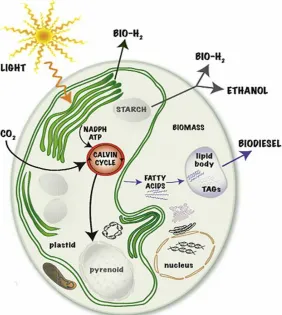
Fig. 3. Metabolic pathways in green algae related to and carotenoids capture light energy as photons. This molecular O2. Low-potential electrons are transferred formation of NADPH. An electrochemical gradient is formed drive ATP production via ATP synthase. The photosynthetic fixed into 3-C molecules that are assimilated into the H+ and e-, are supplied via either the photosynthetic electron
synthesis of recombinant bio hydrogen, and Moreover, most exogenous glucose in the genetically modified for or hup1) to live in addition, the metabolic production of hydrogen has deficient conditions, the the respiratory O2 anaerobic and H2 gas is transformation of an production of sulphate generation of stable relied primarily on screening, and the The identification requires the screening of using suitable activity analysis. The ability to through homologous cyanobacteria) has been substantial research
efforts in this area have led nonhomologous recombination ratios of 100:1 have
Chlamydomonasreinhardtii strains.
Reinhardtii to undergo homologous clearly demonstrated at a ratio suitable and although the general application require further development, progress years. One of the most significant is the development of improved
Reinhardtii. High throughput
techniques for gene knockdown, and stable, were recently reported. regulation of gene expression in been previously established; silencing of the heterologous common and resulted in variable Moreover, the large constructs targeted transcripts. The newly are likely to emerge as the method genomics studies in C. Reinhardtii species in order to elucidate including those specifically related
bio fuel and bio hydrogen production. In green algae, the light-harvesting This energy is used by photosystem II in the catalytic oxidation of water, transferred through the photosynthetic electron transport chain leading to
formed because of the release of protons after water oxidation into photosynthetic products NADPH and ATP, are substrates for the Calvin–Benson
sugars, starch, lipids, or other molecules required for cellular growth. electron transport chain or from fermentation of stored carbohydrates
led to steady progress and to homologous recombination been reported in some strains. Thus, the ability of C. homologous recombination has been suitable for many applications, application of this method will progress is likely in the coming significant advances in algal genetics improved gene silencing strategies in C. throughput artificial mirna (amirna)
knockdown, which are highly specific reported. The targeted down in C. Reinhardtii using rnai had established; however, transcriptional heterologous expression constructs was variable silencing efficiencies. used often affected other non developed a mirna techniques method of choice for functional Reinhardtii, and be applied to other general metabolic pathways, related to biofuel production (4).
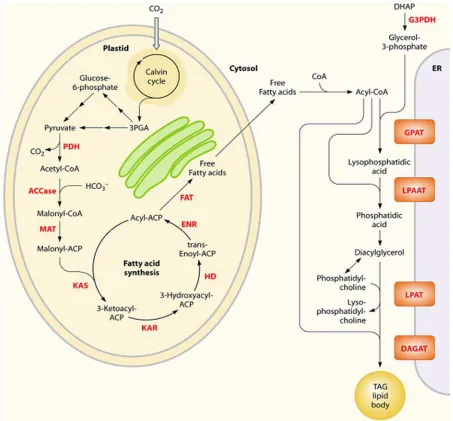
Fig. 4. Simplified overview of the metabolites and representative fatty acids are synthesized in the chloroplast, while
coenzyme A; DAGAT, diacylglycerolacyltransferase; G3PDH, gycerol-3-phosphate ehydrogenase; GPAT, reductase; KAS, 3-ketoacyl-ACP synthase; LPAAT, coa:acptransacylase; PDH, pyruvate ehydrogenase complex;
9.4. Microalgae Genetic Engineering for E Production
Recent “Omics” revolutions, including functional genomics, transcriptomics, metabolomics, and finally systems biology identification of metabolic pathways, their optimization for enhanced biofuel production example, high throughput genome sequencing species revealed several pathways involved processes, such as inorganic carbon fixation, seleno protein expression, and vitamin biosynthesis, which can be used to improve the accumulation bio energy carriers. The application of genetic improve biofuel production in eukaryotic microalgae infancy, but significant advances in the
representative pathways in microalgal lipid biosynthesis shown in black while tags may be assembled at the ER. Accase, acetyl-coa carboxylase; diacylglycerolacyltransferase; DHAP, dihydroxyacetone phosphate; ENR, enoyl-ACP reductase;
GPAT, glycerol-3-phosphate acyltransferase; HD, 3-hydroxyacyl-ACP
lyso-phosphatidic acid acyltransferase; LPAT,lyso-phosphatidylcholineacyltransferase; complex; TAG, triacylglycerols (20).
Enhanced Biofuel
including structural and transcriptomics, proteomics, biology resulted in the their regulations and production (23). For sequencing of microalgae involved in their metabolic fixation, fermentation, biosynthesis, each of accumulation of targeted genetic engineering to microalgae is in its the development of
genetic manipulation tools have micro algal model systems and central carbon metabolism in these to availability of genome databases fatty acid biosynthesis pathways characterized. It is obvious that occurs in the plastid of plants translocation to the cytoplasm
diacylglyceride and triacylglyceride Characterization of microalgal
interest for the production of biodiesel the quantity and the quality microalgae are closely linked controlled. Lipid biosynthesis pathways that modify the length
have not been as thoroughly investigated
black and enzymes shown in red. Free carboxylase; ACP, acyl carrier protein; coa, reductase; FAT, fatty acyl-ACP thioesterase; dehydratase; KAR, 3-ketoacyl-ACP phosphatidylcholineacyltransferase; MAT,
have for terrestrial plants. However, many of the genes involved in lipid metabolism in terrestrial plants have homologues in the sequenced micro algal genomes. Therefore, it is probable that at least some of the transgenic strategies that have been used to modify the lipid content in higher plants will also be effective with microalgae.
One of the major methodologies for increasing lipid and starchaccumulation in green algae and diatoms is nutrient stress. Previously, it was shown that under nitrogen deplete conditions, some green microalgae accumulate high levels of lipids as triacylglycerides, and phosphorus and sulphur deprivation induce the conversion of membrane phospholipids to neutral lipids. There are some strategies to engineer biosynthesis of fatty acids in microalgae toward more compatible lipid profiles, including secretion of lipid to from the cells to the media, overexpression of major enzymes involved in biosynthesis of fatty acids, increasing the availability of precursor molecules such as acetylcoa, down-regulating the catabolism of fatty acids by inhibiting β-oxidation or lipase hydrolysis, altering saturation profiles through the introduction or regulation of desaturases and finally, optimization of length of fatty acid chains with thioesterases. Furthermore, genetic engineering of the transcription factor may affect up- or down-regulation of genes responsible for lipid synthesis as well (21) studied the over-expression of a ZFP TF (Zinc-finger protein transcription factors) that binds a DNA sequence within the promoter. They found out that it led to an enhanced lipid synthesis. However, in spite of all these improved production of valuable products and bioactive compounds, there are still at least two major hindrances associated with microalgae genetic engineering; one is the growth rate of microalgae, and the other is the expression efficiency of exogenous genes in microalgae. One of the most costly downstream processing steps in biodiesel production using micro algal feedstock is the extraction of fuel precursors from the biomass. One possible solution is to manipulate the biology of micro algal cells to allow for the secretion of lipids into the growth medium. Similar screening methods could be utilized to identify microalgae that have the ability to secrete fatty acids. the successful transgenic expression and utilization of lipid secretion pathways to secrete molecules suitable for biofuel production remain largely to be demonstrated. One of the most straightforward approaches for enhancing the secretion of lipids from microalgae is the use of ABC transporters (27).
10. Conclusion
Recent increases in energy and fuels costs have resulted in increased attention to finding alternatives to fossil fuels. Global atmospheric CO2 increases and depletion of mineral oil reserves require the rapid development of carbon neutral renewable alternatives. Biodiesel production from microalgae provides technical and economic feasibility that also has the potential for CO2 sequestration and is therefore likely to find wide acceptance. Algal bio fuels appear to be the only current renewable source that could meet the global demand for
transport fuels .Micro algal bio fuels are also likely to have much lower impacts on the environment and the world’s food supply than conventional bio fuel producing crops. In contrast to these previous efforts, we are now equipped with a wide variety of new genetic tools, genome sequences, and high throughput analytical techniques that will allow scientists to analyze and manipulate metabolic pathways with unprecedented precision. Promising advances in metabolic engineering allow for not only the increased production of endogenous carbon storage compound sbut also the direct production, and perhaps secretion, of designer hydrocarbons that may be used directly as fuels. The application of these modern metabolic engineering tools in photosynthetic microalgae has the potential to create important sources of renewable fuel that will not compete with food production or require fresh water and arable land.
References
[1] Apt KA and Behrens PW. Commercial developments in microalgal biotechnology.J Phycol 1999. 35:215-226.
[2] Babu BV. Biomass pyrolysis: a state-of-the-art review. Biofuels bioproductsbiorefinin 2008. 2(5):393-414.
[3] Bahadur NP, Boocock DGB and Konar SK. Liquid hydrocarbons from catalytic pyrolysis of sewage sludge lipid and canola oil. Evaluation of fuel properties. Energy Fuels 1995. 9:248-56.
[4] Beer LL, Boyd ES, Peters JW and Posewitz MC. Engineering algae for biohydrogen and biofuel production. Current Opinion in Biotechnology 2009. 20:264-271.
[5] Boateng AA, Mullen CA, Goldberg N, Hicks KB, Jung HJG and Lamb JFS. Production of bio-oil from alfalfa stems by fluidized-bed fast pyrolysis. Industrial and Engineering Chemistry 2008. 47:4115-22.
[6] Boussiba S, Wu X-Q, Ben-Dov E, Zarka A and Zaritsky A. Nitrogen-fixing cyanobacteria as gene delivery system for expressing mosquitocidal toxins of Bacillus thuringiensis ssp. Israelensis. J applphycol 2000. 12:461–467.
[7] Chisti Y. Biodiesel from microalgae. Biotechnology Advances 2007. 25:294-306.
[8] Chistiy. Biodiesel from microalgae beats bioethanol. Trends in Biotechnology 2008.26(3):126-131.
[9] Chungjatupornchai W. Expression of the mosquitocidal protein genes of Bacillus thurigiensis ssp. Israelensis and the herbicide-resistance gene Bar in Synechocystis PCC6803. Currmicrobiol 1990. 21:283-288.
[10] Claudio Fuentes-Grünewald C, Garcés E, Rossi S and Camp J. Use of the dinoflagellatekarlodiniumveneficum as a sustainable source of biodiesel production. Journal of Indian Microbiol Biotechnology 2009. 36:1215-1224.
[12] Dunahay TG, Jarvis EE, Dais SS, Roessler PG. Manipulation of microalgal lipid production using genetic engineering. Applbiochembiotechnol 1996. 57-58:223-31.
[13] Greenwell HC, Laurens LM, Shields RJ, Lovitt RW and Flynn KJ. Placing microalgae on the biofuels priority list: a review of the technological challenges. Journal of Royal Society Interface 2010. 7:703-726.
[14] Kindle KL, Richards KL, Stern DB. Engineering the chloroplast genome: techniques and capabilities for
chloroplast transformation in
Clamydomonasreinhardtii.procnatlacadsci USA 1990. 88:1721-1725.
[15] Leesk, chouh, hamts, leets andkeaslingjd.Metabolic engineering of microorganisms for biofuels production.from bugs to synthetic biology to fuels. Current Opinion in Biotechnology 2008. 19:556-563.
[16] León-Bañares R, González-Ballester D, Galváan A and Fernández E. Transgenic microalgae as green cell-factories. Trends Biotechnol 2004. 22:45-52.
[17] Lu X. A perspective: Photosynthetic production of fatty acid-based biofuels in genetically engineered cyanobacteria. Biotechnology Advances 2010. 28:742-746.
[18] Mata TM, Martins A and Caetano NS. Microalgae for biodiesel production and other applications: A review. Renewable and Sustainable Energy Reviews 2010. 14:217-232.
[19] Pulz O and Gross W. Valuable products from biotechnology of microalgae. Applied Microbiology Biotechnology 2004. 65: 635-648.
[20] Radakovits R, Jinkerson RE, Darzins AL and Posewitz MC. Genetic Engineering of Algae for Enhanced Biofuel Production. American Society for Microbiology 2010. 9(4): 486-501.
[21] Reik A, Zhou Y, Collingwood TN,Warfe L, Bartsevich V, Kong Y, et al. Enhanced protein production by engineered zinc finger proteins. Biotechnolbioeng 2007. 97:1180-9.
[22] Roessler PG, Brown LM, Dunahay TG, Heacox DA, Jarvis EE, Schneider JC and et al. Genetic-engineering approaches for enhanced production of biodiesel fuel from microalgae. ACS sympser 1994. 566:255–70.
[23] SchenkPM, Thomas-hallsr, stephense, Marx UC, Mussgnug JH, postenc, Kruse O and hankamerb. Second Generation Biofuels: High-Efficiency Microalgae for Biodiesel Production. Bioenergy Research 2008. 1:20-43.
[24] Schroda M, Blöcker D, Beck CF. The HSP70 A promoter as a tool for the improved expression of transgenes in Chlamydomonas. Plant J 2000. 21:121–31.
[25] Sharif Hossain ABM, Salleh A, Boyce AN, Chowdhury P and Naqiuddin M. Biodiesel Fuel Production from Algae as Renewable Energy. American Journal of Biochemistry and Biotechnology 2008. 4 (3):250-254.
[26] Shay EG. Diesel fuel from vegetable oils. Status and Opportunities. Biomass Bioenergy 1993. 4:227-242.
[27] Tabatabaei M, Tohidfara M, salehijouzanigh, Safarnejada M and Pazouki M. Biodiesel production from genetically engineered microalgae: Future of bioenergy in Iran. Renewable and Sustainable Energy Reviews 2011. 15:1918-1927.
[28] Wen F, Nair NU and Huimin Zhao H. Protein engineering in designing tailored enzymes and microorganisms for biofuels production. Current Opinion in Biotechnology 2009. 20:412-419.
[29] Yanqun Li. Biofuels from Microalgae Articles: Biocatalysts and Bioreactor. Biotechnolprog 2008. 24:815-820.
[30] Zaslavskaia LA, Lippmeier JC, Shih C, Ehrhardt D, Grossman AR and Apt K. Trophic conversion of an obligate photoautotrophic organism through metabolic engineering. Science 2001. 292:2073-2075.