
CONTEXTUAL INFLUENCES ON FAMILY MANAGEMENT OF THE CHALLENGES RELATED TO DOWN SYNDROME
Ashley Cook Vaughan
A dissertation submitted to the faculty at the University of North Carolina at Chapel Hill in partial fulfillment of the requirements for the degree of Doctor of Philosophy in the School of Nursing.
Chapel Hill 2019
Approved by:
Marcia Van Riper
Kathleen A. Knafl
George Knafl
Suzanne Thoyre
ii
© 2019iii
ABSTRACTAshley Cook Vaughan: Contextual Influences on Family Management of the Challenges Related to Down syndrome
(Under the direction of Marcia Van Riper)
Having a child with Down syndrome (DS), a chromosomal abnormality causing lifelong
intellectual disability, is an unexpected event that impacts the entire family. Children with DS
and their families face a variety of challenges including cognitive, physical, developmental, and
social challenges. It is well established that the social and cultural environment of the family has
a critical influence on how families respond to the challenges associated with childhood chronic
conditions; this relationship is described in Family Management Style Framework, which
provided the theoretical basis for this dissertation. The purpose of this 3 paper dissertation is to
explore the impact of the social and cultural context of the family on the family response to DS
by comparing the experiences of families from two separate and distinct social and cultural
environments: the United States and Ireland. Paper 1 (Chapter 2) is a scoping review of
contextual influences on family life with DS which included 50 studies reporting on a contextual
influence on the family response to DS. It was determined through this study that relatively few
studies (n=4) have been conducted in recent years that are solely focused on examining
contextual influences and their relationship to other child and family variables. Paper 2 (Chapter
3) and Paper 3 (Chapter 4) are data-based papers that summarize the key findings
of a qualitative secondary analysis of select data from a mixed-methods cross-cultural study of
adaptation and resilience in families of individuals with DS. Semi-structured interviews of
mothers of children with DS from the US and Ireland were analyzed using directed content
analysis based on the Family Management Framework. Contextual influences examined
iv
professionals and systems, resources, societal views on DS, written materials and internet
websites, presence of people with Down syndrome in the community, work, religion/spirituality,
recreation and leisure. The main differences between US and Irish mothers found in this
analysis were the lack of access to state-provided healthcare and educational services
described by Irish mothers, and the resulting financial strain caused by having to pay for
v
TABLE OF CONTENTS
CHAPTER 1: INTRODUCTION……….…….…………...…..1
Background and Significance……….……….1
Guiding Conceptual Framework……….………....3
Prepared Manuscripts………...……….………..4
References……….………….………...7
CHAPTER 2: A SCOPING REVIEW OF CONTEXTUAL INFLUENCES ON FAMILY LIFE WITH DOWN SYNDROME……….……….…..12
Introduction………..……….12
Design and Methods……….………..…………13
Identifying relevant studies……….……….………….14
Study selection……….……….………….15
Charting the Data……….…….……….15
Collating and summarizing the results……….……….…………..15
Results……….……….17
Discussion………..………….……….………21
Conclusion……….………….……….……….26
References………..……….….………….………..45
CHAPTER 3: CROSS-CULTURAL COMPARISON OF THE CONTEXTUAL INFLUENCES IDENTIFIED IN THE FAMILY MANAGEMENT STYLE FRAMEWORK ON THE FAMILY RESPONSE TO THE CHALLENGES RELATED TO DOWN SYNDROME……….……….………52
Introduction...……….………..52
vi
Design and Primary Study Description……….…………..………55
Sample………..……….…………..56
Measures……….………57
Analysis……….……….………..58
Results………...59
Description of the Sample……….……….………...59
Social Networks……….……….…………60
Healthcare and social service professionals and systems………….………….…65
Education professionals and systems……….………...73
Resources……….………..79
Discussion……….……….…………..……82
Conclusion……….………..………….88
References……….……….………….94
CHAPTER 4: CROSS-CULTURAL COMPARISON OF INDUCTIVELY- DERIVED CONTEXTUAL INFLUENCES ON THE FAMILY RESPONSE TO THE CHALLENGES RELATED TO DOWN SYNDROM………..…………100
Introduction……….………100
Methods……….………….…………103
Design and Primary Study Description……….………103
Sample………...…………104
Measures and Procedures……….……….104
Analysis……….……….105
Results……….………...………105
Societal views on DS……….………..106
Written materials and internet websites……….………..…………108
Presence of people with DS in the community……….…………...…110
vii
Religion and spirituality……….………..114
Recreation and leisure……….………..……….116
Discussion………..………117
Conclusion……….………….121
References……….………126
CHAPTER 5: DISCUSSION……….………129
viii
LIST OF FIGURES
Figure 1.1 Family Management Style Framework……….6
Figure 2.1 Family Management Style Framework………..…42
Figure 2.2 PRISMA diagram………...43
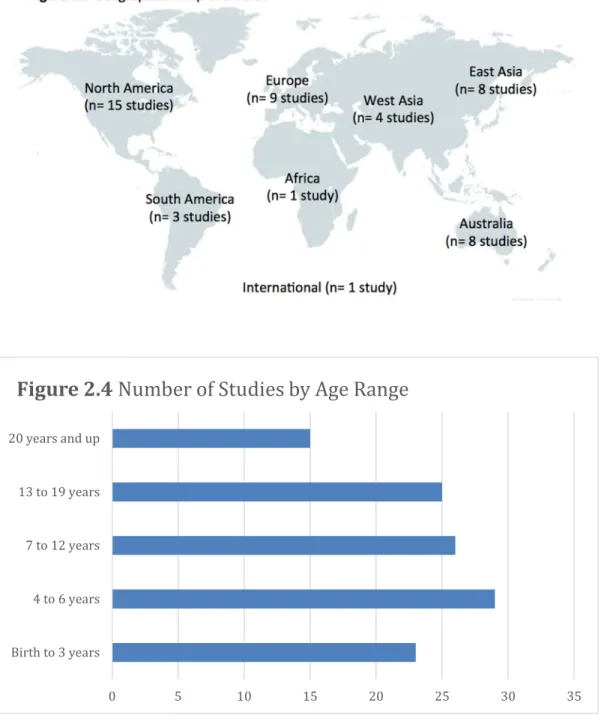
Figure 2.3 Geographical map of studies………...44
Figure 2.4 Number of studies by age range……….44
Figure 3.1 Family Management Style Framework……….….90
ix
LIST OF TABLES
Table 1.1 Definitions of contextual influences on family management...………...……6
Table 2.1 Contextual influence code definitions………..…27
Table 2.2 Included Studies………..30
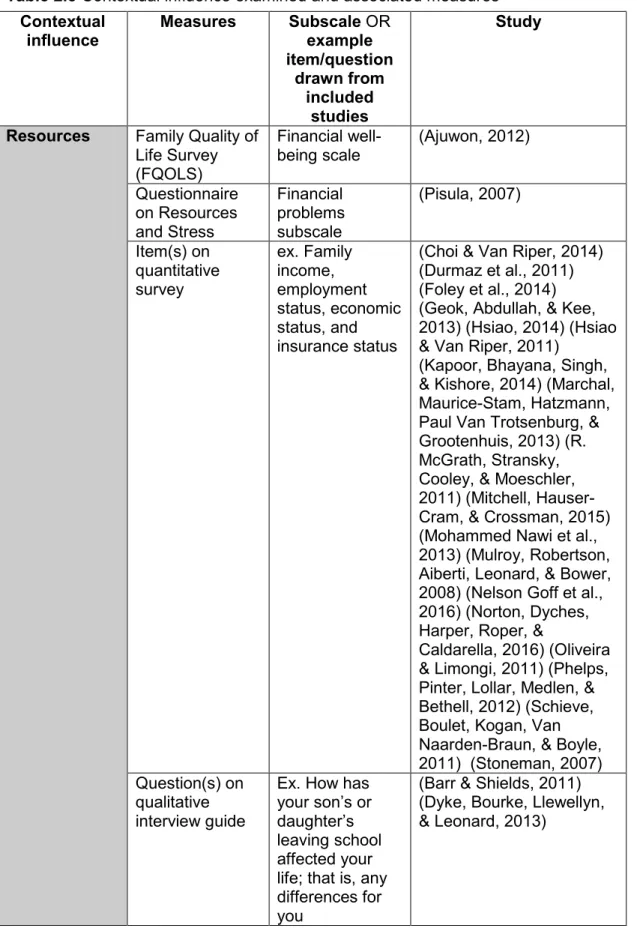
Table 2.3 Contextual influence examined and associated measures………..……36
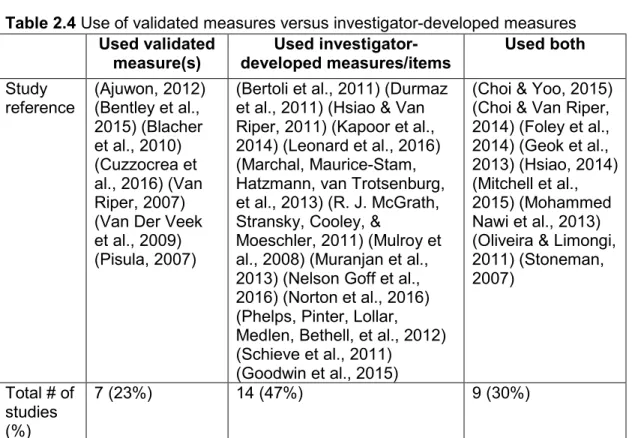
Table 2.4 Use of validated measures versus investigator-developed measures…………...……42
Table 3.1 Contextual influence code definitions………..…91
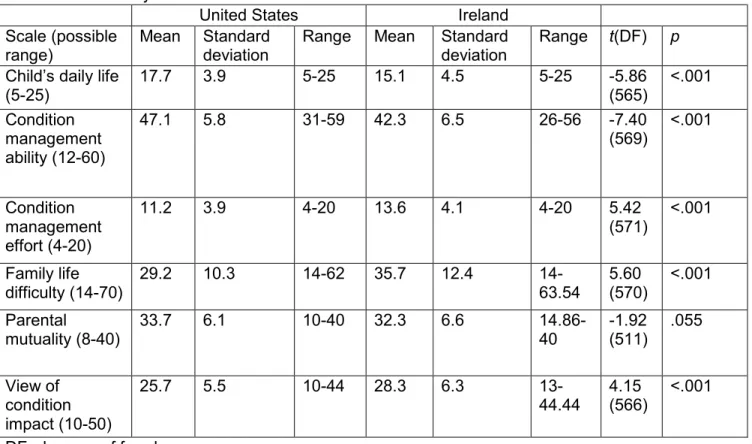
Table 3.2 Comparison of US and Irish data on continuous variables………..92
Table 3.3 Comparison of US and Irish data on categorical variables………..…………92
Table 3.4 Summary of FaMM scale scores for US and Irish mothers.………92
Table 3.5 Matching of US and Irish mothers’ interviews………....93
Table 4.1 Matching of US and Irish mothers’ interviews………..124
Table 4.2 Inductively derived contextual influences and definitions………..…124
x
LIST OF ABBREVIATIONS
DS Down syndrome
EI Early Intervention
FaMM Family Management Measure
FMSF Family Management Style Framework
1
CHAPTER 1: INTRODUCTION Background and Significance
Having a child with Down syndrome (DS), a chromosomal abnormality causing lifelong
intellectual disability, is an unexpected event that impacts the entire family. Challenges for
families of children with DS during infancy include responses by family members and others to
the diagnosis, feeding difficulties, sleep problems, and other medical comorbidities such as
cardiac defects and thyroid problems (Barros da Silva, Barbieri-Figueiredo, & Van Riper, 2018;
Bull, 2018; Bull, 2011; Cartwright & Boath, 2018; Dianmandopoulos & Green, 2018; Gabel &
Kotel, 2018; Geok, Abdullah, & Kee, 2013; Goffinski et al., 2015; Marder, Tulloh, & Pascall,
2015; Muggli, Collins, & Marraffa, 2009). Later during early childhood and the school years
developmental challenges include physical, cognitive, language, and social challenges, as well
as continued challenges related to sleep and feeding (Bull et al., 2011; Hoffmire, Magyar,
Connolly, Fernandez, & van Wijngaarden, 2014; Horne, Wijayaratne, Nixon, & Walter, 2019;
Næss, Nygaard, Ostad, Dolva, & Lyster, 2017; Pillay, Girdler, Collins, & Leonard, 2012; van Dijk
& Lipke-Steenback, 2018; Van Gameren-Oosterom et al., 2013). During the adolescent and
young adult years weight management, self-care, and emotional status are a concern, as well
as ongoing challenges related co-occurring conditions such as thyroid disease, seizure
disorders, cardiac conditions, and sleep apnea (Bertapelli, Pitetti, Agiovlasitis, & Guerra-Junior,
2016; Bull et al., 2011; Capone et al., 2018; Magenis et al., 2018; Ross & Olsen, 2014;
Samarkandy, Mohamed, Al-Hamdan, 2012). Families must make continual adjustments over
time to accommodate the unique needs of the child with DS.
Factors related to the social and cultural context of families are known to have a critical
2
are defined as components of the social and cultural environment of the family that impact
parents’ efforts to manage the condition; this definition is drawn from the Family Management
Style Framework (FMSF) which was the guiding framework for this dissertation (Knafl, Deatrick,
& Havill, 2012).
Evidence suggests that the contextual influences in the FMSF (social networks, care
providers and systems, and family resources) do influence the family response to having a child
with DS. Social networks provide important support for families of children with DS, however
families also face challenges related to the social network after the birth of a child with DS such
as loss of friendships and strained relationships (Hsiao, 2014; Korkow-Moradi, Kim, & Springer,
2017; Marchal, Maurice-Stam, Hatzmann, Paul Van Trotsenburg, & Grootenhuis, 2013; Mitchell,
Hauser-Cram, & Crossman, 2015). Initially at the time of birth and diagnosis, healthcare
providers play an important role in either helping or hindering families in adjusting to the birth of
a child with DS (Docherty & Dimond, 2017; Goff et al., 2013; Goodwin et al., 2015; Sheets,
Baty, Vazquez, Carey, & Hobson, 2012; Sooben, 2010). Families have also reported
unsupportive characteristics of healthcare providers and systems that are problematic on an
ongoing basis such as lack of coordination between providers, unmet healthcare needs,
negative attitudes, and lack of DS expertise among providers (Bourke-Taylor, Pallant, Law, &
Howie, 2012; Marshall, Tanner, Kozyr, & Kirby, 2015; McGrath et al., 2011; Minnes & Steiner,
2009). Further, inadequate family resources (e.g. lack of financial resources or health
insurance) is also a problem for families of children with DS (McGrath, Stransky, Cooley, &
Moeschler, 2011; Mulroy, Robertson, Aiberti, Leonard, & Bower, 2008; Schieve, Boulet, Kogan,
Van Naarden-Braun, & Boyle, 2011; Van Riper, 2007).
Furthermore, there is evidence that other contextual influences not identified in the
FMSF also impact the family response to DS. For instance, studies show that religion and
spirituality impact the way in which mothers view the birth of their child with DS (Choi & Van
3
Leonard, 2012; Sheets et al., 2012). There is also evidence that societal views on DS impact
the family’s response (Choi & Van Riper, 2016; Kaye, Fiske, Bower, Newton, & Fenlon, 2005;
Nelson Goff et al., 2016; Persons, 2017; Pillay et al., 2012; Sheets et al., 2012). These studies
regarding the impact of the family’s social network, care providers, resources, religion, and
societal views on DS provide that the external social and cultural environment of the family
plays a critical role in both supporting and hindering family adaptation.
Using the three-paper option, the overall purpose of this dissertation was to provide a
thorough examination of contextual influences related to the family response to the ongoing
challenges associated with having a child with DS. The knowledge gained through this
dissertation sets the stage for interventions and clinical care to be tailored to the specific needs
of families, helping them overcome challenges and unlock potential resources that would
contribute to better functioning and quality of life for both the child with DS and the family.
Guiding Conceptual Framework
This dissertation was grounded in the FMSF, a model used for understanding how
families incorporate the challenges associated with a chronic condition such as DS into
everyday family life (Knafl et al., 2012) (see Figure 1.1). The FMSF also guided the
development of the central research question for this dissertation: How does the social and
cultural context of the family influence the way in which the family responds to the challenges
associated with having a child with DS?
The current version of the FMSF (Knafl, et al., 2012) is based on a review of research
addressing family response to childhood chronic conditions. The authors described the three
major components of family management (‘definition of the situation’, ‘management behaviors’,
and ‘perceived consequences’), all of which influence both individual functioning and family
functioning. Contextual influences, the focus of this dissertation, are components of the social
and cultural context of the family that affect family management. Knafl et al (2012) identified
4
resources) that helped or hindered family management (see Table 1.1 for a complete
description of the contextual influences in the FMSF). The intent of this dissertation was to
elaborate the categories of contextual influences previously identified, and provide deeper
insight on the relationship between contextual influences and family management.
Prepared Manuscripts
This dissertation followed the manuscript format, and produced three substantively
related, publishable manuscripts. All three papers addressed the central question: How does the
social and cultural context of the family influence the way in which the family responds to the
challenges associated with having a child with DS? Chapter 1 of this dissertation is an
introduction and overview of the project.
Paper 1 (Chapter 2) is a scoping review of contextual influences on family life with DS.
The purpose of this paper was to map the literature addressing the influence of contextual
factors on the family response to DS with regard to the overall study aims, the underlying
conceptual framework used in the study, sample characteristics, contextual factors studied, and
associated measures.
Paper 2 (Chapter 3) and Paper 3 (Chapter 4) are data-based papers that summarize the
key findings of a secondary analysis of select data from a mixed-methods cross-cultural study of
adaptation and resilience in families of individuals with DS (Caples et al., 2018; Van Riper, M.,
Knafl, G., Duarte E.D., & Choi, 2016; Van Riper, Knafl, & Knafl, 2018; Van Riper, Knafl,
Roscigno, & Knafl, 2018). The primary study had a mixed methods sequential design with quantitative data from over 3000 parents from more than 50 countries and qualitative interviews from a sample subset of 20 parents from Ireland and 40 parents from the US. For this
dissertation, contextual influences on family management of the challenges related to DS were
examined by analyzing interview data for 36 mothers living in two countries purposely selected
to represent distinct social and cultural contexts: 18 mothers from the United States (U.S.) and
5
Management Measure (FaMM) was analyzed for a total of 631 mothers, 536 from the U.S. and
95 from Ireland (Caples et al., 2018, Van Riper, Knafl, Roscigno, & Knafl, 2018) in order to
determine if there are differences between the two countries in terms of family management.
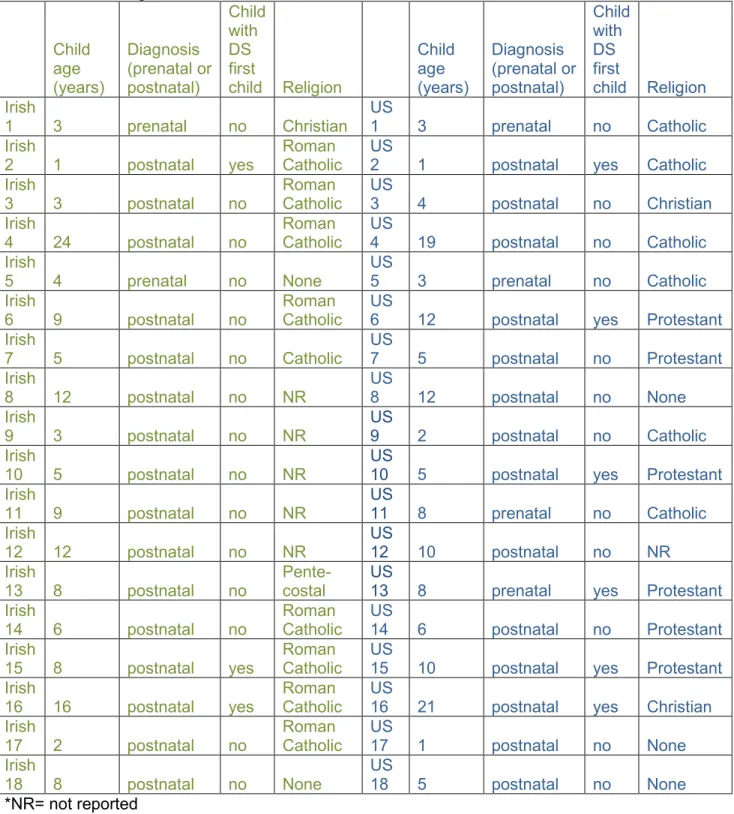
Paper 2 (Chapter 3) is an analysis of qualitative data from interviews of 36 mothers (18 US, 18 Irish) on the contextual influences identified in the FMSF (social networks, care
providers and systems, and family resources). The three aims of this analysis were: 1) Describe US and Irish mothers’ perceptions of contextual influences on family management of the
ongoing challenges associated with DS as reported in qualitative interviews; 2) Identify
differences between the contextual influences on family management in the United States and
Ireland; and 3) Confirm whether the contextual influences identified in the FMSF are relevant for
families of children with DS. Quantitative FaMM data for the entire US and Irish sample included
in the primary study (536 US, 95 Irish) were analyzed to provide a fuller description of family
management of DS.
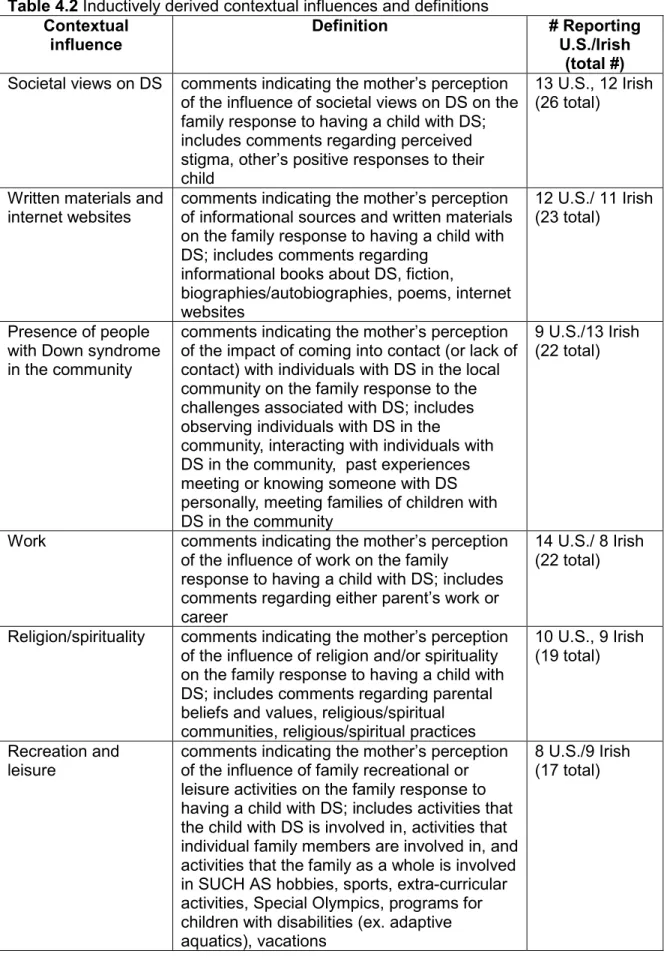
Paper 3 (Chapter 4) is an analysis of qualitative data from interviews of 36 mothers (18 US, 18 Irish) on inductively derived contextual influences (i.e., those not addressed in the FMSF). The two aims of this analysis were: 1) Identify and describe US and Irish mothers’ perceptions of additional contextual influences (not described in the FMSF) on family
management of the ongoing challenges associated with DS as reported in qualitative interviews;
2) Identify differences in the frequency and nature of the identified contextual influences on
family management reported by mothers in the United States and Ireland. No quantitative data
was analyzed for this paper.
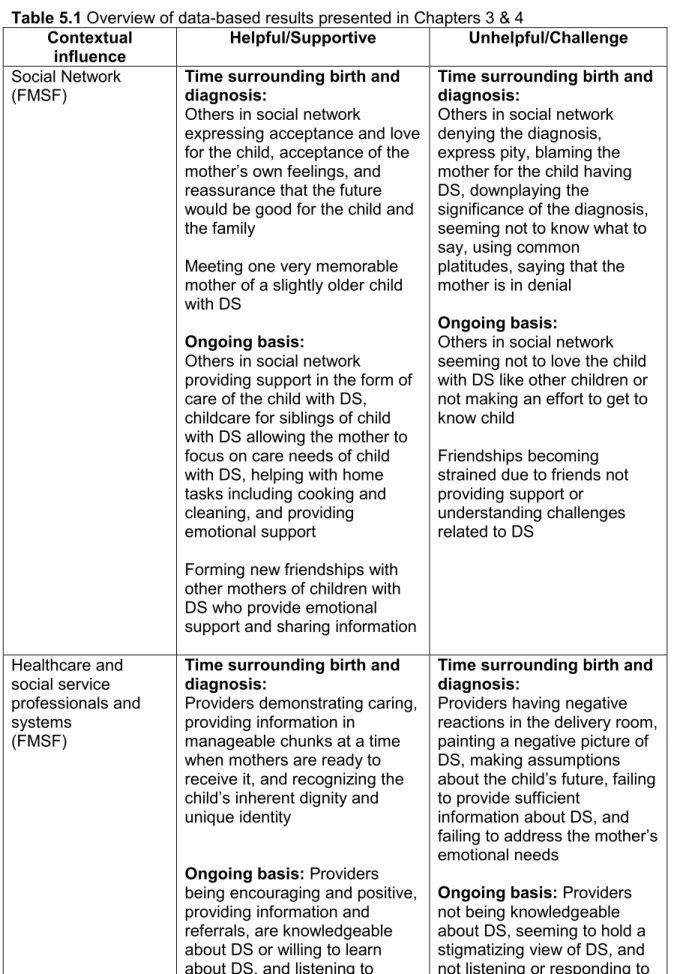
Chapter 5 is a discussion that synthesizes the results of these three analyses, and their
6
Figure 1.1 Family Management Style FrameworkTable 1.1 Definitions of Contextual influences on Family management (Knafl et al., 2012) Contextual
influence Definition (Knafl et al., 2012)
Example of positive impact on family management
Example of negative impact family on management Social
network
The importance of others in the family’s social network (including extended family, friends, and society) in supporting or hindering the family response a childhood chronic condition.
Individuals in family’s social network provide emotional and instrumental support following diagnosis of child’s chronic condition
People outside of immediate family devalue individuals who have disabilities or chronic conditions
Care providers and systems
The importance of care providers and systems (e.g. healthcare, education, social service professionals and systems) in supporting or hindering the family response a childhood chronic condition.
Nurses provide psychosocial support and relevant information
Nurses are not compassionate or do not listen to parent concerns when providing care at time of diagnosis or during a hospitalization
Resources The importance of resources, (e.g., financial resources and adequate health care coverage) in supporting or hindering the family response a childhood chronic condition.
Insurance provides families with access to services, and families have flexibility to choose options that work best for their family
7
REFERENCES
Barros da Silva, R., Barbieri-Figueiredo, M. do C., & Van Riper, M. (2018). Breastfeeding Experiences of Mothers of Children with Down Syndrome. Comprehensive Child and Adolescent Nursing, 1–15. http://doi.org/10.1080/24694193.2018.1496493
Bertapelli, F., Pitetti, K., Agiovlasitis, S., & Guerra-Junior, G. (2016). Overweight and obesity in children and adolescents with Down syndrome—prevalence, determinants, consequences, and interventions: A literature review. Research in Developmental Disabilities, 57, 181– 192. http://doi.org/10.1016/j.ridd.2016.06.018
Bourke-Taylor, H., Pallant, J. F., Law, M., & Howie, L. (2012). Predicting mental health among mothers of school-aged children with developmental disabilities: the relative contribution of child, maternal and environmental factors. Research in Developmental Disabilities, 33(6), 1732–1740. http://doi.org/10.1016/j.ridd.2012.04.011
Bull, M. (2018). Improvement of outcomes for children with Down syndrome. J Pediatr, 193, 9-10. doi: 9-10.1016/j.jpeds.2017.11.014. Epub 2017 Dec 6.
Bull, M. (2011). Health Supervision for Children With Down Syndrome. PEDIATRICS, 128(2), 393–406. http://doi.org/10.1542/peds.2011-1605
Caples, M., Martin, A.-M., Dalton, C., Marsh, L., Savage, E., Knafl, G., & Van Riper, M. (2018). Adaptation and resilience in families of individuals with down syndrome living in Ireland. British Journal of Learning Disabilities, 46(3), 146–154. http://doi.org/10.1111/bld.12231
Capone et al. (2018). Co-occurring medical conditions in adults with Down syndrome: a Systematic review toward the development of health care guidelines. Am J Med Genet A 176, 116-133
Cartwright, A., & Boath, E. (2018). Feeding infants with Down’s syndrome: a qualitative study of mothers’ experiences. J Neonatal Nurs, 24, 134-141.
Choi, H., & Van Riper, M. (2016). Maternal perceptions to open-ended questions about life with Down syndrome in Korea. The Qualitative Report, 21(2), 288–298.
Choi, H., & Van Riper, M. (2017). Adaptation in families of children with Down syndrome in East Asian countries: an integrative review. Journal of Advanced Nursing, 73(8), 1792–1806. http://doi.org/10.1111/jan.13235
Dianmandopoulos, K, & Green J. (2018). Down syndrome; an integrative review. Journal of Neonatal Nursing, 24, 235-241.
Docherty, F., & Dimond, R. (2017). “Yeah that Made a Big Difference!”: The Importance of the Relationship between Health Professionals and Fathers Who Have a Child with Down Syndrome. Journal of Genetic Counseling. http://doi.org/10.1007/s10897-017-0171-y
8
Geok, C. K., Abdullah, K. L., & Kee, L. H. (2013). Quality of life among Malaysian mothers with a child with Down syndrome. International Journal of Nursing Practice, 19(4), 381–389. http://doi.org/10.1111/ijn.12083
Goff, B. S. N., Springer, N., Foote, L. C., Frantz, C., Peak, M., Tracy, C., … Cross, K. A. (2013). Receiving the initial Down syndrome diagnosis: A comparison of prenatal and postnatal parent group experiences. Intellectual and Developmental Disabilities, 51(6), 446–457. http://doi.org/10.1352/1934-9556-51.6.446
Goffinski, A., Stanley, M. A., Shepherd, N., Duvall, N., Jenkinson, S. B., Davis, C., … Roper, R. J. (2015). Obstructive sleep apnea in young infants with Down syndrome evaluated in a Down syndrome specialty clinic. American Journal of Medical Genetics. Part A, 167A(2), 324–30. http://doi.org/10.1002/ajmg.a.36903
Goodwin, J., Schoch, K., Shashi, V., Hooper, S. R., Morad, O., Zalevsky, M., … Campbell, L. E. (2015). A tale worth telling: the impact of the diagnosis experience on disclosure of genetic disorders. Journal of Intellectual Disability Research : JIDR, 59(5), 474–486.
http://doi.org/10.1111/jir.12151
Hoffmire, C.A., Magyar, C.I., Connolly, H.V., Fernandez, I.D., & van Wijngaarden, E.
(2014). High prevalence of sleep disorders and associated comorbidities in a community sample of children with Down syndrome. J. Clin Sleep Med, 10, (4), 411-419.
Horne, R.S.C., Wijayaratne, P., Nixon, G.M., & Walter, L. M. (2019). Sleep and sleep
disordered breathing in children with Down syndrome: effects on behavior, neurocognition, and the cardiovascular system. Sleep Med Rev, 44, 1-11.
Hsiao, C. Y. (2014). Family demands, social support and family functioning in Taiwanese families rearing children with Down syndrome. Journal of Intellectual Disability Research : JIDR, 58(6), 549–559. http://doi.org/10.1111/jir.12052
Huiracocha, L., Almeida, C., Huiracocha, K., Arteaga, J., Arteaga, A., & Blume, S. (2017). Parenting children with Down syndrome: Societal influences. Journal of Child Health Care : For Professionals Working with Children in the Hospital and Community, 21(4), 488–497. http://doi.org/10.1177/1367493517727131
Kaye, P. L., Fiske, J., Bower, E. J., Newton, J. T., & Fenlon, M. (2005). Views and experiences of parents and siblings of adults with Down Syndrome regarding oral healthcare: a
qualitative and quantitative study. British Dental Journal, 198(9), 571–8, discussion 559. http://doi.org/10.1038/sj.bdj.4812305
Knafl, K. A., Deatrick, J. A., & Havill, N. L. (2012). Continued Development of the Family Management Style Framework. Journal of Family Nursing, 18(1), 11–34.
http://doi.org/10.1177/1074840711427294
Knafl, K., Deatrick, J. A., Gallo, A., Dixon, J., Grey, M., Knafl, G., & O’Malley, J. (2011).
9
Korkow-Moradi, H., Kim, H. J., & Springer, N. P. (2017). Common factors contributing to the adjustment process of mothers of children diagnosed with down syndrome: A qualitative study. Journal of Family Psychotherapy, 28(3), 193–204.
Magenis, M. L., Machado, A. G., Bongiolo, A. M., Silva, M. A. da, Castro, K., & Perry, I. D. S. (2018). Dietary practices of children and adolescents with Down syndrome. Journal of Intellectual Disabilities, 22(2), 125–134. http://doi.org/10.1177/1744629516686571
Marchal, J. P., Maurice-Stam, H., Hatzmann, J., Paul Van Trotsenburg, A. S., & Grootenhuis, M. A. (2013). Health related quality of life in parents of six to eight year old children with Down syndrome. Research in Developmental Disabilities, 34, 4239–4247.
http://doi.org/10.1016/j.ridd.2013.09.011
Marder, L., Tulloh, R., Pascall, E. (2015). Cardiac problems in Down syndrome. Paediatrics and Child Health, 25, 23-29.
Marshall, J., Tanner, J. P., Kozyr, Y. A., & Kirby, R. S. (2015). Services and supports for young children with Down syndrome: parent and provider perspectives. Child: Care, Health and Development, 41(3), 365–373. http://doi.org/10.1111/cch.12162
McGrath, R. J., Stransky, M. L., Cooley, W. C., Moeschler, J. B., RJ, M., ML, S., … JB, M. (2011). National profile of children with down syndrome: disease burden, access to care, and family impact. Journal of Pediatrics, 159(4), 535–540.e2.
http://doi.org/10.1016/j.jpeds.2011.04.019
McGrath, R., Stransky, M., Cooley, W., & Moeschler, J. (2011). National profile of children with down syndrome: disease burden, access to care, and family impact. Journal of Pediatrics, 159(4), 535–540.e2. Retrieved from
https://auth.lib.unc.edu/ezproxy_auth.php?url=http://search.ebscohost.com/login.aspx?dire ct=true&db=rzh&AN=104582740&site=ehost-live&scope=site
Minnes, P., & Steiner, K. (2009). Parent views on enhancing the quality of health care for their children with fragile X syndrome, autism or Down syndrome. Child: Care, Health and Development, 35(2), 250–256. http://doi.org/10.1111/j.1365-2214.2008.00931.x
Mitchell, D. B., Hauser-Cram, P., & Crossman, M. K. (2015). Relationship dimensions of the “Down syndrome advantage”. Journal of Intellectual Disability Research : JIDR, 59(6), 506– 518. http://doi.org/10.1111/jir.12153
Muggli, E. E., Collins, V. R., & Marraffa, C. (2009). Going down a different road: first support and information needs of families with a baby with Down syndrome. The Medical Journal of Australia, 190(2), 58–61. Retrieved from http://www.ncbi.nlm.nih.gov/pubmed/19236288
Mulroy, S., Robertson, L., Aiberti, K., Leonard, H., & Bower, C. (2008). The impact of having a sibling with an intellectual disability: parental perspectives in two disorders. Journal of Intellectual Disability Research : JIDR, 52(Pt 3), 216–229. http://doi.org/10.1111/j.1365-2788.2007.01005.x
10
Nelson Goff, B. S., Monk, J. K., Malone, J., Staats, N., Tanner, A., & Springer, N. P. (2016). Comparing Parents of Children With Down Syndrome at Different Life Span Stages. Journal of Marriage & Family, 78(4), 1131–1148. Retrieved from
http://10.0.4.87/jomf.12312
Nelson Goff, B. S., Springer, N., Foote, L. C., Frantz, C., Peak, M., Tracy, C., … Cross, K. A. (2013). Receiving the Initial Down Syndrome Diagnosis: A Comparison of Prenatal and Postnatal Parent Group Experiences. Intellectual and Developmental Disabilities, 51(6), 446–457. http://doi.org/10.1352/1934-9556-51.6.446
Persons, D. S. (2017). Stigma, Learning and Inheritance: An Ecocultural Study of Adaptation and Resource use among Families of Children with Down Syndrome in Thailand. Disability, CBR & Inclusive Development, 28(2), 117–128.
Pillay, D., Girdler, S., Collins, M., & Leonard, H. (2012). “It’s not what you were expecting, but it’s still a beautiful journey”: the experience of mothers of children with Down syndrome. Disability and Rehabilitation, 34(18), 1501–1510.
http://doi.org/10.3109/09638288.2011.650313
Ross, W. T., & Olsen, M. (2014). Care of the Adult Patient with Down Syndrome. Southern Medical Journal, 107(11), 715–721. http://doi.org/10.14423/SMJ.0000000000000193
Schieve, L. A., Boulet, S. L., Kogan, M. D., Van Naarden-Braun, K., & Boyle, C. A. (2011). A population-based assessment of the health, functional status, and consequent family impact among children with Down syndrome. Disability and Health Journal, 4(2), 68–77. http://doi.org/10.1016/j.dhjo.2010.06.001
Sheets, K. M., Baty, B. J., Vazquez, J. C., Carey, J. C., & Hobson, W. L. (2012). Breaking difficult news in a cross-cultural setting: a qualitative study about Latina mothers of children with down syndrome. Journal of Genetic Counseling, 21(4), 582–590.
http://doi.org/10.1007/s10897-011-9425-2
Samarkandy, M.M., Mohamed, B.A., Al-Hamdan, A.A. (2012). Nutritional assessment and obesity in Down syndrome children and their siblings in Saudi Arabia, Saudi Med J, 33, 1216-1221.
Sooben, R. D. (2010). Antenatal testing and the subsequent birth of a child with Down syndrome: a phenomenological study of parents’ experiences. Journal of Intellectual Disabilities, 14(2), 79–94. http://doi.org/10.1177/1744629510381944
van Dijk, M., & Lipke-Steenback, W. (2018). Measuring feeding difficulties in toddlers with Down syndrome. Appetite, 126, 61-65.
Van Gameren-Oosterom, H. B. M., Fekkes, M., Van Wouwe, J. P., Detmar, S. B., Oudesluys-Murphy, A. M., & Verkerk, P. H. (2013). Problem Behavior of Individuals with Down Syndrome in a Nationwide Cohort Assessed in Late Adolescence. J Pediatr, 163, 1396– 1401. http://doi.org/10.1016/j.jpeds.2013.06.054
11
Van Riper, M. (2007). Families of Children with Down Syndrome: Responding to “A Change in Plans” with Resilience. Journal of Pediatric Nursing, 22(2), 116–128.
http://doi.org/10.1016/j.pedn.2006.07.004
Van Riper, M., Knafl, G. J., & Knafl, K. A. (2018). Family management of life with Down
syndrome: A cross-cultural exploration. In Poster presentation at the 4th PNAE Congress on Paediatric Nursing, Athens, Greece.
Van Riper, M., Knafl, G. J., Roscigno, C., & Knafl, K. A. (2018). Family management of childhood chronic conditions: Does it make a difference if the child has an intellectual disability? American Journal of Medical Genetics. Part A, 176(1), 82–91.
12
CHAPTER 2: A SCOPING REVIEW OF CONTEXTUAL INFLUENCES ON FAMILY LIFE WITH DOWN SYNDROME
Introduction
Down syndrome (DS) is the most common genetic cause of intellectual disability, and
the estimated incidence of DS in the United States is one in 691 births (Parker et al., 2010).
Individuals with DS face multiple developmental, physical, cognitive and behavioral challenges
across the lifespan (Bull, 2011; Grieco, Pulsifer, Seligsohn, Skotko, & Schwartz, 2015). These
challenges require families to make special efforts to accommodate the needs of the person
with DS, which at times causes stress in the family (Buelow et al., 2006; Norizan & Shamsuddin,
2010). Some families adapt well to managing these challenges, however others struggle to
adapt (Skotko, Levine, Macklin, & Goldstein, 2016; Truitt, Biesecker, Capone, Bailey, & Erby,
2012).
Prior research has indicated that a significant influence on the family’s ability to manage
the challenges associated with a childhood chronic condition is the social and cultural context of
the family (Knafl et al., 2012). According to the Family Management Style Framework (FMSF)
(see Figure 2.1), contextual influences are factors outside the immediate family that contribute
in a positive or negative manner to the family response to a chronic condition. Contextual
influences can produce additional challenges for families, thus hindering the family’s ability to
manage the condition, or conversely they may serve as protective factors that support family
management. For instance, a negative contextual influence is parents’ perception that they are
unsupported or inadequately helped by healthcare professionals (Esdaile, 2009). On the other
hand, healthcare professionals can also be a positive influence on the family response to a
13
support, and advocacy (Grineski, 2008). Through an integrative review of research on family
management of childhood chronic physical conditions, Knafl et al. (2012) identified three groups
of contextual factors that contribute to family response to a chronic condition: social networks
(including extended family, friends, and society), care providers and systems (including
healthcare, education, and social service professionals and systems), and family resources
(including financial resources and adequate health care coverage).
The underlying assumption guiding this scoping review was that contextual influences
play a critical role in determining family response to the challenges associated with DS.
Therefore, the purpose of this scoping review was to identify the following: (1) contextual
influences on family response to DS over the lifespan of the individual with DS and (2)
characteristics of studies addressing the relationship between contextual influence and family
response. By aggregating these data, our goal was to describe the nature and focus of current
research on contextual influences on the family response to DS, identify gaps in the literature,
and make recommendations for future studies.
Knowledge of contextual influences on family response to health-related challenges
such as DS is a critical area for developing interventions to support family management of these
challenges. Because the social and cultural environmental context of the family itself is often not
modifiable, interventions aimed at strengthening the family’s capacity to effectively use
resources that support family management are needed. Understanding contextual influences
will further healthcare professionals’ ability to develop such interventions, and ultimately to
partner with families to ameliorate factors that are challenges and strengthen factors that are
potential family resources.
Design and Methods
Consistent with the study aims, a scoping review was undertaken to identify studies
reporting results relevant to contextual factors influencing family response to DS (Arskey &
14
synthesis: identifying the research question, identifying relevant studies, study selection,
charting the data, and collating, summarizing, and reporting the results (Arskey & O’Malley,
2005).
Identifying relevant studies
Research reports were included in the review if they met the following criteria: reported
data on a contextual influence on family life with DS, published between January 2007 and
December 2017 in an English language journal, and peer reviewed. In keeping with the
definition of ‘contextual influence’ from the FMSF, a contextual influence was defined as a factor
external to the family that either positively or negatively impacts the family response to DS. The
date range was chosen in order to encompass the recent literature on families of children with
DS. Studies in which the investigators sampled multiple conditions including DS were included if
the results for individuals with DS were reported separately from other conditions. No age limit
was placed on the person with DS because one of the purposes for this review was to produce
an encompassing list of contextual influences on the family response to the challenges
associated with DS for families in which the age of the child with DS varied. Studies focused
exclusively on the prenatal period were excluded because the challenges that families face
prenatally are distinctly different in nature from those faced by families post-natally, such as
whether or not to terminate the pregnancy. Finally, studies in which data on contextual
influences were collected solely in a demographic questionnaire in order to describe the sample
were excluded.
With guidance from a university health sciences librarian, four literature indexes were
searched for research reports on the family response to the challenges associated with DS:
PubMed, CINAHL, PsycInfo, and Family and Society Studies Worldwide. The following search
15
OR “trisomy 21” OR “chromosome 21”) AND (family OR families OR father* OR mother* OR parent OR parents OR parental OR sibling* OR brother* OR sister* OR caregiv* OR “care giver” OR caretaker OR “care taker”). Search terms were truncated for maximum results.
Study selection
Two authors (AV, LF) independently reviewed titles and abstracts to determine potential
eligibility of the articles based on inclusion-exclusion criteria. The full text of all potentially
eligible articles was obtained for further review. The same two team members reviewed the full
text articles for eligibility, and disagreements were discussed until consensus was reached
regarding the inclusion or exclusion of the article in the final sample. The reason(s) for excluding
articles was documented. Figure 2.2 shows the scoping review process and reasons for
excluding studies during the study selection phase.
Charting the Data
The process of charting the data involved extracting key information in order to produce
a narrative summary of each study and further comparison across studies (Arskey & O’Malley,
2005). The following data were recorded for each study in a ‘data charting form’ created in
Microsoft Excel: author/title, year of publication, geographic location, research purpose/aims,
research design, conceptual framework, age of individual with DS, family members included in
study, measures used, and contextual influences studied. The first author completed all
extractions. As a check on the accuracy and completeness of the extractions, two other authors
(MVR or KK) reviewed all extractions, and final edits in the extractions were made based on
their input. Any disagreements were resolved through discussion to achieve consensus.
Collating and summarizing the results
In keeping with the Arskey and O’Malley methodology, data analysis entailed comparing
across articles for each data extraction category (e.g., aims, design, contextual factors address)
(Arskey & O’Malley, 2005). Conventional content analysis was used to identify themes
16
focal areas as well as gaps in the research. Contextual influences were coded using start-list
categories based on the FMSF conceptual framework. Two modifications were made to the
FMSF conceptual framework categories for the purpose of this scoping review. The FMSF
category care providers and systems encompasses both health care professionals/systems and
education professionals/systems. In the current analysis these two contextual influences were
coded separately to highlight differences between how health care and social services
professionals and systems have been examined versus how education professionals and
systems have been examined. Secondly, the FMSF category social networks includes social
influences at the societal level, however in the current analysis, social influences at the societal
level were coded separately from social influences on a more personal level (i.e. extended
family, friends). In addition, four contextual influences identified by the first author (AV) in an
analysis of qualitative data from families of children with DS were included: community supports,
religion and spirituality, work, and family recreation and leisure (Table 2.1 includes the
definitions for all contextual influence codes). Each contextual influence was coded as it was
identified in reviewing the article. In order to assess the variability of ages included in each
study, five age brackets were defined based on periods which mark usual educational and
developmental transitions for individuals with DS: 1) Infancy and early childhood (Birth to 3
years), 2) Preschool age (4 years – 6 years), 3) School age (7 years – 12 years), 4) Teenage
(13 years – 19 years), 5) Adult (20 years and older). Then each study was evaluated to
determine how many age brackets were spanned by the sample. Additionally, criteria developed
by Knafl, et al. (Knafl, Leeman, Havill, Crandell, & Sandelowski, 2015) for categorizing the level
of family focus in a study were adapted to categorize the extent to which the report focused on
contextual influences. Studies were categorized as fully, partially, or minimally focused on
contextual influences based on their purpose statement and/or study aims. Full focus studies
were those in which the primary aim of the study was to examine contextual influences. Partial
17
examined, and/or some, but not all aims, addressed contextual influences. Minimal focus
studies were those in which contextual influences were not reflected in the purpose/aims (only
in the measures), but reported in the analysis.
Results
Fifty research reports met the criteria for this scoping review and were included in the
analysis, 25 of which were based on a quantitative design, 6 on a mixed-methods design, and
19 on a qualitative design (see Table 2.2). Forty-nine of the studies were cross-sectional, and 1
study had a longitudinal design. Most of the qualitative studies were descriptive, with the
exception of 2 grounded theory studies and 5 phenomenological studies. Thirty-two (64%) of the
studies described family perceptions of contextual influences, while 18 (36%) measured the
relationship between contextual influences and the family response. Fifteen studies used a
comparison group, with the number of comparison groups ranging from 1 to 5. Comparison
groups included typically developing individuals (n=4), individuals with chronic physical
conditions (n=4), intellectual disability (n=4), autism (n=4), Fragile X syndrome (n=2), Rhett
syndrome (n=2), DiGeorge syndrome (n=1), Williams syndrome (n=1), tuberous sclerosis (n=1),
Prader–Willi syndrome (n=1), Cerebral palsy (n=1), and undifferentiated developmental
disabilities (n=1). The included studies were also globally diverse: 15 were conducted in North
America (13 in the U.S., 1 in Canada, and 1 across U.S. and Canada), 3 in South America (1 in
Ecuador, 2 in Brazil), 9 in Europe (4 in the U.K., 2 in Italy, 2 in Netherlands, 1 in Poland), 1 in
Africa (Nigeria), 4 in West Asia (1 in Pakistan, 2 in India, 1 in Turkey), 8 in East Asia (2 in Korea,
1 in Thailand, 3 in Taiwan, 2 in Malaysia), and 8 in Australia. One web-based study recruited
internationally (see Figure 2.3).
In most of the studies the sample included families with a broad age range of individuals
with DS. Six studies spanned all 5 age categories, and thus contained the most age variability.
Eight studies spanned 4 age categories, 11 studies spanned 3 categories, and 8 studies
18
the most focused on specific age-related challenges. The age ranges were represented
relatively evenly across the studies, with adults being the least commonly studied. Twenty-three
studies included infancy and early childhood, 29 studies included preschool age, 26 included
school age, 25 included teenagers, and 15 included adults (see Figure 2.4).
The participants in the studies represented diverse family member perspectives,
although mothers were the most common participants across the studies. Ten studies included
mothers only; in contrast two studies included fathers only and one study included siblings only.
Twenty-one studies included one family member (mother, father, or sibling); many of those
studies did not report the breakdown of participants by family member, however those that did
all had more mother participants than either fathers or siblings. Thirteen studies included
multiple family members, but only required one person to participate for inclusion in the sample;
more mothers participated than either fathers or siblings in all but three of those studies. Finally,
in three studies an inclusion criterion was participation of both mothers and fathers.
The majority (n= 30, 60%) of the studies were grounded in a conceptual framework,
philosophical approach, practice guidelines, or guiding concept. The 12 theoretically grounded
studies were based on varied frameworks, with seven based on a stress and coping framework
such as the The Resiliency Model of Family Stress, Adjustment, and Adaptation (McCubbin,
McCubbin, & Thompson, 1996), and the Lazarus and Folkman stress-coping model (Lazarus &
Folkman, 1984). Other frameworks included the Theory of Ambiguous Loss (Boss, 1999),
Fewell’s theoretical conceptualization of spirituality and organized religion (Fewell & Vadasy,
1986), and the Life Course Model (Fine & Kotelchuck, 2010). Eight of the 12 theoretically
grounded studies explicitly described the positioning and role of contextual influences within the
guiding theory, while the other four studies did not define contextual influences or make the
relationship between contextual influences and other theory constructs clear. An additional 6
studies were guided by a philosophical approach (phenomenology, symbolic interaction), and
19
and Health (ICF) framework (World Health Organization, 2001) and the American Academy of
Pediatrics medical home model (Medical Home Initiatives for Children With Special Needs
Project Advisory Committee. American Academy of Pediatrics, 2002). Eight studies cited a
guiding concept such as quality of life, Down syndrome advantage, or blame ascription. Finally,
20 (40%) studies did not cite any conceptual grounding.
The contextual influences included by Knafl et al (2012) in the FMSF (social networks,
care providers and systems, and family resources) were examined in the studies included in this
review. Family resources were explored in 22 studies (44%), social network in 24 studies (48%),
healthcare and social service providers and systems in 23 studies (46%), and education
professionals and systems in 12 studies (24%). The four additional contextual influences were
also present: community supports were examined in 9 studies (18%), religion and spirituality in
3 studies (6%), work in 3 studies (6%), and family recreation and leisure in 1 study (2%).
Consistent with the variety of research designs represented in the sample, a variety of
measurement methods were used to collect data regarding contextual influences. Contextual
influences were examined using psychometrically validated measures, subscales of validated
measures, items from investigator-developed quantitative surveys, and questions on qualitative
interview guides. Several of the measures assessed multiple contextual influences. For
instance, the Transition Experiences Survey assessed both community supports and education
professionals and systems, and the disability-related services subscale of the Family Quality of
Life Survey assessed community supports, healthcare and social service professionals and
systems, and education professionals and systems. Other measures and subscales assessed a
single contextual influence, such as the extended family support subscale of the Family
Inventory of Resources for Management. See Table 2.3 for specific measurement methods
used to examine each contextual influence.
A notable finding regarding measurement was the large number of quantitative and
20
examine contextual influences. Out of a total of 31 quantitative and mixed methods studies,
investigator-developed, unvalidated measures or items were used in 14 studies (47%).
Validated measures only were used in 7 studies (23%), and in 9 studies (30%) a combination of
validated and unvalidated measures were used (see Table 2.4).
Only 4 studies were classified as being fully focused on contextual influences.
Contextual influences explored in these studies included: healthcare and social service
professionals and systems (n=3), education professionals and systems (n=2), family resources
(n=1), and social network (n=1). For example, the purpose of Marshall et al.’s (2015) study was
to “better understand services and supports most needed and accessed by families of children
birth to age 3 who have DS, and to identify gaps and barriers to accessing these services." The
“services” examined in this qualitative study were healthcare, social service, and education
services, and the “supports” examined were social supports. Therefore, this descriptive study
examined three contextual influences: healthcare and social service professionals and systems,
education professionals and systems, and social network. The majority of the studies (n=28)
were classified as having a partial focus on contextual influences, with examination of
contextual influences being one of the study aims. The partial focus studies examined
healthcare and social service professionals and systems (n=13), education professionals and
systems (n=7), family resources (n=7), social network (n=5), community support (n= 2), religion
and spirituality (n=1), and contextual influences- not specified (n=2) in addition to other aims not
directly focused on contextual influences. For example, Pillay et al. (2012) stated that the
purpose of their qualitative study was to "describe qualitatively the experience of parenting for
mothers of a child with Down syndrome and to explore what if any was the role of spirituality
and organized religion in this experience." This study was classified as ‘partial focus’ because
contextual influences were explicitly mentioned as a part of the purpose but were not the sole
focus of the study. Finally, 18 studies were classified as minimally focused on contextual
21
of the included study by Choi et al (2015) was to examine “the factors related to resilience of
families of children with DS in Korea. More specifically, this study examined theoretical
relationships between family adaptation and risk and protective factors." Contextual influences
were not explicitly addressed in the purpose statement, however there were several items on
the survey addressing ‘societal views on disability.’
Demographic data that provided information about contextual influences was collected in
the majority of studies included in this review (n=40, 80%), although in most cases these data
were collected in order to describe the sample and were not included in the analysis. Most
frequently used demographic items were those that described ‘family resources: family income
(n= 15), employment status (n=16), economic status (n=8), and insurance status (n=2).
Additional items on demographic surveys described the family’s ‘social network:’ membership in
support group (n= 3) and primary source of daily social support (n=1).
Discussion
The results of this systematic scoping review of the literature on contextual influences on
the family response to DS indicate that although contextual influences have been examined in
fifty studies over the last decade, relatively few of those studies were solely focused on
exploring contextual influences. Furthermore, contextual influences have been examined using
a variety of different methods and measures, and in a variety of countries across the globe.
Almost all of the studies used a cross sectional design, indicating the need for future longitudinal
studies to examine how contextual influences impact the family differently across the lifespan of
the individual with DS. Indeed, there may be critical time periods in which particular contextual
influences have a greater impact on the family, such as at the time of diagnosis or during
periods of transition. The large number of qualitative studies in this sample indicates that there
is considerable data from family members describing contextual influences. In some cases,
parents were asked about specific contextual influences, but in other cases parents were asked
22
response. Those influences that parents spontaneously introduce in response to non-specific
questions may be the influences family members believe are the most important. The same is
true for the quantitative studies in the sample: different contextual variables were examined in
the different studies, and furthermore there was great variability in the measures that were used.
The studies included in this review were globally diverse, representing 17 countries
across 6 continents. Contextual influences differ in important ways from country to country. For
instance, early intervention (EI) programs, which have been shown to improve outcomes for
children with DS, are available in some countries, such as the United States and European
countries, but not in others (Mahoney, Perales, Wiggers, & Herman, 2006). Families residing in
countries that do not offer EI or where EI is not accessible face different and perhaps more
difficult challenges than families residing in countries that do. Studies investigating the impact of
contextual influences in different settings are needed in order to develop interventions that are
tailored to the populations in those settings. On the other hand, examining contextual influences
across countries is useful because it helps distinguish contextual influences that are common to
all families of children with DS from those that are country specific. For instance, healthcare
providers and systems were investigated in 12 countries and one international study, indicating
that this contextual influence is an area of research interest across countries.
Most of the studies included in this review included families of individuals with DS across
a broad age range and relatively few focused on specific developmental time periods or
specifically addressed the variable influence of contextual factors over time. Families face
different challenges throughout the lifespan of the individual with DS, and therefore the
contextual influences that have the greatest impact on the family are likely to shift over time.
Future studies are needed to identify which contextual influences are most critical during
different developmental time periods in order to create interventions that address the greatest
areas of need at any given time period.
23
relatively underrepresented. A large percentage of the studies (40%) included fathers, which is
promising because family researchers have been criticized for not including fathers in their
samples (Davison, Charles, Khandpur, & Nelson, 2017). Mothers and fathers have different
responses to having a child with DS, and it is therefore important to determine how contextual
influences may play a role in these differences (Takataya, Yamazaki, & Mizuno, 2016). The
fact that so many studies included fathers is a strength of the literature on contextual influences
on the family response to DS because it contributes to a more complete understanding of how
contextual influences are perceived by and influence different family members. It should be
noted, however, that in many of the studies the investigators failed to report the number of
mothers versus fathers who participated and did not differentiate their perceptions of contextual
influences. The absence of sibling representation in the studies is notable because there is
evidence that contextual influences play an important role in adaption to having a sibling with
DS. An integrative review of the literature on siblings of children with DS indicated that social
support from outside the family had a positive influence on sibling adaptation and well-being
(Hyunkyung Choi & Van Riper, 2013). Focusing future studies on contextual influences on
siblings would provide a more complete and accurate picture of how contextual influences
impact all family members. Further, it would be interesting to investigate whether multiple
members from the same family identify the same contextual influences.
Although the majority of the studies were grounded in a conceptual framework,
philosophical approach, practice guidelines, or guiding concept, it is a weakness that only 12 out
of the 50 studies were grounded in a well-developed conceptual framework. A further weakness
is that 4 of the 12 that were grounded in a conceptual framework did not adequately define
contextual influences in the report, and did not describe the theoretical relationships between
contextual influences and other theory constructs. Future studies should be grounded in a
framework with an explicit conceptualization of contextual influences. This is especially
24
influences. Many frameworks include contextual influences, however they may be
conceptualized differently than they are in the FMSF. For instance, the Resiliency Model of
Family Stress, Adjustment and Adaptation does not conceptually distinguish between external
and internal contextual factors influencing family response (McCubbin et al., 1996). In this
model, factors external to the family are classified as either a ‘family resource’ or ‘family
demand’. ‘Family resources’ include not only resources external to the family, such as
community support, but also resources internal to the family, such as family member
capabilities. ‘Family demands’ include anything that adds to the family’s vulnerability. Useful
data on contextual influences can still be gleaned from studies based on this framework,
however investigators specifically seeking to explore the nature of contextual influences or
determine the relative impact of contextual influences on the family response should choose a
framework that conceptually distinguishes internal and external family factors.
All contextual influences identified by Knafl et al (2012) and included in the FMSF were
present in the included studies, and the four additional contextual influences were also present
in the studies (community supports, religion and spirituality, work, and family recreation and
leisure). There was great variability in terms of which contextual influences were examined,
which would make it difficult to compare results across studies. Further, a variety of different
measures were used in the studies to gather data regarding contextual influences. Although
many studies used psychometrically validated measures, it would be difficult to compare results
across studies because of the heterogeneity of the measures used. Furthermore, some of the
measures included items that measured several contextual influences. In other words, the
measures did not delineate between the contextual influence categories defined in this study, as
was the case in the Transition Experiences Survey that assessed both community supports and
education professionals and systems. The Transition Experiences survey is therefore helpful for
looking broadly at external supports for family transition periods, however it is not able to
25
The use of investigator-created measures and items was common, and this is a weakness of
the included studies. Measures that assess the contextual influences separately are needed for
future studies aimed at comparing the relative influence of different contextual influences on the
family response.
Relatively few studies were fully focused on examining contextual influences according
to the purpose and aims. Of the 4 that were fully focused on contextual influences, only one
study measured the relationship between contextual influences and the family response and the
rest were descriptive. The one study that was fully focused on measuring a relationship between
contextual influences and the family response investigated the effect of early intervention
programs on family outcomes (Mohammed Nawi, Ismail, & Abdullah, 2013). Further, all of the
studies fully focused on contextual influences examined one or two specific contextual
influences (healthcare and social service professionals and systems, education professionals
and systems, or family resources) as opposed to broadly examining contextual influences.
There was no study in which the purpose was to comprehensively examine contextual
influences on the family response to DS. Therefore, studies specifically aimed at examining the
nature and overall impact of contextual influences are needed. Additionally, given that only 18
studies were found that measured the relationship between contextual influences and various
indicators of family response, studies comparing the relative influence of different contextual
influences on the family response to DS are needed to understand which aspects of the family
environment have a critical impact on the family’s ability to adapt to and manage the challenges
associated with DS.
Data on contextual influences was collected in demographic surveys in a large number of
the studies included in this review. However, in most cases that data was used to describe the
sample and was not used in the analysis. This represents a missed opportunity to use this data
26
ConclusionThe results of this systematic scoping review of the literature on contextual influences on the
family response to DS reveal that there is much work to be done in terms of identifying the
contextual influences that have the most powerful impact on families. Although 50 studies over
the last decade have examined contextual influences, most of those studies were not fully
focused on contextual influences. Further, there was no study that sought to compare the
relative influence of contextual influences (i.e., to determine which influences had the greatest
impact – either positive or negative- on the family), or to create a comprehensive list of
contextual influences. This study provides a comprehensive list of contextual influences that
have been examined, and a list of associated measures. Future studies should be aimed at
identifying significant contextual influences and exploring which contextual influences have the
greatest impact on the family throughout different stages of the lifespan of the individual with
DS. This information would allow for the creation of interventions targeted at families and
healthcare professionals that would help families mitigate consequences of negative contextual
27
Table 2.1 Contextual influence code definitionsContextual influence Definition
(changes to FMSF definitions are italicized)
Resources FMSF definition: The influence of
financial resources and adequate health care coverage on the family response to a childhood chronic condition
Revised definition: The influence of financial resources and adequate health care coverage on the family response to the challenges associated with DS Social network FMSF definition: The influence of the
social network and others’ response to the child and family on the family
response to a childhood chronic condition (includes extended family, friends, and society)
Revised definition: The influence of the social network and others’ response to the individual with DS and family on the family response to the challenges associated with DS(includes extended family, friends, and support
groups/organizations; does NOT include society)
Societal views and values (grouped with ‘Social network’ in the FMSF)
FMSF definition: The influence of the social network and others’ response to the child and family on the family
response to a childhood chronic condition (includes extended family, friends, and society)
Revised definition:The influence of the views and values expressed in society, particularly those regarding individuals with disabilities, on the family response to the challenges associated with DS
Health care and social service professionals and systems (grouped with Education
professionals and systems in the FMSF)
FMSF definition: The influence of health care, education, and social service professionals and systems on the family response to a childhood chronic condition
28
health care and social service
professionals and systems on the family response to the challenges associated with DS (does not include education professionals and systems)
Education professionals and systems
(grouped with Health care and social service professionals and systems in the FMSF)
FMSF definition: The influence of health care, education, and social service professionals and systems on the family response to a childhood chronic condition Revised definition: The influence of education professionals and systems on the family response to the challenges associated with DS (does not include health care/social service professionals and systems)
Education professionals and systems includes school-related extra-curricular activities such as sports and clubs
Community supports The influence of community
characteristics and programs on the family response to the challenges associated with DS
Community supports include aspects of the community that affect the general population and thus impact families and individuals with DS as well (i.e. access to transportation, rural vs. urban location) and programs in the community geared specifically towards individuals with disability that are appropriate for families and individuals with DS (i.e. vocational training programs, adapted/inclusive recreational activities)
Religion and spirituality The influence of religion and spirituality on the family response to the challenges associated with DS
29
the religious community
Work The influence of work on the family
response to the challenges associated with DS
Family leisure/recreation The influence of family leisure and recreation on the family response to the challenges associated with DS
Contextual influences – not specified
This code will be applied when:
Investigator states in purpose/aim intent to investigate the social, cultural, or environmental context of the family without further specification
OR


![A new silver–silver bonded dimer complex: solid state structure of bis[μ 2H 1,3 benzoxazine 2,4(3H) dionato]disilver(I)](data:image/gif;base64,R0lGODlhAQABAIAAAP///wAAACH5BAEAAAAALAAAAAABAAEAAAICRAEAOw==)