Theses and Dissertations 10-2-2017
An inquiry into the development of future speech-language
An inquiry into the development of future speech-language
pathologists: a mixed methods study
pathologists: a mixed methods study
Kimberly PlottsRowan University
Follow this and additional works at: https://rdw.rowan.edu/etd
Part of the Higher Education Commons, and the Other Teacher Education and Professional Development Commons
Let us know how access to this document benefits you -
share your thoughts on our feedback form.
Recommended Citation Recommended Citation
Plotts, Kimberly, "An inquiry into the development of future speech-language pathologists: a mixed methods study" (2017). Theses and Dissertations. 2473.
https://rdw.rowan.edu/etd/2473
AN INQUIRY INTO THE DEVELOPMENT OF FUTURE SPEECH-LANGUAGE PATHOLOGISTS: A MIXED METHODS STUDY
by
Kimberly P. Plotts
A Dissertation Submitted to the
Department of Educational Services and Leadership College of Education
In partial fulfillment of the requirement For the degree of
Doctor of Education at
Rowan University August 29, 2017
Dedications
For my son, doctoral students, and future speech-language pathologists. You have the capability to do great things!
Acknowledgments
To my son: You are and will always be the brightness in my day. I love you more than words can express. Thank you for having patience with me and understanding the time it took to make this goal a reality. Your love and words of encouragement have kept me going. I am proud to be your mom. May you live a life that is full of love, laughter, joy, and knowledge that you can accomplish what you set before you.
To J.Y. and the YB family: Thank you for the support, prayers, and
encouragement you have given me. Thank you for the many times you have listened and been patient with my absentmindedness because of completing this monumental
endeavor. Thank you for providing laughter as a stress reliever and taking me on adventures to have times of relaxation. I appreciate it and love you.
To L.E., L.C., and V.B.: We met each other shortly after our first Doctoral class had started and became friends and study partners. Thank you for the endless amount of encouragement, listening, discussions, balance, caring, as well as coffee and ice
cream/yogurt breaks. Your knowledge, perspectives, and global worldviews have taught me, challenged me, and helped me become a better person. You will always have a special place in my heart.
To my Classmates: Thank you for the many invigorating discussions, group projects, and side conversations, which helped my understanding and knowledge expand.
To my Friends and Co-Workers: Thank you for your support, patience, and words of encouragement. Thank you for checking in on me from time to time to make sure I was doing well and continuing on the path of obtaining my Doctorate in Education.
To Dr. James Coaxum, Dr. Monica Kerrigan, and Dr. Herb Simmerman: Thank you for the many hours of discussion, support, encouragement, understanding, and guidance that you gave. Without you, this process would not be possible. Thank you for the knowledge, wisdom, and expertise that you provided me. Thank you for being willing to be a part of my committee and seeing me through to the end. I appreciate you and all that you have done for me.
Abstract
Kimberly P. Plotts
AN INQUIRY INTO THE DEVELOPMENT OF FUTURE SPEECH-LANGUAGE PATHOLOGISTS: A MIXED METHODS STUDY
2016-2017
James Coaxum, III, Ph.D. Doctor of Education
Upon graduating college, many students seek employment within the degree area in which they obtained. Employers are seeking skills in individuals that encompass interpersonal, technical, analytical, personal, and professional abilities. As with many careers, the allied health field requires content specific knowledge and specialized skills, which indicate sufficient work readiness. The allied health field of speech-language pathology is touted as one of the fastest growing professions in this decade and is in demand. To become a speech-language pathologist, one must complete a master’s program and supervised clinical practicums. Despite participating in a master’s program with quality curricula, having supervision by a certified speech-language pathologist, and experiencing clinical practicums, some speech-language pathology graduate students have expressed concern with their preparation for the workforce. There is a lack of research on the impact of supervision on speech-language pathology graduate students feeling prepared to render services after completion of several practicums, how practical experiences assist students in meeting ASHA’s standards, and the impact of self-efficacy on speech-language pathology graduate students. Therefore, the purpose of this mixed methods study was to explore the perceptions of second-year graduate speech-language pathology students on their preparedness for the speech-language pathology workforce through clinical supervision and practicums, examine the impact that clinical supervision,
explore the perceptions of supervisors on equipping graduate students for the speech-language pathology field. Data were gathered through semi-structured interviews, a graphic elicitation, and utilization of the New General Self-Efficacy Scale (Chen, Gully, & Eden, 2001). Results of the study indicated that supervision, clinical practicums, academic preparation, reflection, and confidence impacted the development of a novice to independent speech-language pathology graduate student clinician. Participants noted that supervisors who were supportive, communicative, and understanding were vital for the supervision process. Graduate speech-language pathology students and supervisors alike reported that clinical practicums gave a means for graduate students to directly provide treatment, conduct evaluations with a variety of clients, gain confidence, and become independent as a graduate student clinician. It was discussed that reflection in- and on- practice was important and should be frequent as it helped graduate students adjust their therapy sessions and gave them knowledge on what skills of theirs needed improvement. University program directors and the American Speech-Language-Hearing Association (ASHA) may want to consider reviewing their academic coursework content and requirements and supervision and clinical practicum policies. Recommendations for future research included study on instruction of soft skills and global worldview in graduate level courses, collaboration and time management benefits during clinical practicums, simulated therapy as preparatory exposure to therapeutic services
experienced in clinical practicums, and two graduate speech-language pathology students being supervised by one field supervisor in a semester.
Keywords: Work readiness, soft skills, supervision, clinical practicums, ASHA standards, self-efficacy, reflection, worldview
Table of Contents
Abstract... vi
List of Figures... xiii
List of Tables ... xiv
Chapter 1: Introduction to the Study...1
Allied Health Work Readiness ...4
Foundation of Speech-Language Pathology ...9
Problem Statement...11
Purpose of the Study ...13
Research Questions...17
Significance of Study...18
Conclusion ...20
Chapter 2: Literature Review...23
ASHA Standards...26
Clinical Practicums ...29
Stress and Anxiety in Clinical Practicums...32
Addressing Anxiety in Clinical Practicums...34
Supervision of College Students...34
Effective Supervisory Skills and Styles...36
Supervisory Feedback...38
Difficulties in Supervision ...40
Supervision Framework...41
Table of Contents (Continued)
Reflection on Personal Performance...48
Conceptual Framework...49
Summary...53
Chapter 3: Methodology ...55
Research Design ...57
Qualitative and Quantitative Research Benefits ...58
Pragmatic Worldview ...61
Sampling ...62
Setting ...62
Participants...63
Qualitative Data Collection Procedures...64
Interviews...65
Quantitative Data Collection Procedures...67
Self-Efficacy Scale ...67
Graphic Elicitation...68
Qualitative Data Analysis ...69
Interviews...70
Coding...71
Themes...72
Quantitative Data Analysis ...72
Self-Efficacy Scale ...72
Table of Contents (Continued)
Qualitative and Quantitative Comparison...73
Ethical Considerations ...74
Credibility, Transferability, and Trustworthy Threats...75
Summary...76
Chapter 4: Findings...79
Graduate Students and Supervisor Participants ...80
Qualitative Data Analysis ...82
Theme I: Confidence as a Critical Skill...83
Theme II: Value in Clinical Practicums ...93
Theme III: Supportive and Communicative Supervisor ...104
Quantitative Data Analysis ...112
Qualitative and Quantitative Data Comparison ...118
Important Supervisor Skills ...118
Supervisor/Supervisee Relationship ...119
Clinical Practicum Outcomes ...122
Self-Efficacy of Graduate Students ...123
Reflection on Performance ...125
Novice to Independent Student Clinician ...125
ASHA Preparation ...125
Summary...126
Chapter 5: Discussion, Interpretation, Implications, and Recommendations...129
Table of Contents (Continued)
Clinical Practicum Experience...131
Supervision of Graduate Students...134
Reflection on Performance ...137
Self-Efficacy in Graduate Students...138
Interpretation of Findings ...139
Utilization of Supervision and Clinical Practicums (RQ #1) ...140
Progressing to an Independent Student Clinician (RQ #2)...144
Equipping Through Supervision and Clinical Practicums (RQ #3) ...146
Self-Efficacy Impact on Preparedness (RQ #4)...149
Leadership Awareness ...150
Implications ...154
Recommendations and Suggestions for Future Research...158
Limitations in Research ...161
Summary...163
References...166
Appendix A: Necessary Knowledge and Skills of Supervisors...185
Appendix B: Graphic Illustration of Parallel Mixed Methods Research Study ...186
Appendix C: Student Interview Informed Consent Form...187
Appendix D: Audiotape Recording Consent Form...189
Appendix E: E-mail to University Faculty Members and Field Supervisors ...191
Appendix F: Staff Interview Informed Consent Form ...193
Table of Contents (Continued)
Appendix H: Staff Interview Questions...197 Appendix I: New General Self-Efficacy Scale ...199 Appendix J: Graphic Elicitation ...201
List of Figures
Figure Page
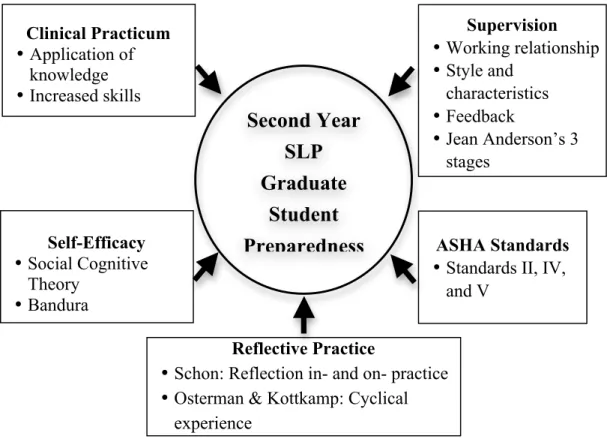
Figure 1. Triadic influences on actions in social cognitive theory (Bandura, 2012)...44 Figure 2. Conceptual framework for the study. ...52
List of Tables
Table Page
Table 1. Supervisor Skills Ratings...113 Table 2. Clinical Practicum Outcomes ...115 Table 3. New General Self-Efficacy Scale Results ...117
Chapter 1
Introduction to the Study
Upon graduating college, many individuals seek employment within the degree area in which they obtained. They have participated in a two or four year program focusing on a field of interest. With a resume in hand, they begin to locate organizations advertising employment in their degree area. While the employment rate for adults ages 20 to 24 was 72% in 2016, this is a decline from 2000 when the employment rate was 77.4% (United States Department of Education, 2017, 2015). One of the main factors for this decline was economic recession within the United States (United States Department of Education, 2015). Other factors such as company layoffs, decreasing job creation, individuals going back to school for college degrees, diminishing entrepreneurship and investment from the private sector, and caring for families can contribute to the decrease in employment (Plumer, 2013; Sherk, 2010; Terry, 2014), but one area of interest is work readiness. Work readiness refers to the depth of skills and attributes that individuals possess which prepare them to be equipped and excel in an organization (Caballero & Walker, 2010; Clark, 2013; National Association of Colleges and Employers, 2015; Walker et al., 2013). It is a key factor in connecting an employee and employer for successful transition into work (National Work Readiness Council, n. d.; Scott, 2015). Diminishing are the days where having strong reading, writing, and arithmetic skills secure a job (Casner-Lotto & Barrington, 2006). Employers are looking for broader skills (Hansen & Hansen, 2015; National Association of Colleges and Employers, 2015). These encompass interpersonal, technical, analytical, personal, and professional abilities
Wilner, 2010; National Association of Colleges and Employers, 2015; United States Department of Labor, 2006; Walker et al., 2013; Youth.gov, 2015). Work readiness strengthens an individual’s employability and likelihood of remaining as an employee of an organization (Scott, 2015). Those who possess work readiness skills are better
prepared to complete job related responsibilities (Scott, 2015; United States Department of Labor, 2006). They are able to solve problems, meet company goals and objectives, acclimate to various work issues, and gain new knowledge (Scott, 2015). In turn, employers reap the benefit of productive employees (Scott, 2015).
While there are various names for the skills and attributes that research has indicated as pertinent for work readiness, they can be grouped into four domains: academic and technical knowledge, social interaction and personality traits,
organizational and management abilities, and reasoning and problem solving capabilities (Landrum et al., 2010; United States Department of Labor, 2006; Walker et al., 2013; Youth.gov, 2015). Academic knowledge includes strong reading, math, writing, computing, and career specific knowledge (Landrum et al., 2010; Walker et al., 2013; Youth.gov, 2015). It involves the ability to take what is known and accurately and efficiently apply it to the roles and responsibilities of a job (Landrum et al., 2010; Youth.gov, 2015). A significant part of application of knowledge in today’s global market and workplace is through the use of technology. Technical awareness requires an individual to select appropriate equipment to complete work assignments, monitor progress through the use of technology, problem solve technologic issues, and improve work performance with the utilization of technology (Landrum et al., 2010; Youth.gov, 2015).
Academic knowledge and technical awareness are important to employability, but many employers want to confirm that potential employees have abilities to collaborate and work with multiple staff members as well as demonstrate ethical and professional actions. Social interaction incorporates the ability to work well with other employees specifically in groups or teams, balance and adapt emotions according to various work situations, effectively communicate with peers and management, receive performance feedback, and demonstrate conflict resolution (Landrum et al., 2010; Soule & Warrick, 2015; Walker et al., 2013; Youth.gov, 2015). It also involves the ability to share job roles and responsibilities, network with others within and outside of the organization, and meet the requests and needs of clients, patients, or customers (Landrum et al., 2010; United States Department of Labor, 2006; Walker et al., 2013; Youth.gov, 2015). While there are many personality traits, research has indicated that an individual who demonstrates work readiness will be able to work by oneself, be flexible, confident, honest, meticulous, decisive, responsible, and enthusiastic as well as demonstrate professionalism (Clark, 2013; Landrum et al., 2010; United States Department of Labor, 2006; Walker et al., 2013; Youth.gov, 2015).
Along with social interaction and amicable personality traits, employers are seeking individuals who are organized and able to efficiently manage their time.
Organizational and management skills refer to one’s ability to set goals, create a timeline to accomplish them, and effectively utilize resources to complete the tasks (Landrum et al., 2010; Youth.gov, 2015). It involves gathering and evaluating job related data,
maintaining office files, and writing reports (Landrum et al., 2010; Youth.gov, 2015). An individual with strong organizational and management capabilities will be able to
multitask as well as receive and interpret ideas from peers in order to increase job performance (Landrum et al., 2010; Youth.gov, 2015).
Lastly, an individual who demonstrates work readiness will be able to present reasoning and problem solving skills. He or she can identify and prioritize problems while providing potential solutions that would benefit the organization (Landrum et al., 2010; Soule & Warrick, 2015; United States Department of Labor, 2006; Youth.gov, 2015). Critical and innovative thinking contribute to solving difficult work situations as they can provide new perspectives and ideas for resolutions (Soule & Warrick, 2015; United States Department of Labor, 2006; Youth.gov, 2015).
Allied Health Work Readiness
As with many careers, the allied health field requires content specific knowledge and specialized skills, which indicate sufficient work readiness. Numerous allied health professionals assist and treat people with medical, physical, mental, and/or cognitive concerns. Therefore, work readiness and competency is critical. Unlike other professions, allied health professionals work with situations that are high risk and stressful (Walker et al., 2013) as they can be dealing with life or death circumstances. Critical decisions need to be made in a swift manner and accurate treatment must follow. Allied health
specialists need to have strong communication abilities as they are often relaying vital information to patients, clients, students, and/or families (Patterson, Curtis, & Reid, 2008). Being aware of an organization, hospital, rehabilitation, or acute and long-term care facilities’ safety policies and procedures as well as daily routines is important to the staff and clients’ care and well-being (Eley, 2010; Patterson et al., 2008). Allied health specialists also need to demonstrate personal and professional maturity as the field can be
demanding and hold extended hours due to work conditions (Walker et al., 2013, p. 117), staff shortages (American Speech-Language-Hearing Association, 2014b), and difficult patients (Patterson et al., 2008).
Furthermore, many careers today, specifically allied health, require an education beyond high school. Universities and colleges have the responsibility of facilitating learning through instructing and training students (Altbach, 2008; Bandura, 1993; Hart, 2006; Kaaya et al., 2012). Emphasis in higher education institutions is placed on providing information for increased pedagogy and skill development within various professions (Hart, 2006). Research has indicated that higher education institutions should adopt a broader lens to educating students that includes global awareness and preparing students for the workforce (Altbach, 2008; Kaaya et al., 2012; Llasus, Angosta, & Clark, 2014). Hart (2006) interviewed employers and recent graduates of four-year colleges and the results of the study indicated that both the employers and graduates believed higher education should be a balance of providing a broad knowledge base and specific skills needed for targeted careers. Among the top skills which employers in the study sought in new hires were teamwork, critical thinking and reasoning, and oral and written
communication (Hart, 2006, p. 5). These findings correlate with the work readiness skills of social interaction, organization and management, and reasoning and problem solving. Teamwork is noted as a part of one’s ability to interact and collaborate with other staff members, while being efficient in oral and written communication are included in setting goals, managing time, and meeting deadlines. Critical thinking and reasoning are
associated with one’s ability to prioritize concerns and offer solutions. Another result in Hart’s (2006) study was both the graduates and employers noted that increased
experience with applying skills in real-world settings was important for higher education institutions to offer. This sentiment was further highlighted in several other studies in which nursing students and registered nurses indicated that despite some clinical experience, they felt unprepared to work in mental health and discrepancy was present with their competency and abilities to meet standards in the workplace in spite of a strong confidence in their skill to apply evidence based practices (Kaaya et al., 2012; Llasus et al., 2014; Wynaden, Orb, McGowan, & Downie, 2000).
In order to offer those who are interested in the allied health field a means to have access to education and therefore, address a shortage of allied health professionals in today’s society, Brandt, Quake-Rapp, Shanedling, Spannaus-Martin, and Martin (2010) found that universities who adopt delivering courses through a mix of online and in-person classes (blended learning) will be able to provide opportunities for increased allied health enrollment due to convenience and flexibility of interaction with the instructor. Like Hart’s (2006) research, Brandt et al. (2010) note that learning which includes student-centered education and practical experiences is critical. Brandt et al. (2010) state that having a curriculum focused on regularly evaluating student learning and outcomes would indicate the effectiveness of the curriculum and student preparation for the workforce.
Moreover, in the education of allied health professionals, Miller and Gallicchio (2007) note that individuals should be skilled in the use of technology, show proficiency in their content area, hold a global worldview, and present cultural aptitude. Similar to the work readiness skill of technological knowledge, the authors note that the 21st century allied health professional would need to be versed in using technology for initiating and
monitoring patient care, reaching patients through various media outlets, and conversing with other professionals (Miller & Gallicchio, 2007). Miller and Gallicchio (2007) state that a vision towards the future would include higher education institutions providing allied health professionals with strategies to educate the public on health awareness and wellness as it relates to disease prevention and healthy living. In order to promote a healthier way of living to the public and better health care services, approaches such as multimedia outreach, collaborative research among allied health professionals, health prevention education, and broadening of worldviews can be utilized by allied health educators and practitioners alike (Miller & Gallicchio, 2007).
While research has indicated that higher education institutions should focus on an integrative approach to preparing students for the workforce, a recent study (Chegg, 2013) found that only 50% of the college students surveyed (n = 2,001) from various degree programs believed they were prepared to enter into the workforce and only 39% of hiring managers believed the college students were ready for a job within the
associated field of study (Chegg, 2013). In similar fashion, McKinsey & Company (2013) in collaboration with Chegg, surveyed 4,900 students from various degree tracks and found that a third of students in four-year college programs and 60% to 70% of students in two-year programs felt underprepared for entering the workforce. Contrarily, 72% of the surveyed educational providers believed that college students were adequately prepared to enter into the job market (McKinsey & Company, 2013). Within the job market, careers in allied health fields are projected to have some of the greatest
Among these careers are physical and occupational therapists, health specialty teachers, and interpreters and translators (United States Bureau of Labor Statistics, 2014a).
In addition, the allied health field of speech-language pathology (SLP) is touted as one of the fastest growing professions in this decade and is in demand (American Speech-Language-Hearing Association, 2014b). The field is projected to increase its employment opportunities by 19% from 2012-2022, which is swifter than the mean for any other occupation within and outside the allied health professions (United States Bureau of Labor Statistics, 2014b). According to the U. S. News and World Report (2017), the field of speech-language pathology is ranked number 28 out of the best 100 jobs to have in the United States. The field of speech-language pathology is expanding as a result of
numerous reasons. As the baby-boomer generation ages, there will be an increase in health related incidences that may affect one’s ability to communicate such as hearing impairment, strokes, and dementia (United States Bureau of Labor Statistics, 2014b; Weiss, 2009). With one in six children in the United States diagnosed with a
developmental disability (Boyle et al., 2011), related services such as speech-language pathology are needed. Speech-language pathologists can assist children with
developmental delays in learning new cognitive, social-emotional, and communicative skills. Since Spanish is one of the fastest expanding languages in the United States, there is an increased need for bi-lingual speech-language pathologists that can evaluate
children who present possible delays in their native language (Weiss, 2009). Therefore, the preparation of speech-language pathologists for the field is critical.
Foundation of Speech-Language Pathology
Even though speech-language pathology may currently be at the forefront as an appealing career, its origins began in 1872 when Alexander Melville Bell developed a visual design containing symbols which demonstrated where the lips, tongue, and throat were placed during various sound productions (Duchan, 2002). Visible Speech, as it was labeled, was used by Alexander Melville Bell and his son Alexander Graham Bell as a speech therapy technique with individuals who had verbal speech weaknesses (Duchan, 2002). Many early speech-language therapists started in other careers such as doctors, educators, or conventional professionals (Duchan, 2002). In their respective practices, they were working with individuals that had speech difficulties and desired to focus more specifically on helping this population. In the early 1900s, there was a group of speech clinicians that formed and created a subgroup for speech correctionists under the National Education Association (NEA). In 1925, the American Speech-Language-Hearing
Association (ASHA) was established to provide national standards, credentialing, and scientific research for the fields of speech-language pathology, speech/language/hearing science, and audiology (American Speech-Language-Hearing Association, 2015). For the past 90 years, ASHA has overseen the field of speech-language pathology.
Speech-language pathology is a specialty that offers evaluative and therapeutic services for individuals who have delays or disorders in communication, language, fluency, voice, feeding/swallowing, and/or hearing (Logemann, 2006; Mayo Clinic, 2015; United States Bureau of Labor Statistics, 2014c). The field offers an individual the opportunity to work with people of all ages and in many different settings including hospitals, rehabilitation centers, private practices, home health, nursing/assisted living
centers, private and public schools, and early intervention programs. With this array of settings for employment comes the need for skills that are developed in the areas of speech sound production, voice, resonance, fluency, language, communication, cognition, hearing, social communication, and feeding and swallowing (ASHA, 2009; United States Bureau of Labor Statistics, 2014c). Within these capacities, a speech-language
pathologist needs to be prepared to offer prevention and pre-referral, consultation, referral, screening, evaluation, diagnosis, treatment and intervention, management, counseling, collaboration, and documentation services (ASHA, 2009; Mayo Clinic, 2015; United States Bureau of Labor Statistics, 2014c).
Furthermore, ASHA has set forth requirements for competence and certification within speech-language pathology. Three of the requirements are: (a) earning a master’s degree in speech-language pathology, (b) having direct supervision from a clinical supervisor for 375 clinical hours with an additional 25 hours of observation by the graduate student of the supervisor during therapy sessions, and (c) participating in practicums with children and adults during the years of graduate school (ASHA, 2009). According to the ASHA database, there are 266 higher education institutions that offer master’s degrees in speech-language pathology (ASHA, 2014a). However, out of
hundreds of applications each year, most universities only accept 15-25 students per year for their program, making the master’s programs very competitive. One could gather that universities are aiming to select the best of the applicants to succeed in their program and represent the university. For the 375 clinical hours and 25 observation hours to be
recognized, the graduate student must be overseen by a certified speech-language pathologist who holds and maintains a Certificate of Clinical Competence (CCC). An
individual is able to obtain a CCC by fulfilling the three requirements above, passing a national speech-language pathology exam, and successfully completing a supervised Clinical Fellowship Year (CFY) upon entering the workforce after graduation. The CCC must be maintained by a supervisor through obtaining 30 certification maintenance hours (CMHs) of qualifying professional development every three-year cycle (ASHA, 2009).
Problem Statement
Despite participating in a master’s program with quality curricula, having supervision by a certified speech-language pathologist, and experiencing clinical
practicums, some speech-language pathology graduate students have expressed concern with their preparation for the workforce (Adamson, Harris, & Hunt, 1997; Compton, Tucker, & Flynn, 2009; Kelly et al., 1997). The problem surrounding this concern would be the quality of care that clients, patients, and students would receive if novice speech-language pathologists lack some grounding to render assessment and therapeutic services. If speech-pathology graduate students lack preparation as they enter the field, there could be crucial errors in testing and interpretation of assessment results. This could lead to misdiagnosis and limited speech-language services. Patients, clients, and/or students could be placed in programs or therapy settings that are not appropriate for the concerns at hand.
As stated before, while the baby-boomer population ages, there will be an
increase in health impairments such as strokes, hearing loss, and/or dementia which may require skilled speech-language pathologists to treat them (United States Department of Labor, 2014; Weiss, 2009). With medical advances and increased awareness of the public surrounding potential developmental delays (Centers for Disease Control and Prevention,
2015), there is an ongoing rise in the need for speech-language services (United States Department of Labor, 2014). Therefore, having graduate speech-language pathology students who feel they are equipped to enter the workforce is vital.
Through the lens of personal experience, I have had the opportunity and privilege to supervise graduate speech-language pathology students during the required clinical practicums throughout my 22 years in the field. Graduate students, with various levels of knowledge and skills, have completed one of their clinical practicums at the setting where I work. During many of the conversations, students have stated that while supervision and practicums have aided in their pedagogy and clinical skill development, they still felt a level of unpreparedness for the workforce as a speech-language pathologist. Reasons stated have been meeting the vast standards set by ASHA as well as personal and theoretical incompatibility with supervisors or clinical settings.
Moreover, research on supervision has indicated that there are various styles of oversight and supervision that are preferred by students. These include styles that are collaborative, flexible, supportive, and amicable (Holloway, 1995; Ladany, Walker, & Melincoff, 2001; McJunkin, Justen, Strickland, & Jesten, 1998; O’Conner, 2008;
Steward, Breland, & Neil, 2001). Details regarding the styles are further discussed as part of the literature review in Chapter 2 of this dissertation. While studies have been
conducted on preferred supervisory styles in various professional fields, there is a lack of research on the efficacy of supervision in the field of speech-language pathology
(McCrea & Brasseur, 2003; Spence, Wilson, Kavanagh, Strong, & Worrall, 2001). Likewise, there is a lack of research on supervision’s impact on graduate students feeling equipped to render services after completion of several practicums in the areas of speech
sound production, voice, resonance, fluency, language, communication, cognition,
hearing, social communication, and feeding and swallowing (ASHA, 2009). Research has shown that competency within speech-language pathology is on a continuum and
significantly improves with clinical experience (McAllister, Lincoln, Ferguson, &
McAllister, 2011; Sheepway, Lincoln, & Togher, 2011). However, research needed to be conducted on how the practicum experiences assisted second-year graduate students in their preparation to enter into the field of speech-language pathology.
Furthermore, literature has shown that the relationship between the supervisor and supervisee is key in graduate programs (Anderson, 1988; McCrea & Brasseur, 2003; Wagner & Hess, 1999). Clinical practicums are the bridge between academic learning and application of skills within the professional setting. Self-efficacy can influence one’s actions and continued motivation to perform well. Clinical practicums, self-efficacy, and supervision have been studied individually (Attrill & Gunn, 2010; Chan, Carter, & McAllister, 1994; Fitzgerald, 2009; Ho & Whitehill, 2009; Ho, Whitehill, & Ciocca, 2014; Joshi & McAllister, 1998; Lee & Schmaman, 1987; Ostergren, 2011; Pasupathy & Bogschutz, 2013; Rudolph, Manning, & Sewell, 1983; Schramski, 2010; Sheepway, Lincoln, & McAllister, 2014; Vest & Culton, 1990) and paired (Ensslen, 2013; Hill, Davidson, & Theodoros, 2013; Lincoln, Adamson, & Covic, 2004), but there is minimal research on the combination of the three regarding second-year graduate speech-language pathology students.
Purpose of the Study
The majority of studies on preparation for the workforce in the area of allied health and field of speech-language pathology were focused on professionals in the
workplace or included samples of students from various allied health fields of study (occupational therapy, physiotherapy, orthoptics, health information management) (Adamson et al., 1997; Compton et al., 2009; Kelly et al., 1997). This present study was unique in that it sought to study individuals who were on the cusp of entering the speech-language pathology workforce and should have had a strong academic and experiential foundation to meet ASHA’s standards upon graduation and entrance into the job market. Therefore, the purpose ofthis mixed methods study was to explore the perceptions of second-year speech-language pathology students on their preparedness to meet ASHA’s standards through clinical supervision and practicums as well as examine the impact that clinical supervision and practicum experiences had on their development from a novice to independent graduate student clinician. In addition, examination into the impact of self-efficacy on second-year graduate students’ preparation to enter the field of speech-language pathology was conducted.
Within supervision and practicums is the development of a supervisor/supervisee working relationship. This relationship is critical as it can impact the professional
development of graduate students and their overall preparation for the workforce. Clinical practicums not only provide a means for graduate students to apply the academic
knowledge they have gained, but participate in collaboration with the supervisor and other professionals, receive feedback and support from the supervisor, and develop time management as well as problem solving and reasoning skills. As the graduate students conduct therapy and achieve objectives set for themselves, self-efficacy may build. While there may be complications in the supervisor/supervisee working relationship and clinical
practicums, one’s ability to persist and accomplish goals can allow skills to be mastered and self-efficacy to be increased.
Since second-year graduate speech-language pathology students had a year of specialized courses as well as at least two practicum and supervision experiences from which to derive information and data, they were selected for this study. Exploration of the perceptions of faculty members and supervisors regarding how university
speech-language pathology programs utilize supervision and clinical practicums to prepare graduate students was incorporated into this study as well. Faculty members and supervisors provided detailed information pertaining to coursework, programming requirements, the supervision and practicum process, and graduate student academic and therapeutic performance.
Additionally, in order to have a deeper understanding into the preparedness of second-year SLP graduate students, conduct in-depth analysis, compare qualitative and quantitative results, and present sound inferences, a parallel mixed methods study was warranted (Creswell, 2014; Creswell & Plano Clark, 2011; Teddlie & Tashakkori, 2009). Through qualitative measures of interviewing, a deeper understanding of the problem occurred. Interviewing provided the researcher an opportunity to gather “real-life”
information and first-hand descriptions from participants (Gertz, 1974; Miles, Huberman, & Saldana, 2014; Rossman & Rallis, 2012). Through quantitative measures of a self-efficacy scale, descriptive statistics (Fink, 2013), standard deviation, and variance were gathered. A frequency table was developed and percentages were obtained from
quantitative data rendered through a graphic elicitation. Detailed analysis and evaluation of data transpired as qualitative study focused on the process of research as well as
offered different methods of data collection and quantitative study examined relationships and significance of outcomes (Creswell, 2014; Maxwell, 2013; Miles et al., 2014; Pope & Mays, 2006; Rossman & Rallis, 2012; Teddlie & Tashakkori, 2009). As a result of the multiple methods that quantitative and qualitative research offered for data collection and analysis through mixed methods study, meta-inferences were explored and presented (Creswell, 2014; Creswell & Plano Clark, 2011; Teddlie & Tashakkori, 2009).
Exploration and examination into the ways that supervision and practicums may equip second-year speech-language pathology graduate students for the roles and
responsibilities of a speech-language pathologist is critical. Gaining knowledge through a speech-language pathology master’s program and being able to apply the information through supervision and clinical practicums allows a student to participate in placing theory into action (Argyris, 1990). As it pertains to academics, theory in action refers to one’s ability to apply what he or she has learned in the classroom to every day practice. It is the use of techniques, strategies, and theories that have been embedded in research and academic dialogue. Theory in action requires a level of reflection (Argyris, 1990).
Reflection requires an individual to examine his or her actions and determine areas of growth in performance (Osterman & Kottkamp, 2004; Schon, 1994; Senediak, 2013). As reflection continues through implementing the determined changes and the individual observes positive outcomes from the modifications, a level of self-efficacy develops. Self-efficacy is one’s belief in his or her ability to complete tasks and accomplish goals that were set (Bandura, 1989). The greater a person’s self-efficacy, the deeper his or her commitment is to completing objectives (Bandura, 1989; Lane, Lane, & Kyprianou, 2004). An individual’s motivation can influence whether he or she decides to remain
passive or chooses to act and/or complete tasks (Deci, Vallerand, Pelletier, & Ryan, 1991; Kruglanski, Chernikova, & Schori-Eyal, 2014; Ryan & Deci, 2000, 2000a; Taylor, 2015; Vansteenkiste, Lens, & Deci, 2006). As stated previously, an allied health career can be demanding and specialists need specific skills. It was important to research the self-efficacy of second-year speech-language pathology graduate students in order to explore the preparedness of the graduate students to meet the demands of the field.
Research Questions
As there is a lack of research on the impact of supervision on speech-language pathology graduate students feeling prepared to render services after completion of several practicums, how practical experiences assist students in meeting ASHA’s standards, and the impact of self-efficacy on speech-language pathology graduate students, the following research questions guided the parallel mixed methods study:
1. How do university speech-language pathology programs utilize supervision and practicums to prepare graduate students for entry into the workforce? 2. What aspects of supervision and practicums contribute to the development of
second-year graduate speech-language pathology students from a novice to independent graduate student clinician?
3. In what ways do second-year graduate speech-language pathology students believe their practicums and supervision experience equipped them to meet ASHA’s Knowledge and Skills Standards?
4. What impact does self-efficacy have on second-year graduate students being equipped to enter the field of speech-language pathology?
These questions were relevant in that they addressed a current need for research in speech-language pathology as well as approached investigation of supervision,
practicums, and self-efficacy in the field in a way that had not been explored. Segmenting the research questions into smaller areas of focus allowed the study and research to provide rich and detailed information which rendered deeper inference, discussion, and understanding (Creswell & Plano Clark, 2011) for the readers and offered
recommendations for programmatic enhancement.
Significance of Study
Researching the preparedness of second-year graduate speech pathology students was vital because if novice speech-language pathologists lack preparation to provide assessment and therapeutic services, then the quality of care that clients, patients, and students would receive would be negatively impacted. Society would have specialists entering the speech-language pathology field ill equipped which could impact diagnosis, treatment, and the well-being of individuals (Costigan & Light, 2010; Tellis, Witmer, Link, Ranocchia, & Tellis, n. d.; Vallino, Lass, Bunnell, & Pannbacker, 2008). In addition, as the general population ages and incur health related problems, the public is going to require confident and prepared speech-language pathologists to assist them with communication issues that may arise (United States Department of Labor, 2014; Weiss, 2009).
Since preparation of graduate speech-language pathology students is completed in part through supervision and clinical practicums (ASHA, 2009), it would be
advantageous to universities, students, certification boards, and potential employers to know if the students believe they are ready to enter into the workforce after participating
in multiple practicums and supervisory settings. Literature has indicated that a strong relationship between supervisor and supervisee is important in the graduate student’s program (Anderson, 1988; McCrea & Brasseur, 2003; Wagner & Hess, 1999). Clinical practicums are the link between academics and practice (Roger et al., 2008; Ryan, Toohey, & Hughes, 1996; Sprague & Percy, 2013). Therefore, results of the study as gathered from graduate students preparing to enter the speech-language pathology field provided current and relevant information relating to the effectiveness of supervision and clinical practicums.
Department leaders within universities can utilize the information to analyze whether the programs are sufficiently preparing graduate students. Adaptations to higher education supervision and clinical practicum policies and/or academic curriculums can be considered upon review of the study’s results. Students can examine the outcomes of the study to further their knowledge or change their actions in order to gain more from their learning experience (Ryan & Deci, 2000a; Vansteenkiste et al., 2006).
Self-efficacy is an individual’s confidence in his or her capability to complete responsibilities and accomplish objectives that were set (Bandura, 1989). Motivation can influence a person’s desire to complete tasks and achieve goals (Deci et al., 1991;
Kruglanskiet al., 2014; Ryan & Deci, 2000, 2000a; Taylor, 2015; Vansteenkiste et al., 2006). Many higher education programs aim to facilitate students’ ability to take theory and place it into action outside of the classroom. The application in clinical settings promotes a level of reflection. Through reflection (Argyris, 1990), self-efficacy forms. There is a lack of research in the field of speech-language pathology regarding graduate student perceptions of preparedness for the workforce. Obtaining the perceptions of
second-year speech-language pathology graduate students on preparedness for entering the field provided valuable information for improved curriculums, teaching models, programs, supervision styles, and practicum settings.
Furthermore, certification boards may find the study valuable as various standards, which are used to examine competency, were included in the study. Student perceptions regarding their preparedness to apply the standards were pursued. The certification boards can use these data as part of an analysis to determine if the standards are applicable or need to be adjusted. Potential employers can gain insight on factors that possible employees may need in order to be successful in their organization.
Conclusion
Speech-language pathology is an expanding and exciting field of employment. It offers an array of opportunities for an individual to pursue for a career path. However, the requirements for certification and eventual employment are demanding. ASHA expects an entering speech-language pathologist be prepared to offer prevention and pre-referral, consultation, referral, screening, evaluation, diagnosis, treatment and intervention, management, counseling, collaboration, and documentation services (ASHA, 2009). In addition, ASHA requires successful collection of 375 supervised clinical practicum and 25 observation hours and completion of a master’s program as part of the certification process.
Supervision provides a means for graduate students to gain feedback and
knowledge, which can enhance their academic, personal, and professional skills. Clinical practicums allow graduate students the chance to apply theory and their knowledge to practical experiences. Through supervision and clinical experiences, graduate
speech-language pathology students have the opportunity to participate in reflection. Insight gained from reflection can promote and enhance self-efficacy. Motivation can influence one’s choice to remain inactive, or complete tasks and be successful in meeting goals that have been set.
Yet, second-year speech-language pathology graduate students have reported a lack in feeling prepared to enter the field. There is research that has discussed the importance of supervision and clinical practicums as well as the development of self-efficacy. However, there is a lack of research in the field of speech-language pathology, specifically from the graduate students’ perspective, on the impact of supervision
regarding students feeling prepared to render services after completion of practicums and how applied experiences assist graduate students in preparation for the field.
As a result, a mixed methods study provided a process to collect and synthesize qualitative and quantitative information, methods, results, and conclusions. These data allowed pursuit of detailed information, which gave a deeper understanding into an area of interest, phenomenon, theory, or social issue (Creswell & Plano Clark, 2011; Johnson, Onwuegbuzie, & Turner, 2005; Onwuegbuzie & Leech, 2005, 2006). Research questions, which focused on qualitative and quantitative measures, provided means to gather
information that was compared and contrasted and analyzed for contradictions. The in-depth data gave way to valuable inferences and rich discussion that can be used for programmatic and regulatory decisions.
Moreover, the mixed methods study on the preparedness of second-year graduate speech-language pathology students was warranted as there is minimal literature that addresses this concern. If SLP graduate students lack some preparation, critical mistakes
in evaluation and treatment could be made. This could result in over or under
identification of individuals who may or may not require speech-language services. In addition, unprepared individuals could make errors in diagnosis, which could affect clients’ and/or students’ ability to communicate and function within society. Results of the study provided vital information to assist in preventing unpreparedness of graduating master’s level speech-language pathology students.
Literature on self-efficacy as well as the importance and impact of supervision and clinical practicums was collected and reviewed. Details of the literature are discussed in the following chapter and theoretical frameworks are examined and presented as well. The literature review and theoretical framework were utilized to obtain a survey and develop interview protocols as well as a graphic elicitation, which provided a base for the parallel mixed methods study. The gathered research and data were analyzed for
Chapter 2
Literature Review
In order to become successful in the field of speech-language pathology, an individual needs to obtain skill sets in prevention and pre-referral, consultation, referral, screening, evaluation, diagnosis, treatment and intervention, management, counseling, collaboration, and documentation services (ASHA, 2009). The American Speech-Language-Hearing Association has set forth requirements for competence and
certification within the specialty. Three of the requirements are: (a) earning a master’s degree in speech-language pathology, (b) having direct supervision from a clinical supervisor, and (c) participating in practicums with children and adults during the years of graduate school (ASHA, 2016).
Requiring supervision, clinical practicums, and a master’s degree in speech-language pathology are crucial aspects in the education and training of graduate students (ASHA, 2009, 2008b, 2008c). Research shows that there is value in graduate student supervision and completion of practicums (ASHA, 2009; Carlin, Milam, Carlin, & Owen, 2012; McCrea & Brasseur, 2003; Ralph, Walker, & Wimmer, 2009). Within supervision, it is vital for a working alliance to be established and feedback as well as reflection occur (Dawson, Phillips, & Leggat, 2013; Fone, 2006; Fowler, 2011; Gaitskell & Morley, 2008; Gard & Lewis, 2008; Geller, 2001; Geller & Foley, 2009; Hunter & Blair, 1999; Mendel, 2006; Murphy & Wright, 2005; Saxby, Wilson, & Newcombe, 2013; Senediak, 2013; Smith, 2010; Sweeney, Webley, & Treacher, 2001). To aid in the development of a robust working relationship and provide efficient supervision, research indicates that a supervisor should demonstrate communicative, reflective, supportive, relational,
empathetic, realistic, intuitive, collaborative, and instructional skills (Bogo & McKnight, 2006; Dawson et al., 2013; Driscoll, 2000, 2007; Fitzgerald, 2009; Geller & Foley, 2009; Kilminster & Jolly, 2000; Ladany et al., 2001; Meier, 2001; Ostergren, 2011; Saxby et al., 2013). However, despite creation of supervisor/supervisee rapport, supervisors and supervisees have expressed dissatisfaction and difficulties such as lack of time to supervise and collaborate, conflict between individuals, poor supervisee skills,
insufficient organizational abilities, and inadequate guidelines in the supervision process (Dawson et al., 2013; Dawson, Phillips, & Leggat, 2012; Grant, Crawford, & Schofield, 2012; Kavanagh et al., 2003; McAllister, 2005; Ostergren, 2011; Ralph et al., 2009).
Within the profession of speech-language pathology, Jean Anderson’s (1988) supervisory method in speech-language pathology and audiology is the primary model utilized for the supervision of graduate students. According to Anderson (1988), supervision is a process that involves a diverse set of actions, which depend on the supervisor’s and supervisee’s needs, theories, expectations, results, and competencies. ASHA (2008a, 2008b, 2008c) adds to this definition the aspect of effective clinical teaching, which includes assisting the supervisee in developing problem solving skills, self-analysis, and self-evaluation.
These skills can be applied (theory in action) and mastered during clinical
practicums. Theory in action refers to a person’s ability to take what he or she has learned in the academic classroom and apply it to every day practice (Argyris, 1990). A clinical practicum can be described as a setting in which a graduate student is supervised by a certified professional and is able to apply his or her pedagogy, evaluate and treat
individuals with delays or disorders, strengthen his or her specialized skills, problem solve, and analyze outcomes (ASHA, 2008c; Pasupathy & Bogschutz, 2013).
During practicums, competency develops on a continuum (Anderson, 1988; McAllister et al., 2011; Sheepway et al., 2014). Individuals have an opportunity to move from a novice to established practitioner. They can consciously contribute to their own motivation and actions (Bandura, 1989, 2012). According to the social cognitive theory, a person’s actions can be impacted by a triad of stimuli: personal factors, environmental determinants, and behaviors (Bandura, 1989, 2012). As individuals progress on the continuum and successfully complete tasks, self-efficacy can be developed. Research indicates that past accomplishments can be the most compelling supply of self-efficacy (Bandura, 1982; Pajares, Johnson, & Usher, 2007; Usher & Pajares, 2006).
Furthermore, an effective means for progress in skill development is reflective practice (Argyris, 1990; Betts, 2004; Gellar, 2001; Osterman & Kottkamp, 2004; Schon, 1994; Senediak, 2013). Reflection can transpire on an individual (graduate student) or joint (supervisor with supervisee) basis (ASHA, 2008a, 2008b, 2008c; Argyris, 1990; Geller, 2001; Gellar & Foley, 2009). Mastering the skill of reflecting on events that happened and reflecting as they unfold in order to make modifications to actions are vital to improved and effective practice (Argyris, 1990; Osterman & Kottkamp, 2004; Schon, 1994; Senediak, 2013).
Even though clinical practicums provide a rich environment for learning, skill development, and reflection, anxiety and stress can occur surrounding the roles and responsibilities of the graduate student and supervisor as well as the expectations
Lincoln et al., 2004; Meisenhelder, 1987). Strategies to manage stress, anxiety, and time during the supervision and practicum process such as reflective practice, increasing confidence, building a supervisor/supervisee relationship, segmenting tasks into smaller parts, providing clear directions, seeking as well as giving support and guidance, and setting priorities are represented in literature (Bandura, 1993; Covic, Adamson, Lincoln, & Kench, 2003; Meisenhelder, 1987). Effective supervision during clinical practicums is a crucial aspect to the progress of graduate students’ skill growth and management of environmental and programmatic stressors (ASHA, 2008a, 2008c; Brueggeman, 2006; Kavanagh, Spence, Wilson, & Crow, 2002; Senediak, 2013; Vest & Culton, 1990).
ASHA Standards
As speech-language pathology graduate students enhance their intervention skills and therefore performance through supervision and clinical practicums, they need to be mindful of ASHA’s requirements and standards. ASHA (2016) has eight standards, which encompass the type of college degree and educational programming (Standards I-III), knowledge and skills outcomes (Standards IV-V), assessment (Standard VI), and speech-language pathology clinical fellowship (Standard VII) needed for certification. Once certification is obtained, ASHA’s Standard VIII provides requirements for maintenance of certification (ASHA, 2016). Standard VII will not be researched in this study as it focuses on the clinical fellowship year after graduation from a master’s
program and that is beyond the scope of this study. Relative to this study are Standards II (educational program), IV (knowledge outcomes), and V (skills outcomes). These
standards were selected as they speak to graduate level requirements, performance, and preparedness, which directly relate to the study’s research questions’ aims and participant
selection. The participants sought in this study were second-year graduate students who have completed several practicums with supervision. The students should have been instructed and assessed in the areas included in Standards IV and V, which represent ASHA’s expectations and requirements for competency and eventual certification.
Embedded within Standard II and Standard III is the requisite of graduate clinical practicum completion (ASHA, 2016). ASHA (2016) requires a total of 400 direct
client/patient contact hours to be obtained with a minimum of 325 hours collected at the graduate level. Diagnostic and therapeutic clinical hours must be gained with both children and adults across the areas of language, articulation, voice, fluency, dysphagia, and hearing. Competency is on a continuum, which begins with an individual who is a novice clinician (has theory and knowledge) and develops to an expert (experience with practical application of theory and knowledge) (Anderson, 1988; McAllister et al., 2011; Sheepway et al., 2014).
Under Standard IV: Knowledge Outcomes, ASHA (2016) requires that graduating students demonstrate knowledge in the areas of biological sciences, statistics, physical sciences, and social/behavioral sciences. Coursework that would fulfill this mandate could be in the areas of biology, veterinary science, human anatomy and physiology, human genetics, neuroanatomy and neurophysiology, physics or chemistry, sociology, anthropology, psychology, or public health. All students must complete a full course in statistics. Individuals must show general knowledge in the neurological, psychological, biological, acoustic, developmental, and linguistic and cultural bases for human
communication and swallowing process (ASHA, 2016, Standard IV-B). They need to have assimilated details regarding normal and abnormal human development from birth
to death (ASHA, 2016, Standard IV-B). Standard IV-B (ASHA, 2016) carries over into Standard IV-C in that individuals need to have demonstrated pedagogy in the difference between communication and swallowing delays versus disorders as well as their
etiologies and characteristics in the following areas: articulation, voice and resonance, expressive and receptive language, fluency, hearing, swallowing functions, social communication, cognitive aspects of communication, and augmentative and alternative communication modalities. The individuals also need to be versed in prevention,
evaluation, and intervention of the aforementioned areas (ASHA, 2016, Standard IV-D). In addition, persons who seek the CCC must present knowledge of research designs, reimbursement protocols, and developments in the field of speech-language pathology as well as ASHA’s code of ethics and policies and procedures (ASHA, 2016, Standard IV-E through G).
Furthermore, under Standard V: Skills Outcomes, ASHA (2016) requires that individuals show skills in written and oral communication through coursework, practicums, interpersonal communication, report writing, treatment plans, and professional correspondence (Standard V-A). Standard V-B states that applicants “…must have completed a program of study that included experiences sufficient in breadth and depth to achieve…skills outcomes…” in conducting screenings, prevention, referrals, collection of case histories, assessment, adapting evaluation and treatment plans, goals, and therapy, writing, interpreting, and synthesizing test outcomes, conducting therapy, and measuring progress (ASHA, 2016). Also included is
demonstrating effective culturally sensitive communication, collaboration with other professionals, adherence to ASHA’s ethics code of conduct, and providing
communication and swallowing disorder counseling to family members, clients, caregivers, and other pertinent individuals (ASHA, 2016). Assessment of the standards typically occurs through course requirements (e.g., tests, projects, reports), problem-based learning, observation by supervisors, evaluation of therapeutic skills through the use of a university selected rubric or assessment tool, student self-evaluation, and sometimes, supervisors discussing the students’ performance with applicable staff members and/or clients (Anderson, 1998; Hancock & Brundage, 2010; Hill, Davidson, McAllister, Wright, & Theodoros, 2014; Mok, Whitehill, & Dodd, 2014).
Clinical Practicums
Clinical practicums are the means for graduate students to apply academic knowledge and fulfill ASHA’s standards. It is the responsibility of university staff and supervisors to deliver quality clinical education and oversight to ensure that graduate students are moved from novice to career ready speech-language pathologists (ASHA, 2008a, 2008b, 2008c; McCrea, 2003). Practicums provide an opportunity for significant learning to occur through encountering and problem solving various situations met by professionals and participation in self-evaluation and reflection on clinical performance (Cruice, 2005; Fitzgerald, 2009; Ho & Whitehill, 2009; Pasupathy & Bogschutz, 2013; Ralph et al., 2009; Renzulli, Gentry, & Reis, 2004; Sheepway et al., 2014). Through an occupational development view, practicums can provide a means to put into practice what is learned in the academic setting, develop time management skills, network with professionals within specialized fields, draw from a supervisor’s experience, obtain experience in a variety of settings, and collaborate with speech-language pathologists and
other professionals in the workplace (Attrill & Gunn, 2010; Cruice, 2005; Hernandez, Bejarano, Reyes, Chavez, & Mata, 2014; Lincoln, 2012; Lincoln et al., 2004).
Within the practicums, there are critical aspects that supervisees have noted are needed. Observation of the supervisor rendering therapy services, receiving suggestions and constructive critique on how to improve skills, receiving encouragement to remain driven, having a level of independence, and creating high expectations and promoting metacognition are vital in the practicum setting and in the supervisor/supervisee relationship (Fitzgerald & Sims, 2004 as cited in Fitzgerald, 2009). Through an action research approach attempting to validate the Competency Assessment in Speech Pathology (COMPASS) tool, McAllister, Lincoln, Ferguson, and McAllister (2011) found that students, university staff, and field supervisors stated the need for theory and knowledge to be assimilated with practice and new skills that were learned to be
generalized across therapy sessions and work contexts. The research showed that the participants’ responses indicated four areas of competency found through practicums: reasoning, communication, lifelong learning, and professionalism (McAllister et al., 2011, p. 472). Reasoning competency consisted of the integration of various viewpoints to promote a holistic approach to thinking and preparation in practice. Communication denoted interpersonal skills that were efficient for intervention, collaboration, and written and oral dialogue. Lifelong learning involved the ability to reflect upon one’s
performance, make necessary changes, and carryover feedback and newly learned skills to a variety of practicum events. Professional competency encompassed management of responsibilities and personal attitude, organization, and ethical actions (McAllister et al., 2011, p. 472).
Furthermore, O’Kane’s (2010) research indicated that upon completion of practicums, students noted an increase in their communication abilities, overall belief in their skills, and capabilities with working with clients. In research conducted by
Hernandez et al. (2014), the health professionals stated similar in that they believed practicums provided them with experience and developed confidence in them which helped them in future practicums (p. 97). Also, having the opportunity to communicate with other professionals during their practicums allowed them to broaden their own views as well as interact with diverse clients. One health professional in the study also stated that she valued the opportunity through practicums to apply what she had learned in the classroom. While another noted that she felt because of the skills gained through clinical practicums, she was hired right after graduating (Hernandez et al., 2014, p. 98).
In a survey of 546 post-practicum engineering, nursing, and teacher education students, Ralph, Walker, and Wimmer (2009) found that students reported receiving effective supervision, opportunities to work with congenial colleagues and apply theory to practice, being treated as a fellow team member, and increasing their independence and confidence as a result of practicum experience (p. 437). Contrarily, some students noted that they did not receive efficient supervision due to their supervisor being
controlling, impatient, and an inadequate role model. In addition, students noted that they were given trivial tasks to complete, had impractical time limits, received imbalanced performance evaluations, and were placed in settings that did not meet their learning and clinical growth needs (Ralph et al., 2009, p. 437). Similarly, in a qualitative study of final year undergraduate nursing students, Dale, Leland, and Dale (2013) found that the
evaluations that were based on solid facts and perceptions (pp. 4-5) and expressed concerns with being rushed into treatment settings (p. 4). The students also expressed concerns with the supervisor’s lack of field knowledge and competency to supervise and believed that the assignment of supervisors was haphazard.
In a longitudinal, qualitative study with newly graduated professionals in the field of student affairs, Renn and Jessup-Anger (2008) found that while many felt their
supervisors were vital in helping them enter the workforce, some felt unappreciated by their supervisor and experienced a level of shock when transitioning from the sheltered atmosphere of graduate programming into the field (p. 328). Numerous of the new professionals noted that practical experiences were critical to successful movement into the workforce. Yet, they stated they needed more training in administrative tasks, advising, managing budgets, obtaining continual professional development, assessment and analysis, handling large amounts of organizational policy, and application of knowledge (Renn & Jessup-Anger, 2008, pp. 325-329).
Stress and anxiety in clinical practicums. While clinical practicums can be an
excellent environment for learning, problem solving, self-evaluation and reflection, collaboration with specialists, and professional networking (Cruice, 2005; Fitzgerald, 2009; Hernandez et al., 2014; Ho & Whitehill, 2009; Lincoln, 2012; Pasupathy & Bogschutz, 2013; Ralph et al., 2009; Renzulli et al., 2004; Sheepway et al., 2014), they can also be a source of anxiety and stress (Chan et al., 1994; Hojat et al., 2003;
Meisenhelder, 1987). Anxiety is a physiological and psychological response to a threat to one’s idea of self (Meisenhelder, 1987, p. 27). An individual may become anxious if a task or situation is believed to be too challenging or a danger, the person feels incapable
of dealing with the event, fear of failure is present, and/or a negative impact on respect from others is a potential (Sarason, 1980). Individuals who have confidence in their ability to control the difficult situation minimize negative thoughts, which could decrease anxiety (Bandura, 1993). However, those who think they cannot cope with dangers have an intensification of anxiety and stress (Bandura, 1993).
In a quantitative study with 127 undergraduate speech-language pathology students, Chan, Carter, and McAllister (1994) found several sources of anxiety for students during practicums. Writing reports, developing goals for therapy sessions, and working with specialists were found significant for anxiety in the category of clinical responsibilities (Chan et al., 1994, pp. 61-62). The skill of balancing college and practicum expectations, setting time to meet with a supervisor, preparation for therapy sessions, and travel time caused increased anxiety for the students (Chan et al., 1994, p. 62). In the area of client well-being, the students felt anxiety because they were
concerned about making errors in intervention and diagnosis, possibly harming the client, and managing the needs and outcomes of patients (Chan et al., 1994, p. 63). Other
sources of anxiety for the undergraduate students were having enough clinical experience to fulfill the demands of practicums, being able to take knowledge and theory and apply them to practice, and having high expectations for themselves (Chan et al., 1994, p. 64). Similarly, in a quantitative study of 2,114 medical students, Hojat, Gonnella, Erdmann, and Vogel (2003) found that 68% of the students experienced stress in the areas of academics, family life, finances, and personal health issues. Other factors that can contribute to stress during practicums are inadequate supervision (Lincoln, Carmody, & Maloney, 1997), different viewpoints of the supervisee and supervisor regarding amount