THE INFLUENCE OF INFANT-CAREGIVER FEEDING INTERACTIONS ON DIET, GROWTH, AND METABOLIC DEVELOPMENT
Katherine Jean Barrett
A dissertation submitted to the faculty at the University of North Carolina at Chapel Hill in partial fulfillment of the requirements for the degree of Doctor of Philosophy in the Department
of Anthropology in the College of Arts and Sciences.
Chapel Hill 2020
Approved by:
Amanda L. Thompson Linda S. Adair
© 2020
ABSTRACT
Katherine Jean Barrett: The Influence of Infant-Caregiver Feeding Interactions on Diet, Growth, and Metabolic Development
(Under the direction of Amanda L. Thompson)
A growing body of research suggests that early life experiences influence later health and risk of chronic disease in a myriad of ways. Infant feeding is one area of interest, as it has been associated with both short- and long-term growth and metabolic outcomes. This project
integrates the developmental niche and developmental origins of health and disease (DOHaD) frameworks to explore how early life environments are created. Mixed methods were employed to explore how both household contexts and individual infants’ eating behaviors influence infants’ dietary environments, such as infant-caregiver interactions and infant feeding, and how those dietary environments influence growth and metabolic development.
Data were collected from 63 families in Central North Carolina. Families were followed longitudinally through 3 visits over the course of 6 months. Semi-structured interviews were administered in addition to the Baby Eating Behavior Questionnaire and Child Eating Behavior Questionnaire. Dried blood spots were collected to measure circulating leptin.
methods that worked best for their families. The results highlight the need to incorporate more nuance into conversations about breastfeeding and formula feeding, and they underscore the importance of nonjudgmental support from partners, family and friends, and healthcare providers.
ACKNOWLEDGEMENTS
First and foremost, I must thank all of the amazing mothers and fathers who participated in this study. These incredible people welcomed me into their homes, openly shared the joys and challenges of parenting, and allowed me to get to know them and their wonderful babies.
Without them, this project would not exist. I will forever be indebted to them.
I would also like to thank Dr. Alexander Kaysin and Dr. Gary Asher of UNC Family Medicine for their support in shepherding this work forward. Thank you to Dr. Rasheed
Gbadegesin of Duke Pediatrics for the precious gift of time to bring this project to its conclusion. To Dr. Jillian Hurst, thank you for giving me the confidence I needed to finish the lab work. Thank you to my writing group friends helped hold me accountable, and to my wonderful colleagues in the UNC Human Biology Lab for providing insightful feedback at critical junctures.
To my committee, thank you for your advice throughout this process: to Dr. Mark Sorensen, for helping me work through laboratory challenges; to Dr. Jocelyn Chua for
challenging me to confront my own biases; to Dr. Linda Adair for pushing me to define what I do and why; to Dr. Peggy Bentley for giving me an entry into infant feeding and challenging me to continuously improve. To my incredible advisor Dr. Amanda Thompson, thank you for believing in me and for inspiring me to do this work. I have learned so much from you and hope to pay it forward to others.
TABLE OF CONTENTS
LIST OF TABLES ... xii
LIST OF FIGURES ... xiii
LIST OF ABBREVIATIONS ... xv
CHAPTER 1. INTRODUCTION ... 1
1.1 Paper 1 – Negotiating the Breastfeeding Imperative ... 5
1.2 Paper 2 – Infant Eating Behaviors and Feeding Measures Predict Growth and Body Composition ... 6
1.3 Paper 3 – Leptin, Eating Behaviors, and Infant Growth ... 6
CHAPTER 2. RESEARCH SETTING: CENTRAL NORTH CAROLINA ... 7
2.1 Residents of Central North Carolina ... 7
2.2 Overweight and Obesity among North Carolinians ... 8
2.3 Breastfeeding Rates and Support in North Carolina ... 9
CHAPTER 3. LITERATURE REVIEW ... 12
3.1 The Developmental Niche ... 12
3.1.1 Parental Ethnotheories ... 13
3.1.2 The Developing Child... 16
3.2 Developmental Origins of Health and Disease ... 17
3.3 Infant Feeding, Growth, and Later Health ... 18
3.4 Infant Eating Behaviors and Growth ... 22
3.5 Leptin and Growth ... 24
CHAPTER 4. STUDY DESIGN, METHODS, AND MEASURES ... 28
4.2 Initial Interview ... 28
4.3 Infant Eating Behaviors ... 29
4.4 Infant Feeding ... 30
4.5 Anthropometrics ... 30
4.6 Leptin ... 31
4.7 Data Analyses ... 31
4.8 Study Sample ... 32
4.9 Tables ... 34
CHAPTER 5. PAPER 1 – NEGOTIATING THE BREASTFEEDING IMPERATIVE ... 36
5.1 Introduction ... 36
5.2 Methods... 39
5.3 Study Sample ... 40
5.4 Breastmilk Is Beneficial ... 41
5.5 Breastfeeding Success Depends on Support ... 42
5.6 Breastfeeding as an Imperative ... 45
5.6.1 Breastfeeding is “a personal choice” ... 45
5.6.2 “I’m a little bit conflicted” ... 47
5.6.3 “Formula is a tool” ... 50
5.7 The Importance of Personal Experience ... 52
5.8 Discussion ... 56
5.9 Conclusion ... 69
5.10 Tables ... 70
CHAPTER 6. PAPER 2 – INFANT EATING BEHAVIORS AND FEEDING MEASURES PREDICT GROWTH AND BODY COMPOSITION ... 71
6.2 Methods... 73
6.2.1 Recruitment ... 73
6.2.2 Infant Eating Behaviors ... 74
6.2.3 Infant Feeding ... 75
6.2.4 Anthropometrics ... 75
6.2.5 Statistical Analyses ... 76
6.3 Results ... 78
6.3.1 Eating Behavior Measures ... 78
6.3.2 Sample ... 79
6.3.3 Path Analysis ... 80
6.3.4 Multivariate Findings... 81
6.4 Discussion ... 82
6.5 Conclusion ... 89
6.6 Tables ... 91
6.7 Figures... 96
6.8 Supplemental Tables ... 101
CHAPTER 7. PAPER 3 – LEPTIN, EATING BEHAVIORS, AND INFANT GROWTH ... 102
7.1 Introduction ... 102
7.2 Methods... 105
7.2.1 Recruitment ... 105
7.2.2 Infant Eating Behaviors ... 106
7.2.3 Infant Feeding ... 106
7.2.4 Anthropometrics ... 107
7.2.5 Leptin ... 107
7.3 Results ... 109
7.3.1 Summary Statistics ... 109
7.3.2 Leptin Associations ... 109
7.3.3 Aim 1 – Infant Feeding, Leptin, and Eating Behaviors ... 110
7.3.4 Aim 2 – Infant Size, Leptin, and Eating Behaviors ... 111
7.3.5 Aim 3 – Lagged Effects of Eating Behaviors and Leptin on Growth ... 112
7.4 Discussion ... 112
7.5 Conclusion ... 121
7.6 Tables ... 122
7.7 Figures... 126
CHAPTER 8. INTEGRATION AND CONCLUSION ... 137
8.1 Study Limitations and Strengths ... 137
8.2 Contributions to Anthropology ... 139
8.3 Future Directions ... 142
8.4 Conclusion ... 143
APPENDIX A. HOUSEHOLD INTERVIEW GUIDE ... 145
APPENDIX B. QUALITATIVE CODEBOOK ... 148
LIST OF TABLES
Table 1.1 Breastfeeding Rates in North Carolina ... 10
Table 4.1 Maternal and Infant Characteristics ... 34
Table 4.2 Infant Characteristics by Age ... 35
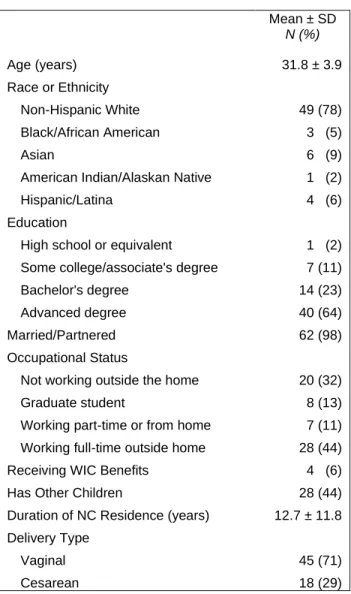
Table 5.1 Maternal Characteristics ... 70
Table 5.2 Infant Characteristics ... 70
Table 6.1 Constructs from the Combined Baby Eating Behaviour Questionnaire (BEBQ) and Child Eating Behaviour Questionnaire (CEBQ) ... 91
Table 6.2 Fit and Internal Consistency of BEBQ and CEBQ Sub-Constructs ... 91
Table 6.3 Eating Behavior Sub-Construct Correlations (Pearson’s R) ... 91
Table 6.4 Descriptive Statistics ... 92
Table 6.5 Infant Measures by Visit ... 93
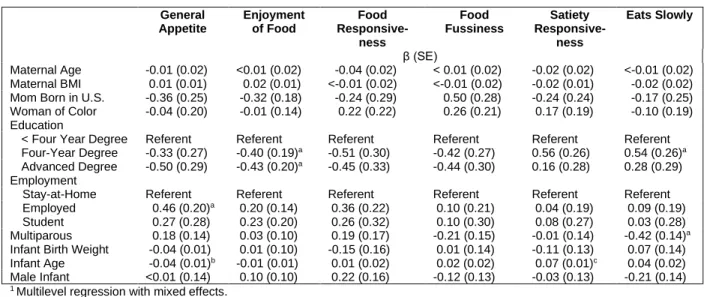
Table 6.6 Maternal and Infant Predictors of Infant Eating Behavior Ratings ... 93
Table 6.7 Predictors of Infant Feeding Outcomes ... 94
Table 6.8 Predictors of Growth and Body Composition... 95
Supplemental Table 6.1. Items Included in the Combined BEBQ/CEBQ Sub-constructs ... 101
Table 7.1 Constructs from the Combined Baby Eating Behaviour Questionnaire (BEBQ) and Child Eating Behaviour Questionnaire (CEBQ) ... 122
Table 7.2 Sample Characteristics ... 123
Table 7.3 Associations between Infant Feeding and Leptin ... 124
Table 7.4 Associations between Leptin and Appetite Scores ... 124
Table 7.5 Associations between Anthropometric Measures and Leptin... 124
LIST OF FIGURES
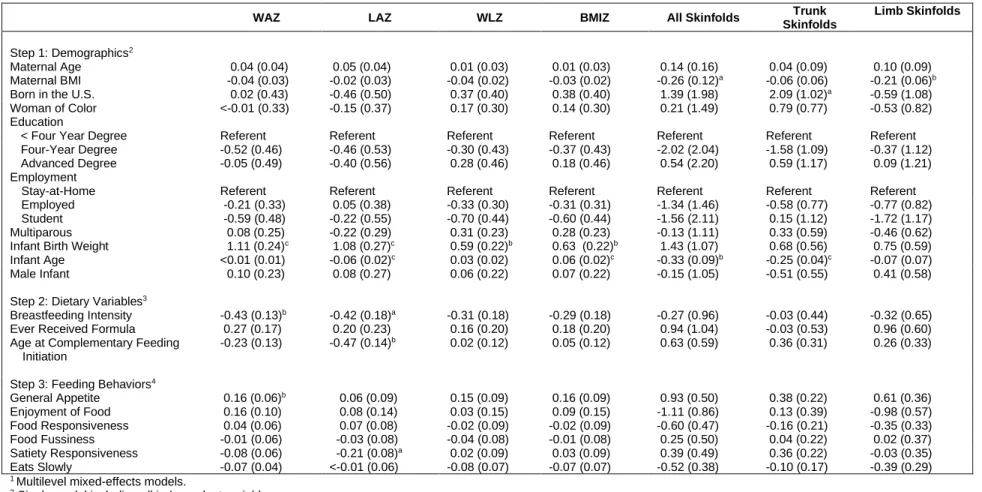
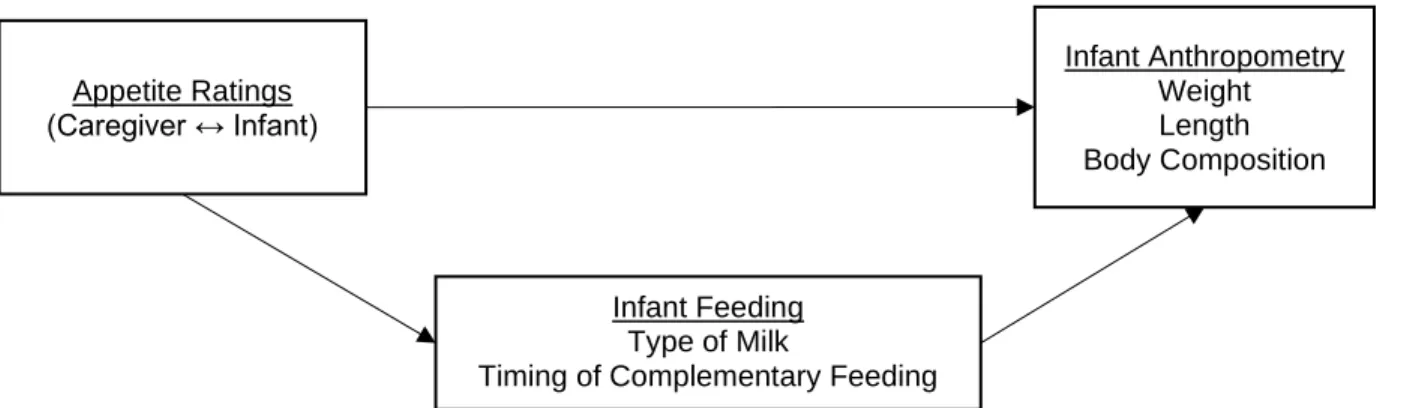
Figure 6.1 Conceptual model ... 96 Figure 6.2 Effects of general appetite through age at initiation of complementary
feeding on infant size for ages: (a) less than 6 months old; (b) 6-9 months old; (c)
9-12 months old; and (d) 12 months and older. ... 97 Figure 6.3 Effects of enjoyment of food through breastfeeding intensity on infant
size for ages: (a) less than 6 months old; (b) 6-9 months old; (c) 9-12 months old;
and (d) 12 months and older. ... 98 Figure 6.4 Effects of food fussiness through ever formula fed on infant size for
ages: (a) 6-9 months old; (b) 9-12 months old; and (c) 12 months and older. ... 99 Figure 6.5 Effects of satiety responsiveness through breastfeeding intensity on
infant size for ages: (a) less than 6 months old; (b) 6-9 months old; (c) 9-12
months old; and (d) 12 months and older. ... 100 Figure 7.1 Leptin-mediated associations between milk feeding and parental
ratings of eating behaviors. ... 126 Figure 7.2 Leptin-mediated associations between parental ratings of eating
behaviors and infant size. ... 126 Figure 7.3 Associations between leptin, parental ratings of eating behaviors and
infant growth. ... 127 Figure 7.4 Distribution of circulating leptin concentrations by time since last meal
or snack for ages: a) less than 6 months, b) 6-9 months, c) 9-12 months, d) 12
months and older. ... 127 Figure 7.5 Path analysis for effects of breastmilk on infant eating behavior ratings
for ages: (a) less than 6 months old; (b) 6-9 months old; (c) 9-12 months old; and
(d) 12 months and older. ... 128 Figure 7.6 Path analysis for effects of age at complementary feeding initiation on
infant eating behavior ratings for ages: (a) less than 6 months old; (b) 6-9 months
old; (c) 9-12 months old; and (d) 12 months and older. ... 129 Figure 7.7 Path analysis for effects of weight-for-age z-scores (WAZ) on infant
feeding behavior ratings for ages: (a) less than 6 months old; (b) 6-9 months old;
(c) 9-12 months old; and (d) 12 months and older... 130 Figure 7.8 Path analysis for effects of length-for-age z-scores (LAZ) on infant
feeding behavior ratings for ages: (a) less than 6 months old; (b) 6-9 months old;
Figure 7.9 Path analysis for effects of weight-for-length- z-scores (WLZ) on infant feeding behavior ratings for ages: (a) less than 6 months old; (b) 6-9
months old; (c) 9-12 months old; and (d) 12 months and older... 132 Figure 7.10 Path analysis for effects of peripheral adiposity on infant feeding
behavior ratings for ages: (a) less than 6 months old; (b) 6-9 months old; (c) 9-12
months old; and (d) 12 months and older. ... 133 Figure 7.11 Path analysis for effects of general appetite on infant size for ages: (a)
less than 6 months old; (b) 6-9 months old; (c) 9-12 months old; and (d) 12
months and older. ... 134 Figure 7.12 Path analysis for effects of enjoyment of food on infant size for ages:
(a) less than 6 months old; (b) 6-9 months old; (c) 9-12 months old; and (d) 12
months and older. ... 135 Figure 7.13 Path analysis for effects of satiety responsiveness on infant size for
ages: (a) less than 6 months old; (b) 6-9 months old; (c) 9-12 months old; and (d)
LIST OF ABBREVIATIONS
BEBQ Baby Eating Behaviour Questionnaire BFHI Baby-Friendly Hospital Initiative
CDC Centers for Disease Control and Prevention CEBQ Child Eating Behaviour Questionniare CF Complementary Feeding/Foods
DOHaD Developmental Origins of Health and Disease IFPS II Infant Feeding Practices Study II
LAZ Length-for-age z-score NPY Neuropeptide Y
UNICEF United Nations Children’s Fund WAZ Weight-for-age z-score
WIC Supplemental Nutrition Assistance Program for Women, Infants, and Children WHO World Health Organization
CHAPTER 1. INTRODUCTION
The high rate of childhood obesity in the United States is an important health issue, especially because of its association with and increasing impact on health inequalities. Obesity rates beginning in early childhood are higher among non-Hispanic Black and Hispanic children than among non-Hispanic white and Asian children, and those disparities persist into adulthood (Ogden et al. 2015). Children with obesity are more likely to exhibit impaired glucose tolerance (Sinha et al. 2002), develop type 2 diabetes as youth (Rosenbloom et al. 1999), and have a
greater lifetime risk of type 2 diabetes (Narayan et al. 2007). Some anthropologists assert that the higher prevalence of these conditions among socially marginalized groups represents an
How feeding environments are created and ultimately translate into individual health outcomes are questions that can be examined using the developmental niche framework. The developmental niche integrates “nature” and “nurture” conceptualizations of child-rearing to illustrate how culture becomes embodied during development (Harkness and Super 1983; Super and Harkness 1986). It posits that the physical, social, and psychological environment in which a child grows and matures is fashioned by a confluence of cultural beliefs, values, and practices, and those environments can directly influence health (Harkness and Super 1994; Harkness and Super 1996; Super and Harkness 2002). Because health at all ages is influenced by early nutrition, early infant feeding environments represent an important aspect of the developmental niche. Decisions to breastfeed, formula feed, and introduce solid foods are often based on a multitude of infant behaviors and cues (McNally et al. 2016; Skinner et al. 1998), and parents’ interpretations of those behaviors and cues are culturally informed (Gross et al. 2010).
Employing culturally-informed feeding practices requires parents to enact particular cultural models or scripts, and parents’ own experiences are important for negotiating how those models and scripts inform beliefs and practices (Harkness and Super 1996). Caregivers’ environments and experiences are important to understand in this area of research, and yet there remains a gap in our understanding of how infants act as agents to co-create specific feeding environments. This project investigates how those behaviors and cues influence infant feeding and, in turn, infant growth.
practices—about infant milk feeding (Harkness and Super 1996), and how individual
experiences can challenge mothers’ personal beliefs and require a renegotiation of how culture informs practice. It pays particular attention to mothers’ strategies for prioritizing information, how they negotiate their own personal experiences—especially when those experiences come into conflict with expert advice—and what ultimately enables and empowers them to create particular feeding environments for their infants.
These early feeding environments have long-term implications for health. Gestation and the early postnatal environment mark critical periods of development; insults such as smoking or overnutrition can have deleterious consequences for health in later childhood and adulthood (Hanson and Gluckman 2008; McMillen and Robinson 2005). The developmental origins of health and disease (DOHaD) proposes that early life events shape later health (Gluckman et al. 2007), and there are several pathways in fetal and infant development that may lead to
differential risk of obesity and associated metabolic disorders (Boney et al. 2005; Eriksson et al. 2003b; Kuzawa et al. 2007; McCance et al. 1994; Schwartz and Teramo 2000; Soto et al. 2003). Breastfeeding during the first month of life has been associated with positive lipid, blood
pressure, and insulin outcomes among adolescents, suggesting that dietary composition during this period of rapid growth contributes to metabolic programming (Singhal et al. 2003; Singhal and Lucas 2004).
Feeding also influences early growth, which can be an important predictor of later health. Some studies show associations between growth and factors such as the timing of the
introduction of complementary foods (e.g., solid foods and drinks other than formula or breast milk) (Agostoni et al. 2008; Grote et al. 2011; Thompson and Bentley 2013); yet the
growth, but not all regulatory mechanisms are well understood. Leptin provides one example; it is an adipocyte-produced hormone that promotes satiety and is associated with body fat
percentage (Alexe et al. 2006; Meier and Gressner 2004). Furthermore, there is evidence that circulating leptin is related to infant feeding, but observations of the strength and direction of these associations vary by population (Lönnerdal and Havel 2000; Savino et al. 2013; Singhal et al. 2002). This project will attempt to ascertain the relationships among dietary environments, infant growth, and circulating leptin levels among infants in Central North Carolina, which will identify some of the biological mechanisms through which culture shapes the development of obesity.
This dissertation employs a mixed methods approach to understand how social
environments and mothers’ interpretations of infants’ appetite cues influence infant feeding and growth in a cohort of mother-infant dyads in Central North Carolina. Each of the three papers set forth in the following pages assess one or more aspects of the developmental niche on feeding and growth outcomes to understand the following aims:
• Aim 1: To understand how parents and infants co-create particular feeding
environments. How do mothers decide how and what to feed their infants? From whom or what sources do they seek information and support? How do their own personal experiences, including interactions with and feedback from their infants, inform their decisions?
and body composition? Are there other household or maternal factors that influence these associations?
• Aim 3: To explore whether and how infant biology influences the dietary
environment. Does circulating leptin—as a consequence of growth—influence the infant eating behaviors to which parents respond, or do infant eating behaviors predict growth and circulating leptin?
Together, these papers illustrate how mothers and infants co-create dynamic feeding environments, and how those environments shape infant biology.
1.1 Paper 1 – Negotiating the Breastfeeding Imperative
The aim of Paper 1 is to explore factors that shape mothers’ complex experiences of infant milk feeding: how they decide if, when, and how to pursue breastfeeding, and how
1.2 Paper 2 – Infant Eating Behaviors and Feeding Measures Predict Growth and Body Composition
The goal of Paper 2 is to understand how infant eating behaviors and infant feeding are related, and whether they influence infant growth outcomes. Parental ratings of infant eating behaviors have been associated with both infant feeding (such as exclusive breastfeeding or formula feeding) and growth outcomes (particularly infant and early childhood BMI), yet whether parental perceptions of infant eating behaviors shape feeding strategies, or vice versa, remains unclear. Mediation analyses test whether infant milk feeding modifies associations between ratings of infant eating behaviors and growth in order to elucidate the role of infants’ own behaviors in shaping their growth and body composition. The findings from this aim contribute to DOHaD by providing evidence for the importance of both infant milk feeding and parents’ perceptions of innate infant eating behaviors in programming infant growth.
1.3 Paper 3 – Leptin, Eating Behaviors, and Infant Growth
The objective of Paper 3 is to understand if associations between infant feeding, parents’ perceptions of infant eating behaviors and growth are modified by the hormone leptin. Among its many functions, leptin influences both growth and satiety pathways, but its role in the
CHAPTER 2. RESEARCH SETTING: CENTRAL NORTH CAROLINA
Central North Carolina was selected as the site of study because it is my own community, and I wanted to understand what was happening among families in the area. The population is growing faster than in most other areas of North Carolina and is becoming increasingly diverse (Urban Institute 2017). Central North Carolina is home to several institutions of higher education (especially the University of North Carolina and Duke University) that have large networks of healthcare resources, such hospitals and clinics, throughout the community (in addition to their own healthcare networks, UNC and Duke also provide healthcare services through Raleigh-based WakeMed). This particular location provides a good place to study the challenges parents face even in well-resourced communities. In doing so, I hope to identify ways to improve health outcomes for all families.
2.1 Residents of Central North Carolina
(North Carolina State University, Duke University, and the University of North Carolina at Chapel Hill). Nearly half (45%) of residents have a four-year degree or higher, and an additional 27% have some college education. The proportion of residents with a high school degree (20%) or no degree (9%) is below the reported proportions across North Carolina (25% and 12% respectively) and the United States (27% and 12% respectively) (US Census Bureau 2018).
2.2 Overweight and Obesity among North Carolinians
Central North Carolina (also known as the Piedmont) is an important site for studying how health outcomes throughout the life course are shaped by early life experiences. As of 2014, 16% of 2- to 4-year-olds enrolled in the North Carolina Supplemental Nutrition Program for Women, Infants and Children (WIC) had an overweight classification, and 15% had obesity (Centers for Disease Control and Prevention 2019). Similar rates have been observed among North Carolina adolescents. In 2017, more than 15% of high school students had an overweight classification, and an additional 15% had obesity, representing a nearly 3% increase over 2001-2013 (CDC 2019). Poverty is a major contributing factor: overweight and obesity rates among school-aged children tend to be concentrated in areas of high poverty (Piontak and Schulman 2016). Although both overweight and obesity rates are higher among students of color (CDC 2019), these differences are most likely confounded by poverty (Piontak and Schulman 2016).
Among adults, there has been a slight decline in overweight over the past several years to just under 35%, and obesity has increased slightly to 32% (CDC 2019). Differences in obesity rates are apparent, and the patterns have remained relatively consistent between 2011 and 2017: rates are higher among non-college graduates (32-37% compared with 24% of college
2019). Rates of overweight are less markedly differentiated. Although Hispanic adults have consistently experienced the highest rates of overweight, there are few clear patterns by race and ethnicity, education, or income (CDC 2019).
2.3 Breastfeeding Rates and Support in North Carolina
Among the many benefits of breastfeeding, risk of overweight and obesity may be lower among children who were breastfed as infants. When it comes to rates of breastfeeding among North Carolinians, there has been significant progress in the past decade (Table 1.1). Rates of breastfeeding initiation, exclusivity, and duration all improved dramatically between 2007 and 2015, an improvement that coincides with a more than tenfold increase in the percentage of live births occurring at a facility with a Friendly designation (CDC 2010; 2018b). The Baby-Friendly Hospital Initiative (BFHI) was launched by the World Health Organization (WHO) and UNICEF in 1991 in order to promote breastfeeding, and there is evidence that these practices are effective both for initiating and continuing breastfeeding (DiGirolamo et al. 2008). To obtain the designation, hospitals must ensure high levels of accessible breastfeeding support throughout the postpartum stay (WHO & UNICEF, 2009). As of 2019, Central North Carolina has four
hospitals with a full Baby-Friendly designation from Baby-Friendly USA, the accrediting body for the BFHI in the United States. Additionally, four more hospitals have been recognized by the North Carolina Department of Health and Human Services Division of Public Health for
Table 1.1 Breastfeeding Rates in North Carolina
20071 (%)
20152 (%)
Breastfeeding initiation 73.5 84.9
Breastfed at 6 months 35.9 58.8
Breastfed at 12 months 19.4 33.2
Exclusive breastfeeding at 3 months 28.2 48.1 Exclusive breastfeeding at 6 months 8.7 27.0 Live births at Baby-Friendly facilities 3.2 37.6
1 CDC, 2010 2 CDC, 2018
Baby-Friendly hospitals represent only one of the settings in which breastfeeding mothers can receive support. Healthcare practices are increasingly adding lactation support to their
service offerings. Many WIC offices in Central North Carolina have on-site lactation consultants or trained breastfeeding peer counselors. Some facilities, such as the Women’s Birth and
Wellness Center in Chapel Hill, offer appointments with lactation consultants to any mothers who seek assistance, regardless of where they received pre- or perinatal care. Increasingly, family medicine and pediatrics practices are also employing lactation consultants, and some offer home visits for their patients. A few health centers, including Lincoln Health Center in Durham, are now providing CenteringParenting, group-based well-child care that includes educational activities and discussions around topics such as breastfeeding and infant development.
CHAPTER 3. LITERATURE REVIEW
In order to understand how early life developmental environments are created, this project integrates and expands the developmental niche, or the microenvironment in which a child grows and matures, and the developmental origins of health and disease (DOHaD). The developmental niche offers a framework within which to investigate how parents’ social embeddedness and experiences influence their own ethnotheories—culturally-informed beliefs and practices—of infant feeding as well as how infants’ own contributions to their feeding environments. DOHaD facilitates examination of how the outcomes of families’ decisions and actions during infancy may influence long-term health. The integration of these frameworks enables me to focus on infants as co-creators of their dietary environments and to identify the feedback loops through which their growth, eating behaviors, and infant milk feeding outcomes shape each other. Infant growth may be shaped by differences in infant feeding, such as the type of milk infants receive (breastmilk and/or formula) and the timing of complementary feeding (CF), the period during which non-milk foods and liquids are given in addition to breastmilk or formula. This project attempts to characterize how infants’ behavioral display of their orientation toward or away from food and their physiological expression of the hormone leptin develop over the CF period and to describe some of the biological mechanisms through which social and cultural contexts shape growth trajectories and potentially shape differential obesity risk.
3.1 The Developmental Niche
theory holds that each individual child possesses dispositions and capacities that are shaped by evolutionary processes, and individual development unfolds within broader contexts shaped by cultural and historical forces (Harkness and Super 1983). The developmental niche refers to the specific environment in which a child grows and matures, and that environment is shaped by broader social and cultural factors (Harkness and Super 1983; Harkness and Super 1994; Super and Harkness 1986). The developmental niche accounts for the influences of the physical and social settings of children, the customs of care and rearing practiced by parents and caregivers, and caretaker psychology (Harkness and Super 1994; Super and Harkness 1986).
3.1.1 Parental Ethnotheories
The customs and practices of childcare and rearing culminate in parents’ ethnotheories of the structure and meaning of child development. These ethnotheories represent parents’ cultural belief systems and encompass parents’ beliefs (what individuals “know” to be true), values, expectations, motivations, and attitudes (Harkness and Super 1996; McGillicuddy-De Lisi and Subramanian 1996; Sigel and Kim 1996b). Ethnotheories are socially shared and individually constructed; they reflect the social and cultural organization of beliefs through shared
understandings that frame individual interpretation and experience (Harkness and Super 1996). As a consequence, cross-cultural comparisons of parental ethnotheories can reveal what
found that “healthy eating” promoted growth and energy in young children (Srivastava et al. 2019). Healthy eating itself was believed to include eating a variety of foods, including many fruits and vegetables, eating in moderation, and avoiding “junk” or unhealthy foods such as sodas, candy, and chips. Furthermore, many parents believed that structured mealtime routines and home-cooked meals promoted healthy eating. In a study comparing beliefs among mothers of infants living in Berlin and in Los Angeles, researchers found that mothers in Berlin viewed breastfeeding as an intimate act that promoted love, security, and confidence, and pragmatically provided nutrition important for infant survival (Keller et al. 2006). By comparison, mothers in Los Angeles viewed breastfeeding as a means for supporting infant health and bolstering the immune system, a way to facilitate bonding, and a practice that fostered language development through face-to-face interactions that included talking. The researchers also found
intergenerational differences: grandmothers in both Berlin and Los Angeles viewed breastfeeding as an intimate act that provided nutrition for infants, but they did not relate
breastfeeding to broader developmental goals. Along similar lines of inquiry, the current project aims to elucidate ethnotheories of infant feeding among highly educated mothers living in Central North Carolina.
provide important learning opportunities about healthy eating (Srivastava et al. 2019). This project also aims to investigate parent-child interactions to understand how mothers’
ethnotheories of infant feeding relate to the practices they employ with their infants, particularly in relation to the type of milk infants receive and how.
Importantly, ethnotheories are far from uniform, even between cultures that may superficially seem similar, such as cultures that tend to be classified as “Western” (Kağitçibasi 1996). A study among middle-class American and Dutch parents of young children investigated ethnotheories of individualism. The researchers found that parents in the northeastern US tended to view independence as separateness in which an individual child acts autonomously, separate from parents. It is seen as the final result of an internal struggle between wanting to cling to parents and strike out one one’s own. Dependent behaviors, such as demanding attention from parents, were often viewed as problematic (Harkness et al. 2000). In contrast, Dutch parents viewed independence specifically in relation to individual agency, and emotional closeness and family interdependence were valued. Consequently, demands for attention were viewed as developmentally appropriate rather than problematic (Harkness et al. 2000).
Differences in ethnotheories within the same culture are also common. Because
mothers who co-slept and mothers whose infants slept in separate rooms. Mothers whose infants slept in separate rooms consistently expressed valuing independence (clear boundaries between an autonomous mother and infant), whereas mothers who slept in the same room as their infants varied in their expression of valuing interdependence (specifically continuity between mother and infant) and independence (Shimizu et al. 2014). It was not clear from the study whether internal conflicts led to dissonance between beliefs and practice, or whether some other
negotiation was underway. There is an opportunity to understand how beliefs and practices are related, particularly when mothers experience dissonance, in relation to infant feeding. This project examines mothers’ ethnotheories of infant milk feeding in order to understand how a cohort of predominately middle class, educated mothers, many of whom are white, understand and navigate their experiences of infant feeding.
3.1.2 The Developing Child
While the decisions parents and caregivers make are informed by their own ethnotheories of development, the developing child itself also plays an important role. Infants exhibit their own needs and preferences through behaviors that require parental interpretations and responses. For example, as infant mobility and interest in their surroundings environment increase, parents may increase their direct supervision and modify the infant’s environment in order to reduce the risk of injury (Morrongiello and Cox 2016). Similarly, infant behaviors can influence when and what parents decide to feed them. A study among African-American mothers in North Carolina found that infants who were perceived to be highly active or fussy were more likely to receive
complementary foods prior to 4 months of age (Wasser et al. 2011).
Consequently, the niche is a fluid, open system that modifies and is modified by the developing individual and participating caregivers. The social contexts that shape the
the developmental niche (Worthman 2003; Worthman 2010). This project augments our
understanding of the developmental niche by investigating infant feeding as one important aspect through which infants and their caregivers interact to create dynamic feedback systems that influence infant growth.
3.2 Developmental Origins of Health and Disease
The developmental origins of health and disease (DOHaD) is rooted in evolutionary and developmental biology and proposes that humans adapt to their early developmental
environment in ways that prepare them to function optimally in similar environments later in life (Gluckman et al. 2007). The framework emerged upon observations that adult morbidity and mortality from stroke, chronic bronchitis and ischemic heart disease were related to the intrauterine and early postnatal environments (Barker 1990; Barker et al. 1989). There are several nutritional pathways in fetal and infant development that may lead to differential risk of obesity and chronic disease (Kuzawa et al. 2007; Thompson 2012), and the proposed explanatory mechanisms are varied. The thrifty phenotype hypothesis proposes that insults during the fetal and early postnatal periods can permanently alter cell structures or signaling pathways in ways that may lead to later disease. For example, fetal and infant malnutrition permanently alters pancreatic cell structure and function that may predispose an individual to later type 2 diabetes (Hales and Barker 1992). A predictive adaptive response pathway suggests that signals received during pre- and early postnatal development trigger epigenetic changes that can alter
developmental trajectories, but the adaptive advantage of these changes is delayed such that an incorrect prediction can lead to a “mismatch” that results in poorer health outcomes (Gluckman et al. 2007; Godfrey et al. 2010).
periods are critical periods of development during which nutritional stressors can influence cardiometabolic outcomes (Adair and Prentice 2004; Schwartz and Teramo 2000). Fetal and infant malnutrition may contribute to altered pancreatic function, adipose deposition, and
adipokine regulation (Kuzawa et al. 2007; McMillen and Robinson 2005). For example, the need to supply the brain continuously with glucose during early postnatal period may be metabolically stressful for the growing infant, which could potentially alter metabolism in ways that are
immediately adaptive but have longer term health consequences, such as inducing insulin resistance (Kuzawa 1998). During infancy, breastfeeding has been associated with higher leptin levels and lower BMI later in childhood, suggesting that infants’ early diets contribute to adipokine regulation that influences later growth outcomes (Thompson 2012). The mechanisms through which early infant nutrition may canalize development are still being explored, and this project seeks to augment our understanding of how infant feeding and adipokines such as leptin are related, and if those associations are modified by other factors in ways that can contribute to altered developmental trajectories.
3.3 Infant Feeding, Growth, and Later Health
rates of weaning at each age tested (0-24 months), whereas more frequent contact with physicians about breastfeeding was associated with earlier weaning (Cisco 2017). A study among mothers enrolled in WIC in Maryland found that although mothers trusted pediatricians, they received little hands-on help and very few referrals for additional breastfeeding support (Cross-Barnet et al. 2012), both of which may be important for helping women continue to breastfeed (Hannula et al. 2008).
Identifying effective support for breastfeeding is important, because infancy is considered a critical period of development (Kuzawa and Quinn 2009; Pelto et al. 2003). Breastfeeding has been associated with slower growth and lower adiposity during the first year of life (Baird et al. 2008; Dewey et al. 2009; Li et al. 2008b; Ong et al. 2002; Rogers and Blissett 2017), and shorter duration of breastfeeding has been associated with more rapid early growth (Oddy et al. 2014). This is important because rapid infant weight gain has been associated with higher percentage body fat during childhood and higher odds of later obesity (Blair et al. 2007; Demerath et al. 2009; Ong and Loos 2006; Stettler et al. 2003). Similarly, higher adiposity at one year of age has been associated with an earlier adiposity rebound and higher obesity incidence in adulthood (Brisbois et al. 2012; Eriksson et al. 2003a). Breastfeeding duration has been associated with higher water, fruit, and vegetable intake among 6-year-old children (Perrine et al. 2014), so it is possible that some aspects of breastfeeding may shape later eating habits through factors such as less controlling and more responsive parental feeding practices (Fisher et al. 2000; Hodges et al. 2013) and acceptance of a wider variety of foods due to exposure to a wide variety of flavors through breastfeeding (Forestell and Mennella 2012; Mennella 2006; Mennella et al. 2009).
metabolomics research has identified significantly different metabolomic profiles between breastfed and formula-fed infants born to mothers with overweight or obese classifications (Martin et al. 2014). Similarly, the introduction of solid foods has been found to result in distinct gut microbiome signatures between infants who were exclusively breastfed and those who were not (Thompson et al. 2015). The protective effects of breastfeeding on obesity risk may increase with longer breastfeeding duration (Adair 2008; Arenz et al. 2004; Brisbois et al. 2012).
However, these effects may also attenuate as individuals age, which may help to explain the observed weak association between breastfeeding and later obesity (Adair 2008; Arenz et al. 2004; Harder et al. 2005; Horta et al. 2015a). One challenge in understanding the influence of breastfeeding on later metabolic health is the fact that evidence from sibling studies is mixed. Evenhouse and Reilly (2005) found that adolescents who had been breastfed had a higher likelihood of overweight compared with their formula-fed siblings, and Nelson, Gordon-Larsen and Adair (2005) similarly found that differences in breastfeeding did not predict BMI z-scores among siblings. In contrast, Gillman et al. (2006) suggested that increased breastfeeding duration is associated with a decreased odds of overweight, and Metzger and McDade (2010) identified a negative association between breastfeeding and later BMI. More work is needed to understand how breastfeeding may (or may not) influence the biological pathways that lead to differential growth outcomes.
Breastfeeding is not the only aspect of infant feeding that may influence growth
milk or formula until approximately four months of age (Agostoni et al. 2008), although
arguably most infants are not ready for CF until six months of age or later (Cattaneo et al. 2011). Yet the early introduction of CF is not uncommon. According to the Infant Feeding Practices Study II (IFPS II), a longitudinal study of more than 2,000 infants born and living in the United States, 18% of infants were receiving infant cereal at 3 months of age, 21% were receiving solids before 4 months of age, and 40% of infants were eating some type of solid food by 4 months of age (Fein et al. 2008a; Grummer-Strawn et al. 2008). Furthermore, infants who were receiving solid foods at 4 months of age were significantly less likely to be breastfeeding by 6 months of age (Grummer-Strawn et al. 2008).
Later introduction of CF has been associated with lower childhood and adult BMI (Schack-Nielsen et al. 2010; Seach et al. 2010; Weng et al. 2012), yet evidence for the influence of CF timing on later obesity risk remains inconclusive (Adair 2012; Daniels et al. 2015).
Breastfeeding further modified this association; infants who were breastfed for less than four months had a higher odds of later overweight compared with infants who breastfed for longer durations (Pluymen et al. 2018). To better understand how infant feeding influences growth and later risk of obesity and overweight, it will be important to understand how infants themselves may influence what they ingest and when.
3.4 Infant Eating Behaviors and Growth
Parents perceive, interpret, and respond to infants’ feeding cues and behaviors, which may influence infants’ energy intake. In 2001, Wardle et al. published the Child Eating Behaviour Questionnaire (CEBQ), a psychometric measurement tool for assessing multiple dimensions of eating behaviors in children (ages 3-13 years). The researchers’ goal was to develop a way to assess how various dimensions of eating behaviors relate to each other and to weight status, in order to test hypotheses such as whether lower responsiveness to internal satiety cues may preclude obesity (Wardle et al. 2001). The CEBQ is a parent-reported measurement tool that includes eight subscales: food responsiveness (an inclination to eat palatable foods), enjoyment of food (pleasure in eating), desire to drink (persistent wish to consume liquids), emotional overeating (eating in response to a negative emotional state), emotional undereating (avoiding food in response to a negative emotional state), satiety responsiveness (degree of reaction to internal cues), slowness in eating (eating pace), and fussiness (high selectivity of accepted foods). These subscales are further categorized into food approach (food
measures of infant feeding behaviors were necessary given evidence that infant milk-feeding styles such as vigorous sucking and infant-initiated bottle emptying were associated with higher adiposity and excess weight gain respectively (Agras et al. 1990; Li et al. 2008b). Similar to the CEBQ, the BEBQ measured food responsiveness, enjoyment of food, satiety responsiveness, and slowness in eating (Llewellyn et al. 2011). Additionally, the team identified a single item, “my baby has a big appetite,” as a standalone measure of general appetite among infants that was correlated with each of the four subscales. The authors suggest that these feeding behavior subscales represent various “appetitive traits” in milk-fed infants.
There is some evidence that these measures of infant eating behaviors may predict eating behaviors in later childhood. Higher infant appetite, as reported by mothers, has been associated with perceptions of higher enjoyment of food and lower satiety responsiveness at older ages (Parkinson et al. 2010). Perceived satiety responsiveness has been associated with slower eating, smaller meal size, lower energy intake, and better caloric compensation after preloading,
whereas perceived higher food responsiveness and enjoyment of food has been associated with faster eating, higher meal frequency, and higher energy intake (Carnell and Wardle 2007; Syrad et al. 2016). Some of these behaviors change over time: parental ratings of satiety responsiveness have been shown to decrease, whereas food responsiveness increased (Ashcroft et al. 2008).
associated with higher weight gain and obesity, and self-control has been associated with lower weight gain (French et al. 2012). Higher food approach (enjoyment, responsiveness and general appetite) has been associated with higher weight and BMI spanning infancy and childhood (Carnell and Wardle 2008; Jansen et al. 2012; Sleddens et al. 2008; van Jaarsveld et al. 2014; van Jaarsveld et al. 2011; Viana et al. 2008; Webber et al. 2009). Conversely, higher food avoidance (slow eating and satiety responsiveness) has been associated with lower weight and BMI
(Carnell and Wardle 2008; Jansen et al. 2012; Sleddens et al. 2008; Tharner et al. 2014; van Jaarsveld et al. 2014; van Jaarsveld et al. 2011; Viana et al. 2008; Webber et al. 2009).
Longitudinal research suggests that the pathway from perceived appetite to later weight gain is stronger than the pathway from weight to subsequent perceptions of appetite (van Jaarsveld et al. 2011), indicating the child behaviors parents perceive and respond to may significantly influence their growth.
The type of milk infants receive may also modify these associations, although the
evidence is scant. Exclusive breastfeeding has been associated with lower satiety responsiveness and higher food responsiveness, enjoyment of food and appetite ratings compared with infants who receive formula (Brown and Lee 2015; Llewellyn et al. 2011; Mallan et al. 2014).
Breastfeeding has also been associated with perceptions of slower eating (Mallan et al. 2014). However, more recent work among infants born to mothers with obesity did not find an
association between breastfeeding and satiety responsiveness or slower eating (Patel et al. 2018). There is an opportunity to explore these associations further.
3.5 Leptin and Growth
behaviors and development may be implicated. Leptin is a good candidate, because it is
associated both with eating behaviors, specifically satiety, and the maturation of neural circuits that regulate eating behaviors. Leptin is expressed primarily by adipocytes and is critical for the development of the hypothalamus, the site at which appetite regulation occurs. Leptin is
sometimes referred to as the “satiety hormone” because, in healthy adults, it promotes eating cessation by downregulating neuropeptide Y (NPY), an orexigenic hormone that is activated during fasting (Alexe et al. 2006; Klok et al. 2007). However, in adults with obesity, leptin becomes dysregulated. Leptin exhibits both circadian and pulsatile rhythms, and pulse amplitude is higher among individuals with obesity (Bluher and Mantzoros 2004). High levels of
circulating leptin may be associated with damage to the hypothalamus that impairs its leptin receptors, which may lead to “leptin resistance” and promote hyperphagia (Dearden and Ozanne 2015; Klok et al. 2007).
The role of leptin in promoting satiety in adults is well studied, but its role in human development is less clear. Leptin is important for development of the hypothalamus. Congenital leptin deficiency is associated with impairment of the hypothalamic-pituitary-thyroid axis (Bluher and Mantzoros 2004), and murine models demonstrate that hypothalamic programming and maturity, particularly in relation to the regulation of energy homeostasis, occur during the prenatal and early postnatal periods (Bouret 2010). In addition to its importance for development of the hypothalamus, neonatal leptin may facilitate the early development of feeding circuits by promoting swallowing and hyperphagia (Alexe et al. 2006; Bouret et al. 2004).
leptin antagonism in early development did not influence food intake but did cause decreased adult body weight (Dearden and Ozanne 2015). However, it has also been associated with linear growth. Leptin administration was associated with femoral growth in knockout mice, and in humans, children experiencing catch-up growth exhibited higher leptin levels (Gat-Yablonski and Phillip 2008). More work is needed to understand how leptin shapes growth in infancy and childhood. Circulating leptin continues to vary with age but is significantly associated with anthropometric measurements later in infancy and throughout childhood (Wilasco et al. 2012). In newborns, leptin levels decrease immediately following birth, but those levels have not been associated with feeding intervals or the degree of weight loss in the first three days of life
(Marchini et al. 1998). Leptin peaks at birth and declines over the course of infancy (Collinson et al. 2005). It then increases during childhood, generally between five and eight years of age (Murphy et al. 2008), around the same time adiposity rebounds are observed. Leptin levels in children have been found to differ by geographic population internationally (Moore et al. 2004), but similar differences have not been identified among US children of different races (Nagy et al. 1997). These findings suggest that different patterns of nutrition may influence leptin.
Infant feeding may be one factor that influences circulating leptin. Some research has found higher leptin levels among six-month-old infants who were formula fed compared with those who were breastfed (Lönnerdal and Havel 2000). Similarly, lower leptin-to-fat-mass ratios were observed among adolescents who received more human milk as infants (Barker et al. 2005). In contrast, other researchers have observed higher leptin levels among breastfed compared with formula-fed infants, even when anthropometric measurements did not differ significantly
regulates leptin (LEP), is lower at higher BMIs and results in higher leptin concentrations (Crujeiras et al. 2015), and LEP methylation has been negatively associated with breastfeeding duration (Obermann-Borst et al. 2013; Sherwood et al. 2019). Longitudinally, formula has been associated with a positive (increasing) leptin trajectory over the first eight years of life, although it is not clear if this association is independent of adiposity gains (Gruszfeld et al. 2016). There is an opportunity to improve our understanding of the role of leptin in infant and early child
CHAPTER 4. STUDY DESIGN, METHODS, AND MEASURES
The data for this project were collected in Central North Carolina between May 2017 and March 2018. The counties in the Research Triangle (Chatham, Durham, Orange, and Wake) comprised the primary catchment area, although there were participants who resided in Alamance, Guildford and Forsyth counties as well.
4.1 Recruitment
Mothers of infants under 12 months of age were recruited from a local academic clinical practice and subsequently by participant word-of-mouth, including via the use of social media. All mothers with healthy babies were included in the sample. Healthy babies were identified as those who were reached at least 35 weeks’ gestation, were born without congenital anomalies and were not receiving treatment that interfered with infant feeding. In total, 63 mothers participated in semi-structured interviews that included open-ended questions. Fathers were invited to participate; three fathers participated in interviews with infants’ mothers.
Interviews took place in the family’s residence or at the UNC Human Biology Lab, depending on each mother’s preference. One baseline and two subsequent interviews were conducted; each follow up interview occurred approximately three months after the previous visit. Families received a current growth chart for their participating infant and a gift card after each visit as a token of appreciation for their time.
4.2 Initial Interview
race, ethnicity, education, employment status, natality (phrased as “where are you from
originally?”), and household composition. They were also asked whether infants were delivered vaginally or via cesarean section, and if there were any prenatal, birth, or postpartum
complications.
Mothers were asked a series of questions about infant feeding, including questions about breastfeeding (initiation, exclusivity, and duration) and bottle feeding (either with human milk or formula), the introduction of solid foods (timing and initial foods), parents’ understanding of what was “good” for their babies, and mealtime routines as applicable. They were also asked if they had any worries about infants’ eating and growth.
All questions were asked in as nonjudgmental a tone as possible. Interviews were conducted in English, recorded and transcribed verbatim. Transcripts were coded to identify emergent themes (Bernard 2011; Glaser and Strauss 1967). All names used are pseudonyms in order to protect participants’ privacy.
4.3 Infant Eating Behaviors
4.4 Infant Feeding
The Infant Feeding Practices Study II (IFPS II) questionnaire (Fein et al. 2008b) was administered by the interviewer at each visit. The questionnaire included inquiries about the frequency and duration of milk feeding as well as the frequency at which infants consumed foods from various food groups. For all infants receiving breastmilk and/or formula, the volume fluid intake was estimated for infants who were bottle fed. For breastfed infants, the average duration of breastfeeding was reported as the average number of minutes per breastfeeding session (the sum for both sides if a single session included breastfeeding from both breasts). If infants were receiving complementary foods, mothers were asked to report the age at which complementary foods were introduced.
4.5 Anthropometrics
subscapular and abdominal skinfolds for central adiposity and the sum of triceps and quadriceps skinfolds for peripheral adiposity.
4.6 Leptin
At each interview, dried blood spot (DBS) samples were collected from heel sticks of infants whose parents consented to the procedure. Time of heel stick and time of the most recent meal or snack were recorded when samples were collected. The heel was cleaned and dried before being pricked with a new, single-use lancet (SurgiLanceTM Needle Safety Lancet) and was bandaged after collection was complete. DBS were collected on protein saver cards (Whatman® 903) and dried at room temperature for 4 to 24 hours before being stored at -20°C at the Human Biology Lab at the University of North Carolina-Chapel Hill.
Frozen samples were transferred to the Center for Gastrointestinal Biology and Disease: Advanced Analytics Core for elution and analysis. DBS samples were eluted according to the manufacturer protocol. Leptin concentrations were quantified (in pg/mL) using the R&D Systems Human Leptin Quantikine ELISA (R&D Systems, Minneapolis, MN). Samples were run in duplicate, and the mean values for each sample were used in statistical analyses. The results were log-transformed to fit a normal distribution for final analyses.
4.7 Data Analyses
1967). All names used here are pseudonyms in order to protect families’ privacy. Quotations that are not attributed to specific individuals reflect key words and phrases repeated by several
mothers in the study.
All demographic and quantitative data were stored in REDCap (version 9.1.0, Vanderbilt University, Nashville, Tennessee, USA), a HIPAA-compliant, secure database. De-identified quantitative data were exported for statistical analyses, which were completed using Stata (version 15, StataCorp, College Station, Texas, USA). Mixed effects models tested for factors associated with parent-reported infant eating behaviors, infant feeding outcomes, and infant size. Structural equation models tested the direct and indirect effects of infant milk feeding and parent-reported infant eating behaviors on growth outcomes. Similar models also tested the direct and indirect effects of infant size and leptin on parent-reported infant eating behaviors. All structural equation models were stratified by infant age (categorized as less than 6 months, 6-9 months, 9-12 months, and greater than 12 months) to assess effects at different developmental stages.
4.8 Study Sample
4.9 Tables
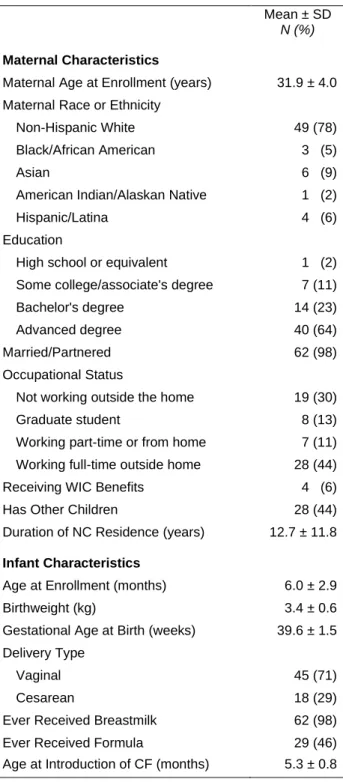
Table 4.1 Maternal and Infant Characteristics
Mean ± SD
N (%)
Maternal Characteristics
Maternal Age at Enrollment (years) 31.9 ± 4.0
Maternal Race or Ethnicity
Non-Hispanic White 49 (78)
Black/African American 3 (5)
Asian 6 (9)
American Indian/Alaskan Native 1 (2)
Hispanic/Latina 4 (6)
Education
High school or equivalent 1 (2)
Some college/associate's degree 7 (11)
Bachelor's degree 14 (23)
Advanced degree 40 (64)
Married/Partnered 62 (98)
Occupational Status
Not working outside the home 19 (30)
Graduate student 8 (13)
Working part-time or from home 7 (11)
Working full-time outside home 28 (44)
Receiving WIC Benefits 4 (6)
Has Other Children 28 (44)
Duration of NC Residence (years) 12.7 ± 11.8
Infant Characteristics
Age at Enrollment (months) 6.0 ± 2.9
Birthweight (kg) 3.4 ± 0.6
Gestational Age at Birth (weeks) 39.6 ± 1.5
Delivery Type
Vaginal 45 (71)
Cesarean 18 (29)
Ever Received Breastmilk 62 (98)
Ever Received Formula 29 (46)
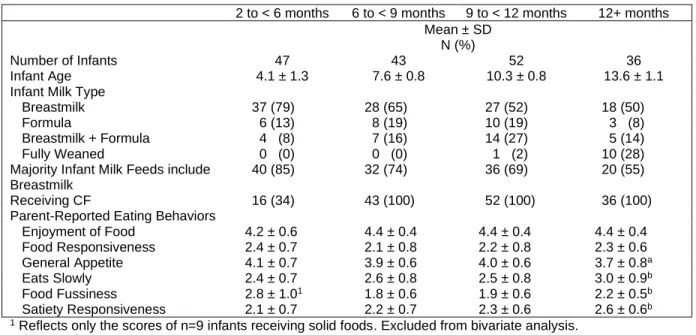
Table 4.2 Infant Characteristics by Age
2 to < 6 months 6 to < 9 months 9 to < 12 months 12+ months
Mean ± SD N (%)
Number of Infants 47 43 52 36
Infant Age 4.1 ± 1.3 7.6 ± 0.8 10.3 ± 0.8 13.6 ± 1.1
Infant Milk Type
Breastmilk 37 (79) 28 (65) 27 (52) 18 (50)
Formula 6 (13) 8 (19) 10 (19) 3 (8)
Breastmilk + Formula 4 (8) 7 (16) 14 (27) 5 (14)
Fully Weaned 0 (0) 0 (0) 1 (2) 10 (28)
Majority Infant Milk Feeds include Breastmilk
40 (85) 32 (74) 36 (69) 20 (55)
Receiving CF 16 (34) 43 (100) 52 (100) 36 (100)
Parent-Reported Eating Behaviors
Enjoyment of Food 4.2 ± 0.6 4.4 ± 0.4 4.4 ± 0.4 4.4 ± 0.4
Food Responsiveness 2.4 ± 0.7 2.1 ± 0.8 2.2 ± 0.8 2.3 ± 0.6
General Appetite 4.1 ± 0.7 3.9 ± 0.6 4.0 ± 0.6 3.7 ± 0.8a
Eats Slowly 2.4 ± 0.7 2.6 ± 0.8 2.5 ± 0.8 3.0 ± 0.9b
Food Fussiness 2.8 ± 1.01 1.8 ± 0.6 1.9 ± 0.6 2.2 ± 0.5b
Satiety Responsiveness 2.1 ± 0.7 2.2 ± 0.7 2.3 ± 0.6 2.6 ± 0.6b
1 Reflects only the scores of n=9 infants receiving solid foods. Excluded from bivariate analysis.
CHAPTER 5. PAPER 1 – NEGOTIATING THE BREASTFEEDING IMPERATIVE
5.1 Introduction
Breastfeeding rates across the United States have been rising as a result of widespread interventions and policies that aim to promote breastfeeding. For example, interventions that promote breastfeeding self-efficacy have been associated with increased breastfeeding and exclusive breastfeeding rates (Brockway et al. 2017). However, there is still room to improve these rates (CDC 2016). Studies of breastfeeding interventions among African American mothers suggest that there is room to improve intervention design to better meet mothers’ own needs (Johnson et al. 2015). Yet the move toward increased breastfeeding initiation and duration has been critiqued as a white, middle-class project that reinforces the “intensive motherhood” model that calls for mothers to put children’s needs above all else (Blum 2000; Hays 1996). It has been described as an imperative that promotes infant welfare through breastfeeding despite costs to the mother (Murphy 2000). Furthermore, the notion of breastfeeding as an imperative is at times contested by mothers themselves (Marshall et al. 2007). Some mothers question whether the benefits of breastfeeding have been overstated, particularly given contradictory and inconclusive evidence from sibling studies (Evenhouse and Reilly 2005; Gillman et al. 2006; Metzger and McDade 2010; Nelson et al. 2005). Other mothers describe benefits such as the transmission of antibodies and hormones yet still struggle with the physical act itself (Kelleher 2006).
mothers’ own words to illustrate the rich and complicated world of milk feeding in the United States and more specifically in Central North Carolina. I came to the subject of breastfeeding and formula feeding because I was interested in the transition from a milk-based to a solids-based diet during infancy. Milk feeding was a checklist item that needed to be included in my discussions with mothers, given evidence that the type of milk feeding may influence infant biology during this milk-to-solids transition (Thompson et al. 2015). However, the existing social sciences and public health literature on mothers’ breastfeeding experiences already seemed extensive, and I wasn’t convinced I could contribute something new—until mothers actually began talking about their experiences. Within the first few interviews, it quickly became clear that mothers had important stories to tell. Much of it resonated with what has been said about breastfeeding beliefs and practices and of the moral weight ascribed to breastfeeding in the United States (Blum 2000; Knaak 2010; Murphy 2000; Murphy 2004). However, I was
unprepared for the strength with which mothers responded to questions of breastfeeding and formula feeding—some reactions could be described as visceral. I had read accounts of mothers’ experiences with breastfeeding challenges and some of the associated guilt or shame (Blum 2000; Hanell 2017), and yet a significant body of breastfeeding research focuses on descriptive models for patterns of initiation, continuation and cessation with less emphasis on how mothers grapple with their own beliefs (Li et al. 2008a; Odom et al. 2013; Thulier and Mercer 2009). As mothers in this study talked, the conflicts they experienced with care providers, other mothers, societal messaging and even within their own beliefs became apparent.
presupposes a cultural model of intensive motherhood that organizes parenting around what is best for the individual child and requires significant investments of resources such as time and money (Blum 2000; Hays 1996).
These varied experiences with infant feeding and mothers’ interpretations of their
experiences are shaped by the social and cultural processes within which mothers are embedded. To understand how mothers’ beliefs may be organized and informed by their own personal experiences, I employ the concept of parental ethnotheories. Parental ethnotheories represent how beliefs are organized through shared understandings that frame individual experiences and interpretation of those experiences (Harkness and Super 1996). Beliefs themselves refer to what individuals know or believe to be true (McGillicuddy-De Lisi and Subramanian 1996; Sigel and Kim 1996a). Ethnotheories are often socially shared yet individually constructed. In addition to informing parenting behavior, they can provide a window into the cultural self, one that changes over time (Sigel and Kim 1996a). The individual parent is self-constructed as a consequence of their personal history through a process of internalization and personal reconstruction of cultural content, such as expectations for the roles and responsibilities of a parent (Valsiner and
Litvinovic 1996). The collective culture is externalized and presented in an idiosyncratic, novel way that is informed by their individual experiences (Valsiner and Litvinovic 1996). These are mutually influencing and continuous processes whose constant remaking account for individual and contextual particularities (Valsiner and Litvinovic 1996).
rely on their personal experiences and intimate interactions with their own infants to make the decisions that best suit their families.
5.2 Methods
The data for this aim were collected in Central North Carolina between May and
November 2017. A convenience sample of 63 mothers participated in semi-structured interviews that included open-ended questions. Mothers of infants under 12 months of age were recruited from a local clinical practice and subsequently by participant word-of-mouth, including through participants’ use of social media. All mothers with healthy infants were included in the sample. Healthy infants for this aim were identified as those who were not born with congenital
anomalies or receiving treatment that interfered with infant feeding. One infant was born at less than 36 weeks’ gestation, and one infant weighed less than 2500 grams at birth.
Interviews took place in the family’s home or at the UNC Human Biology Lab, depending on mothers’ preferences. Demographic and birth information were collected at the time of the interview. Mothers were asked a series of questions about breastfeeding and formula feeding, such as if they initiated breastfeeding after birth and why, if their babies had received or were receiving formula, if they thought breastfeeding was good for babies, if they thought mothers should breastfeed their infants, and if they thought formula was good for babies. In this study, breastfeeding includes feeding human milk via breast or bottle (see Appendix A for full list of questions). I attempted to ask questions in a nonjudgmental tone, but some of the language I used to ask these questions was admittedly charged (e.g. “Do you think mothers should
Interviews were conducted in English, recorded and transcribed by the author. Analyses were completed using ATLAS.ti (version 8, ATLAS.ti Scientific Software Development GmbH, Berlin, Germany). Coding of the interviews followed an iterative process. First, transcripts were coded inductively to identify emerging themes (Appendix B, Codebook 1). Codes were
aggregated and reviewed to refine the thematic codes, and the texts were recoded. Visual networks were displayed and analyzed with the original and refined codes to identify
relationships between codes. Some codes stood alone, while others related to multiple themes (Appendix B, Codebook 2). The themes discussed in this paper represent the themes that appeared most frequently, and representative quotes were chosen to illustrate each theme (Bernard 2011; Glaser and Strauss 1967). All names used here are pseudonyms in order to protect families’ privacy. Quotations that are not attributed to specific individuals reflect key words and phrases repeated by several mothers in the study.
5.3 Study Sample
pregnancies and births and very high rates breastfeeding, higher than what is observed among the general population. Most participating families also had ready access to a wide array of
healthcare services and support such as certified lactation consultants and parenting support groups.
5.4 Breastmilk is Beneficial
Mothers in this study universally believed that breastmilk is good for babies. Overall, they were fluent in the language used by many biomedical and public health experts. They discussed the benefits of passive immunity, the nutrient density of breastmilk, and how breastfeeding can promote bonding between the mother and infant.
Benefits to the immune system were the most-cited advantages of breastfeeding. Mothers explained that the antibodies in breastmilk were beneficial for their infants, breastfeeding made infants less likely to become ill or develop ear infections, and infants were “protected from whatever was going around.” Annie, a white student mother (age 36), described how her newborn son, Nicholas (age 3 months), was shielded from the flu as it moved through her immediate family. With the help of healthy family members and close friends when she was ill, she sequestered herself and had the baby brought to her only to nurse. Annie believed that this careful process allowed Nicholas to receive the antibodies he needed from her in order stay healthy himself.
Bonding was another important factor for many mothers who physically breastfed. They described feeling closer, more connected with their infants. Monica, an Asian American student mother (age 38), exclusively breastfed her only daughter, Ava (age 6 months), and believed that the closeness of the breastfeeding relationship uniquely helped her connect with her baby: “I think it's also an amazing sort of bonding experience between moms and babies, and I feel like it would be hard to replicate that any other way.” Theresa, a white stay-at-home mother (age 35) echoed this sentiment. Theresa bottle fed her first child and breastfed her second, Emily (age 7.5 months). She stated that although she did bond closely with her bottle-fed son, of the relationship with her breastfed daughter she said, “[T]here’s a difference. I can tell.”
Many other benefits of breastfeeding were also reported. Mothers talked about how breastfeeding was good for the physiological and emotional development of infants and for their own mental and physical health. Convenience (specifically for mothers who could physically breastfeed and avoid using, cleaning, and sterilizing bottles) and saving money by not having to purchase formula were also important for some mothers.
5.5 Breastfeeding Success Depends on Support
I think that when women have a lot of support for breastfeeding, things can often work out well, but without that support, I mean I, I don't know that we would've made it as far as we had if I didn't have the support that I had, 'cause I was in so much pain in the beginning. -Libby, white stay-at-home mother (age 27), female infant (10 months)