COMPARING THE CAUSAL IMPLICATIONS OF CLINICAL UNIT PLACEMENTS ON SENIOR BACHELOR OF SCIENCE IN NURSING STUDENTS’ COGNITIVE
DECISION-MAKING PROCESSES
by
Shelley Layne Blackwood Liberty University
A Dissertation Presented in Partial Fulfillment Of the Requirements for the Degree
Doctor of Education
Liberty University 2019
COMPARING THE CAUSAL IMPLICATIONS OF CLINICAL UNIT PLACEMENTS ON SENIOR BACHELOR OF SCIENCE IN NURSING STUDENTS’ COGNITIVE
DECISION-MAKING PROCESSES by Shelley Layne Blackwood
A Dissertation Presented in Partial Fulfillment Of the Requirements for the Degree
Doctor of Education
Liberty University, Lynchburg, VA 2019
APPROVED BY: Dr. Meredith Park, Committee Chair Dr. David Barton, Committee Member Dr. Ann Crawford, Committee Member
ABSTRACT
Evidence suggests that new nursing graduates entering the workforce struggle with decision making. Poor clinical decisions often lead to undesirable patient outcomes. Utilizing
quantitative, causal-comparative, pretest-posttest design, this research explored the effect of four categories of clinical unit placements (specialty units, acute care, critical care, and emergency departments) on senior bachelor of science in nursing (BSN) students’ cognitive decision-making processes to explore which type of unit, if any, significantly changes nursing student cognitive processes while making decisions. A convenience sample of 30 senior BSN students from a private, faith-based university completed both a demographic survey and the Nurse Decision Making Instrument-Revised 2014 (NDMI-R14) before and after a five-week clinical rotation in which each student was assigned to only one unit. A theoretical dyad of Hammond’s cognitive continuum theory and Benner’s novice to expert theory were the framework for this research. The instrument for this study was the NDMI-R14, which quantifies decision-making from analytical cognition to intuitive cognition. Analysis compared the NDMI-R14 posttest results of students assigned to one of the four categories of units while controlling for pretest scores on the NDMI-R14. Though the results of the analysis of covariance were not statistically significant, the results suggested a need to consider clinical curriculum design congruent with desired outcomes for BSN graduates.
Keywords: decision making, nursing students, clinical placement, critical thinking, clinical judgment
Dedication
I praise my Lord and Savior, Jesus Christ, for giving me the strength to complete this educational research process. I pray that He is represented well through my daily walk.
I dedicate this project to my precious niece, Hannah Shay Wiggins (June 20, 2014–June 30, 2014), whose tragically short life shone a glaring light on the problem of preventable medical errors, inspiring me and fueling my passion to explore this topic. Her spirit dances through every word and drives me to never stop trying to find innovative answers to clinical education
questions because every single living person bears the image of the Almighty and deserves healthcare providers who are expertly prepared to make safe and appropriate decisions.
Thank you to my husband, Ron, our sons, Nathan and his wife Shiloh, Noah, Nicolas, Ron Jr. and his wife, Dana, and granddaughter, Ryien. I love you all more than words can say and I pray that you can forgive the nights I closed the study door, cried, and turned down
invitations to events. I couldn’t have done this without you. Neal, Ronda, Alicia, Brandi, and all the grands and great-grands, I love you and thank you for your acceptance, love, and patience.
To my parents, I want you both to know that I love you seven times sky high! You set the expectation of excellence in my life and led me by example to persevere in answering God’s call. I have no doubt that your prayers have carried me through. To my five siblings, nieces,
nephews, and incredible friends and family members, laughing with you and being loved by you has energized my heart and healed my tired mind. It is not possible to name every person who has touched my life and inspired, encouraged, or helped me in some way. I did not do this on my own.
I’m not saying that I have this all together, that I have it made. But I am well on my way, reaching out for Christ, who has so wondrously reached out for me. Friends, don’t get
me wrong: By no means do I count myself an expert in all of this, but I’ve got my eye on the goal, where God is beckoning us onward—to Jesus. I’m off and running, and I’m not turning back. (Phil. 3:14, The Message)
Acknowledgments
I must acknowledge the profound role that the Falwell family, Dr. Jerry Falwell, Sr., and Jerry Falwell, Jr., have played in my educational journey. I am infinitely blessed to be counted among the alumni of Liberty University.
Thank you to my dissertation committee. Dr. Meredith Park, I am so grateful to you for reasons I cannot easily define. Thanks for listening to me, talking me down from more than one ledge, and always encouraging me. You set such an incredible example for me of the kind of educator I want to become. Dr. Ann Crawford, thank you for challenging me to dig into this topic and stay with it. Your encouragement and direction have motivated me to complete this task. Dr. David Barton, it was no coincidence that I found you on the long list of potential committee members. Your advice literally saved the day and maybe even the study more than once! I admire and appreciate each of you.
I owe a special acknowledgement to my precious family, Ron, Jr., Dana, and Ryien. You opened your home to your dad and me for every intensive class I travelled to take. Thank you for entertaining your dad while I spent long hours at the library and for all you did to
accommodate, entertain, and simply bless us.
To the students who participated in this study and the faculty for the course in which this research was conducted, thank you. Dr. SB, God graced my life by putting you in it. You define what it means to give faith hands and feet.
Table of Contents ABSTRACT ... 3 Dedication ... 4 Acknowledgments ... 6 List of Tables ... 11 List of Figures ... 12 List of Abbreviations ... 13
CHAPTER ONE: INTRODUCTION ... 14
Overview ... 14 Background ... 14 Historical Overview ... 15 Theoretical Background ... 17 Problem Statement ... 19 Purpose Statement ... 20
Significance of the Study ... 21
Research Question ... 22
Definitions ... 23
CHAPTER TWO: LITERATURE REVIEW ... 27
Overview ... 27
Theoretical Framework ... 28
Hammond’s Cognitive Continuum Theory ... 28
Benner’s Novice to Expert Theory ... 32
Related Literature ... 38
Clinical Decision Making ... 41
Critical Thinking ... 48
Clinical Reasoning ... 50
Clinical Judgment ... 50
Decision Making in Student Clinical Experiences ... 51
Clinical Supervision ... 55
Summary ... 57
CHAPTER THREE: METHODS ... 59
Overview ... 59
Design ... 59
Research Question ... 61
Hypotheses ... 61
Participants and Setting ... 61
Instrumentation ... 65
Nurse Decision Making Instrument-Revised 2014 ... 65
Reliability. ... 68 Scores. ... 68 Demographic Survey ... 69 Procedures ... 70 Data Analysis ... 73 Assumptions ... 74 Analysis... 75
Summary ... 76
CHAPTER FOUR: FINDINGS ... 77
Overview ... 77 Research Question ... 77 Null Hypothesis ... 77 Results ... 77 Descriptive Statistics ... 77 Assumptions Testing ... 80 Hypothesis... 90 Summary ... 91
CHAPTER FIVE: CONCLUSION ... 93
Overview ... 93
Summary of Findings ... 93
Discussion ... 94
Implications ... 97
Limitations ... 98
Recommendations for Future Research ... 100
REFERENCES ... 101
Appendix A: Nurse Decision Making Instrument-Revised 2014 (NDMI-R14) ... 114
Appendix B: Demographic Survey to Accompany Pre-Test NDMI-R14 ... 117
Appendix C: Post-Survey Unique Identifier Entry ... 119
Appendix D: Permission to Utilize NDMI-R14 ... 120
Appendix F: IRB Exemption Liberty University ... 122
Appendix G: IRB Approval from Research Site ... 123
Appendix H: Student Recruitment Email ... 124
Appendix I: Faculty Pretest Script ... 125
Appendix J: Faculty Posttest Script ... 127
List of Tables
Table 2.1. Alignment of Theories ...39
Table 4.1. Demographic Data for Sample ...79
Table 4.2. Clinical Unit Assignments ...79
Table 4.3. Descriptive Statistics for Pretest and Posttest NDMI-R14 Scores ...80
Table 4.4. Shapiro-Wilk Tests of Normality by Clinical Unit Standardized Residuals for Posttest ...83
Table 4.5. Bivariate Correlation for Specialty Units ...85
Table 4.6. Bivariate Correlation for Acute Care ...86
Table 4.7. Bivariate Correlation for Critical Care ...87
Table 4.8. Bivariate Correlation for Emergency Department ...88
Table 4.9. Homogeneity of Regression Slopes ...89
Table 4.10. Levene’s Test of Equality of Error Variances ...89
List of Figures
Figure 2.1. Cognitive Continuum of Novice to Expert Decision Making ...33
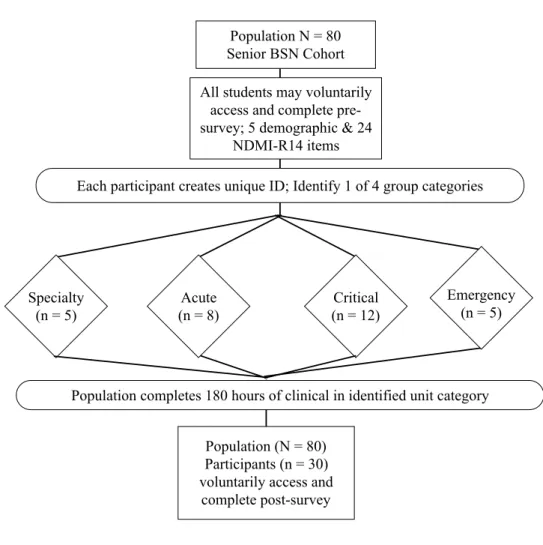
Figure 3.1. Research Procedures Schematic ...73
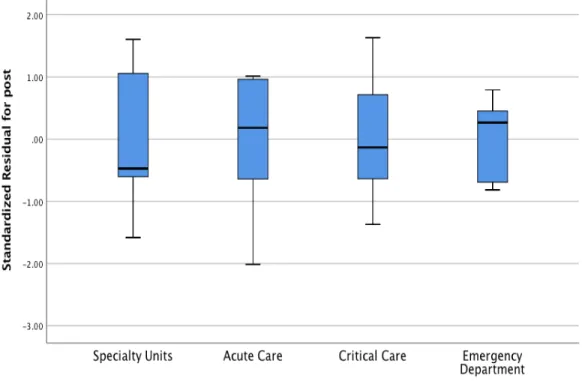
Figure 4.1. Box and Whiskers Plot for Standardized Residuals of Posttest ...81
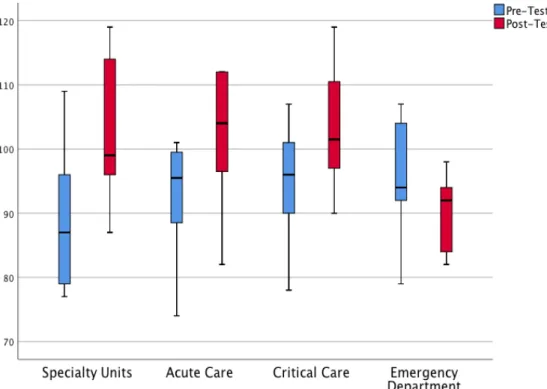
Figure 4.2. Box and Whiskers Plot for Pretest and Posttest Scores ...82
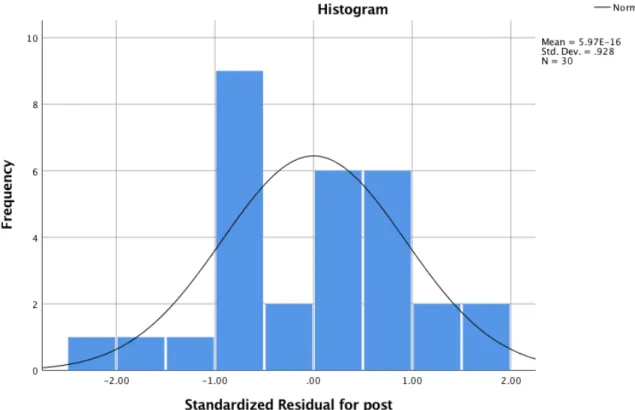
Figure 4.3. Histogram ...83
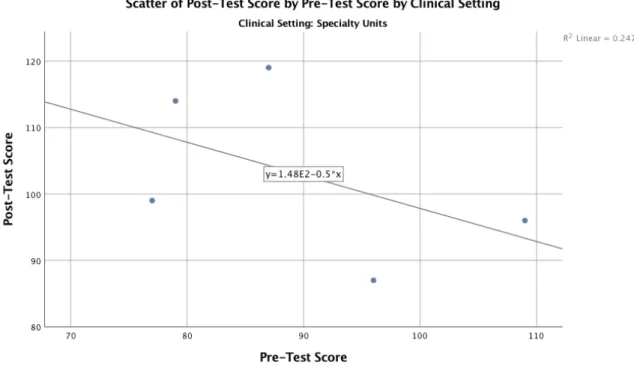
Figure 4.4. Scatterplot of Pretest and Posttest Scores for Specialty Unit ...85
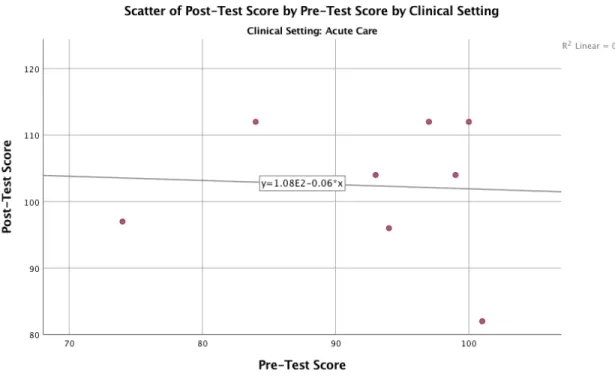
Figure 4.5. Scatterplot of Pretest and Posttest Scores for Acute Care ...86
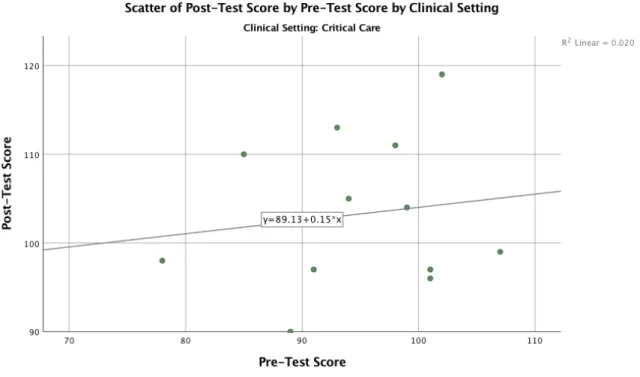
Figure 4.6. Scatterplot of Pretest and Posttest Scores for Critical Care ...87
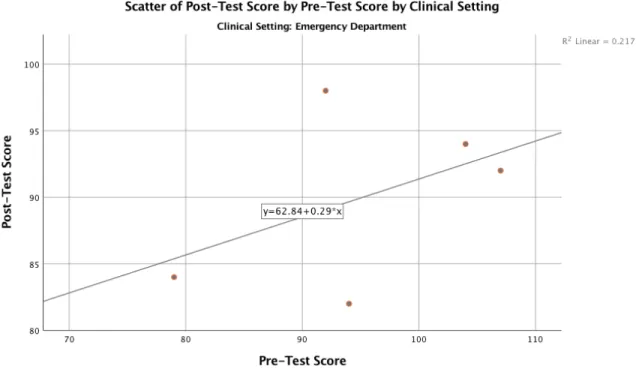
Figure 4.7. Scatterplot of Pretest and Posttest Scores for Emergency Dept ...88
List of Abbreviations American Association of Colleges of Nursing (AACN) Analysis of Covariance (ANCOVA)
Assessment, Data and Diagnosis, Planning, Implementation, and Evaluation (ADPIE) Bachelor of Science in Nursing (BSN)
Clinical Decision Making in Nursing Scale (CDMNS) Cognitive Continuum Theory (CCT)
Dreyfus Model of Skill Acquisition (DMSA) Institutional Review Board (IRB)
Learning Management System (LMS)
Multivariate Analysis of Variance (MANOVA)
National Council of State Boards of Nursing (NCSBN) Novice to Expert Theory (NTE)
Nurse Decision Making Instrument (NDMI)
Nurse Decision Making Instrument-Revised 2014 (NDMI-R14) Registered Nurse (RN)
CHAPTER ONE: INTRODUCTION Overview
National regulating bodies and advisory institutions publish expectations for nurses at all levels of practice to engage in higher-level clinical decision making (The National Academies, 2011; National Council of State Boards of Nursing, 2016; Robert, Tilley, & Petersen, 2014). Decisions are critical to nursing practice, yet there is little empirical evidence related to the decision-making processes of nursing students (Melin-Johansson, Palmqvist, & Ronnberg, 2017; Payne, 2015). Chapter One includes the background of this study, designed to explore nursing student decision-making processes. The chapter also contains the problem statement driving the research, describes the purpose, and establishes the theoretical, empirical, and practical
significance of the study. The research question guiding the study and definitions of essential terms conclude the chapter.
Background
Each year approximately 44,000 to 98,000 people die in the United States due to
preventable medical errors (Koehn, Ebright, & Draucker, 2016). Medical errors, either the result of commission or omission, are the third-leading cause of death in the United States (Makary & Daniel, 2016). Although nurses are not responsible for all of the errors mentioned by Koehn et al. (2016), they routinely make life-and-death decisions affecting patients, families, peers, communities, and health care systems (Perkins & Kisiel, 2013). The profoundly impactful consequences of nursing actions integrally link decision-making competence to safe and effective nursing practice (Koehn et al., 2016; Payne, 2015).
The American Association of Colleges of Nursing (AACN; 2008a) requires baccalaureate programs to prepare students to enter professional practice as generalists with the ability to make ethical, evidence-based, valuable, competent, safe, collaborative, emergent, complex, and
patient-centered decisions. Colleges of nursing include rigorous clinical experiences in the curriculum to facilitate the application of theory to practice and encourage decisional growth (Aktas & Karabulut, 2016; Birks, 2017; Chong, Lim, Liu, Lau, & Wu, 2016). Unfortunately, despite the high expectations set by regulating bodies and targeted efforts made by colleges to meet the standards, unsafe, unprofessional, and harmful nursing decisions made by nursing students and newly graduated nurses remain alarmingly common (National Council of State Boards of Nursing [NCSBN], 2017). Reports from the NCSBN (2017) suggest that nurses fresh out of college make more preventable errors due to unsafe practices and poor decisions than nurses with clinical experience.
Historical Overview
Prior to the 1850s, nursing education primarily occurred through apprenticeship. Florence Nightingale changed the role of the nurse and innovatively transformed nursing education during the Crimean War in 1854 and 1855. The Nightingale model for schools included both didactic and clinical experiences with a focus on ensuring sanitation and assisting physicians (Hanks, 2013). Nightingale’s model, also known as the medical model, persisted in nursing education until the 1990s.
In recent years, changes in healthcare has shifted many aspects of direct patient care away from physicians and placed more responsibility in the hands of nurses. (Benner, 2001; Benner, Sutphen, Leonard, & Day, 2010; The National Academies, 2011). In response to the paradigm shift in healthcare and a forecasted national nursing shortage, advisory institutions
have published a series of recommendations focused on removing barriers to safe and effective nursing practice (American Association of Critical-Care Nurses, 2014; The National Academies, 2011). The recommendations included specific mandates for schools of nursing to focus on preparing graduates to care for increasingly ill populations requiring a higher complexity of care and increased focus on developing competence in decision-making skills (The National
Academies, 2010; Robert et al., 2014). Other recommendations included having an 80% baccalaureate-prepared nursing workforce by the year 2020 and an expectation for nurses to function within their full scopes of practice (The National Academies, 2011).
Since 2010, nursing education has trended toward a focus on promoting intuitive cognition among students. Subsequently, colleges of nursing have evaluated and adjusted teaching and learning approaches. Curricular changes included a shift to a conceptual curriculum, problem-based learning, and various innovative simulation and clinical practice models to better prepare students for demanding practice (Benner, 2012; Birks, 2017; Chong et al., 2016; Ironside, McNelis, & Ebright, 2014). The emphasis of these curricular changes is the application of theoretical principles to actual patient situations and classroom experiences designed to promote clinical-level thought process. Carefully designed didactic experiences prepare students for patient care in the clincial assignments.
The clinical practice model for nursing education has not changed significantly over time, and one aspect remains uncontested: Clinical experiences remain key to developing competence in student nurses (Birks, 2017; Courtney-Pratt, FitzGerald, Ford, Marsden, & Marlow, 2012; Moonaghi, Mirhaghi, Oladi, & Zeydi, 2015). However, the theoretical objectives for clinical experiences have shifted away from knowledge and skills to concentrate on professionalism and the navigation of students toward grounded and appropriate situational responses (Chong et al.,
2016). As nursing students progress through clinical placements, they experience patient care in multiple units while taking on progressively increased levels of responsibility with progressively decreased levels of faculty supervision. When students reach their culminating clinical
assignments, accredited colleges of nursing provide opportunities for them to practice in a single unit for an extended time during an immersive rotation designed to mirror the schedule,
responsibility, and practice of a professional nurse (AACN, 2008b). Theoretical Background
Actions reflect decisions, but the processes involved in decision-making evolve over time through gained experience (Benner, 2001; Dreyfus & Dreyfus, 1980; Lauri & Salanterä, 2002a). For example, when one relocates to a new city or state, the simplest travels to run errands require detailed instructions, visual cues, and turn-by-turn guides. Decisions to make right or left turns are dictated by lists, maps, verbal cues, or global positioning systems. Over time, navigating routes becomes easier. After a year or two passes, regardless of conditions, an internal compass guides directional decisions, seemingly without conscious thought and certainly without one taking the time to pull over a read a map, destinations are reached. Similarly, nurses apply a logical, systematic approach or map to patient care decision making called the nursing process. The nursing process consists of assessment, data and diagnosis, planning, implementation, and evaluation (ADPIE; NCSBN, 2015; Orlando, 1972). Though students may be taught the nursing process, or ADPIE, as a logical approach to patient care, they are bound to checklists, rules, algorithms, and detailed instructions to make every decision as they navigate their new state of caring for patients (Benner, 2001). Newly graduated nurses enter a career with the theoretical knowledge and skills honed in nursing classes and clinical experiences. As nurses gain
et al., 2014). The experienced nurse intuitively cares for patients with higher-level, independent decision-making processes similar to those of a long-time resident of a city navigating a route (Robert et al., 2014). Application of the nursing process becomes organic and fluid.
Through the years, researchers have framed investigations into clinical decision making with the work of theorists from varied disciplines including nursing, medical, and behavioral sciences. Jenkins (1985) constructed the framework on which she built the Clinical Decision Making in Nursing Scale (CDMNS) on the self-perception and normative decision theories, which were borrowed from psychology (Bem, 1972; Kassouf, 1970). Multiple studies tested Jenkins’s (1985) instrument and the framework utilized to construct it to explore nursing students’ perceptions of clinical decision making (Aktas & Karabulut, 2016; Ho et al., 2013). Researchers investigating students’ abilities to think like nurses based studies on the clinical judgment model (Tanner, 2006; van Graan, Williams, & Koen, 2016). Scholars seeking to quantify potential physiological reactions nurses experience while engaging in clinical decision making have applied the cognitive continuum theory (CCT), novice to expert (NTE) theory, and somatic marker hypothesis to support projects (Bechara & Damasio, 2004; Benner, 2001;
Hammond, 1980; Payne, 2013, 2015). Interestingly, results of the studies by Payne (2013, 2015) support Hammond’s (1980) assumption that cognitive processes in decision making are
physiologically identifiable and measurable.
The theoretical framework for this study included a unifying middle range theory that explained the cognitive processes of decision-making and judgment and a grand theory of nursing created to enumerate and define the progression to competency. Benner’s (2001) NTE theory provided the framework for numerous studies related to nursing decision making
Narwold, Guy, & Wallace, 2013; Lovecchio, DiMattio, & Hudacek, 2015). Hammond’s (1980) CCT framed the inquiry of Lauri and Salanterä (2002a, 2002b), leading to the development of an instrument to quantify the decision-making processes of nurses and nursing students in multiple clinical settings. Other researchers utilized CCT to explore nursing decision making in crisis situations (Melin-Johansson et al., 2017; Moonaghi et al., 2015; Parker, 2014).
Problem Statement
Despite the recommendations by regulating and advising bodies and responses by colleges of nursing, new graduate nurses do not consistently demonstrate the ability to make sound clinical decisions (Kumm, Godfrey, Richards, Hulen, & Ray, 2016; Payne, 2015; van Graan et al., 2016). Clinical rotations provide crucial patient care encounters on which students may build an experiential foundation for growth in nursing decision-making skills (Benner, 2001; Courtney-Pratt et al., 2012). Unfortunately, there is a lack of evidence regarding which clinical structure or what category of patient care unit provides optimal experiences for developing decision-making competence in student nurses (Birks, 2017; Courtney-Pratt et al., 2012). A limited number of studies have evaluated the quality of clinical experiences, specific attributes of decision making, and the professional implications of clinical placements among nursing students (Alfaro-Lefevre, 2011; Canova et al., 2016; Courtney-Pratt et al., 2012; Dicle & Durmaz Edeer, 2013; Harmon & Thompson, 2015; Hendricks et al., 2013; Ho et al., 2013; Jessee, 2016; Lovecchio et al., 2015; Moonaghi et al., 2015; Payne, 2015; Ross, Mahal,
Chinnapen, & Rana, 2013; Wareing, Taylor, Wilson, & Sharples, 2017). Nurse preceptors have reported that up to 80% of newly graduated nurses do not engage in decision making at all (Hickey, 2009). The problem is that the body of literature provides no data measuring the
cognitive processes of nursing decision making in student nurses based on culminating clinical unit placements experienced during the final semester of a baccalaureate nursing program.
Purpose Statement
The purpose of this causal-comparative study was to test whether clinical unit assignments have a causal effect on how senior nursing students think while making clinical decisions. The study tested the theories of Hammond (1980) and Benner (2001) by comparing the independent variable of clinical unit placement experiences to the dependent variable of posttest scores on the Nurse Decision Making Instrument-Revised 2014 (NDMI-R14) while controlling for pretest scores on the NDMI-R14 (Lauri & Salanterä, 2002a; Phillips, 2015). The sample for the study was senior students in a bachelor of science in nursing (BSN) program in their culminating clinical rotation. The independent variable, clinical unit placement, was generally defined as the hospital units to which senior nursing students are assigned, categorically grouped as specialty units, acute and critical care units, and emergency
departments. The experiences were block-scheduled, immersive residency formats in which the students worked under the supervision of an experienced BSN degree–holding registered nurse (RN) or RNs functioning as preceptors for approximately 180 hours over five to six weeks (Benner, 2001; Birks, 2017; Courtney-Pratt et al., 2012). The dependent variable was generally defined as senior BSN student scores on the NDMI-R14 (Lauri & Salanterä, 2002a; Phillips, 2015), a scale that quantifies nursing decision making from analytical cognition to intuitive cognition based on Hammond’s (1980) CCT and the five-stage Dreyfus Model of Skill Acquisition (DMSA; Dreyfus & Dreyfus, 1980). Pretest scores were controlled to eliminate threats to consistency (Warner, 2013).
Significance of the Study
The primary significance of this study is that it fills an empirical and theoretical gap in the literature regarding the effect of clinical unit placements on the nursing decision-making processes of senior nursing students during culminating clinical experiences. Vulnerable patients rely on the decisions of both nurses and nursing students. Filling the identified gap has the potential to positively impact nursing school clinical curriculum, negotiations for clinical sites, and funding for clinical curricula (Courtney-Pratt et al., 2012). Professional recruitment and nursing orientation foci in organizations may also be impacted by the results (Courtney-Pratt et al., 2012; Wareing et al., 2017).
The second significant contribution of this study was the identification of the variances in cognitive continuum scores based on clinical unit placements to suggest which types of units, if any, move student scores toward the intuitive decision-making pole (Lauri & Salanterä, 2002a). Classroom content tells students what to think and narratives provide reasons it is important to make sound decisions, but this study considered how students think and the influence various clinical placements have on those complex cognitive processes. This finding may contribute to the development of clinical curricula with a focus on building an experiential basis for intuitive nursing decision making in students through optimal clinical placements (Courtney-Pratt et al., 2012). The review of the literature revealed a deficit in sound decision-making skills in nursing students, leading to poor decisional ability observed among newly graduated nurses (NCSBN, 2017; Payne, 2015; van Graan et al., 2016). Contemporary changes in health care have created an environment in which nurses must make more practice decisions with greater efficiency and autonomy than their predecessors (Robert et al., 2014). The theoretical framework dyad for the study explains that for nursing, intuition is a revered cognitive process resulting from experience
and professional growth (Benner, 2001). Hammond (1980) placed intuition at one end of the cognitive continuum of processes used in decision making. Just as a destination does not judge whether the driver requiring a map is better than one who does not, Hammond (1980) did not hold one pole of the CCT in higher esteem than the other. He did, however, confirm that analytical cognitive decision-making processes take more deliberation and a greater amount of time than cognitively intuitive decision-making processes.
A third significant contribution of this study is related to the findings of Wareing et al. (2017). Newly graduated nurses tend to begin their careers working on the type of unit to which they were assigned during their culminating clinical experience (Wareing et al., 2017).
Considering recommendations to build a nursing workforce capable of intuitive decision making, the findings of this study may help potential employers with nursing recruitment focused on senior students in specific units (The National Academies, 2011; Robert et al., 2014).
Additionally, per NTE theory, intuition, a hallmark of competence, is reached through extensive experiences in one area (Benner, 2001). Following the logic of NTE, newly graduating nurses will possess a foundational level of experiences in the units to which they were assigned for a block-formatted, immersive, nursing residency-type culminating clinical experiences.
Significant data potentially pointing to clinical areas that foster intuitive growth could, therefore, direct not only school placements but also guide hospital recruitment and the onboarding of new nurses based on their most immersive clinical experiences (NCSBN, 2017; Wareing et al., 2017).
Research Question
The research question for this study considered senior BSN student scores on the R14 based on clinical unit placement (Lauri & Salanterä, 2002a; Phillips, 2015). The NDMI-R14 measures cognitive processes involved in decision making in three domains: analytical,
quasi-rational, and intuitive (Lauri & Salanterä, 2002a; Phillips, 2015). Clinical unit placements for senior BSN students during their culminating clinical rotations include block-formatted, immersive student-residency clinical models in specialty units, acute and critical care units, and emergency departments (Benner, 2012; Birks, 2017; Lauri & Salanterä, 2002a).
RQ1: Is there a statistically significant difference between posttest scores of senior BSN students on the NDMI-R14 based on clinical unit placement group (specialty, acute, critical, emergency) during culminating clinical experiences when controlling for pretest scores?
Definitions
1. Advanced beginner nurse – The advanced beginner nurse is in the second stage in the Benner (2001) NTE theory and functions minimally acceptably in clinical practice. The advanced beginner may be a nursing student with who has completed some clinical rotations and demonstrates an ability to draw on limited prior experiences and learned information to make decisions without complete dependence on prescribed rules or algorithms. Advanced beginners struggle with prioritization but are beginning to establish patterns in clinical situations on which to build intuitive decision-making processes (Benner, 2001).
2. Analytical cognition – Analysis is an empirical, step-by-step approach to decision making based on rules, guidelines, or instructions (Hammond, 1980). Analytical cognition is also considered an intentional and measured thought process (Melin-Johansson et al., 2017). 3. Clinical decision making – The complex skill of nursing decision making requires
application of critical thinking, clinical judgment, and clinical reasoning to take the safest and most efficient, applicable, advantageous, and suitable action for a given situation (Dicle & Durmaz Edeer, 2013). Nursing decision making involves a wide scope of
cognitive processes from analysis to intuition (Benner, 2001; Hammond, 1980; Lauri & Salanterä, 2002a).
4. Clinical judgment – Clinical judgment involves the integration of critical thinking and clinical reasoning skills and is considered the foundation for competent nursing decision-making (Mann, 2012; van Graan et al., 2016).
5. Clinical reasoning – The application of knowledge to clinical experiences is referred to as clinical reasoning, which is integral to the ability to arrive at sound judgments and make competent nursing decisions. Koharchik, Caputi, Robb, and Culleiton (2015) asserted that reasoning is believed to include four steps: taking notice, making an interpretation, responding, and reflecting.
6. Cognitive Continuum Theory (CCT) – Hammond’s (1980) CCT is a middle-range descriptive theory that identifies judgment and decision making as cognitive processes with intuitive cognition at one pole, analytical cognition at the opposite pole, and
quasirationality (common sense) in the center (Cader, Campbell, & Watson, 2005). The research involved was intended to unify previous theories surrounding the concepts of judgment and decision making. Hammond’s CCT has multidisciplinary applications (Connolly, Arkes, & Hammond, 2000).
7. Critical thinking – Critical thinking is the primary foundational skill required for clinical judgment. It is defined as a reflective cognitive process in which the analysis of
information gained through assessments is intentionally utilized to make judgments by utilizing both inductive and deductive reasoning (Alfaro-Lefevre, 2011; Crawford, 2002; Harmon & Thompson, 2015; Locsin, 2001).
8. Expert nurse – The expert nurse has achieved the fifth and final stage of competence in the NTE theory. Drawing on a vast amount of clinical experiences, the expert nurse no longer depends upon rules and data to make decisions and intuitively connects
experiences and theory to practice situations (Benner, 2001).
9. Immersion – An immersive clinical experience is required for students in accredited BSN programs. The immersion experience is an extended period in which the student
performs nursing care as a part of the interprofessional team in a single unit by practicing patient care skills and improving clinical reasoning ability (AACN, 2008b).
10.Intuitive cognition – Intuition is a theoretical cognitive skill that constructs associations between situations, past experiences, and knowledge to enable quick, competent actions without the use of rules or instructions that is considered the hallmark of expert nursing decision making (Benner, 2001). Intuitive cognition is also known by the terms gut feeling (Melin-Johansson et al., 2017; Robert et al., 2014) and imagination (Hammond, 1980).
11.Novice nurse – The novice nurse is in the first stage of competence in the Benner (2001) NTE theory. The novice nurse has no experiential background in the field, depends upon rules and analysis to guide decisions, and does not prioritize actions (Benner, 2001; Hammond, 1980). New nursing students are novices, as are any nurses entering a new area of practice in which they have no prior experience and return to a rule-dependent, data-driven practice (Benner, 2001; Koharchik et al., 2015).
12. Novice to Expert Theory (NTE) – NTE is a grand theory in which Benner (2001) applied the humanistic model of Dreyfus skill acquisition theory to nursing practice (Dreyfus & Dreyfus, 1980).
13.The Nursing Process – The nursing process is a scientific list of steps originally created in the 1950s by nursing theorist Orlando. The NCSBN considers the nursing process to be integral to nursing practice and patient care. The steps of the nursing process are: assessment, data analysis (also described as nursing diagnosis), planning,
CHAPTER TWO: LITERATURE REVIEW Overview
Nursing is not a profession of subservience, contrary to images from popular culture. Baccalaureate programs in nursing education must prepare students to critically think and integrate sound judgment into professional decisions (AACN, 2008a; Texas Board of Nursing, 2011). On any given day, in any hospital unit, nurses decide whether to notify physicians or call specialized teams to address changes in patients’ statuses. Nurses make choices, or decisions, regarding whether to give or hold pain medications or other treatments (Hart et al., 2015; Parker, 2014). The results of nursing decisions impact individuals and affect the overall health of communities (Jessee, 2016; Koehn et al., 2016; Payne, 2015). Given an endless list of possible independent interventions and multiple options in the forms of protocols, standing orders, policies, and medications, the nurse must decide what action is appropriate, when to use it, and how to evaluate its effectiveness (Melin-Johansson et al., 2017). There is much room for both autonomy and collaboration in nursing; unfortunately, doubt and error are the ever-present reality and unsavory consequences of decision making for nursing students and professional nurses alike (Koehn et al., 2016; Payne, 2015).
The purpose of Chapter Two is to explore the body of evidence as it relates to senior nursing students’ clinical placement experiences in one of four categories of patient care units and how those experiences impact clinical decision making among students during the last semester of a BSN program. Theoretically framed by Benner (2001) and Hammond (Connolly et al., 2000; Hammond, 1980; Lauri & Salanterä, 2002a; Parker, 2014) this review delves into the critical nature of nursing decision making and how students academically and professionally mature in deciding which nursing actions to take in various clinical situations.
Theoretical Framework
The NTE theory (Benner, 2001) and CCT (Hammond, 1980) provide a theoretical framework for the cognitive, psychological, physiological, and professional processes involved in nursing decision making. Principles in both NTE and CCT apply to nurses at different stages in their careers and in widely varied areas of practice (Melin-Johansson et al., 2017; Payne, 2015). The theories of Hammond (1980) and Benner (2001) correlate in that both theorists explained the processes of decision making based on continuums of cognition and skill. On one end of the spectrum, decisions are organized based on rules and data analysis. When the
pendulum swings to the side of ambiguous situations in which rules and data do not neatly apply, the decision maker depends upon intuition to respond (Benner, 2001; Hammond, 1980; Robert et al., 2014). NTE theory and CCT were not developed in tandem, but the two may be applied together to explain the manner in which professional clinical development changes decision-making cognitive processes (Payne, 2015).
Hammond’s Cognitive Continuum Theory
In 1980, Kenneth R. Hammond, a professor and researcher, conducted research to integrate prior theoretical understandings of judgment and decision making. The resulting CCT provided five primary principles for judgment and decision making based on actual physiological and intellectual cognitive processes. CCT promoted exploration into how human beings think rather than what they think when making decisions. Hammond’s (1980) theory described a bipolar continuum illustrating the fluid process of decisional cognition, with intuitive cognition occupying one pole and analytical cognition on the opposite side. While the definition for analytical processes is straightforward, intuitive thinking presents a conundrum. Intuitive cognition was described by Hammond (1980) in terms of “imagination” (p. 12), “talent” (p. 12),
or “expertness” (p. 13). The theorist acknowledged the contrast between the schools of thought related to intuition. However, Hammond (1980) recognized the positive aspects of intuitive cognition while he objectively presented it as potentially flawed due to the risk of human
emotion clouding the intellectual and mathematical processes associated with analytical thought. Hammond presented neither intuition nor analysis as more valuable than the other; likewise, he did not claim one pole required a greater level of intelligence or ability than the other. He provided a framework for understanding the types of cognitive processes utilized by any person and influenced by the structure of tasks at hand. For example, very structured tasks call for analytical cognition, while loosely structured tasks inspire intuitive cognition (Brown & Clarke, 2014; Cader et al., 2005; Hammond, 1980).
Five premises of Hammond’s cognitive continuum theory.
Hammond (1980) placed common sense, or quasirationality, at the center of a continuum of decision making that ranges from intuitive cognition to analytical cognition. CCT includes five premises. The first and second premises on which the theory stands explain how decisions are made based on a cognitive continuum with analytical cognition one end, quasirationality (common sense) in the middle, and intuitive cognition on the opposite end. The third premise is the idea that it is possible to enumerate the phases of cognitive decision making into steps. The fourth premise explains the movement of decision making along the continuum from intuitive to analytical and back. In the fifth and final premise, Hammond (1980) suggested that intuition, common sense, and analytical cognition are neurophysiological processes carried out by specific anatomical parts of the brain (Tower & Chaboyer, 2014).
Premises one and two. In Hammond’s theoretical explanation of cognitive processing, analytical cognition occupies one end of a continuum of cognitive processing. Intuitive
cognition sits at the opposite end. Prior to Hammond’s analysis of human decision making, theorists believed cognition to be dichotomous, and the two poles, analytical and intuitive cognition to be juxtaposed and competitive (Dahmi & Mumpower, 2018; Dahmi & Thomson, 2012; Hammond, 1980). Six types of questioning or modes of discovery lead the decision maker to one pole or the other, to analytical or intuitive cognitive decision-making processes.
Reflecting the continuum, the six modes of inquiry range from highly structured forms of questioning and discovery to questions guided by peers and internally motivated inquiry (Cader et al., 2005; Lauri & Salanterä, 2002a; Smith, 2013). Hammond (1980) believed that most decision-making involves common sense or quasirationality.
Premise three. Intuition, analysis, and quasirationality each represent identifiable
properties, influences, and unique modes of inquiry, permitting placement on a continuum. The third premise of CCT focuses on the direct relationship between tasks and cognitive processes. Hammond theorized that movement back and forth along the cognitive continuum is fluid and influenced by the nature and amount of structure of various tasks facing decision makers (Brown & Clarke, 2014; Hammond, 1980). The third premise supports Hammond’s refusal to tout one pole of cognition above the other, but rather emphasizes the necessity of situationally engaging in many modes of inquiry and varied approaches to decision-making tasks. For example, per CCT, poorly structured, time-restricted tasks permit intuitive cognition, in contrast to highly structured, time-unrestricted, or less time-constrained tasks, which are believed to lead to analytical cognition.
Premise four. The name cognitive continuum theory denotes the pendulous behavior of cognition. Hammond (1980) clarified that decision making was not part of a chart, target, or dichotomy but is a continuum that moves over a timeframe. Just as a pendulum swings until it
meets a force or point of interruption, the continuum moves dynamically until an ending is met. The fourth premise of CCT explains that the driving force along the continuum is the need for continued cognitive processing. The point of cognitive success, or the making of a decision, signals the end of movement across the cognitive continuum. Indecision, the need for continued processing, and ongoing cognition promotes movement along the continuum.
Premise five. Giving a nod to his interest in evolutionary biology, the fifth premise of Hammond’s (1980) CCT draws from anatomy and neurophysiology to explain the relationship between identifiable regions of the brain and decisions. Hammond (1980) admitted to the simplicity of the “left-brain equals analysis; right-brain equals creativity” modality and explored the possibility of whole-brain involvement with measurable anatomical markers involved in decision making. The research team of Rubin et al. (2017) used advanced coding and imaging methods to provide visual support of corresponding anatomical markers and cognitive processes. Cognitive processing occurs in identifiable regions of the physical brain. The specific locations change based on context, experience, and various associations of individuals, and analytical to intuitive processes have varying effects on decision makers (Payne, 2013; Rubin et al., 2017). Unifying component of the theoretical dyad. Although it has been adopted by nursing researchers, Hammond’s (1980) theory was not formed as a nursing theory. The original
manuscript for the CCT was submitted under a grant from the Office of Naval Research. Parker-Tomlin, Boschen, Morrissey, and Glendon (2017) conducted a critical analysis in which CCT was found to be an appropriate unifying decision-making theory for the health care profession. Hammond’s CCT has been employed as a framework for numerous studies and is featured in interdisciplinary making texts as a nontraditional cognitive process–based decision-making theory (Connolly et al., 2000). Because nursing practice is dependent upon the decision-making
of appropriate decisions, the theory lends itself well to nursing and nursing education
applications. Historically, CCT has been utilized as a framework for multiple nursing research studies (Lauri & Salanterä, 2002a, 2002b; Melin-Johansson et al., 2017; Moonaghi et al., 2015; Parker, 2014; Payne, 2015).
Benner’s Novice to Expert Theory
The second leg of the theoretical underpinning for this literature review is the work of Patricia Benner (2001), a nursing scholar and theorist who was also one of the nurses at the helm of reform in nursing and nursing education. Applying the DMSA to nursing, NTE lists five levels of professional skills and cognitive development a nurse journeys through to progress from an inexperienced novice to a seasoned and competent expert (Benner, 2001; Dreyfus & Dreyfus, 1980). Student nurses are novices per the NTE continuum and will reach no higher than the second level of competence, the advanced beginner, by their final clinical semester due to a lack of experience on which to build intuition and a dependence on rules to guide actions (Benner, 2001). The highest level of attainment in the NTE stages, the expert, demonstrates an “intuitive grasp” (Benner, 2001, p. 32) of clinical situations and makes competent decisions without relying on tools, rules, or analytical thinking. In contrast to Hammond’s (1980) thoughts, Benner (2001) considered intuition to be a strength that is only gained through
accumulating vast amounts of clinical experience. Benner et al. (2010) theorized by what means expert intuition evolves through gaining salience of knowledge and experience. Reflecting notes from CCT, Benner promoted a type of clinical imagination in which the expert nurse viscerally perceives and visualizes situations, decisions, and consequences of decisions before acting (Benner, 2001; Benner et al., 2010; Hammond, 1980). Whether intuition is thought of as effortless and efficient or unpredictable and dangerous, intuitive decision making is believed to
be the primary defining theoretical characteristic of increasing proficiency per NTE theory (Benner, 2001; Hammond, 1980; Robert et al., 2014).
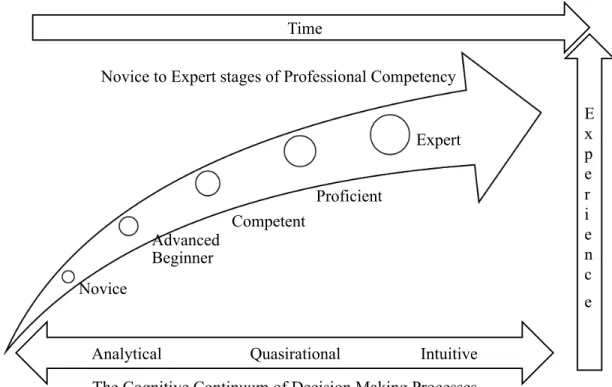
Figure 2.1. Cognitive continuum of novice to expert decision making.
Figure 2.1 illustrates the way a nurse or nursing student progresses from novice to expert. Framed by passing time and increasing experience, the professional progression from novice to expert climbs while the cognitive continuum allows decision making to remain fluid, sliding back and forth from analytical to intuitive at all stages (Benner, 2001; Hammond, 1998). The figure shows that although time and experience drive the theoretical progression of nurses through the stages of skill acquisition from novice to expert, nurses will move back and forth across the cognitive continuum while making decisions. However, the expert in NTE is characterized by more intuitive decisions. The novice is bound to analytical thinking (Benner, 2001; Hammond, 1980). As nurses progress through each of the five stages of clinical
Novice Advanced Beginner Competent Proficient Expert
Analytical Quasirational Intuitive Time E x p e r i e n c e
The Cognitive Continuum of Decision Making Processes Novice to Expert stages of Professional Competency
competence in NTE, the increasing levels of experience lend context to practice. Context and experience minimize the need for rule-guided, rigid, analytical practice and organically lead the nurse to transition into intuitive modes of decision making.
Nursing decisions in Benner’s five stages of competence in nursing. Nursing competency, per Benner (2001), is not an isolated end goal; rather, the nurse theorist claimed nurses move through five phases of clinical competency throughout their educational pursuits and professional endeavors (as cited in Payne, 2015). Benner (2001) identified the stages as novice, advanced beginner, competent, proficient, and expert. One of the hallmarks of
progression through the stages is the change in patterns of cognition and the theoretical increase in depth of intuition with each stage. Therefore, clinical decision making and patterns of
cognition are intricately connected.
The novice stage. The earliest stage of clinical competence and skill identified by Benner (2001) is the novice. The novice is a beginner, either a student who possesses only didactic knowledge when entering an experience or a professional taking on a new role. As Benner (2001) described, the novice makes decisions using checklists and takes actions based strictly on textbook knowledge, guides, rules, and lists. Presented with a clinical decision, the novice nurse relies on well-defined rules and guides. Hammond (1980) referred to this pattern of decision making as analytical. Like Hammond (1980), Benner (2001) did not suggest that the word novice was a derogatory term. To the contrary, in NTE theory, Benner (2001) suggested that nurses move back and forth across the stages as professional changes occur that present new practice contexts and the need to learn new skills. Therefore, the novice designation is not relegated to students or newly graduated nurses. Whether the novice is a student, new nurse, or
an experienced nurse practicing in a new environment, the novice simply has no context for decisions and must base actions on rules, checklists, and clearly delineated guidelines.
The advanced beginner stage. At the second phase in Benner’s (2001) theory, the nurse becomes an advanced beginner. The advanced beginner phase is the highest level of competence associated with nursing students and represents a nurse or student with fledgling ability to
discern more abstract concepts but with only marginal competence. Advanced beginners draw on learned information and limited experience to make minimally context-based decisions. Advanced beginners struggle with prioritization as they connect academic, analytical knowledge to clinical, intuitive practice. Nursing students and new nurses at this second level of clinical competence need strong preceptors or mentors to provide examples of skilled practice and provide both context and experiences to foster solid clinical decision making (Benner, 2001).
The competent stage. The third NTE phase, achieved after two to three years of
consistent job experience, represents clinical competence. The competent nurse was described as organized and efficient, but not as quick and practiced as a nurse at the next phase, the proficient nurse. Benner (2001) believed the competent nurse to need structured decision-making practice through planned clinical activities. Competency represents more than psychomotor skill, an attribute confused with competency in nursing. The competent nurse begins to prioritize decisions while meeting the demands of an increasingly complex role.
The proficient stage. The proficient nurse draws on experience to assess a situation in its entirety and prioritize interactions and interventions. Compared to those at other stages of NTE, proficient nurses’ decision making became more intuitive, context-specific, and well rounded. For example, the novice nurse moves from task to task usually making decisions based on written or memorized checklists without applying context. The advanced beginner perceives the
most profound part of a situation and acts accordingly as the competent nurse organizes care very well but lacks flexibility in some attributes of individualized care giving. The proficient nurse may move from analytical to intuitive cognition adaptably depending upon the situation. Proficient nurses are capable of drawing on a rich depth of experience and understanding while making patient care decisions (Benner, 2001).
The expert stage. Benner’s (2001) theoretical stages of competency culminate at the expert level, with the nurse described as functioning virtually free from written cues, lists, or rules, freely engaging in intuitive cognition. To Benner (2001), the consideration of lists, rules, or guides is a waste of time and is not required by the expert nurses due to their vast amount of experience and their rapid, intuitive cognitive processing ability. Benner (2001) undoubtedly held intuition in higher esteem than analysis in decision making, but she clarified that the expert nurse, while efficient and intuitive, may resort to analytical processing when presented with a new problem or situation. Rather than draw on the wrong context, the expert nurse can adjust his or her grasp of a situation and move to the analytical end of the cognitive continuum to follow evidence-based guides for the best patient outcomes. Nevertheless, in familiar surroundings, the expert nurse employs keen assessment skills to respond swiftly with competent decisions and asks questions or analyzes aspects of the occurrence after deciding to act (Milhomme, Gagnon, & Lechasseur, 2018).
Novice to expert clinical decision making. NTE theory defines seven domains of nursing practice, each with the potential to be experienced in nursing-patient interactions at any of the five stages of skill and competence. While NTE does not specifically address the nursing process, the seven domains of nursing practice align with the implementation and evaluation steps of the classic process representing nursing decisions and patient responses (Benner, 2001;
Masters, 2015). The seven domains of nursing practice encompass the roles of the nurse as a helper and teacher-coach. The domains also include the function of the nurse in diagnostic monitoring, management of dynamic patient needs including medications and treatment. Finally, quality assurance and professional role competency requirements complete the seven domains (Benner, 2001). Within each of those roles lies the opportunity for nurses or students at each stage of competency and skill acquisition to function from novice to expert, cognitively moving from analytical to intuitive cognition to apply the nNursing process to nursing decisions (Benner, 2012; Hammond, 1980; Melin-Johansson et al., 2017).
Nursing students do not surpass the advanced beginner level of NTE but, based on prior experiences and level of natural intuition, may integrate some quasirationality, or common sense, and limited intuition into clinical decisions (Benner, 2001; Hammond, 1980). The advanced beginner does not typically prioritize actions and sees all decisions as equally important, which is a stagnating factor prior to licensure and professional practice (Benner, 2001). Research results pointed to methods for quantifying and improving clinical judgment and reasoning skills, identified as the building blocks for clinical decision-making processes (Harmon & Thompson, 2015; van Graan et al., 2016).
Advancing CCT and NTE
Comparing the effects that various unit assignments have on the cognitive decision-making processes of nursing students during their culminating clinical experiences in a BSN program will advance both CCT and NTE through practical application to prelicensure nursing education. Researchers estimate that only cancer and heart disease kill more Americans than largely preventable medical errors (Makary & Daniel, 2016). The NCSBN (2017) linked preventable medical errors committed by nurses to novice nurses and newly graduated nurses
entering practice. The National Center for Health Statistics (2017) disclosed problems with death-reporting practices among hospitals and an inability to pinpoint exact mechanisms of death. Nurses do not commit all of the medical errors ending in patient demise; however, the exploration of nursing judgment and decision-making process improvement is recommended to improve nursing education, practice, and patient outcomes (Ballard et al., 2016). The practical application of framing this study with CCT and NTE to senior nursing student clinical decision making encompasses aligning the domains and modes of decision making, the nursing process of clinical decision making, and domains of nursing practice as illustrated in Table 2.1 (Benner, 2001; Hammond, 1980; Lauri & Salanterä, 2002a; Masters, 2015).
Related Literature
To prepare for professional bedside practice, nursing students must actively engage in clinical learning experiences in various patient care settings (Bowling, Cooper, Kellish, Kubin, & Smith, 2018; Spector, Hooper, & Silvestre, 2018). Boards of nursing from each state establish recommendations related to clinical experiences students must complete based on degree types and licensure pursuits. For example, the Texas Board of Nursing (2011) recommends that students in BSN programs receive three hours of clinical training for every one hour of
classroom learning. Representatives from colleges of nursing work with hospitals and facilities to negotiate, plan, and trace student placement (Salyers, Carter, Antoniazzi, & Johnson, 2013).
Table 2.1
Alignment of Decision Making, the Classic Nursing Process, and Domains of Nursing Practice Four Domains of
Decision Making
Five Steps of The
Nursing Process Seven Domains of Nursing Practice Data collection Assessment 3. The diagnostic and patient monitoring
function
5. Administering and monitoring
therapeutic interventions and regimens Data processing &
problem identification
Diagnosis (and data analysis)
3. The diagnostic and patient monitoring function
4. Effective management of rapidly changing situations
5. Administering and monitoring
therapeutic interventions and regimens
Planning Planning 1. The helping role
2. The teaching-coaching function Implementation and
evaluation Implementation of interventions Evaluation of interventions
1. The helping role
2. The Teaching-coaching function 3. The diagnostic and patient-monitoring
function
4. Effective management of rapidly changing situations
5. Administering and monitoring
therapeutic interventions and regimens 6. Monitoring and ensuring the quality of
health care practices
7. Organizational and work-role competencies
Note. The four domains of decision making and five steps of the nursing process are represented sequentially. The seven domains of nursing practice are not sequential and are numbered as functions or roles aligned with appropriately ordered steps in decision-making and the nursing process (Benner, 2001; Lauri & Salanterä, 2002a; Masters, 2015; Orlando, 1972).
As students matriculate through nursing school, clinical experiences typically build upon didactic, or theoretical, learning with the introduction of larger numbers of patients with
increasingly complex conditions (Jessee, 2016). Students may also experience longer hospital shifts (Birks, 2017). During clinical experiences, students move from performing teacher-directed tasks to working with bedside nurses and engaging in various nursing care practices,
including making clinical care decisions (Benner, 2001; Courtney-Pratt, Ford, & Marlow, 2015). It is common for colleges of nursing to culminate the student clinical experience with one
immersive, intensive clinical placement in which the student works under the supervision of a nurse preceptor and performs the job of that preceptor, mirroring his or her schedule for a designated number of shifts, days, or even weeks (AACN, 2008a; Birks, 2017). Clinical immersion experiences build critical thinking, reasoning, and clinical judgment skills while introducing the student to time management practices and prioritization and promoting autonomy (AACN, 2008b). The culminating clinical experience becomes the last supervised clinical experience students in many BSN programs will complete before taking the National Council Licensure Examination for Registered Nurses and entering professional practice.
The review of the literature revealed the work of researchers who have explored various facets of clinical placements and clinical decision-making practices of nursing students. Reports from studies also unveiled a tendency among scholars to consider clinical topics related to senior nursing students and professional nurses, specifically newly graduated nurses, simultaneously (Lovecchio et al., 2015; Payne, 2013, 2015). The framework of NTE theory and CCT provided structure for both the search and the composition of the review, including investigations into the clinical decision-making practices of novice and advanced beginner students and newly
graduated novice nurses with a focus on components of clinical decision making. Evidence related to methods and approaches to classroom teaching of decision making was explored. The review also focused on students’ clinical placements within the nursing curriculum as the
experiences related to nursing decision making and the professional practice implications of senior students’ clinical placement.
Clinical Decision Making
Clinical decision making is ultimately a cognitive process that is defined by researchers as occurring in four phases or constructs: data gathering, data processing and problem
identification, planning, and implementing, and evaluating the results (Lauri & Salanterä, 2002a). Nurses make sound clinical decisions using three proficiencies identified as critical thinking, clinical judgment, and clinical reasoning skills (Benner, 2001; Harmon & Thompson, 2015). Payne (2015) explained that while many resources tout the need for nursing students to develop critical thinking ability, strong, intuitive decision-making ability is a more desirable, higher-level attribute. Both CCT and NTE represent continuums of competence and cognition. NTE theory considers intuition to be the highest level of decision-making skill, while CCT describes intuitive cognition in terms of higher efficiency but does not claim its superiority over other cognitive processes (Benner, 2001; Hammond, 1980). For example, in NTE, the novice nurse or novice nursing student functions in the nursing role by engaging in practice solely using analysis of theory, didactic knowledge, rules, and guides (Benner, 2001). The novice in NTE represents an analytical decision maker, aligning with the ideas of CCT, as rules and information analyses provide the bases for decisions (Hammond, 1980). On the opposite end of the
continuum, the expert nurse functions intuitively, making decisions relatively unconsciously without dependence on rules, reminders, and cues (Benner, 2001; Hammond, 1980; Melin-Johansson et al., 2017; Payne, 2015). At least one author cautioned about expert dependence on his or her experiences and intuition, citing an increase in emotion-based decisions and the potential for error inherent in intuitive processes (Ellis, 2017). However, Robert et al. (2014) noted that nurses should not dismiss intuition as abstract or emotive, calling intuitive thought a
highly cognitive function that guides expert nurses in making decisions to positively impact patient-centered care decisions.
The body of literature provides evidence and examples of nursing decision making moving along a cognitive continuum (Hammond, 1980). Expert nurses are more likely to use intuitive processing when making decisions involving more complexity, but they are more likely to use analytical cognition in protocol-driven, emergent situations (Parker, 2014; Robert et al., 2014). The research of Parker (2014) provided an example of nurses moving from analytical to intuitive cognitive processes in deciding when to activate an emergency rapid response team. Parker (2014) utilized the Nurse Decision Making Instrument (NDMI) to quantitatively explore the correlations between nursing decision making and rapid response team activation. Parker’s (2014) findings were significant, indicating a correlation exists between cognitive continuum process and rapid response team activation. Analytical decision makers were twice as likely to call a rapid response team during the study. These nurses were more experienced and older, which contradicts both Benner’s (2001) and Hammond’s (1980) theories. Perhaps the work of Lauri and Salanterä (2002a) explained this finding, as their international study showed a tendency for intuitive expert nurses to use analytical processes during times in which patient problems needed identification and carefully prescribed action.
Teaching of decision making in the nursing classroom. The curriculum adopted by a nursing program crucially impacts faculty’s ability to teach students to make strong clinical decisions (Ho et al., 2013). Benner (2001) and other nursing scholars refer to different types of knowledge as theoretical, tacit, and experiential (Agency for Healthcare Research and Quality, 2008). Critical thinking, the bedrock of solid decision making, involves applying all three types of knowledge to fully grasp the consequences of a decision (Agency for Healthcare Research and
Quality, 2008, Benner, 2001, 2012). Answering the challenge of the Institute of Medicine, many colleges of nursing have adapted curricula to better prepare students to enter practice prepared to meet the increasing demands placed on nurses and to apply theoretical, tacit, and experiential knowledge to clinical decision making (The National Academies, 2010). Despite
recommendations, researchers found newly graduated nurses struggling and ill-prepared for the roles in which they were placed (Ho et al., 2013). One product of the nursing educational reformation was the concept-based approach to teaching and learning, a curriculum designed in part to introduce clinical application in classroom settings (Giddens, Caputi, & Rogers, 2015). Other innovative approaches to increasing the efficacy of nursing education included experiential learning, team-based learning, problem-based learning, and expanded use clinical simulation (Arkan, Yaprak, & Yilmaz, 2018; Jones, 2017; Morris, 2016; Victor, 2017).
Expert nurses must progress beyond theoretical and practical knowledge to reach a tacit level of intuitive thinking and salience to become expert clinical decision makers, rather than simply learning about topics and how to perform tasks. The expert nurse intuitively processes and visualizes possibilities, understanding why clinical decisions are made and imagining all consequences of acting or failing to act on that decision (Benner, 2001). To instill the seeds of intuitive processes in nurses, some colleges of nursing have embraced concept-based curriculum, a teaching and learning approach that utilizes broad concepts to help students organize broad clinical and professional topics (Giddens et al., 2015). The purpose of concept-based curriculum is to help student nurses leap from theoretical and practical information to sound clinical
judgment through classroom learning engagement. Concept-based curricula teach students to draw on deeply learned attributes of biophysical, psycho-social, and professional concepts to arrive at higher-level and interrelated conclusions that guide their nursing education and practice
(Giddens et al., 2015; Kaddoura, Van-Dyke, & Yang, 2016). In contrast, traditional curricula require students to listen to lectures and memorize tasks, facts, numbers, responses, and other aspects of various patient conditions and nursing situations.
Pioneers of concept-based curriculum believed in the superiority of the curricular strategy over traditional lecture-based, teacher-centered andragogy. Giddens, Caputi, and Rogers (2015) defined cognitive frameworks associated with teaching the student to practice nurse-like thinking habits within the walls of the classroom. Scholars who focused on concept-based curriculum have acknowledged the physiologic processing centers involved in nursing-oriented
metacognition and have linked disciplining brain structures to training students to think on professional levels (Giddens et al., 2015; Hammond, 1980). Broad cognitive schema
conceptually frame didactic teaching, allowing for specific applications in the clinical setting without dependence on memorized facts and lists. In an applied use of this approach, students map concepts first on paper and then cognitively progress to mind mapping as critical thinking and clinical reasoning skills improve (Caputi, 2015; Kaddoura et al., 2016). Kaddoura et al. (2016) compared the critical thinking scores of nursing students on HESI tests before and after exposure to concept mapping to those who were taught using traditional lecturing. Critical thinking scores for the experimental group indicated a significant improvement over the control group, which was taught using lecture only. While researchers acknowledged weaknesses in the study due to the small sample size of 83 students and potential student maturation, the scores point to a need for more research into the potential for conceptual teaching strategies to hone critical thinking skills in nursing students.
Teaching students to make sound clinical decisions also involves teaching the discipline of clinical judgment. Proponents of concept-based curriculum claimed that this is done through
scenario-based, active learning in the classroom setting in which students solve clinical problems or analyze case studies rather than being directly lectured by professors (Caputi, 2015). Victor (2017) and Morris (2016) each studied groups of students who learned in teams to find the effects of team-based, conceptual teaching on students’ clinical judgment and overall performances. Clinical simulation is a teaching strategy that is considered appropriate for augmenting or even replacing clinical experiences in most curriculum formats. Teams of students taught clinical decision-making using an experiential framework and scenario-based simulation had a 9% increase in scores on the Lasseter Clinical Judgment Rubric when compared to second-year nursing students who were taught using traditional curriculum design (Victor, 2017). Team-based learning in the classroom, although not as popular among students due to a perception that they taught themselves and each other, was correlated with statistically
significant improvement in posttest scores and overall pass rates among 257 students in a cross-sectional, mixed-methods survey and program evaluations study of a decision-making course (Morris, 2016). Researchers consistently agreed on the premise of nontraditional, conceptual, team-based, and experiential approaches effectively teaching students to arrive at conclusions in contrast with the traditional approach of the teacher lecturing and telling student what to think and how to respond. The NCSBN (2016) stated that up to half of actual clinical hours can be replaced by simulation. Researchers conducted an experimental, longitudinal study of 666 student nurses and newly graduated nurses from 2010 to 2014 and found no statistically significant difference in the performance preparation or practice between control and
experimental groups with 25% to 50% of their clinical hours replaced by simulation experiences (Hayden, Smiley, Alexander, Kardong-Edgren, & Jeffries, 2014). Teaching students to make sound decisions begins in the classroom with skilled and innovative nurse educators applying