International Journal of Nanomedicine 2018:13 6279–6296
International Journal of Nanomedicine
Dove
press
submit your manuscript | www.dovepress.com 6279
R e v I e w
open access to scientific and medical research
Open Access Full Text Article
Drug delivery systems for elemene, its main active
ingredient
β
-elemene, and its derivatives in cancer
therapy
Bingtao Zhai1
Yiying Zeng2–5
Zhaowu Zeng2–4
Nana Zhang2–4
Chenxi Li2–4
Yijun Zeng2–4
Yu You1
Shuling wang2–4
Xiabin Chen2–4
Xinbing Sui2–4
Tian Xie2–4
1College of Pharmacy, Chengdu
University of Traditional Chinese Medicine, Chengdu, Sichuan, China;
2Holistic Integrative Pharmacy
Institutes, Hangzhou Normal University, Hangzhou, Zhejiang, China; 3Key Laboratory of elemene
Class Anti-cancer Chinese Medicine of Zhejiang Province, Hangzhou, Zhejiang, China; 4engineering
Laboratory of Development and Application of Traditional Chinese Medicine from Zhejiang Province, Hangzhou, Zhejiang, China; 5College
of Pharmacy, Shanghai University of Traditional Chinese Medicine, Shanghai, China
Abstract:β-elemene is a noncytotoxic Class II antitumor drug extracted from the traditional Chinese medicine Curcuma wenyujin Y. H. Chen et C. Ling. β-elemene exerts its effects by inhibiting cell proliferation, arresting the cell cycle, inducing cell apoptosis, exerting antiangio-genesis and antimetastasis effects, reversing multiple-drug resistance (MDR), and enhancing the immune system. Elemene injection and oral emulsion have been used to treat various tumors, including cancer of the lung, liver, brain, breast, ovary, gastric, prostate, and other tissues, for .20 years. The safety of both elemene injection and oral emulsion in the clinic has been discussed. Recently, the secondary development of β-elemene has attracted the atten-tion of researchers and made great progress. On the one hand, studies have been carried out on liposome-based systems (including solid lipid nanoparticles [SLNs], nanostructured lipid carriers [NLCs], long-circulating liposomes, active targeting liposomes, and multidrug-loaded liposomes) and emulsion systems (including microemulsions, self-emulsion drug delivery systems [SEDDSs], and active targeting microemulsion) to solve the issues of poor solubility in water, low bioavailability, and severe phlebitis, as well as to improve antitumor efficacy. The pharmacokinetics of different drug delivery systems of β-elemene are also summarized. On the other hand, a number of highly active anticancer β-elemene derivatives have been obtained through modification of the structure of β-elemene. This review focuses on the two drug delivery systems and derivatives of β-elemene for cancer therapy.
Keywords:β-elemene, pharmacokinetics, drug delivery system, derivative, safety
Introduction
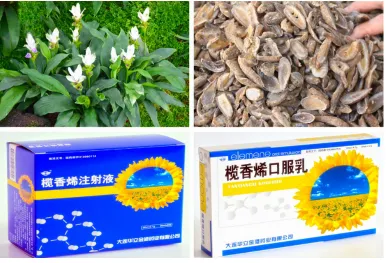
Elemenes are a group of natural compounds extracted from the traditional Chinese medicinal plant Curcuma wenyujin Y. H. Chen et C. Ling (Figure 1).1 Elemene contains three unsaturated double bonds, which are classified into α-elemene, β-elemene, and δ-elemene according to the position of the double bond. Among them, β-elemene has the highest antitumor activity.2 The chemical name of β-elemene is 1-methyl-1-vinyl-2,4-diisopropenyl-cyclohexane (Figure 2), the molecular formula is C15H24, and the molecular weight of β-elemene is 204.35 g/mol. Compared to chemotherapeutic drugs, β-elemene is a noncytotoxic broad-spectrum antitumor drug. It not only inhib-its tumor growth but also enhances the body’s immune system.3 Chemotherapeutic drugs, such as 5-fluorouracil, temozolomide (TMZ), cisplatin, gefitinib, endostar, etoposide, rapamycin, oxaliplatin, taxanes, and ligustrazine, as well as radiotherapy and hyperthermia, could improve the antitumor effects and reverse multiple-drug resistance (MDR) in combination with β-elemene.4–20 In recent years, the study of mechanism of action of β-elemene has made great progress. β-elemene exerts its Correspondence: Tian Xie; Zhaowu Zeng
Holistic Integrative Pharmacy Institutes, Hangzhou Normal University, 1378 wenyixi Road, Hangzhou, Zhejiang 311121, China Tel +86 5 712 886 8269 email [email protected]; [email protected]
Journal name: International Journal of Nanomedicine Article Designation: Review
Year: 2018 Volume: 13
Running head verso: Zhai et al
Running head recto: β-elemene and its derivatives for cancer therapy DOI: 174527
International Journal of Nanomedicine downloaded from https://www.dovepress.com/ by 118.70.13.36 on 23-Aug-2020
For personal use only.
Dovepress
Zhai et al
effects by modulating multiple molecular targets. It modu-lates CDKs to arrest the cell cycle and alters various proteins such as survivin, caspase, and the Bcl-2 family proteins to induce cell apoptosis. In addition, β-elemene targets the Wnt/β-catenin, Notch, PI3K/Akt/mTOR, and MAPK/ERK signaling pathways and regulates transcription factors such as STAT3. Furthermore, β-elemene regulates several key molecules of tumor angiogenesis and metastasis, such as VEGF and matrix metalloproteinase, in addition to modulat-ing the expression of ncRNAs that contribute to anticancer activities.21–34
However, the clinical application of elemene has been limited by its poor solubility in water, poor stability, and low bioavailability. Therefore, studying a new drug delivery system for elemene has important significance. Currently, elemene liposome injection and oral emulsion have been approved by the China Food and Drug Administration (CFDA) to treat various cancers, and these have achieved a synergistic effect with chemotherapy in the clinic (Figure 1).35 Chemotherapy combined with elemene injection significantly improved survival and tumor response, as well as reduced toxicity.36–38 However, elemene injection could cause severe phlebitis and other side effects after intravenous (iv) injection. The safety of elemene injection and oral emulsion in the clinic is summarized. Currently, novel delivery systems, including solid lipid nanoparticles (SLNs), nanostructured lipid carriers (NLCs), long-circulating liposomes, active targeting SLNs,
multidrug-loaded liposomes and microemulsions, self-emulsion drug delivery systems (SEDDSs), and active targeting microemulsions, have been actively developed and these have contributed to many advancements for elemene. The pharmacokinetics of different drug delivery systems is also discussed.
β-elemene has moderate antitumor activity and is mainly used as an adjunctive drug to enhance the efficacy, reduce the toxicity of chemoradiotherapy, and reverse drug resis-tance. Because of the moderate anticancer activity and poor solubility in water, researchers have synthesized a variety of β-elemene derivatives and studied their antitumor activities. The structure of β-elemene does not contain any active groups other than the double bond. The derivatization of β-elemene mainly introduces nitrogen, oxygen, sulfur groups, or radio-active elements. Thus far, many kinds of β-elemene deriva-tives have been reported, including amines, esters, alcohols, amino acids, aldehydes, and radioactive conjugates.39 The following section will also discuss the derivatives with antitumor activity and the preliminary relationship between the structure and antitumor activity.
Pharmacokinetics
Pharmacokinetics consists of studying the absorption, distri-bution, metabolism, and excretion of drugs in order to under-stand their toxicological and pharmacological impacts on the body. Understanding drug pharmacokinetic behaviors helps
Figure 1 The source of elemene and its drug delivery systems approved by the CFDA. Abbreviation: CFDA, China Food and Drug Administration.
International Journal of Nanomedicine downloaded from https://www.dovepress.com/ by 118.70.13.36 on 23-Aug-2020
Dovepress β-elemene and its derivatives for cancer therapy
to establish the appropriate dose and avoid adverse effects.40 β-elemene can be administered by the iv route to reach the target organs through blood circulation, and its concentra-tion in plasma can be measured by gas chromatography.
It is important to study the relationship between β-elemene and drug-carrying protein. Wang et al41 had indicated that β-elemene bound extensively to rat plasma protein with binding values of 97.7% ± 0.7% and 96.5% ± 0.4% at
1%X+
5DGLRDFWLYHFRQMXJDWH ,,Q
D
1+ 1+
2 1
1
1 &2
P7F &2
&2
2
1 +
&2 %U±
5H &2 &2 1
2 2
1 +
1
1
1+
2 2
2+ 2+
1 1
1 1
+1 1+
1+
6
6
1+&+&+
1+&+&+
2 2
2 2
2 2±
2
1 1
&+
623K
&+
2+ 2+ +
&22&+ 1 + 1 '; βHOHPHQDO
βHOHPHQH
/U /U
D ,,L
,,P T
(70(
2+
2+ +
&+2
Figure 2 The structure of β-elemene and its derivatives.
Notes: 4a, monosubstituted amine derivative of β-elemene; 6q, β-elemene isopropanolamine; 11a, furoxan-based NO-donating β-elemene hybrid; 13, Re(CO)3-β-elemene
derivative; IIi, 13,14-bis(cis-3,5-dimethyl-1-piperazinyl)-β-elemene; IIm, 13,14-bis[2-(2-thiophenyl)ethylamino]-β-elemene; IIn, 13,14-bis(cyclohexamino)-β-elemene; DX1, 13-(3-methyl-1-piperazinyl)-β-elemene; Lr-1, [(R or S)–2-((1R,3S,4S)–3-isopropenyl-4-methyl-4-vinyl-cyclohexyl)-propane-1,2-diol; Lr-2, (S)–2-((1R,3S,4S)–3-isopropenyl-4-methyl-4-vinyl-cyclohexyl)-propane-1,2-diol and (R)–2-((1R,3S,4S)–3-isopropenyl-4-(S)–2-((1R,3S,4S)–3-isopropenyl-4-methyl-4-vinyl-cyclohexyl)-propane-1,2-diol.
Abbreviation: eTMe, N-(β-elemene-13-yl)tryptophan methyl ester.
International Journal of Nanomedicine downloaded from https://www.dovepress.com/ by 118.70.13.36 on 23-Aug-2020
Dovepress
Zhai et al
0.06 mg/mL and 0.1 mg/mL, respectively. Zhang et al42 had revealed that electrostatic attraction played a role in the binding of β-elemene to human serum albumin. β-elemene showed a linear pharmacokinetics after iv injection into rats, with a terminal half-life (T1/2) of approximately 1 hour. It also had a large volume of distribution at steady state (Vdss) of 1.9–2.6 L/kg. After administration to rats, the drug was distributed to heart, liver, spleen, lung, kidney, brain, gastrointestinal tract, fat, muscle, and testis, and maximum levels were observed at 15 minutes. The heart exhibited the highest concentration, while the plasma and testis showed the lowest concentration. Because of the great lipophilicity, β-elemene could cross the blood–brain barrier and had a high affinity for fat depots even after 3 hours. Less than 2% of the drug was recovered in bile, urine, or feces, indicating that the drug was excreted rapidly and metabolized extensively before elimination.41 Chen et al43 had developed a sensitive gas chromatography–mass spectrometry method to conduct a clinical trial to evaluate β-elemene emulsion injection in patients with lung cancer and brain metastases. The maxi-mum plasma concentration (Cmax) and the area under the curve (AUC) showed linear pharmacokinetic properties. The plasma concentration decreased rapidly, with a T1/2 between 1.91 and 2.41 hours and the time to maximum plasma concentration (Tmax) of 3 hours. Although some evidence indicated that the metabolite β-elemenal was present in rat bile, it was not a metabolite in human plasma and urine.43 In summary, β-elemene is widely distributed in the body after iv injection and is able to pass the blood–brain barrier, but it has a short life. It is necessary to prolong the half-life to reduce the frequency of dosing. The pharmacokinetic parameters of β-elemene and its formulations in rats are summarized in Table 1.
Drug delivery systems
Elemene suffers from poor solubility in water, poor stability, and low bioavailability.51 Liposomes have attracted much interest for several years in terms of biocompatibility, delivery, and target potential. Liposomes are spherical vesicles created by a lipid bilayer of phospholipids. Based on the theory of “molecular compatibility”, Xie et al52 adopted a green falling film molecular distillation refining technology to extract and separate elemene from C. wenyujin Y. H. Chen et C. Ling., followed by liposome-targeted technology to encapsulate elemene in the phospholipid bilayer. This technology became China’s first Good Manufacturing Practice (GMP)-certified liposome industrialization production line. In 1994, elemene liposome injection and oral emulsion were successfully
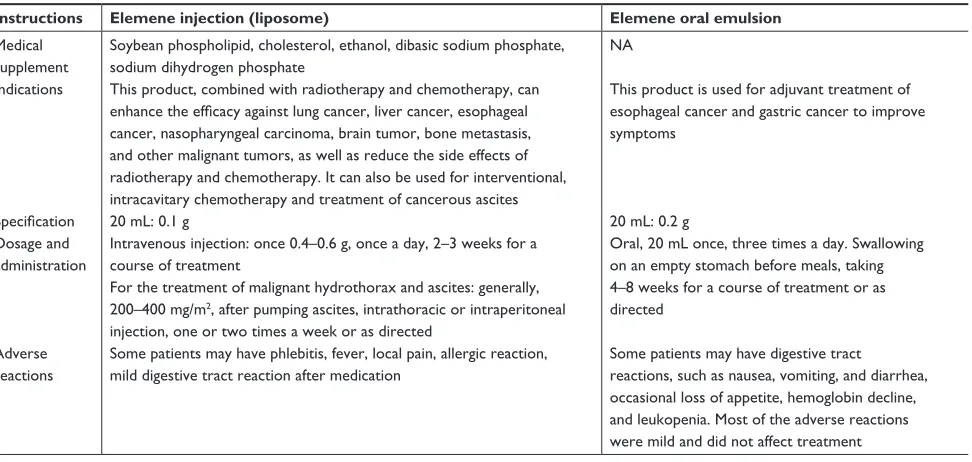
launched and became a national Class II anticancer drug with Chinese intellectual property rights.52 Elemene liposome is a noncytotoxic antitumor drug with a high content of antican-cer active ingredients (85% β-elemene), and it is also called “green therapy” for the treatment of cancer. In the clinic, elemene liposomes can be used as a single drug, be combined with chemoradiotherapy, or be used during the perioperative period. Twenty years of clinical studies have shown that elemene liposomes can inhibit multiple cancer cells through multiple targets and can improve immune function. In par-ticular, it has obvious advantages in improving the patient’s quality of life, prolonging the survival period, resisting metastasis and recurrence, and reversing MDR. At present, Jingang Elemene Injection and Oral Emulsion have entered the “National Medical Insurance Drug List” and have been used in .3,000 hospitals in China, benefitting .0.7 million cancer patients, including those in Southeast Asia, Hong Kong, Japan, Korea, Europe, and America. Part of the instruc-tions of elemene injection and oral emulsion approved by the CFDA are shown in Table 2.
Currently, novel delivery systems are active and provide advancements for elemene liposomes, including liposomal nanoparticles, long-circulating liposomes, thermosensitive long-circulating liposomes, active targeting liposomes, and multidrug-loaded liposomes.
Liposomal nanoparticles
SLNs and NLCs are two types of lipid nanoparticles that have been used in the biomedical field for .25 years. SLNs were developed first and are composed only of solid lipids, which overcame the limitations of liposomes such as toxicity, stability, and low loading capacities.53 Wang et al44 success-fully developed β-elemene SLNs by combining the techniques of probe sonication and membrane extrusion. SLNs were stable for at least 8 months, with size of 48.9±2.6 nm, zeta potential of -30.7±4.5 mV, concentration of 5.6±0.2 mg/mL, and entrapment efficiency of 99.7% ± 2.5%. In vitro release of β-elemene from the SLNs was slow and stable and was found to follow the Higuchi equation. Following iv admin-istration, the concentrations of β-elemene in SLNs were 1.5, 2.9, and 1.4 times higher in the liver, spleen, and kidney than those of the β-elemene emulsion. β-elemene-loaded SLNs showed a high uptake by the reticuloendothelial system (RES), which might be a potential drug for hepatic carcinoma.44,45 NLCs are an upgrade of the SLNs and are composed of a mixture of solid and liquid lipids. This next generation of SLNs not only presented improved loading efficiencies and stability but also prevented the tendency
International Journal of Nanomedicine downloaded from https://www.dovepress.com/ by 118.70.13.36 on 23-Aug-2020
Dovepress β-elemene and its derivatives for cancer therapy
Table 1
The pharmacokinetic parameters of
β
-elemene and its formu
lations in rats
Dosage T1/2 Vd CL AUC 0– ∞ MRT Ref β
-elemene 50 mg/kg (iv)
58.600 ± 8.300 minutes 1.900 ± 0.190 L/kg 0.058 ± 0.005 L/min/kg 861.100 ± 64.600 µ g/min/mL NA 41 β
-elemene 75 mg/kg (iv)
58.400 ± 17.900 minutes 2.580 ± 0.520 L/kg 0.056 ± 0.004 L/min/kg 1,355.200 ± 103.400 µ g/min/mL NA 41 β
-elemene 100 mg/kg (iv)
65.100 ± 5.900 minutes 2.240 ± 0.220 L/kg 0.046 ± 0.004 L/min/kg 2,200.600 ± 186.200 µ g/min/mL NA 41 β
-elemene emulsion 44.2 mg/kg (iv)
15.400 ± 1.600 minutes 1.900 ± 0.500 L 87.300 ± 18.300 mL/min 505.400 ± 106.400 µ g/min/mL 25.600 ± 1.800 minutes 44 β
-elemene SLN 44.2 mg/kg (iv)
15.600 ± 1.200 minutes 1.800 ± 0.300 L 80.000 ± 13.200 mL/min 551.300 ± 90.100 µ g/min/mL 26.800 ± 1.000 minutes 44 2% FA-P
eG-SLN 44.2 mg/kg (iv)
19.100 minutes 2.350 L 85.200 mL/min 517.000 µ g/min/mL 21.300 minutes 45 4% FA-P eG-SLN
44.2 mg/kg (iv)
44.000 minutes 3.090 L 48.600 mL/min 907.000 µ g/min/mL 30.000 minutes 45 β
-elemene injection 40 mg/kg (iv)
19.530 ± 4.440 minutes 81.600 ± 16.730 mL 0.380 ± 0.050 L/h 12.300 ± 4.330 µ g/h/mL NA 46 β
-elemene NLC 40 mg/kg (iv)
28.820 ± 3.880 minutes 46.170 ± 8.130 mL 0.110 ± 0.060 L/h 30.320 ± 5.740 µ g/h/mL NA 46
ee 50 mg/kg (iv)
86.400 ± 15.000 minutes NA NA 1,486.300 ± 71.600 µ g/min/mL NA 47 CL e
50 mg/kg (iv)
114.600 ± 28.200 minutes NA NA 2,185.600 ± 677.400 µ g/min/mL NA 47 PL e
50 mg/kg (iv)
235.200 ± 30.600 minutes NA NA 5,728.500 ± 1,025.100 µ g/min/mL NA 47 TLL e
50 mg/kg (iv)
273.400 ± 44.100 minutes NA NA 6,352.000 ± 894.200 µ g/min/mL NA 47 β
-elemene emulsion 100 mg/kg (po)
0.880 hours NA 37.413 L/h/kg 1.896 mg/h/L 1.450 hours 48 β
-elemene microemulsion 100 mg/kg (po)
1.030 hours NA 24.549 L/h/kg 3.092 mg/h/L 1.688 hours 48 β
-elemene micelle 75 mg/kg (ig)
76.510 ± 1.600 minutes NA NA 343.850 ± 6.700 µ g/h/mL NA 49 β -elemene S eDDS
75 mg/kg (ig)
86.560 ± 1.300 minutes NA NA 524.650 ± 11.200 µ g/h/mL NA 49 C e
50 mg/kg (iv)
0.131 ± 0.290 hours 4.789 ± 0.570 mg/L 2.530 ± 0.360 L/h/kg 11.090 ± 1.579 mg/h/L 2.053 ± 0.150 hours 50 1:7 M e
50 mg/kg (iv)
0.272 ± 0.230 hours 1.539 ± 0.180 mg/L 0.959 ± 0.210 L/h/kg 52.156 ± 0.661 mg/h/L 0.847 ± 0.105 hours 50
FRT 1:7 M
e
50 mg/kg (iv)
0.344 ± 0.450 hours 4.186 ± 0.230 mg/L 0.731 ± 0.870 L/h/kg 68.600 ± 0.320 mg/h/L 2.160 ± 0.190 hours 50 Notes: 2% FA-P eG-SLN, β -elemene SLN modified with 0.1% FA-PEG-S and 2% CHS-PEG; 4% FA-PEG-SLN, β -elemene SLN modified with 0.1% FA-PEG-S and 4% CHS-PEG; FRT 1:7 ME, folate receptor-targeted microemulsion (elemene/ Labrafac CC =
1:7); 1:7 M
e, microemulsion (elemene/Labrafac CC
= 1:7). Abbreviations: AUC, area under the curve; C e, commercial emulsion; CHS-P eG, monom ethoxy polyethylene glycol (2000) succinyl cholesterol; CL, apparent clearance; CL e, conventional liposome containing β -elemene; ee , elemene emulsion; FA-P eG-S, N -stearyl-N ′ -pteroylglutamyl-polyethylene glycol (3350) bis-amine; FRT, folate receptor-targeted; ig, intragastric; M e, microemulsion; MRT, mean residence time; NA, not applicable; NLC, nanostructured lipid carriers; PL e, Pe Gylated liposome containing β -elemene; Ref, reference; Se DDS, self-emulsion drug delivery system; SLN, solid lipid nanoparticle; T1/2 , terminal half-life; TLL e, thermosensitive long-circulating liposome containing β -elemene; Vd
, volume of distribution; iv, intravenous; po, oral administration.
International Journal of Nanomedicine downloaded from https://www.dovepress.com/ by 118.70.13.36 on 23-Aug-2020
Dovepress
Zhai et al
to expel gel and drug during storage.54 Shi et al46 prepared β-elemene-loaded NLCs by the hot-melting high-pressure homogenization method using glycerol monostearate as the solid lipid, a mixture of Maisine 35-1 and Labrafil M1944 CS (1:1; Gattefosse, Saint Priest, France) as the liquid lipid, and a mixture of Tween 80 and soybean lecithin (1:1) as the surfactants. The optimal formulation contained 6% lipids and 5% surfactants, and the S/L ratio (weight ratio of the solid lipid to liquid lipid) and D/L ratio (the weight ratio of the drug to the total lipids) were 2:3 and 1:10, respectively. β-elemene NLC was spheroidal, with a mean size of 139.8 nm, poly-dispersity index of 0.085, zeta potential of -20.2 mV, drug loading of 8.45% ± 0.57%, and entrapment efficiency of 82.11% ± 1.84%. β-elemene NLC also showed a 1.5-, 1.8-, and 3.5-fold-lower elimination rate constant (Ke), Vdss, and apparent clearance (CL) and a 2.5-fold-higher AUC com-pared to the elemene injection. Furthermore, the antitumor efficacy of β-elemene NLC was enhanced, which might be attributed to the increased bioavailability. β-elemene NLC also reduced venous irritation.46
Long-circulating liposomes
Although liposomal nanoparticles increase the bioavailability of β-elemene, they are easily cleared by the kidneys and taken up by the RES residing in the liver and the spleen because of the small particle size. A commonly used strategy to avoid the RES is to graft the particle surface with polyethylene glycol (PEG), which shields from interaction with macrophages and creates a long circulating “stealth” effect. The long circulation
time and improved stability allow for them to extravasate to the tumor site and be retained for days.55 Qi56 prepared a β-elemene sterical-stabilized liposome using an ethyl ether injection method containing 100 mg of phospholipid, 10 mg of cholesterol, 10 mg of distearoyl phosphatidyl ethanolamine-poly(ethylene glycol) 2000 (DSPE-PEG2000) and 50 mg of β-elemene, with size of 110 nm, pH of 6.4–6.7, content of 10 mg/mL, and average entrapment efficiency of 97%. Pharmacokinetics showed that sterically stabilized liposomes of β-elemene could prolong the residence time of β-elemene in blood and exhibit long cycle characteristics.56 Li57 prepared a β-elemene long-circulating liposome using the ethanol injection method with the ratio of phospholipid to cholesterol of 5:1, containing 50 mg of β-elemene and 0.05% PEG2000. The average size was 221.4 nm, and the average entrapment efficiency was 92.7%. The long-circulating liposome showed 6.0- and 1.6-times-higher T1/2 and AUC and 0.5-times-lower CL compared to β-elemene liposome.57 Wang47 developed a PEGylated liposome con-taining β-elemene (PLE) using ethanol injection method with size of 149 nm and entrapment efficiency of 95.2%. The optimized prescription ratio of phospholipid, cholesterol, and DSPE-PEG2000 was 3:1:0.2, and the concentration of β-elemene was 5 mg/mL. A thermosensitive long-circulating liposome containing β-elemene (TLLE) was also prepared using the film dispersion method with the size of 103 nm and entrapment efficiency of 87.9%. The optimized prescription ratio of dipalmitoyl phosphatidyl choline (DPPC), distearoyl phosphatidyl choline (DSPC), and DSPE-PEG2000 was Table 2 Partial instructions of elemene injection and oral emulsion approved by the CFDA
Instructions Elemene injection (liposome) Elemene oral emulsion
Medical supplement
Soybean phospholipid, cholesterol, ethanol, dibasic sodium phosphate, sodium dihydrogen phosphate
NA
Indications This product, combined with radiotherapy and chemotherapy, can
enhance the efficacy against lung cancer, liver cancer, esophageal
cancer, nasopharyngeal carcinoma, brain tumor, bone metastasis, and other malignant tumors, as well as reduce the side effects of radiotherapy and chemotherapy. It can also be used for interventional, intracavitary chemotherapy and treatment of cancerous ascites
This product is used for adjuvant treatment of esophageal cancer and gastric cancer to improve symptoms
Specification 20 mL: 0.1 g 20 mL: 0.2 g
Dosage and administration
Intravenous injection: once 0.4–0.6 g, once a day, 2–3 weeks for a course of treatment
For the treatment of malignant hydrothorax and ascites: generally, 200–400 mg/m2, after pumping ascites, intrathoracic or intraperitoneal
injection, one or two times a week or as directed
Oral, 20 mL once, three times a day. Swallowing on an empty stomach before meals, taking 4–8 weeks for a course of treatment or as directed
Adverse reactions
Some patients may have phlebitis, fever, local pain, allergic reaction, mild digestive tract reaction after medication
Some patients may have digestive tract reactions, such as nausea, vomiting, and diarrhea, occasional loss of appetite, hemoglobin decline, and leukopenia. Most of the adverse reactions were mild and did not affect treatment
Abbreviations: CFDA, China Food and Drug Administration; NA, not applicable.
International Journal of Nanomedicine downloaded from https://www.dovepress.com/ by 118.70.13.36 on 23-Aug-2020
Dovepress β-elemene and its derivatives for cancer therapy 9:1:0.6. The PLE showed a 2.7-, 3.9-, and 2.3-fold-higher T1/2,
AUC(0-t), and MRT(0-t), and the TLLE showed a 3.2-, 4.2-, and 2.3-fold-higher T1/2, AUC(0-t), and MRT(0-t) than elemene emul-sion (EE). The in vivo circulation time of β-elemene in TLLE and PLE was significantly prolonged, and the bioavailability of TLLE and PLE was significantly improved. TLLE and PLE could decrease uptake by liver and spleen and target the drug to the tumor. In particular, TLLE had thermosensitive property, and its ability to target to tumors rapidly increased with heat treatment (HT). The tumor inhibition rate of TLLE combined with HT reached 69%. PLE had a high inhibition rate (56%) at normal animal heat.47
Active targeting liposome
Despite the general trend of improved circulation time of PEGylated liposomes, researchers have found that some PEGylated liposomes do not release the drug on arrival at the tumor site.55 They also observed an increased clearance rate of PEGylated nanoparticles from the blood with the increase in the number of injections administered, which was called the accelerated blood clearance (ABC) phenomenon. To increase the accumulation of antitumor drugs at the tumor site while improving the circulation time, active targeting using liposomes is achieved via conjugation of one or more ligands to the liposome surface to form liposomes that bind to a target receptor expressed on the tumor cell surface.58 Wang45 prepared a folate receptor-targeted (FRT) SLN for β-elemene (FA-PEG-SLN) containing 350 mg of Precirol ATO, 150 mg of glyceryl monostearate, 250 mg of Lutrol F68, 0.1% [N-stearyl-N′-pteroylglutamyl-polyethylene gly-col (3350) bis-amine] (FA-PEG-S), 4% [monomethoxy poly-ethylene glycol (2000) succinyl cholesterol] (CHS-PEG), 10 mL of distilled water, and 5.6 mg/mL β-elemene, with size of 42.2±2.1 nm, zeta potential of -12.60±1.3 mV, and average entrapment efficiency of 97.5% ± 1.7%. The T1/2 of FA-PEG-SLN was 44.0 minutes, which was longer than that of the emulsion (15.4 minutes). The cancer growth inhibition rates of FA-PEG-SLN, PEG-SLN (β-elemene SLN modified with 4% CHS-PEG), and SLN-1 (conventional SLN containing β-elemene) were 49.5%, 48.87%, and 47.78%, respectively, which were markedly higher than that of the control emulsion with inhibition rate of 18.68%. However, the inhibition rate of FA-PEG-SLN was not obviously improved compared to that of PEG-SLN and SLN-1.45
Multidrug-loaded liposomes
It is generally acknowledged that combination therapy has long been adopted as the standard first-line treatment to improve the clinical outcome in cancer therapy. However,
the clinical results are often limited by higher toxicity and inability of component drugs to achieve desired spatiotem-poral distribution. The success of combination therapy is also hampered by the varying pharmacokinetics of the drugs, thereby causing the uncoordinated uptake of various drugs by the tumor cell and reducing their synergistic effects. Recently, the strategy to coencapsulate and co-deliver multiple therapeutic agents using the liposome has been undertaken by an increasing number of researchers.59–61 Dong62 developed dual-drug liposomes containing 20 mg of curcumin, 5 mg of β-elemene, 666.7 mg of lecithin, and 133.3 mg of cholesterol, with size of 232.0±6.4 nm and potential of 0.71±0.1 mV. The encapsulation efficiency of β-elemene was 97.86% ± 1.53%, and the entrapment effi-ciency of curcumin was 97.71% ± 1.53%. The dual-drug liposomes inhibited the growth of LLC cells, and the inhibi-tion rate was significantly higher than that of a soluinhibi-tion with high concentration of docetaxel. However, the total drug loading was only 0.1925% ± 0.006%, and the liposome was delivered by atomizing inhalation.62
Emulsion technology has been widely used in the phar-maceutical industry. Emulsions are metastable colloidal systems composed of two immiscible liquids (water and oil) to form a single phase stabilized by an interfacial film of emulsifiers or surfactants.63 Elemene oral emulsion has been approved as an adjunctive treatment for gastric cancer and esophageal cancer. The novel delivery systems also include advancements in EE, including microemulsion, SEDDS, and active targeting microemulsion.
Microemulsion
Microemulsions are transparent, optically isotropic, and ther-modynamically stable phase-transition systems that possess improved appearance, high stability, easiness of preparation, low surface tension, and diameter of 10–100 nm.64 Zeng et al48 developed an elemene oil-in-water (O/W) microemul-sion containing 1% elemene as the oil phase and drug, 5% polysorbate 80 and 5% ethanol as the surfactant, 15% pro-pylene glycol as the cosurfactant, and 15% glycerol as the tackifier and absorption enhancer, with size of 57.7±2.8 nm, polydispersity index of 0.485±0.032, zeta potential of 3.2±0.4 mV, pH of 5.19±0.08, viscosity of 6 mPa⋅s, surface tension of 31.8±0.3 mN/m, content of 8.273±0.018 mg/mL, and average entrapment efficiency of 99.81% ± 0.24%. The Cmax of the microemulsion was 1.3 times that of the emulsion. The bioavailability of the microemulsion was 163.1% compared with that of the commercial emulsion.48 Hu et al65 prepared β-elemene-loaded microemulsion using a simple water titration method involving 1% elemene,
International Journal of Nanomedicine downloaded from https://www.dovepress.com/ by 118.70.13.36 on 23-Aug-2020
Dovepress
Zhai et al
7% Labrafac CC, 8% phosphatidylcholine, 8% HS-15, 16% propylene glycol, and 60% PBS solution (pH 7.4) containing 0.5% NaHSO3, with pH of 7.32±0.01, osmotic pressure of 279±3 mosm/kg, viscosity of (5.56±0.11)×10-3, conductivity of 1.14×10⁻²±7.9×10⁻⁵ s/m, refractive index of 1.458±0.004, zeta potential of -2.64±0.06 mV, and mean size of 38.3±4.3 nm. The microemulsion could steadily release the drug for 12 hours.65
SeDDS in treatment
SEDDS have been widely used to improve the oral bioavail-ability of poorly soluble drugs. They comprise isotropic mix-tures of oils with surfactants and cosurfactants that undergo self-emulsification to form O/W nano- or microemulsions when they are exposed to gastrointestinal fluids under mild agitation provided by the gastrointestinal tract’s peristaltic movements.66 Chen67 prepared a β-elemene SEDDS soft capsule. The optimized prescription ratio of β-elemene, ethyl oleate, Tween 85, and Transcutol was 55:45:60:40 (mass value) on the pseudoternary phase diagrams. The particle size was approximately 320 nm, and the zeta potential was approximately -3 mV. Compared with conventional emulsion of β-elemene, the bioavailability of SEDDS soft capsules was 120.68%. The absorption degrees of SEDDS soft capsules of β-elemene and conventional emulsion were equal.67 Li49 prepared a solid self-microemulsion drug delivery system (S-SMEDDS) for β-elemene. The optimized prescription ratio of β-elemene, Cremophor EL 35 (EL-35), Labrasol (LAS), and total saponins of honey locust was 3:2:2:3. The particle size was approximately 158 nm. The relative bioavailability of S-SMEDDS was 152.6%, and it had a greatly improved Cmax of 6.946±0.33 µg/mL, Tmax of 86.56±1.3 minutes, and AUC of 524.65±11.2 µg/h/mL compared with the market emulsion of β-elemene. The total saponins of honey locust were used as emulsifier for the first time to reduce emulsifier toxicity and enhance efficacy, but the effect was not good.49
Active targeting microemulsion
FRT microemulsion is also used to enhance the antitumor effects of β-elemene. Hu50 prepared a folate receptor-mediated β-elemene microemulsion with 1% elemene, 7% Labrafac CC, 8% phosphatidylcholine, 1,2-oil acyl phos-phatidylethanolamine-polyethylene glycol-folic acid (FA-PEG2000-DOPE) and phospholipid in molar ratio of 1%–2%, 8% polyoxyethylene esters of PEG-(660)–12-hydroxyl (HS-15), 16% propylene glycol, and 58%–59% PBS buffer solution (pH 7.4) containing 0.5% NaHSO3. The diameter of folate receptor-mediated β-elemene microemulsion was
42.5±6.3 nm. The T1/2 and AUC0–∞ of the FA-PEG-DOPE-modified FRT 1:7 microemulsion (ME) (elemene/Labrafac CC =1:7) were 0.344±0.45 hours and 68.60±0.32 mg/h/L, respectively, which were 2.6 and 6.2 fold greater than those of the commercial emulsion. FRT 1:7 ME also increased the amount of β-elemene in the tumor.50
Currently, there are many studies on elemene liposome drug delivery systems. Liposomes can be prepared by various methods, such as hot-melting high-pressure homogenization method, ether injection method, ethanol injection method, and film dispersion method. Research on the EE drug delivery system has mainly focused on microemulsion and SMEDDS, and the preparation methods are few. The elemene liposome is PEGylated to form elemene long-circulating liposomes, which can further improve the bioavailability of elemene, reduce the number of administrations, and increase the antitumor effect. At present, the research and development technology of elemene long-circulating liposomes is increasingly mature; thus, industrial development of the same can be considered. Elemene liposomes are mainly administered by iv injection, and EEs are mainly absorbed orally; therefore, the bioavail-ability is low, and the dosage needs to be increased. After the elemene oral emulsion is improved into microemulsion and self-microemulsion, the bioavailability is further improved, and the direct contact with the tumor site after oral admin-istration further increases the antitumor effect. The elemene liposome drug delivery system is mainly combined with radiotherapy and chemotherapy to treat a variety of malignant tumors. The EE drug delivery system is mainly used for the treatment of digestive tract tumors and can be used as a preven-tive medication for postoperapreven-tive recurrence and metastasis. It can improve symptoms such as swallowing obstruction, eating difficulties, and pain caused by digestive tract tumors and can also be used to inhibit various precancerous lesions. EE is convenient for oral administration compared to lipo-somes, and it is more convenient to carry and use by solid self-microemulsification. In general, the two drug delivery systems have greatly improved the solubility in water and bioavailability, but how to target the drug to the tumor organs to increase the anticancer effect needs further research.
The study of long-circulating liposomes further enhances the in vivo cycle time of elemene, but the ABC phenom-enon still exists, and the liposomes do not release the drug well after reaching the tumor site. It is important to develop an active, tumor-targeting preparation of elemene long-circulating liposomes to achieve precise individualized treatment. Tumor-targeted therapy is mainly divided into passively targeting tumor cells and actively targeting tumor
International Journal of Nanomedicine downloaded from https://www.dovepress.com/ by 118.70.13.36 on 23-Aug-2020
Dovepress β-elemene and its derivatives for cancer therapy cells. Passive targeting enables targeting of tumors via the
enhanced permeability and retention (EPR) effect through formulations, such as elemene liposomes, long-circulating liposomes, multidrug-loaded liposomes, as well as elemene oral emulsion, microemulsion, and SEDDS. Active targeting to tumor cells is achieved by the conjugation of ligands, such as monoclonal antibodies, proteins, peptides, carbohydrates, and glycoproteins, to the liposome surface for drug delivery to cells expressing the target surface receptor (Figure 3). For example, in triple-negative breast cancer (TNBC), a number of potential molecular targets that are being studied for the development of targeted therapies for TNBC based on their overexpression among breast cancer subtypes, such as urokinase plasminogen activator receptor (uPAR), EGF receptor (EGFR), IGF-1 receptor, Wnt receptor, MUC1, and folate receptor. The targeting liposomes could extravasate and migrate through the tumor stroma to reach tumor cells by passive targeting (or the EPR effect). Based on the expres-sion of the aforementioned cellular receptors, liposomes that are functionalized with corresponding ligands to specific cell surface targets more effectively mediate intracellular drug delivery via receptor-mediated endocytosis. It is likely that active targeting strategies could deliver large doses of antitumor drugs into cancer cells to maximize therapeutic effects while reducing systemic toxicity.68 At present, the active targeted preparations of elemene are only folate
receptor-mediated liposomes and microemulsions, and the effect is not greatly improved compared to long-circulating liposomes. Recently, peptide-mediated targeting agents have been widely studied in the laboratory and applied to chemo-therapeutic drugs, such as fibroblast growth factor receptor (FGFR)-mediated long-circulating liposomes for paclitaxel (PTX), liposomes encapsulating doxorubicin (Dox) conju-gated to herpes virus-derived gH625 peptide, and DCDX/ c(RGDy K)-LS/Dox and iWnt-ATF24-IONP-Dox, which enhance the uptake of drug by tumor cells.69–71 Peptides with high binding affinities to receptors that are overexpressed in cancer cells are useful because of their simple structure, low immunogenicity, and easy, cost-effective chemical synthesis. Therefore, peptide-modified elemene nanoparticle liposomes may be a potential research field.
Combination chemotherapy regimens containing two or more antitumor drugs have been applied for decades in clinical practice to treat various tumors. Nevertheless, combination therapies are often met with higher toxicity, and different drugs may not reach the same tumor cells to achieve the optimal synergistic effects. The inherent differences in physicochemical and pharmacokinetic properties among drug components also prevent anticancer drugs from being deliv-ered to the right tissue at the right time. The co-delivery of multiple anticancer agents using a nanocarrier may overcome some of these difficulties. Many combinatorial nanoparticle
(QGRWKHOLDO
FHOO 3HULF\WH )LEUREODVWV 7XPRUFHOOV 0DFURSKDJHV &HOOVXUIDFHUHFHSWRU (&0 $FWLYHWDUJHWLQJOLSRVRPH
Figure 3 Targeting tumor cells using ligand-directed liposomes. Abbreviation: eCM, extracellular matrix.
International Journal of Nanomedicine downloaded from https://www.dovepress.com/ by 118.70.13.36 on 23-Aug-2020
Dovepress
Zhai et al
formulations have been successful in promoting the syner-gistic action by co-delivering combinations of chemotherapy drugs. For instance, CPX-1 liposomes, a 1:1 irinotecan and floxuridine formulation for colorectal cancer treatment, and CPX-351 liposomes, a 5:1 cytarabine and daunorubicin for-mulation for acute leukemia treatment, could significantly improve patient survival and reduce adverse effects in clinical trials.72–76 In the MDA-MB-468 cell line, a novel polymeric nanoparticle system for sequential delivery of erlotinib and Dox successfully enhanced therapeutic efficacy in vitro.77 Additionally, there have been reports of coencapsulation of antitumor drug and chemosensitizer, resulting in enhanced MDR reversal, by the simultaneous delivery approach. For example, the co-delivery of vincristine and verapamil in Poly D, L-lactide-co-glycolic acid (PLGA) nanoparticles, coencapsulation of Dox and mitomycin C in stealth polymer– lipid hybrid nanoparticles, and coencapsulation of resveratrol and PTX in PEGylated liposomes all improved the treatment of drug-resistant tumors.61,78,79 Yang et al80 even developed an active targeting antibody fragment (AF)-conjugated gemcitabine (GEM) and PTX-loaded liposome (AF-GPL) and further enhanced the therapeutic efficacy in pancreatic cancer treatment. Elemene can enhance the anticancer effects of various chemotherapeutics, such as Dox, cisplatin, and taxanes, and reduce side effects, reversing the drug resistance of chemotherapeutics. For instance, β-elemene (50 mg/kg) could compensate for TMZ (5 mg/kg) to kill both glioma stem-like cells (GSLCs) and non-stem-like cancer cells, probably improving the prognosis of glioma patients tremen-dously.27β-elemene (45 mg/kg) also enhanced the antitumor effects of cisplatin (5 mg/kg) in a gingival squamous cell car-cinoma xenograft model by inhibiting the STAT3 signaling pathway.30β-elemene significantly increased the intracellular accumulation of Dox in both K562/DNR and SGC7901/ADR cells and inhibited the expression of P-gp. Importantly, the combination of Dox (2 mg/kg) and β-elemene (25 mg/kg) drastically inhibited the growth of SGC7901/ADR xeno-grafts in nude mice (tumor weight 1.92±0.26 g, 1.79±0.37 g, 1.83±0.53 g, and 0.82±0.22 g for saline, Dox, β-elemene, and combination groups, respectively).81 Furthermore, β-elemene (100 µM) sensitized HEK293/ABCB1 cells to PTX by blocking its efflux and increased the sensitivity of the BCRP-overexpressing cell line, NCI-H460/MX20, to mitoxantrone.82 In clinical research, Wang et al83 found that elemene-based combinations may increase treatment effec-tiveness by improving survival and reducing the toxicity of chemotherapy for lung cancer, especially for non-small-cell lung carcinoma (NSCLC), and significantly fewer number of cases of leukocytopenia occurred in the combination group
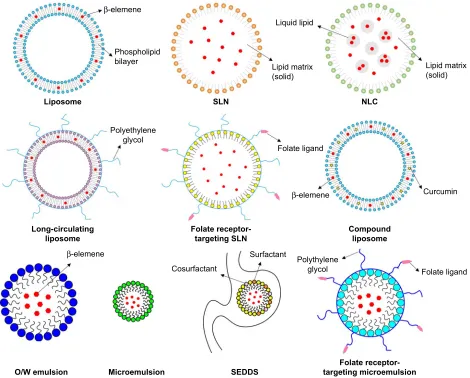
than in the chemotherapy-alone group.83 Therefore, coen-capsulating β-elemene and chemotherapy drugs in the same liposome will markedly improve antitumor effect, reduce normal tissue toxicity, and reverse MDR to some extent. If multidrug-loaded liposomes can actively target tumor cells, the therapeutic efficacy will be further increased. The multidrug-loaded liposome is also a potential research direc-tion for β-elemene. The drug delivery systems of elemene liposome and oral emulsion are summarized in Table 3 and Figure 4.
Safety
Elemene injection was approved by the CFDA on September 30, 2011, and is in a Phase IV clinical drug adverse reaction monitoring period. It is usually administered by iv injection at a dosage of 400–600 mg once per day, diluted with 0.9% sodium chloride injection or 5% glucose injection. For malig-nant pleural and ascitic fluid, it is generally used at a dose of 200–400 mg/m2 and injected into the chest cavity or abdominal cavity. Compared with chemotherapeutic drugs, β-elemene has fewer side effects and no obvious heart, liver, and kidney damage. It also rarely causes bone marrow suppression. The median lethal dose (LD50) is 270.07±18.93 mg/kg by iv injec-tion, and the LD50 is .5 g/kg by oral administration. However, some symptoms may occur on oral or IV administration, including phlebitis, fever, pain, allergy, bleeding, nausea, vomiting, leukocytopenia, baldness, and liver dysfunction (Table 4).83 Phlebitis is the most common adverse reaction. The occurrence of phlebitis is mainly related to the irritation, concentration of drug, and the selection of veins. Fever is the second serious adverse reaction. Most patients with relatively strong immunity have temperatures below 38°C, and patients with very low immunity have temperatures above 39°C. Fever may be caused by the use of drugs, phlebitis, and the patient’s physical condition. Elemene injection can be used for the adjuvant treatment of cancerous pleural effusion and ascites. However, some patients may develop acute chest and abdominal pain after thoracic and intraperitoneal injection due to the strong irritability. Allergic reactions also appear after administration. The main manifestations are chest tightness, shortness of breath, difficulty in breathing, flushing of the neck and face, and sweating. On the one hand, the allergies are related to the patient’s specific physique. On the other hand, it may be associated with vasodilatation caused by the vascular irritation due to elemene injection. Some patients also suffer from loss of appetite, nausea, vomiting, and diar-rhea after administration.84,85
Elemenes are a group of anticancer active ingre-dients extracted from the volatile oil of C. wenyujin
International Journal of Nanomedicine downloaded from https://www.dovepress.com/ by 118.70.13.36 on 23-Aug-2020
Dovepress β-elemene and its derivatives for cancer therapy Table 3 The drug delivery systems of elemene liposome and oral emulsion
Drug delivery system
Method Prescription Characterization Ref
SLN Combining the
techniques of probe sonication and membrane extrusion
350 mg Precirol ATO, 150 mg glyceryl monostearate, 250 mg Lutrol F68, 10 mL distilled water
Mean size: 48.9±2.6 nm, zeta potential: -30.7±4.5 mv, β-elemene concentration: 5.6±0.2 mg/mL, and
entrapment efficiency: 99.7% ± 2.5%
44
NLC Hot-melting
high-pressure homogenization method
6% lipids (glycerol monostearate, a
mixture of Maisine 35-1 and Labrafil
M1944 CS [1:1]), 5% surfactants (a mixture of Tween 80 and soybean lecithin [1:1]), S/L ratio: 2:3, D/L ratio: 1:10
Mean size: 139.8 nm, polydispersity index: 0.085, zeta potential: -20.2 mv, drug loading: 8.45% ± 0.57%, and
entrapment efficiency: 82.11% ± 1.84%
46
Sterical-stabilized liposome
ethyl ether injection method
100 mg phospholipid, 10 mg cholesterol, 10 mg DSPe-PeG2000, and 50 mg
β-elemene
Mean size: 110 nm, pH: 6.4–6.7, content: 10 mg/mL, and entrapment
efficiency: 97%
56
Long-circulating liposome
ethanol injection method
Phospholipid/cholesterol ratio: 5:1, 50 mg
β-elemene, and 0.05% PeG2000
Mean size: 221.4 nm and entrapment
efficiency: 92.7%
57
PLe ethanol injection
method
Phospholipid/cholesterol/DSPe-PeG2000 ratio: 3:1:0.2
Mean size: 149 nm, entrapment
efficiency: 95.2%, and concentration of
β-elemene: 5 mg/mL
47
TLLe Film dispersion
method
DPPC/DSPC/DSPe-PeG2000 ratio: 9:1:0.6 Mean size: 103 nm and entrapment
efficiency: 87.9%
47
FA-PeG-SLN Combining the techniques of probe sonication and membrane extrusion
350 mg Precirol ATO, 150 mg glyceryl monostearate, 250 mg Lutrol F68, 0.1% FA-PeG-S, 4% CHS-PeG, and 10 mL distilled water
Mean size: 42.2±2.1 nm, zeta potential: -12.60±1.3 mv, entrapment
efficiency: 97.5% ± 1.7%, and β-elemene concentration: 5.6 mg/mL
45
Multidrug-loaded liposome
Film dispersion method
20 mg curcumin, 5 mg β-elemene, 666.7 mg lecithin, and 133.3 mg cholesterol
Mean size: 232.0±6.4 nm, zeta potential: 0.71±0.1 mV, encapsulation efficiency
of β-elemene: 97.86% ± 1.53%,
entrapment efficiency of curcumin:
97.71% ± 1.53%, and total drug loading: 0.1925% ± 0.006%
62
O/w microemulsion Ultrasonication method in an ultrasonic bath
1% elemene, 5% polysorbate 80 and 5% ethanol, 15% propylene glycol, and 15% glycerol
Mean size: 57.7±2.8 nm, polydispersity index: 0.485±0.032, zeta potential: 3.2±0.4 mv, pH: 5.19±0.08, viscosity: 6 mPa⋅s, surface tension:
31.8±0.3 mN/m, elemene content: 8.273±0.018 mg/mL, and entrapment
efficiency: 99.81% ± 0.24%
48
Microemulsion water titration method
1% elemene, 7% Labrafac CC, 8% phosphatidylcholine, 8% HS-15, 16% propylene glycol, and 60% PBS solution (pH 7.4) containing 0.5% NaHSO3
pH: 7.32±0.01, osmotic pressure: 279±3 mosm/kg, viscosity: (5.56±0.11)×10-3, conductivity:
1.14×10⁻²±7.9×10⁻⁵ s/m, refractive
index: 1.458±0.004, zeta potential:
-2.64±0.06 mv, and mean size: 38.3±4.3 nm 65
SeDDS soft capsule NA β-elemene/ethyl oleate/Tween 85/ Transcutol ratio: 55:45:60:40 (mass value)
Mean size: 320 nm and zeta potential: -3 mv
67
S-SMeDDS NA β-elemene/eL-35/LAS/total saponins of
honey locust ratio: 3:2:2:3
Mean size: 158 nm 49
FRT microemulsion NA 1% elemene, 7% Labrafac CC, 8%
phosphatidylcholine, FA-PeG2000-DOPe and phospholipid molar ratio of 1%–2%, 8% HS-15, 16% propylene glycol, and 58%–59% PBS solution (pH 7.4) containing 0.5% NaHSO3
Mean size: 42.5±6.3 nm, zeta potential:
-2.78±0.920 mv, surface tension: 29.9 mN/m, and pH: 7.30±0.01
50
Notes: S/L ratio: the weight ratio of the solid lipid to liquid lipid (S/L, weight/weight [w:w]); D/L ratio: the weight ratio of the drug to the total lipids (D/L, w/w).
Abbreviations: CHS-PeG, monomethoxy polyethylene glycol (2000) succinyl cholesterol; DOPe, 1,2-oil acyl phosphatidylethanolamine; DPPC, dipalmitoyl phosphatidyl
choline; DSPC, distearoyl phosphatidyl choline; DSPe-PeG2000, distearoyl phosphatidyl ethanolamine-poly(ethylene glycol) 2000; eL-35, Cremophor eL 35; FA-PeG-S,
N-stearyl-N′-pteroylglutamyl-polyethylene glycol (3350) bis-amine; FA-PeG-SLN, β-elemene SLN modified with 0.1% FA-PEG-S and 4% CHS-PEG; FRT microemulsion,
folate receptor-targeted microemulsion; HS, polyoxyethylene esters of PeG-(660)–12-hydroxyl; LAS, Labrasol; NLC, nanostructured lipid carriers; O/w, oil-in-water; PLe, PeGylated liposome containing β-elemene; Ref, reference; SeDDS, self-emulsion drug delivery system; SLN, solid lipid nanoparticle; S-SMeDDS, solid self-microemulsion drug delivery system; TLLe, thermosensitive long-circulating liposome containing β-elemene; NA, not applicable.
International Journal of Nanomedicine downloaded from https://www.dovepress.com/ by 118.70.13.36 on 23-Aug-2020
Dovepress
Zhai et al
Y. H. Chen et C. Ling. Its main component is β-elemene, and it also contains a small amount of α- and δ-elemenes and other terpenoids. The occurrence of adverse reactions may be related to the production process and impurity content. The produc-tion process must strictly ensure the quality of drugs, remove
sensitizing ingredients as much as possible, and increase the purity of the injection. Elemene injection has a blood circula-tion effect; thus, it should be used cautiously in patients with thrombocytopenia or bleeding tendency. Selecting deep veins (subclavian vein or internal jugular vein), using a central venous catheter (PICC), and simultaneously administering 5 mg of dexamethasone, as well as flushing channels with saline quickly after using, can prevent phlebitis. Patients with phlebitis can be treated with 50% magnesium sulfate solution. To prevent or reduce fever, prednisone or indomethacin can be taken orally 30 minutes before administration. For patients with severe pain, 1% procaine or 2% lidocaine can effectively relieve pain by iv injection. To prevent the development of allergic asthma or shock, it is recommended that clinical use of the elemene injection should be accompanied by the preventive use of antiallergy drugs. Once an allergic reaction occurs, 5–10 mg of dexamethasone is administered by iv injec-tion, promethazine is intramuscularly administered, oxygen
βHOHPHQH
3KRVSKROLSLG ELOD\HU
/LSRVRPH 6/1
/LSLGPDWUL[ VROLG
1/&
/LTXLGOLSLG
/LSLGPDWUL[ VROLG
)RODWHUHFHSWRU WDUJHWLQJ6/1
)RODWHOLJDQG
/RQJFLUFXODWLQJ OLSRVRPH
3RO\HWK\OHQH JO\FRO
&XUFXPLQ βHOHPHQH
&RPSRXQG OLSRVRPH
3RO\WK\OHQH
JO\FRO )RODWHOLJDQG
)RODWHUHFHSWRU WDUJHWLQJPLFURHPXOVLRQ
&RVXUIDFWDQW
6XUIDFWDQW
6(''6 0LFURHPXOVLRQ
βHOHPHQH
2:HPXOVLRQ
Figure 4 The drug delivery systems of elemene.
Abbreviations: NLC, nanostructured lipid carrier; O/w, oil-in-water; SeDDS, self-emulsion drug delivery system; SLN, solid lipid nanoparticle.
Table 4 The main adverse reactions of elemene injection and
oral emulsion, as well as the relevant precautions, in the clinic
Adverse reactions Precautions
Phlebitis PICC, 5 mg of dexamethasone, flushing
channels with saline, and use of 50% magnesium sulfate solution
Fever Prednisone or indomethacin taken before administration
Local pain 1% procaine or 2% lidocaine Allergic reactions 5–10 mg dexamethasone, oxygen,
promethazine, bronchodilating drugs Gastrointestinal reaction NA
Bleeding NA
Abbreviations: NA, not applicable; PICC, peripherally inserted central catheter.
International Journal of Nanomedicine downloaded from https://www.dovepress.com/ by 118.70.13.36 on 23-Aug-2020
Dovepress β-elemene and its derivatives for cancer therapy is absorbed, and bronchodilating drugs are used. It should be
noted that most adverse reactions of elemene injection occurred within 30 minutes after administration. For patients who have used elemene injection for the first time, the drip rate should be set to 20 drops/min. If no adverse reactions occur within 30 minutes, the drip rate should be adjusted to 30–40 drops/ min.86,87 As a low-toxicity, safe, and effective antitumor drug, β-elemene also has insuperable disadvantages. β-elemene could upregulate hypoxia-inducible factor 1α (HIF-1α) through ROS and the PI3K/Akt/mTOR pathway, which pro-tects human osteosarcoma cells from undergoing apoptosis.88 Moreover, β-elemene inhibits the PI3K/Akt/mTOR pathway but simultaneously induces protective autophagy and prevents human cancer cells from undergoing apoptosis.89–91
β
-elemene derivatives
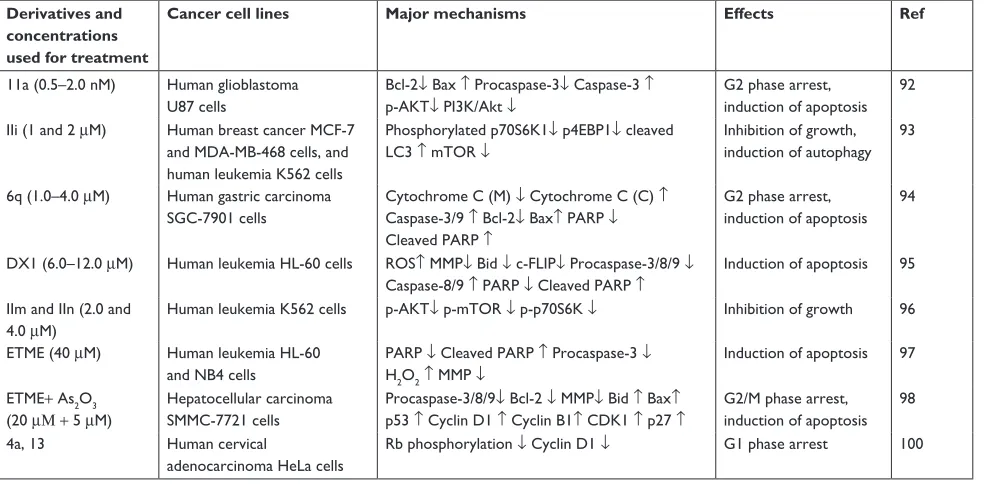
As discussed herein, β-elemene has been demonstrated to have anticancer effects in a variety of malignancies. However, the major setback for its use as an anticancer agent is its poor bioavailability and moderate effect on certain type of tumors. Thus, it is necessary to develop new β-elemene analogs with enhanced antitumor activity and minimal side effects. For these reasons, a few new β-elemene derivatives have been developed (Figure 2). The following section will discuss several lead compounds (Table 5).
11a
Chen et al92 synthesized a novel furoxan-based NO-donat-ing β-elemene hybrid that had improved antitumor activi-ties against SGC-7901, HeLa, and U87 cells. Moreover, 11a arrested the cell cycle at the G2 phase with increase in percentage from 18.86% to 47.99% and induced U87 cell apoptosis by inhibiting PI3K/Akt signaling. Further in vivo studies showed the anticancer activity of 11a with a tumor inhibitory ratio (TIR) of 64.8%, which was higher than that of β-elemene (TIR, 49.6%) at a dose of 60 mg/kg.92
IIi
IIi, 13,14-bis(cis-3,5-dimethyl-1-piperazinyl)-β-elemene, is a novel β-elemene derivative with a cis-2,6-dimethylpiperazine substitution and is a potent agent for inhibiting the prolifera-tion of 15 human tumor cell lines, with an average IC50 of 3.44 µM, and the secondary amino group may contribute to this effect. IIi also exhibited strong cytotoxicity in two MDR cell lines (K562/A02 and MCF-7/Adr), with an average resistance factor (RF) of 1.66. Moreover, IIi reduced tumor growth by 26.0% and 50.4% at a dose of 20 and 40 mg/kg for 7 days, respectively. Mechanistically, treatment with IIi inhibited the mTOR activity and decreased levels of phos-phorylated p70S6K1 and 4EBP1.93
Table 5 β-elemene derivatives with antitumor activities
Derivatives and concentrations used for treatment
Cancer cell lines Major mechanisms Effects Ref
11a (0.5–2.0 nM) Human glioblastoma U87 cells
Bcl-2↓ Bax ↑ Procaspase-3↓ Caspase-3 ↑ p-AKT↓ PI3K/Akt ↓
G2 phase arrest, induction of apoptosis
92
IIi (1 and 2 µM) Human breast cancer MCF-7 and MDA-MB-468 cells, and human leukemia K562 cells
Phosphorylated p70S6K1↓ p4eBP1↓ cleaved LC3 ↑ mTOR ↓
Inhibition of growth, induction of autophagy
93
6q (1.0–4.0 µM) Human gastric carcinoma SGC-7901 cells
Cytochrome C (M) ↓ Cytochrome C (C) ↑ Caspase-3/9 ↑ Bcl-2↓ Bax↑ PARP ↓ Cleaved PARP ↑
G2 phase arrest, induction of apoptosis
94
DX1 (6.0–12.0 µM) Human leukemia HL-60 cells ROS↑ MMP↓ Bid ↓ c-FLIP↓ Procaspase-3/8/9 ↓ Caspase-8/9 ↑ PARP ↓ Cleaved PARP ↑
Induction of apoptosis 95
IIm and IIn (2.0 and 4.0 µM)
Human leukemia K562 cells p-AKT↓ p-mTOR ↓ p-p70S6K ↓ Inhibition of growth 96 eTMe (40 µM) Human leukemia HL-60
and NB4 cells
PARP ↓ Cleaved PARP ↑ Procaspase-3 ↓ H2O2↑ MMP ↓
Induction of apoptosis 97
eTMe+ As2O3 (20 µΜ+ 5 µM)
Hepatocellular carcinoma SMMC-7721 cells
Procaspase-3/8/9↓ Bcl-2 ↓ MMP↓ Bid ↑ Bax↑ p53 ↑ Cyclin D1 ↑ Cyclin B1↑ CDK1 ↑ p27 ↑
G2/M phase arrest, induction of apoptosis
98
4a, 13 Human cervical
adenocarcinoma HeLa cells
Rb phosphorylation ↓ Cyclin D1 ↓ G1 phase arrest 100
Notes: ↑, an increase in target protein; ↓, a decrease in target protein. 4a, monosubstituted amine derivative of β-elemene; 6q, β-elemene isopropanolamine; 11a, furoxan-based NO-donating β-elemene hybrid; 13, Re(CO)3-β-elemene derivative; IIi, 13,14-bis(cis-3,5-dimethyl-1-piperazinyl)-β-elemene; IIm,
13,14-bis[2-(2-thiophenyl)ethylamino]-β-elemene; IIn, 13,14-bis(cyclohexamino)-β-elemene; DX1, 13-(3-methyl-1-piperazinyl)-β-elemene.
Abbreviations: Bcl-2, B-cell lymphoma 2; Bid, binding interface database; eTMe, N-(β-elemene-13-yl)tryptophan methylester; MMP, mitochondrial membrane potential; Ref, reference.
International Journal of Nanomedicine downloaded from https://www.dovepress.com/ by 118.70.13.36 on 23-Aug-2020
Dovepress
Zhai et al
6q
Chen et al94 synthesized a novel β-elemene isopropanolamine derivative by introducing both amine and hydroxyl groups, which showed stronger cytotoxicity than cisplatin, with IC50 ranging from 4.37 to 10.20 µM. Moreover, the combination of 6q with cisplatin showed a synergistic effect, with IC50 ranging from 1.21 to 2.94 µM, and this combination reversed the MDR of A549/DPP cells, with an IC50 of 2.52 µM. Mechanically, 6q arrested the cell cycle at the G2 phase and induced SGC-7901 cell apoptosis via mitochondrial-dependent signaling. In addition, an in vivo study demon-strated anticancer activity, with a TIR of 60.3%, which was superior to that of β-elemene (TIR, 49.1%) at the same dose of 60 mg/kg.94
DX1
A novel piperazine derivative of β-elemene with a secondary amino moiety, 13-(3-methyl-1-piperazinyl)-β-elemene (DX1), was synthesized to inhibit growth of human leuke-mia HL-60 cells, and it had an average IC50 of 9.2 µM. DX1 induced cell apoptosis by producing ROS and decreasing mitochondrial membrane potential. In addition, DX1-activated caspase-3, -8 and -9 were associated with the downregulation of c-FLIP. In summary, the apoptosis was correlated with the downregulation of c-FLIP and the generation of ROS, which activated the death receptor and mitochondrial-dependent pathways.95
IIm and IIn
Xu et al96 synthesized two β-elemene derivatives containing a thiophenylethylamine or a cyclohexamine, termed 13,14-bis[2-(2-thiophenyl)ethylamino]-β-elemene (IIm) and 13,14-bis(cyclohexamino)-β-elemene (IIn), respectively. IIm and IIn significantly inhibited the growth of K562 cells, with IC50 of 1.3 and 3.7 µM, respectively, and the secondary amino group might contribute to their inhibitory effect. Mechani-cally, IIm and IIn inhibited cell growth through mTOR and/or AKT activity.96
eTMe
Yu et al98 synthesized the N-(β-elemene-13-yl)tryptophan methyl ester (ETME) using β-elemene and L-tryptophan methyl ester. ETME inhibited HL-60 and NB4 cell growth and induced apoptosis at concentrations ,40 µM. The apoptosis was correlated with the generation of H2O2, the downregulation of MMP, and the activation of caspase-3 (which was blocked by catalase). Furthermore, ETME in
combination with arsenic trioxide (As2O3) enhanced inhibi-tion and induced apoptosis through generainhibi-tion of H2O2, fol-lowed by mitochondria-mediated activation of caspase-3.97 In HCC, ETME also exerted potent antiproliferative effects. Moreover, ETME in combination with As2O3 led to significant apoptosis by increasing the levels of caspase-3/8/9, p53, Bax, and Bid and decreasing the MMP and Bcl-2. The combination also induced cell cycle arrest at the G2/M phase by increasing the cell cycle-related proteins such as p27, cyclin D1, cyclin B1, and CDK1.98
Radioactive conjugate 9
Sun et al99 synthesized the β-elemene–99mTc(CO) 3(H2O)3+ conjugate 9. The oil–water partition coefficient was reported as P=199.5±4.12 and was up to 20 times lower. An in vitro stability study showed that .90% of the compound retained its original structure in PBS for 24 hours. Moreover, the kidneys, lung, and liver exhibited the highest uptake in the biodistribution study. However, the complex did not easily permeate the blood–brain barrier, which may be due to the enhanced solubility. Furthermore, it had fast blood clearance (.90% at 24 hours after injection). Micro-single-photon emission computed tomography (SPECT) images indicated that it had a significant accumulation in tumor regions after iv injection.99
Other derivatives
Sun et al100 synthesized a β-elemene monosubstituted amine derivative (4a) and a Re(CO)3-β-elemene derivative (13). In vitro antiproliferative activity in HeLa cells was significantly improved through reduction of Rb phosphoryla-tion and cyclin D1 protein level.100β-elemenal, a synthetic analog of β-elemene, has been reported to be more potent than β-elemene in inhibiting H460 and A549 cell growth, with IC50 values at 48 hours of 25.5 and 35.0 µg/mL, respectively.8 Lr-1 [(R or S)–2-((1R,3S,4S)–3-isopropenyl-4-methyl-4-vinyl-cyclohexyl)-propane-1,2-diol] and Lr-2 [(S)–2-((1R,3S,4S)–3-isopropenyl-4-methyl-4-vinyl-cyclohexyl)-propane-1,2-diol and (R)–2-((1R,3S,4S)–3- isopropenyl-4-methyl-4-vinyl-cyclohexyl)-propane-1, 2-diol], two synthetic analogs of β-elemene, have the same antitumor efficacy against three brain tumor cell lines, with respective average IC50 values of 102.4±8.8 µg/mL (Lr-1) and 100±30.4 µg/mL (Lr-2) for A172 cells, 73.84±6.99 µg/mL (Lr-1) and 75.55±7.62 µg/mL (Lr-2) for CCF-STTG1 cells, and 80.22±7.2 µg/mL (Lr-1) and 77.27±4.34 µg/mL (Lr-2) for U-87MG cells and may have great potential as alterna-tives to β-elemene for anticancer therapy.101
International Journal of Nanomedicine downloaded from https://www.dovepress.com/ by 118.70.13.36 on 23-Aug-2020
Dovepress β-elemene and its derivatives for cancer therapy In summary, keeping the entire molecular skeleton and
double bond of β-elemene, β-elemene derivatives were syn-thesized by introducing nitrogen, oxygen, and sulfur groups at the 13 and 14 positions. β-elemene derivatives that have been reported mainly include amines, esters, alcohols, amino acids, aldehydes, and radioactive conjugates. The main anti-tumor mechanism of β-elemene derivatives is inducing cell apoptosis and arresting the cell cycle. Amine derivatives of β-elemene are classified into 13-monosubstituted amines and 13,14-disubstituted amine derivatives, which comprise the largest proportion of β-elemene derivatives and have the highest anticancer activity. The secondary amines, the amine derivatives with active hydrogen attached to nitrogen, such as DX1, IIi, IIm, and IIn, have strong activity. Furoxan subunits can enhance the antitumor activity of β-elemene by produc-ing high levels of NO in vitro and inhibitproduc-ing tumor growth in vivo. The introduction of L-tryptophan methyl ester into
β-elemene evidently increased its antiproliferative activities. ETME in combination with As2O3 exerts synergistic antitu-mor effects in human leukemia and hepatocellular carcinoma cells. Radioactive β-elemene derivatives, such as rhenium-coordinated and technetium-rhenium-coordinated derivatives, also showed high antitumor activities. β-elemene derivatives can overcome the shortcomings of β-elemene in terms of the moderate antitumor activity and poor solubility in water. However, the study of β-elemene derivatives still has the problem of few structural types, lacking systematic and in-depth study of the antitumor mechanism. More supporting studies are required to discover the optimal β-elemene deriva-tive with high anticancer activities and no side effects.
Conclusion
β-elemene is a noncytotoxic Class II antitumor drug extracted from the traditional Chinese medicine C. wenyujin Y. H. Chen et C. Ling. Elemene injection and oral emulsion have been used in the clinic for .20 years. Clinicians should pay attention to their adverse reactions, including severe phlebitis, fever, pain, allergy, bleeding, nausea, vomiting, and leukocytopenia, during their application. At present, the drug delivery systems of β-elemene have only improved the solubility in water and bioavailability, as well as reduced the phlebitis, but have not significantly enhanced the antitu-mor effect. Some potential β-elemene derivatives, such as 11a, IIi, 6q, DX1, IIm, IIn, ETME, radioactive conjugate 9, 4a, and 13, have been synthesized and proven to have stronger anticancer activities than β-elemene. However, the study of β-elemene derivatives still has the problem of few structural types, lacking systematic and in-depth study
of their antitumor mechanism. In the future, active target-ing drug delivery systems, especially the peptide-modified elemene nanoparticle liposome, may be a potential research field. Elemene combined with chemotherapy drugs can enhance antitumor effects, reduce side effects, and reverse drug resistance. Multidrug-loaded liposomes also open up a promising option for elemene. More supporting studies, including clinical trials, are required to discover the optimal β-elemene derivative with high anticancer activities and no side effects.
Acknowledgments
This work was supported by the Holistic Integrative Pharmacy Institutes, Hangzhou Normal University; Key Laboratory of Elemene Class Anti-cancer Chinese Medicine of Zhejiang Province; Engineering Laboratory of Development and Application of Traditional Chinese Medicine from Zhejiang Province; Key Projects of National Science Foundation of China (81730108); Key Project of Zhejiang project Min-istry of Science and Technology (2015C03055); and Key Project of Hangzhou Ministry of Science and Technology (20162013A07, 20142013A63).
Disclosure
The authors report no conflicts of interest in this work.
References
1. Tang CY, Zhu LX, Yu JD, et al. Effect of β-elemene on the kinetics of intracellular transport of d-luciferin potassium salt (ABC substrate) in doxorubicin-resistant breast cancer cells and the associated molecular mechanism. Eur J Pharm Sci. 2018;120:20–29.
2. Jiang Z, Jacob JA, Loganathachetti DS, Nainangu P, Chen B. β-Elemene: Mechanistic Studies on Cancer Cell Interaction and Its Chemosen-sitization Effect. Front Pharmacol. 2017;08(27):105.
3. Yu X, Xu M, Li N, et al. β-elemene inhibits tumor-promoting effect of M2 macrophages in lung cancer. Biochem Biophys Res Commun. 2017; 490(2):514–520.
4. Guo Z, Liu Z, Yue H, Wang J. Beta-elemene increases chemosensitivity to 5-fluorouracil through down-regulating microRNA-191 expression in colorectal carcinoma cells. J Cell Biochem. 2018;119(8):7032–7039. 5. Zhu TZ, Li XM, Luo LH, et al. β-elemene inhibits stemness, promotes
differentiation and impairs chemoresistance to temozolomide in glio-blastoma stem-like cells. Int J Oncol. 2014;45(2):699–709.
6. Zhu TZ, Li XM, Luo LH, et al. β-Elemene inhibits proliferation through crosstalk between glia maturation factor β and extracellular signal-regulated kinase 1/2 and impairs drug resistance to temozolomide in glioblastoma cells. Mol Med Rep. 2014;10(2):1122–1128.
7. Li QQ, Lee RX, Liang H, Zhong Y, Reed E. Enhancement of cisplatin-induced apoptosis by β-elemene in resistant human ovarian cancer cells.
Med Oncol. 2013;30(1):424.
8. Qq L, Wang G, Huang F, Jm L, Cuff CF, Reed E. Sensitization of lung cancer cells to cisplatin by beta-elemene is mediated through blockade of cell cycle progression: antitumor efficacies of beta-elemene and its synthetic analogs. Med Oncol. 2013;30(1):488.
9. Qq L, Wang G, Liang H, et al. β-Elemene promotes cisplatin-induced cell death in human bladder cancer and other carcinomas. Anticancer
Res. 2013;33(4):1421.
International Journal of Nanomedicine downloaded from https://www.dovepress.com/ by 118.70.13.36 on 23-Aug-2020
![Figure 2 The structure of derivative; IIi, 13,14-bis(cis-3,5-dimethyl-1-piperazinyl)-13-(3-methyl-1-piperazinyl)-methyl-4-vinyl-cyclohexyl)-propane-1,2-diol and (R)–2-((1R,3S,4S)–3-isopropenyl-4-methyl-4-vinyl-cyclohexyl)-propane-1,2-diol.Abbreviation:β-elemene and its derivatives.Notes: 4a, monosubstituted amine derivative of β-elemene; 6q, β-elemene isopropanolamine; 11a, furoxan-based NO-donating β-elemene hybrid; 13, Re(CO)3-β-elemene β-elemene; IIm, 13,14-bis[2-(2-thiophenyl)ethylamino]-β-elemene; IIn, 13,14-bis(cyclohexamino)-β-elemene; DX1, β-elemene; Lr-1, [(R or S)–2-((1R,3S,4S)–3-isopropenyl-4-methyl-4-vinyl-cyclohexyl)-propane-1,2-diol; Lr-2, (S)–2-((1R,3S,4S)–3-isopropenyl-4- eTMe, N-(β-elemene-13-yl)tryptophan methyl ester.](https://thumb-us.123doks.com/thumbv2/123dok_us/8193455.1368484/3.612.121.507.49.599/piperazinyl-isopropenyl-abbreviation-derivatives-monosubstituted-isopropanolamine-cyclohexamino-isopropenyl.webp)