Dissertations
2011
Effectiveness of an outreach program designed to
enhance college students' help-seeking attitudes,
intentions, and to reduce stigmas
Weimin Grace Blocher Iowa State University
Follow this and additional works at:https://lib.dr.iastate.edu/etd
Part of thePsychology Commons
This Dissertation is brought to you for free and open access by the Iowa State University Capstones, Theses and Dissertations at Iowa State University Digital Repository. It has been accepted for inclusion in Graduate Theses and Dissertations by an authorized administrator of Iowa State University Digital Repository. For more information, please [email protected].
Recommended Citation
Blocher, Weimin Grace, "Effectiveness of an outreach program designed to enhance college students' help-seeking attitudes, intentions, and to reduce stigmas" (2011).Graduate Theses and Dissertations. 10128.
Effectiveness of an outreach program designed to enhance college students’ help-seeking attitudes, intentions, and to reduce stigmas
by
Wei-min Grace Blocher
A dissertation submitted to the graduate faculty in partial fulfillment of the requirements for the degree of
DOCTOR OF PHILOSOPHY
Major: Psychology (Counseling Psychology)
Program of Study Committee: Nathaniel Wade, Major Professor
Douglas Bonett Brenda Lohman David Vogel Mei-fen Wei
Iowa State University Ames, Iowa
2011
TABLE OF CONTENTS
LIST OF FIGURES ... iii
LIST OF TABLES ... iv
ABSTRACT ... v
CHAPTER ONE: INTRODUCTION ... 1
CHAPTER TWO: LITERATURE REVIEW ... 8
CHAPTER THREE: METHODS ... 49
CHAPTER FOUR: RESULTS ... 64
CHAPTER FIVE: DISCUSSIONS ... 83
APPENDIX A: FLOW CHART OF STUDY PROCEDURES ... 110
APPENDIX B: POSTING ADVERTISEMENT... 111
APPENDIX C: INFORMED CONSENT DOCUMENT ... 112
APPENDIX D: MEASURES ... 115
APPENDIX E: PROGRAM OUTLINES FOR THE OUTREACH PROGRAMS ... 125
LIST OF FIGURES
Figure 1. Theory or Reasoned Action ... 4
Figure 2. Theory or Reasoned Action: Factors determining a person’s behavior. ... 19
Figure 3. Application of Theory of Reasoned Action in increasing help-seeking behaviors. ... 48
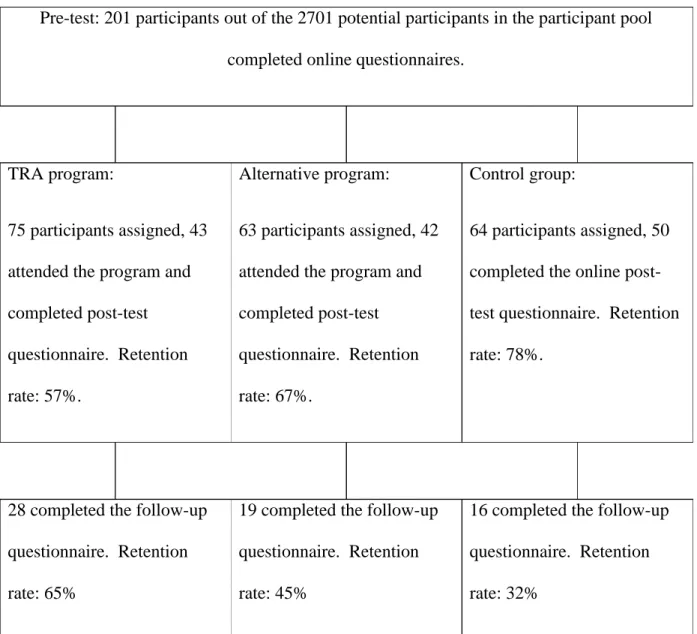
Figure 4. Flow chart of retention through phases of the study ... 65
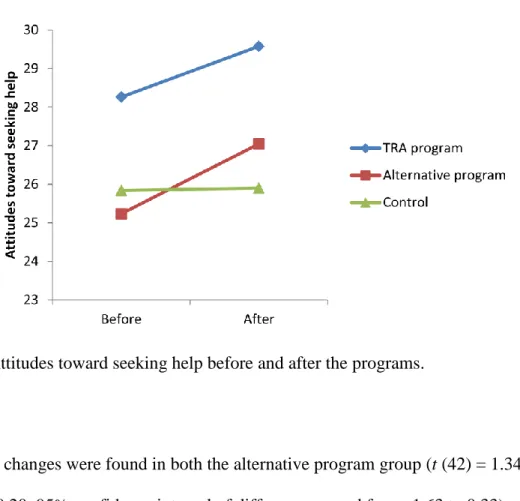
Figure 5. Attitudes toward seeking help before and after the programs. ... 77
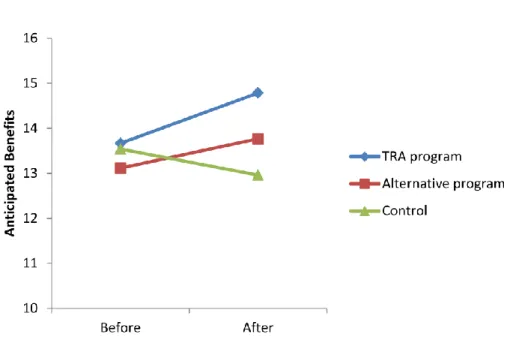
Figure 6. Anticipate benefits before and after the programs. ... 78
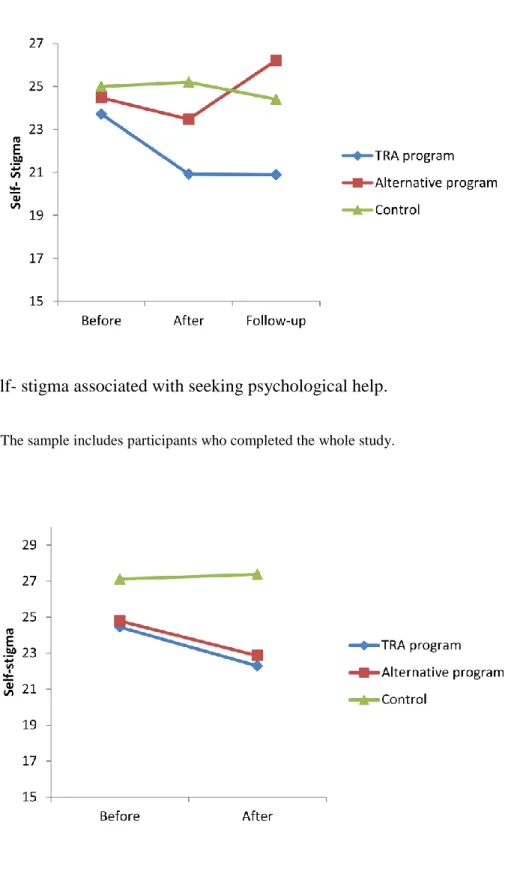
Figure 7. Self- stigma associated with seeking psychological help. ... 80
Figure 8. Self- stigma associated with seeking psychological help ... 80
LIST OF TABLES
Table 1Outcome Studies of Programs to Improve Help-seeking Attitudes and Willingness ... 11
Table2Studies on Stigma-Reducing Strategies ... 31
Table 3Prevalence of Mental Health Disorders in the United States ... 39
Table 4Studies on Forgiveness and Mental Health/Well-being ... 43
Table 5Internal Consistency Reliability of the Outcome Measures in the Present Study ... 51
Table 6Estimated Total Sample Size at Power of .80 or Higher ... 61
Table 7Means and Standard Deviations of the Outcome Variables ... 68
Table 8Differences Between Those With and Without Previous Counseling ... 70
Table 9Pearson Correlations among Study Variables ... 71
ABSTRACT
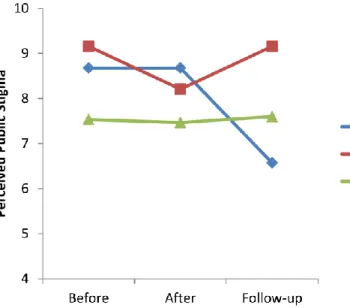
Two hundred and one college students from a large Midwest university were randomly assigned to attend an outreach program, an alternative outreach program, or a no-treatment control group. The outreach program was based on Ajzen and Fishbein’s (1980) Theory of Reasoned Action and was designed to help reduce the stigma associated with seeking help and increase students’ attitudes toward and intentions to seek counseling. The program included interventions to increase participants’ positive attitudes toward counseling, perceived benefits of counseling, and implement interventions to decrease perceived public stigma and self-stigma. Only the theoretically-derived outreach program was found to be effective in increasing participants’ anticipated benefits about counseling and in decreasing their perceived public stigma associated with seeking counseling. Both the theoretically-derived outreach program and the alternative program were effective in increasing participants’ positive attitudes toward counseling and decrease their self-stigma associated with counseling immediately after the program.
CHAPTER ONE: INTRODUCTION
In developed countries, only one-third of people with mental illness receive professional mental health service. Among those whose concerns do not meet the criteria for a diagnosis, less than two percent seek counseling (Andrews, Issakidis, & Carter, 2001). The same issue exists on college campuses in the United States. A recent survey (Yorgason, Linville, & Zitzman, 2008) found that only a third of students report having adequate knowledge about on-campus mental health services. Even though mental distress is positively related to students’ knowledge about services, many students who have mental health issues are not aware of the resources available to them. Another survey (Eisenberg, Golberstein, & Gollust, 2007) found that 37 to 84 percent (depending on the disorder) of college students who report psychological symptoms such as depression or anxiety are not receiving services. Additionally, Cranford and his colleagues found that only 38 percent of college students who report co-occurring substance abuse and mental health problems receiv service (Cranford, Eisenberg, & Serras, 2009). Even more troubling is the finding that only 20 percent of students who report suicidal ideation have ever sought assistance (Furr, Westefeld, McConnell, & Jenkins, 2001). There is a flood of unmet needs for treatment among students with mental health problems in the United States. It is important to understand the barriers that prevent college students from seeking mental health services and to develop outreach programs that can increase help-seeking behaviors.
Challenges of Researching Contemporary Outreach Programs
A challenge in investigating the effectiveness of outreach programs in universities and colleges lies in the heterogeneity of their topics. The complexity of college students’ population and their challenges lead to a need for different topics of outreach programs. The differences
among topics and formats lead to difficulties to conduct outcome studies since different topics of outreach indicates different goals for their outcome. For example, an alcohol prevention
outreach program will aim at decreasing students’ drinking problems, whereas a program on grief and lost will intend to help students develop better cope with death or lost in their lives. Although the programs have different topics, common goals of these programs include
increasing students’ awareness of general or a specific mental health issues, increase students’ awareness of the services available to them, and increasing students’ help-seeking behaviors.
Another concern regarding outreach programming is the lack of theory-based
interventions. In comparison to counseling services, in which there are many well-developed theories of counseling or therapy in the field (such as cognitive-behavioral therapy, emotion-focused therapy, interpersonal-process therapy), there has yet to be a theory for conducting outreach programs. The lack of theory also makes it difficult to conduct any outcome research on outreach programs, because there is not a consensus of common components, procedures, or interventions in a bona fide outreach program. A lack of theory also makes it difficult to understand why some programs succeed while others fail. There is a need to develop theory-based outreach programs for college students.
Barriers to Help-Seeking Behavior
In a recent study that included adults from Canada (N=6,261), the United States (N= 5,384), and the Netherlands (N = 6, 031), public attitudes were identified as the main barrier to mental health services(Sareen et al., 2007). Some examples of such attitudinal barriers were the belief that the problem would go away on its own, the intention to solve the problem on one’s own, skepticism of the effectiveness of professional help, and a fear of public stigma. Some
structural barriers were difficulty getting into an appointment, financial difficulty in paying for needed treatment, and the perception of inconvenience.
The main barriers to seeking help amongst college students in the U.S. have been identified as a lack of perceived need, being unaware of services or insurance coverage, and skepticism about treatment effectiveness (Eisenberg et al., 2007; Yorgason et al., 2008). In one study, most of the students surveyed were aware of the student counseling center but saw it as a crisis-intervention service (Kahn, Wood, & Wiesen, 1999). It appears that many students have an inaccurate understanding of the mental health services available on campus. Other factors such as an avoidant attachment style (Vogel & Wei, 2005), a fear of treatment (Deane & Todd, 1996), a desire to conceal distressing or personal information (Cepeda-Benito & Short, 1998), and the desire to avoid experiencing painful feelings during therapy (Komiya, Good, & Sherrod, 2000) can also contribute to students’ unwillingness to seek counseling.
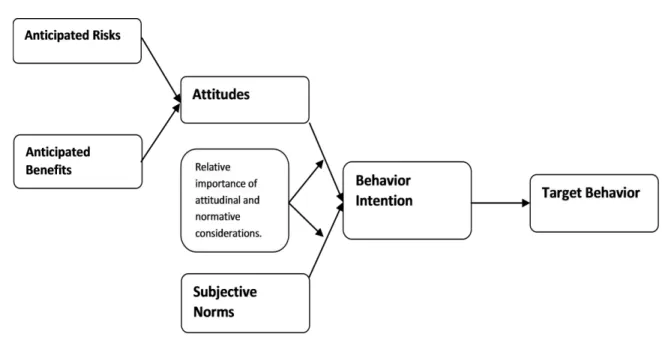
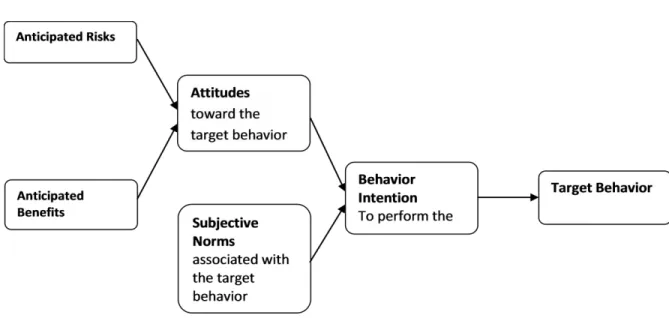
Researchers have attempted to apply Ajzen and Fishbein’s (1980) Theory of Reasoned Action (TRA) to understand the process of help-seeking behavior (Vogel, Wade, Wester, Larson, & Hackler, 2007; Vogel, Wester, & Larson, 2007; Vogel, Wester, Wei, & Boysen, 2005). TRA provides a framework for explaining people’s behaviors that are under the control of the
individual, suggesting that people’s social behaviors are closely predicted by their intention to perform such behavior (see Figure 1 for an illustration.) Behavioral intentions are guided by a reasoning process that reflects their attitudes toward the behavior and the perceived social norm of such behavior. For each behavior, the weighted importance of attitudes and subjective norms can varies. Some behaviors are more related to attitudes then subjective norms whereas some are more influenced by subjective norms and less by attitudes. According to TRA, there are two
channels of change for a given behavioral intention: the change of attitudes and the change of subjective norms.
Previous studies have investigated the fitness of this framework in understanding an individual’s help-seeking behaviors (Bayer & Peay, 1997; Vogel, Wade, & Hackler, 2008; Vogel et al., 2005). These studies focused on the attitudes toward seeking professional help, and the attitudes were found to be a mediator of multiple psychological factors to intention of seeking help (Vogel et al., 2005). These factors include social stigma, social norm, social support, previous therapy (Vogel et al., 2005), attachment style (Shaffer, Vogel, & Wei, 2006; Vogel & Wei, 2005), and emotional openness (Vogel et al., 2008; Vogel & Wester, 2003). Changing attitudes toward counseling may be helpful in increasing individual’s help seeking behaviors.
Figure 1. Theory or Reasoned Action
A Potential Topic for Outreach Programming: Forgiveness and Mental Health
The stigma associated with mental health issues and counseling may turn student off from attending an outreach program that directly addresses these issues. Therefore, it is
important to design an outreach program with a topic that is favorable to students. Forgiveness, a growing area of research in the mental health field (Worthington, 2005), may be a potentially useful topic for two reasons: (a) this topic may be associated with less stigma in comparison to depression and anxiety, and (b) forgiveness is associated with one’s mental health (Toussaint and Webb, 2005). This topic has the potential to benefit students’ well-being and is selected to be incorporated into the outreach programs in the current study.
The Purpose of the Present Study
The current study will investigate the effectiveness of a theory-based outreach program in increasing student’s intention to seek counseling for personal problems. The outreach program will be designed using TRA principles, and will be the first to apply TRA principles to change college students’ intentions to seek mental health services. To examine the effect of the outreach program, participants in the present study will be randomly assigned to one of the three
conditions: intervention, alternative intervention, and a no-treatment control group. Participants in the intervention group will attend the outreach program whereas those in the alternative group will attend an alternative program. The alternative program will be similar to the outreach program in its format and content except for the TRA intervention components. It will be designed to increase students’ awareness of mental health issues but will not directly intervene with students’ help-seeking attitudes and intentions.
The current study also identified a potential outreach topic, forgiveness and mental health. Both theory-based outreach program and the alternative program will include psychoeducational information on forgiveness and mental health to increase students’ knowledge on this topic.
Hypotheses and Rationales
Hypothesis 1. Participants who attend the theory-based outreach program will report an
increase in their intention to seek counseling for personal problems whereas participants in either the alternative or the control group will report no changes.
Rationale 1. Only the outreach program contains the TRA components that are designed
to increase students’ positive intention to seek counseling. Participants in both the alternative and the control condition will not be exposed to these TRA interventions and therefore it is hypothesized that only participants who attend the theory-based outreach program will report a change in the outcomes.
Hypothesis 2. Participants who attend the theory-based outreach program will report an
increase in their positive attitudes toward counseling. They will also report a decrease in their perceived risks and an increase in their perceived benefits associated with seeking counseling for personal problems. On the other hand, participants in the alternative and the control group will not report such changes.
Rationale 2. According to the TRA model, one of the channels of behavioral change is
through changing one’s perceived risks and attitudes toward a given behavior. Therefore it is hypothesized that only participants who are exposed to the TRA interventions will report an increase in their positive attitudes toward seeking counseling.
Hypothesis 3. Participants who attend the theory-based outreach program will report a
decrease in their perceived public stigma and self-stigma associated with seeking counseling for personal problems whereas participants in either the alternative program or the control condition will report no changes.
Rationale 3. The other channel of change in the TRA model is the channel of social norm.
A person’s intention to perform a certain behavior is influenced by his or her perceived social norm associated with the given behavior. Therefore it is hypothesized that only participants who are exposed to the TRA interventions will report a decrease in their perceived stigma.
Hypothesis 4. Participants who attend either the theory-based outreach program or the
alternative program will report an increase in their knowledge of the concept of forgiveness.
Rationale 4. Psychoeducational information regarding forgiveness will be given in both
the outreach program and the alternative program. Therefore it is hypothesized that participants who attend these programs will gain more knowledge about forgiveness.
CHAPTER TWO: LITERATURE REVIEW
University counseling centers provide important services to their respective campus communities. Typically, providing direct psychotherapy services is one of the top priorities of these counseling agencies. However, providing outreach programs is also an important part of a typical counseling center’s services. In addition, providing outreach programs is one requirement for accreditation used by the International Association of Counseling Services (IACS) for
University and College Counseling Centers throughout the United States, Canada, and Australia (Boyd et al., 2003). In a survey of directors of college student counseling centers (Barr, Gregory, & Jones, Colbs, and Meyer, 2008), 99% of the participants reported that their agencies provide outreach programs to students, and 21.5% of them indicated that the center charges a fee for these services. Some counseling centers even have a designated staff member as the outreach coordinator. Although outreach programs are commonplace among college counseling centers, there is scant empirical evidence attesting to their effectiveness.
Furthermore, although some outreach strategies have been tested, such as different forms of anti-stigma interventions, there is still a lack of theory for outreach programming. The lack of theory-based intervention may have led to the mixed results in previous outcome studies of outreach programs. It is still unclear what constitutes a bona fide outreach program that can effectively obtain the goal of the program.
This chapter will first provide a definition of outreach programs and then focus on outcome studies of outreach programs designed to increase help-seeking behaviors. To address the lack of theory for outreach programs, this chapter will review the Theory of Reasoned Action
for understanding and changing help-seeking behaviors. Finally, this chapter will review a potential outreach topic, forgiveness and mental health, for college students.
What are Outreach Programs?
Outreach programs on a college campus are intended to include preventative
interventions to help students face their developmental challenges and maximize their potential to benefit from their educational experience. According to IACS, these programs “should be developed and provided that help students acquire new knowledge, skills, and behaviors; encourage positive and realistic self-appraisal; foster personal, academic, and career choices; enhance the ability to relate mutually and meaningfully with others; and increase the capacity to engage in a personally satisfying and effective style of living (p. 167, Boyd et al., 2003.)” These programs are sometimes called a workshop, a seminar, an outreach, or a program.
There are many different topics of outreach programs on college campuses. Although many student counseling centers have provided information about their outreach programs on their websites, there has not been a general report of the topics and their delivery frequency. The Association for University and College Counseling Center Directors (AUCCCD) has compiled a list of some outreach programs for public access on their website. Some examples of these outreach programs are “Student Orientation Information”, “Helping College Students Understand Counseling”, and “Dealing with Loss.” Many universities and colleges provide opportunities for students, faculty, or staffs to request an outreach program with a desired topic of interest that are tailored to the audience.
Furthermore, the format of an outreach program varies greatly. Although the traditional outreach program of having a speaker delivering the program to students is still common,
colleges and universities have been developing innovative strategies to reach out to students. For example, in the 2009 AUCCCD Annual Survey report (Rando, & Barr, 2009), one university reported their effort of the development of a set of targeted brochures for diverse groups of students on campus. Another university reported using a systematic approach of partnering with other agencies to provide comprehensive outreach programs to students. Some others reported using the Internet, email, or blogging to reach out to students on their campus.
Effectiveness of Outreach Programs
Only until the recent years did researchers start to investigate the effectiveness of
outreach programs in promoting college students’ help-seeking behaviors (Gonzalez, Tinsley, & Kreuder, 2002; Guajardo & Anderson, 2007; Sharp, Hargrove, Johnson, & Deal, 2006). There are only a limited number of studies to date and they have been conducted on a written
publication, a classroom presentation, and a multimedia program. Results suggesting the effectiveness of these few interventions are mixed and some suffer from serious methodological problems (see Table 1 for a list of these studies and their findings).
In the first of these studies, Gonzalez and colleagues (2002) developed two forms of a written intervention to increase college student’s positive attitudes toward help seeking, positive opinions of mental illness, and accurate expectations of psychotherapy. To test these
interventions’ effectiveness, they randomly assigned 254 college students into two intervention groups and one control group. Students in the intervention groups were assigned to read
information about mental illness or psychotherapy, taking about ten to 15 minutes. Gonzalez and colleagues found that the group who read information on mental illness demonstrated improved attitudes toward help seeking at a one month follow-up but not immediately after the intervention.
Table 1
Outcome Studies of Programs to Improve Help-seeking Attitudes and Willingness
Study Sample (N;
mean age, population)
Program Summary Outcomes
Byaruhanga, Cantor-Graae, Maling, & Kabakyenga, (2008)
None reported; communities in rural Uganda
A training program for health care workers and volunteers on mental health issues, treatment, and stigma. The program lasted for a period of one year.
No statistical analysis. Increased number of mental health patients in participating health units.
Esters, Cooker, & Ittenbach (1998)
40; 14.7; high school students in rural Mississippi
A video designed for use with adolescents, education on resources available in the community, definition and qualification of different types of helpers, and the reality behind mental illness stigma. The program lasted for a total of 270 minutes.
Significant improvement of participants’ attitudes toward counseling (Cohen’s d = .56) and decrease in stigma toward the mentally ill (Cohen’s d = .96). Improvement remained at 12 week follow-up.
Han, Chen, Hwang, & Wei (2006)
299; 20.3; undergrads in Taiwan
Two forms of written interventions: information about biological factors that lead to depression and stigma-reducing information.
Biological information significantly improved
participant's willingness to seek help. Stigma-reducing
information produced no changes in participant's stigma associated with depression.
Table 1 Continued
Study Sample (N;
mean age, population)
Program Summary Outcomes
Gonzalez, Tinsley, & Kreuder(2002)
254; 20; undergrads
Two forms of written interventions: information about mental illness and information about psychotherapy. Both interventions lasted for 15 minutes.
No base line data. In
comparison to the control group, the mental illness group
demonstrated better attitudes toward help seeking at a one month follow-up.
Guajardo & Anderson (2007) 90; 20.34; undergrads Two types of psychoeducational interventions: a PowerPoint presentation (10 minutes) and a multimedia program (20 minutes).
Both interventions successfully reduced fears about therapy. The multimedia program (Cohen’s d = 1.02) was more effective than the information-only program (Cohen’s d = 0.43).
Sharp, Hargrove, Johnson, & Deal (2006)
123; 20; undergrads
A 40 minute classroom based psychoeducation program that disputed stigma and provided information regarding the effectiveness of psychotherapy and available resources.
Students in the intervention group improved their attitudes toward seeking professional psychological help (Cohen’s d = .36)
Tanaka, Ogawa, Inadomi, Kikuchi, & Ohta (2003)
384; mean age ranged from 39.1 to 44.1
Lecture designed to decrease stigma toward mental illness
Significant changes in participants’ understanding of mental illness (Cohen’s ds
Table 1 Continued
Study Sample (N;
mean age, population)
Program Summary Outcomes
across six different sites; community residence in Japan. ranged from 0.67 to 2.34), negative attitudes toward those with mental illness (Cohen’s ds ranged from 0.22 to 0.75), and psychiatric treatment-seeking behaviors (Cohen’s ds ranged from 0.38 to 1.41.)
Both intervention groups reported more positive expectations about their personal commitment to therapy compared to the control group both immediately after the intervention and at follow-up. A serious problem in this study was a lack of base-line information, the authors did not collect data on the outcome variables prior to the interventions. How much the intervention impacted participants’ attitudes toward help-seeking, opinions of mental illness, and expectations about psychotherapy were therefore unknown. This study did not report effect size, although it did provide sufficient information for readers to calculate the Cohen’s d (.04 for immediately after the intervention in comparison to the control group.) If it is assumed there were no
differences between the control and intervention groups prior to the intervention and there were no placebo effects, the effect size of these interventions was at a low .02 in improving college students’ personal commitment to therapy and had no effect in changing attitudes.
Sharp and his colleagues (2006) utilized a classroom based psychoeducation program to promote awareness of mental health problems and college students’ use of services. The
intervention was a 40 minute program that disputed stigma and provided information regarding the effectiveness of psychotherapy and available resources. They conducted an independent sample t test to compare the outcome measure scores change (from before to after the
intervention) for both the intervention and the control group. Students in the intervention group improved their attitudes toward seeking professional psychological help as well as their opinions about mental illness, whereas the control group did not. The pattern of results remained after a month period. They did not conduct an analysis of the interaction between time and intervention and there was not enough information to conduct a repeated ANOVA to examine the interaction effect. However, Sharp and colleagues provided enough information to calculate the effect size of the difference between pre and post test of the intervention group. The intervention appears to have a small to moderate effect (Cohen’s d = .36) on the participants’ attitudes toward seeking counseling.
In a Taiwanese study conducted by Han, Chen, and Hwang (2006), undergraduate
students were assigned to one of three groups: biological factors, stigma-reducing information, or a combination intervention group. Those in the biological factors group read five paragraphs of biological factors that may lead to depression. Participants in the stigma-reducing group read five paraphrases of information regarding facts of the stereotypes and stigmas related to those who struggle with depression. Those in the combined intervention group read all ten paraphrases mentioned above. Results indicated participants who read the biological information reported significant improvement in their willingness to seek help whereas no change was found in the stigma-reducing information group. No effect size was reported in this study. It is important to
note that the willingness to seek help measure used in this study included intentions to seek help from psychiatrists, physicians, family doctors, counselors, psychologists, and simply taking medication. It is unknown how much this intervention can increase participants’ intention to seek mental health services.
The most informative study that involved college students was conducted by Guajardo and Anderson (2007). This study included two types of psychoeducational interventions and a no-treatment control-group. Both interventions were designed to provide realistic information and to reduce fears about psychotherapy. The information included roles of the client and therapist, the work expected of the client, the anticipated results of therapy, confidentiality, goal setting, reasons for seeking therapy, content of an initial counseling session, and the potential benefits of therapy. One of the psychoeducation interventions, the multimedia program, included video clips that represented a positive therapist-client interaction reenacted by actors. This intervention was approximately 20 minutes. The other intervention provided only a ten-minute PowerPoint presentation that included the same information. Results indicated both
interventions successfully reduced fears about therapy, although the multimedia program (effect size = 1.02) was much more effective than the information-only program (effect size = 0.43). One limit of this study was a possible dose-effect between the two interventions that may have confounded the outcomes. The multimedia program lasted twice as long (20 minutes) as the other intervention (10 minutes), which may have produced more effect because it provided more information to the participants.
In addition to studies involving the college student population, two outcome studies with different populations provide some evidence of the effectiveness of these outreach programs in
changing participants’ attitudes toward mental health services and intention to seek help (Esters et al., 1998; Tanaka et al., 2003). The first was an outreach program in rural Mississippi (Esters et al., 1998) that was designed to increase positive attitudes toward mental health services and decrease stigma toward mental illness. Participants were 40 high school students in a public high school assigned to treatment or control groups based on their health class assignments. The program delivered in this study included a video designed for use with adolescents, resources available in the community, the definition and qualifications of different types of helpers, and the reality behind mental-health stigma. The program lasted a total of 270 minutes. Attitudes
toward counseling and stigma toward the mentally ill significantly decreased for students in the treatment group. These changes did not remain 12 weeks after the intervention, however. Another successful program was a part of a Japanese outcome study evaluating the effectiveness of a lecture program designed to decrease stigma toward mental illness (Tanaka et al., 2003). Participants were 384 community members from six different sites in Japan. The results indicated significant changes in participants’ understanding of mental illness, negative attitudes toward those with mental illness, and psychiatric treatment-seeking behaviors. A limitation of this study was its lack of a control group.
Both Esters et al.’s and Tanaka et al.’s studies did not provide effect sizes, however, there was sufficient information in the articles that Cohen’s ds can be calculated. The Esters et al.’s
study demonstrated a medium effect on changing participants attitudes toward counseling
(Cohen’s d = .56) and a large effect on decreasing their stigma toward the mentally ill (Cohen’s d
= 0.96). Tanaka et al.’s study found a medium to large effect on improving participants’
understanding of mental illness (Cohen’s ds ranged from 0.67 to 2.34), a small to large effect on reducing negative attitudes toward those with mental illness (one site had no change and the five
others had a significant change with Cohen’s ds ranging from 0.22 to 0.75), and small to large
effect on increasing psychiatric treatment-seeking behaviors (Cohen’s ds ranged from 0.38 to
1.41.)
Finally, a recent study in Uganda sheds some light on the importance of outreach programs in rural areas in the developing world (Byaruhanga, Cantor-Graae, Maling, & Kabakyenga, 2008). The program in this study was designed to train health care workers and volunteers on mental health issues and treatment and to reduce their stigma toward the mentally-ill and those with HIV/AIDS and epilepsy. The training program staff consisted of a psychiatrist, a psychiatric clinical officer, a nurse, and an occupational therapist. Members of the training program visited 10 different health units periodically (once a month to once every three months) for a period of one year. The training program also extended service to traditional healers and refugee camps. Although no statistical analysis was conducted in the study, the attendance of mental health patients in these clinics increased in comparison to the base line data before the program launched. Focus groups were conducted in the community, and Byaruhanga and
colleagues found that the stigma associated with mental illness, HIV, and epilepsy has decreased in the community. A strength of this study lies in its pioneering work in rural Uganda with limited resources, whereas its limitations include a lack of a control group, objective measures of stigma, and a lack of details in the procedures in the article.
There are only a few studies on the effectiveness of outreach programs that aim to change people’s attitudes and intentions to seek counseling; most of these studies suffer from
methodological issues. Furthermore, none of these programs were theory-based, which makes the comparison across these programs difficult. It is unclear why some programs are more
effective than others. The present state of research provides some justification for the expectation that a well-designed intervention can be effective, yet one cannot draw a general conclusion of the effectiveness of such outreach programs from the existing research. There is clearly a need to further investigate the effectiveness of outreach programs and to develop an effective program in changing students’ help-seeking behaviors that is based on theory.
Help-Seeking Behaviors and Theory of Reasoned Action (TRA)
To develop an effective outreach program, one must first examine the process of the help-seeking behavior. The Theory or Reasoned Action (TRA) is one of the most well-studied theories that attempts to explain behavior. The TRA was initially introduced by Ajzen and Fishbein in 1967 (Fishbein, 1979) and has since been widely used in predicting and
understanding people’s behaviors. The TRA deals with the relations among beliefs, attitudes, intentions, and behavior (Fishbein, 1979). In this theory, behavioral intention is the best predictor of a given behavior. Although many factors may influence a behavioral intention, intentions are generally mediated by both the attitudes toward the behavior and the subjective norm for the behavior (see Figure 2 for an illustration.) The Theory of Reasoned Action provides a framework for understanding why people engage in a wide variety of behaviors, including alcohol and drug use (Budd, Bleiker, & Spencer, 1983; Budd & Spencer, 1984; Chassin & et al., 1981; Fishbein, 1979; Guo et al., 2007; Morrison, Golder, Keller, & Gillmore, 2002), health related behaviors such as wearing seat belts (Budd, North, & Spencer, 1984), exercise (Downs & Hausenblas, 2005; Godin & Shephard, 1986; Godin, Valois, Shephard, & Desharnais, 1987; Hagger, Chatzisarantis, & Biddle, 2002), attending screening programs (Cooke & French, 2008), condom use to prevent sexually-transmitted diseases (Beadnell et al.,
2008), behaviors to prevent Acquired Immunodeficiency Syndrome (AIDS) (Latkin et al., 2009), and seeking prostate cancer information (Ross, Kohler, Grimley, & Anderson-Lewis, 2007). TRA has also been applied to understand and predict family-related behaviors such as using contraceptives for family planning (Davidson & Jaccard, 1975; Jaccard & Davidson, 1972) and breastfeeding (Manstead, Plevin, & Smart, 1984; Manstead, Proffitt, & Smart, 1983). Other behaviors explained using the TRA model include voting (Bowman & Fishbein, 1978), verbal and physical aggression (Roberto, Meyer, Boster, & Roberto, 2003), negative work place behaviors (Vardi & Weitz, 2002), choosing a career (Greenstein, Miller, & Weldon, 1979), adherence to athletic training (Anderson & Lavallee, 2008), becoming an organ donor (Weber, Martin, & Corrigan, 2007), teaching online courses (Chen & Chen, 2006), andengaging in premarital sex (Chitamun & Finchilescu, 2003).
Figure 2. Theory or Reasoned Action: Factors determining a person’s behavior.
Previous studies have investigated the fitness of the TRA model in understanding an individual’s help-seeking behaviors (Bayer & Peay, 1997; Vogel, Wade, & Hackler, 2008b; Vogel, Wester, Wei, & Boysen, 2005). Attitudes toward counseling was found to play an
important role in mediating psychological factors (e.g. social stigma, self-disclosure, anticipated benefits, subjective social norm, social support, and previous therapy experience) that are relevant to the intention to seek mental health services (Vogel et al., 2005).
Based on the Theory of Reasoned Action (TRA), behavior is ultimately determined by one’s underlying beliefs. Changing one’s behavior is thus primarily a matter of changing one’s underlying cognitive structure (Fishbein & Middlestadt, 1987). Different beliefs should underlie different behaviors even if the behaviors are related. For example, beliefs of continuing
counseling will be different from beliefs of initiating help-seeking behaviors. Two people
making the same decision can have different underlying beliefs. Beliefs underlying a behavior in one context can differ from the beliefs underlying the same behavior in a different context. For example, beliefs about seeking counseling at a student counseling center may be different from seeking counseling from a community mental health center that has been recommended by one’s family physician. Although the beliefs can be very different based on the individual, behavior, context, and time frame, TRA argues that most behaviors can be understood in terms of the same small set of theoretical constructs and psychological processes. This section will discuss each construct of the TRA model and its application to changing help-seeking behaviors.
Constructs and Behavioral Change in TRA
Target Behavior. The first step in applying TRA to changing a behavior is identifying the
target, context, and time (Fishbein & Middlestadt, 1987). It is important to fully identify these components in order to pick up the relevant beliefs associated with the behavior. For example, making an initial appointment with a counselor and continuing attendance of counseling sessions are different behaviors that are related to different sets of beliefs. The context of a behavior refers to the social environment in which the behavior takes place. For example, seeking help from friends and seeking help from a professional are associated with different contexts and therefore very different sets of beliefs. Finally, as Fishbein and Middlestadt (1987) have pointed out, a person’s intentions can differ depending on the time-frame of the behavior in question. A student may be interested in attending counseling when needed however their intention may decrease during midterm or finals week. Because underlying beliefs of a behavior differ based on their target behavior, its context, and its time frame, it is important to consider these elements in providing statements or arguments that aim at changing a behavior.
It is important to distinguish between a behavior and its outcomes. Sometimes these two concepts can become confusing (Fishbein, 1979). Feeling better is one of the possible outcomes of attending counseling but different behaviors can sometimes lead to the same outcome. Seeking counseling may lead to a sense of relief and talking to a close friend may also produce the same outcome. Furthermore, a person’s intention to obtain a certain outcome may not be related to attainment of the outcome because he or she may not select the appropriate behavior to accomplish their goal (Fishbein, 1979). For example, some people may turn to drugs or alcohol to self-medicate painful feelings and to feel better. However, these behaviors may lead to long-term problems instead of actually solving the problem.
Alternative Behaviors. The Theory of Reasoned Action argues that the most salient
predictor of behavior is intention (Ajzen & Fishbein, 1980; Fishbein & Middlestadt, 1987). It is important then to consider the intention to carry out alternative behaviors related to the target behavior. Sometimes, an individual may have the intention to perform a certain behavior yet they still do not do so. For example, a student struggling with emotional problems may report the intention to seek counseling within a month yet he or she still does not do so. This student may have a stronger intention to seek the alternatives of counseling, such as exercise, social support, or talking to friends on the internet. These alternative intentions may compete with the target behavioral intention and reduce the chance of actual behavior performance.
Two Channels of Change: Attitudes and Subjective Norms. From a TRA perspective, a
person’s intention to engage in any given behavior is a function of a weighted combination of two determinants: attitudes toward the behavior and subjective social norms. To change a behavior is to change the underlying cognitive beliefs, which can occur through two channels: changes in one’s attitude toward the behavior or changes in one’s perceived social norm for the behavior (Ajzen & Fishbein, 1980; Fishbein & Cappella, 2006). To change someone’s attitude toward a behavior, one can present an argument that includes statements regarding the
consequences of performing such a behavior. In these arguments, belief-targeted
communications should be used (Bright, Manfredo, Fishbein, & Bath, 1993). Belief-targeted communication includes two components: (a) a set of arguments for a particular behavior, and (b) factual evidence to support the arguments. In delivering such an intervention, the assumptions are that (a) the acceptance of factual evidence leads to acceptance of the arguments and that (b) acceptance of the arguments will result in a change in beliefs. It is important to consider the difference between general attitudes toward a behavior and attitudes toward personally
performing a behavior (Ajzen & Fishbein, 1980). Sometimes people report a positive attitude toward a certain behavior and a negative attitude toward engaging in the behavior themselves. Effective belief-targeted communication must then focus on attitudes toward personal
engagement in the target behavior (Fishbein, 1979).
In addition to affecting attitudes, changing subjective social norms is another channel for behavioral change. Generally speaking, when a person believes that most people who are in his or her social group think that a particular behavior should be performed, the person will
experience a social pressure to do so. Conversely, when a person believes that most people who are in their social group will think that he or she should not perform a given behavior, the person will have a subjective pressure to avoid performing it. Corresponding with target behaviors, subjective social norms can also be defined in terms of their action, target, context, and time ( Fishbein & Middlestadt, 1987). For example, one may perceive their significant others as supportive if they were to go to counseling once a month for a “check-up” but feel pressure from their parents to not attend counseling regularly.
Finally, relative weights of the attitudinal and normative components can vary based on the four elements of behavior (action, target, context, and time; Fishbein & Middlestadt, 1987). Fishbein and Middlestadt (1987) have pointed out that ignoring this key element may be why some campaigns fail to change people’s behaviors. For example, normative components may have a higher weight than attitudinal components for drinking behaviors at a party, whereas attitudinal components may have a higher weight than normative components regarding drinking alone at home. Culture may play a further role in this as well. In a cross-cultural study
individual, behavioral-focused information was more effective in increasing help-seeking intentions among American students whereas relational, normative-focused information was more effective among Thai students (Christopher, Skillman, Kirkhart, & D'Souza, 2006). Another study conducted in Australia found that individuals’ attitudes toward counseling were more important than the perceived approval or disapproval of others (Bayer & Peay, 1997). Another study found that social stigma does not have as much of an impact on help-seeking behaviors among younger college students (Golberstein, Eisenberg, and Gollust, 2008).
Specifically, among students who report depression and anxiety symptoms, there is no evidence to support the idea that perceived stigma can decrease help-seeking behaviors. It seems that among college students in Western society, attitudes toward help-seeking are more important than subjective norms.
Outcome Studies of TRA Interventions. In comparison to the large body of research on
applying TRA to understanding different human behaviors, only a few studies have been conducted that apply TRA to changing attitudes or behaviors. These studies include changing attitudes toward the controlled burn policy of National Parks (Bright et al., 1993), illegal drug usage (Fishbein & Middlestadt, 1987), AIDS prevention (Fishbein, 1990), and milk selection (Booth-Butterfield & Reger, 2004). Among these studies on behavior change utilizing TRA, even fewer have evaluated the effectiveness of the interventions (Booth-Butterfield & Reger, 2004; Bright et al., 1993).
In attempting to test the application of TRA, Bright and his colleagues (Bright et al., 1993) conducted a study at the Yellowstone National Park. They divided participants into two groups based on their initial attitude toward the controlled burn policy at the park (e.g. positive or
negative attitude). Participants in each group were then divided into intervention and control groups. Researchers gave those in the positive attitude intervention group belief-targeted information regarding the negative impact of a controlled burn policy, intending to change their attitudes in a negative direction. On the other hand, those in the negative attitude intervention group were given belief-targeted information regarding the positive benefits of the controlled burn policy, aiming to change their attitudes in a positive direction. Results indicated that those in the positive attitude intervention group showed significant changes in their attitudes toward the controlled burn policy in a negative direction. Individuals in the negative attitude intervention group, however, reported no significant change in their attitudes toward the policy. It is unclear why individuals with a negative attitude in this study were more resistant to change.
In an evaluation of a “1% or less” milk campaign using the TRA principle (Booth-Butterfield & Reger, 2004), high fat (2% or whole mike) milk users were randomly assigned to intervention or control groups. The campaign message targeted behavioral change but not the subjective norm for the behavior. Results indicated that the campaign was successful in changing participants’ behavioral intention, attitudes, and beliefs, but not in changing subjective norm beliefs.
Criticism of TRA. Some critics have suggested that the TRA only predicts behavioral
intentions but does not necessarily explain behavior changes. This may be a valid criticism, as many studies have only included self-reported intent while behavior and objective measures are missing. However, the gap in the research may be due to the general difficulty of conducting research on the application of theories. One apparent limit to this theory, however, is that it does not consider personality-related factors, cultural factors, and demographic variables that might
also shape behavior. Finally, TRA only focuses on rational thoughts and does not account for the roles that irrational thoughts or fears might play with behavior (De Wit, Victoir, & Van den Bergh, 1995; Sharma, 2007).
Summary. The Theory of Reasoned Action provides a framework for understanding
people’s health-related behaviors. Specifically, the intention to perform a certain behavior is influenced by attitudes toward and the social norms associated with the given behavior. Although TRA has been well documented in its utility of predicting behaviors, it is unclear whether this prediction can be applied to behavioral change. There is clearly a need for more research in testing the model in programs that are meant to change people’s attitudes and behavioral intentions.
Attitudes toward Mental Health Services and Strategies for Change
In an Australian study applying TRA principles to understand and predict the general public’s help-seeking intentions, several key beliefs that separate individuals who are more likely to seek mental health services from those who are less likely to do so were identified (Bayer & Peay, 1997). Likely help-seekers tend to believe that mental health services would actually help them whereas unlikely help-seekers tend to be uncertain about the effectiveness of services. Likely help-seekers also tend to believe that they will be accepted and understood in a
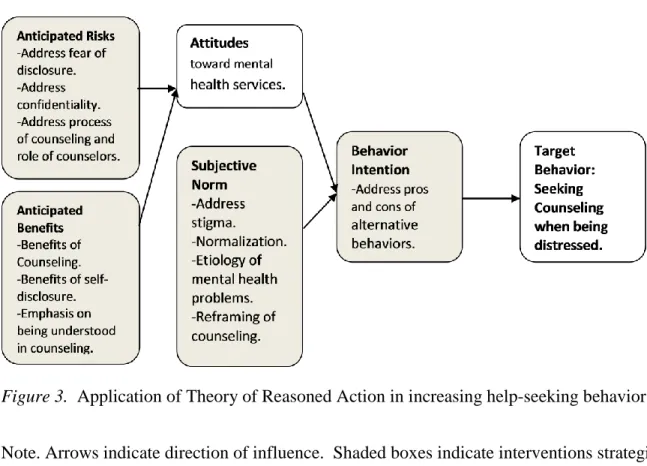
confidential environment by the mental health professional whereas unlikely help-seekers are less likely to believe the same. Therefore, in attempts to increase the public’s intention to seek counseling, providing information regarding the effectiveness of counseling and the process of counseling may be important in affecting attitude change. The overall goal would be to increase the anticipated benefits and decrease the anticipated risks of seeking mental health services. This
section will discuss related topics that can form one’s attitudes toward counseling, including the effectiveness of counseling, fear of the counseling process, and misconceptions based on media influence.
Effectiveness of Counseling. It is not uncommon for the public at large or for college
students specifically to doubt the effectiveness of counseling (Eisenberg, Golberstein, & Gollust, 2007; Kahn, Wood, & Wiesen, 1999; Yorgason, Linville, & Zitzman, 2008). Initial negative outcome expectations can strongly influence an individual’s decision about seeking counseling (Tinsley, de St. Aubin, & Brown, 1982). To change this attitude, belief-targeted communication can be adopted. Belief-targeted communication includes two components: (a) a set of arguments for a particular behavior and (b) factual evidence to support the arguments (Bright et al., 1993). To provide factual evidence to support the benefits of counseling, an outreach program can provide a summary of research evidence regarding the benefits of counseling and the
effectiveness of psychotherapy. For example, meta-analyses have found that on average, therapy clients were better off than 75% of untreated individuals and the effect size ranged from of .68 to .85(Shadish et al., 1997; Smith and Glass, 1977; Smith & Glass, 1979). Furthermore, meta-analyses have confirmed the effectiveness of counseling in treating various clinical issues such as adult depression (Cuijpers, van Straten, Andersson, & van Oppen, 2008),
obsessive-compulsive disorder (Abramowitz, 1997), social phobia (Taylor, 1996), and marital problems (Dunn & Schwebel, 1995). There are many different forms of psychotherapy that have been found to be effective through meta-analyses. Some examples are solution-focused therapy (Cuijpers et al., 2008), longterm psychoanalytic therapy (de Maat, de Jonghe, Schoevers, & Dekker, 2009), and cognitive-behavior therapy (Cuijpers et al., 2008). Because there are many
forms of psychotherapy or counseling that are effective, potential counseling clients have many options to choose from in terms of which therapy fits them best.
Fear of the Counseling Process. There are several avoidance factors that were found to
be one of the major barriers to a person’s intention to seek counseling when distressed. These include, the fear of treatment (Deane & Todd, 1996), the fear of self-disclosures (Cepeda-Benito & Short, 1998), and the fear of feeling sad in counseling (Komiya, Good, & Sherrod, 2000). Furthermore, those who reported less intention to seek mental health services when needed tend to report less confidence that they will be accepted and understood in therapy and that their issues will be kept in confidence (Bayer & Peay, 1997). Individuals who are considering seeking mental health services may believe that the therapist will force them to tell all of their deepest thoughts, feelings, and secrets. These fears may be more influential for those who are less
comfortable with emotional expression and those with an avoidant attachment style (Vogel et al., 2008b; Vogel & Wei, 2005).
However, Vogel and Wester (2003) found that the avoidance factors are mediated by one’s anticipated risks and benefits of counseling. Therefore, directly talking about the anticipated risks and concerns and educating the public about the benefits of discussing one’s emotions may be helpful. Educating the public on the benefits of emotional expression may help outweigh the perceived risks for those who are less comfortable with self-disclosure. It may be helpful to teach potential clients that the expression of painful emotions is only encouraged in order to work through the emotions, which in turn can lead to the relief of distress and feelings of understanding and acceptance. Normalization of the self-disclosure process and providing an accurate picture of the therapy process can also be helpful in reducing anticipated risks. For
example, most therapists do try to establish and maintain a safe, confidential environment in which self-disclosure is treated with care and respect. Most therapists are also sensitive to the timing of client’s self-disclosure and will not exert unnecessary pressure on self-disclosure that clients are not ready for (Vogel et al., 2008b; Vogel, Wester, Larson, & Wade, 2006). One concern relating to the fear of emotional expression is a concern for confidentiality. In fact, this concern was found to be one of the major barriers to seeking mental health services in the general public (Sareen et al., 2007). Therefore, education on how confidentiality is handled by mental health professionals may help promote help-seeking behavior.
Misconceptions of Counseling. Some anticipated risks involve general perceptions of
mental health services or mental illness. Unfortunately, these perceptions are often based on inaccurate information gathered from the media (Crisp, Gelder, Rix, Meltzer, & Rowlands, 2000; Jorm, 2000; Vogel, Gentile, & Kaplan, 2008a). A recent study has found that the influence of television on attitudes toward therapy is fully mediated by the perceived stigma and anticipated benefits associated with therapy. This finding provides some hope for outreach programs, for while mental health professionals cannot change the media at once, they can target individuals’ perceived stigma and educate students about the benefits of counseling. In order to combat the misconceptions of mental illness, therapists, and therapy processes, it is important to provide accurate information about the role of therapists, the function and process of therapy, how to seek help, and an accurate expectations for what therapy can accomplish (Jorm, 2000; Vogel et al., 2008a; Vogel et al., 2008b; Vogel et al., 2005)
Changing the Stigma Associated with Mental Health Services
The inaccurate perceptions of or discrimination against people with mental illness also can lead to the fear of public stigma. In a survey of public opinion toward mental illness in Britain, researchers found that people with mental illness are perceived as dangerous, violent, and unstable (Crisp et al., 2000). These stereotypes are known to be obstacles to help-seeking behaviors in two ways (Komiya et al., 2000). First, individuals may not be aware of the severity of their own mental health problems because they themselves are not dangerous, violent, or unstable. Second, one may not seek help when needed due to a fear of discrimination from others (Vogel, Wade, & Hackler, 2007). Several strategies have been developed to combat stigma toward mentally-ill and mental health services such as public campaigns, comprehensive workshops, written materials, lectures, utilization of the biological attribution of mental illness, and normalization. This section will review each strategy and results of studies of their
effectiveness. See Table 2 for a list of these studies and their findings.
Public Campaigns. Actions to address the stigma and discrimination against people with
mental illness have been organized across the world. Delegators from 51 countries attended the first international conference on stigma and discrimination against mental illness in 2001 when the World Health Organization (WHO) reported the importance of attending to attitudes toward general social disability and called for countries to launch mental health campaigns to educate the public. Following the attempt, the World Psychiatric Association (WPA) developed active anti-stigma programs in 20 countries (Pinfold et al., 2003a; Tanaka, Ogawa, Inadomi, Kikuchi, & Ohta, 2003). Outcome studies on these campaigns are scarce and provided mixed results for the effectiveness of these campaigns in changing the public’s attitudes toward mentally-ill
individuals. In England, one study investigated the effectiveness of an anti-stigma education program for police forces, finding some effectiveness in increasing the police force’s knowledge of mental health but very little change in their attitudes toward people with mental illness. The stereotype linking people with mental health problems with violent behavior was not
successfully challenged by this anti-stigma program (Pinfold et al., 2003a).
Comprehensive Training. The most successful intervention may be a series of mental
health awareness workshops in England. Pinfold and her colleagues (Pinfold et al., 2003b) provided a mental health awareness workshop for students aged 14 to 15. The intervention included two phases. Phase one of the workshop was delivered by a mental health professional who focused on understanding mental health and mental illness. This phase included viewing video clips about people living with depression and schizophrenia, promoted a positive sense of well-being, and challenged the use of stereotypical language. This phase also emphasized removing the social distance between students and the mentally-ill. In phase two, a person who had personal experiences of living with mental health problems co-facilitated discussion with students about what they had learned in phase I. Additionally, these co-facilitators shared personal experiences with students through a question-and-answer session. Students who
participated in these workshops reported significant changes in their attitudes toward people with mental health problems with changes remaining significant at a six-month follow-up. This study also identified the importance of experiential learning through personal contact. Students in this study who reported having personal contact with mentally-ill persons demonstrated more
Table2
Studies on Stigma-Reducing Strategies
Study Sample (N; mean age,
population)
Intervention Strategies Outcomes
Esters, Cooker, & Ittenbach (1998) 40; 14.7; high school students in rural Mississippi Comprehensive Training (included lecturing) Significant improvement of participants’ attitudes toward counseling (Cohen’s d = .56) and decrease in stigma toward the mentally ill (Cohen’s d = .96). Improvement remained at 12 week follow-up.
Han, Chen, Hwang, & Wei (2006)
299; 20.3; undergrads in Taiwan
Written materials and biological attribution
Biological attribution significantly improved participant's willingness to seek help. Stigma-reducing information produced no changes in participant's stigma associated with depression.
Luty, Umoh, Sessay, & Sarkhel (2007)
158; 47.2; general population
Written materials No improvement in reducing participants' stigma toward those with schizophrenia and/or alcohol problems.
Table 2 Continued
Study Sample (N; mean age,
population)
Intervention Strategies Outcomes
Mann & Himelein (2004)
101; undergrads Lecture Diagnosis approach did not
reduce stigma toward the mentally ill. Humanizing approach significantly reduce stigma associated with bipolar disorder and schizophrenia. Mino, Yasuda, Tsuda,
& Shimodera (2001)
91; med school students Lecture Significant decrease in stigma toward the mentally ill.
Ng & Chan (2002) 219; age 13-21; secondary school students
Comprehensive Training (included lecturing)
Significant decrease in stigma toward the mentally ill.
Pinfold et al. (2003a) 228; police officers in the UK
Public Campaign (including lecturing)
No significant change in stereotype associated with the mentally ill.
Pinfold et al. (2003b) 472; secondary school students in the UK
Comprehensive Training (included lecturing)
Significant improvement of participants' attitudes toward the mentally ill.
Table 2 Continued
Study Sample (N; mean age,
population)
Intervention Strategies Outcomes
Tanaka, Ogawa, Inadomi, Kikuchi, & Ohta (2003)
384; mean age ranged from 39.1 to 44.1 across six different sites; community residence in Japan. Public Campaign (including lecturing) Significant changes in participants’ understanding of mental illness (Cohen’s ds ranged from 0.67 to 2.34), and negative attitudes toward those with mental illness (Cohen’s ds ranged from 0.22 to 0.75)
Another study on a comprehensive workshop to reduce stigma toward mental illness was conducted in rural Mississippi (Esters, Cooker, & Ittenbach, 1998). High school students in health classes were assigned to either a control group or an intervention group that lasted for a total of 270 minutes. The intervention program included a video designed for use with
adolescents, resources available in the community, definitions and qualifications of different types of helpers, and the realities behind the stigma associated with mental health. Results indicated significant decreases in participants’ stigma toward the mentally-ill and improvement in their intention to seek counseling. These improvements remained significant at a twelve-week follow-up.
A similar study in Hong Kong demonstrated the effectiveness of a school-based mental health education program in reducing students’ stigma of the mentally-ill (Ng & Chan, 2002). Students from 13 different secondary schools in Hong Kong voluntary enrolled in a mental
health club founded by a non-governmental organization. The control group consisted of 102 students who did not participate in the club. There were no significant differences of
demography or attitudes toward the mentally-ill between the control and intervention groups before the program began. The intervention program included four parts: a weekly one-hour mental health education program that met for a period of ten weeks, a joint-school mental health promotion day, peer-education talks and exhibitions given by the club members, and direct contact with mental health patients in hospitals. After the program was terminated, students who participated in the mental health club showed significant reductions in their stigma toward the mentally ill in comparison to those in the control group. A limitation of this study is its quasi-experimental design that students were self-selected to participate in the mental health club. Although the study claimed no significant differences between the two groups at baseline, there may have been differences in their willingness to learn about the mental health issues that may have confounded the results.
Although findings from these comprehensive workshops are encouraging, they are limited in their generalizability to other populations. Participants in these studies were teenagers and the process of changing their stereotypes may be different from that of a different age group. Furthermore, it may not be realistic to expect people in the general public to invest hours of their time in an outreach program. Outreach programs will need to strike a balance between effective strategies and limitation of time based on the targeted population.
Lecture. Lectures have also been found to be useful in previous research. In a one-hour
educational program in Japan, Mino and colleagues (Mino, Yasuda, Tsuda, & Shimodera, 2001) demonstrated some effectiveness in improving medical students’ attitudes toward the mentally-ill. This study significantly improved 13 out of the 21 items of their measurements. However,
over half of the items on social distance, attitudes toward psychiatric services, and attitudes toward human rights of mentally ill patients did not change after the intervention. Another Japanese lecture intervention on mental health issues for the public demonstrated effectiveness in decreasing stigma toward mental illness and increasing intention for psychiatric
treatment-seeking behaviors (Tanaka et al., 2003). Although only two studies specifically labeled their intervention as lectures, most outreach program do incorporate lecture in their intervention. It is possible that a combination of lecture and other strategies can lead to a better result than a lecture only intervention, although no direct comparison has been conducted in previous studies.
Reading Written Materials. Simply reading didactic written materials was found to be
ineffective. For example, in Taiwan, Han and colleagues (Han, Chen, Hwang, & Wei, 2006) provided a biological attribution (of depression) intervention and a destigmatization intervention to college students. Students in the destigmatization group read five paragraphs of information in an attempt to reduce blaming those with depression. They found no effect for the
destigmatization condition on students’ willingness to seek help. Similarly, an outcome study on the effectiveness on didactic factsheets to change stigma toward those with mental illness was found to be ineffective (Luty, Umoh, Sessay, & Sarkhel, 2007).
Biological Etiology. Education on causes of mental health problems appears to be a
helpful element in reducing negative attitudes toward the mentally ill (Pinfold et al., 2003b; Tanaka et al., 2003). One qualitative study conducted in Western Canada emphasized the importance of a biomedical attribution of depression in reducing stigma and increasing help-seeking behaviors (Schreiber & Hartrick, 2002). A limitation of this study was that most participants considered “treatment” as medical treatment, and only a part of the sample reported
going to counseling. It is unknown whether the biomedical attribution of depression can help increase one’s intention to seek counseling.
There may then be some benefits of biological attribution of mental health in decreasing self-blame, stigma, and in promoting willingness to seek help. Still, one study suggested that biological attribution may actually increase stigma toward mental health problems (Mann & Himelein, 2004). One possible explanation is how stigma was operationally defined in these different studies. Mann and Himelein (2004) measured stigma with a social-distance scale which may not include the cognitive and affective aspects of stigma, whereas other studies included measures of cognitive understanding about mental illness that are more easily to be changed by educational interventions ( Pinfold et al., 2003b; Tanaka et al., 2003).
Normalization. In mental health services, normalization is defined as the process of
making a phenomenon or a behavior normal. This process may include providing information that indicates a phenomenon (such as mental health problem and seeking professional help) is common. Normalizing mental health concerns may help overcome the stigma of seeking mental health service (Vogel et al., 2006). Snyder and Ingram (1983) found that normalization can increase help-seeking behaviors among college students who suffer from anxiety. Normalization appears in most of the effectiveness studies on stigma-reducing strategies (Pinfold et al., 2003a; Pinfold et al., 2003b; Tanaka et al., 2003). According to the National Institute of Mental Health (2009c), an estimated 26.2 percent of Americans ages 18 and older, or about one in four adults, suffer from a diagnosable mental disorder in a given year. Table 3 provides a statistical
breakdown of several of the most common mental disorders in the United States in 2008. These types of statistics are helpful in normalizing mental health concerns.
Similarly, normalizing mental health help-seeking processes may be helpful in reducing the stigma associated with seeking mental health services (Vogel et al., 2006). Reframing or relabeling services may help decrease stigma and increase the willingness to seek help. For example, reframing mental health services as education, consultation, or coaching may
significantly reduce some individual’s perceptions of the anticipated risks associated with talking to a therapist (Komiya et al., 2000), especially for men with more stereotypical masculine
Table 3
Prevalence of Mental Health Disorders in the United States
Category Diagnosis Number of American
adults who suffers from the diagnosis in a given year.
Percentage of the US population age 18 and older that suffers from the diagnosis in a given year.
Mood Disorders 20.9 millions 9.5 %
Major Depressive Disorder 14.8 millions 6.7%
Dysthymic Disorder 3.3 millions 1.5%
Bipolar Disorder 5.7 millions 2.6 %
Anxiety Disorders 40 millions 18.1 %
Panic Disorder 6 millions 2.7%
Obsessive-Compulsive Disorder 2.2 millions 1%
Post-Traumatic Stress Disorder 7.7 millions 3.5%
Generalized Anxiety Disorder 6.8 millions 3.1%
Social Phobia 15 millions 6.8%
Agoraphobia 1.8 millions 0.8%
Specific Phobia 19.2 millions 8.7 %
Eating Disorders norexia nervosa, bulimia nervosa, and binge-eating disorder
4.4millions-11 millions in a 6 –month period 2-5% in a 6-month period Attention Deficit Hyperactivity Disorder 4.1 % in American adults, age 18 to 44.