Scholarship@Western
Scholarship@Western
Electronic Thesis and Dissertation Repository
4-28-2017 12:00 AM
Function and Dysfunction in Distinct Facets of Empathy
Function and Dysfunction in Distinct Facets of Empathy
Lindsay D. Oliver
The University of Western Ontario Supervisor
Derek Mitchell
The University of Western Ontario Joint Supervisor Elizabeth Finger
The University of Western Ontario Graduate Program in Neuroscience
A thesis submitted in partial fulfillment of the requirements for the degree in Doctor of Philosophy
© Lindsay D. Oliver 2017
Follow this and additional works at: https://ir.lib.uwo.ca/etd Part of the Cognitive Neuroscience Commons
Recommended Citation Recommended Citation
Oliver, Lindsay D., "Function and Dysfunction in Distinct Facets of Empathy" (2017). Electronic Thesis and Dissertation Repository. 4502.
https://ir.lib.uwo.ca/etd/4502
This Dissertation/Thesis is brought to you for free and open access by Scholarship@Western. It has been accepted for inclusion in Electronic Thesis and Dissertation Repository by an authorized administrator of
i
Abstract
Empathy is crucial for successful social interactions and it is impaired in many
devastating disorders. Empathy deficits are highly burdensome for affected individuals,
caregivers, and significant others, and costly for society as a whole. However, empathy is
thought to be a multifaceted construct, including cognitive empathy, affective sharing, and
empathic concern components. These constituents may be linked to different behavioural
outcomes and neurocognitive substrates, and presentation varies depending on the facets
affected. Thus, there is a critical need to determine the behavioural and neurocognitive substrates
of different components of empathic responding, and how these are affected in particular
disorders.
The present work aimed to elucidate the nature of different components of empathy and
how they vary as a function of clinical diagnoses and individual differences in subclinical traits,
as well as their underlying functional neural mechanisms. Study I used the Multifaceted Empathy
Test, a performance-based task tapping cognitive empathy, affective sharing, and empathic
concern elicited by realistic emotional images, in patients with behavioural variant
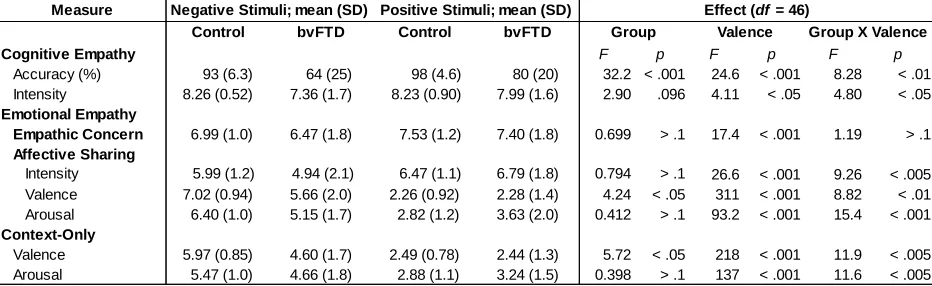
frontotemporal dementia (bvFTD). This revealed a global cognitive empathy deficit, deficient
affective sharing for negative experiences, and a generalized processing impairment for negative stimuli in bvFTD. In Study II, healthy adults completed the Multifaceted Empathy Test and
questionnaire measures of autistic traits, coldhearted psychopathic traits, and trait anxiety.
Coldhearted traits were found to disrupt affective sharing and empathic concern, whereas trait
anxiety appeared to influence subjective affective experience via generalized arousal. Study III
investigated the involvement of action-perception matching, simulation mechanisms in cognitive
versus emotional empathy, using fMRI during cognitive empathy, emotional empathy, and
simulation network localizer tasks in healthy adults. Increased activation was observed in
identified simulation regions during emotional versus cognitive empathy, providing evidence for
greater involvement of simulation mechanisms in emotional empathy.
Taken together, this work suggests that cognitive empathy, and emotional empathy,
ii
distinguishable and differentially linked with certain patient populations, subclinical traits, and
neurocognitive mechanisms. These findings are discussed with respect to the nature and
conceptualization of empathy and its components, as well as implications for disorders featuring
empathy dysfunction.
Keywords
empathy; cognitive empathy; theory of mind; emotional empathy; affective sharing; empathic
concern; emotion; frontotemporal dementia; psychopathic traits; autistic traits; trait anxiety;
iii
Co-Authorship Statement
Chapter 1, the introduction, and Chapter 5, the general discussion, were written by
Lindsay Oliver with input from Derek Mitchell and Elizabeth Finger. Chapter 2, entitled
“Parsing cognitive and emotional empathy deficits for negative and positive stimuli in
frontotemporal dementia,” was written by Lindsay Oliver with input from all co-authors. Isabel
Dziobek was also involved in task design, Julia MacKinley and Kristy Coleman were involved in
data collection, and Elizabeth Finger and Derek Mitchell were involved in experimental design
and data analysis. Chapter 3, entitled “Distinguishing the relationship between different aspects
of empathic responding as a function of psychopathic, autistic, and anxious traits,” was written
by Lindsay Oliver with input from all co-authors. Richard Neufeld was also involved in data
analysis, Isabel Dziobek was involved in task design, and Derek Mitchell was involved in
experimental design. Chapter 4, entitled “The neurocognitive correlates of distinct facets of
empathy: Greater involvement of simulation mechanisms in emotional relative to cognitive
empathy,” was written by Lindsay Oliver with input from Derek Mitchell and Elizabeth Finger.
Joana Vieira was also involved in data collection, and Derek Mitchell was involved in
iv
Acknowledgements
Throughout the academic and personal journey that has been my PhD, I feel very
fortunate to have had many cognitively and emotionally empathic people cheering me on and
sharing in my successes, as well as helping me through challenges along the way. First and
foremost, I want to thank my supervisors, Derek Mitchell and Elizabeth Finger, for taking me on,
and supporting me both academically and otherwise. Thank you for guiding me and pushing me
to grow. I have learned so much from your fundamental research and clinical perspectives, and
gained invaluable experience with, and insight into, the breadth of the scientific process thanks to
you both.
To my labmates over the years, Steve, Jamie, Tamara, Joana, and Stephen, thank you for
always being available and genuinely interested in discussing not just work, but music, sales,
cats, snacks, and much more. Thank you for being great labmates and teachers, but also friends.
To Kristy, it’s been a delight and privilege to raise IEMO with you. Thank you, along with Julia,
Chloe, and Sarah for your tireless work and assistance with recruitment, data collection, and
more when it comes to our colourful participants. I am also very grateful for all the assistance
and good company lab volunteers and thesis students have given to me over the years.
I would also like to thank my Advisory Committee members, Stefan Köhler and Jessica
Grahn, for their guidance throughout graduate school. As well, my computer would probably be
stuck in limbo right now if it were not for all the assistance Haitao Yang has provided me with.
Thank you for your positivity and light-heartedness, not to mention your ability to fix any
technological issue I encountered. Thank you to the CFMM team at Robarts for their time and
assistance with scanning, including Joe, Sue, Trevor, and Oksana. Thanks to the Alzheimer’s
Society of London and Middlesex, the Province of Ontario, and UWO for their financial support.
I also want to thank all of the participants, including patients and families, who have given their
time and energy to make this work possible.
Lastly, I want to thank my family and friends, most of whom have been by my side since
long before I started graduate school. To my mom, Dianne, thank you for inspiring me and
v
depend on. To my brothers, Matthew and Mark, thank you for your mixture of outspoken support
and quiet confidence. I know Matthew would have had an endless number of engaging and
quirky questions to ask me about this work. To my dad, Mike, thank you for being there, and
telling it like it is. Thank you to my extended family on both sides, and my Grandpa and Eleanor
especially, for their encouragement and assistance. To my dearest friends, Tess, Vick, Em, Beth,
and Susan, thank you for the years of laughter, love, and unconditional support. Thanks to
Rockford for being my stressball and study buddy. To my partner, Rob, thank you for calming
me down and reassuring me at the height of my nerves, and making me laugh every day. Most
vi
Table of Contents
Abstract ... i
Keywords ... ii
Co-Authorship Statement... iii
Acknowledgements ... iv
Table of Contents ... vi
List of Tables ... xi
List of Figures ... xii
List of Appendices ... xiii
Chapter 1 ... 1
1 Introduction ... 2
1.1 Empathy and Its Components ... 3
1.1.1 Cognitive empathy and its neural correlates ... 4
1.1.2 Emotional empathy and its neural correlates ... 5
1.1.3 Alternative conceptualizations of empathy ... 7
1.1.4 Cognitive versus emotional empathy ... 8
1.2 Empathy Dysfunction... 9
1.2.1 Empathy in behavioural variant frontotemporal dementia ... 10
1.2.2 Empathy in autism spectrum disorder versus psychopathy ... 13
1.3 Empathic Variability and Subclinical Traits ... 15
1.3.1 Empathy, and autistic and psychopathic traits in the healthy population ... 15
1.3.2 Empathy and anxious traits in the healthy population... 16
1.3.3 Summary... 17
1.4 Neurocognitive Mechanisms of Empathy ... 18
vii
1.5 Thesis Objectives and Hypotheses ... 22
1.5.1 Study I - Parsing cognitive and emotional empathy deficits for negative and positive stimuli in frontotemporal dementia ... 23
1.5.2 Study II - Distinguishing the relationship between different aspects of empathic responding as a function of psychopathic, autistic, and anxious traits ... 24
1.5.3 Study III - The neurocognitive correlates of distinct facets of empathy: Greater involvement of simulation mechanisms in emotional relative to cognitive empathy ... 25
1.6 References ... 26
Chapter 2 ... 50
2 Parsing Cognitive and Emotional Empathy Deficits for Negative and Positive Stimuli in Frontotemporal Dementia ... 51
2.1 Introduction ... 53
2.2 Methods ... 57
2.2.1 Participants ... 57
2.2.2 Measures ... 57
2.2.3 Statistical approach ... 61
2.3 Results ... 63
2.3.1 Participant demographic and neuropsychological characteristics ... 63
2.3.2 MET ... 64
2.3.3 Controlling for context-only effects ... 71
2.3.4 Correlational analyses ... 71
2.3.5 Summary... 73
2.4 Discussion ... 74
2.5 References ... 82
viii
3 Distinguishing the Relationship Between Different Aspects of Empathic Responding as a
Function of Psychopathic, Autistic, and Anxious Traits ... 92
3.1 Introduction ... 93
3.2 Methods ... 96
3.2.1 Participants ... 96
3.2.2 Measures ... 96
3.2.3 Data analysis ... 99
3.3 Results ... 101
3.3.1 Bivariate correlation analysis ... 101
3.3.2 Canonical correlation analysis ... 102
3.3.3 Partial correlation analysis ... 103
3.4 Discussion ... 104
3.4.1 Coldhearted psychopathic traits and empathy ... 105
3.4.2 Autistic traits and empathy ... 106
3.4.3 Trait anxiety and empathy ... 107
3.4.4 Limitations and future directions... 108
3.5 Conclusions ... 109
3.6 References ... 111
Chapter 4 ... 120
4 The Neurocognitive Correlates of Distinct Facets of Empathy: Greater Involvement of Simulation Mechanisms in Emotional Relative to Cognitive Empathy ... 121
4.1 Introduction ... 122
4.2 Methods ... 126
4.2.1 Participants ... 126
4.2.2 Functional magnetic resonance imaging (fMRI) tasks ... 127
ix
4.2.4 fMRI analysis ... 131
4.3 Results ... 134
4.3.1 Within-task effects... 134
4.3.2 Conjunction analyses ... 139
4.3.3 Between-task effects ... 142
4.3.4 Correlational analyses with task performance ... 144
4.4 Discussion ... 146
4.4.1 Cognitive empathy and simulation ... 147
4.4.2 Emotional empathy and simulation ... 148
4.4.3 Emotional versus cognitive empathy and simulation ... 149
4.4.4 Mechanisms of simulation in emotional empathy ... 150
4.4.5 Roles of additional regions of overlap... 152
4.4.6 Cognitive empathy, action understanding, and simulation ... 153
4.4.7 Implications for disorders featuring empathy impairments ... 154
4.4.8 Limitations and future directions... 155
4.5 Conclusions ... 156
4.6 References ... 158
Chapter 5 ... 173
5 Discussion ... 174
5.1 Further Insight into Cognitive and Emotional Empathy ... 176
5.2 Dissociability of Affective Sharing and Empathic Concern ... 177
5.3 Links to Behavioural Outcomes ... 178
5.4 Additional Factors Affecting Empathic Responding ... 179
5.5 Implications for Clinical Populations Featuring Empathy Dysfunction ... 180
x
5.7 Limitations and Future Directions ... 184
5.8 Conclusions ... 185
5.9 References ... 187
Appendices ... 197
xi
List of Tables
Table 2.1: MET measures ... 60
Table 2.2: Participant demographic and neuropsychological characteristics ... 64
Table 2.3: Group means and statistical details for MET measure main effects and interactions . 70
Table 2.4: Correlational analyses between ACE-R total scores and MET measures of cognitive
and emotional empathy in patients with bvFTD ... 73
Table 3.1: MET measures of interest ... 98
Table 3.2: Bivariate correlations between variables of interest ... 102
Table 3.3: Canonical loadings for questionnaire trait measures and MET behavioural empathy
measures ... 103
Table 3.4: Partial correlations controlling for MET Context-Only Arousal between variables of
interest ... 104
Table 4.1: Whole-brain within-task contrasts ... 136
Table 4.2: Conjunction analyses ... 140
Table 4.3: Correlations between task performance and corresponding neural activity in
significant clusters identified using the simulation network localizer including a priori regions of
xii
List of Figures
Figure 1.1 The conceptualization of empathy presently adopted ... 9
Figure 1.2 The simulation network ... 20
Figure 2.1 The Multifaceted Empathy Test ... 60
Figure 2.2 Cognitive empathy results ... 66
Figure 2.3 Emotional empathy results ... 68
Figure 2.4 Context-only results... 70
Figure 2.5 Correlational analyses ... 72
Figure 3.1 The Multifaceted Empathy Test ... 98
Figure 4.1 Trial examples for each of the fMRI tasks ... 130
Figure 4.2 Neural regions demonstrating significant effects in within-task contrasts ... 138
Figure 4.3 Neural regions demonstrating significant effects in conjunction analyses ... 141
Figure 4.4 Between-task effects ... 143
xiii
List of Appendices
Appendix A: Formal license for material used with permission for Study I ... 197
Appendix B: Formal license for material used with permission for Study II ... 198
Appendix C: Research ethics and approval number for Study I ... 199
Appendix D: Research ethics and approval number for Study II ... 200
1
Introduction
While walking through the park, you spot a man with tears in his eyes sitting under a
bridge, shivering beneath a thin dirt-laden blanket. You infer that he is feeling miserable, and
likely homeless. His apparent sorrow also fills you with sadness and concern for him. Later that
day, your daughter’s face breaks into a huge grin and she raises her fist into the air upon
receiving a call about a recent job application. You sense that she is feeling excited and that she
probably got the job. You swell up with excitement and feel happy for her. These reactions
exemplify the phenomenological experience of empathy for both negative and positive
experiences, including cognitive aspects (understanding the feelings of others) and emotional
aspects (sharing or reacting affectively to the feelings of others).
Empathy is a crucial component of successfully interacting and relating with strangers
and those known intimately alike,and it is impaired in many debilitating disorders. It is easy to
see why empathy deficits are highly debilitating. Empathy is thought to be one important means
by which we are able to respond appropriately to someone else’s emotional state, and adapt our
social behaviour. Accordingly, patients with empathy impairments demonstrate atypical or
inappropriate social behaviour (Finger, 2016; Frith, Happe, & Siddons, 1994; Hare, 1996).
However, it is important to note that empathy is thought to include several components, which
may be linked to different behavioural outcomes and neurocognitive substrates, and presentation
may vary depending on the facets affected. Beyond the negative impact empathy impairments
have on affected individuals, they are also extremely distressing to significant others and
caregivers, and costly for society as a whole (Weder, Aziz, Wilkins, & Tampi, 2007). Indeed,
evidence suggests that socioemotional deficits are a source of great burden to both patients and
caregivers (Boutoleau-Bretonniere, Vercelletto, Volteau, Renou, & Lamy, 2008; Diehl-Schmid
et al., 2013; Hillis & Tippett, 2014; Uflacker, Edmondson, Onyike, & Appleby, 2016). With
regard to societal impact, empathy has been positively associated with prosocial behaviour
(Batson, 1991; Batson, Fultz, & Schoenrade, 1987; Eisenberg, Fabes, & Spinrad, 2006), whereas
empathy deficits have been linked to aggressive, antisocial behaviour (Miller & Eisenberg,
1988), as well as criminal behaviour and violent offending (Eisenberg, Eggum, & Di Giunta,
2010; Jolliffe & Farrington, 2004). Consequently, treatments that focus on underlying cognitive
the nature of empathy and the dissociability of its constituents will also be pivotal for identifying
such risk factors and providing targeted treatments for deficits in particular components of
empathy. Crucially, there are currently no approved treatment options to target these devastating
socioemotional impairments (Eslinger, 1998; Finger, 2011). Thus, there is a critical need to
determine the behavioural and neurocognitive substrates of different components of empathic
responding, and how these are affected in particular disorders.
1.1 Empathy and Its Components
The term empathy came from the translation of “Einfühlung” (Titchener, 1909), a
German word meaning ‘to feel into’. Einfühlung was first used in the context of intersubjectivity
by the philosopher Theodor Lipps, referring to the projection of oneself into the situation of
another (Lipps, 1903). Other earlier canonical definitions of empathy include experiencing
emotions more applicable to someone else’s situation rather than your own (Hoffman, 1987), or
an emotional response akin to another individual’s based on understanding their affective state
(Eisenberg, Shea, Carlo, & Knight, 1991). It has also been described as imagining how someone
else feels by adopting their perspective (Batson, Early, & Salvarani, 1997), or projecting oneself
into another’s mental shoes to simulate their feelings (Goldman, 1992). Such definitions tend to
favour certain aspects of empathy. Taken together, empathy is defined here as the
comprehension of, identification with, and vicarious experience elicited by another individual’s
mental state. At present, empathy is largely considered to be a multidimensional construct,
including both cognitive and emotional facets (Blair, 2005; Davis, 1980; Decety & Jackson,
2004; Eslinger, 1998; Shamay-Tsoory, 2011). Further, though there is variability in the purported
distinct components contributing to empathy (Batson, 2009; Blair, 2005; de Vignemont &
Singer, 2006; Decety & Jackson, 2004), it is widely believed to include cognitive empathy,
affective sharing, and empathic concern constituents (Bernhardt & Singer, 2012; de Waal, 2008;
Decety & Cowell, 2014b; Decety & Jackson, 2004; Hatfield, Rapson, & Le, 2009; Preston & de
1.1.1 Cognitive empathy and its neural correlates
Cognitive empathy is often used interchangeably with theory of mind (Blair, 2005;
Lawrence, Shaw, Baker, Baron-Cohen, & David, 2004) and refers to the capacity to understand
another individual’s perspective, and thereby infer their emotional or mental state. Despite some
variability, the core neural substrates of cognitive empathy have been fairly well-established and
replicated across a variety of paradigms tapping mental state inference, including belief and
intention understanding, utilizing both verbal and visual stimuli (Carrington & Bailey, 2009;
Mitchell, 2009). Indeed, meta-analyses of functional magnetic resonance imaging (fMRI) studies
have demonstrated that cognitive empathy consistently elicits activity in areas including the
medial prefrontal cortex (mPFC), the temporoparietal junction (TPJ), the superior temporal
sulcus (STS), and precuneus, and sometimes the inferior frontal gyrus (IFG) and temporal poles
(Bzdok et al., 2012; Mar, 2011; Molenberghs, Johnson, Henry, & Mattingley, 2016; Schurz,
Radua, Aichhorn, Richlan, & Perner, 2014; Van Overwalle, 2009). Certain tasks that reliably
recruit these core regions have also been validated and used as cognitive empathy localizers,
including the False-Belief Task (Dodell-Feder, Koster-Hale, Bedny, & Saxe, 2011; Dufour et al.,
2013) and the Why/How Task (Spunt & Adolphs, 2014).
Lesion data indicates that the mPFC and TPJ are particularly important for cognitive
empathy. More specifically, an early lesion study demonstrated cognitive empathy deficits in
individuals with lesions of the ventromedial PFC in comparison to patients with lesions outside of this region and healthy controls (Stone, Baron-Cohen, & Knight, 1998). Subsequent
investigations have corroborated these findings, providing evidence for impaired cognitive empathy in patients with lesions of the mPFC (Shamay-Tsoory, Tomer, Berger, & Aharon-Peretz, 2003; Shamay-Tsoory, Tomer, Goldsher, Berger, & Aharon-Peretz, 2004; Stuss, Gallup, &
2008). Thus, there is some evidence to suggest that both the mPFC and TPJ are necessary for cognitive empathy.
1.1.2 Emotional empathy and its neural correlates
Emotional empathy has been used to refer to both affective sharing and empathic concern
components of empathy. Indeed, prior work often does not distinguish between these
components, referring to either using this overarching construct (Decety, 2009; Vossen,
Piotrowski, & Valkenburg, 2015). Affective sharing refers to the ability to share the emotional
experience of another person, whereas empathic concern relates to the motivation to care for the
welfare of another, including feelings of compassion and concern. Thus, affective sharing
involves an emotional response that is congruent with that of another individual, while empathic
concern may not. Investigations involving functional imaging of emotional empathy have
identified consistent activation in areas including the anterior insula, anterior cingulate cortex,
and IFG, and sometimes the dorsomedial PFC, amygdala, and inferior parietal lobule (IPL), as
evidenced by reviews (Shamay-Tsoory, 2011; Walter, 2012) and meta-analyses (Bzdok et al.,
2012; Fan, Duncan, de Greck, & Northoff, 2011; Lamm, Decety, & Singer, 2011). This
functional imaging evidence is corroborated by findings from lesion studies. For example,
reviews of focal lesion studies addressing emotional empathy have also suggested that the anterior insula and IFG are critical for emotional empathy (Hillis, 2013; Shamay-Tsoory, 2015). Of particular interest, lower questionnaire scores of emotional empathy have been associated with damage to the right insula in veterans with traumatic brain injuries (Driscoll, Dal Monte, Solomon, Krueger, & Grafman, 2012), and impaired emotional empathy for pain has also been demonstrated in individuals with anterior insula, but not anterior cingulate cortex, lesions (Gu et al., 2012).
1.1.2.1 Affective sharing versus empathic concern
Investigations regarding the neural substrates of empathy have focused primarily on
neural systems involved in cognitive and emotional empathy, as opposed to parcellating affective
disentangle as they are concurrently elicited in many circumstances. Thus, less is known regarding the differences between neural circuitry involved in these components of empathy. However, a meta-analysis has demonstrated that affective sharing for pain is associated with activity in the anterior insula into the IFG, the anterior cingulate cortex, and the precuneus, based on common recruitment during both directly experienced pain and empathy for pain (Lamm et al., 2011). In contrast, training in empathic concern has been found to produce greater activation in the ventromedial PFC and ventral striatum to distressful social videos in comparison to memory training (Klimecki, Leiberg, Lamm, & Singer, 2013). Consistent with these findings, in a subsequent study, training healthy individuals in affective sharing increased subsequent activity in the insula, anterior cingulate cortex, and the dorsal striatum to distressful videos, whereas empathic concern training heightened activation in the ventromedial PFC, anterior cingulate cortex, and the ventral striatum (Klimecki, Leiberg, Ricard, & Singer, 2014). Thus, there is some evidence to suggest that affective sharing and empathic concern may be subserved by at least partially distinct neural systems.
Delineating these different components of emotional empathic responding is important
because they may be associated with different behavioural outcomes. For example, there is
evidence that empathic concern motivates prosocial behaviour and the desire to relieve the stress
of another individual in distress (Batson, Duncan, Ackerman, Buckley, & Birch, 1981). In
contrast, observing another in a negative situation can alternatively elicit personal distress, or
feelings of anxiety and discomfort in response to another individual’s distress (Davis, 1980).
Personal distress has been associated with motivation to relieve one’s own discomfort and stress
(e.g., promoting aversion) as opposed to motivating approach and altruistic behaviours that
relieve the distress of another (Batson, 1991; Batson et al., 1987; Eisenberg et al., 2006).
Specifically, responding with predominantly empathic concern to the distress of another
individual has been associated with offering help even when it is easy to escape the situation (i.e., altruistic responding), whereas responding to another’s distress by expressing
predominantly personal distress has been linked to helping less often if escape or avoidance is easy (Batson, 1991; Batson et al., 1987). Personal distress is believed by some to be a form of
emotional empathy akin to emotional contagion (Dziobek et al., 2008; Rankin, Kramer, &
Miller, 2005), which may align to some degree with affective sharing for negative situations
concern are linked with prosocial and altruistic behavioural outcomes in response to the affective
experience of another individual. In contrast, high affective sharing levels may be related to
greater personal distress in response to negative social situations and therefore have fewer
implications for motivating altruistic behaviour (Batson et al., 1987; Decety & Svetlova, 2012;
Eisenberg et al., 2006).
1.1.3 Alternative conceptualizations of empathy
It is important to note that there are alternate conceptualizations of empathy and its
constituents, some of which adopt different terminology (de Vignemont & Singer, 2006; Decety & Cowell, 2014a, 2014b; Singer & Lamm, 2009). Here we include affective sharing and
empathic concern under the facet of emotional empathy because they both involve the elicitation
of an affective response. Importantly, the nature of affective sharing and empathic concern
constructs tends to remain constant, even though the nomenclature may differ.
Additionally, autonomic arousal has also long been considered integral to the experience
of empathy (Ax, 1964), and emotional empathy in particular (Batson, 2009). Accordingly,
emotional empathy is sometimes assessed via autonomic arousal (Blair, Jones, Clark, & Smith,
1997; de Wied, Boxtel, Posthumus, Goudena, & Matthys, 2009; Eisenberg & Fabes, 1990).
However, limited research has focused on the relationship between arousal and different
components of empathy. High questionnaire scores of emotional empathy in healthy individuals
have been associated with increased physiological arousal (Balconi & Bortolotti, 2012a, 2012b,
2014; Bogdanov et al., 2013; Wiesenfeld, Whitman, & Malatesta, 1984) and subjective arousal
ratings (de Sousa et al., 2010) in response to emotional videos and images. Interestingly, most of
the questionnaire measures used in these investigations assess vicarious emotional responding,
suggesting a link between autonomic arousal and questionnaire measures of emotional empathy
akin to affective sharing, which may have fewer implications for prosocial behaviour. However,
results are mixed (Eisenberg et al., 2006; Fabes, Eisenberg, & Eisenbud, 1993; Gu et al., 2015),
with some investigations finding no significant relationship between self-reported emotional
empathy scores and physiological arousal (Anastassiou-Hadjicharalambous & Warden, 2007; de
Sousa et al., 2011) or subjective arousal ratings (de Sousa, McDonald, & Rushby, 2012) in
different aspects of empathic responding in conjunction with autonomic measures. Thus, there is
a need to elucidate the potential link between empathy and arousal, and whether autonomic
arousal is indeed reflective of emotional empathy. It is also unclear whether arousal contributes
to the experience of particular aspects of empathy, such as affective sharing or empathic concern.
1.1.4 Cognitive versus emotional empathy
Taken together, functional neuroimaging and lesion studies have implicated largely
different neural substrates in cognitive and emotional empathy, providing evidence for their
dissociability. Indeed, a lesion study has demonstrated a double dissociation between cognitive
and emotional empathy, observing a cognitive empathy deficit with intact emotional empathy in patients with ventromedial prefrontal cortex lesions, and impaired emotional empathy but intact cognitive empathy in patients with lesions to the IFG (Shamay-Tsoory, Aharon-Peretz, & Perry, 2009). Further support for this double dissociation comes from behavioural data in clinical
populations featuring empathy impairments (Jones, Happe, Gilbert, Burnett, & Viding, 2010;
Schwenck et al., 2012), as well as some trait correlational data in the healthy population
(Lockwood, Bird, Bridge, & Viding, 2013). However, it should be noted that the demonstration
of a double dissociation does not preclude the possibility that cognitive and emotional empathy are related to some degree. It may be the case that these constructs are separable, but interact and often do not occur in isolation (Shamay-Tsoory et al., 2009). Accordingly, these aspects are
widely believed to influence one another and both contribute to our phenomenological
experience of empathy (Cox et al., 2012; Decety & Svetlova, 2012; Kerem, Fishman, &
Josselson, 2001; Shamay-Tsoory, 2011). Nevertheless, the apparent dissociability of cognitive
and emotional empathy is indicative of different underlying mechanisms. The conceptualization
of empathy and its components presently considered is depicted in Figure 1.1.
Notably, the components of empathic responding affected in patient populations
characterized by empathy impairments have been elucidated to varying degrees and remain
unclear in many cases. Further, less is known in both clinical and healthy populations about the
dissociability of affective sharing and empathic concern. Indeed, as mentioned, many
investigations to date do not distinguish between these two putative components of empathy.
demonstration of a deficit in a particular aspect of empathy informs potential targeted treatment
or compensatory options for affected patients.
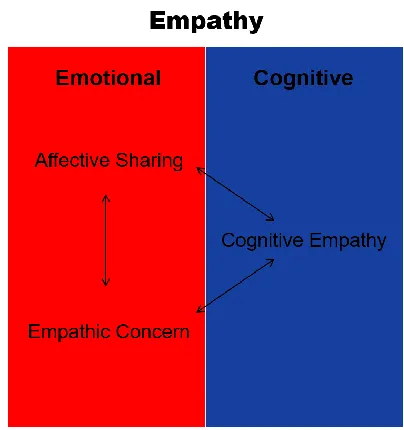
Figure 1.1 The conceptualization of empathy presently adopted
Empathy is believed to be a multidimensional construct subsuming partially dissociable but
interacting components, including cognitive empathy, as well as affective sharing and empathic
concern aspects of emotional empathy. There is evidence to suggest that cognitive and emotional
empathy can bidirectionally modulate each other in an inhibitory or excitatory fashion.
1.2 Empathy Dysfunction
Investigations in clinical populations featuring empathy dysfunction can uniquely
elucidate fundamental aspects of empathic responding (Blair, 2005; Marsh, 2013). More
specifically, determining the aspects of empathy that are affected in particular disorders provides
critical insight into the nature of empathy and associated behavioural disturbances. It also
informs types of treatment or compensatory options that might be most beneficial for different
patient populations. Empathy impairments are featured in many debilitating neurological,
2016; Rankin et al., 2006), autism spectrum disorder (Baron-Cohen, Leslie, & Frith, 1985;
Mathersul, McDonald, & Rushby, 2013b), schizophrenia (Green, Horan, & Lee, 2015),
borderline personality disorder (Dziobek et al., 2011; Harari, Shamay-Tsoory, Ravid, &
Levkovitz, 2010), and psychopathy (Blair, 2005). Of particular interest, loss of empathy is an
early and salient discriminating feature of behavioural variant frontotemporal dementia
(Rascovsky et al., 2011), including deficits in both cognitive and emotional empathy. Autism
spectrum disorder and psychopathy are also especially informative as they have provided
evidence for a double dissociation between cognitive and emotional empathy dysfunction, and
are typically associated with more selective impairments in cognitive, and emotional, empathy,
respectively. Further, subclinical autistic and psychopathic traits vary independently in the
healthy population as well (J. Rogers, Viding, Blair, Frith, & Happe, 2006), and have been
respectively inversely associated with cognitive, and emotional empathy, performance.
1.2.1 Empathy in behavioural variant frontotemporal dementia
Behavioural variant frontotemporal dementia (bvFTD) is a progressive neurodegenerative
disorder caused by neuronal loss and aberrant protein accumulations in the prefrontal and
anterior temporal cortex (Neary, Snowden, & Mann, 2005; Snowden, Neary, & Mann, 2002).
Critically, this patient population is of particular interest because a loss of empathy is one of the
core diagnostic features of bvFTD, and it is characterized by profound impairments in social and
emotional behaviour (Rascovsky et al., 2011). These symptoms manifest early on in the disorder
and are both highly debilitating to affected patients and distressing to caregivers
(Boutoleau-Bretonniere et al., 2008; Diehl-Schmid et al., 2013; Levenson & Miller, 2007; Uflacker et al.,
2016).For example, individuals with bvFTD often present with callousness, apathy, disinhibited
behavior and speech, aggression, decline in manners and personal hygiene, impulsivity and
reckless decision-making, and lack of insight (Finger, 2011, 2016). Further, brain areas thought
to be critically involved in cognitive and emotional empathy are among the first to physically
degenerate in these patients. More specifically, atrophy of the mPFC, as well as the anterior
insula and anterior cingulate cortex is apparent even in very mild cases of bvFTD (Seeley et al.,
2008), which are key areas consistently implicated in cognitive and emotional empathy,
bvFTD presents a unique opportunity to answer fundamental questions about the nature of
empathy and its constituents, at both a neural and behavioural level, due to the early and
progressive deterioration of empathic abilities and their neural substrates (Levenson & Miller,
2007). Indeed, it has been recognized as a powerful model for the investigation of relationships
between behaviour and neural activity (Wittenberg et al., 2008). These patients also represent a
favourable group for the study of empathic dysfunction because their social deficits often
precede decline in memory and visuospatial abilities (Finger, 2016), generally limiting the
influence of such confounding factors at earlier disease stages. Further, though there is evidence
for deficits in both cognitive and emotional empathy in patients with bvFTD, gaps in knowledge
remain with regard to these impairments. Critically, highlighting potential treatment targets and a
means to assess the impact of novel therapies on social and emotional impairment in bvFTD is of
great importance being that there are currently no approved treatment options for these extremely
debilitating socioemotional symptoms (Finger, 2011).
1.2.1.1 Cognitive empathy in behavioural variant frontotemporal dementia
Cognitive empathy and theory of mind impairments have been demonstrated using
various measures in bvFTD. Specifically, caregiver questionnaires indicate lower
perspective-taking scores, an index of cognitive empathy (Davis, 1980), for patients with bvFTD in
comparison to healthy controls (Eslinger, Moore, Anderson, & Grossman, 2011; Rankin et al.,
2006; Rankin et al., 2005) and patients with Alzheimer’s disease (Fernandez-Duque, Hodges, Baird, & Black, 2010; Hsieh, Irish, Daveson, Hodges, & Piguet, 2013). Patients with bvFTD
have also shown a deficit in mental state inference compared to healthy controls on
performance-based cognitive empathy tasks, including false belief tasks (Gregory et al., 2002; Lough,
1.2.1.2 Emotional empathy in behavioural variant frontotemporal dementia
There is also evidence for an emotional empathy deficit in bvFTD from several sources. In the past, the lack of behavioural indices of emotional empathy available made this dimension difficult to evaluate objectively, such that there were few performance-based assessments of emotional empathy in patients with bvFTD. An emotional empathy impairment in this patient group was instantiated based on lower empathic concern scores on caregiver questionnaires for patients with bvFTD as compared to healthy controls (Eslinger et al., 2011; Lough et al., 2006; Rankin et al., 2006) and patients with Alzheimer’s disease (Fernandez-Duque et al., 2010; Hsieh et al., 2013), as well as an abundance of case descriptions reporting emotional blunting and heightened coldheartedness (Lough et al., 2001; Snowden et al., 2001; Thibodeau & Miller, 2013). Patients with bvFTD have also demonstrated reduced emotional reactivity in the form of lower blood pressure in response to a disgust-eliciting video than healthy controls (Eckart, Sturm, Miller, & Levenson, 2012). However, psychophysiological measures can be difficult to interpret being that the emotional response reflected by changes in arousal is ambiguous. Similarly, whether patients with bvFTD demonstrate a deficit in both affective sharing and empathic concern is unclear. Further, items on questionnaire measures of emotional empathy include predominantly negative situations rather than evaluating emotional empathy for positive mental states. Thus, as with cognitive empathy, it is uncertain whether the emotional empathy deficit in bvFTD is apparent for both negative and positive states.
1.2.1.3 Summary
Deficits in both cognitive and emotional empathy have been demonstrated in bvFTD. However, whether cognitive and emotional empathy are impaired for both negative and positive mental states is of particular interest being that these patients have shown impaired recognition of negative, but not positive, facial expressions (Fernandez-Duque & Black, 2005; Kipps, Mioshi, & Hodges, 2009; Kumfor et al., 2011; Lavenu, Pasquier, Lebert, Petit, & Van der
Linden, 1999; Lough et al., 2006). Determining if this is a generalized impairment could provide
insight into the neural representation of empathy and whether this varies according to valence.
This information would also be beneficial for identifying treatment targets in affected patients.
questionnaire measures rather than behavioural paradigms for its evaluation. Thus, less is known
about deficits in online empathic responding in bvFTD. Further, studies in this patient population
have not included measures of both affective sharing and empathic concern, such that it remains
unclear whether bvFTD is associated with impairments in both aspects of emotional empathy.
Overall, there is a need to determine whether emotional valence may influence cognitive and
emotional empathic responding in patients with bvFTD, and if they show impairments in both
affective sharing and empathic concern. Critically, this may serve to increase insight into both
fundamental aspects of empathy and the intricacies of empathy deficits in bvFTD.
1.2.2 Empathy in autism spectrum disorder versus psychopathy
Autism spectrum disorder (ASD) and psychopathy also present two disorders
characterized by empathy deficits of particular interest. Specifically, these patient populations
have been purported to provide evidence for a double dissociation between cognitive and
emotional empathy dysfunction (Blair, 2008). Accordingly, they have the potential to provide
critical insight into the fundamental nature of cognitive and emotional empathy, and their
dissociability (Blair, 2005). Further, traits associated with these disorders have also been linked
to variability in cognitive and emotional empathic responding in the healthy population.
1.2.2.1 Empathy in autism spectrum disorder
ASD is a developmental disorder characterized by social impairment and communication
deficits, and a theory of mind or cognitive empathy deficit is one of its defining features
(Baron-Cohen, 2000; Hill & Frith, 2003). Accordingly, individuals with ASD have shown cognitive
empathy impairments across multiple paradigms, including false belief tasks (Baron-Cohen et
al., 1985; Happe, 1995), faux pas detection (Baez et al., 2012; Stone et al., 1998), the Reading
the Mind in the Eyes test (Baron-Cohen, Jolliffe, Mortimore, & Robertson, 1997; Baron-Cohen,
Wheelwright, Hill, Raste, & Plumb, 2001; Kirchner, Hatri, Heekeren, & Dziobek, 2011), and
paradigms involving the inference of mental states or intentions from stories or vignettes (Happe,
1994; K. Rogers, Dziobek, Hassenstab, Wolf, & Convit, 2007) and animations (Abell, Happe, &
a deficit in cognitive empathy but intact emotional empathy, including ratings of subjective
arousal and empathic concern, on the Multifaceted Empathy Test (Dziobek et al., 2008), as well
as the Interpersonal Reactivity Index (Davis, 1980), a canonical empathy questionnaire measure
with perspective taking (cognitive empathy) and empathic concern (emotional empathy)
subscales (Baez et al., 2012; K. Rogers et al., 2007; Rueda, Fernandez-Berrocal, &
Baron-Cohen, 2015). Adolescents with ASD have also been found to provide similar ratings of affective
sharing (valence and arousal) and exhibit similar physiological arousal in response to emotional
images compared to healthy controls (Louwerse et al., 2014; but see also Mathersul, McDonald,
& Rushby, 2013a, 2013b; Shamay-Tsoory, Tomer, Yaniv, & Aharon-Peretz, 2002) .
1.2.2.2 Empathy in psychopathy
Psychopathy is a developmental disorder characterized by callousness and emotional
dysfunction paired with antisocial behaviour (Cleckley, 1967; Hare, 1991). Indeed,
callous-unemotional traits are one of the primary features of psychopathy, including a lack of empathy,
loyalty, and guilt (Frick, 1995; Hare, 1991). Impairments in emotional empathy in adults with
psychopathy and youths with psychopathic tendencies have been inferred from reduced
physiological emotional reactivity to distress cues (Anastassiou-Hadjicharalambous & Warden,
2008; Blair, 1999; Blair et al., 1997; de Wied, van Boxtel, Matthys, & Meeus, 2012), atypical
neural activation in emotion-related brain areas in response to emotional stimuli (Decety, Skelly,
Yoder, & Kiehl, 2014; Marsh et al., 2008), and emotion recognition deficits (Blair, Colledge,
Murray, & Mitchell, 2001; Fairchild, Van Goozen, Calder, Stollery, & Goodyer, 2009; Hastings,
Tangney, & Stuewig, 2008). However, what is responsible for driving these effects is
ambiguous, and as such, whether they reflect a lack of affective sharing and/or empathic concern
is unclear. In contrast, individuals with psychopathy have demonstrated intact theory of mind or
cognitive empathy fairly consistently, on tasks including mental state inference from short stories
(Blair et al., 1996), faux pas detection, false belief tasks, and questionnaire measures (Dolan &
1.2.2.3 Summary
Thus, psychopathy is thought to be particularly related to emotional empathy
impairments and ASD is often specifically linked with cognitive empathy deficits (Blair, 2005;
but see also Baron-Cohen, 2009; Grove, Baillie, Allison, Baron-Cohen, & Hoekstra, 2014;
Mazza et al., 2014). Indeed, this double dissociation has been demonstrated using behavioural
tasks tapping cognitive and emotional empathy in clinical samples of youths with ASD versus
those with psychopathic tendencies (Jones et al., 2010; Schwenck et al., 2012). However,
regarding emotional empathy, whether psychopathic traits are differentially linked to affective
sharing versus empathic concern remains unclear. This is of particular importance being that
multiple phenomena are referred to using the term empathy, and these may have different
implications for social behaviour. It is also of interest to determine whether these phenomena
may vary independently in some disorders. Interestingly, autistic and psychopathic traits also
vary in the healthy population and have been associated with reduced cognitive and emotional
empathy, respectively, which raises the possibility of gaining valuable insight into differences in
components of empathic responding in community samples.
1.3 Empathic Variability and Subclinical Traits
1.3.1 Empathy, and autistic and psychopathic traits in the healthy population
Much work has been done to investigate empathic abilities in patient populations.
However, less is known about the relationship between particular traits linked with empathy
deficits in clinical samples and empathic responding in healthy individuals. Interestingly,
evidence suggests that both autistic (Constantino & Todd, 2003; Posserud, Lundervold, &
Gillberg, 2006) and psychopathic (Edens, Marcus, Lilienfeld, & Poythress, 2006; Hare &
Neumann, 2008) traits vary continuously in the general population, and can vary independently
of one another (J. Rogers et al., 2006). Nonetheless, evidence is limited as to how individual
differences in these traits map onto components of empathic responding. In non-clinical samples,
individuals with high affective-interpersonal psychopathic trait levels have demonstrated lower
emotional empathy scores on questionnaire measures (Mahmut, Homewood, & Stevenson,
Neumann, Roiser, & Viding, 2013; Seara-Cardoso, Neumann, Roiser, McCrory, & Viding,
2012), and functional abnormalities in affect-related neural regions in response to emotional
stimuli (Han, Alders, Greening, Neufeld, & Mitchell, 2011; Harenski, Kim, & Hamann, 2009).
Alternatively, autistic traits have been inversely correlated with cognitive empathy performance
in neurotypical adults (Baron-Cohen et al., 2001; Miu, Pana, & Avram, 2012; Voracek &
Dressler, 2006). Bridging this evidence, high autistic traits have been associated with diminished
theory of mind performance, whereas high psychopathic traits have been linked to dampened
affective resonance in the same community sample (Lockwood et al., 2013). However, a
measure of empathic concern was not included in this investigation. As mentioned, little is
known about the dissociability of affective sharing and empathic concern, and most
investigations do not distinguish between these two components, often using emotional empathy
to refer to either. Thus, the relationship between autistic versus psychopathic traits with different
components of empathy has rarely been examined in the same sample of healthy individuals.
Accordingly, it remains unknown whether coldhearted psychopathic and autistic traits in a
community sample are differentially associated with cognitive empathy, empathic concern, and
affective sharing performance.
1.3.2 Empathy and anxious traits in the healthy population
In addition to psychopathic and autistic traits, trait anxiety varies continuously in the
general population (Spielberger, Gorsuch, Lushene, Vagg, & Jacobs, 1983). Trait anxiety may
have important implications for empathy, as arousal is widely considered to be a component of
empathic responding (Decety, Norman, Berntson, & Cacioppo, 2012; Decety, Smith, Norman, &
Halpern, 2014). Accordingly, high questionnaire scores of emotional empathy in healthy
individuals have been associated with increased autonomic arousal in response to emotional
stimuli (Balconi & Bortolotti, 2012b; Bogdanov et al., 2013; de Sousa et al., 2010; Mehrabian,
Young, & Sato, 1988). Indeed, as mentioned, autonomic arousal is sometimes used as an
emotional empathy index (Blair et al., 1997; de Wied et al., 2009; Eisenberg & Fabes, 1990);
though this can be problematic because it is unclear what this physiological arousal reflects.
Lastly, amygdala activation has been differentially linked with levels of trait anxiety (Stein,
& Roiser, 2015), indicating that there may be overlap in their neurocognitive substrates.
However, very little work exists concerning individual differences in trait anxiety and the
elicitation of empathy. Thus, though trait anxiety may be theoretically important for empathic
responding, studies rarely include measures of both anxiety and empathy, and their relationship
has been the focus of few investigations.
1.3.3 Summary
Evidence from patients with ASD and psychopathy suggests that these disorders are
differentially linked with deficits in cognitive and emotional empathy, respectively. Limited
evidence has also suggested that cognitive and emotional empathy may vary as a function of
autistic and psychopathic traits in the healthy population. However, the relationship between
psychopathic versus autistic traits with dissociable empathy indices has rarely been examined in
healthy individuals. Crucially, no study to date has assessed cognitive empathy, affective
sharing, and empathic concern performance in relation to individual differences in autistic,
psychopathic, and anxious traits in the same group of healthy individuals. Elucidating these
associations at a more refined level is critical given that the term empathy is used to refer to
multiple phenomena that relate differentially to social behavioural outcomes. It will also provide
insight into whether subclinical levels of these traits influence different components of empathic
responding. In addition, this would allow for the examination of whether psychopathic traits are
associated with deficits in both affective sharing and empathic concern aspects of emotional
empathy. For example, a selective deficit in affective sharing but not empathic concern might
result in an individual feeling afraid in response to another individual’s fear, but lacking concern
for the victim or the desire to reduce their distress. Lastly, the inclusion of trait anxiety measures
would uniquely elucidate the relationship between emotional empathy and trait anxiety. Trait
anxiety is implicated in arousal and may be associated with empathy on both a neurocognitive
and conceptual level, such that this may have significant implications for models of empathy and
their relationship to neurocognitive systems involved in trait anxiety. This could also have
important implications for the use of arousal indices and their interpretation in empathy
1.4 Neurocognitive Mechanisms of Empathy
Though the brain areas associated with cognitive and emotional empathy have been fairly well-established, the neural mechanisms underlying empathic responding remain unclear. Given evidence for the dissociability of cognitive and emotional empathy, elucidating their underlying mechanisms is critical for developing targeted treatment or compensatory options for patients featuring deficits in either of these facets of empathy. Many believe that empathy involves both bottom-up and top-down processing (Decety & Meyer, 2008; Preston & de Waal, 2002; Shamay-Tsoory, 2011; Singer & Lamm, 2009; Tousignant, Eugene, & Jackson, 2016). More specifically, it has been proposed that bottom-up processing occurs automatically in response to perceptual or sensory information, involving an action-perception matching mechanism. Alternatively, top-down processing is thought to underlie the projection of oneself into another’s situation. It involves the incorporation of an individual’s intentions, motivation, and self-regulation, and is believed to influence the degree of empathic responding and resultant outcomes, such as prosocial and moral behaviour (Decety & Cowell, 2014b; Decety & Meyer, 2008; Decety & Moriguchi, 2007). Emotional empathy, and affective sharing in particular, are commonly thought to be largely dependent on bottom-up processing, whereas cognitive empathy is believed to rely more on top-down processing (Decety & Jackson, 2004; Decety & Meyer, 2008). However, these processes are not purported to map exclusively onto emotional and cognitive facets of empathy and may not have entirely disparate neural circuitry, such that they may be involved in the experience of both (Decety, 2011; Shamay-Tsoory, 2011). More specifically, it has been
suggested that simulation mechanisms involving action-perception matching, a form of bottom-up processing, may contribute to both cognitive and emotional empathy.
1.4.1 Empathy and simulation
Despite evidence for the dissociability of cognitive and emotional empathy, it is still debated whether they rely on some of the same neurocognitive mechanisms. Specifically, and consistent with bottom-up processing, some advocate that empathy is the result of shared representations, and the activation of similar neural substrates during the observation of behaviour as during the execution of such behaviour (Bastiaansen, Thioux, & Keysers, 2009;
Rizzolatti, 2004; Iacoboni, 2009; Pineda, Moore, Elfenbeinand, & Cox, 2009; Preston & de
Waal, 2002). The discovery of mirror neurons in the ventral premotor cortex (PMC) into inferior
frontal gyrus (IFG), and inferior parietal lobule (IPL) of macaque monkeys, which fire during
both action observation and action execution, provided a potential physiological substrate for
such an action-perception matching mechanism (di Pellegrino, Fadiga, Fogassi, Gallese, &
Rizzolatti, 1992; Fogassi et al., 2005; Gallese, Fadiga, Fogassi, & Rizzolatti, 1996). There is
evidence to suggest that a similar system exists in humans, which responds to both the perception
and execution of actions, including the ventral PMC into IFG and the IPL (Caspers, Zilles, Laird,
& Eickhoff, 2010; Molenberghs, Cunnington, & Mattingley, 2012). The posterior superior
temporal sulcus (STS), though not believed to contain these observation-execution matching
neurons and instead responding selectively to action observation, is thought to provide the visual
input to these two critical simulation regions (Iacoboni et al., 2001; Keysers & Perrett, 2004).
Presently, this circuitry, including the ventral PMC into IFG, the IPL, and the posterior STS, is
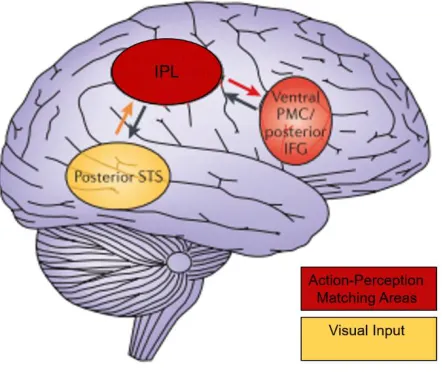
referred to as the ‘simulation network’ (Figure 1.2). Of particular note, increased activation in
critical frontal and parietal areas of the simulation network has been demonstrated during the
observation and imitation of emotional expressions (Carr et al., 2003; Leslie, Johnson-Frey, &
Grafton, 2004; Montgomery & Haxby, 2008), suggesting that these regions may generate a
motor representation of the emotional or mental states of others. Although there is some
evidence to suggest that cognitive and emotional empathy may rely on simulation mechanisms,
this remains unsettled. Thus, it is of particular interest to determine the relative contribution, if
any, of simulation mechanisms to these dissociable facets of empathy.
Figure 1.2 The simulation network
A depiction of the regions comprising the simulation network, including action-perception
matching areas considered critical for simulation, and the visual input to these areas. Figure
adapted by permission from Macmillan Publishers Ltd: Nature Reviews Neuroscience (Iacoboni
& Dapretto, 2006). PMC, premotor cortex; IFG, inferior frontal gyrus; IPL, inferior parietal
lobule; STS, superior temporal sulcus.
1.4.1.1 Cognitive empathy and simulation
Some have proposed that the simulation network may underlie cognitive empathy, with
simulation allowing one to adopt the perspective of another and thereby understand their mental
state (Agnew, Bhakoo, & Puri, 2007; Gallese, 2001; Gallese & Goldman, 1998; Pineda et al.,
2009; Rizzolatti & Sinigaglia, 2010). More specifically, it has been suggested that the simulation
network may influence cognitive empathy via the posterior STS/TPJ, rapidly providing
goal-related information from perceived actions (Tramacere & Ferrari, 2016; Van Overwalle, 2009).
The simulation network has been implicated in aspects of cognitive empathy including intention
understanding and mental state attribution. Early evidence suggested that the simulation network,
and the IFG in particular, was sensitive to the intended goal of actions rather than merely actions
themselves (Iacoboni et al., 2005; Kaplan & Iacoboni, 2006). Activity in putative simulation
& Hecht, 2009). Indeed, one investigation found that mental state attribution accuracy modulated
activity in simulation regions (Zaki, Weber, Bolger, & Ochsner, 2009). However, another failed
to find modulation of activity in these regions based on mental state content in participants’
descriptions of others’ actions (Spunt, Satpute, & Lieberman, 2011). Of particular interest, a
conjunction analysis between a cognitive empathy animation task and an action observation task
used to localize simulation areas has revealed overlap in the posterior STS, but not the critical
simulation regions of the IFG or IPL (Ohnishi et al., 2004). Accordingly, many fMRI
investigations of cognitive empathy fail to find significant activation in putative critical
simulation areas (Van Overwalle & Baetens, 2009). Thus, findings are mixed regarding the role
of the simulation network in cognitive empathy.
1.4.1.2 Emotional empathy and simulation
It has also been proposed that the simulation network may influence parts of the limbic
system and emotional experience via connections between the IFG and the insula, to mediate
emotional empathy (Carr et al., 2003). Indeed, some accounts have adopted the view that
simulation mechanisms are particularly involved in the experience of emotional empathy rather
than cognitive empathy (Dvash & Tsoory, 2014; Molnar-Szakacs, 2011;
Shamay-Tsoory, 2011). Evidence in support of this comes largely from demonstrations of positive
associations between questionnaire measures of emotional, but not cognitive, empathy, and IFG
activity during the observation and imitation of emotional expressions (Pfeifer, Iacoboni,
Mazziotta, & Dapretto, 2008), right IFG and IPL gray matter volume (Cheng et al., 2009), and
white matter integrity in a tract connecting inferior frontal and temporoparietal regions
(Parkinson & Wheatley, 2014). Of particular relevance, an fMRI investigation of cognitive and
emotional empathy interpreted greater engagement of the PMC during emotional empathy than
cognitive empathy as evidence for greater engagement of the simulation network (Nummenmaa,
Hirvonen, Parkkola, & Hietanen, 2008). However, to date there is a void of evidence directly
relating online emotional empathy to activity in localized simulation regions (Baird, Scheffer, &
Wilson, 2011; Decety, 2010; Lamm & Majdandzic, 2015).
1.4.1.3 Summary
Overall, there is some support for a greater role of the simulation network in emotional
versus cognitive empathy, but the degree to which simulation is involved in these different facets
remains unclear. This is due to the fact that prior studies have largely provided evidence in the
form of correlations between questionnaire measures of empathy and activity in identified
simulation regions, which do not provide insight into online empathic responding and its neural
correlates. Evidence also comes from activation during empathy tasks in vast regions broadly
accepted as being part of the simulation network, rather than functionally defined regions of
interest based on simulation involvement. Critically, the involvement of the simulation network
in cognitive versus emotional empathy has never been statistically compared. Further, no studies
to date have utilized functional localizers to determine the correspondence between brain areas
identified as having simulation properties, and those recruited during cognitive and emotional
empathy within the same participant population. Such steps are necessary in order to confirm
that regions being interrogated with regard to their involvement in simulation are indeed those
engaged during a simulation task, and to resolve whether these areas are preferentially involved
in emotional versus cognitive empathy.
Determining the involvement of the simulation network in cognitive versus emotional
empathy could provide unique insight into the mechanisms underlying different facets of
empathy, and the contributions of bottom-up processing to these components. This would serve
to elucidate the nature of empathy and daily interpersonal interactions. Further, it could be
particularly crucial for identifying potential compensatory options or targeted treatments for
individuals with cognitive and emotional empathy impairments.
1.5 Thesis Objectives and Hypotheses
The overall objective of this thesis is to elucidate the nature of different components of
empathy and how they vary as a function of clinical diagnoses and individual differences in
subclinical traits, as well as their underlying functional neural mechanisms. Three independent
studies were conducted to address this overall goal using a multifaceted approach to investigate
population and patients featuring empathy deficits. The central hypothesis is that cognitive
empathy, and aspects of emotional empathy including affective sharing and empathic concern,
represent distinguishable components of empathic responding that are differentially associated
with particular disorders, traits, and neurocognitive mechanisms. More specifically, it is
predicted that aspects of empathy can be differentially affected in clinical populations
characterized by empathy dysfunction, and differentially associated with traits in the healthy
population. Lastly, it is expected that cognitive and emotional facets of empathy will involve
action-perception matching, simulation mechanisms to different degrees.
1.5.1 Study I - Parsing cognitive and emotional empathy deficits for negative and positive stimuli in frontotemporal dementia
Examining empathy impairments in clinical populations can provide insight into the
fundamental nature of empathy, and the dissociability of its components. Accordingly, bvFTD is
a debilitating neurodegenerative disorder characterized by empathy impairments. Both cognitive and emotional empathy deficits have been associated with bvFTD. However, little work has focused on the performance of patients with bvFTD on behavioural measures of emotional empathy, and whether empathic responses differ for negative versus positive stimuli. The
objective of this study was to examine empathy for negative and positive mental states in
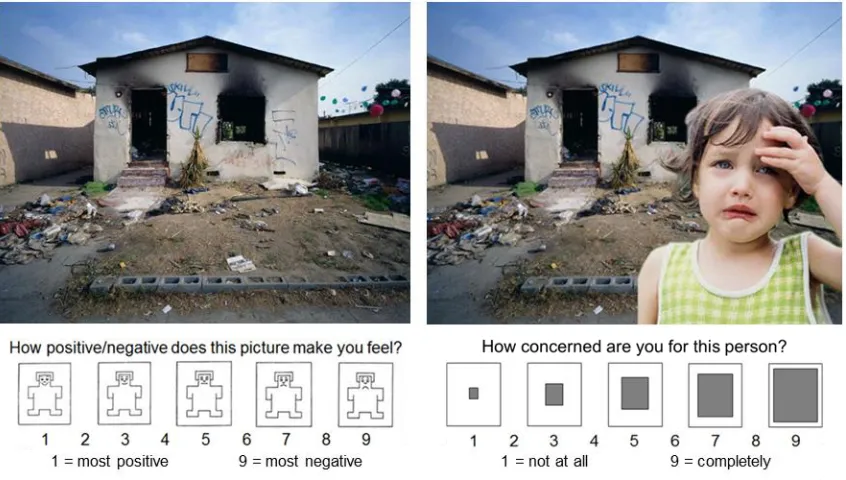
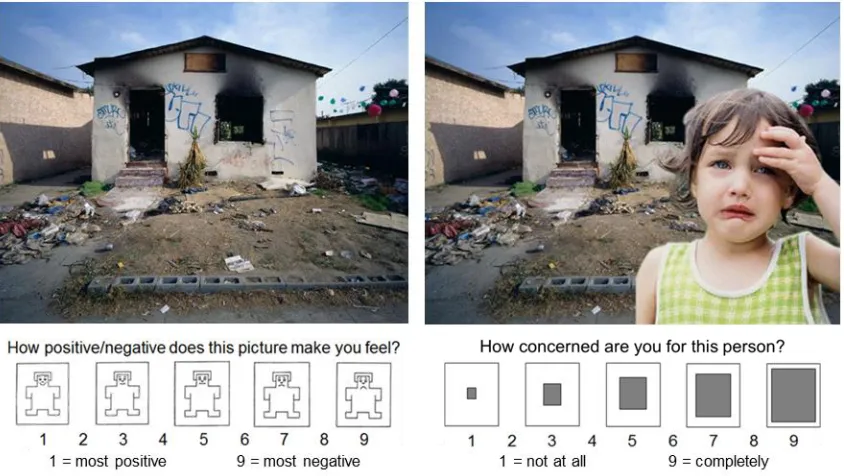
bvFTD. We utilized the Multifaceted Empathy Test, a performance-based task that taps cognitive
empathy, affective sharing, and empathic concern components of empathy, and allows for the
discrimination of responses to negative versus positive realistic images. This represents the first
time this task has been utilized in patients with FTD, and allowed for emotional empathy to be
assessed based on behavioural responses to naturalistic images. We hypothesized that patients
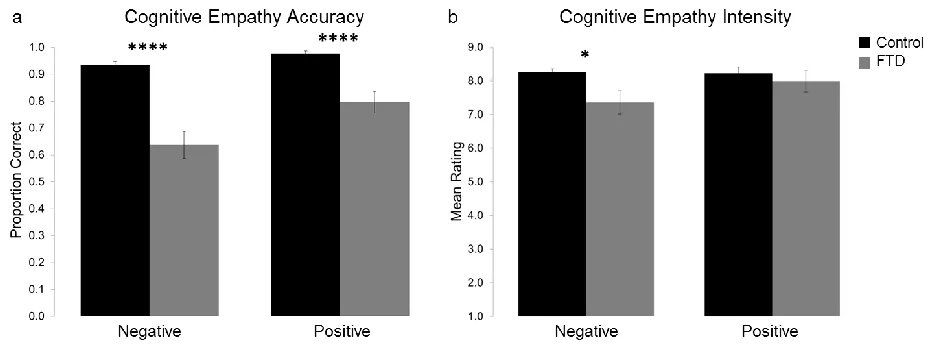
with bvFTD would demonstrate impaired cognitive empathy based on consistent evidence from
the literature to date, and an emotional empathy deficit based largely on caregiver and clinical
reports of patient behaviour. We also predicted that cognitive and emotional empathy would be
more impaired for negative stimuli compared to positive stimuli, based on some evidence of a
selective deficit in recognizing negative emotional expressions in bvFTD (Fernandez-Duque & Black, 2005; Kipps et al., 2009). Beyond providing unique insight into the empathy impairment
representation of particular aspects of empathy, as well as the potential dissociability of these
components.
1.5.2 Study II - Distinguishing the relationship between different aspects of empathic responding as a function of psychopathic, autistic, and anxious traits
Although cognitive and emotional empathy impairments have been associated with
specific developmental and neurological disorders, such as ASD and psychopathy, respectively,
little is known about how performance-based measures of cognitive empathy, affective sharing,
and empathic concern relate to individual differences in autistic, psychopathic, and anxious traits
in the healthy population. In particular, investigations of empathic responding rarely distinguish
between different aspects of emotional empathy, or consider the potential impact of anxiety.
Based on the findings of differential deficits in components of empathy in patients with bvFTD
from Study I, we were particularly interested in the potential dissociability of cognitive empathy,
affective sharing, and empathic concern in a community sample. Accordingly, there were two
main objectives of this investigation. First, we sought to determine whether autistic and
coldhearted psychopathic traits in a community sample were differentially related to cognitive
empathy, affective sharing, and empathic concern performance. Our second goal was to elucidate
the relationship between trait anxiety and empathy. Healthy adults completed the Multifaceted
Empathy Test, a performance-based task tapping cognitive empathy and multiple aspects of
emotional empathy, as in Study I, as well as trait questionnaire measures. It was hypothesized
that coldhearted psychopathic traits, which reflect the core emotional features of psychopathy,
including a lack of empathy (Lilienfeld & Widows, 2005), would be negatively correlated with
emotional empathy ratings, including both affective sharing and empathic concern, but not
cognitive empathy performance. Alternatively, we expected autistic trait levels to be inversely
associated with cognitive empathy performance, but not emotional empathy ratings. Lastly, it
was predicted that trait anxiety would be positively related to emotional empathy, but that this
would be driven by an association with measures of affective sharing, and arousal ratings in
particular. The identification of differential relationships between aspects of empathy and
subclinical traits provides insight into their dissociability, as well as their potential behavioural