Triggering the expression of a silent gene cluster
from genetically intractable bacteria results in
scleric acid discovery
†
Fabrizio Alberti, *ab
Daniel J. Leng, bIna Wilkening, bLijiang Song, b Manuela Tosin band Christophe Corre *ab
In this study, we report the rapid characterisation of a novel microbial natural product resulting from the
rational derepression of a silent gene cluster. A conserved set of five regulatory genes was used as
a query to search genomic databases and identify atypical biosynthetic gene clusters (BGCs). A 20-kb
BGC from the genetically intractableStreptomyces sclerotialusbacterial strain was captured using
yeast-based homologous recombination and introduced into validated heterologous hosts. CRISPR/Cas9-mediated genome editing was then employed to rationally inactivate the key transcriptional repressor
and trigger production of an unprecedented class of hybrid natural products exemplified by
(2-(benzoyloxy)acetyl)-L-proline, named scleric acid. Subsequent rounds of CRISPR/Cas9-mediated gene
deletions afforded a selection of biosynthetic gene mutant strains which led to a plausible biosynthetic
pathway for scleric acid assembly. Synthetic standards of scleric acid and a key biosynthetic intermediate
were also prepared to confirm the chemical structures we proposed. The assembly of scleric acid
involves two unique condensation reactions catalysed by a single NRPS module and an ATP-grasp enzyme that link a proline and a benzoyl residue to each end of a rare hydroxyethyl-ACP intermediate,
respectively. Scleric acid was shown to exhibit moderate inhibition activity against Mycobacterium
tuberculosis, as well as inhibition of the cancer-associated metabolic enzyme nicotinamide
N-methyltransferase (NNMT).
Introduction
Actinomycete bacteria have been the foremost producers of antibiotics since the mid-1940s. In the last decade, high-throughput DNA sequencing technologies and novel bio-informatics tools have highlighted an immense number of uncharacterised biosynthetic gene clusters (BGCs) predicted to direct the assembly of bioactive natural products.1The presence of BGCs has not only been revealed in actinomycete genomes but also in those of human commensal and pathogenic bacteria (i.e. Staphylococcus lugdunensis,Burkholderia cepaciacomplex), as well as in the genomes of unculturable bacteria and in metagenomic libraries.2–7
Despite the conspicuous number of specialised metabolites isolated from actinomycetes, only a small fraction of the natural products‘encrypted’at the DNA level has been exploited to date. Experimental characterisation of the biosynthetic product of
a BGC is oen laborious and time-consuming particularly due to the uniqueness of every microorganism. Protocols for intro-ducing DNA into bacterial cells are species-dependent and oen ineffective. Their optimisation can take years but many cultur-able micro-organisms remain genetically intractcultur-able. This prevents the exploitation of BGCs using many of the previously reported strategies.1In addition, the biosynthesis of specialised metabolites is oen tightly controlled at the transcriptional level. Cluster-associated transcriptional regulators that belong to the TetR-family of transcriptional repressors are particularly numerous.8 Deletions of cluster-specic TetR-like transcrip-tional repressors have been shown to trigger overproduction of the corresponding specialised metabolites, as previously re-ported for the antibiotics methylenomycin and coelimycin in Streptomyces coelicolor A3(2) and for the urea-containing gaburedins inStreptomyces venezuelae.9–12
Genetic manipulation of Streptomycesgenomes has classi-cally been accomplished using established but oen laborious protocols optimised for specic bacterial strains.13 In recent years however, targeted genome editing has been revolutionised by the advent of clustered regularly interspaced short palin-dromic repeats (CRISPR)/CRISPR-associated (Cas) systems, which allow generation of clean genomic deletions/insertions.14 Toolkits for editing streptomycete genomes have been aWarwick Integrative Synthetic Biology Centre and School of Life Sciences, University of
Warwick, Coventry, CV4 7AL, UK. E-mail: [email protected]; C.Corre@ warwick.ac.uk
bDepartment of Chemistry, University of Warwick, Coventry, CV4 7AL, UK †Electronic supplementary information (ESI) available: Supplementary methods and results; Tables S1–S6; Fig. S1–S22. See DOI: 10.1039/c8sc03814g
Cite this:DOI: 10.1039/c8sc03814g
All publication charges for this article have been paid for by the Royal Society of Chemistry
Received 26th August 2018 Accepted 11th October 2018
DOI: 10.1039/c8sc03814g
rsc.li/chemical-science
Science
EDGE ARTICLE
Open Access Article. Published on 19 October 2018. Downloaded on 10/19/2018 1:50:47 PM.
This article is licensed under a
Creative Commons Attribution 3.0 Unported Licence.
View Article Online
developed,15–17 enabling researchers to overcome the issues associated with classical methods of gene disruption, in particular when multiple mutation events are desirable.18The number of available selectable markers and issues with poten-tial restoration of the wild-type conguration due to occurrence of single-crossover events were notable limitations.
Here, we report a genome mining strategy based on the identication of a conserved regulatory cassette for selecting and characterising BGCs. A specic BGC wasrst captured and transferred into a validated Streptomyces heterologous host where CRISPR/Cas9-mediated genome editing was employed to rationally derepress the expression of silent biosynthetic genes (Fig. 1). This approach was applied for the identication,
isolation and structural elucidation of a novel structural class of natural products from a silent and cryptic gene cluster found in the soil-dwelling species Streptomyces sclerotialus NRRL ISP-5269, a species oflamentous bacteriarst isolated in Poona (India).19
Results and discussion
Identication of thesclgene cluster inS. sclerotialusNRRL ISP-5269
The prioritisation of the gene cluster under study was guided by the presence of a specic set ofve regulatory genes that we had previously characterised in S. coelicolor A3(2),9 and
Fig. 1 Overview of the approach used in this study to characterise scleric acid, a novel natural product from a cryptic and silent gene cluster.
Open Access Article. Published on 19 October 2018. Downloaded on 10/19/2018 1:50:47 PM.
This article is licensed under a
[image:2.595.41.540.220.709.2]subsequently exploited to trigger the expression of a silent and cryptic biosynthetic gene cluster inStreptomyces venezuelae.12In S. coelicolorA3(2), theseve genes are responsible for regulation of methylenomycin biosynthesis:mmyRandmmfRboth code for TetR-like transcriptional repressors; mmfLHP are responsible for the biosynthesis of signalling molecules, known as methyl-enomycin furans (MMFs) that trigger production of the meth-ylenomycin antibiotics.9A mathematical model that explains in detail the methylenomycin regulatory system involving these
ve genes has been developed and matched with experimental data.20 In previous studies we have exploited this regulatory cassette and shown that inactivation of the mmyR-like tran-scriptional repressors is an effective approach for derepressing silent gene clusters in actinomycetes.10,12
In order to nd gene clusters that contained regulatory cassettes homologous to the one found in the methylenomycin cluster and to assess how widespread these are, we performed searches with Multigene BLAST21 using as a query the DNA sequences ofmmyR,mmfRandmmfLHP, as well as with Clus-terTools,22using as a query the protein sequences of MmyR, MmfR and MmfLHP. Fourteen actinomycete genomes were found that contained orthologues of allve genes coding for MmyR, MmfR and MmfLHP within a 50-kb region (ESI Table S4†). Remarkably, a total of 98 actinomycete genomes were found that contained orthologues of at leastmmyR,mmfRand mmfLwithin a 50-kb region. We have previously shown that the butenolide synthase MmfL alone is sufficient to give production of functional MMF signalling molecules inS. coelicolorA3(2).9
Additionally, a functional regulatory system that controls biosynthesis of coelimycin antibiotics inS. coelicolorA3(2) has been characterised that includes the butenolide synthase ScbA and the two TetR-like transcriptional regulators ScbR and ScbR2,11 which are orthologues of MmfL, MmfR and MmyR respectively. Hence the regulatory systems that include ortho-logues ofmmyR,mmfRandmmfLare also putatively functional, and the biosynthetic products they regulate expression of could also be studiedviamanipulation of these regulatory cassettes.
Among the hits generated, the gene cluster fromS. sclerotialus NRRL ISP-5269, named hereaer scl cluster, was chosen for further study; the nucleotide sequence containing the scl cluster was available from the GenBank accession number JOBC01000043.1. In addition to homologues of theve genes used as query, the genetic organisation of thesclgene cluster included two adjacent and divergent operons of biosynthetic genes (Fig. 2a). A combination of AntiSMASH23and manual BLASTp24 analyses indicated the putative borders of the scl cluster (Fig. 2a and Table 1). The predictive power of these modern bioinformatics tools oen permits to deduce the chemical structure(s) of cryptic gene cluster products, partic-ularly when modular systems such as type I modular polyketide synthases (PKS) or non-ribosomal peptide synthetases (NRPS) direct the biosynthesis.25 However, the originality of the scl cluster prevented such predictions and we worked on the assumption that a lack of bioinformatics prediction was more likely to result in a more structurally diverse and therefore truly novel natural product. The cluster spanned a region of
Fig. 2 Genetic organisation of thesclgene cluster fromS. sclerotialusNRRL ISP-5269 characterised in this study and schematic representation
of mutants generated. (a) Gene cluster (19 782 bp) sequenced fromS. sclerotialusNRRL ISP-5269. (b) Configuration of thesclgene cluster after
CRISPR/Cas9-mediated targeted gene deletion within the heterologous hostS. albus. The 20-bp out of frame deletion ofsclM4generated
a truncated gene, represented here as a rectangular shape for the derived gene sequence. (c) Configuration of thesclcluster withinS. albus
double mutants; deletion of genessclN,sclQ1-4andsclAwere generated starting from strainS. albus/sclDsclM4, and are represented here as
dotted lines.
Open Access Article. Published on 19 October 2018. Downloaded on 10/19/2018 1:50:47 PM.
This article is licensed under a
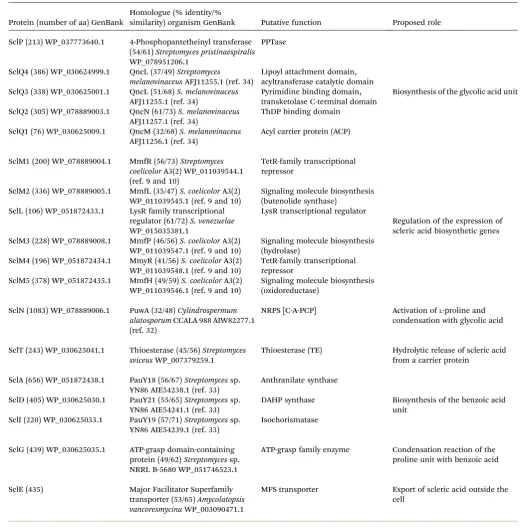
[image:3.595.50.549.401.659.2]19 782 bp, and comprised 18 putative genes: 11 biosynthetic genes, 6 genes for regulation and 1 gene coding for a membrane transporter (Fig. 2a and Table 1).
Capture of thesclgene cluster and introduction into heterologous hosts
In order to characterise the product of thesclcluster, werst set out to examine the genetic tractability of S. sclerotialus NRRL ISP-5269. To do so, we attempted introduction of plasmid pCRISPomyces-2 (ref. 15) for CRISPR/Cas9-based
[image:4.595.34.559.60.589.2]genome engineering via intergeneric-conjugation of mycelia with E. coli ET12567/pUZ8002 or protoplast transformation but these processes were found ineffective.13The preparation ofS. sclerotialusNRRL ISP-5269 spores was also attempted but despite screening various culture media in the aim to induce sporulation, this strain showed little aerial growth. We there-fore set out to capture and heterologously express thesclgene cluster, with the aim of characterising its biosynthetic prod-uct(s) in a well-characterised and genetically amenable host. A 33-kb region of genomic DNA that included the 19.8-kb scl BGC was captured from the puried genomic DNA of Table 1 Proposed function of the biosynthetic, regulatory and resistance genes from thesclgene cluster
Protein (number of aa) GenBank
Homologue (% identity/%
similarity) organism GenBank Putative function Proposed role
SclP (213) WP_037773640.1 4-Phosphopantetheinyl transferase (54/61)Streptomyces pristinaespiralis
WP_078951206.1
PPTase
Biosynthesis of the glycolic acid unit SclQ4 (386) WP_030624999.1 QncL (37/49)Streptomyces
melanovinaceusAFJ11255.1 (ref. 34)
Lipoyl attachment domain, acyltransferase catalytic domain SclQ3 (338) WP_030625001.1 QncL (51/68)S. melanovinaceus
AFJ11255.1 (ref. 34)
Pyrimidine binding domain, transketolase C-terminal domain SclQ2 (305) WP_078889003.1 QncN (61/73)S. melanovinaceus
AFJ11257.1 (ref. 34)
ThDP binding domain
SclQ1 (76) WP_030625009.1 QncM (32/68)S. melanovinaceus
AFJ11256.1 (ref. 34)
Acyl carrier protein (ACP)
SclM1 (200) WP_078889004.1 MmfR (56/73)Streptomyces
coelicolorA3(2) WP_011039544.1
(ref. 9 and 10)
TetR-family transcriptional repressor
Regulation of the expression of scleric acid biosynthetic genes SclM2 (336) WP_078889005.1 MmfL (35/47)S. coelicolorA3(2)
WP_011039545.1 (ref. 9 and 10)
Signaling molecule biosynthesis (butenolide synthase)
SclL (106) WP_051872433.1 LysR family transcriptional regulator (61/72)S. venezuelae
WP_015035381.1
LysR transcriptional regulator
SclM3 (228) WP_078889008.1 MmfP (46/56)S. coelicolorA3(2) WP_011039547.1 (ref. 9 and 10)
Signaling molecule biosynthesis (hydrolase)
SclM4 (196) WP_051872434.1 MmyR (41/56)S. coelicolorA3(2) WP_011039548.1 (ref. 9 and 10)
TetR-family transcriptional repressor
SclM5 (378) WP_051872435.1 MmfH (49/59)S. coelicolorA3(2) WP_011039546.1 (ref. 9 and 10)
Signaling molecule biosynthesis (oxidoreductase)
SclN (1083) WP_078889006.1 PuwA (32/48)Cylindrospermum
alatosporumCCALA 988 AIW82277.1
(ref. 32)
NRPS [C-A-PCP] Activation ofL-proline and condensation with glycolic acid
SclT (243) WP_030625041.1 Thioesterase (45/56)Streptomyces
sviceusWP_007379259.1
Thioesterase (TE) Hydrolytic release of scleric acid from a carrier protein
SclA (656) WP_051872438.1 PauY18 (56/67)Streptomycessp. YN86 AIE54238.1 (ref. 33)
Anthranilate synthase
Biosynthesis of the benzoic acid unit
SclD (405) WP_030625030.1 PauY21 (55/65)Streptomycessp. YN86 AIE54241.1 (ref. 33)
DAHP synthase
SclI (220) WP_030625033.1 PauY19 (57/71)Streptomycessp. YN86 AIE54239.1 (ref. 33)
Isochorismatase
SclG (439) WP_030625035.1 ATP-grasp domain-containing protein (49/62)Streptomycessp. NRRL B-5680 WP_051746523.1
ATP-grasp family enzyme Condensation reaction of the proline unit with benzoic acid
SclE (435) Major Facilitator Superfamily transporter (53/65)Amycolatopsis
vancoresmycinaWP_003090471.1
MFS transporter Export of scleric acid outside the cell
Open Access Article. Published on 19 October 2018. Downloaded on 10/19/2018 1:50:47 PM.
This article is licensed under a
S. sclerotialusISP-5269 via transformation-associated recom-bination (TAR) cloning (ESI Fig. S1†).26 A pCAP03-derived plasmid was rst assembled to specically recombine in yeast with both extremities of the 33-kb target DNA fragment.27 The pCAP03-sclconstruct was introduced and stably integrated into the genome ofStreptomyces albusJ1074 andS. coelicolor M1152 via intergeneric tri-parental conjugation with E. coli ET12567/pCAP03-scl and E. coli ET12567/pUB307. These two strains were chosen as they are well characterised chassis for heterologous expression of actinomycete gene clusters.28,29In parallel, the negative control strainsS. albus/pCAP03 and S. coelicolor M1152/pCAP03 were generated using the “empty” pCAP03 plasmid. The fourStreptomycesstrains were grown on supplemented minimal agar medium for 5 days, and the acidied agar medium was extracted with ethyl acetate. Their metabolic proles were analysed by ultra-high-pressure liquid chromatography-high resolution mass spectrometry (UHPLC-HRMS). Comparison of the MS chromatograms failed to reveal any new compounds in the heterologous hosts where the sclBGC had been integrated.
Derepression of thesclgene cluster and characterisation of scleric acid
The lack of accumulation of novel metabolites in thescl -con-taining strains was likely to be due to the transcriptional repression activity of the TetR-like regulators encoded in thescl cluster. We had previously shown that genetic inactivation of mmyR-like genes inS. coelicolorA3(2) and inS. venezuelaewould specically derepress the expression of adjacent BGCs.10,12We therefore decided to genetically inactivate the mmyR homolo-gous gene, sclM4 using the CRISPR/Cas9-based plasmid pCRISPomyces-2 (pCm2).15For this purpose, we assembled the plasmid pCm2-sclM4 and attempted intergeneric-conjugation ofS. albus/sclandS. coelicolorM1152/sclwithE. coliET12567/ pUZ8002/pCm2-sclM4. Ex-conjugants for strain S. albus/scl
DsclM4(see Fig. 2b for a representation of the genotype) were readily obtained, however no ex-conjugants could be obtained when attempting insertion of plasmid pCm2-sclM4 into S. coelicolorM1152/scl. The desired 20-bp out-of-frame deletion ofsclM4was conrmed by sequencing of a PCR product using
Fig. 3 Identification and characterisation of scleric acid. (a) UHPLC-HRMS detection of metabolites produced inS. albus/pCAP03(grey trace), S. albus/scl(black),S. albus/sclDsclM4(orange),S. albus/sclDsclM4DsclQ1-4(blue),S. albus/sclDsclM4DsclN(green) andS. albus/sclDsclM4 DsclA(red). Extracted ion chromatograms in positive mode form/z¼278.1020 are shown, highlighting accumulation of a new metabolite
(scleric acid) at retention time 16.4 minutes inS. albus/sclDsclM4(orange trace). (b) UV chromatogram of scleric acid. (c) High-resolution mass
spectrum in positive mode of scleric acid. (d) Selected correlations observed in the COSY (bold lines) and HMBC (arrows) NMR spectra of scleric acid. (e) Chemical structure of scleric acid that can adopt two main rotamer conformations.
Open Access Article. Published on 19 October 2018. Downloaded on 10/19/2018 1:50:47 PM.
This article is licensed under a
[image:5.595.85.533.301.665.2]S. albus/scl DsclM4 genome as a template (ESI Fig. S2†). Metabolites produced by this strain were compared by UHPLC-HRMS to those ofS. albus/sclandS. albus/pCAP03grown under the same conditions as those described earlier. S. albus/scl
DsclM4showed accumulation of a major metabolite (Fig. 3a–c) with a retention time of 16.4 minutes on C18 reverse phase HPLC column and anm/zvalue of 278.1020 [M(C14H15NO5) + H]+(calculatedm/zof 278.1023). This compound was puried using a combination of ash chromatography on C18-silica column and HPLC. Its structure was then elucidated by a combination of 1D- and 2D-NMR spectroscopy experiments (ESI Fig. S5–S9†). The novel compound was characterised as being (2-(benzoyloxy)acetyl)-L-proline and named scleric acid (Fig. 3d).
In order to establish the stereochemistry of the proline residue, scleric acid was hydrolysed and derivatised with Mar-fey's reagent.30
L- andD-proline were also derivatised using the same procedure and used as standards for HPLC comparison. Approximately 95% of the proline residue of scleric acid
[image:6.595.135.524.288.709.2]puried fromS. albus/sclDsclM4was found to correspond toL -proline (ESI Fig. S10†). To conrm the proposed structure of scleric acid, an authentic standard was synthesised (see ESI Fig. S20†for a schematic representation of the synthetic route). A structural analogue, 2-((benzoyl-L-prolyl)oxy)acetic acid, possibly consistent with the initial NMR data obtained, was also synthesised (see ESI Fig. S21†for a schematic representation of the synthetic route and ESI Fig. S11–S15†for NMR spectra). LC-MS analyses and NMR data of both of these compounds unequivocally conrmed the proposed structure for scleric acid (Fig. 3); the analogue revealed different NMR spectra and its physico-chemical properties resulted in a different retention time on LC-MS. Moreover, two sets of NMR signals were observed for the puried natural product as well as for the synthetic standard and revealed that scleric acid existed as two different rotamers,trans- andcis-scleric acid (Fig. 3e and ESI Fig. S5†). This is consistent with literature data for synthetic N-benzoyl-L-proline methyl ester where a 4 : 1 mixture of the two rotamers was observed.31
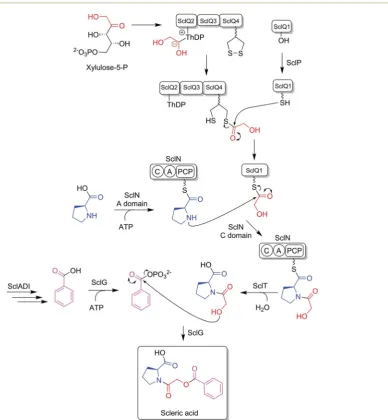
Fig. 4 Proposed biosynthetic pathway to scleric acid.
Open Access Article. Published on 19 October 2018. Downloaded on 10/19/2018 1:50:47 PM.
This article is licensed under a
Dening key biosynthetic genes in thesclcluster
BLASTp analyses24combined with the elucidated structure for scleric acid allowed us to propose plausible functional assign-ments for all the biosynthetic enzymes coded in thescl BGC (Table 1 and Fig. 4).32–34 Three main building blocks were identied as being part of scleric acid: a glycolic acid unit (highlighted in red in Fig. 4), a benzoic acid unit (in magenta in Fig. 4) and anL-proline residue (in blue in Fig. 4). The origin of these three building blocks and the overall biosynthesis of scleric acid are discussed in detail here.
The four proteins encoded by genes sclQ1-4 showed high homology to a set of three enzymes–QncN, QncL and QncM– fromStreptomyces melanovinaceus. This set of enzymes has been shown to direct the biosynthesis and attachment of a C2 -gly-colicacyl unit to a non-ribosomal peptide.34More specically, SclQ2 was homologous to QncN, a thiamin diphosphate (ThDP) binding domain. SclQ3 was homologous to the rst two N-terminal domains of QncL, a pyruvate dehydrogenase/ transketolase pyrimidine binding domain and a transketolase C-terminal domain while SclQ4 was homologous to the last two domains of QncL, a lipoyl attachment domain and an acyl-transferase catalytic domain. Lastly, SclQ1 was homologous to the acyl carrier protein (ACP) QncM. Based on the homology of SclQ1-4 with QncN, QncL and QncM, we propose that SclQ1-4 are overall responsible for converting of a ketose phosphate from the primary metabolism (such as xylulose-5-phosphate) into the activated glycolic acid unit found in scleric acid.
The three-gene cassette made ofsclA,sclDandsclIshowed high homology to genes involved in biosynthesis of a benzoic acid unit inStreptomycessp. YN86.33Specically, SclA showed high similarity to the anthranilate synthase enzyme PauY18, SclD to the DAHP synthase PauY21 and SclI to the iso-chorismatase PauY19. Overall these three enzymes were hypothesised to be responsible for biosynthesis of the benzoyl group found in scleric acidviachorismate as an intermediate. SclN was predicted to be a NRPS enzyme consisting of a single minimal elongation module: a putative, atypical condensation domain (C), an adenylation domain (A) and a peptidyl carrier protein (PCP) domain.35The SclN A-domain was predicted to specically activate L-proline, which was in accordance with the presence of aL-proline residue in scleric acid.25The SclN C-domain was proposed to catalyse the amide bond formation betweenL-proline and glycolic acid.
Other genes putatively involved in biosynthesis and export of scleric acid and present in thesclcluster are:sclT,sclGandsclE. The thioesterase SclT is predicted to release theL-proline– oxy-acetic acid intermediate from the PCP-domain of SclN. We propose that the ATP-grasp family enzyme SclG would bind and activate the benzoic acid unit produced by SclADI. That same enzyme would also promote condensation of the benzoyl unit withL-proline–oxyacetic acid, giving scleric acid. This would be exported out of the cell by the putative MFS transporter SclE.
In order to conrm the proposed involvement of the enzymes SclN, SclA and SclQ1-4 in the biosynthesis of the building blocks that make up scleric acid, we constructed gene deletion mutants in strains where the transcriptional repressor
sclM4 has also been inactivated (S. albus/scl DsclM4 back-ground). Plasmids pCm2-sclN, pCm2-sclA and pCm2-sclQ1-4 were assembled and used to generate double mutant strains S. albus/scl DsclM4 DsclN, S. albus/scl DsclM4 DsclA and S. albus/sclDsclM4DsclQ1-4.Deletions were conrmed by PCR screening (ESI Fig. S3†). UHPLC-HRMS analysis revealed that production of scleric acid was abolished inS. albus/sclDsclM4
DsclN andS. albus/scl DsclM4 DsclA (Fig. 3a), conrming the essential role of SclN and SclA. Residual scleric acid production was detected from S. albus/sclDsclM4DsclQ1-4; this could be explained by the fact that glycolic acid is known to be produced by Streptomyces species in particular for the biosynthesis of N-glycolylmuramic acid.36Addition of 5 mM glycolic acid to the culture medium ofS. albus/sclDsclM4DsclQ1-4also resulted in scleric acid being produced in similar level to that observed withS. albus/sclDsclM4(ESI Fig. S16†).
The identication of key precursors in scleric acid biosyn-thesis was also exploited to further increase the titres of scleric acid produced by S. albus/scl DsclM4. Enriching the culture medium with 5 mM L-proline, 5 mM benzoic acid or 5 mM glycolic acid signicantly increased levels of scleric acid observed upon UHPLC-HRMS analysis of the ethyl acetate extracts compared to those observed with S. albus/sclDsclM4 grown on the standard supplemented minimal medium (ESI Fig. S17†). The strategy of manipulating the pathway-specic transcriptional regulatory system also makes scleric acid production not reliant on a complex culture medium. Importantly the utilisation of supplemented minimal media does signicantly facilitate the isolation of the natural product of interest.
Evidence for proposed biosynthetic intermediates
Based on the predicted function of thesclbiosynthetic genes, we therefore proposed a putative biosynthetic route to scleric acid as shown in Fig. 4. A glycolic acid unit is believed to be produced by SclQ2-4 and loaded onto the SclQ1 ACP. SclP would convert apo-SclQ1 into holo-SclQ1 by phosphopantetheinyla-tion. Meanwhile the adenylation domain of the NRPS SclN would activateL-proline, which could then be condensed to the glycolic acid unit through the activity of the C-domain of SclN. The L-proline–oxyacetic acid intermediate would then be released from the PCP-domain of SclN by the activity of the thioesterase SclT. The three enzymes SclADI would direct the biosynthesis of the benzoic acid moiety, which would be acti-vated by the ATP-grasp family enzyme SclG. That same enzyme would also catalyse the condensation of the benzoyl unit with L-proline–oxyacetic acid, giving scleric acid. Lastly, scleric acid would be exported out of the cell by the putative MFS trans-porter SclE.
In support to this proposed pathway, we investigated by UHPLC-HRMS accumulation of the L-proline–oxyacetic acid intermediate from the ethyl acetate extracts of the scleric acid producing strain, as well as of the double mutant strains. A compound with a retention time of 3.0 minutes on C18reverse phase HPLC column and an m/z value of 174.0763 [M(C7H12NO4) + H]+(calculatedm/zof 174.0761) was detected in
Open Access Article. Published on 19 October 2018. Downloaded on 10/19/2018 1:50:47 PM.
This article is licensed under a
the scleric acid producing strainS. albus/sclDsclM4, as well as in the double mutantsS. albus/sclDsclM4DsclQ1-4andS. albus/scl
DsclM4 DsclA (ESI Fig. S18†). Consistent with the predicted function of theL-proline-activating NRPS SclN, strainS. albus/scl
DsclM4DsclNdid not show any accumulation ofL-proline– oxy-acetic acid. In order to further conrm the identity of this intermediate, which was detected from the crude extracts in amounts not sufficient for HPLC purication and subsequent NMR characterisation, a synthetic standard was prepared (see ESI Fig. S22† for a schematic representation of the synthetic route) and run alongside the crude extracts on UHPLC-HRMS. This showed the same retention time and mass spectrum as the natural productL-proline–oxyacetic acid intermediate (ESI Fig. S18†). Moreover, we grewS. albus/sclDsclM4DsclN, unable to produce scleric acid, in the presence of 5 mM L-proline– oxyacetic acid. Feeding the intermediate to the mutant strain restored production of scleric acid, as visible from UHPLC-HRMS analysis of its acidied ethyl acetate extracts (ESI Fig. S19†). This provides additional evidence that L-proline– oxyacetic acid is a true intermediate in scleric acid biosynthesis. It also suggests that the L-proline–oxyacetic acid is released from the C-domain of SclN prior to SclG catalysing its conden-sation with the benzoyl group, in accordance with the order of reactions proposed in Fig. 4.
Biological activity of scleric acid
The antimicrobial activity of scleric acid was assessed. Inhibi-tory activity against representatives of the ESKAPE panel of pathogens: Enterococcus faecium, Staphylococcus aureus, Klebsiella pneumoniae, Acinetobacter baumannii, Pseudomonas aeruginosa, and Enterobacter cloacaewasrst screened but all strains appeared to be resistant to scleric acid, giving no observable MIC (ESI Table S6†).
Scleric acid was then tested for a broader range of pharma-ceutically relevant bioactivities through the Eli Lilly Open Innovation Drug Discovery (OIDD) Program. In a single point (20mM) primary assay, scleric acid showed moderate antibac-terial activity against Mycobacterium tuberculosis (H37Rv), exhibiting a 32% inhibition on the growth of this strain.
Scleric acid showed inhibitory activity on the cancer-associated metabolic enzyme nicotinamide N -methyltransfer-ase (NNMT), the overexpression of which is known to contribute to tumorigenesis.37 NNMT catalyses the transfer of a methyl group from S-adenosyl-L-methionine (SAM) to nicotinamide, generating S-adenosyl-L-homocysteine (SAH) and 1-methyl-nicotinamide (MNAN).37Scleric acid showed, on a concentra-tion response curve assay, IC50of 178.0mM (NNMT MNAN) and 186.6mM (NNMT SAH) (ESI Fig. S4†).
Conclusions
Specialised metabolites from actinomycete bacteria are one of the most valuable sources of novel antibiotics, as well as of other useful bioactive compounds employed in variouselds, from human medicine to crop protection. High-throughput sequencing of bacterial genomes/metagenomes has become
quick and inexpensive, and is unearthing a myriad of putative gene clusters that are awaiting to be characterised and exploi-ted. In this study, we have demonstrated that a cryptic gene clusters from a genetically intractable actinomycete could be successfully exploited for characterising the biosynthetic pathway it encodes as well as the resulting natural product. In principle, the same approach could be used with metagenomic DNA. Our strategyrst relied on the bioinformatics identi ca-tion and selecca-tion of cryptic gene clusters containing a charac-terised regulatory system (Fig. 1). A DNA fragment containing the entire gene cluster was then capturedviaTAR cloning and introduced in the genome of a validated heterologous host. Expression of the biosynthetic genes was then triggered through CRISPR/Cas9-mediated editing of the keymmyR-like transcrip-tional repressor. Analytical chemistry procedures were then undertaken to identify, isolate and characterise the new natural product, overproduced in the heterologous host. Finally, subsequent rounds of CRISPR/Cas9-mediated gene deletions targeted putative biosynthetic genes and afforded mutant strains. In turn, a biosynthetic route to the novel natural product could be proposed. This approach was validated by the discovery of (2-(benzoyloxy)acetyl)-L-proline, named scleric acid, from the genome of the soil-dwellinglamentous bacteriumStreptomyces sclerotialusNRRL ISP-5269. Based on the predicted function of the Scl enzymes and the detection of a key intermediate from culture extracts of selected strains a plausible biosynthetic route to scleric acid was proposed (Fig. 4). In addition to the novel biochemistry this biosynthetic pathway offers, scleric acid has been shown to exhibit moderate antibacterial activity against M. tuberculosis, as well inhibition on the cancer-associated enzyme nicotinamide N-methyltransferase (NNMT). We are currently investigating scleric acid bioactivity further through the Eli Lilly Open Innovation Drug Discovery (OIDD) Program.
The widespread presence of orthologues of the methyl-enomycin regulatory genes among actinomycete genomes (ESI Table S4†) revealed that the approach described herein might be very promising for the discovery and characterisation of novel natural products, and therefore, of novel biocatalysts. Comparative genomics analyses also indicated that there is no apparent correlation between the presence of the regulatory cassette we targeted and the type of natural products that they regulate production of –both in relation to biosynthesis and bioactivity – methylenomycin,9 gaburedins12 and scleric acid being examples of natural products characterised so far.
In conclusion, beyond the discovery of this specialised metabolite, we strongly believe that targeting conserved pathway-specic regulatory elements, as opposed to mining BGCs encoding dened enzymatic machineries (i.e.PKS, NRPS), will lead to the identication and characterisation of microbial natural products assembled by truly novel types of biocatalysts.
Materials and methods
Bioinformatics analysis
The whole genome sequence ofStreptomyces sclerotialusNRRL ISP-5269 was downloaded from the Genomes Online Database of the JGI Portal (U.S. Department of Energy, https://
Open Access Article. Published on 19 October 2018. Downloaded on 10/19/2018 1:50:47 PM.
This article is licensed under a
gold.jgi.doe.gov/, GOLD Project ID Gp0187859). Contig43 of the genome contained thesclgene cluster object of this study. A combination of AntiSMASH23 and manual BLASTp24analyses allowed to dene the putative borders of the sclcluster and predict the function of the encoded enzymes. The website for PKS/NRPS analysis from the University of Maryland was used for domain prediction of SclN.25SerialCloner 2.6.1 (SerialBasics) was used for DNA sequence analysis and plasmid design. Mul-tigene BLAST21 was used to search for gene clusters that included homologues of the methylenomycin regulatory genes fromS. coelicolorA3(2) and allowed to pinpoint thesclBGC from S. sclerotialusNRRL ISP-5269. ClusterTools was used to search orthologues of the proteins involved in regulation of methyl-enomycin production in other actinomycetes (ESI Table S4†), as well as orthologues of thesclcluster proteins in other actino-mycetes (ESI Table S5†).22
Reagents
All chemicals were purchased from Sigma-Aldrich, unless otherwise stated. Phusion DNA polymerase, as well as all restriction endonucleases, T4 DNA ligase, shrimp alkaline phosphatase (rSAP) and Gibson Assembly cloning kit, were purchased from New England Biolabs. Zymolyase 20T was purchased from MP Biomedicals, 5-uoroorotic acid (5-FOA) was purchased from Thermo Fisher Scientic. Primers for PCR amplication were purchased from Sigma-Aldrich (see ESI Table S3†for a list of oligonucleotides used in this study).
Culturing and engineering of microorganisms
Streptomyces sclerotialusNRRL ISP-5269 was obtained from JCM (Japan Collection of Microorganisms, culture collection number 4828T) (see ESI Table S1†for a list of strains used in this study). Streptomyces albusJ1074 andStreptomyces coelicolorM1152 were used for heterologous expression. AllStreptomycesstrains were grown on soyaour mannitol (SFM) agar medium (20 g L1soya
our, 20 g L1mannitol, 20 g L1agar), with appropriate anti-biotic selection upon insertion of plasmid DNA (50mg mL1 apramycin when transformed with pCRISPomyces-2-derived plasmids; 25 mg mL1 kanamycin when transformed with pCAP03-derived plasmids; 25mg mL1nalidixic acid on therst round of subculture aer intergeneric conjugation). E. coli ET12567 and ET12567/pUB307 were used for the purpose of intergeneric tri-parental conjugation. One Shot TOP10 chemi-cally competentE. colicells (Thermo Fisher Scientic) were used for cloning and storage of plasmid DNA. AllE. colistrains were grown on lysogeny broth (LB) medium (10 g L1 tryptone, 5 g L1yeast extract, 10 g L1NaCl) or LB agar medium (same as LB medium, with 15 g L1 agar), with appropriate antibiotic selection (50 mg mL1 apramycin when transformed with pCRISPomyces2-derived plasmids, 25 mg mL1 chloramphen-icol to maintain the dam mutation in E. coli ET12567, 25 mg mL1 kanamycin either to maintain helper plasmid pUB307 or aer insertion of pCAP03-derived plasmids).
S. cerevisiaeVL6-48N was used for TAR cloning and grown on yeast extract peptone (YPD) broth (5 g L1yeast extract, 10 g L1 peptone, 2% w/v glucose) or YPD agar (same as YPD, with
15 g L1agar). Purication of genomic DNA fromS. sclerotialus was performed from a 100 mL liquid culture by phenol-chloroform extraction.13 The scl gene cluster was captured using TAR cloning.26Assembly of plasmid pCAP03-sclwas per-formed following the procedure described by Moore and colleagues; pCAP03 was a gi from Bradley Moore (Addgene plasmid # 69862) (see ESI Table S2†for a list of plasmids used in this study).27For this purpose String DNA fragments (Thermo Fisher Scientic) were ordered to include 60-bp hooks homol-ogous to either side of the scl cluster (ESI Table S2†) and introduced into pCAP03 via Gibson Assembly (New England Biolabs). The identity of the captured cluster was conrmed by PCR amplication and restriction digestion (ESI Fig. S1†). Insertion of thesclgene cluster in the genome of the heterolo-gous hosts S. albus and S. coelicolor was accomplished via intergeneric tri-parental conjugation following the protocol described by Moore and colleagues.27 CRISPR/Cas9-based engineering ofS. albusstrains was performed using plasmids pCm2-sclM4, pCm2-sclN, pCm2-sclAand pCm2-sclQ1-4. Golden Gate Assembly wasrst performed to insert the specic sgRNAs into the backbone pCm2 plasmid, then Gibson Assembly was used to include 800-bp homologous recombination arms, all following the procedure described by Zhao and colleagues; pCRISPomyces-2 was a gi from Huimin Zhao (Addgene plasmid # 61737).15 Clearance of temperature sensitive plas-mids based on pCm2 was achieved by culturing the mutant strains on SFM agar medium non-selectively at 39C.
Identication, isolation and structure elucidation of scleric acid
S. albusstrains were cultured for 5 days at 30 C on supple-mented solid minimal (SM) medium (2 g L1 casaminoacids, 8.68 g L1TES buffer, 15 g L1agar; aer autoclaving, and just before use, 10 mL of 50 mM NaH2PO4+ K2HPO4, 5 mL of 1 M MgSO4, 18 mL of 50% w/v glucose and 1 mL of trace element solution [0.1 g L1each of ZnSO
4$7H2O, FeSO4$7H2O, MnCl2
-$4H2O, CaCl2$6H2O and NaCl] were added) as described by Hopwood and colleagues.13 Ethyl acetate was added in equal volume to the volume of SM medium used, and acidied to pH 3 by the addition of 37% HCl. The ethyl acetate layer was removed and evaporated under reduced pressure. The remaining residue was dissolved in 500mL of 50 : 50 (v/v) HPLC grade methanol/ water for UHPLC-HRMS analysis. For purication of scleric acid, 2 L of SM culture medium was used for organic extrac-tions, and the remaining residue aer evaporation of ethyl acetate was dissolved in 10 mL 50 : 50 HPLC grade methanol/ water for silica column pre-purication.
UHPLC-HRMS analyses were carried out with 20 mL of prepared extracts injected through a reverse phase column (Zorbax Eclipse Plus C18, size 2.1 100 mm, particle size 1.8 mm) connected to a Dionex 3000RS UHPLC coupled to Bruker Ultra High Resolution (UHR) Q-TOF MS MaXis II mass spectrometer with an electrospray source. Sodium formate (10 mM) was used for internal calibration and am/zscan range of 50–1500 was used with a gradient elution from 95 : 5 solvent A/solvent B to 0 : 100 solvent A/solvent B over 10 minutes.
Open Access Article. Published on 19 October 2018. Downloaded on 10/19/2018 1:50:47 PM.
This article is licensed under a
Solvents A and B were water (0.1% HCOOH) and acetonitrile (0.1% HCOOH), respectively.
Pre-purication of crude extract containing scleric acid was performed usingash chromatography. A column was loaded with C18-reversed phase silica gel, preconditioned with one volume of methanol, activated with one volume of solvent B (0.045% v/v triuoroacetic acid in acetonitrile), and equilibrated with two volumes of solvent A (0.045% v/v triuoroacetic acid in water). Crude extract was loaded onto the column. Compounds were then eluted withve different consecutive solvent systems: two volumes of 20 : 80 solvent B/solvent A, two volumes of 40 : 60 solvent B/solvent A, two volumes of 50 : 50 solvent B/solvent A, two volumes of 60 : 40 solvent B/solvent A and two volumes of 80 : 20 solvent B/solvent A. Fractions were collected throughout the elution steps, evaporated under reduced pres-sure and dissolved in 500 mL of 50 : 50 (v/v) HPLC grade methanol/water for UHPLC-HRMS analysis. Fractions contain-ing scleric acid were combined and used for HPLC purication. Reverse-phase HPLC was performed using a Zorbax XBD-C18 column (212 150 mm, particle size 5 mm) connected to an Agilent 1200 HPLC equipped with a binary pump and DAD detector. Solvent A: 0.1% TFA water, solvent B: 0.1% TFA in acetonitrile, 5% B to 95% B in 45 min. Retention time compound 1: 29.7 min, retention time compound 2 (scleric acid): 34.4 min. Gradient elution was used (solvent A: water with 0.1% HCOOH, solvent B: methanol) with aow rate of 10 mL min1. Fractions were collected by time or absorbance at 210 nm using an auto-mated fraction collector. The fractions collected containing scleric acid were pooled, methanol removed under reduce pressure and scleric acid was re-extracted from the remaining water (250 mL ethyl acetate). The ethyl acetate was removed under reduced pressure and the sample re-dissolved in deuter-ated methanol for NMR analysis.
MIC testing
The susceptibility of bacterial strains was investigated in collaboration with the Warwick Antimicrobial Screening Facility in a 96-well plate experiment, according to the Clinical & Laboratory Standards Institute (CLSI) guidelines (M7-A9 2012). Scleric acid was diluted to a concentration of 7.5 mg mL1in 25% DMSO in distilled water. To further prevent toxicity effects from DMSO in MIC testing, 27mL of the natural product stock was combined with 173mL of cation adjusted Muller-Hinton broth to anal concentration of 1024 mg mL1of compound in 200 mL with 3% DMSO. This was then further doubling diluted throughout the MIC. Meropenem and cefoxitin were used as positive controls during MIC testing.
Con
fl
icts of interest
There are no conicts to declare.
Acknowledgements
This project was supported by BBSRC through grant BB/ M022765/1, by the Warwick Integrative Synthetic Biology
Centre (WISB), a UK Synthetic Biology Research Centre grant from EPSRC and BBSRC (BB/M017982/1) and by The Royal Societyviaa University Research Fellowship UF090255 to C. C. The authors would also like to thank the BBSRC-funded Midlands Integrative Biosciences Training Partnership for a PhD studentship to D. J. L. We thank Dr John Sidda and Dr Vincent Poon for preliminary bioinformatics analyses, as well as Dr Emmanuel L. C. de los Santos for assistance with Clus-terTools analyses. The Warwick Antimicrobial Screening Facility (INTEGRATE EPSRC-funded through grant EP/ M027503/1) is thanked. OIDD screening data supplied cour-tesy of Eli Lilly and Company–used with Lilly's permission.
References
1 P. J. Rutledge and G. L. Challis,Nat. Rev. Microbiol., 2015,13, 509.
2 P. Cimermancic,et al.,Cell, 2014,158, 412. 3 A. Zipperer,et al.,Nature, 2016,535, 511.
4 E. Mahenthiralingam,et al.,Chem. Biol., 2011,18, 665. 5 L. L. Ling,et al.,Nature, 2015,517, 455.
6 A. Milshteyn, J. S. Schneider and S. F. Brady, Chem. Biol., 2014,21, 1211.
7 Y. Luo,et al.,Nat. Commun., 2013,4, 2894.
8 G. Liu, K. F. Chater, G. Chandra, G. Niu and H. Tan, Microbiol. Mol. Biol. Rev., 2013,77, 112.
9 C. Corre, L. Song, S. O'Rourke, K. Chater and G. L. Challis, Proc. Natl. Acad. Sci. U. S. A., 2008,105, 17510.
10 S. O'Rourke, A. Wietzorrek, K. Fowler, C. Corre, G. L. Challis and K. F. Charter,Mol. Microbiol., 2009,71, 763.
11 J. Wang, W. Wang, L. Wang, G. Zhang, K. Fan, H. Tan and K. Yang,Mol. Microbiol., 2011,82, 236.
12 J. D. Sidda, L. Song, V. Poon, M. Al-Bassam, O. Lazos, M. J. Buttner, G. L. Challis and C. Corre,Chem. Sci., 2014,5, 86. 13 T. Kieser, M. J. Bibb, M. J. Buttner, K. F. Chater and D. Hopwood, Practical Streptomyces Genetics, John Innes Foundation, Norwich, U.K., 2000.
14 M. Jinek, K. Chylinski, I. Fonfara, M. Hauer, J. A. Doudna and E. Charpentier,Science, 2012,337, 816.
15 R. E. Cobb, Y. Wang and H. Zhao,ACS Synth. Biol., 2015,4, 723. 16 H. Huang, G. Zheng, W. Jiang, H. Hu and Y. Lu,Acta Biochim.
Biophys. Sin., 2015,47, 231.
17 Y. Tong, P. Charusanti, L. Zhang, T. Weber and S. Yup Lee, ACS Synth. Biol., 2015,18, 1020.
18 M. M. Zhang,et al.,Nat. Chem. Biol., 2017,13, 607. 19 M. J. Thirumalachar,Nature, 1955,176, 934.
20 J. E. Bowyer, E. L. C. de los Santos, K. M. Styles, A. Fullwood, C. Corre and D. G. Bates,J. Biol. Eng., 2017,11, 30.
21 M. H. Medema, E. Takano and R. Breitling,Mol. Biol. Evol., 2013,30, 1218.
22 E. L. C. de los Santos and G. L. Challis,bioRxiv, 2017, DOI: 10.1101/119214.
23 T. Weber, K. Blin, S. Duddela, D. Krug, H. Uk-Kim, R. Bruccoleri, S. Yup-Lee, M. A. Fischbach, R. M¨uller, W. Wohlleben, R. Breitling, E. Takano and M. H. Medema, Nucleic Acids Res., 2015,43, W237.
Open Access Article. Published on 19 October 2018. Downloaded on 10/19/2018 1:50:47 PM.
This article is licensed under a
24 S. F. Altschul, W. Gish, W. Miller, E. W. Myers and D. J. Lipman,J. Mol. Biol., 1990,215, 403.
25 O. Bachmann and J. Ravel,Methods Enzymol., 2009,458, 181. 26 K. Yamanaka, K. A. Reynolds, R. D. Kerstena, K. S. Ryana, D. J. Gonzalez, V. Nizete, P. C. Dorrestein and B. S. Moore, Proc. Natl. Acad. Sci. U. S. A., 2014,111, 1957.
27 X. Tang, J. Li, N. Mill´an-Agui˜naga, J. J. Zhang, E. C. O'Neill, J. A. Ugalde, P. R. Jensen, S. M. Mantovani and B. S. Moore,ACS Chem. Biol., 2015,10, 2841.
28 N. Zaburannyi, M. Rabyk, B. Ostash, V. Fedorenko and A. Luzhetskyy,BMC Genomics, 2014,15, 97.
29 J. P. Gomez-Escribano and M. J. Bibb,Microb. Biotechnol., 2011,4, 207.
30 P. Marfey,Carlsberg Res. Commun., 1984,49, 591.
31 S. C. Ghosh, J. S. Y. Ngiam, A. M. Seayad, D. T. Tuan, C. L. L. Chai and A. Chen,J. Org. Chem., 2012,77, 8007. 32 J. Mareˇs, J. H´ajek, P. Urajov´a, J. Kopeck´y and P. Hrouzek,
PLoS One, 2014,9, e111904.
33 J. Li, Z. Xie, M. Wang, G. Ai and Y. Chen,PLoS One, 2015,10, e0120542.
34 C. Peng, J.-Y. Pu, L.-Q. Song, X.-H. Jian, M.-C. Tang and G.-L. Tang,Proc. Natl. Acad. Sci. U. S. A., 2012,109, 8540. 35 C. T. Walsh,Nat. Prod. Res., 2016,33, 127.
36 A. Surrey, R. W. Attwell and T. Cross,J. Gen. Appl. Microbiol., 1985,31, 493.
37 O. A. Ulanovskaya, A. M. Zuhl and B. F. Cravatt,Nat. Chem. Biol., 2013,9, 300.
Open Access Article. Published on 19 October 2018. Downloaded on 10/19/2018 1:50:47 PM.
This article is licensed under a