A Thesis Submitted for the Degree of PhD at the University of Warwick
Permanent WRAP URL:
http://wrap.warwick.ac.uk/95594
Copyright and reuse:
This thesis is made available online and is protected by original copyright. Please scroll down to view the document itself.
Please refer to the repository record for this item for information to help you to cite it. Our policy information is available from the repository home page.
Body Dissatisfaction and Commitment to Train as a Competitive
Bodybuilder
Ruth Burrell
This thesis is submitted in partial fulfilment of the requirements for the degree of
Doctor of Clinical Psychology
Coventry University, Faculty of Health and Life Sciences
University of Warwick, Department of Psychology
Contents
Acknowledgements 11
Declarations 12
Summary 13
Chapter 1 - Literature Review……….14
1.1 Abstract………15
1.2 Introduction………..16
1.2.1 Body Image………..16
1.2.2 Body Dissatisfaction………..18
1.2.3 Body Dysmorphia………22
1.2.4 Eating Disorders………...23
1.3 Rationale……….. 24
1.3.1 Review Aims………. 25
1.4 Literature Search………. 25
1.4.1 Search Process………..25
1.4.2 Search Terms ………26
1.4.3 Inclusion and Exclusion Criteria ………...26
1.4.4 General Initial Screening ………27
1.4.5 Specific Inclusion Criteria………28
1.4.6 Exclusion Criteria ………28
1.4.7 Search Strategy ……….30
1.5 Quality Assessment………..………..30
1.5.1 Quality Assessment Tool………....30
1.6 Results ………45
1.6.1 Characteristics of the Literature………45
1.6.2 Overview of the Studies………..46
1.6.1.1 Relationship between body dissatisfaction, anxiety and / or depression………....46
1.6.1.2 No relationship between body dissatisfaction, anxiety and / or depression ………. 50
1.6.1.3 Self-esteem………..52
1.7 Discussion ………53
1.7.1 Summary of findings……….53
1.7.2 Limitations……….56
1.7.3 Suggestions for future research……….57
1.7.4 Clinical Implications ………57
1.8 Conclusions………..59
1.9 References………...60
Chapter 2 - Empirical Paper………77
2.1 Abstract……….78
2.2 Introduction ………..79
2.2.1 Competitive bodybuilding ………79
2.2.2 Physical appearance and society ……….81
2.2.3 Motivation and psychological characteristics………..82
2.2.5 Rationale for aims of current research………..85
2.3 Method………...87
2.3.1 Research design ……….87
2.3.3 Procedure………87
2.3.3.1 Ethical procedures……….88
2.3.3.2 Materials………..89
2.3.3.3 Recruitment ………..89
2.3.3.4 Interview procedure………89
2.3.4 Analysis………90
2.3.4.1 Validity of study ……….90
2.3.4.2 The researcher’s position ………91
2.4 Results………92
2.4.1 Challenging self………92
2.4.1.1 Endless striving………...93
2.4.1.2 Perfectionism and unrelenting standards………...95
2.4.1.3 Body dissatisfaction………..96
2.4.2. A sense of control………..99
2.4.2.1 Focus and control on diet………..99
2.4.2.2 Exercise and attention to detail……….101
2.4.3 Self in relation to others……….103
2.4.3.1 Social interactions and relationships………103
2.4.3.2 Dealing with misconceptions and comments…………105
2.4.3.3 Being seen, being judged a different side to ‘me’……106
2.5 Discussion ………108
2.5.1 Discussion of findings………...108
2.5.2 Clinical implications………..114
2.5.3 Methodological limitations………116
2.5.4 Areas for future research………117
2.6 Conclusion ………117
2.7 References………119
Chapter 3 – Reflective Paper……….126
3.1 Introduction………127
3.1.1 What does reflective practice mean to me? ……….127
3.1.2 What motivated me to undertake my chosen research topic? ………128
3.1.3 Overcoming challenges………129
3.1.3.1 Research idea……….129
3.1.3.2 Recruitment………129
3.1.3.3 Interviews………130
3.1.3.4 Transcribing and analysing the transcripts………….133
3.1.3.5 Developing themes……….134
3.2 Reflecting on my assumptions about female bodybuilding………134
3.2.1 Eating disorders and the willingness to talk about them…….135
3.3 Reflecting on professional development ………....137
3.3.1 How have I developed as a researcher………137
3.4 References………138
List of tables and figures 8
List of appendices 9
List of tables
Table 1.1 Systematic review search terms……… 26
Table 1.2 Inclusion and exclusion criteria………. 29
Table 1.3 Summary of the key characteristics of the literature reviewed………. 33
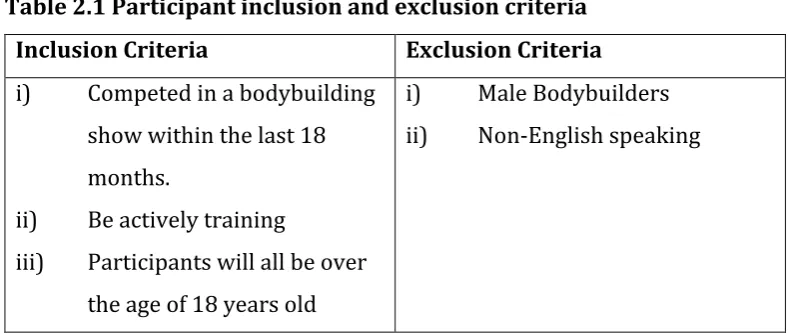
Table 2.1 Participant inclusion and exclusion criteria………. 87
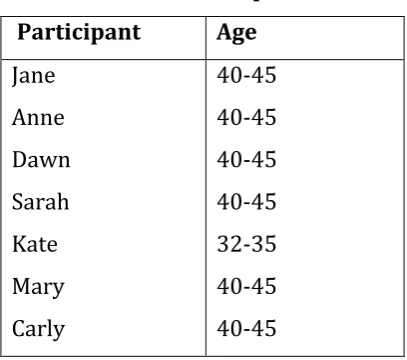
Table 2.2 Participant details………. 88
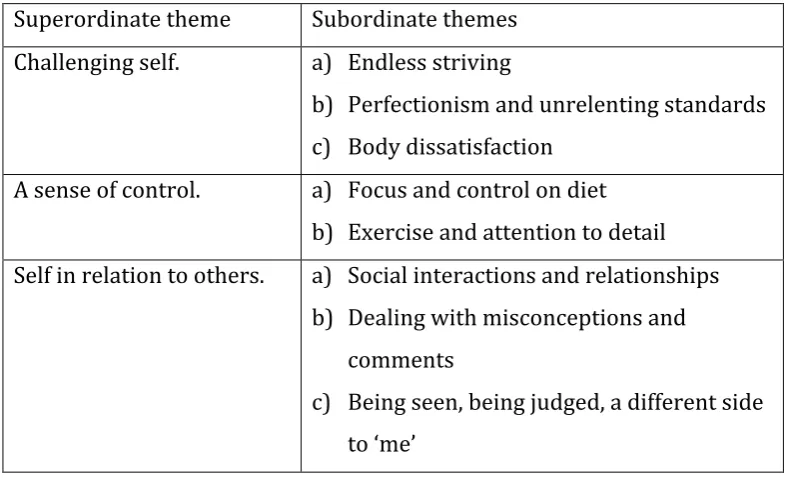
Table 2.3 Superordinate and subordinate themes………. 92
List of Appendices
Appendix A: Author instructions for Body Image: An International Journal
of Research……… 143
Appendix B: Confirmation of Ethical approval for the Literature review………....148
Appendix C: Quality appraisal checklist………149
Appendix D: Confirmation of Ethical approval for the Empirical paper…. 152 Appendix E: Semi-structured interview schedule……….. 153
Appendix F: Participant information sheet………. 154
Appendix G: Participant consent form………... 156
Appendix H: The stages of IPA………. 158
Abbreviations
BDD Body Dysmorphic Disorder
BDDF Body Dysmorphic Disorder Foundation CAT Cognitive Analytical Therapy
CBT Cognitive Behavioural Therapy ED Eating Disorder
GP General Practitioner
INBA International Natural Bodybuilding Association IPA Interpretative Phenomenological Analysis IPT Interpersonal Psychotherapy
NAMH National Association for Mental Health NEDC National Eating Disorder Collaboration NHS National Health Service
NICE National Institute for Health and Care Excellence
PRISMA Preferred Reporting Items for Systematic Reviews and Meta-Analysis
UK United Kingdom
Acknowledgements
Declaration
Summary
This thesis explores body dissatisfaction and the commitment to train within a competitive sport. Given the rise of social media and different forums for people to make social comparisons, including on their physical appearance the implications on an individuals’ psychological wellbeing is interesting to explore. The first chapter is a systematic review of the relationship between body dissatisfaction, anxiety and / or depression. Throughout the review the studies are critically appraised and themes that emerged from the studies are discussed (‘Relationship between body dissatisfaction, anxiety and / or depression’; ‘No relationship between body dissatisfaction, anxiety and / or depression’; ‘Self-esteem’). Limitations, future directions for research and advice and suggestions for health professionals working with people describing body dissatisfaction are also discussed.
The second chapter explores the lived experiences of committing to train as a competitive female bodybuilder. Seven women were recruited for this study and a qualitative methodology, Interpretative Phenomenological Analysis (IPA) was used. Three themes emerged from the data: ‘Challenging self’, ‘Perfectionism and unrelenting standards’ and ‘Self in relation to others’. Findings are discussed in the context of clinical implications and future research is considered. The third chapter is a reflective account of the research process. Highlighting areas of personal and professional learning throughout the process.
Word count (excluding tables, figures, references and appendices)
CHAPTER ONE
Literature Review
The Relationship between Dissatisfaction with Body Image,
Anxiety and Depression:
A Systematic Review
In preparation for submission to the Body Image: An International Journal of Research (See Appendix A for author instructions for submission)
1.1 Abstract
Aim. A negative body image can lead to unhealthy behaviours that may result
in anxiety and depression (Fardouly, Diedrichs, Vartanian & Halliwell, 2015). This systematic review aims to critically review the literature regarding body dissatisfaction, and its relationship to anxiety and depression.
Method. A systematic search of relevant databases in psychology, nursing and medicine, identified 11 papers which were then synthesised and subject to a quality assessment.
Results. The review highlighted three broad themes: The relationship
between body dissatisfaction, anxiety and / or depression; No relationship between body dissatisfaction, anxiety and / or depression and Self-esteem. Conclusion. The relationship between body dissatisfaction, anxiety and / or
depression was found to be complicated and connected to the development of maladaptive behaviours. Further research is needed using a variety of research methodologies to understand the relationship between body dissatisfaction, and the development of anxiety and / or depression.
1.2 Introduction
1.2.1 Body Image
Body image may be described as a combination of how someone perceives their physical self; not necessarily how they actually are but how they think and feel about their physical appearance (National Eating Disorder Collaboration [NEDC], 2011). An individual can have a positive body image, where they feel confident about their body, and have an accurate perception of their physical self. In contrast, an individual may have a negative body image, where they feel uncomfortable with their body and perceive their body in a negative way (Cash & Pruzinsky, 2002; Muehlenkamp & Brausch, 2012).
Tiggemen, 2004). Research has demonstrated links between cultural pressures to develop these body ideals and consequent body dissatisfaction (Demarest & Allen, 2000; Fardouly, Diedrichs, Vartanian & Halliwell, 2015; Muehlenkamp & Brausch, 2012; Tiggemann & Slater, 2014).
In addition to cultural pressures, Levine and Smolak (2002) highlight the importance of early adolescence and the stages of puberty on the development of body image. The authors note how physical changes, occuring for girls during puberty such as weight gain, create the potential for them to develop a negative body image and embark upon behaviours (such as dieting) to achieve the ‘thin’ ideal (Levine & Smolak, 2002). It has been suggested that an increase in the acceptance of slim, sexualised images of women in magazines and in the media, has led to women, and young girls in particular, developing greater anxiety in relation to their body image (American Psychological Association [APA] 2007; Derenne & Beresin, 2006).
1.2.2 Body Dissatisfaction
The anxiety associated with body image could contribute to the negative thoughts and feelings an individual may have about their body image and result in body dissatisfaction (Davis, 1992). Body dissatisfaction may result in the development of unhealthy behaviours in an attempt to achieve their body ideal, such as extreme dieting, excessive exercise, the use of medication or cosmetic surgery (Drewnowski, Kurth & Krahn, 1995; Goldfied, 2009; Yazdandoost, Hayatbini, Gharaee & Latifi, 2016).
protect their self-esteem which may have been threatened (Pomery, Gibbons & Stock, 2012).
Gibbons and Buunk (1999) developed a scale to measure the number of comparisons individuals typically made, their results highlighted that some people were more likely to make comparisons than others. Women were found to be more likely to make comparisons than men. There were also differences in how making more comparisons affected thoughts about self and on emotions. Gibbons and Buunk (1999) found that people who were more self-conscious and self-aware tended to make more social comparisons. Results also indicated that people who made more comparisons were more likely to experience changes in mood, have lower self-esteem, and be more depressed than individuals who made less social comparisons (Gibbons & Buunk, 1999).
behaviour, however, there is little research which has focused on this area of research (Bearman et al, 2006).
One are of research which has been explored is the relationship between social media and body dissatisfaction (Bearman et al, 2006; Fardouly et al, 2015; Riccardelli & McCabe, 2001; Tiggemann & Miller, 2010). Research has shown that people who tend to engage in social comparisons, particularly on appearance, have high body dissatisfaction (Fardouly et al, 2015; Myers & Crowther, 2009; Vartanian & Dey, 2013). It is important to note that these findings are not exclusive to women. Men also have been shown to demonstrate high body dissatisfaction after being exposed to different forms of media (Agliata & Dunn, 2004; Mulgrew, Volcevski-Kostas & Rendell, 2014). These findings suggest that regular use of social media and traditional media as well as thoughts of what the ‘ideal’ body shape aspirations are linked to someone making more social comparisons and body dissatisfaction for both men and women (Fardouly et al, 2015).
Fardouly et al, 2015; Krones, Stice, Batres & Orjada, 2005). Some caution is needed in interpreting these results, due to limitations of these studies, in that the sample size was small and it is unclear what the participants were viewing on Facebook (Fardouly et al, 2015).
Much of the research into body image and body dissatisfaction is conducted with samples from schools and colleges, hence the age range of studies is limited to 18 to 25 year olds (Grogan, 1999; Tiggemann, 2004). Studies that have examined body image over the lifespan, suggest that the importance of appearance, body shape and weight decreases with age for both men and women (Cash, Winstead & Janda, 1986; Pliner et al, 1990; Pruis & Janowsky, 2010; Tiggeman, 2004). Although body dissatisfaction has been found to be stable over time, a desire to change one’s body decreases with age, and a reduction in restricted diets and other behaviours has been observed (Peat, Peyerl, Muehlenkamp, 2008; Tiggeman & Lynch, 2001) Other studies have found that appearance anxiety also decreases with age (Tiggeman & Lynch, 2001; Tiggeman, 2004). Bedford and Johnson (2006) argue that this is due to greater societal pressure on younger women to match the ideal for the female body, in comparison to older women (Pruis & Janowsky, 2010). Callan, Kim and Matthews (2015) found that social comparison tendency also decreased with age for both men and women.
(Orbach, 1996; Hilt, Chia & Nolen-Hoekesema, 2008; Muehlenkamp & Brausch, 2012). A study conducted by Muehlenkamp and Brausch (2012) found that body image was a mediator in the relationship between low mood and self-harm in adolescents. This highlights the importance of how body dissatisfaction can impact mood and behaviour (Muehlenkamp & Brausch, 2012).
A study investigating the effects of the male ‘muscular’ ideal, presented in television advertisements with adolescent males, showed no increase in body dissatisfaction (Hargreaves & Tiggemann, 2004). Whilst some boys were willing to talk about concerns they had with their body image, others were not comfortable talking about any issues they had with their appearance. This is perhaps due to a level of shame or gender bias (Gilbert & Miles, 2002; Pope et al, 2000). It is interesting to note that feelings of shame are associated with Body Dysmorphic Disorder (BDD). Leit, Gray and Pope (2001) found that body dissatisfaction for males was about body muscle, rather than body fat. Therefore highlighting a potential gender difference in the focus of body dissatisfaction (males focusing on body muscle and females focusing on body fat), but also highlighting a potential link between body dissatisfaction and development of body dysmorphia (Cash, Phillips, Santos & Hrabosky, 2004; Leit et al, 2001).
National Association for Mental Health [NAMH] 2016). People with BDD place an importance on their appearance and judge any imperfections harshly. It is these negative thoughts about appearance that can lead to anxiety, shame and depression, as well as maladaptive coping strategies (Tomas-Aragones & Marron, 2016; Phillips, 2007). The rates of suicidal ideation and suicide attempts amongst people with BDD are high (Phillips, 2007; Nock et al, 2008). It is thought that 25% of people with BDD have attempted suicide at some point in their lives (Body Dysmorphic Disorder Foundation [BDDF] 2017). It is likely that this is in part due to the shame that people with BDD feel; as they tend to regard the focus that they have on physical appearance as negative, and therefore do not feel able to talk about the worries they have about their physical appearance (Williams, 1997). There is some overlap between BDD and Eating Disorders (ED), in respects of body dissatisfaction, and worrying about physical appearance (NAMH, 2016).
1.2.4 Eating Disorders
is important to note that anorexia has the highest mortality rate of any mental health illness (National Institute for Health and Care Excellence [NICE] 2004).
1.3 Rationale
The research highlights links between body dissatisfaction, BDD and ED (NAMH, 2016; Stice & Shaw, 2002). The research also indicates an association between with anxiety and depression in both clinical diagnoses. Examining the relationship between body dissatisfaction, anxiety and / or depression is therefore important and may inform early detection of anxiety or depression related to body dissatisfaction and help develop suitable treatments (Goldfield, 2009). Using a non-clinical population has the potential to reduce any suggestibility in the participant group, as we know body dissatisfaction is linked to disordered eating and body dysmorphia (Stice & Shaw, 2002). However, there is little known about whether there is a relationship between body dissatisfaction and anxiety and / or depression. It is also noteworthy that many people can be dissatisfied with their body, but that these feeling never lead to disordered eating, however may affect mood (Fairburn & Cooper, 1993).
dissatisfaction and depression (Hargreaves & Tiggeman, 2004; Williams, 1997). Furthermore, factors of anxiety and self-esteem that have been indicated by the literature to impact someone’s overall mood and ability to talk about their issues with their body (Hargreaves & Tiggemann, 2004; Levine & Smolak, 2002; NICE, 2004; Pope et al, 2000; Williams, 1997).
1.3.1 Review Aims
The aim of this systematic review is to identify research that highlights a relationship between body dissatisfaction, anxiety and / or depression. Exploring research with a non-clinical population, who are not known to services will allow the researcher to identify whether body dissatisfaction, anxiety and / or depression is found within the general population. This may therefore represent early signs of disordered eating or a preoccupation with physical appearance. This review will critically examine the quality of the research found.
1.4 Literature Search
1.4.1 Search Process
Library Electronic Thesis Online services. Manual searches of book catalogues and article reference lists has also been conducted.
1.4.2 Search Terms
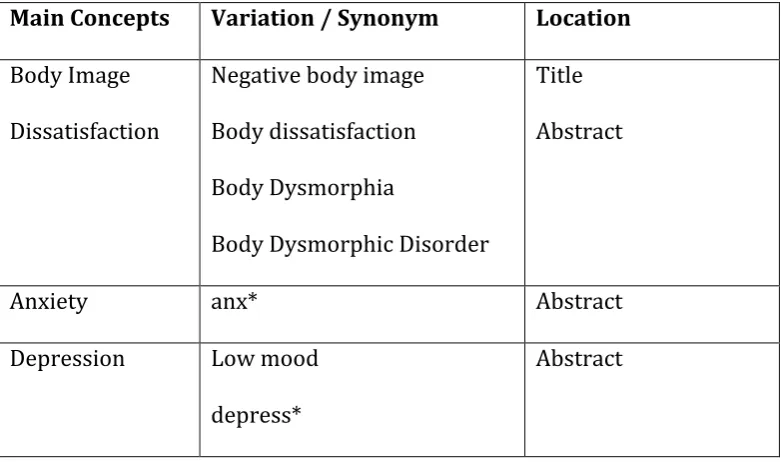
[image:25.595.115.506.381.612.2]The key search terms used are presented in table 1.1 These terms included the main concepts of the systematic review (e.g. body image, anxiety, depression), common variations and synonyms (body dissatisfaction, body dysmorphia, body dysmorphic disorder) and the location of the key word within the database search (title, abstract).
Table 1.1 Systematic Review Search Terms
Main Concepts Variation / Synonym Location
Body Image Dissatisfaction
Negative body image Body dissatisfaction Body Dysmorphia
Body Dysmorphic Disorder
Title Abstract
Anxiety anx* Abstract
Depression
Low mood depress*
Abstract
1.4.3 Inclusion and Exclusion Criteria
1.4.4 General Initial Screening
Both male and female participants were included in this review, as research has shown that both sexes develop a sense of body image and may develop body dissatisfaction (Davis, 1992; Jones, 2001). The age range of participants was broad to in order to include longitudinal studies. However, adults over the age of 35 were not included, unless they were recruited at a younger age and part of a longitudinal study, for the literature on body dissatisfaction suggests that the importance of appearance, body shape and weight decrease with age (Tiggemann & Lynch, 2001).
Article titles and abstracts were initially screened and retained if they (a) were written in English; (b) were peer reviewed (c) described either qualitative or quantitative studies; (d) empirically looked at the relationship between issues with body image and anxiety and / or depression and (e) the full text was accessible. Following initial screening, full text articles were obtained and assessed for eligibility for review according to the following set of specific inclusion criteria.
1.4.5 Specific Inclusion Criteria. Table 1.2 highlights inclusion and exclusion criteria. Participants: Studies were included if they had participants that were: 1) male and female; 2) recruited between the ages of 11 and 35 years old and 3) included measures for either body image, body dissatisfaction, as well as 4) measures for anxiety and / or depression. Methodology: No limits were put on the type of research design, the sample
size, recruitment method used or method of data collection. Variables: Studies were included for review if they assessed either anxiety or depression in relation to body image.
Articles scoring a quality rating below 18. Methodology: Reviews and commentaries were excluded from this review, as was non-primary research. Articles that did not focus on body image, or include a body image measure were also excluded.
Table 1.2 Inclusion and Exclusion Criteria
Criteria Inclusion Exclusion
Gender Males and Females Transgender
Age 11 – 35 <11 or >35
Study Type Peer reviewed qualitative and quantitative empirical studies.
Reviews and commentaries.
Language English Non-English
Accessibility Full-text access (including those requiring ArticleReach of
document supply service)
Title or abstract only
Date Articles from 2000 <2000
Geography UK, USA, Canada, Australia, New Zealand and Europe.
Turkey, Pakistan, Iran, South America, Asia, Africa, China
Quality
Assessment
1.4.7 Search Strategy
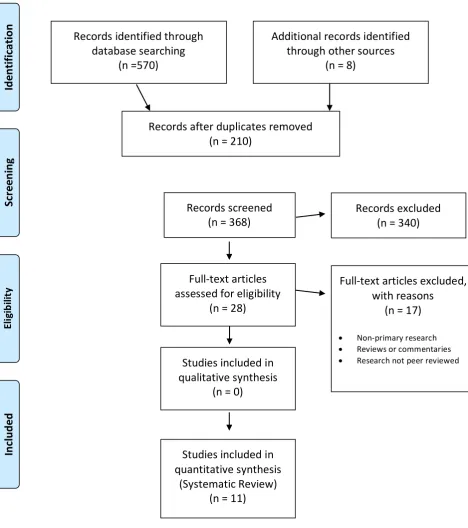
The process of study selection was recorded on a ‘Preferred Reporting Items for Systematic Reviews and Meta-analyses’ (PRISMA) flow diagram (see Figure 1). In total, 578 articles were initially identified, of which 210 were duplicates, resulting in 368 to be considered in line with the inclusion and exclusion criteria. Following a manual review of the title and abstracts, a further 340 records were excluded as body image was not being measured in relation to anxiety and / or depression. The full text for the remaining eligible 28 articles were reviewed and a further 17 were excluded as they either discussed non-primary research, included reviews or commentaries or research that was not peer reviewed. This resulted in 11 relevant studies which satisfied the inclusion criteria and were retained for quality assessment consideration within the systematic review.
1.5 Quality Assessment
1.5.1. Quality Assessment Tool
1.5.2. Scoring
The studies were all quantitative studies and were scored against 18 criteria from the assessment framework (Caldwell et al, 2005). Each question could be rated as 0 if the criteria was not met, 1 if the criteria was partially met and 2 if the criteria was fully met. The rating for each article was calculated by adding the scores for all 18 questions, so that each article received a score between 0 and 36 (see Appendix C). It was proposed that papers which scored below the midpoint of 18 would be excluded as not reaching a satisfactory level of rigour in terms of the quality assessment framework.
1.5.3. Reliability
To enhance the reliability of the quality assessment another researcher rated all the articles independently, against the same quality assessment criteria and an inter-rater reliability analysis using the Kappa statistic was performed. The results (Kappa = 0.86) suggest strong inter-rater reliability.
1.5.4. Summary
Preferred Reporting Items for Systematic Review and Meta-Analyses (PRISMA) flow diagram
Figure 1. A PRISMA flow diagram of the study selection process (Moher D, Liberati A, Tetzlaff J, Altman Records identified through
database searching (n =570) Sc re en in g In cl ud ed El ig ib ili ty Id en tif ic ati
on Additional records identified
through other sources (n = 8)
Records after duplicates removed (n = 210)
Records screened
(n = 368) Records excluded (n = 340)
Full-text articles assessed for eligibility
(n = 28)
Full-text articles excluded, with reasons
(n = 17)
• Non-primary research • Reviews or commentaries • Research not peer reviewed Studies included in
qualitative synthesis (n = 0)
Studies included in quantitative synthesis
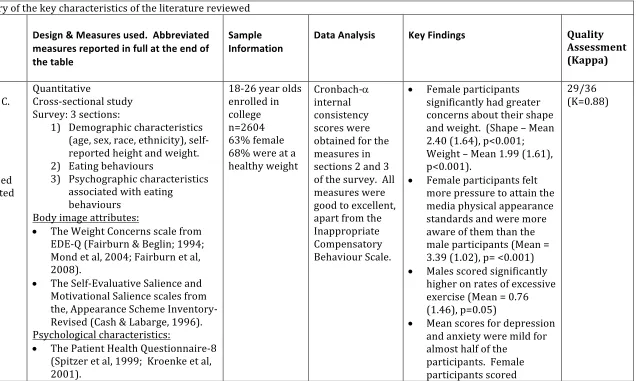
Table 1.3 Summary of the key characteristics of the literature reviewed
Authors
/year/country/aim
Design & Measures used. Abbreviated measures reported in full at the end of the table
Sample Information
Data Analysis Key Findings Quality
Assessment (Kappa)
Quick, V. M., & Bryd-Bredbenner, C.
• 2013 • USA Study Aims
To explore disturbed eating and associated psychological
characteristics.
Quantitative
Cross-sectional study Survey: 3 sections:
1) Demographic characteristics (age, sex, race, ethnicity), self-reported height and weight. 2) Eating behaviours
3) Psychographic characteristics associated with eating
behaviours Body image attributes:
• The Weight Concerns scale from EDE-Q (Fairburn & Beglin; 1994; Mond et al, 2004; Fairburn et al, 2008).
• The Self-Evaluative Salience and Motivational Salience scales from the, Appearance Scheme Inventory-Revised (Cash & Labarge, 1996). Psychological characteristics:
• The Patient Health Questionnaire-8 (Spitzer et al, 1999; Kroenke et al, 2001).
18-26 year olds enrolled in college n=2604 63% female 68% were at a healthy weight
Cronbach-a
internal consistency scores were obtained for the measures in sections 2 and 3 of the survey. All measures were good to excellent, apart from the Inappropriate Compensatory Behaviour Scale.
• Female participants significantly had greater concerns about their shape and weight. (Shape – Mean 2.40 (1.64), p<0.001; Weight – Mean 1.99 (1.61), p<0.001).
• Female participants felt more pressure to attain the media physical appearance standards and were more aware of them than the male participants (Mean = 3.39 (1.02), p= <0.001) • Males scored significantly
higher on rates of excessive exercise (Mean = 0.76 (1.46), p=0.05)
• Mean scores for depression and anxiety were mild for almost half of the
participants. Female participants scored
• The Generalised Anxiety Disorder scale (Spitzer et al, 2006).
• The Florida Compulsive Inventory (Storch et al, 2007).
• Rosenberg Self Esteem Scale (Rosenberg, 1965).
• The Dichotomous Eating subscale from the Dichotomous Thinking in Eating Disorders Scale (Byrne et al, 2008)
Socio-cultural environment
• Socio-cultural Attitudes Towards Appearance Questionnaire (Thompson et al, 2004). - The Interalisation-General
scale
- The Pressures-Media scale - The Information-Media scale • Childhood Family Mealtime
Questionnaire scales (Miller et al, 1993)
• The Appearance Weight Control scale
significantly higher on both these scales than males. (Depression – Mean 6.10 (4.98), p< 0.001; Anxiety – mean 6.25 (4.99),
Koronczai, B., Kökönyei, G., Urbán, R., Kun, B., Pápay, B., Nagygyörgy, K., Griffiths, M., & Demetrovics, Z.
• 2013
• Hungary & United Kingdom
Study Aims
To examine the relationship between body dissatisfaction, social avoidance and increased internet use.
Quantitative Measures used
• Problematic Internet Use Questionnaire (PIUQ) (Demetrovics et al, 2008).
• Hungarian version of Rosenberg’s Self Esteem Scale (Rosenberg, 1965).
• State-Trait Anxiety Inventory (Spielberger et al, 1970)
• Center for Epidemiological Studies Depression Scale (Radloff, 1977). • Satisfaction with body appearance
was measured using an 8-item questionnaire designed by the authors.
N=694
14-34 years old 58% male
• Descriptive analyses • Crobach’s
alpha • Independent
t tests to assess gender differences • Path analyses
within structural equation modelling (SEM) to test mediation model.
• Satisfaction with body image is directly and indirectly associated with problematic internet use. (Directly – t=2.13, p<0.05) • “Body appearance –
self-esteem – depression – problematic internet use” (standardised indirect effect was -0.086, p<0.001 for males and -0.85, p<0.001 for females). • It is tentatively suggested
that this is a possible reason why individuals immerse themselves in the internet, where they do not have to tackle issues with their own body image. • Self-esteem has an indirect
effect on problematic internet use primarily via depression, because anxiety and PIUQ, the path coefficients proved to be non-significant (p>0.05).
DeBraganza, N., & Hausenblas, H. A.
• 2010 • USA Study Aims
To examine whether ethnicity moderates the body
dissatisfaction and mood of women exposed to media images.
Quantitative
Repeated Measures Design • Demographic questionnaire • Body mass index
• Ideal Body Stereotyping Scale-Revised(Stice et al, 1996) • Body-Areas Satisfaction Scale
(Cash, 2000).
• Mood Visual Analogue Scale(Heinberg & Thompson, 1995).
• Stimulus slides – taken from fashion magazines as well as control slides. N=61 31= Caucasian women 30=African American Undergraduate Students 18-23 years old
One-way
ANOVAs • No significant changes pre-and post in body dissatisfaction for African American women in either slide condition (p>0.05).
• Caucasian women scored significantly higher for body dissatisfaction after viewing the model slides and significantly lower body dissatisfaction scores after viewing the control slides (F(1,11) = 7.30, p=0.08, n2 = 0.58).
• For anxiety, no significant main effect for time or slide were found. However a significant main effect for group was found, F(1,118) = 6.73, p=.01, n2=0.5. White women had higher overall pre-test and post-test anxiety than did the African American women.
Abebe, D. S., Lien, L., & von Soest, T.
• 2012 • Norway Study Aims
To examine trends in bulimic symptoms and identify risk factors.
Quantitative
Longitudinal study Questionnaires given at four time points.
Measures used
• BMI – self-report of height and weight
• Self-report of Alcohol consumption • Bulimic Investigatory Test
Edinburgh (BITE) (Henderson & Freeman, 1987).
• Body Areas Satisfaction Scale (BASS) (Brown et al, 1989). • Depressive Mood Inventory
(Kandel & Davies, 1982). • For anxiety – six times were
derived from the Hopkins
Symptom Checklist (Derogatis et al, 1974).
• Global Self-Worth subscale (Wichstrom & Harter, 1995).
N = 2890
Males and Females
Study covered the age span of 14 to 33 years old. Linear mixed effects models, random coefficient models.
• By comparing mean BITE scores at each time point, a significant reduction in BITE score for females over time (β=-0.3) was observed by the authors, but there was no change in BITE score over time for males participants.
• Female participants reported higher levels of depressive and anxiety symptoms compared to males at each assessment Males Anxiety β(SE) = -0.01 (-0.01), p=<0.05; Depression – β(SE) = -0.01(0.01), >0.05).
(Females Anxiety – β(SE)=-0.10(0.01), p<0.001; Depression – β(SE)= -.13(0.01), p<0.001). • BMI was positively
associated with bulimic symptoms in both genders (p<0.001).
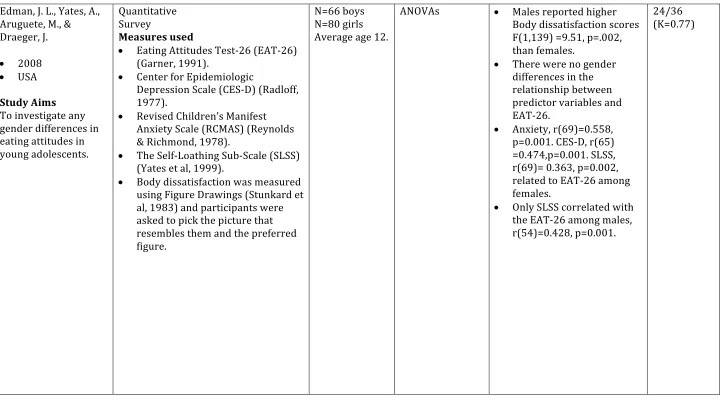
Edman, J. L., Yates, A., Aruguete, M., & Draeger, J.
• 2008 • USA Study Aims To investigate any gender differences in eating attitudes in young adolescents.
Quantitative Survey
Measures used
• Eating Attitudes Test-26 (EAT-26) (Garner, 1991).
• Center for Epidemiologic
Depression Scale (CES-D) (Radloff, 1977).
• Revised Children’s Manifest Anxiety Scale (RCMAS) (Reynolds & Richmond, 1978).
• The Self-Loathing Sub-Scale (SLSS) (Yates et al, 1999).
[image:37.842.79.800.111.512.2]• Body dissatisfaction was measured using Figure Drawings (Stunkard et al, 1983) and participants were asked to pick the picture that resembles them and the preferred figure.
N=66 boys N=80 girls Average age 12.
ANOVAs • Males reported higher Body dissatisfaction scores F(1,139) =9.51, p=.002, than females.
• There were no gender differences in the relationship between predictor variables and EAT-26.
• Anxiety, r(69)=0.558, p=0.001. CES-D, r(65) =0.474,p=0.001. SLSS, r(69)= 0.363, p=0.002, related to EAT-26 among females.
• Only SLSS correlated with the EAT-26 among males, r(54)=0.428, p=0.001.
Woodman, T., & Steer, R.
• 2011 • UK Study Aims
To investigate whether, ought and feared body fat discrepancies are predictors of social physique anxiety.
Quantitative Survey
Measures used
• Demographic questionnaire • Body discrepancies – asked
participants to rate themselves on 4 questions.
• Social Physique Anxiety (SPAS) (Martin et al, 1997).
• Beck Depression Inventory-II (Beck et al, 1996).
N=100 women Mean age 30.
Hierarchical regression analyses
• A significant relationship was found between social physique anxiety and the ‘ought’ self (referring to body fat in relation to personal or external pressures).
• This relationship was stronger when women were far from their feared self (how fat they could be).
• Positive relationship between ought fat and social physique anxiety was stronger when women were further away from their feared self (β=0.92, p<0.001) than when they were close to their feared self (β=0.31, p<0.005).
Davison, T. E., & McCabe, M. P.
• 2006 • Australia Study Aims
To examine different aspects of body image to understand gender differences in the construct of body image.
Quantitative
Body Image measures
• Body Image & Body Change Questionnaire (Ricciardelli & McCabe, 2001).
• Physical Attractiveness scale (Davison & McCabe, 2006). • Body Image Behaviour scale
(Davison & McCabe, 2005). - The Body Concealment scale - Body Improvement Scale • Social Physique Anxiety Scale (Hart
et al, 1989).
• Physical Appearance Comparison Scale (Thompson et al, 1991). Psychosocial functioning measures • Rosenberg Self-Esteem Scale
(Rosenberg, 1965).
• The Depression scale and the Anxiety scale, from the Depression Anxiety Stress Scales (Lovibond & Lovibond, 1995).
• Same Sex Relations and Opposite Sex Relations Subscales of the Self- Description Questionnaire (Marsh, 1989).
12-15 year olds n=245 boys n=173 girls
MANOVA – to determine any gender
differences
Hierarchical Multiple Regression - to investigate the relationship between body image and psychosocial functioning
• Body Image was
significantly different for boys and girls
(F(7,328)=12.17, p<0.001). • Girls had greater body
dissatisfaction scores than boys (F(1,334)=44.82, p<0.001).
• Girls were more concerned about other people judging their appearance
(F(1,334)=57.09, p<0.001). • The inclusion of body
image variables
significantly increased the prediction of self-esteem among boys
(F(4,148)=11.98, p<0.001) and among girls
(F(7,139)=10.17, p<0.001), This finding was above the effect of the control
variables.
Gestsdottir, S., Aranarsson, A., Magnusson, K., Arni Arngrimsson, S., Sveinsson, T., & Johannsson, E.
• 2015 • Iceland
Study Aims
To investigate gender differences in self-esteem development.
Quantitative Longitudinal study
Questionnaires given at two points
Measures used
• Rosenberg Self-Esteem Scale (Rosenberg, 1965).
• Satisfaction with Life Scale (Diener et al, 1985).
• Body and Self-Image subscale of the Other Self-Image Questionnaire (Offer et al , 1992).
• Anxiety, Depression and somatic difficulties were assessed using Subscales of the Symptoms
Checklist 90 (Derogatis et al, 1974).
At follow up
N= 201 N=92 women N=109 men 23 years old
MANOVA • Male participants had better scores than women, independent of age, for body image, anxiety depression and somatic difficulties.
Body image,
Fløtnes, I. S., Nilsen, T. V. L., & Augestad, L. B.
• 2011 • Norway Study Aims To examine the relationship between physical activity, sport participants and body composition on mental health difficulties.
Quantitative Longitudinal Study Survey
Measures used
Participants all clinically examined – measurements of height, weight and waist and hip circumference were taken.
Depression and Anxiety assessed using the Hopkins Symptom Checklist-5 (Strand et al, 2003; Tambs & Moum, 1993).
The Leisure Time Physical Activity Questionnaire (Holeman et al, 2002; Tollefsen et al, 2006).
N=1959 N= 1009 girls N= 950 boys 13-19 years old
Log-binomial
model • Female participants who considered themselves very “fat/chubby” or “thin/very thin” (the RRs were 1.4; 95%, 1.0-1.7 and 1.7; 95% CI, 0.8-1.4, respectively) and male participants who
considered themselves to be “thin/very thin” (RR of 1.6; 95& CI, 0.8-3.2) were found to have significantly higher risk of anxiety and depression symptoms then those who rated
themselves about average. (p<0.05)
CI = Confidence interval RR = Relative risk
Murray, S. B., Rieger, E., Karlov, L., Touyz, S. W.
• 2013 • Australia Study Aims To examine a trans-diagnostic model of eating disorders to muscle dysmorphia
Quantitative Survey
Measures used
• Muscle Dysmorphia Disorder Inventory (MDDI) (Hildebdrant, Langenbucher &Schlundt, 2004). • Rosenberg Self-Esteem Scale
(RSES) (Rosenberg, 1965). • Multidimensional Perfectionism
Scale (MPS) (Hewitt, Flett, Turnbull-Donovan &Mikhail, 1991).
• The Inventory of Interpersonal Problems (IIP-32) (Barkham, Hardy & Startup, 1996). • The Difficulties in Emotional
Regulation Scale (DERS) (Gratz & Roemer, 2004).
N=119 males Undergraduate students 18-25 years old
Correlational analyses
Regression analyses
• Strong negative
correlations between self-esteem and Muscle Dysmorphia symptomatology (β=-0.43, t(112)=-4.96, p=0.000)
• Only self-esteem was a significant predictor of drive for size.
(β=-0.24, t(112)=-2.3, p=0.035)
Lampard, A. M., Maclehose, R. F., Elsenberg, M. E., Larson, N. I., Davison, K. K., & Neumark-Sztainer, D.
• 2016
• Australia / USA Study Aims To investigate the pattern of eating behaviours and physical activity of adolescents
Quantitative Survey
Measures used
• Eating and Activity Teens – 2010 (EAT) (Berge et al, 2014).
- Survey consisted of 235 items. • BMI was calculated
• Healthy weight control behaviours • Unhealthy weight control
behaviours
• Socio-demographic variables
Psychosocial Variables
• Body Shape Satisfaction Scale (Pingitore, Spring & Garfieldt, 1997).
• Rosenberg Self-esteem Scale (Rosenberg, 1965).
• Depression Scale (Kandel & Davis, 1982).
N=2793 53% female 14.4 mean age
Regression
models • Male and female participants with high self-esteem were significantly more likely to engage exclusively in healthy weight control behaviour (31.6 among girls and 39.2% among boys, p<0.05) than those with low self-esteem (16.0% among girls and 18.9% among boys, p<0.05). • Participants with low
depressive symptoms were significantly more likely to engage in healthy weight control behaviours (33.5% among girls and 31.7% among boys, p< 0.05) than those with higher
depressive symptoms (17.4% among girls and 23.8 among boys, p<0.05).
1.6 Results
The intention of this review was to identify and evaluate research which
explored body dissatisfaction in relation to anxiety and / or depression.
1.6.1 Characteristics of the Literature
A summary of the key characteristics of the 11 studies included in this review
can be found in Table 1.3.
Of the 11 articles identified, all comprised quantitative studies with the
earliest being published in 2006. All the studies used a mixture of self-report
questionnaires, with some validated measures for body image / body
dissatisfaction, anxiety, and / or depression. However, there was little
consistency of the measures used, especially for body image / body
dissatisfaction. In all of the studies a measure of Body mass index was taken.
This was either gained by the research weighing the participants, or asking
participants to self-report their weight and height. It is important to consider
the impact of asking young people to report their height and weight and then
to also ask them about their eating behaviours, exercise routines as well as
asking them to comment on their mood, as it could be suggestive and
introduce bias in the results (Quas et al, 1999; Barker et al, 2002). Research
has shown that children and young people can be suggestible by what
information they are presented with, caution is therefore needed in
interpreting the results as it is unclear what participants were told about the
studies they were involved in (Quas et al, 1999). The population sample
from 11 to 35 years old. Five of the studies were with both male and female
participants, whilst two were with female participants and two were with
male participants. Four of the studies were conducted in the USA, two in
Australia, 2 in Norway, 1 in Iceland, 1 in Hungary and 1 in the UK. Three
studies used a longitudinal design to assess changes in body perception, as
well as other factors over time, seven studies used a cross sectional design to
investigate possible relationships across males and females in relation to
body image. One study used a repeated measures design to compare body
dissatisfaction scores in Caucasian and African American women.
1.6.2 Overview of the Studies.
Levels of anxiety and depression have been measured by each of the studies
included in this review. The measures used for body image and body
dissatisfaction vary between each study, with no study using the same
measures. There is some similarity between the measures used for anxiety
and depression, but again there is variety across the studies. A summary of
the key findings of the relationship between body dissatisfaction, anxiety and
/ or depression is presented below.
1.6.2.1. Relationship between body dissatisfaction, anxiety and / or
depression
2015; Koronczai, et al, 2013; Quick & Bryd-Bredbenner, 2013; Woodman &
Steer, 2011). All of the papers also included other factors such as gender
difference, eating and exercise behaviours, as well as others. The results of
the 11 papers are summarised here in relation to body dissatisfaction, anxiety
and / or depression.
Quick and Bryd-Bredbenner (2013) found that anxiety and depression, as
well as Obsessive Compulsive Disorder (OCD), was present amongst their
sample of college students. Most were of a mild level, with one in five
presenting with moderate levels of anxiety and depression. Quick and
Bryd-Bredbenner’s (2013) study also explored the use of unhealthy eating
behaviours among college students. It is noteworthy that Quick &
Bryd-Bredbenner’s (2013) study had a lower quality rating for generalisability due
to the methodology used and the lack of diversity of the sample used
(Caldwell et al, 2005).
Fløtnes and colleagues (2011) examined the physical activity and mental
health of adolescents over a 4-year study. The findings of this study indicate
that anxiety and depression symptoms were twice as high for girls compared
to boys (22.7% in girls and 11.1% in boys). The risk factors of anxiety and
depression for girls were found to be perceiving themselves as ‘fat or chubby’,
whereas for boys it was for them to perceive themselves as ‘thin or very thin’
(relative risks (RRs) were 1.7; 95% confidence interval (CI), p <0.05). This is
colleagues (2011) highlight a relationship it is not possible to determine
causation due to the correlational methodology used (Barker et al, 2002).
A longitudinal study conducted by Gestsdottir et al (2015) found that male
participants had significantly better scores for body image, anxiety and
depression compared to women, regardless of age (p<0.001). Caution is
warranted when interpreting the results due to the self-reported nature of
data collection (Barker et al, 2002).
However, Edman, Yates, Aruguete & Draeger (2008) found that there was no
gender difference in the reports of disturbed eating and body dissatisfaction.
It is worthy of note that this paper had a lower quality rating, primarily due
to methodology, hence caution should be used when viewing this result
(Caldwell et al, 2005).
Abebe, Lien & von Soest (2012) found that female participants reported
higher levels of anxiety and depression symptoms compared to males at each
time point (males p<0.05, females p<0.001). A limitation of this study is the
single use of a questionnaire to assess bulimic symptoms, which gives no
indication of the level of severity of the bulimic symptoms (Abebe et al, 2012;
Barker, Pistrang & Elliot, 2002). It is also worthy of note that this paper
scored a moderate score for quality, primarily due to the methodology,
One of the eight papers focused on the relationship between body
dissatisfaction and anxiety (Woodman & Steer, 2011). This study
investigated the factors which may predict social physique anxiety. The
authors describe that social physique anxiety can be predicted by a
statistically significant two-way relationship between an ought and feared
self, in relation to body fat (p<0.001). The findings suggest that how fat
someone worries or fears being (the feared self) moderates the relationship
with how fat someone feels they need to be (the ought self). A significant
relationship was found between social physique anxiety and the ‘ought’ self
(referring to body fat in relation to personal or external pressures) (p<0.001).
This relationship was stronger when women were further away from their
feared self (further away p<0.001; closer to feared self p<0.005) (Woodman
& Steer, 2011).
Two of the eight papers focused on the relationship between body
dissatisfaction and depression (Koronczai et al, 2013; Lampard et al, 2016).
Koronczai and colleagues (2013) demonstrated an association between low
self-esteem, depressive symptoms, a dissatisfaction with ones’ own
appearance and inappropriate internet use (t=2.13, p<0.05). Koronczai et al
(2013) suggested that individuals who are dissatisfied with their appearance
may engage in a virtual reality, on social media sites and chat rooms, where
they can conceal their physical appearance; although no measure of body
concealment was completed in this study. The authors do highlight the
possibility that the virtual appearance reinforces the dissatisfaction with the
is needed in interpreting the results, due to the limitations of a correlational
design (Barker et al, 2002).
Lampard et al (2016) found that male and female participants with high body
dissatisfaction (in relation to fat or build), low self-esteem and depressive
symptoms were related to engaging in unhealthy weight control behaviours,
compared to adolescents who reported low body dissatisfaction, higher
self-esteem and lower depressive symptoms (p<0.05). This suggests a more
complicated relationship between body dissatisfaction, anxiety and / or
depression and focuses on the maladaptive behaviours associated with body
dissatisfaction and risk factors associated with developing an eating disorder.
1.6.1.2. No relationship between body dissatisfaction and anxiety and /
or depression
Three papers suggested no specific relationship between body
dissatisfaction, anxiety and / or depression (Davison & McCabe, 2006;
DeBraganza & Hausenblas, 2010; Murray et al, 2013).
In the study conducted by DeBraganza and Hausenblas (2010) the scores of
body dissatisfaction for African American women and Caucasian women
were compared across different conditions. The different conditions
involved each participant being asked to complete a questionnaire about
was counterbalanced. African American women in this study had no reaction
to the model slides. A reason for this could be that the women in the model
slides were all Caucasian. Social comparison theory suggests that we make
social comparisons to those most like ourselves, this result might therefore
support this theory (Festinger, 1954; Morrison, Kalin & Morrison, 2004).
No relationship between body dissatisfaction, anxiety or depression was
indicated from the results of this study. The authors suggest that this is due
to the flooring effects of the Mood Visual Analogue Scale used to measure
participants anxiety, depression, anger and body dissatisfaction scores pre
and post study conditions. As all of the participants were reporting levels of
anxiety and depression pre testing, there was minimal change that could be
observed in the scores post condition (DeBraganza & Hausenblas, 2010).
Another limitation of this study is the small sample size, with 30 and 31 in
each group. This makes it difficult to make generalisations about the results.
The slides included in the study could have included images of several
different ethnicities to further assess the social comparisons theory, as the
African American participants reported a better body image than Caucasian
women, regardless of their actual body weight and shape. The authors
suggest that Caucasian participants were habitually making comparisons and
perhaps unable to make objective observations due to shared characteristics
with the model slides (Barker et al, 2002; Caldwell et al, 2005; DeBraganza &
Two of the papers which found no relationship between body dissatisfaction,
anxiety and / or depression, suggest a relationship between body
dissatisfaction and low self-esteem (Davison & McCabe, 2006; Murray et al,
2013).
1.6.1.3. Self-esteem
The finding of a relationship between body dissatisfaction, and self-esteem is
interesting due to self-esteem being a long-term predictor of anxiety and
depression (Sowislo & Orth, 2012).
Davison & McCabe (2006) demonstrated that dissatisfaction with body image
was not found to be related to anxiety or depression when controlling for
self-esteem (Davison & McCabe, 2006). Their findings are suggestive of a strong
relationship between having a high body dissatisfaction and low self-esteem
in both boys and girls (p<0.001) (Davison & McCabe, 2006). The authors
argue that body image needs to be understood within a social context
(Davison & McCabe, 2006). For boys, their own perceptions of how attractive
they thought they were was shown to have an impact on their social
interactions with girls; whereas body image in girls was found to be related
to social interactions with other girls. Girls reporting higher dissatisfaction
with their appearance also reported having poor connections with other girls
demonstrated that perfectionism, self-esteem and mood intolerance were all
significant predictors of muscle dysmorphia (p<0.001), and that self-esteem
was a significant predictor of body dysmorphia (p = 0.035) (Murray et al,
2013). The authors of this paper and that of Davison and McCabe (2006)
suggest the importance of self-esteem in issues with dissatisfaction with body
image. The study by Murray and colleagues (2013) is limited by its small
sample size and the lack of diversity within the sample (Barker et al, 2002;
Caldwell et al, 2005).
1.7 Discussion
The aim of this review was to explore the relationship between body
dissatisfaction, anxiety and / or depression.
1.7.1 Summary of findings.
Of the eleven studies, eight highlighted a relationship between body
dissatisfaction, anxiety and / or depression. Whereas, three of the studies did
not find a relationship between body dissatisfaction, anxiety and / or
depression. One of these studies did not find a relationship perhaps due to a
flooring effect of the measure used, whilst the other two found a relationship
between body dissatisfaction and low self-esteem.
The measures used for assessing body image / body dissatisfaction vary
between the studies, which may highlight the different aspects of body image
and how complex the concept of body dissatisfaction is (Tiggemann, 2004).
areas in which the research took place. Of the eleven papers, four were
conducted in the United States of America, two were conducted in Australia,
two in Norway, one in Iceland, one in Hungary and one in the UK (Barker et
al, 2002). This may also impact the results in terms of generalisability to a UK
population, due to different terminology and research guidelines, however
this impact has been reduced by the inclusion and exclusion criteria (Barker
et al, 2002).
The age range of the sample reflects the recruitment process used, many of
the studies recruited through schools, colleges and universities, which means
generalisations to the general population cannot be made (Barker et al,
2002). In terms of cultural differences within Western society, only one of
the studies included looked to compare body dissatisfaction across Caucasian
and African American women. This highlights a need for greater research to
be conducted in this area.
Most of the studies included in the review also investigated other factors,
such as self-esteem, and the development of maladaptive behaviours to
manage body dissatisfaction, for example disturbed eating, exercise, and
medication use. This may have impacted the statistical power of the sample
when looking specifically at the relationship between body dissatisfaction,
and / or depression. For example, Gestsdottir et al (2015) found that women
had improved self-esteem scores between the ages of 15 and 23, which were
significantly more than that of the male participants. Women at the age of 23
were found to be more satisfied with life than men. These findings illustrate
that gender differences in self-esteem and satisfaction with life change over
time.
In terms of gender, the studies reviewed show a balance between the
inclusion of male and female participants. Seven of the studies focused on
both male and female participants, two focused on female participants and
another two focused on male participants. The results of the studies
generally support the idea that men and women experience body
dissatisfaction differently, for example, women are focused on body fat, are
concerned about being judged on their appearance and men are focused on
body build and appear to not be as affected by the media as women (Davison
& McCabe, 2006; Flotnes et al, 2011; Lampard et al, 2016).
As the review only included participants from non-clinical populations, this
presents challenges in assimilating the information within the articles as each
had a different focus. None of the papers were specifically looking at the
relationship between body dissatisfaction, anxiety and / or depression, but
used measures of all of them in connection to other factors, such as,
disordered eating. This highlights a possibility of suggestibility within some
of the samples described in the articles, as participants were being asked
as to comment on their mood and levels of anxiety and depression, which
could be considered to be suggestive. Research has demonstrated that
children and young adults are vulnerable to suggestibility (Quas et al, 1999).
1.7.2 Limitations.
There are limitations within the papers reviewed. All the papers apart from
one, used correlational designs. Seven of the papers used a cross-sectional
design, where scores were collected at one time, the other three papers used
a longitudinal design whereby scores were collected over more than one time
point. The main restriction with correlational research is that it is not able to
make causal conclusions (Barker et al, 2002). So, whilst, studies may suggest
a causal relationship based on the correlations found within the data, this
does not confirm a causal relationship.
The different measures used for body image, anxiety and / or depression
make it difficult to draw the findings of the studies together. Caution is
needed when thinking about measures which have not been validated for the
sample being tested, for example the BITE scale, used by Abebe et al (2012)
where the validity for the scale being used with males has been questioned.
(Abebe et al, 2012).
Small sample sizes can contribute to less statistical power and may have
diversity within the sample population, as well as small size makes
generalisations from the findings difficult (Barker et al, 2002; Murray et al
2013; Quick & Bryd-Bredbenner, 2013). The lack of cultural diversity within
the samples mean that the results are not transferable (Barker et al, 2002)
1.7.3 Suggestions for future research.
The review has highlighted that there is a lack of qualitative research in the
literature regarding body dissatisfaction, anxiety and / or depression. Such
qualitative measures might explore the experience of modern comparisons,
in relation to the participants’ experiences of anxiety and / or depression.
Similarly, the use of different quantitative research designs might allow the
research to explore more about the causal relationship between a negative
body image and the symptoms of anxiety and depression. Future research
might include larger samples and samples which are more representational
of the population, for example recruitment outside of schools, colleges and
universities, which would allow for the results to be generalised and highlight
differences within the general population. Future research might also focus
on body dissatisfaction, anxiety, depression and low self-esteem over a longer
period of assessment and explore any predictive relationships.
1.7.4 Clinical Implications.
The findings suggest that high body dissatisfaction can contribute to
symptoms of anxiety and depression and may result in unhealthy weight
management strategies being used. Furthermore, the results suggest that
maladaptive strategies to manage their dissatisfaction with their weight. The
findings of the review indicate the importance that adolescents place on
physical appearance and body image (Davison & McCabe, 2006).
Literature has shown a relationship between BDD and attempted suicide, as
well as known high mortality rate for people with anorexia nervosa (NAMH,
2016; NICE, 2004; Williams, 1997). It is therefore important for health
professionals to provide adolescents with a space to talk about how they feel
about their body. Research has shown that body dissatisfaction can be a
difficult topic for individuals’ to talk about, and may be missing as topic on
assessments for clients currently accessing services (Tomas-Aragones &
Marron, 2016; Williams, 1997).
NICE guidelines for BDD focus on Cognitive Behavioural Therapy (CBT)
(NICE, 2005). Whereas, the guidelines for anorexia nervosa and bulimia
nervosa include: CBT, Cognitive Analytic Therapy (CAT) and Interpersonal
Psychotherapy (IPT) (NICE, 2004). It may therefore be helpful for clients who
report body dissatisfaction to receive CBT in the first instance.
Psychoeducation about the connection between their thoughts, feelings,
physical responses and the effect this has on behaviour could enable clients
to develop healthy management strategies for their body dissatisfaction.
Therefore, potentially avoiding the development of unhealthy behaviours,
1.8 Conclusions.
This review has highlighted the possible impact of body dissatisfaction on
eating behaviours and weight management strategies, the potential impact
this has on relationships with peers, as well the development of anxiety and
or depressive symptoms. A need for further research in this area has been
emphasised, and the importance in understanding the effects of body
dissatisfaction is clear to prevent difficulties from developing into BDD or an
1.9 References
Abebe, D. S., Lien, L., & von Soest, T. (2012). The Development of Bulimic
Symptoms from Adolescence to Young Adulthood in Females and Males: A
Population-based Longitudinal Cohort Study. International Journal of
Eating Disorders, 45(6), 737-745.
Allison, K., Lundgren, J., O’Rearden, J. Martino, N., Sarwer, D., Ubdden, T., Crosby, R.
& Engel, S. (2008). The Night Eating Questionnaire (NES): psychometric
properties of a measure of severity of the Night Eating Syndrome. Eating
Behaviours, 9, 62–72.
American Psychological Association. (2007). Report of the APA task Force on the
Sexualisation of Girls. Washington DC: American Psychological Association.
Arthur, C. (2012). Think smartphones are ubiquitous now? Just wait a few years.
The Guardian.
https://www.theguardian.com/technology/2012/jun/27/smartphones-iphone-mobile-market . Accessed 10.04.2017.
Barker, C., Pistrand, P., & Elliot, R. (2002). Research Methods in Clinical Psychology:
An Introduction for Students and Practitioners. (2nd ed). London: John Wiley
& Sons Ltd.
Barkham, M., Hardy, G. E., & Startup, M. (1996). The IIP-32: A short version of the
inventory of interpersonal problems. British Journal of Clinical Psychology,
35, 21–35.