Volume 7, Issue 3 (2018) pp. 232-248
232 | Page
Original Article
Corporate Competitiveness: a Systematic Review
Seyed Mahmoud Hosseini
1, Manijeh Gareche
1, Masoud Taheri
21Member of Management and Accounting Faculty, Shahid Beheshti University, Tehran, Iran 2Faculty of Management and Accounting, Shahid Beheshti University, Tehran, Iran
Received: 30 June 2018, Revised: 15 August 2018, Accepted: 1 September 2018
ABSTRACT
The present paper is a review of the research works conducted on corporate competitiveness. The term “competitiveness” refers to capacity of a corporate in increasing production capacity by the way of introducing products and services to the market that meet the standards of the global market. Forty articles were reviewed and surveyed; these articles have been conducted in six different fields of strategic management, strategic management of marketing, marketing management, information technology (IT), knowledge management, and human resources (HR) management and among them, strategic management constituted subject matter of the main portion of the articles. Summary of the results revealed the aspects of competitive advantages measurement including competitive intelligence, pivotal merits, communicative capacities, and organizational capacities. Furthermore, in the articles under consideration, competitive intelligence and organizational capacities, among other aspects, had the lowest and highest roles respectively.
Keywords: Competitiveness, Competitive Advantage, Pivotal Merits, Organizational Capacities.
Introduction
The concept of competitiveness, in the last two decades, has drawn more attention as a result of rapid changes in consumption and demand patterns, IT revolution, and emergence of new competitors with higher qualities (local and international). The term competitive comes from Latin “Competitor” and refers to competition in business market. The competitiveness encompasses efficiency (meeting goals for minimum cost) and capability (adopting proper goals); to set goals properly is of great importance in this regard. It covers both goals and means to achieve the goals (Hallmann et al., 2012). In general, the competitiveness can be
approached at three levels of national, industry, and business.
National level: the general ability a country to produce goods with merits of being introduced to international market is under consideration.
Industry level: when dealt with as the
environment of micro-businesses
competition between businesses,
233 | Page national and international level, the
competitiveness bears a functional nature and resembles the competitiveness at business level.
Business level: the capability of the business to design, produce, and market the products and win larger share of the market. (Karaszewski, 2008).
Here, we only deal with surveying the studies conducted in competitiveness at business level. Corporations adopt three
different approaches regarding
competitiveness. One of the approaches is
asset-process-performance approach.
Barkely et al., (2000) maintained that competitiveness is comprised of a mixture of
assets, and processes. To survey
competitiveness of businesses, they
introduced a framework consisting three elements of competitive performance, competitive potential, and management processes.
Some scholars adopted capacity/resource oriented approach to competitiveness. They
emphasized the role of internal
organizational factors on competitiveness of the organization. The main goal of this approach is to emphasize on competitive advantages rooted in resource capacity of a corporate. Resources are the pillars of
business and consist of financial,
technological, human, and organizational contributions. In fact, merits of a business are mixture of such resources, in turns the merits
are the ground for creation of
competitiveness and advantages. (Petera, 1993; Smith, 1995; Pillania, 2009).
The third approach is the market-oriented approach, which implies that attitudes toward market are important factors in obtaining permanent competitiveness and merits. There are two main factors in industrial structure where the business works in it and finding accurate competitive status of the business in the market is critical
for competitiveness of a business in the market; (Liu et al., 2003).
Methodology and Findings
Creditable database such as “Science Direct” and “Emerald” were searched for articles in which the term “competitiveness” was used in the title or keywords. The articles were used in further surveys. It was noticeable that the search was limited to articles published between 1990 and 2013.
Cetindamar and Kilitcioglu (2013)
introduced a model to measure
competitiveness of businesses in producing industries of Turkey. The model was comprised of aspects such as HR, financial resources, innovation and technology, leadership, strategies commensurate with competitive position and competitive intelligence. Validity of the model was proved by applying it on Turkish producing industries. The results showed the positive and significant effects of the aspects on export strategic success of the companies in the study.
Yee et al., (2013) studied the effect of competitiveness on quality of performance. Their results, based on the data collected from 210 modern communication services stores, showed that organizations that enjoy competitiveness are featured with higher performance. Performance increase was measured based on factors such as the customer/staff’s satisfaction and quality of the services provided by the business. In addition, they measured competitiveness using indices including capacities of
communication with customers and
suppliers, innovation and creativity,
utilization of high-tech, recruitment of skillful and knowledgeable work force, and availability of financial resources.
234 | Page human, IT, innovation capacities were
evaluated by the model for measuring corporate competitiveness.
In their study, Vijande et al., (2013) proposed a model for surveying the effect of brand/trade mark management system, innovation and market attitudes on performance of a corporation and its competitiveness. They found positive effects of brand management system on the
customer and customer relation
performance. On the other hand, the positive effect of innovation and market attitude on
customer relation and corporate
competitiveness was confirmed. The model takes innovation, creativity, and ability to communicate with costumer as two effective factors on competitiveness.
Andreeva and Kianto (2012) examined the relation between knowledge management and corporate competitiveness. The study was conducted on 234 firms and validity of the model was confirmed throughout the survey. Knowledge management – capacity of human force- is the only effective factor that the model focused on.
In another study, Vinces et al., (2012) reviewed the effect of IT and communication on competitiveness of 100 small and average size international businesses on different industries in Peru. The competitiveness as defined by them included communication, human, and IT capabilities. The results confirmed that IT and communications are effective on competitiveness.
Salazar et al., (2012) studied effect of
training technique on corporate
competitiveness. They studied 40 small corporations located in one of Spanish cities. Their results, based on data analysis demonstrated that implementation of
training technique has improved
competitiveness in the corporations under consideration. Training techniques indices used in the study are:
Capability of the management to motivate
staff to accept changes.
Capability of the management to motivate
staff to use IT.
Capability of the management to combine organizational knowledge and experiment and using them to deal with organizational issues.
Capability of the management to create an innovative and creative environment in the organization.
Perception of tourists of competitiveness and strategic success of businesses in tourism industry in touristic centers were studied by Hallmann et al., (2012). The aspects of competitiveness measured by them were logistic and organizational resources, pivotal merits, communication and organizational capabilities, and management, programming, and policies of touristic areas. The results showed acceptable competitiveness of the businesses from the tourists’ viewpoint. Moreover, pivotal merits, communication capabilities, and management of the touristic areas had the highest effects on competitiveness of the touristic areas.
Phusavat et al., (2012) examined effects of intellectual capital on competitiveness and strategic success of exports among the industries of Malaysia, Philippine, Indonesia, Thailand, and Singapore. The term “intellectual capital” as defined by them encompassed organizational capital, and customer-oriented capital. They concluded that intellectual capital had positive and significant effect on competitiveness, while human capital was the most effect among elements of intellectual capitals.
Role of intellectual capital on
235 | Page of competitive advantages improves financial
performance. They defined human
capabilities as one of the elements of competitiveness.
Choi et al., (2010) surveyed the elements constituting competitiveness focusing on a case study of Samsung, Korea. They used the results from analyzing the data collected through questionnaires filled out by the experts to design a model to measure competitiveness. The researchers reported that communication and human capabilities, IT, innovation, and creativity were effective factors on achieving competitiveness.
Different effective aspects on
competitiveness and strategic success of E-business among Canadian producing and services industries were subject of a study by Kiggundu and Uruthirapathy (2010). The aspects of competitiveness of E-business were obtained through literature review including R & D budget, technology level of the industry, professional management, qualified and skillful staff, level of customer-oriented policies adopted in the industry, market development, and competitive intelligence. They concluded that there is a positive and significant relation between competitiveness and the aspect in the industries under study. Moreover, among the most effective factors on competitive advantage and strategic success in E-business were qualified staff, customer-oriented policies, competitive intelligence, and innovation.
Abeson and Taku (2009) studied effect of resource knowledge on competitiveness. For better survey, they divided the knowledge resources into subjective and objective groups. Subjective knowledge resources refer to skills, knowledge, and experiences of the staff and the management, while objective knowledge resources are about the knowledge gained through communicating with customers, suppliers, and distributers. Based on their analyses of the data collected
from small size corporations they concluded that subjective and objective knowledge has positive and significant effect on realization of competitiveness. The study defined human and communication capabilities as aspects of competitiveness.
Park et al., (2009) proposed a model for evaluating and comparing competitiveness of the Korean air post companies (four companies). By proposing a model and surveying status quo of the companies, the authors concluded that accuracy and punctuality have the highest effect of competitiveness of a company in air post business. They put more emphasis on human and financial resources, communication with customers (communication capability) and utilization of high tech communication as the aspect of competitiveness.
In another study, Niu et al., (2008) compared competitiveness and strategic success of the businesses in producing sector of Taiwan, China, the USA, and Japan. The aspects used for measuring competitiveness were technology, pivotal merits, efficient
marketing channels, timely services,
branding, communication activities, and organizational resources. Based on the results of the survey they ranked Japan, China, the USA, and Taiwan in descending order of competitiveness.
Paprika et al., (2008) examined role of decision makers and capabilities of the management on competitiveness of domestic industries of Hungary. Within a management capabilities framework, they only focused on the human force abilities effective on competitiveness. Among such abilities, communicative, pivotal merits, and IT were noticeable.
The effect of knowledge management on competitiveness was surveyed in a study by Karaszewski (2008). The effects of other effective factors on competitiveness, i.e.,
communication capability, creativity,
236 | Page technology, human force abilities, were
examined in the study.
Sahay et al., (2006) surveyed the effect of efficiency of chain of value and congruence of the goals of the chain with business goals on competitiveness. Based on their studies on several industries in India, they concluded that being a business of high competitiveness entails with congruence of business goals (e.g., attitudes toward customer, growth of market share, staff capabilities) and goals of chain of values (e.g., communication and harmony with suppliers, distributers, and customers). Communication, human force abilities, and higher competitivenesss were subject matter of the study.
Sirikari and Tang (2006) proposed a model for measuring success of a business and realization of competitiveness. The model was developed using Delphi, and AHP methods, and was used to survey car industry. They highlighted necessity of financial/human resources and utilization of state of the art technology for realization of competitiveness.
In their study, Tanabe et al., (2004) examined effect of strategic programming and utilization of new technologies on competitiveness among chain stores in Brazil. They focused on the performance of the subjects between 1998 and 1999; the period of most dramatic changes in the business environment. Based on data analysis for the period under study, they concluded that management of the chain stores has managed to adjust their businesses with the changes in their business environment. To this end, which led to increase in competitiveness, they utilized strategic programming and new technologies in the management of their businesses.
Lie et al., (2004) proposed a model for examining the effect of knowledge management on corporate competitiveness. They found the effects of knowledge management on competitiveness. The only
distinguishable aspect of the model used in the study was the emphasis put on status of business as an effective factor in knowledge
management and competitiveness
consequently.
Addis (2003) argued that material skills including occupational skills, IT skills and individual development skill result in development of competitiveness.
Competitiveness in the chain of value in protein food industry of Brazil was dealt by Zylbersztajn and Filho (2003). They found
that communication with suppliers,
distributers, vendors, and customers have a
considerable effect toward gaining
competitiveness for a corporation and its chain of value. These factors create immunity in the competitive market and bring in competitiveness to the businesses.
The effects of infrastructures on just in time production and the effects of which on gaining competitiveness in electronic, transit machineries in the USA, Italy, and Japan were the subject matter of a study by Ahmad et al. 2003). The effective infrastructures on just in time production were quality management, producing strategy, work combination system, and HR policies. For measuring competitiveness and its effects, moreover, they employed indices such as sale per unit, quality of products, timely delivery, and flexibility of products.
Man and Chan (2002) proposed a model for gaining competitiveness by small and average size businesses. Their model emphasized on entrepreneurial merits. They found that such merits have positive and significant effects on competitiveness of businesses.
237 | Page value, the proposed model encompassed two
set of primary and secondary activities. The primary activities are acquiring, choosing, producing, internalizing, and externalizing knowledge; and the secondary activities are leading, coordinating, controlling, and measuring knowledge. Within the frame of knowledge management, different aspects of competitiveness were defined as pivotal and human force merits.
Through studying competitive status in Italian insurance industry, Petroni (2000) proposed a model for improving and gaining competitiveness in the industry. The model was implemented on some Italian insurance corporation and the results of which were confirmed. The model took the customers and trained staff as the aspects of competitiveness.
Following many other researchers, Carneiro (2000) developed a model to
demonstrate effects of knowledge
management on creativity and
competitiveness of a business. To obtain competitiveness, the model focuses on competitive aspects such as human force abilities, IT, creativity, and innovation defined within the frame of knowledge management.
The effect of IT on competitiveness in assembly industries of the USA was surveyed by Branmorskietl a. (2000). Their results confirmed the effect of IT on reducing costs, supporting innovation, and shortening the process of introducing products to the
market and consequently improved
competitiveness of the industries.
In another study by Burcher and Lee (2000) on the UK’s car industry, the relation between utilization of new production
technology and competitiveness was
evaluated. They found that utilization of modern technology eventuates in gaining financial advantages, overcoming market challenges, improving business reputation, shortening delivery time, development of teams of experts, and development of staff’s
skill; all of which consequently improve competitiveness.
Smith (2000) studied the effect of modeling in education, health, and retailers sectors and its effect on competitiveness in the sectors. The results showed that modeling increases competitiveness of the businesses.
In cooperation with some of European companies, Pilcher T. (1999) proposed a model for improving competitiveness and
performance of the companies at
international market. The management of the European company reported that modeling on other companies is the most fruitful strategy to gain higher competitiveness.
Bassant and Francis (1999) studied the effect of learning on competitiveness based on networking, communication capabilities, and learning process management. Their results for small and average size companies confirmed the effectiveness of group and network learning (teams of staff, staff and
customer, staff and suppliers) on
competitiveness.
Denton (1999) maintained that innovation and innovation supportive policies are of the most important factors in development of competitiveness for the organizations. Furthermore, the author approached main
positive and significant indices of
development of creativity and innovation and among them mentioned innovation and creativity supportive policies, innovation
motivating environment, bonus and
acknowledgement system for innovation and creativity, and creative and innovative techniques to utilize the data and information. Such indices may be defined under pivotal merits frame which has positive effect on competitiveness.
238 | Page focused on the effect of quality on
competitiveness and held that if quality, along with combined activities of marketing, is observed in every aspects of a business, wining higher competitiveness is guaranteed. In addition, approaches of other competitors can be modeled on. Among the most critical factors and elements of quality measures that lead to competitiveness is combining quality and strategies of the organization. The author concluded that this factor has positive and significant effect on competitiveness.
Pohr and Correa (1998) surveyed time-based competitiveness in Brazil. They carried out the study on 7 research institutes and concluded based on the results of data analyses that faster procedure of introducing products to market leads to lower costs and flexible, reliable, and faster delivery. These eventuate to higher competitiveness. Moreover, they argued that shorter procedure of introducing products to market may cause more hasty decision making which tackles competitiveness.
A competitiveness model with emphasis on task-based strategies for Australian producing industries was introduced by Sharma and Fisher (1997). The authors surveyed the effect of business strategies and competitive strategies on competitiveness. Porter’s general strategies (leadership of cost, differentiation, and concentration) were used as business strategies that were assumed to have an effect on task-based strategies. These strategies consisted of seven strategies including 1- performance, 2- R&F, 3- marketing, 4- HR, 5- technology, 6- organizational, 7- financial. Competitiveness based on the model was defined as subjective and objective performance of the company. The former refers to the management’s perception or productivity, profit, share profit, market share, the customer’s satisfaction in comparison; and the latter refers to each staff’s contribution toward sale, asset turnover, market share, sale, and export
performance. These elements were
compared with the same of competitors. Rosenfeld (1996) focused on effect of
inter-organization networking,
communication, and internal coordination on competitiveness of the organization. Two organizations were under study and the results showed that development of internal network entails with improvement of management skills and quality of product, modification in work procedure and staff organization, investment in new methods and equipment, and emphasis on strategic programming. By implementing the internal network the author found improvements such as better information access, better economic status, better access to services, peer learning, improvement in quality of product, development of new products and markets, raise of capital for less costs, and more emphasis on environmental factors. One important criticism against the study is its failure to examine capacities of external communication and it is effects on competitiveness.
A model for increasing competitiveness in Elite Co. in international market was proposed by Smith (1995). The author held three concepts essential to achieve competitiveness at international level including culture balance, implementation of lean production philosophy, and emphasis on market’s effects.
Feurer and Chaharbaghi (1994)
239 | Page for utilizing new technologies and realization
of pivotal merits were emphasized.
A summary of different viewpoints of researchers in the field are presented in the
table below based on the main and secondary factors pertinent to competitiveness.
Table 1. Summary of opinions of the researchers based on main and secondary factors pertinent to
competitiveness
Main factors Secondary factors
Researcher
Competitiveness Organizational capabilities
Competitive intelligence Pivotal merits
Commensurate strategies and competitive status Cetindamar&Kilitcioglu,
2013
Competitiveness Organizational capabilities
Communicative capabilities Pivotal merits Yee et al, 2013
Competitiveness Organizational capabilities:
- Human resources
- Financial resources - Managerial procedures
Pivotal merits
- Leadership
- IT and innovation
Cetindamar&Kilitcioglu, 2013
Competitiveness based on brand management Pivotal merits:
- Market attitude - Innovation and creativity
- Brand attitude
- Brand strategic management
Communication capabilities
- Customer relation
Vijande et al, 2013
Competitiveness based on knowledge strategic
management Organizational capabilities
- Human resources
- IT
Andreeva&Kianto, 2012
Competitiveness based on intellectual capital Human capital
Structural capital
- Organizational capital (financial resources) - Customer orientation capital
Phusavat et al, 2012
Competitiveness Pivotal capabilities
Communication capabilities Organizational capabilities Hallmann et al, 2012
Competitiveness based on coaching
Human capabilities Pivotal merits:
- Creativity based
- Technology based
Capability to combine knowledge and organizational experience
Salazar et al, 2012
Competitiveness based on IT
Characteristics of human resources Characteristics of local environment Cooperation with other businesses in the industry Vinces et al, 2012
Competitiveness based on intellectual capital Capabilities of human resources of organization
Kamukama et al, 2011
Competitiveness Competitive intelligence
Pivotal merits:
- Marketing and innovation based
Organizational capabilities:
- Human capabilities
240 | Page - New technology capabilities
Competitiveness Communication capabilities:
- Inter/intra-organizational communication
Pivotal merits:
- Innovation, creativity, and quality
improvement
- Utilization of IT
Choi et al, 2010
Competitiveness Organizational capability:
- Economic efficiency
- Accuracy
- Rapidity and security
- Human capabilities
Park et al, 2009
Competitiveness (source of knowledge) Source of subjective knowledge:
- Organizational capability: human capability
Source of objective knowledge:
- Capability to communicate with customers,
suppliers, and distributers Abeson&Taku, 2009
Competitiveness based on knowledge management Communication capabilities
Pivotal merits (innovation and creativity based on data)
Human capability Karaszewski, 2008
Competitiveness based on management capability Pivotal merits (innovation and creativity)
Communication capabilities Risk taking attitude Paprika et al, 2008
Competitiveness Organizational capabilities (financial and human
resources)
Pivotal capabilities (based on marketing and innovation)
Timely services Branding Niu et al, 2008
Organizational capabilities Financial resources
HR IT
Market development Production improvement Sirikrai& Tang, 2006
Competitiveness based on efficiency of chain of value Organizational capabilities (human and financial
resources)
Communication capabilities (communication with customers, suppliers, and distributers) Sahay et al, 2006
Competitiveness Knowledge management:
- Knowledge acquisition
- Redefinition of knowledge
- Knowledge reserve
- Knowledge sharing
Liu et al, 2004
Competitiveness Strategic programming
New technologies Tanabe et al, 2004
Competitiveness based on just in time production Quality management
Production strategy Combination of works Organizational capabilities (HR) Ahmad et al, 2003
Fundamental skills Organizational capabilities:
HR IT Addis, 2003
Communication capabilities Communication with:
- Customers
241 | Page - Suppliers and distributers
- Retailers
Competitiveness Pivotal merits based on entrepreneurship
Man & Chan, 2002
Chain of value of knowledge management Organizational capabilities
Pivotal merits Holsapple& Singh, 2001
Competitiveness based on knowledge management Capabilities:
- Human
Pivotal merits:
- Innovation and creativity
- Marketing based
Carneiro, 2000
Elements of competitiveness Organizational capabilities (human, financial)
Pivotal merits (marketing based)
Communication capabilities (communication with customers)
Reputation of corporation Organizational Restructuring Type of strategy and strong distribution Petroni, 2000
Competitiveness based on IT
Cost reduction, innovation, and shortening production path to the market Bramorski et al, 2000
Competitiveness Advanced production technologies:
- Organizational capabilities (cost reduction,
staff skill development)
- Fighting market threats - Shortening production path to the market
Burcher& Lee, 2000
Competitiveness Modeling
Smith, 2000
Pivotal merits Based on innovation and creativity:
- Innovation and creativity fostering culture - Development of innovation fostering
environment, innovation and creativity reward system
Utilization of data and information through innovating and creative methods Denton, 1999
Competitiveness based on quality
Integrating quality and organization’s strategies through:
- Organizational capabilities (human &
financial)
- Organizational learning - Customer satisfaction - Lean production and permanent
development Kumar et al, 1999
Competitiveness based on modeling
Leadership:
- Management of organizational capabilities
(human, financial)
- Strategy and policy
Processes:
- Customers, staff, and society’s satisfaction
Pilcher, T, 1999
Pivotal merits Marketing based
Customer centered Lean production Permanent development Bessant& Francis, 1999
Communication capabilities Staff’s communications skills among themselves,
with customers, and with suppliers
Competitiveness based on time period Rapidity of introduction of products to market
Flexible, fast, and reliable product delivery Rohr &Corrêa, 1998
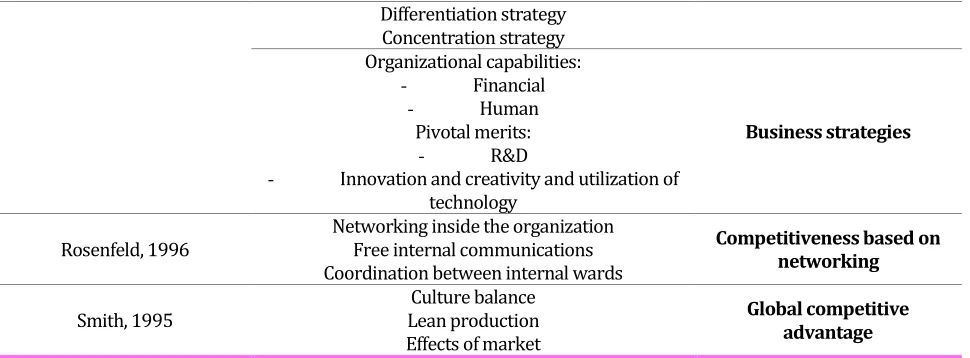
Competitive strategies Cost leadership strategy
242 | Page Differentiation strategy
Concentration strategy
Business strategies Organizational capabilities:
- Financial
- Human
Pivotal merits:
- R&D
- Innovation and creativity and utilization of
technology
Competitiveness based on networking Networking inside the organization
Free internal communications Coordination between internal wards Rosenfeld, 1996
Global competitive advantage Culture balance
Lean production Effects of market Smith, 1995
A look on the articles published about competitiveness makes it clear that these articles can be classified into some fields of studies. Although all of them deal with competitiveness, each has focused on specific
factors as a dependent variable. For instance, some papers have focused on IT and some others on role of marketing strategic management. Following table lists the papers based on their fields.
Table 2. Papers on competitiveness based field under focus
No. Author Field of study
1 Feurer & Chaharbaghi, 1994 Marketing management
2 Smith, 1995 Marketing management
3 Rosenfeld, 1996 Marketing strategic management
4 Sharma & Fisher, 1997 Strategic management
5 Rohr &Corrêa, 1998 Marketing management
6 Bessant & Francis, 1999 Marketing strategic management
7 Denton, 1999 Marketing management
8 Kumar et al, 1999 Marketing management
9 Pilcher, T, 1999 Marketing strategic management
10 Carneiro, 2000 Knowledge management
11 Petroni, 2000 Marketing management
12 Bramorski et al, 2000 IT
13 Burcher& Lee, 2000 IT
14 Smith, 2000 Marketing strategic management
15 Holsapple & Singh, 2001 Knowledge management
16 Man & Chan, 2002 Marketing strategic management
17 Ahmad et al, 2003 Marketing strategic management
18 Addis, 2003 HR management
19 Zylbersztajn&Filho, 2003 Marketing management
20 Tanabe et al, 2004 Marketing strategic management
21 Liu et al, 2004 Knowledge management
22 Sirikrai & Tang, 2006 Marketing management
23 Sahay et al, 2006 Marketing strategic management
24 Karaszewski, 2008 Knowledge management
25 Paprika et al, 2008 HR management
26 Niu et al, 2008 Marketing strategic management
27 Park et al, 2009 Marketing strategic management
28 Abeson & Taku, 2009 Knowledge management
243 | Page
30 Choi et al, 2010 Marketing management
31 Kamukama et al, 2011 Marketing strategic managementHR management
32 Phusavat et al, 2012 Marketing strategic managementHR management
33 Hallmann et al, 2012 Marketing strategic management
34 Salazar et al, 2012 HR management
35 Vinces et al, 2012 IT
36 Andreeva&Kianto, 2012 Marketing strategic management
37 Vijande et al, 2013 Marketing strategic management
38 Cetindamar & Kilitcioglu, 2013 HR management
39 Yee et al, 2013 Marketing strategic management
40 Cetindamar & Kilitcioglu, 2013 Marketing strategic management
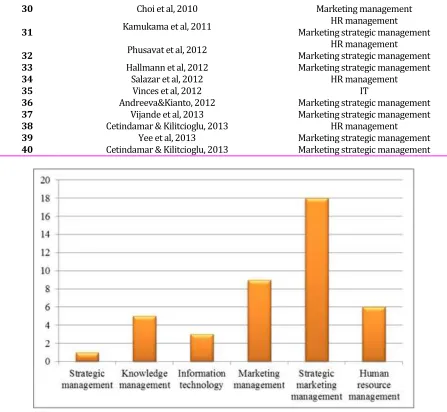
Figure 1. Studies on competitiveness based on the field under study
As demonstrated in the diagram, fields such as marketing strategic management and marketing management are the main concerns of majority of the studies, while strategic management is subject to fewer studies.
Our surveys of the 40 articles showed that in general, aspects communication capabilities, organizational capabilities, pivotal merits, and competitive intelligence were considered as the aspects effective on development of competitiveness. The table below lists the studies that dealt with these aspects.
Table 3. The aspects under study in the articles
Element under study Researcher
Communication capabilities
Feurer & Chaharbaghi, 1994 Bessant & Francis, 1999
Petroni, 2000 Zylbersztajn & Filho, 2003
244 | Page Paprika et al, 2008
Abeson & Taku, 2009 Choi et al, 2010 Hallmann et al, 2012
Vijande et al, 2013 Yee et al, 2013
Organizational capacities
Feurer & Chaharbaghi, 1994 Sharma & Fisher, 1997
Kumar et al, 1999 Pilcher, T, 1999
Carneiro, 2000 Petroni, 2000 Burcher& Lee, 2000 Holsapple& Singh, 2001
Ahmad et al, 2003 Addis, 2003 Sirikrai & Tang, 2006
Karaszewski, 2008 Sahay et al, 2006
Niu et al, 2008 Park et al, 2009 Abeson & Taku, 2009 Kamukama et al, 2011
Phusavat et al, 2012 Hallmann et al, 2012 Salazar et al, 2012 Andreeva & Kianto, 2012
Vinces et al, 2012 Cetindamar & Kilitcioglu, 2013
Yee et al, 2013 Cetindamar & Kilitcioglu, 2013
Pivotal merits
Feurer & Chaharbaghi, 1994 Sharma & Fisher, 1997
Denton, 1999 Bessant& Francis, 1999
Carneiro, 2000 Petroni, 2000 Holsapple& Singh, 2001
Man & Chan, 2002 Karaszewski, 2008 Paprika et al, 2008
Niu et al, 2008
Kiggundu & Uruthirapathy, 2010 Choi et al, 2010
Hallmann et al, 2012 Salazar et al, 2012 Vijande et al, 2013 Cetindamar & Kilitcioglu, 2013
Yee et al, 2013 Cetindamar & Kilitcioglu, 2013
245 | Page
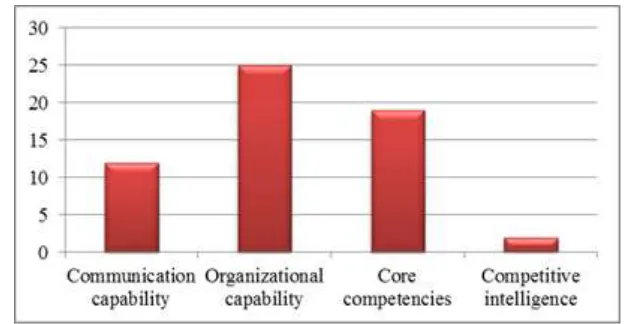
Figure 2. The aspects dealt with in previous and present studies
Discussion and Conclusion
Flied analysis was conducted to survey published articles on competitiveness and the aspects, which were indexed in two creditable scientific datacenters Emerald and Science Direct. The goals of the survey were to determine the effective factors on competitiveness of businesses. Out of the 40 articles surveyed in this study, the main aspects for measuring competitiveness were found, including competitive intelligence, pivotal merits, organizational capabilities, and communication capabilities. Among
them, organizational capabilities and
competitive intelligence had the highest and lowest applications. As the results showed, competitiveness has been surveyed in marketing strategic management, strategic management, marketing management, IT,
knowledge management, and HR
management. Furthermore, maximum and minimum frequencies were marketing
strategic management and strategic
management respectively. These results might be helpful for further researches on
competitiveness, its aspects, and
measurements at businesses level.
References
Abeson, F. and Taku, M. (2009). Knowledge source and small business competitiveness,
Competitiveness Review: An International
Business Journal incorporating Journal of Global Competitiveness, 19(2), 88- 95.
Adids, M. (2003). Basic skills and small business competitiveness: some conceptual consideration, Journal of Education +
Training, 45(3), 152-161.
Ahmad, S., Schroeder, R. and Sinha, K. (2003). The role of infrastructure practices in the effectiveness of JIT practices: implications for plant competitiveness, J. Eng. Technol.
Manage, 20, 161–191.
Andreeva, T. and Kianto, A. (2012). Does knowledge management really matter? Linking knowledge management practices, competitiveness and economic performance,
Journal of Knowledge Management, 16(4),
617-636.
Barkely, I., Dann, Z., and Holroyd, P. (2000). New Product Development: a Practical Workbook for Improving Performance, McGrow-Hill Companies, Inc.
Bessant, J. and Francis, D. (1999). Using learning networks to help improve
manufacturing competitiveness,
Technovation, 19, 373–381.
Bramorski, T., Madan, M., Motwani, F., and
Sundarraj, R. (2000). Improving
246 | Page
manufacturers through information
technology, Logistics Information
Management, 13(4), 201-209.
Burcher, P. and Lee, G. (2000).
Competitiveness strategies and AMT
investment decisions, Integrated
Manufacturing Systems, 11(5), 340-347.
Carneiro, A. (2000). How does knowledge management influence innovation and competitiveness? Journal of Knowledge
Management, 4(2), 87-98.
Cetindamar, D. and Kilitcioglu, H. (2013). Measuring the competitiveness of a firm for an award system, Competitiveness Review: An
International Business Journal incorporating Journal of Global Competitiveness, 23(1), 7 –
22.
Choi, B., Kim, J., Leem, B., Lee, C. and Hong, H. (2012). Empirical analysis of the relationship between Six Sigma management activities and corporate competitiveness Focusing on Samsung Group in Korea, International
Journal of Operations & Production Management, 32(5), 528-550.
Denton, D. (1999). Gaining competitiveness through innovation, European Journal of
Innovation Management, 2(2), 82–85.
Feurer, R. and Chaharbaghi, K. (1994).
Defining Competitiveness: A Holistic
Approach, Management Decision, 32(2), 49-58.
Haahti, A., Madupa, V., and Yvas, U. and Babakus, E. (2005). Cooperative strategy, knowledge intensity and export performance of small and medium sized enterprises,
Journal of world Business, 40, 124-138.
Hallmann, K. et al (2012). Suppliers' perception of destination competitiveness in a winter sport resort, Tourism Review, 6(2), 13 – 21.
Holsapple, C. and Singh, M. (2001). The knowledge chain model: activities for competitiveness, Expert Systems with
Applications, 20, 77–98.
Kamukama, N. et al (2011). Competitive advantage: mediator of intellectual capital and performance, Journal of Intellectual
Capital, 12(1), 152 – 164.
Karaszewski, R. (2008). The influence of KM on global corporations' competitiveness,
Journal of Knowledge Management, 12(3),
63– 70.
Kiggundu, M. and Uruthirapathy, A. (2010).
Canada's global and business
competitiveness: competition policy reform in a changing world, Competitiveness Review:
An International Business Journal incorporating Journal of Global Competitiveness, 20(4), 288 – 304.
Kumar, A., Motwani, J., Douglas, C. and Das, N. (1999). A quality competitiveness index for
benchmarking, Benchmarking: An
International Journal, 6(1), 12-21.
Liu, P., Chen, W., and Tsai, C. (2004). An empirical study on the correlation between knowledge management capability and competitiveness in Taiwan’s industries,
Technovation, 24, 971–977.
Liu, S. and et al. (2003). Market-oriented organizations in an emerging economy, a study of missing links, Journal of Business
Research, 56, 485.
Man, T. and Chan, T. (2002). The competitiveness of small and medium enterprises: A conceptualization with focus on entrepreneurial competencies, Journal of
Business Venturing, 17, 123–142.
Niu, K. et al., (2008). Strategic development of network clusters: A study of high technology
regional development and global
247 | Page
International Business Journal incorporating Journal of Global Competitiveness, 18(3), 176–
191.
Paprika, Z. Wimmer, A., and Szanto, R. (2008).
Managerial decision making and
competitiveness: the case of Hungary,
Competitiveness Review: An International Business Journal incorporating Journal of Global Competitiveness, 18(1), 154 – 167.
Park, Y., Choi, J., and Zhang, A. (2009). Evaluating competitiveness of air cargo express services, Transportation Research
Part E, 45, 321–334.
Peteraf, M.A. (1993). The Cornerstones of Competitive Advantage: A Resource-based View, Strategic Management Journal, 14, 179-191.
Petroni, A. (2000). The future of insurance
industry in Italy: determinants of
competitiveness in the 2000s, Futures, 32, 417–434.
Phusavat, K. et al., (2012). Intellectual capital:
national implications for industrial
competitiveness, Industrial Management &
Data Systems, 112(6), 866-890.
Pilcher, T. (1999). Company benchmarking as a tool to aid competitiveness, The TQM
Magazine, 11(1), 49–53.
Pillania, R. (2009). Competitiveness and emerging markets, Business Strategy Series, 10(2), 90 – 95.
Rohr, S. and Corrêa, H. (1998). Time-based competitiveness in Brazil: whys and hows,
International Journal of Operations & Production Management, 18(3), 233-245.
Rosenfeld, S. (1996). Does cooperation enhance competitiveness? Assessing the impacts of inter-firm collaboration, Research
Policy, 25, 247-263.
Sahay, B., Gupta, J., and Mohan, R. (2006). Managing supply chains for competitiveness:
the Indian scenario, Supply Chain
Management: An International Journal, 11(1),
15 – 24.
Salazar, M., Vilchez, V., and Pozo, E. (2012). Coaching: an effective practice for business competitiveness, Competitiveness Review: An
International Business Journal, 22(5),
423-433.
Sharma, B. and Fisher, T. (1997). Functional strategies and competitiveness: an empirical analysis using data from Australian manufacturing, Benchmarking for Quality
Management & Technology, 4(4), 286-294.
Sirikrai, S. and Tang, G. (2006). Industrial competitiveness analysis: Using the analytic hierarchy process, Journal of High Technology
Management Research, 17, 71–83.
Smith, A. (2000). Using consumer
benchmarking criteria to improve service sector competitiveness, Benchmarking: An
International Journal, 7(5), 373-388.
Smith, S. (1995). World-class
competitiveness, Managing Service Quality, 5(5), 36–42.
Tanabe, M., Angelo, C., and Alexander, N. (2004). The effectiveness of strategic planning: competitiveness in the Brazilian supermarket sector, Journal of Retailing and
Consumer Services, 11, 51–59.
Vijande, M., Lanza, A., Álvarez, L., and Martín, A. (2013). The brand management system and service firm competitiveness, Journal of
Business Research, 66, 148–157.
248 | Page Yee, R., Yeung, A., Cheng, T.C., and Lee, P.K.C.
(2013). Market competitiveness and quality
performance in high-contact service
industries, Industrial Management & Data
Systems, 113(4), 573-588.
Zylbersztajn, D. and Filho, M. (2003). Competitiveness of meat agri-food chain in Brazil, Supply Chain Management: An
International Journal, 8(2), 155-165.
How to cite this article:Seyed Mahmoud Hosseini, Manijeh Gareche, Masoud Taheri,
Corporate Competitiveness: a Systematic Review. International Journal of Advanced
Studies in Humanities and Social Science, 2018, 7(3), 232-248.